

The find of a lifetime
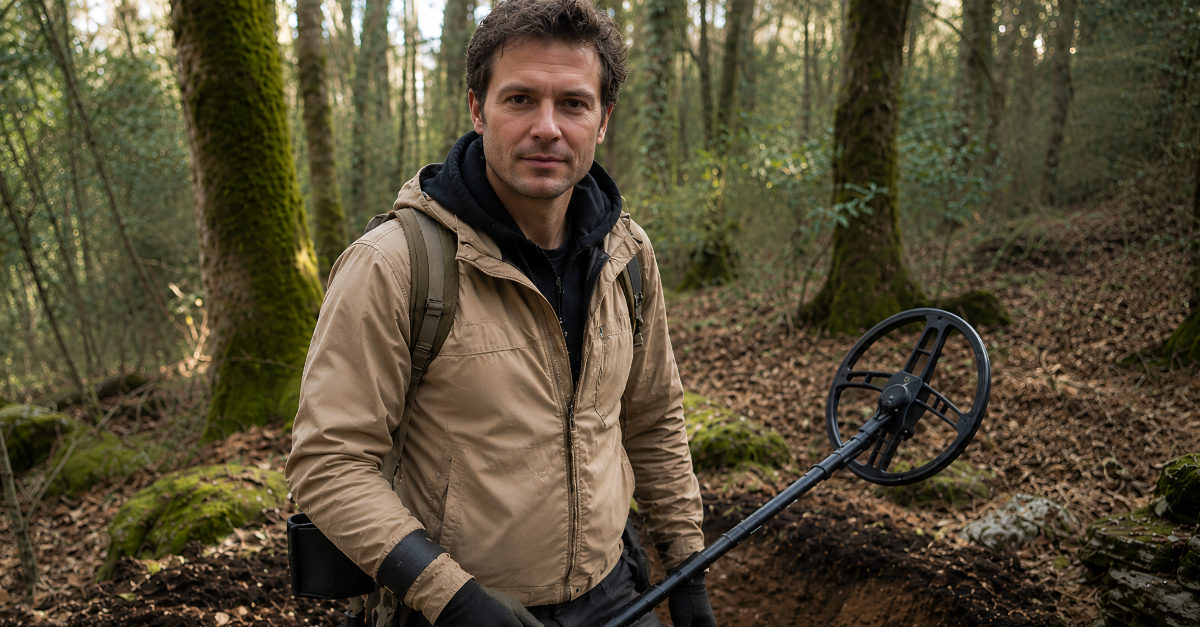
Most people walking around with a metal detector are hoping to find an old coin, a lost ring or at least something more exciting than another bottle cap.
One man searching near a small German village found something much bigger. Then, instead of telling anyone, he quietly took it home and kept it hidden for eight years. Why?
Just another day with a metal detector
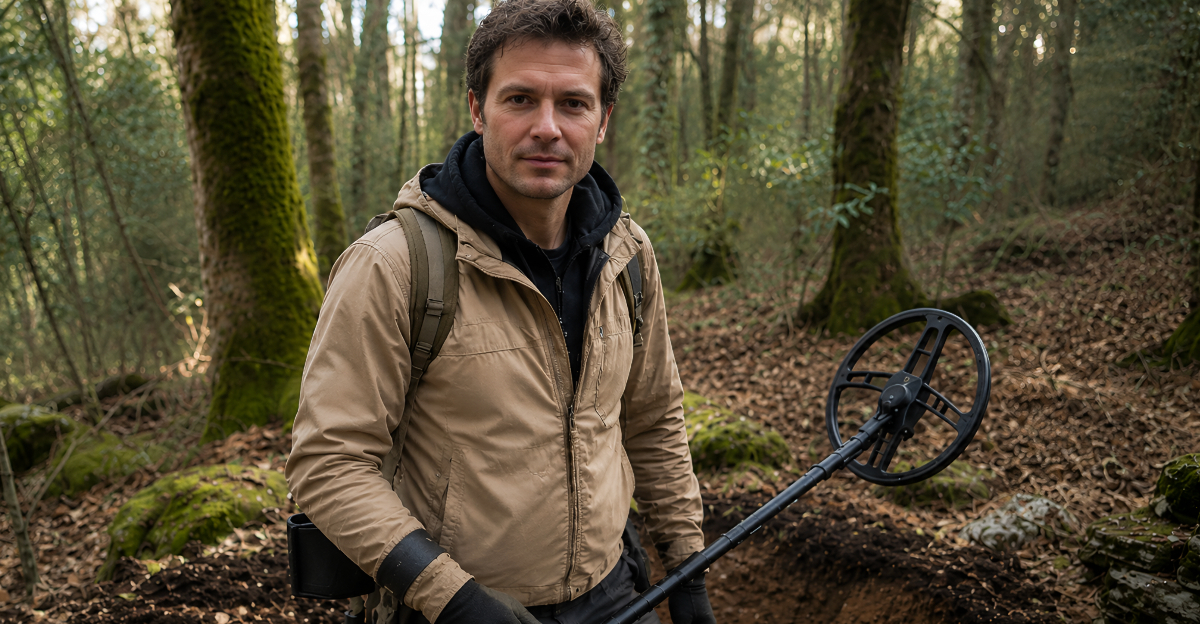
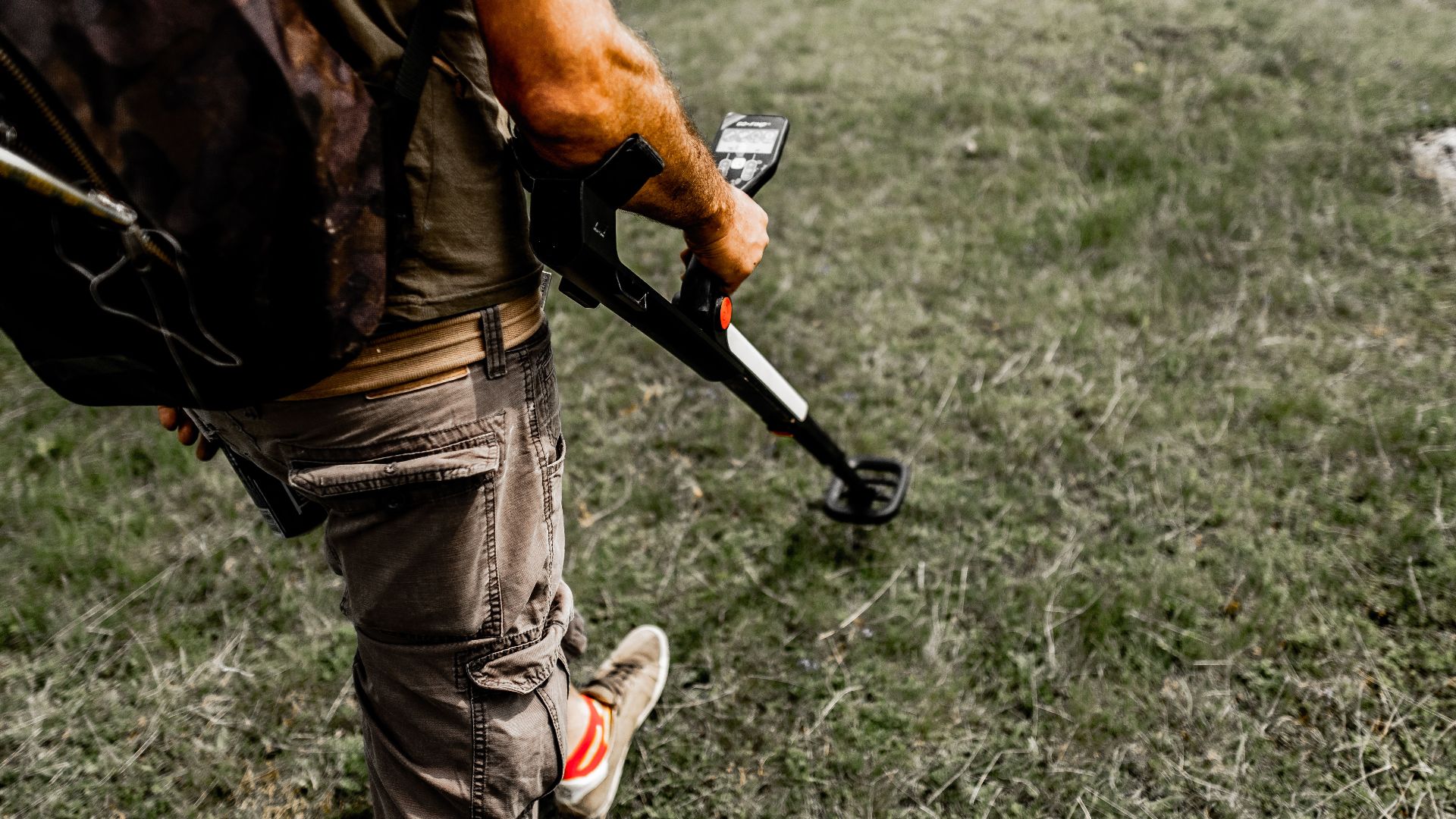
It happened in 2017 near Borsum, a small village in Germany’s Lower Saxony region. Jannik Pauli was searching a wooded area with a metal detector when the machine suddenly picked up a strong signal beneath the ground.
 Frisia Orientalis, Wikimedia Commons
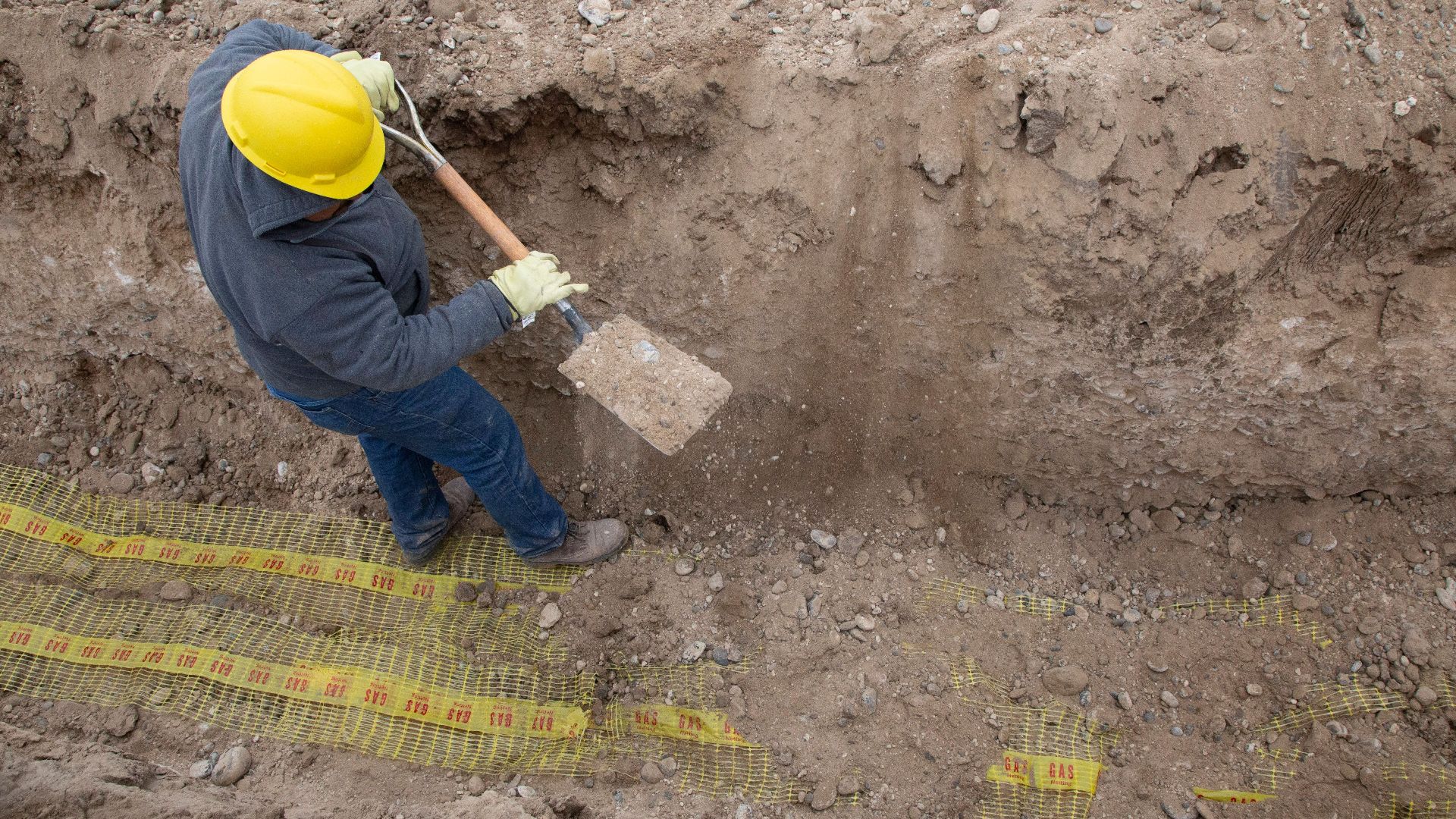
Then he started digging
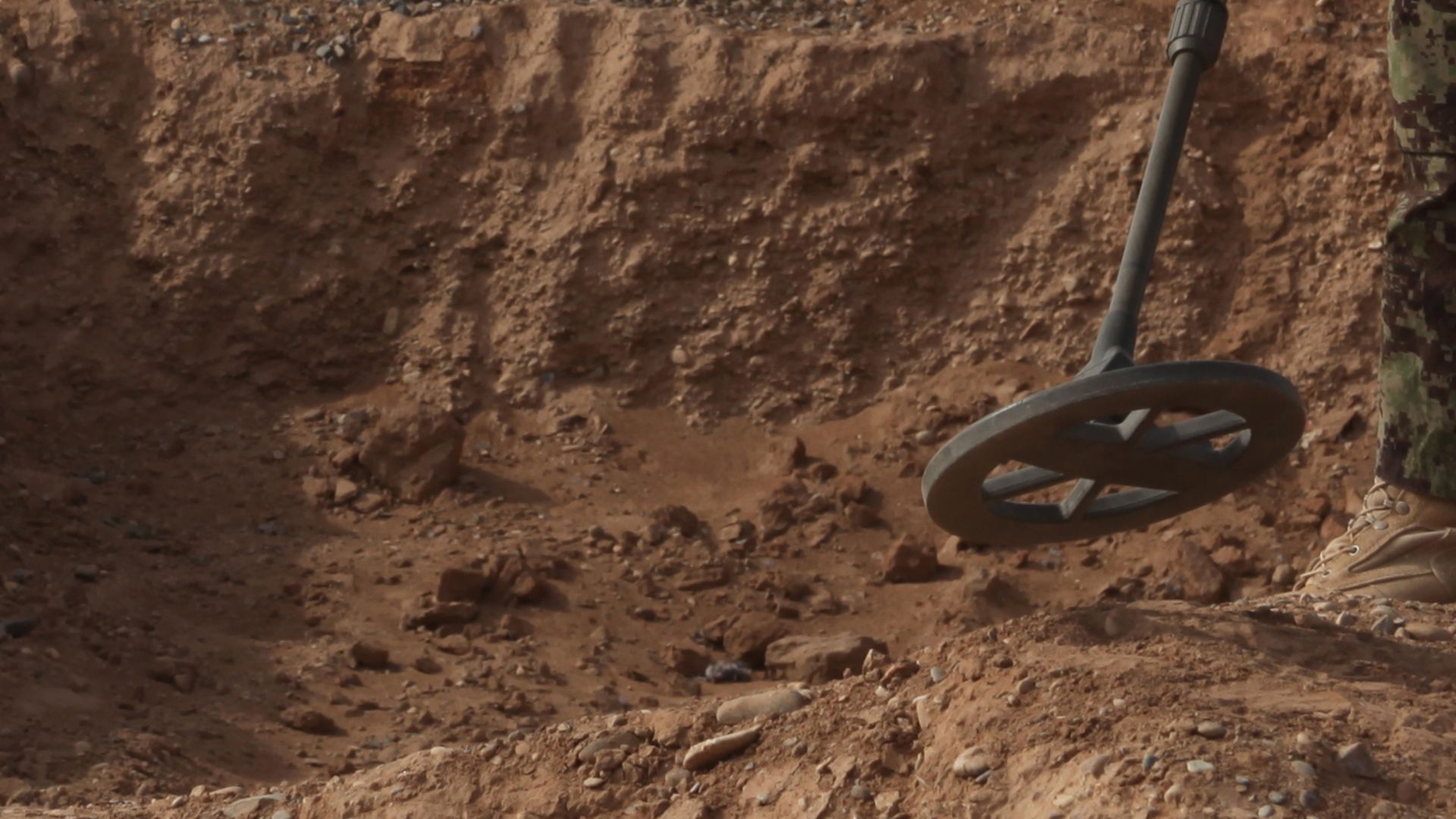
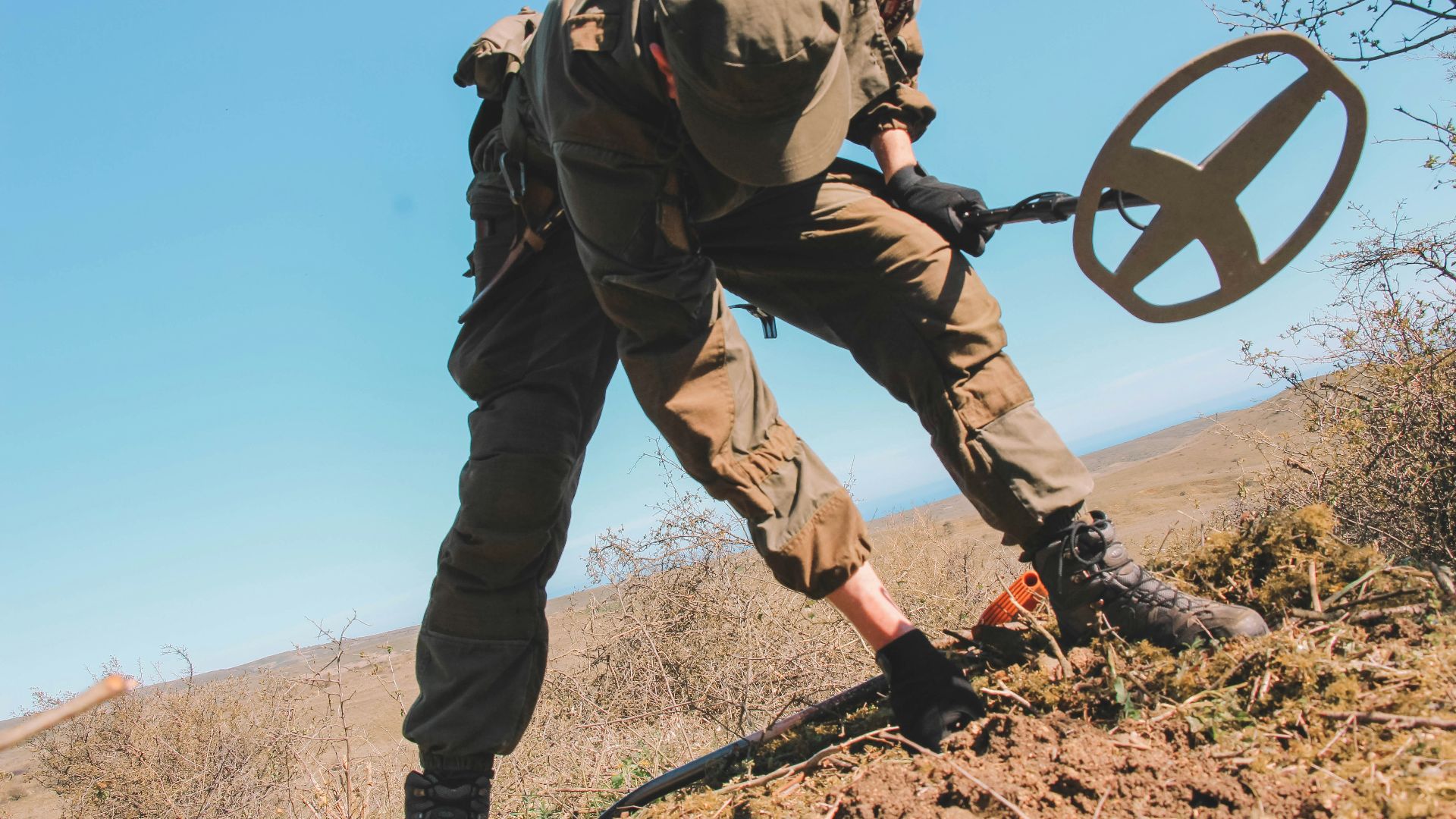
At first, there was no reason to think this signal would be any different from all the ordinary metal buried across the countryside. But once Pauli got through the soil, one old object became several. This was not something an unlucky traveller had simply dropped.
 Staff Sgt. Andrew Miller, Wikimedia Commons
The ground kept giving
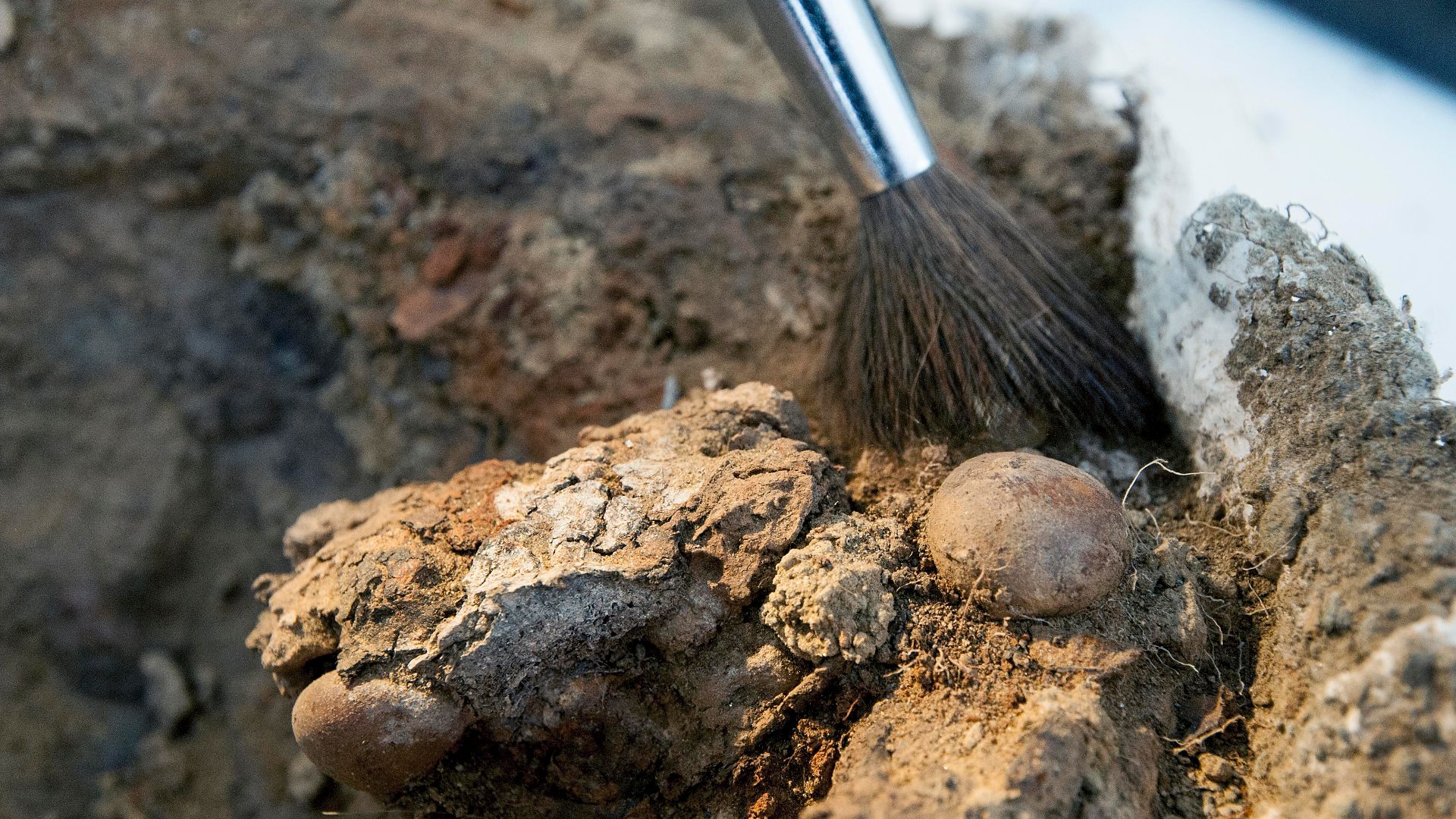
The more Pauli dug, the larger the find became. There were coins, several silver bars, four silver pins and enough ancient-looking material to make it clear that someone had deliberately placed a small fortune in this exact spot.
 NTNU Vitenskapsmuseet, Wikimedia Commons
Then came the gold
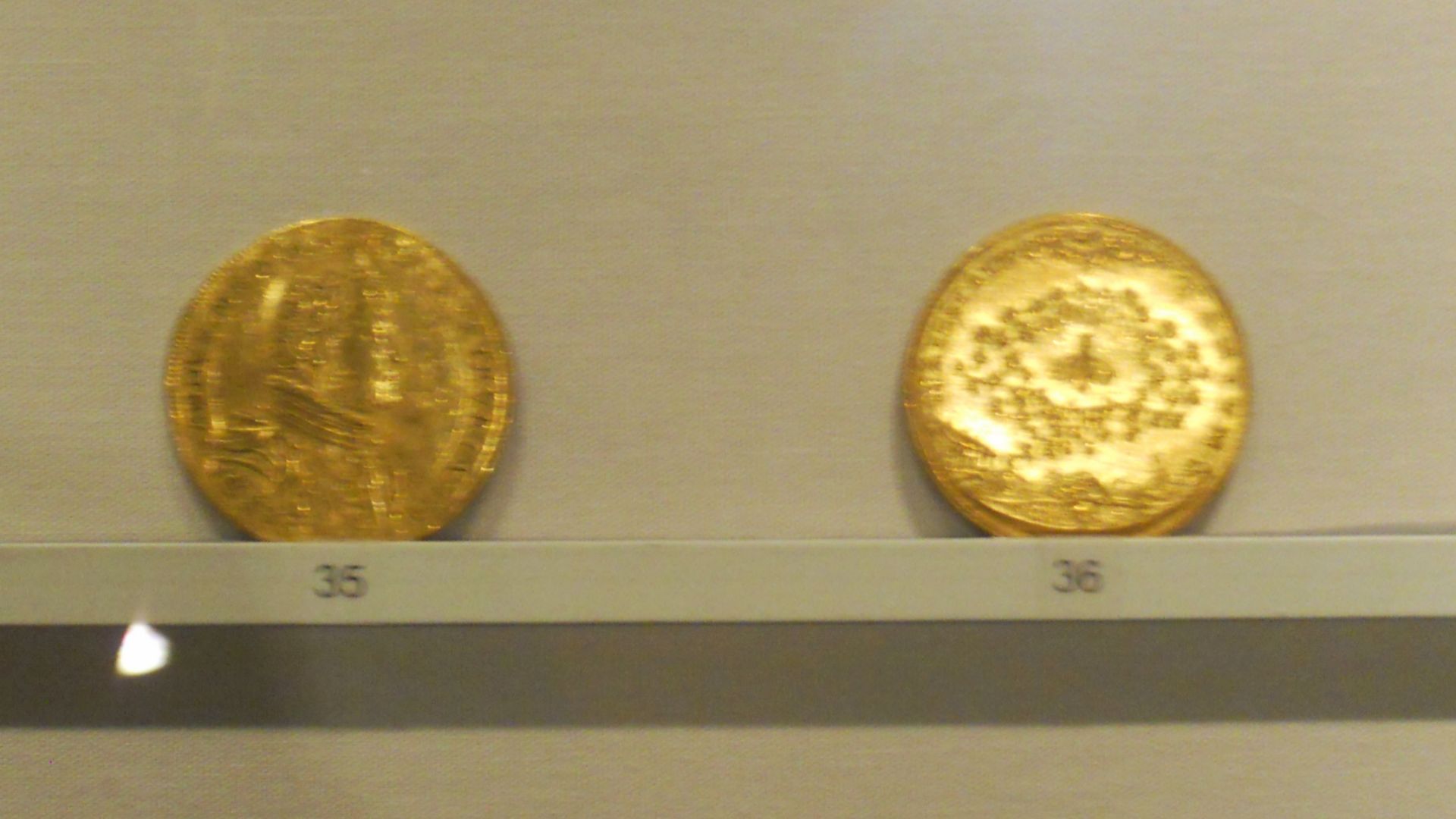
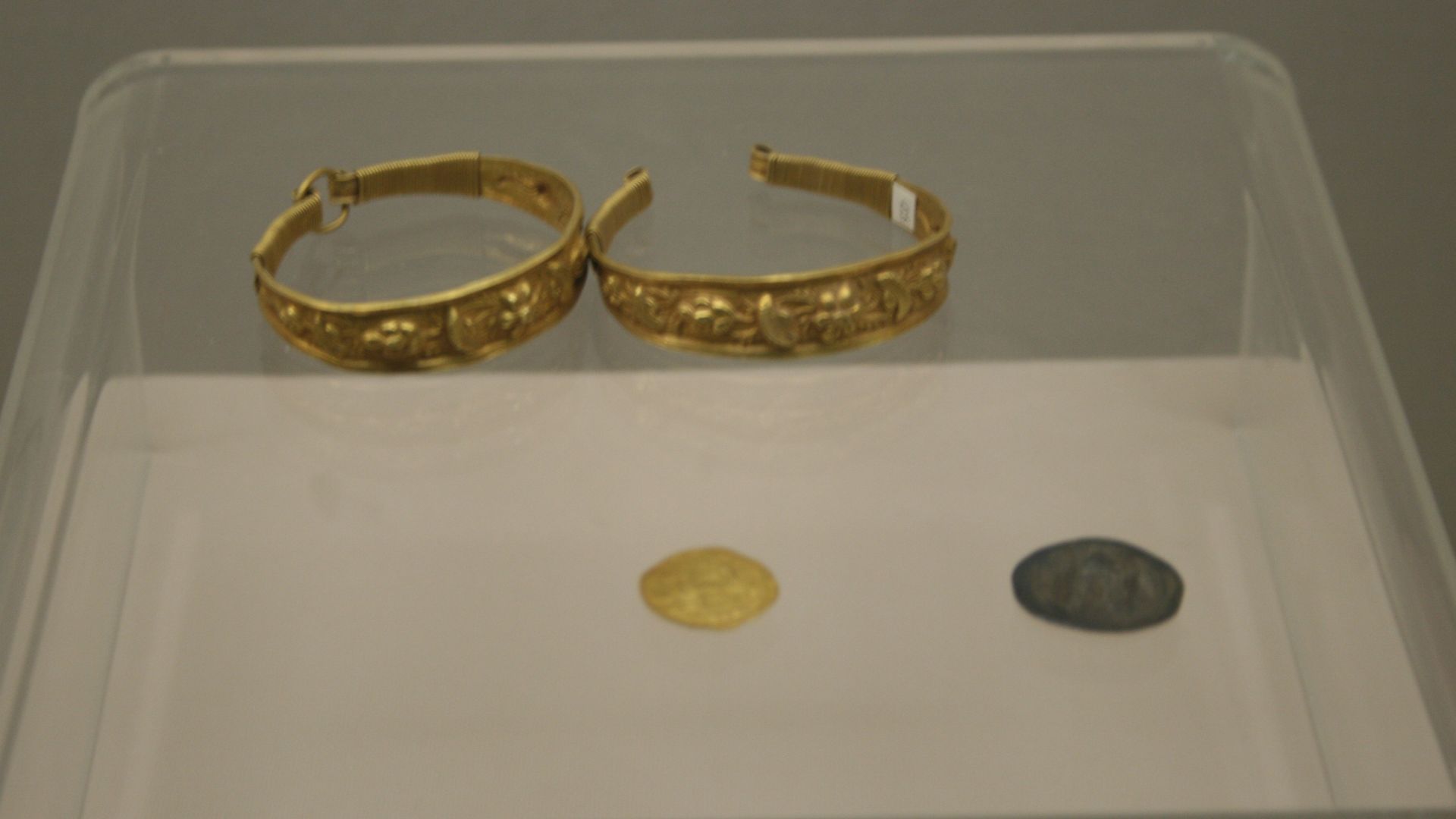
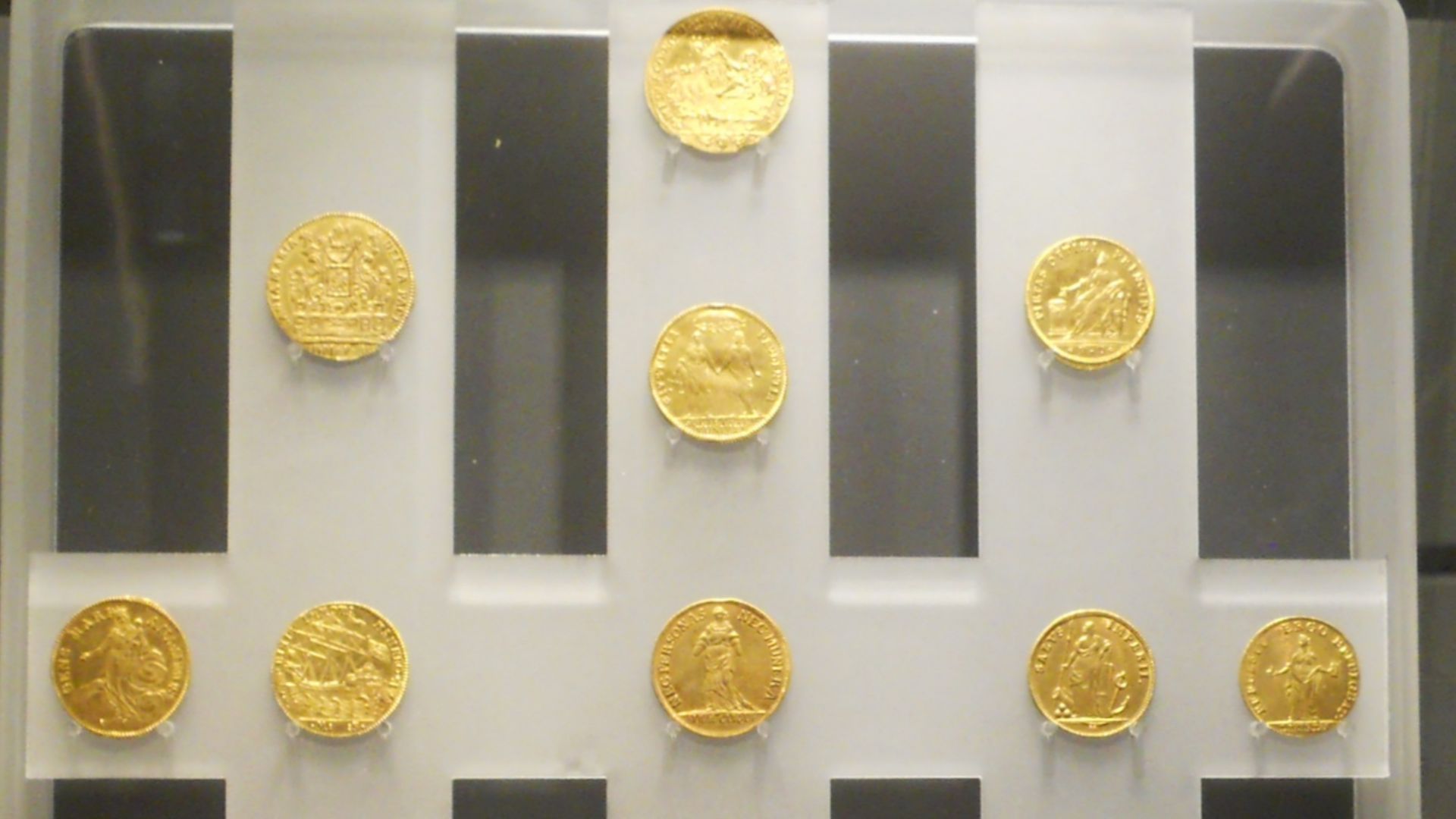
Mixed in with all that silver was a gold ring and a single gold coin. What began as one interesting signal had become the kind of discovery metal detectorists spend their entire lives hoping to make—and Pauli still had no idea just how important it was.
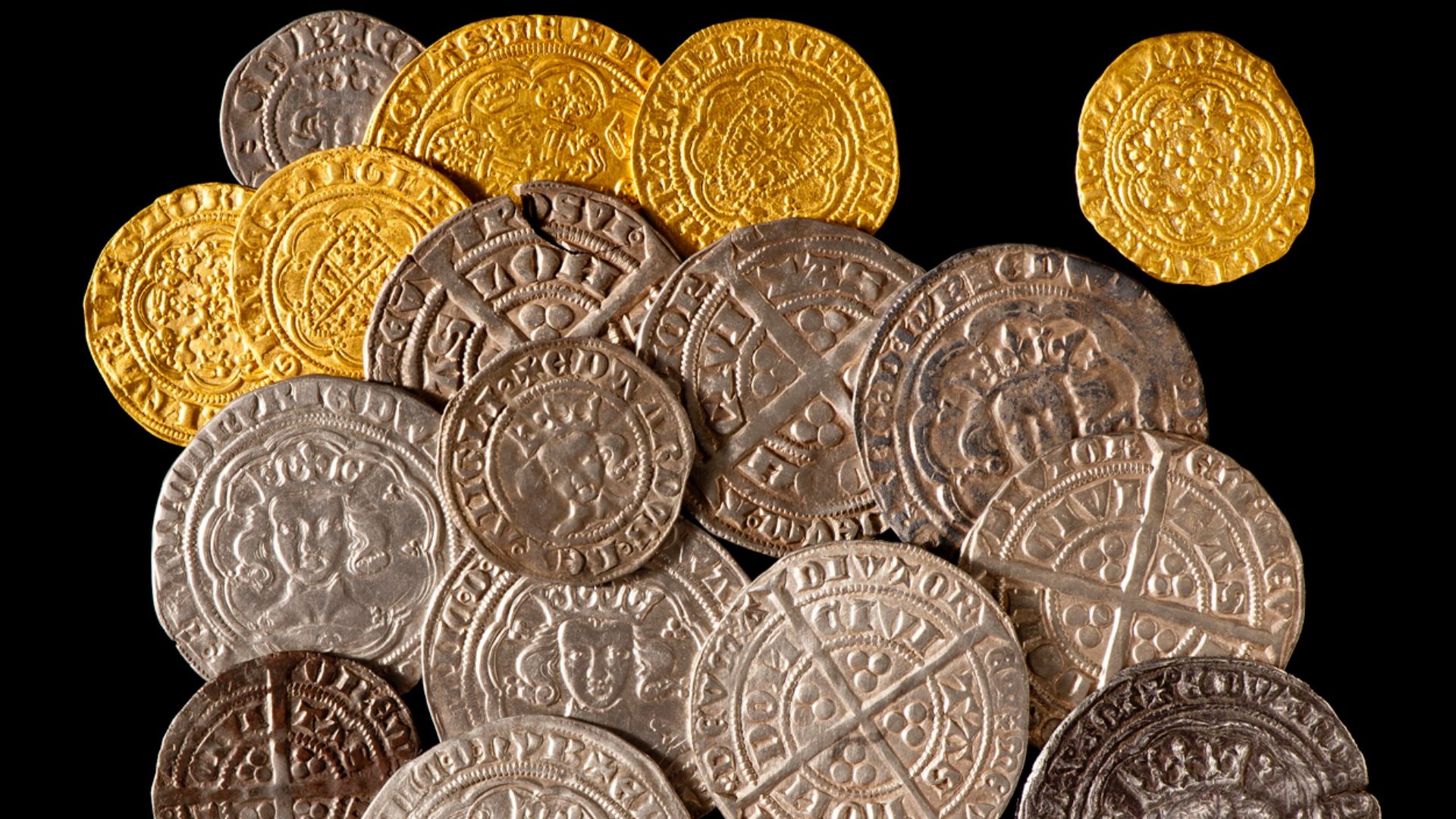
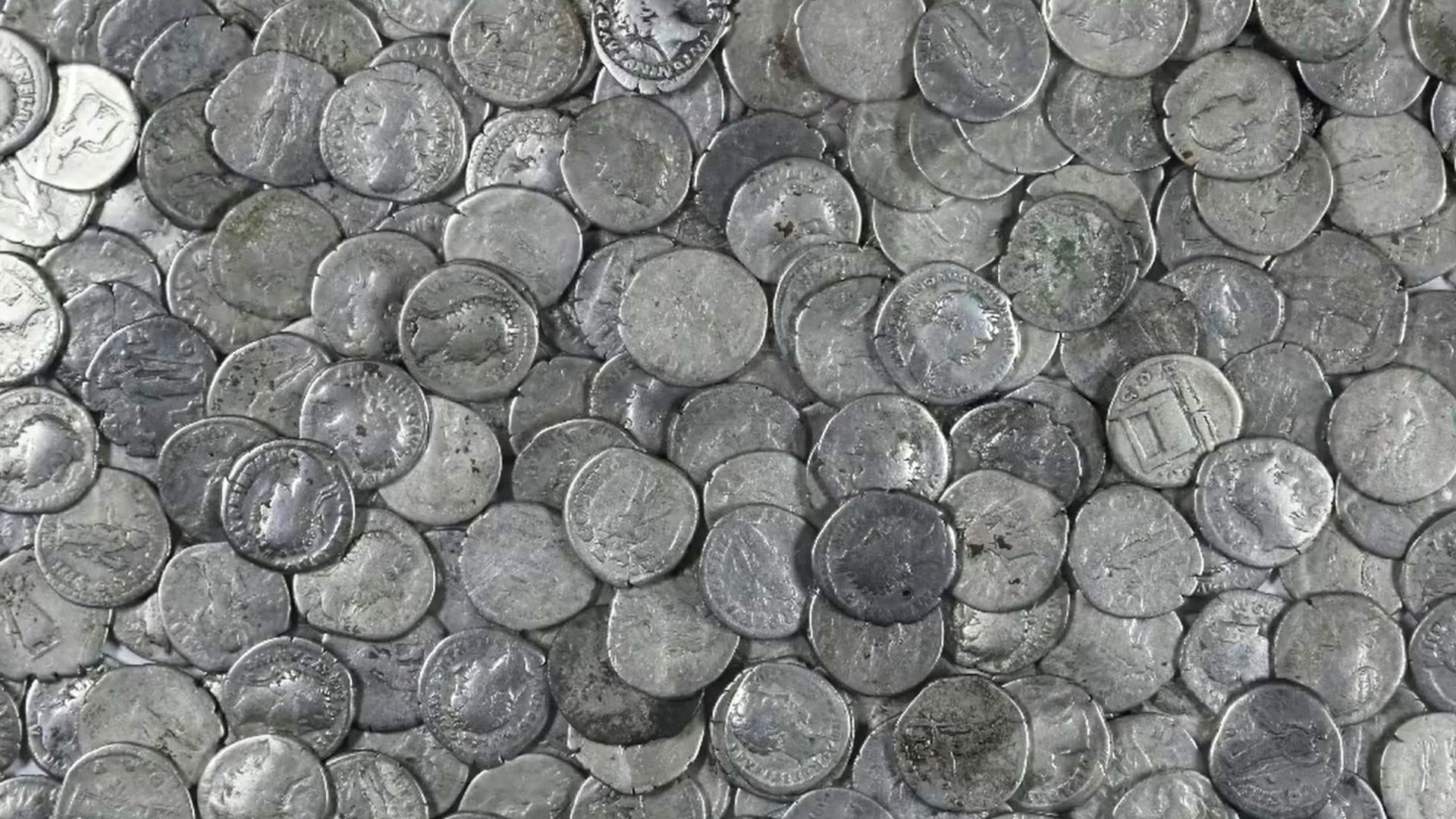
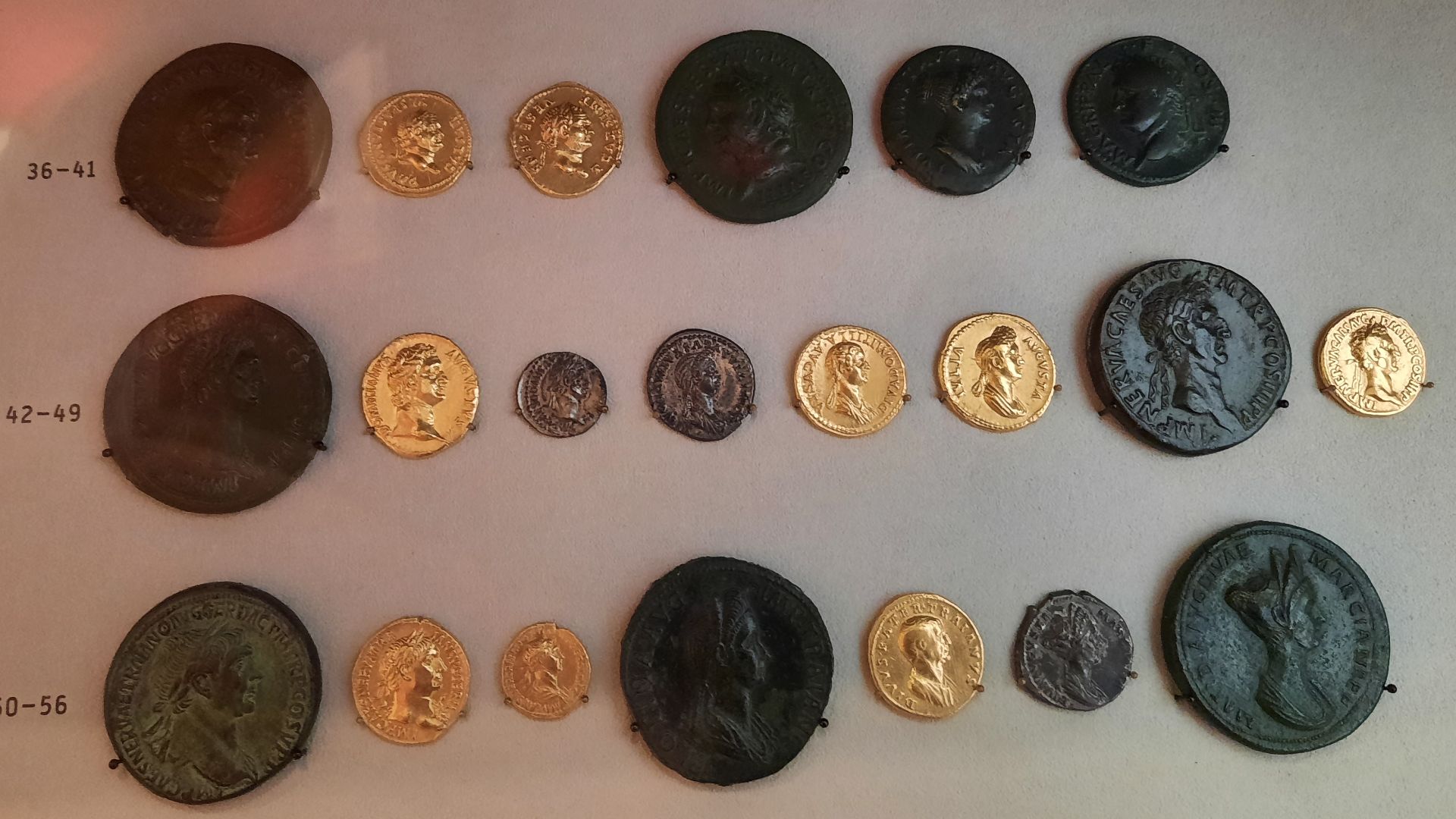
There were hundreds of coins
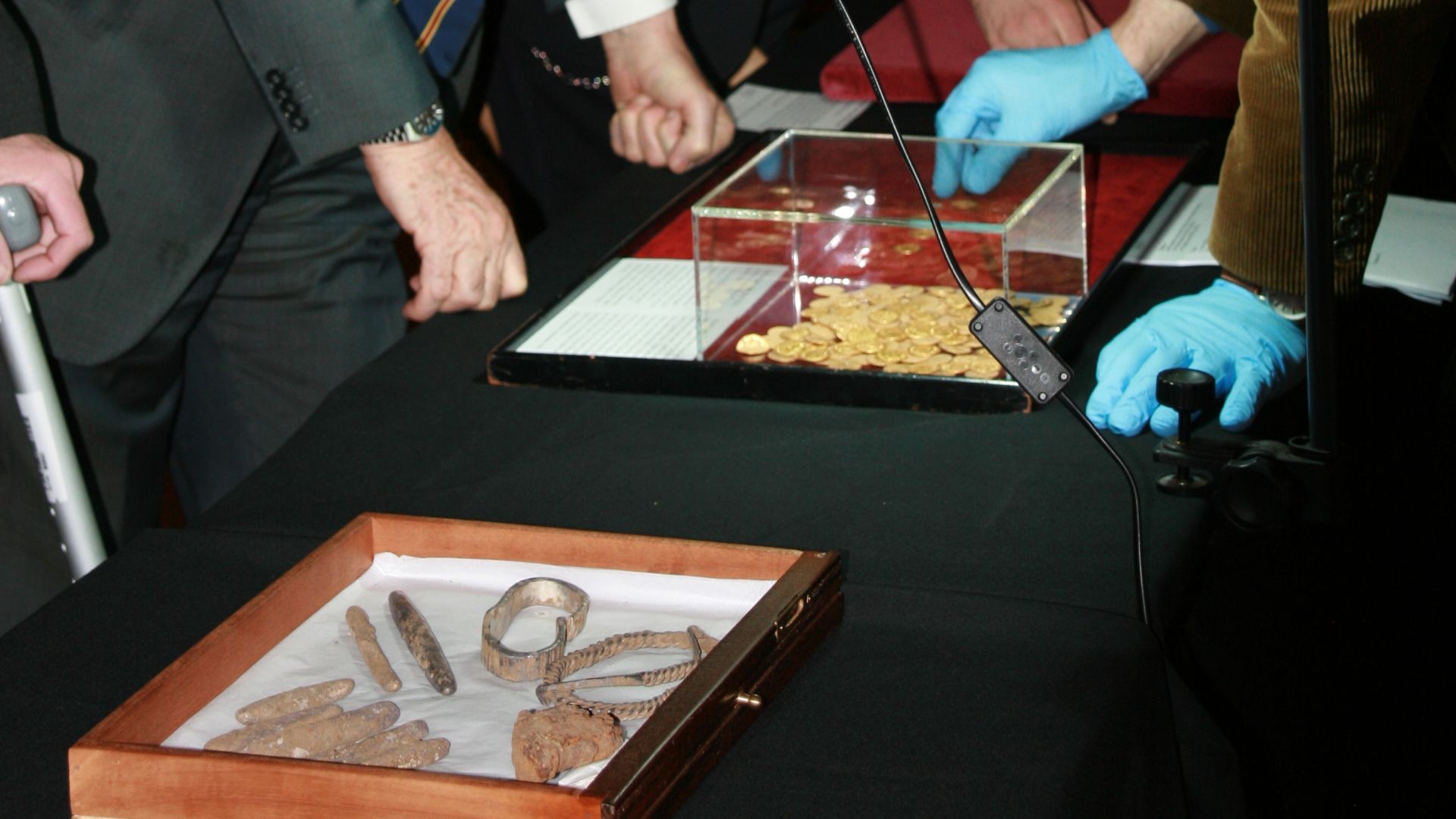
Pauli had uncovered hundreds of silver coins, along with the gold coin, ring, silver bars and pins. He may not have known their exact age or history, but he knew this was far beyond an ordinary afternoon with a metal detector.
 Gary Todd from Xinzheng, China, Wikimedia Commons
So why would he hide it?
Pauli appeared to have found an ancient fortune beneath the ground. You might expect the next call to be to a museum, an archaeologist or at least someone who knew what to do. Instead, he gathered the objects together and took them home.
 Portable Antiquities Scheme from London, England, Wikimedia Commons
He was not supposed to be searching there
Pauli did not have the official permission required to search with a metal detector in Lower Saxony. Reporting the treasure would reveal what he had found, but it would also mean admitting exactly what he had been doing when he found it.
So he took everything home
Pauli removed the objects himself, carried them away from the site and reportedly stored them in his attic. Then he said nothing. What appeared to be a major ancient treasure had finally been uncovered—only to disappear inside a private home.
And it stayed there for eight years
This was not something Pauli kept secret for a nervous weekend while deciding what to do. He held onto the treasure for eight years because he feared trouble with the authorities. Meanwhile, archaeologists had no idea the objects or their discovery site even existed.
 Mark Lodwick, Mark Lodwick, 2014-07-28 12:27:34, Wikimedia Commons
This was an unusual place to find it
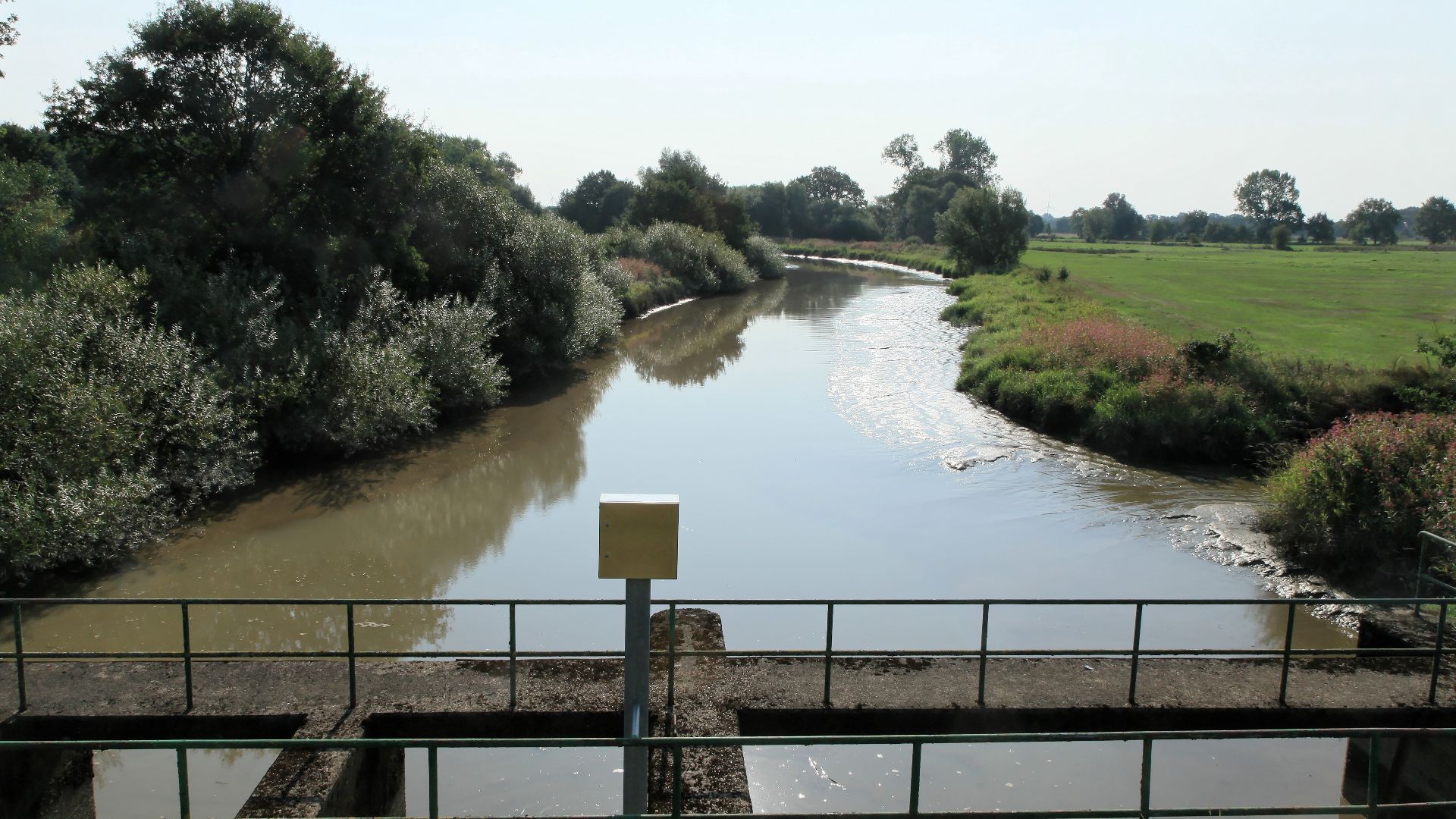
Borsum was outside the settled heart of the Roman Empire. The region experienced contact between Romans and Germanic communities through travel, commerce and military activity, which makes the identity of the treasure’s original owner surprisingly difficult to establish.
 Frank Vincentz, Wikimedia Commons
Romans or Germanic tribes?
Roman soldiers, merchants or travellers may have placed the treasure underground while moving through the region. But Germanic people also acquired Roman coins and silver. Archaeologists are not yet sure whether the hoard belonged to Romans—or was Roman wealth in Germanic hands.
 Unknown authorUnknown author, Wikimedia Commons
Someone may have planned to return
If this was a hidden fortune, whoever buried it probably expected to come back. But archaeologists cannot yet rule out other explanations for why the objects were placed underground. That uncertainty is exactly why the disturbed soil mattered so much.
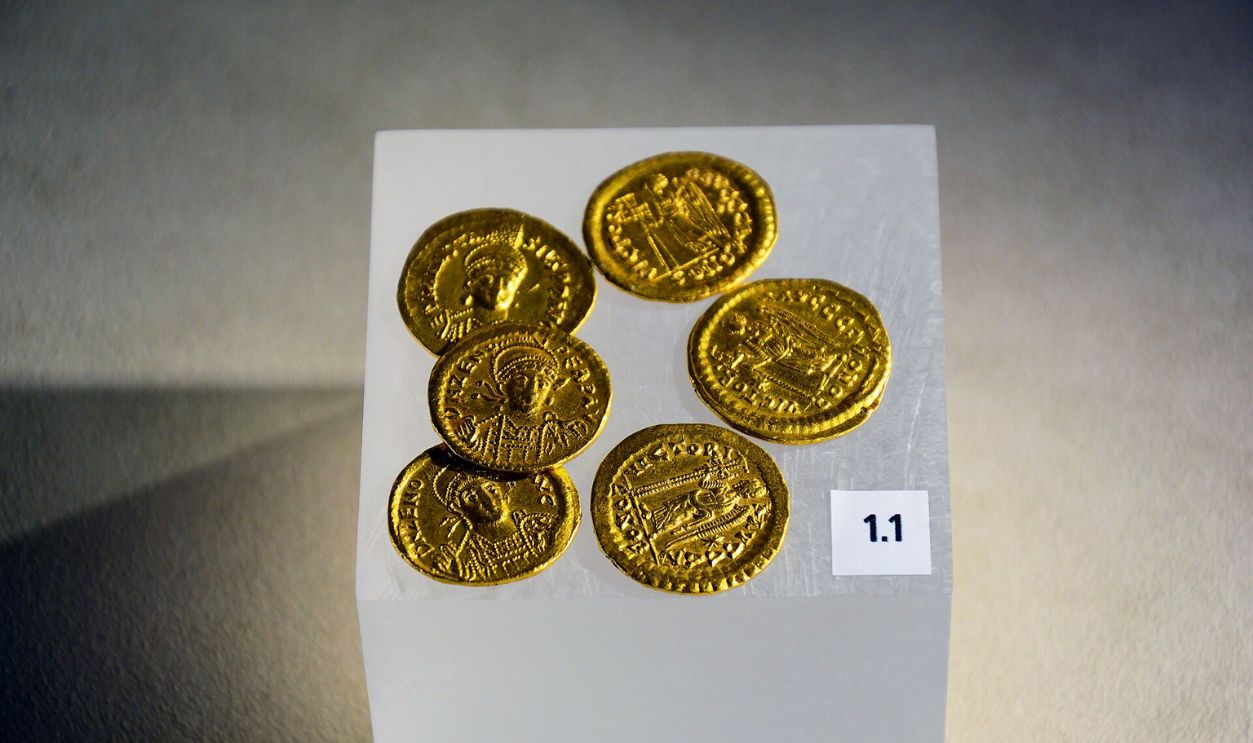 National Archaeological Museum of Taranto, CC BY-SA 4.0, Wikimedia Commons
The dirt was part of the discovery
To most people, the treasure was the coins, silver and gold. To archaeologists, the soil and exact positioning of those objects could be just as valuable. They might reveal whether everything had been wrapped, placed inside a container or buried as part of something larger.
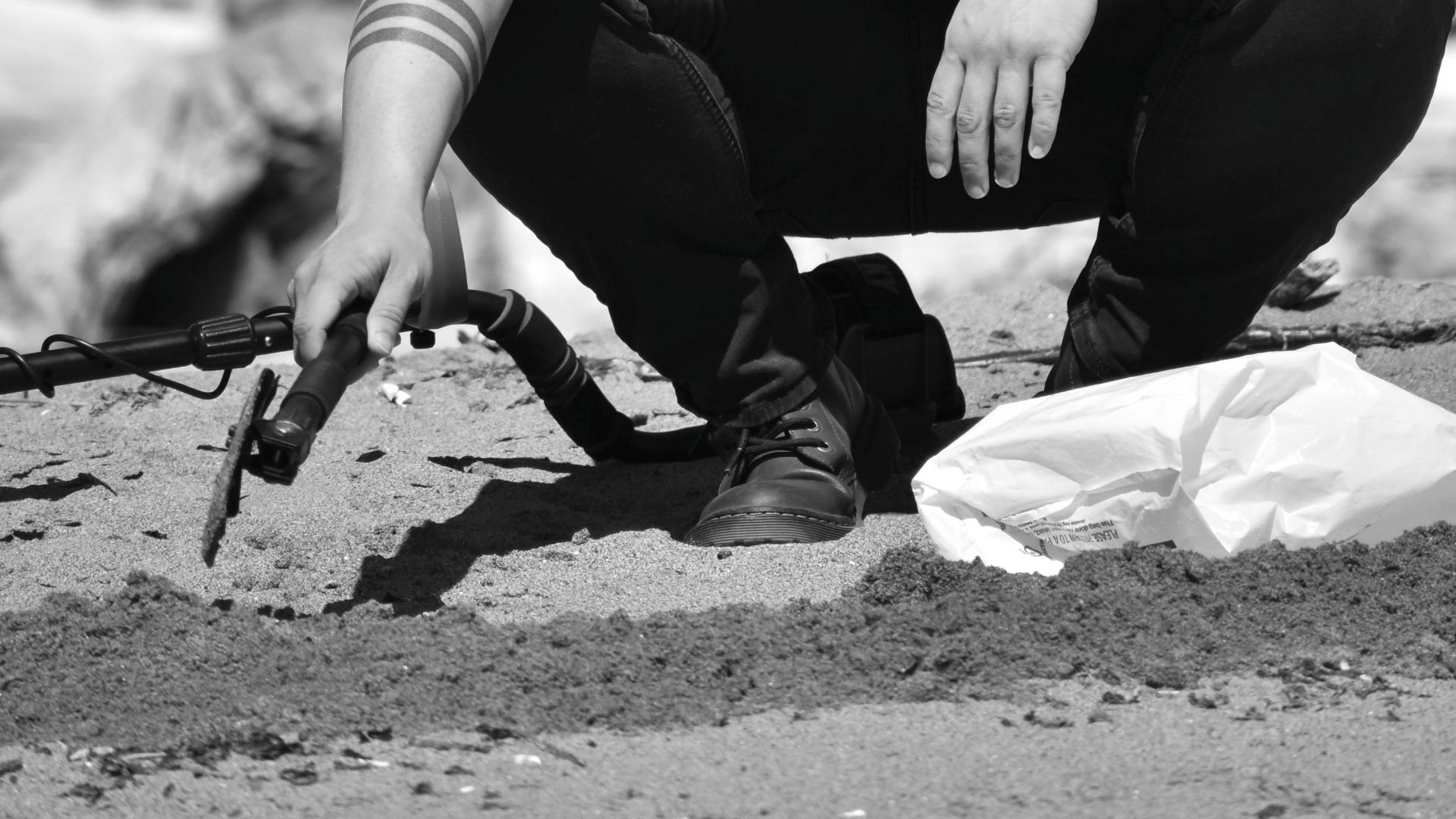
That story may be gone forever
Because Pauli removed the objects without documenting them, the original archaeological context was destroyed. Experts can no longer be certain whether this was a hidden fortune, material connected to a grave or objects once held together by fabric or another container that has since disappeared.
Then he finally handed it over
In April 2025, Pauli handed the treasure to police and showed archaeologists the area where he said he had found it. After keeping the discovery hidden since 2017, he was finally ready to tell authorities what had happened.

Why did he finally come forward?
Pauli said fear of legal trouble was what kept him quiet for so long. What public reports do not explain is why he finally changed his mind in April 2025. Whatever prompted the decision, the eight-year delay would soon make an enormous difference.
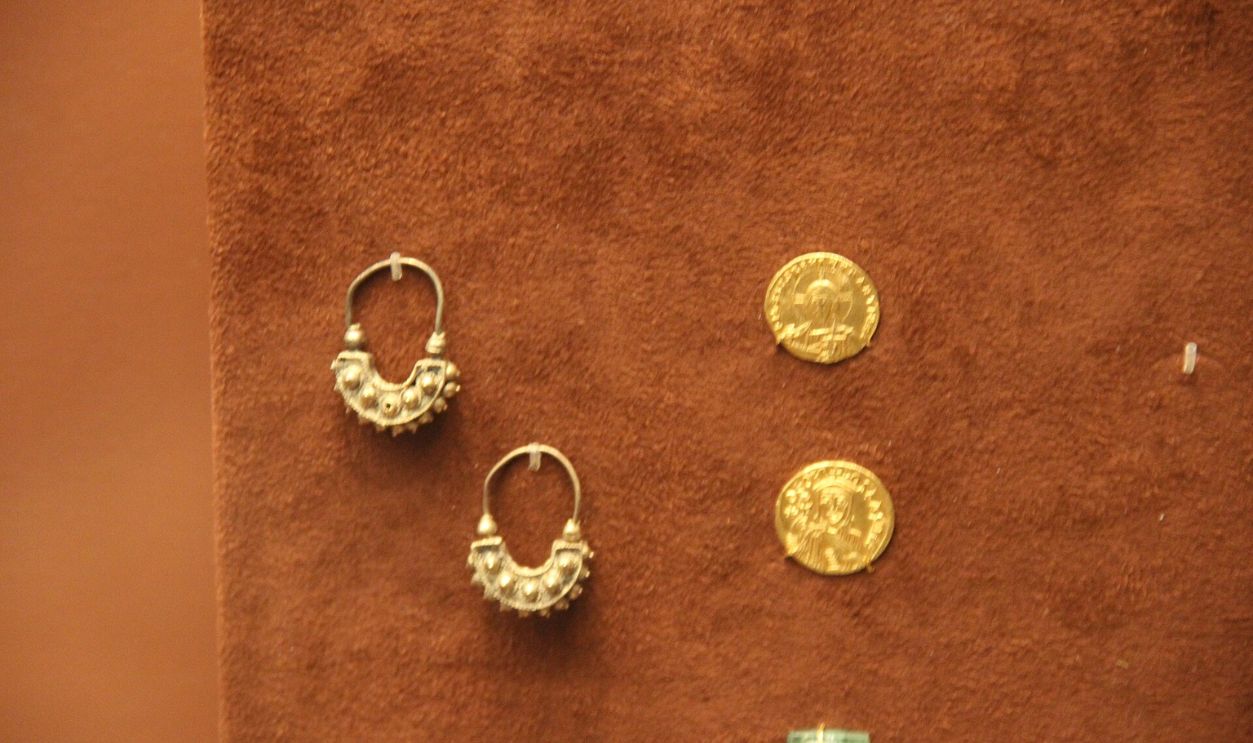 Gary Todd from Xinzheng, China, CC0, Wikimedia Commons
The timing worked in his favour
Prosecutors opened an investigation over the hidden treasure, but the case was closed because the applicable limitation period had already expired. Pauli had not been cleared because authorities approved of what he did. They had simply learned about it too late.
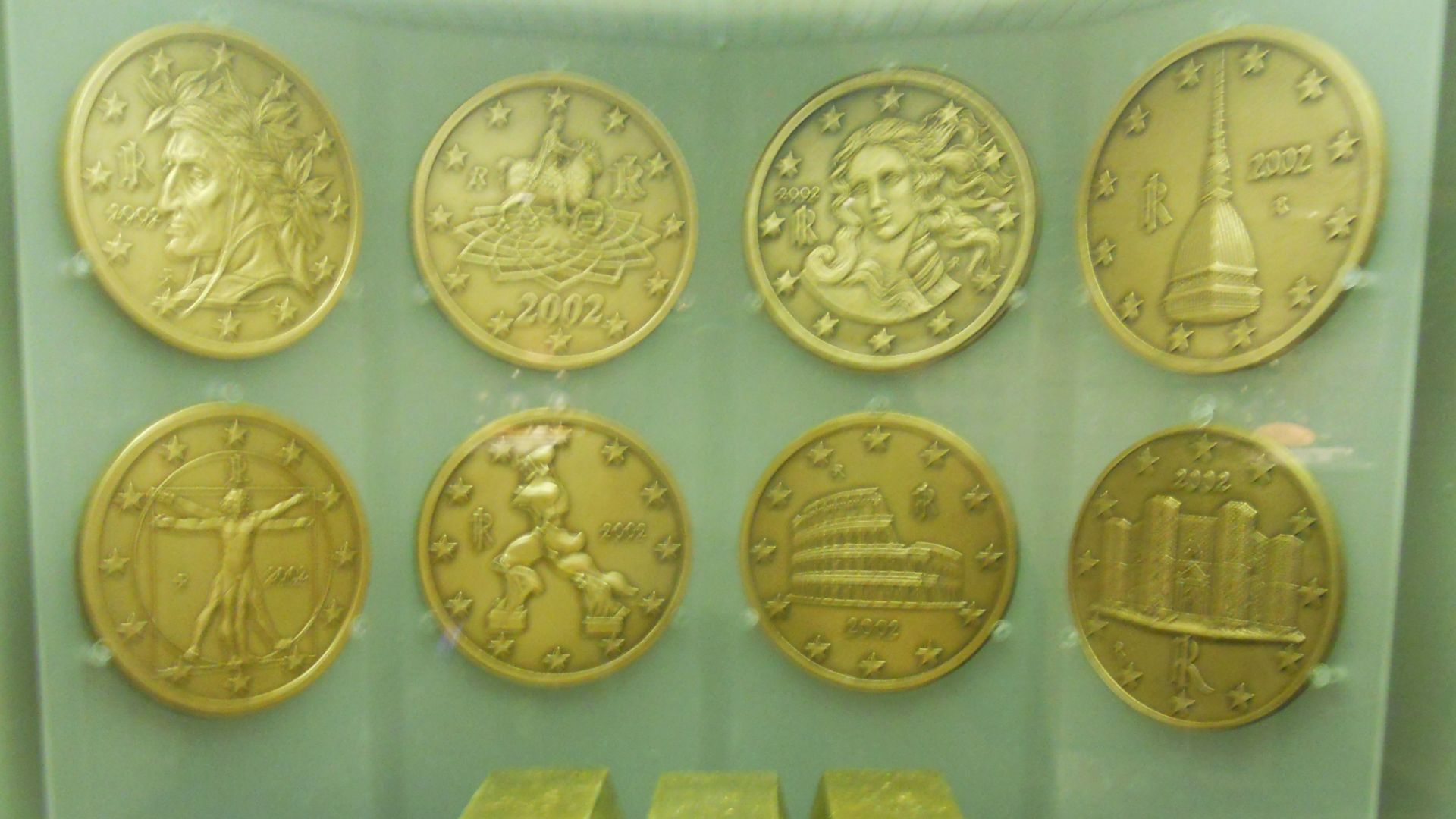
The treasure was finally examined
Once the objects reached archaeologists, experts could begin cleaning, conserving and identifying them properly. Preliminary examinations placed the hoard in the early Roman Imperial period, possibly during the first century. A more precise date will have to wait until the coins have been fully restored and studied.
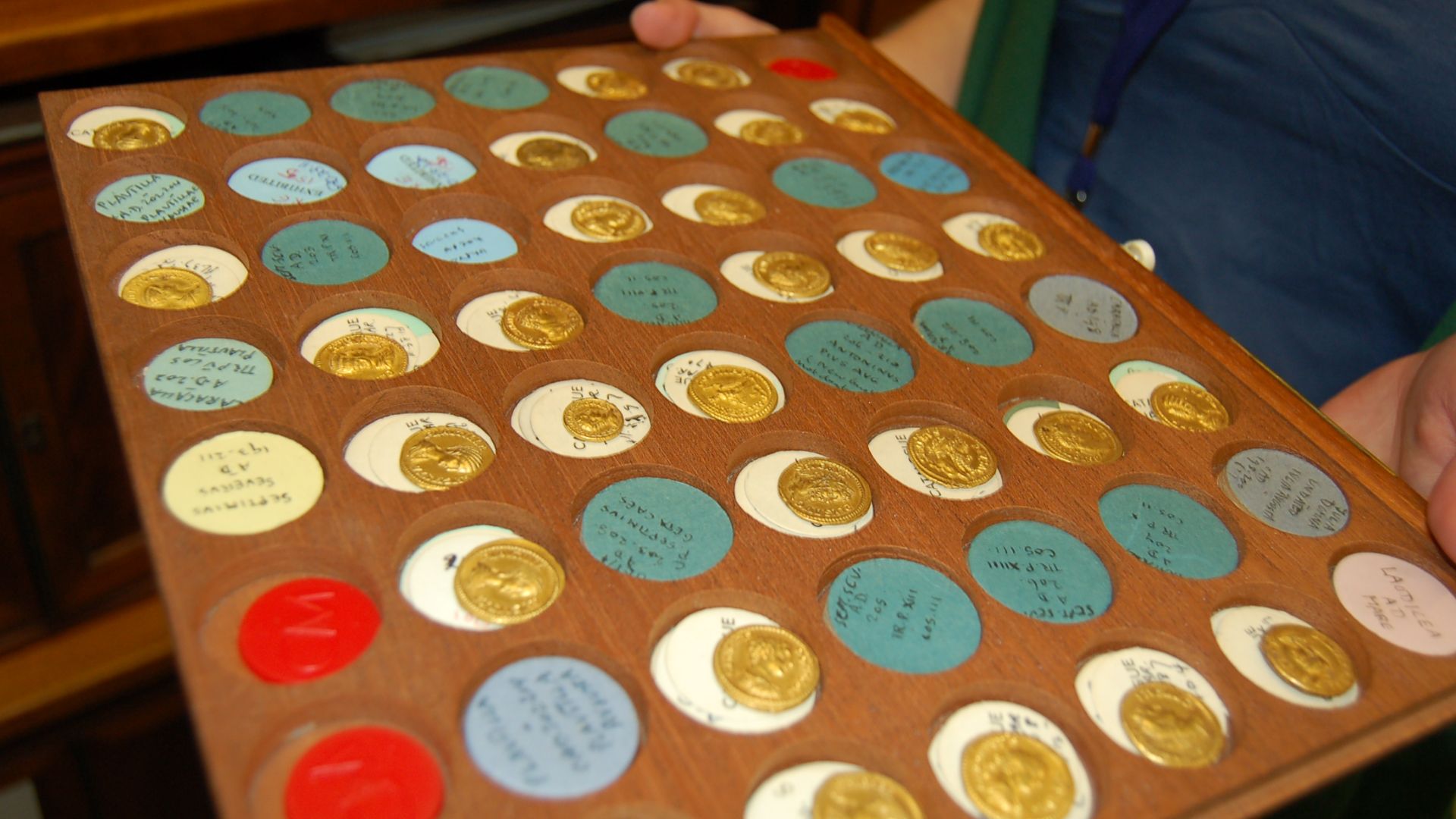 Portable Antiquities Scheme from London, England, Wikimedia Commons
It was one of the region’s biggest finds
The complete known hoard contains 450 silver coins and one gold coin, making 451 coins in total. Archaeologist Sebastian Messal said it ranks among the five largest Roman coin finds in Lower Saxony—and may even belong in the top three.
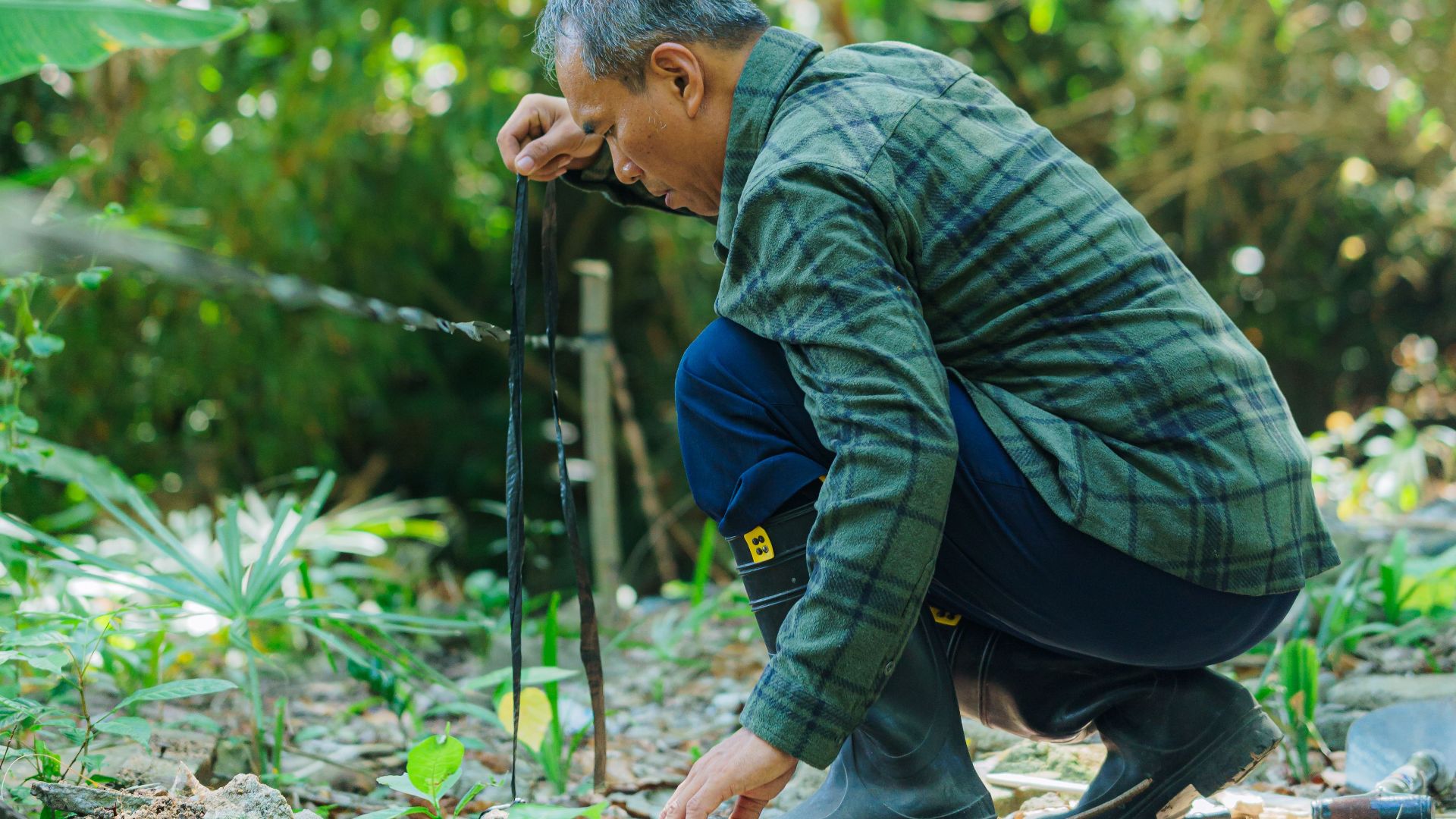
Archaeologists returned to the hole
Experts first inspected the location with Pauli in April 2025, then conducted a larger investigation that October. They searched for his original digging spot, looked for evidence he had disturbed and tried to recover anything he might have left behind.
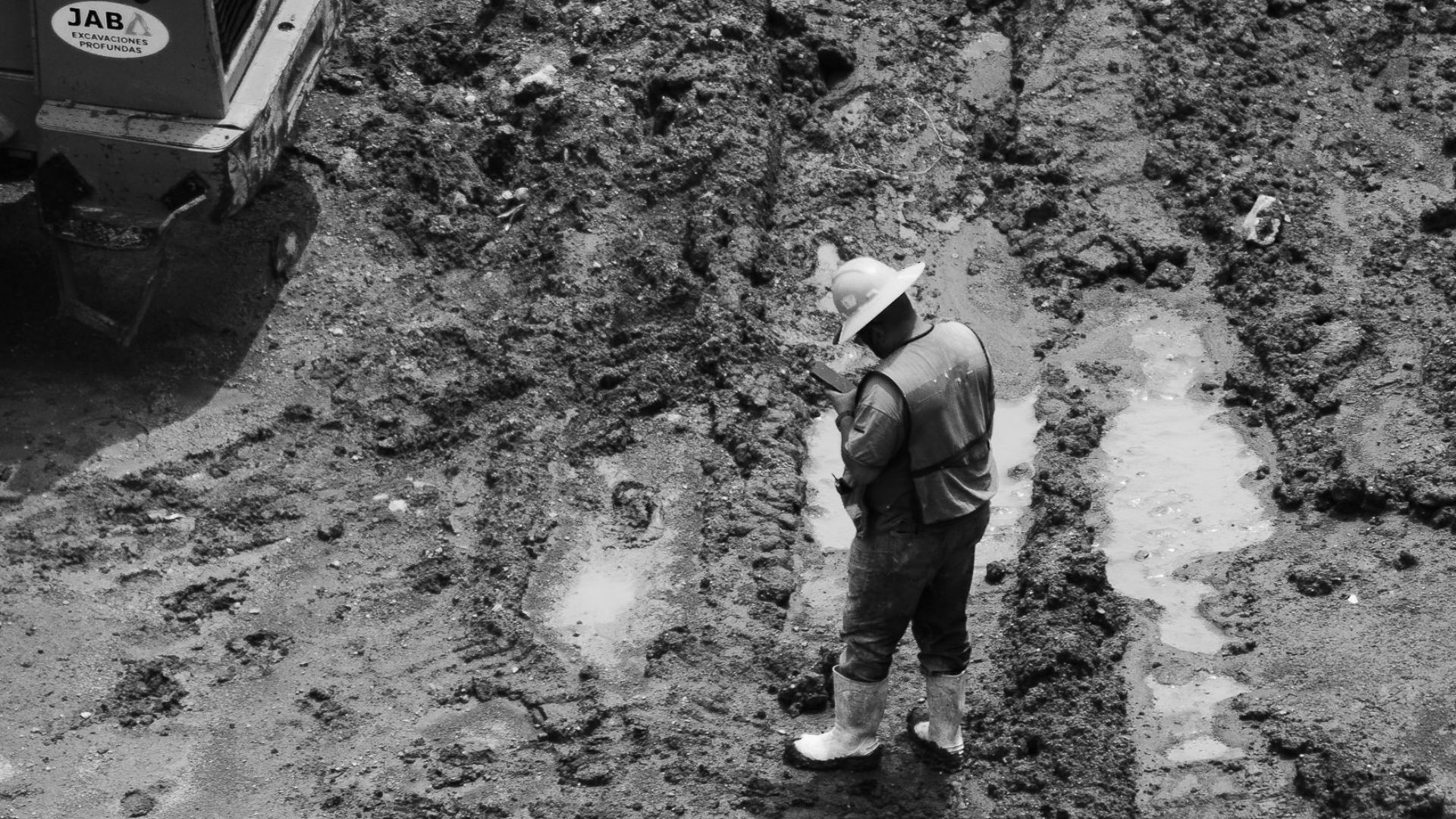
He had missed part of the treasure
The archaeological team discovered additional silver coins still beneath the ground. Once those were recovered, officials said the known hoard had finally been completely excavated and secured. Eight years later, the original discovery was finally finished properly.
 Gabinet Numizmatyczny D. Marciniak, Wikimedia Commons
The coins may still answer some questions
Researchers hope the newest coins in the collection will narrow down when the hoard was buried. Their markings and origins may also reveal how Roman wealth reached the region and whether the objects travelled together or were collected over time.
Then came a strange turnaround
After surrendering the treasure, Pauli completed the official metal-detecting course run by the Lower Saxony heritage office. Later reporting said he also obtained permission to search legally. The man whose unauthorized digging caused the problem was now being trained to do it properly.

Authorities say the treasure belongs to the state
Under Lower Saxony’s treasure law, archaeological objects of outstanding scientific value can become state property as soon as they are discovered. Authorities have told Pauli that the coins, gold and silver will not be returned to him, although he is reportedly challenging at least one of their decisions.
And he may get nothing for finding it
In June 2026, local reporting said the heritage office intended to deny Pauli a finder’s reward. Pauli was reportedly challenging that decision. So while the criminal investigation expired, the modern fight over the treasure may not be finished.
The biggest mystery remains
Researchers still need to fully restore and study the objects before they can determine precisely when the hoard was buried, where its pieces came from and who owned them. For now, the question at the centre of the discovery remains unanswered: Romans or Germanic tribes?
This treasure was hidden twice
Someone placed the treasure underground close to 2,000 years ago, and it remained there until Pauli found it in 2017. He carried it home and hid it for another eight years. The objects are finally where they belong, but part of their story may have disappeared the moment they were dug up.
 Jamie Heath from United Kingdom, Wikimedia Commons
You Might Also Like:




.jpg)
.jpg)