From Packed Roads To Practically Private
Americans love their national parks—and rightly so. But according to the visitation numbers, some record millions of recreation visits each year, while others could hand every guest a Christmas card and still have leftovers.
Using National Park Service recreation-visit totals, we found the most visited park and the park with the lowest valid total among places that held official national park status for the entire calendar year. Recreation visits count entries—not necessarily individual people—and zero or missing reports were excluded.
Note: We started in 1979 because that is when every NPS unit began consistently reporting monthly data for all 11 official visitor-use statistics.

1979: Great Smoky Mountains, Isle Royale
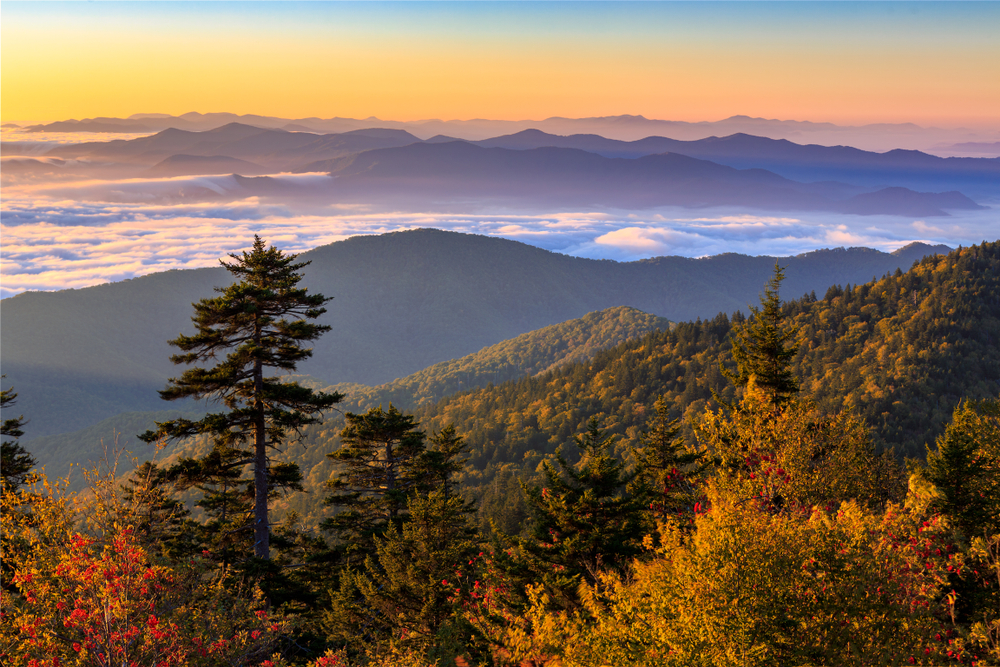
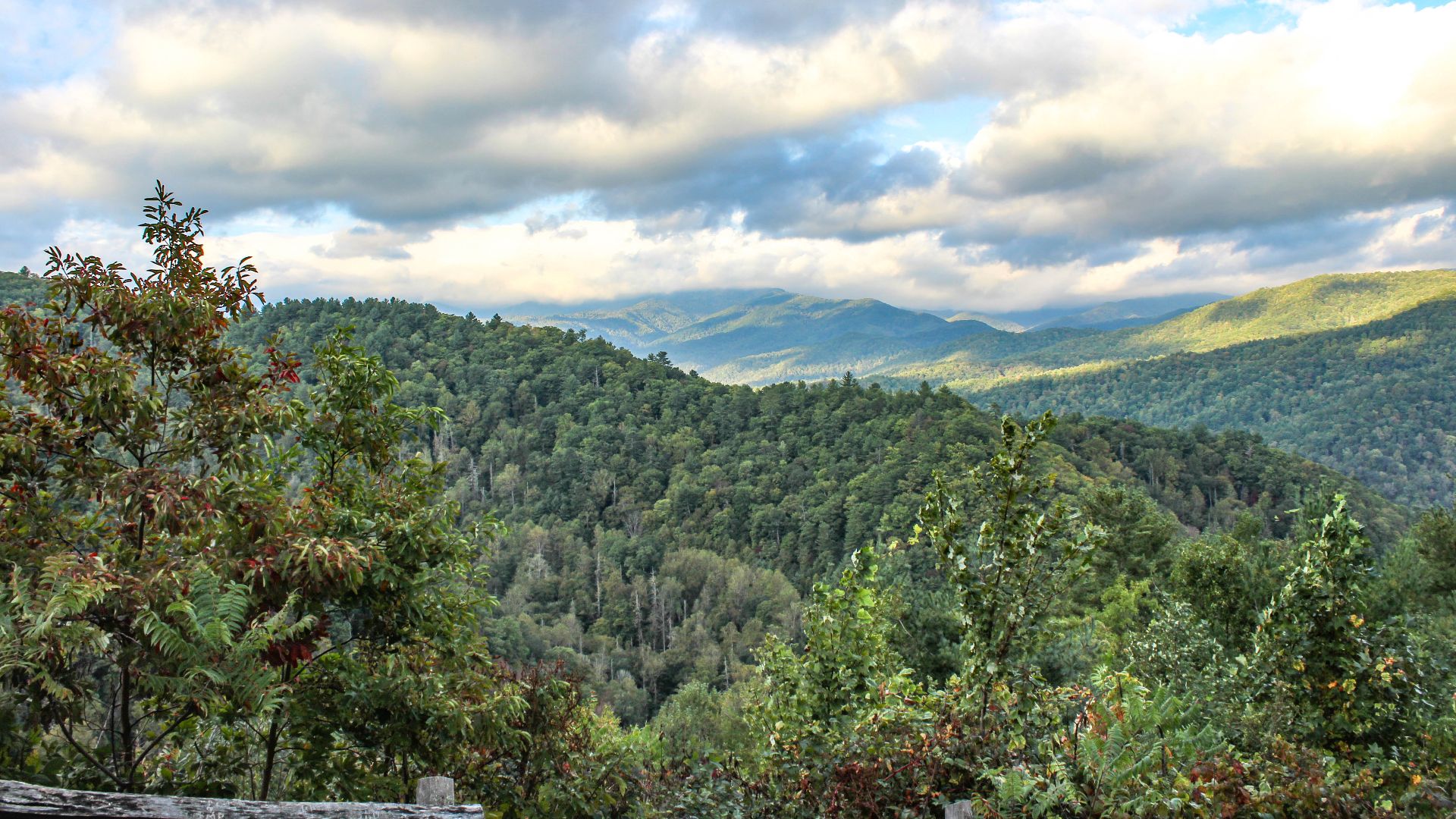
Most visited: Great Smoky Mountains: 8,019,788 recreation visits
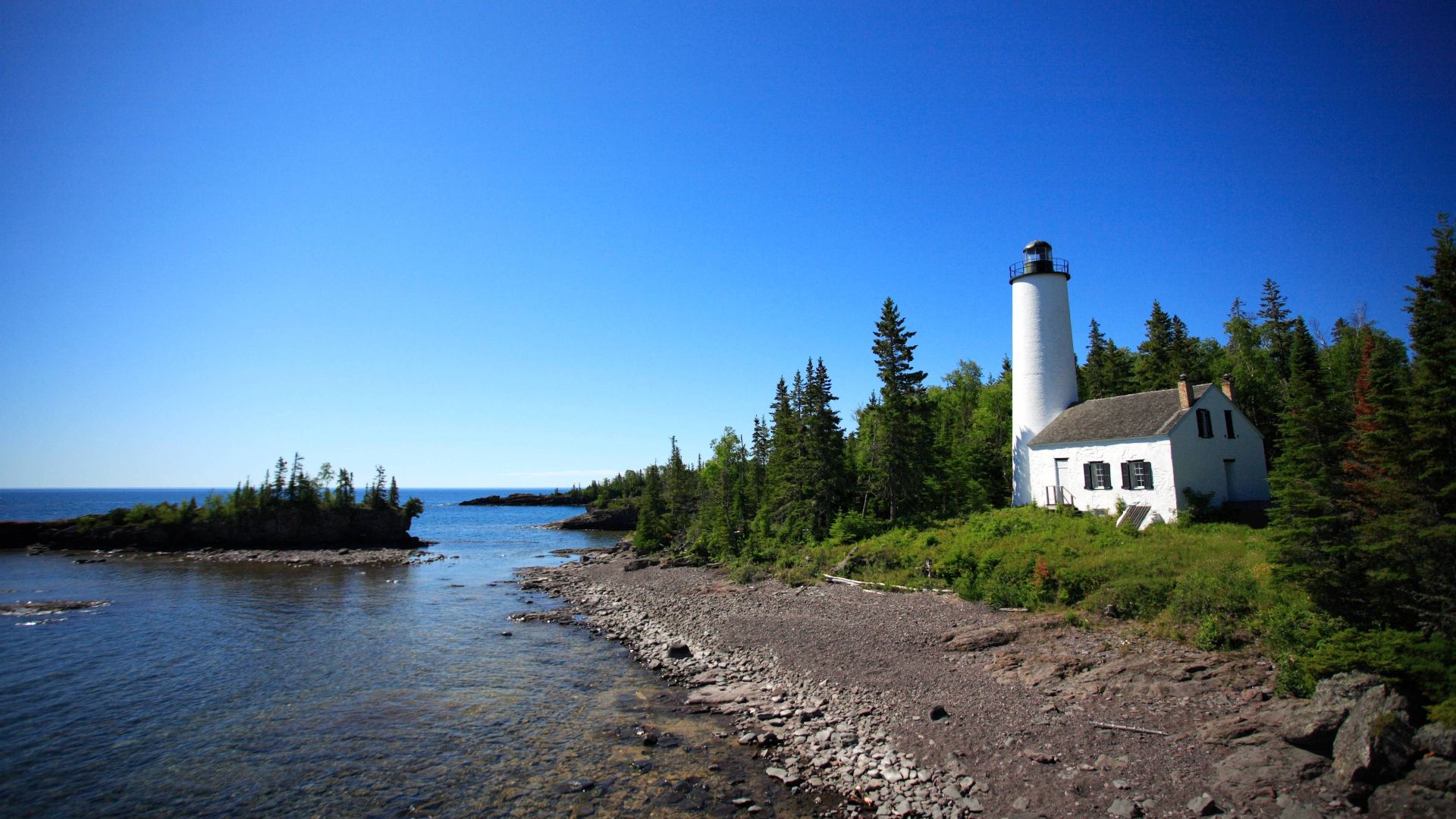
At the bottom: Isle Royale: 14,782 recreation visits
The modern NPS monthly-data era opened with less of a competition than a televised mismatch. Second-place Acadia drew 2,787,366 visits, while Grand Canyon welcomed 2,131,716. The Smokies beat both combined by more than three million. Isle Royale, reachable only across Lake Superior, had a considerably quieter year.
 ZakZeinert, Shutterstock1980: Great Smoky Mountains, Isle Royale
Most visited: Great Smoky Mountains: 8,440,953 recreation visits
At the bottom: Isle Royale: 14,977 recreation visits
The Smokies added more than 421,000 visits and kept the crown without breaking a sweat. In fact, they welcomed more visits than Acadia, Yosemite and Yellowstone combined. Isle Royale added just 195 visits, so nobody needed to start directing traffic at the ferry dock.
1981: Great Smoky Mountains, Katmai
Most visited: Great Smoky Mountains: 8,312,884 recreation visits
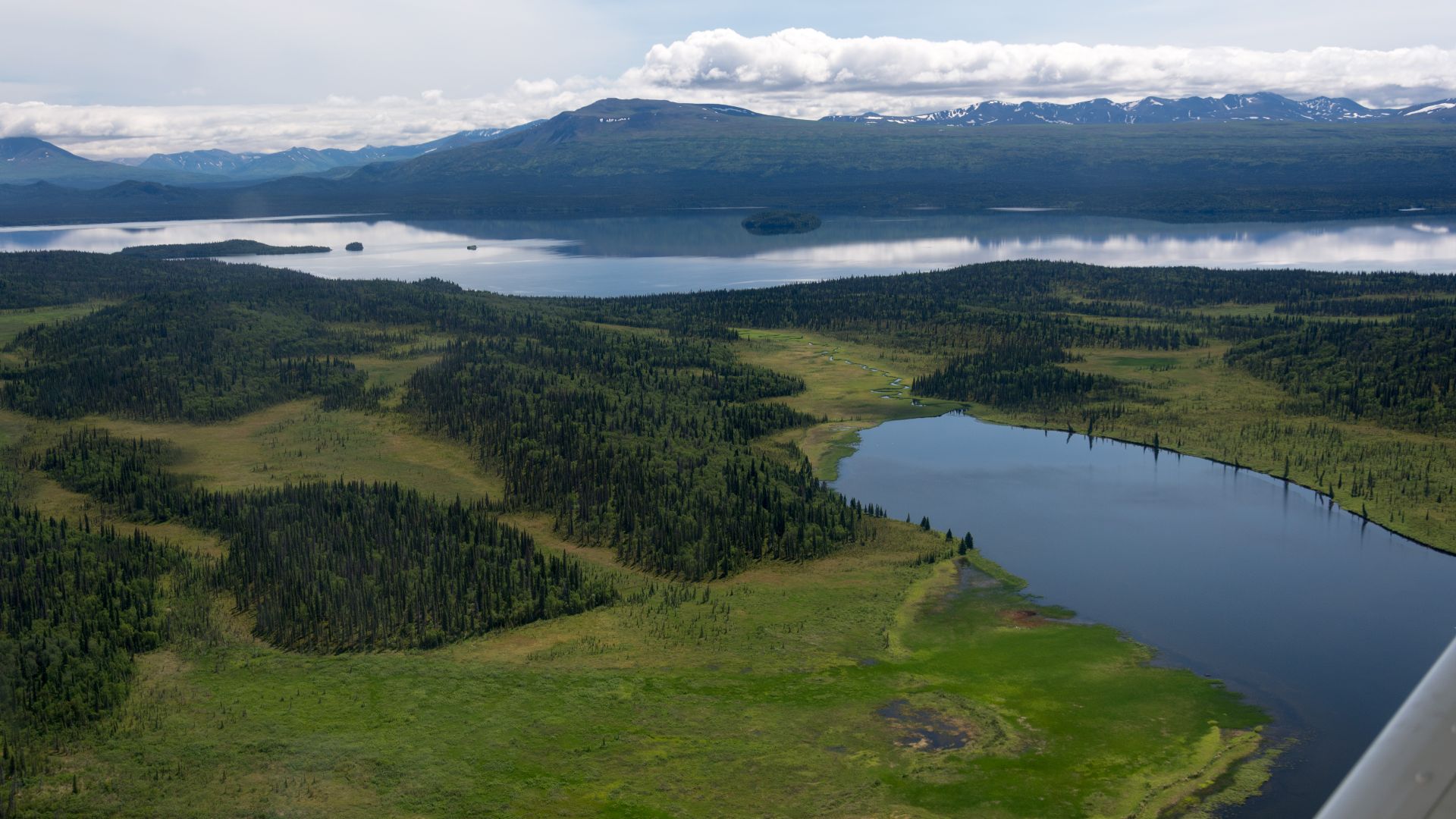
At the bottom: Katmai: 13,115 recreation visits
Katmai had become a national park and preserve in December 1980, making 1981 its first full calendar year with that designation. Acadia and Rocky Mountain attracted nearly six million visits between them, but still trailed the Smokies by more than 2.4 million. Katmai remained almost exclusively reachable by plane or boat.
 Christoph Strässler from Oberdorf BL, Schweiz, Wikimedia Commons
1982: Great Smoky Mountains, Gates of the Arctic
Most visited: Great Smoky Mountains: 8,177,869 recreation visits
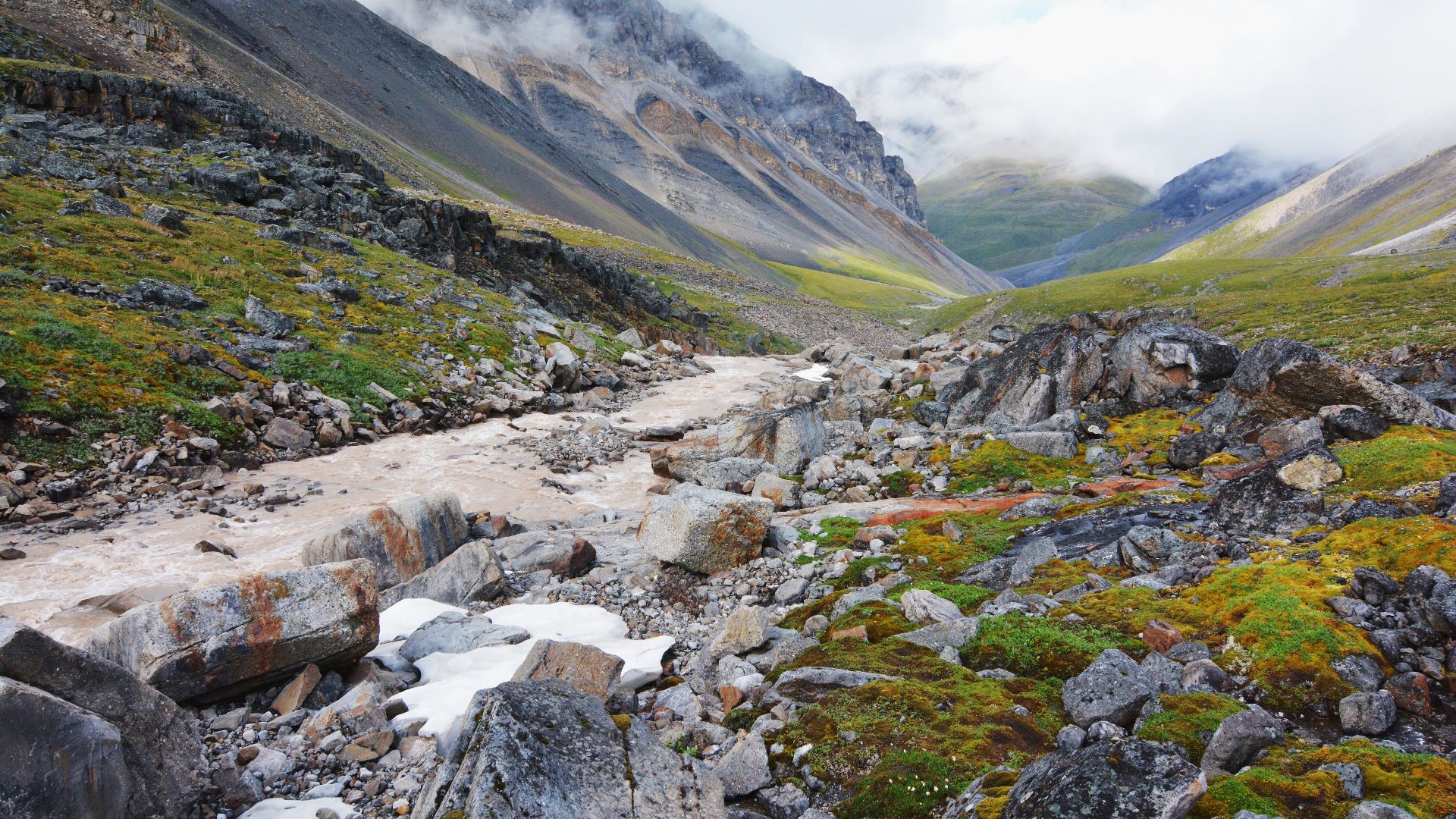
At the bottom: Gates of the Arctic: 1,381 recreation visits
Acadia had a huge year with 3,572,114 visits, but the Smokies still beat it by more than 4.6 million. Gates of the Arctic took over the bottom spot with no roads or maintained trails. Its annual total worked out to fewer than four recorded recreation visits per day.
 Paxson Woelber, Wikimedia Commons
1983: Great Smoky Mountains, Gates of the Arctic
Most visited: Great Smoky Mountains: 8,435,475 recreation visits
At the bottom: Gates of the Arctic: 2,138 recreation visits
Acadia surged past four million visits and came closer than anyone else. “Closer” is doing some work there—the Smokies still more than doubled its total. Gates improved by over 50%, but that sounds less dramatic when the starting point was only 1,381 visits.
 Victoria Stauffenberg, Wikimedia Commons
1984: Great Smoky Mountains, Kobuk Valley
Most visited: Great Smoky Mountains: 8,508,390 recreation visits
At the bottom: Kobuk Valley: 1,075 recreation visits
Acadia finished second with 3,734,763 visits, while Yosemite drew 2,738,467 and Yellowstone attracted 2,222,027. The Smokies welcomed more people than Yosemite, Yellowstone and Grand Canyon combined. Kobuk Valley began what would become a very long relationship with the bottom of this list.
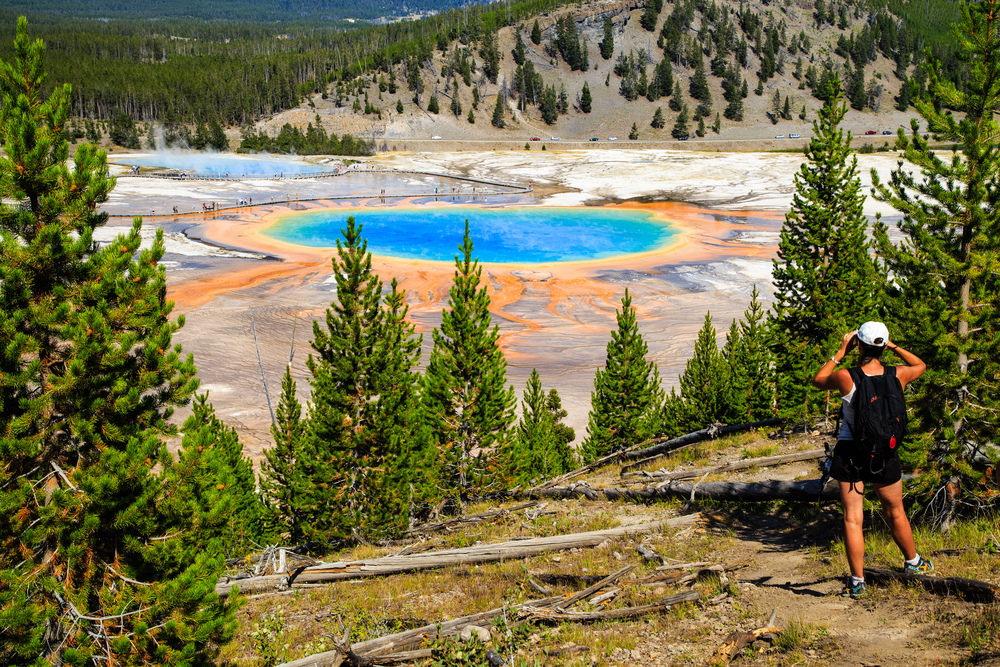
1985: Great Smoky Mountains, Kobuk Valley
Most visited: Great Smoky Mountains: 9,319,290 recreation visits
At the bottom: Kobuk Valley: 1,305 recreation visits
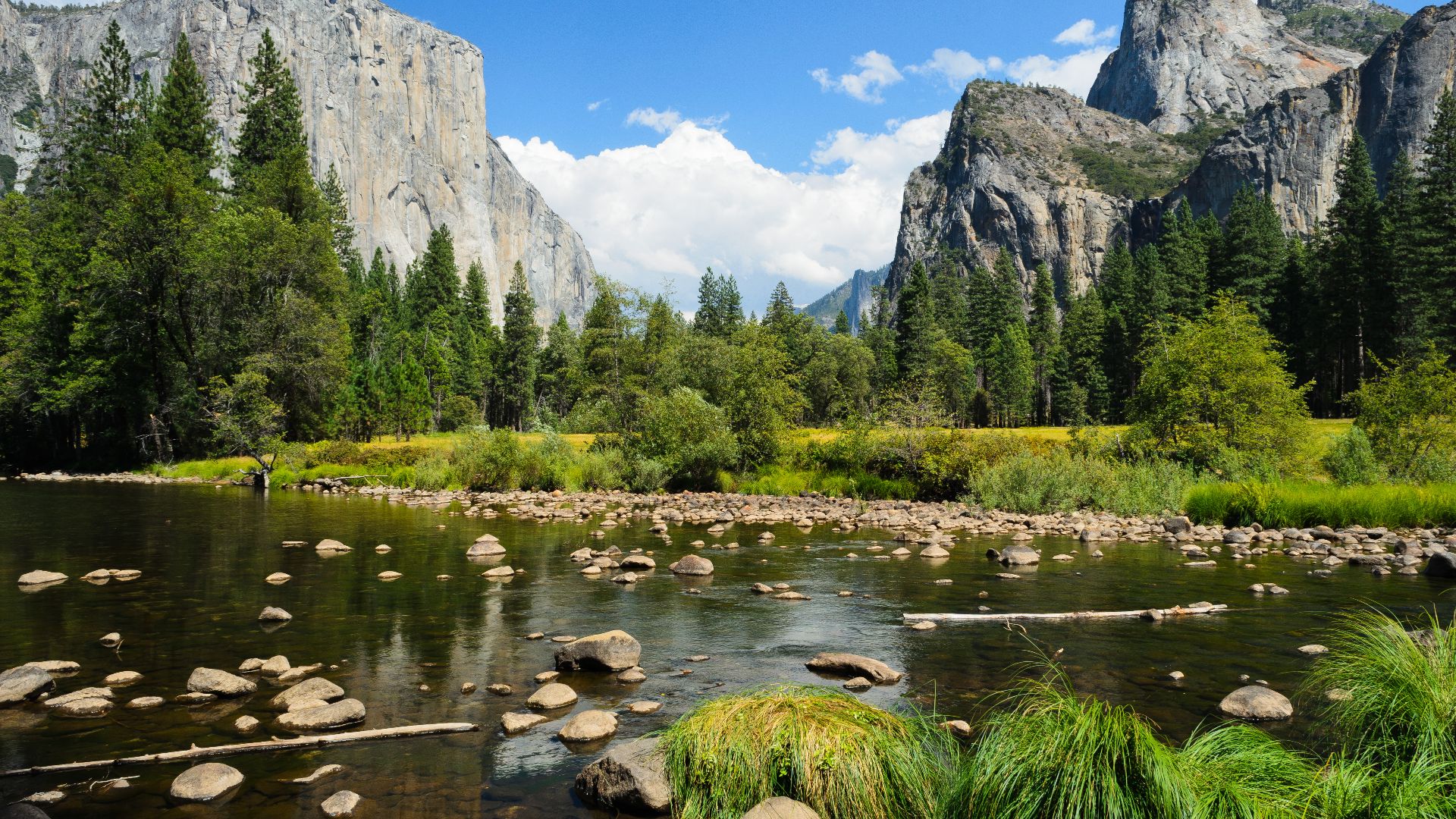
The Smokies crossed nine million visits for the first time during this period. Acadia, Yosemite and Grand Canyon combined for 9,289,051—still 30,239 short of catching the winner. Kobuk Valley added 230 visits, so no emergency parking expansion was required.
 King of Hearts, Wikimedia Commons
1986: Great Smoky Mountains, Kobuk Valley
Most visited: Great Smoky Mountains: 9,836,306 recreation visits
At the bottom: Kobuk Valley: 1,085 recreation visits
The Smokies were knocking on the door of ten million visits. Acadia finished a distant second with 3,929,054, while Grand Canyon, Olympic and Yosemite all hovered near three million. Kobuk Valley moved in the other direction, losing 220 visits from a total that was already barely four digits.
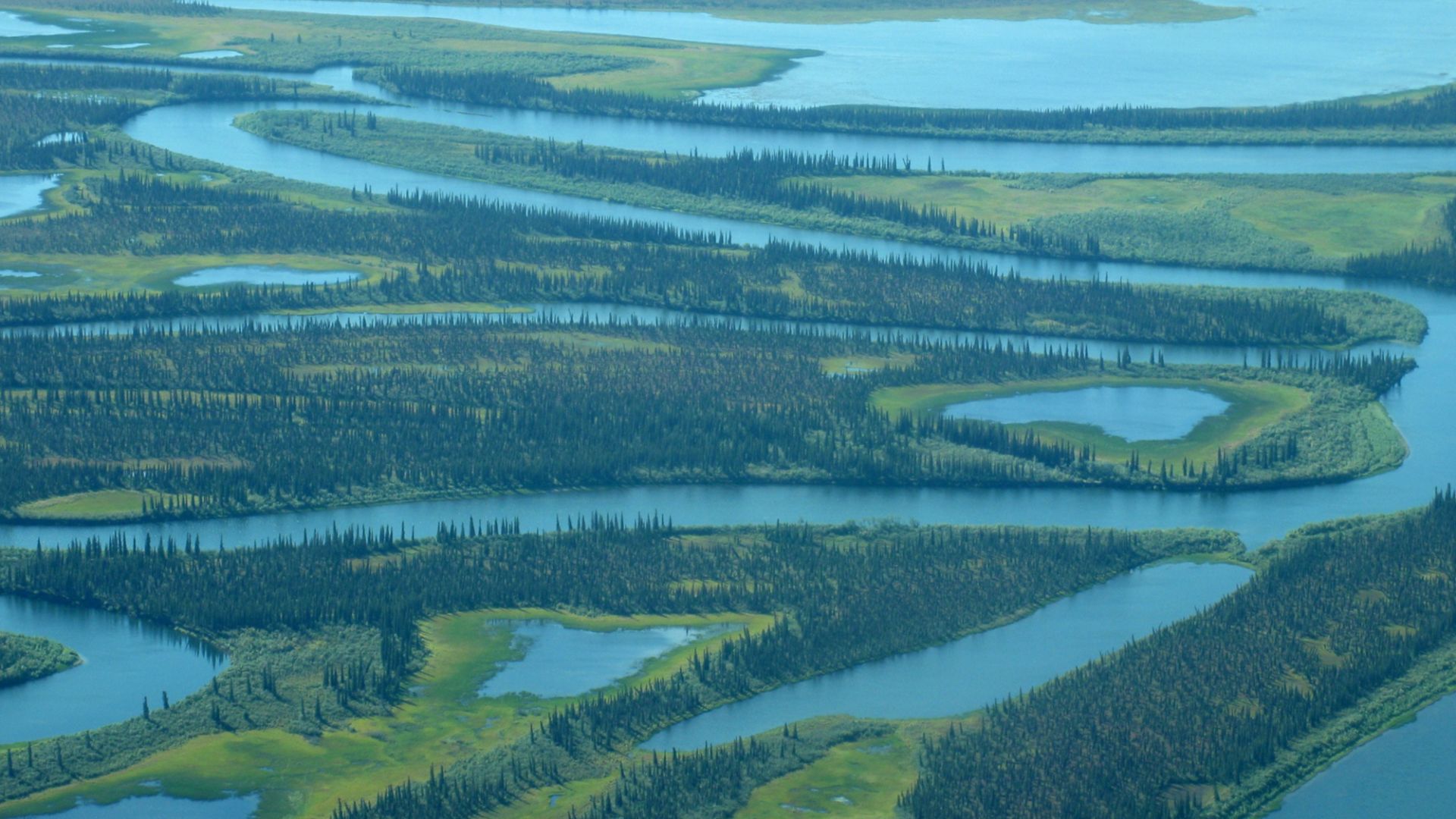
1987: Great Smoky Mountains, Kobuk Valley
Most visited: Great Smoky Mountains: 10,209,841 recreation visits
At the bottom: Kobuk Valley: 230 recreation visits
The Smokies cleared ten million visits, while second-place Acadia attracted 4,288,154. Even Grand Canyon, Yosemite and Yellowstone combined still fell short of the winner. Kobuk Valley recorded fewer than one visit per day. That 230 sounds like attendance at a local school play, not an entire park year.
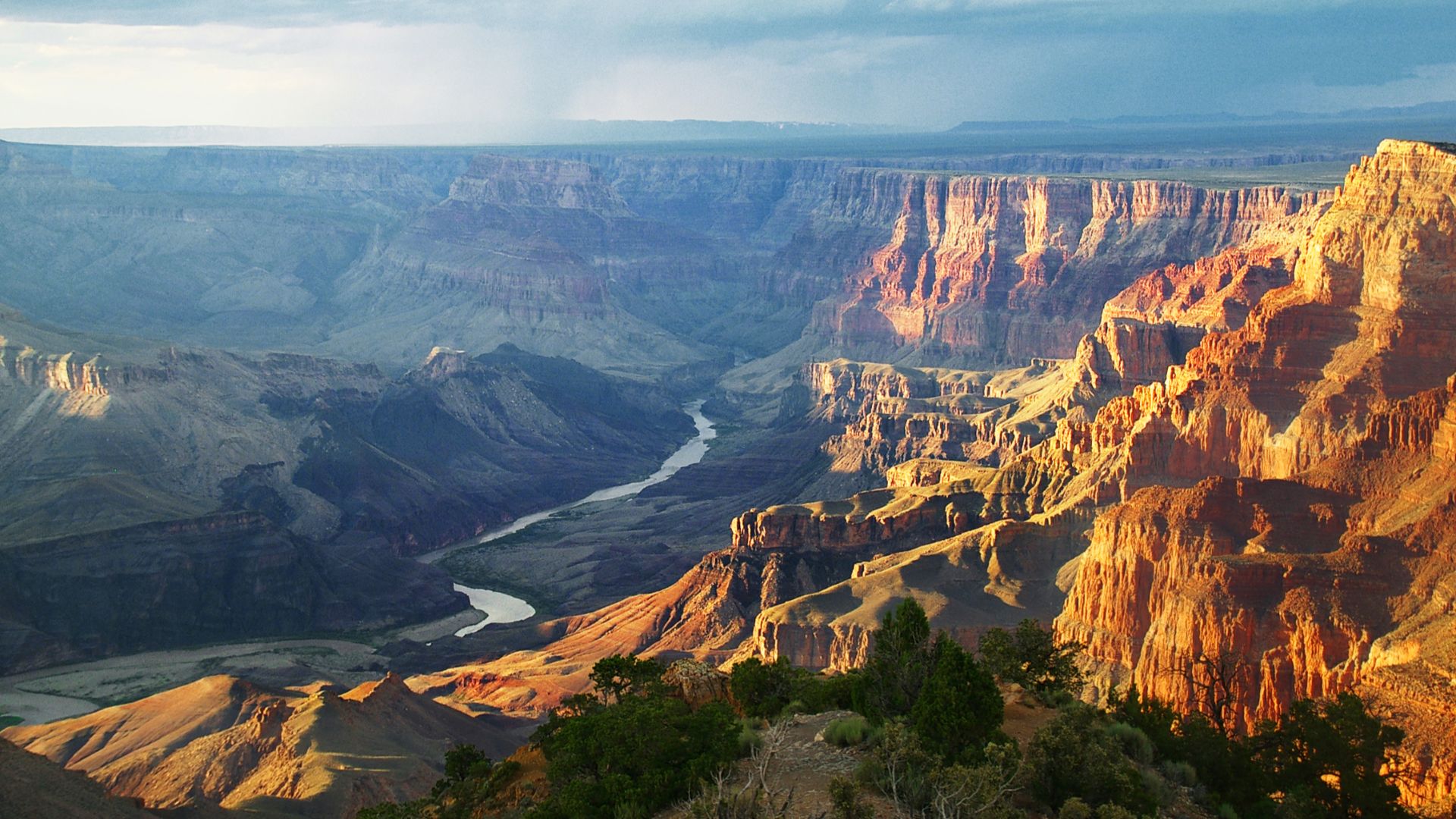
1988: Great Smoky Mountains, Gates of the Arctic
Most visited: Great Smoky Mountains: 8,770,781 recreation visits
At the bottom: Gates of the Arctic: 1,258 recreation visits
The Smokies lost nearly 1.44 million visits and still welcomed slightly more people than second-place Acadia and third-place Grand Canyon combined. Gates returned to the bottom, offering a blunt travel lesson: stunning scenery does not automatically come with an interstate exit and a conveniently placed roadside motel.
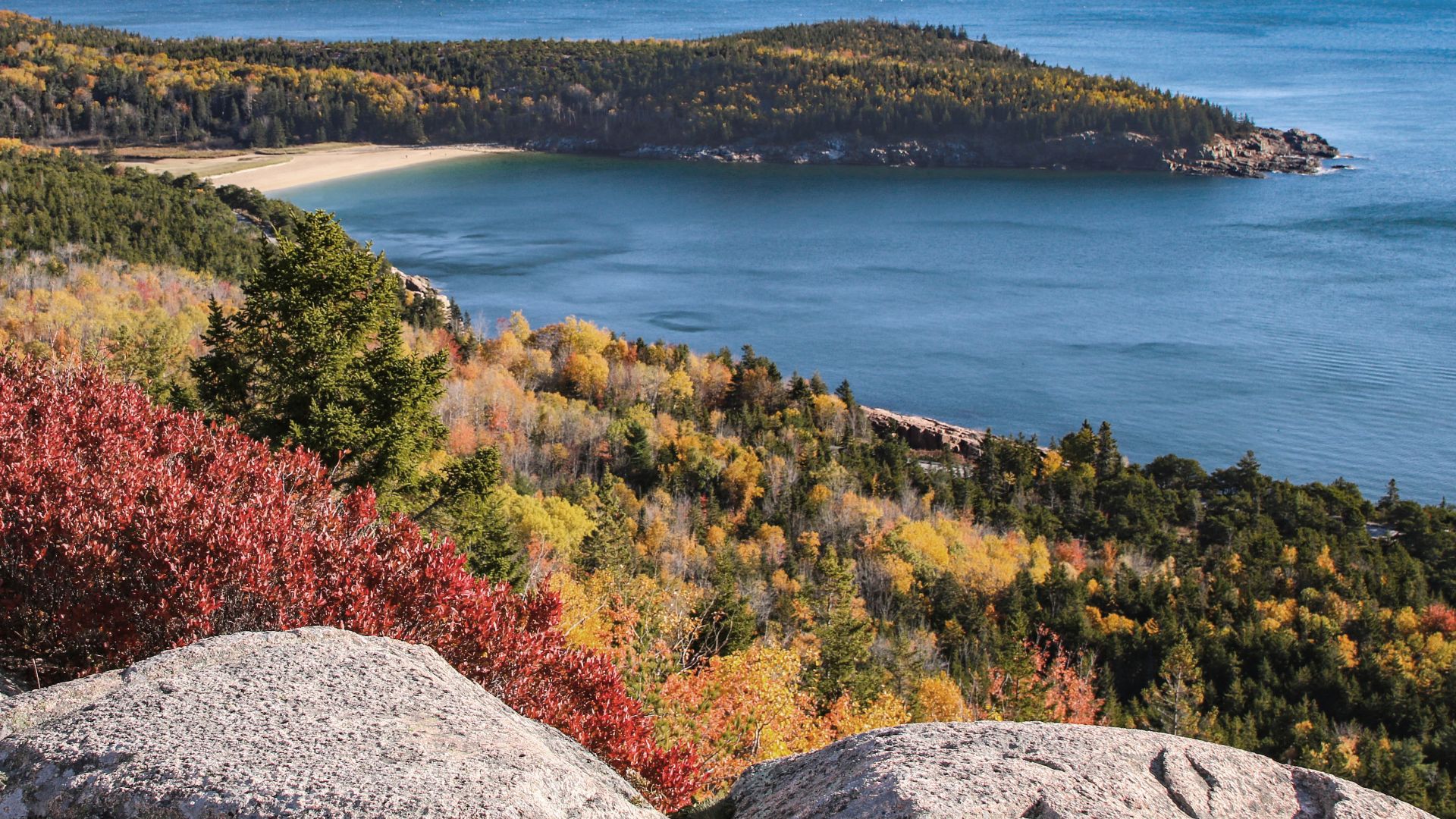
1989: Great Smoky Mountains, Gates of the Arctic
Most visited: Great Smoky Mountains: 8,333,553 recreation visits
At the bottom: Gates of the Arctic: 822 recreation visits
Acadia surged to 5,440,952 visits, producing the closest race of this entire period. The Smokies still led by almost 2.9 million, but at least someone could see their taillights. Gates fell below 1,000 visits, meaning Acadia welcomed more people in two hours than Gates did all year.
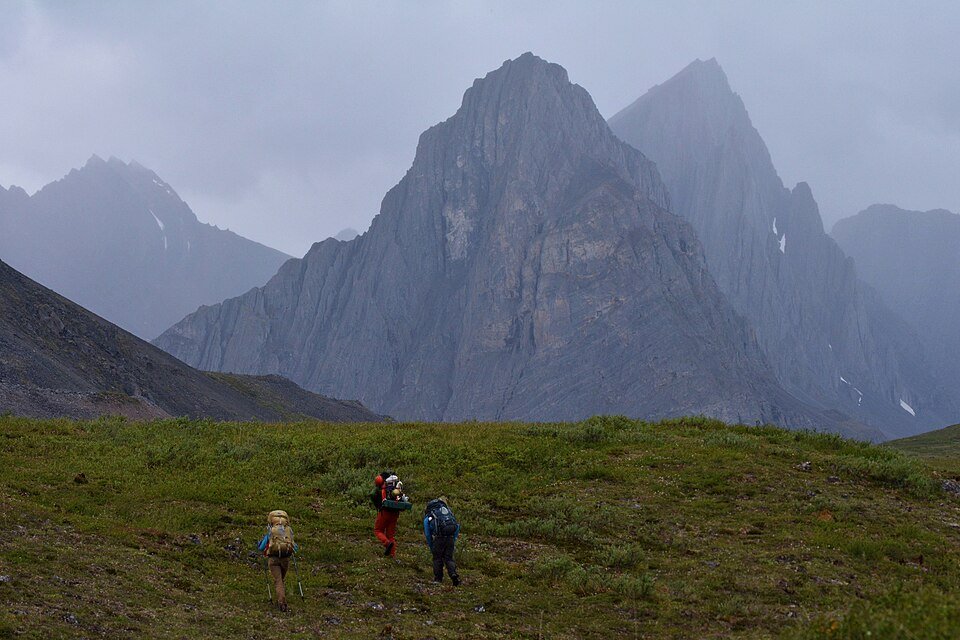 Paxson Woelber, CC BY-SA 3.0, Wikimedia Commons
1990: Great Smoky Mountains, Gates of the Arctic
Most visited: Great Smoky Mountains: 8,151,769 recreation visits
At the bottom: Gates of the Arctic: 1,010 recreation visits
Grand Canyon moved into second place with 3,776,685 visits, followed by Yosemite and Yellowstone. The Smokies still drew more visits than Grand Canyon and Yosemite combined. Gates barely climbed back into four figures, which probably did not require opening a second checkout line in the gift shop.
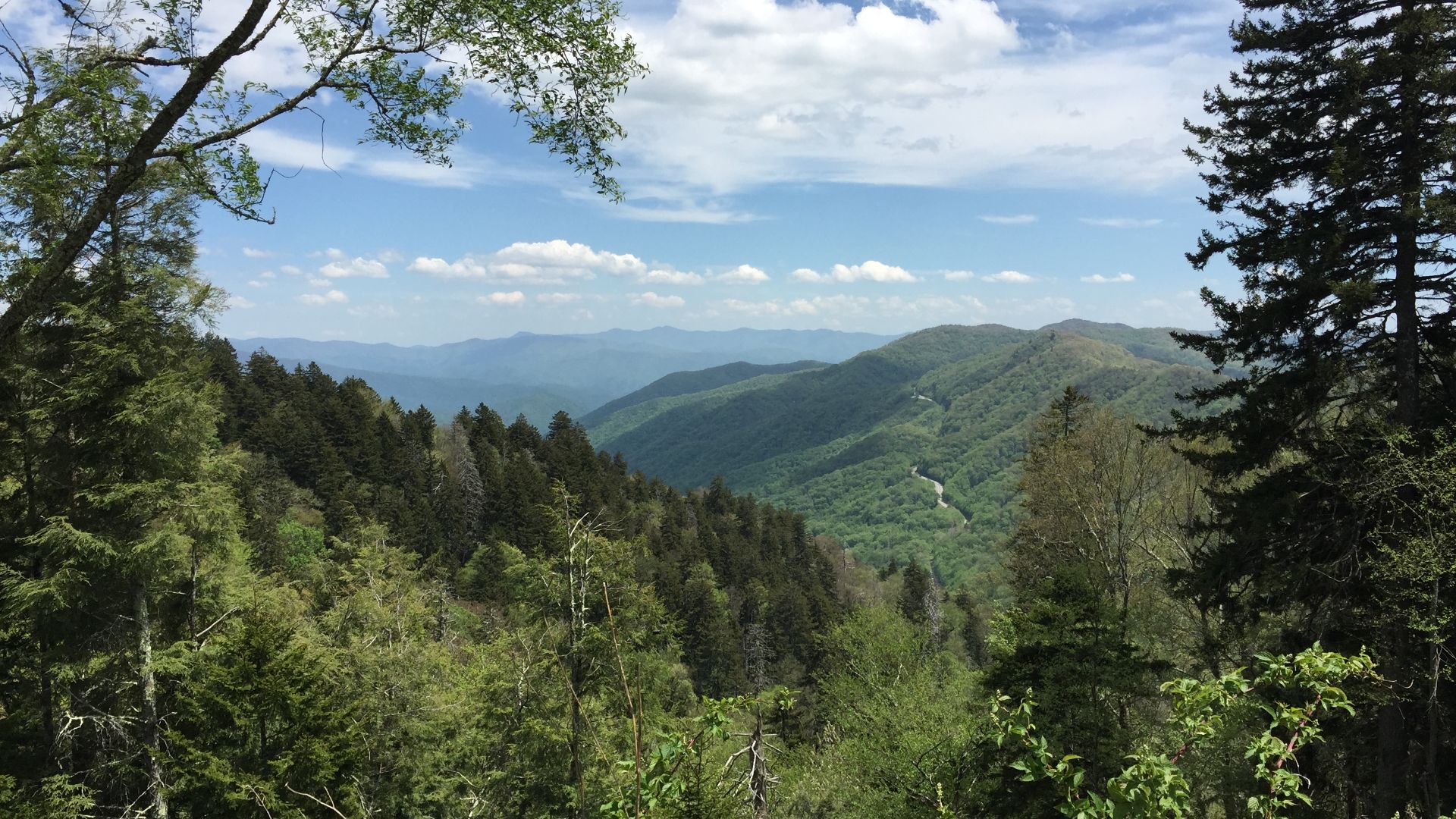
1991: Great Smoky Mountains, Gates of the Arctic
Most visited: Great Smoky Mountains: 8,654,459 recreation visits
At the bottom: Gates of the Arctic: 1,154 recreation visits
Grand Canyon remained second with 3,886,031 visits, while Yosemite drew 3,423,101. Together, two of America’s most famous landscapes still trailed the Smokies by more than 1.3 million. Gates added 144 visits—the kind of annual increase the Smokies could probably manage before everyone finished breakfast.
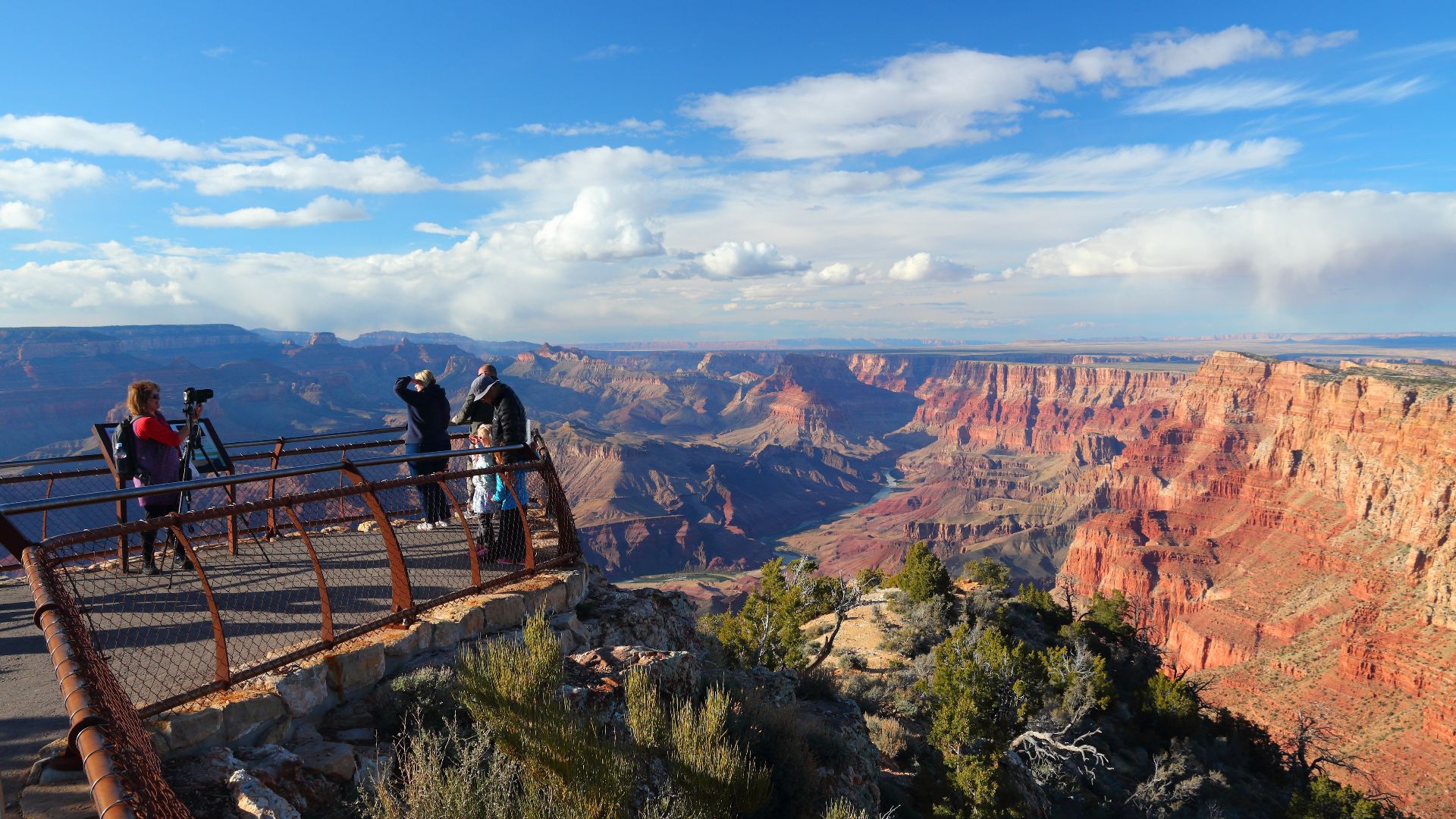 Marek Ślusarczyk (Tupungato) Photo portfolio, Wikimedia Commons
1992: Great Smoky Mountains, Gates of the Arctic
Most visited: Great Smoky Mountains: 8,931,690 recreation visits
At the bottom: Gates of the Arctic: 2,116 recreation visits
Grand Canyon topped four million visits and Yosemite reached 3,819,518, but even their combined total remained below the Smokies. Gates nearly doubled its previous number, which is genuinely impressive until the calculator ruins the moment. More people visited the Smokies during an average morning than Gates saw all year.
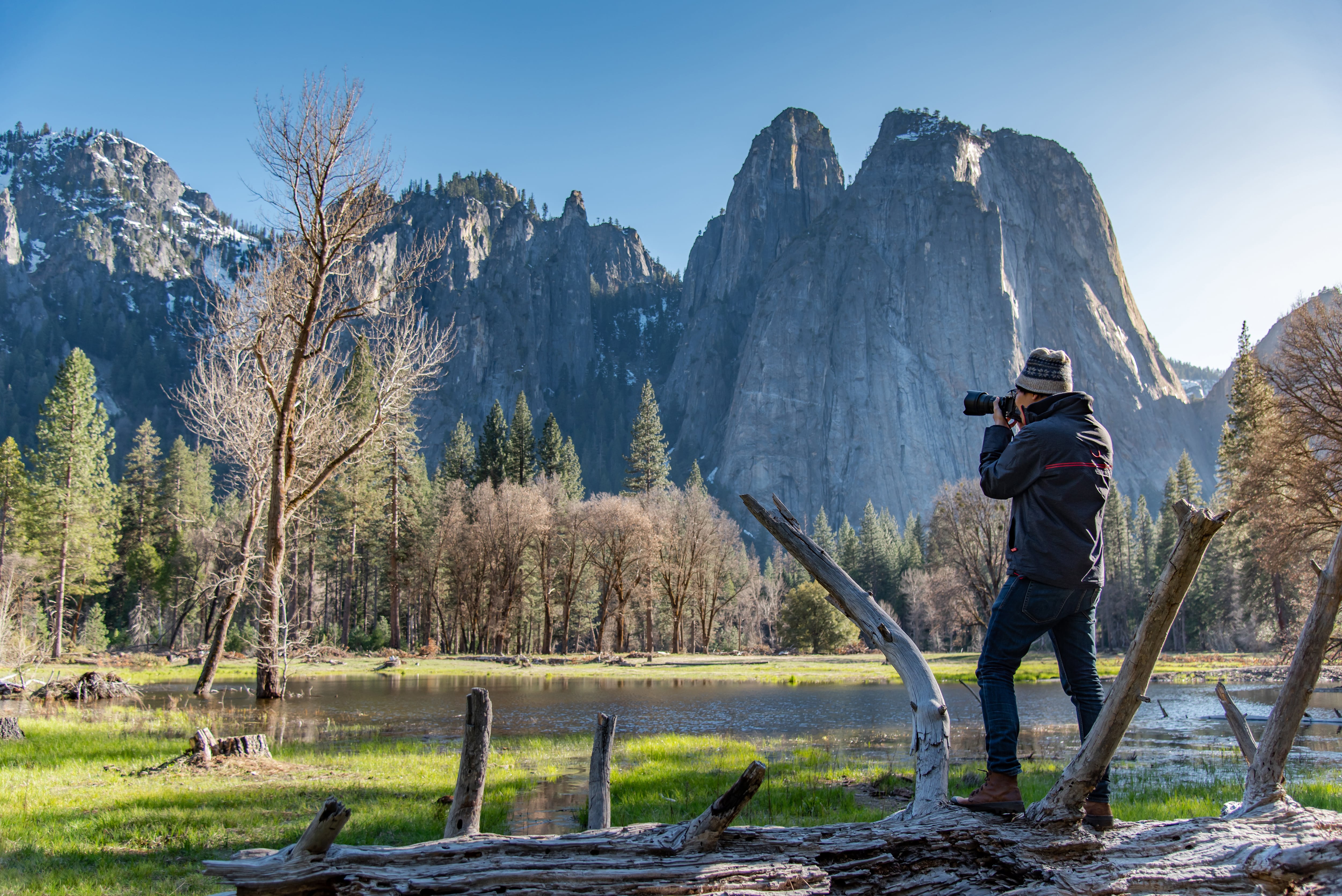
1993: Great Smoky Mountains, Gates of the Arctic
Most visited: Great Smoky Mountains: 9,283,848 recreation visits
At the bottom: Gates of the Arctic: 2,245 recreation visits
Grand Canyon welcomed 4,575,602 visits and Yosemite drew 3,839,645. The Smokies still beat both combined by more than 868,000. Gates gained 129 visits. It was progress, technically, but nobody was calling in seasonal workers or directing traffic through the suddenly overwhelmed parking area.
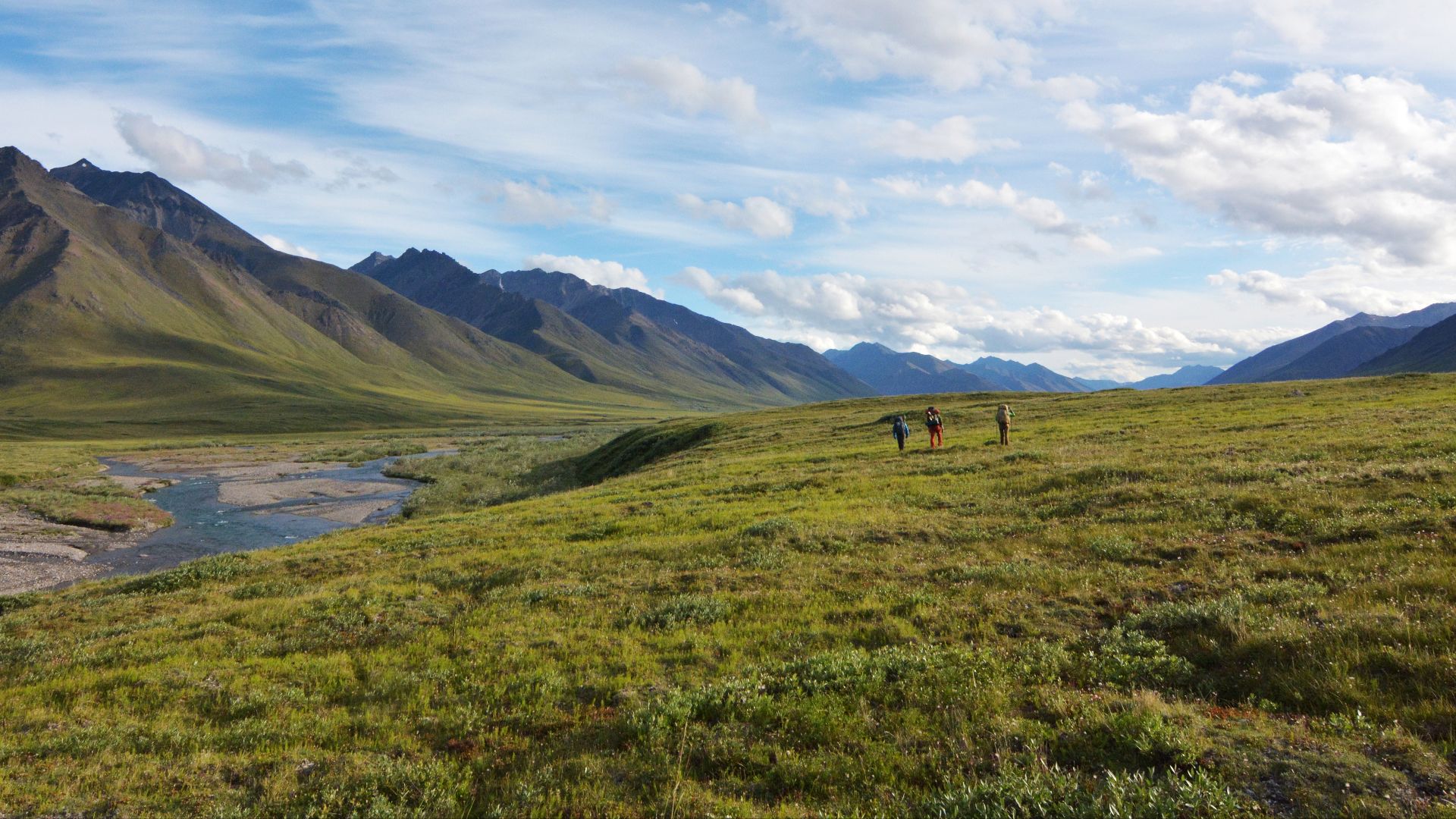 Paxson Woelber, Wikimedia Commons
1994: Great Smoky Mountains, Gates of the Arctic
Most visited: Great Smoky Mountains: 8,628,174 recreation visits
At the bottom: Gates of the Arctic: 1,726 recreation visits
The Smokies dropped by more than 655,000 visits, yet still came within about 100,000 of doubling Grand Canyon’s second-place total. Yosemite was not far behind Grand Canyon with 3,962,117 visits. Gates lost 519 and claimed the bottom for a seventh consecutive year.
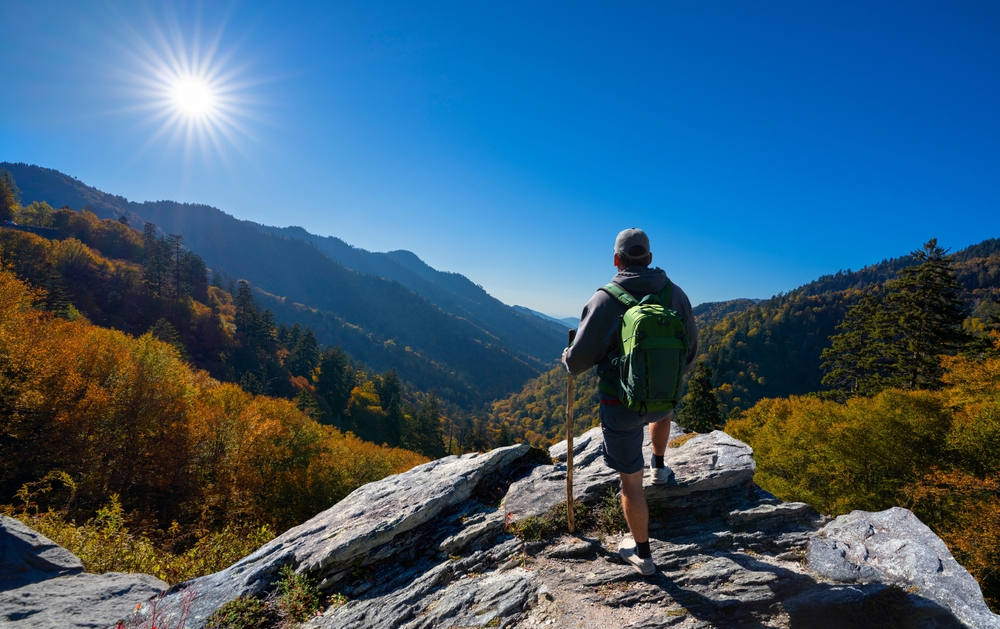
1995: Great Smoky Mountains, Kobuk Valley
Most visited: Great Smoky Mountains: 9,080,420 recreation visits
At the bottom: Kobuk Valley: 2,781 recreation visits
Grand Canyon reached 4,557,645 visits and came within roughly 35,000 of attracting exactly half as many people as the Smokies. Kobuk Valley returned to the bottom with 2,781 visits—a total it would somehow repeat exactly for the following two years.
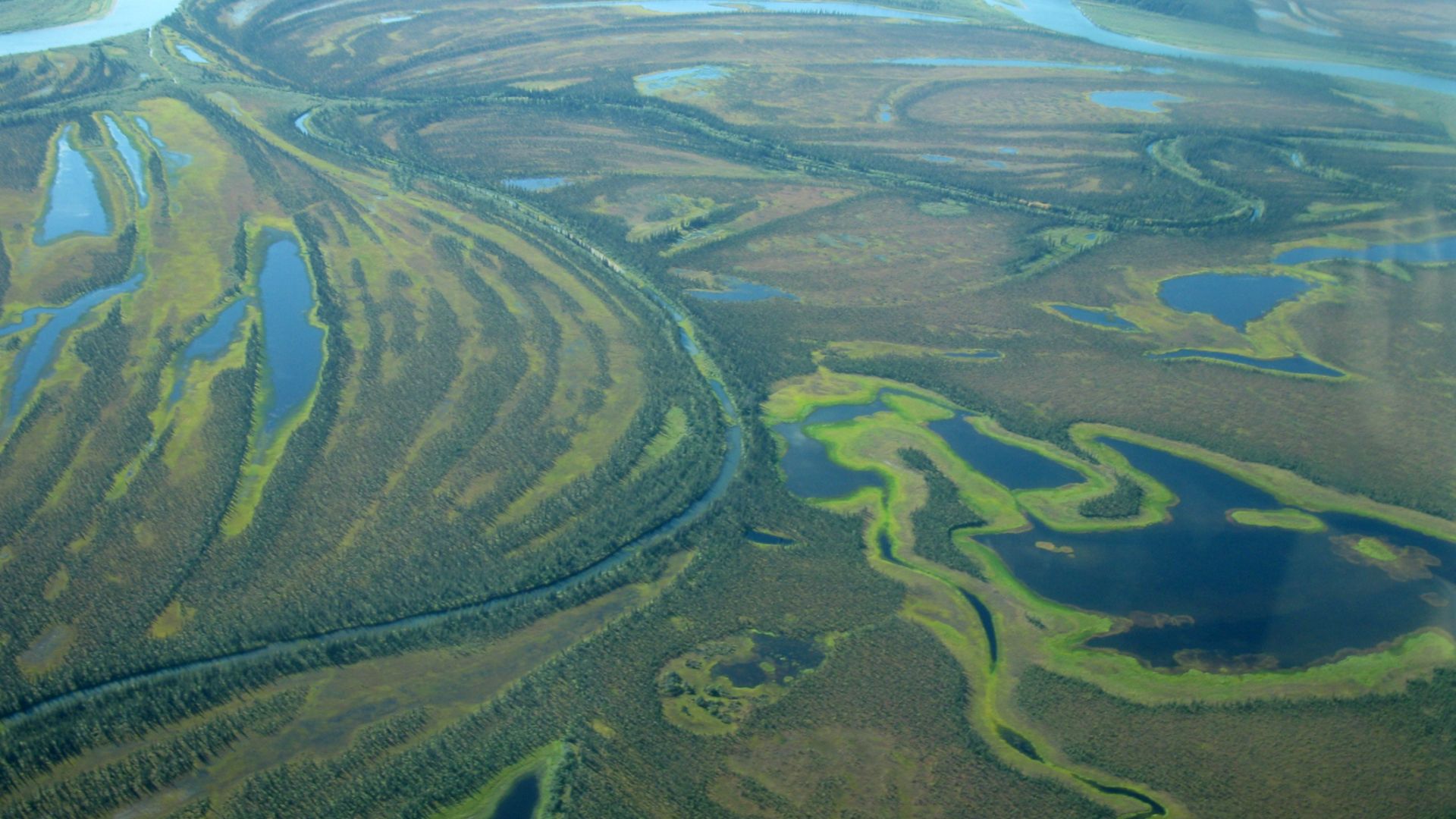
1996: Great Smoky Mountains, Kobuk Valley
Most visited: Great Smoky Mountains: 9,265,667 recreation visits
At the bottom: Kobuk Valley: 2,781 recreation visits
Grand Canyon drew 4,537,703 visits and Yosemite crossed four million. Add those two famous parks together and they still trailed the Smokies by more than 681,000. Kobuk reported exactly the same total as the year before, right down to the final visit. That is impressively tidy.
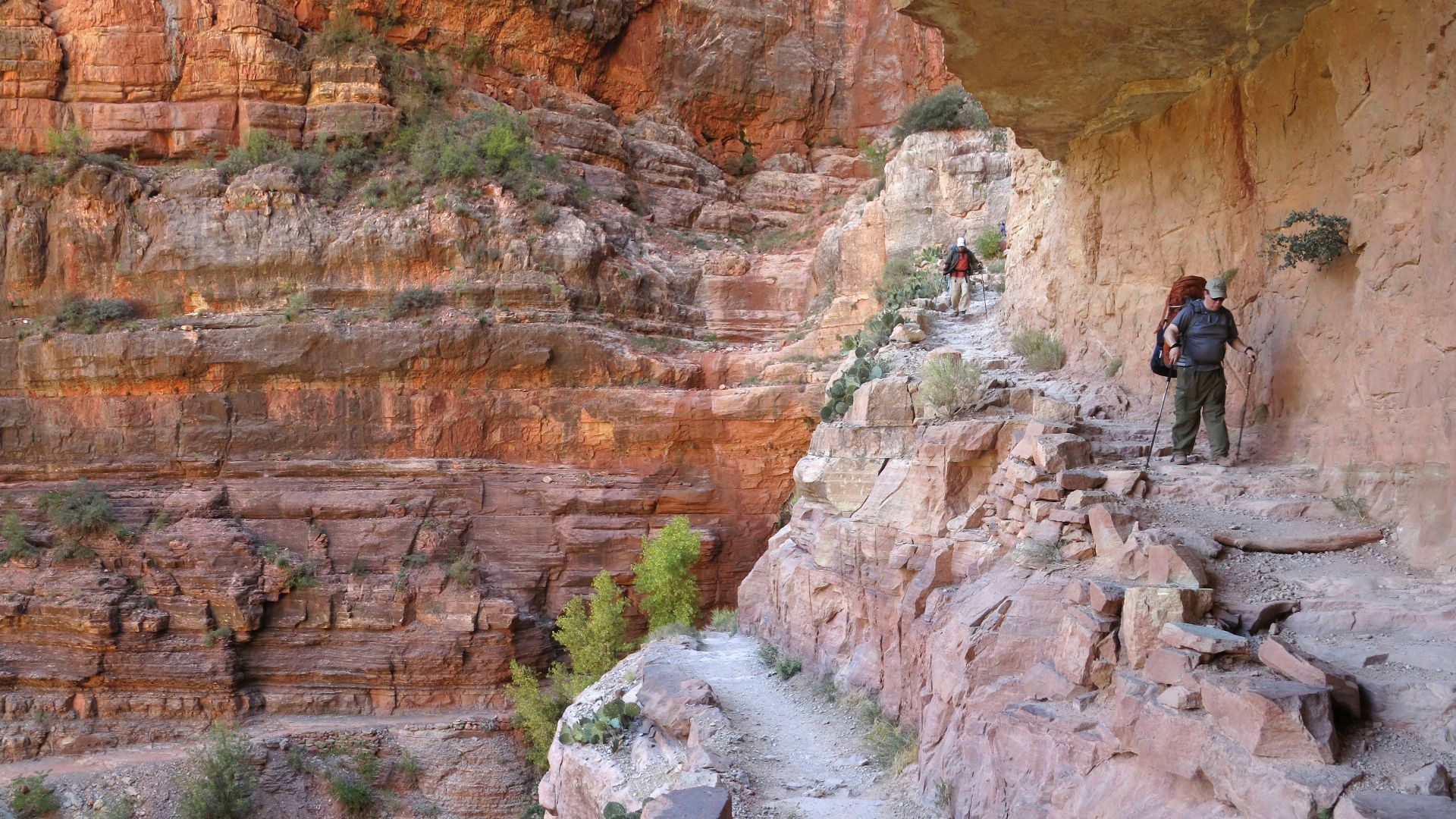 Grand Canyon National Park, Wikimedia Commons
1997: Great Smoky Mountains, Kobuk Valley
Most visited: Great Smoky Mountains: 9,965,075 recreation visits
At the bottom: Kobuk Valley: 2,781 recreation visits
The Smokies came within 34,925 visits of ten million and welcomed more than twice as many people as second-place Grand Canyon. Kobuk posted 2,781 for a third straight year. One park had a crowd problem. The other had either remarkable consistency or suspiciously neat paperwork.
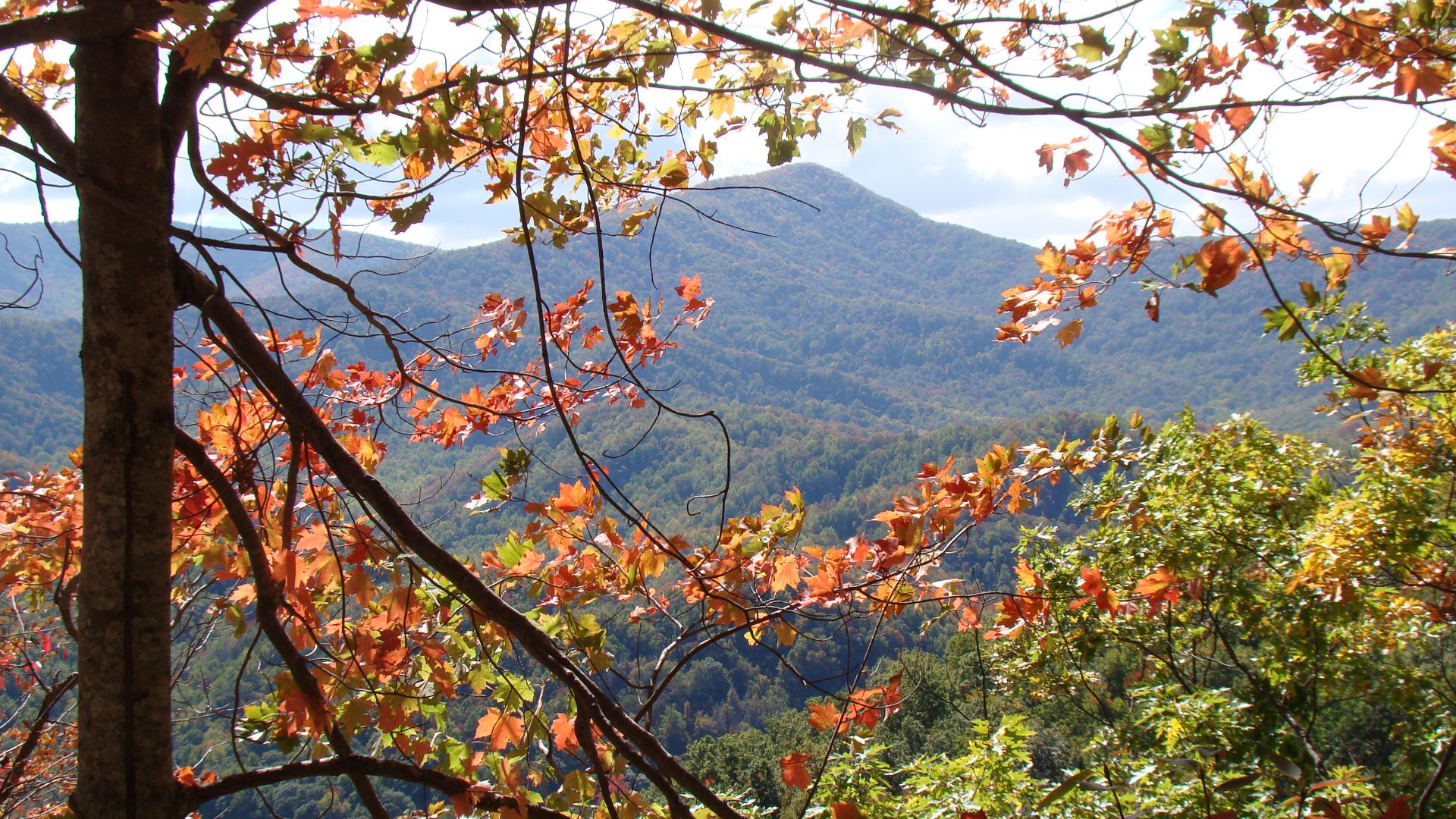
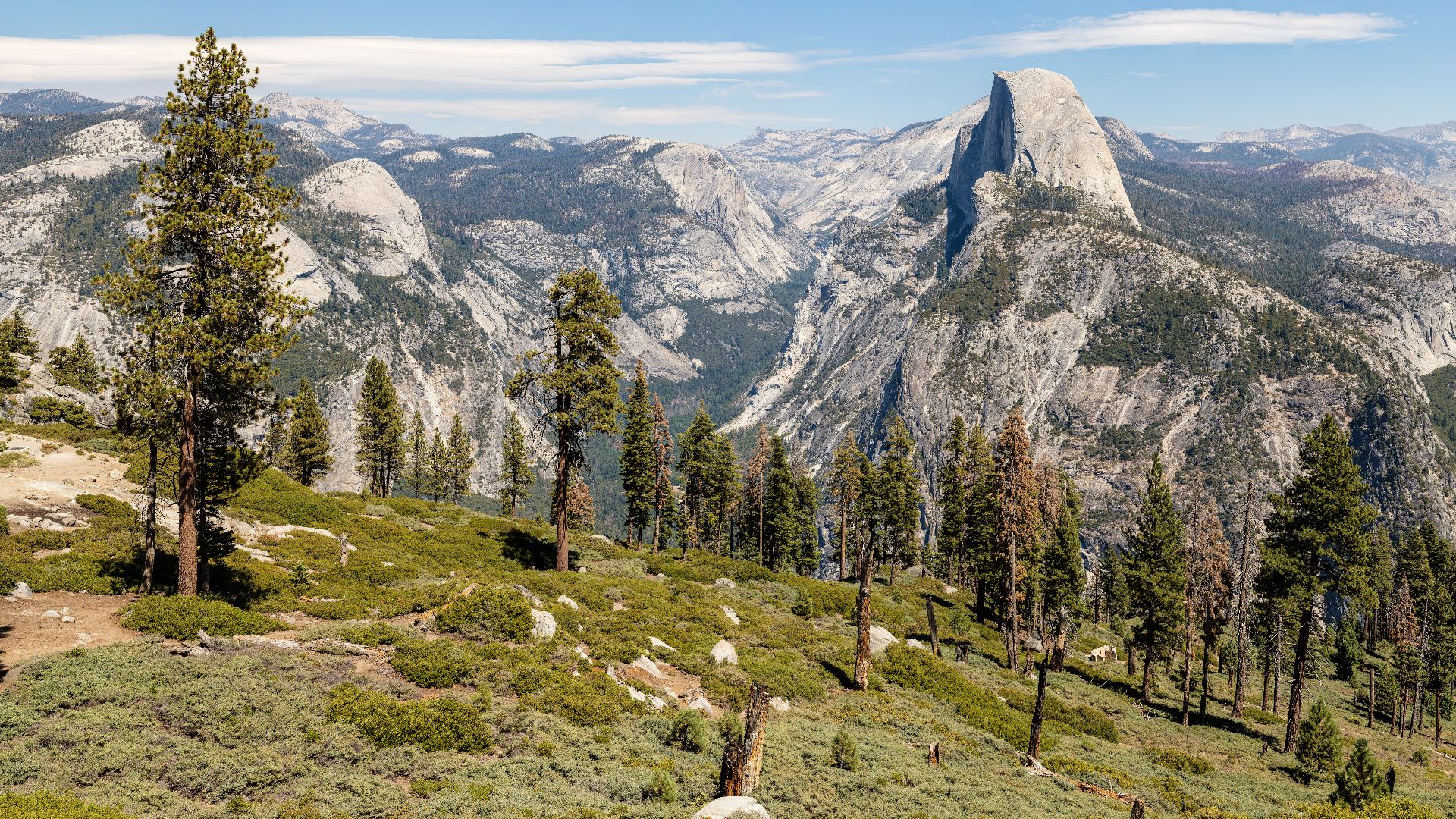
1998: Great Smoky Mountains, Kobuk Valley
Most visited: Great Smoky Mountains: 9,989,395 recreation visits
At the bottom: Kobuk Valley: 5,550 recreation visits
The Smokies missed ten million by just 10,605 visits, which probably annoyed whoever had already ordered the banner. Grand Canyon drew 4,239,682, Yosemite had 3,657,132 and Yellowstone reached 3,120,830. Kobuk nearly doubled its total and still finished comfortably at the bottom.
 Thomas Wolf, www.foto-tw.de, Wikimedia Commons
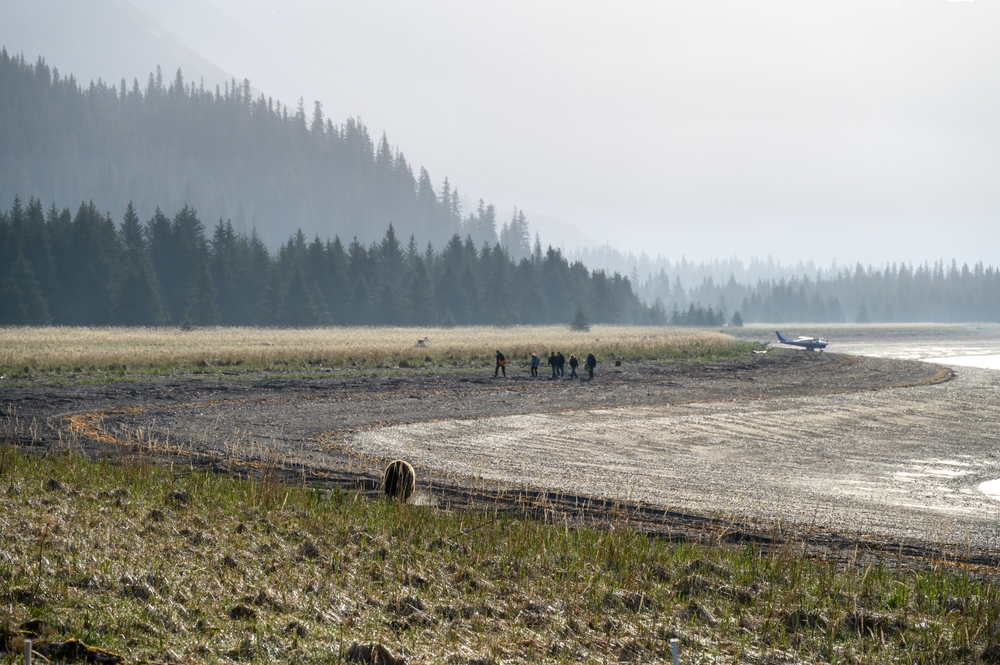
1999: Great Smoky Mountains, Lake Clark
Most visited: Great Smoky Mountains: 10,283,598 recreation visits
At the bottom: Lake Clark: 6,190 recreation visits
Grand Canyon finished second with 4,575,124 visits, while Yosemite and Yellowstone each topped three million. The Smokies still welcomed more visits than Grand Canyon and Yosemite combined. Lake Clark ended the Gates-and-Kobuk monopoly on last place, although “winning” that distinction probably did not make the brochure.
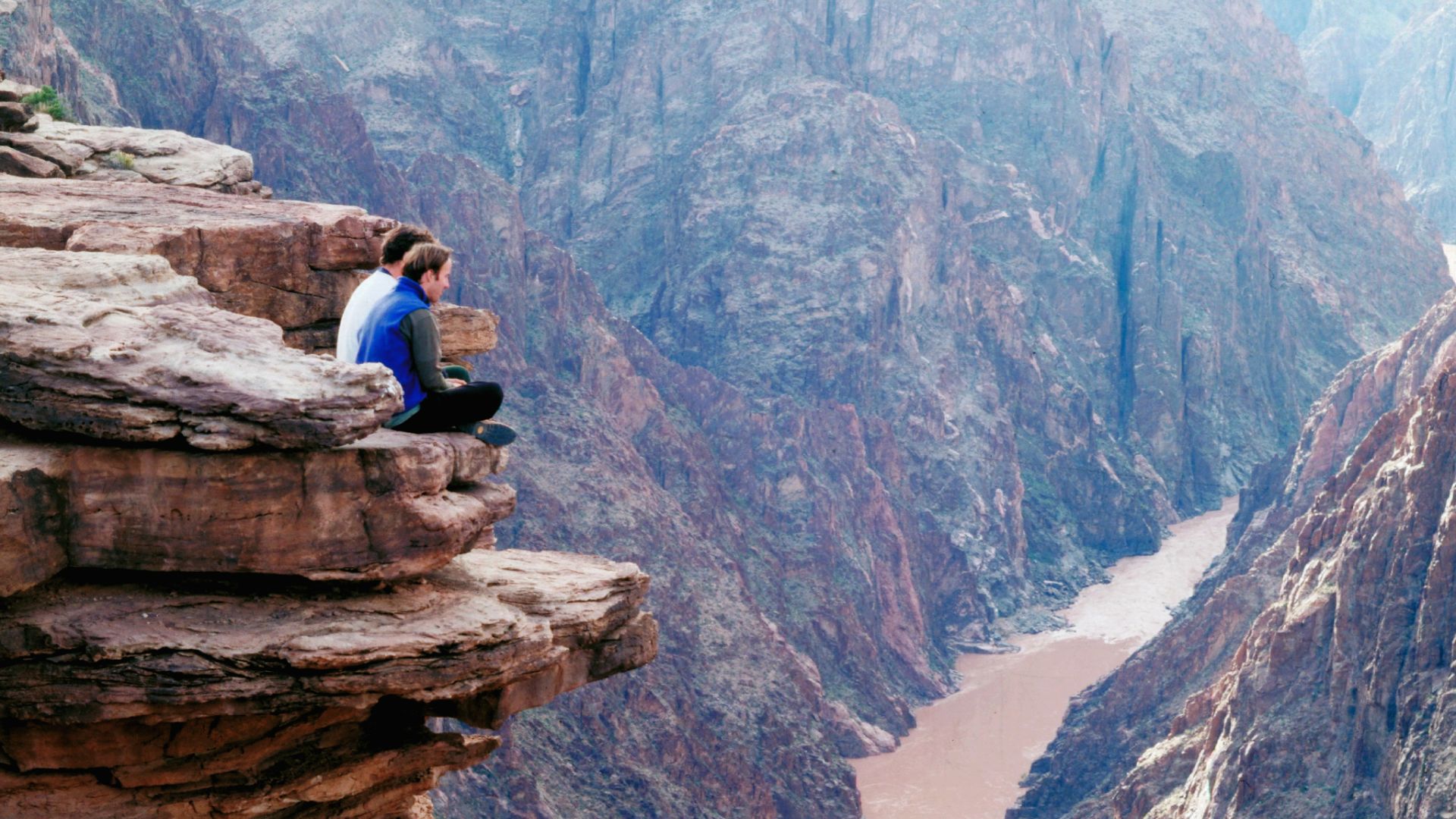
2000: Great Smoky Mountains, Kobuk Valley
Most visited: Great Smoky Mountains: 10,175,812 recreation visits
At the bottom: Kobuk Valley: 2,646 recreation visits
The new millennium changed many things. This was not one of them. Grand Canyon finished second with 4,460,228 visits, followed by Yosemite with 3,400,903. The Smokies won for the 22nd consecutive year, while Kobuk recorded fewer visits all year than the winner averaged in a little over two hours.
 National Park Service Digital Image Archives, Wikimedia Commons
One Park Owned The Entire Era
Yes, you read that right: Great Smoky Mountains won all 22 years. Isle Royale finished at the bottom twice, Katmai once, Gates of the Arctic nine times, Kobuk Valley nine times and Lake Clark once. To be fair to those lower-attended parks, those numbers aren’t a verdict on which parks were best.
The Smokies offered multiple road entrances and no entrance fee. The quietest parks usually required a boat, a small plane or a serious wilderness plan.
You Might Also Like:
Sources: 1