The Pass Fell Apart
You bought a multi-attraction museum pass expecting several packed days of sightseeing. Then unexpected closures and reduced hours wiped out much of your itinerary. The question is whether a pass provider owes compensation when circumstances make a large portion of the advertised attractions temporarily unavailable.
Why Museum Passes Appeal
In a museum-rich destination such as Paris, buying individual tickets can mean repeatedly comparing prices, navigating booking systems, and making separate payments. A museum pass can simplify the trip by bundling admission to numerous participating museums and monuments into one product.
Convenience Has Real Value
The attraction is not purely financial. Travelers discussing the Paris Museum Pass frequently cite convenience, easier planning, and the ability to visit numerous sites under one purchase. For an ambitious sightseeing itinerary, reducing ticket-buying friction can be valuable.

Do The Math First
Before buying any attraction pass, list the places you genuinely intend to visit and compare their individual admission prices with the pass cost. A pass only saves money if your realistic itinerary, rather than an imaginary sightseeing marathon, contains enough covered admissions to justify the expense.
Check What Is Covered
Do not assume every museum, special exhibition, or attraction is included. The official pass information states that temporary exhibitions are not included, while certain participating sites require separate time-slot reservations. Read the inclusion list and reservation requirements before building an itinerary around the pass.

Reservations Still Matter
A pass does not necessarily mean you can simply arrive whenever you like. Some popular participating attractions require advance time-slot reservations even for pass holders. Secure those reservations early, especially during busy travel periods, and make sure your confirmed times fit together geographically and realistically.

Then The Heat Arrived
The hypothetical problem became very real during the June 2026 heat wave. The official Paris Museum Pass site warned that heat-exposed attractions could close or alter operating hours, with multiple major museums and monuments affected during the same period.
Major Sites Cut Hours
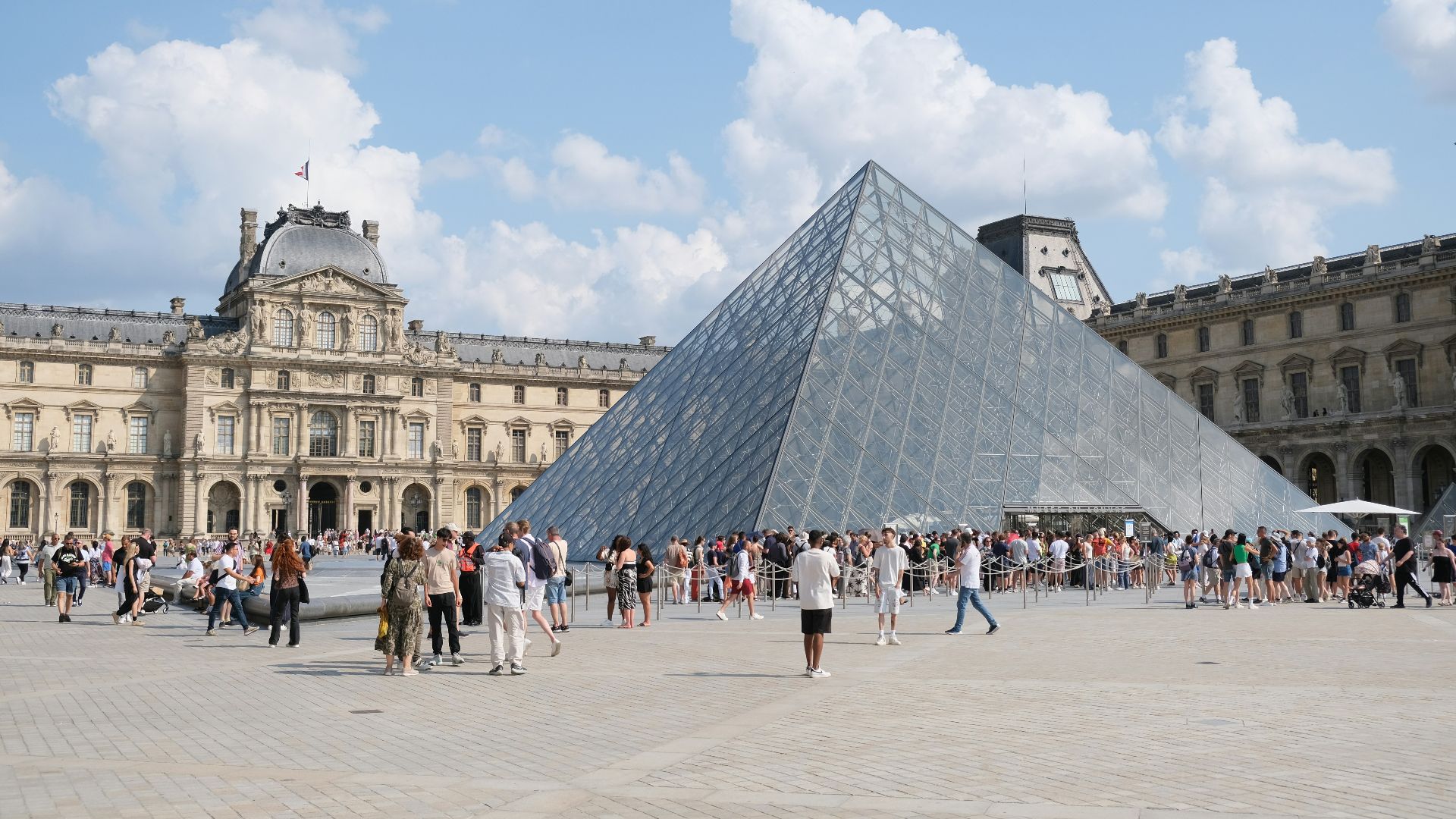
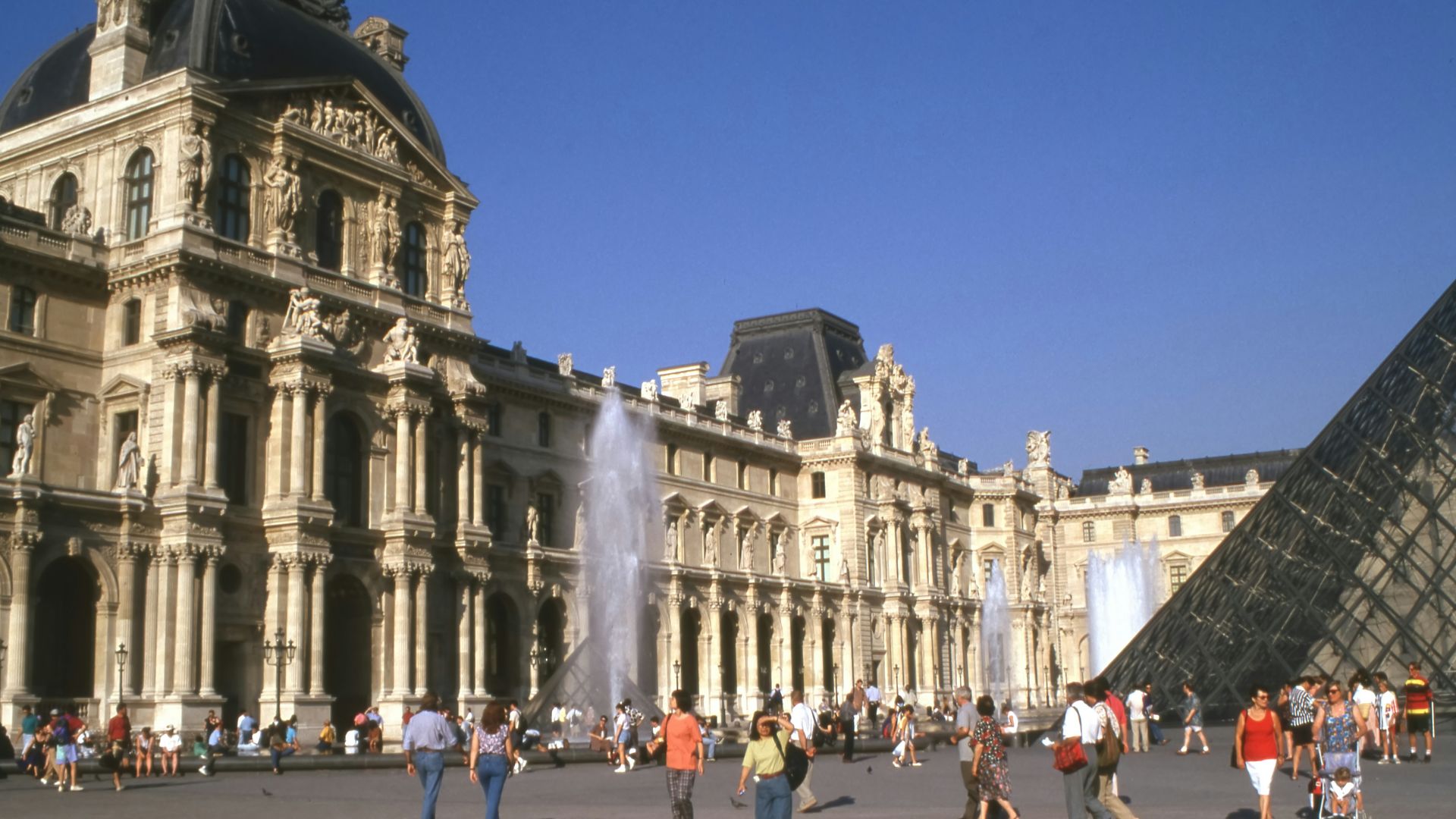
During the heat wave, the Louvre Museum, Musée d'Orsay, Musée de l'Orangerie, and Musée Rodin were among attractions with reduced hours. The official pass site also reported closures affecting the Towers of Notre-Dame and Sainte-Chapelle.
Safety Comes First
A museum should not remain open simply because tourists bought passes months earlier. Extreme indoor temperatures can threaten staff and visitors, while historic buildings may be poorly equipped for severe heat. The Louvre cited difficult visiting and working conditions when reducing its hours.
Compensation Is Complicated
Feeling shortchanged is understandable, but entitlement to compensation depends on the pass contract and circumstances. The Paris Museum Pass terms say reimbursement may be granted following cancellation or modification of the service only if the pass has never been scanned, subject to additional exclusions.

Using It Changes Things
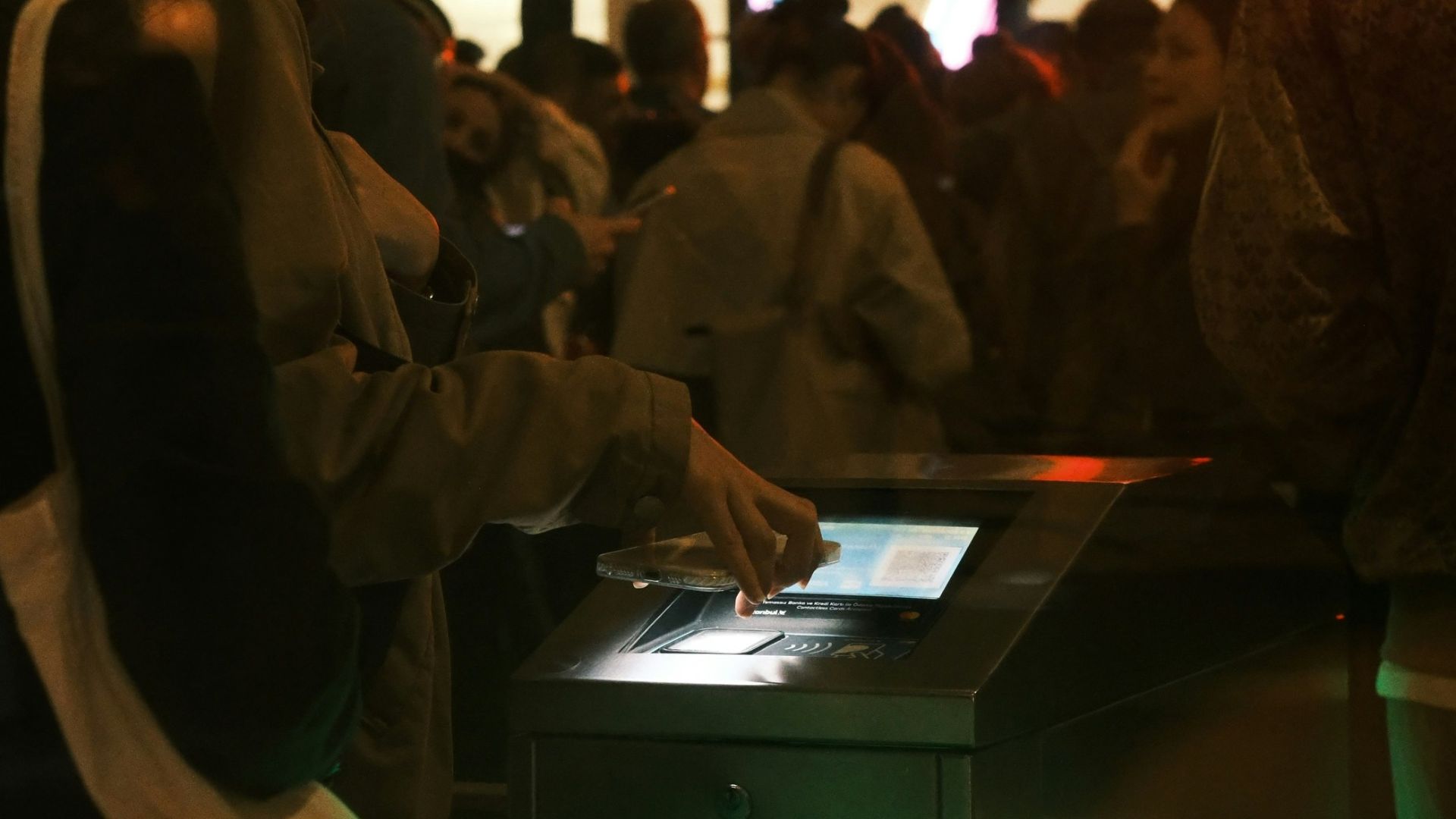
This distinction matters enormously. If you activated the pass and successfully visited several attractions before closures disrupted the remainder of your plans, obtaining a refund may be harder than if widespread closures occurred before you used the pass even once. Always check the exact contract governing your purchase.
Force Majeure May Apply
The official terms also exclude exchange or reimbursement when cancellation results from force majeure as recognized under French law. Whether a particular heat-related disruption legally qualifies is a fact-specific question, but the clause illustrates why unexpected closures do not automatically produce a refund.

Ask Anyway
Even when the written terms appear unfavorable, contact the seller promptly and explain exactly what happened. List the attractions that were closed, the dates involved, and how much of the pass you actually used. Request a partial refund, credit, extension, or another reasonable accommodation.

Document Every Closure
Save screenshots of official closure notices, emails, reservation cancellations, photographs of posted notices, and your original itinerary. Documentation makes a compensation request far stronger than simply saying attractions were unavailable. It also helps establish whether closures were isolated incidents or affected a substantial part of the advertised product.

Contact The Right Seller
Determine who actually sold you the pass. If you bought directly from the official provider, start there. If you purchased through an online travel agency or package seller, its contract and customer-service process may control your initial claim. Keep all correspondence polite, specific, and in writing.

Credit Cards Add Options
For a U.S. traveler, a credit card dispute may be worth discussing with the card issuer if a paid service was genuinely not provided and the merchant will not resolve the matter. However, a chargeback is not guaranteed, especially when the pass was partially used.

Partial Use Weakens Claims
Imagine that you visited six included attractions but missed four others because of closures. That is different from arriving to find nearly the entire product unusable. When asking for compensation, calculate the value you actually received and make a proportionate request rather than automatically demanding everything back.

Flexibility Helps Pass Holders
One advantage of a broad attraction pass is the ability to substitute another included destination when one site closes. During the 2026 heat wave, conditions varied substantially among cultural sites, with some museums reducing access while other cooler or air-conditioned institutions remained available.

Build Backup Plans
Before each sightseeing day, identify two or three alternative attractions covered by your pass. Group them by neighborhood so you can change direction without wasting hours crossing the city. This strategy is useful during heat waves, strikes, technical failures, security incidents, and unexpected maintenance closures.

Avoid Overpacking Days
A pass can encourage frantic sightseeing because every additional admission feels free. Resist that temptation. Large institutions can consume half a day or more, and travel between attractions takes time. A realistic schedule leaves enough flexibility to absorb a closure without destroying the entire day.

Buy At The Right Time
If conditions are uncertain, consider waiting until close to your visit before purchasing, provided reservations and availability allow it. The official pass site states that passes are generally neither refunded nor exchanged, so buying too early can shift more disruption risk onto the traveler.

Should You Be Compensated?
If half the advertised experience became unavailable, asking for compensation is entirely reasonable. Whether you are legally or contractually entitled to it is another matter. Your strongest case comes when the pass was unused or nearly unusable, the closures were extensive, and you documented everything carefully.

You May Also Like:
Historic Destinations That Still Exist—But Look Nothing Like They Did 100 Years Ago