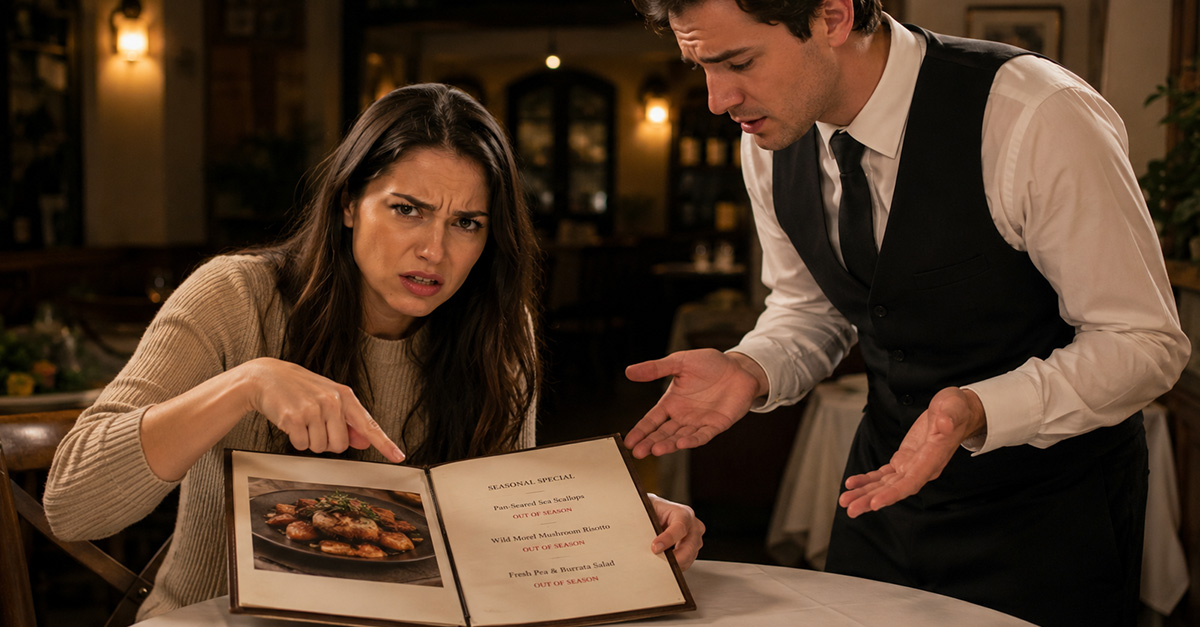
When The Menu Has A Calendar
You built the trip around food. You bookmarked the soups, watched noodle videos, saved pastry shops, and maybe even learned how to pronounce that one famous stew. Then you arrived, hungry and hopeful, only to hear the dreaded words: “Sorry, that’s out of season.”
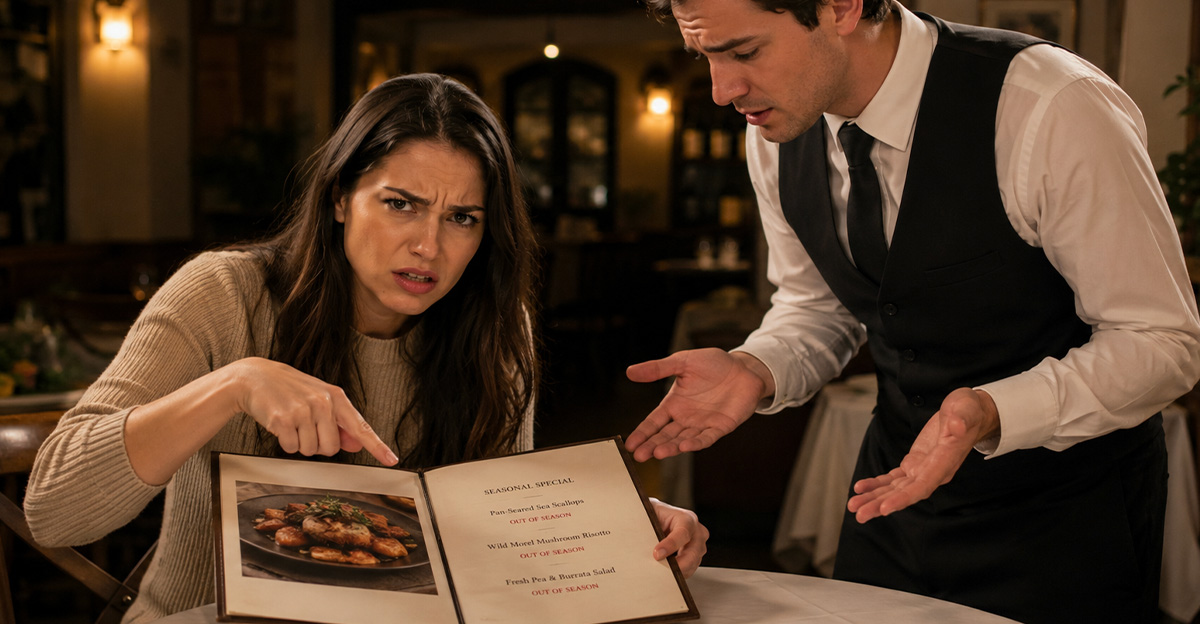
Yes, This Is Very Common
The short answer is yes, this happens all the time. In many food-loving places, local cuisine follows the seasons closely. A dish might be famous year-round online, but in real life, it may depend on fresh produce, seafood runs, hunting seasons, festivals, or old-school kitchen traditions.

Local Food Is Not A Theme Park
Travel websites can make dishes sound like permanent attractions, like museums or monuments. But food is alive. It changes with weather, harvests, tides, and local habits. That’s part of what makes eating abroad exciting, even when it ruins your carefully planned snack schedule.
The Ingredients May Not Be Available
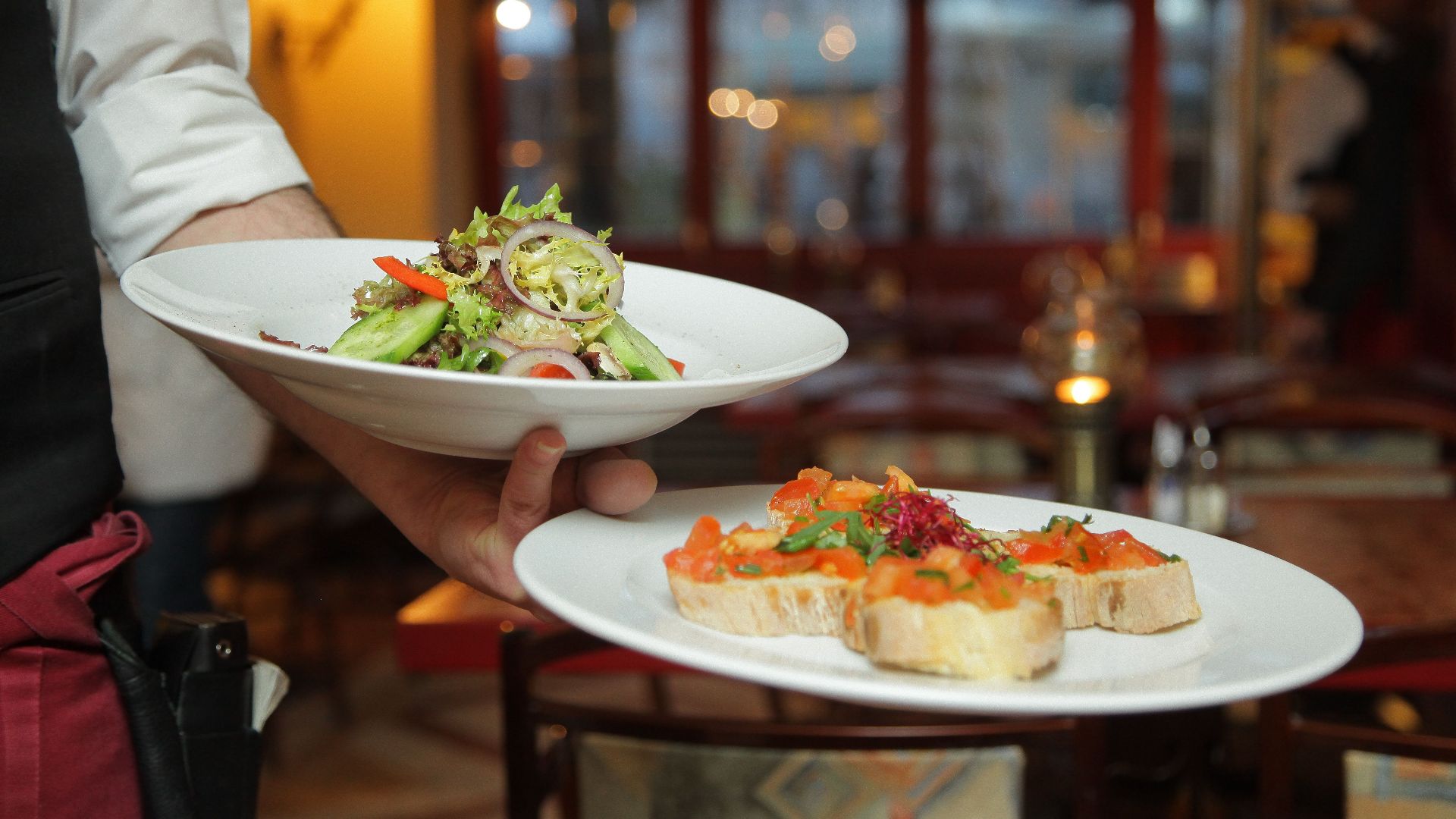
Some dishes rely on ingredients that only taste right at certain times. Think ripe tomatoes, wild mushrooms, truffles, soft-shell crab, fresh figs, or young spring vegetables. Sure, restaurants could use frozen or imported versions, but many good places would rather not serve a weaker dish.
Seafood Has Its Own Rules
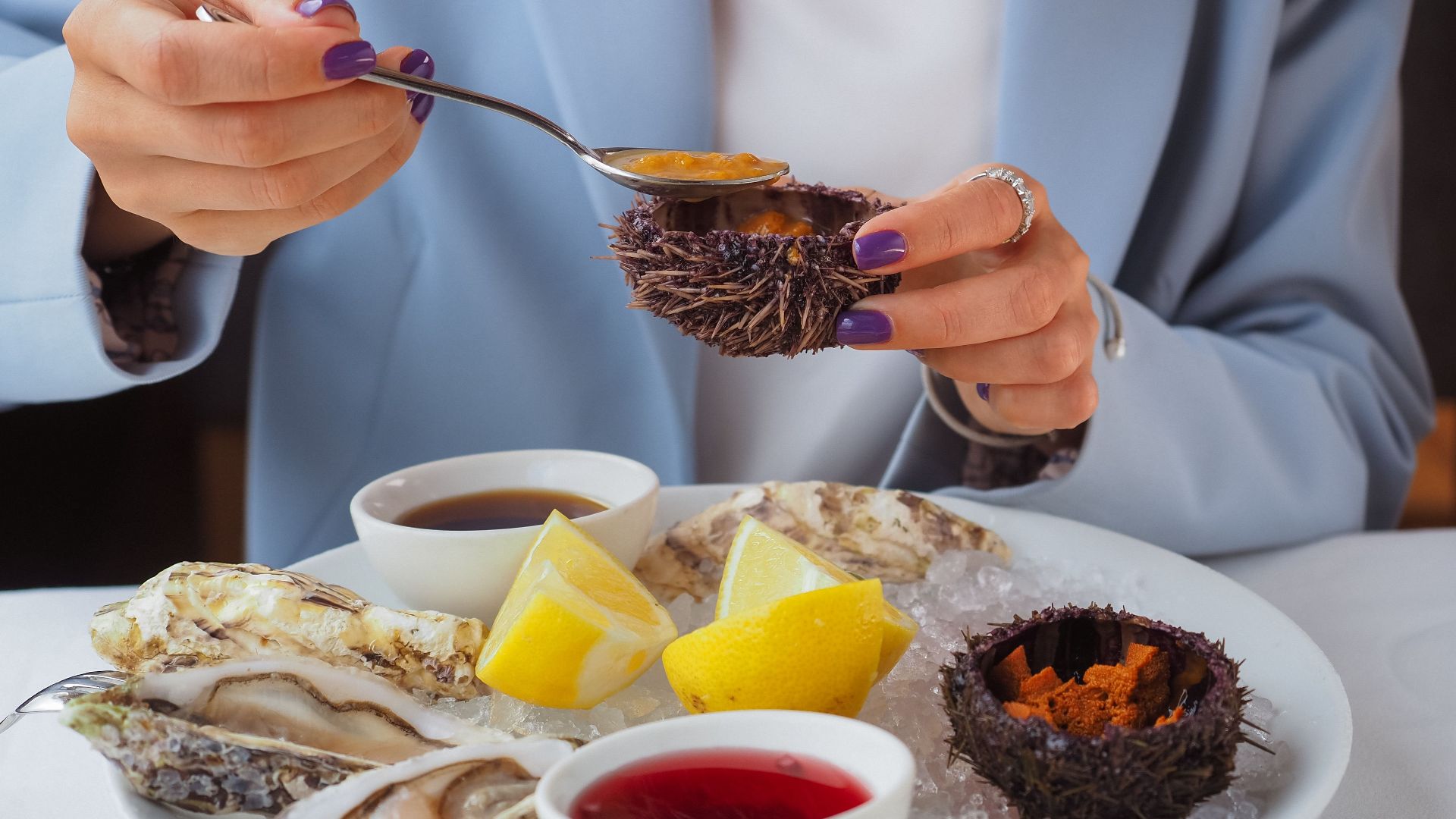
Seafood is one of the biggest reasons travelers run into seasonal surprises. Oysters, crab, lobster, sardines, sea urchin, and certain fish often have peak seasons. Sometimes the rules are about flavor. Other times they involve sustainability, local fishing regulations, or simply what boats are catching.
Some Dishes Are Festival Food
A dish may be famous, but that doesn’t mean locals eat it every Tuesday. Some foods are tied to holidays, religious events, harvest festivals, or family celebrations. If you show up in the wrong month, you may discover that your dream dish is basically the local version of Thanksgiving stuffing.

Weather Changes What People Want To Eat
Even when ingredients are available, restaurants may change menus based on the weather. Heavy stews, rich roasts, and hot soups often disappear during summer. Light salads, grilled seafood, chilled noodles, and fruit desserts may take over. Locals usually eat with the season, not against it.

Restaurants Want Food To Taste Right
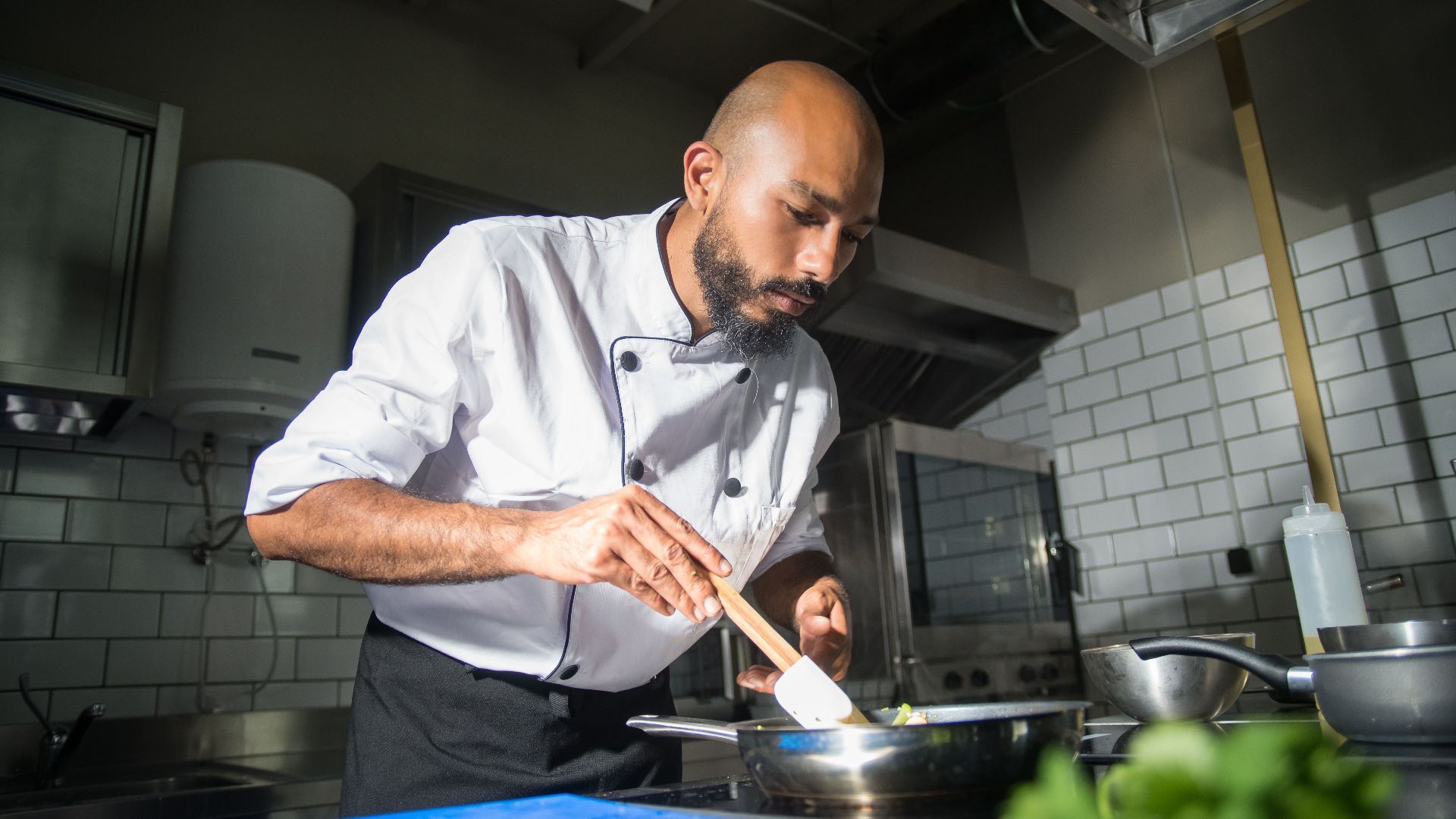
A good restaurant would rather disappoint you than serve a sad version of a beloved dish. That can feel frustrating, but it’s actually a good sign. If a chef says something is out of season, they may be protecting the dish, the ingredient, and your first impression of it.
Online Lists Can Be Misleading
Many “must-try dishes” lists leave out timing. They tell you what to eat in Sicily, Kyoto, Oaxaca, or Lisbon, but not when to eat it. A dish might be deeply local and totally authentic, while still being impossible to find during your particular week in town.

Social Media Makes It Worse
Social media freezes food in time. You see a glossy photo from someone’s trip in October and assume it will be waiting for you in April. But that perfect plate may have depended on a short harvest, a market special, or a chef’s temporary menu.

Menus Change Faster Than Travel Plans
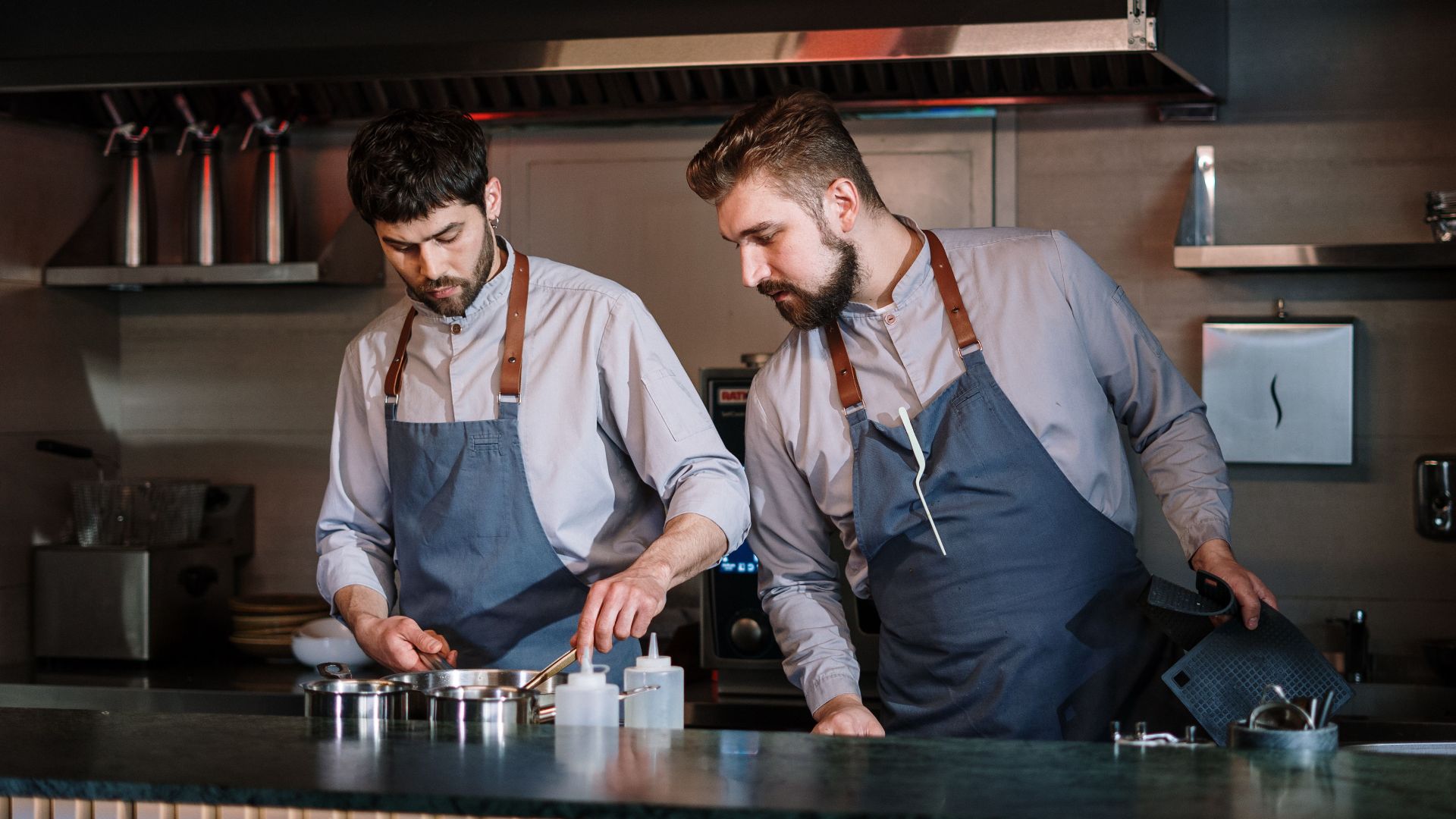
Travelers often plan months in advance, but restaurants may build menus day by day. A chef might decide what to serve after visiting the market that morning. That means your food itinerary can collide with real-time supply, especially in places where freshness matters more than consistency.
Some Classics Are Year-Round
Not every dish is seasonal. Many local staples are available almost any time, especially breads, dumplings, noodles, cured meats, cheeses, rice dishes, street snacks, and comfort foods. The trick is knowing which dream dishes are daily classics and which ones are seasonal celebrities.

Ask Locals What Is Good Now
Instead of asking only, “Where can I try this dish?” ask, “What is good right now?” That tiny wording change can save your trip. Locals, market vendors, servers, and hotel staff often know which ingredients are peaking and which restaurants are cooking them well.

Markets Tell The Truth
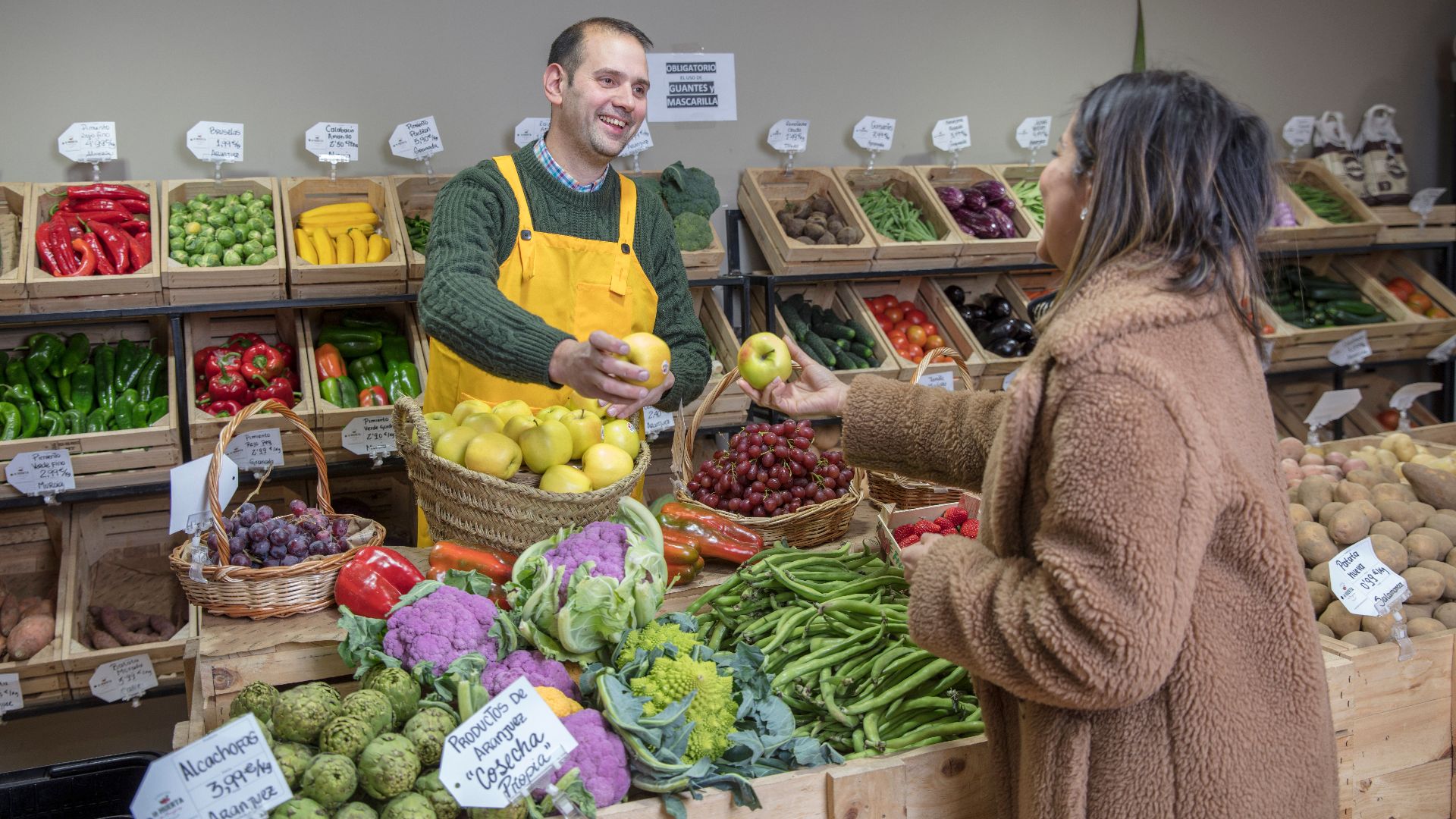
Food markets are the best reality check. If piles of artichokes, cherries, mushrooms, or anchovies are everywhere, restaurants are probably cooking them. If your desired ingredient is nowhere to be seen, that famous dish may not be happening. The market is basically the city’s edible calendar.
The Best Dish Might Be The Replacement
The thing you didn’t plan for may become the thing you remember. Maybe the unavailable truffle pasta leads you to fresh asparagus risotto. Maybe the missing crab sends you toward grilled sardines. Travel rewards flexible eaters, especially the ones willing to follow the season.
Build A Food List, Not A Food Script
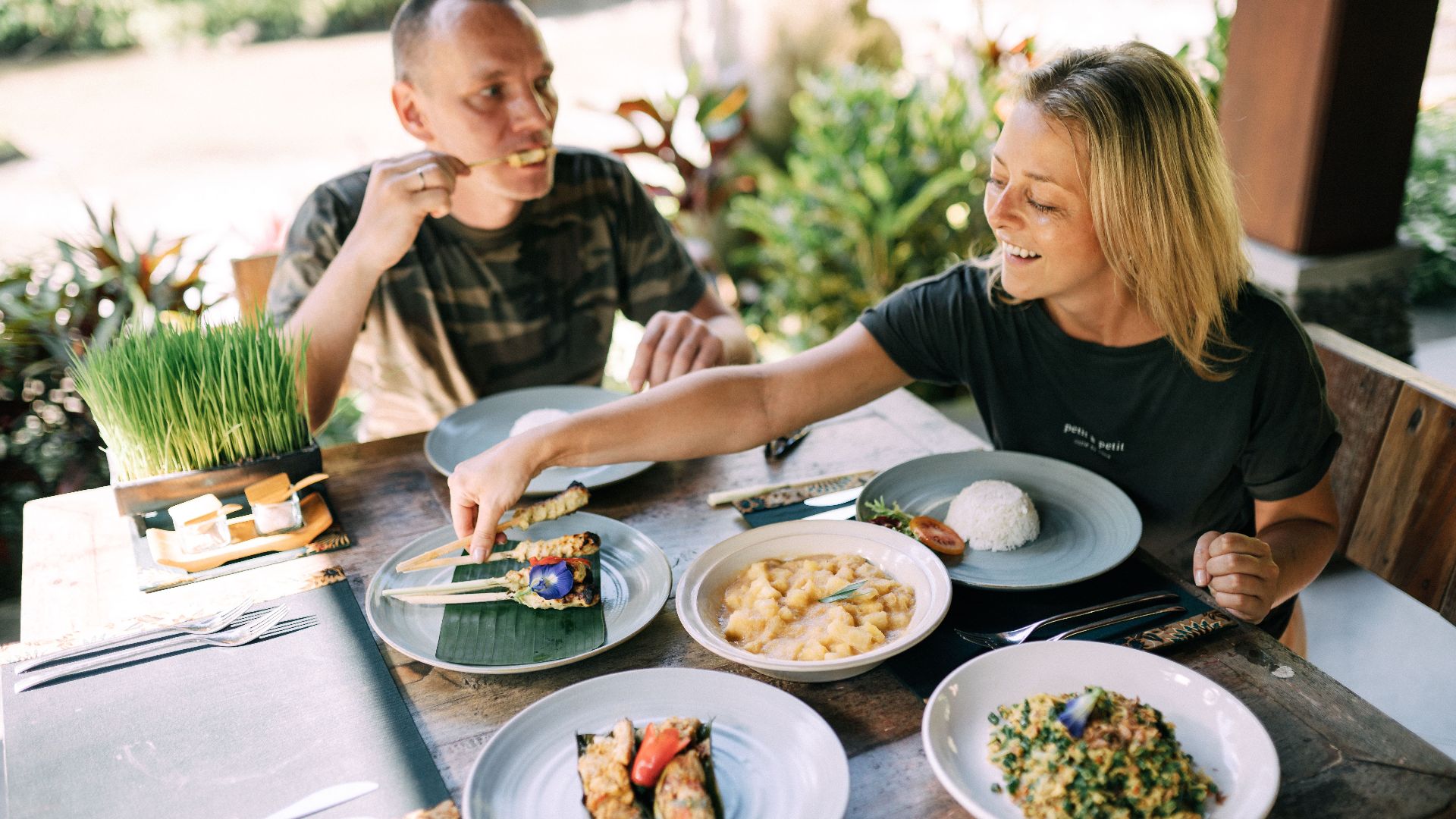
Instead of planning every bite like a military operation, make a flexible food wish list. Include must-try dishes, seasonal possibilities, markets, bakeries, and backup snacks. That way, if one dish disappears, your whole culinary vacation doesn’t collapse like an overfilled suitcase.

Research Seasons Before Booking
If one dish is the whole reason for your trip, check its season before buying flights. Search for harvest months, fishing seasons, local festivals, and restaurant menu patterns. Better yet, contact a restaurant or food tour guide directly. They may save you from heartbreak.

Watch For “Peak Season” Clues
Words like “spring specialty,” “autumn harvest,” “winter stew,” “summer fruit,” or “festival dish” are clues. So are ingredients like wild greens, fresh berries, game meats, young cheeses, and mushrooms. When a dish sounds tied to nature, assume nature gets a vote.

Food Tours Can Help
A good food tour is less about checking boxes and more about understanding the local rhythm. Guides usually know what’s available now, what’s overhyped, and what tourists misunderstand. They can also introduce you to seasonal dishes you would never have found on your own.

Menus With No Seasons Can Be Suspicious
A restaurant serving every local specialty every day of the year may be convenient, but convenience has a cost. It might rely on frozen ingredients, tourist expectations, or shortcuts. That doesn’t always mean bad food, but it may not deliver the magical version you imagined.

Seasonal Food Is A Cultural Lesson
When a dish is out of season, it teaches you something. It shows that the place has food traditions connected to land, climate, labor, and celebration. In a world of everything-all-the-time eating, that can feel inconvenient, but it is also wonderfully human.
Be Honest About Your Disappointment
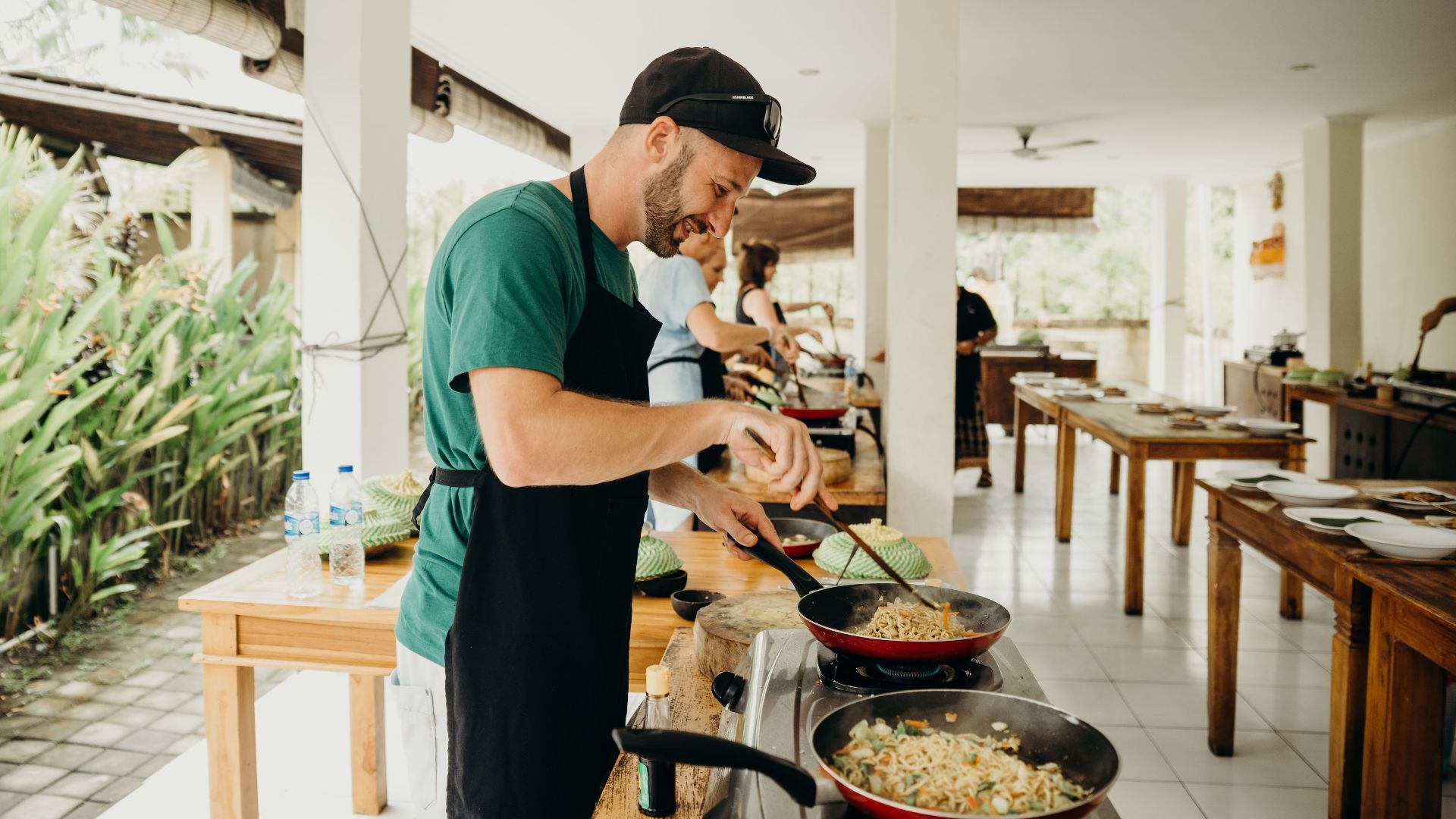
It’s okay to be disappointed. You traveled far, read too many blogs, and maybe dreamed about one plate for months. But don’t let one unavailable dish define the trip. Food travel works best when curiosity is bigger than the checklist.

Ask Restaurants For Alternatives
Servers usually know what dish can scratch the same itch. Wanted a rich seafood stew? Ask what fish is best today. Missed a famous mushroom pasta? Ask what the chef recommends instead. The replacement may not be famous online, but it may be better.

Save The Dream For Next Time
Sometimes the answer is simply: come back in the right season. That’s not failure; that’s a reason to return. Many travelers accidentally create future trips this way. Today’s disappointment becomes next year’s perfect autumn food weekend or spring market adventure.

The Best Travelers Eat With The Calendar
Food-focused travel is not just about where you go. It’s also about when you go. The same city can taste completely different in May, August, October, and January. Once you understand that, seasonal disappointment turns into seasonal strategy.
So, Was Your Trip Ruined?
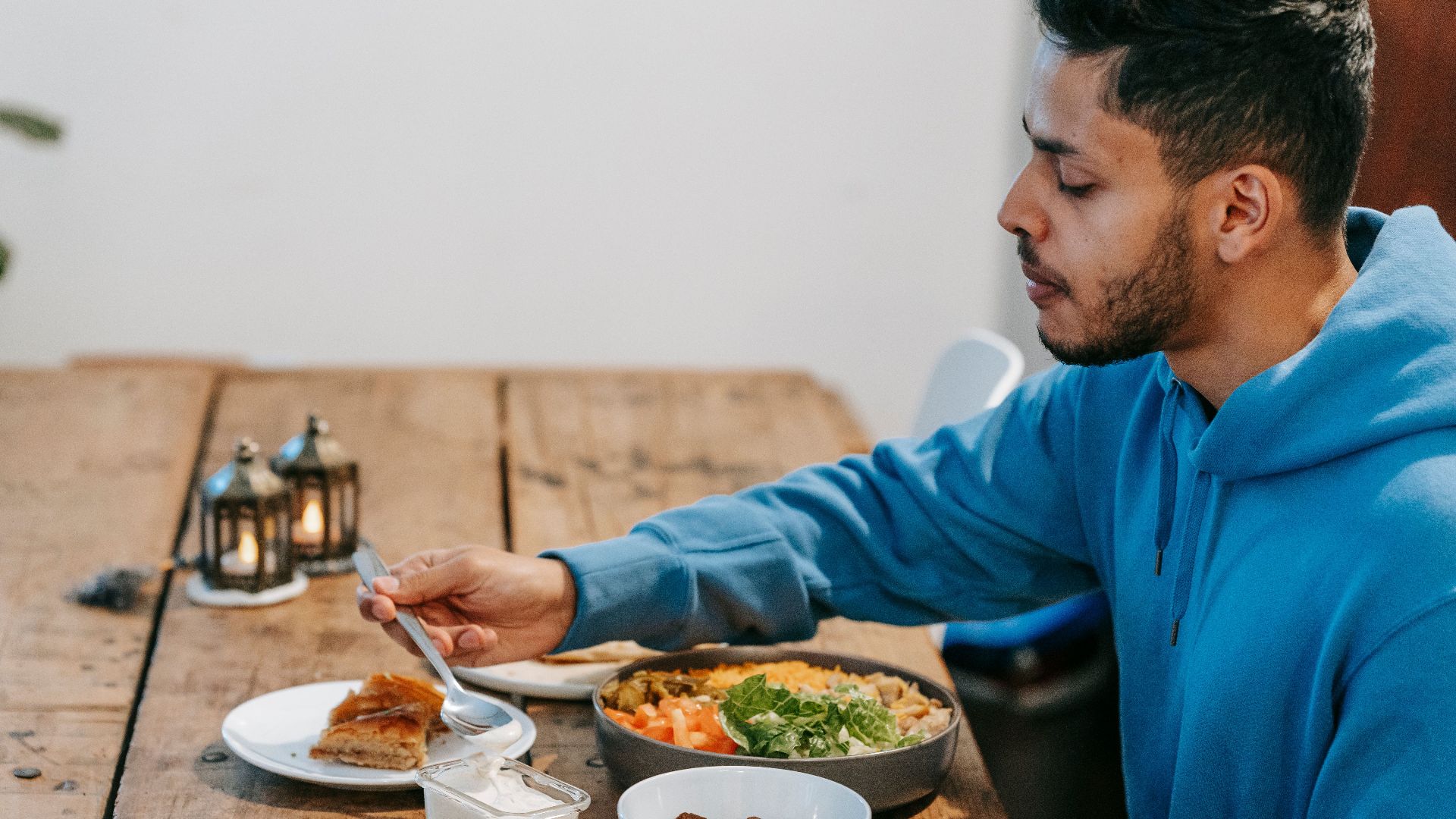
Not at all. You just discovered one of the great truths of food travel: local cuisine has timing. Some dishes show up, shine briefly, and vanish. That can be annoying, but it is also what makes them special. The menu had a calendar, and now you know how to read it.

Follow The Season, Not Just The Bucket List
Planning a vacation around local cuisine is still a fantastic idea. Just leave room for surprise. Research seasons, ask what’s fresh, visit markets, and trust local recommendations. The dish you came for may be out of season, but the dish you discover could be unforgettable.
 AI25.Studio AI GENERATIVE, Pexels
You May Also Like:
The Most Mispronounced Cities In America—How Many Are You Saying Wrong?
My Airbnb host asked us to leave a positive review before we even checked in. Is that a red flag?