The Travel Experience Is Changing Faster Than Many Visitors Realize
Many travelers return to famous attractions after several years away only to discover a completely different experience. Timed tickets, reservation systems, security screenings, visitor caps, and restricted access have transformed how people visit some of the world's most iconic destinations.
Have any of your vacation plans been ruined by an unforeseen barrier to entry?
 Nicola Forenza, Adobe Stock Images / Andrii Iemelianenko, Adobe Stock Images
Crowds Forced Many Attractions To Rethink Access
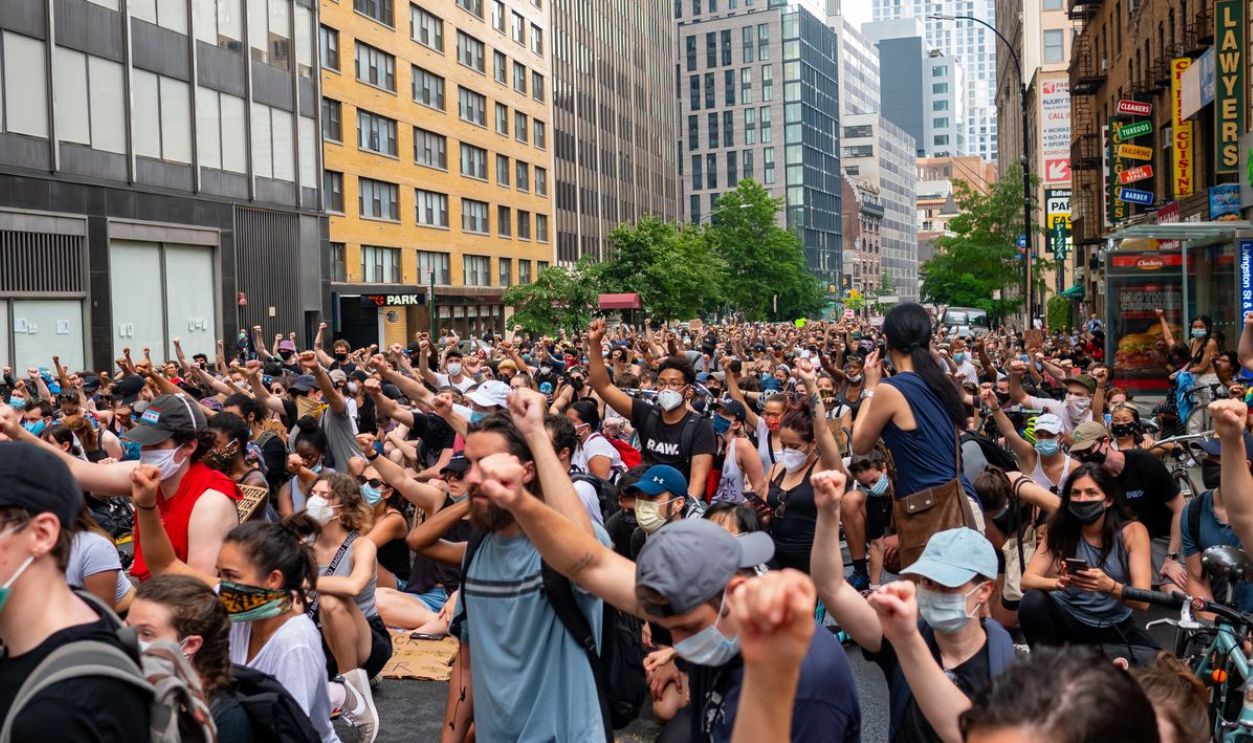
Before the rise of mass tourism, many landmarks simply allowed visitors to arrive and enter. As visitor numbers exploded, overcrowding began damaging historic sites, frustrating tourists, and creating safety concerns. New rules often emerged as a response to these growing pressures.
Timed Entry Reservations Are Becoming Common
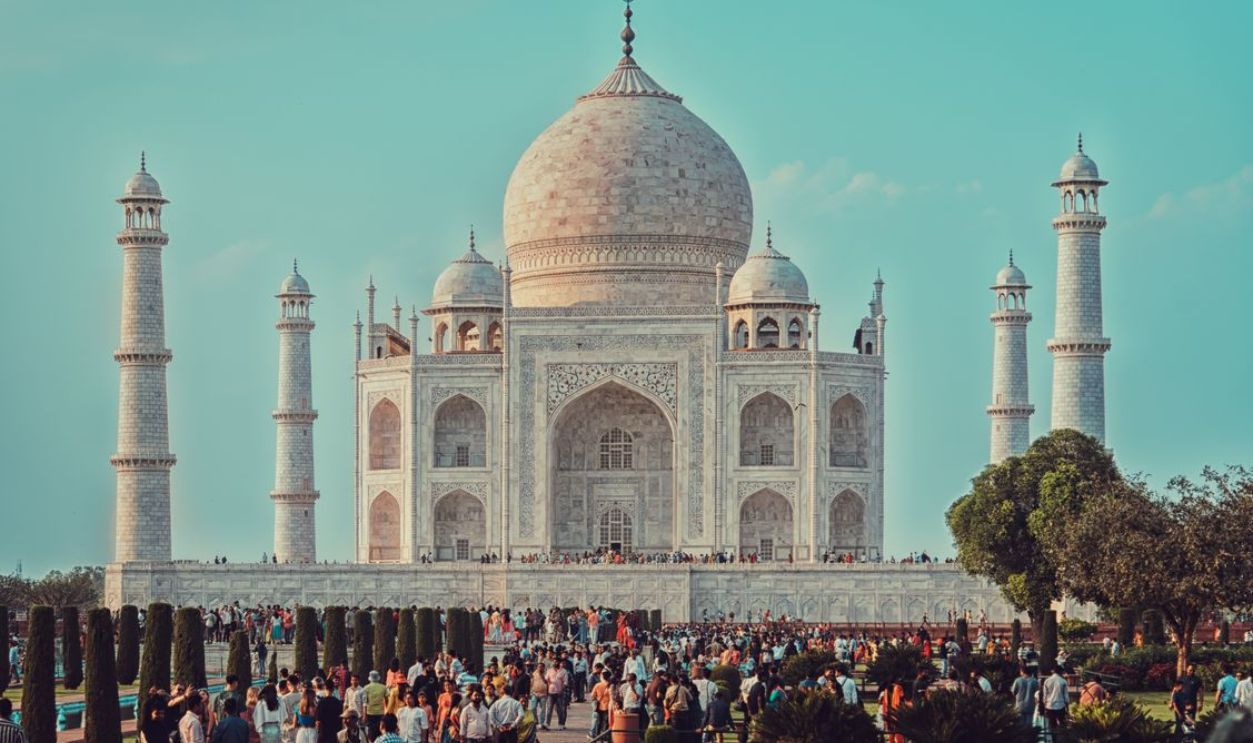
One of the biggest changes travelers notice is timed entry. Instead of showing up whenever they want, visitors now frequently reserve specific time slots. Attractions use these systems to spread crowds throughout the day and reduce long lines.
Some Destinations Sell Out Weeks In Advance
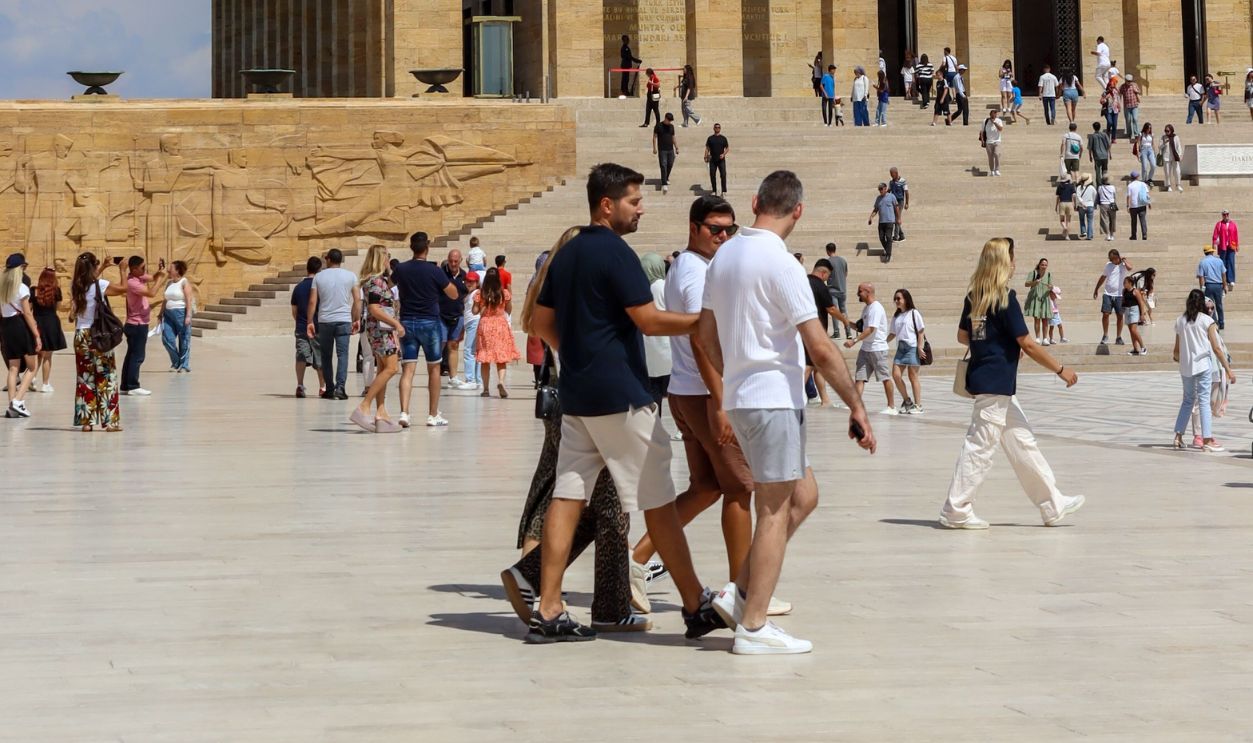
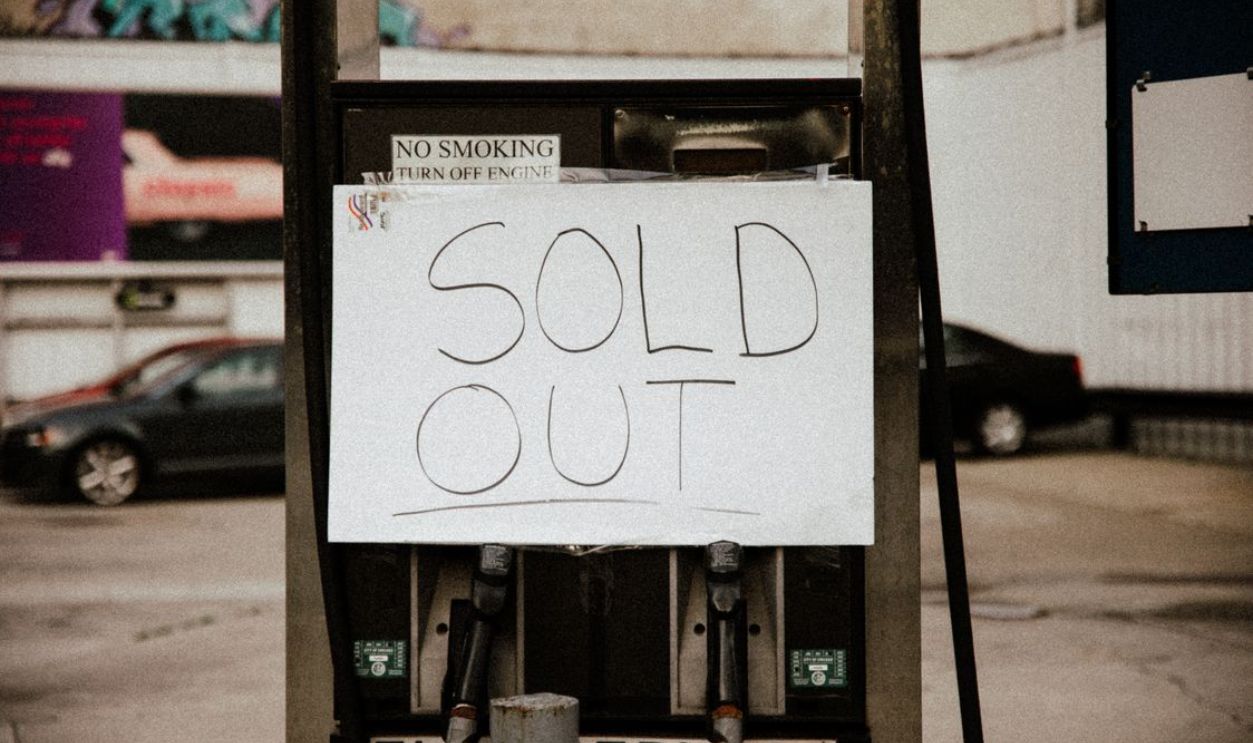
Popular attractions increasingly require planning far ahead. Places that once welcomed spontaneous visitors now sometimes sell out days or even weeks before arrival. Travelers who fail to reserve tickets early may discover they cannot enter at all.
Overtourism Has Become A Global Concern
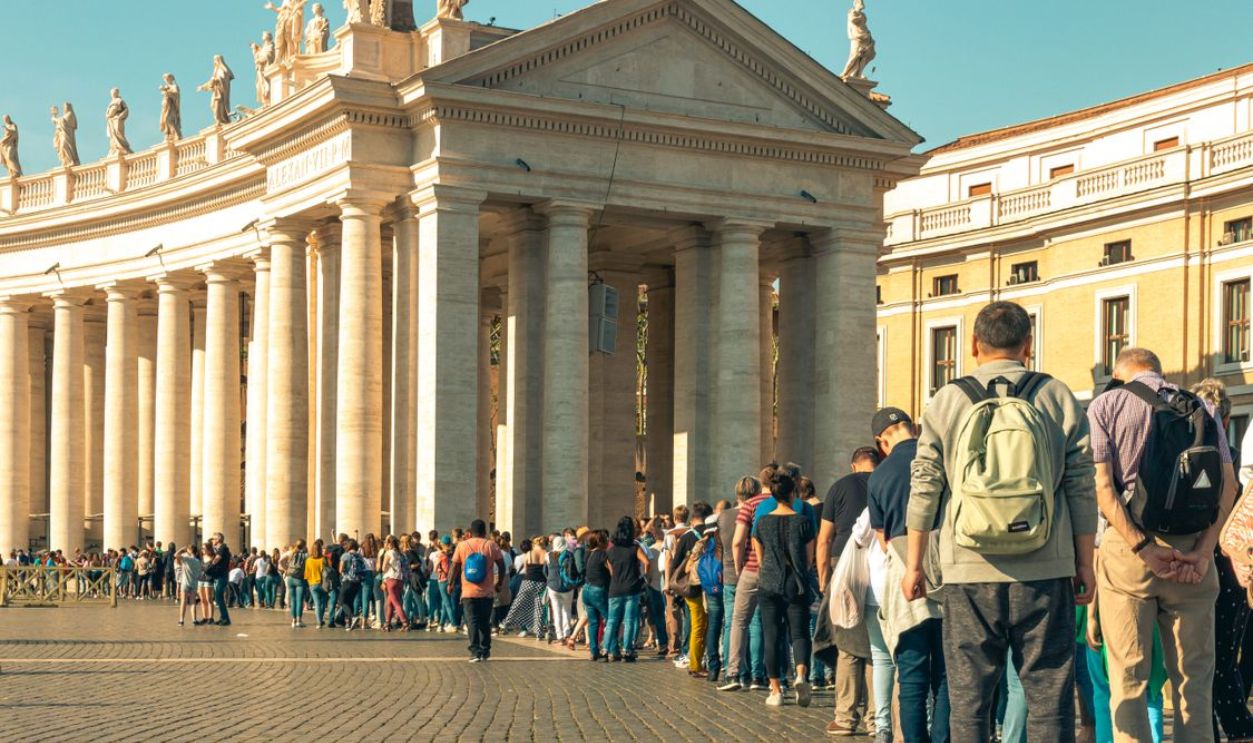
Many famous destinations have struggled with overtourism in recent years. Large crowds can strain local infrastructure, damage historic sites, increase pollution, and frustrate residents. Visitor restrictions are often designed to balance tourism with preservation efforts.
Venice Has Become A Symbol Of The Trend
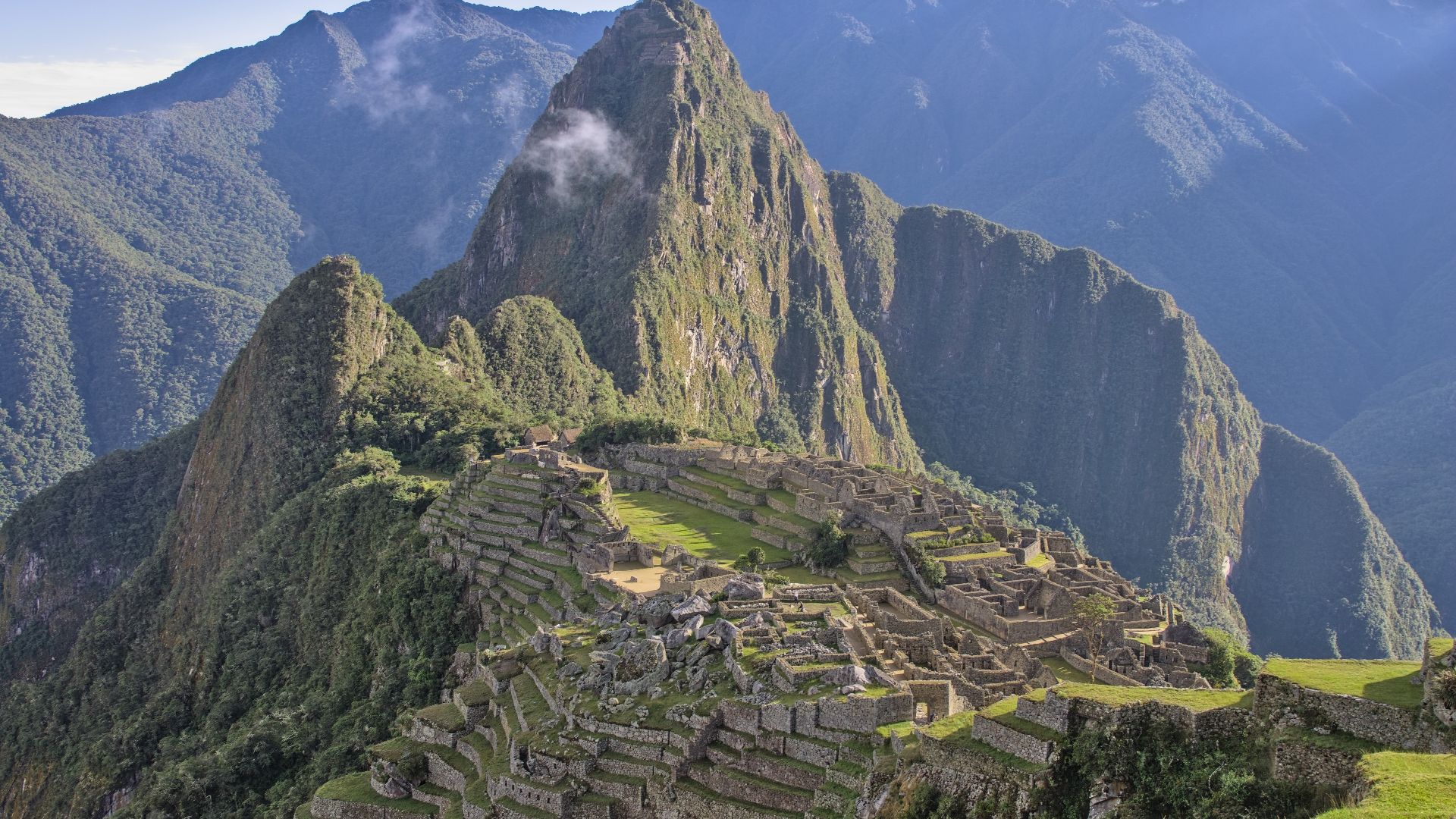
Venice has introduced various visitor management measures to address overcrowding. The city has experimented with visitor fees, reservation systems, and crowd-control strategies as officials attempt to protect one of the world's most famous historic destinations.
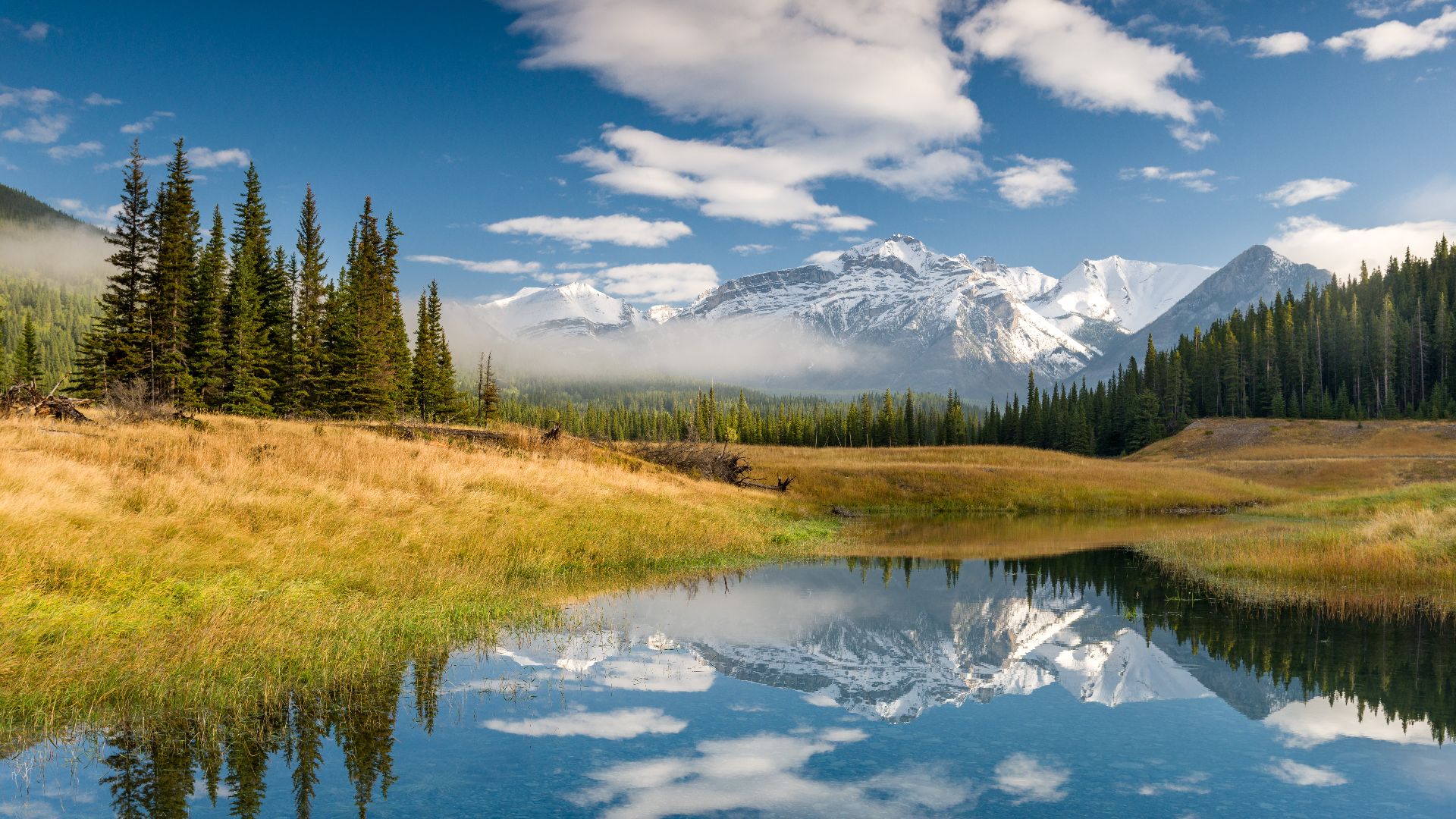
National Parks Are Also Adding Restrictions
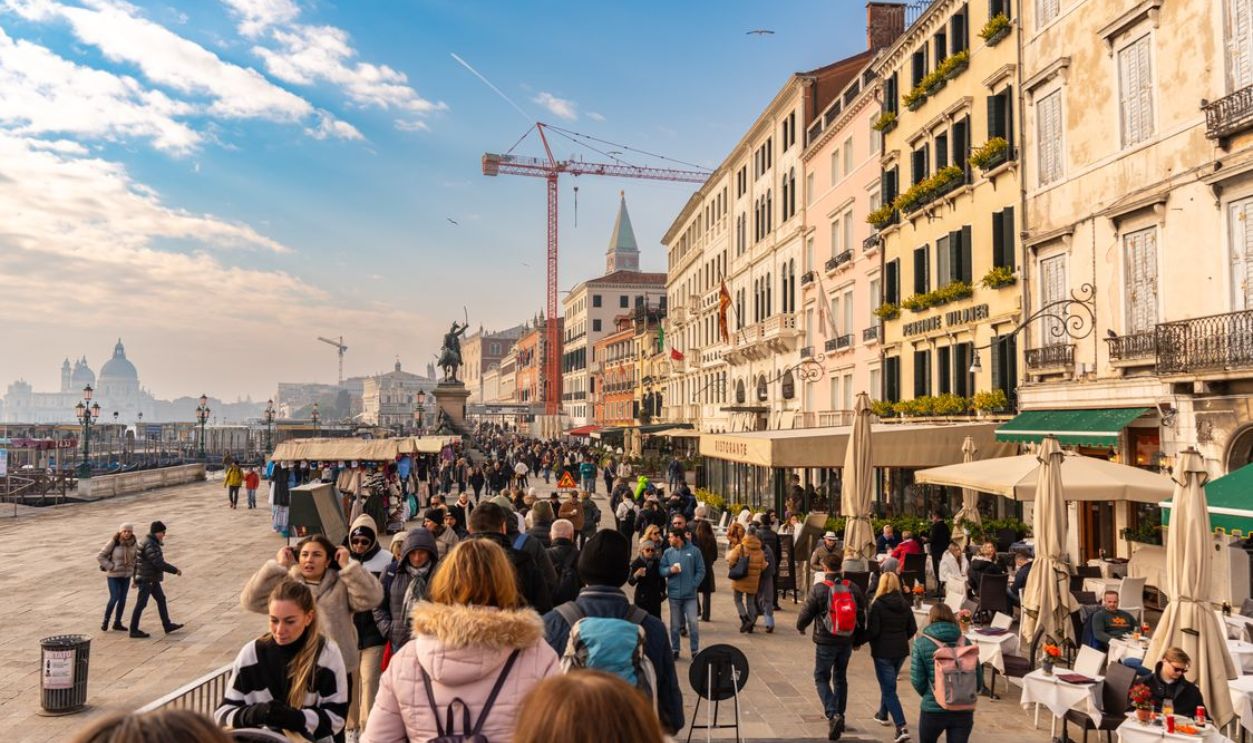
Many travelers associate reservations with museums and historic sites, but national parks have adopted similar measures. Some parks now require permits, vehicle reservations, or timed entry systems during peak seasons to manage growing visitation.
 Sergey Pesterev, Wikimedia Commons
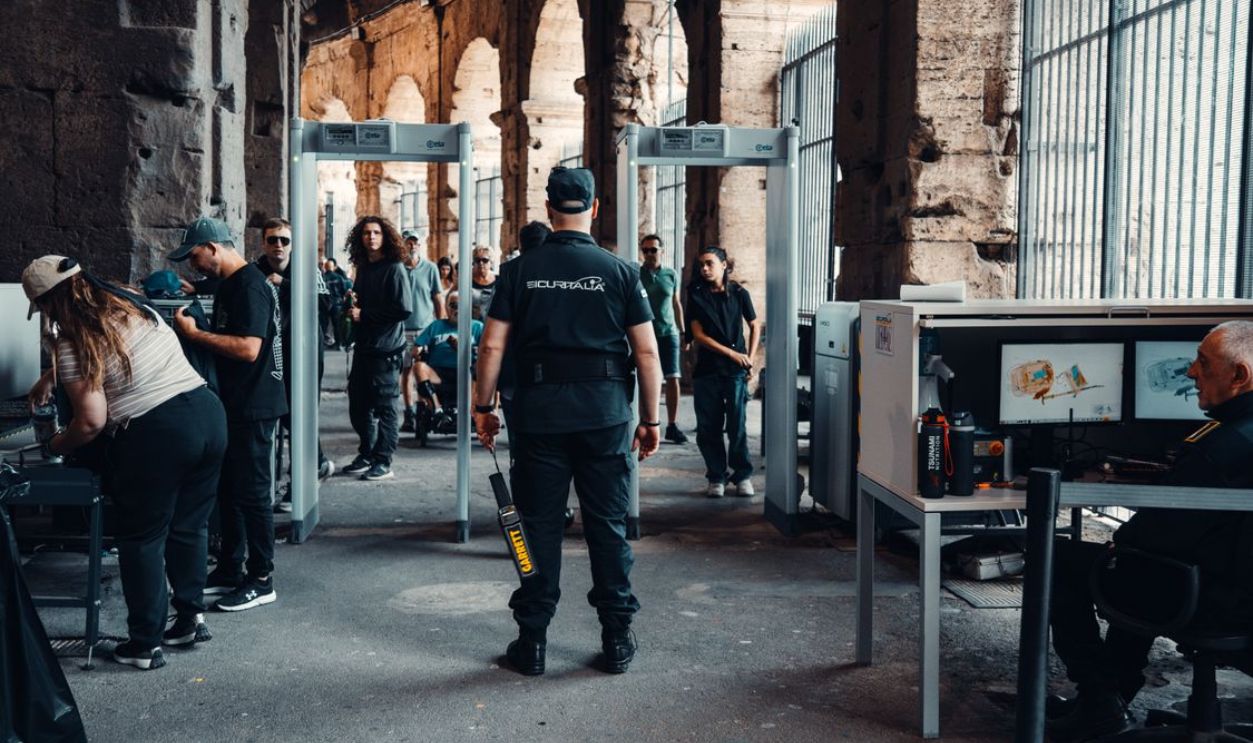
Security Measures Have Expanded Everywhere
Major landmarks around the world now conduct more thorough security screenings than they did decades ago. Bag inspections, metal detectors, restricted items, and controlled entrances have become routine parts of visiting many popular attractions.
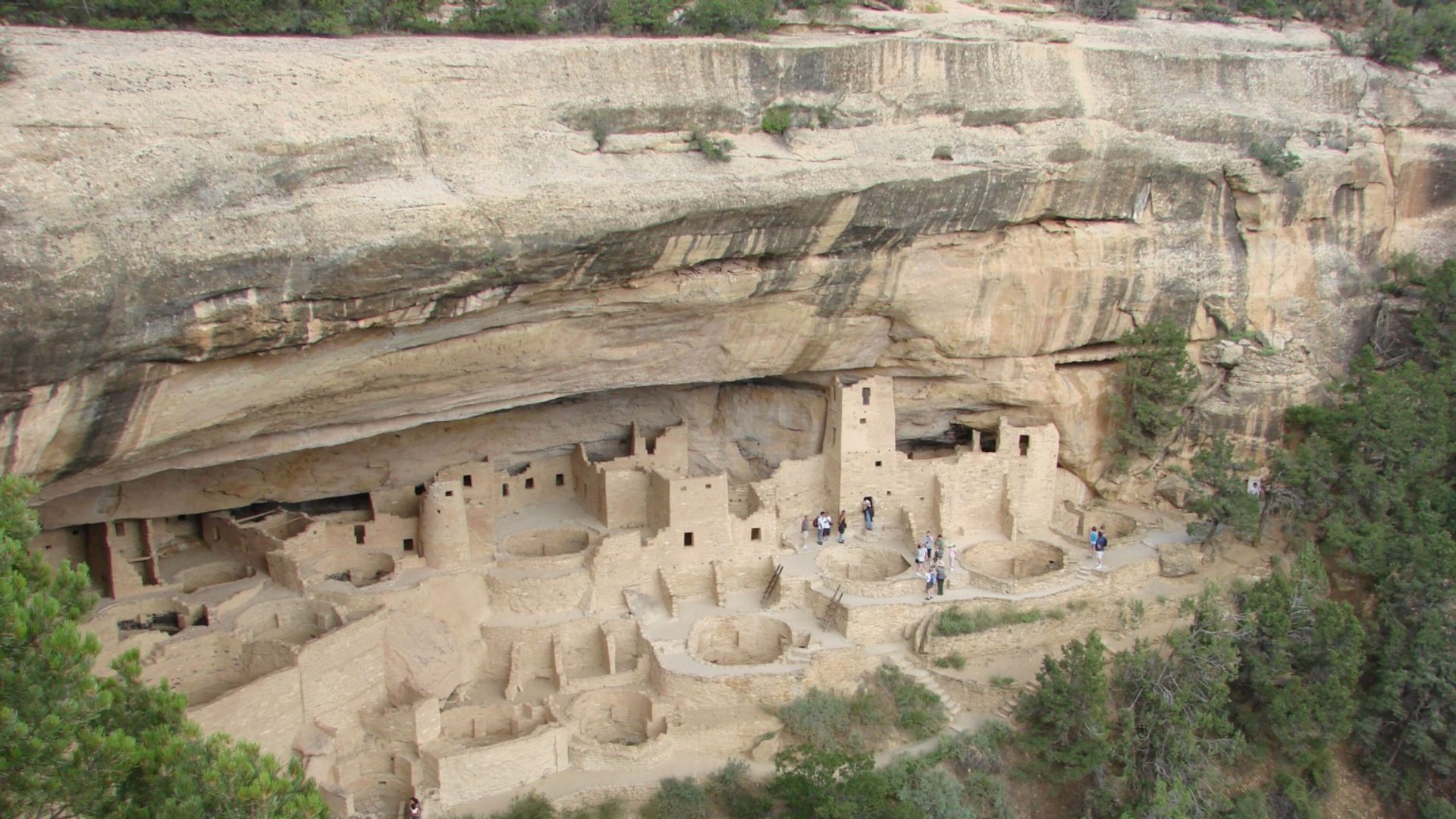
Historic Sites Need More Protection Than Ever
Ancient ruins, historic buildings, and cultural landmarks face constant wear from millions of annual visitors. Conservation experts often argue that visitor restrictions are necessary to prevent irreversible damage caused by excessive foot traffic and human contact.
 inkknife_2000 (7.5 million views +), Wikimedia Commons
Social Media Has Increased Visitor Pressure
Platforms like Instagram, TikTok, and YouTube have dramatically increased interest in certain destinations. Viral posts can transform relatively quiet attractions into international tourism hotspots almost overnight, forcing managers to implement new crowd-control measures.

Some Attractions Now Limit Photography
Visitors are occasionally surprised to discover new photography restrictions. Flash photography, tripods, drones, and even smartphone use may be limited in certain areas to protect artifacts, reduce congestion, or improve the overall visitor experience.

Guided Tours Are Replacing Independent Access
At some sensitive sites, unrestricted wandering has been replaced by guided tours. Officials often believe organized groups provide better protection for historic locations while helping visitors learn more about the attraction's cultural significance.

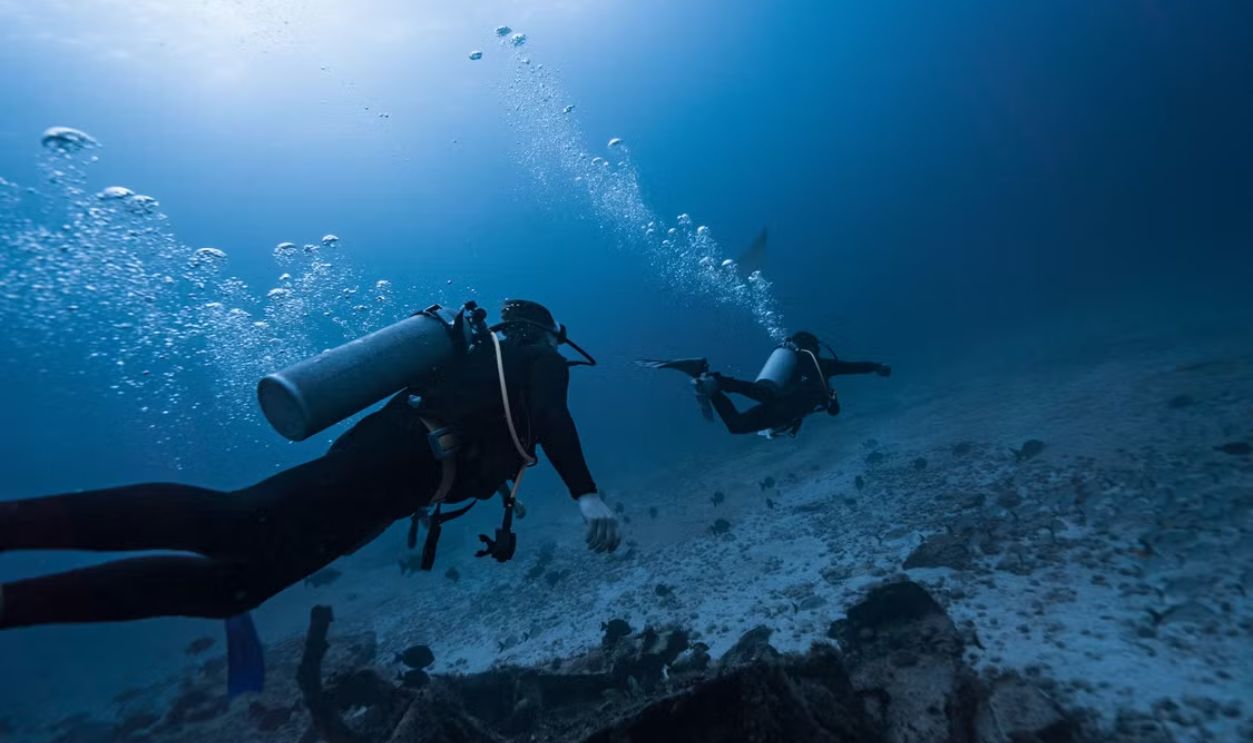
Environmental Concerns Are Driving Changes
Climate change, erosion, pollution, and environmental degradation have forced many destinations to rethink tourism policies. Visitor limits are increasingly viewed as tools for protecting fragile ecosystems alongside historic and cultural resources.
Local Residents Are Demanding Action
In some heavily visited cities, residents have pushed governments to address tourism-related challenges. Housing shortages, congestion, noise, and rising costs have led some communities to support restrictions that reduce the impact of tourism on daily life.
Not Every Change Is About Restricting Visitors
While some rules feel restrictive, others improve the experience. Better crowd management can reduce waiting times, improve safety, protect landmarks, and create a more enjoyable visit for travelers who previously faced overwhelming crowds.

Technology Now Controls Much Of The Process
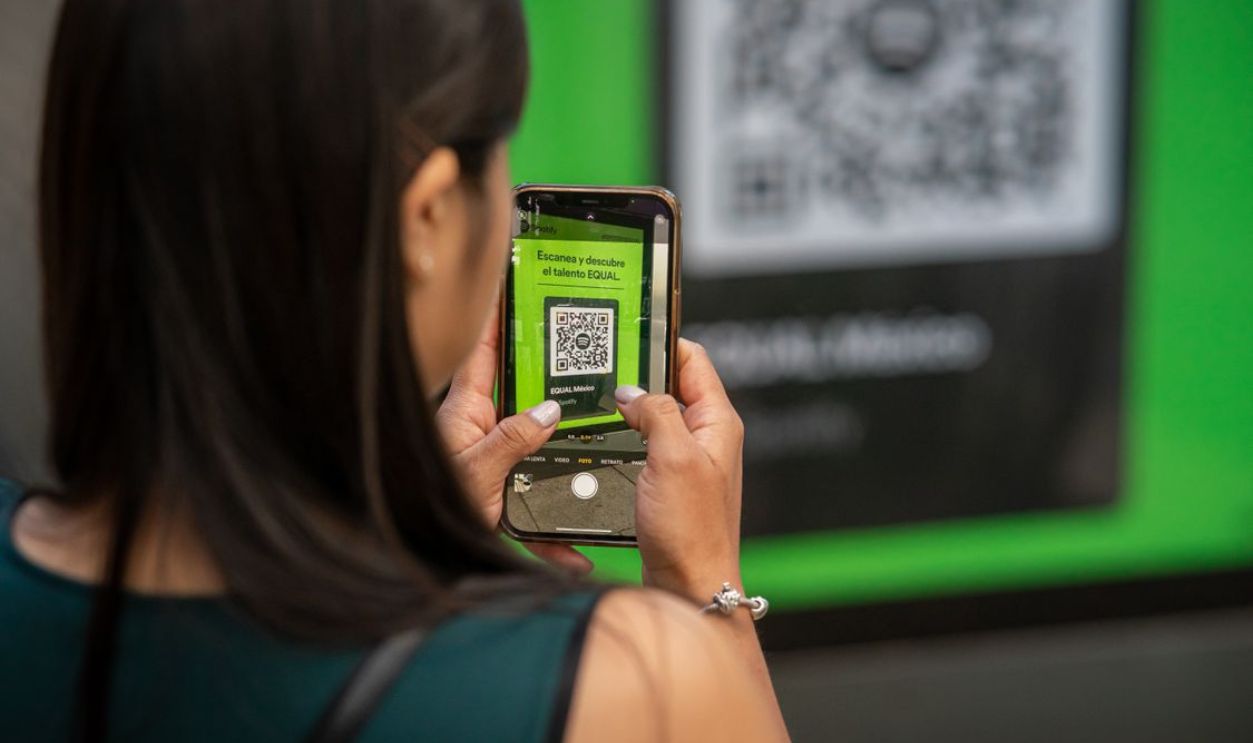
Mobile apps, digital tickets, QR codes, online reservations, and virtual queues have become standard at many attractions. Travelers increasingly need smartphones and internet access to navigate modern visitor systems successfully.
Last-Minute Travelers Face New Challenges
Spontaneous travel has become more difficult at some destinations. Travelers who prefer flexible itineraries may find themselves locked out of attractions that require advance reservations or have strict daily visitor limits.
UNESCO Sites Are Under Particular Pressure
Many UNESCO World Heritage Sites face unique preservation challenges because of their global popularity. Authorities often implement stricter visitor controls to balance public access with long-term conservation responsibilities.
Some Rules Are Temporary While Others Are Permanent
Not every visitor restriction lasts forever. Certain measures are introduced during renovations, peak seasons, environmental emergencies, or special events. Others become permanent parts of the attraction's long-term management strategy.
 Richardjanda, Wikimedia Commons
Travelers Often Feel Frustrated At First
Many visitors initially dislike new restrictions because they reduce flexibility. Standing in virtual queues or planning months ahead can feel inconvenient compared to the more spontaneous travel experiences people remember from years past.

Yet Some Visitors Prefer The New System
Not everyone dislikes the changes. Travelers who remember overcrowded attractions often appreciate reduced congestion and shorter waits. A more organized experience can sometimes outweigh the inconvenience of advance planning.
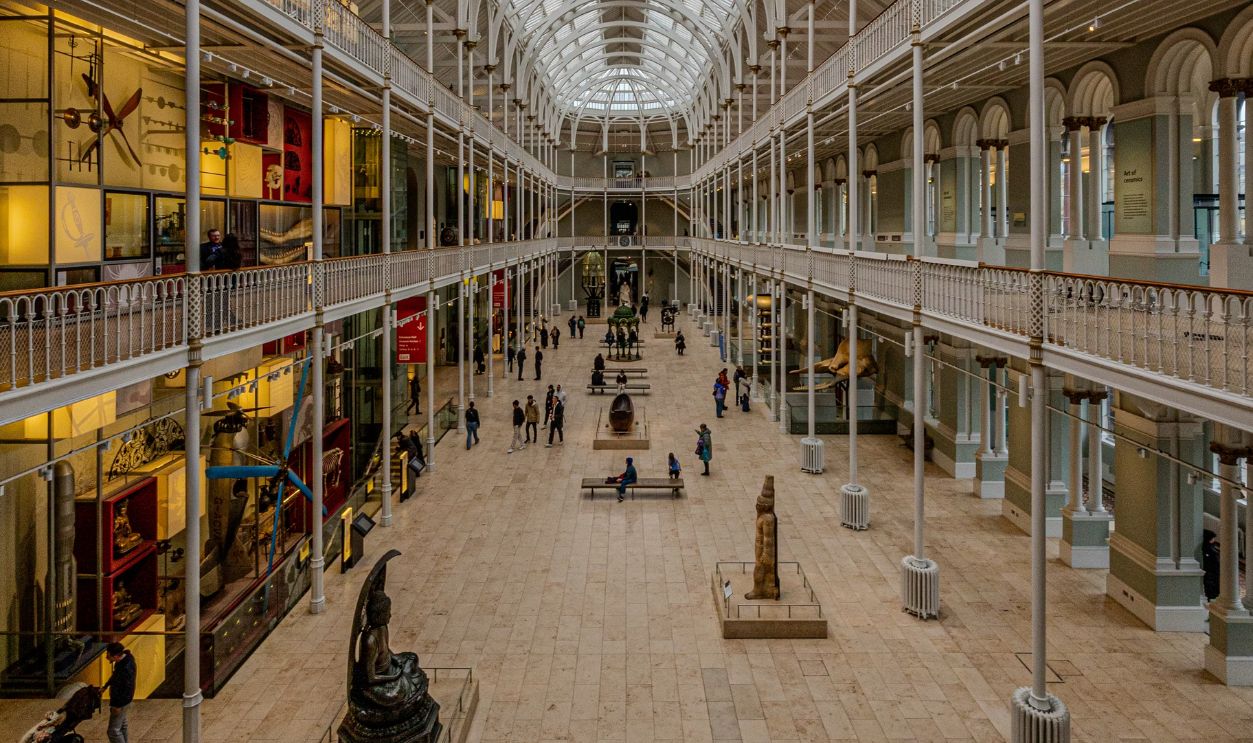
The Pandemic Accelerated Many Changes
The COVID-19 pandemic encouraged attractions worldwide to adopt reservation systems, capacity limits, and digital ticketing. Many of those systems remained in place long after pandemic restrictions ended because managers found them effective.

Smaller Attractions Are Following The Same Path
Visitor management strategies are no longer limited to world-famous landmarks. Regional attractions, museums, gardens, and cultural sites increasingly use similar tools to manage growing visitor numbers and protect their resources.

Research Has Become More Important Than Ever
Travelers can no longer assume famous attractions operate the way they did a decade ago. Checking official websites before visiting has become essential to avoid unpleasant surprises involving reservations, closures, fees, or access restrictions.

The Goal Is Usually Preservation, Not Exclusion
Most new visitor rules are not designed to keep people out. Instead, they aim to ensure landmarks remain accessible for future generations. Without some form of management, many destinations could face serious long-term damage.
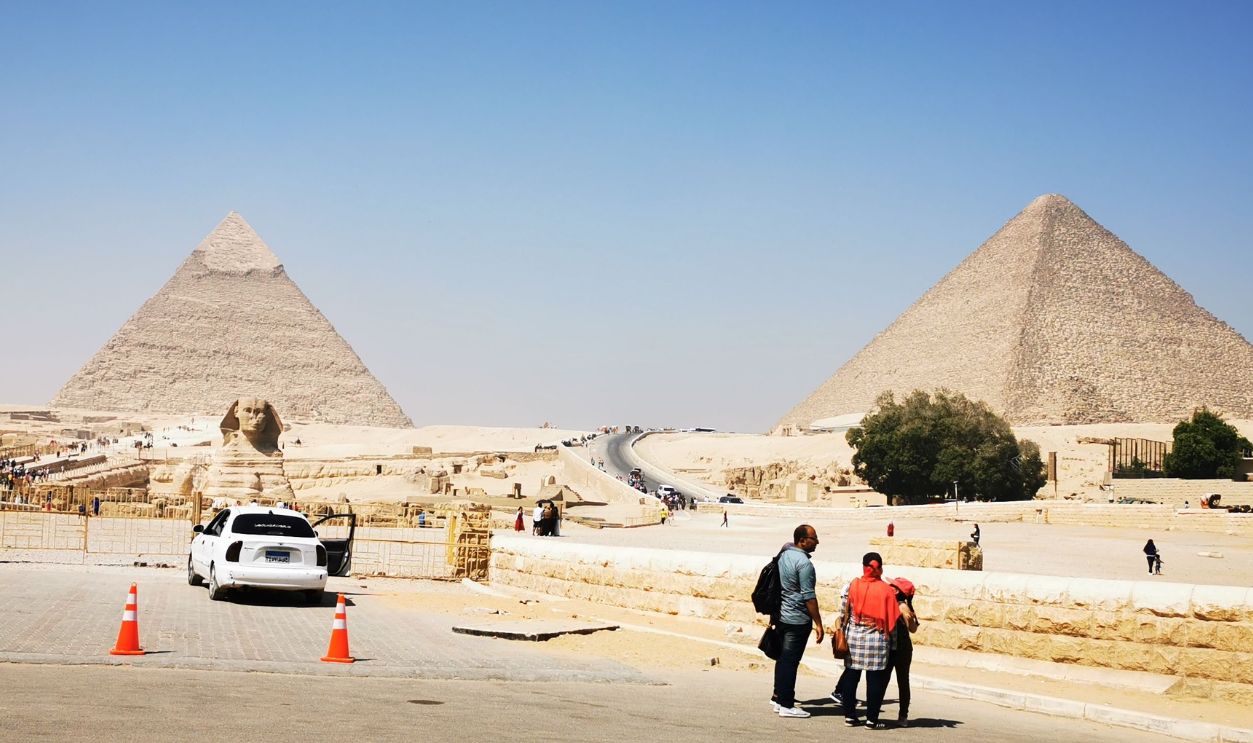
This Trend Is Likely To Continue
As global tourism continues growing, more destinations will probably adopt reservation systems, visitor caps, and conservation-focused policies. For travelers, adapting to these changes may simply become part of modern travel planning.
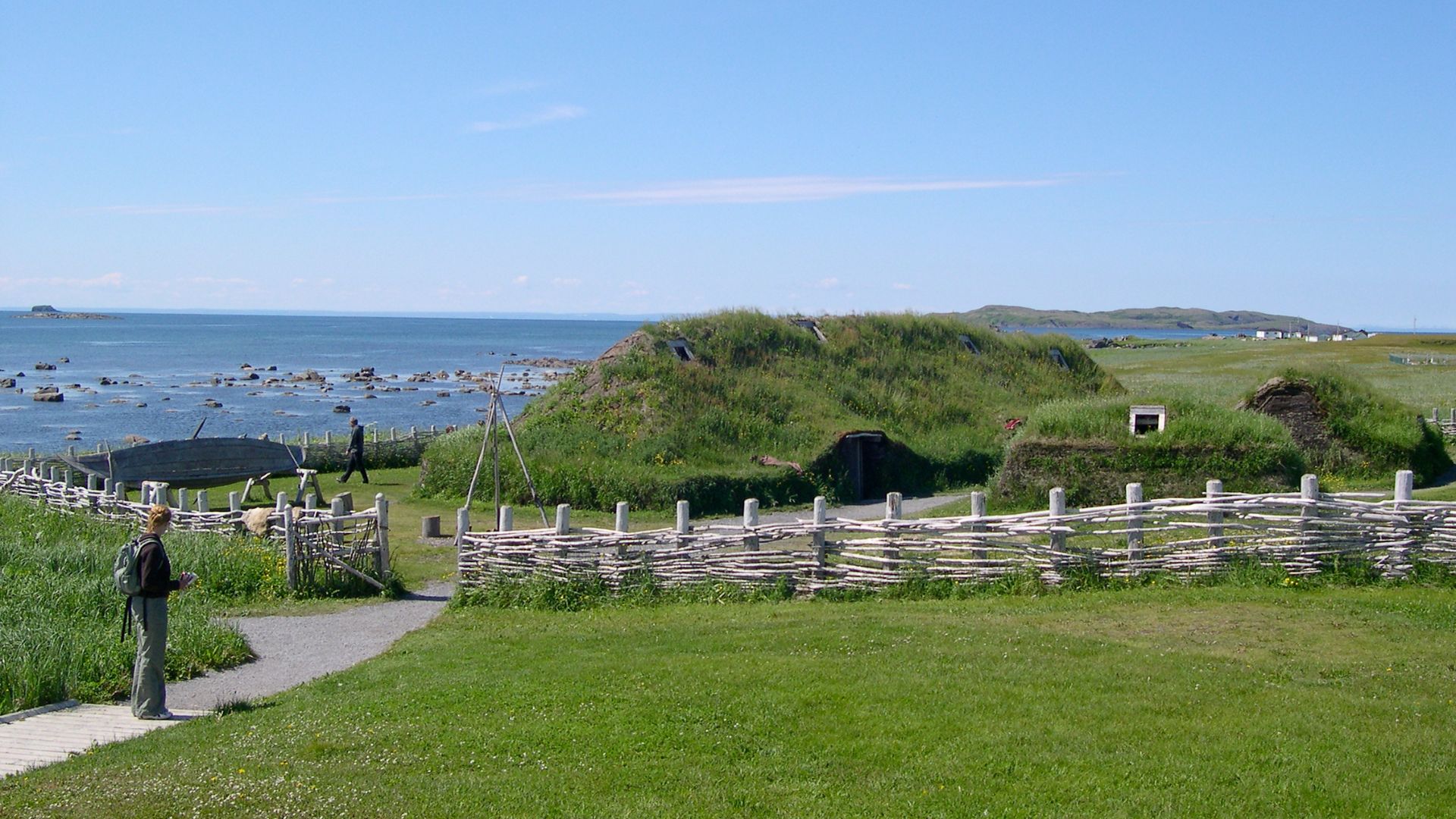 Dylan Kereluk from White Rock, Canada, Wikimedia Commons
The Famous Landmark You Remember May Not Exist Anymore
Many attractions still look the same in photographs, but the visitor experience has changed dramatically behind the scenes. Understanding those changes before you travel can help set realistic expectations and prevent disappointment upon arrival.

You May Also Like:
Top 5 Destinations For Whale Watching
Top 10 Weirdest Places On Earth