The Great Money Belt Debate
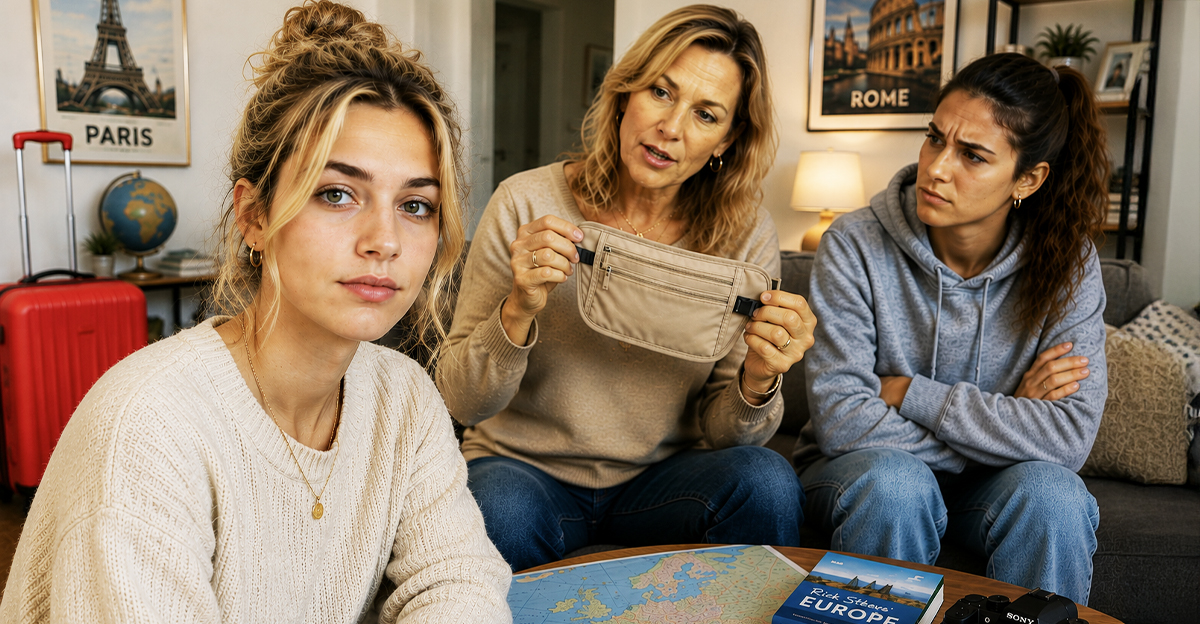
You are planning a European trip and getting conflicting advice. Your parents insist that every traveler needs a money belt, while your friend claims they're outdated and unnecessary. The truth is a bit more complicated. Whether a money belt makes sense depends on how you travel, where you go, and what risks concern you most.
Why Money Belts Exist
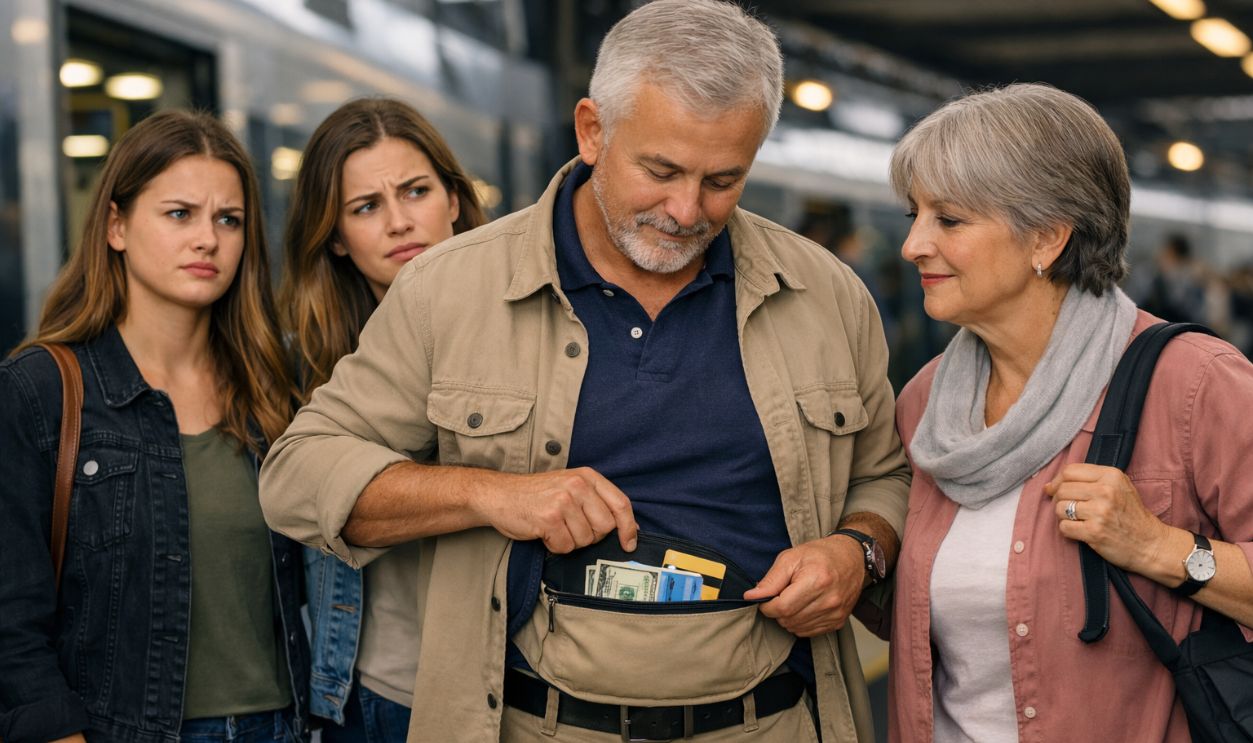
Money belts became popular because they allow travelers to conceal passports, cash, and backup credit cards beneath their clothing. The idea is simple: valuables that pickpockets cannot see are much harder to steal than items carried in obvious pockets or bags.
Europe Isn't Risk-Free
Europe is generally safe for tourists, but pickpocketing remains common in certain crowded areas. Popular tourist attractions, busy train stations, public transit systems, and packed city centers are often where theft occurs rather than isolated streets or dangerous neighborhoods.
 Tommie Hansen, Wikimedia Commons
Your Friend Has A Point
Many experienced travelers visit Europe every year without wearing money belts. Modern travelers often rely on secure bags, digital payments, hotel safes, and multiple payment methods rather than carrying large amounts of cash beneath their clothing.
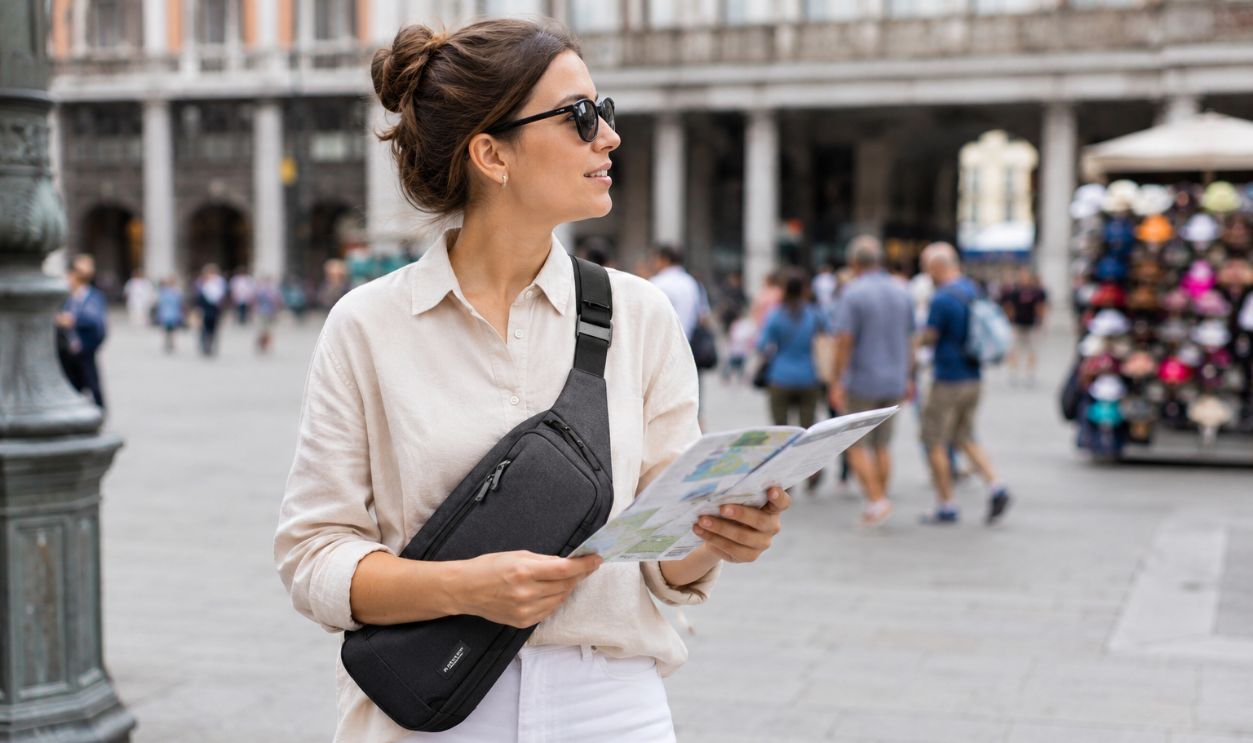
Your Parents Have A Point
Your parents may remember a time when travelers carried substantial amounts of cash, traveler's checks, and paper documents. For those travelers, a hidden money belt provided an extra layer of protection against losing everything at once.
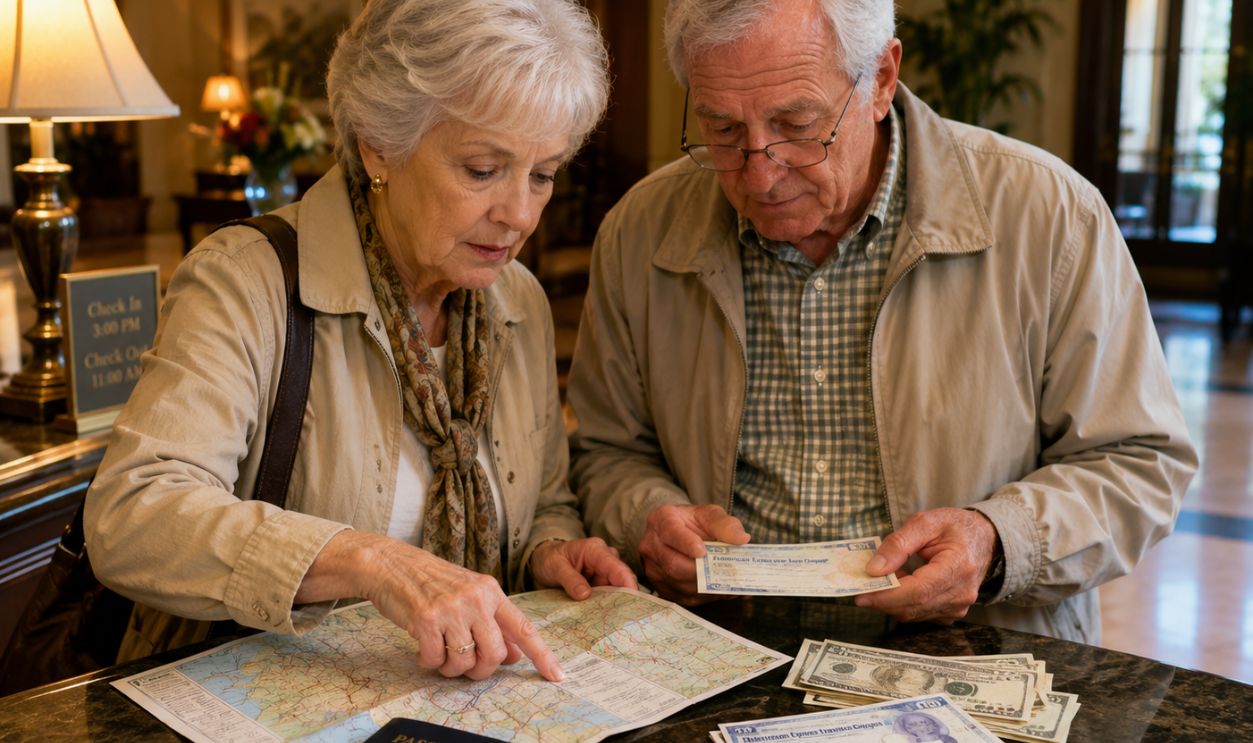
Think About Consequences
The real question is not whether theft is likely. It is how difficult your trip becomes if your passport, primary credit card, and emergency cash disappear on the same day. Many travelers use money belts primarily as insurance against that scenario.
Not For Daily Spending
Most travel experts recommend treating a money belt as storage rather than a wallet. Constantly retrieving money from underneath your clothing can be awkward and may actually draw attention to where valuables are hidden.
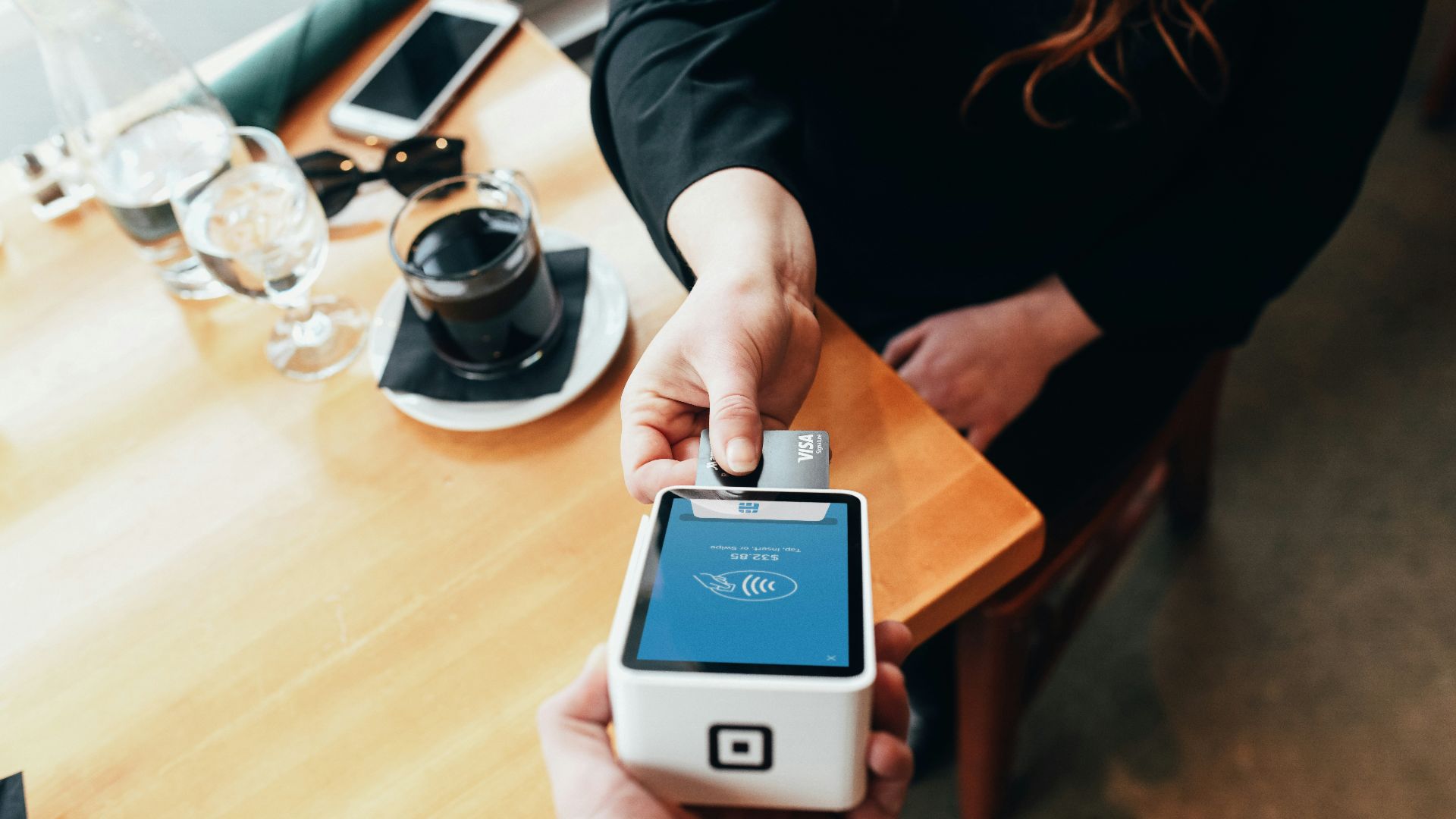
Keep Essentials Separate
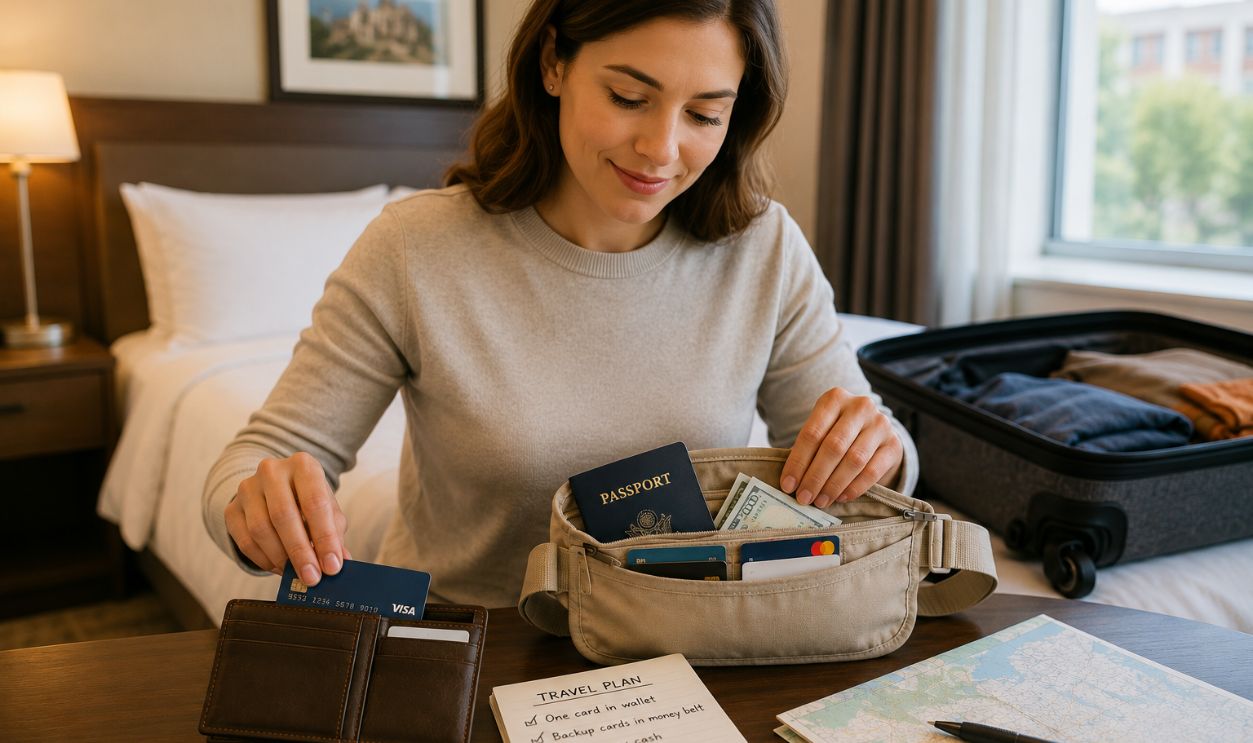
One common recommendation is separating valuables. Carry one payment card in your regular wallet and store backup cards, emergency cash, and perhaps your passport in a more secure location. That way a single theft does not ruin your trip.
Crowds Change The Equation
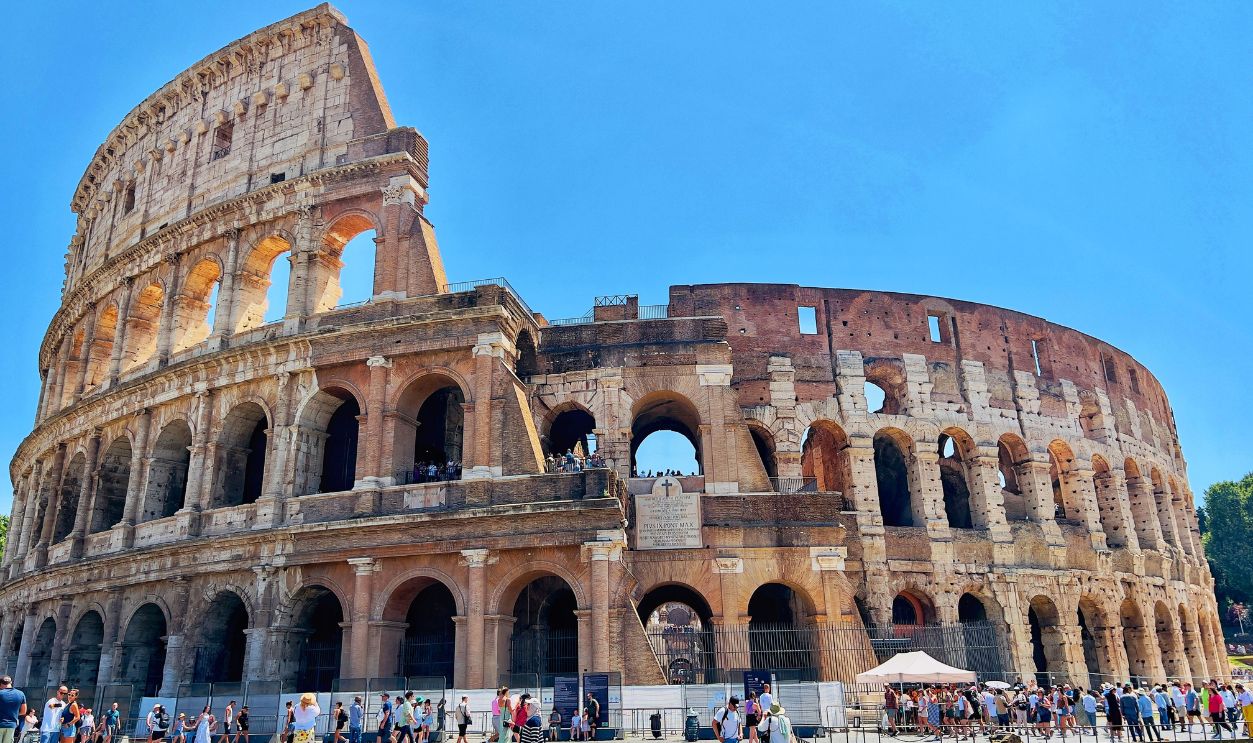
A quiet village in rural France presents different risks than a packed subway station in Paris, Rome, Barcelona, or London. The more crowded the environment, the more attractive it becomes to professional pickpockets looking for distracted tourists.
Comfort Matters Too
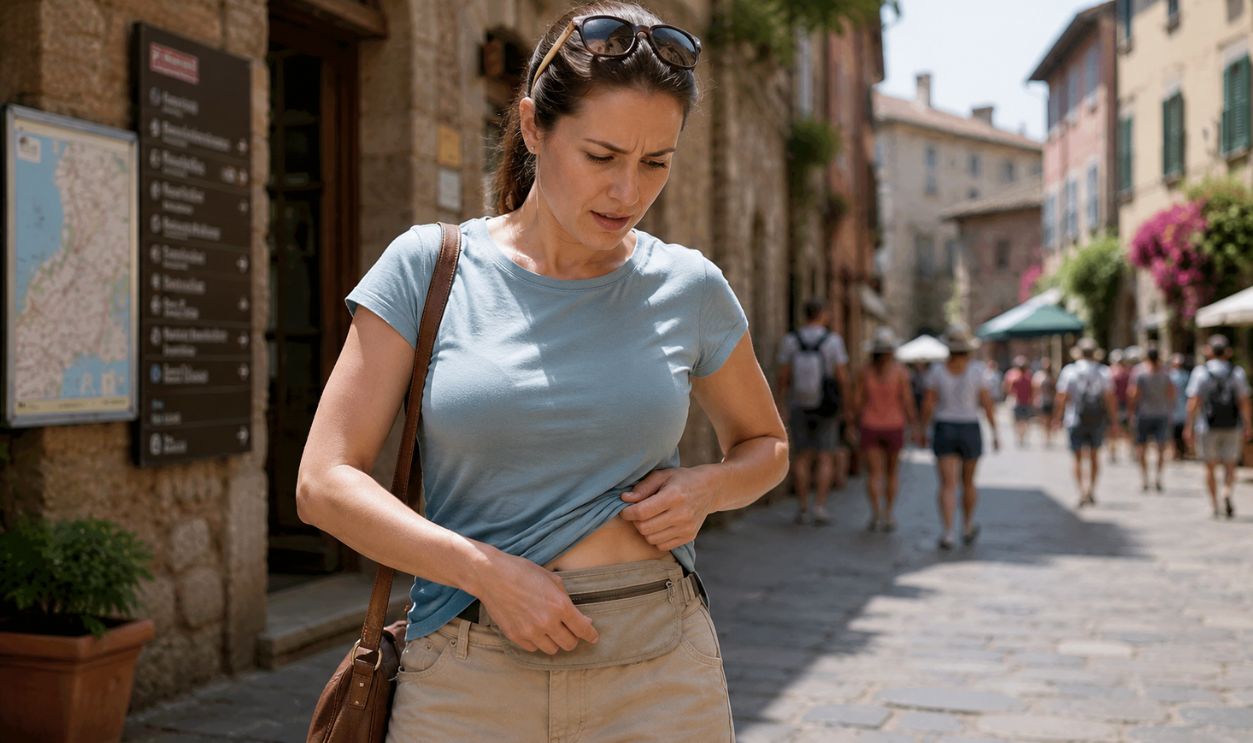
Some travelers simply dislike money belts. They can feel warm, bulky, or uncomfortable during long days of sightseeing. If you hate wearing one, you may stop using it properly, which defeats much of its intended purpose.
Neck Wallet Alternatives
Neck wallets offer similar protection while hanging beneath clothing. Some travelers find them more comfortable than traditional waist-mounted money belts, while others find them equally inconvenient. Personal preference often determines which option works best.
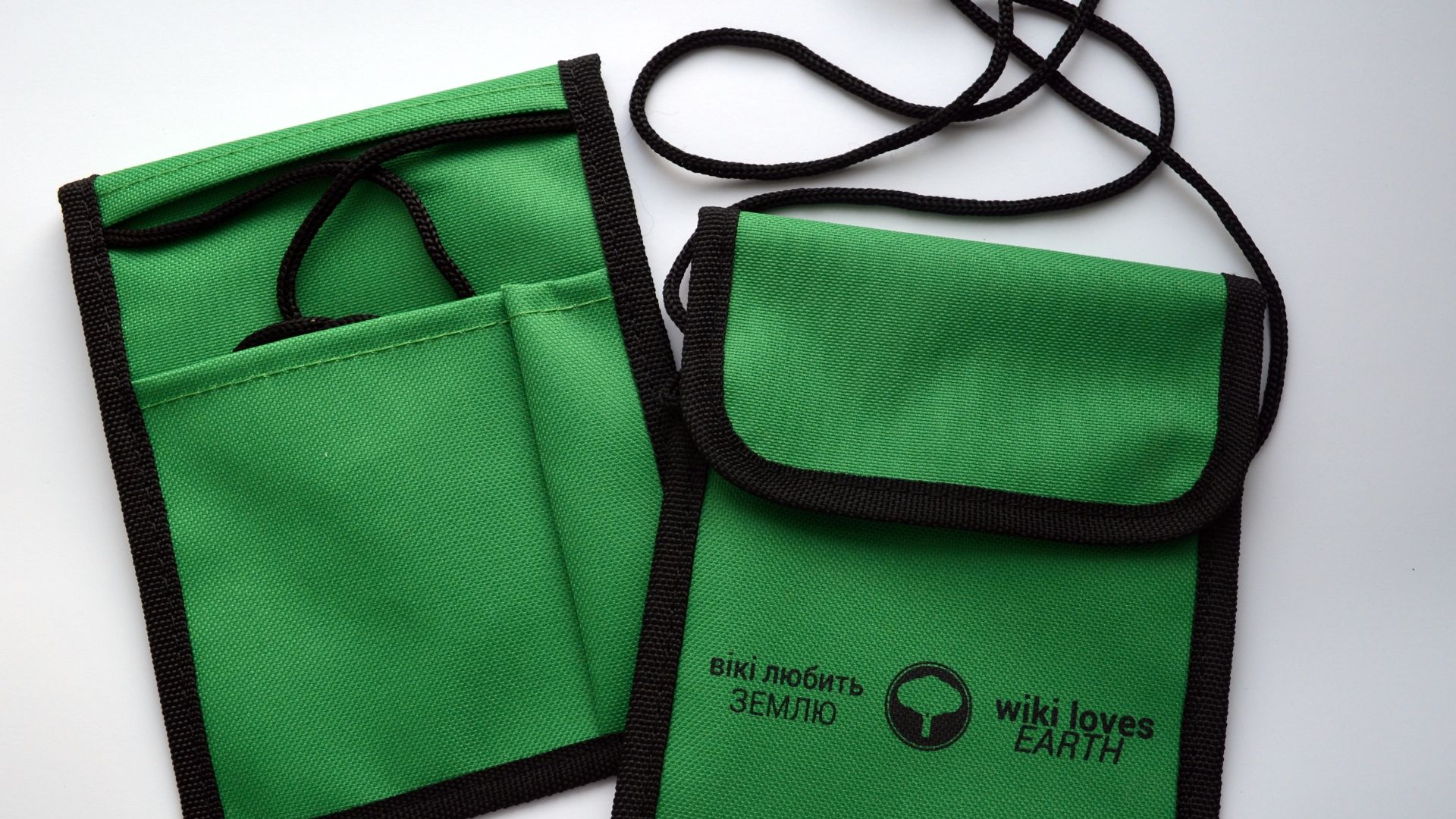 AnnaKhrobolova (WMUA), Wikimedia Commons
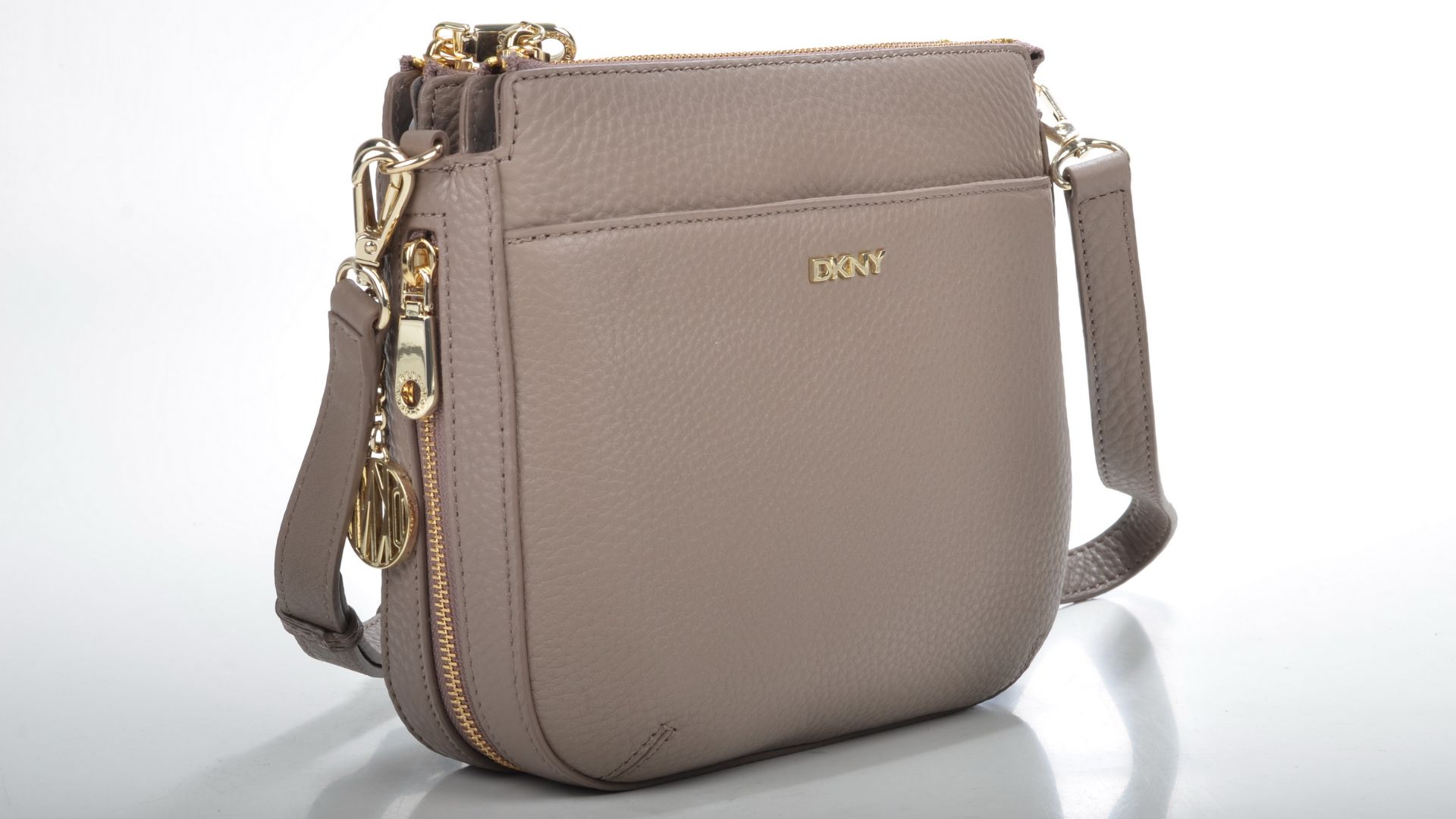
Crossbody Bags Remain Popular
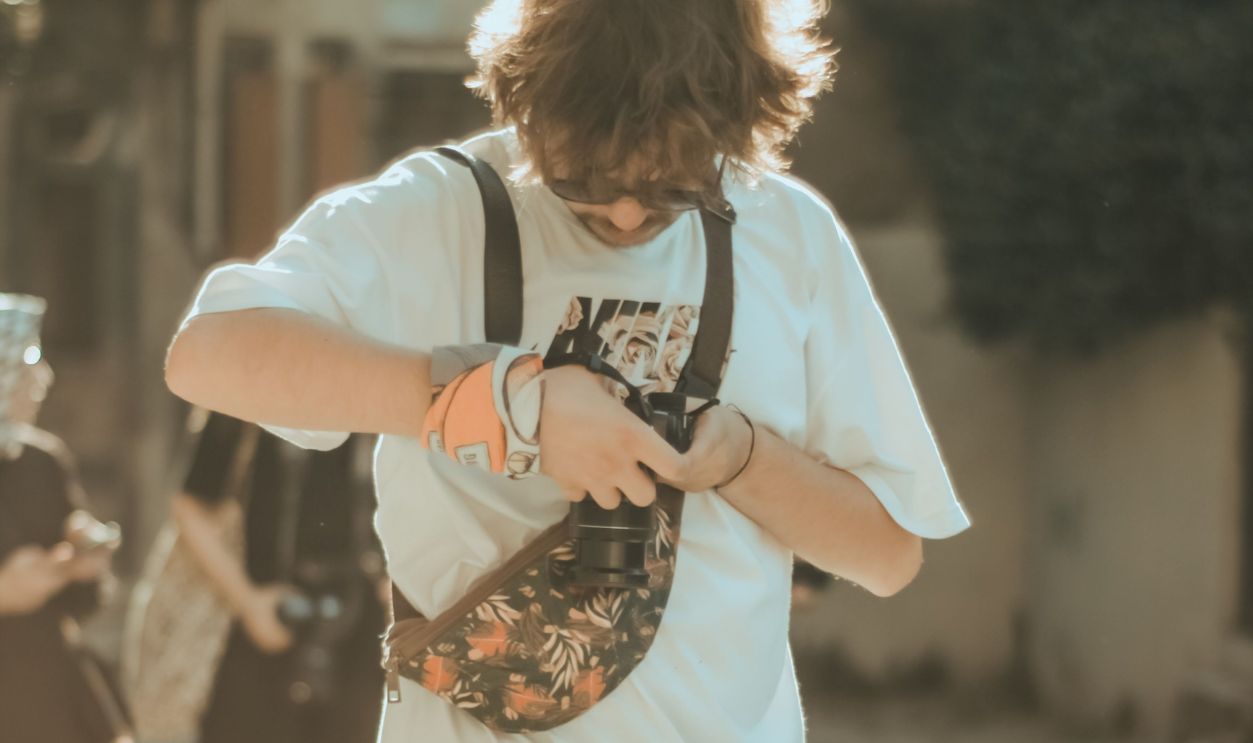
Many modern travelers prefer anti-theft crossbody bags. These bags keep valuables accessible while incorporating features such as locking zippers, slash-resistant straps, and hidden compartments. They provide convenience that traditional money belts sometimes lack.
 SPERA.de Designerschuhe, Taschen und Accessoires from Deutschland, Wikimedia Commons
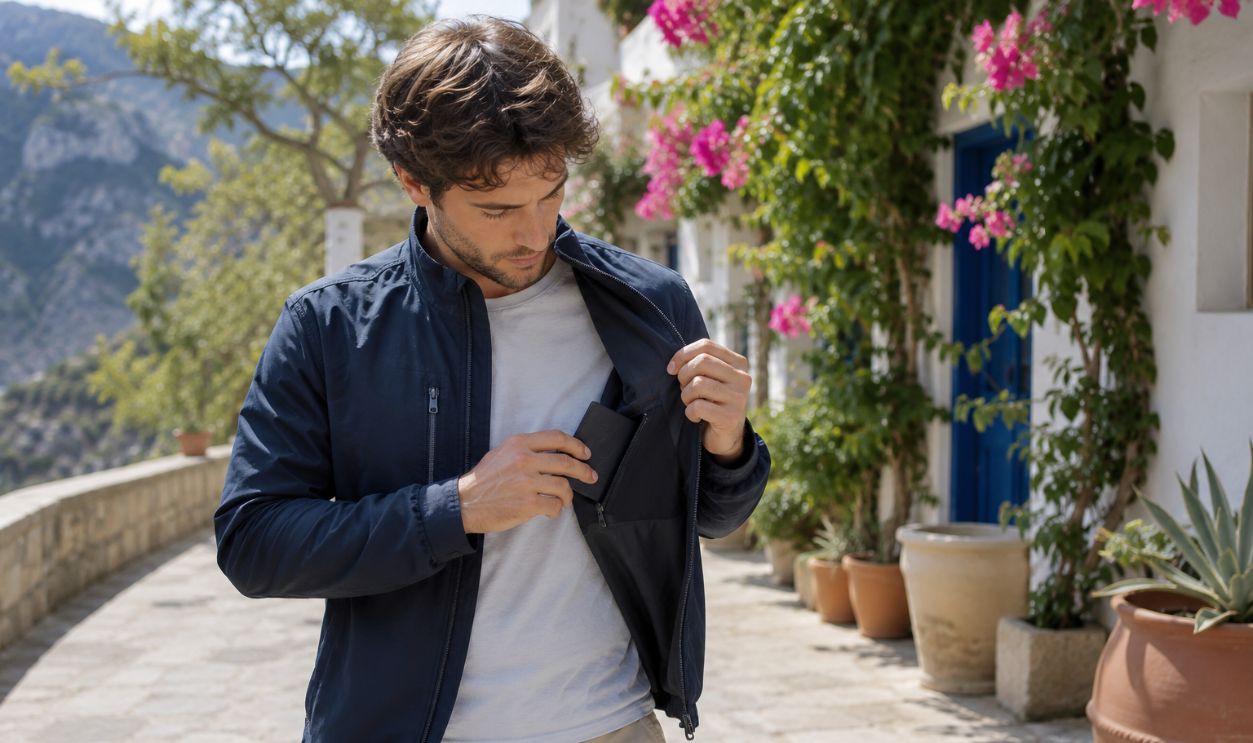
Hidden Pockets Work
Travel clothing with hidden zippered pockets has become increasingly popular. These garments allow you to conceal valuables without adding another accessory. For some travelers, hidden pockets provide a comfortable middle ground.
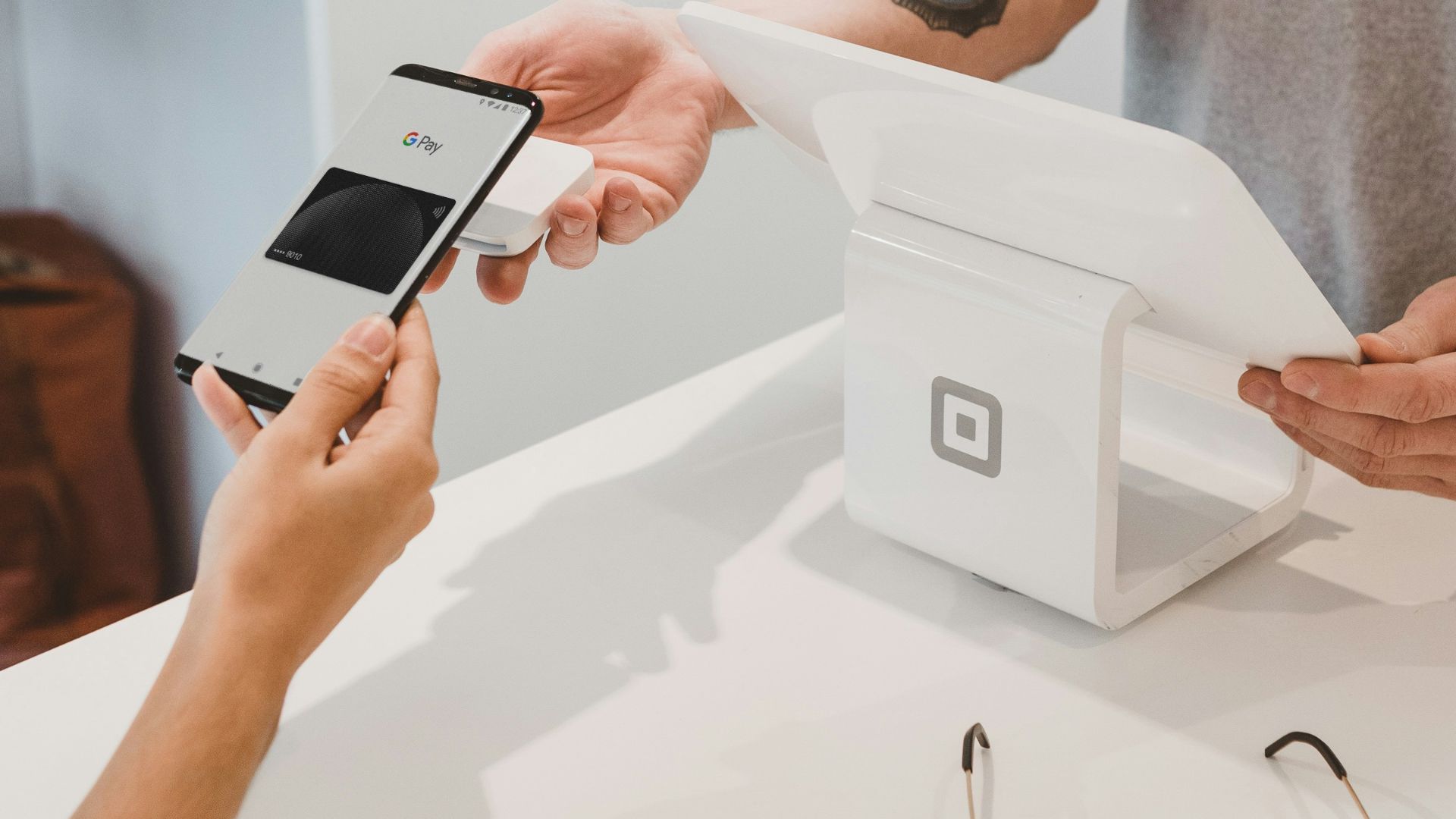
Digital Payments Help
The widespread acceptance of contactless payments across much of Europe reduces the need to carry large amounts of cash. Many travelers now rely primarily on credit cards and mobile payment systems for everyday purchases.
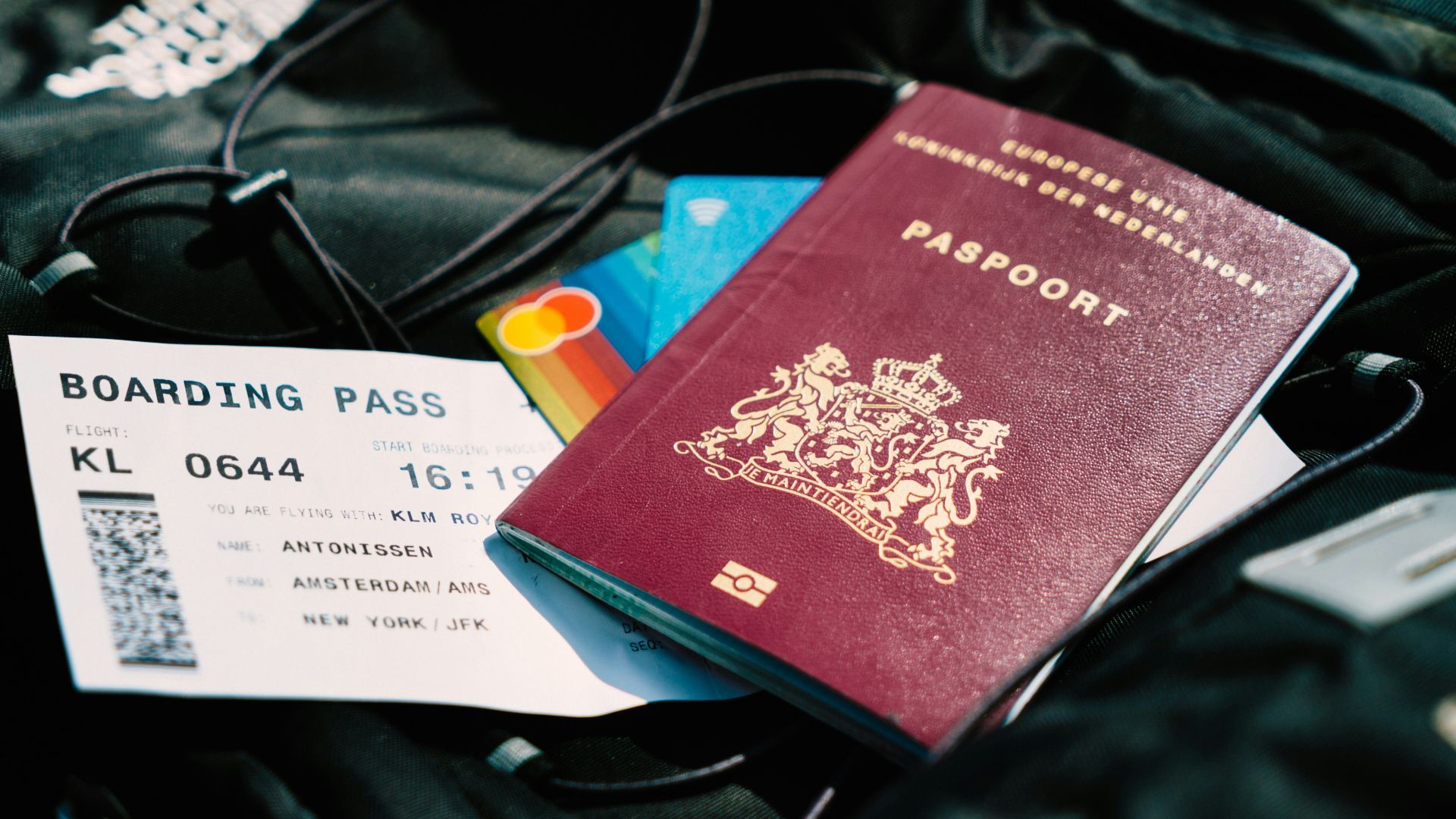
Passports Require Thought
One of the biggest debates concerns passports. Some travelers carry them everywhere, while others leave them securely stored at accommodations when practical. Local laws, identification requirements, and individual comfort levels all play a role.
Hotels Offer Options
Many hotels provide safes or secure storage. If you trust the accommodation and only need a passport occasionally, leaving certain valuables behind may reduce what you need to carry during daily sightseeing excursions.

Risk Tolerance Varies
Some people buy travel insurance they never use. Others carry emergency supplies they never need. Money belts often fall into the same category. Their value depends partly on how much peace of mind you gain from having them.
Avoid One Big Mistake
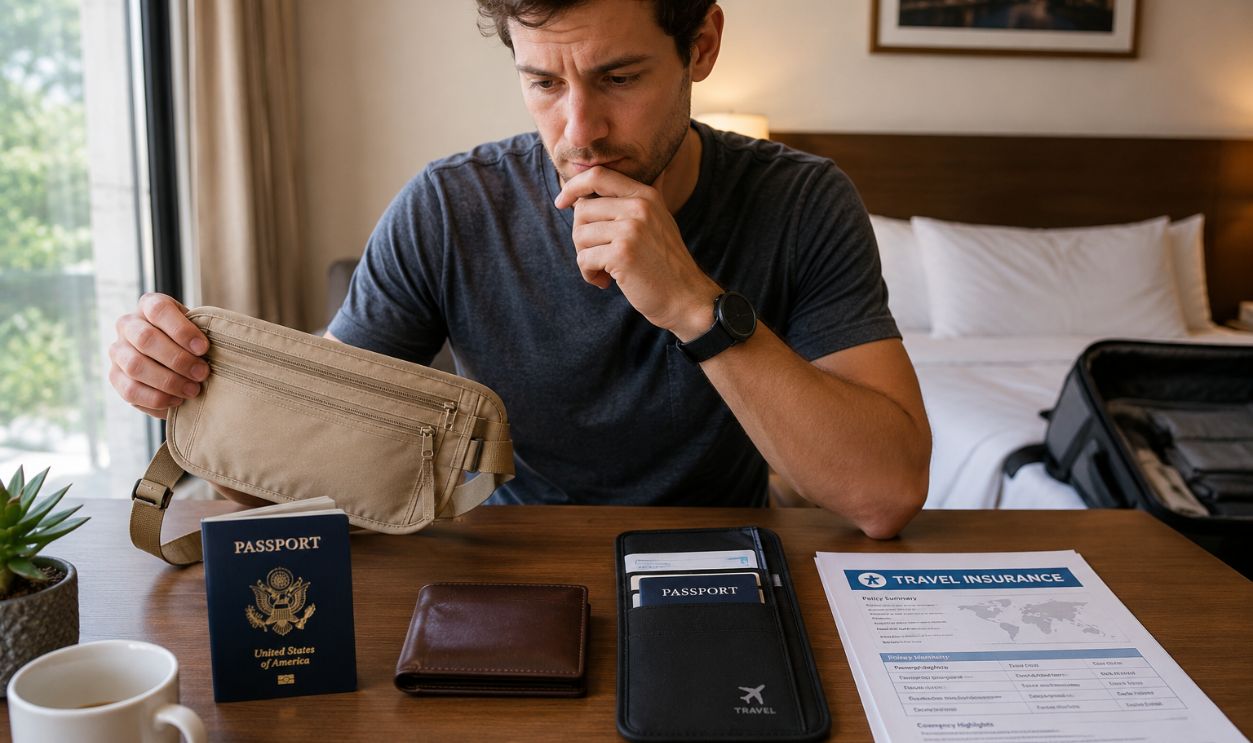
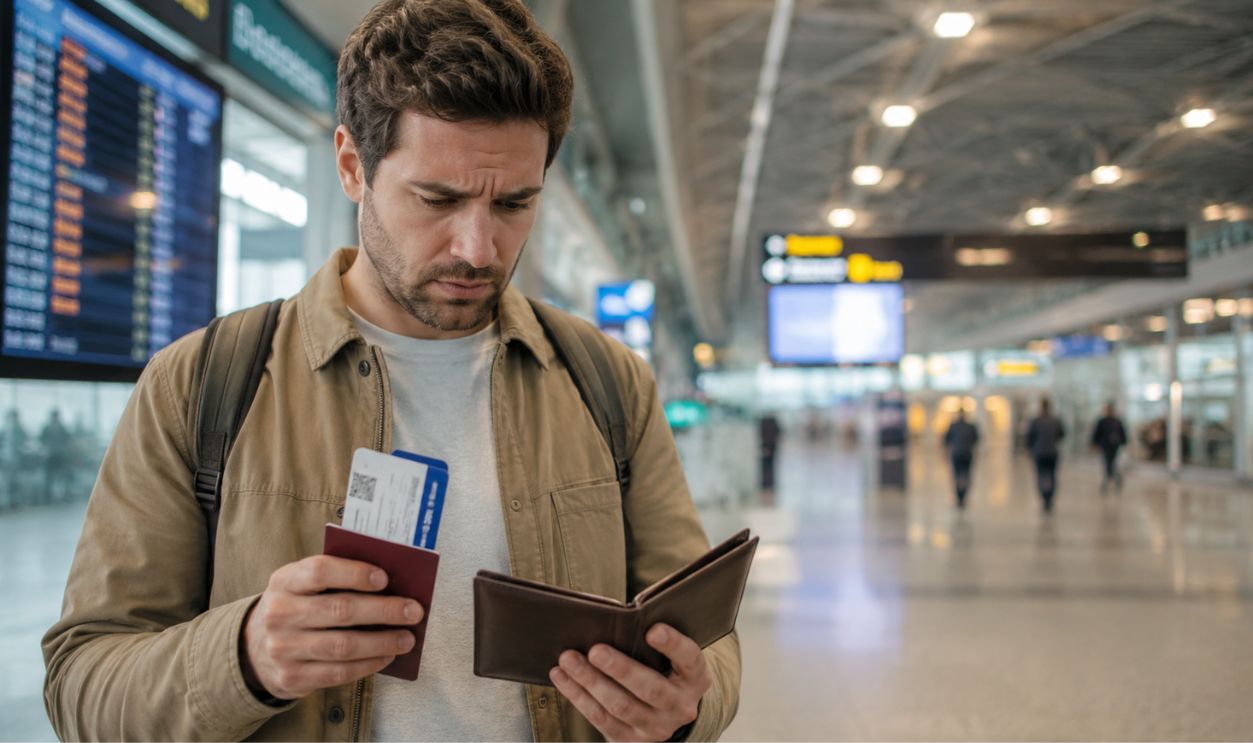
Whether you use a money belt or not, avoid storing every valuable item together. Losing one wallet is frustrating. Losing your passport, every payment card, and all your cash simultaneously can create a major travel headache.
Consider Your Travel Style
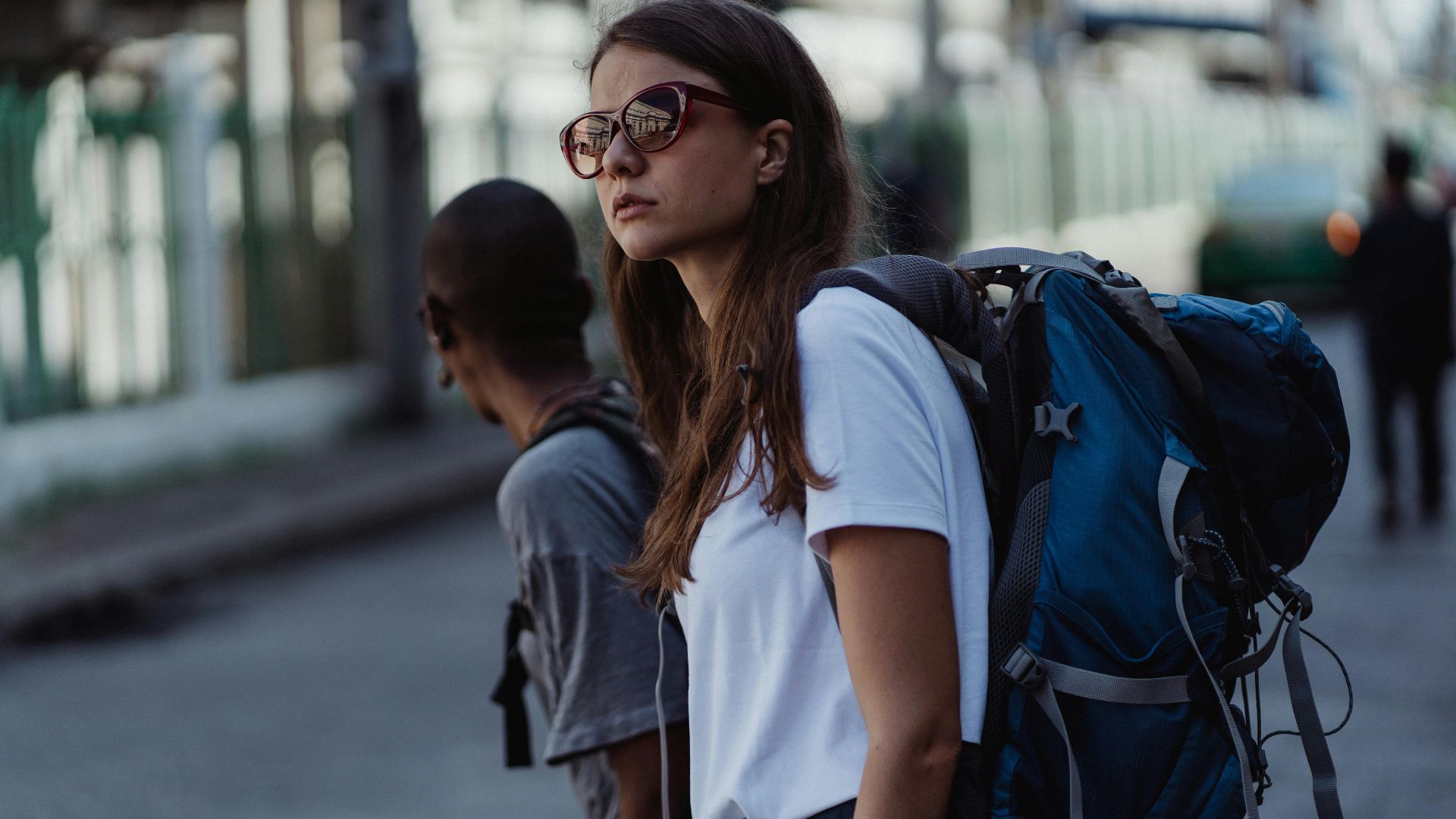
A backpacking trip involving hostels, overnight trains, and constant movement may justify different precautions than a guided tour with private transportation and upscale hotels. Your travel style should influence your security strategy.
The Best Compromise
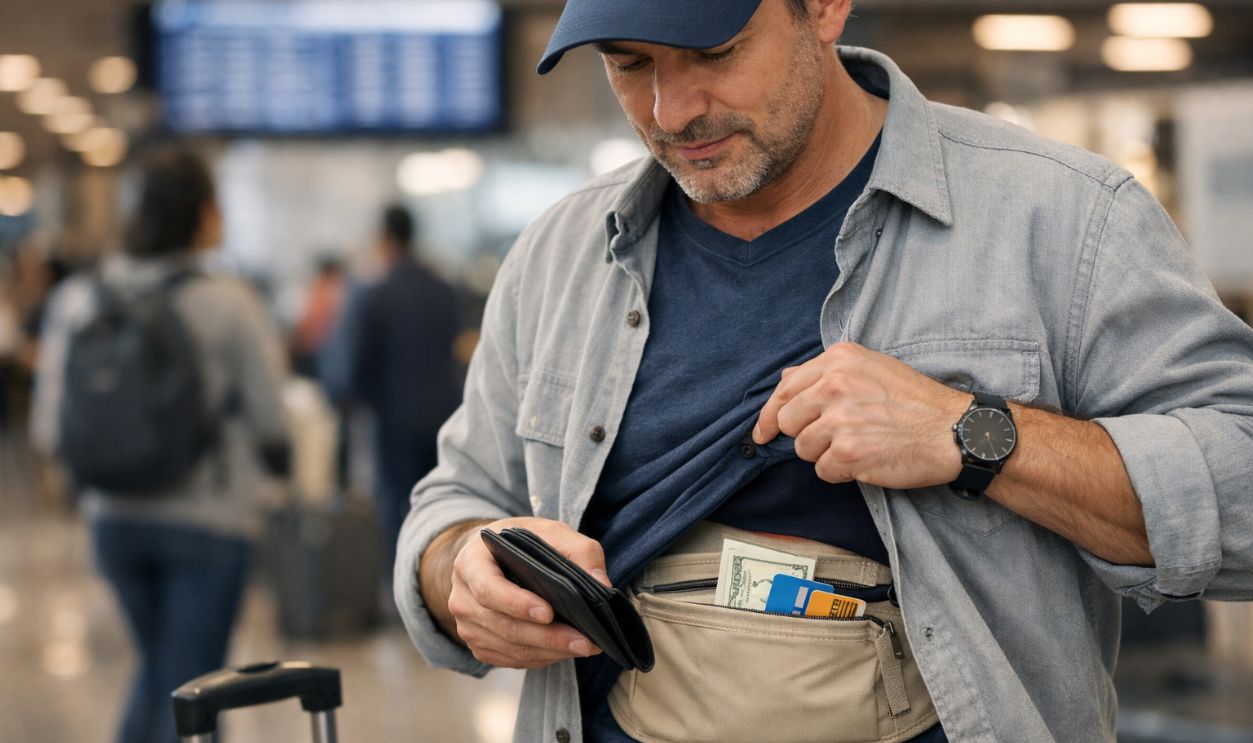
Many experienced travelers adopt a hybrid approach. They keep emergency cash and backup cards hidden while carrying only the items needed for the day. This balances convenience with protection without requiring constant use of a money belt.
So Who Is Right?
Both sides have valid arguments. Your friend is correct that many travelers visit Europe safely without money belts. Your parents are correct that hidden storage can protect critical items. The smartest approach is choosing a system that fits your destination, comfort level, and risk tolerance.
You May Also Like: