
A Simple Question That Can Save Or Cost You Money
You're planning a Europe trip and trying to decide how you want to pay for things abroad. Your dad and other older relatives say that your regular credit card is fine as long as you choose to pay in local currency, but you’re also hearing more and more about the advantage of using multicurrency cards. This choice matters more than you might think, especially when you take into consideration fees and exchange rates.

How Currency Conversion Happens
When you use a card abroad, the main cost difference comes from who converts the currency and what fees are added. This can quietly add several percentage points to every purchase, and this adds up quickly over the entire duration of a trip.

Always Pay In Local Currency When Given The Option
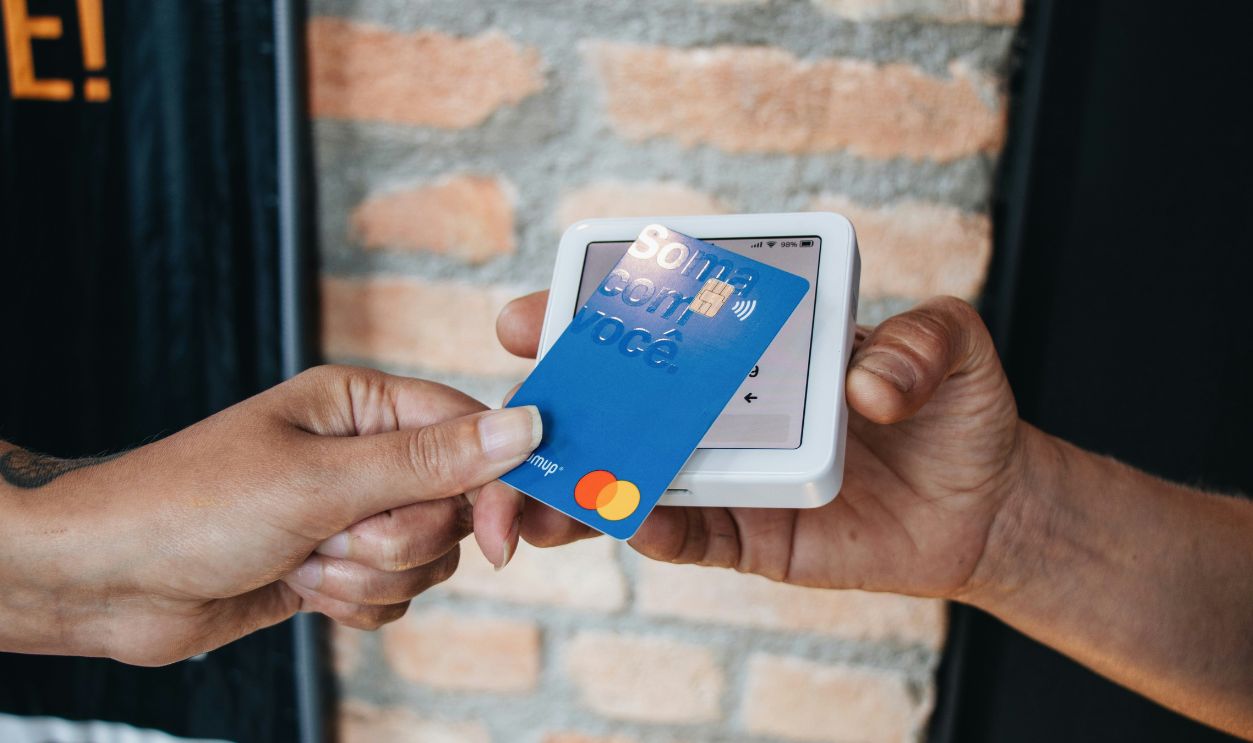
When a payment terminal asks whether you want to pay in U.S. dollars or local currency, choosing local currency is almost always cheaper. This avoids a process called dynamic currency conversion, which typically adds an extra markup to the charge.
What Dynamic Currency Conversion Really Does
Dynamic currency conversion lets the merchant convert the price into dollars at checkout. It sounds convenient, but the exchange rate often comes out worse than what your card network would use, and extra fees are built in.

Why Paying In Dollars Abroad Costs More
When you pay in dollars overseas, the merchant or payment processor sets the exchange rate, often adding a significant markup. In some cases, these markups can be several percentage points higher than the standard bank conversion rates.

Your Regular Credit Card May Already Be Fine
If your current credit card has no foreign transaction fee, it can be a great option for travel. Many U.S. cards work seamlessly in Europe, especially those on Visa or Mastercard networks, which are widely accepted.
But Watch For Foreign Transaction Fees
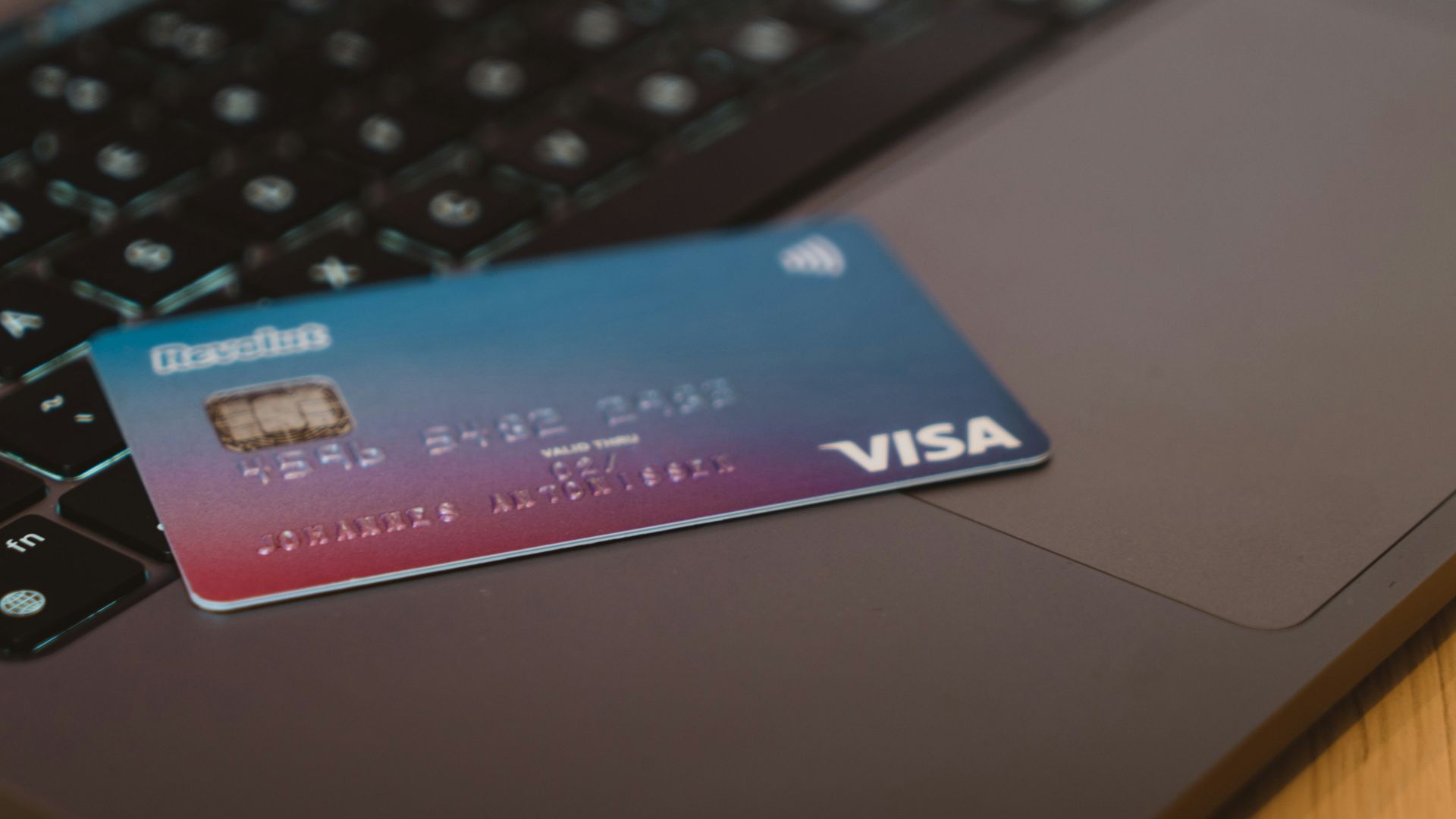
Many standard U.S. credit cards charge around 2.5% to 3% per purchase made in a foreign currency. That fee alone can put a noticeable dent in your travel budget if you’re using the card frequently.

What A Multicurrency Or Travel Card Does
Multicurrency cards or travel credit cards often eliminate all foreign transaction fees and may offer competitive exchange rates. Some also let you hold balances in multiple currencies, though that feature is more common with specialized fintech cards.

Do You Actually Need A Multicurrency Card?
For most U.S. travelers, a simple no foreign transaction fee credit card is enough. True multicurrency accounts are more useful for frequent international travelers or people who regularly hold foreign currency balances.

Debit Cards Still Matter For Cash
Even if you rely on credit cards, you will likely need some cash in Europe. A debit card is the fastest and easiest way to withdraw euros from an ATM, often at better rates than currency exchange counters.
ATM Fees Can Add Up Quickly
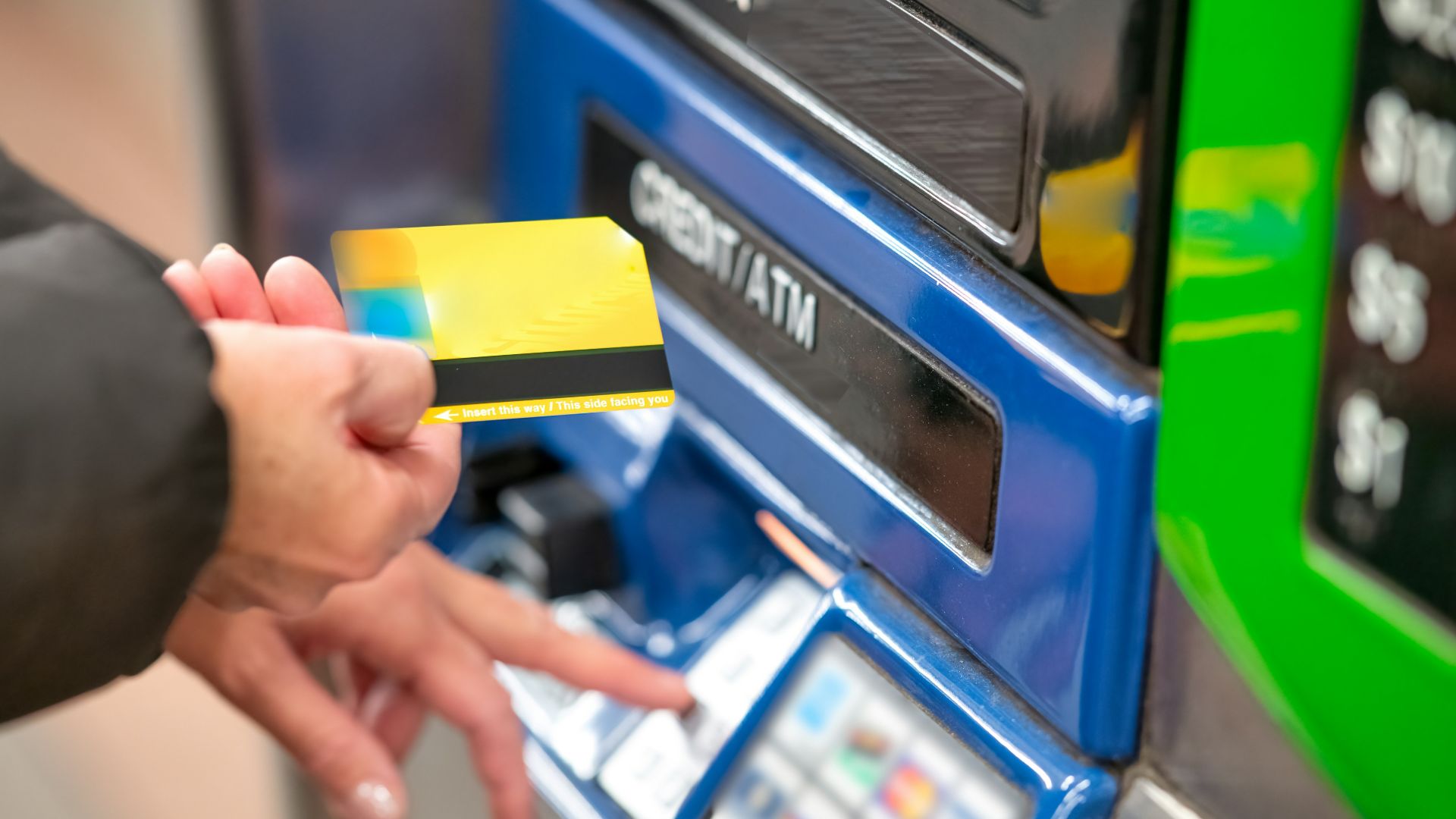
Using your debit card abroad can involve multiple fees, including a flat withdrawal fee and a percentage-based conversion fee. Some banks reimburse ATM fees, which can make a big difference over a longer trip.
Credit Cards Are Usually Better For Purchases
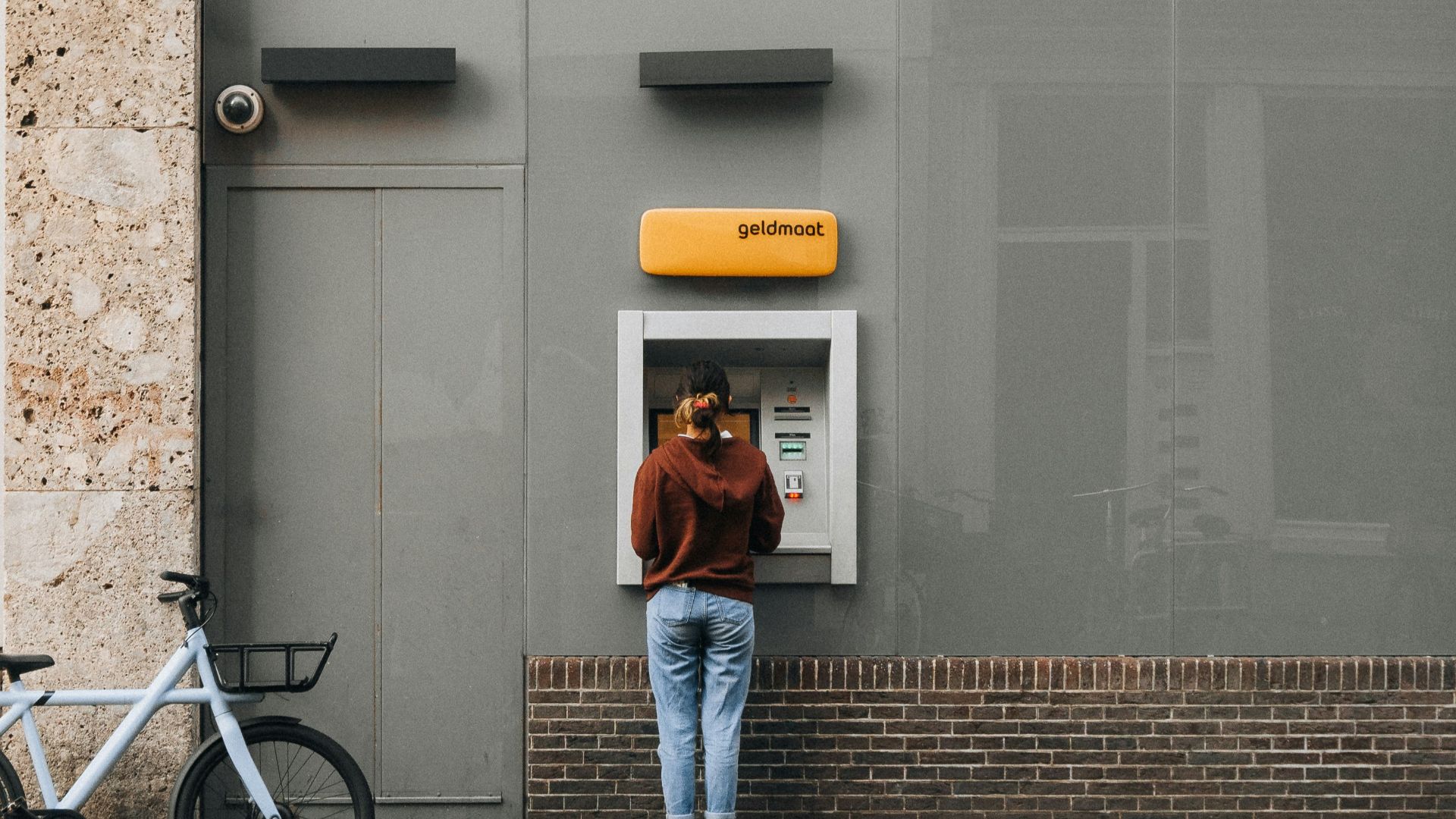
Credit cards tend to offer better fraud protection and more favorable exchange rates compared to debit cards. They are generally the safest and most cost-effective way to pay for hotels, meals, and larger purchases.

Cash Still Has Its Place
In parts of Europe, especially smaller towns or local markets, cash is still preferred. Having some euros in your pocket helps to avoid awkward situations where cards are not accepted.

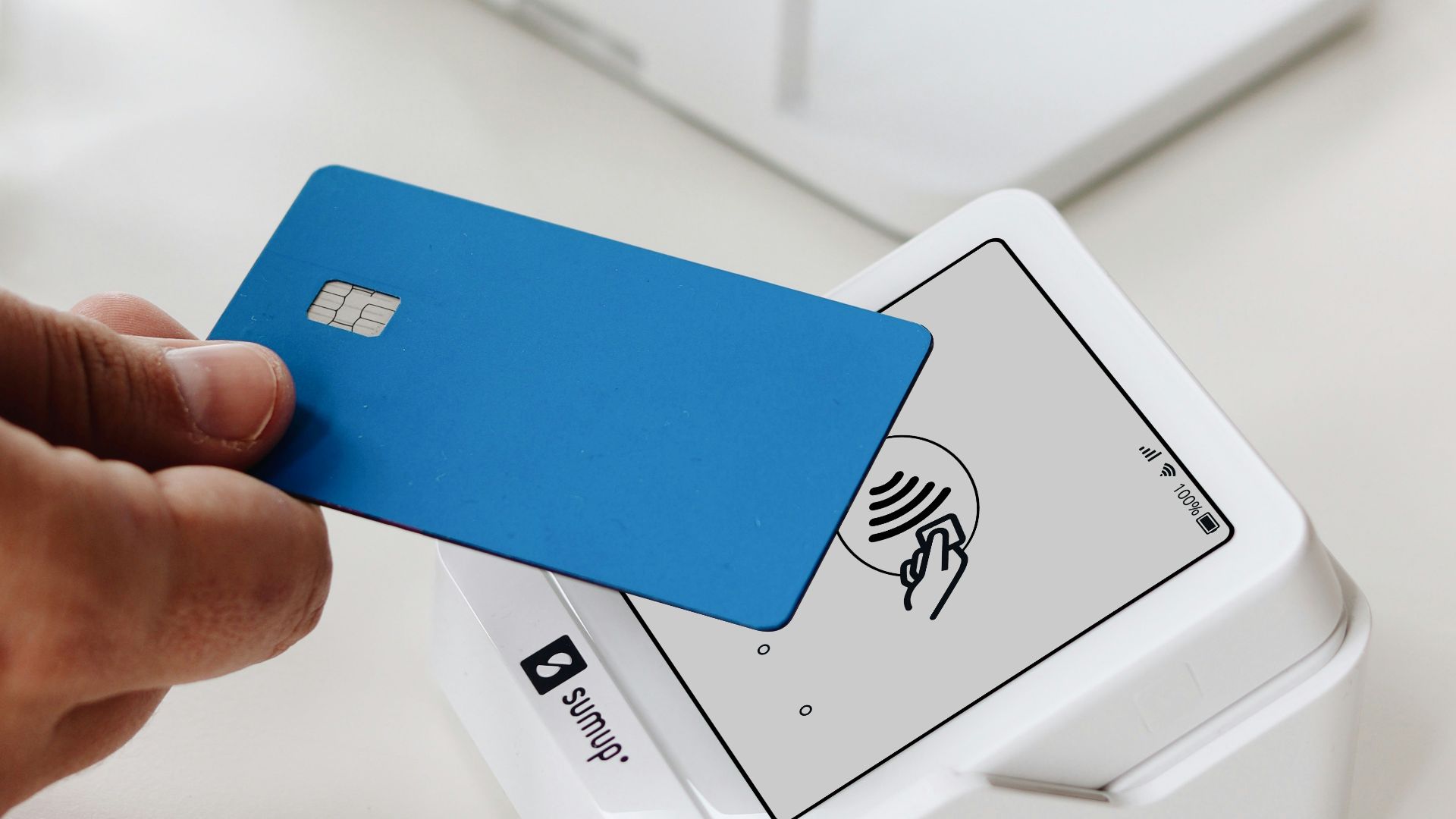
Contactless Payments Are Widely Accepted
Many European countries are highly card-friendly, with contactless payments available almost everywhere. Your U.S. card will likely work with no issues, especially if it supports tap-to-pay.
Tell Your Bank Before You Travel
Before leaving, let your bank or card issuer know about your travel plans. This helps prevent your transactions from being flagged as suspicious and declined while you are abroad.

Avoid Airport Currency Exchange Counters
Airport exchange kiosks are convenient in a pinch, but they usually offer poor rates. If you need cash, it’s generally better to withdraw from an ATM once you arrive.

Consider A Backup Payment Option
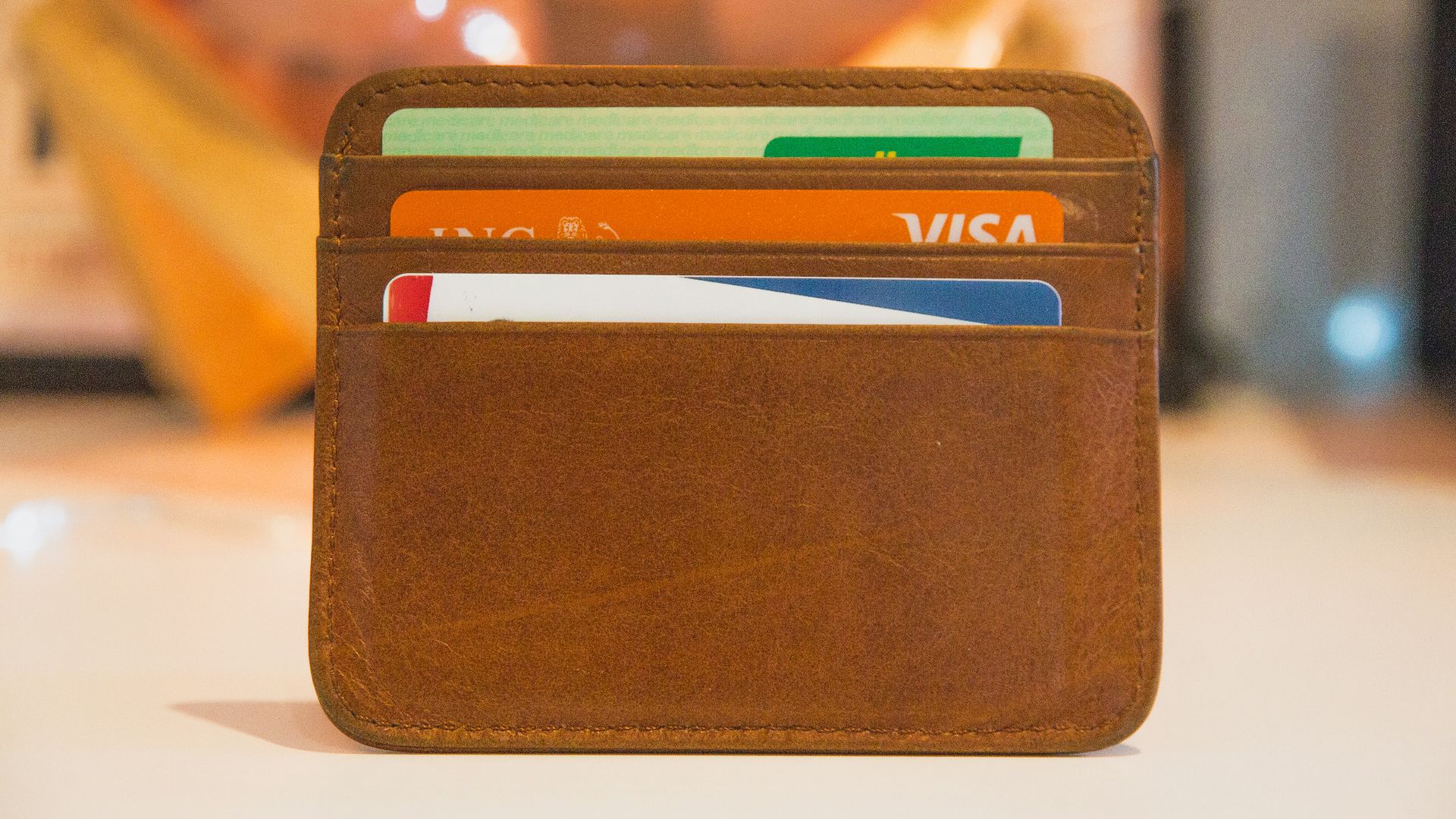
Always bring at least one backup card. If one card is lost, declined, or blocked, having a second option can save you a lot of stress during your trip.
 Stephen Phillips - Hostreviews.co.uk, Unsplash
So Who Is Right, You Or Your Dad?
Your dad is partly right. Keeping things simple by using your regular card and paying in local currency is often the smartest move. But if your card charges foreign transaction fees, upgrading to a travel-friendly card can save you money.
The Best Approach For Most Travelers
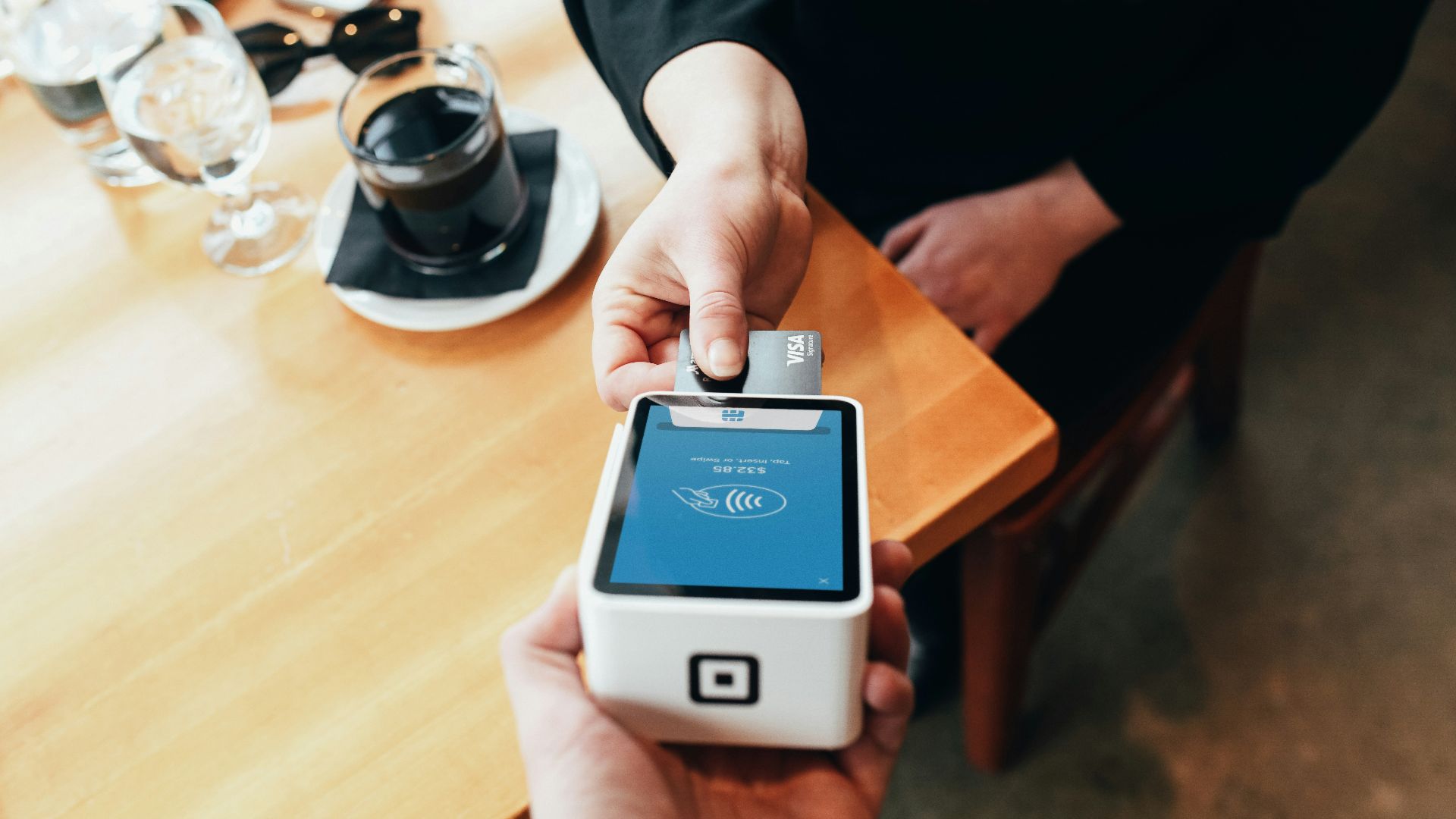
The simplest strategy is to use a no foreign transaction fee credit card, always pay in local currency, and carry a debit card for ATM withdrawals. This combination gives you flexibility, security, and the best overall value.

What Should You Do Before Your Trip?
Check your current card’s foreign transaction fees, consider applying for a travel card if you think you’re going to need it, and plan out how you will access cash. A little preparation now can save you hundreds of dollars once you’re traipsing around Europe.

You May Also Like:
Five Must-Have Travel Accessories
My coworker told me to use a VPN to get cheaper hotel prices. Is that legit or just a myth?
I broke the $800 rule during my trip, and my mom says customs can seize everything—am I in trouble?