The Ocean View Disappointment
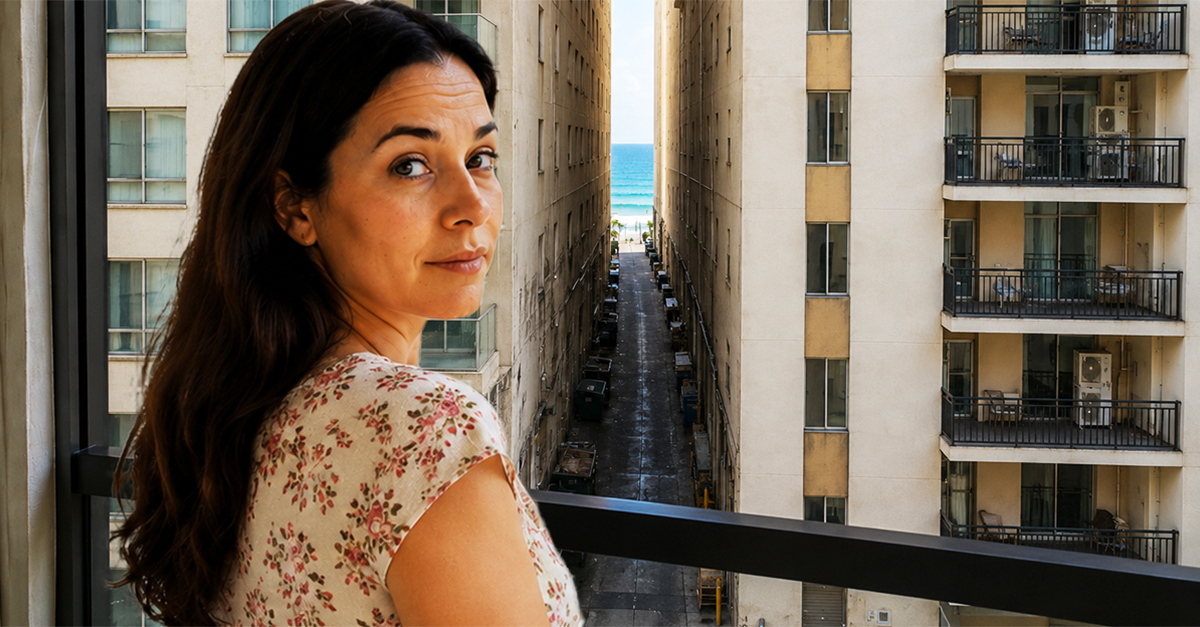
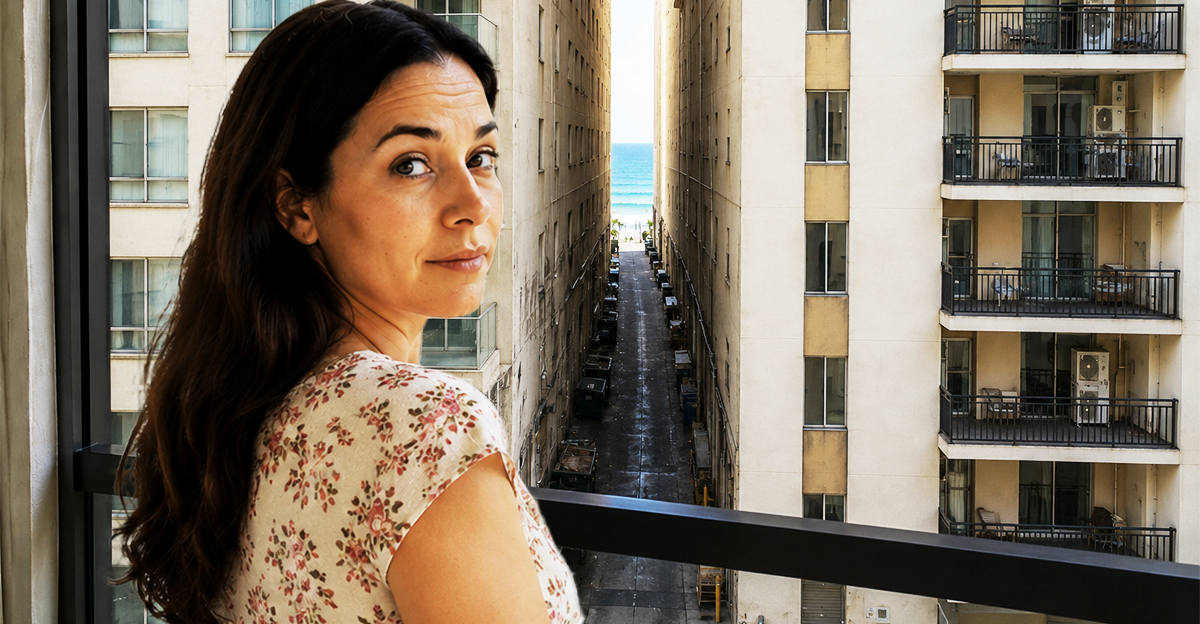
You booked a hotel room expecting sweeping ocean scenery based on the listing’s “ocean view” description. But after checking in, you discovered the room only offered a tiny glimpse of water squeezed between neighboring high-rise buildings and a grimy ally festooned with dumpsters and loading docks. Now you're wondering whether the hotel deliberately misled you and whether compensation is possible.
Flexible Marketing Language
One frustrating reality is that terms like “ocean view,” “partial ocean view,” and “beachfront” are not always tightly regulated. Hotels often rely on broad marketing language that leaves room for interpretation once guests actually arrive at the property.

Ocean View Doesn’t Always Mean Waterfront
Many travelers assume “ocean view” means an unobstructed panorama of the water. Legally, though, some hotels argue that any visible portion of the ocean satisfies the description, even if the view is distant or partially blocked.
Oceanfront Vs Ocean View
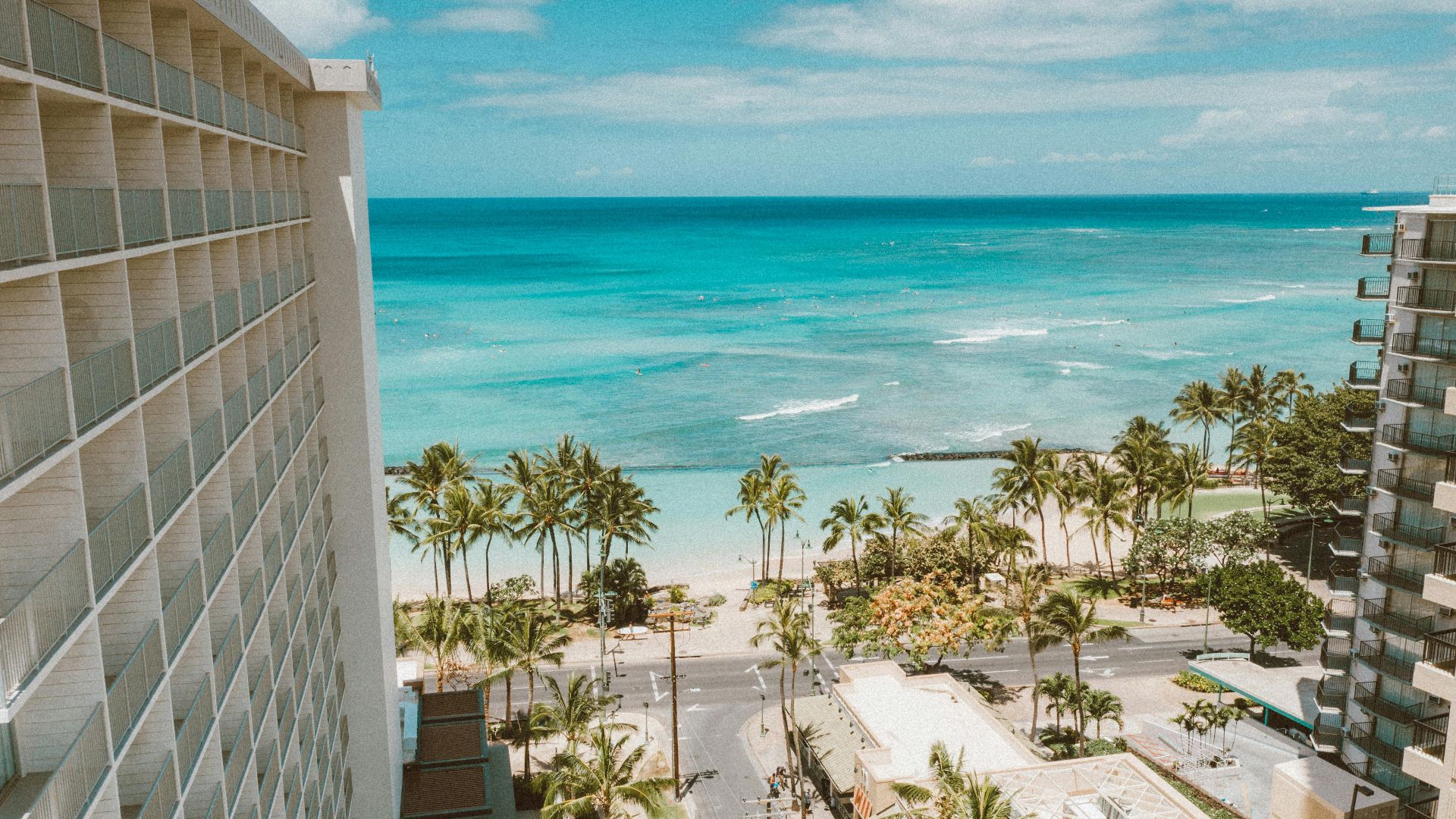
“Oceanfront” and “ocean view” are usually treated differently in hotel marketing. Oceanfront rooms generally face directly toward the water, while ocean view rooms may only provide limited visibility of the ocean from certain angles or parts of the room.

Photos Create Unrealistic Expectations
Hotel listings often use wide-angle photography or carefully selected images that make views appear larger and more dramatic than they actually are. Guests sometimes discover to their chagrin that promotional images do not accurately reflect the room they ultimately receive.

Fine Print Protects The Hotel
Many booking confirmations include disclaimers stating that room views may vary. Hotels frequently rely on these clauses to defend themselves when guests raise a ruckus that the advertised scenery looked a whole lot better online than it did in person.

Third-Party Sites Add More Problems
When reservations are made through Expedia, Priceline, Booking.com, or similar services, disputes can get more complicated. Hotels sometimes argue that inaccurate descriptions or photos originated with the third-party platform rather than the property itself.

Consumer Protection Laws May Apply
In the United States, hotels generally cannot engage in outright false advertising. If marketing materials clearly and materially misrepresent the room, guests may have grounds to request compensation under state consumer protection or deceptive trade practice laws.

Tough To Prove Deception
The challenge is proving the hotel crossed the line from exaggeration into deception. If some portion of the ocean is technically visible, the hotel may have elbowroom to argue that the listing was accurate enough to satisfy its advertising obligations.

Your Documentation Matters
If the room doesn’t resemble what was advertised, immediately take photos and screenshots. Capture the actual view from multiple angles and preserve the online listing, confirmation emails, and promotional photos before they disappear or change later.

Complaining Early Is Better
Guests who complain immediately after check-in generally have better outcomes than those who wait until checkout. Hotels are more likely to offer room changes, credits, or partial refunds while the stay is still barely underway.

Polite Complaints Work Best
Front desk employees usually have limited authority, but calm and polite complaints can sometimes produce surprisingly good results. Managers may offer upgraded rooms, resort credits, parking waivers, or discounts simply to avoid escalating customer dissatisfaction.

Loyalty Members Get Treated Better
Guests with elite status in hotel loyalty programs sometimes receive faster resolutions and better compensation. Hotels tend to prioritize repeat customers who could influence future business and online reviews.

Credit Card Disputes Possible
In some situations, credit card companies may allow disputes involving services that were materially different from what was advertised. Success varies widely, but documented discrepancies between the listing and reality can strengthen your case.

Social Media Pressure Can Help
Public complaints on social media occasionally motivate hotels to resolve disputes more quickly. Properties often react strongly when misleading room descriptions begin attracting visible criticism online from frustrated guests posting photos of disappointing views.

Travel Advisors May Help
Guests who booked through traditional travel agents or luxury travel advisors may have additional leverage. Advisors often maintain direct relationships with hotel management and can advocate more aggressively on behalf of disappointed travelers.

Resort Fees Add To Frustrations
Many guests feel especially irritated when disappointing rooms are paired with expensive resort fees. Paying extra mandatory charges while receiving a poor view can intensify the feeling that the property oversold the experience.

Honest Hotels Say “Partial Ocean View”
Properties that clearly label rooms as “partial ocean view” or “limited ocean view” tend to create fewer disputes. Travelers often become angrier when hotels omit those qualifiers and imply something much more impressive.

Location And Legal Standards
State consumer protection laws differ significantly across the United States. Some states aggressively regulate deceptive advertising practices, while others provide businesses with broader flexibility regarding subjective marketing descriptions.

Travel Insurance Doesn't Apply
Most travel insurance policies focus on cancellations, delays, medical emergencies, or lost baggage rather than disappointing room conditions. Travelers are often surprised to find out that misleading views usually fall outside standard travel insurance protections.

Look At Online Reviews
Detailed online reviews with photos often become the most effective way to warn future travelers about misleading room descriptions. Many guests now rely heavily on recent customer-uploaded images rather than official hotel marketing photos.

Hotels Quietly Give Compensation
Some hotels provide discounts or credits as a goodwill gesture while carefully avoiding any admission that the original advertising was misleading. This allows properties to resolve disputes quietly without creating broader legal exposure.
Why Travelers Keep Running Into This
Ocean views remain one of the most aggressively marketed hotel features because they command higher nightly rates. The gap between marketing imagery and real-world visibility continues to frustrate travelers who arrive expecting a postcard-worthy panorama and receive only a narrow sliver of blue instead.

You May Also Like:
My luggage was lost, and no one could tell me where it was. Aren't I owed compensation?