
When Your Wi-Fi Has Wanderlust
Scrolling for hotel deals used to be simple—pick a destination, compare prices, book, done. But now your coworker is leaning over your desk like they’ve uncovered a secret society, insisting you can outsmart hotel pricing with a VPN. It sounds clever, slightly suspicious, and just plausible enough to make you wonder if you’ve been overpaying this whole time.
So is this actually a smart travel trick…or just another internet myth that refuses to disappear?
 PeopleImages, shutterstock.com
What Even Is A VPN, Anyway?
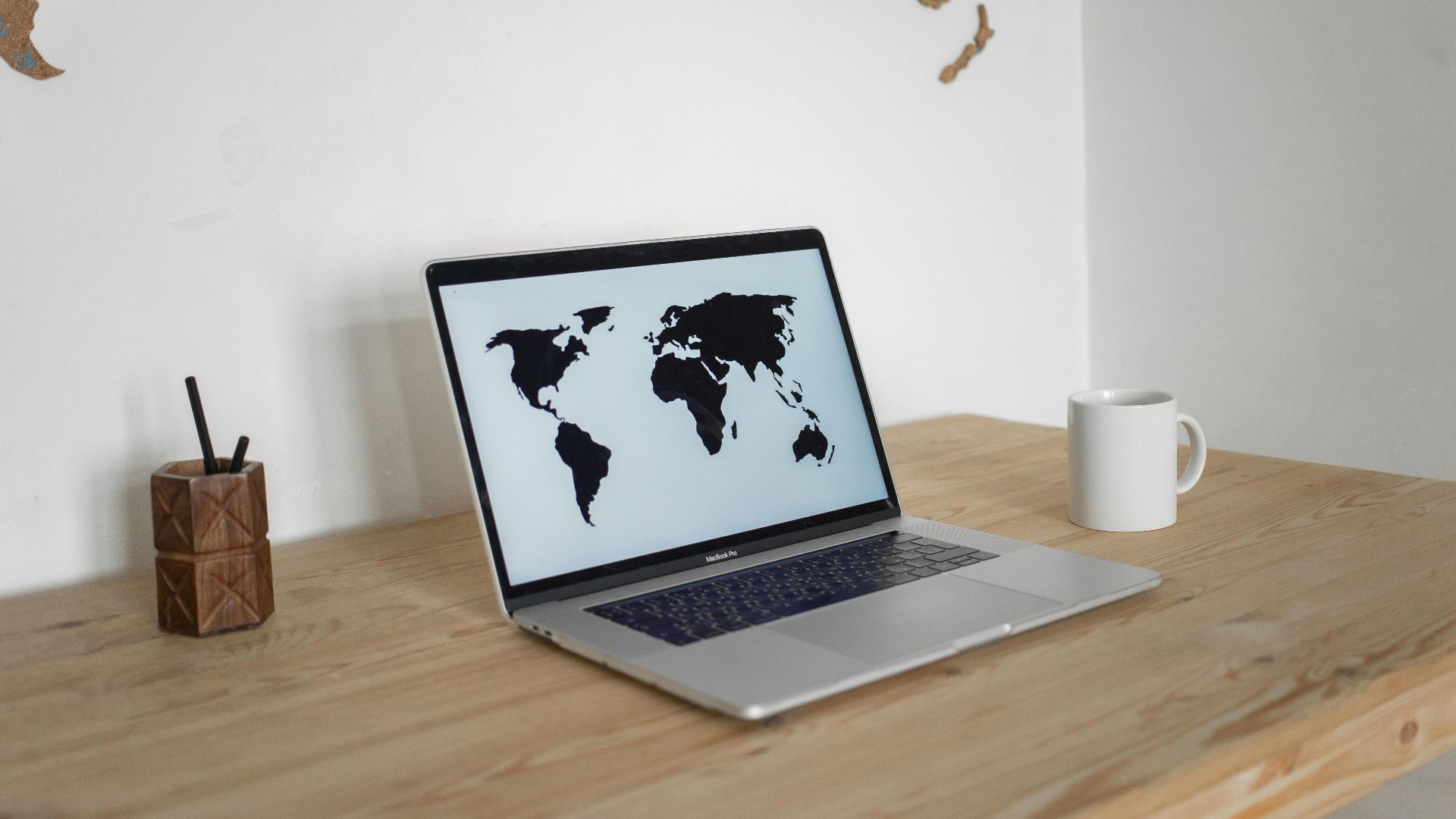
A VPN—short for Virtual Private Network—is basically a tool that hides your real location online by routing your connection through servers in other places. To a website, it looks like you’re browsing from wherever that server is located, not where you actually are. That means you could be sitting on your couch in North Carolina while appearing to browse from Germany or Argentina. And in the world of travel pricing, that small shift can sometimes make a difference.
The Idea Sounds Suspiciously Simple
The logic behind the VPN trick is almost too neat: if prices change based on where you’re searching from, then changing your location should change the price. It’s the digital equivalent of walking into the same store wearing a different disguise. If the system treats you like a different customer, maybe you’ll get a better deal. It’s simple, appealing, and just grounded enough in reality to catch people’s attention.

Price Differences Do Actually Exist
Travel websites don’t always show the same price to every user, and that’s not some conspiracy theory—it’s standard practice. Pricing can vary based on demand, location, and even perceived purchasing power. In some cases, users in wealthier regions may see slightly higher prices than those browsing from countries where spending habits differ. So yes, there’s a real foundation behind the idea.

Your Location Can Influence What You See
When you search for a hotel, the site doesn’t just look at availability—it also looks at you, or at least your digital footprint. Your IP address can hint at your location, which can influence pricing or available deals. That means someone searching from a different country might see a different rate for the exact same room. It’s subtle, but it happens.

VPNs Let You Test Those Differences
This is where VPNs come into play. By switching your virtual location, you can compare prices from different regions without leaving your chair. It’s like running multiple versions of the same search with different identities. Sometimes those comparisons reveal small price differences, which is exactly what makes the trick appealing.

Real-World Tests Show Mixed Results
Experiments with VPNs have shown that price differences do appear—but not consistently. In some cases, switching locations resulted in slightly cheaper hotel listings. In others, the prices stayed the same or even increased. The takeaway isn’t that the trick doesn’t work—it’s that it doesn’t always work.

It’s Not A Guaranteed Money Saver
If you’re expecting a dramatic price drop every time you flip on a VPN, you’re going to be disappointed. The results are inconsistent, and sometimes the effort doesn’t lead to any savings at all. It’s more of a “maybe you’ll get lucky” situation than a reliable strategy. And that unpredictability is what keeps this firmly in the gray area between hack and myth.

Pricing Is Controlled By A Lot More Than Location
Hotel prices aren’t determined by a single factor, which is why VPN results vary so much. Availability, demand, time of booking, seasonality, and even local events all play a role. Your location is just one small piece of a much larger puzzle. Changing it can influence prices, but it doesn’t override everything else.

Your Browsing History Can Work Against You
If you’ve ever noticed prices creeping up after checking the same hotel multiple times, you’re not imagining things. Some booking sites track your activity and may adjust prices or create urgency to push you into booking. It’s not always dramatic, but it’s enough to make repeat searches feel slightly more expensive.

VPNs Can Help Reset That Effect
Because a VPN changes your apparent identity, it can sometimes prevent sites from linking your searches together. That means you may avoid those subtle price increases tied to repeated browsing. It’s less about unlocking secret deals and more about keeping the playing field neutral. Think of it as wiping the slate clean rather than finding hidden discounts.

Cookies Still Complicate Things
Even with a VPN, your browser can still give away clues about who you are. Cookies and stored data can track your activity across sessions, which can influence pricing. That’s why pairing a VPN with private browsing or cleared cookies is often recommended. Otherwise, you might not actually be starting fresh.

Trying Different Countries Can Be Eye-Opening
One of the most common approaches is to test several VPN locations and compare results. Switching between countries can sometimes reveal small differences in pricing for the same hotel. It’s not always dramatic, but occasionally you’ll spot a slightly better deal. The key word here is occasionally.
Sometimes The Price Doesn’t Change At All
For every success story, there are plenty of searches where nothing changes. You can hop between five different countries and see identical prices across the board. That’s because many booking platforms aim for consistency, especially in competitive markets. And when that happens, the VPN trick feels a lot less impressive.

When It Works, The Savings Are Usually Small
Even when you do find a cheaper price, it’s rarely a jaw-dropping discount. Most of the time, the difference is modest—just enough to feel satisfying but not enough to completely change your travel budget. It’s more like shaving a little off the total rather than unlocking some secret luxury rate. So while it can help, it’s not exactly a game-changer.

This Isn’t Just About Hotels
The same idea applies to other travel bookings too, including flights and rental cars. Prices can vary depending on where you’re searching from, which is why VPNs are often discussed as a broader travel hack. But just like with hotels, the results are inconsistent. The concept holds up, but the payoff varies.

Booking Sites Aren’t Oblivious
Travel platforms are well aware that users try to game the system. Some have adjusted their pricing models to reduce major discrepancies between regions. That means the effectiveness of VPN tricks may be shrinking over time. It’s a moving target, not a permanent loophole.

There Can Be Technical Hiccups
Using a VPN isn’t always seamless, especially when it comes to booking and payments. Some sites may flag unusual activity or require additional verification if your location suddenly changes. It doesn’t happen all the time, but it’s something to keep in mind. Convenience can take a small hit.

Currency Can Add Another Layer Of Confusion
When you switch locations, prices may appear in different currencies. That can make comparisons tricky, especially when exchange rates and fees come into play. A deal that looks cheaper at first glance might not be as good once everything is converted. It’s one more variable to keep track of.

It’s Not Exactly Effortless
This isn’t a one-click solution—it takes some trial and error. You’ll need to test different locations, compare results, and double-check pricing details. For some people, that’s part of the fun. For others, it’s more hassle than it’s worth.

There Are Simpler Ways To Save
Ironically, the most reliable ways to save money on hotels are still the simplest ones. Booking early, comparing multiple sites, and being flexible with dates often make a bigger difference than using a VPN. These strategies don’t feel as flashy, but they consistently deliver results. Sometimes the basics win.

So Is It Legit Or Just A Myth?
The truth sits right in the middle. VPNs can sometimes help you find slightly cheaper hotel prices, especially by avoiding tracking or testing different regions. But they’re not consistent, and they won’t magically unlock huge savings every time. It’s a real tactic—just not a reliable one.

Should You Actually Bother Trying It?
If you’re curious and don’t mind experimenting, it’s worth a shot. Just treat it like a bonus strategy rather than your main plan. At best, you might save a little extra. At worst, you’ll confirm that your coworker’s “genius hack” isn’t quite as powerful as it sounded.

You May Also Like: