Stuck Within Sight Of Your Destination
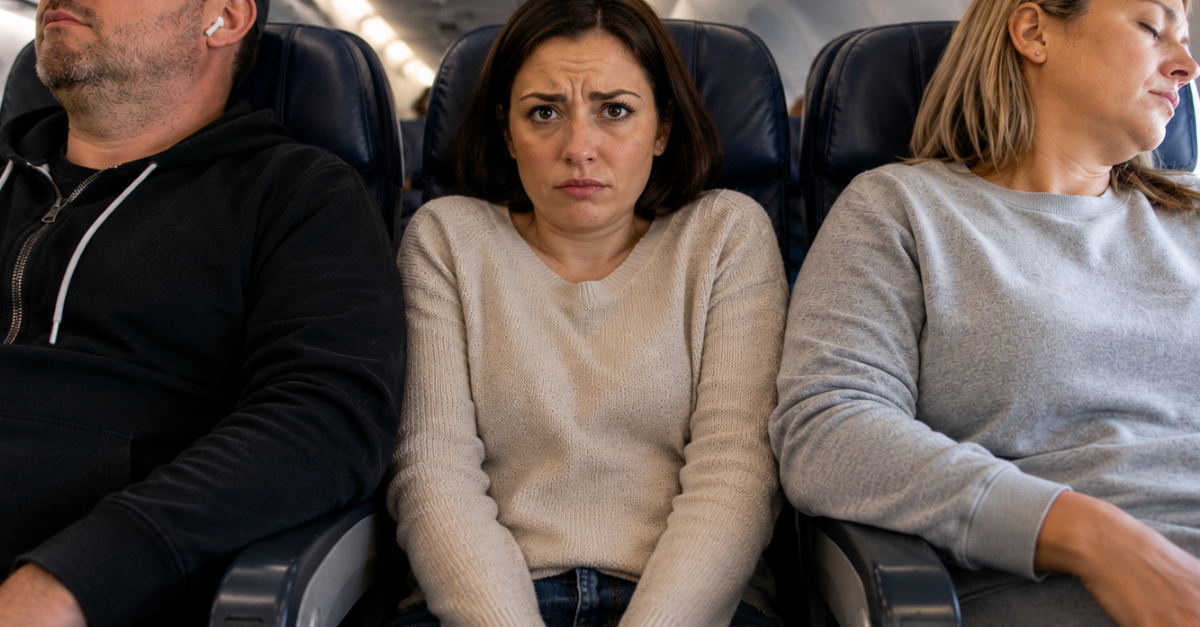
You landed ahead of schedule, fully expecting to disembark from the plane quickly and maybe even beat the usual airport rush to the luggage carousels. Instead, your plane sat on the tarmac for two hours waiting for a gate, with little information and a mounting sense of frustration. You’re left wondering if it’s just bad luck or whether the airlines actually owe you some kind of compensation in this situation.

Understand What A “Tarmac Delay” Actually Is
A tarmac delay refers to any time your aircraft is stuck on the ground either before takeoff or after landing without access to a gate. Even though you’ve technically arrived at your destination, your trip still isn’t considered complete until the aircraft can reach a gate and passengers are allowed to disembark.
This Happens More Often Than You Think
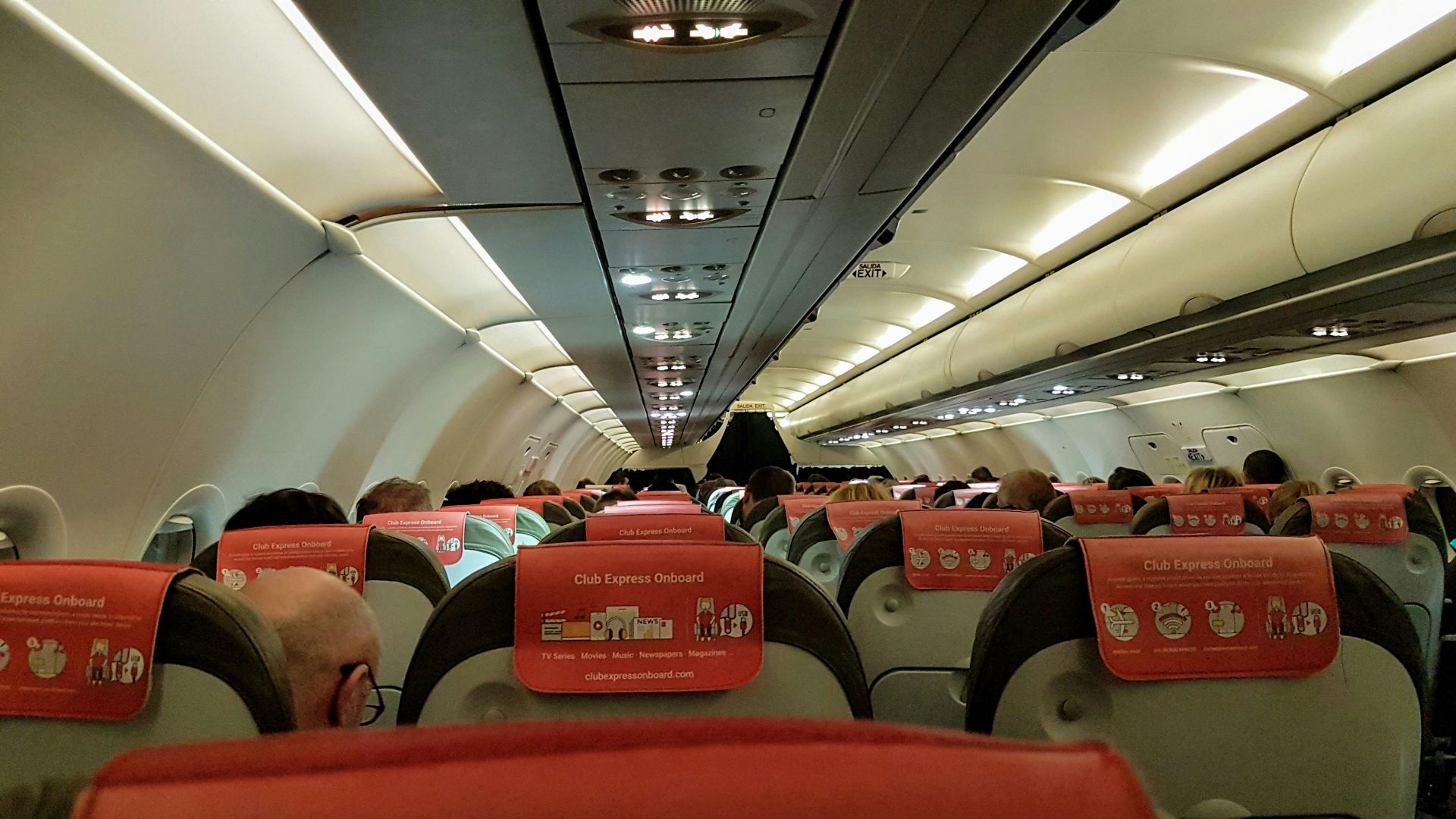
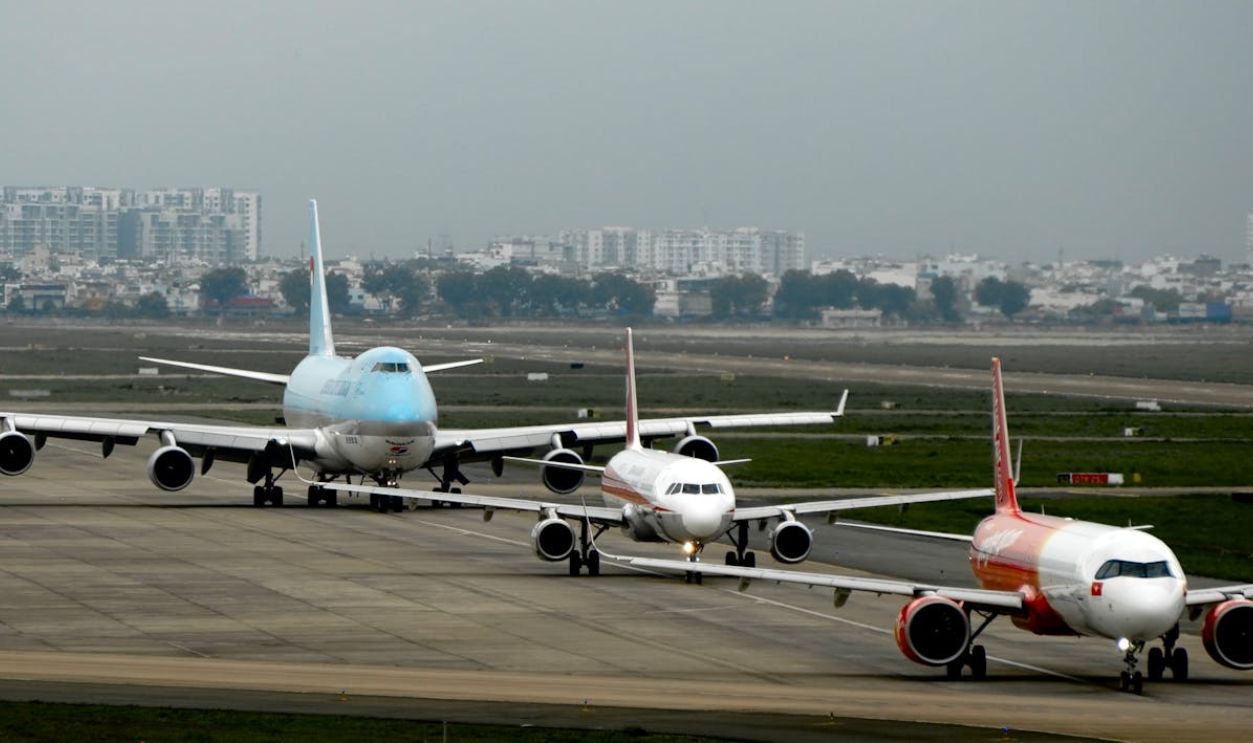
Delays like these are surprisingly common and usually stem from airport logistical issues rather than negligence. Airports have a finite amount of gate space, and incoming aircraft often need to wait for departing flights to clear. Weather disruptions, staffing shortages, and air traffic congestion can all compound the problem, causing a bottleneck even if your flight arrives early.
Your First Basic Right: Humane Treatment
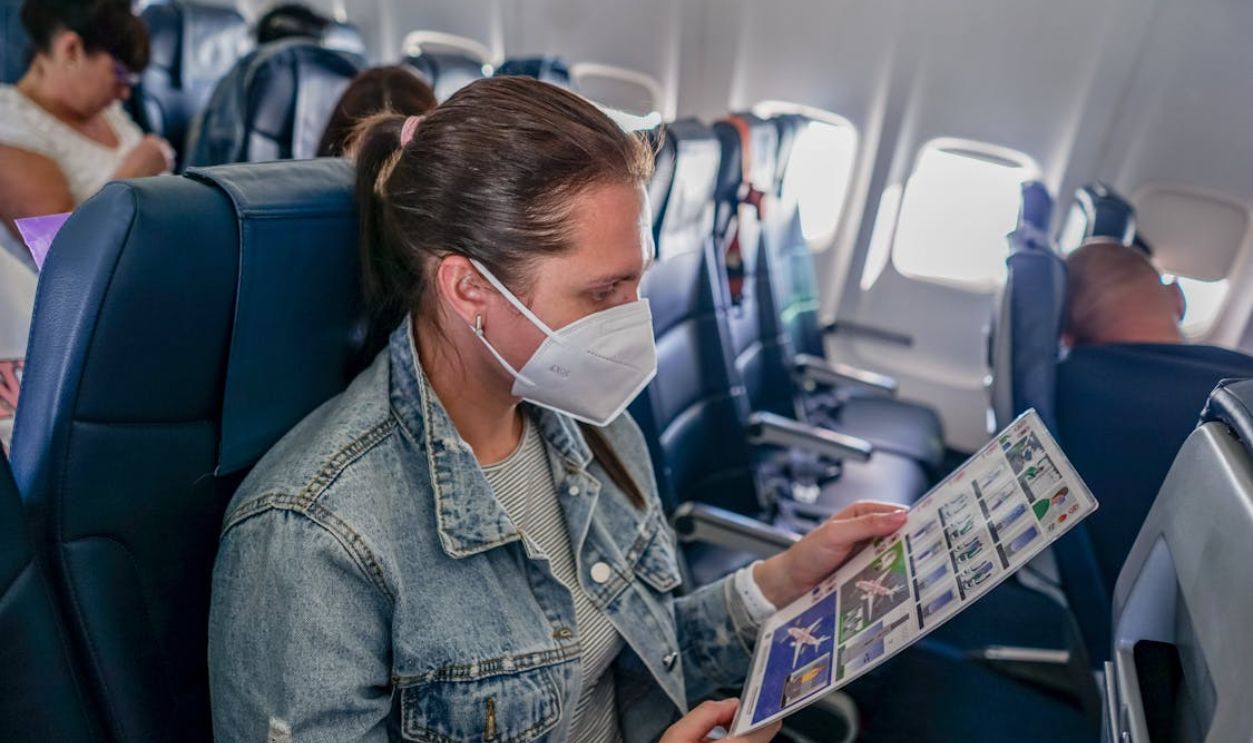
Even during a frustrating delay, airlines are still required to ensure that the basic conditions onboard remain safe and humane. That means working restrooms, adequate ventilation, and a comfortable cabin environment have to be maintained. You’re not supposed to be left in unsafe or unhealthy conditions just because the plane can’t yet reach a gate yet.

Food And Water After Extended Delays
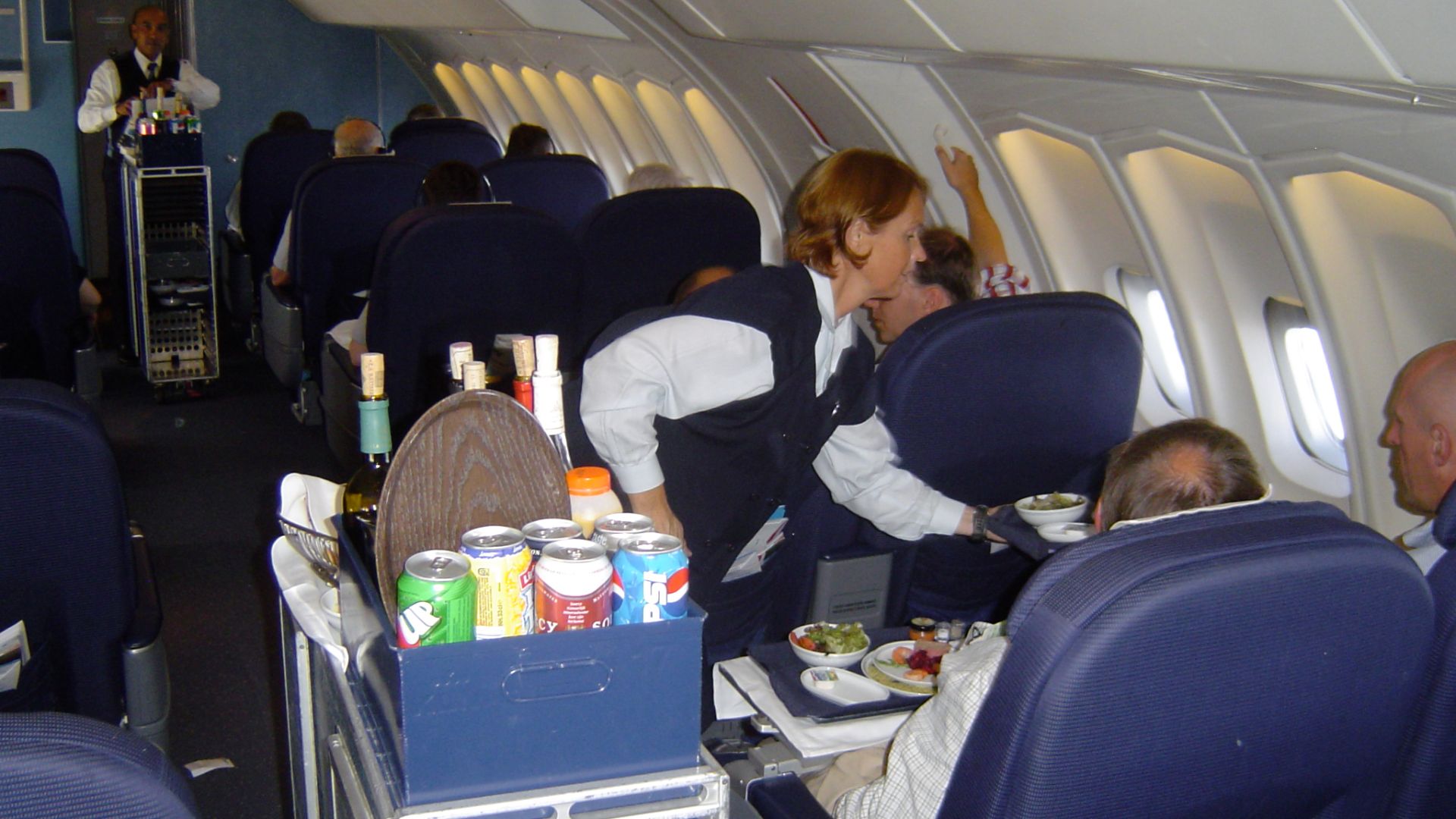
As the delay stretches longer, airlines are generally expected to provide passengers with food and drinking water, especially once the wait starts inching past two hours. While the quality and quantity may be variable, the expectation is that passengers shouldn’t be left without basic necessities during a prolonged onboard delay.
 Saschaporsche, Wikimedia Commons
Communication Access Is A Must
During a lengthy tarmac delay, you should also be able to stay connected. Whether that means access to onboard Wi-Fi or the ability to use your mobile device, airlines are expected to give passengers the freedom to communicate with family, employers, or connecting services while they sort out the delay.

When You Must Be Allowed To Get Off The Plane
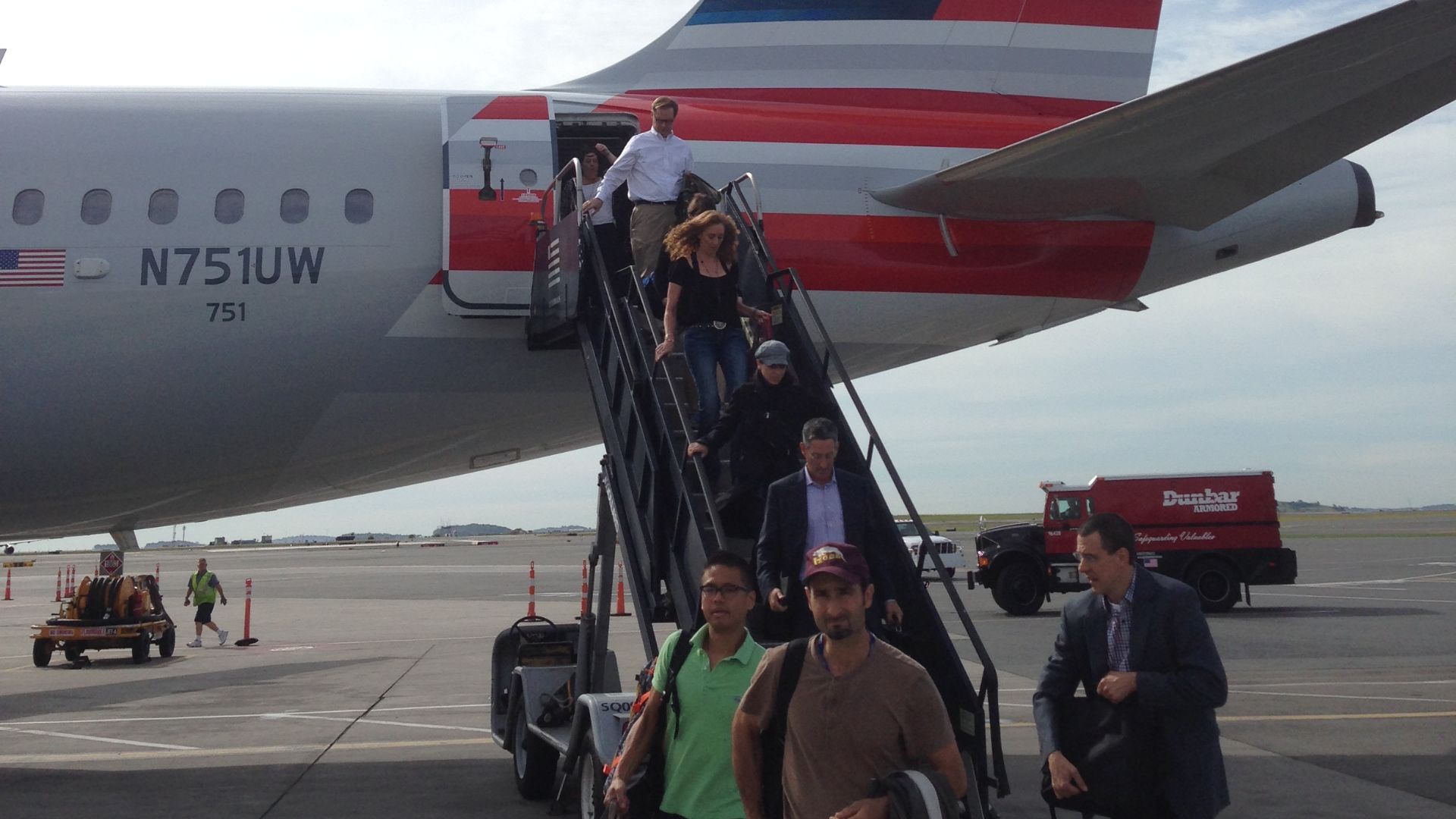
In both Canada and the United States, regulations set firm limits on how long passengers can be kept onboard. Generally, after about three hours on the tarmac, airlines have to allow passengers to disembark unless doing so would be unsafe or the aircraft is about to depart for its gate.
 airbus777 from Washington, DC, USA, Wikimedia Commons
Your Two-Hour Delay Falls In A Gray Area
At around two hours, your situation starts to enter into an uncomfortable gray zone. You have rights to care, communication, and reasonable treatment, but the delay hasn’t yet crossed the threshold that legally forces the airline to let passengers off the plane. That’s why it feels wrong without clearly triggering penalties.
Big Distinction: Delay Vs Arrival Delay
One of the most frustrating realities of this kind of situation is that compensation rules are usually tied to your arrival time at your final destination, not how long you sit on the tarmac. If your flight technically arrived early or on time, the delay you experienced onboard might not count toward compensation eligibility.

When Compensation Actually Applies
In the United States, compensation for delays is a lot more limited than in many other countries. Airlines are generally not required to pay passengers for delays, even if they are within the airline’s control. Instead, compensation typically only applies in cases of involuntary denied boarding. Even then, it’s based on how late you arrive at your destination, and not how long you spent waiting on the plane after landing.

Why Gate Delays Often Don’t Pay Out
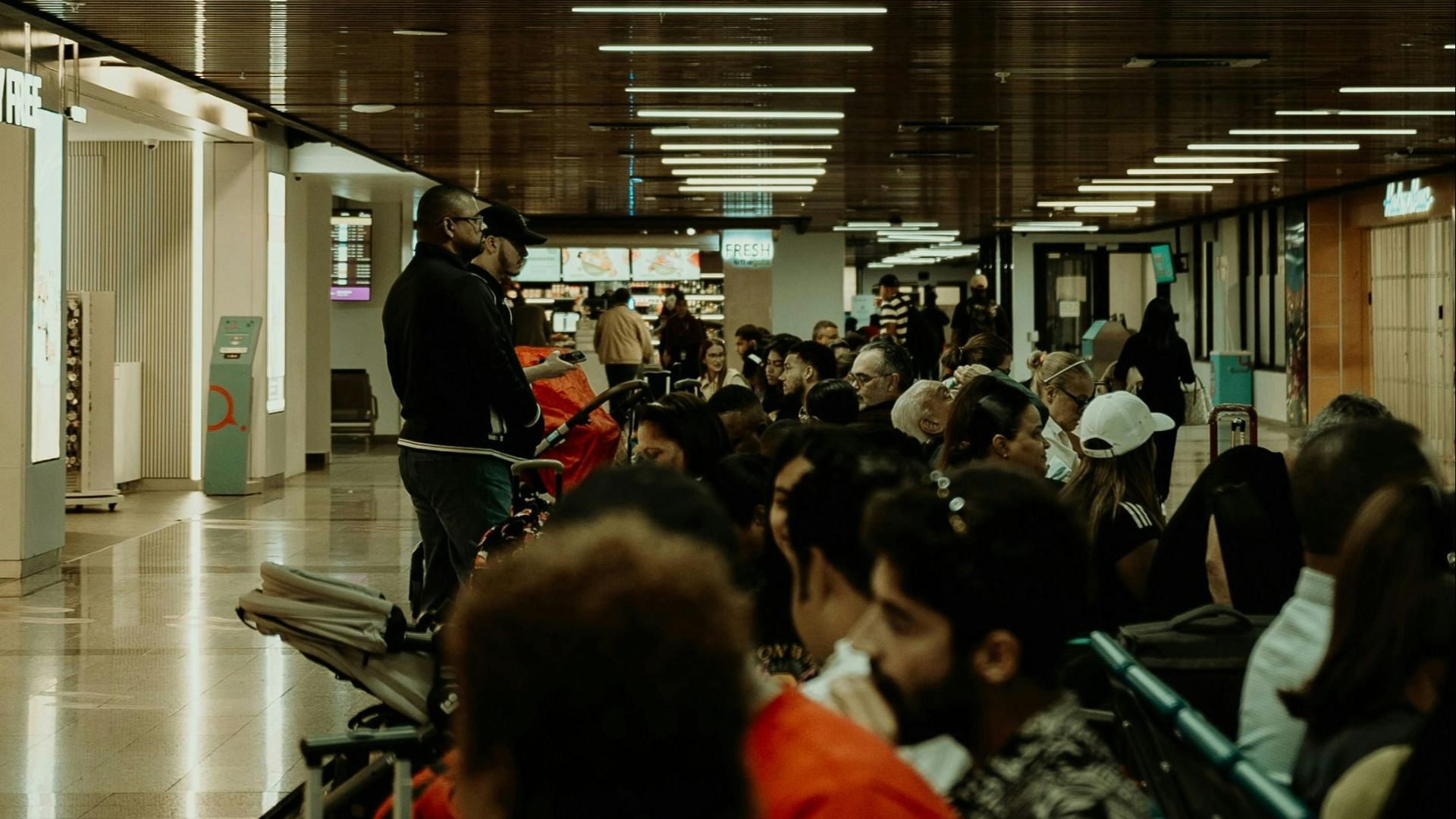
Gate delays are usually categorized as issues outside the airline’s direct control, especially when caused by airport congestion or logistical constraints. Because of this classification, airlines generally argue that these situations don’t qualify for compensation, even when the passengers go through prolonged inconvenience and discomfort.
Your Right To File A Complaint Anyway
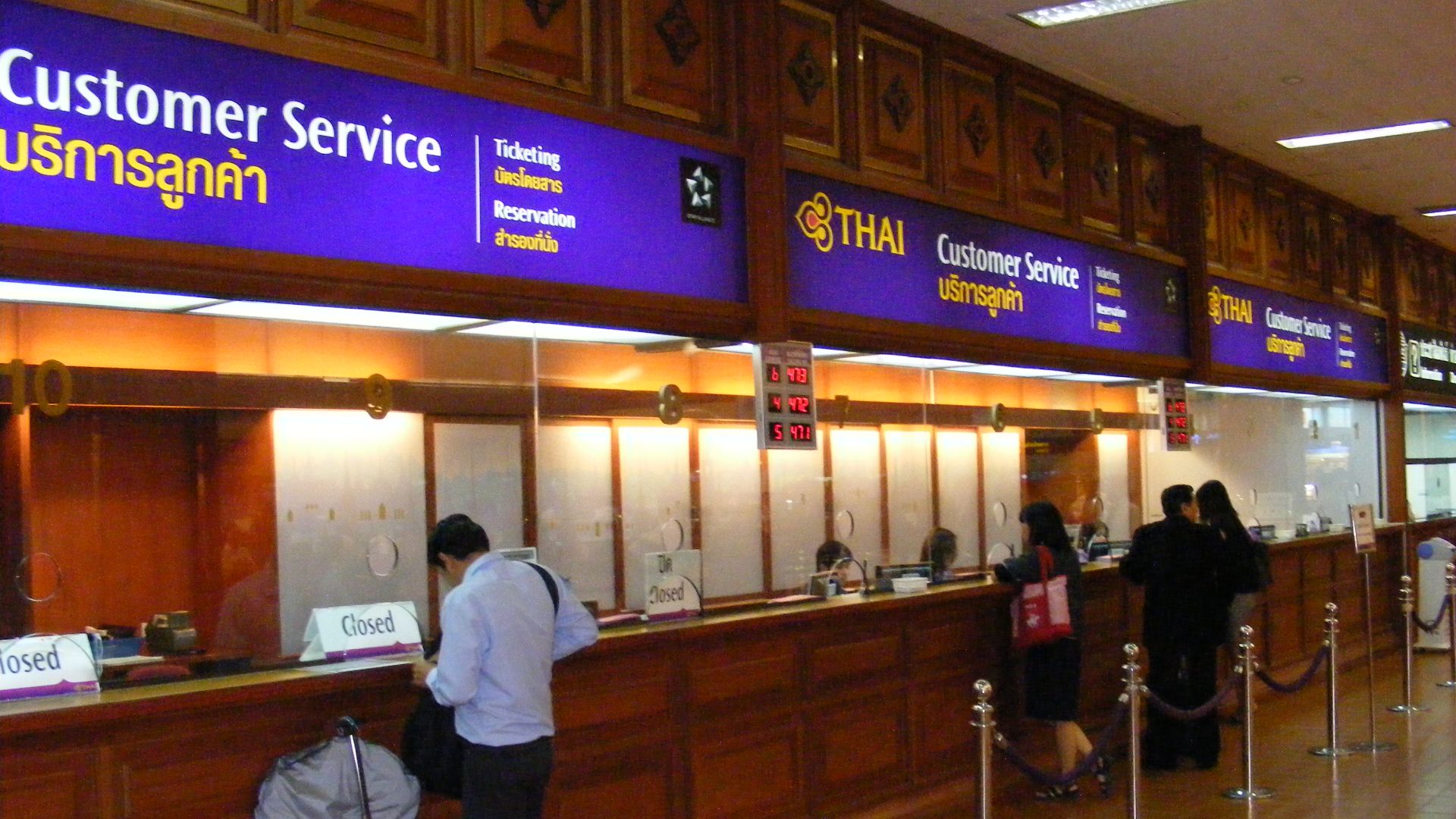
Even if compensation is a long shot, you still have the right to file a formal complaint with the airline. Airlines still have to review and respond to complaints within a reasonable timeframe, and raising the issue can sometimes result in goodwill gestures such as vouchers or partial refunds.
 User:Mattes, Wikimedia Commons
Escalate To Regulators If Needed
If the airline’s response feels dismissive or unsatisfactory, you can escalate the issue to the U.S. Department of Transportation. This agency oversees airline consumer protection and accepts formal complaints from passengers. While it’s unlikely that this will resolve your case directly, it can look into patterns of misconduct and put pressure on airlines to respond appropriately.

International Flights May Give You More Leverage
If your journey involved international travel, additional protections may apply under agreements like the Montreal Convention. These rules can sometimes offer compensation for financial losses caused by delays, although it’s still greatly dependent on the specifics of your situation and the nature of the delay.
If The Delay Goes Longer Next Time
If a similar situation drags on beyond three hours, then your rights get much stronger. At that point, airlines are generally required to provide an opportunity to disembark, and the failure to do so can result in regulatory penalties. Knowing this threshold helps you understand when a delay crosses into a more serious violation.
Airlines Sometimes Push The Limits
Airlines run on tight schedules with limited flexibility, and gate availability is often beyond their direct control. But this doesn’t always excuse prolonged delays. Regulators have imposed fines in the past when airlines kept passengers onboard too long, proof that enforcement does exist when limits are exceeded.
Practical Steps You Should Take During The Delay
While you’re stuck onboard, you can help your case by documenting everything. Take note of how long you’ve been waiting, what announcements were made, and what conditions are like inside the cabin. Photos, timestamps, and written notes can all become useful if you’re determined to file a complaint later.

What To Do After You Finally Get Off The Plane
Once you’re finally off the aircraft, don’t let the issue slide if it bothered you. Submit a written complaint to the airline as soon as possible, containing a clear timeline and a description of the conditions you experienced. The sooner you act, the easier it’ll be for you to present a clear and credible account.

Manage Your Expectations About Compensation
It’s important to be realistic about what you’re likely to receive. A two-hour tarmac delay after landing is frustrating, but it doesn’t technically meet the threshold for financial compensation. What you’re more clearly entitled to is proper care and reasonable treatment during the delay itself.

Bottom Line On Your Rights
You do have meaningful rights during a tarmac delay, especially when it comes to safety, basic comfort, and the ability to eventually leave the aircraft. But keep in mind that unless the delay crosses key time thresholds or significantly affects your arrival time, financial compensation is not guaranteed in most cases.

You May Also Like:
The Ultimate Travel Bucket List: 100 Things You Need To See (And Do) Around The World Before You Die