
A Travel Debate With No Clear Winner
You’re getting ready for a trip and suddenly find yourself caught in a classic travel debate. Your mom is adamant that hard-sided luggage is the smarter choice, while your friends swear by soft-sided bags. If you’re struggling to make up your mind, the truth is that both options have clear advantages and drawbacks, and the right answer depends on how you travel.
 Always Say YESS, Shutterstock; Factinate
What Hard-Sided Luggage Offers
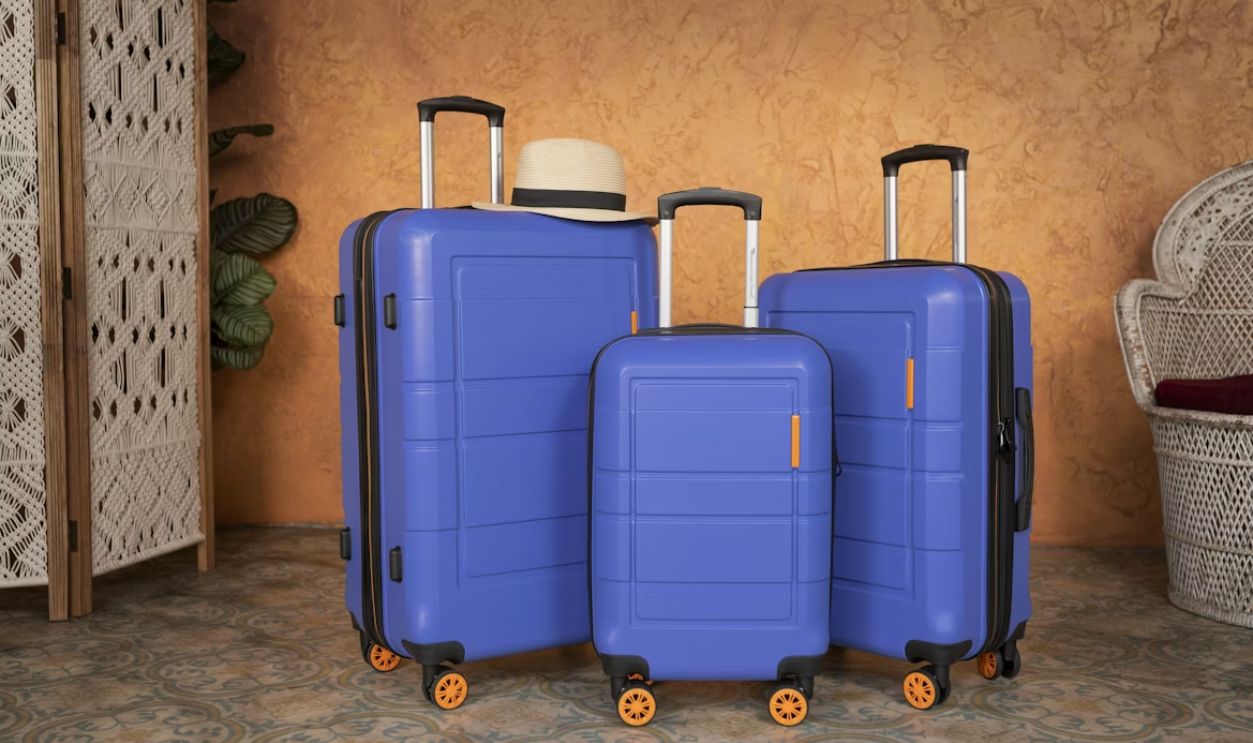
Hard-sided suitcases are built with rigid materials like polycarbonate or aluminum. These designs are great for structure and protection. They hold their shape no matter how full they are, which can make packing more organized and predictable, especially for longer or more structured trips.
 American Green Travel, Unsplash
The Biggest Advantage Of Hard Cases
The main strength of hard luggage is protection. These suitcases are better at shielding fragile items from impact during rough handling. In testing, hard-shell luggage usually performs better in puncture resistance compared to fabric cases.

Why Travelers Trust Hard Shells For Flights
If you’re checking luggage on a flight, a hard case can give you some peace of mind. Bags are often tossed, stacked, and compressed in cargo holds. A rigid shell helps to prevent the suitcase from getting crushed and protects valuables like electronics or souvenirs.

Hard Cases Are More Water Resistant
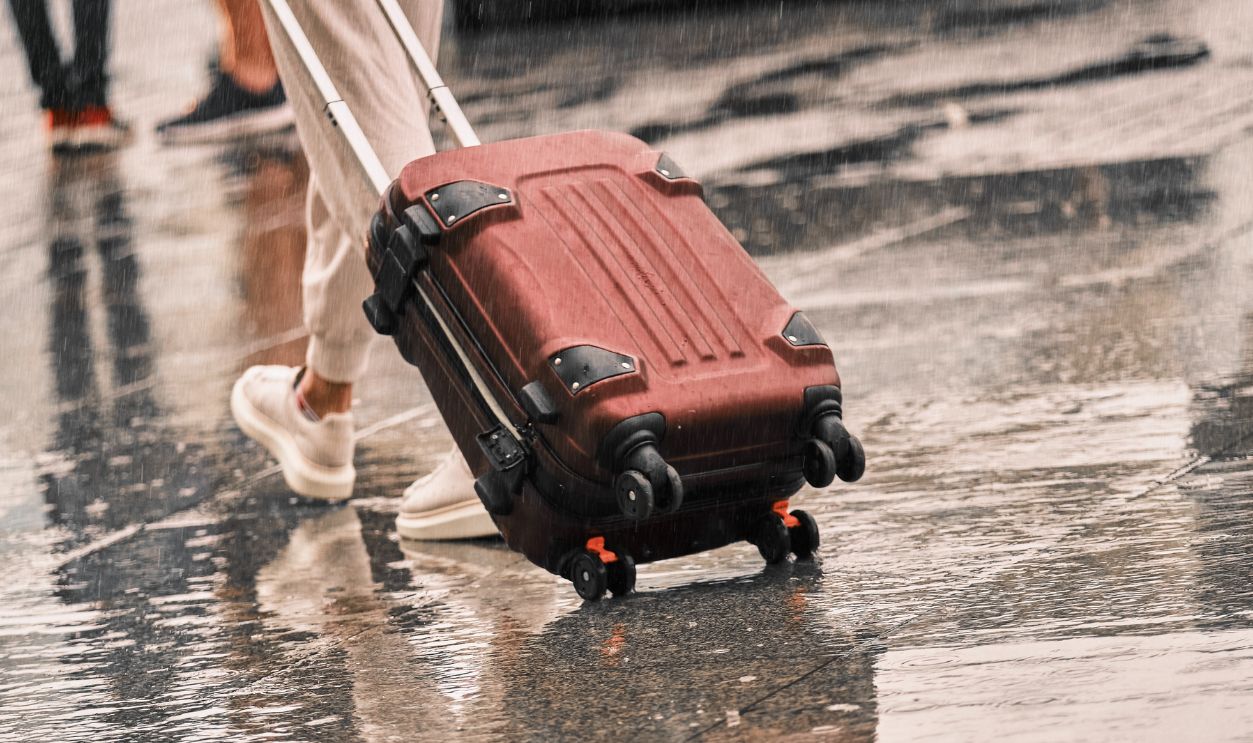
Hard-sided luggage also offers better resistance to rain and spills. Unlike fabric, the shell doesn’t absorb moisture easily. This can be very handy if your bag is left out on a wet tarmac or exposed to bad weather during your journey.
Security Is Another Strong Point
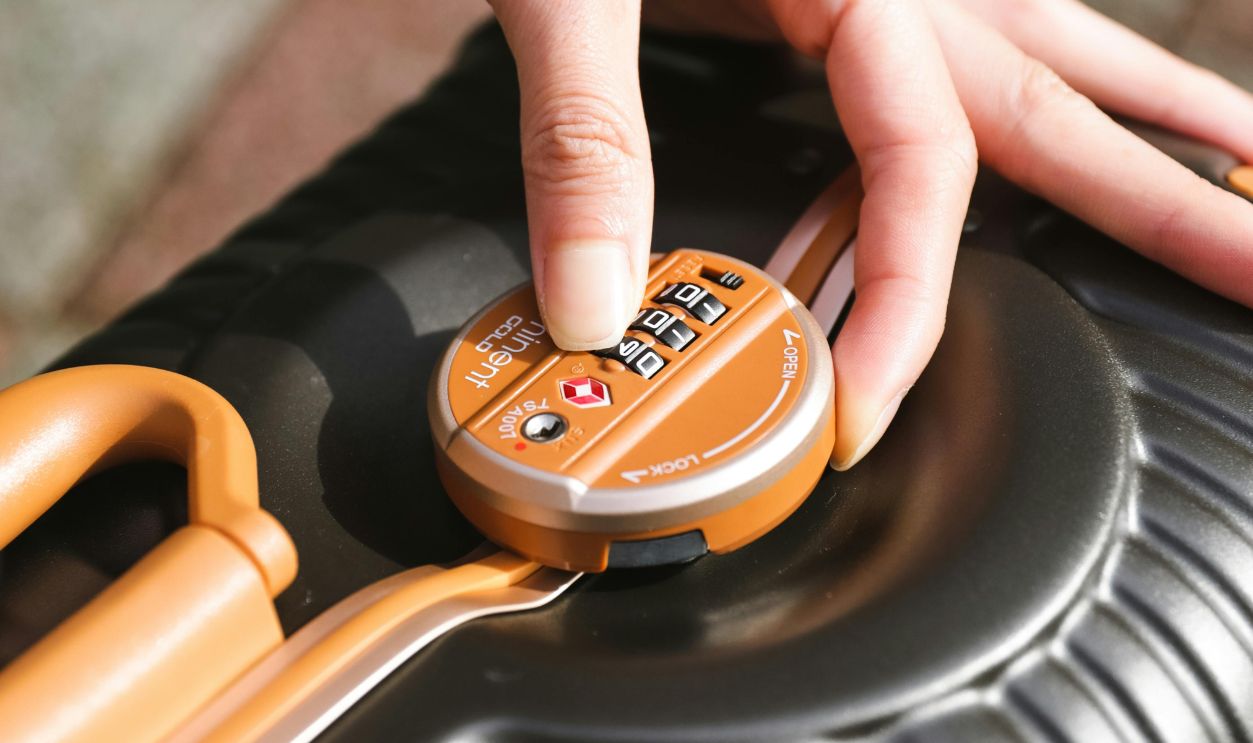
Many hard-shell suitcases come with integrated locks and fewer exposed entry points. This makes them more difficult to tamper with compared to zippered fabric bags. For international travel or crowded transit hubs, that extra security can offer a measure of reassurance.
The Downsides Of Hard-Sided Luggage
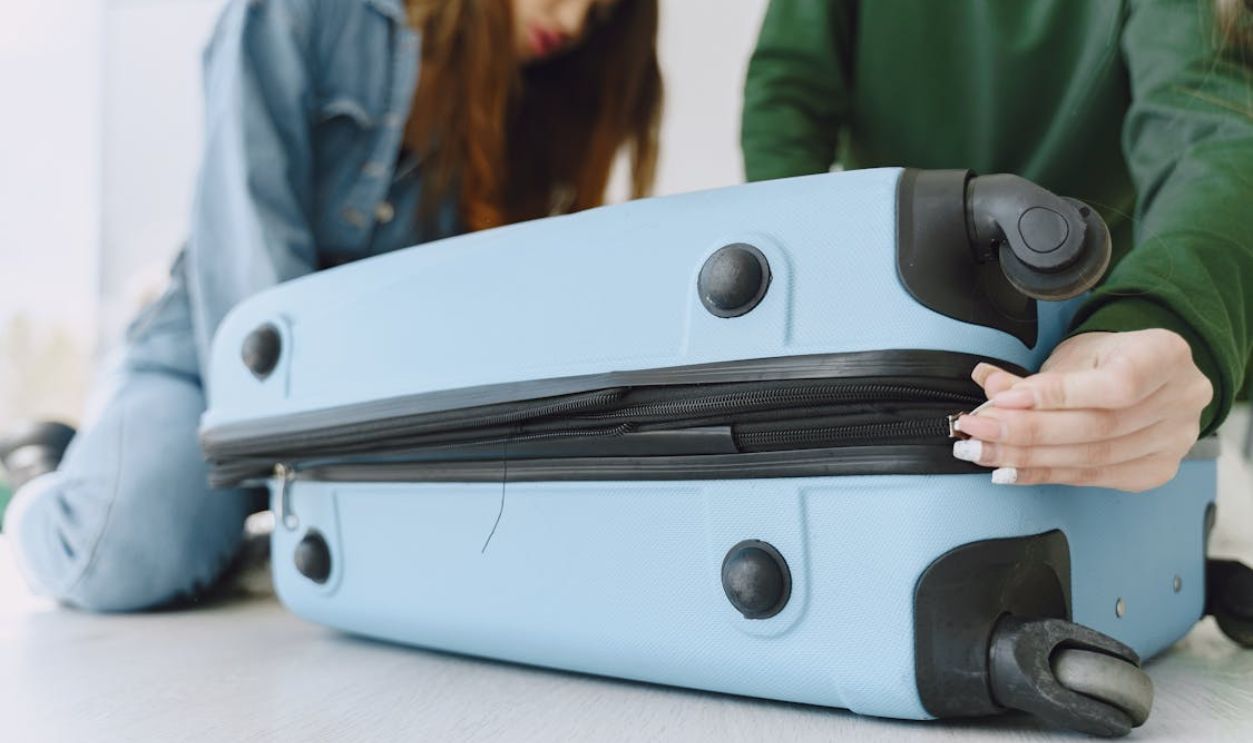
Hard cases aren’t perfect. One major drawback is their rigidity. They can’t expand or compress, which limits your flexibility when packing. If you try to cram or squeeze in extra items, you may find yourself struggling just to get the case closed.
Cracking And Damage Risks
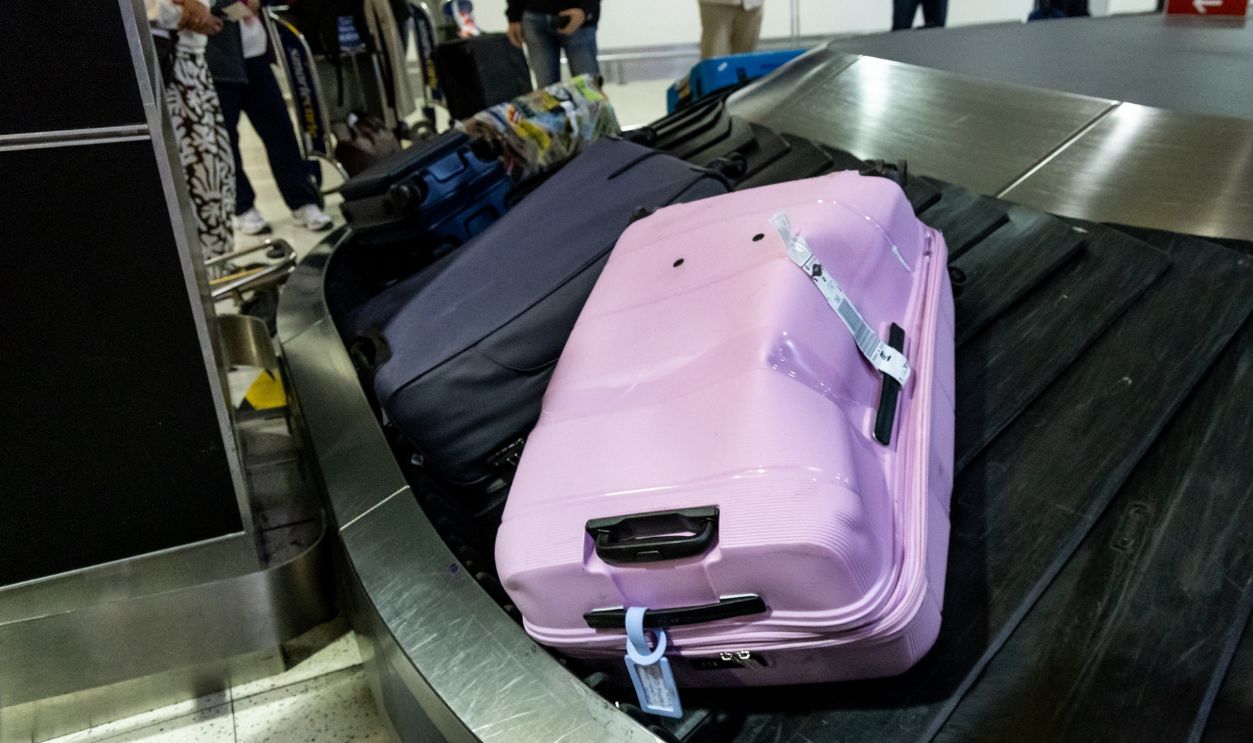
While durable, hard shells can also crack under extreme force. When that happens, repairs are difficult and sometimes impossible. Unlike fabric luggage, which can often be patched, structural damage to a hard case can leave it unusable.
What Soft-Sided Luggage Brings To The Table
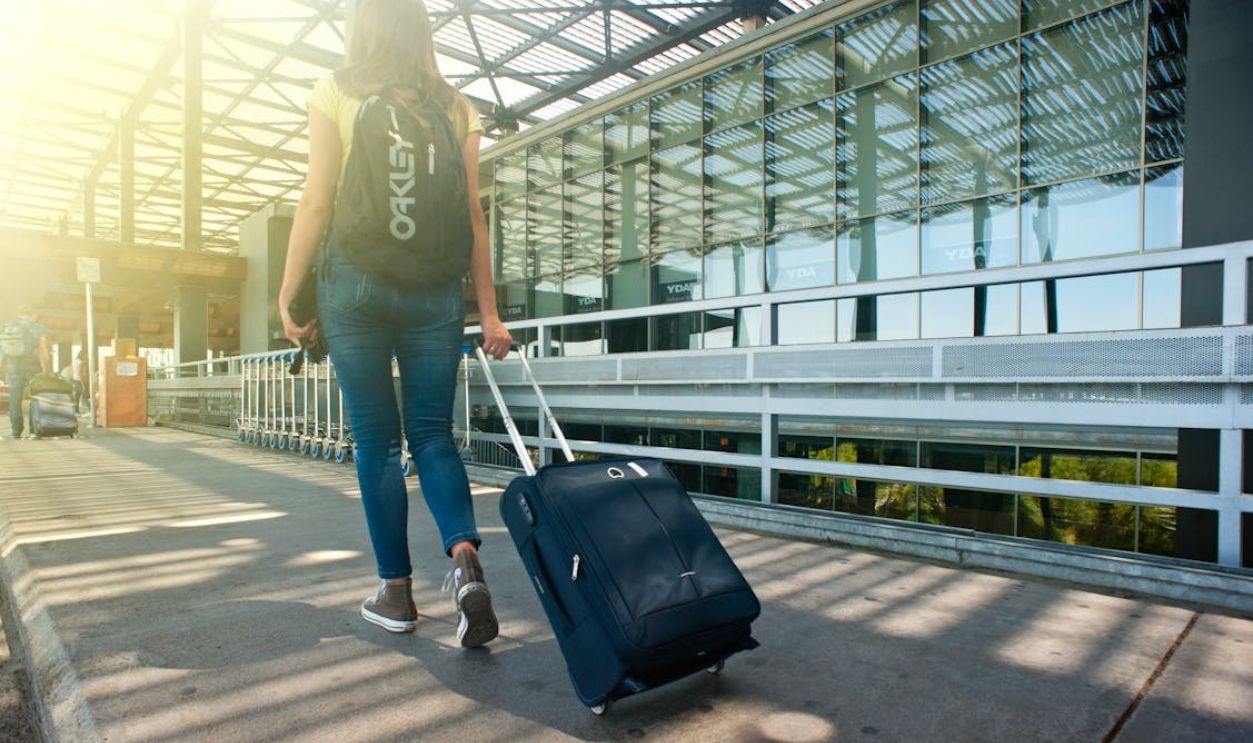
Soft-sided suitcases are made from flexible materials like nylon or polyester. This gives them a more adaptable structure. They can stretch slightly, which allows you to fit in extra items and adjust to tight spaces during travel.
Flexibility Is The Key Advantage
Soft luggage can expand and compress, which makes it much easier to pack efficiently. Many models include expansion zippers that give you extra room when needed. This flexibility is one big reason why soft bags are still popular with frequent travelers.
Easier To Fit Into Tight Spaces
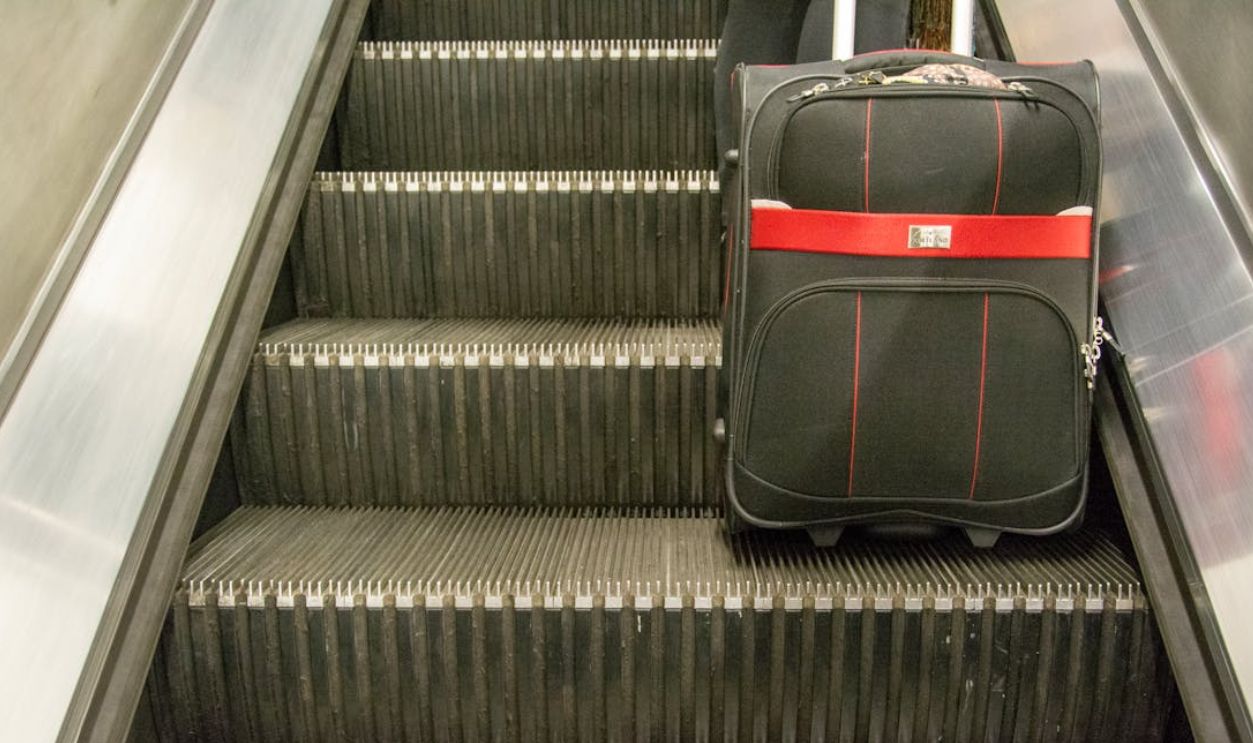
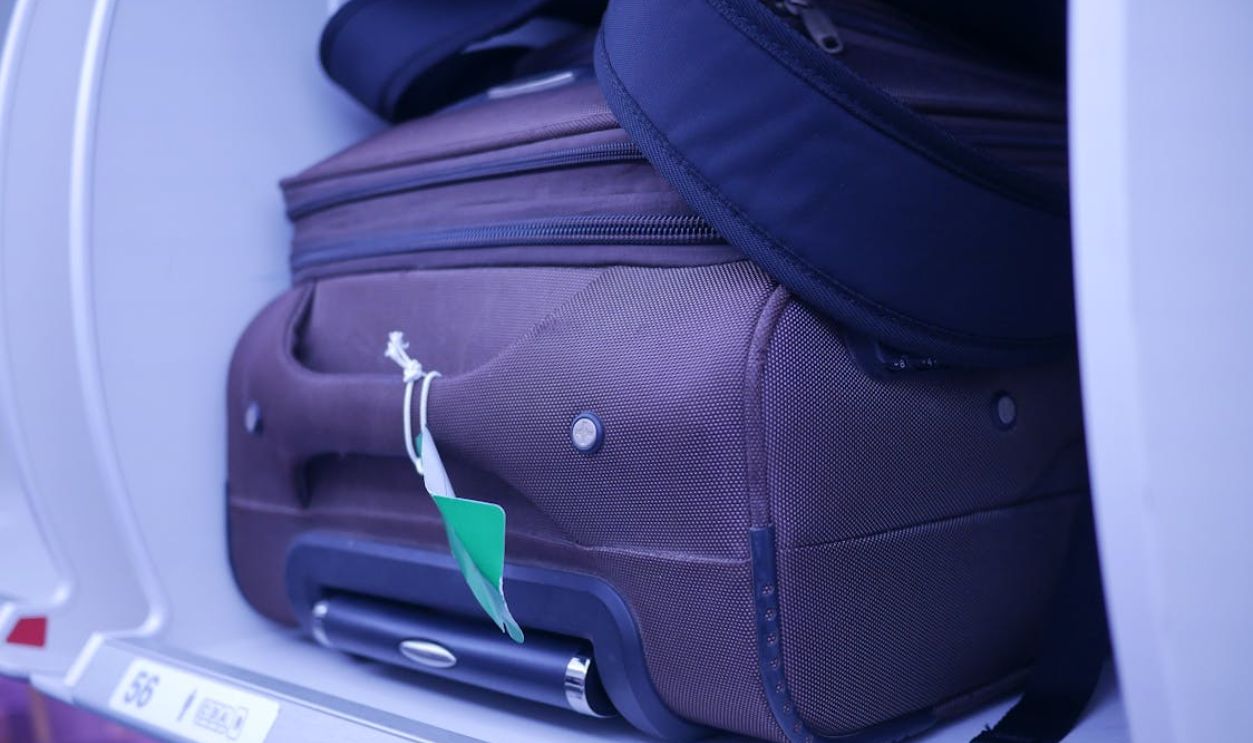
If you’re dealing with overhead bins, car trunks, or crowded storage areas, soft luggage has a clear advantage. Its flexible structure allows you to stuff it into spaces where a rigid suitcase might not go.
External Pockets Add Convenience
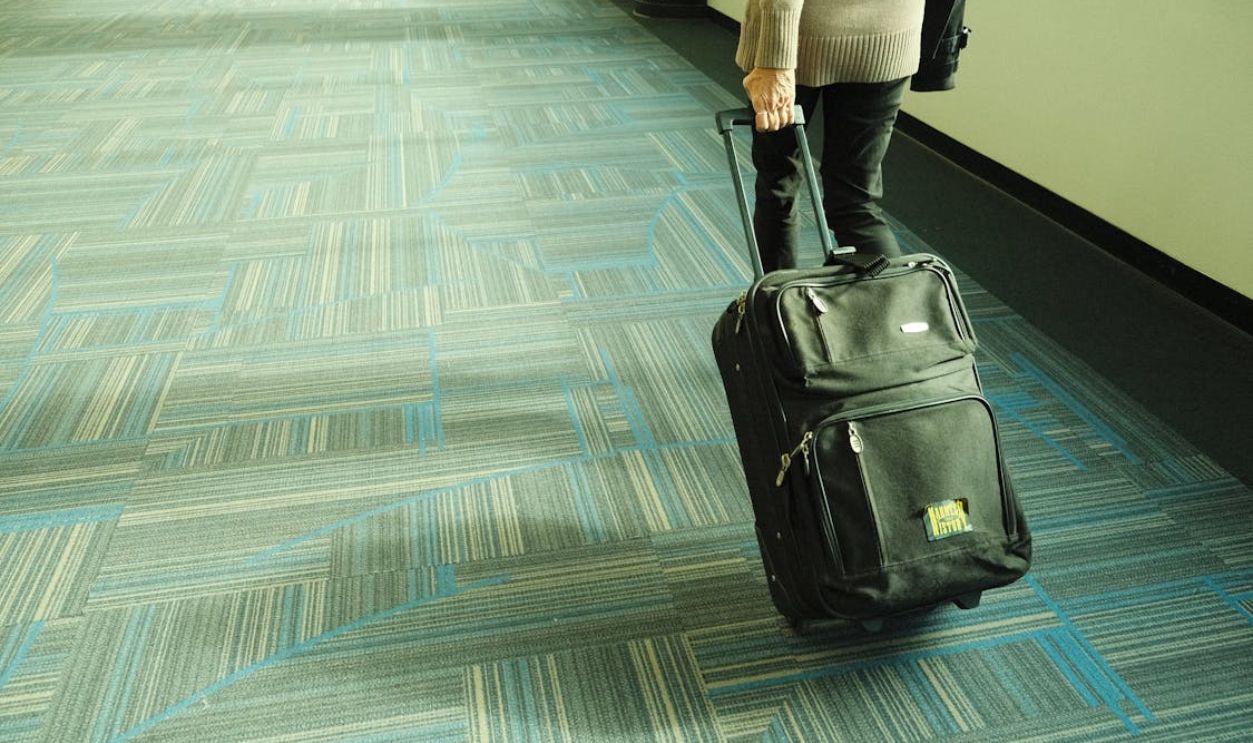
One of the biggest perks of soft-sided luggage is its accessibility. Many designs include exterior pockets for quick access to travel documents, electronics, or snacks. This makes them especially convenient for use as a carry-on.
Soft Bags Are Often Lighter
In many cases, soft-sided luggage weighs noticeably less than hard-shell options. This can make a big difference if you are trying to stay under the airline weight limits. A lighter bag gives you more room for your actual belongings.
 Philippe Murray-Pietsch, Unsplash
Drawbacks Of Soft-Sided Luggage
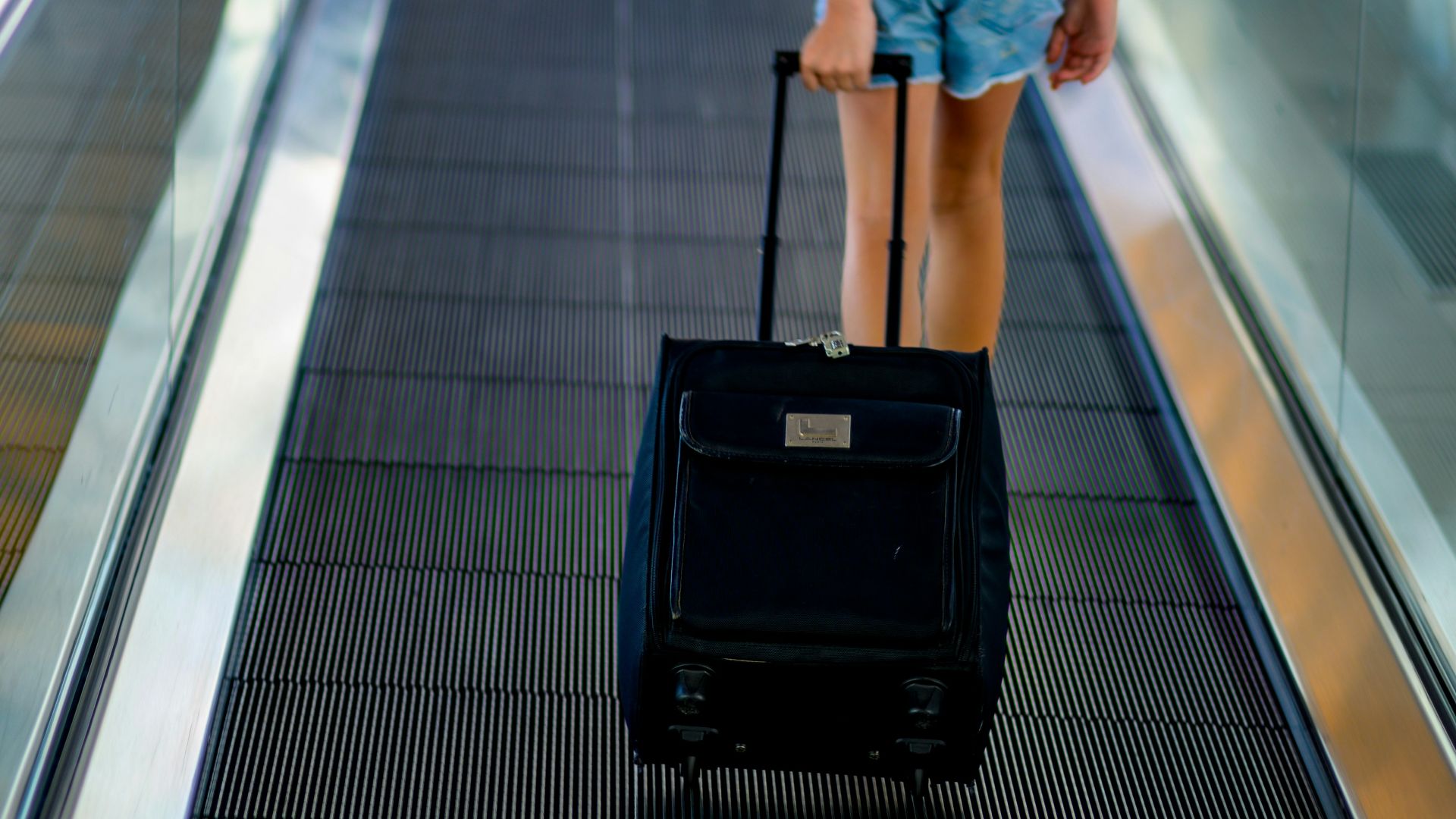
Soft luggage offers less protection for fragile items. Fabric can tear or puncture under stress, and it doesn’t shield the contents as effectively as a rigid shell. If you’re carrying breakable items, this can be a significant downside.
Less Protection From Weather
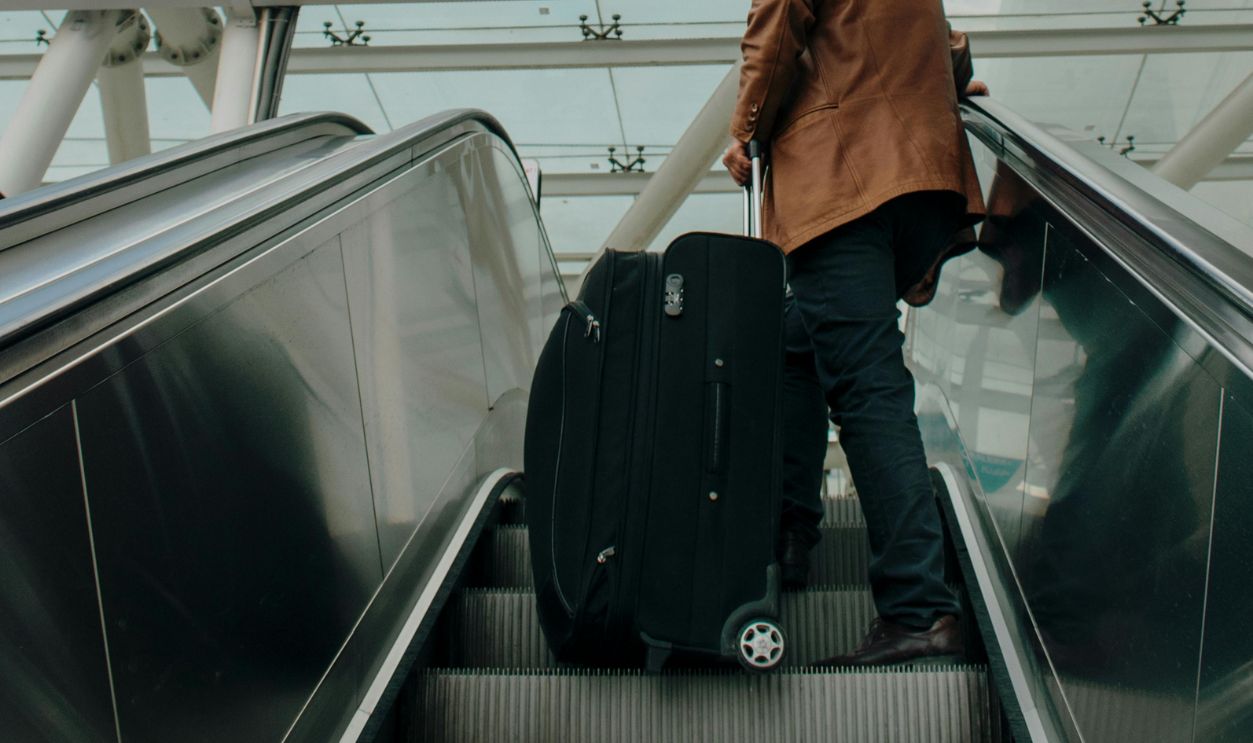
While some soft bags are water-resistant, they are not fully waterproof. Prolonged exposure to rain can allow moisture to seep in, especially through seams or zippers. This makes them less desirable in harsh weather conditions.
Security Can Be A Concern
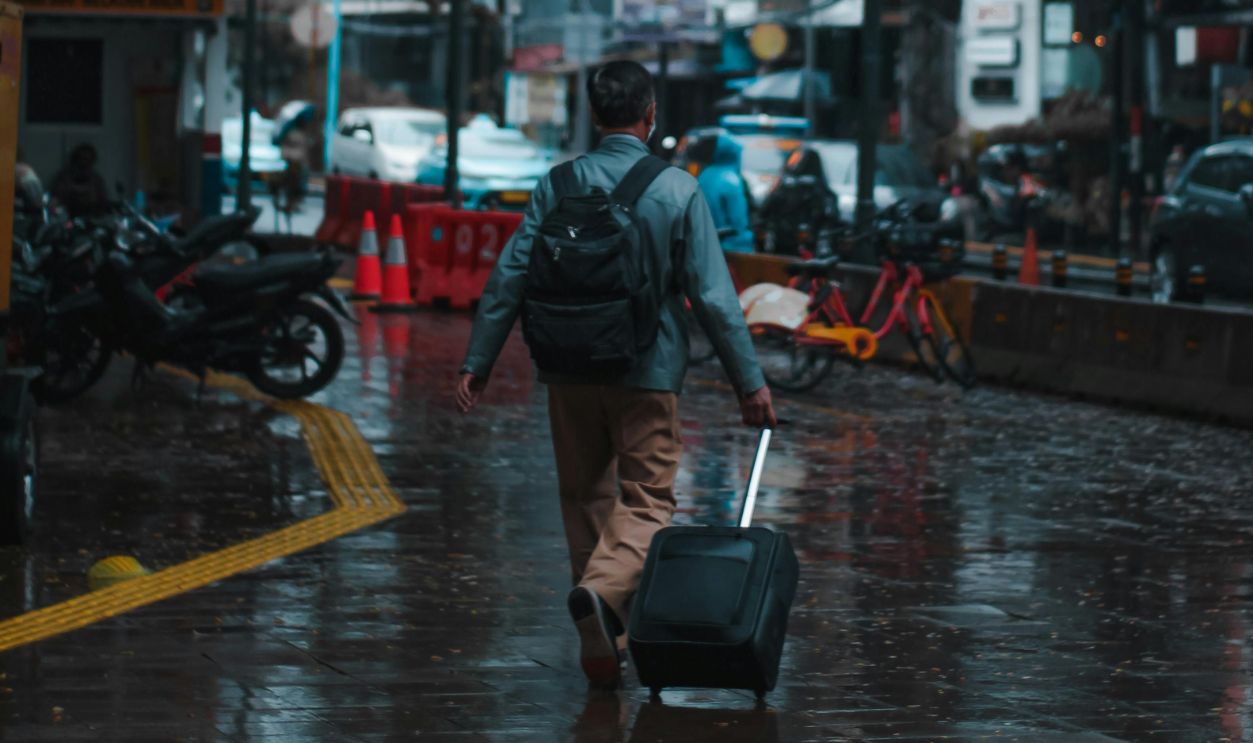
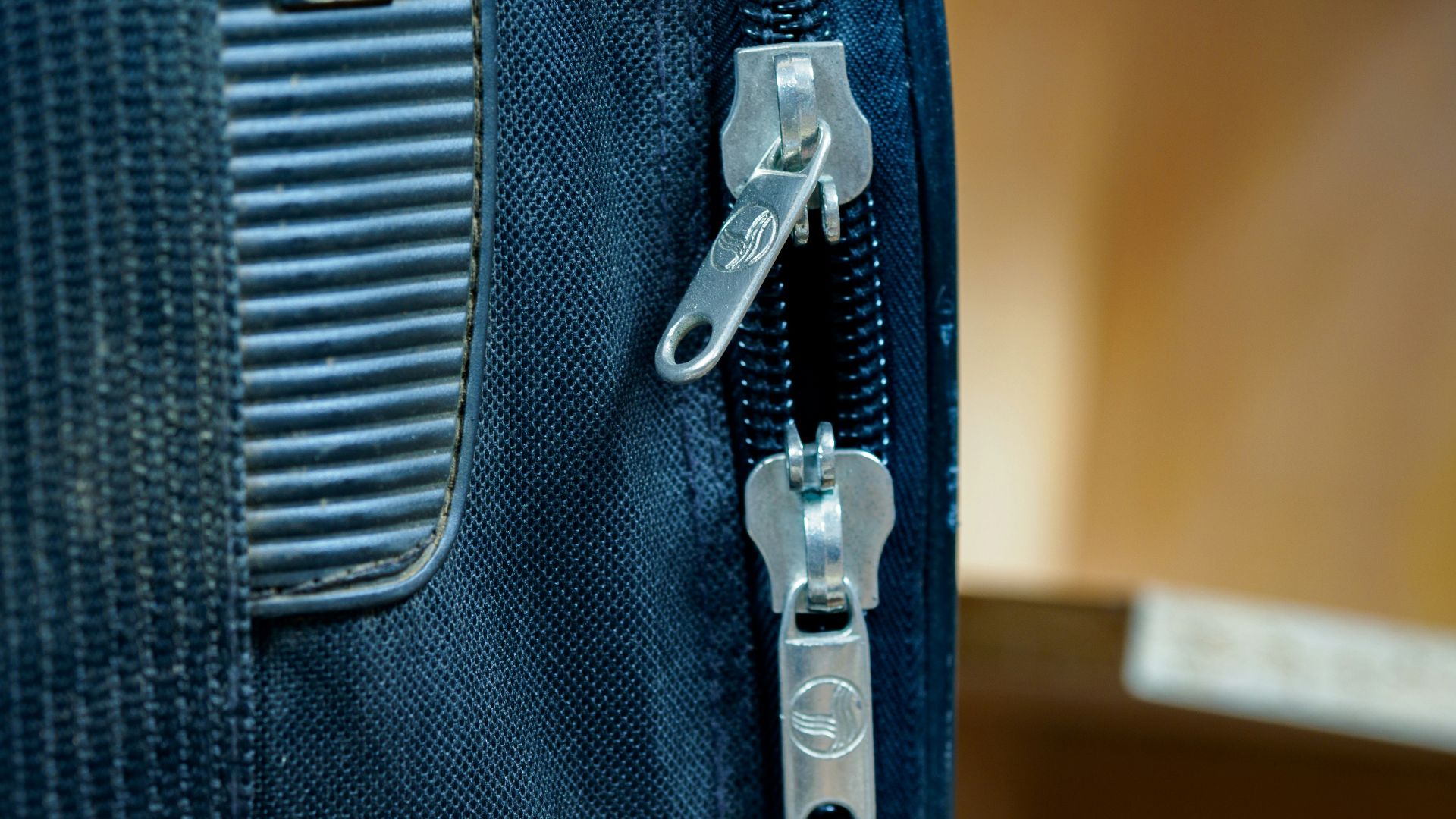
Soft-sided luggage is generally easier to access, and this can be a drawback in terms of security. Zippers and fabric can be more vulnerable to tampering in comparison to the solid shells and built-in locks of hard cases.
Packing Style Makes A Big Difference
If you like to pack neatly and separate items into compartments, a hard case may be more suitable. If you prefer to pack quickly and squeeze in extra items at the last minute, a soft bag may be more practical.

Trip Type Should Guide Your Choice
For international flights, fragile items, or wet climates, hard-sided luggage often makes more sense. But if you’re embarking on a road trip, a short getaway, or carry-on travel, soft-sided luggage can offer more convenience and flexibility.

Many Travelers End Up Using Both
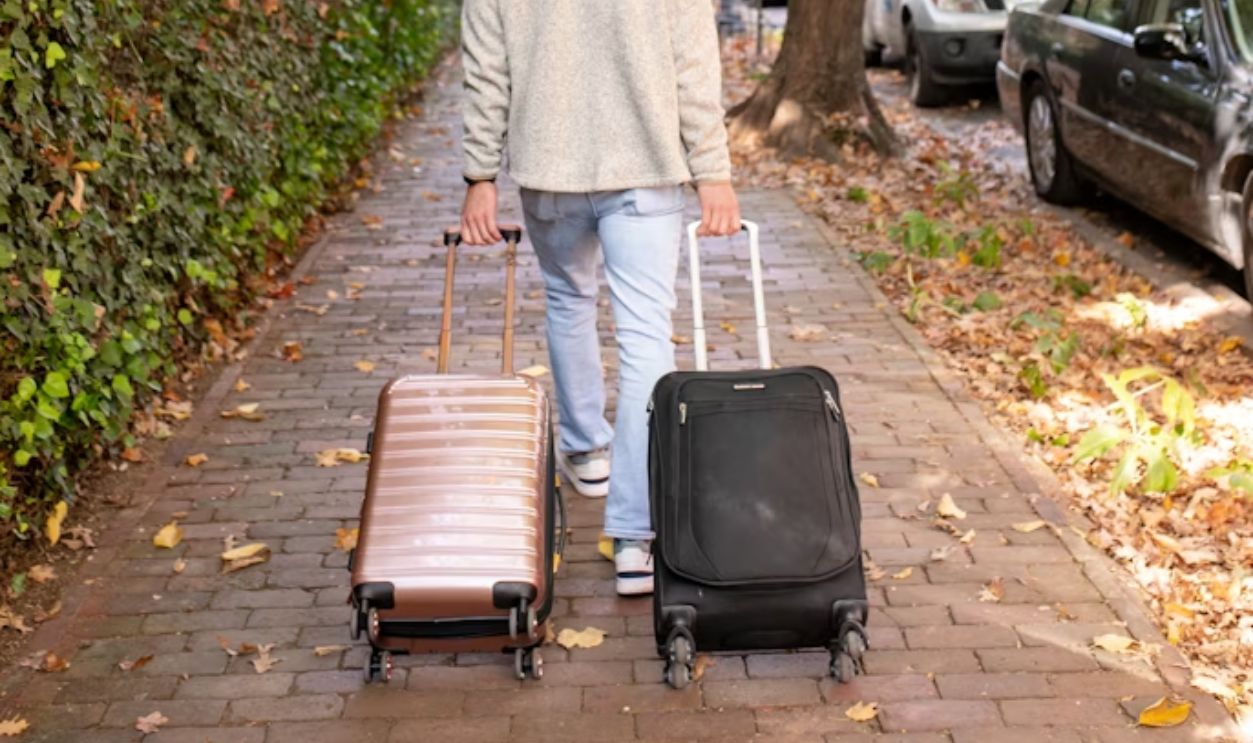
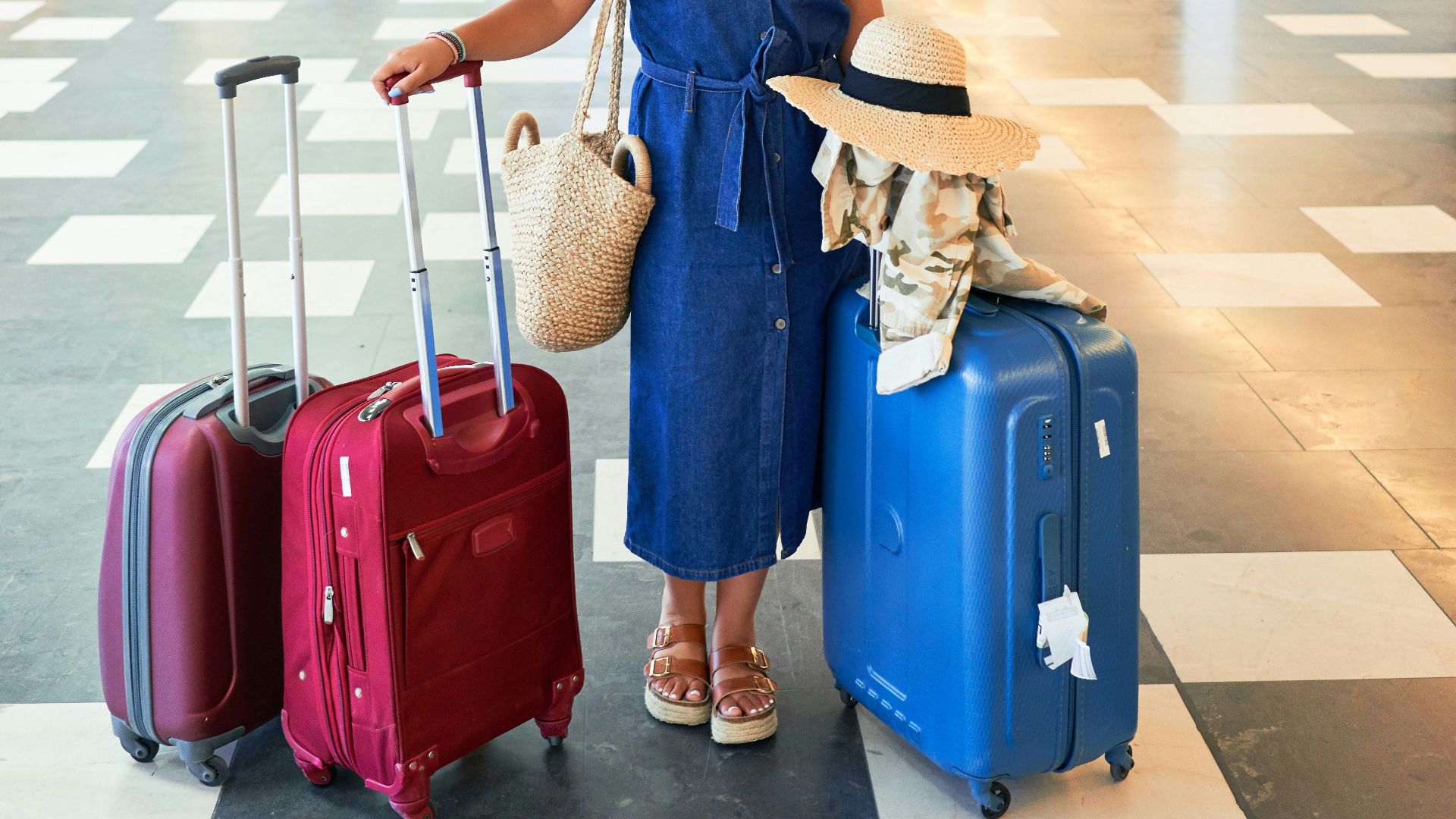
Experienced travelers often own both types of luggage and then choose accordingly based on the trip. Hard cases are great for protection-heavy situations, while soft bags are ideal for flexibility and quick access. There is no single one-size-fits-all option for every scenario.
It’s Up To You
Your mom and your friends are both right in their own way. Hard-sided luggage excels at protection and security, while soft-sided luggage excels in flexibility and convenience. The best choice comes down to how you travel, what you pack, and what’s most important to you on the road.
You May Also Like: