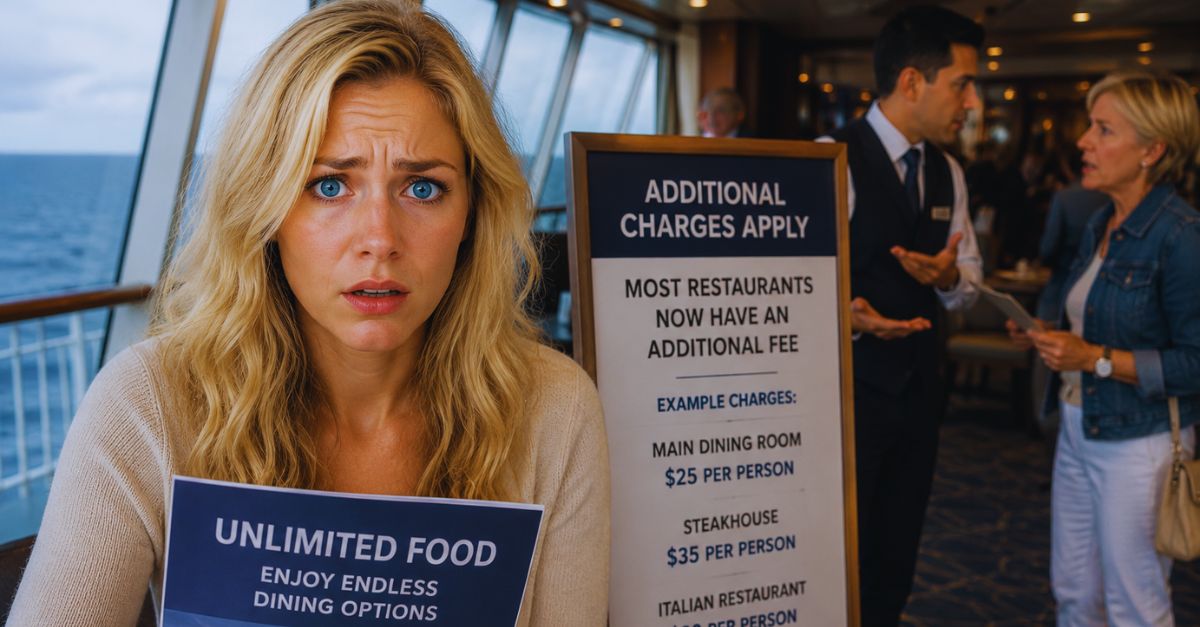
The Buffet Promise Meets A Restaurant Bill
Cruise lines love the phrase “unlimited food” because it sells the idea of easy, carefree eating at sea. But some passengers say that promise gets fuzzy when extra charges start showing up for restaurants they thought were included. The real issue is not whether a cruise can charge more for some dining, because many do. It is whether the advertising made those limits clear before anyone booked.

Why This Issue Feels So Personal
Food is not some minor extra for most cruisers. It is one of the main things used to sell the trip, right up there with pools, ports, and shows. So when a traveler thinks meals are covered and then finds surprise pricing onboard, it can feel less like a perk and more like a switch after the sale, even if the fine print says otherwise.

What Cruise Advertising Usually Means By Included Dining
Most cruise brands split dining into two groups: included and specialty. Included options usually cover the main dining room, the buffet, and a few casual spots. Specialty restaurants, on the other hand, often come with a flat surcharge or menu prices. Trouble starts when passengers think a restaurant belongs in the first group, but the cruise line puts it in the second.
 Tvabutzku1234, Wikimedia Commons
Where The Rules Come In
In the UK, the Advertising Standards Authority says marketing must not materially mislead consumers. Important limits have to be made clear and cannot be tucked away if that changes the overall message. That matters for cruises because broad claims like “all your meals included” can become a problem if the real picture is much narrower.

What Counts As Misleading
The legal and regulatory question usually is not whether extra-fee restaurants exist. It is whether the average customer would understand, before booking, which places are included and which are not. The UK’s CAP Code says advertisers must avoid misleading omissions and make important information clear.

The CMA Has Warned Holiday Firms About Drip Pricing
The Competition and Markets Authority has repeatedly warned travel firms about drip pricing, when key charges appear too late in the booking process. Restaurant surcharges on ships are not always unavoidable, but they can still become a consumer issue if the original promotion makes onboard dining sound broadly covered. The lesson is simple: clarity upfront matters.

How Cruise Lines Typically Describe Dining
Check cruise booking pages closely and you will usually see a clear split between included dining and extra-cost dining. Several major operators explain on their websites that some restaurants are complimentary while specialty venues cost more. If that difference is explained clearly before payment, the company is on firmer ground.
 Hartmut Schmidt Heidelberg, Wikimedia Commons
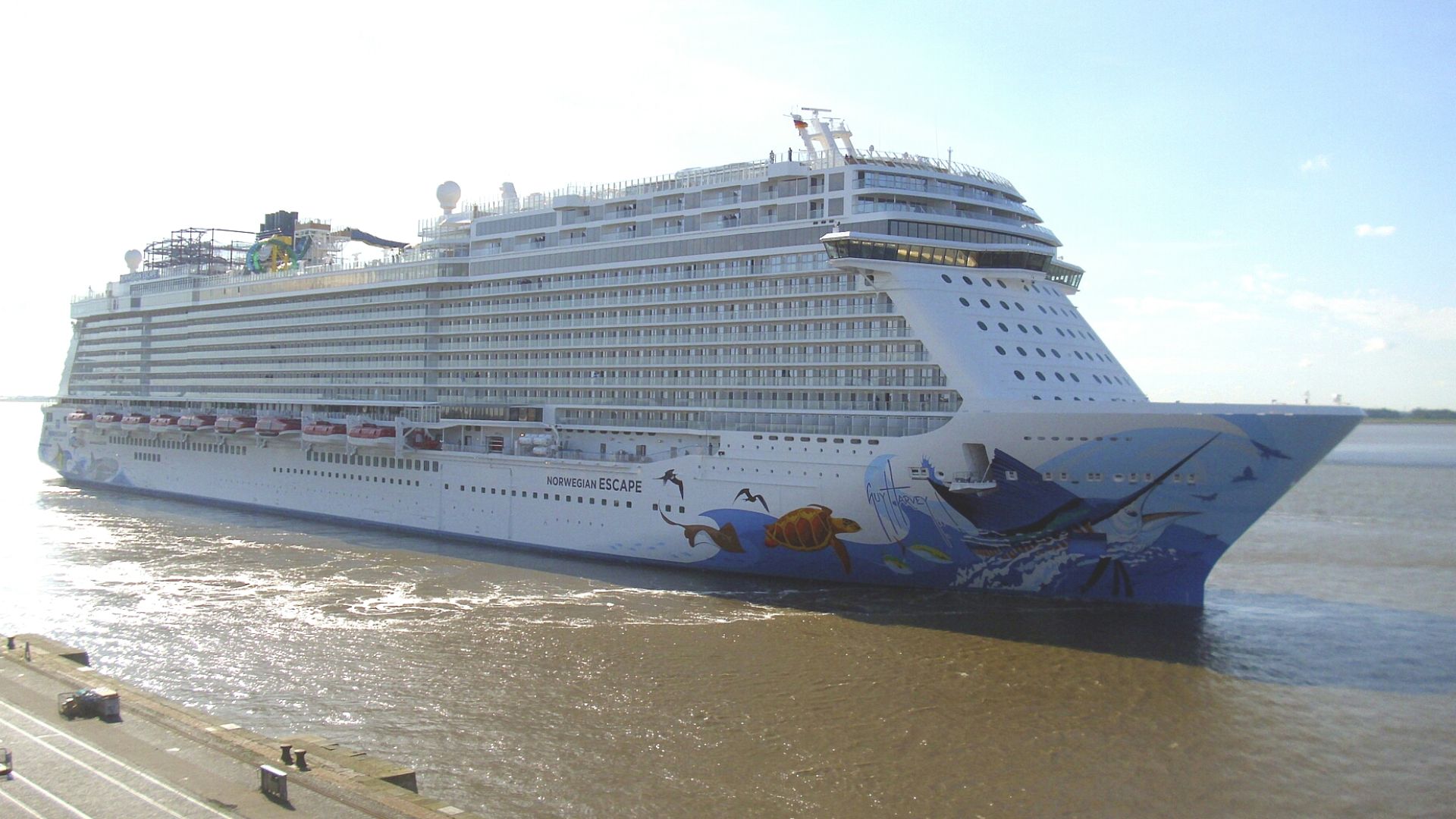
NCL Makes The Split Explicit
Norwegian Cruise Line’s dining pages say guests can enjoy complimentary dining in certain venues while specialty restaurants cost extra. The line also promotes packages such as “More At Sea” that may include dining perks, but those offers do not suddenly make every restaurant free. It is a useful reminder that “more included” is not the same thing as “everything included.”
 Joe+Jeanette Archie, Wikimedia Commons
Royal Caribbean Uses Similar Language
Royal Caribbean also separates complimentary dining from specialty restaurants on its website. Guests can see included venues listed alongside premium options that carry an extra charge. That wider industry pattern helps explain why disputes often come down to the wording of a specific ad or booking page, not the cruise model as a whole.
 brookenovak, Wikimedia Commons
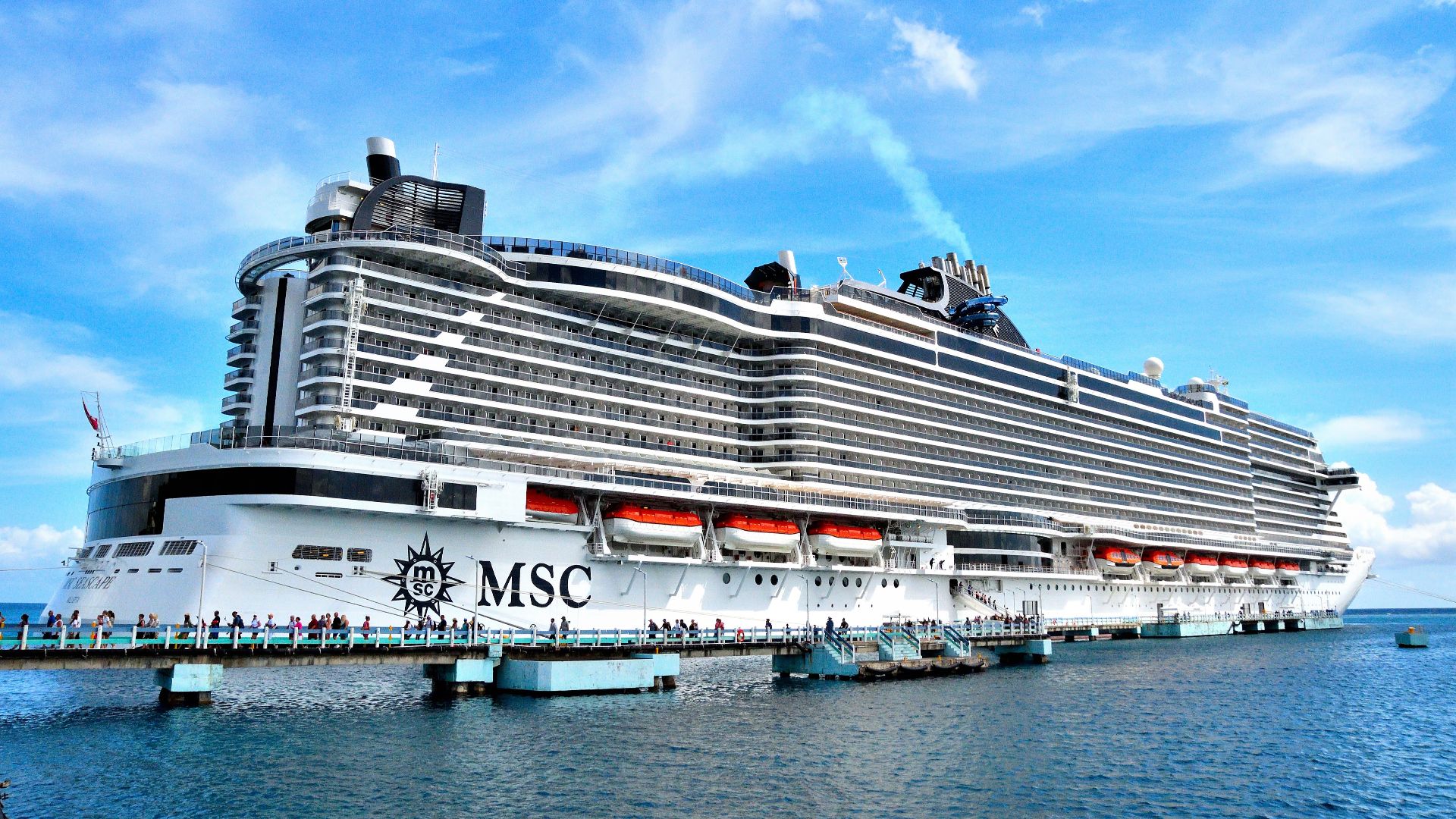
MSC Also Distinguishes Included And Specialty Venues
MSC Cruises does the same, explaining that some dining venues are included in the fare while specialty restaurants cost extra. That matters because it shows this setup is common across the industry. The real flashpoint is whether the passenger was led to believe a particular restaurant was a standard option and therefore already covered.
 Rene Cortin, Wikimedia Commons
When Unlimited Food Is A Marketing Shortcut
“Unlimited food” is catchy, but it is also very broad if it is used without much context. On many ships, you really can eat all day in included venues. But that still does not mean the steakhouse, sushi bar, chef’s table, or branded restaurant is part of the fare.
 MultiEditor03, Wikimedia Commons
The Small Print Can Save Or Sink The Claim
If a cruise ad says meals are included but also clearly explains that specialty dining costs extra, regulators are more likely to accept it. If that limit is buried, vague, or clashes with the bigger promise, the risk of a misleading impression goes up. In plain terms, the bigger the promise and the harder the catch is to find, the shakier the message looks.

Why Passengers Call Some Venues Basic
Passengers and cruise lines do not always see restaurants the same way. A traveler might think a burger spot or casual sit-down place is just part of the ship, while the line treats it as a premium add-on. That gap in expectations is where a lot of complaints begin.

The Best Test Is The Booking Path
If you want to work out whether something was misleading, go back through the booking journey. What did the headline say? What did the fare page show? Were extra-cost restaurants flagged before the final payment screen in a clear, normal way?

Consumer Regulators Focus On The Overall Impression
Regulators do not just look at one line in isolation. They look at the overall impression created by the ad, the website, and any small-print qualifications. A bold “all dining included” message with hard-to-find exclusions could face more scrutiny than a more careful claim such as “complimentary dining in selected venues.”

A Cruise Can Charge Extra Without Breaking The Rules
It helps to separate irritation from illegality. A cruise line is generally free to run specialty restaurants and charge for them. The problem begins only if the marketing led a reasonable customer to book under a false impression about what was included.
 Arild Vågen, Wikimedia Commons
That Does Not Mean Passengers Should Just Shrug
Even when a charge is technically disclosed, travelers may still have a fair complaint if the presentation was confusing. Screenshots, booking confirmations, and saved fare descriptions can make a big difference later. The more precise your evidence is, the stronger your case will be.

How To Check Before You Book
Do not stop at the banner ad. Open the ship’s dining page, look for a list of complimentary venues, and check whether popular restaurants are marked as specialty dining. If the cruise line sells a dining package, that is often a sign that a good chunk of onboard dining is not included in the base fare.

Look For Words That Should Trigger Questions
Phrases like “up to,” “selected venues,” “from,” and “complimentary options available” should make you pause. They often mean the headline deal is narrower than it first sounds. If the page uses sweeping language but the details are full of qualifiers, ask questions before you pay.

Ask The Cruise Line Or Agent In Writing
If a specific restaurant matters to you, ask whether it is included in your fare and get the answer in writing. An email or chat transcript is far more useful than a phone call you cannot prove later. That one step can save a lot of frustration once the ship has sailed.

What To Do If You Feel Misled Onboard
Start with guest services and ask them to explain exactly which venues were included in the fare you bought. Keep copies of menus, surcharge notices, and screenshots of the original promotion if you still have them. If the response goes nowhere, take it through the cruise line’s formal complaints process after the trip.
 Filip Rankovic Grobgaard, Unsplash
When A Credit Card Claim May Help
If the dispute involves a meaningful amount and you paid by credit card, you may have options depending on your country and card provider. In the UK, Section 75 protection can sometimes apply to breaches of contract or misrepresentation for qualifying purchases. It will not fit every restaurant-charge dispute, but it is worth checking if the marketing and the reality were far apart.

You Can Also Report The Advertising
In the UK, complaints about potentially misleading holiday advertising can be reported to the Advertising Standards Authority. The ASA can investigate marketing claims and require changes if it decides consumers were likely to be misled. It is not a refund service, but it can still matter if you think the wording crossed the line.

The Strongest Complaints Are The Most Specific
“I thought food was included” is weaker than “the booking page on this date said unlimited food and did not identify this restaurant as extra cost until after purchase.” Dates, screenshots, and venue names matter. They turn a vague complaint into something that can actually be checked.

So Is It Misleading
Sometimes yes, but not automatically. If the cruise clearly explained that only certain venues were included and others carried surcharges, the extra charges are probably just part of the product. If the advertising made a broad promise and the exclusions were unclear, hidden, or at odds with the main message, the complaint starts to look much stronger.

The Bottom Line For Cruise Travelers
Treat “unlimited food” as a reason to dig deeper, not a final answer. Before you book, check the included dining list, the specialty restaurant list, and any fare terms tied to your cabin package. On a cruise, the buffet may be endless, but that does not mean every table on the ship has already been paid for.