


A Growing Number Of Attractions Expect You To Bring A Phone
If you've arrived at a museum, theme park, or historic site only to be told your ticket lives inside an app, you're not alone. Many attractions have embraced digital ticketing because it speeds up entry, reduces printing costs, and supports features like timed admission and virtual queues. Still, not every traveler owns a smartphone or wants to rely on one during a trip.

The Short Answer Is Yes, In Many Cases
Private attractions generally have broad discretion to decide how they sell and validate admission, provided they follow applicable consumer protection and anti-discrimination laws. If an attraction clearly states before purchase that entry requires its app, it can usually enforce that policy. Problems are more likely to arise when the requirement wasn't disclosed or creates unlawful barriers for certain visitors.

Clear Disclosure Matters
The biggest question isn't simply whether an app is required—it's whether visitors were told beforehand. If the attraction's website, confirmation email, or ticketing page explains that admission is app-only, consumers are expected to know that condition before arriving. Hidden or unclear requirements are far more likely to generate complaints and refund requests.

Some Attractions Still Offer Alternatives
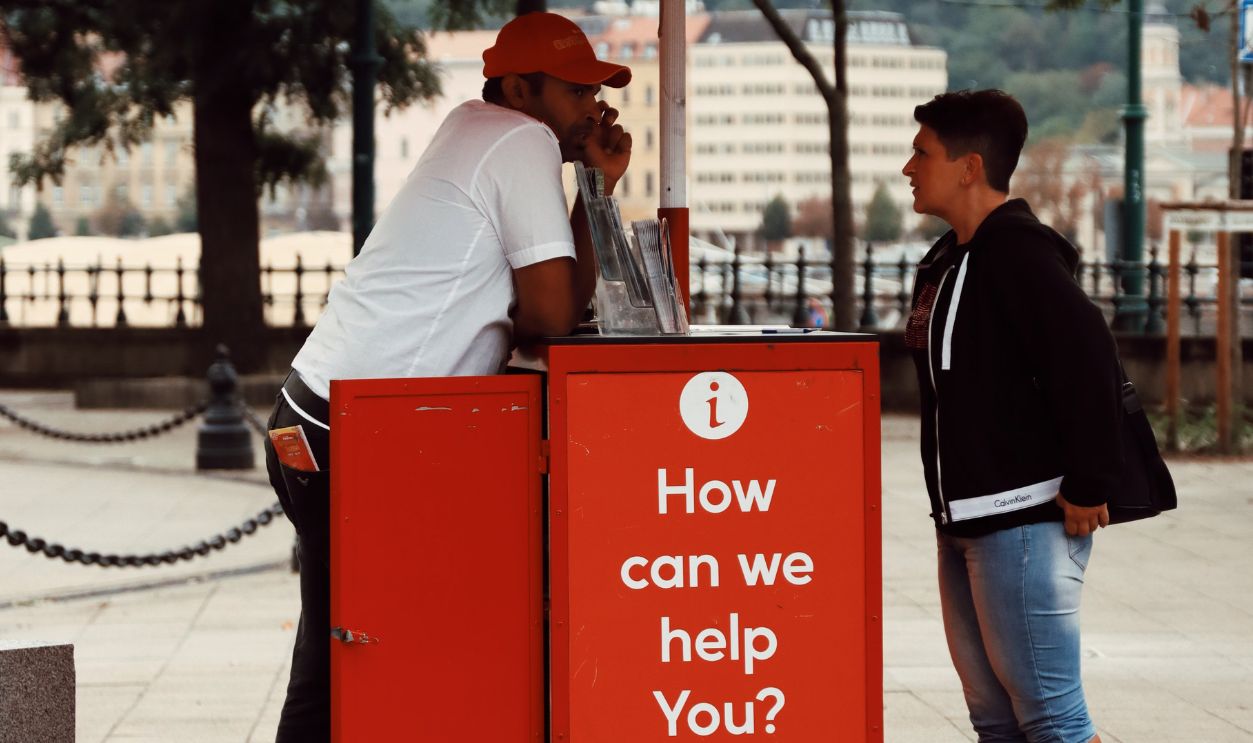
Even businesses that encourage app use often maintain backup options. Customer service desks may print tickets, verify reservations using an ID, or scan a confirmation email instead. These alternatives aren't always advertised, so it's worth asking politely before assuming you're completely out of luck.
Public Attractions May Face Different Rules
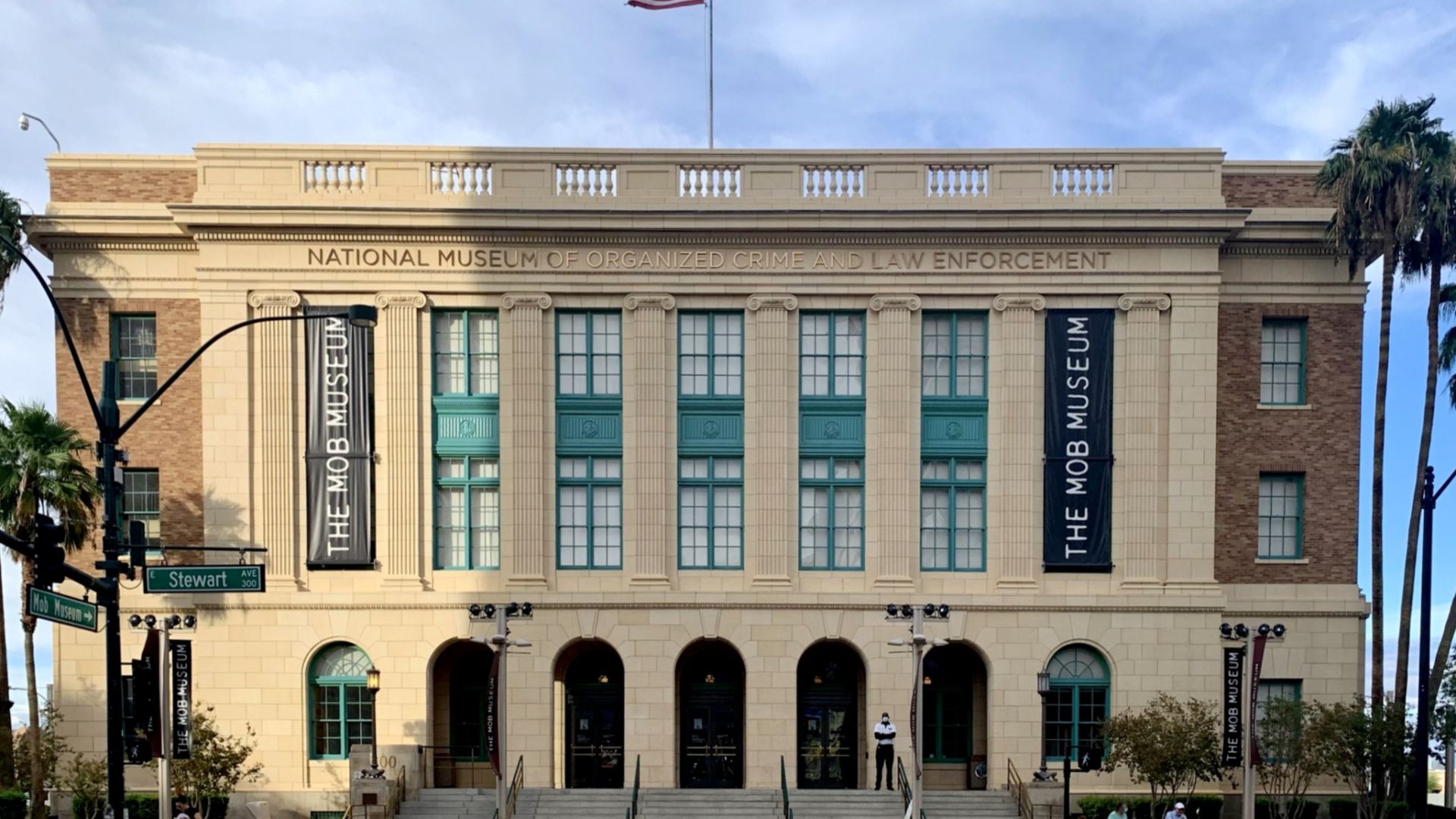
Government-operated museums, parks, and historic sites often have additional accessibility obligations beyond those of private businesses. In the United States, the Department of Justice has adopted accessibility standards for state and local government websites and mobile apps under Title II of the Americans with Disabilities Act, recognizing that digital services cannot create unnecessary barriers for people with disabilities.
 Grand Canyon National Park, Wikimedia Commons
Accessibility Isn't Just About Smartphones
Someone may not be able to use an app because of a disability, not simply because they don't own a phone. Digital services need to work with assistive technologies such as screen readers and other accessibility tools. Organizations increasingly design apps with these users in mind, although implementation varies widely.

Not Owning A Smartphone Isn't Usually A Protected Status
While disability laws may require reasonable accommodations in certain situations, simply choosing not to own a smartphone typically doesn't create a legal right to an alternative admission method. That doesn't mean attractions can't accommodate visitors—it simply means the law often treats the issue differently than disability-related access.

International Travelers Can Get Caught Off Guard
Visitors from overseas sometimes discover that downloading an app requires a compatible device, app store region, or mobile data connection. Others may have older phones that no longer support current operating systems. These practical problems have become increasingly common as digital ticketing expands across tourism.

Battery Problems Can Create The Same Situation
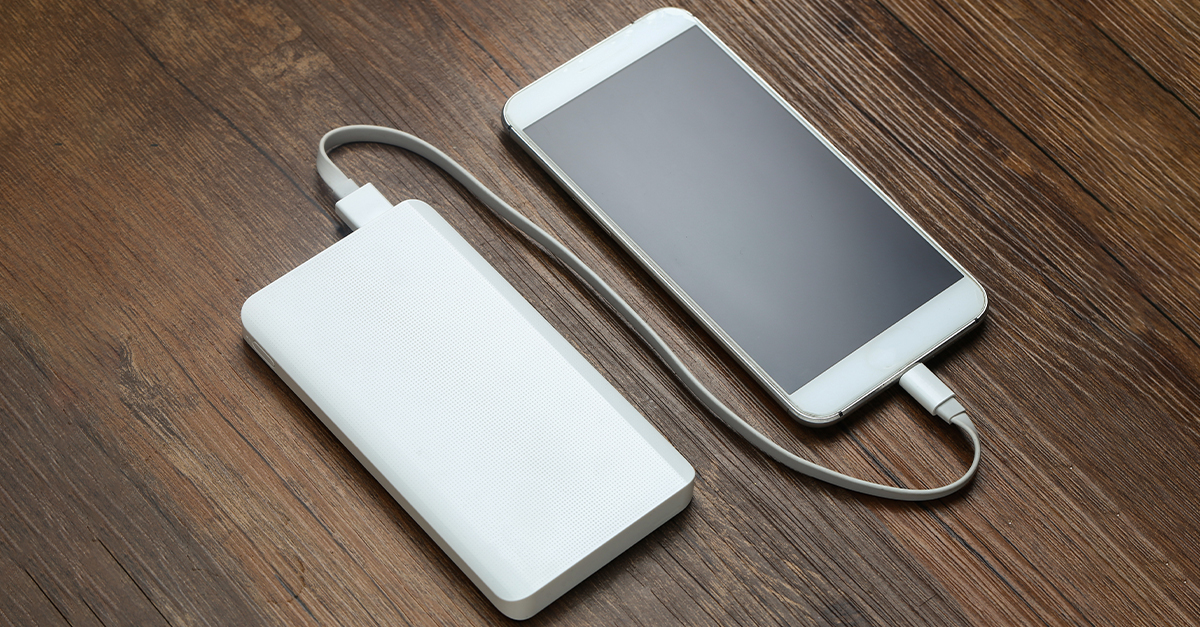
Even smartphone owners occasionally arrive with a dead battery, broken screen, or poor cellular connection. Many attractions recognize this reality and may manually verify a reservation or direct guests to a customer service window. Policies differ widely, so it's wise to carry a charging cable or printed confirmation whenever possible.
Screenshots Can Sometimes Save The Day
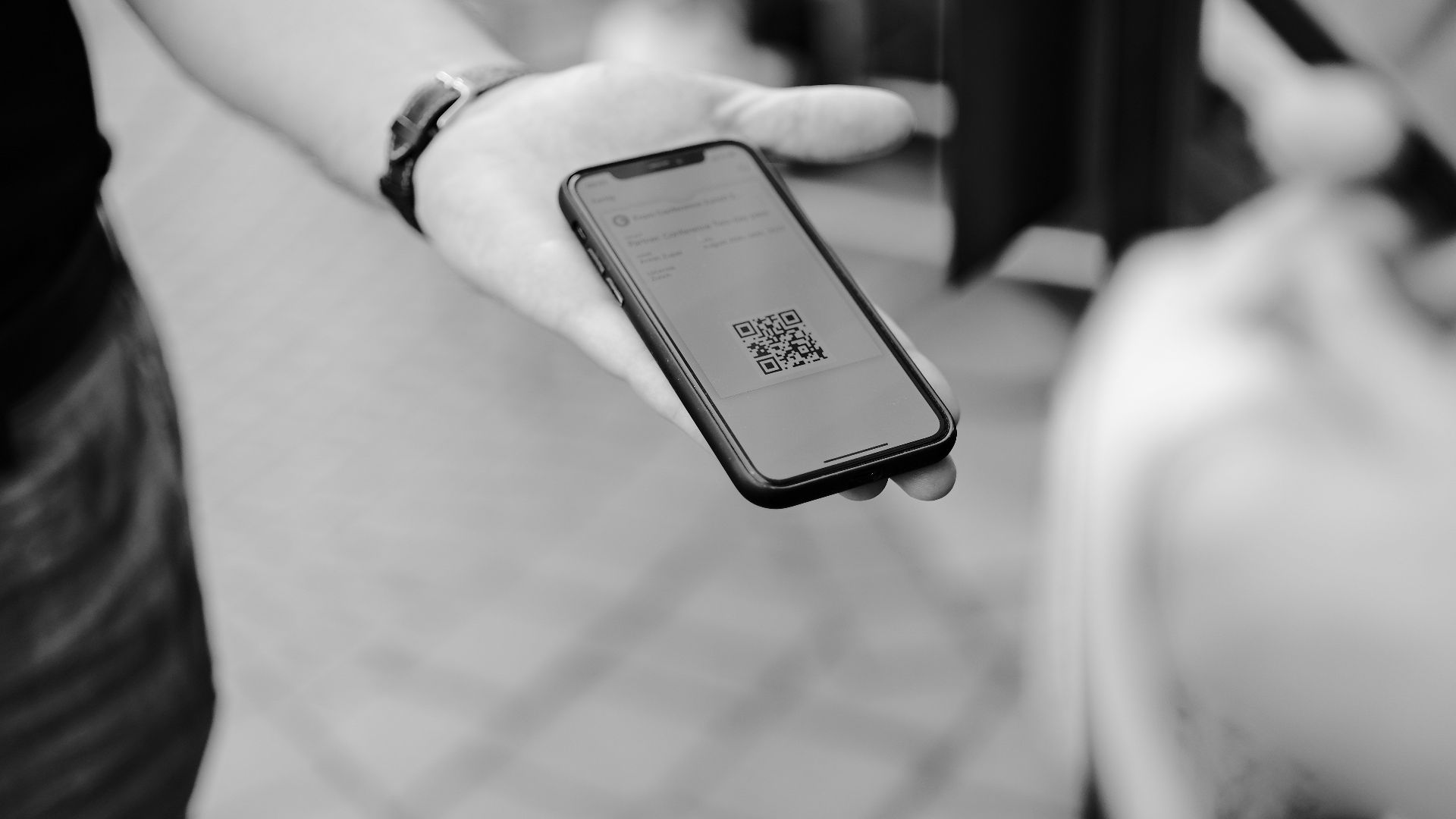
Some attractions only need to scan a QR code, making a screenshot sufficient. Others require a live app because the barcode refreshes, includes dynamic security features, or connects to real-time reservation systems. Reading the ticket instructions before your visit can prevent surprises.
Digital Tickets Aren't Going Away
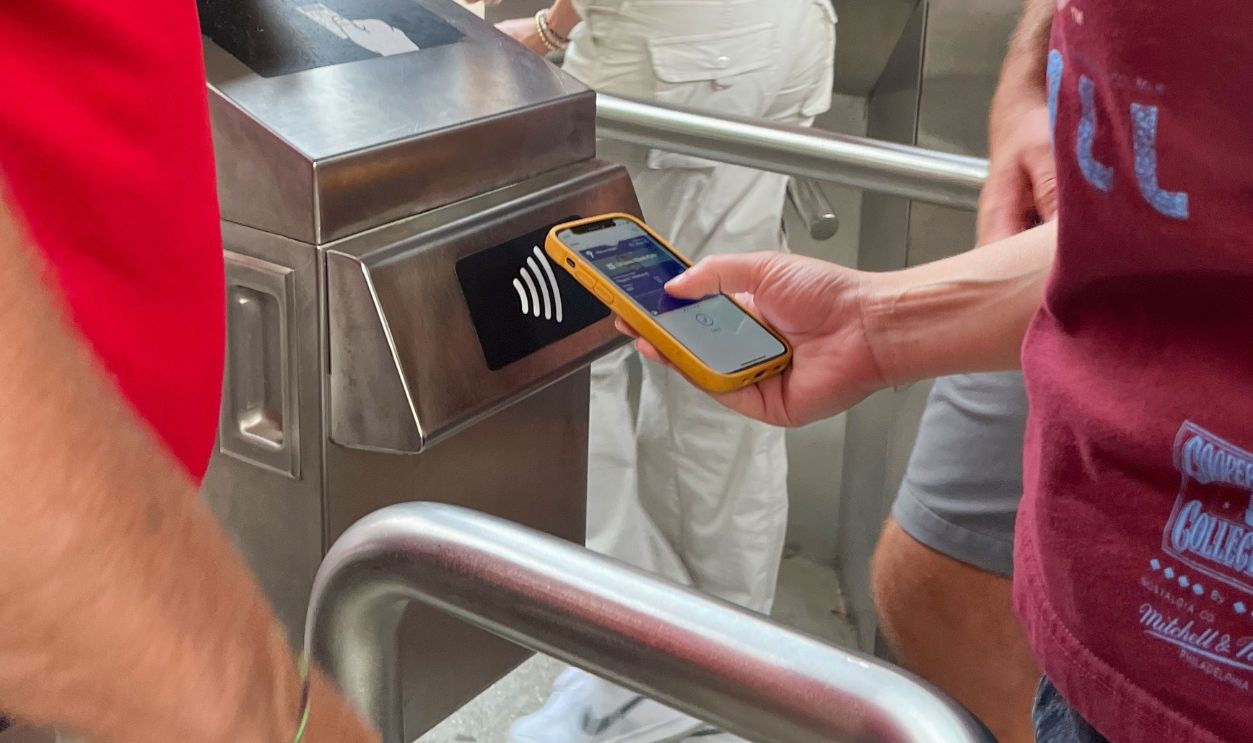
Across the travel industry, digital admission has become the standard rather than the exception. Attractions increasingly combine tickets with maps, wayfinding, virtual queues, accessibility information, and audio guides inside a single app or mobile experience. That convenience is one reason operators continue investing in digital platforms.
Some Attractions Prefer Mobile Websites Instead
Not every venue requires downloading software. Many now use browser-based tickets that open through a link or QR code, allowing visitors to avoid installing another app. Museums and cultural organizations have increasingly adopted web-based approaches because they reduce friction while still supporting digital entry.

Customer Service Should Be Your First Stop
If you genuinely cannot access the required app, explain your situation calmly. Staff members may have procedures that aren't listed online, especially for elderly visitors, international travelers, or people experiencing technical issues. Asking politely often produces better results than assuming no alternative exists.

Ask About Refund Policies
If admission isn't possible because you couldn't meet an app requirement, review the attraction's refund policy. Some tickets are non-refundable, especially for timed-entry events, while others allow date changes or refunds if the customer couldn't reasonably access the service. Much depends on the attraction's published terms and the circumstances surrounding your purchase.

Older Visitors Aren't The Only Ones Affected
Although smartphone ownership is extremely high, it isn't universal. Some people intentionally use basic phones, while others limit screen time or avoid installing apps for privacy reasons. Businesses that rely exclusively on apps should recognize that a small but real group of customers may need another solution.

Privacy Can Be A Legitimate Concern
Some visitors hesitate to download apps because they collect location information, account details, or marketing data. Privacy policies vary considerably from one attraction to another. Reading those policies before installing an app can help you decide whether you're comfortable sharing your information.

Planning Ahead Can Prevent Most Problems
Before traveling, check whether tickets must be downloaded, activated, or displayed inside an app. If possible, save confirmation emails, take screenshots when permitted, and bring a portable charger. Spending five minutes reviewing admission instructions can eliminate a stressful surprise at the entrance.
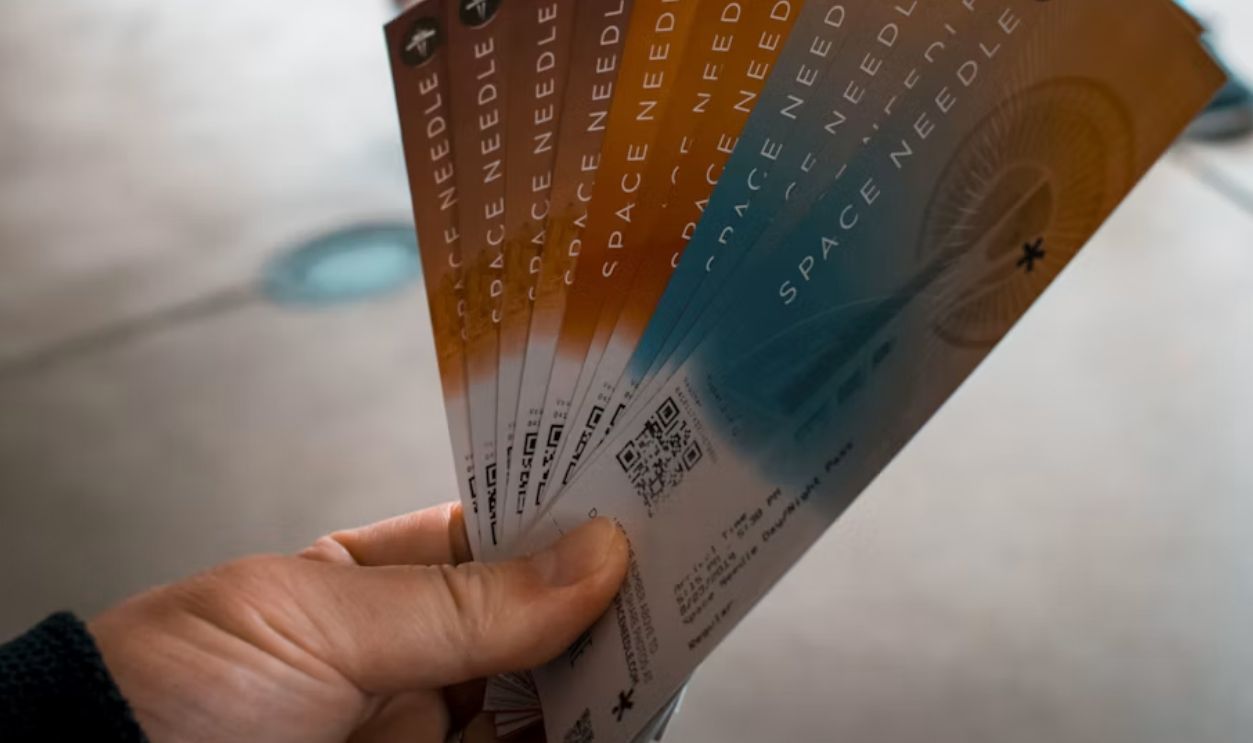
Attractions Benefit From Offering Backup Options
Providing alternatives such as printed tickets, staffed kiosks, or browser-based admission can reduce frustration while making attractions more welcoming. Accessibility experts increasingly encourage organizations to think beyond a single digital pathway so more visitors can participate.
The Bottom Line
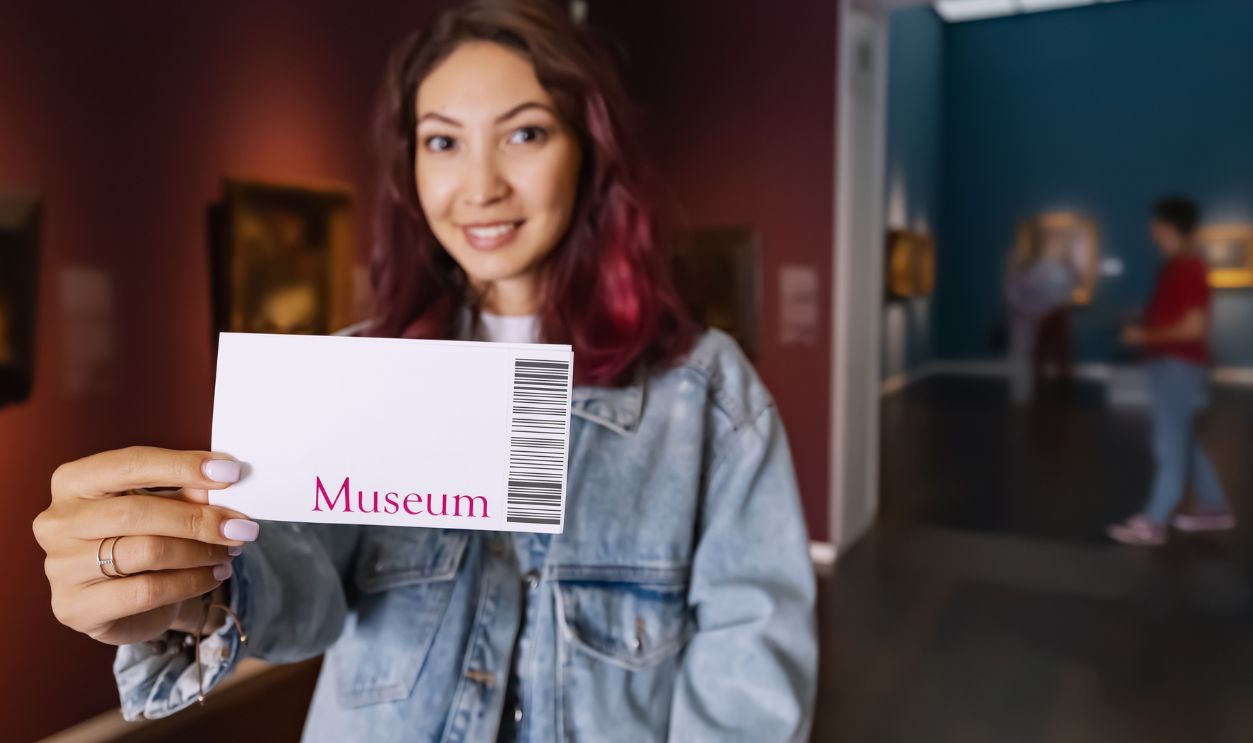
An attraction can often require visitors to use its app, particularly if the requirement is clearly disclosed before purchase. However, that doesn't mean every situation is straightforward. Accessibility obligations, customer service practices, and consumer expectations all play a role, making it worthwhile to ask for an alternative before giving up on your visit.

You May Also Like:





.jpg)