An Unexpected Charge
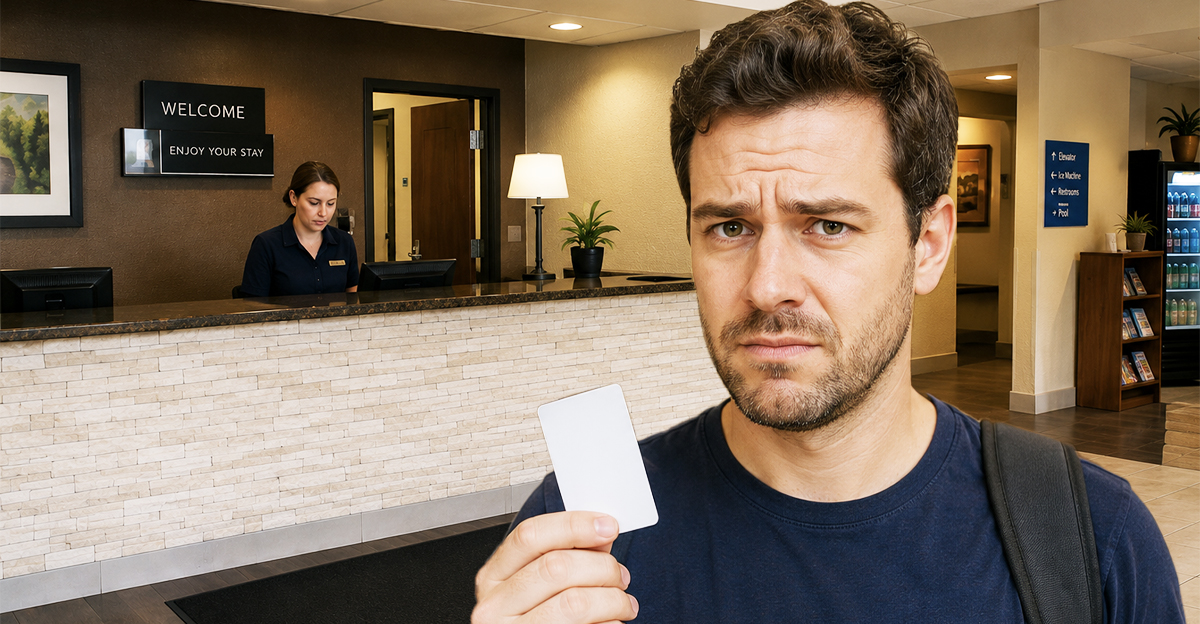
You arrive at your hotel expecting to receive a simple plastic key card, only to discover the front desk wants a $20 cash deposit. Since those cards seem inexpensive and disposable, the charge feels excessive. Understanding why some hotels do this can help you avoid confusion and recover your money.
Key Cards Cost Little
Most modern hotel key cards cost only a small amount to manufacture. By themselves, they rarely justify a large deposit. The fee is often less about the plastic card itself and more about protecting the hotel from other potential losses.
Deposit Or Security?
Some hotels describe the payment as a key card deposit even though it functions more like a general security deposit. If no incidental authorization is placed on your credit card, the hotel may use this cash deposit instead.

Independent Hotels Differ
Large hotel chains often place temporary authorizations on credit cards instead of collecting cash. Smaller independent hotels, budget properties, or family-run motels may rely on cash deposits because they have different operating procedures and payment systems.

Third Party Reservations
Booking through an online travel agency can complicate check-in. Since the hotel may already have received payment from the booking platform instead of directly from you, it may still request a separate deposit for incidentals or room access.

Separate Transactions
Many travelers assume prepaying for the room means every financial obligation has already been satisfied. In reality, room payment and incidental deposits are usually separate transactions governed by different terms and conditions.

Covering Incidentals
Hotels commonly want protection against unpaid charges such as room damage, smoking fees, missing towels, or minibar purchases. A cash deposit gives the property immediate security without requiring a credit card authorization.

Not Always About Damage
In some cases, the deposit is simply the easiest way for the hotel to encourage guests to return their room keys before leaving. Recovering reusable key cards reduces replacement costs and unnecessary waste over time.

Read The Confirmation
Before arriving, review your reservation confirmation carefully. Some booking confirmations disclose additional deposits or local policies that are collected directly by the hotel rather than through the booking platform.

Ask Before Paying
If a front desk employee requests a deposit that surprised you, politely ask what it covers, how it will be refunded, and whether it applies only to the key card or also to incidentals.

Cash Versus Card
Some hotels accept a credit card authorization instead of requiring cash. Others insist on cash deposits because they want immediate access to funds if problems arise during the stay. Policies vary widely between properties.

Receipts Matter
Always request a receipt when leaving a cash deposit. That receipt may be your best evidence if questions arise later about whether you paid the deposit or whether it was supposed to be refunded.

Return The Key
If the hotel's policy requires returning the key card, remember to hand it back before leaving. Even inexpensive cards may trigger forfeiture of the deposit if the property's stated policy is not followed.

Early Morning Checkout
Problems sometimes arise when guests leave before the front desk opens. Without an employee available to inspect the room and accept the key, obtaining an immediate refund can become more complicated.

Night Drop Boxes
Some hotels provide secure drop boxes where guests can leave key cards during overnight departures. Even then, ask whether deposits are refunded automatically or require additional processing after staff arrive.

Delayed Refunds
If your deposit cannot be returned immediately, ask exactly when and how you should expect reimbursement. Knowing whether payment will be mailed, electronically refunded, or picked up later helps avoid misunderstandings.

Document Everything
Take photographs of your receipt, reservation confirmation, and any posted deposit policies. Keeping these records can be valuable if you later need to question a missing refund or resolve a billing dispute.

Request Clarification
If the property's explanation seems inconsistent, politely ask to speak with a manager. Many disagreements result from simple communication problems rather than intentional attempts to charge guests unfairly.

State Laws Vary
Hotels generally have broad discretion to establish reasonable deposit policies, provided they disclose them appropriately and comply with applicable state consumer protection laws and any contractual obligations made during booking.

Booking Platform Limits
If you reserved through a third-party travel website, customer service may have limited authority over hotel deposit policies. The booking company often cannot override procedures established by the individual property.

Credit Card Alternative
Travelers who carry a credit card sometimes avoid cash deposits because many hotels prefer placing a temporary authorization instead. Once the stay ends without incident, that authorization is typically released.

Review Your Bill
Before leaving the property, carefully review your final receipt. Confirm that your deposit was refunded or clearly accounted for, and address any discrepancies before you depart whenever possible.

Contact The Hotel
If your refund does not arrive within the promised timeframe, contact the hotel directly with your receipt and reservation details. Many delayed refunds are resolved quickly once the accounting department reviews the records.

Prevention Helps
When booking future stays, ask about deposits before confirming your reservation. Knowing the property's policy ahead of time allows you to budget accordingly and avoid surprises during check-in.

The Bottom Line
A $20 key card deposit may seem excessive for a piece of plastic worth only a few cents, but the payment often serves broader purposes than replacing the card itself. Understanding the hotel's policies before arrival makes unexpected charges much easier to navigate.

You May Also Like:
I tried to leave a bad review, and the hotel threatened legal action. Are they allowed to do that?