A Charming Stay With A Few Surprises
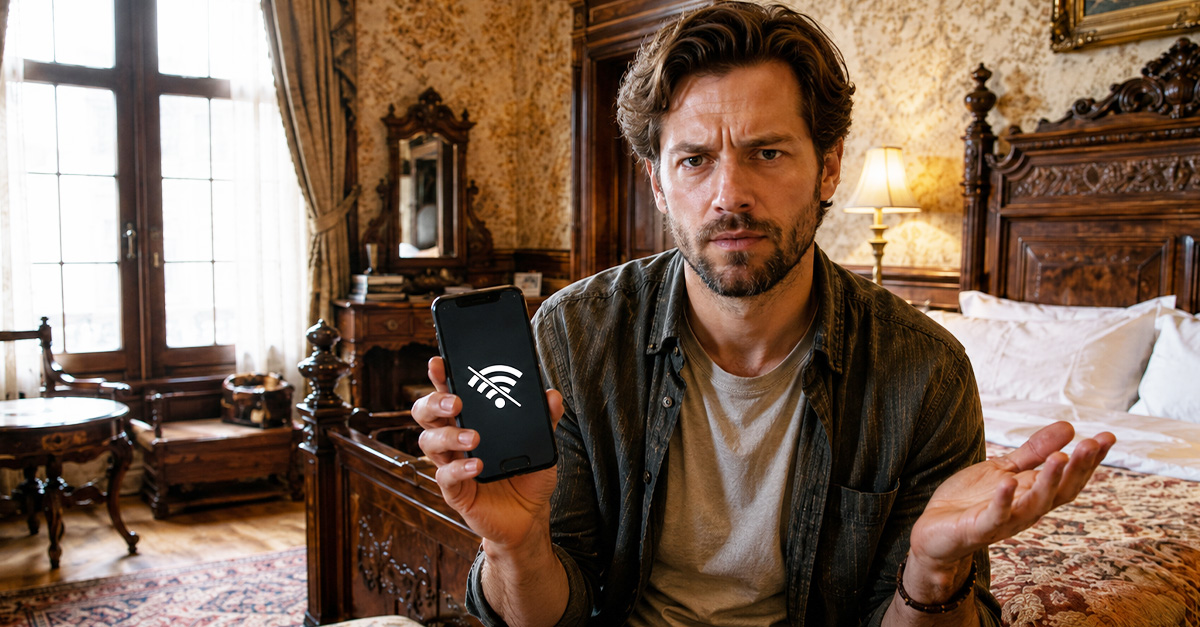
Staying in a historic hotel sounds dreamy: grand staircases, antique lamps, creaky floors, and maybe a ghost story whispered by the front desk clerk. But sometimes, along with the charm, comes a surprise: modern amenities are not always part of the package.
The Room Had Character, Not Convenience
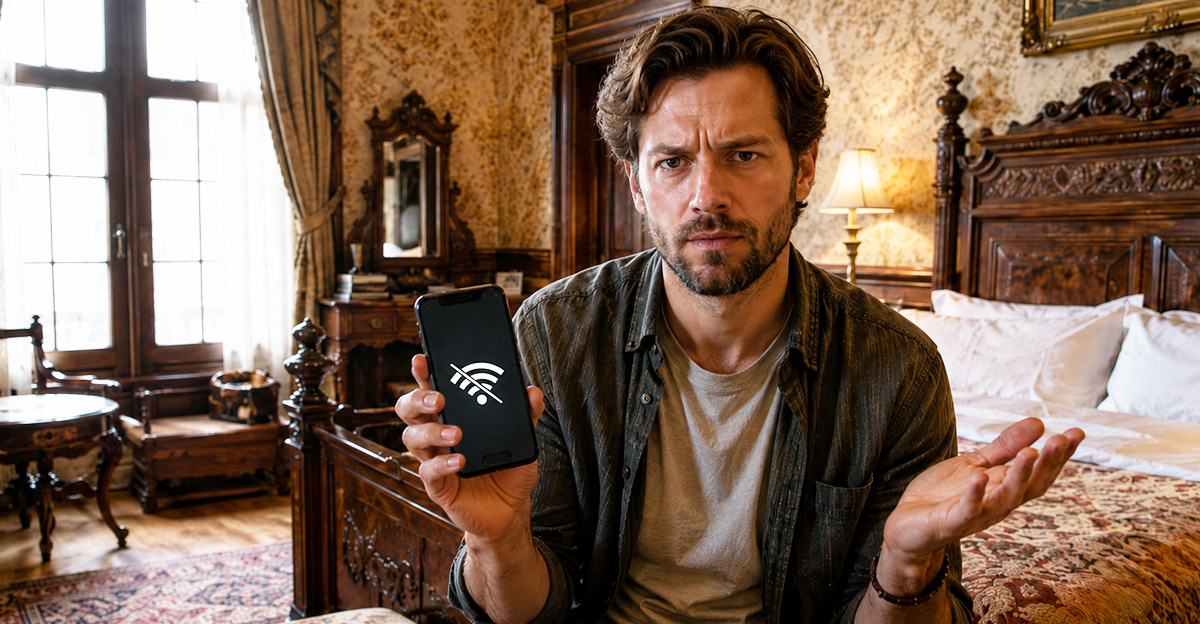
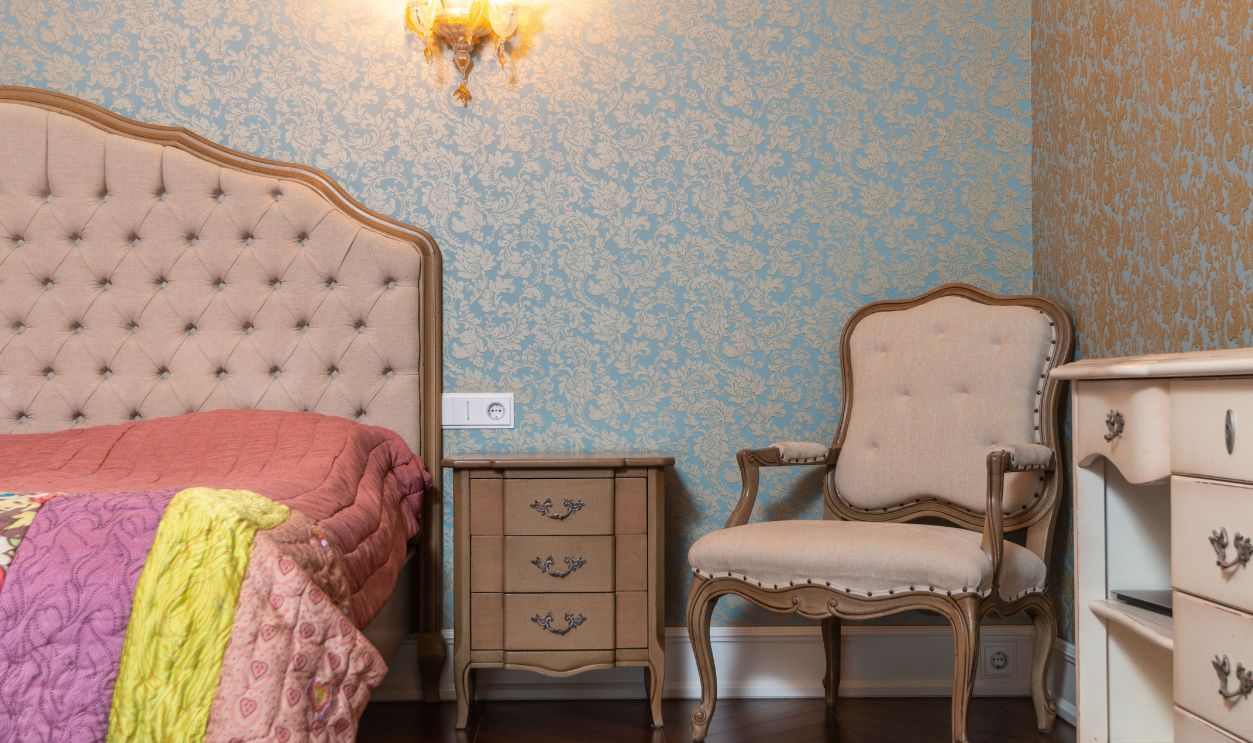
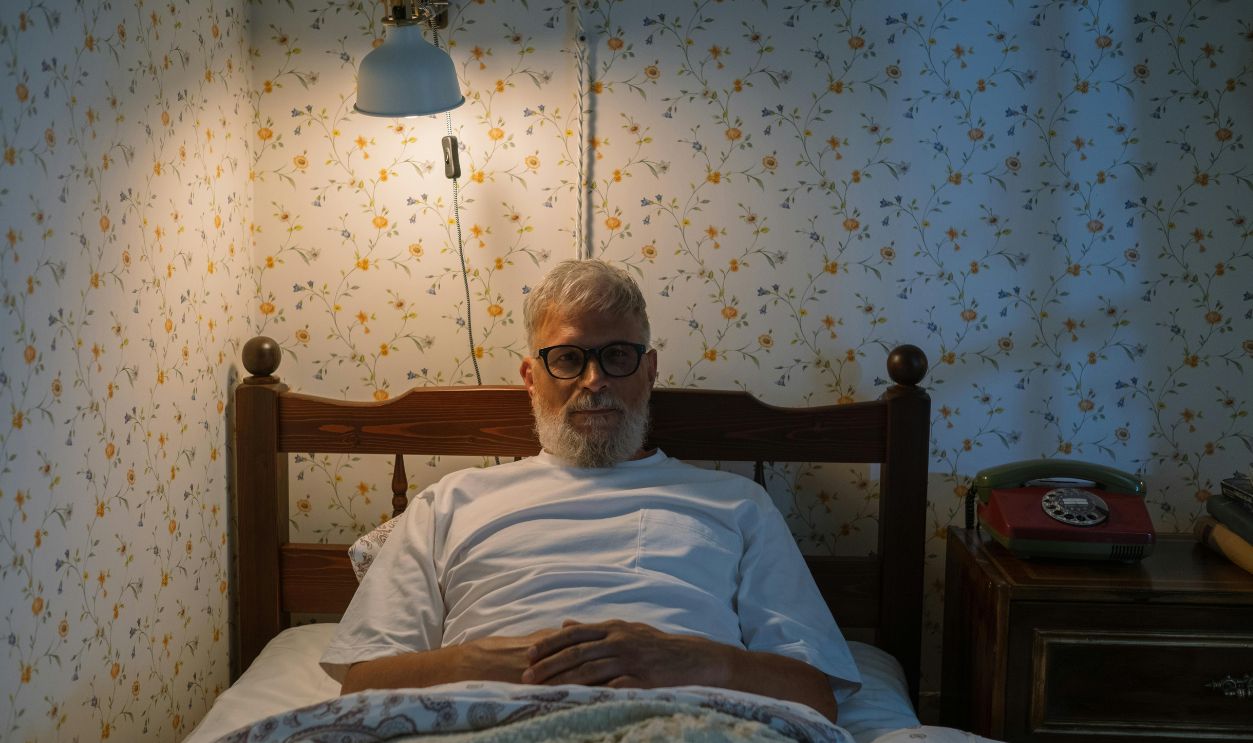
My room looked like it belonged in a period drama. The wallpaper had personality, the windows were tall, and the bed frame was beautifully carved. Then I searched for outlets near the nightstand and found exactly none. Suddenly, “historic charm” became “phone charging adventure.”
Historic Hotels Play By Different Rules
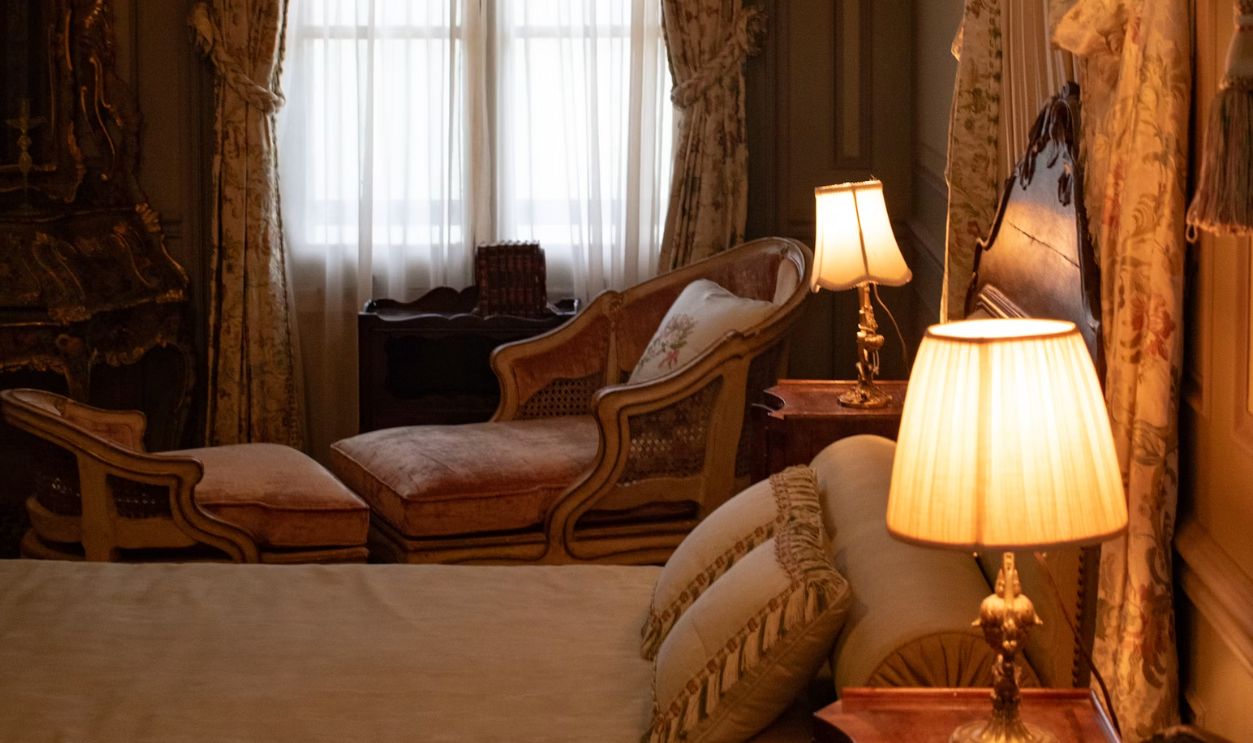
Many historic hotels are old buildings that were never designed for today’s travel habits. Think thick plaster walls, narrow hallways, uneven floors, and layouts from a time before laptops, hair dryers, rolling suitcases, and guests needing six charging cables at once.
Not Every Upgrade Is Easy
Adding modern comforts to an old hotel can be surprisingly complicated. Installing elevators, central air, or extra plumbing might require major construction. In protected or landmarked buildings, owners may also face strict rules about what they can change and how.
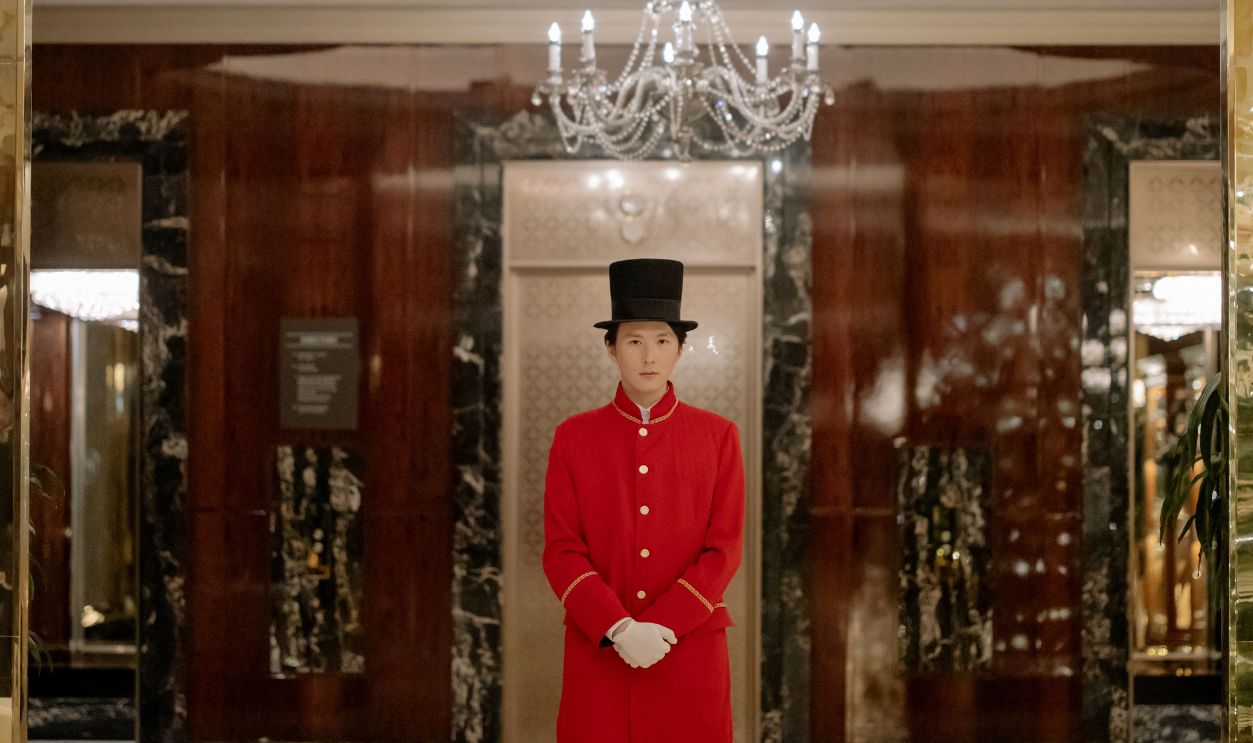
The Wi-Fi May Have A Wandering Spirit
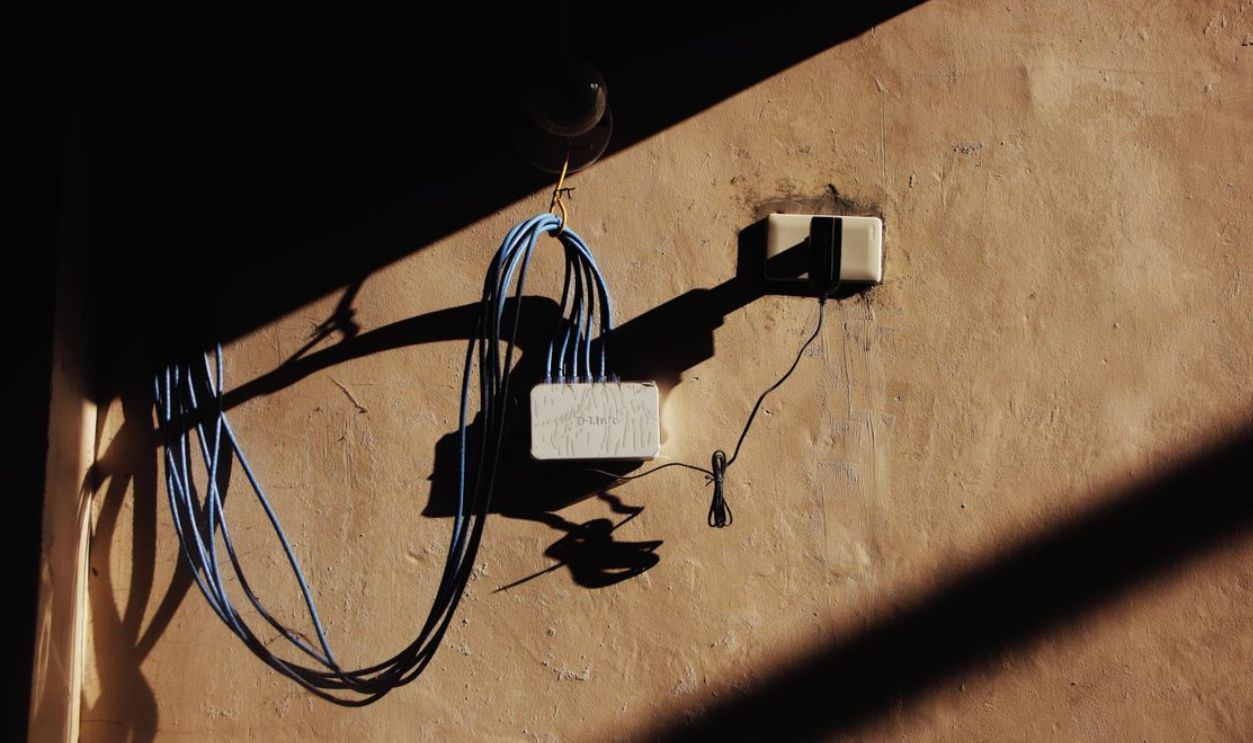
Wi-Fi in historic hotels can be hit or miss. Thick walls, old wiring, and odd room layouts can all weaken the signal. One corner of the room may stream perfectly, while the desk acts like it was built inside a castle dungeon.
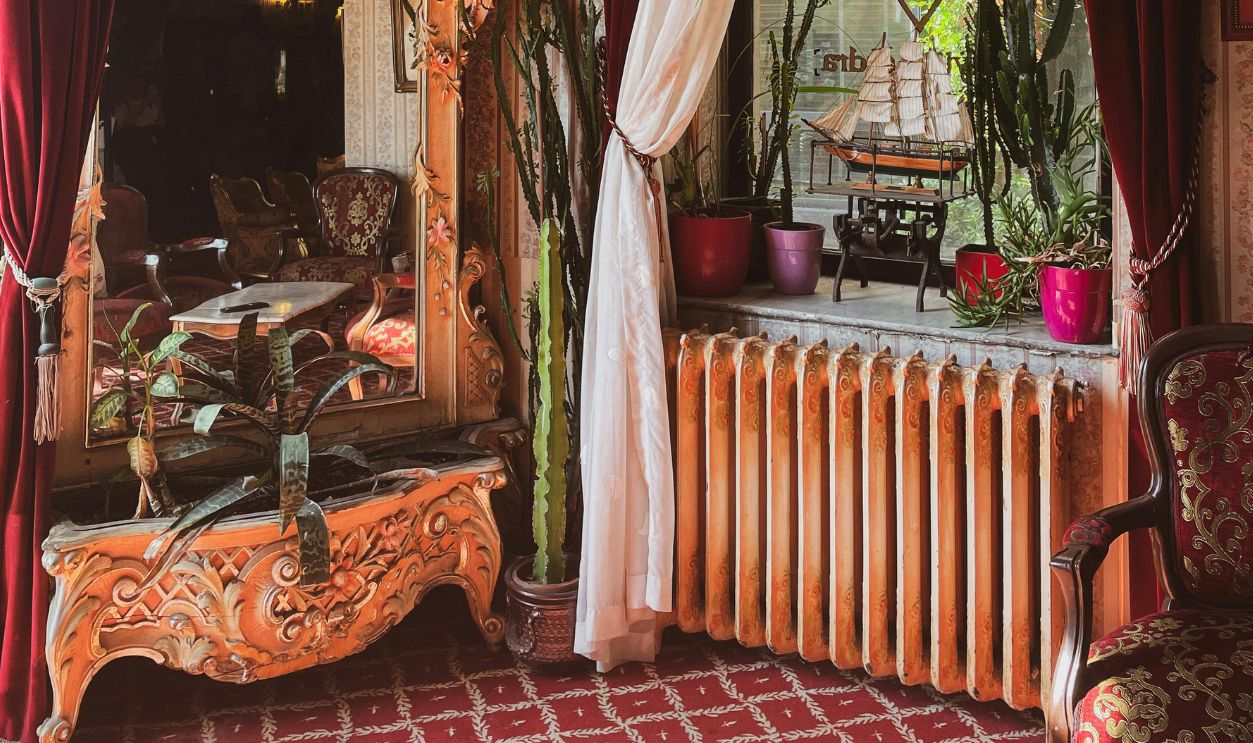
Climate Control Can Be A Gamble
Modern hotels usually let you set the exact room temperature. Historic hotels may offer radiators, window units, fans, or central systems that behave with strong opinions. Your room might be cozy, chilly, or mysteriously tropical at 2 a.m.
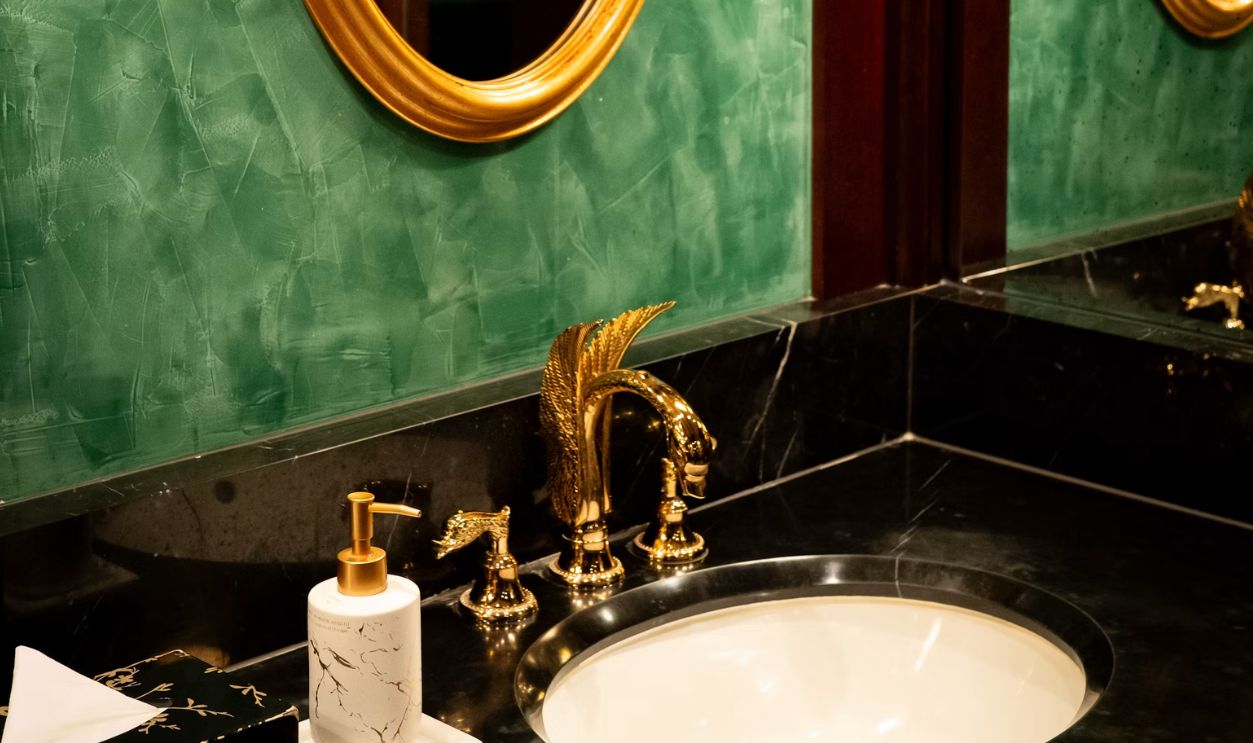
Bathrooms Can Be Beautiful But Tiny
A historic hotel bathroom can be gorgeous, with marble sinks or vintage tile. It can also be very small. Many older buildings added private bathrooms later, squeezing them into corners where closets, storage rooms, or mysterious little alcoves used to be.
Elevators Are Not Always Guaranteed
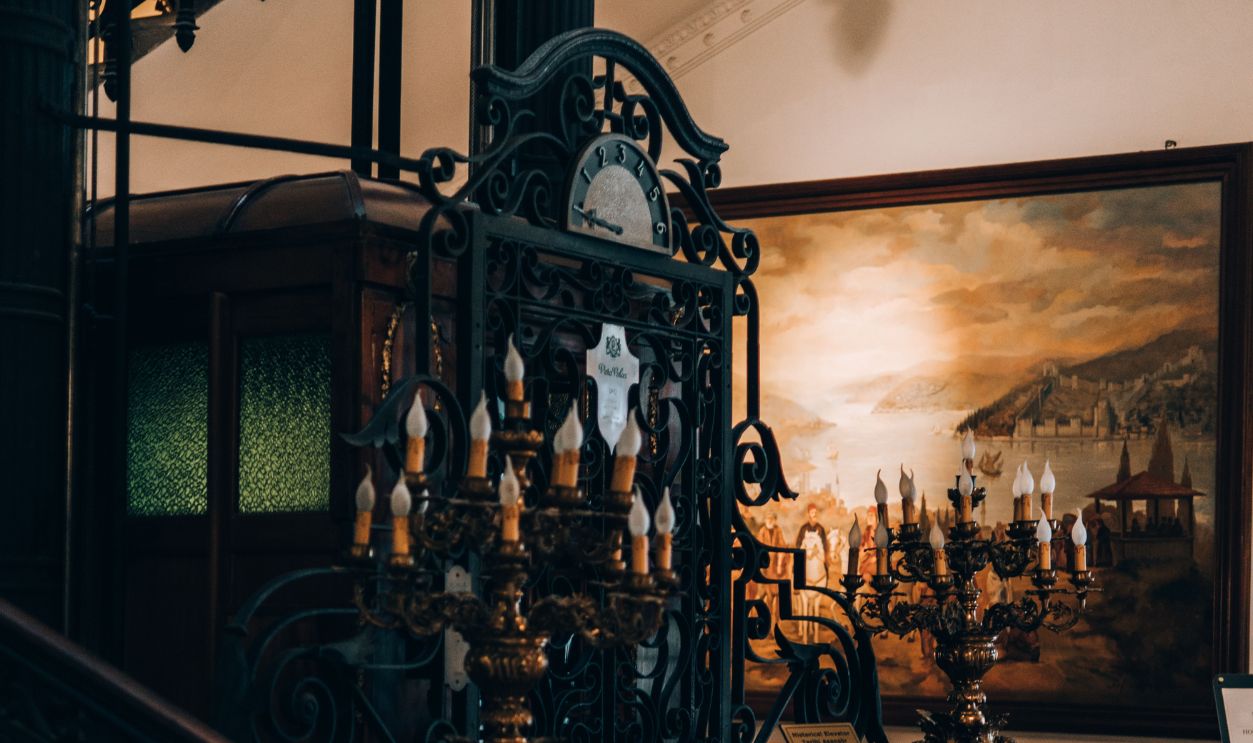
Some historic hotels have no elevator, while others have one that is charmingly slow. That can be lovely unless you arrive with two heavy bags and a room on the fourth floor. Always check before booking if stairs are a concern.
Outlets May Be In Odd Places
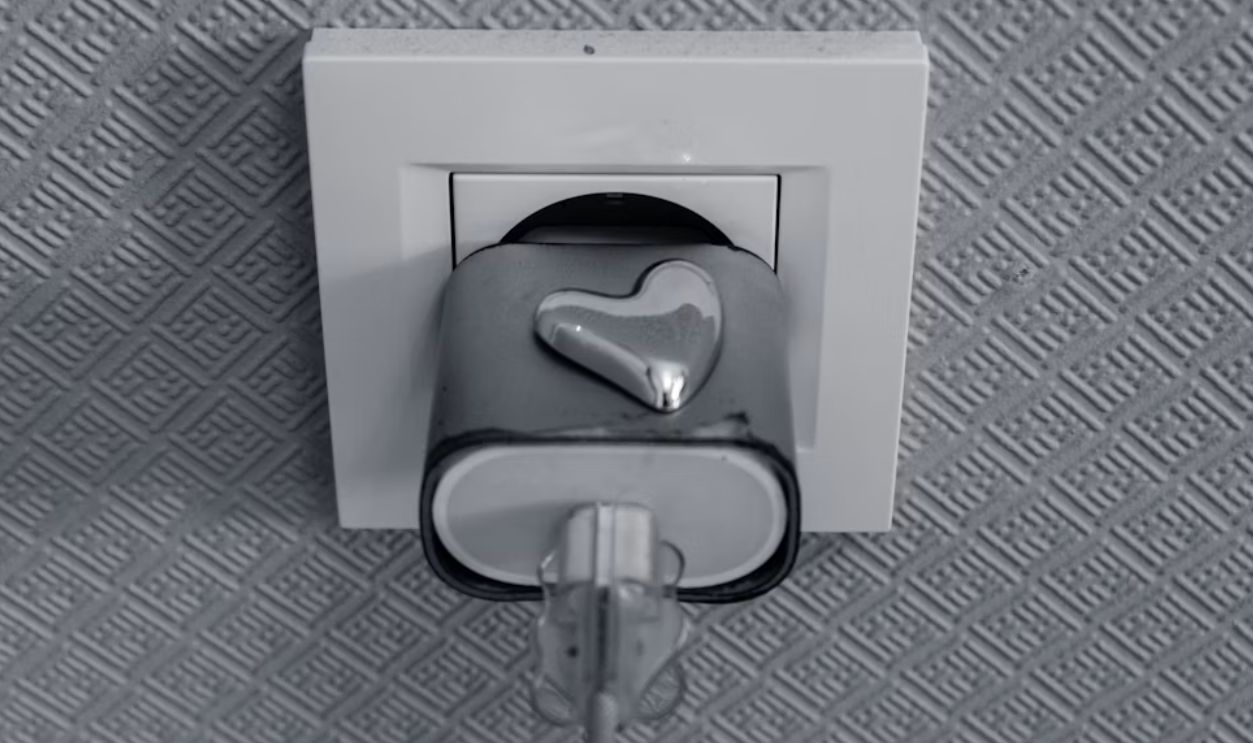
In newer hotels, outlets seem to appear everywhere. In older hotels, they may be hidden behind furniture, across the room, or nowhere near the bed. A compact travel power strip can become your best friend in places like these.
Soundproofing Might Be Old-School
Historic hotels often come with thinner doors, wooden floors, and pipes that announce themselves dramatically. You may hear footsteps, hallway conversations, or the occasional plumbing symphony. Earplugs are a small price to pay for sleeping inside a piece of history.
 Melnikov Dmitriy, Shutterstock
The Furniture May Be Pretty, Not Practical
Antique-style furniture looks wonderful in photos, but it may not always suit modern travelers. A writing desk might be too small for a laptop, drawers may stick, and the wardrobe might be built for someone traveling with one hatbox.
Service Can Make All The Difference
The best historic hotels understand their quirks and help guests work around them. Staff may offer extension cords, luggage help, portable fans, or tips for the strongest Wi-Fi spot. Good service can turn inconvenience into part of the story.

Some Hotels Modernize Beautifully
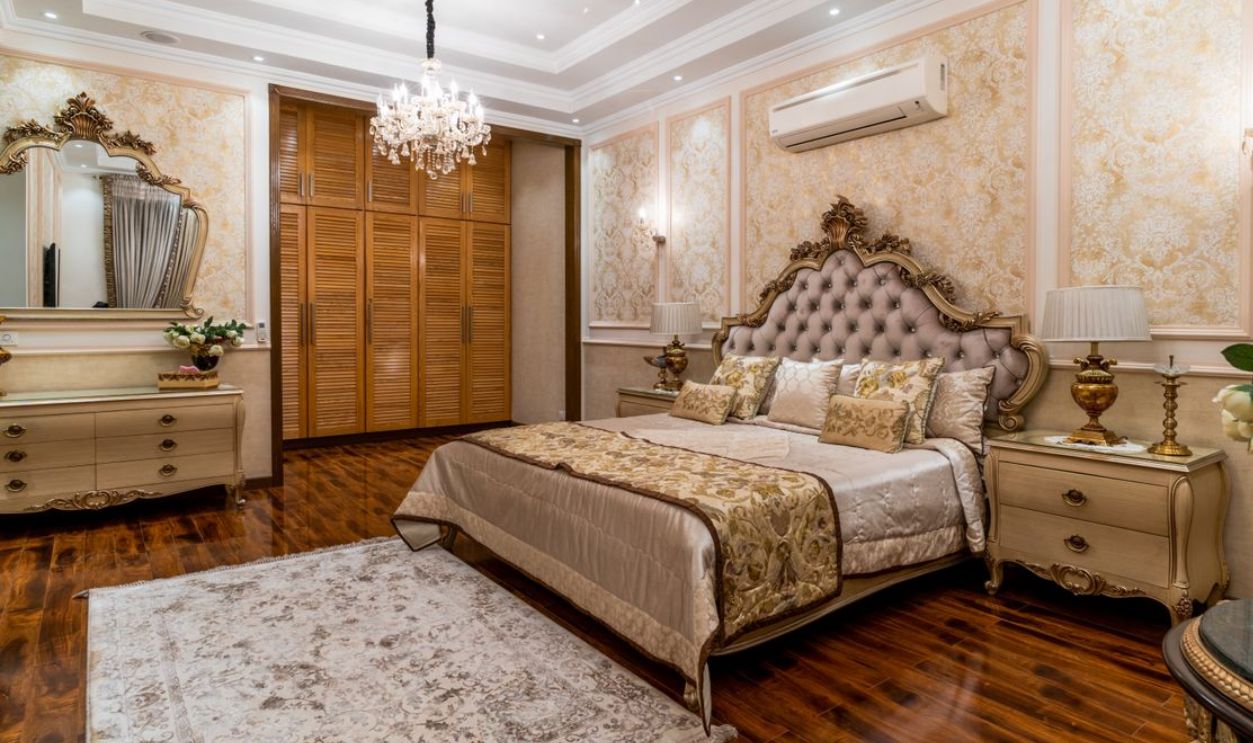
Not every historic stay means roughing it. Many heritage hotels blend old and new extremely well. You might find original woodwork, restored fireplaces, high-speed internet, rainfall showers, and luxury bedding all living happily under one very old roof.
Others Keep Things More Authentic
Some properties lean proudly into the past. They may preserve original layouts, period details, and a quieter style of hospitality. That can be magical for travelers who want atmosphere, but frustrating for guests expecting a sleek, plug-and-play hotel room.
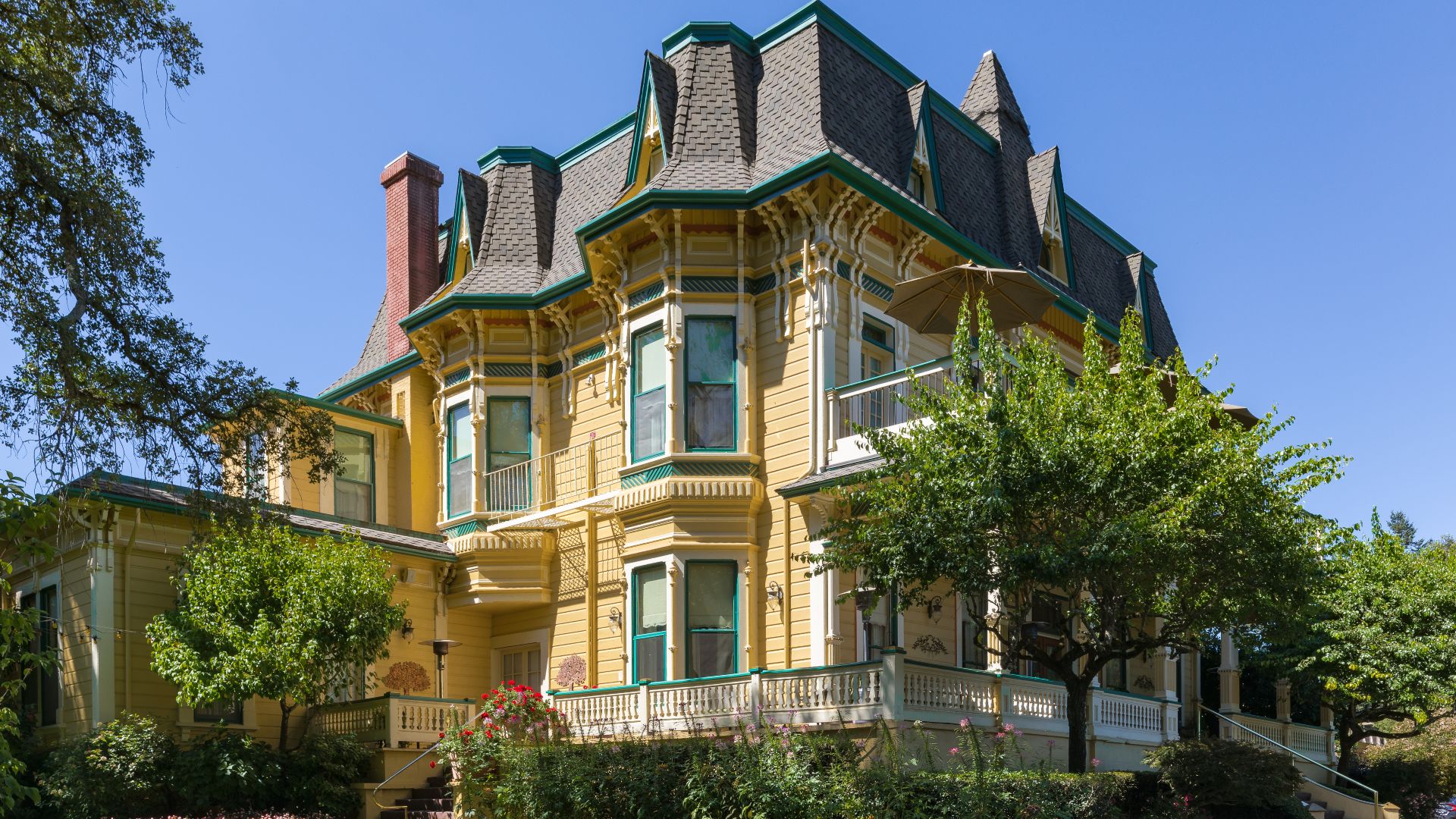 Frank Schulenburg, Wikimedia Commons
The Word Historic Covers A Lot
A “historic hotel” could mean a grand palace, a former monastery, an old inn, a converted bank, or a family-run property from another century. The experience can range from luxury landmark to charmingly imperfect time capsule.
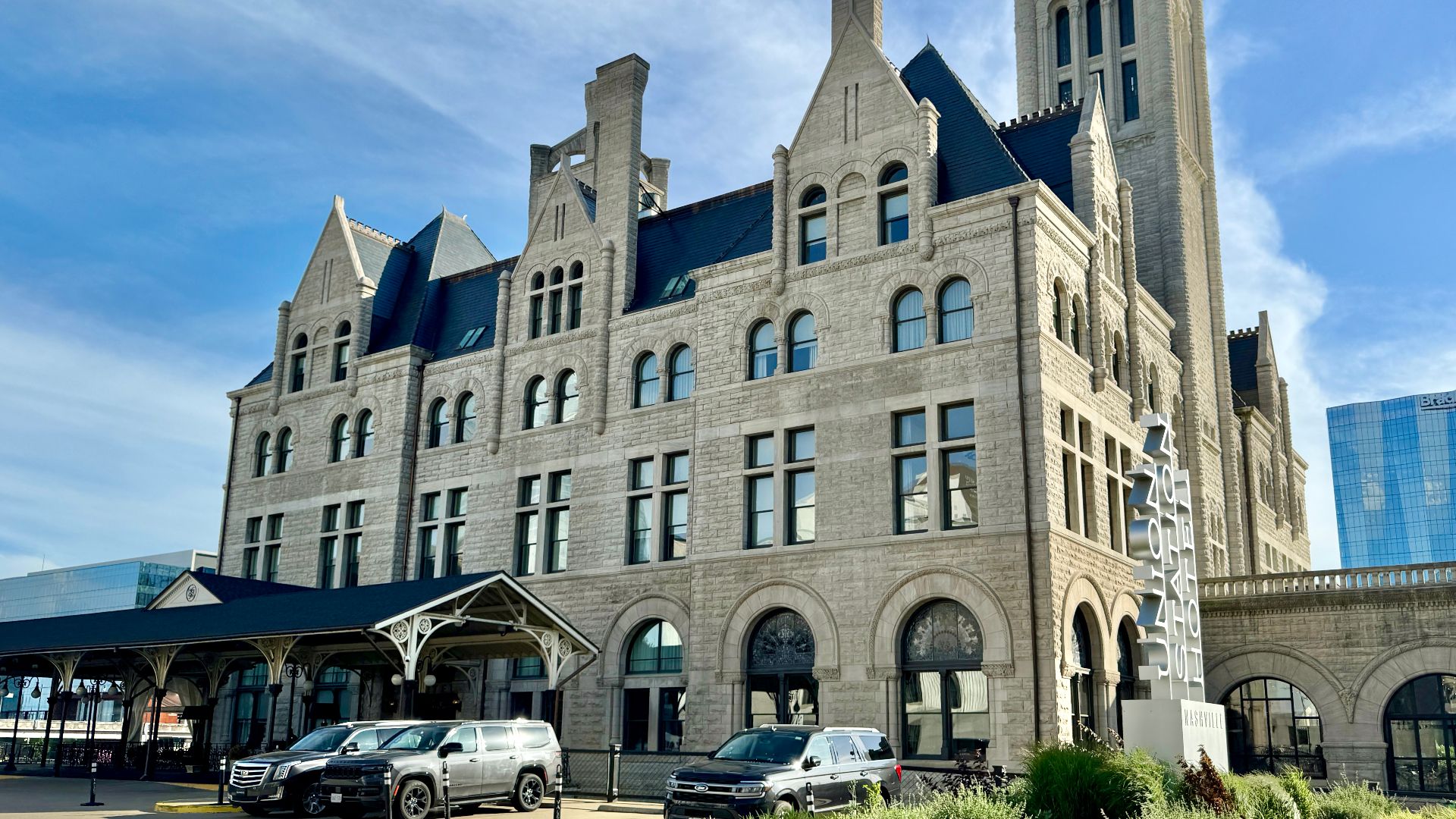 Warren LeMay from Chicago, IL, United States, Wikimedia Commons
Photos Do Not Tell The Whole Story
Hotel photos often highlight chandeliers, staircases, and cozy lounges. They may not show the tiny bathroom, the lack of bedside outlets, or the window unit tucked behind the curtains. Reading recent reviews is essential before booking.
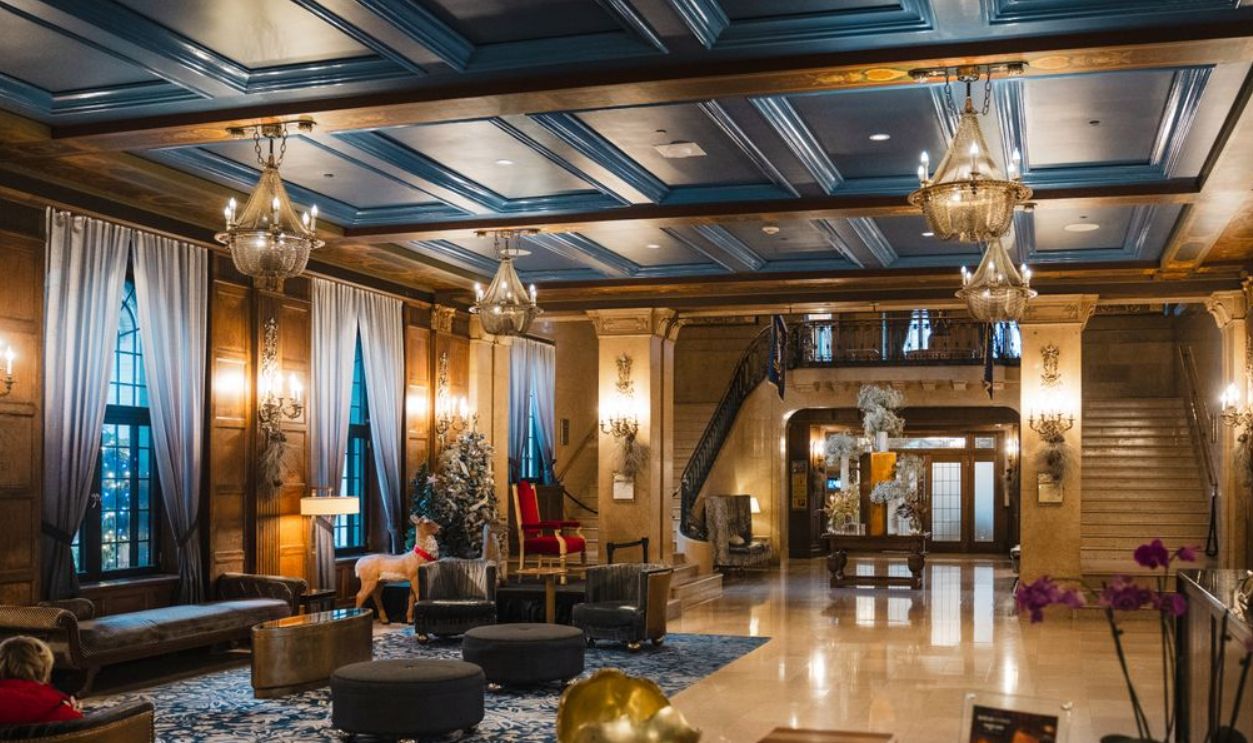
Reviews Reveal The Real Details
Look for comments about Wi-Fi, noise, heating, cooling, stairs, and bathroom size. Guests usually mention these things quickly. If several reviews say the rooms are “full of character,” read between the lines. That can sometimes mean “bring patience.”

Ask Questions Before You Arrive
Before booking, contact the hotel directly. Ask whether your room has air conditioning, an elevator, private bathroom, reliable Wi-Fi, and accessible outlets. A quick message can save you from discovering important details after a long travel day.

Pack Like A Clever Traveler
For historic hotel stays, pack a few problem-solvers. A long charging cable, earplugs, slippers, and a small flashlight can be surprisingly useful. These items take little space but can make an old building feel much easier to enjoy.

Accessibility Needs Extra Attention
Travelers with mobility needs should be especially careful when booking historic hotels. Older properties may have stairs, narrow doors, uneven floors, or limited elevator access. Always confirm specific accessibility details with the hotel, not just the booking site.
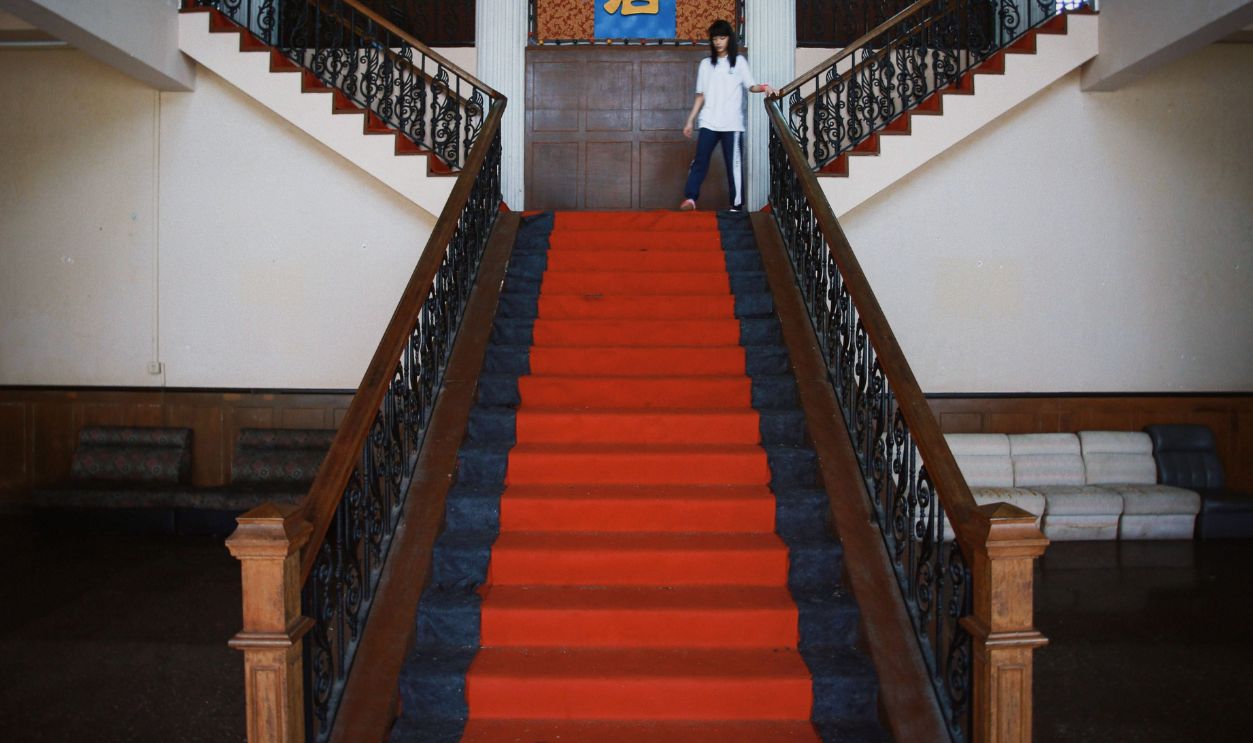
Luxury Does Not Always Mean Modern
A high room rate does not automatically guarantee every modern convenience. In historic hotels, part of what you are paying for may be location, preservation, architecture, or atmosphere. Luxury might look more like velvet curtains than USB ports.
The Trade-Off Can Be Worth It
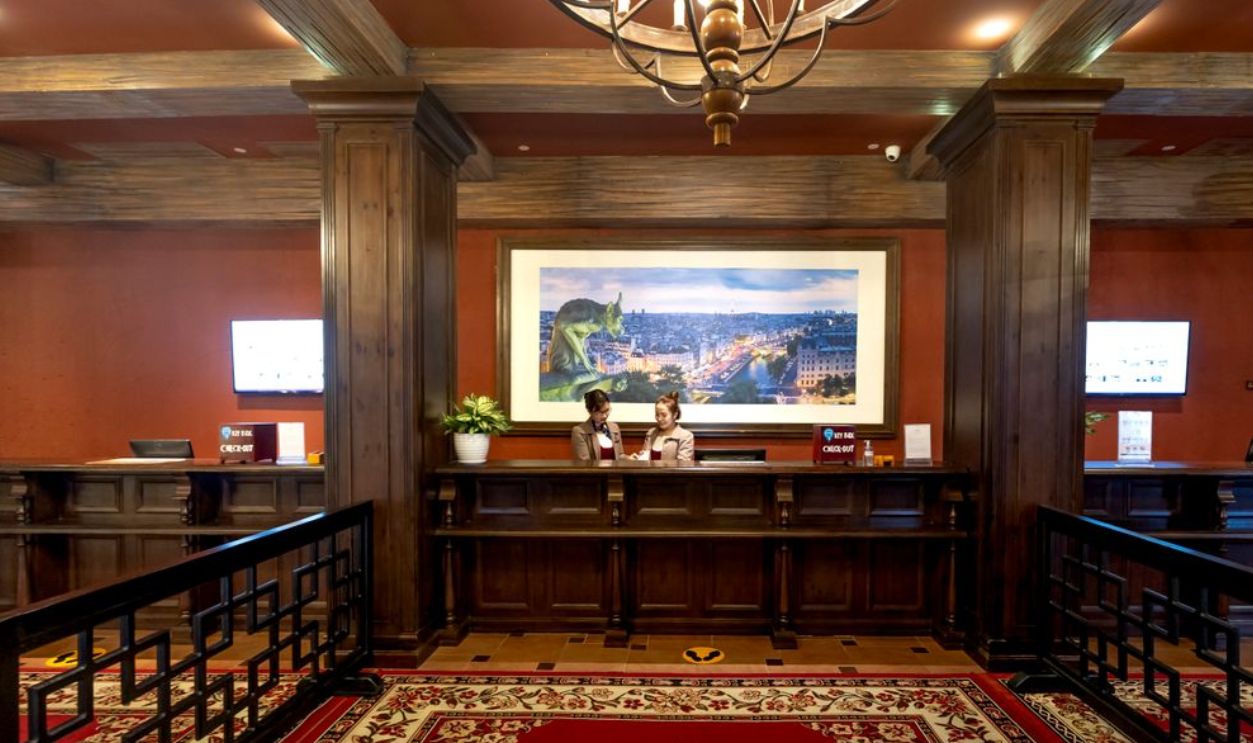
For many travelers, the quirks are part of the fun. A historic hotel can offer something chain hotels rarely do: a sense of place. You wake up feeling connected to the city, the building, and the people who passed through before you.
Know Your Travel Style
If you need perfect temperature control, silent walls, fast Wi-Fi, and a large bathroom, choose carefully. If you love stories, textures, odd staircases, and rooms with personality, a historic hotel may be exactly your kind of stay.

Boutique Does Not Always Mean Historic
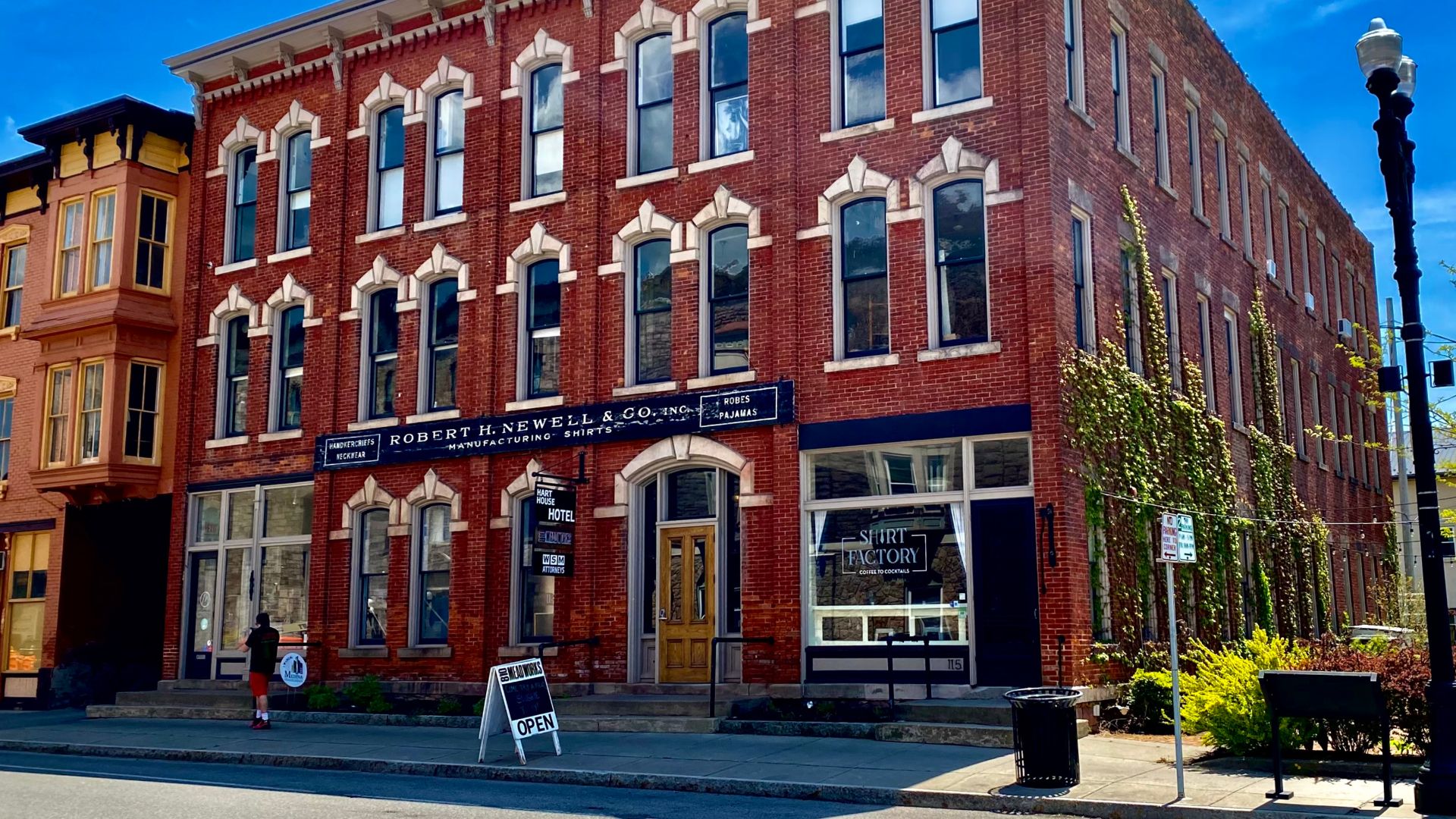
It is easy to confuse boutique hotels with historic ones. Some boutique properties are brand-new and very modern. Some historic properties are simple and traditional. Read the description closely so you know whether you are booking style, age, or both.
 Andre Carrotflower, Wikimedia Commons
The Best Stays Balance Past And Present
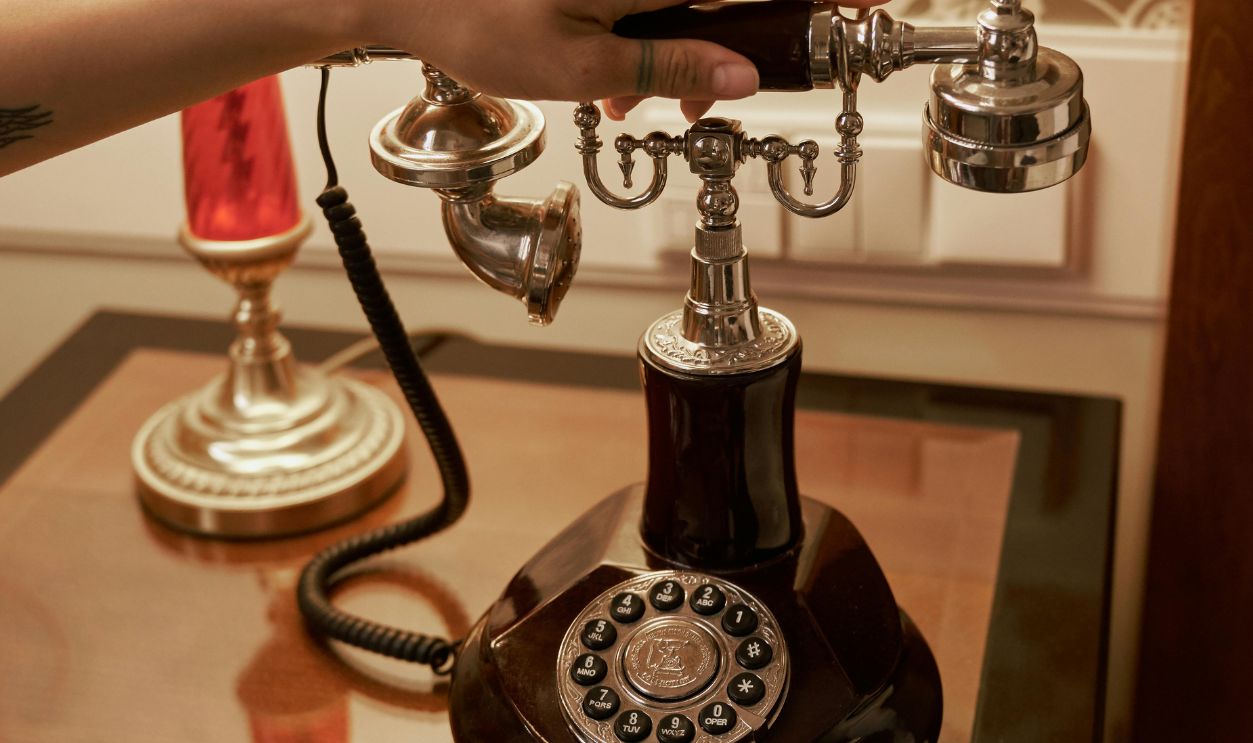
My favorite historic hotels do not erase their age. They celebrate it while still caring about guest comfort. A creaky floor is charming. A dead phone, freezing room, or suitcase-hauling marathon is less charming. Balance is the magic word.
So, Is This Common?
Yes, it is fairly common for historic hotels to lack some modern amenities, especially in older or protected buildings. That does not mean they are bad hotels. It simply means guests should arrive with realistic expectations, a little flexibility, and maybe an extra charger.
The Charm Comes With Fine Print
Historic hotels can be unforgettable, but they are not always effortless. Before booking, check the practical details as carefully as the pretty photos. With the right expectations, those creaky floors and quirky corners can become the best part of the trip.

You May Also Like:
The 2026 Best Cities In America Rankings Have Just Been Published—Do You Agree With The Top 10?