
The Trend Sounded Harmless At First
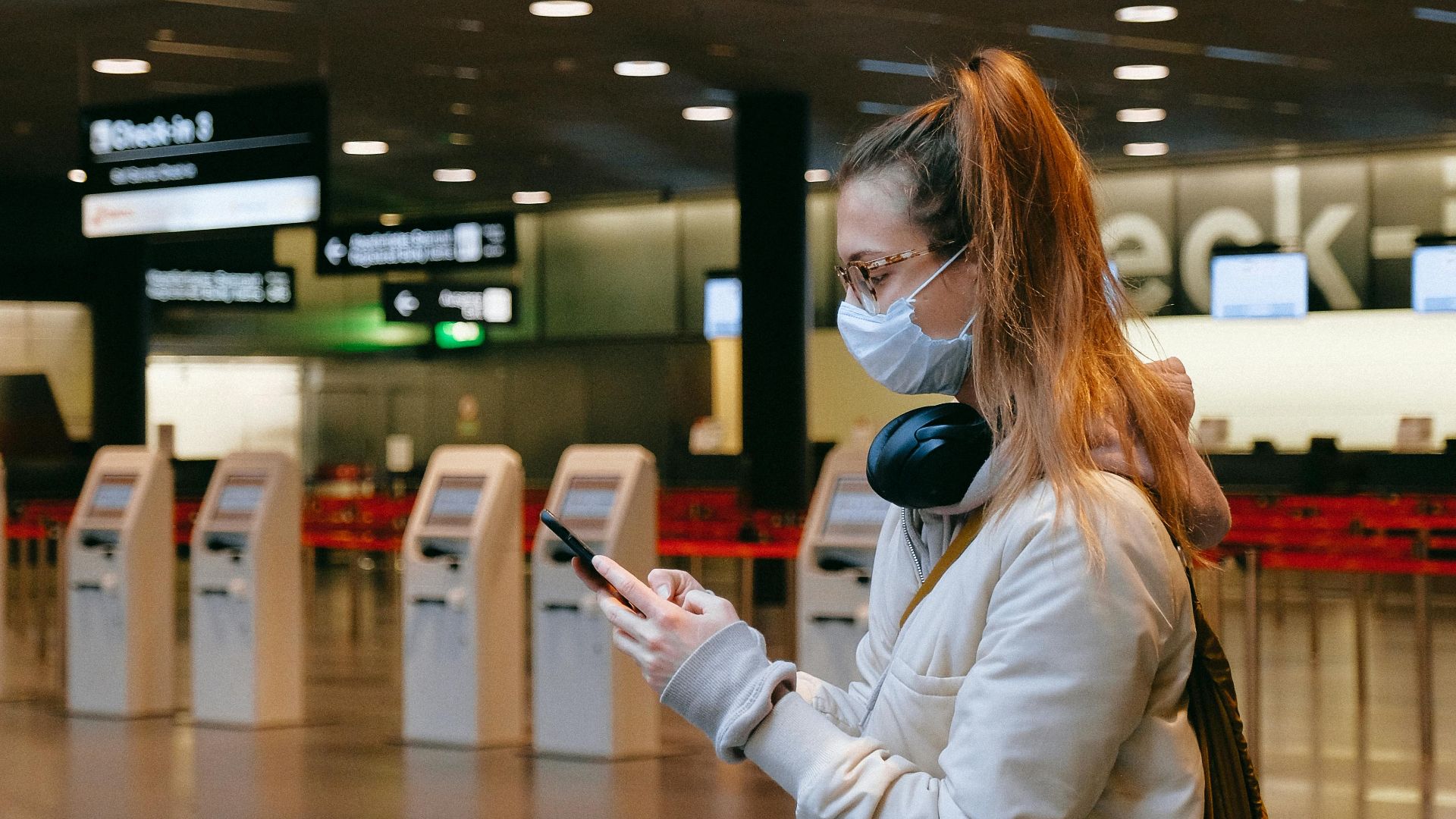
Airport theory looked like the perfect shortcut for people who hate waiting at the gate. The idea spreading online is simple: arrive close to departure, glide through the airport, and board with little wasted time. It sounded bold, efficient, and a little ridiculous. That last part should have been my warning.
 krakenimages.com via Shutterstock
Then Reality Met The Security Line
My plan fell apart almost immediately because airports do not move at social media speed. A slow rideshare drop-off, a longer security line, and a gate that was farther than expected turned a “hack” into a sprint. By the time I reached the gate, boarding was over. The plane was still there, which somehow made it worse.

What Airport Theory Actually Means
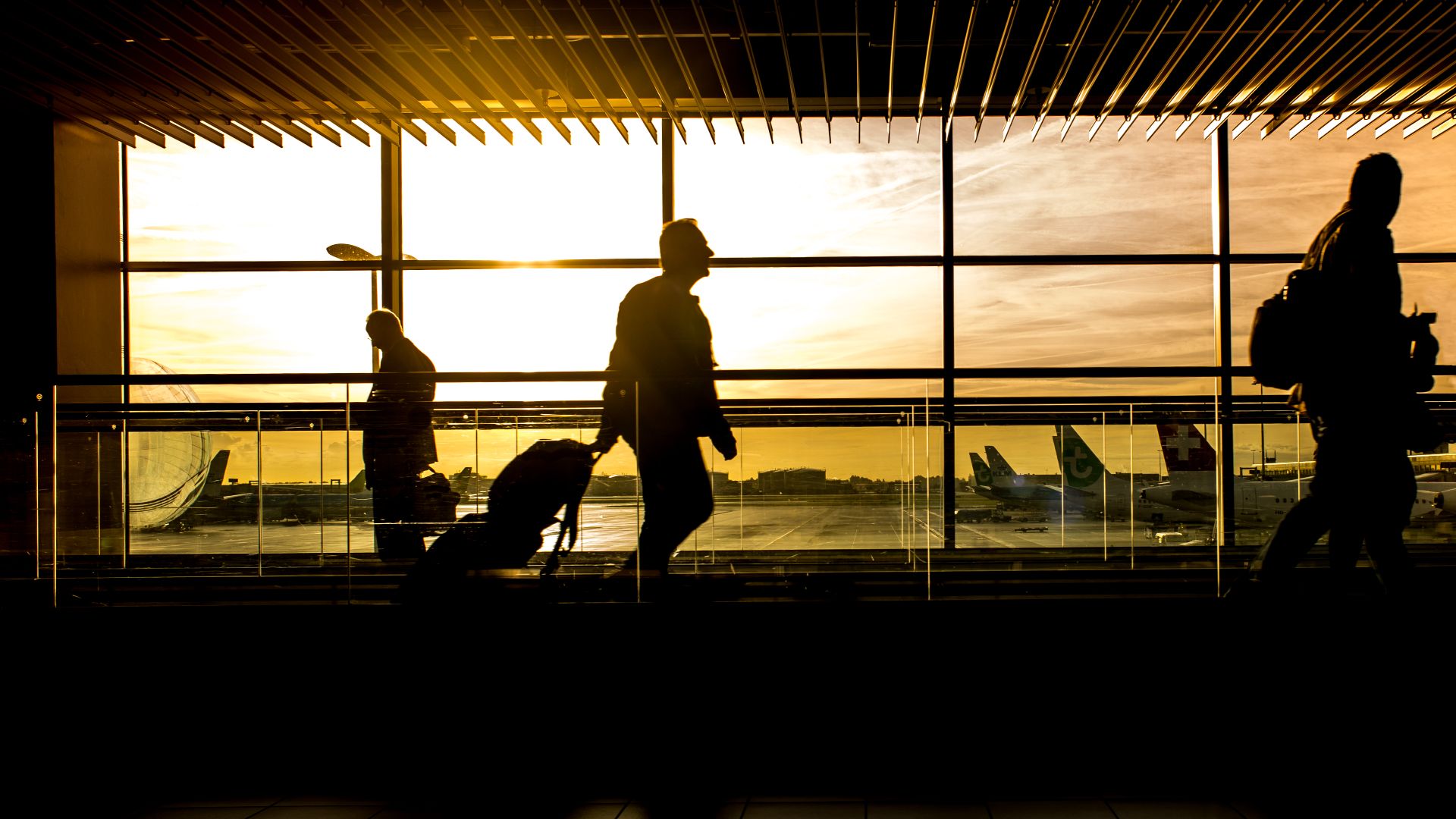
Travel sites have described "airport theory" as a TikTok-driven trend that encourages travelers to arrive around 15 to 20 minutes before departure. The Points Guy reported that the trend challenges the usual two-to-three-hour airport arrival window. WIRED also covered the trend and noted that many failed attempts have appeared online. In other words, this is not a reliable travel strategy.
The Original Idea Got Twisted
The Points Guy interviewed creator Michael DiCostanzo, who said his airport theory videos were about airports being less crowded than expected. He also said he did not tell travelers to arrive 15 minutes before a flight. In fact, he said he still arrived early enough in case something went wrong. That distinction matters because the internet often turns nuance into a dare.

Airports Are Built Around Cutoff Times
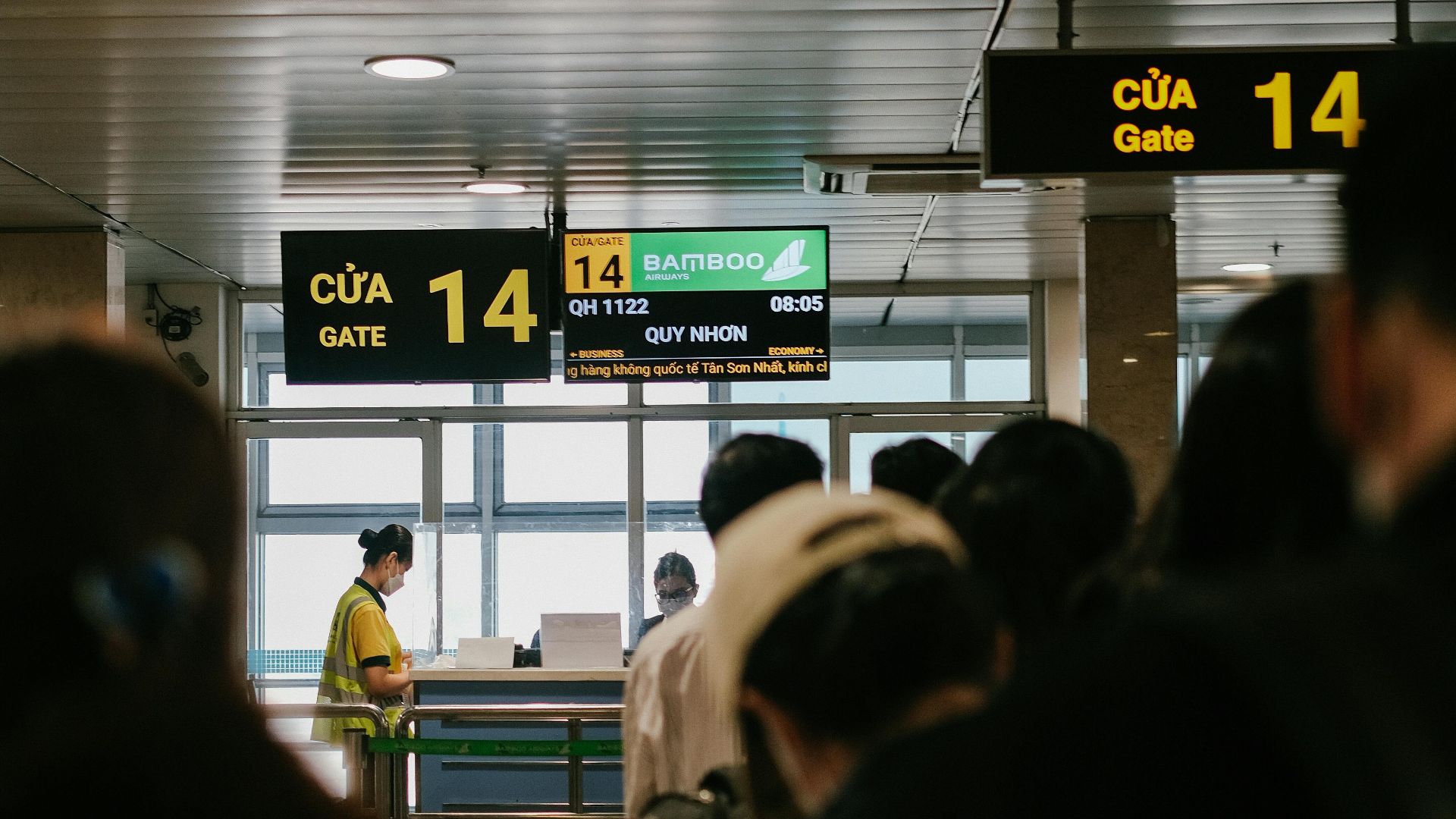
Airlines and airports work on hard deadlines, not vibes. The Points Guy reported that many airlines require checked bags well before departure and that most airlines stop boarding around 15 minutes before scheduled departure. If you arrive at the airport 15 minutes before departure, you may already be too late. That is true even if you can see the aircraft from the window.
TSA Advice Is Less Exciting But Smarter
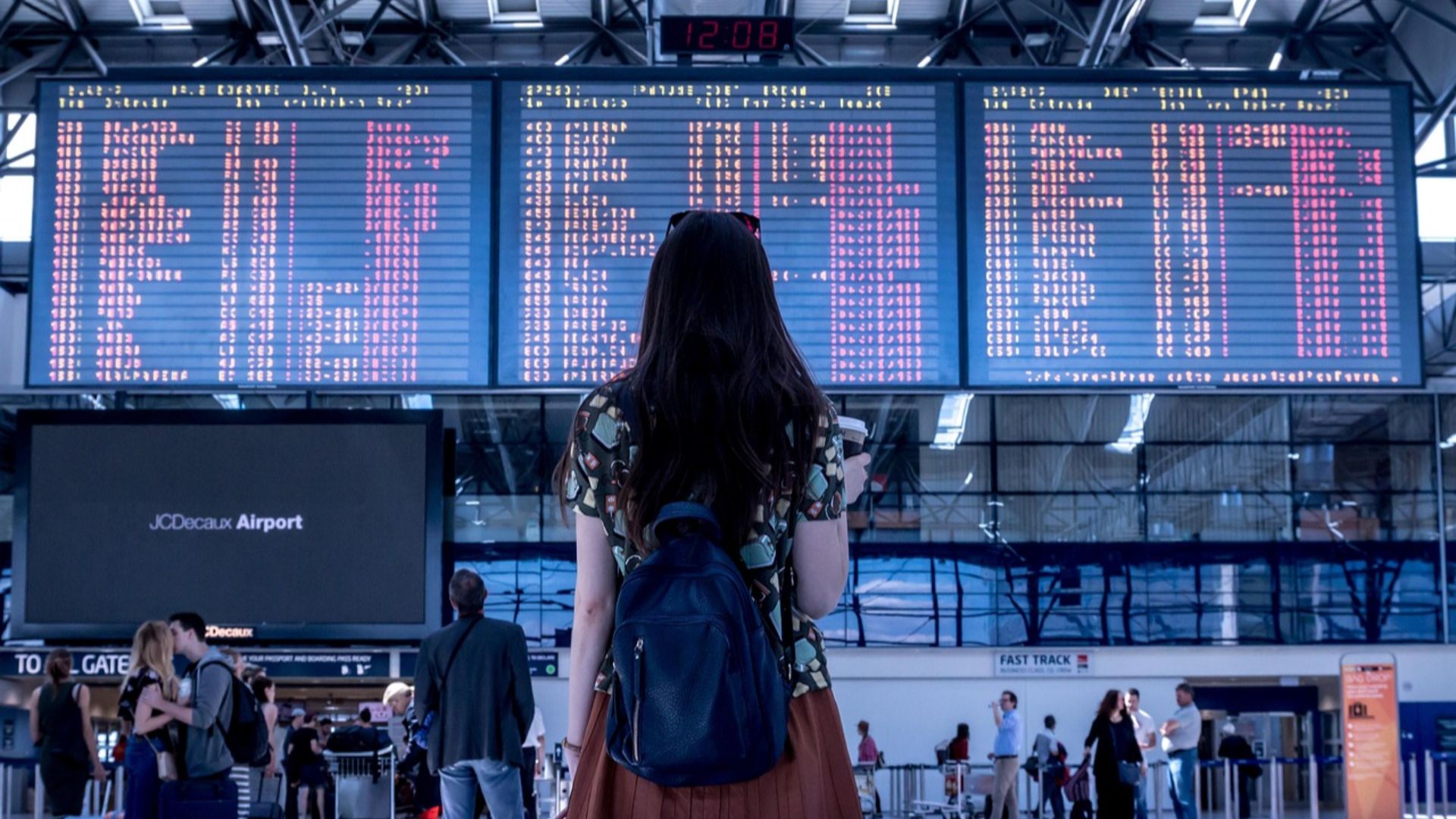
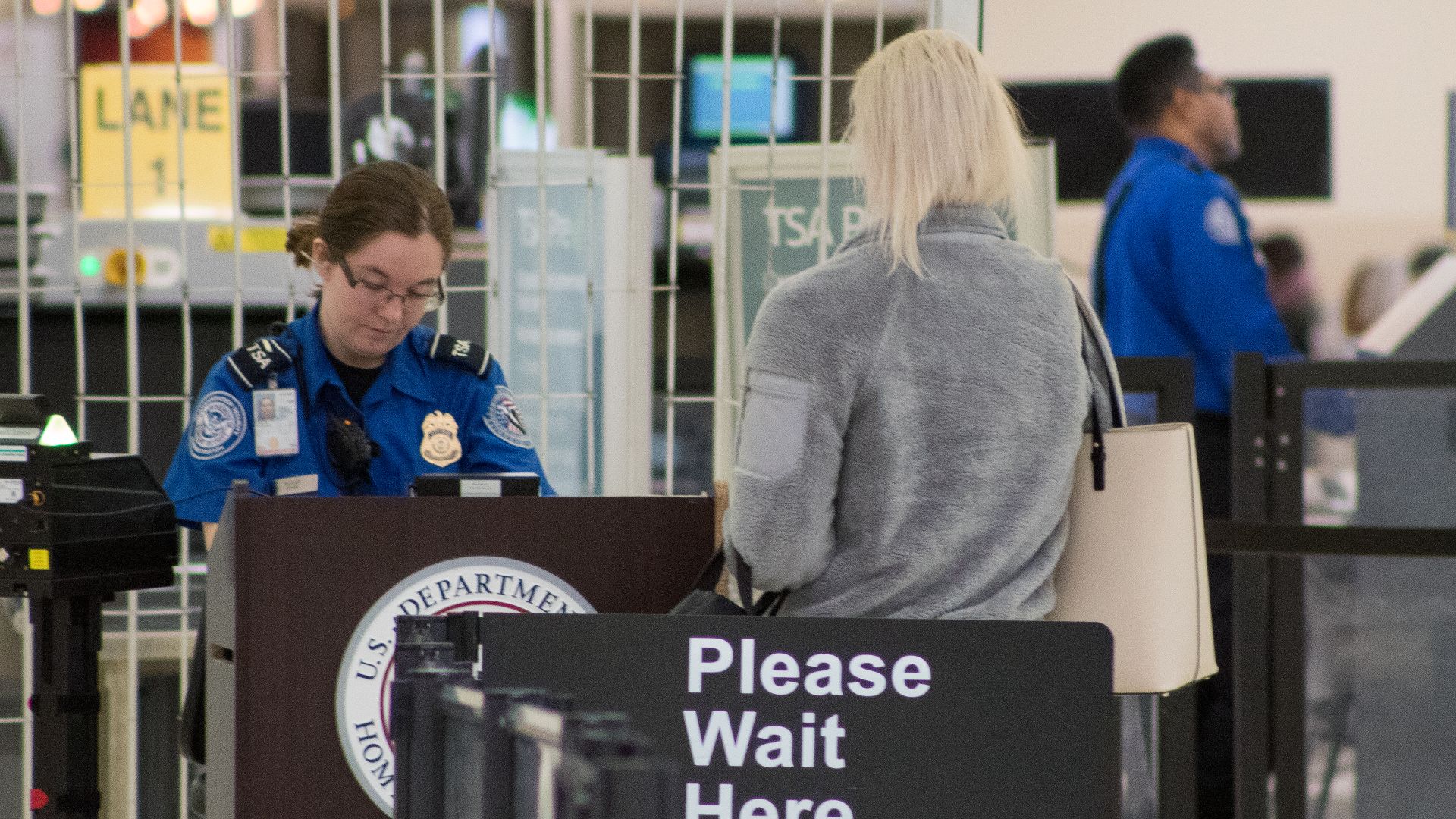
The TSA advises travelers to allow time for parking, shuttle transportation, check-in, getting a boarding pass, and security screening. TSA materials have also repeated the familiar guidance to arrive at least two hours before domestic flights and three hours before international flights. That advice can feel overly cautious on a quiet travel day. It feels genius when the checkpoint line wraps around the terminal.
The Refund Answer Is Usually Disappointing
In the United States, the Department of Transportation says passengers with non-refundable tickets who arrive late are not entitled to a refund if the flight operates as scheduled. That means missing a flight because you followed airport theory is usually considered your problem. The airline sold you transportation, and the flight still left. The refund rules are much friendlier when the airline causes the disruption.
 Michael Ball, Wikimedia Commons
Refundable Tickets Are The Big Exception
The DOT says consumers who buy fully refundable tickets are entitled to a refund when they do not use the ticket. That is the cleanest path if you know flexibility matters. The catch is that refundable fares usually cost more upfront. Still, they can be worth it for travelers with uncertain plans.

Airline Cancellations Are Different
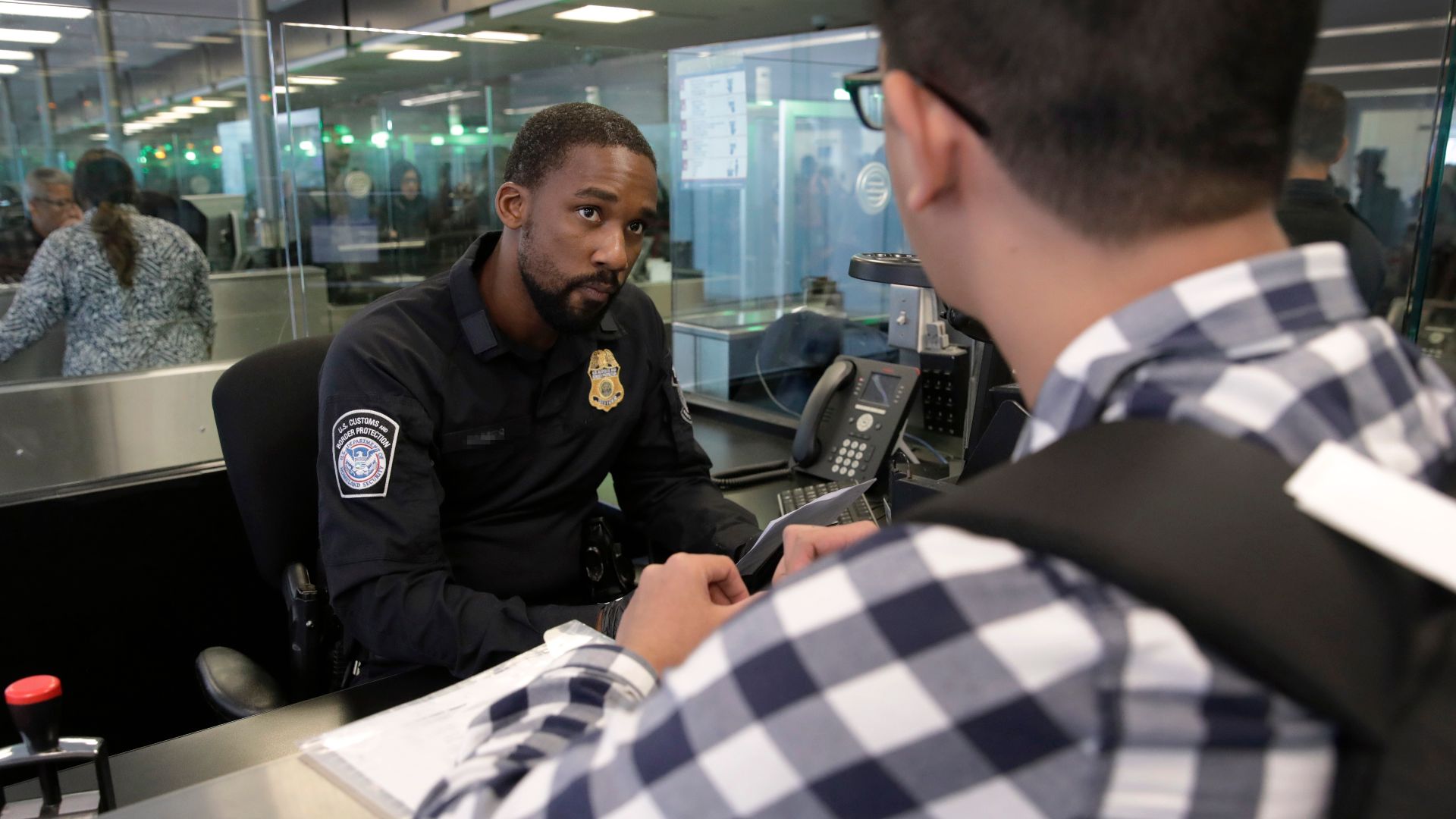
If the airline cancels your flight and you choose not to travel, the DOT says you are entitled to a refund. The same applies when the airline significantly delays or significantly changes your itinerary and you decline the alternative. That protection does not apply when you simply arrive late. The cause of the missed flight is the key detail.
 CBP Photography, Wikimedia Commons
Significant Changes Have Specific Meaning
The DOT defines significant changes to include domestic arrival changes of three hours or more and international arrival changes of six hours or more. It also includes changes to origin or destination airports, added connections, certain downgrades, and some accessibility-related changes. These rules help travelers when the airline changes the deal. They do not rescue a self-inflicted airport theory experiment.

Refund Timing Is Also Regulated
When a refund is due under DOT rules, airlines generally must return money within seven business days for credit card purchases. For other payment methods, the timeline is generally 20 calendar days. The refund must go back to the original form of payment. Vouchers can be offered, but travelers do not have to accept them when a cash refund is legally due.

The 24-Hour Rule May Help In Narrow Cases
The DOT requires airlines to either hold a reservation for 24 hours without payment or allow free cancellation for 24 hours when the ticket is bought at least seven days before departure. This rule helps right after booking, not after you miss a flight. It also does not require free ticket changes. It is useful, but it is not a missed-flight refund button.

Third-Party Bookings Add Another Step
The DOT says the merchant of record is responsible for ticket refunds when refunds are due. That may be the airline, an online travel agency, or another ticket seller. Your credit card statement can help identify the merchant of record. If you booked through a third party, start there before chasing the airline.

Taxes And Fees Can Be Tricky
Some countries handle unused taxes differently. MoneySavingExpert notes that travelers departing from the UK may be able to reclaim Air Passenger Duty when they do not fly, even on some non-refundable tickets. The amount depends on the flight and airline procedures. This is not the same as getting the whole airfare back.

Call The Airline Immediately
If you realize you will miss your flight, contact the airline before departure if possible. Delta tells passengers who miss a flight to contact the airline immediately, and it warns that an entire itinerary, including the return trip, may be canceled. American Airlines also says that if a passenger does not show up for one segment, remaining reservations may be canceled. Waiting quietly can make a bad situation more expensive.
Ask About Same-Day Options
Some airlines may help late passengers through informal “flat tire” policies. The Points Guy explains that these policies can sometimes let travelers stand by for another flight after unavoidable mishaps. They are not guaranteed, and each airline handles them differently. Still, asking politely at the airport can be worth it.
 Quintin Soloviev, Wikimedia Commons
Be Honest With The Agent
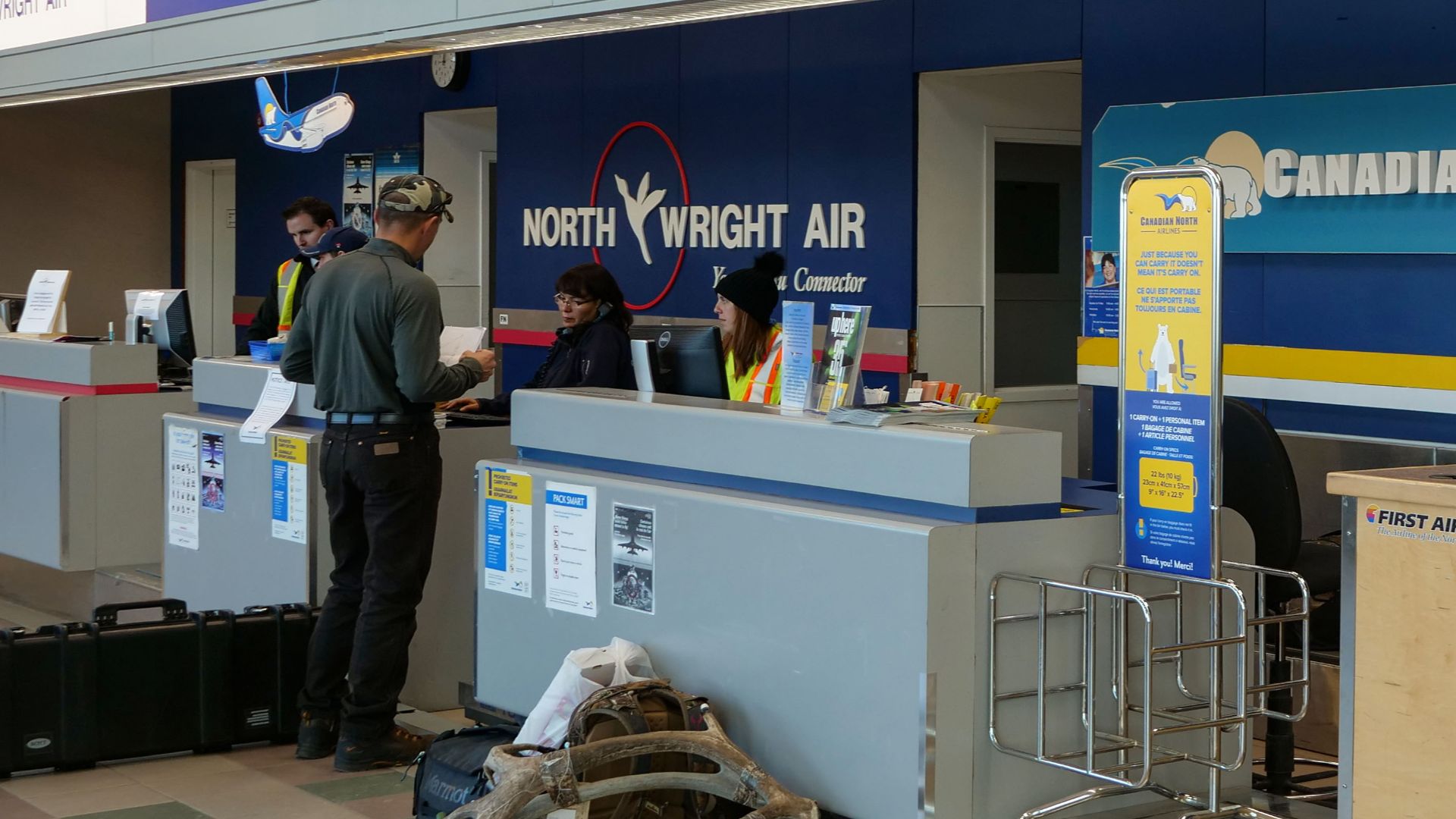
Do not invent a dramatic excuse to get sympathy. A gate or ticket agent has more room to help when you are calm, honest, and fast. Say you missed the flight and ask what options exist for same-day standby, rebooking, or preserving your return. The answer may depend on your fare, route, seat availability, and airline policy.
 CBP Photography, Wikimedia Commons
Watch Your Return Trip
A missed outbound segment can threaten the rest of a round-trip itinerary. Delta explicitly warns that a missed flight can lead to cancellation of the entire itinerary, including the return. American Airlines gives a similar warning for passengers who do not show for one segment. Protecting the rest of the booking should be your first priority.

Airline-Caused Misconnections Are Different
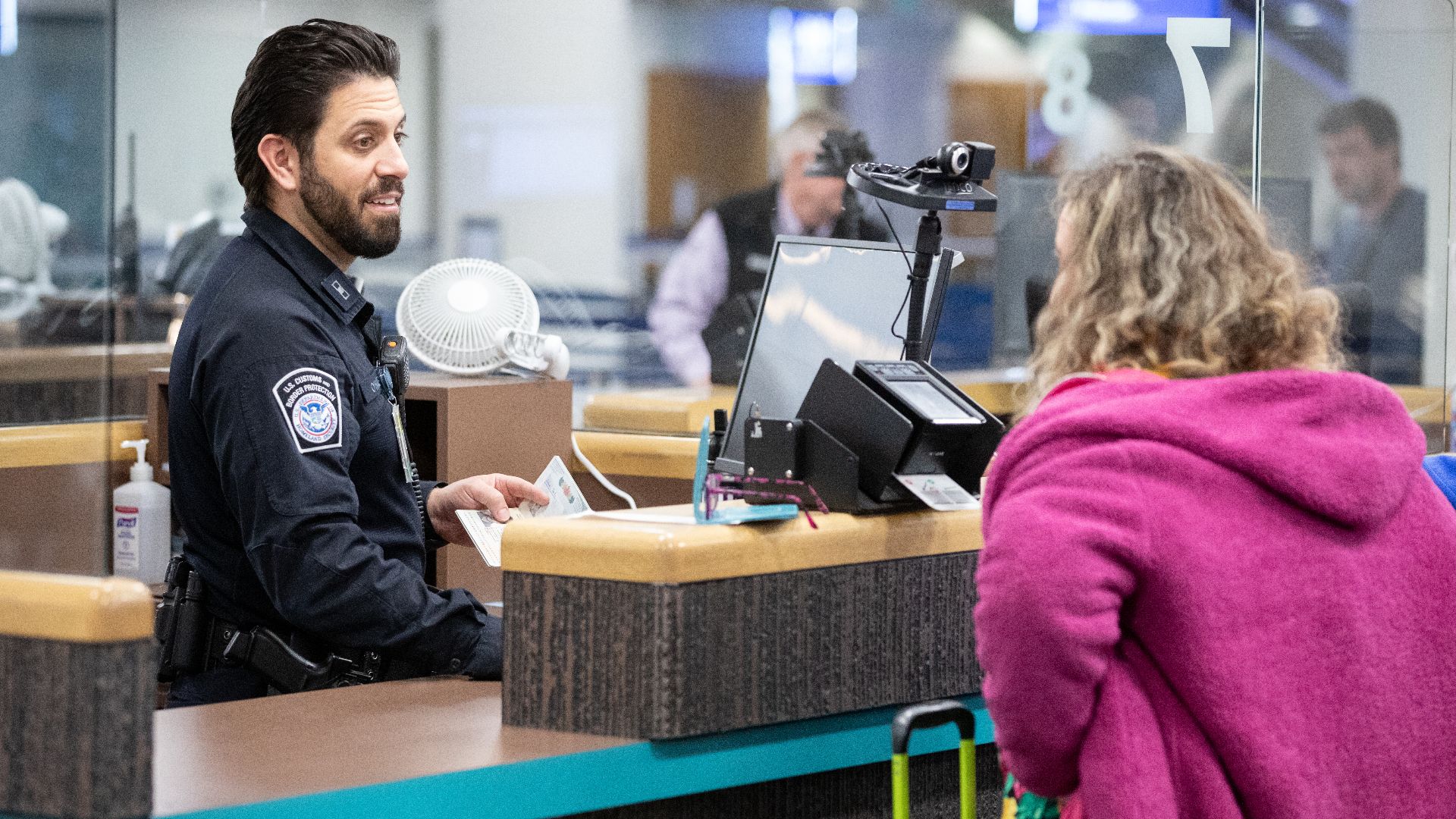
If your airline cancels a flight or a delay causes you to miss a connection, the airline may rebook you. American Airlines says it will rebook passengers on the next flight with available seats when a cancellation or delay causes a missed connection. This is very different from missing the first flight because you arrived late. One is an airline disruption, and the other is a passenger timing problem.
 CBP Photography, Wikimedia Commons
Travel Insurance Might Not Save You
Travel insurance can help with missed flights only when the reason is covered by the policy. Allianz says coverage may apply for certain covered reasons, such as a car accident on the way to the airport or specific travel delays. It also says insurance does not cover everything, including simply taking too long to park or failing to clear security in time. Read the policy before assuming it will pay.

EU Rights Are Not A Magic Fix
EU air passenger rights can apply to cancellations, long delays, denied boarding, overbooking, and missed connections in covered situations. Those rights are powerful when the airline causes the problem. They are not designed to reward someone who voluntarily arrives late at the airport. Location matters, but cause still matters more.
 Thijs ter Haar, Wikimedia Commons
Extra Fees May Be Refundable Sometimes
The DOT says passengers can receive refunds for ancillary services that were not provided through no fault of their own. These can include paid seat selection, Wi-Fi, baggage services, or other optional services. If you missed the flight because you arrived late, that may be harder to claim. If the airline failed to provide the service, your argument is much stronger.
What I Should Have Done Instead
I should have checked the airport layout, boarding cutoff, bag rules, and security conditions before leaving. I should have treated the online trend as entertainment, not instructions. I also should have built in a buffer for traffic and terminal distance. The cheapest missed-flight solution is still not missing the flight.

A Better Airport Formula
For most travelers, the boring formula works better than airport theory. Arrive early, check in before leaving home, use the airline app, and keep identification easy to reach. If you have TSA PreCheck or another expedited option, treat it as a cushion rather than permission to gamble. A calm airport wait beats a new last-minute ticket.

So Can You Get A Refund?
If you missed a flight because you arrived late and the flight operated as scheduled, a U.S. refund is usually unlikely on a non-refundable ticket. You may still be able to request taxes, unused extras, a credit, standby help, or a rebooking option depending on the airline and route. If the airline canceled or significantly changed the flight, your refund rights are much stronger. The reason you missed the flight determines almost everything.

The Lesson Is Painfully Simple
Airport theory makes a great video, but it makes a risky travel plan. Airports are full of fixed deadlines, long walks, surprise lines, and airline rules that do not care about trends. If you try it and miss your flight, kindness and speed may help more than legal rights. Next time, I am arriving early and buying the overpriced coffee.

You May Also Like: