The Gate Agent’s Pitch Sounds Simple
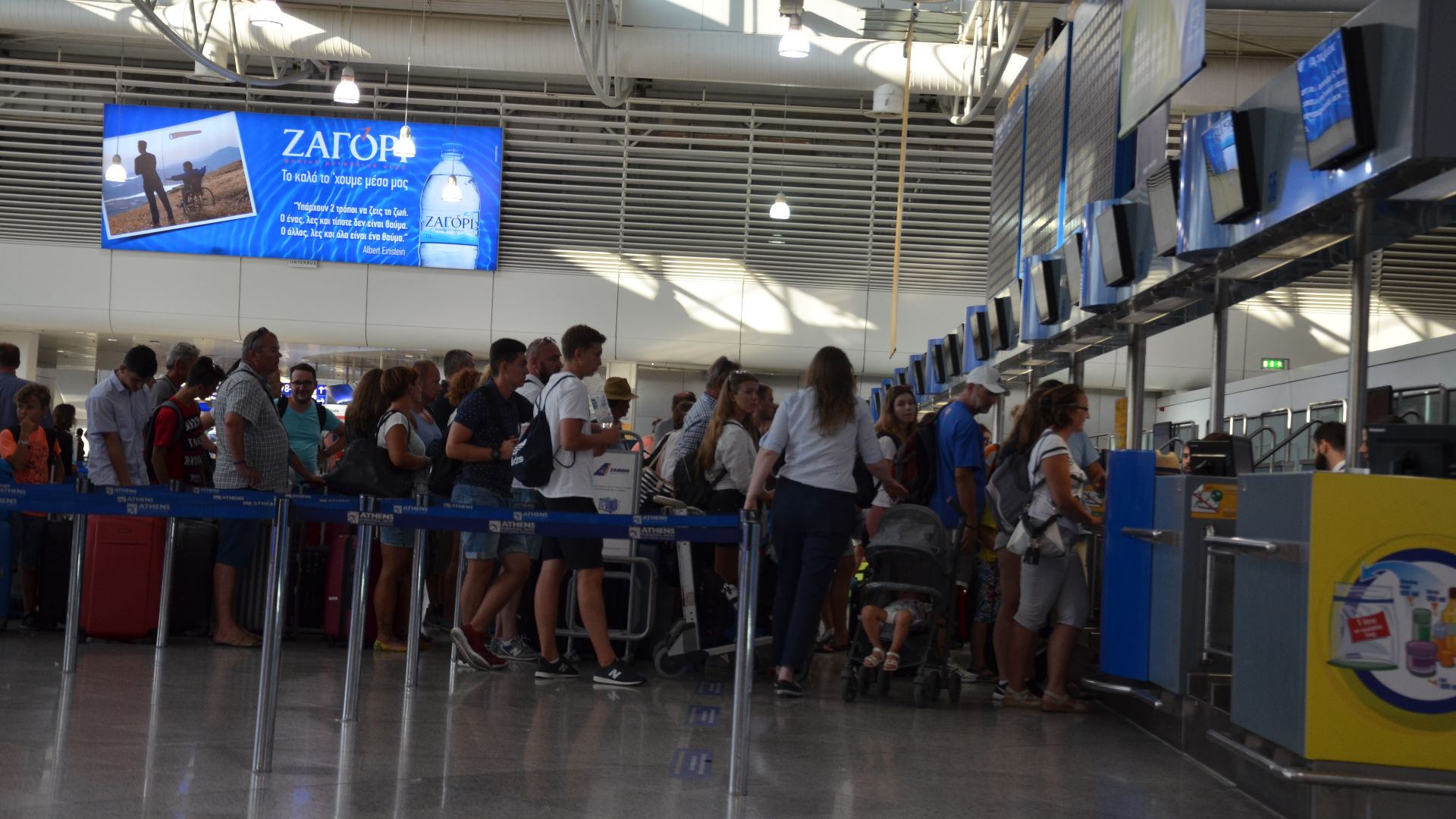
Overbooking is common practice now in the US and many other countries. It's a common occurrence for your airline to ask for volunteers to take a later flight in exchange for cash or a voucher for a later flight. But we're all waiting for that moment when not enough people raise their hands. Can they legally force you off?
Like everything with air travel these days, it's complicated.
First, Know The Two Big Categories
Airlines generally talk about “voluntary” and “involuntary” bumping. Voluntary means you agree to give up your seat for compensation. Involuntary means the airline denies you boarding even though you showed up on time and followed the rules.
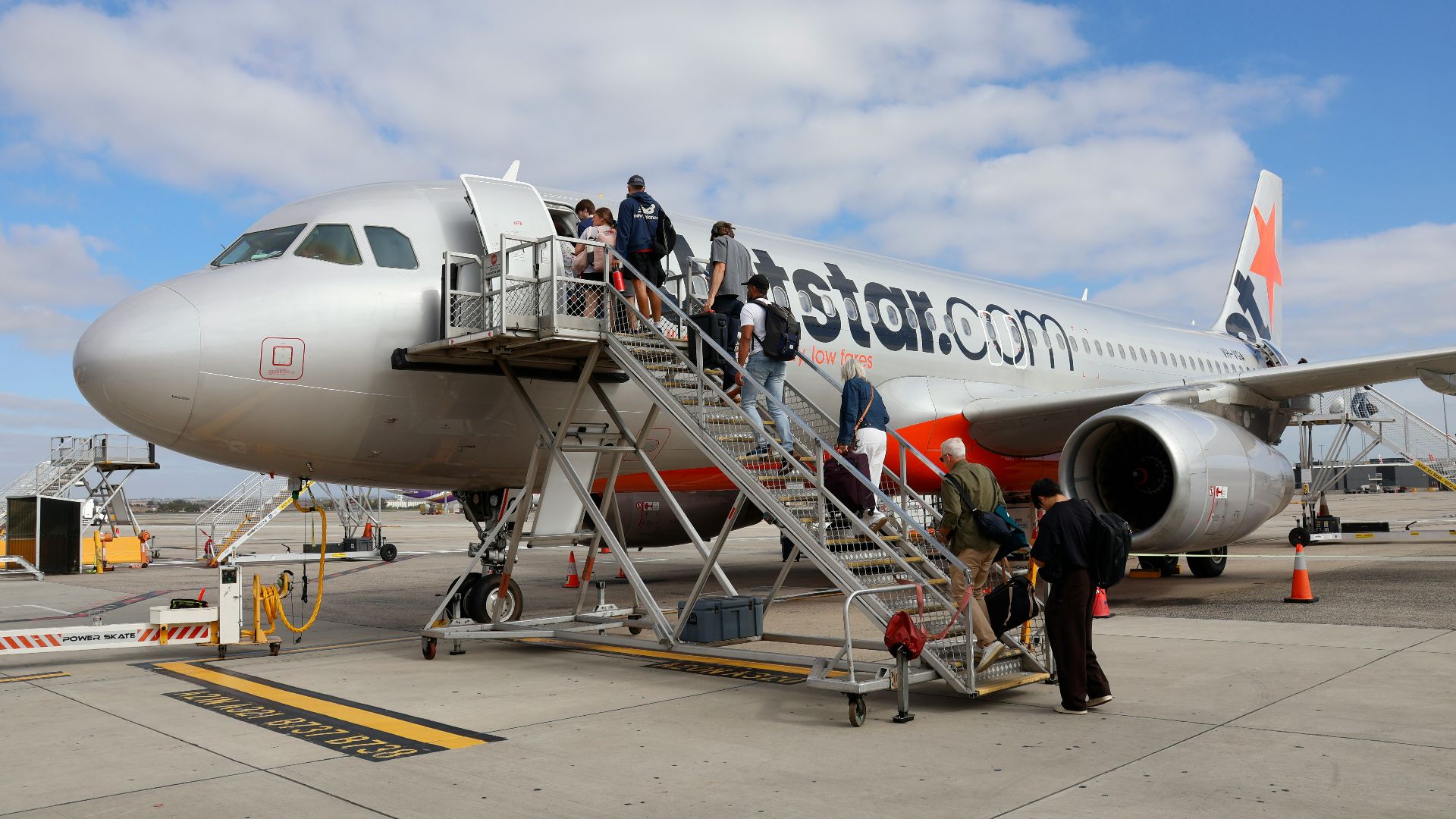
Overbooking Is Legal In The US
In the United States, airlines are allowed to overbook flights and sell more tickets than there are seats. That practice is part of how airlines manage no-shows. When more passengers show up than seats available, that is when the volunteer ask starts.
When Volunteers Are Not Enough
If the airline cannot get enough volunteers, it can move to involuntary denied boarding. That is the moment the situation shifts from “deal-making” to “rules and rights.” US Department of Transportation rules set specific requirements for what airlines must do next.
The Key Phrase: “Denied Boarding”
The DOT uses the concept of “denied boarding” to describe being bumped due to an oversold flight. This is different from being removed for behavior or safety reasons. It is also different from a cancelation or a big schedule change.
Can They Legally Force You Off?
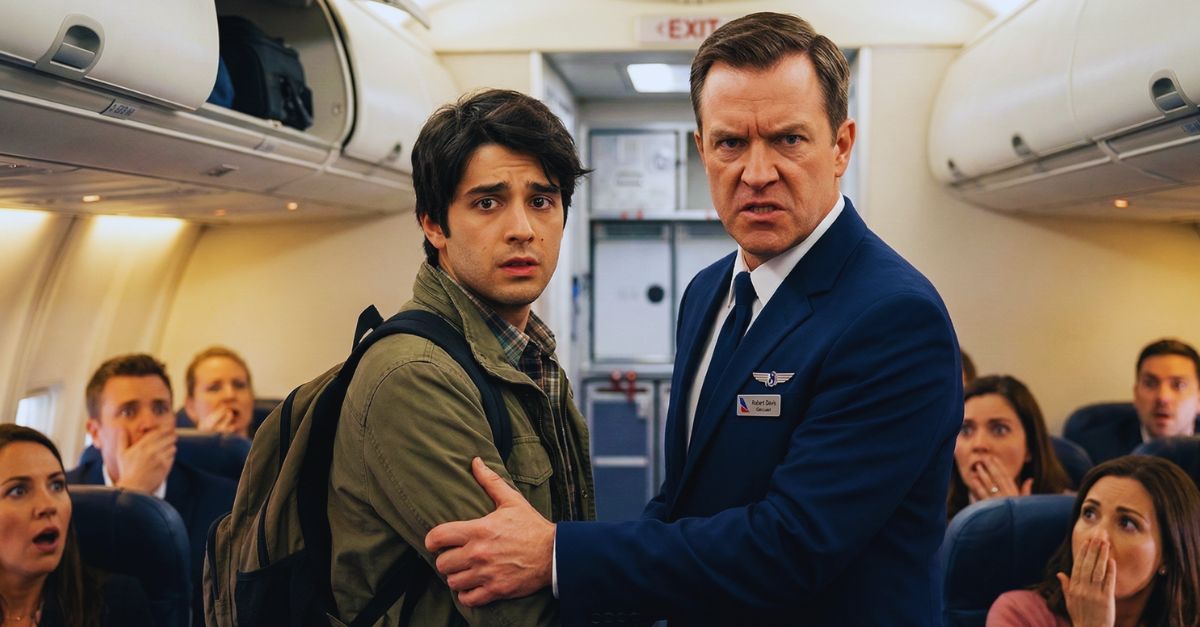
They can legally deny you boarding on an oversold flight, as long as they follow federal rules. Practically, this usually means you are stopped at the gate before you scan your boarding pass or before boarding is completed. Once you are seated, removal becomes a different situation with other policies and safety concerns in play.
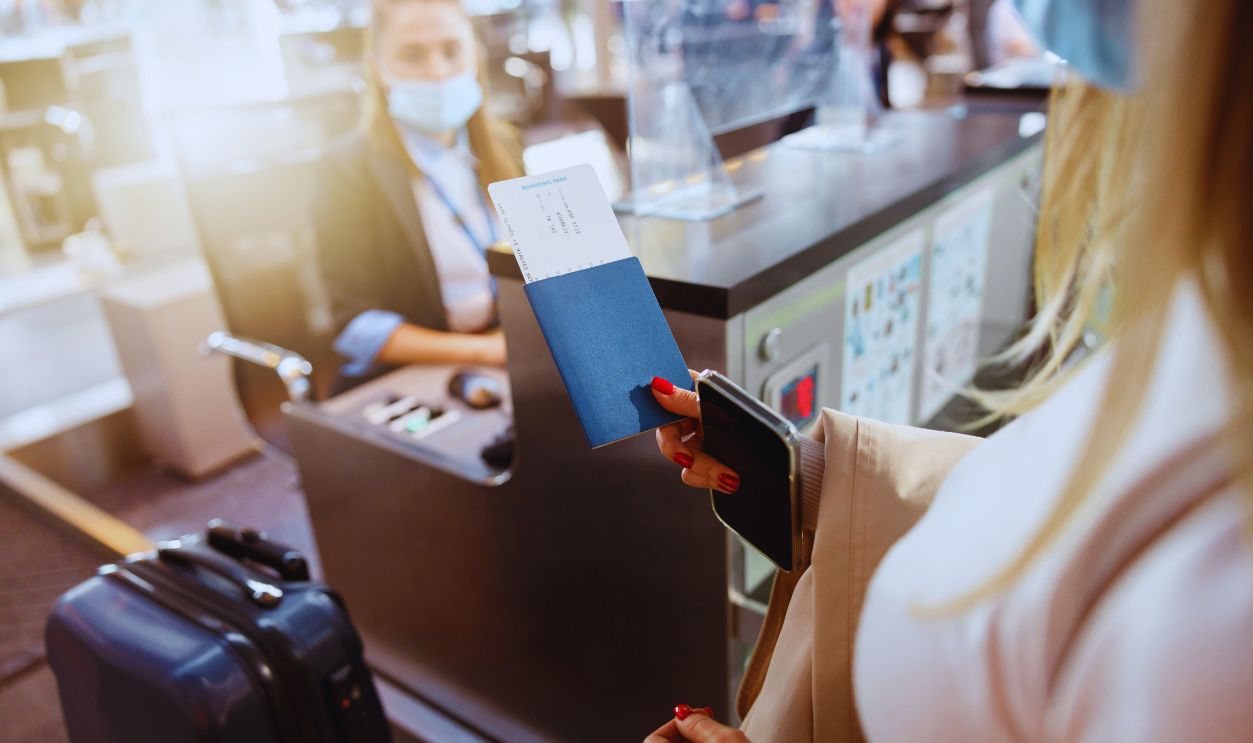
Boarding Pass In Hand Does Not Guarantee A Seat
A boarding pass is not an absolute guarantee you will fly if the airline oversold the flight. The DOT’s guidance explains that some passengers can be “bumped” even with a confirmed reservation. The protections come from compensation and rebooking rules, not from a promise that bumping can never happen.
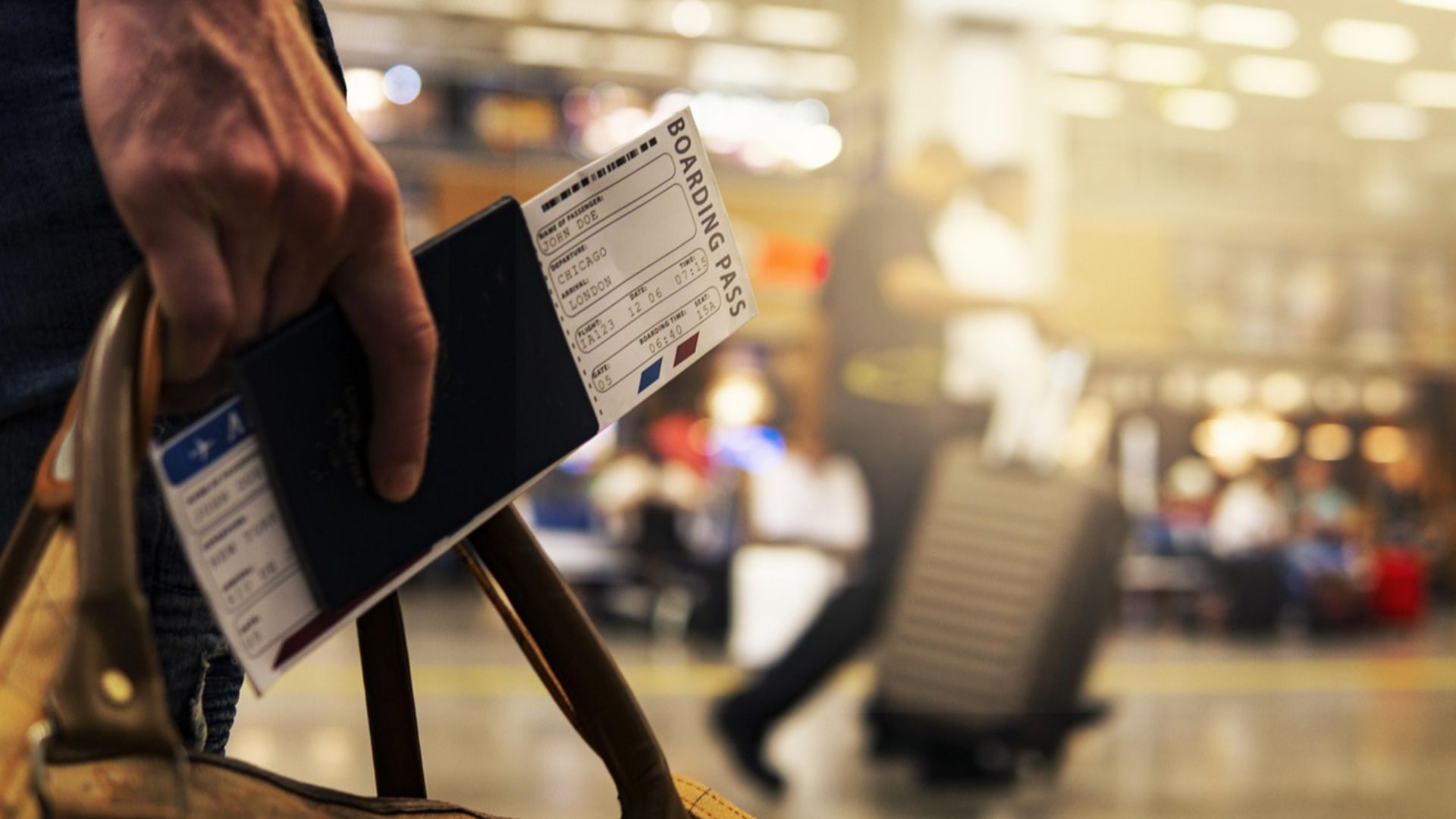
Who Gets Picked When People Get Bumped
Airlines set their own priority rules for who gets denied boarding first, as long as they are not illegal or discriminatory. Many carriers prioritize based on check-in time, fare type, loyalty status, or whether you are traveling on a basic economy ticket. Those details are often spelled out in the airline’s Contract of Carriage.
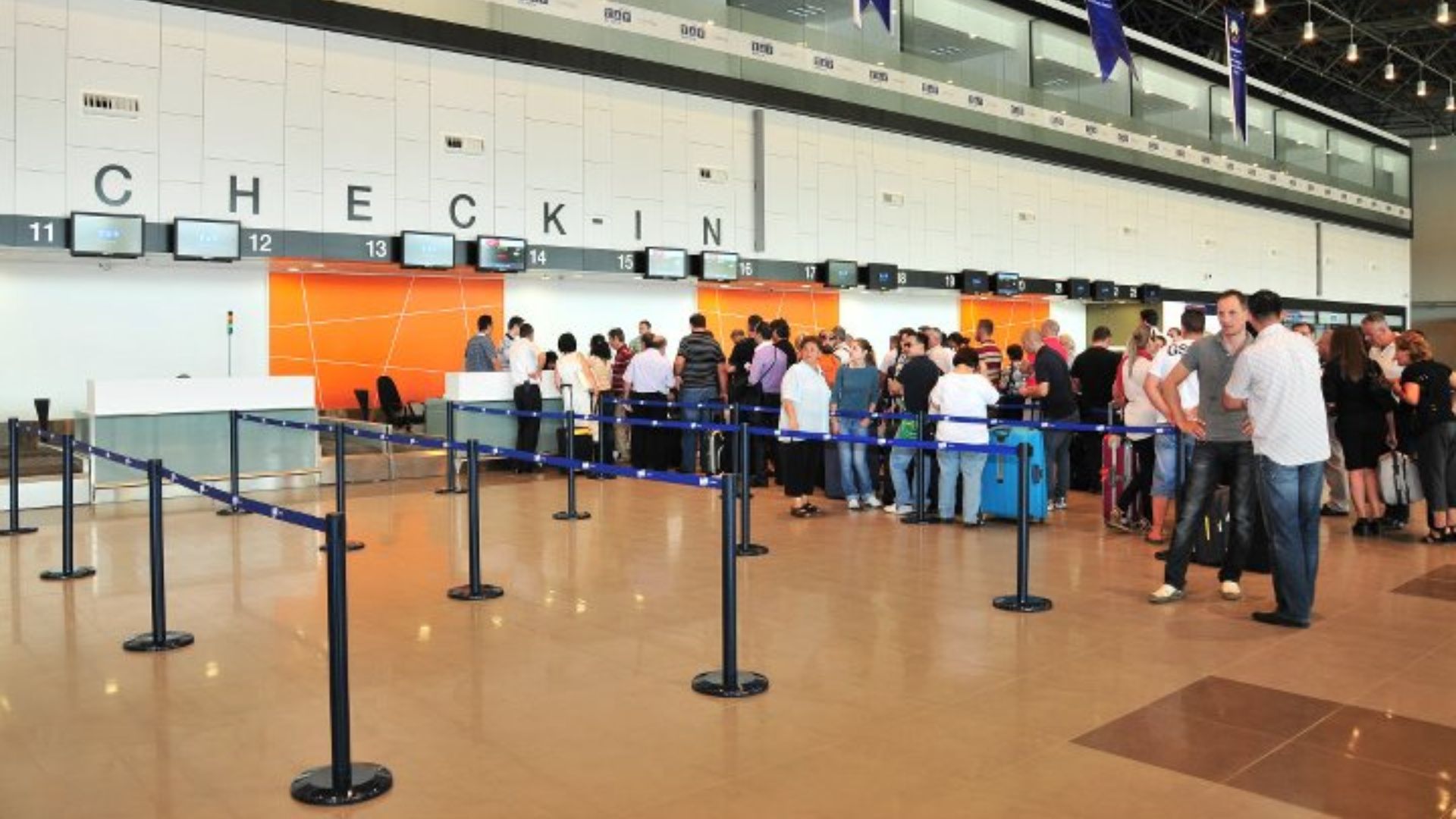
But There Are Exceptions And Protections
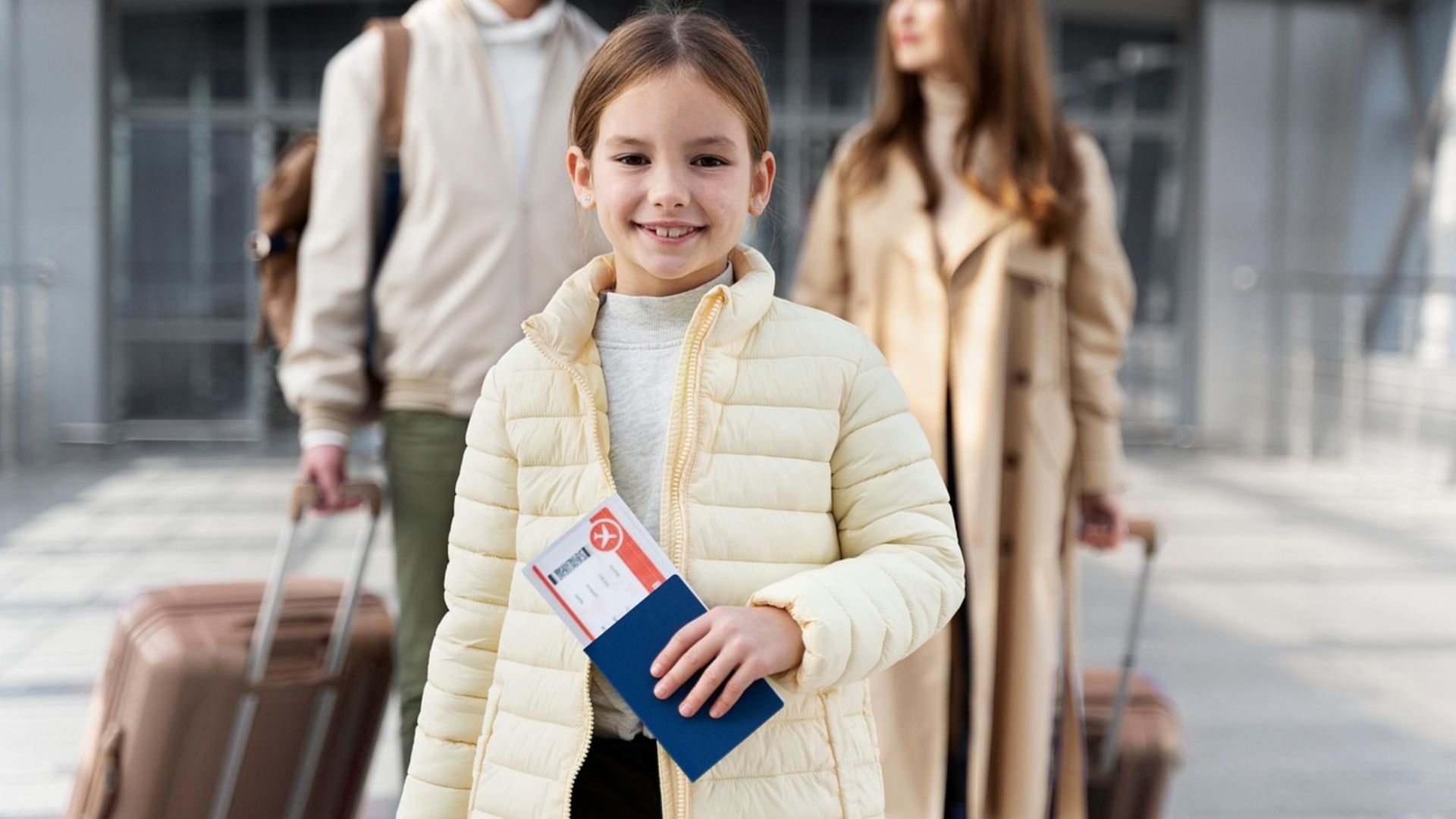
The DOT warns airlines not to bump certain travelers in ways that violate other laws, including disability rules. Airlines also commonly avoid bumping unaccompanied minors and may have additional internal restrictions. The exact list varies by airline and route.
The Compensation Rules Are Not Optional
For involuntary denied boarding in the US, airlines generally owe cash compensation if you are delayed beyond certain time thresholds. The DOT’s public guidance lays out the framework and the general dollar limits. Airlines cannot replace required cash compensation with a voucher unless you agree.

What Counts As A “Delay” For Compensation
The compensation amount depends on how late you arrive at your final destination compared with your original schedule. It is not just about how late the replacement flight departs. Your arrival time is what matters for the DOT’s denied boarding compensation formula.
Why Some People Get Nothing
Not every involuntary bump leads to compensation. If the airline can rebook you and get you to your destination within the DOT’s stated time window, the required cash compensation can be zero. Also, if you volunteer, the DOT’s involuntary compensation rules do not apply.
International Itineraries Can Change The Math
The US denied boarding compensation rules apply to flights departing from US airports, including many international departures. For flights departing the European Union, a different set of rules may apply under EU air passenger rights. Always check the departure country because it often controls which rules apply.
Europe Has Its Own Playbook
In the EU, denied boarding is covered by Regulation (EC) No 261/2004, often called EU261. It requires airlines to seek volunteers first and then compensate and assist passengers who are denied boarding against their will. The regulation applies to flights departing from the EU, and to flights into the EU on EU-based airlines.
Denied Boarding Versus “Removal” Mid-Trip
Travelers often use “kicked off” for many different scenarios, but the legal treatment can differ. Being denied boarding because of an oversale is one thing. Being removed for safety, conduct, or refusing crew instructions is another, and compensation rules can be different.

One Moment Matters A Lot: The Aircraft Door
Most oversales problems are resolved at the gate, not after passengers are seated. If an airline truly needs a seat after boarding, it typically tries to solve it before the aircraft door closes. That is partly because once a flight is underway, security and safety rules drive the response.
Practical Tip: Ask This Before You Volunteer
If you are thinking about volunteering, ask for the exact offer in writing if possible. Ask what flight you will be confirmed on, not “standby,” and whether the airline will cover meals or a hotel if an overnight is required. Also ask whether your original fare rules will be protected.
If You Do Not Volunteer, Do This Immediately
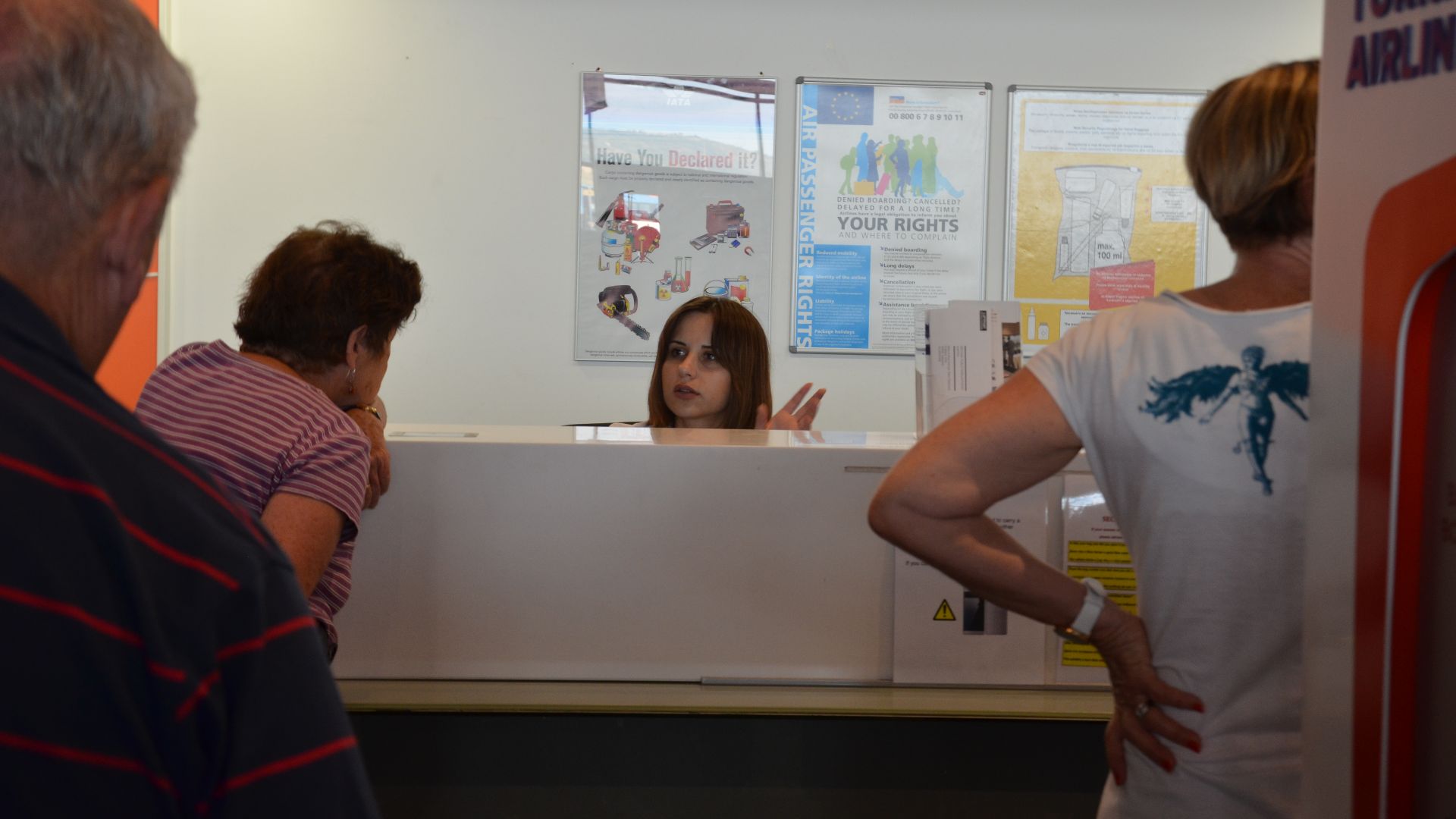
If you are involuntarily denied boarding, ask the gate agent to confirm in writing that it was due to oversales. Ask for the airline’s written statement of your rights, which US carriers are required to provide in this situation. Then document your original itinerary and the new arrival time.
 Frame Stock Footage, Shutterstock
Get Clear On Cash Versus Vouchers
Airlines often start with vouchers because they are flexible for the carrier, not because they are better for you. The DOT guidance is clear that when cash compensation is owed for involuntary denied boarding, you can request cash or equivalent. Vouchers can be fine if the amount is high and you will realistically use them.

Watch The Fine Print On Vouchers
Voucher offers can have blackout dates, expiration windows, and limits on who can use them. Some are usable only on the issuing airline and not on partners. Before you accept, ask how long the credit lasts and whether it can be used for someone else.

Rebooking Rights Often Matter More Than The Money
If you have time-sensitive plans like a wedding or a cruise boarding window, rebooking quality may be the real prize. Ask if the airline can book you on another airline, not just its own next flight. Some airlines do this more readily than others, and policies can shift during irregular operations.
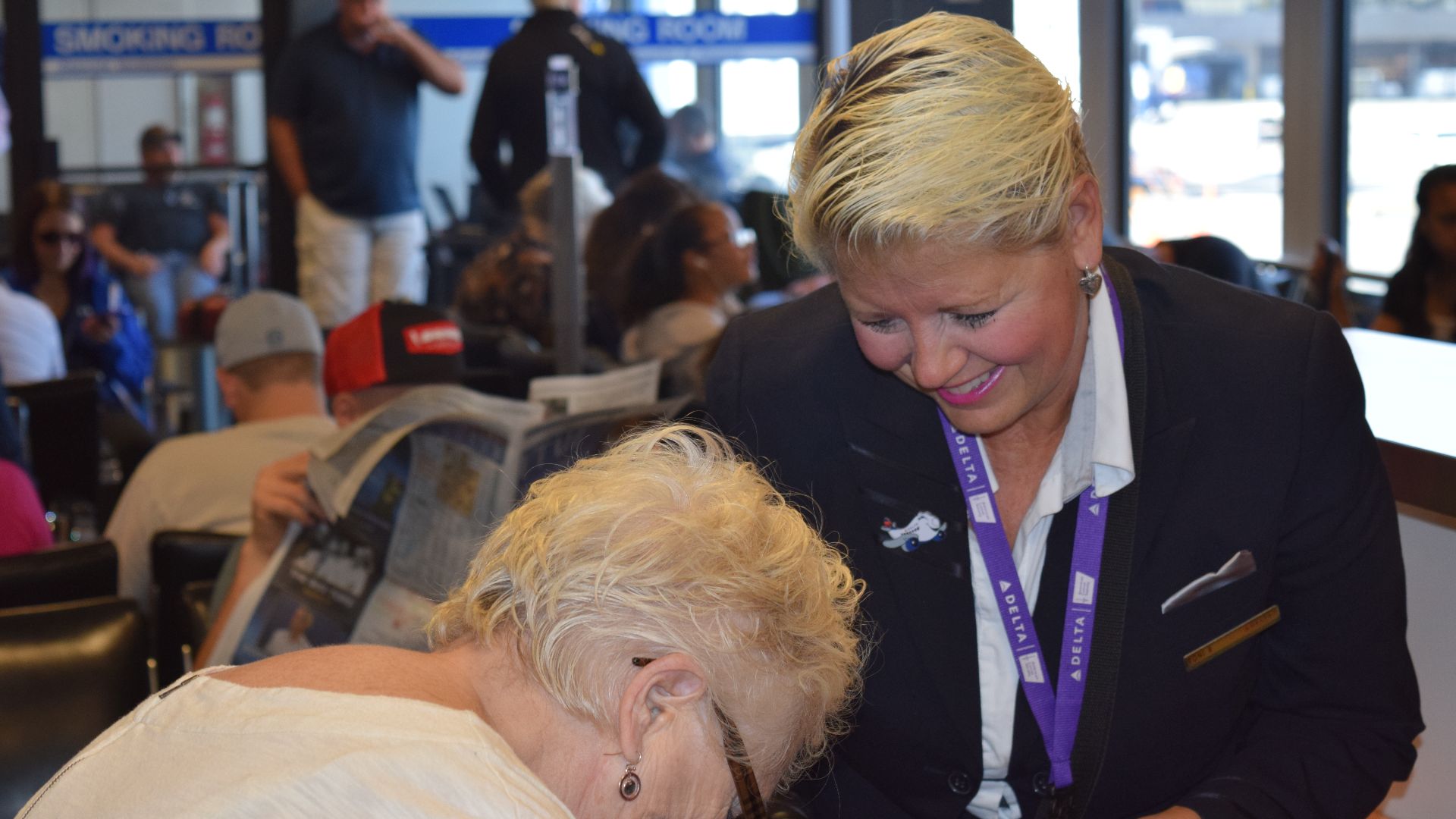 Delta News Hub, Wikimedia Commons
Why Gate Agents Ask Early
The sooner airlines solve an oversale, the less chaotic it gets. Finding volunteers early gives the airline more options to reroute and protect connections. It also reduces the odds of a last-minute scramble where fewer alternatives exist.
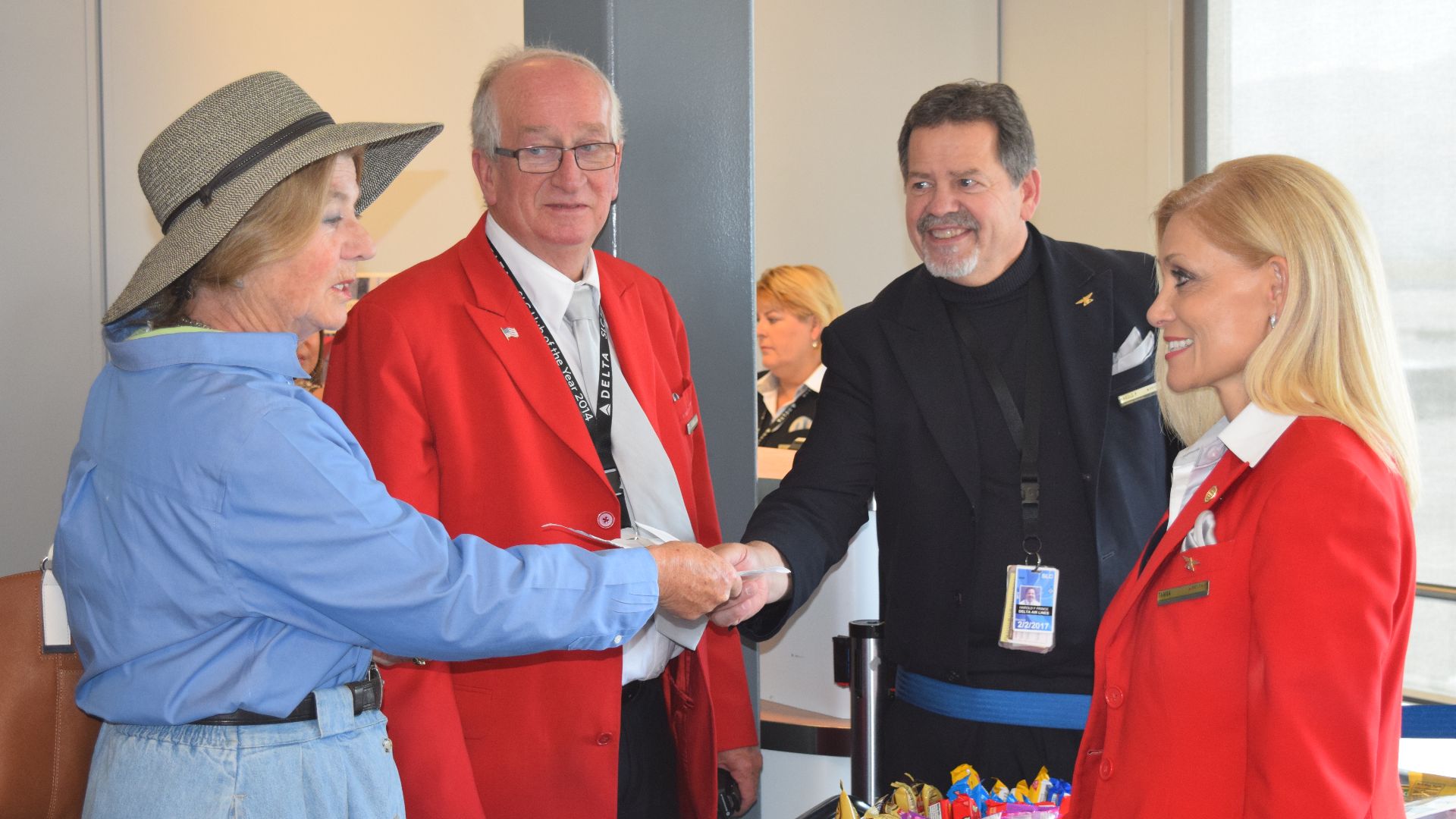 Delta News Hub, Wikimedia Commons
How To Improve Your Odds Of Not Being Bumped
Check in as early as possible and arrive at the gate early. Avoid the very last boarding group when you can, since some airlines prioritize earlier check-ins and higher fare classes. If you are on a tight schedule, consider booking earlier flights in the day to leave recovery time.
When You Might Actually Want To Volunteer
Volunteering can be a smart move if you are flexible and the offer is strong. You can sometimes negotiate for a higher voucher, a confirmed seat on a specific flight, lounge access, or a hotel. The main rule is to trade your seat only when the replacement plan works for your life.
If The Airline “Forces People Off,” What Should You Ask?
Ask whether this is an oversale denied-boarding situation, or something else like a weight and balance limit or an aircraft swap. Different situations can lead to different compensation and assistance. The DOT’s bumping guidance is focused on oversales, so the reason matters.

Filing A Complaint Can Move Things Along
If you believe the airline did not follow the rules, you can file a complaint with the airline and with the DOT. The DOT tracks complaints and can take enforcement action. Keep your receipts, boarding pass, and written rebooking details to support your claim.

The Bottom Line For Travelers
Yes, airlines can legally deny boarding when a flight is oversold if they follow the rules that protect passengers. The key is whether you volunteered, and if not, whether the airline properly compensated you and provided your rights information. If you know the questions to ask at the gate, you can turn a stressful moment into a decision you control.