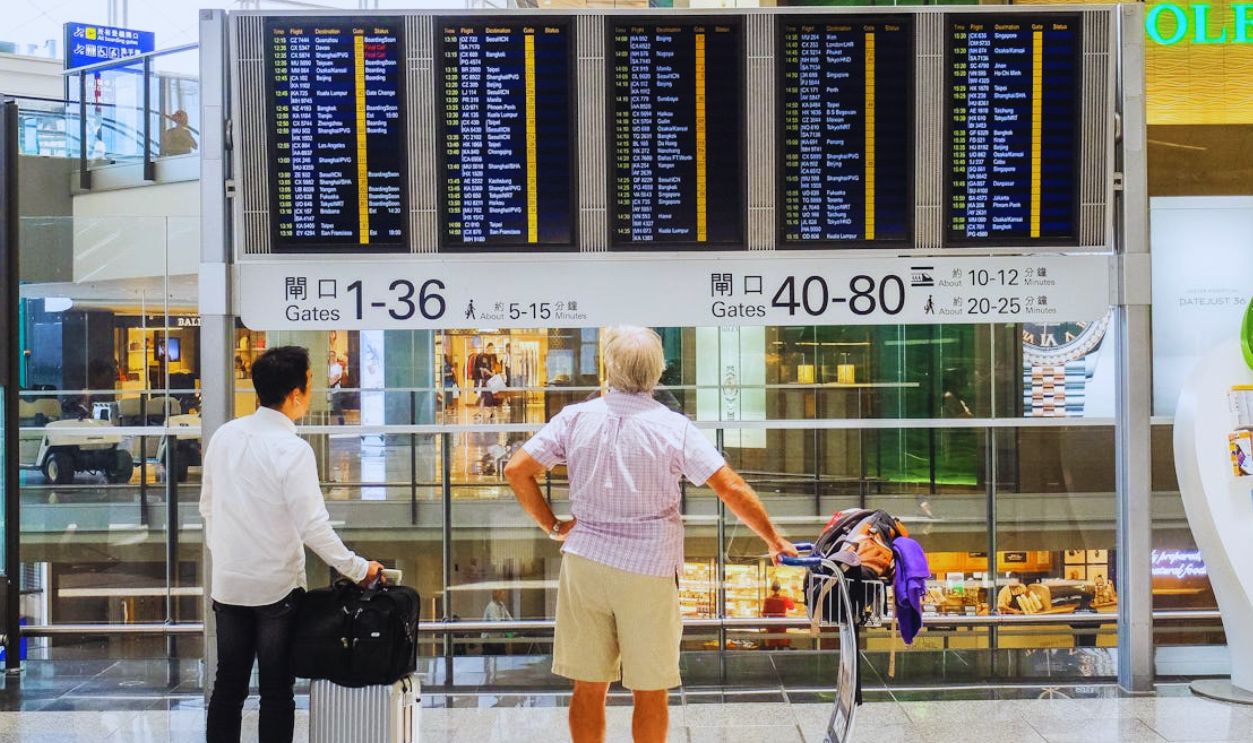
The Gut Punch Of A Two-Day Delay
You get to the airport, your flight gets canceled, and the airline calmly puts you on a new one two days later—after the wedding has already happened. It sounds outrageous. But in many cases, yes, the airline may be allowed to do that without paying cash compensation, depending on where you’re flying and why the cancellation happened.
The First Thing To Know
There is no single set of air passenger rights that applies everywhere. The answer changes depending on whether your trip falls under U.S. Department of Transportation rules, European Union rules, or another country’s laws. That’s why two travelers with very similar canceled flights can end up with very different rights.
 Nicoleta Ionescu, Shutterstock
In The United States, Compensation Is Limited
In the U.S., airlines usually do not have to compensate passengers when a flight is canceled or seriously delayed. The U.S. Department of Transportation says passengers are entitled to a refund if they choose not to travel and do not accept rebooking. That is very different from automatic cash compensation for the hassle.
Refund Versus Rebooking Is The Key Split
If an airline cancels your flight and you decide not to take the replacement flight, the DOT says you are owed a prompt refund for the canceled flight. That includes the ticket price and certain fees for services you did not receive. But if you accept the new flight, that usually does not trigger compensation under U.S. rules.
A Two-Day Rebooking Can Still Be Legal
That is the part that catches travelers off guard. In the U.S., an airline can often rebook you much later if that is the next available option, especially during storms, crew shortages, aircraft issues, or other disruptions. Unless the airline’s own policies promise more, federal law usually does not require a payout just because the new departure is two days later.
What The DOT Actually Says
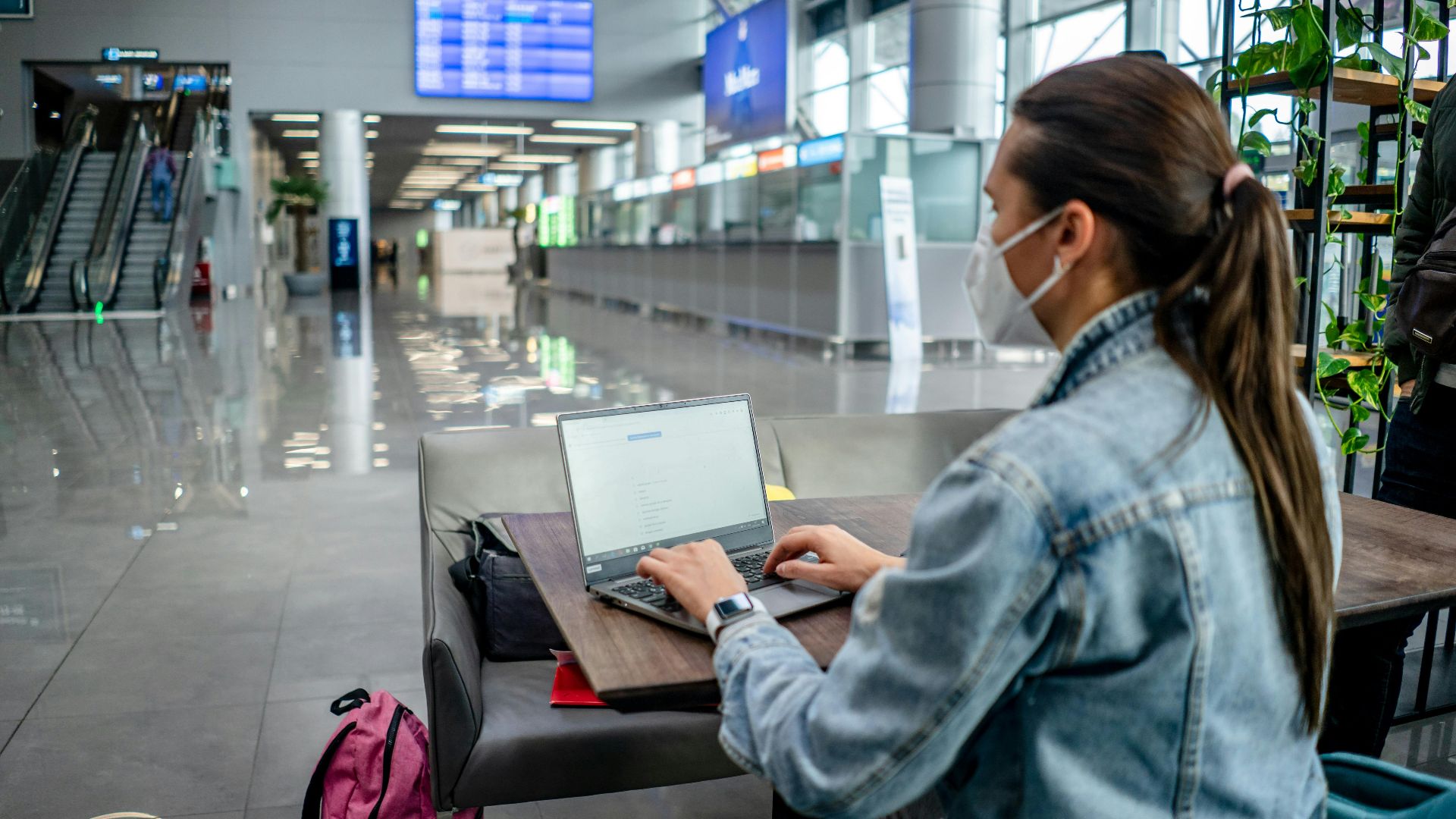
The DOT’s consumer guidance is pretty clear. If your flight is canceled and you choose not to travel, you are owed a refund, even if the ticket was nonrefundable. If you accept alternate transportation instead, your rights usually shift away from a refund and toward whatever service commitment the airline has published.

There Is One Big U.S. Exception People Mix Up
Many travelers have heard that airlines must pay for delays, but that usually refers to denied boarding from oversales, not regular cancellations. The DOT requires compensation in some involuntary bumping cases. That rule does not automatically apply when your flight is canceled outright.
 Frame Stock Footage, Shutterstock
The Airline Customer Service Dashboard Matters
In the U.S., the DOT keeps an Airline Customer Service Dashboard showing which major airlines commit to meals, hotel stays, and ground transportation during controllable cancellations or delays. These are airline promises, not broad federal compensation laws. Still, they can mean the difference between sleeping in the terminal and getting a hotel room.
Controllable Versus Uncontrollable Changes Everything
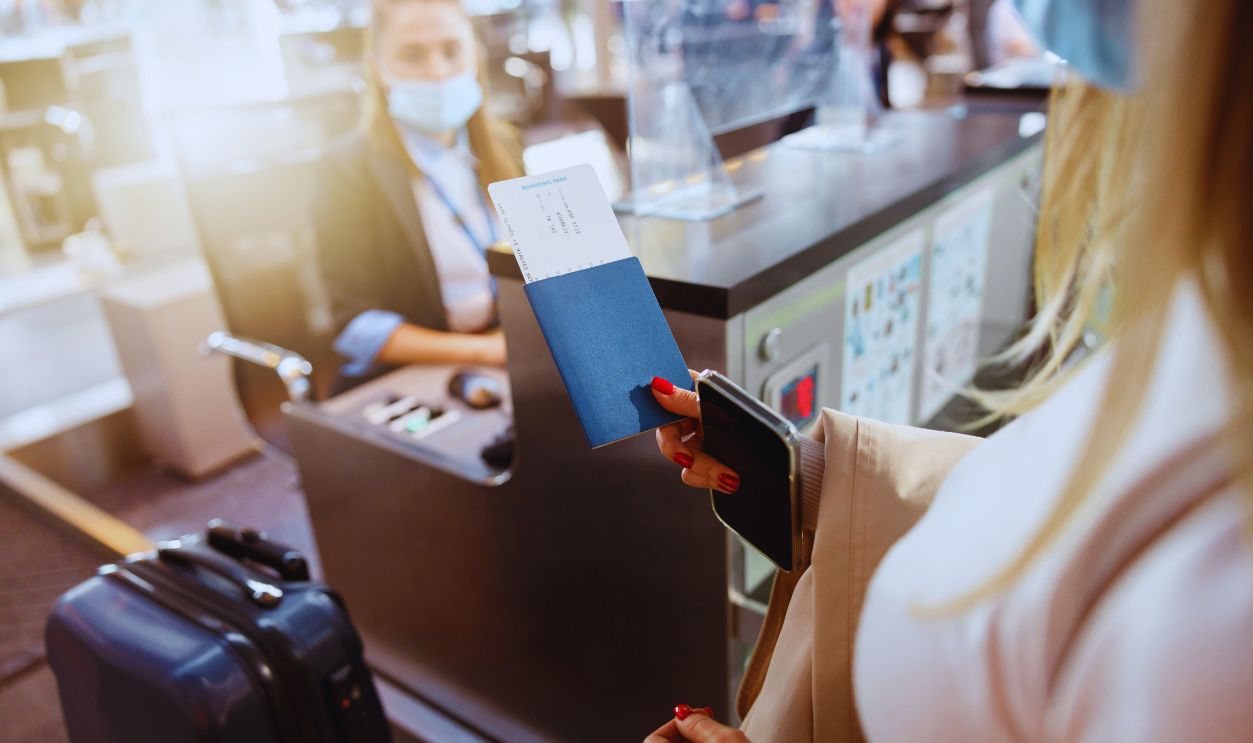
Airlines and regulators often divide disruptions into controllable and uncontrollable categories. Weather, air traffic control problems, and some airport limits are usually treated as outside the airline’s control. Maintenance issues and some crew-related problems may be treated as controllable under airline policies, which can unlock meal or hotel help even when cash compensation is not required.

If You Were Stranded Overnight, Ask About Hotels
If the cancellation forces you to stay overnight, the DOT dashboard can help you see whether your airline has committed to hotel accommodation for a controllable disruption. Some major U.S. airlines also promise meal vouchers and transportation to and from the hotel. That is not the same as compensation, but it can save you a lot of money fast.
 Monkey Business Images, Shutterstock
Europe Is Far More Passenger-Friendly
If your trip departed from the EU, or in some cases was operated into the EU by an EU or U.K. carrier, the legal picture can look a lot better for passengers. Under EU rules, canceled flights can trigger rerouting, refunds, care such as meals and hotel stays, and sometimes cash compensation. Those rights are set out in Regulation EC 261/2004 and explained by the European Commission.
Cash Compensation In Europe Can Be Real
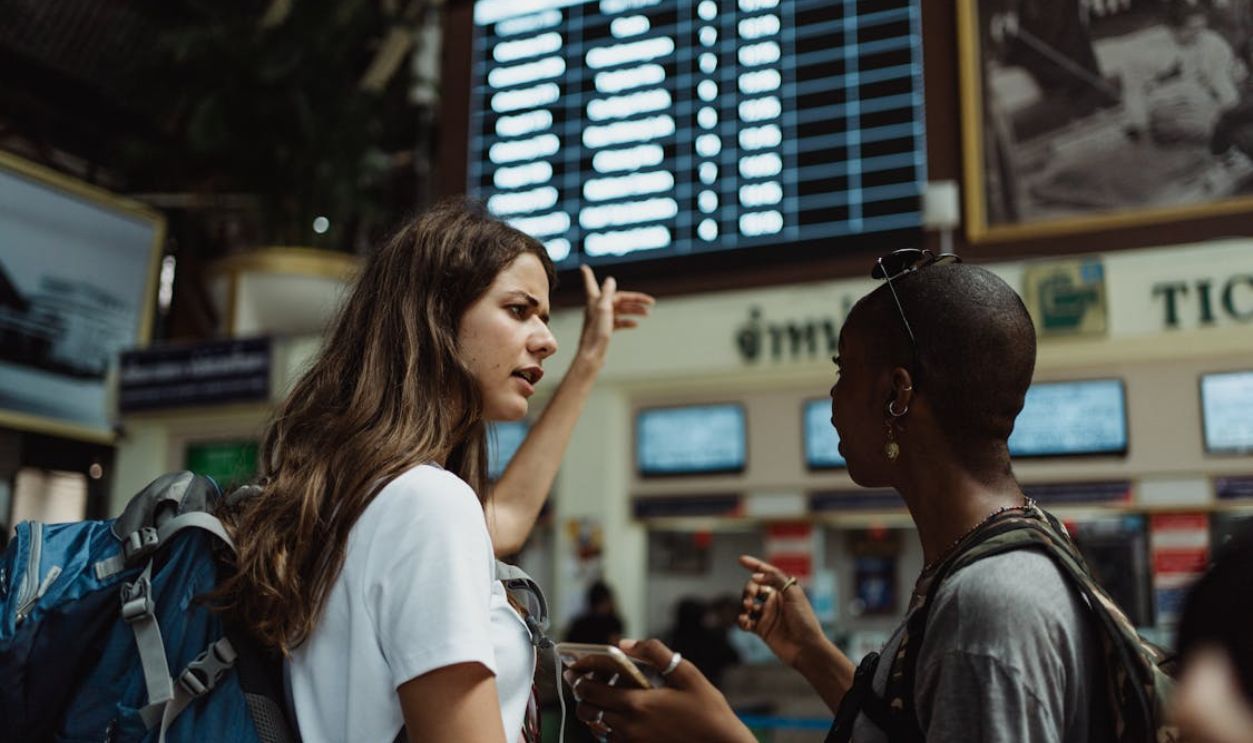
Under EU 261, passengers may be entitled to compensation of 250, 400, or 600 euros depending on flight distance, unless the airline can show extraordinary circumstances or gave enough advance notice. That is why a two-day rebooking in Europe can cost the airline much more than it would in the U.S. The details matter, especially the route, notice period, and reason for cancellation.
Extraordinary Circumstances Are The Airline Escape Hatch
EU law does not make compensation automatic in every cancellation. Airlines may avoid paying compensation if the disruption was caused by extraordinary circumstances that could not have been avoided even if all reasonable measures had been taken. The European Commission’s passenger-rights guidance goes over examples and limits.
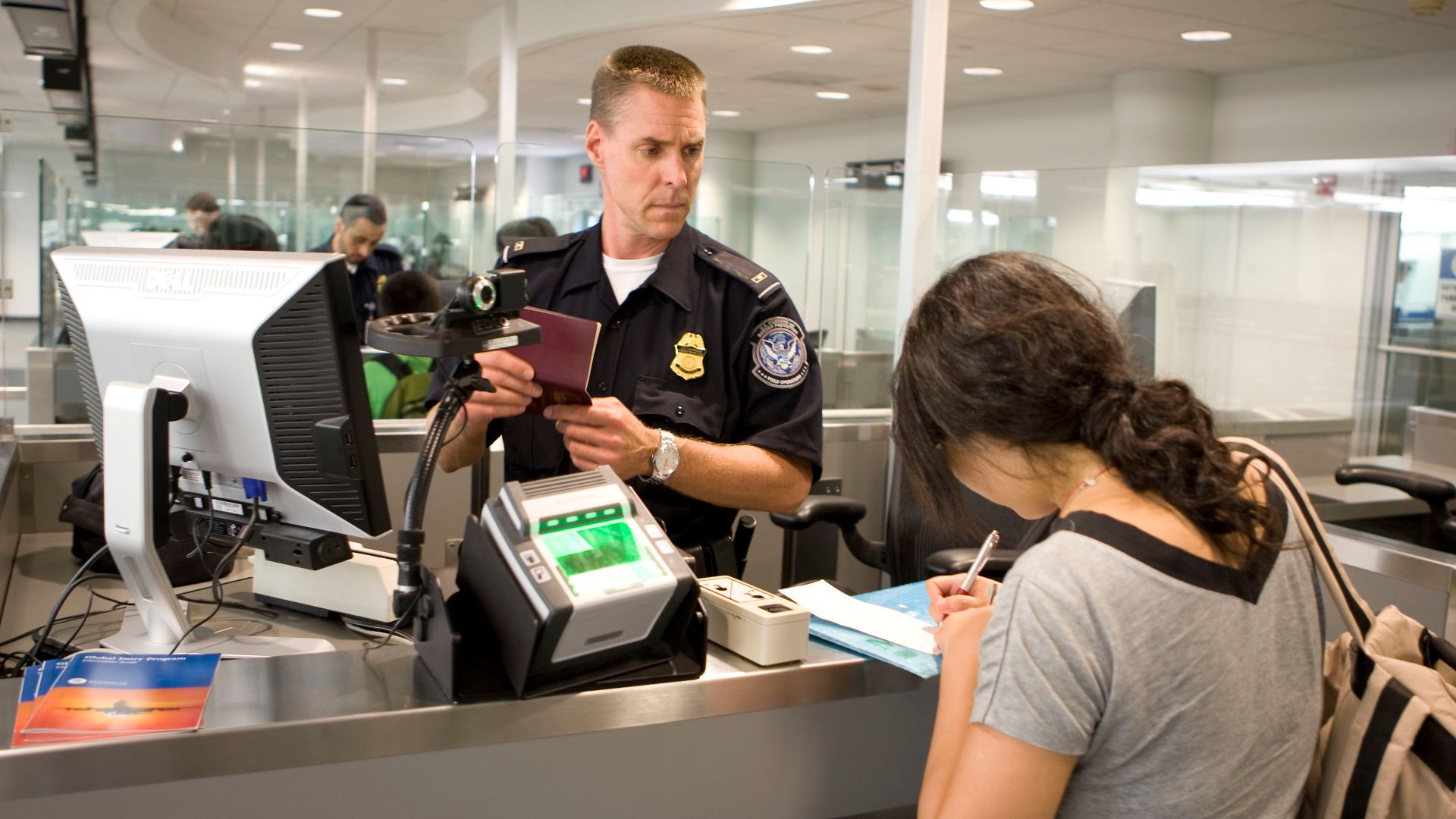 CBP Photography, Wikimedia Commons
But Care Obligations Still Usually Apply In Europe
Even when compensation is not owed under EU rules, airlines generally still must offer care while you wait. That can include meals, refreshments, hotel accommodation when needed, and transportation between the airport and hotel. So a two-day rebooking with no hotel or meal help raises a much bigger red flag in Europe than it usually does in the U.S.
Rerouting Rights Can Be More Powerful Than You Think
EU rules say passengers can choose between reimbursement and rerouting under similar conditions. In some cases, if the airline cannot get you to your destination within a reasonable time, passengers may have a stronger argument for alternative transportation. The real-world result can still get messy, but the legal starting point is much stronger than most U.S. travelers expect.

The United Kingdom Has Similar Rules
After Brexit, the U.K. kept a version of these passenger-rights protections. The U.K. Civil Aviation Authority says passengers may be entitled to a refund or an alternative flight, care and assistance, and sometimes compensation. So if your canceled flight involved the U.K., do not assume the looser U.S. approach applies.
Canada Also Has Defined Passenger Rights
Canada’s Air Passenger Protection Regulations create duties for airlines when flights are canceled or delayed, though the details differ based on airline size and the reason for the disruption. The Canadian Transportation Agency says travelers may be owed standards of treatment, rebooking, and in some cases compensation. A two-day delay there deserves a close look, not a shrug.
Why So Many Travelers Feel Misled
Part of the confusion comes from the word compensation itself. Airlines may offer a refund, a travel credit, a hotel, meal vouchers, or a later flight, but those are not all the same thing legally. Many passengers hear “we rebooked you” and assume that means the airline has done everything it had to do, which is not always true.
The Date That Changed Refund Rules In The U.S.
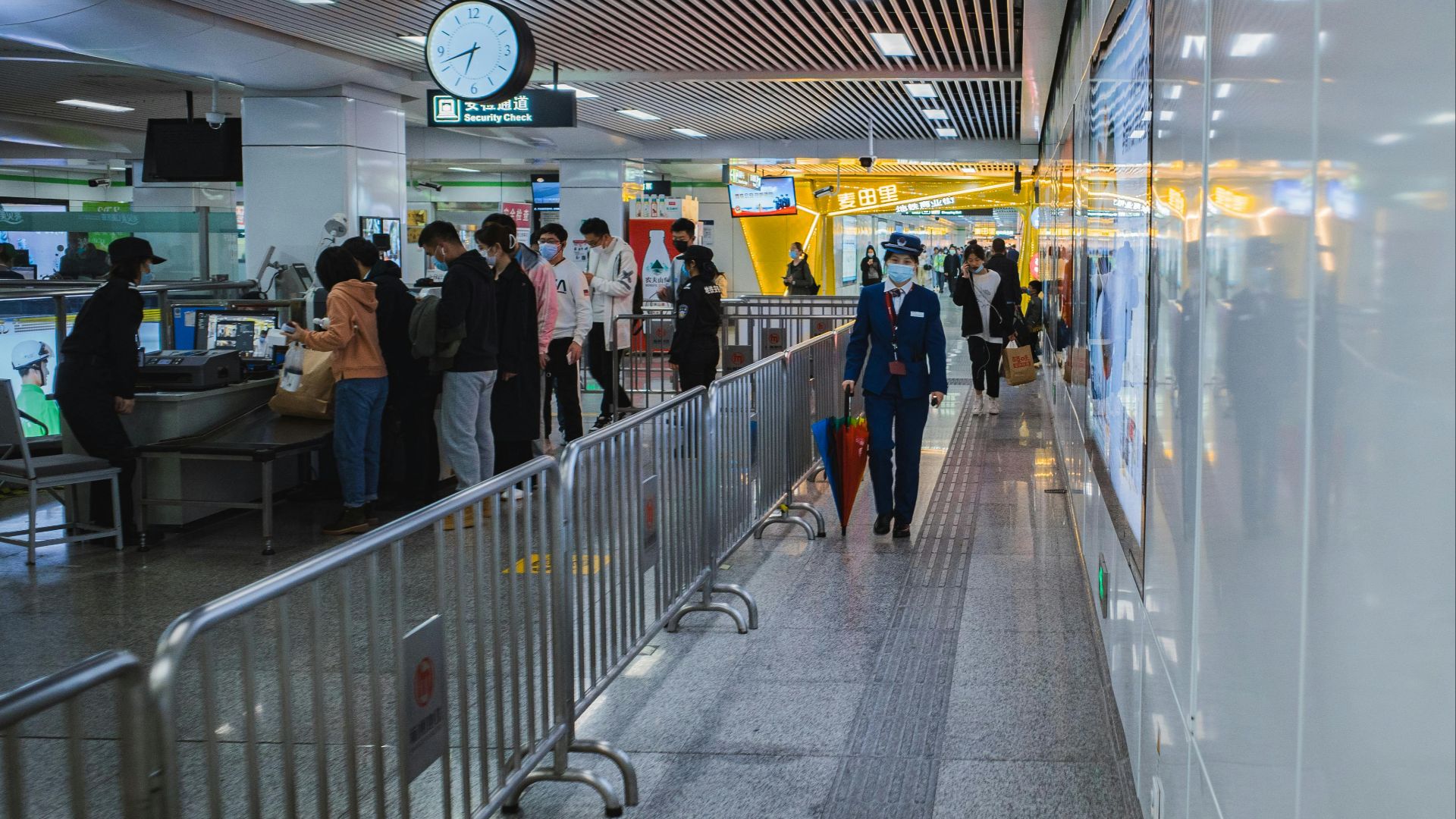
The DOT sharpened its refund rules in recent years after pandemic-era disruption exposed widespread confusion. The agency now clearly says that a canceled flight triggers a right to a prompt refund if the passenger does not accept the alternative offered. That matters because airlines once pushed vouchers or credits when cash refunds were legally required.

If You Accepted The Rebooking, You May Still Have Options
Taking the new flight does not always end the story. You may still be able to claim reimbursement for meals, hotels, or ground transportation under the airline’s own policy if the disruption was controllable. Credit card travel protections or travel insurance may also help cover costs the airline refuses to pay.
 CBP Photography, Wikimedia Commons
Check The Airline’s Contract Of Carriage
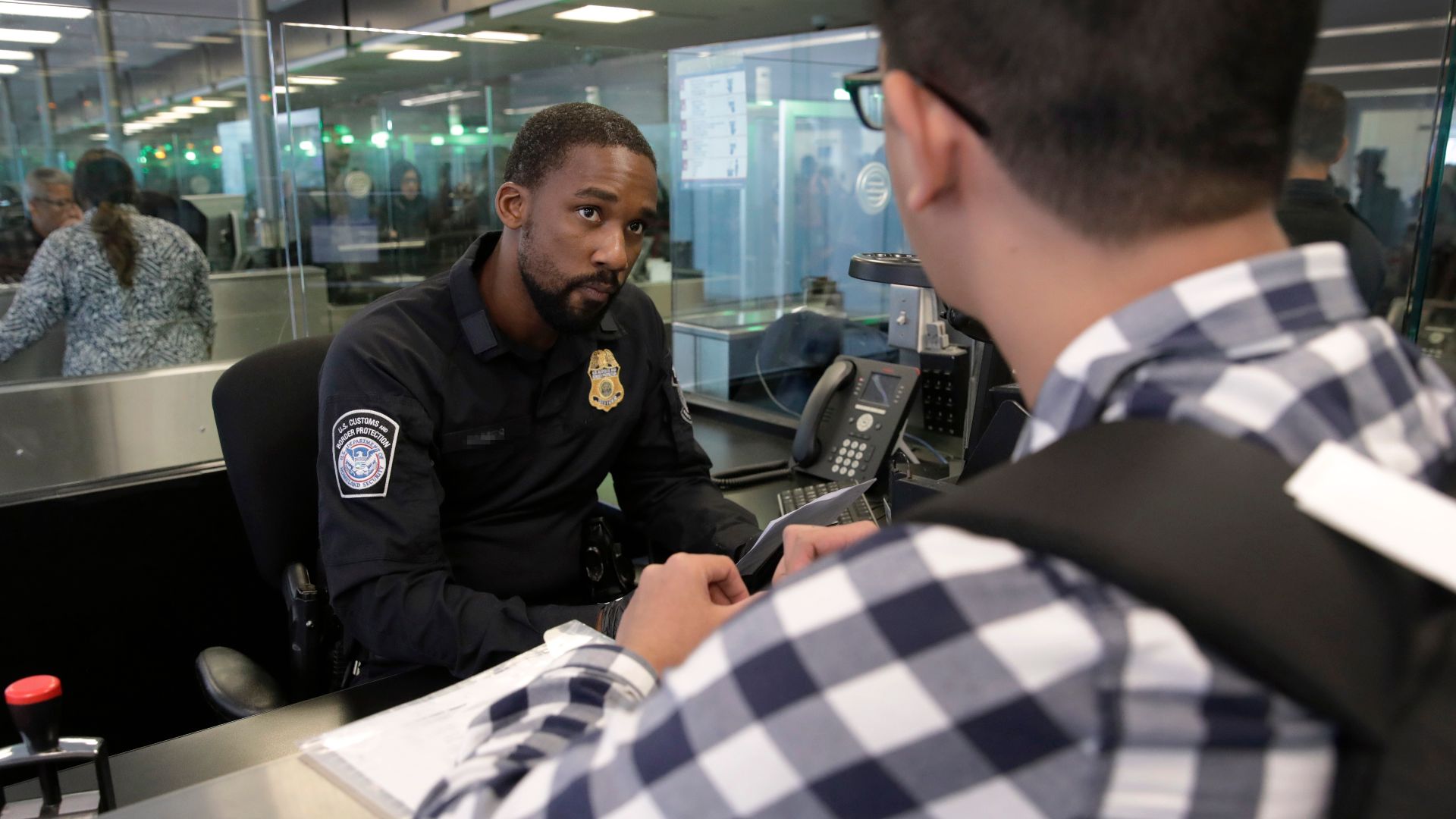
Every airline publishes a contract of carriage, and it can matter more than people think. It often explains what the airline promises during delays and cancellations, including whether it will arrange hotels or meals in certain situations. If a gate agent says no, the contract can give you something solid to point to.
Document Everything Before You Leave The Airport
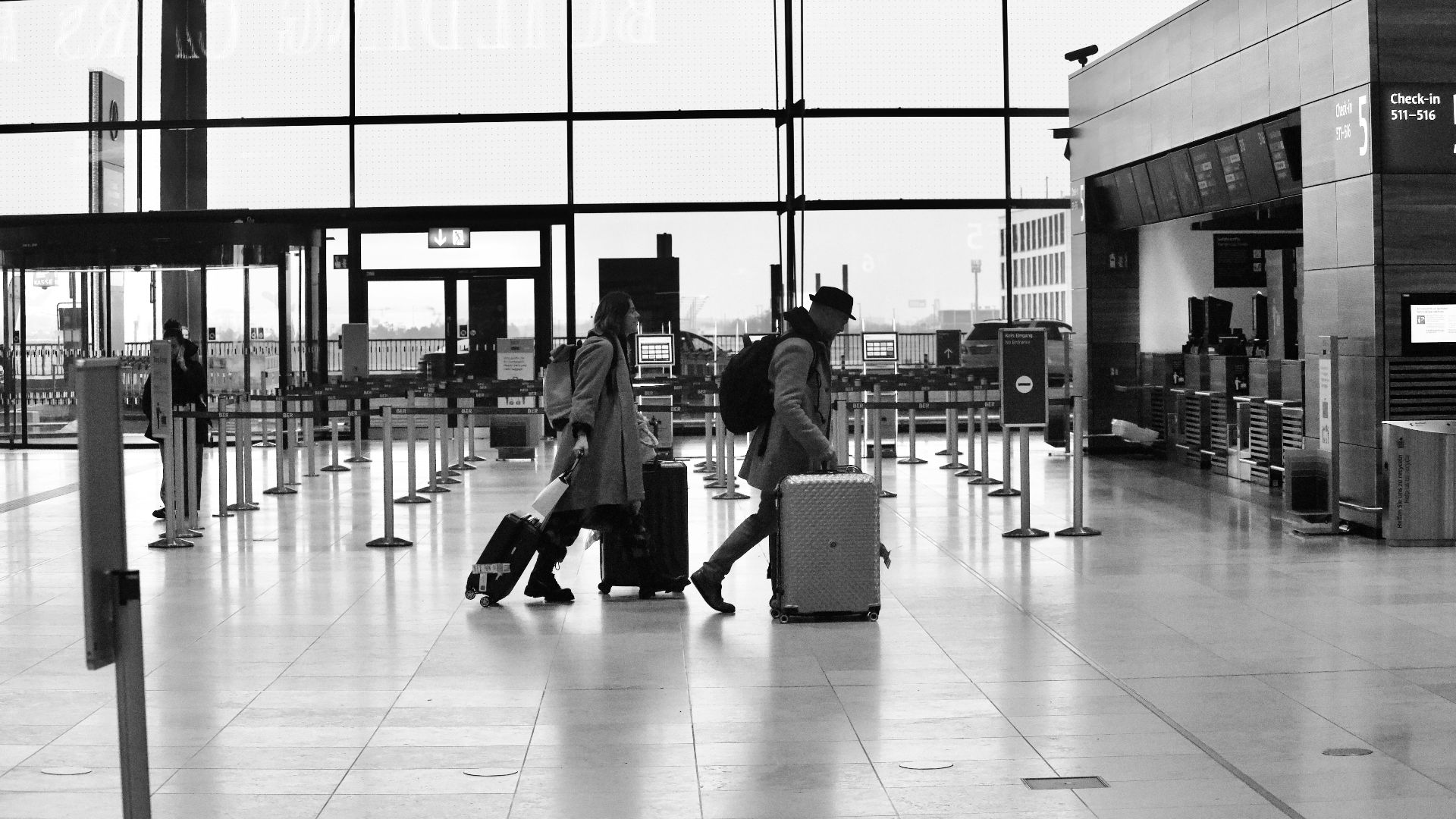
Save your cancellation notice, boarding pass, receipts, and any text or email showing the new departure date. Take screenshots of app messages in case they disappear later. If you end up filing a complaint or reimbursement request, those records can be the difference between a quick resolution and a dead end.
Ask One Crucial Question At The Desk
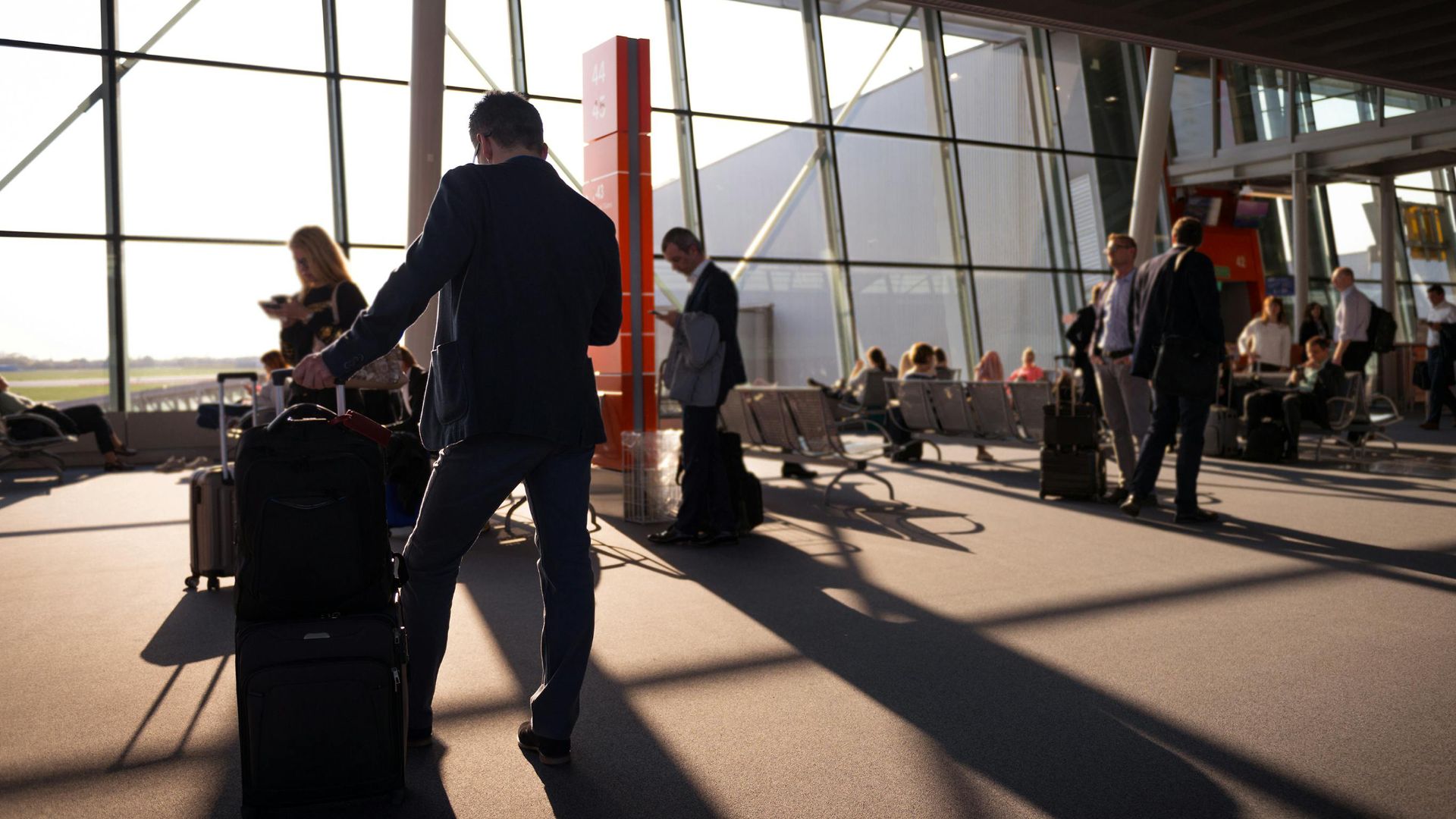
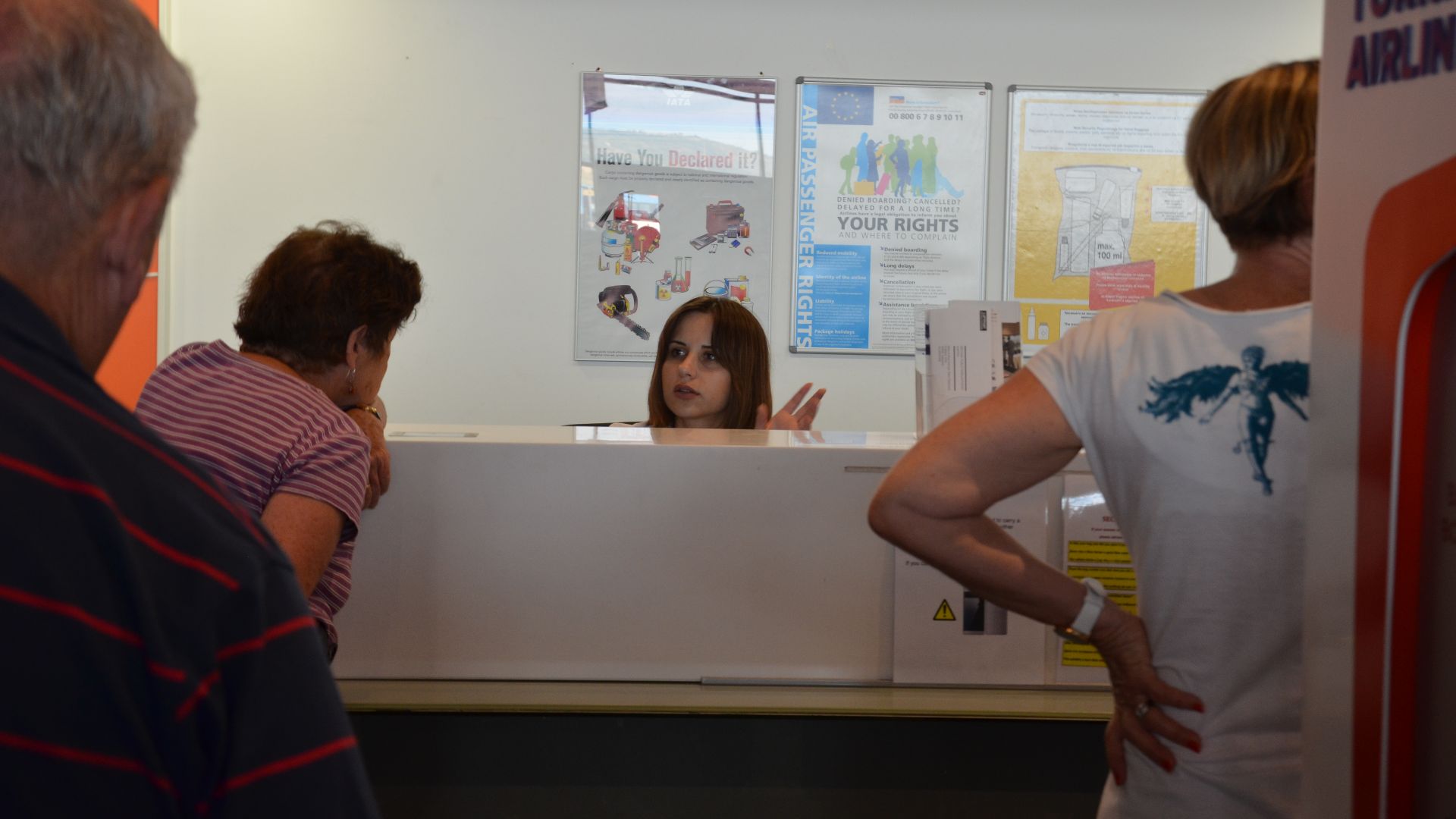
Do not just ask when the next flight is. Ask why the flight was canceled and whether the disruption is considered within the airline’s control. That one detail can affect your right to meals, hotels, compensation, or nothing beyond a refund.
Try These Practical Moves Fast
Ask to be rebooked on another flight the same day, including partner airlines if the carrier allows it. Check nearby airports, because a short train ride or rideshare can sometimes beat a two-day wait. If you no longer want the trip, request a refund instead of quietly accepting a bad rebooking.
 Air Seychelles, Wikimedia Commons
When A Complaint Makes Sense
If the airline denies a refund you are owed, refuses benefits promised in its own policy, or ignores rights that apply under EU, U.K., or Canadian law, file a written complaint. In the U.S., that can also mean filing a complaint with the Department of Transportation. In Europe or the U.K., national enforcement bodies may also be involved.

So, Are They Allowed To Do That
In the U.S., often yes, at least when it comes to cash compensation. In the EU, U.K., and sometimes Canada, maybe not, especially if the airline failed to provide care or if the cancellation qualifies for compensation. The real answer depends on where the flight was, who operated it, and what caused the cancellation.

The Bottom Line For Stranded Travelers
A two-day rebooking with no compensation feels outrageous because sometimes it is, and sometimes it is unfortunately legal. Your strongest protection usually comes from knowing whether you should demand a refund, push for hotel and meal help, or go after compensation under a passenger-rights system outside the U.S. The airline may be counting on you not knowing the difference.