The Gate Agent’s Offer Might Only Be The Starting Point
In the world of overbooking, any frequent flyer has been offered $500 to take a later flight. It can sound final, but don't take the deal just yet: Often what they tell you is just the opening bid. When flights are oversold or a last-minute aircraft swap creates a seat shortage, airlines may be willing to pay more to get enough volunteers.
Yes, You Can Sometimes Ask For More
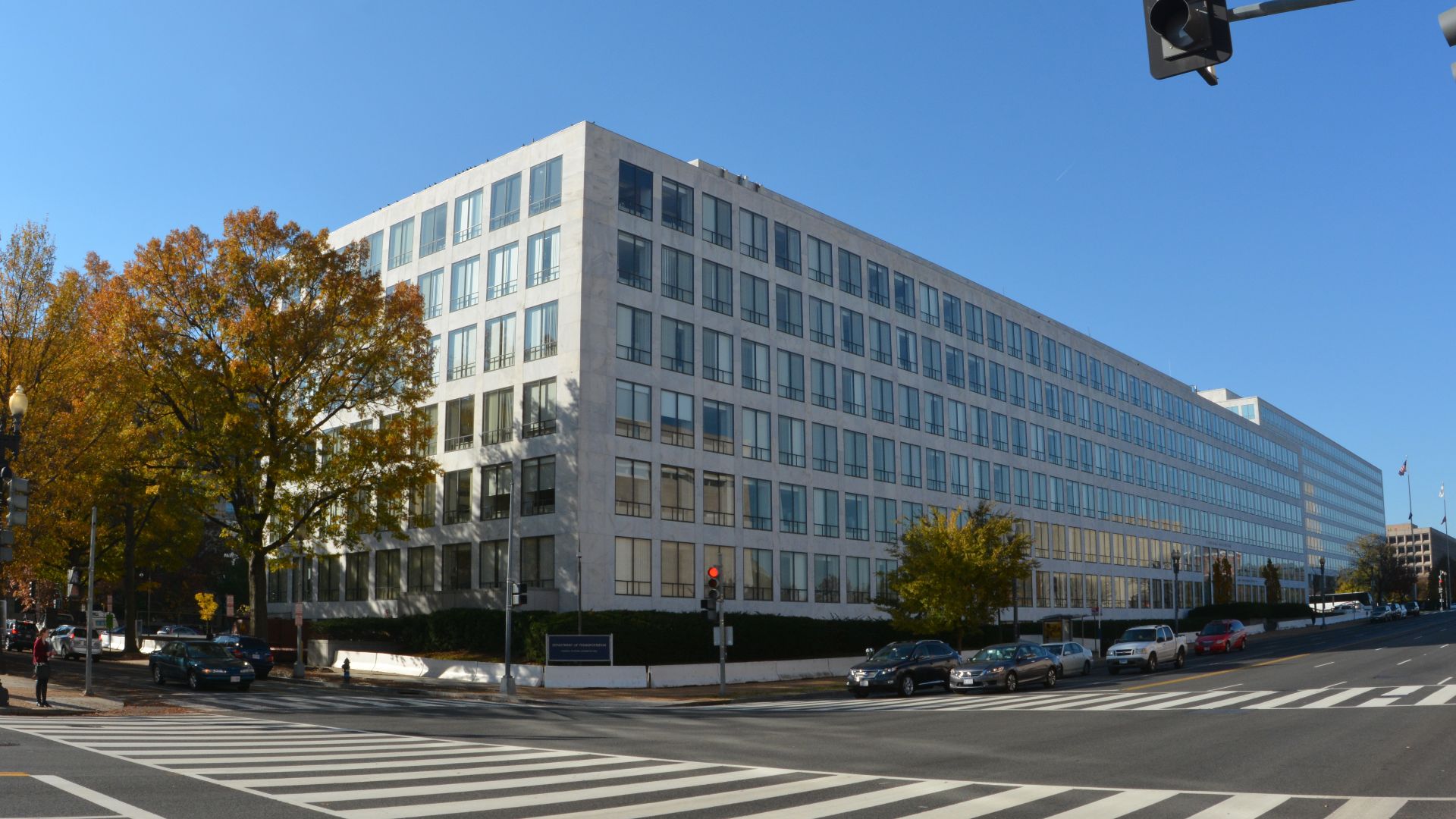
The short answer is yes. The U.S. Department of Transportation says airlines may offer compensation to passengers who volunteer to give up their seats, and there is no federal cap on that voluntary amount. So an airline can start at one number and raise it if too few people take the deal.
 Don Ramey Logan, Wikimedia Commons
Voluntary And Involuntary Are Not The Same Thing
This is the key difference to understand before you agree to anything. If you volunteer to give up your seat, the compensation is whatever you and the airline agree on. If you are bumped against your will from an oversold flight, federal rules may require cash compensation based on your fare and how late you arrive, up to DOT limits.
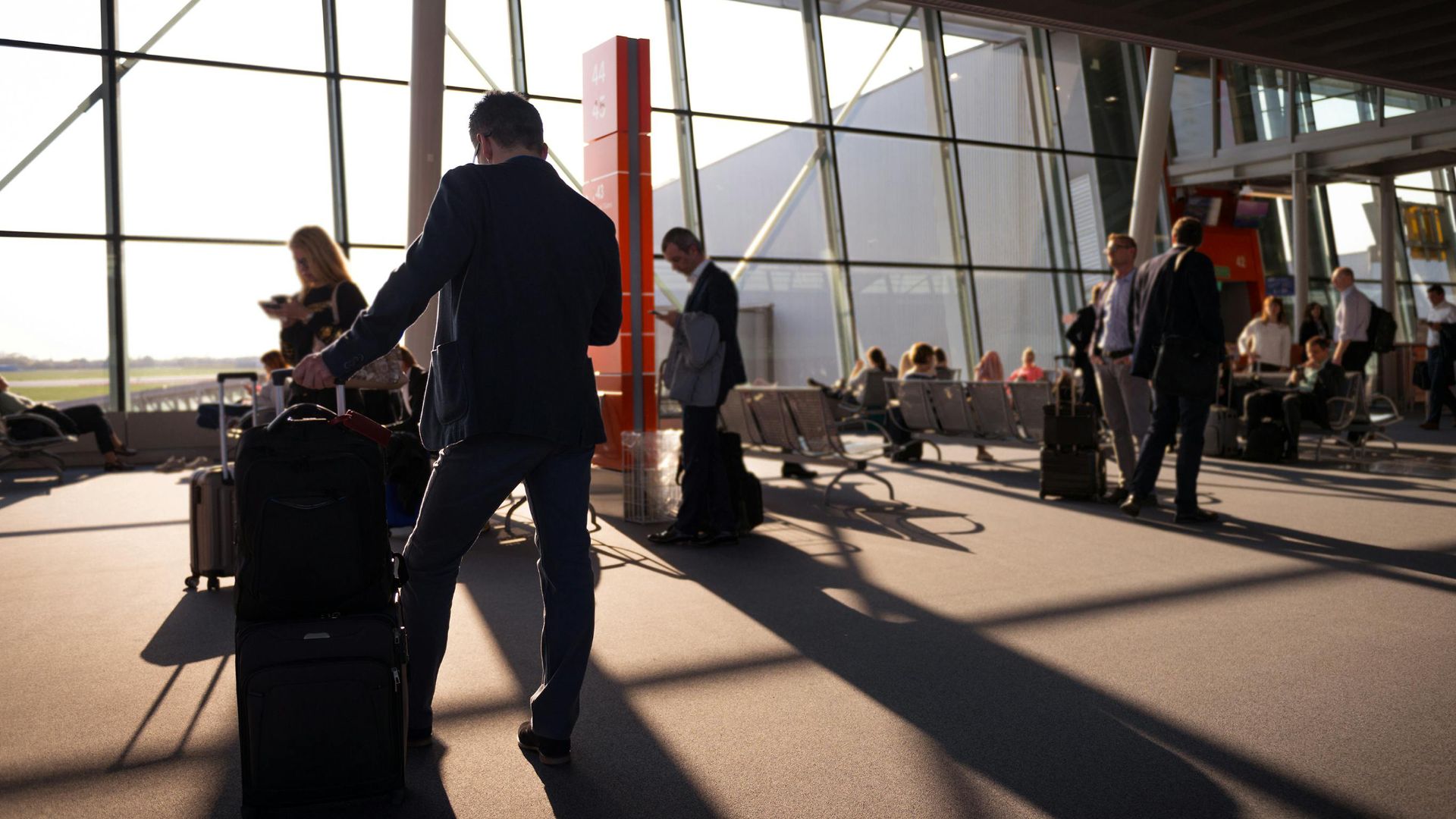
The Rules Set A Minimum In Some Cases, Not A Maximum For Volunteers
Under DOT rules, passengers who are involuntarily denied boarding on oversold flights may be owed 200% or 400% of their one-way fare depending on the delay, with maximum amounts set by regulation. But those rules do not limit what an airline can offer a volunteer before it bumps anyone. That is why it is common to hear about gate offers climbing well above the first announcement.
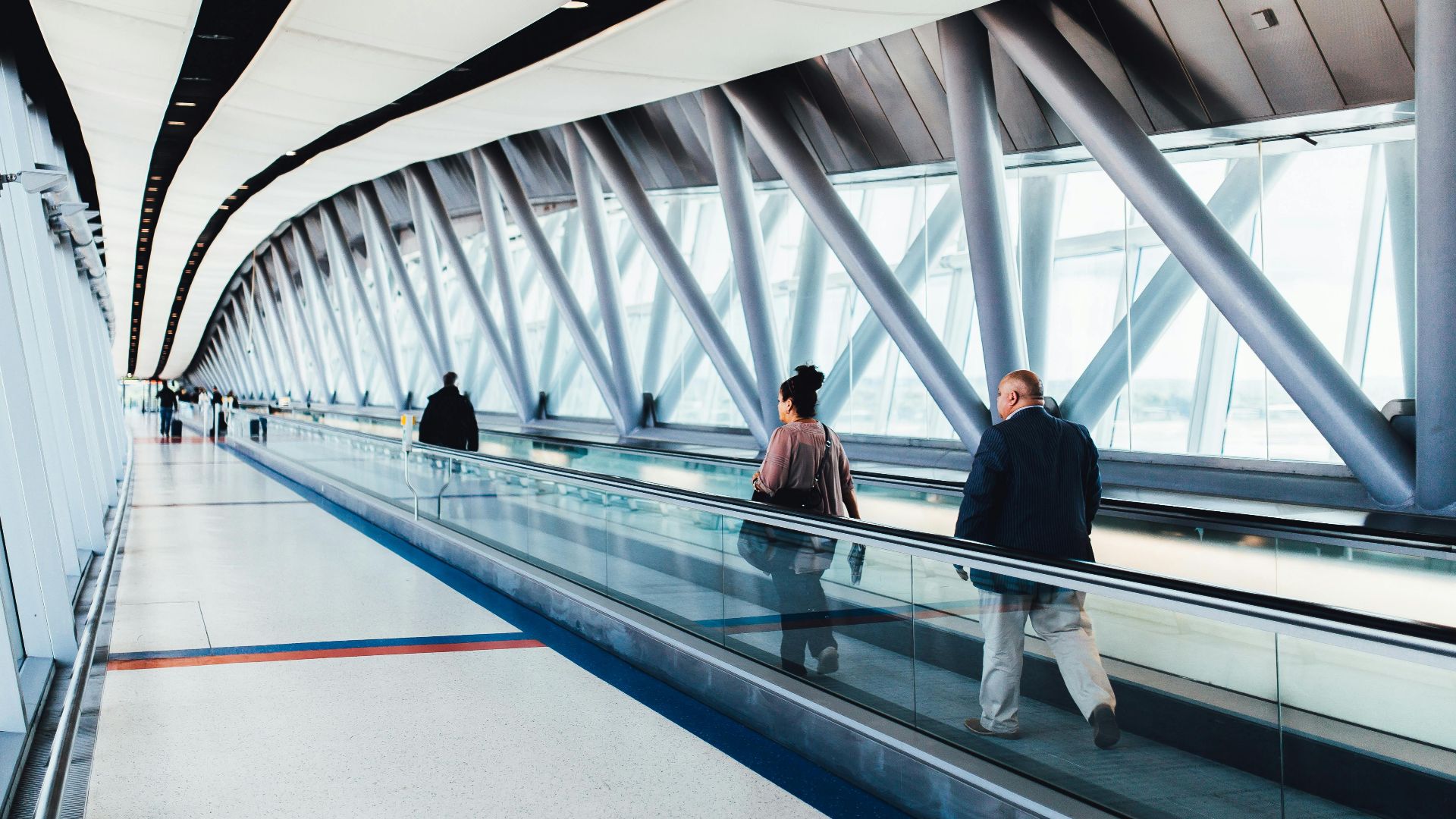
Why Airlines Keep Raising The Offer
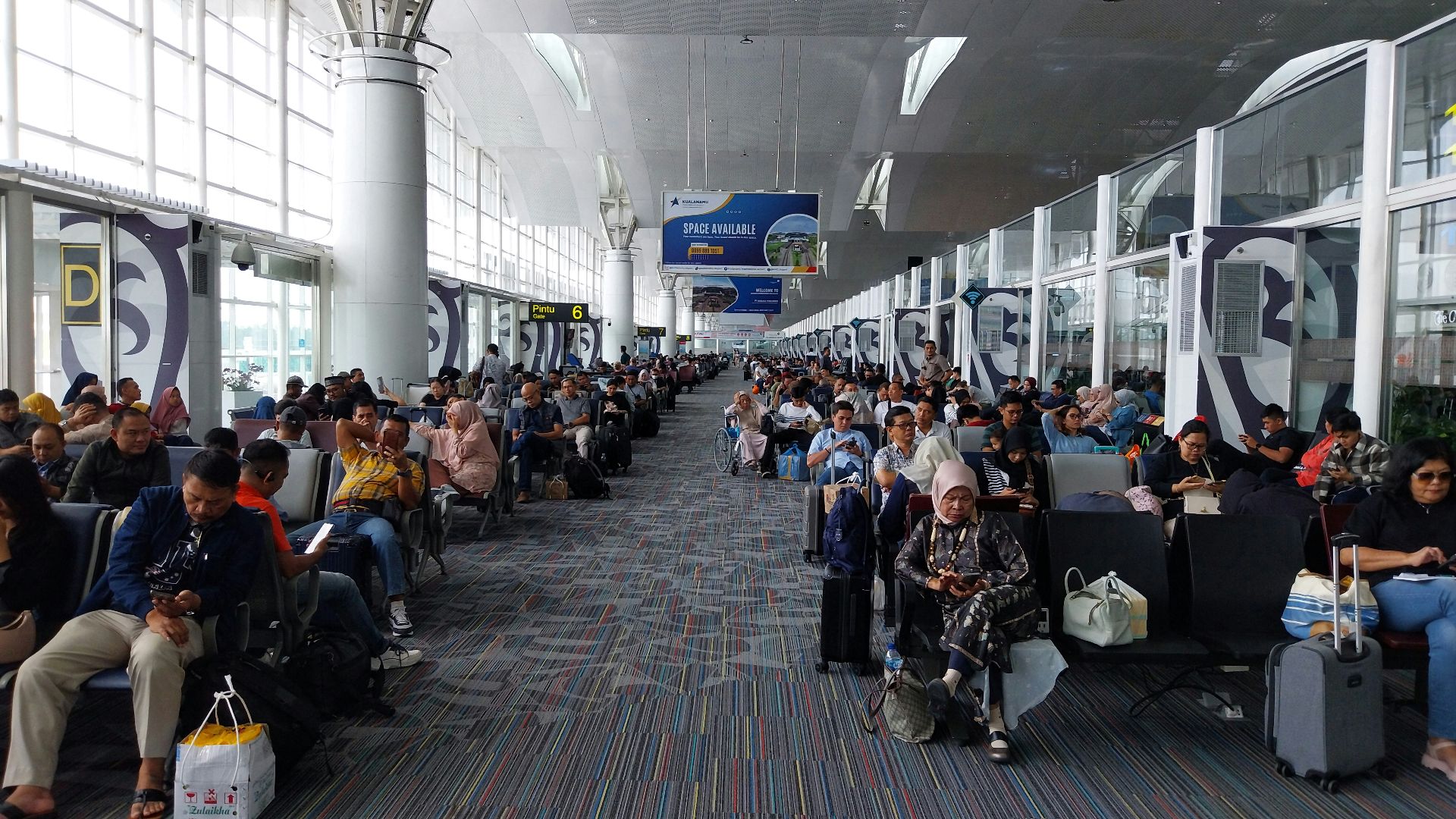
The gate can turn into a fast-moving auction when the airline needs seats quickly. If too few people say yes to the first offer, the agent may increase it until enough volunteers step forward. That happens because oversales are legal and common, and because holding up a flight can cost an airline more than paying a few flexible travelers extra.
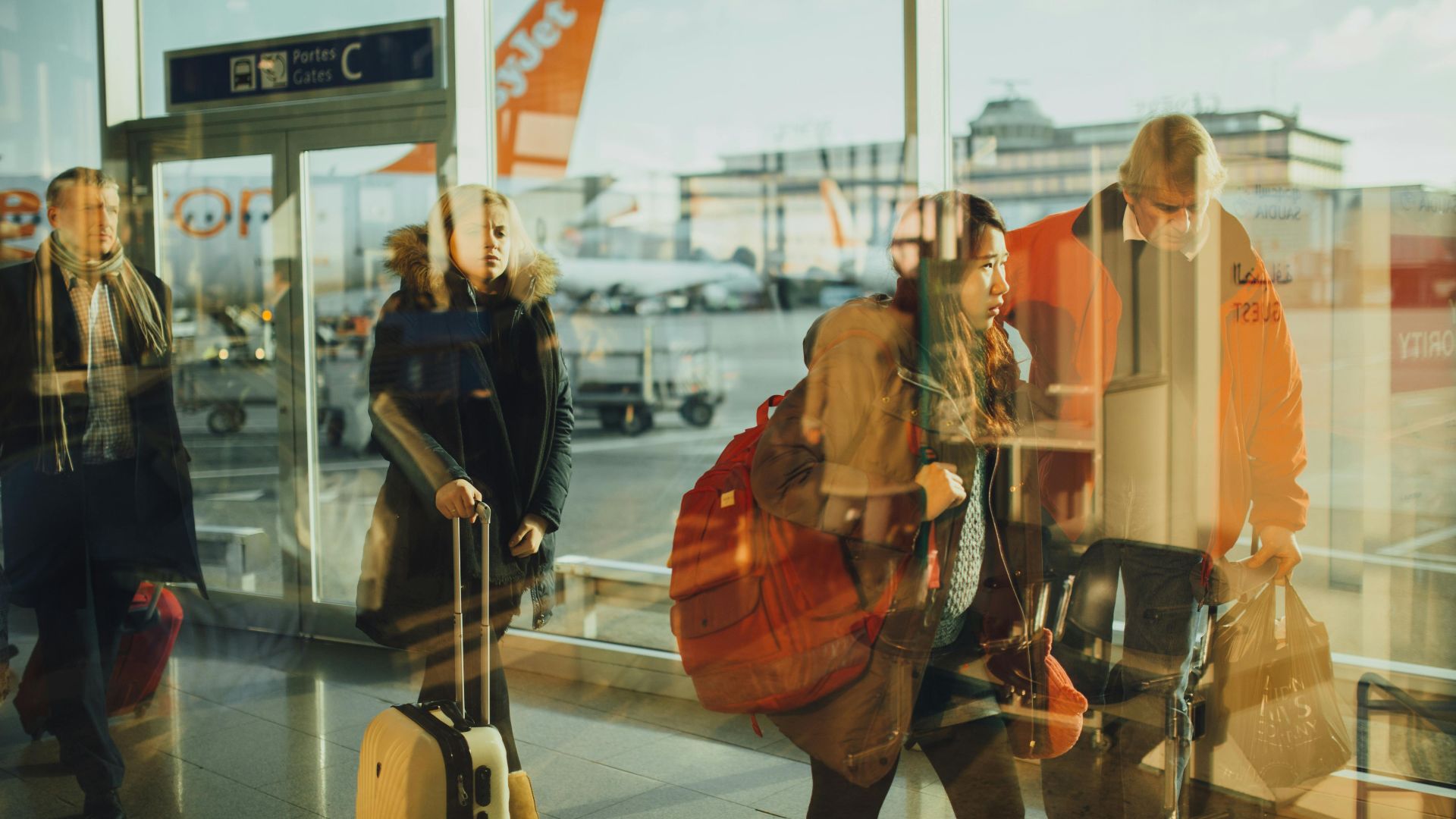
Overselling Flights Is Legal
Airlines are allowed to sell more tickets than there are seats because they expect some passengers to cancel or not show up. The DOT explains that this is legal, and most of the time it works because enough people miss the flight. Problems start when more ticketed passengers show up than expected, especially on full flights during busy travel periods.
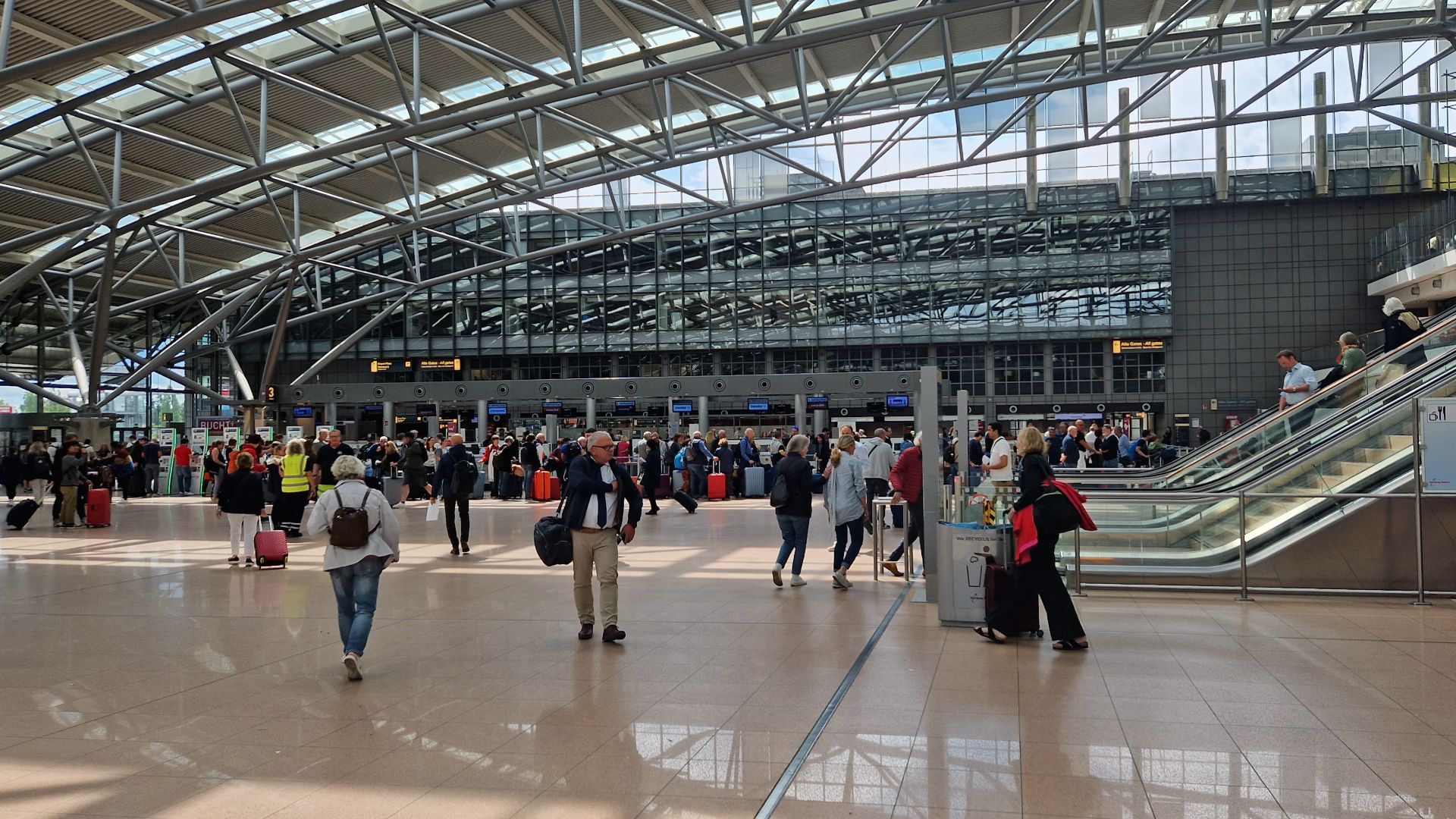 Thomas Dahlstrøm Nielsen, Wikimedia Commons
The Most Important Number Is Your Delay
If you are thinking about taking the offer, do not focus only on the money. The bigger question is how much later you will arrive at your final destination. Federal bumping rules are tied to arrival delay, and even in a voluntary deal, the real cost might be missed work, childcare problems, hotel nights, or a lost event.

Cash Can Be Better Than A Voucher
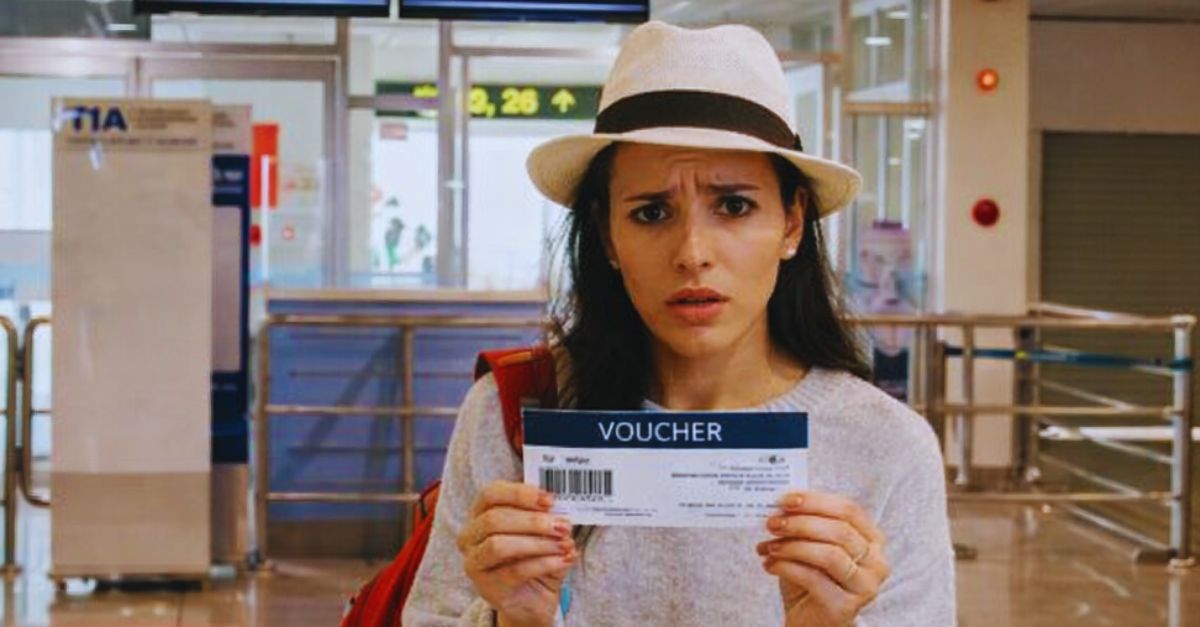
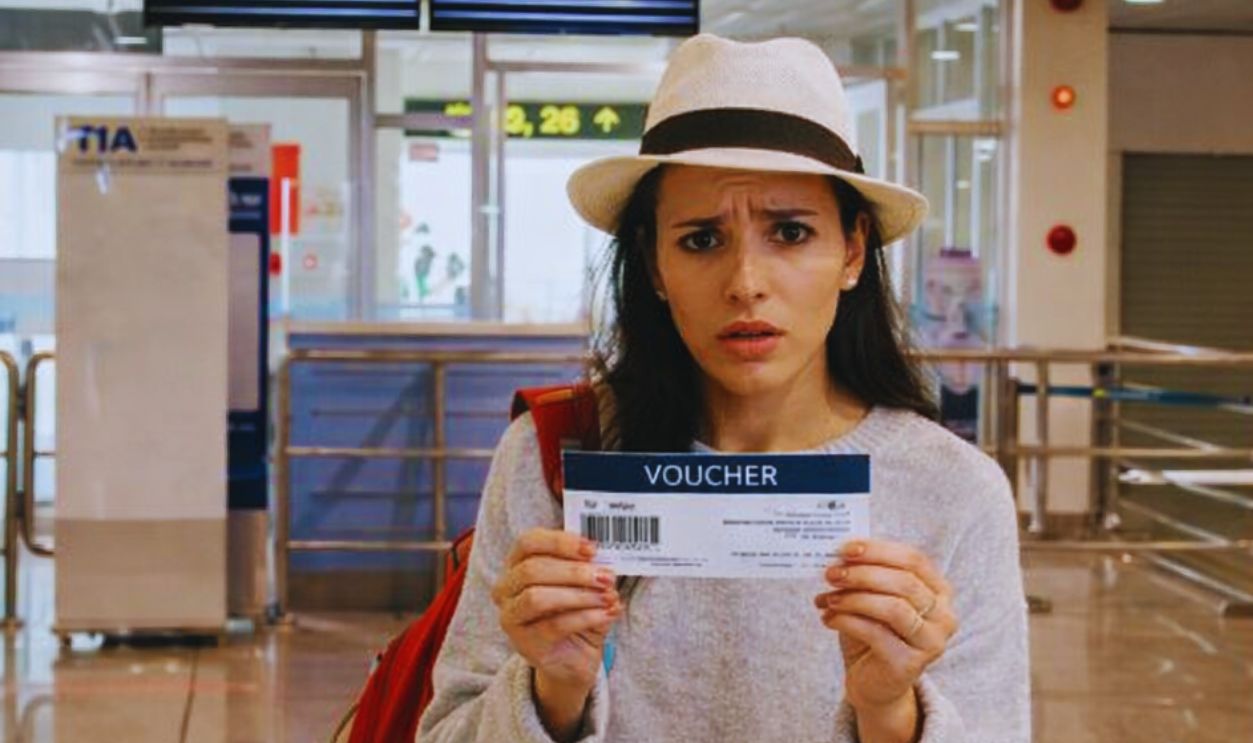
A big voucher is not always as good as it looks. Travel credits may come with expiration dates, blackout periods, or rules that limit how they can be used. That is why many consumer advocates and travel experts suggest asking whether the airline can offer cash, a check, or a prepaid card instead.

The Fine Print Can Matter More Than The Amount
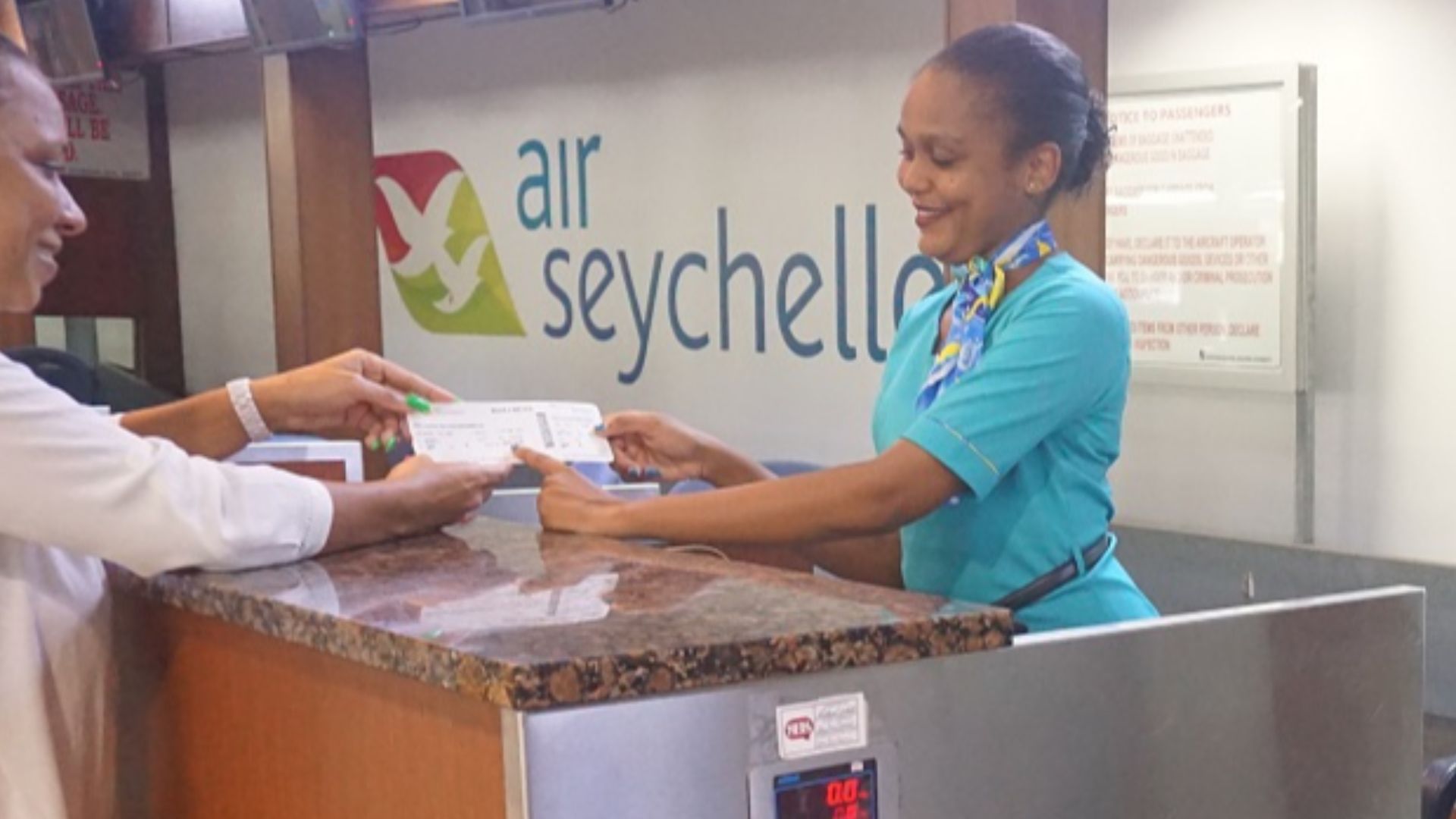
A $500 voucher that expires in six months may be worth less than a $300 payment you can use anywhere. Before you say yes, ask how long the credit lasts, whether it can be transferred, and whether taxes and fees will still apply on a future booking. Also ask whether the airline will cover meals, hotel costs, or transportation if the delay runs overnight.
 Air Seychelles, Wikimedia Commons
The DOT Says Airlines Must Explain The Terms
The DOT says that if you volunteer to give up your seat, the airline must give you a written agreement that spells out the compensation and any restrictions. That matters. A quick promise at the gate is not enough when a written record can show exactly what you are getting.

Your Friend Might Be Right, But Timing Is Everything
If the airline still clearly needs more volunteers, there may be room to wait for a better offer. But if several people are already stepping forward, waiting too long can backfire because the airline may fill its list and move on. You can sometimes negotiate, but only while the airline still needs you.
How To Read The Situation At The Gate
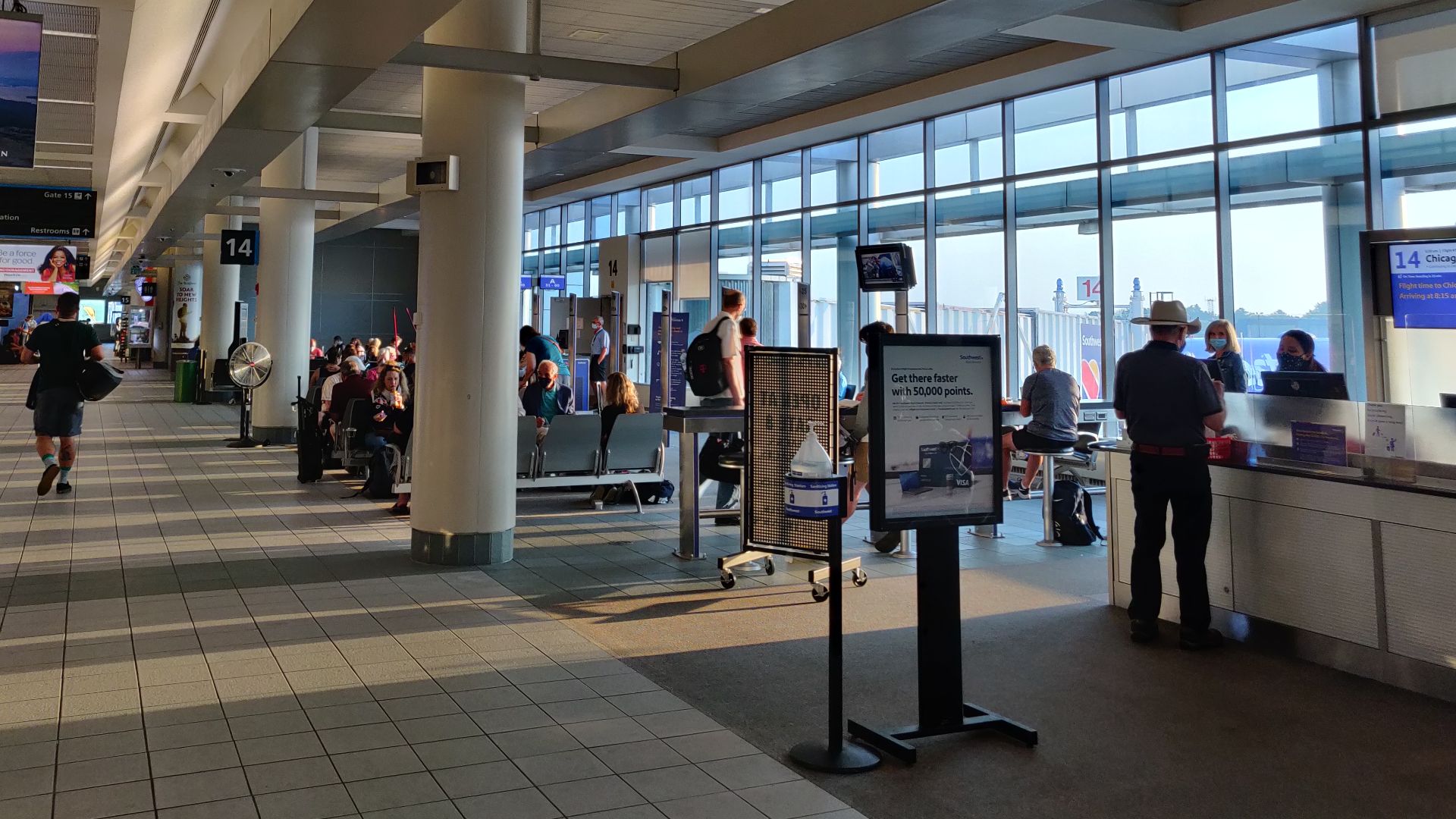
Listen to what the agent says and how urgent it sounds. If they say they need several more volunteers and boarding time is close, the odds go up that the offer may rise. If they need only one seat and a few passengers already look interested, the first offer may be the best one you will see.
Ask A Few Key Questions Before You Agree
There are a few things worth asking right away. What is the exact new itinerary, and what time will you arrive. Is the new seat confirmed, or are you only on standby. You should also ask whether your checked bag will follow you and whether any seat fees or upgrades you paid for will be kept or refunded.
Do Not Volunteer Without A Confirmed New Flight
This is one of the safest rules in the whole process. Ask the airline to lock in your new itinerary before you give up your original seat. A vague promise to get you out later can leave you stuck if later flights fill up or weather causes more trouble.
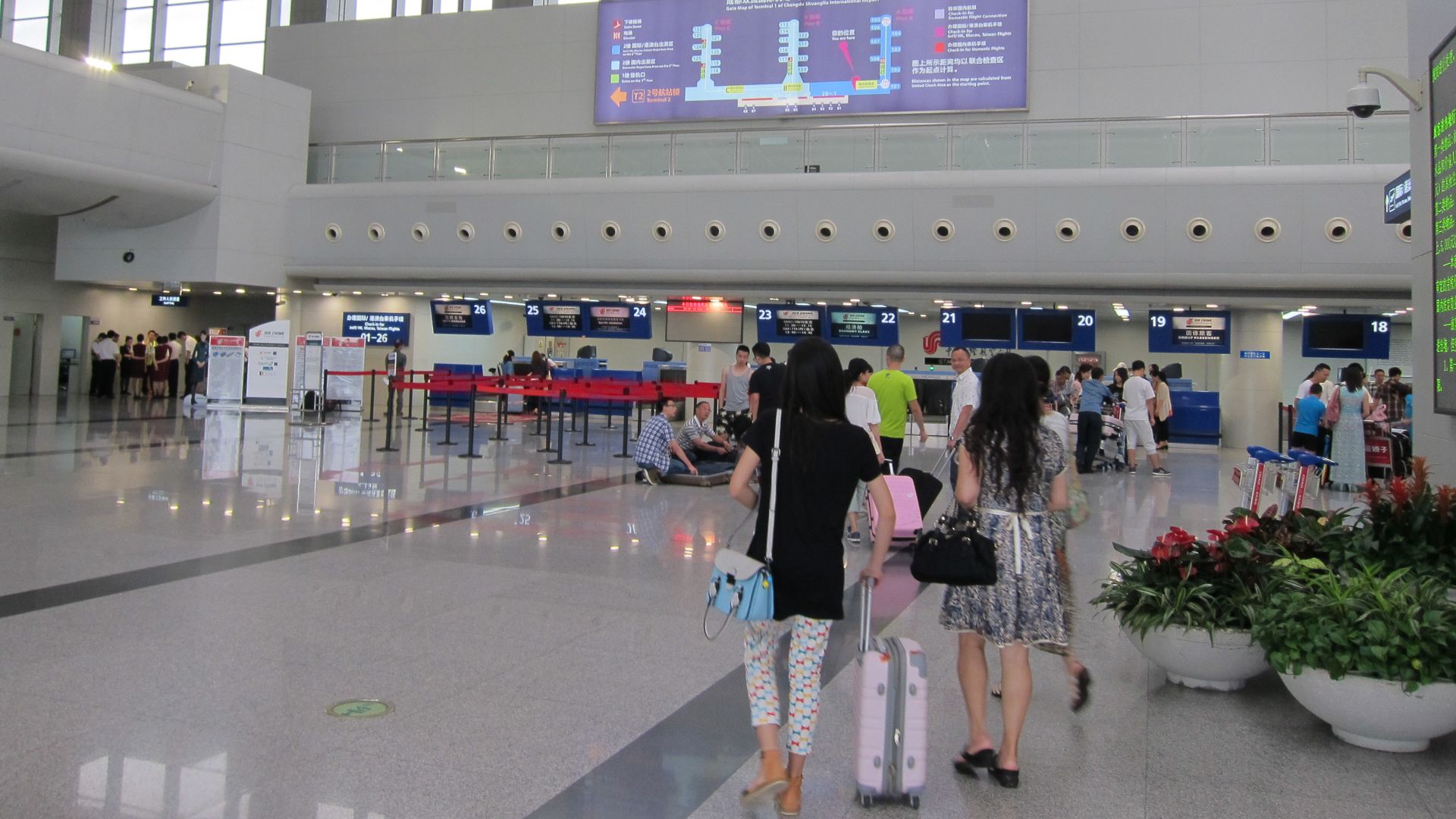 Kuruman from Tokyo, Japan, Wikimedia Commons
Meals And Hotels Are Separate From The Main Offer
Passengers sometimes assume the voucher covers everything, but that is not always true. If the later flight means a long airport wait or an overnight delay, ask separately about meal vouchers, hotel rooms, and transportation to and from the hotel. Those extras can make an average offer much better.

If You Are Bumped Against Your Will, Your Rights Change
Once the airline stops asking for volunteers and denies you boarding on an oversold flight, federal compensation rules may apply. The DOT requires airlines to give passengers a written statement of their rights and an explanation of how compensation is figured out. In those cases, the compensation is generally paid in cash or a cash equivalent unless you agree to something else.

Denied Boarding Rules Do Not Cover Every Problem
Not every missed flight leads to bump compensation. The DOT says denied boarding compensation rules apply to oversales, not every kind of disruption. If the airline switches to a smaller plane for safety or maintenance reasons, or if weather causes the problem, different rules and airline policies may apply.
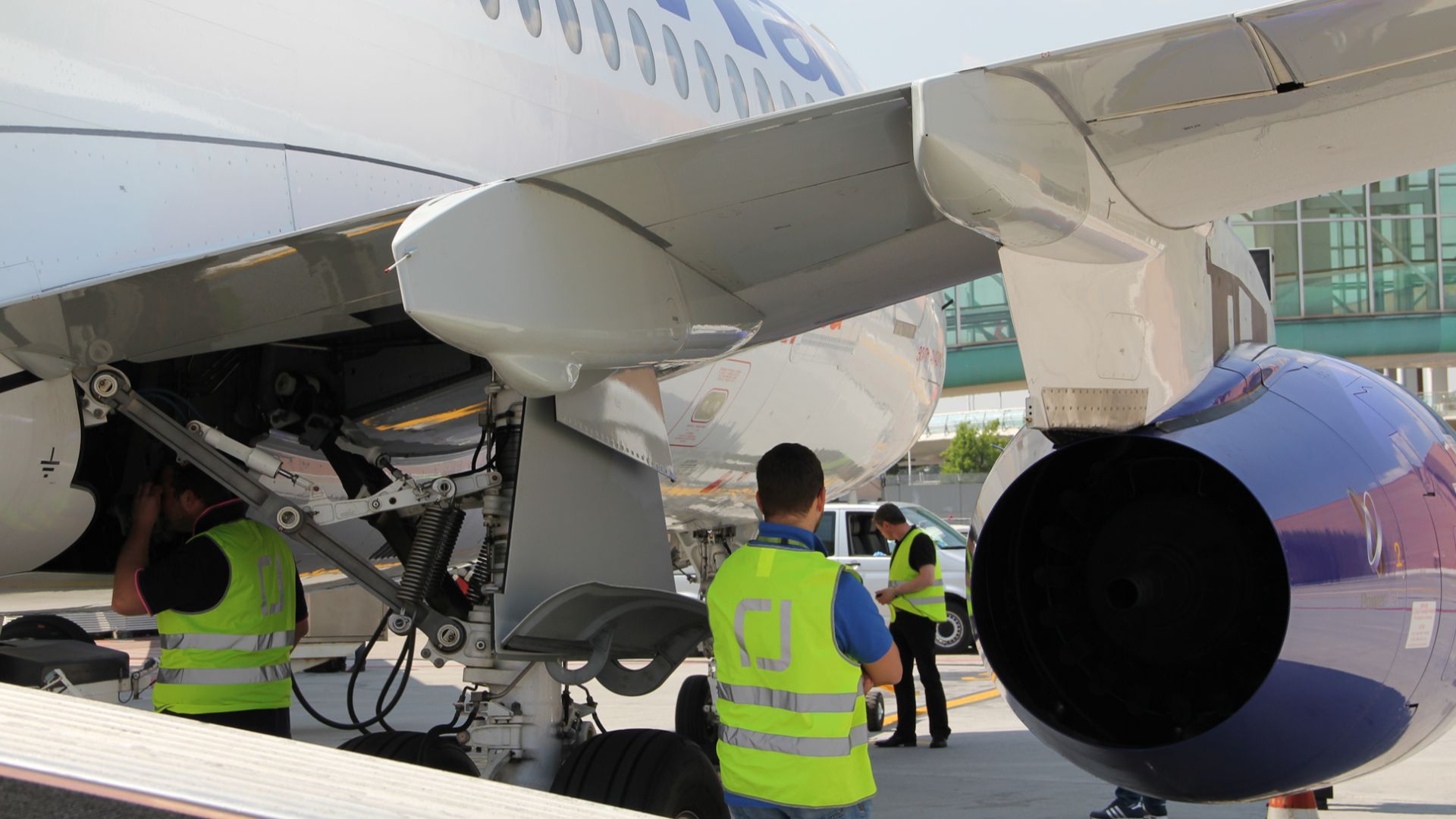 SuperJet International, Wikimedia Commons
International Flights Can Be Trickier
If your trip involves Europe, the United Kingdom, or Canada, different compensation systems may apply depending on the route and airline. Those rules do not always line up with U.S. oversales rules. That makes it even more important to know whether you are accepting a voluntary deal or dealing with a legal right.
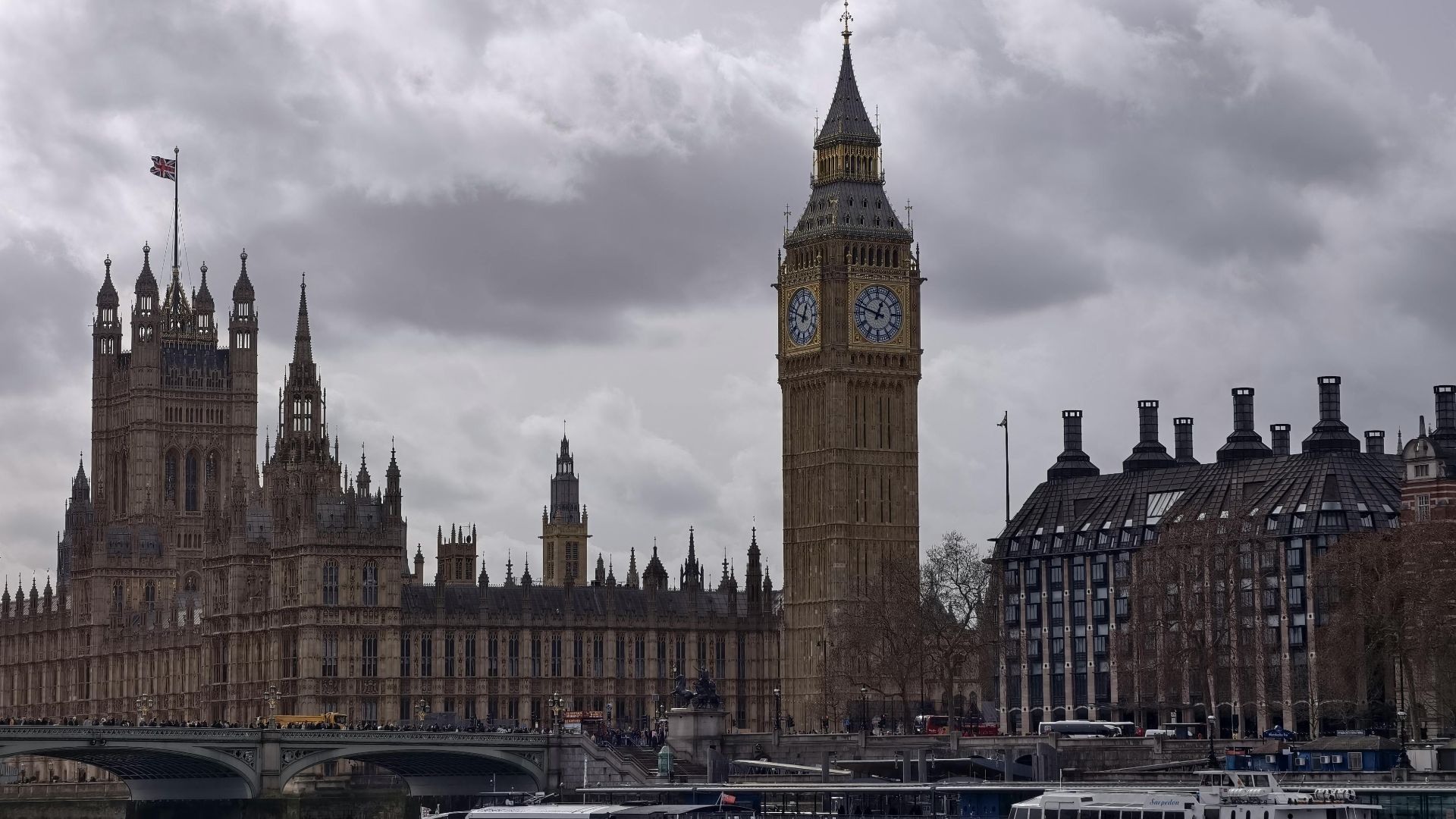
Airlines Have Shown How High These Offers Can Go
This is not just airport gossip. In April 2017, after the widely covered United Express Flight 3411 incident, United Airlines said it would raise the maximum incentive employees could offer to volunteers, allowing offers up to $10,000 in some situations. It was a clear sign that airlines may go very high when they need volunteers fast and want to avoid involuntary bumping.
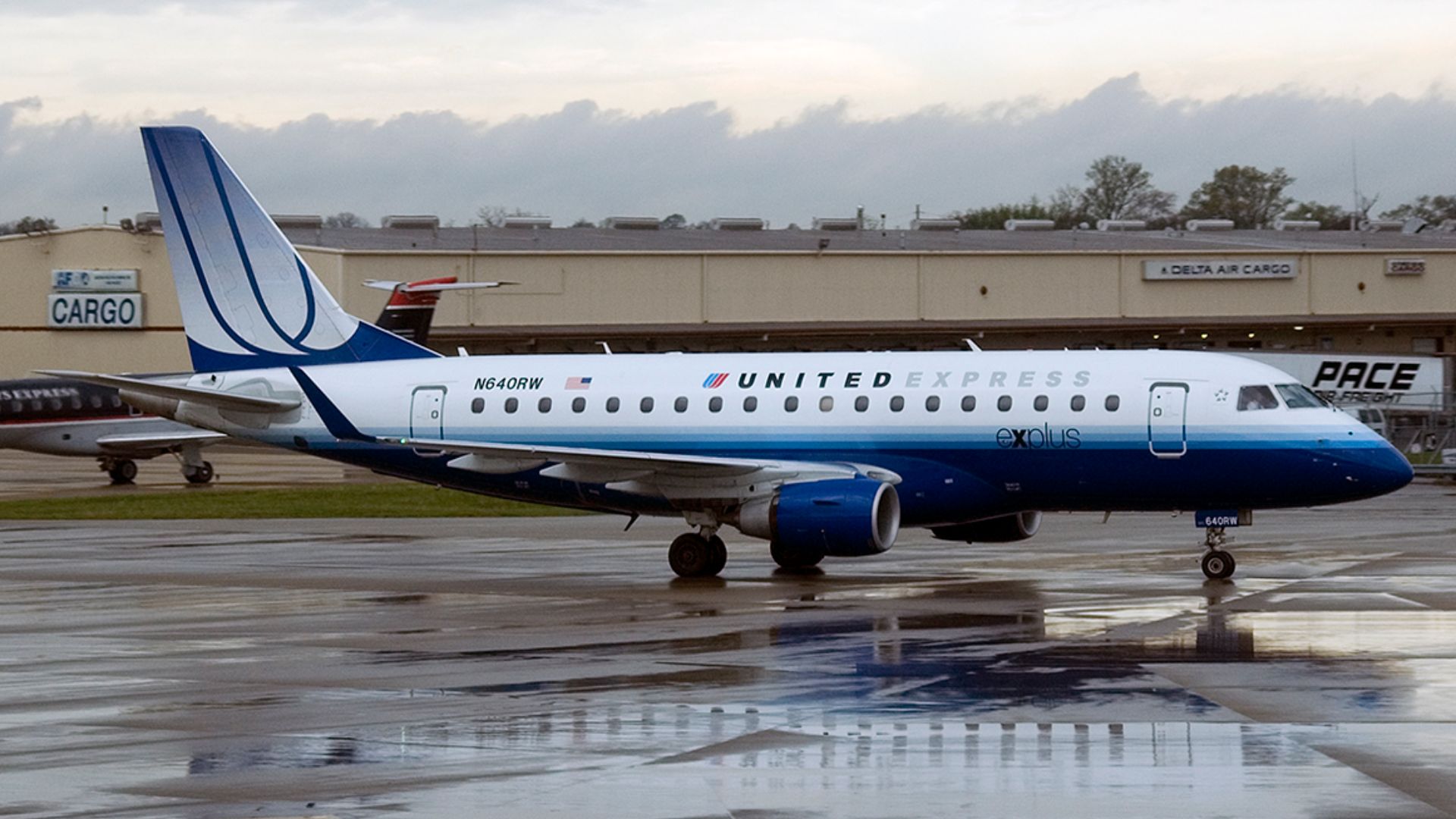 Brian from Toronto, Canada, Wikimedia Commons
The 2017 United Policy Change Turned Heads
The Associated Press and other major outlets reported on the change after United came under heavy criticism. The airline also cut back overbooking on some flights and changed some crew-booking practices. For travelers, the takeaway was simple: the first number you hear at the gate may not be the last.
 Michel Temer, Wikimedia Commons
Negotiating Usually Means Asking Calm, Simple Questions
You do not need to make a speech. A calm question like, “If I can take a later flight, is there any flexibility on the amount, or can this be cash instead of a voucher?” is often enough. Gate agents are dealing with a stressful situation, so respectful and direct usually works better than trying to play hardball.
 Svetlov Artem, Wikimedia Commons
Your Flexibility Is What Gives You Leverage
The traveler with the loosest schedule often has the strongest hand. If you can leave hours later, take a different connection, or even travel the next morning, you may be more useful to the airline than someone who needs one exact routing. That flexibility can give you a good reason to ask whether the offer can be improved.
But Do Not Push So Hard That You Lose The Deal
If the offer already makes the delay worth it to you, there is nothing wrong with taking it. Holding out for more can mean another passenger accepts first. The best deal is the one that works for you and gets you where you need to go without turning the trip into a mess.
 CAPTAIN RAJU, Wikimedia Commons
How To Tell Whether $500 Is Actually A Good Deal
Start with the real inconvenience. If the later flight gets you in only a few hours later and the voucher is easy to use, $500 may be a great trade. If it means an overnight delay, a missed cruise, or a lost hotel night, that amount may be too low unless the airline adds more compensation and covers the extra costs.
Get It All In Writing Before You Walk Away
Once you agree, ask for the written terms right away. Make sure the compensation amount, the type of compensation, any expiration date, and your rebooked itinerary are all listed. If meals, hotels, or baggage arrangements are included, those details should be in writing too.

The Bottom Line
Yes, you can sometimes ask for more when an airline wants volunteers to take a later flight, because voluntary compensation is negotiable and often rises when too few people accept the first offer. The smartest move is to compare the offer with your actual delay, ask for cash or flexible terms when possible, and never give up a confirmed seat without a confirmed replacement. Your friend may have had a point, but the real answer depends on timing, leverage, and the fine print.