Bad Review, Big Threat—Can a Hotel Really Come After You?
You stay at a hotel, have a terrible experience, and decide to leave an honest review. Then suddenly—you get a message threatening legal action if you don’t take it down. Can they actually do that?
Why Reviews Matter More Than Ever
Online reviews are a huge part of the travel industry. Hotels rely on them for bookings, rankings, and reputation. One bad review can genuinely impact their business, especially on platforms like Google, Yelp, or TripAdvisor.
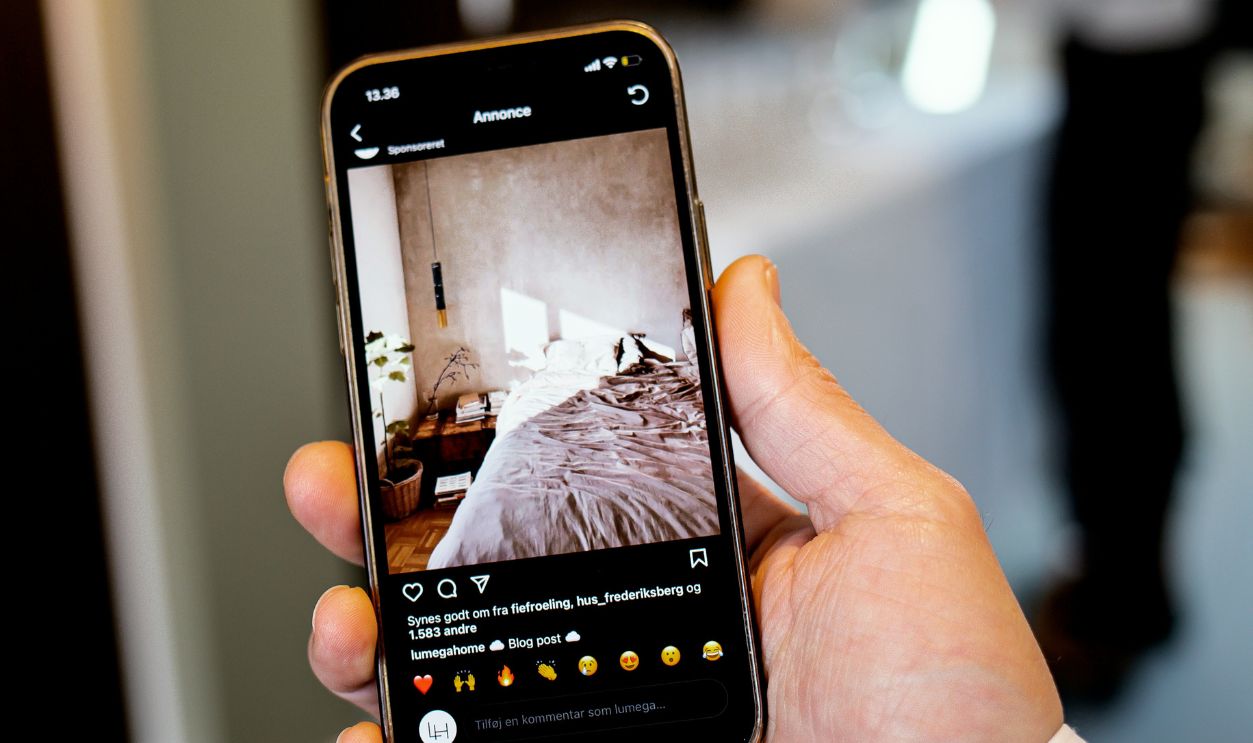 Filip Rankovic Grobgaard, Unsplash
Why Some Hotels React So Strongly
When a negative review goes public, it’s not just feedback—it’s visible to thousands of potential guests. That’s why some businesses take it personally and try to push back aggressively.

Do Hotels Control What Gets Posted?
Not really. Review platforms—not the hotels—control what stays up or gets removed. Hotels can report reviews, but they can’t directly delete them just because they don’t like them.
 Proxyclick Visitor Management System, Unsplash
What Review Platforms Actually Allow
Most platforms allow honest opinions, even if they’re negative. As long as your review isn’t fake, abusive, or violating guidelines, it’s generally allowed to stay.

Where People Get Into Trouble
Problems arise when reviews include false statements, exaggerations presented as facts, or personal attacks. That’s when things can cross into legal territory.
The Key Difference—Opinion vs. Defamation
Saying “This was the worst hotel I’ve ever stayed in” is an opinion. Saying “This hotel scams guests” without proof can be considered a factual claim—and that’s where risk comes in.

What Defamation Actually Means
Defamation involves making false statements presented as facts that harm a business’s reputation. If a hotel believes your review crosses that line, they can threaten legal action.
Why Threats Are More Common Than Lawsuits
Here’s the reality—most hotels don’t actually sue. Legal action is expensive and difficult to win. Threats are often used to scare people into removing reviews.
When a Lawsuit Could Actually Happen
If a review is clearly false, damaging, and provable, a business may pursue legal action. This is rare—but not impossible.
What About “Non-Disparagement” Clauses?
Some businesses used to include clauses banning negative reviews—but in the U.S., these are largely illegal under consumer protection laws.

The Consumer Review Fairness Act
This law protects your right to leave honest reviews. Companies generally cannot penalize you simply for sharing your experience.

Can a Hotel Force You to Take It Down?
No—not on their own. They can request removal through the platform or pursue legal action, but they can’t directly force you unless a court orders it.

What Happens If They Report Your Review
Platforms may review your post to see if it violates guidelines. If it’s honest and follows the rules, it usually stays up.
How to Protect Yourself When Writing Reviews
Stick to facts, describe your experience clearly, and avoid exaggerations that sound like accusations. The more factual and specific you are, the safer you are.

Should You Be Worried About Legal Threats?
In most cases, no. These threats are often more about intimidation than actual legal intent.

What to Do If You Get Threatened
Don’t panic. Review what you wrote, make sure it’s accurate, and consider editing for clarity if needed. If the threat escalates, you can seek legal advice.

When It Might Be Smart to Adjust Your Review
If you realize something you wrote could be interpreted as a false claim, revising it to reflect your opinion more clearly can reduce risk.

So… Are Hotels Allowed to Threaten Legal Action?
Yes—but that doesn’t mean they have a strong case.
Hotels can threaten legal action if they believe a review is defamatory, but they generally cannot stop you from posting an honest, factual review.

The Bottom Line for Leaving Reviews
You have the right to share your experience—but how you say it matters. Honest, clear, and factual reviews are your best protection.
One Last Thought Before You Hit “Post”
Next time you leave a review, you might ask yourself—is this my experience… or a claim I’d have to prove? Because that small difference is what keeps your voice protected.

You May Also Like:
I booked “hidden city” flights to save money, but my dad says airlines can ban me for that—is that actually true?
My friend says TSA can’t make you unlock your phone. My cousin says they absolutely can at some airports. Who’s telling the truth?