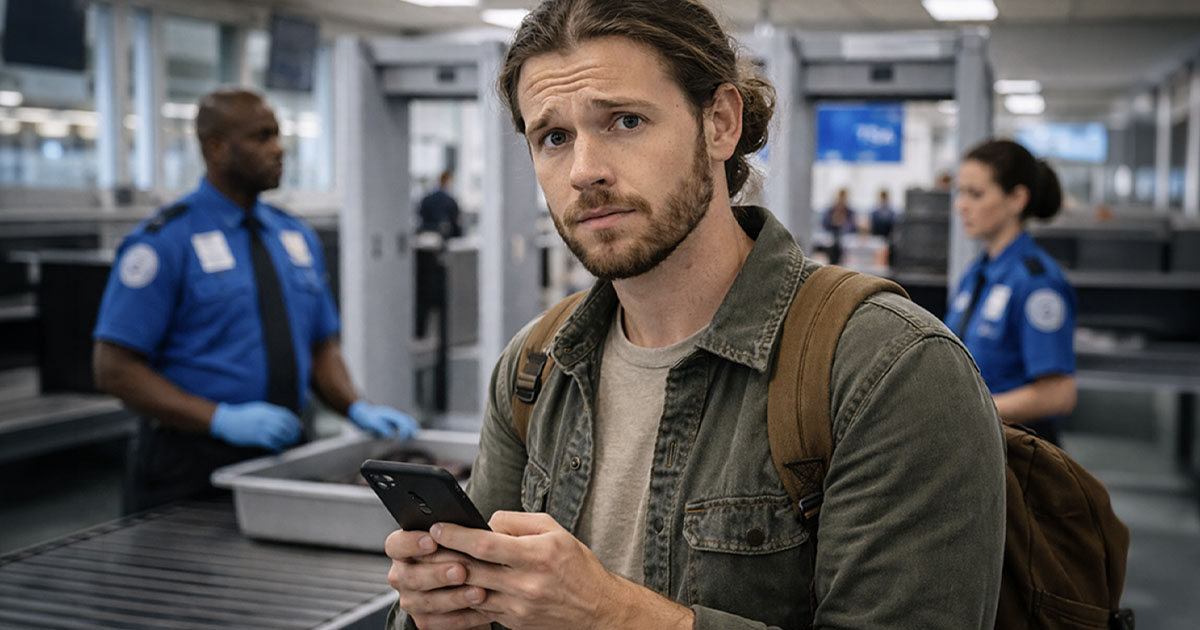
Can TSA Really Force You To Unlock Your Phone?
It sounds like something out of a spy movie. You’re standing in line at the airport, clutching your phone, when someone says TSA can demand your passcode on the spot. So is that just travel paranoia — or can it actually happen?
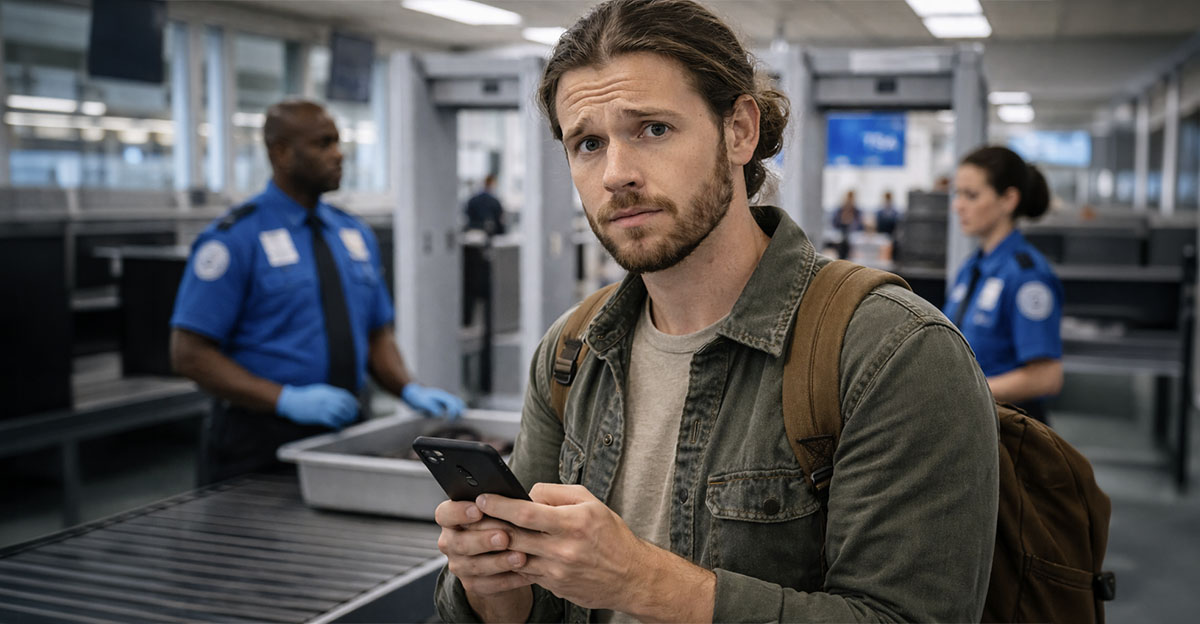
First, Let’s Separate TSA From Border Agents
This argument usually gets confusing because people lump all airport officers together. TSA officers handle security screening before your flight. Customs and Border Protection (CBP) officers handle international arrivals and border crossings. Those are two different agencies — and they operate under different legal rules.
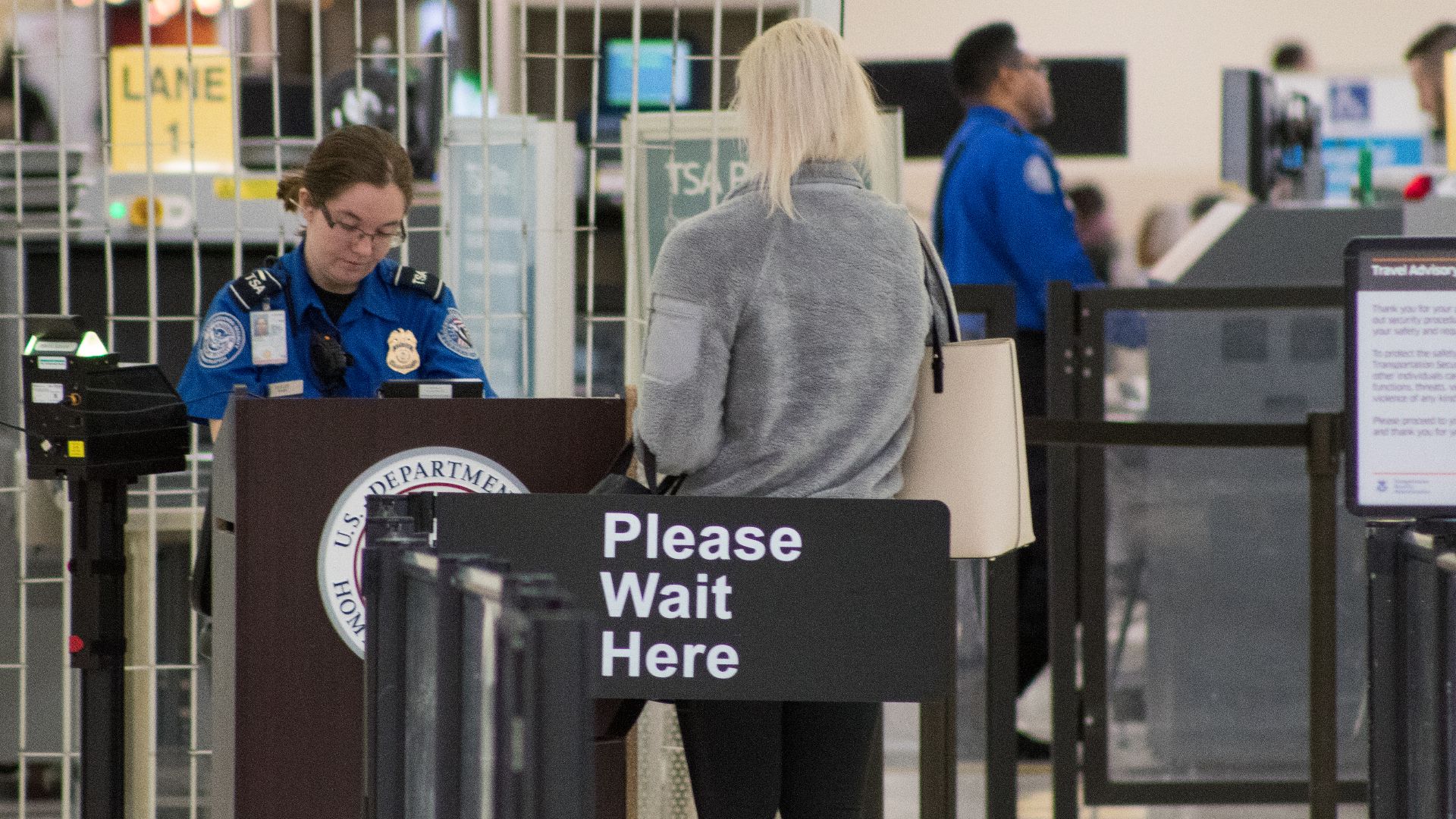 Michael Ball, Wikimedia Commons
What TSA Normally Does
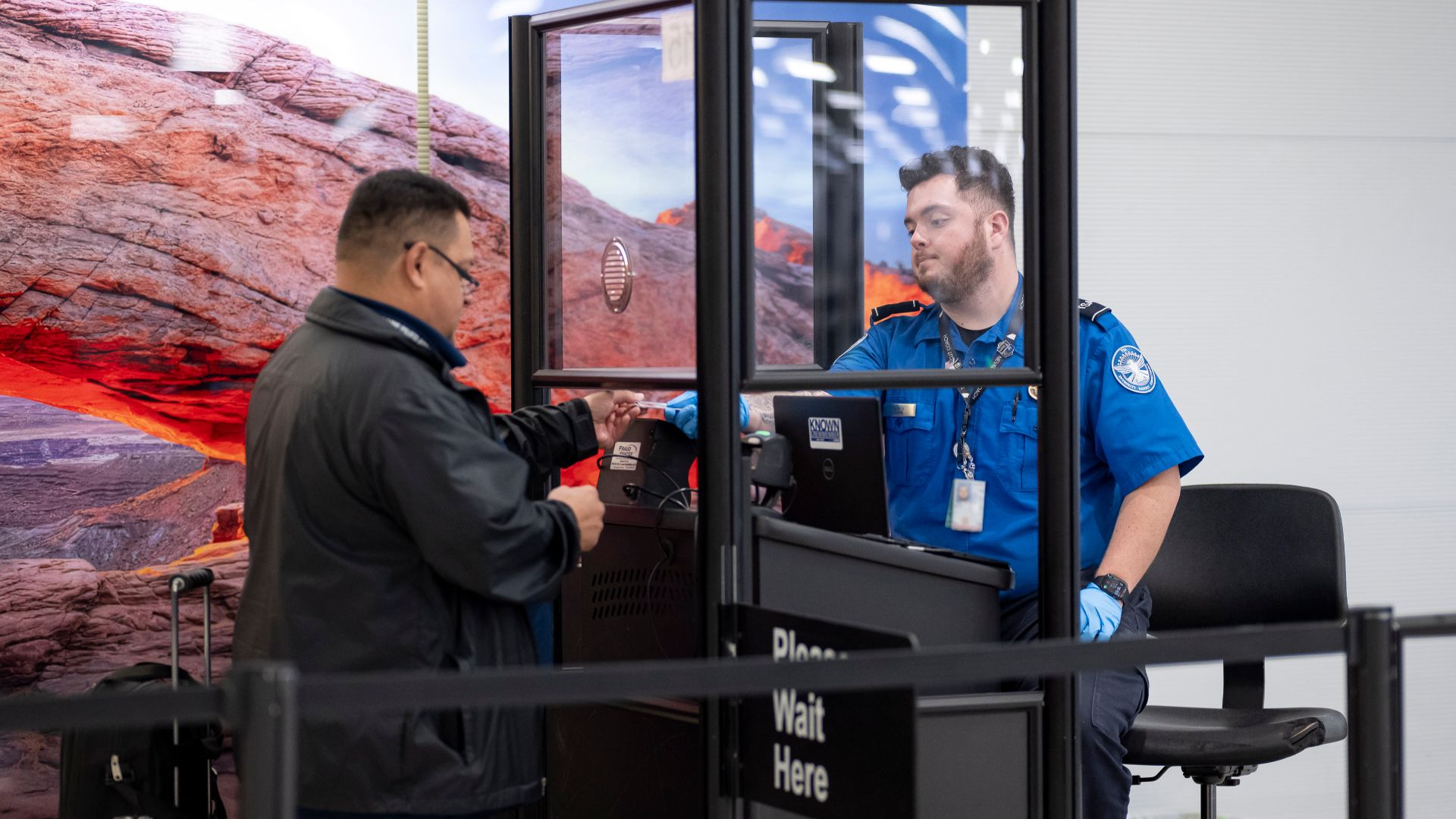
TSA’s job is to screen passengers and luggage for security threats. They check IDs, scan bags, and run items through X-ray machines. In routine domestic travel, TSA does not typically search the contents of your phone. Their focus is physical security — not digital data.
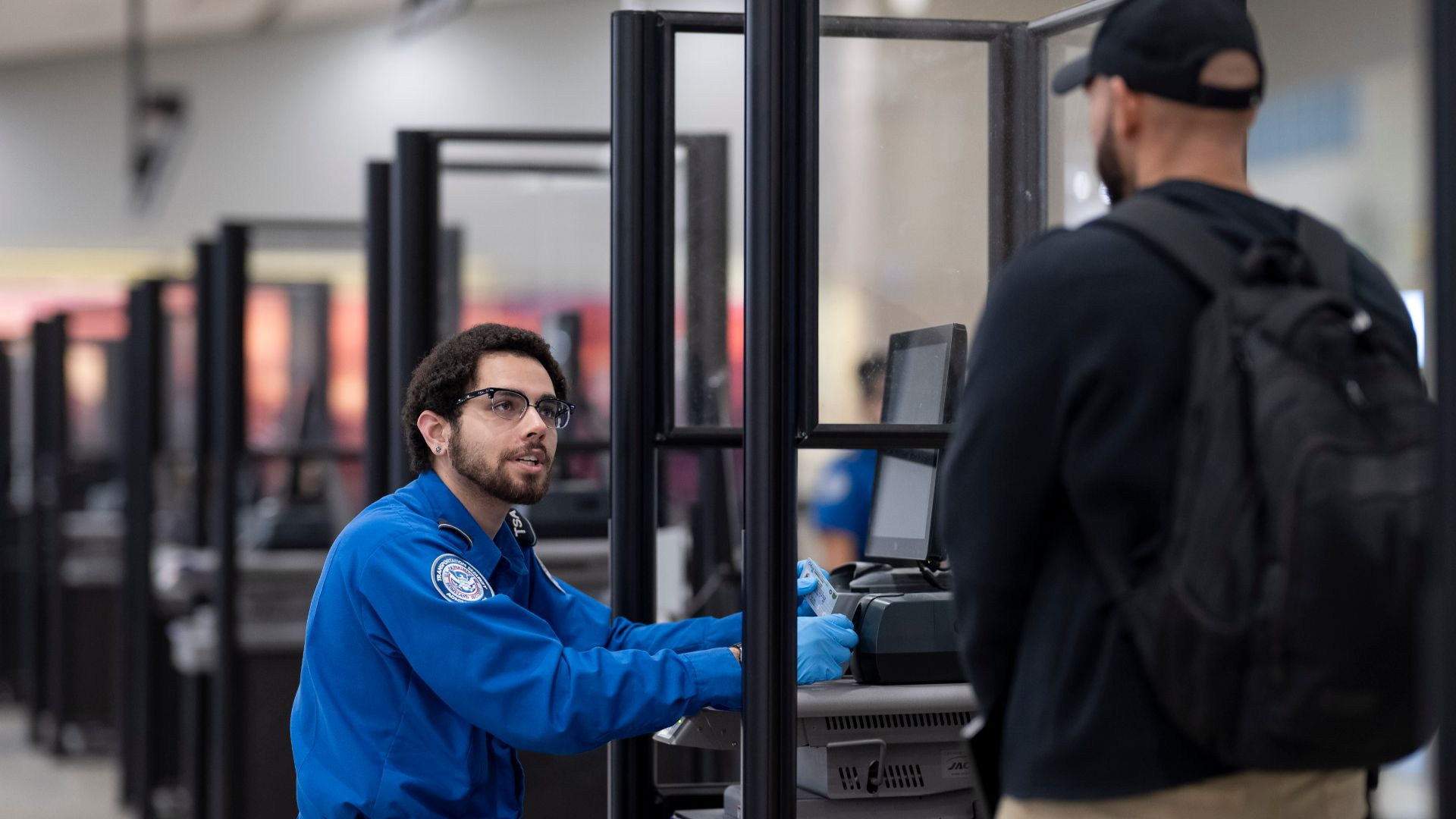
Can TSA Ask You To Unlock Your Phone?
In standard domestic airport screening, TSA does not have general authority to demand that you unlock your phone just to board a flight. They’re not conducting criminal investigations or border searches during normal screening.
So Where Did This Rumor Come From?
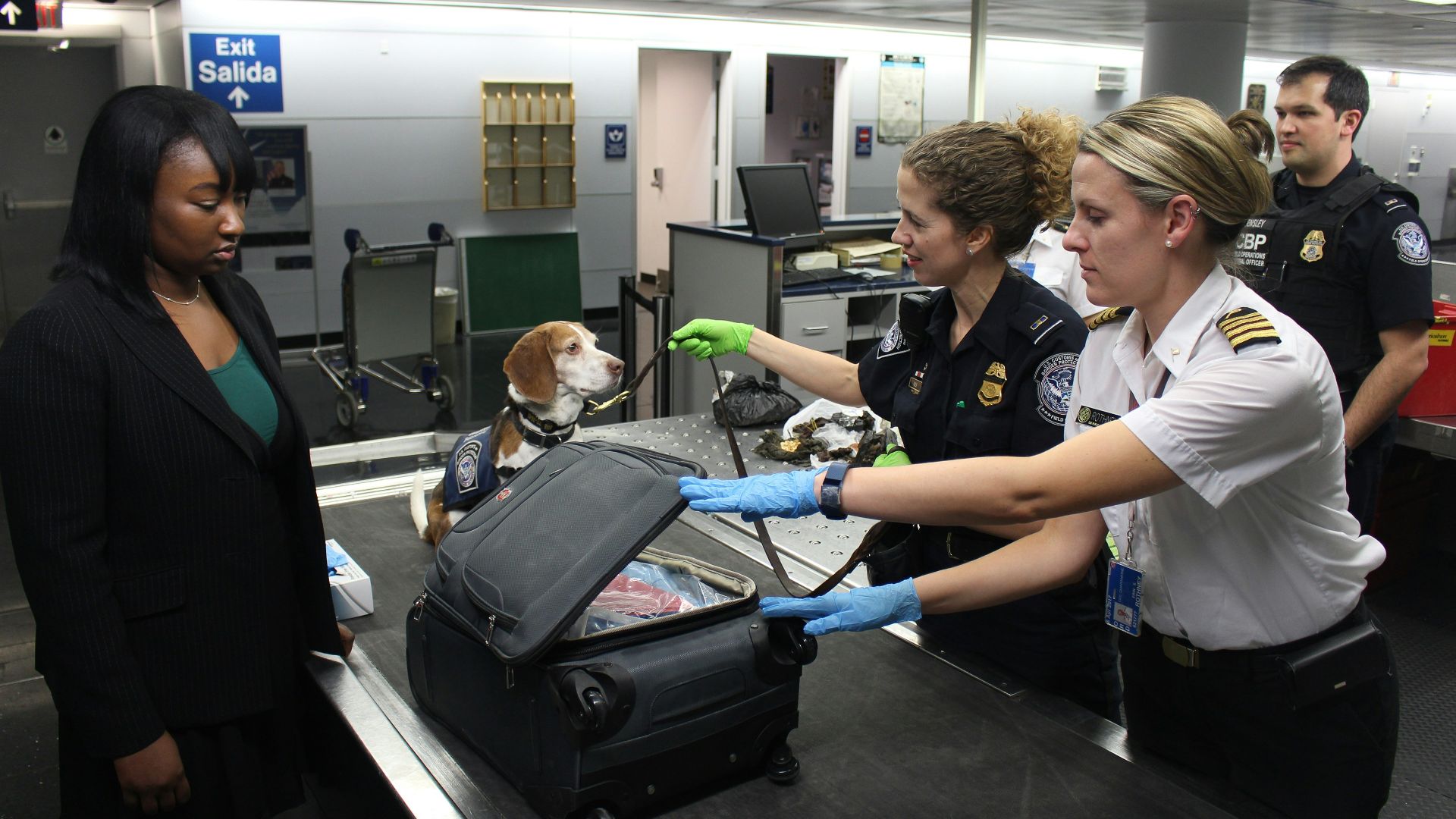
Here’s where your cousin may have picked up the story: airports that handle international travel often involve CBP officers. And CBP does have broader search authority at U.S. borders and ports of entry — including international airports.
Border Searches Are Different
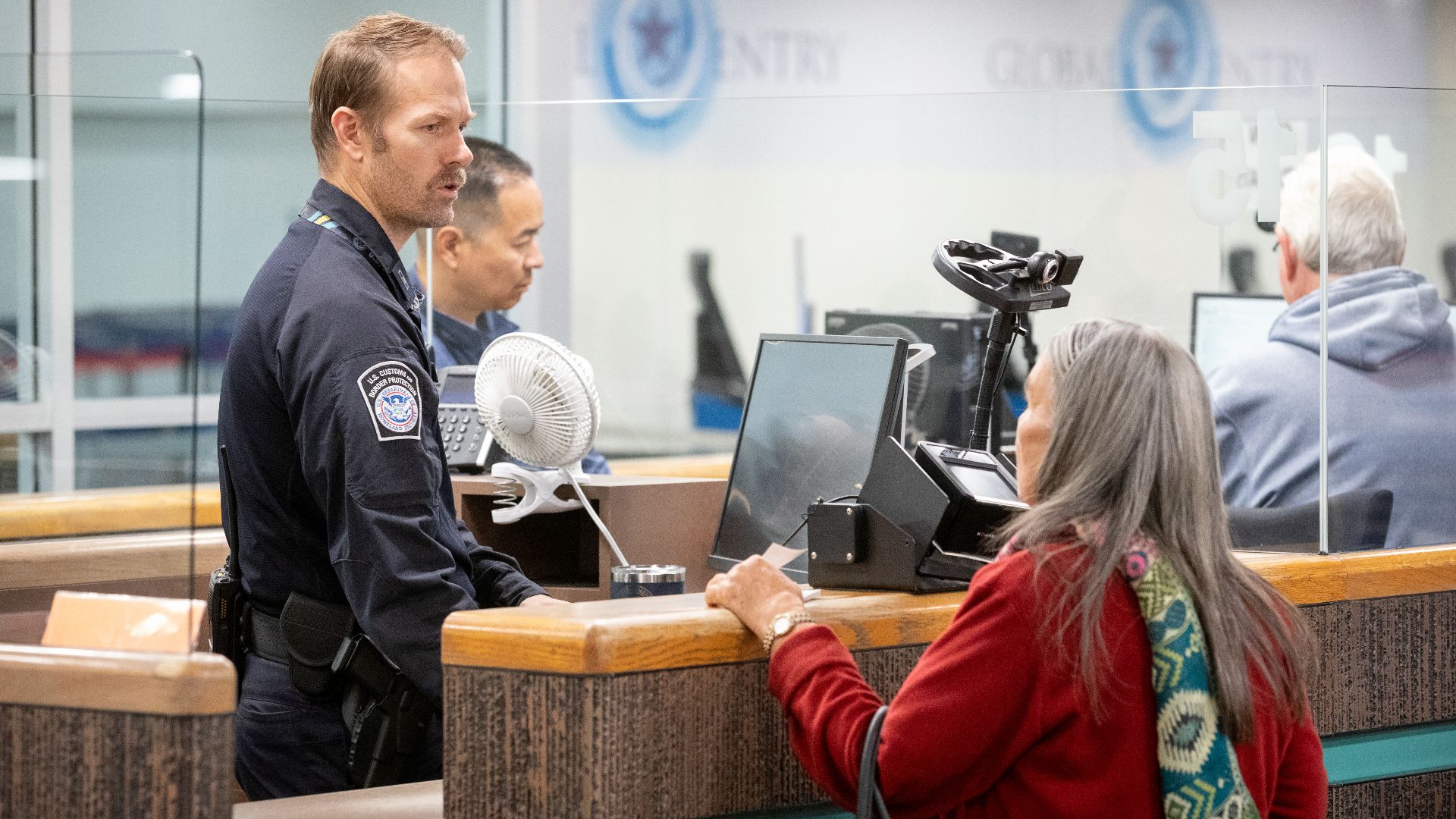
Under U.S. law, border agents can conduct searches without a warrant at the border or its functional equivalent (like international airport arrival areas). Courts have generally allowed CBP to inspect electronic devices under this “border search exception.”
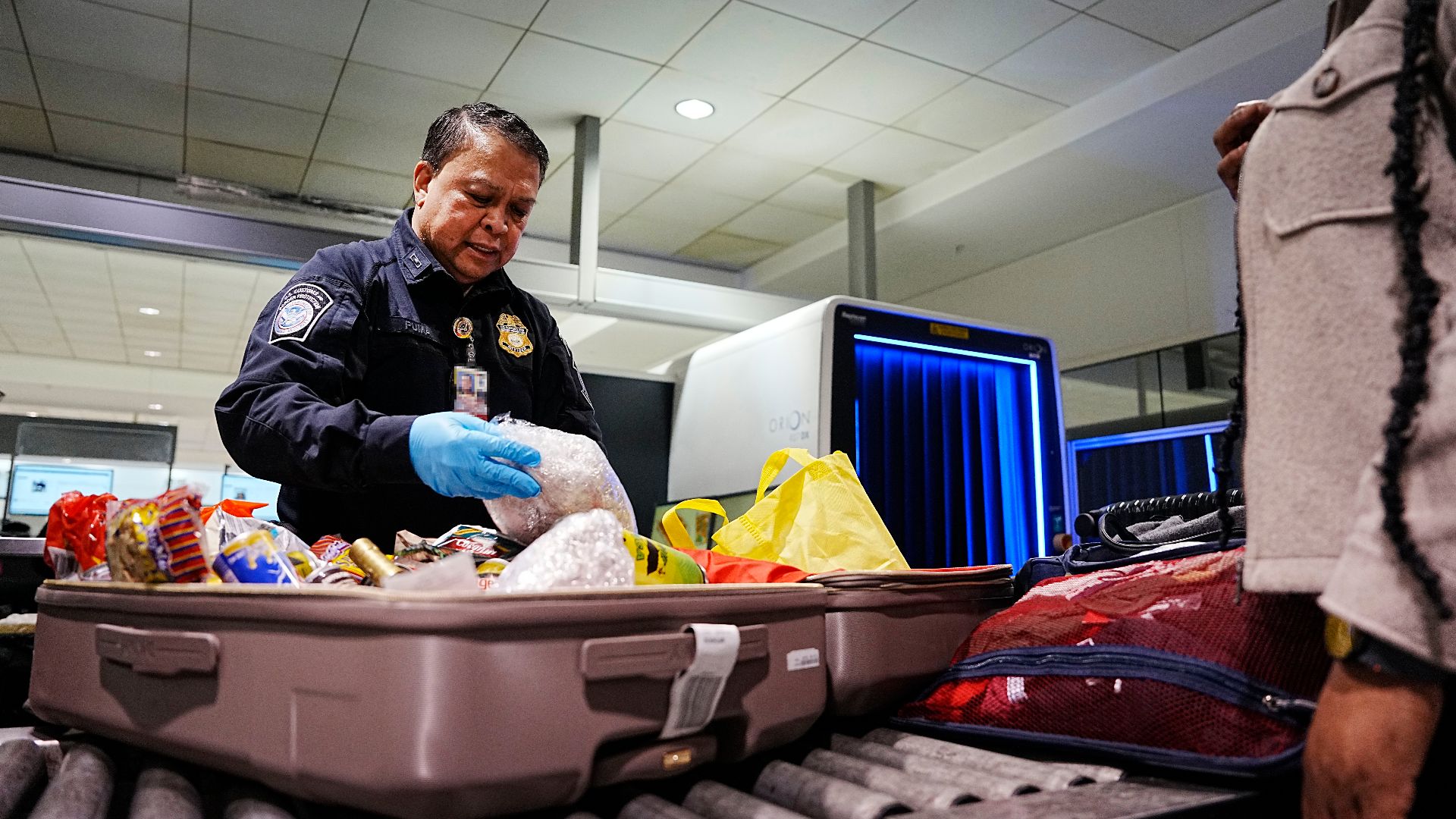 CBP Photography, Wikimedia Commons
What That Means For Your Phone
If you’re arriving from another country, CBP officers can request to inspect your device. That may include asking you to unlock it. Refusing can lead to delays, additional questioning, or even seizure of the device.
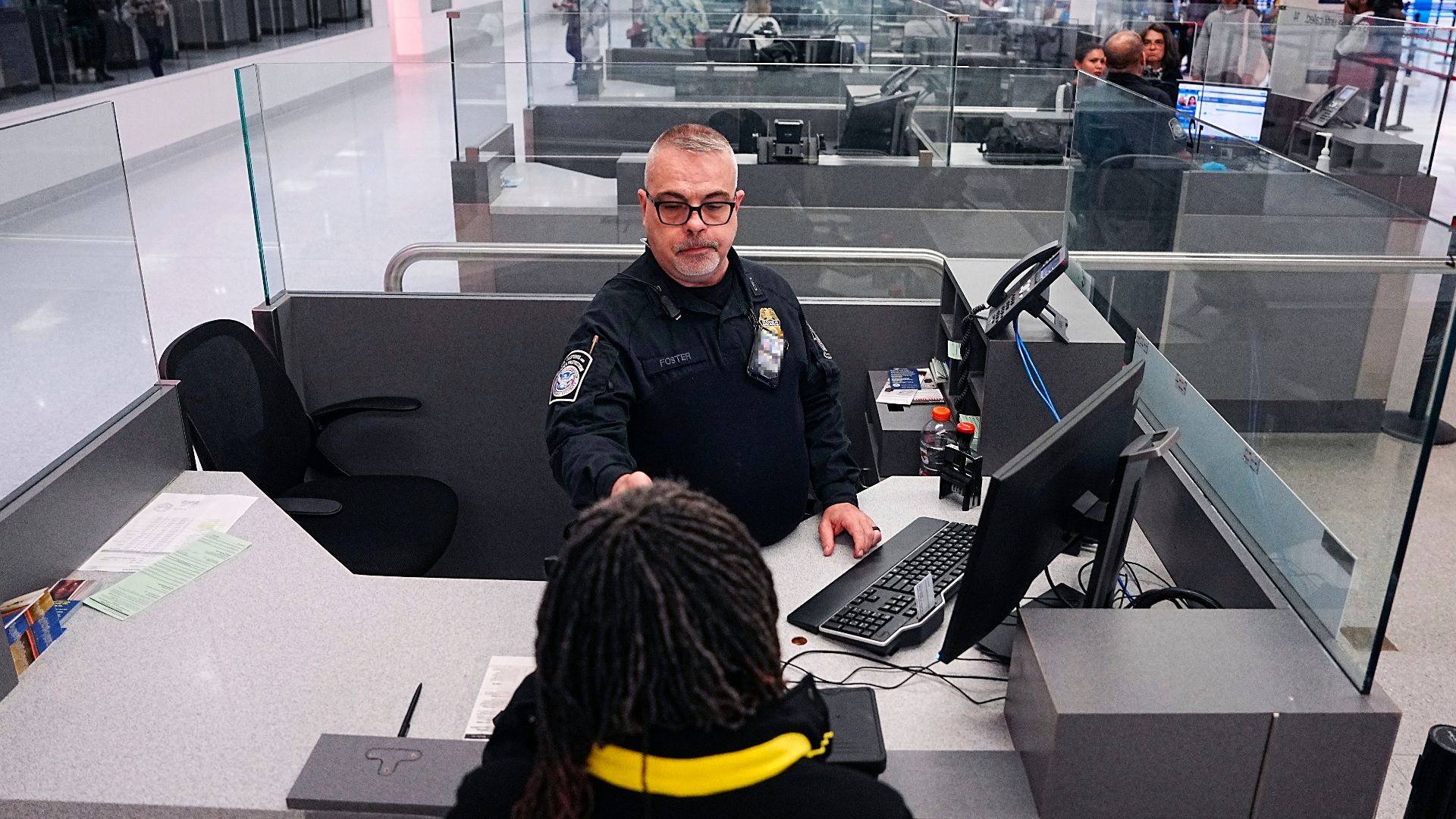 CBP Photography, Wikimedia Commons
Does This Apply To Domestic Flights?
No — not in the same way. If you’re flying from Chicago to Denver, TSA screening is not the same as entering the country from abroad. TSA officers do not routinely search phone data during domestic travel security checks.
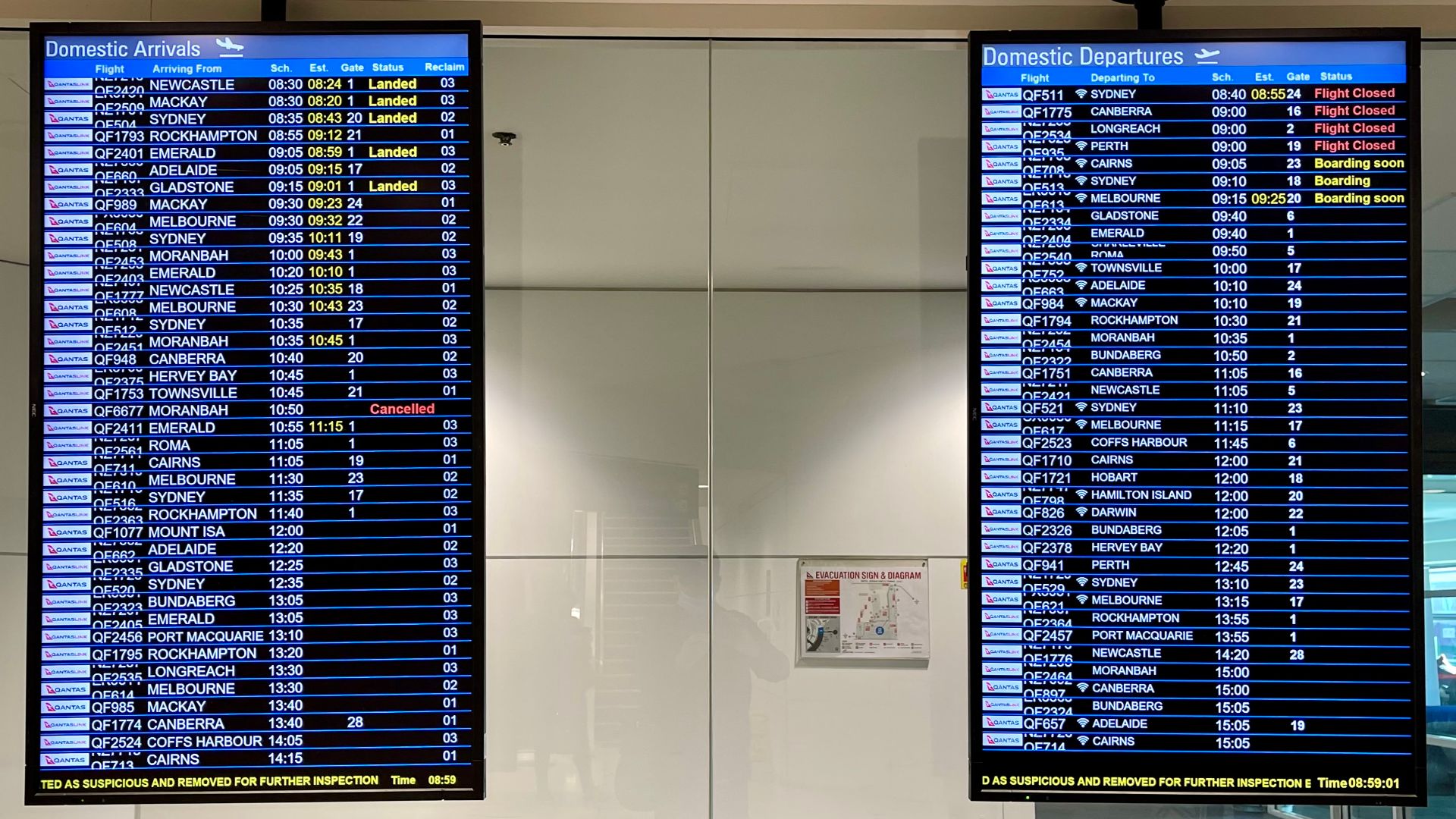
Can You Refuse?
At the border, you technically can refuse to unlock your phone. However, refusal may result in your device being detained for further inspection. For U.S. citizens, entry into the country cannot be denied — but delays can absolutely happen.
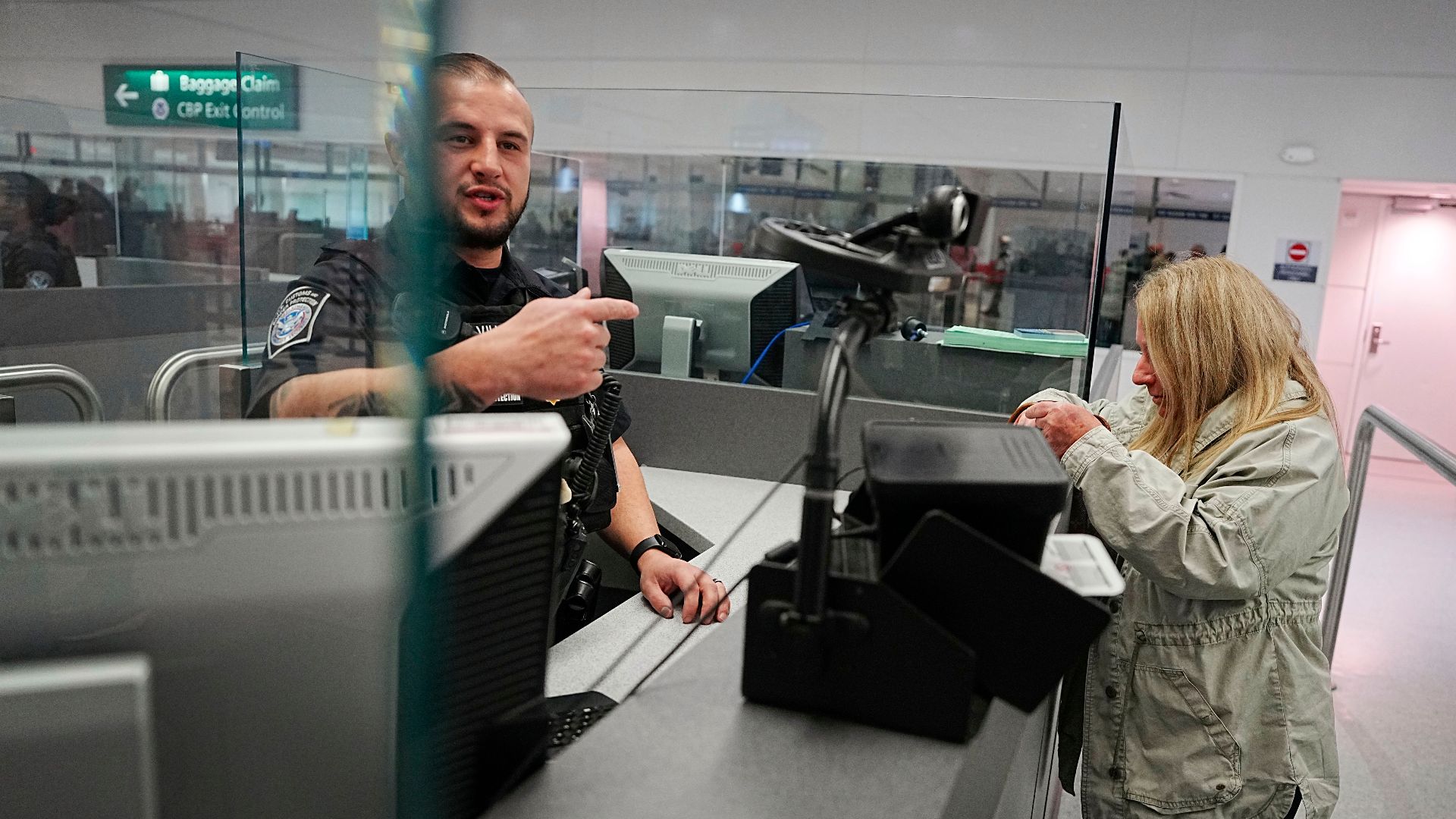 CBP Photography, Wikimedia Commons
What About Non-Citizens?
For non-U.S. citizens, the situation can be more complicated. Refusal to comply with a border device search request could affect entry decisions. CBP officers have significant discretion at ports of entry.
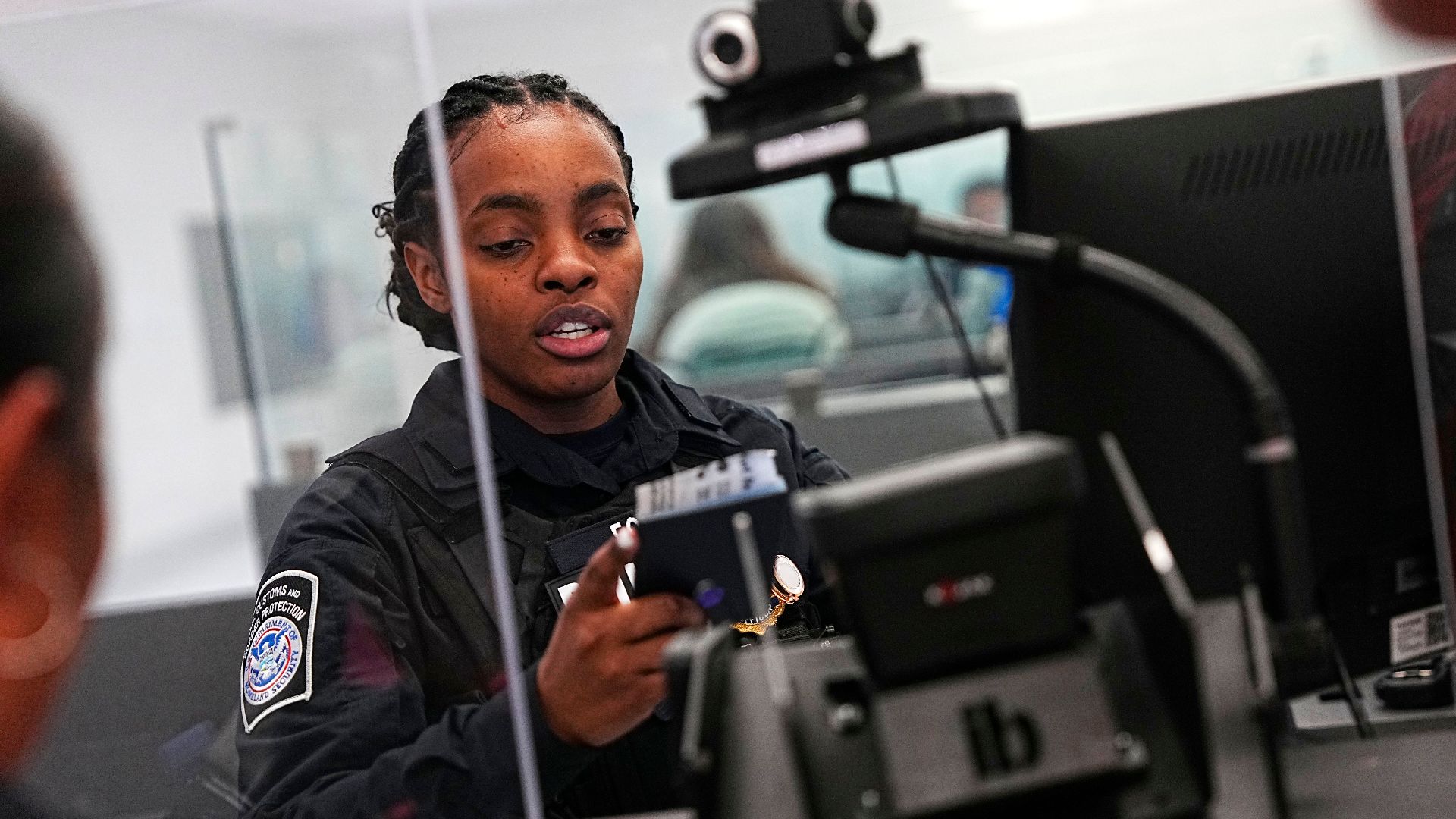 CBP Photography, Wikimedia Commons
Do They Need A Warrant?
For basic border searches of devices, courts have often ruled that a warrant is not required. However, more invasive forensic searches (deep data extraction) may require additional legal justification depending on jurisdiction.
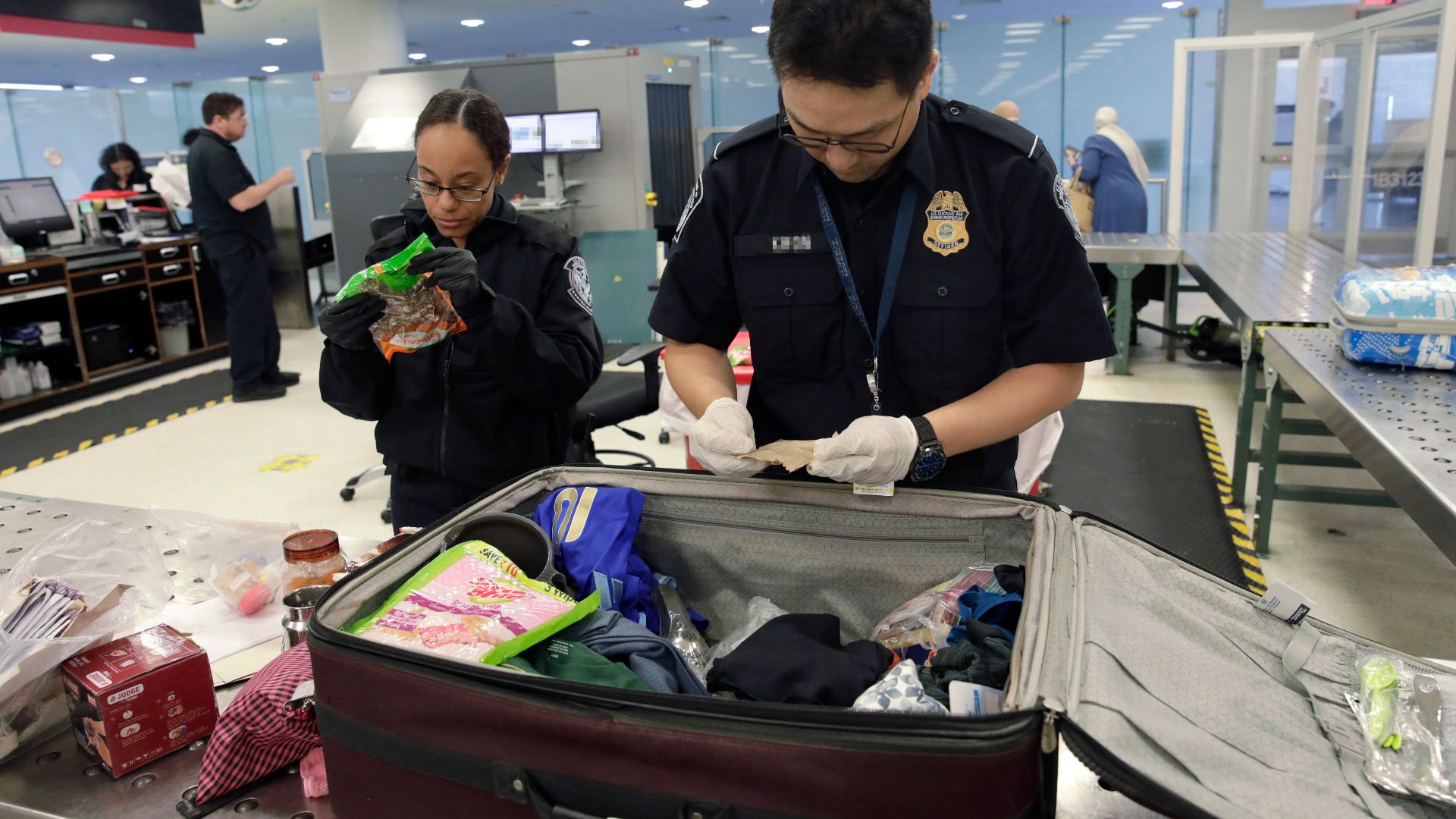 CBP Photography, Wikimedia Commons
What Happens In Practice?
Device searches at airports are relatively rare compared to total passenger volume — but they do happen. They’re more common during international arrivals than at domestic TSA checkpoints.
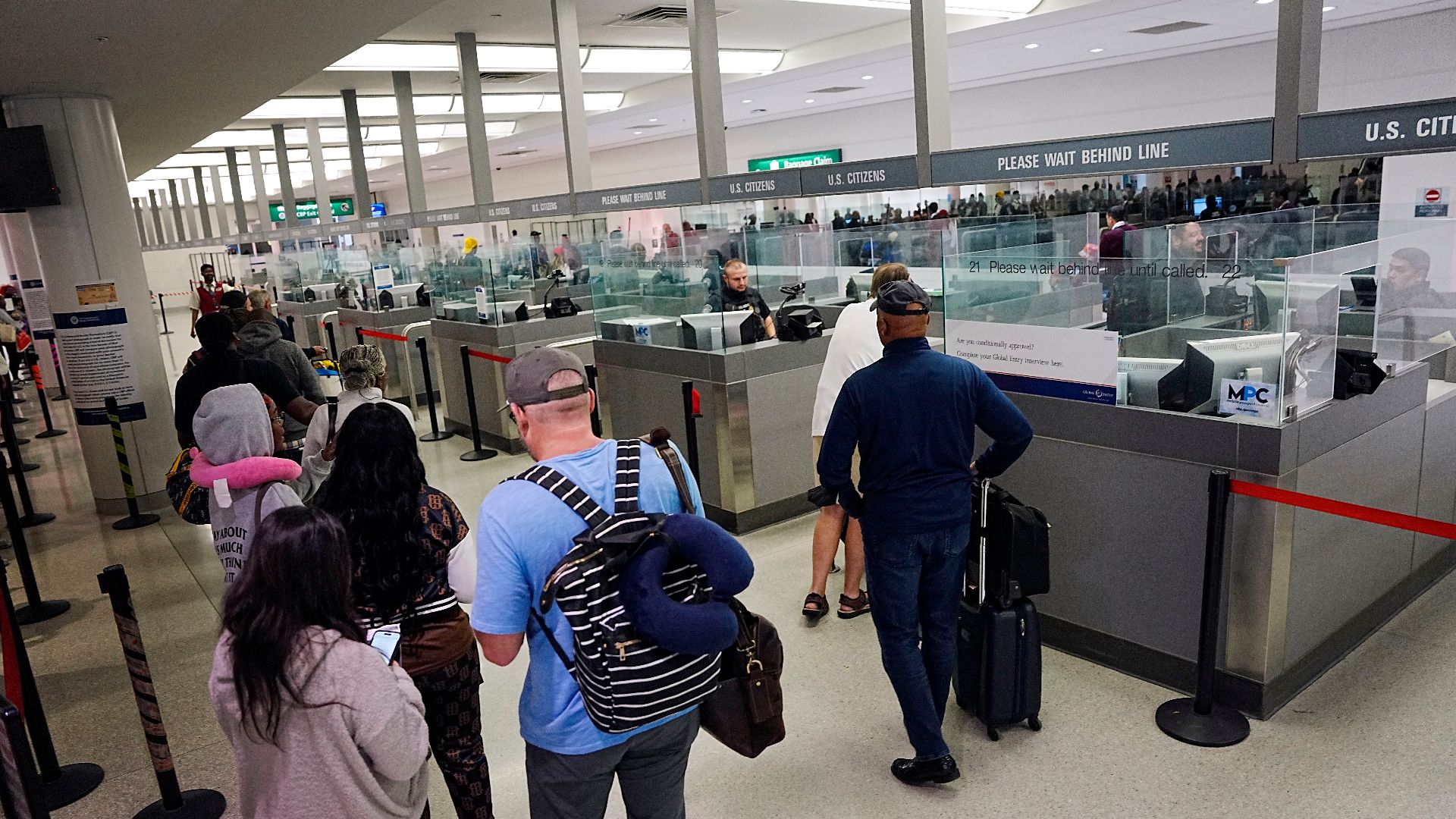 CBP Photography, Wikimedia Commons
Why Airports Create Confusion
When people say “TSA searched my phone,” they may actually be referring to CBP at an international airport. Because both agencies operate inside airports, stories get blended together — and the rules seem inconsistent.
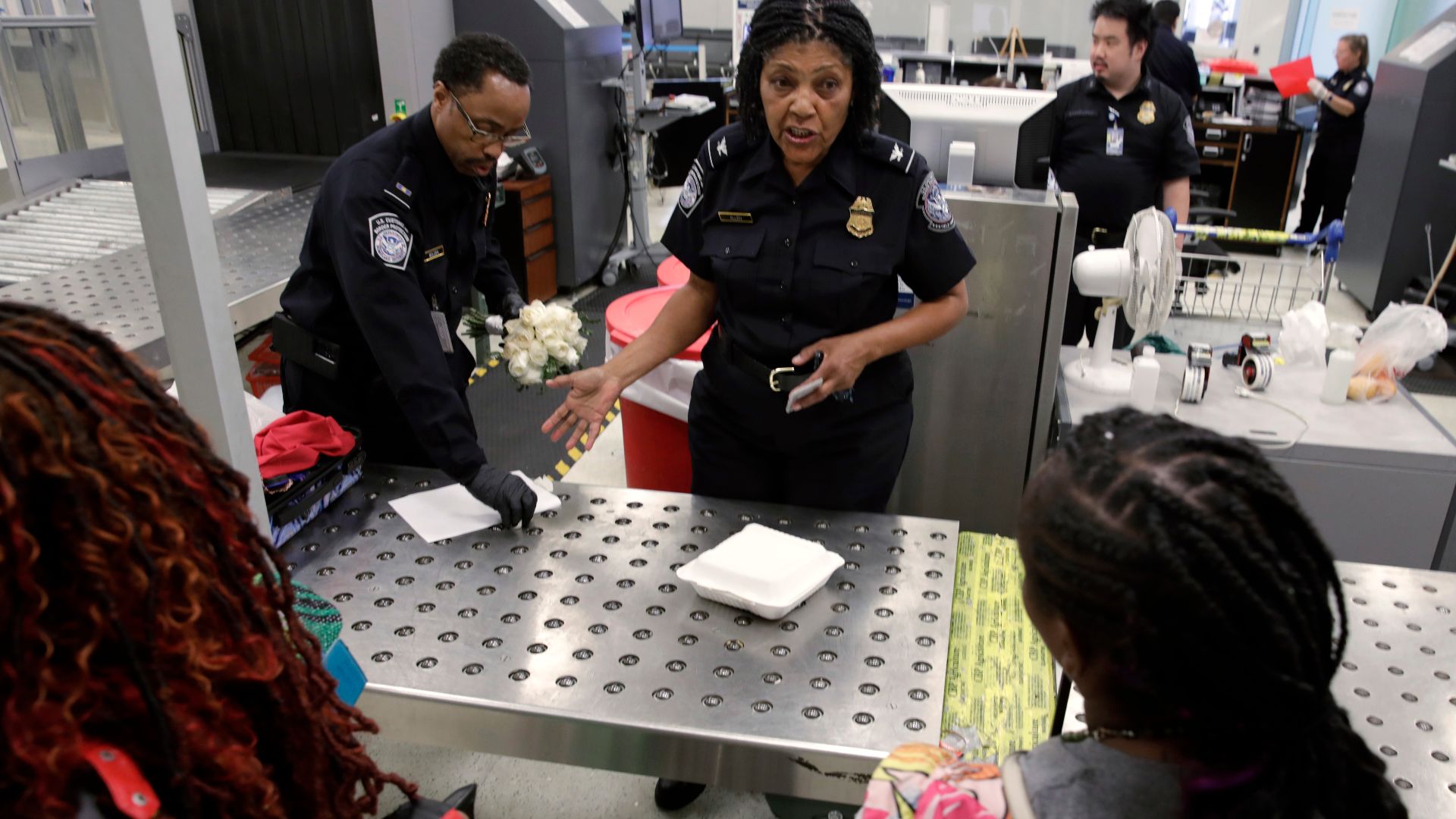 CBP Photography, Wikimedia Commons
Does Airport Location Matter?
Yes — but not because some airports have “stricter TSA.” The difference usually depends on whether you’re going through international customs or crossing a U.S. border. The legal authority changes at that point.
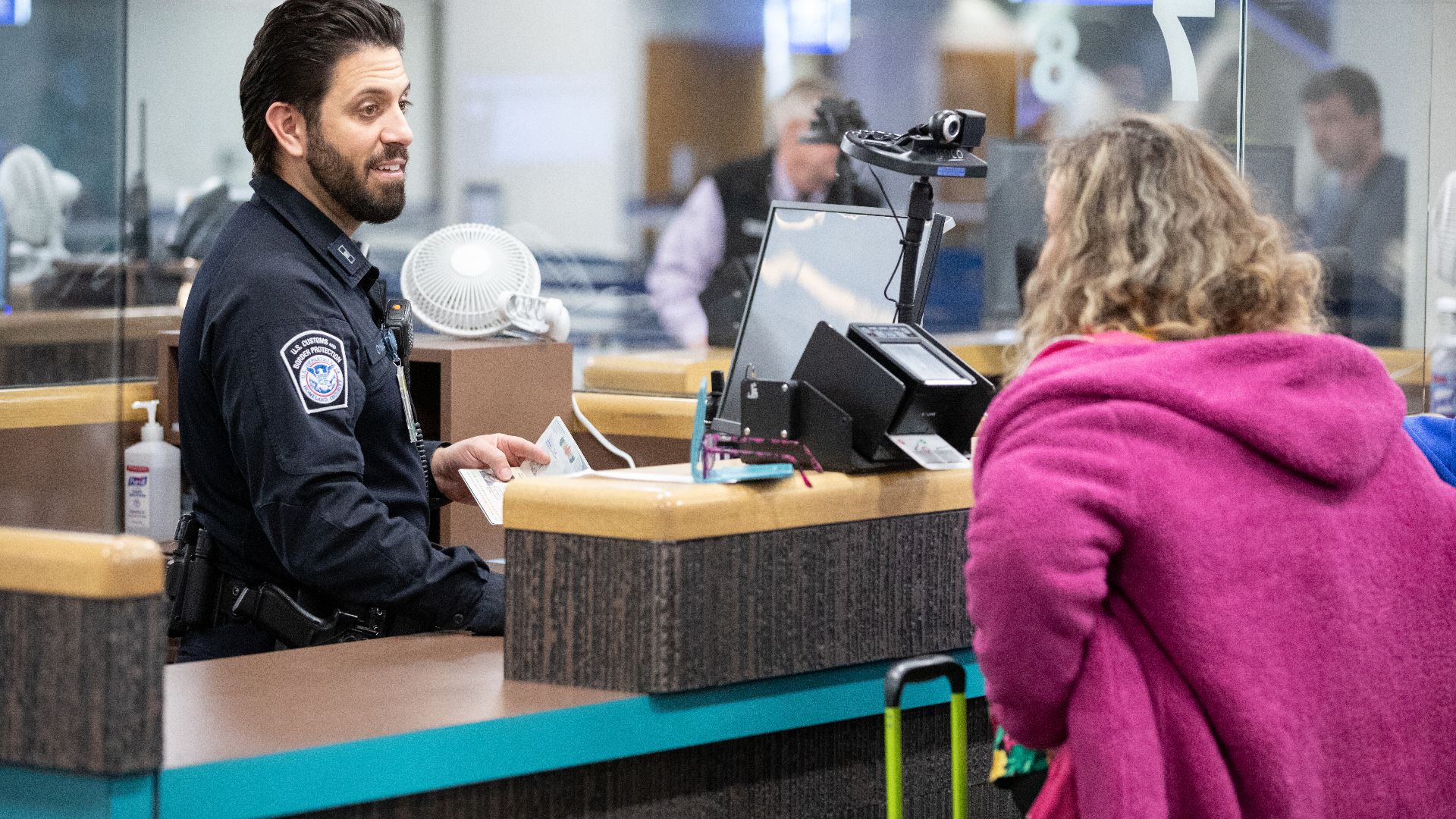 CBP Photography, Wikimedia Commons
Are There Privacy Protections?
There are policies limiting how long CBP can retain data and how searches are conducted. However, privacy advocates continue to debate and challenge the scope of electronic device searches at the border.
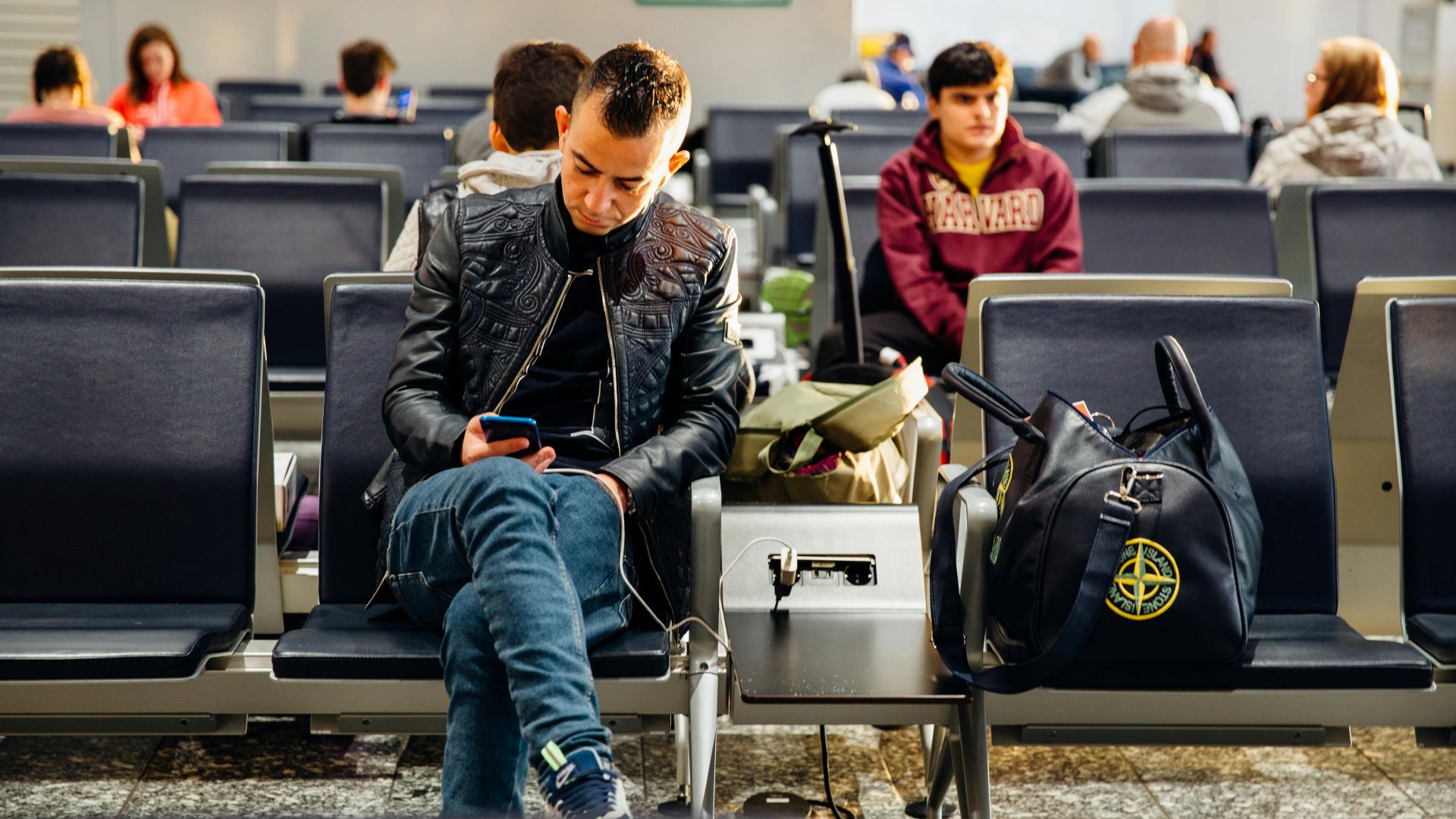
What Should Travelers Know?
If you’re traveling domestically, TSA is focused on physical security screening. If you’re entering the U.S. from abroad, understand that border agents have broader authority. Knowing which agency you’re dealing with matters more than the airport itself.
So… Who’s Telling The Truth?
Your friend is mostly right for standard domestic TSA screening — they generally can’t force you to unlock your phone just to board a flight. Your cousin is right in the context of international arrivals, where border agents can request device access.
The Bottom Line
It’s not about “some airports” being stricter. It’s about whether you’re at a border checkpoint. TSA screening and border inspections follow different rules — and that’s where the confusion starts.
 CBP Photography, Wikimedia Commons
You May Also Like: