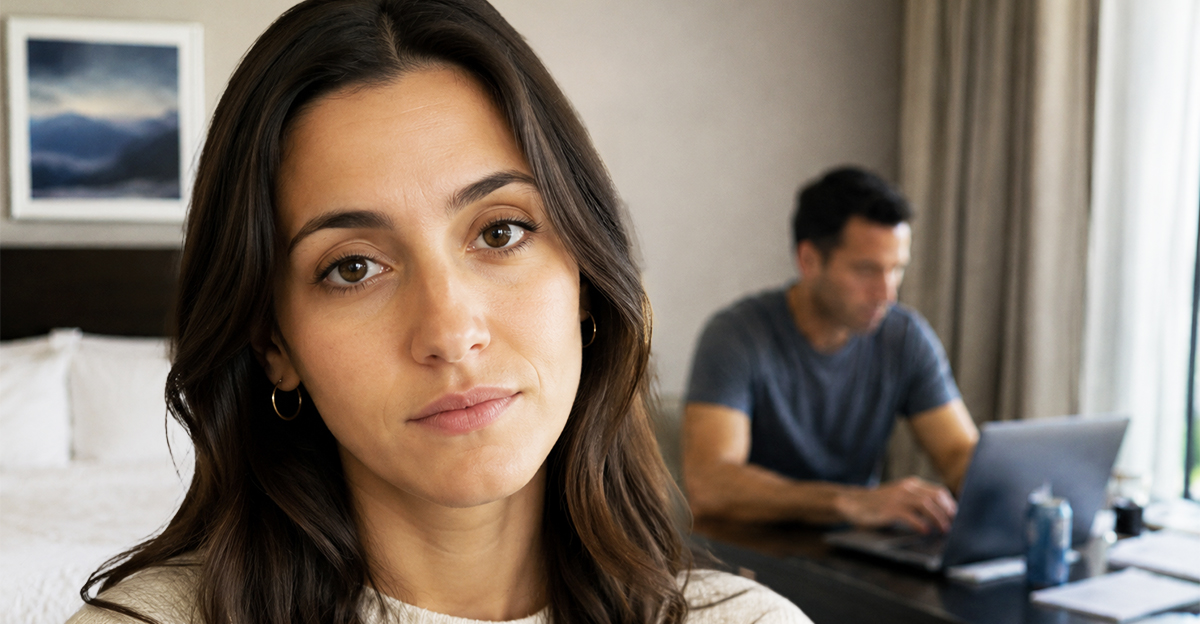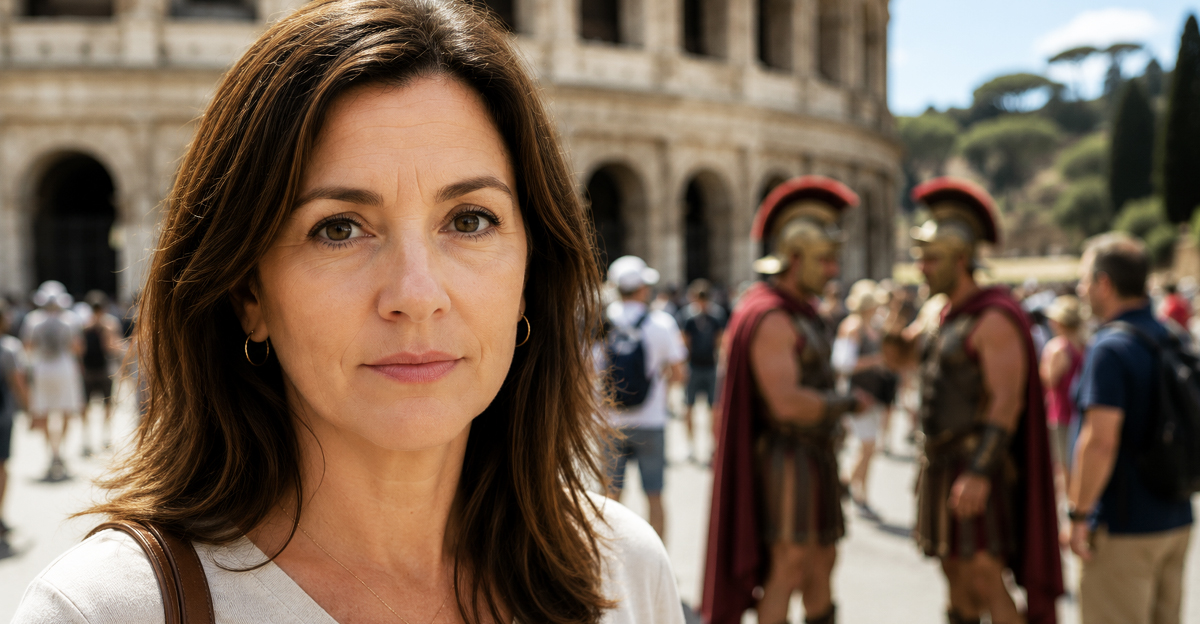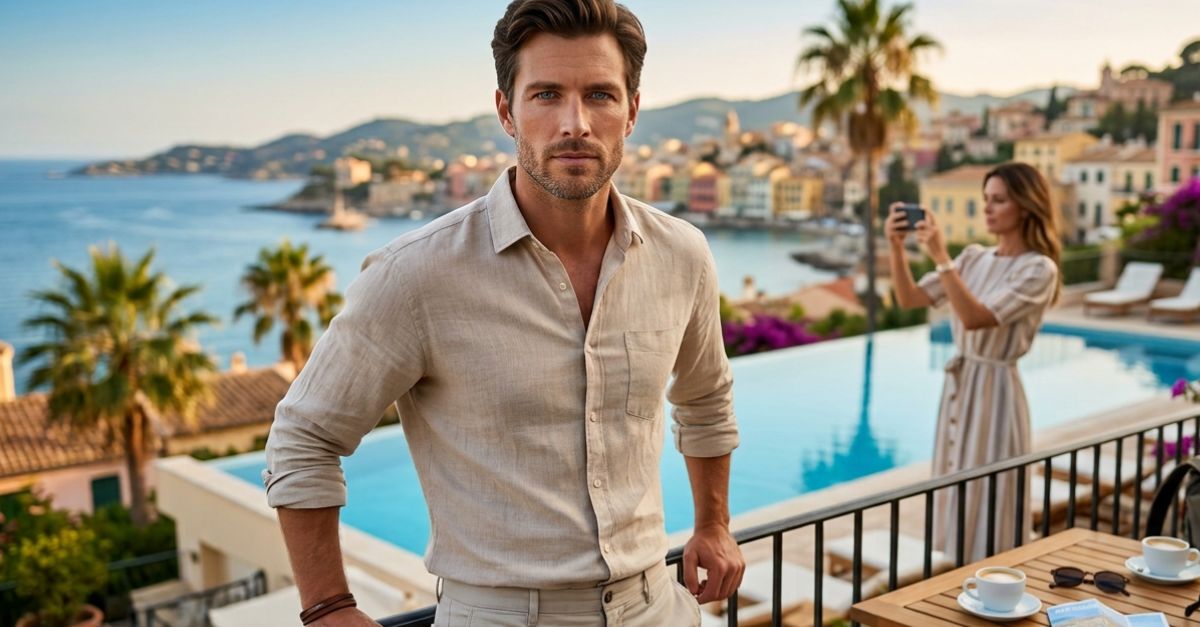
The Hotel Photo Test
For some people in 2026, a trip can start to feel incomplete without a rooftop pool, a stylish lobby wall, or a breakfast tray that looks made for social media. For a lot of couples, the question is no longer beach or city. It's "Will the pictures be good enough to justify to trip?"
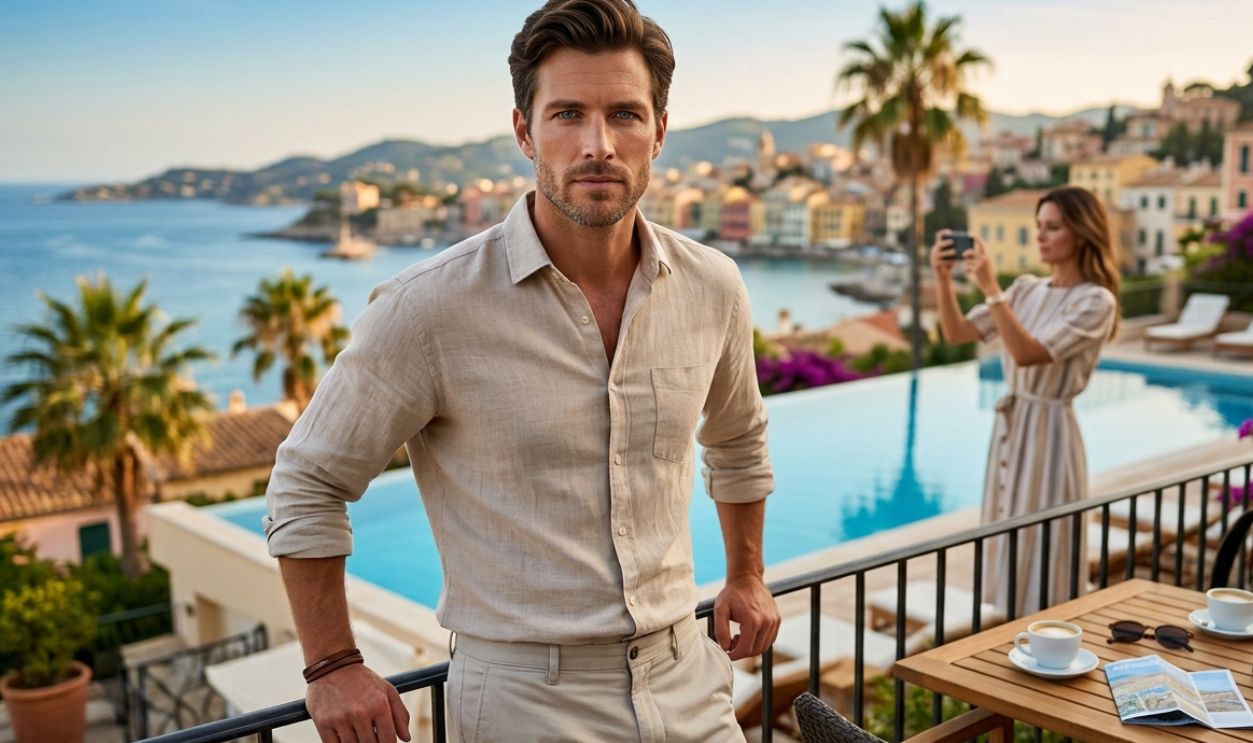
When Travel Became Content
Travel has always come with bragging rights, but social media changed the speed and scale of it. Instagram launched in October 2010, and it quickly turned hotels, cafés, and scenic viewpoints into shareable backdrops. What used to sit in a photo album now goes online right away, chasing likes and attention.
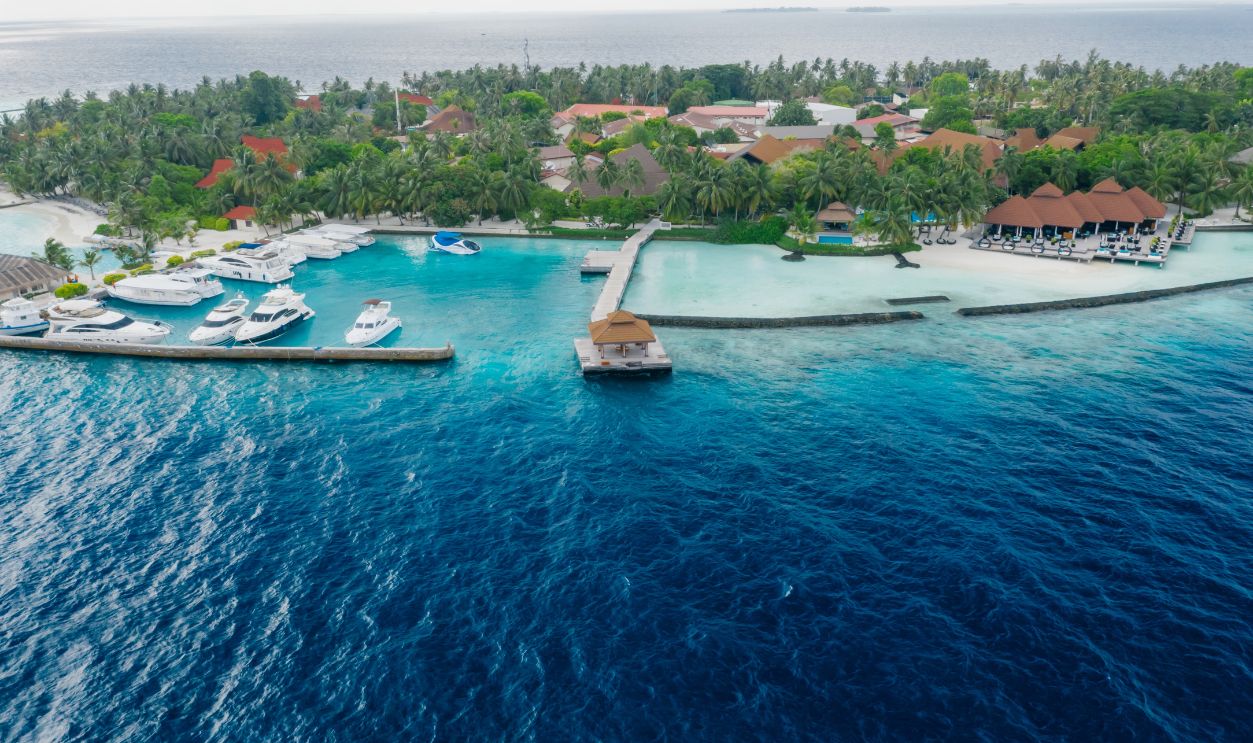
The Rise Of The Picture-Perfect Stay
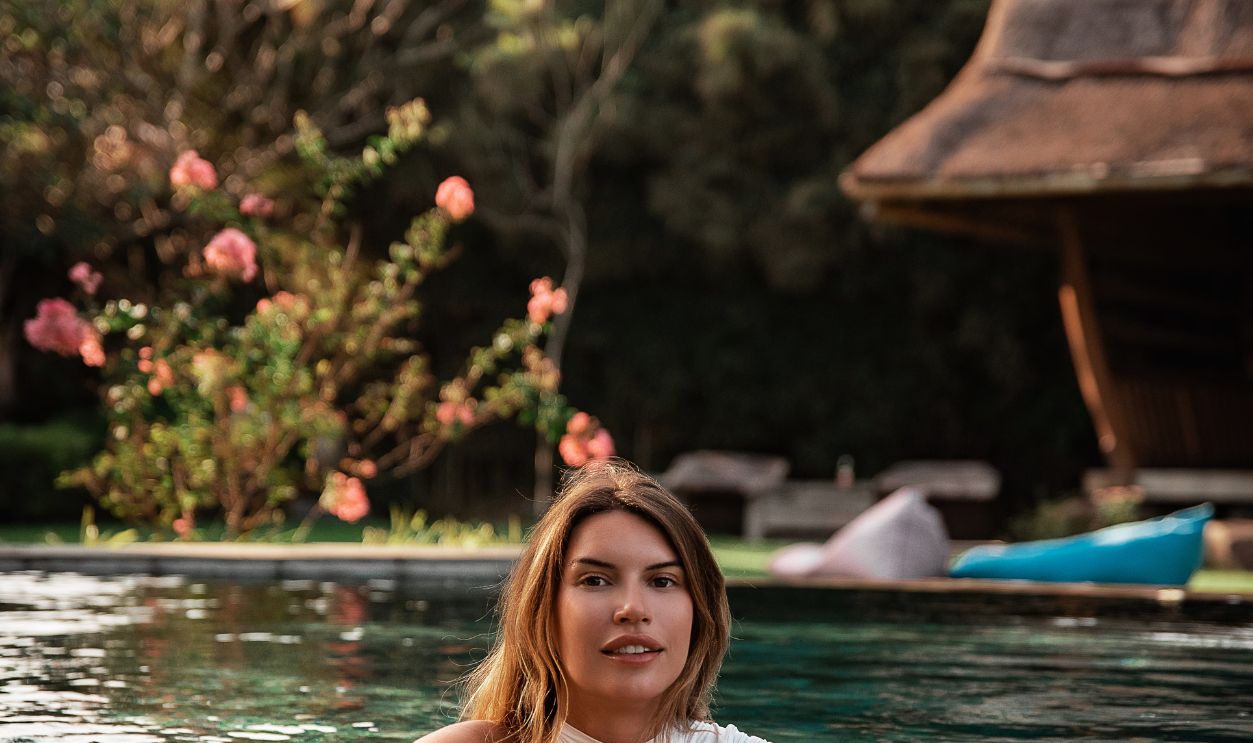
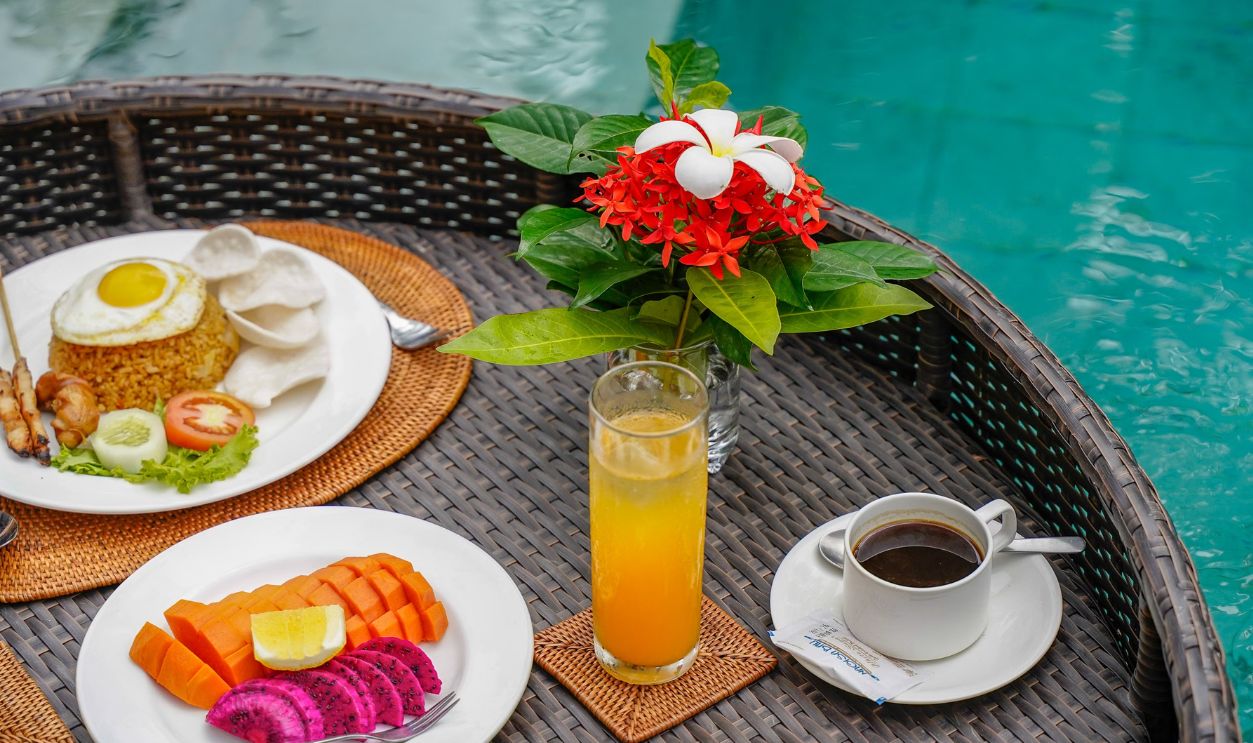
Hotels caught on fast. Design-heavy rooms, flower-filled bathtubs, floating breakfasts, and mirror-lined bathrooms became marketing tools as much as perks. The room was no longer just where you slept. It became part of the main event.
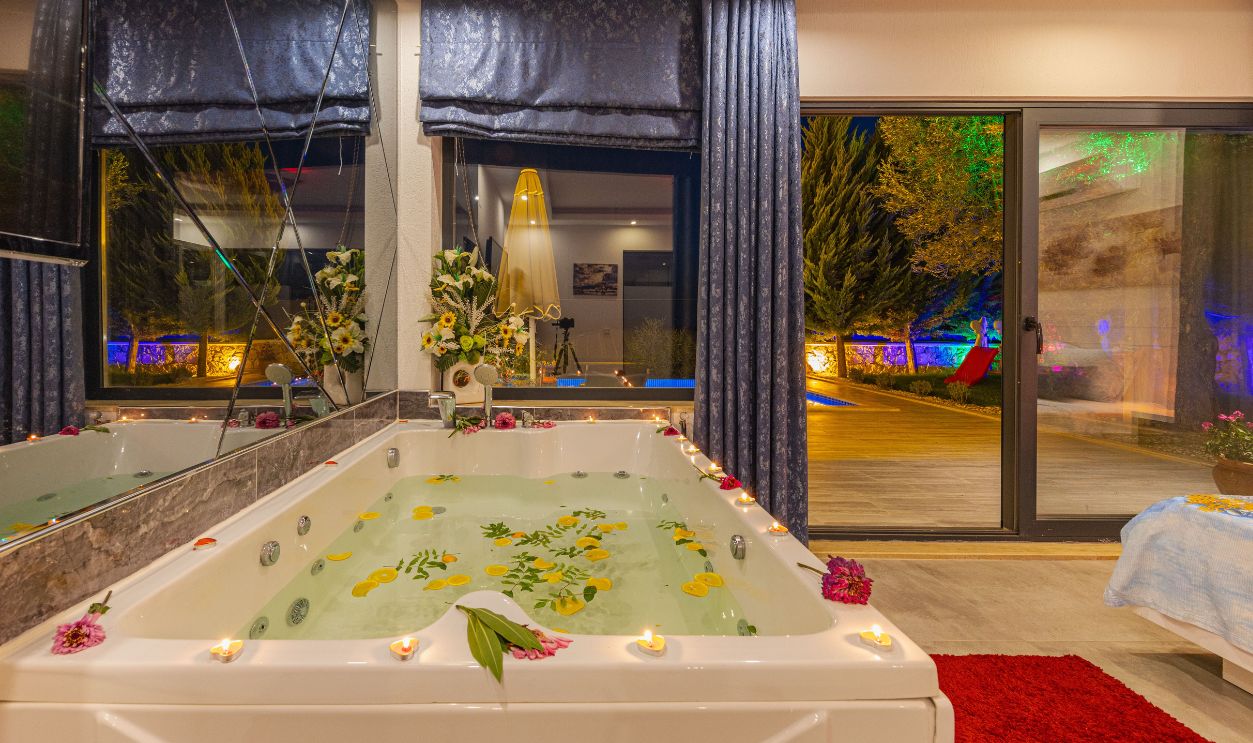
Instagram’s Direct Effect On Travel Choices
There is real evidence that social media shapes where people go. A 2025 Statista survey found that 39 percent of adults worldwide said social media content inspired their choice of travel destination. Among younger adults, the effect was even stronger, which helps explain why photogenic hotels get so much attention.
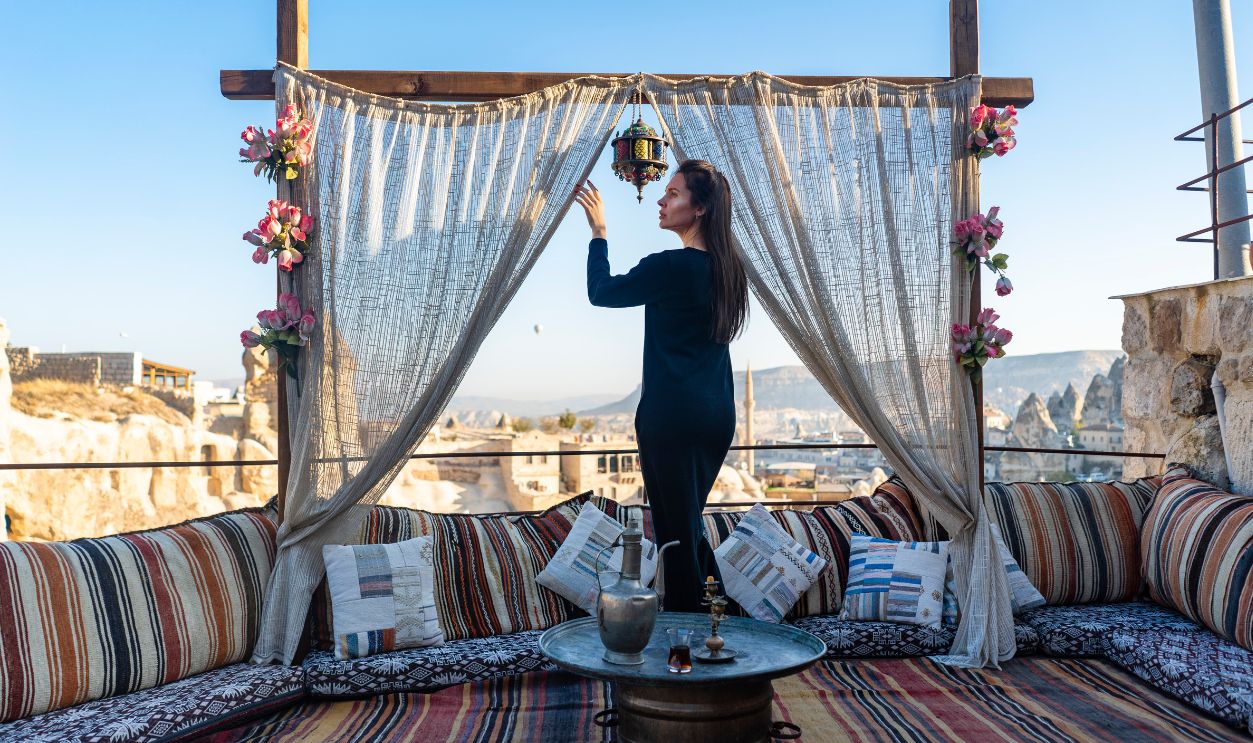
It Is Not Just About Destinations
Travelers are not only picking countries and cities based on what they see online. They are also choosing specific hotels, restaurants, and neighborhood corners that look good in photos. That can make a trip feel carefully planned, but it can also make it feel oddly scripted.
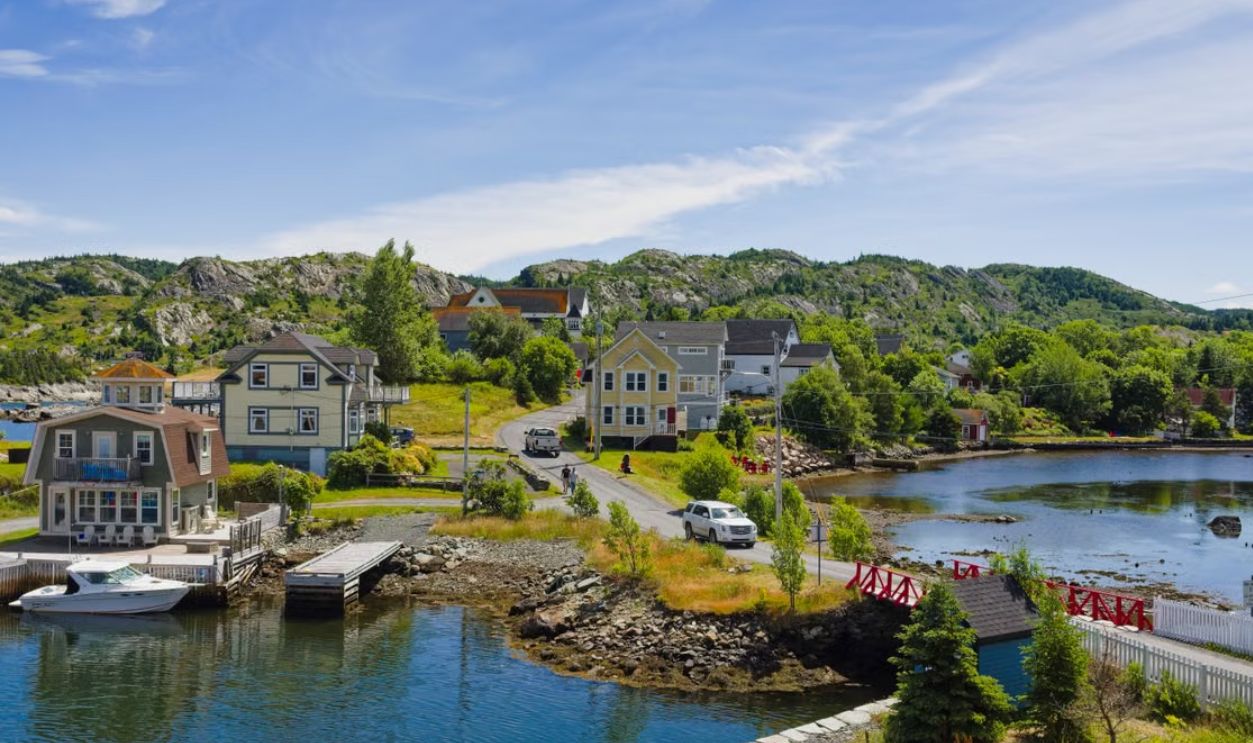
Pretty Places Can Be Genuinely Great
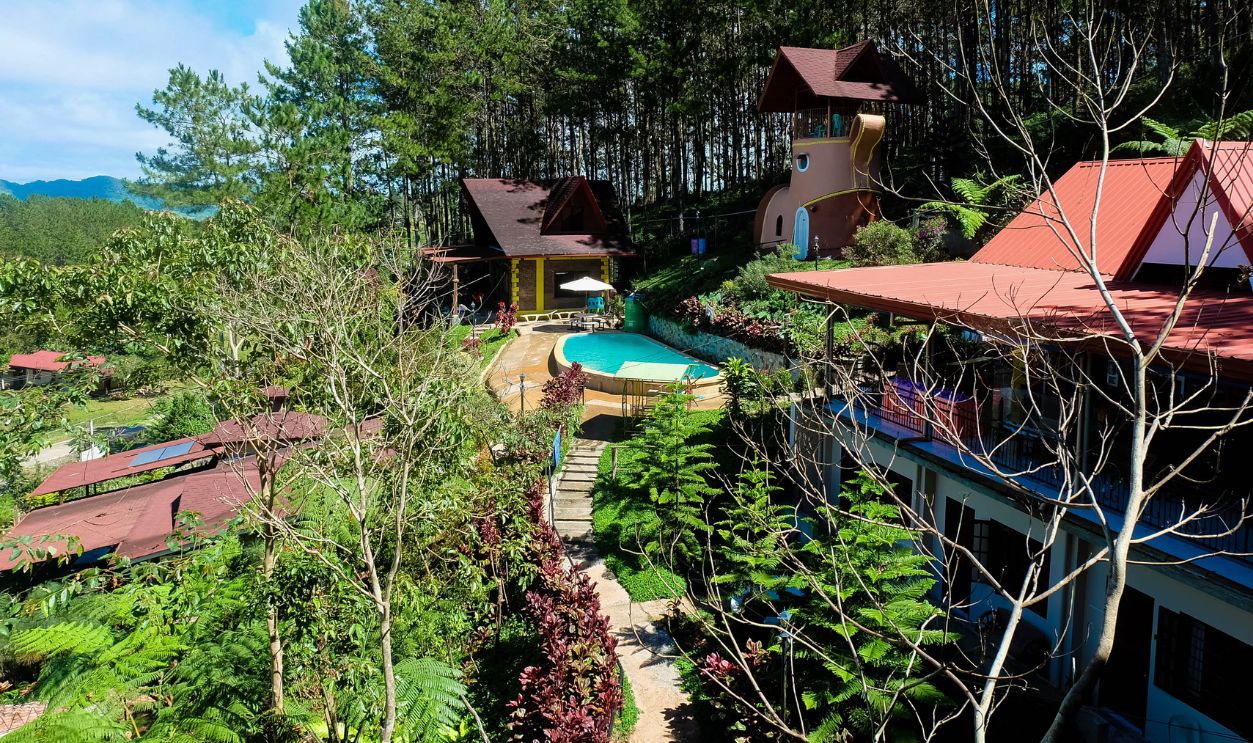
Not every Instagram-friendly place is a shallow choice. Good design can make a hotel feel calmer, a rooftop can deliver a real wow moment, and a beautiful setting can become one of the best memories of the trip. A stylish stay is not fake just because it photographs well.
But The Pressure Is Real
Social media can quietly raise the stakes of a holiday. Instead of asking whether a place is comfortable, convenient, or worth the money, travelers may start asking whether it will look impressive online. That can turn a relaxing break into a performance.
Fear Of Missing Out Has A Travel Price
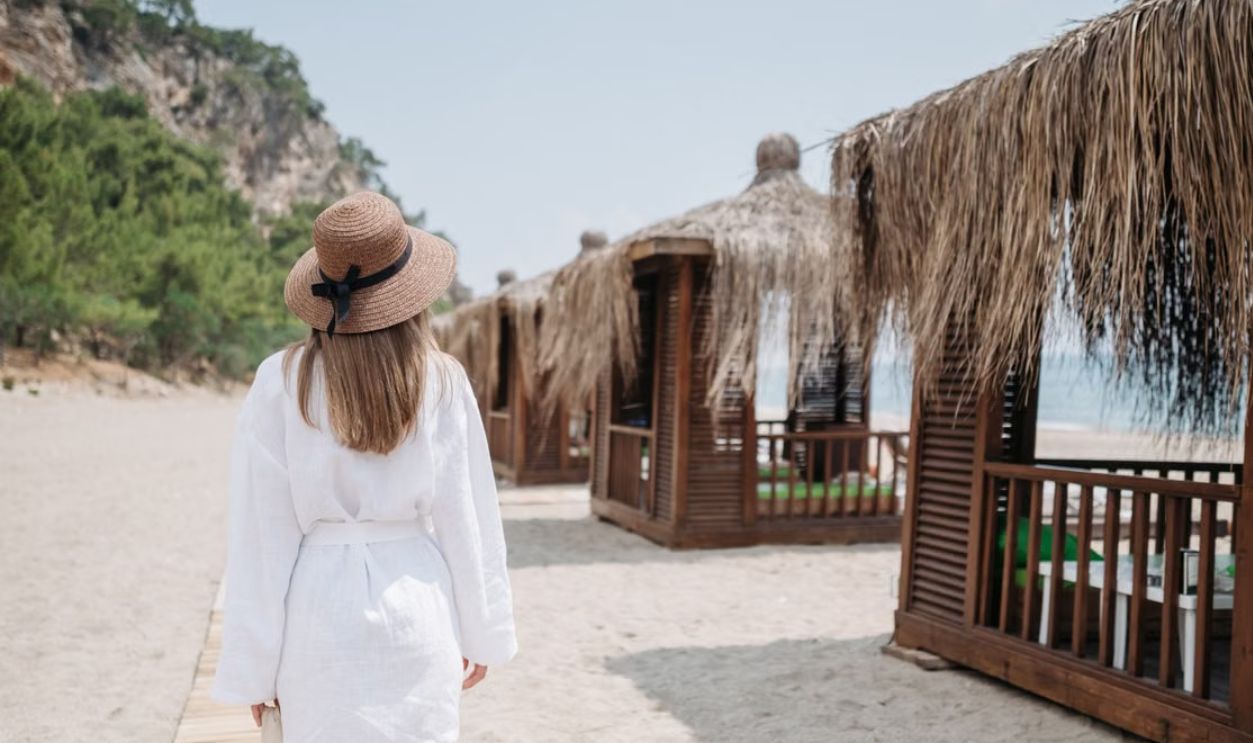
The psychology behind this has been studied. A 2013 paper by Andrew K. Przybylski, Kou Murayama, Cody R. DeHaan, and Valerie Gladwell defined and measured fear of missing out, or FOMO, and linked it to social media engagement. In travel, that feeling can make perfectly good choices seem dull if they are not visually dramatic.
Why The Algorithm Loves Extremes
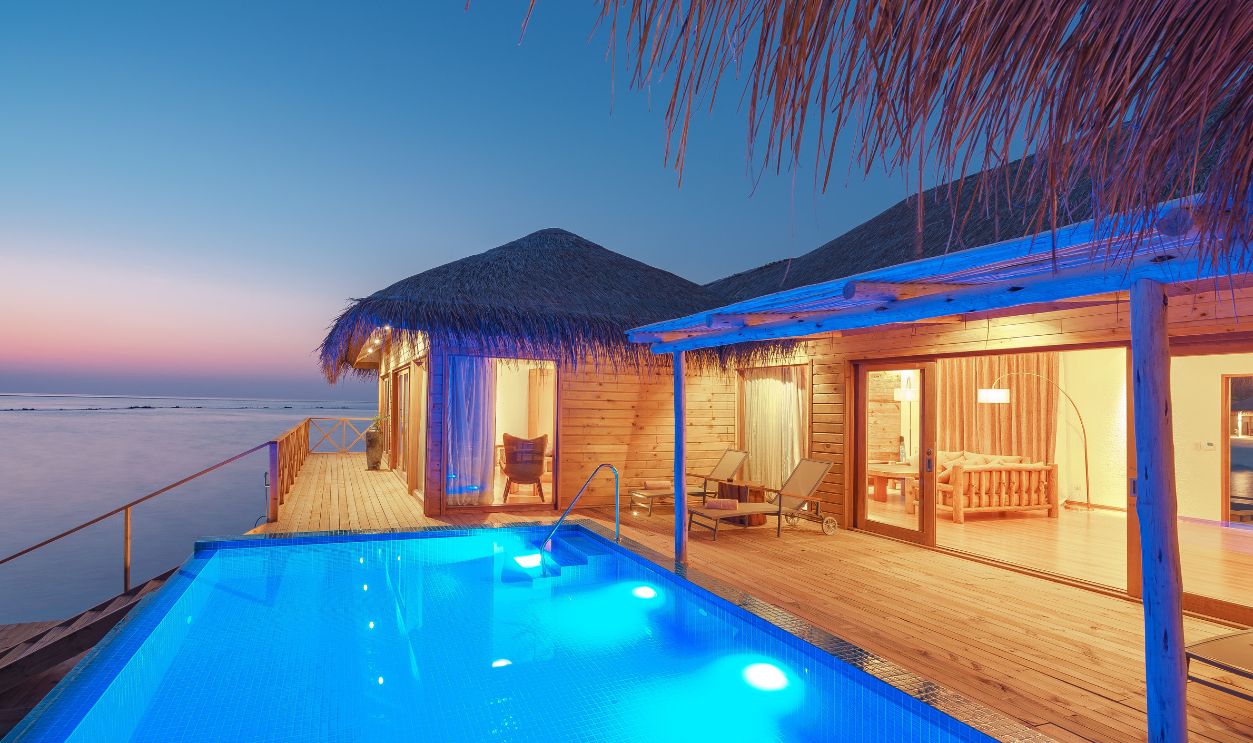
Platforms reward images that make people stop scrolling. Usually that means infinity pools, cliffside tubs, neon cafés, and views that look almost unreal. The result is a warped version of travel where the spectacular gets boosted and the sensible option disappears.
Reality Rarely Looks Like The Feed
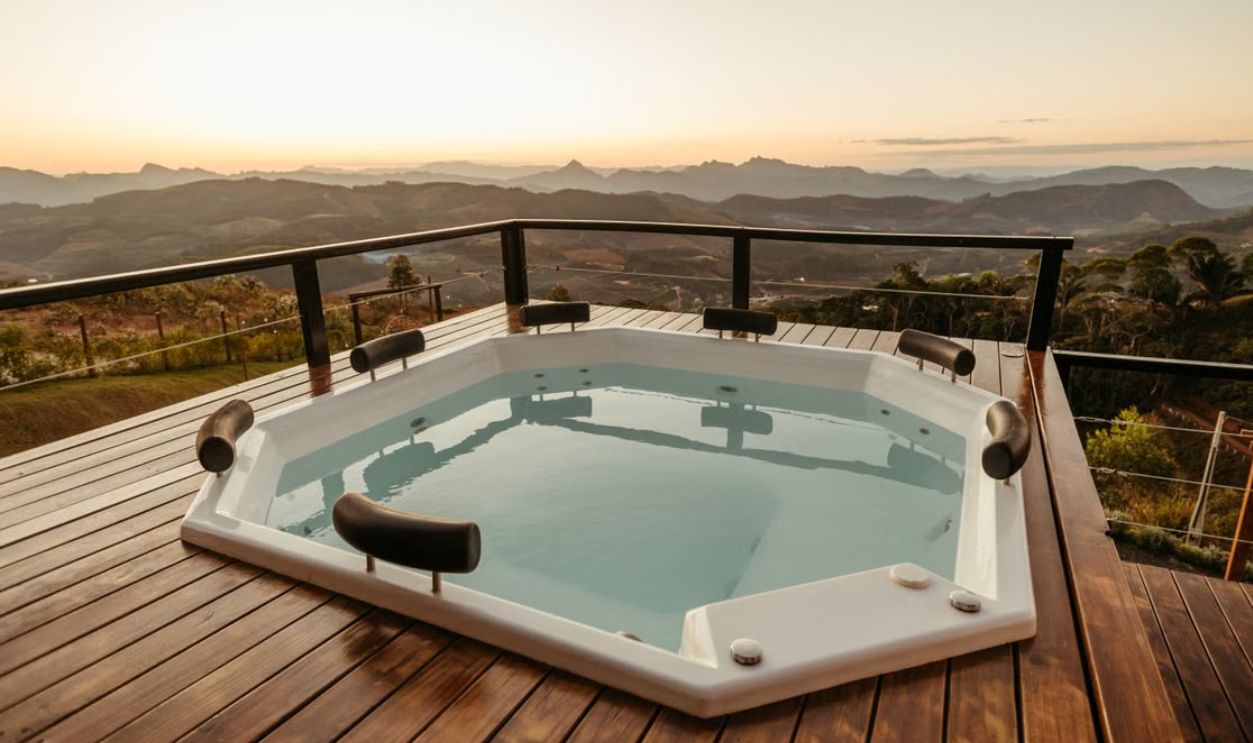
Many travelers know the letdown. The “hidden gem” has a line of selfie sticks, the quiet cove is packed by noon, and the boutique hotel is gorgeous in one corner and worn out everywhere else. Social media usually shows the best angle, not the full story.
Research Has Linked Social Media To Tourist Overcrowding
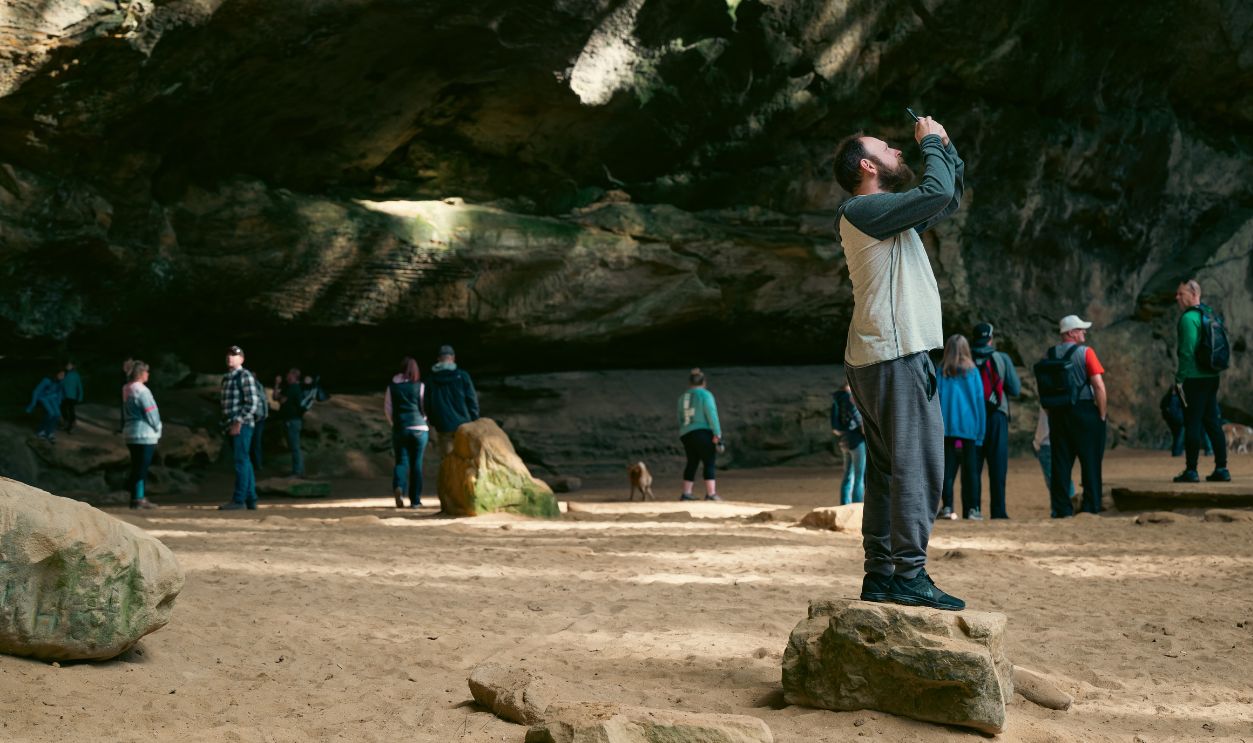
Tourism researchers have also looked at how social platforms change where people go. A 2018 study in Tourism Management by Marine Mariani, Rodolfo Baggio, Dimitrios Buhalis, and Claudio Longhi discussed social media’s growing effect on tourist behavior and destination visibility. When enough people chase the same photo, a peaceful spot can turn into a traffic jam.
Tourists Are Being Warned About The Perfect Shot
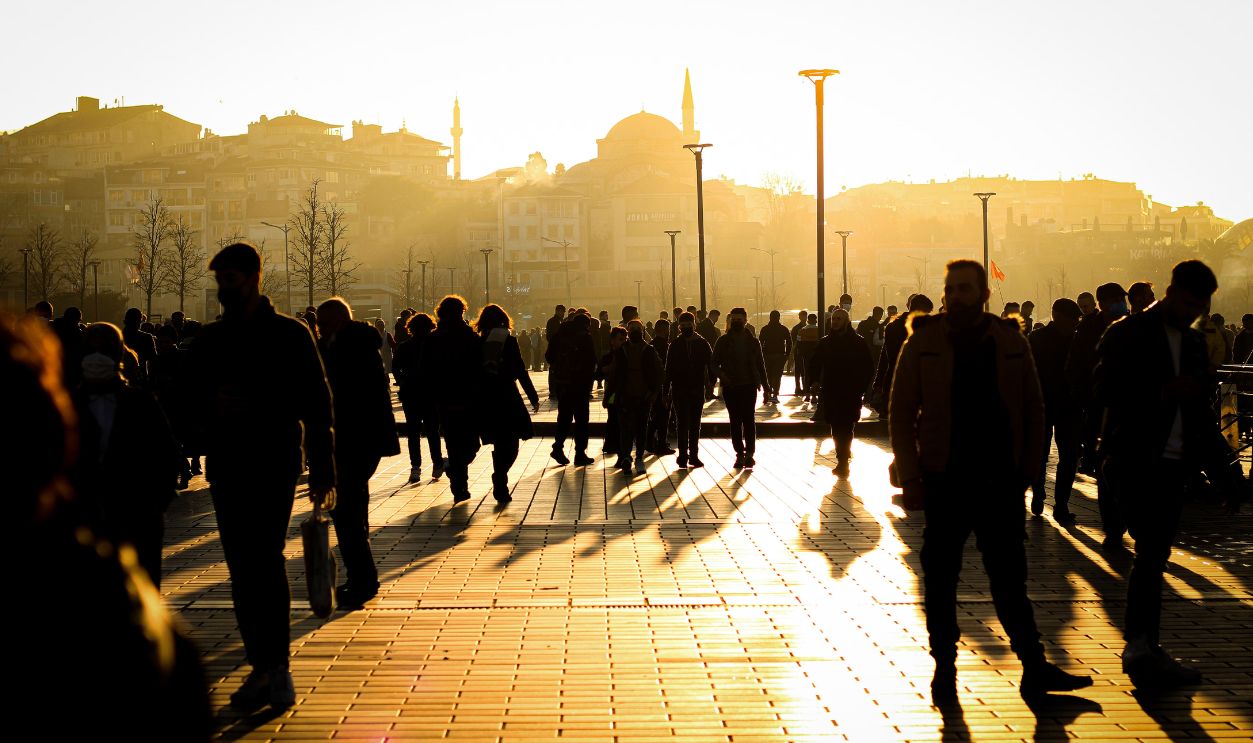
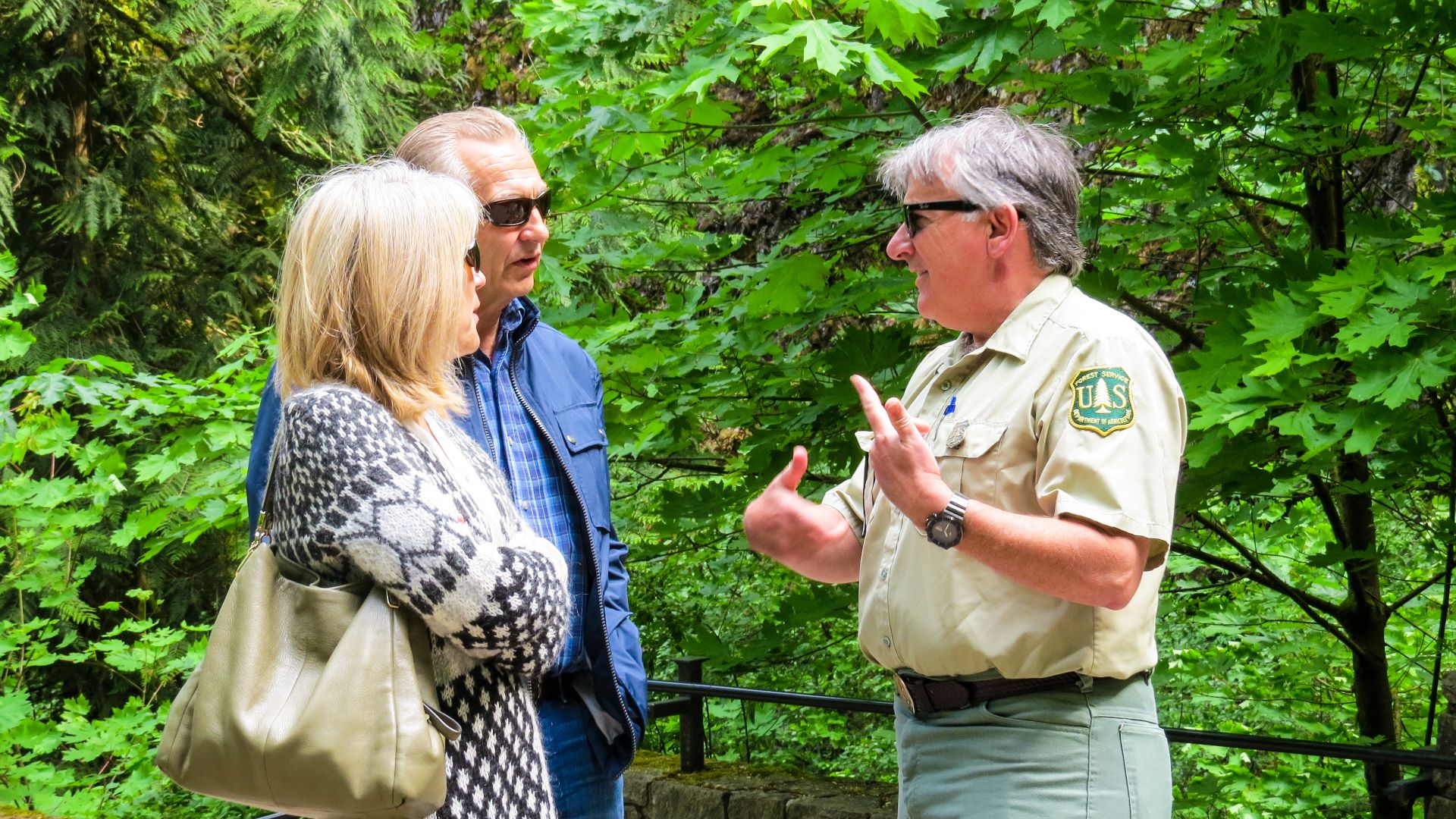
Public agencies have had to step in. The U.S. Forest Service has repeatedly warned visitors not to trespass, block roads, or damage fragile landscapes for photos at scenic spots. The fact that those warnings are needed says a lot about how far photo-chasing can go.
 Forest Service Pacific Northwest Region, Wikimedia Commons
National Parks Have Seen The Dark Side
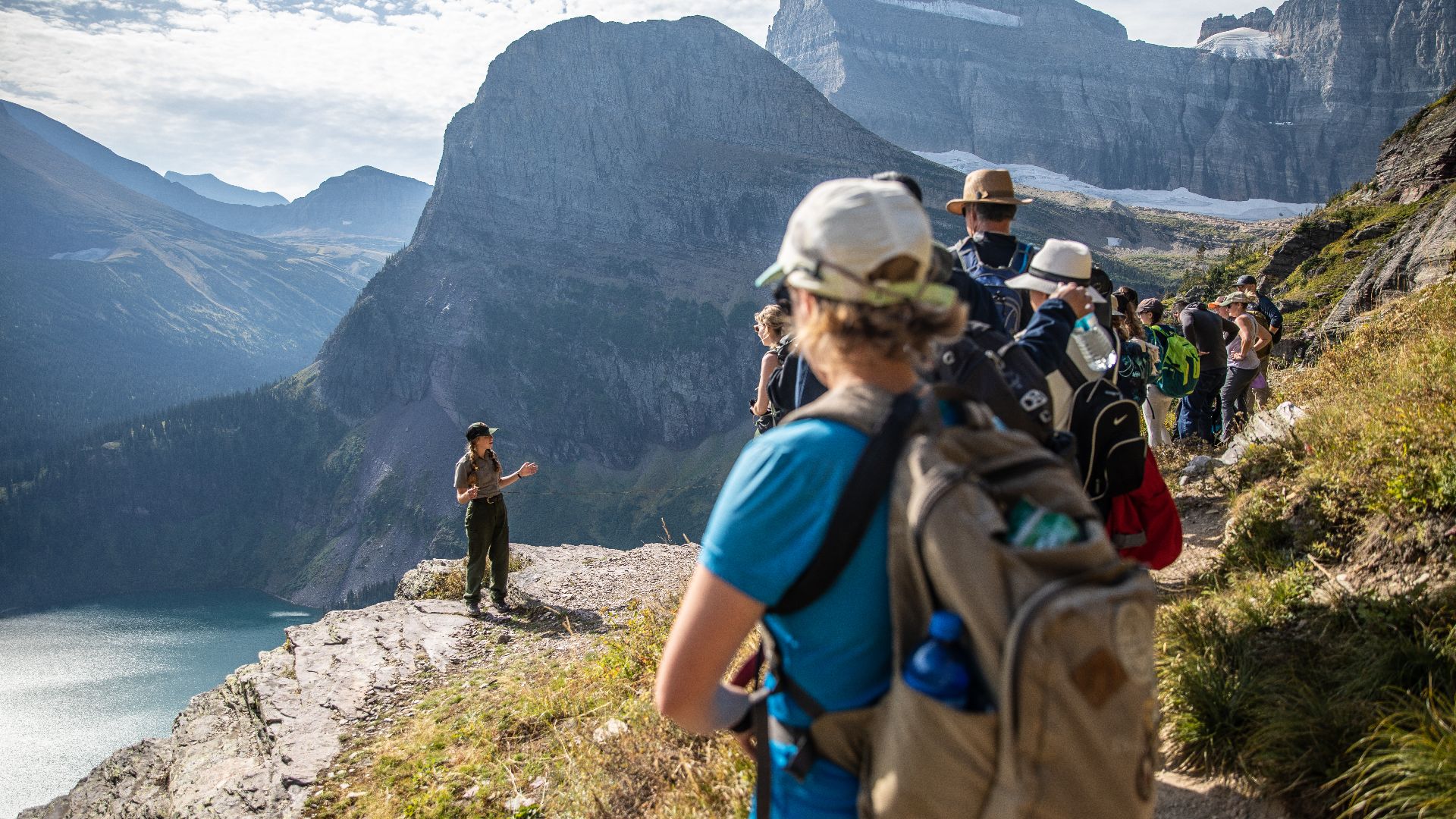
The National Park Service has also urged travelers to put safety before selfies, especially near cliffs, thermal areas, and wildlife. Officials did not pull that concern out of nowhere. They have spent years dealing with risky visitor behavior driven by the hunt for dramatic images.
Instagram Face, Instagram Travel
There is a sameness creeping into travel style. The same hanging chair, the same neutral plaster walls, the same rooftop robe photo, the same floating breakfast show up from Bali to Tulum to the Maldives. If every trip is built to look the same online, some of the fun of discovering a place on its own terms gets lost.
The Marriage Argument Behind The Trend
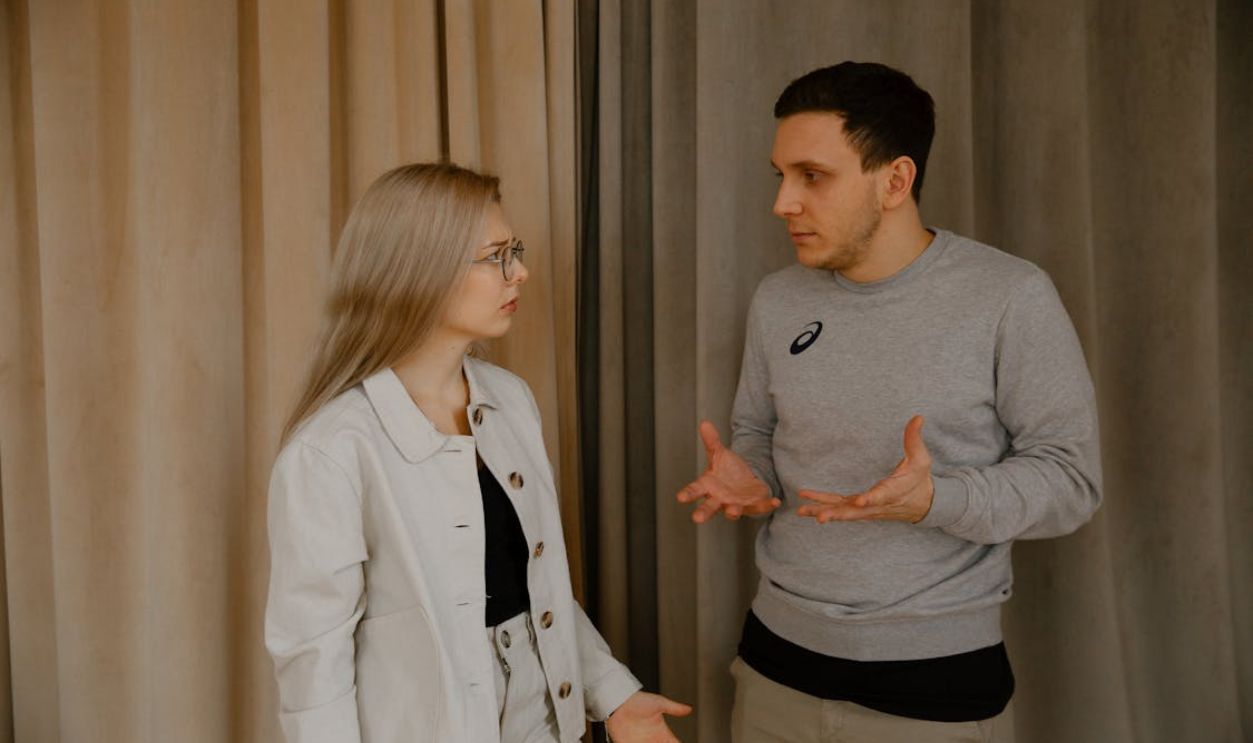
Couples often end up arguing about different kinds of value. One person wants atmosphere and a sense of occasion. The other wants location, comfort, and a reasonable nightly rate. Both are fair, but social media can make one side feel more urgent because the proof of a “good” trip becomes visible to everyone else.
What Counts As A Good Vacation Anyway
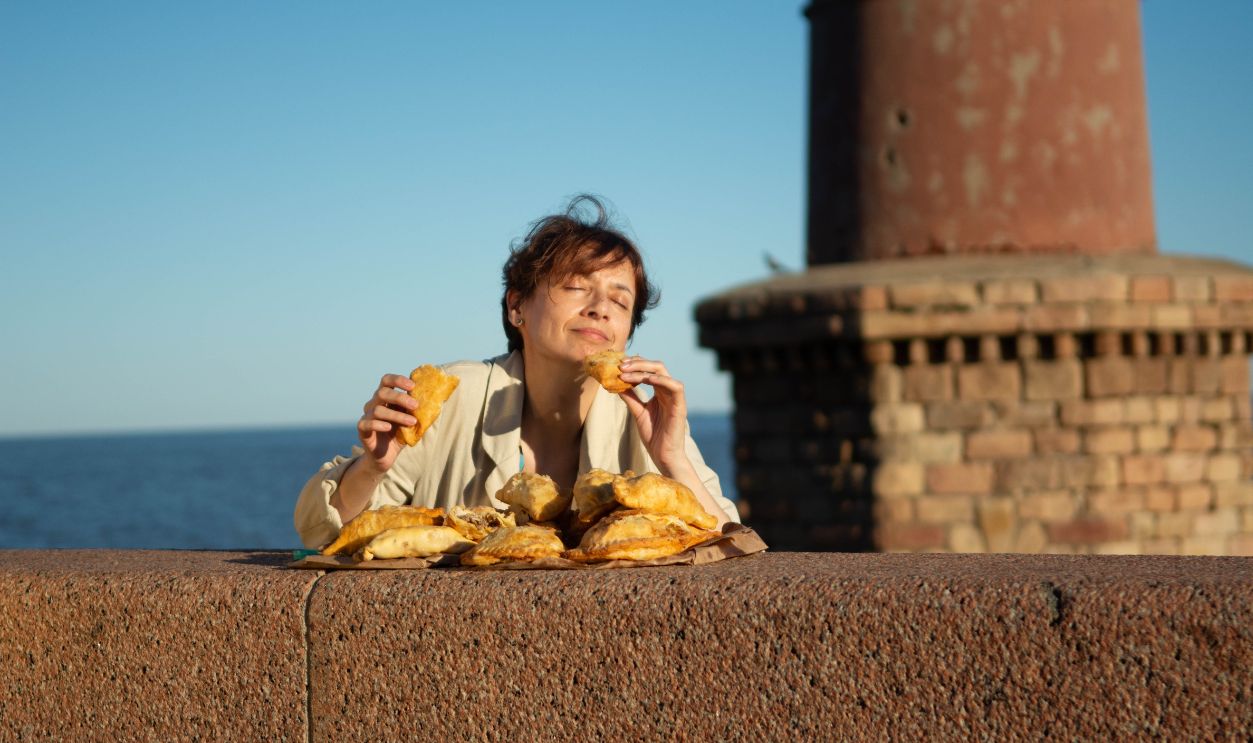
That is really the heart of it. A vacation can count because you slept well, ate great food, walked everywhere, and came home feeling lighter. None of that requires a photogenic bathtub.
There Is A Practical Cost To Chasing Aesthetic Stays
Beautiful hotels often charge more, especially if they have gone viral. That can mean spending extra on the room and less on the city around it. For many travelers, the tradeoff is real: better photos, fewer experiences.

Sometimes The Smart Hotel Is The Better Story
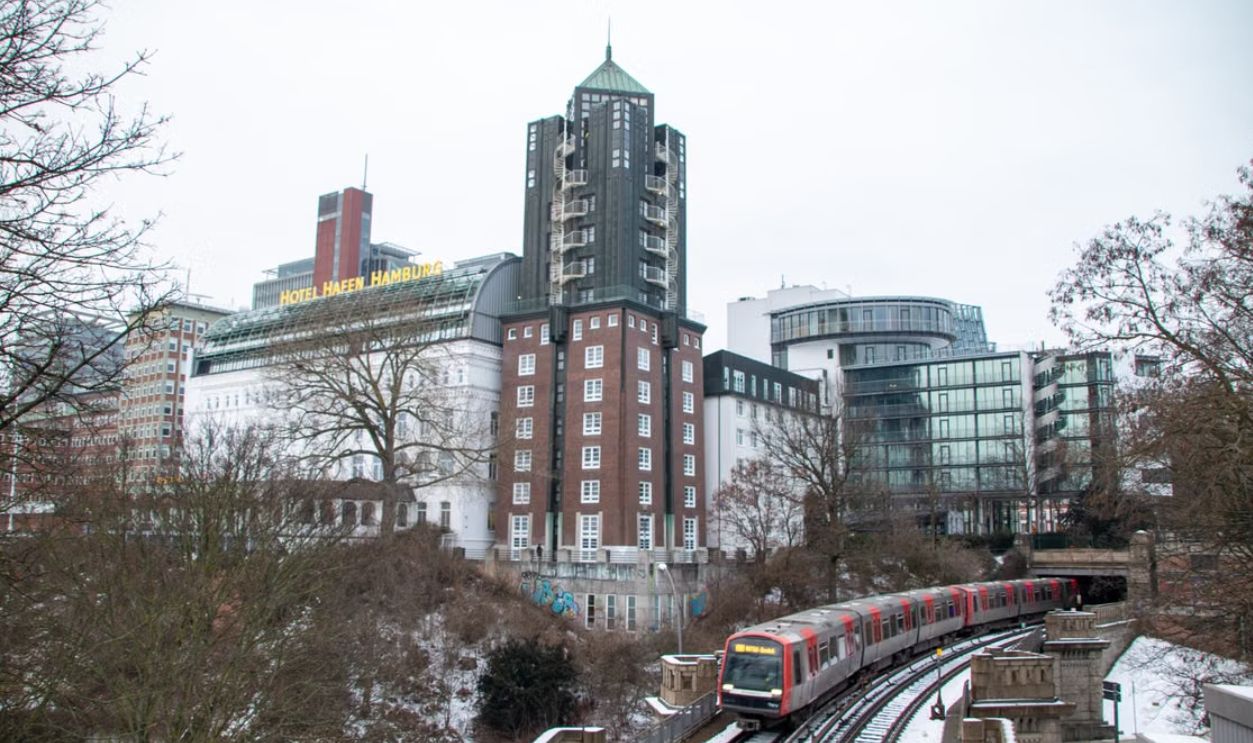
A less glamorous place near the train station can save hours of transit and a lot of stress. A plain apartment with a washing machine can matter more than a designer suite by day three. These details rarely trend online, but they can make a trip much better in real life.
Memory And Sharing Are Not The Same Thing
Psychologists have long noted that the way we document an experience can affect how we process it. Constantly framing shots, posting, and checking reactions can pull attention away from the moment. In travel, that can leave people with a polished gallery but fuzzier memories.
Social Media Has Not Ruined Travel For Everyone
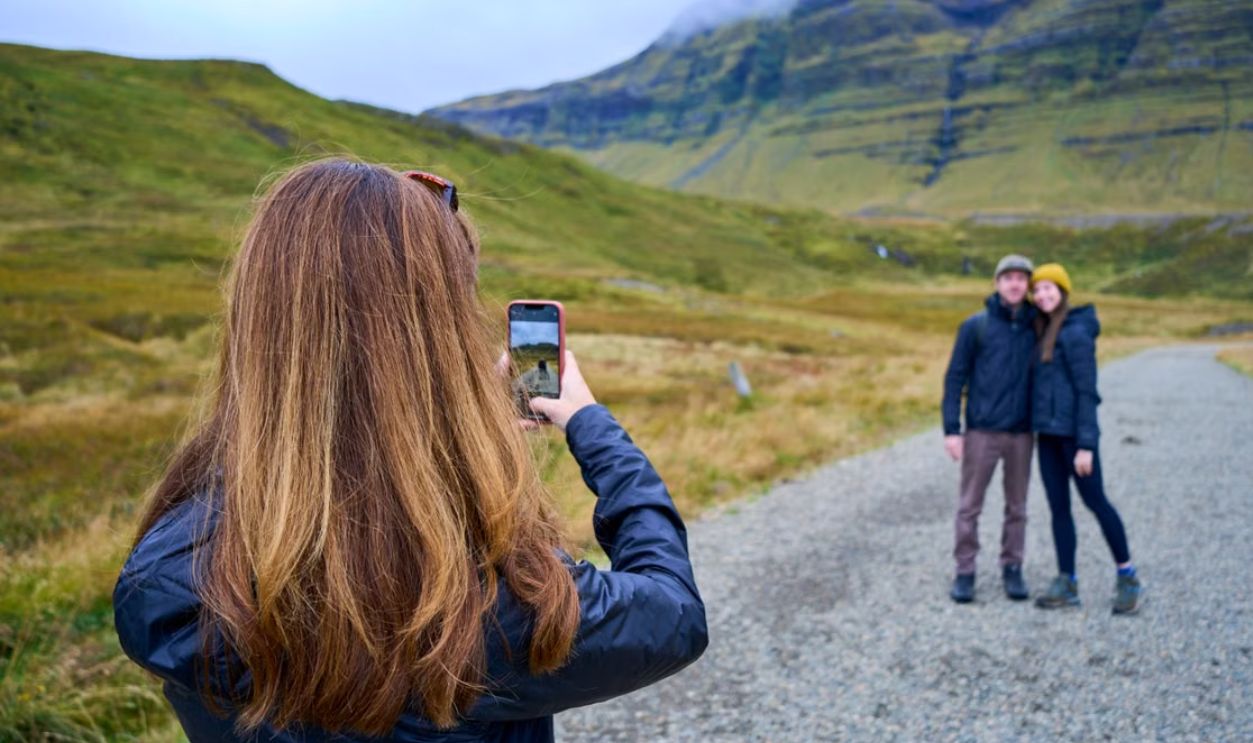
It would be too easy to blame Instagram for everything. Social platforms help people discover places they might never have considered, from family-run riads to remote hiking routes. They also help small hospitality businesses reach travelers without huge advertising budgets.
It Has Changed Expectations, Though
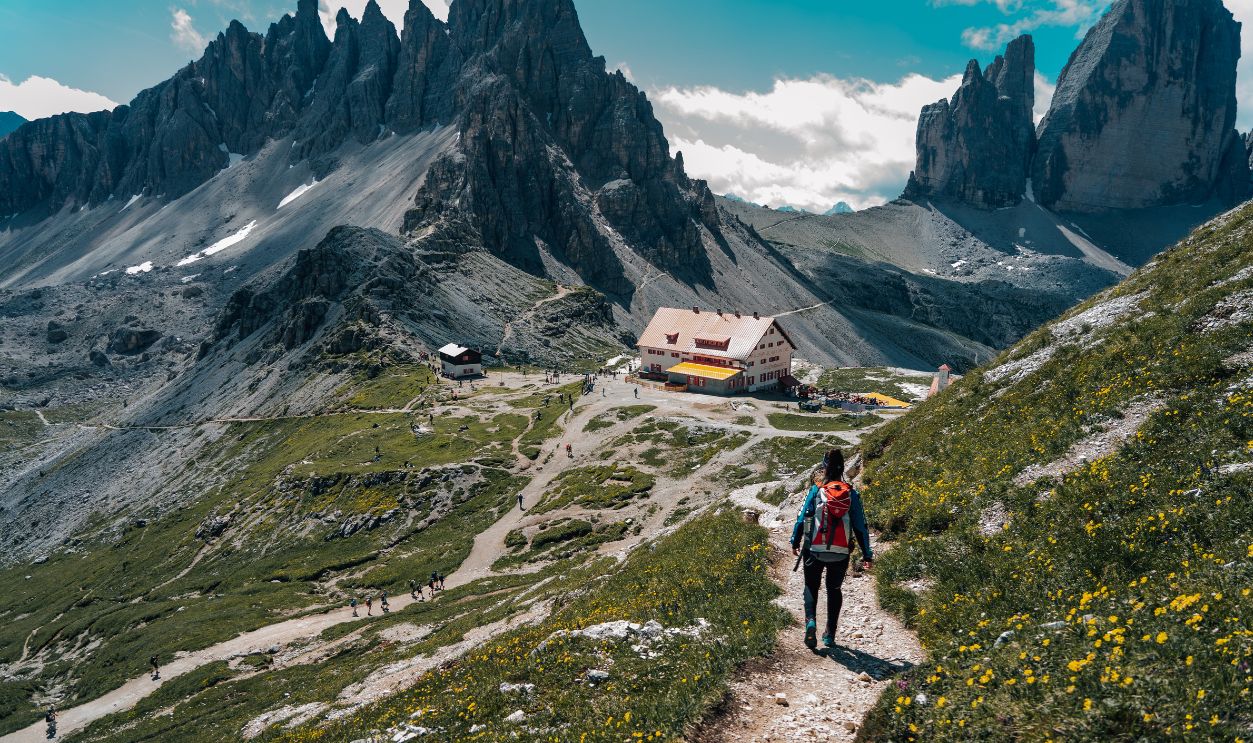
The bigger issue is not that beautiful places are popular. It is that some travelers now expect every trip to feel cinematic, every meal to look camera-ready, and every hotel corner to be worth posting. That can make normal, enjoyable travel feel like a disappointment.

There Is A Difference Between Beautiful And Performative
Wanting a lovely place to stay is not shallow. Wanting to prove you stayed somewhere lovely is where things can get slippery. The first is about your experience. The second is about your audience.
How To Pick A Stay Without Starting A Fight
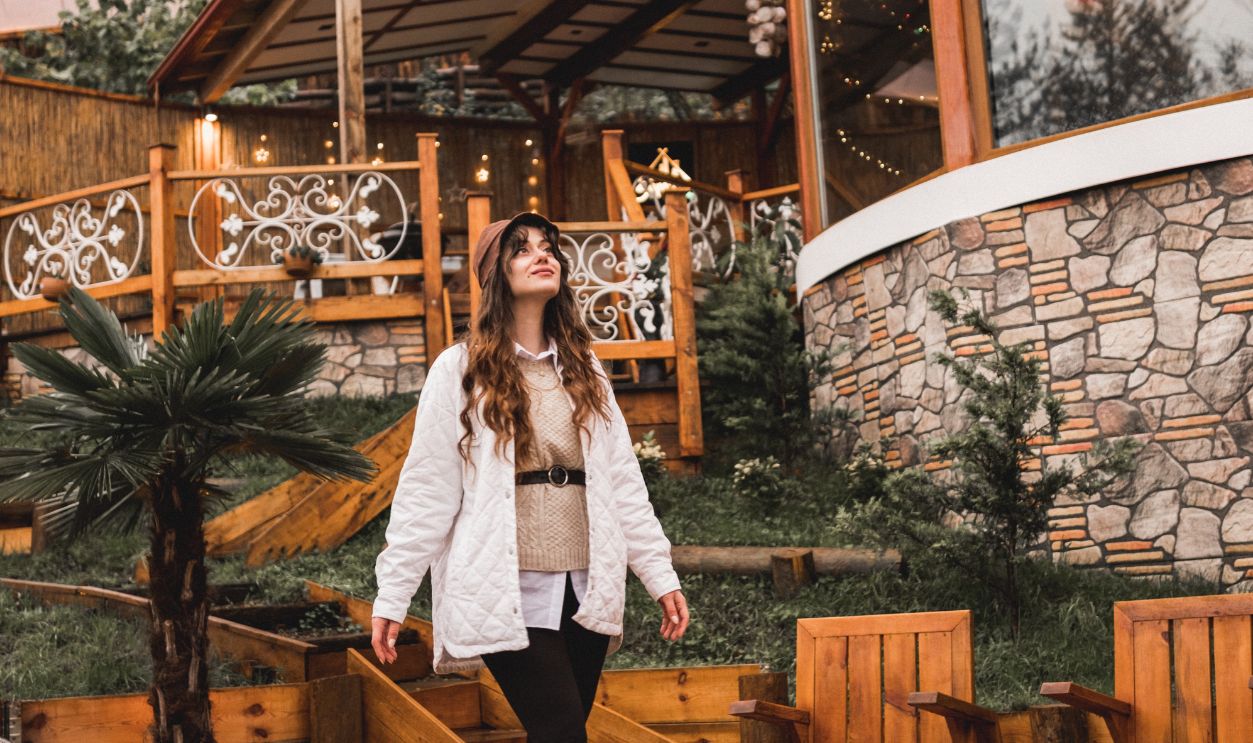
A useful compromise is to split the wish list into must-haves and nice-to-haves. Maybe one partner gets the design hotel for two nights, and the rest of the trip is based somewhere more practical. That way, the romance and the budget do not crash into each other.
Use A Photo Rule That Actually Helps
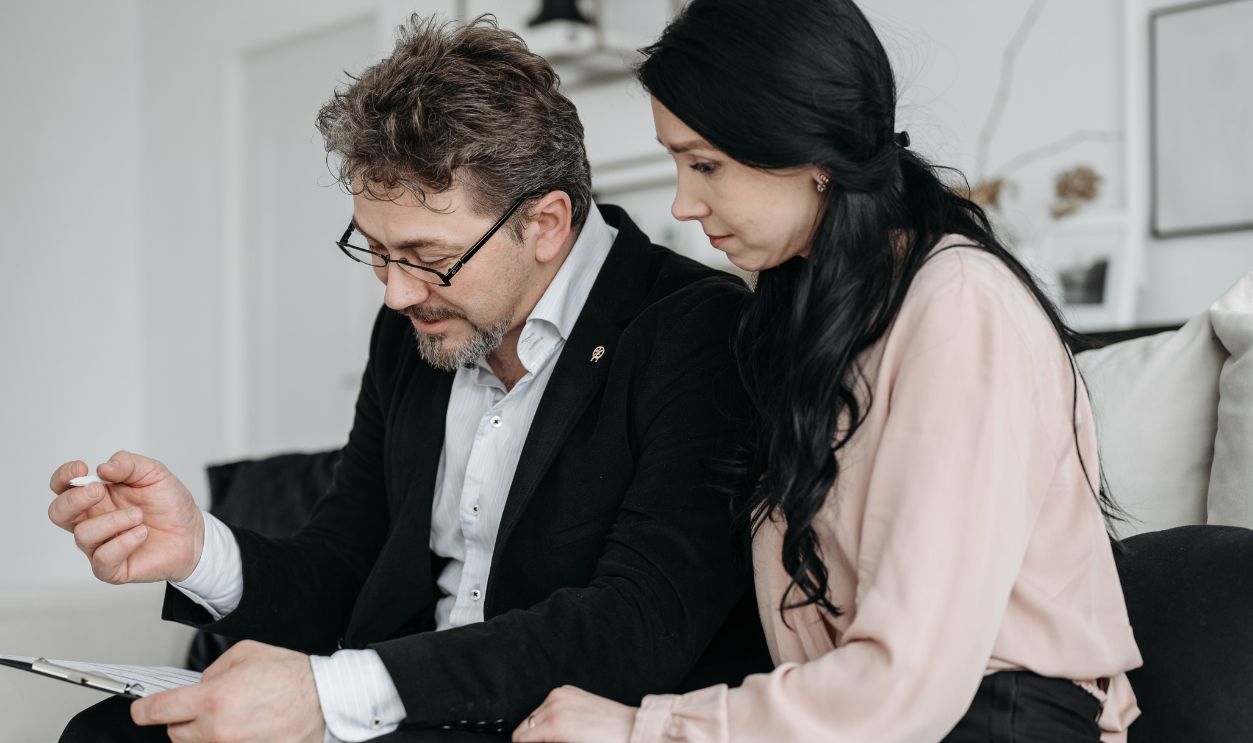
Before booking, ask one simple question: would we still want this place if nobody else ever saw the pictures. If the answer is yes, that is a strong sign the choice is rooted in real enjoyment. If the answer is no, the algorithm may be planning your vacation.
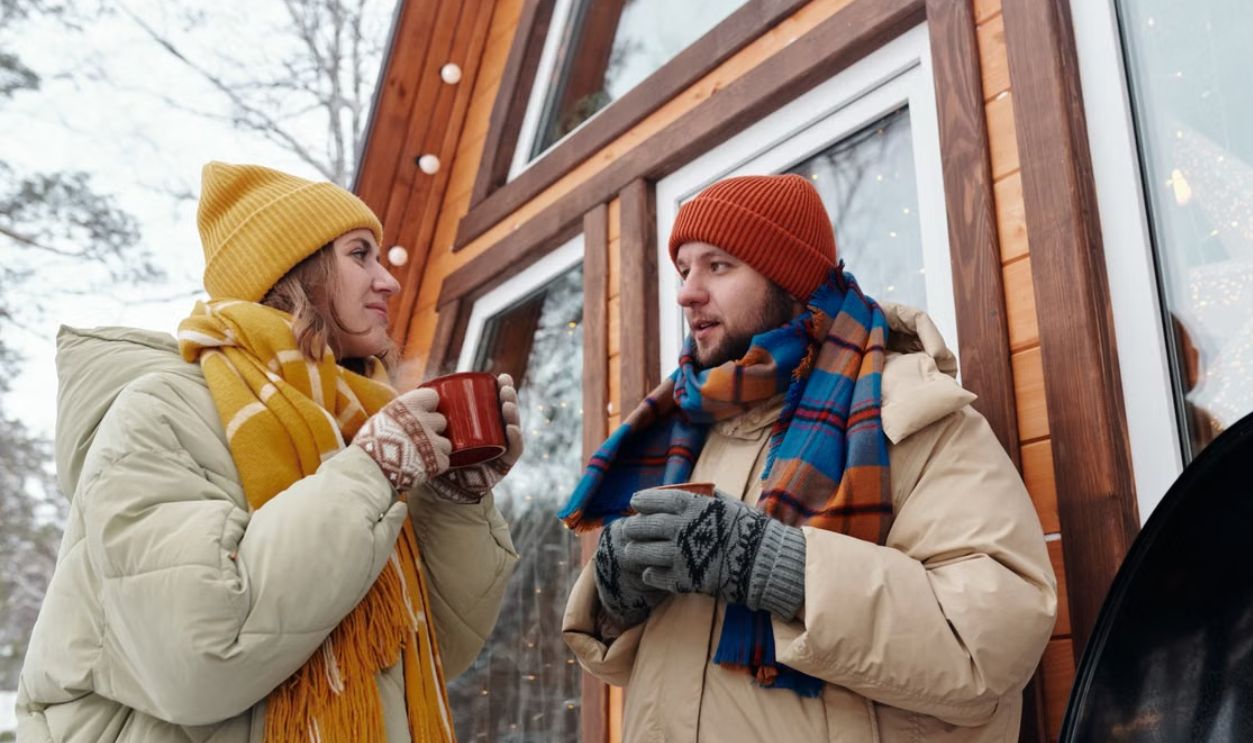
Read Beyond The Glamour Shots
Traveler reviews still matter. Look for comments about noise, bed comfort, cleanliness, air conditioning, neighborhood safety, and whether the property matches the photos across the whole space, not just in one carefully staged corner. A dazzling feed can hide a very average stay.
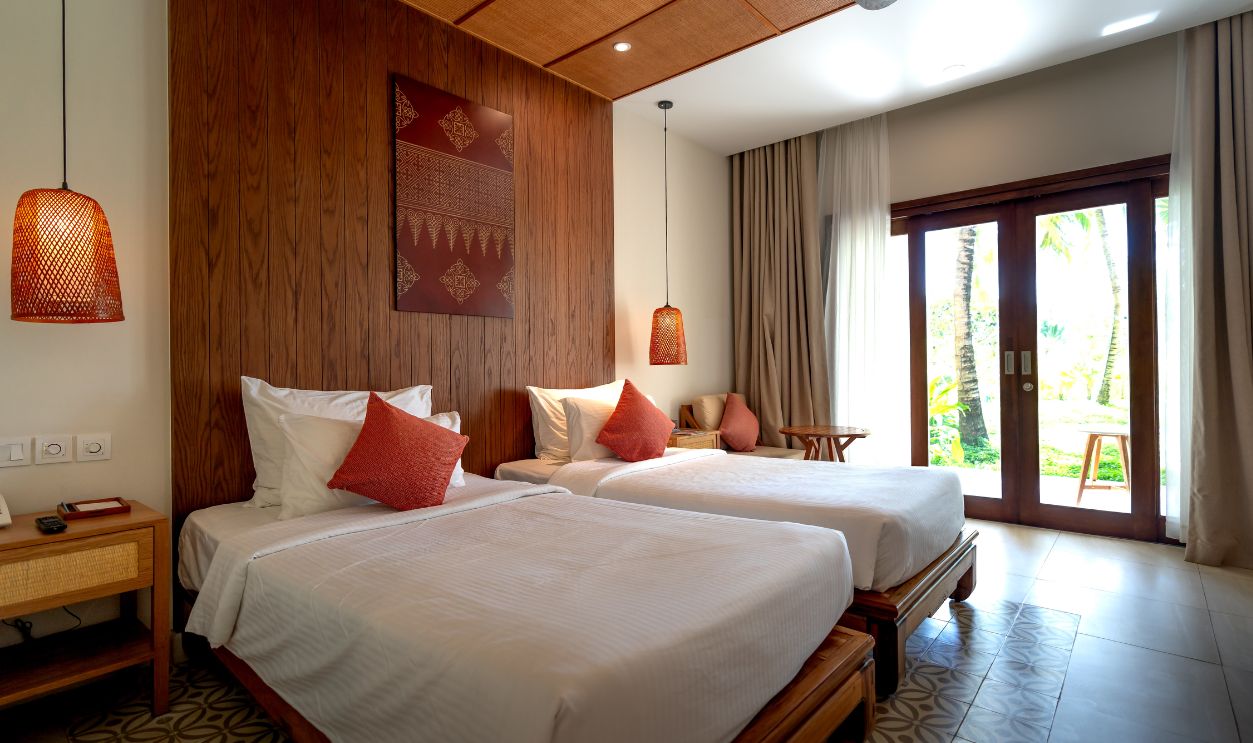
Keep One Part Of The Trip Offline
One simple fix is to leave some moments unposted until you get home, or not post them at all. That creates room to enjoy a meal, a swim, or a sunset without turning it into content. A trip often feels richer when not every good moment becomes a task.
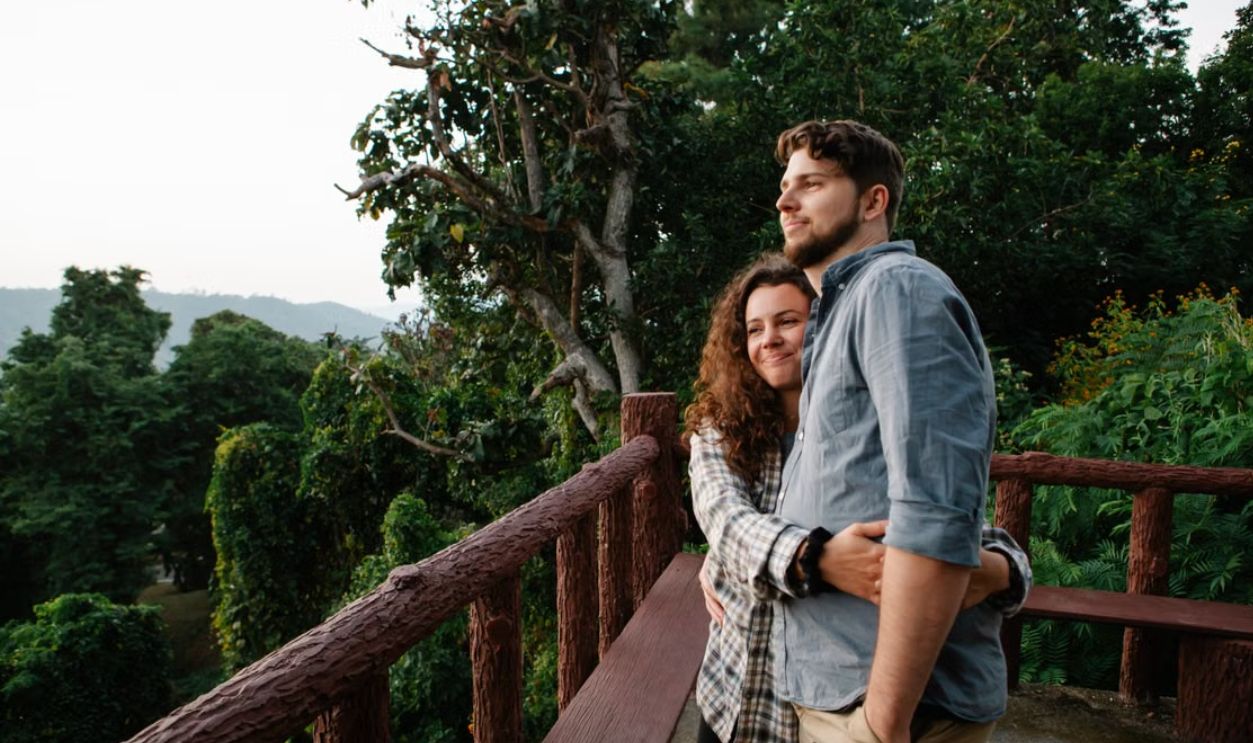
So, Has Social Media Ruined Travel
Not exactly, but it has definitely edited it. It has made some people more inspired, more informed, and more willing to spend extra on atmosphere. It has also made many travelers more self-conscious, more comparative, and more likely to mistake a good image for a good time.
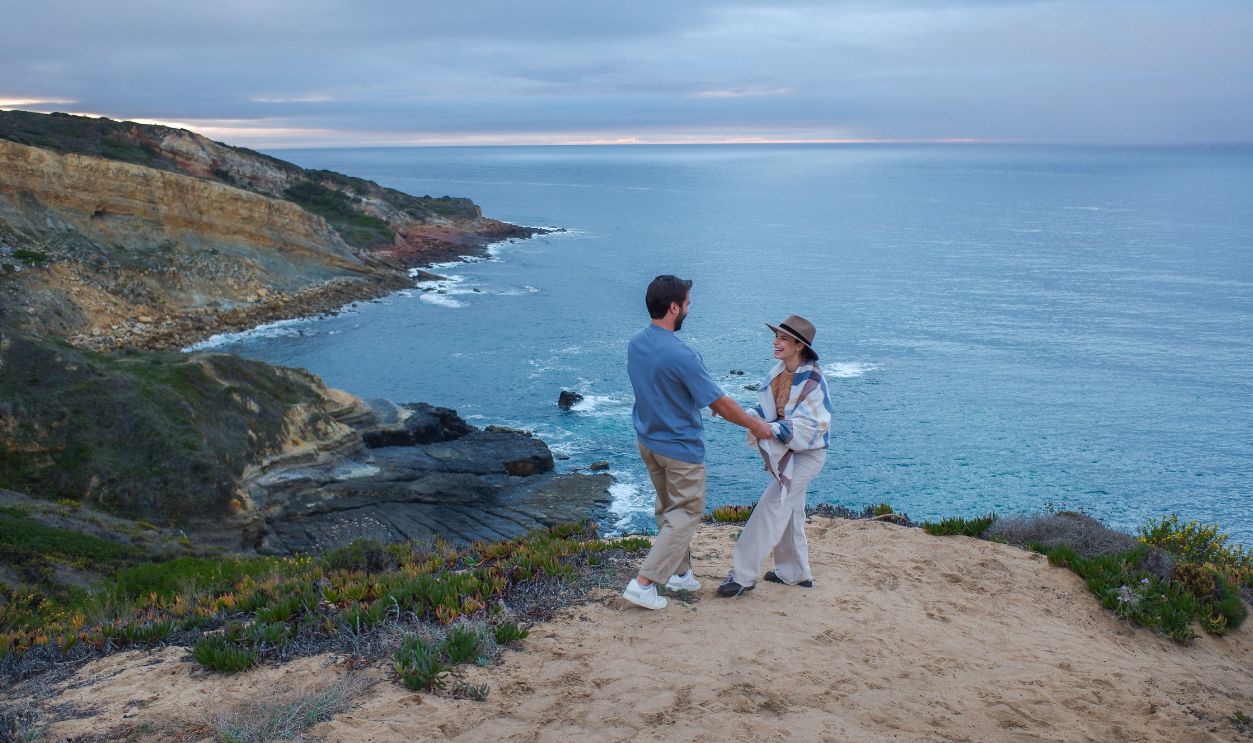
The Better Measure Of A Vacation
If your wife loves Instagram-worthy stays, travel is not doomed. It just means the two of you may need to decide whether your vacation is for the camera, for each other, or ideally a bit of both. The best trips still count when they feel good to live, not just good to post.