Jerusalem’s History Went Down The Drain
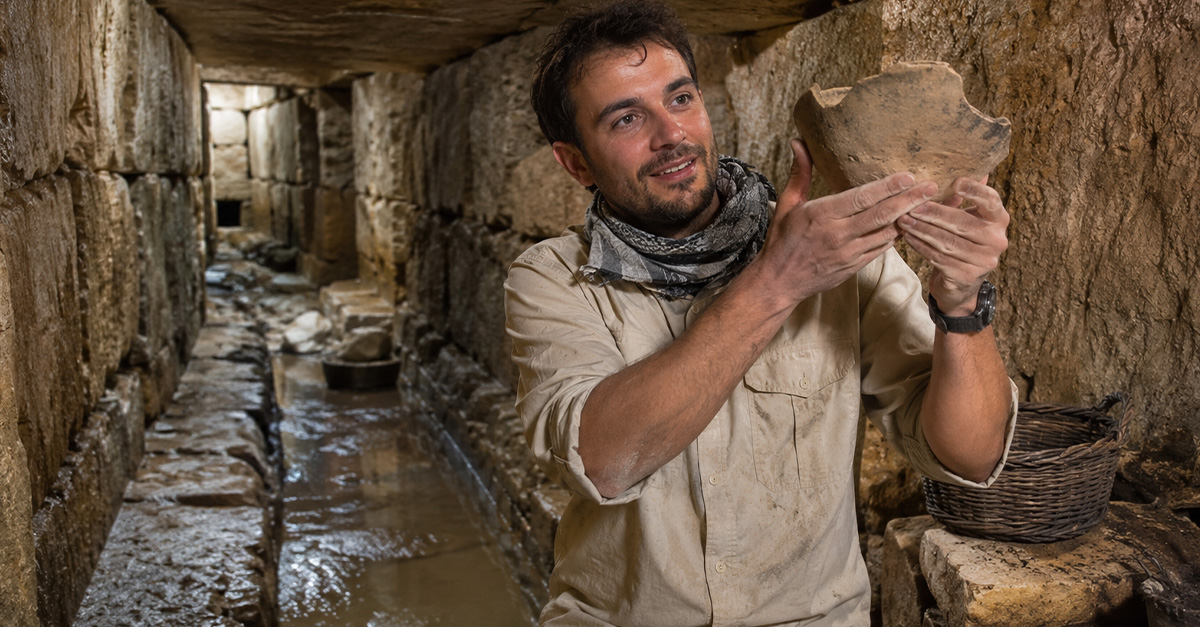
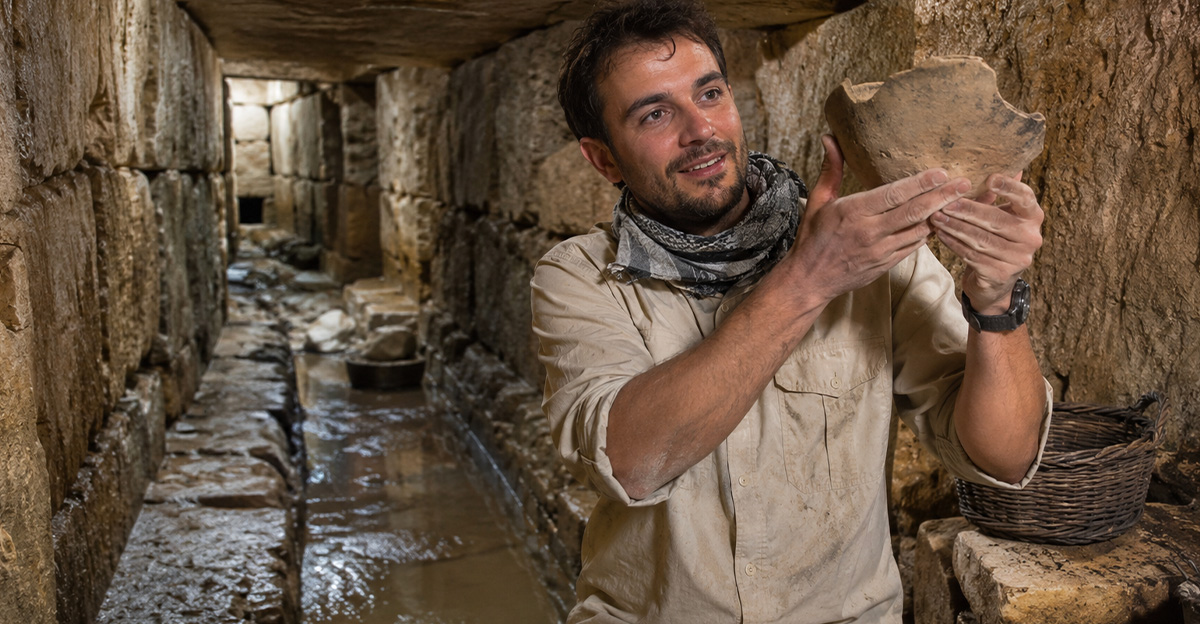
Archaeologists exploring an ancient drainage channel beneath Jerusalem found something far more exciting than mud. Pottery, lamps, glass containers, eggshells, grape seeds, and other remains have survived underground for roughly 2,000 years, preserving an unusually personal picture of life in the Roman-controlled city.
Beneath A Busy Ancient Street
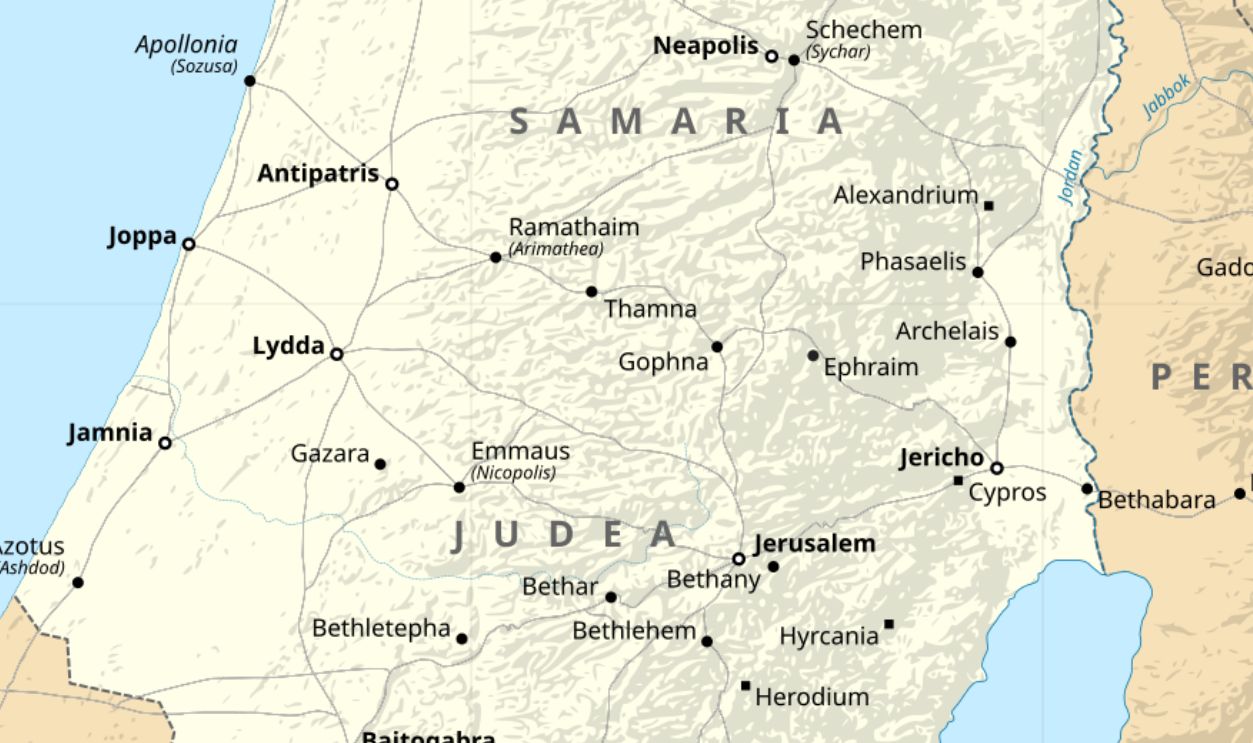
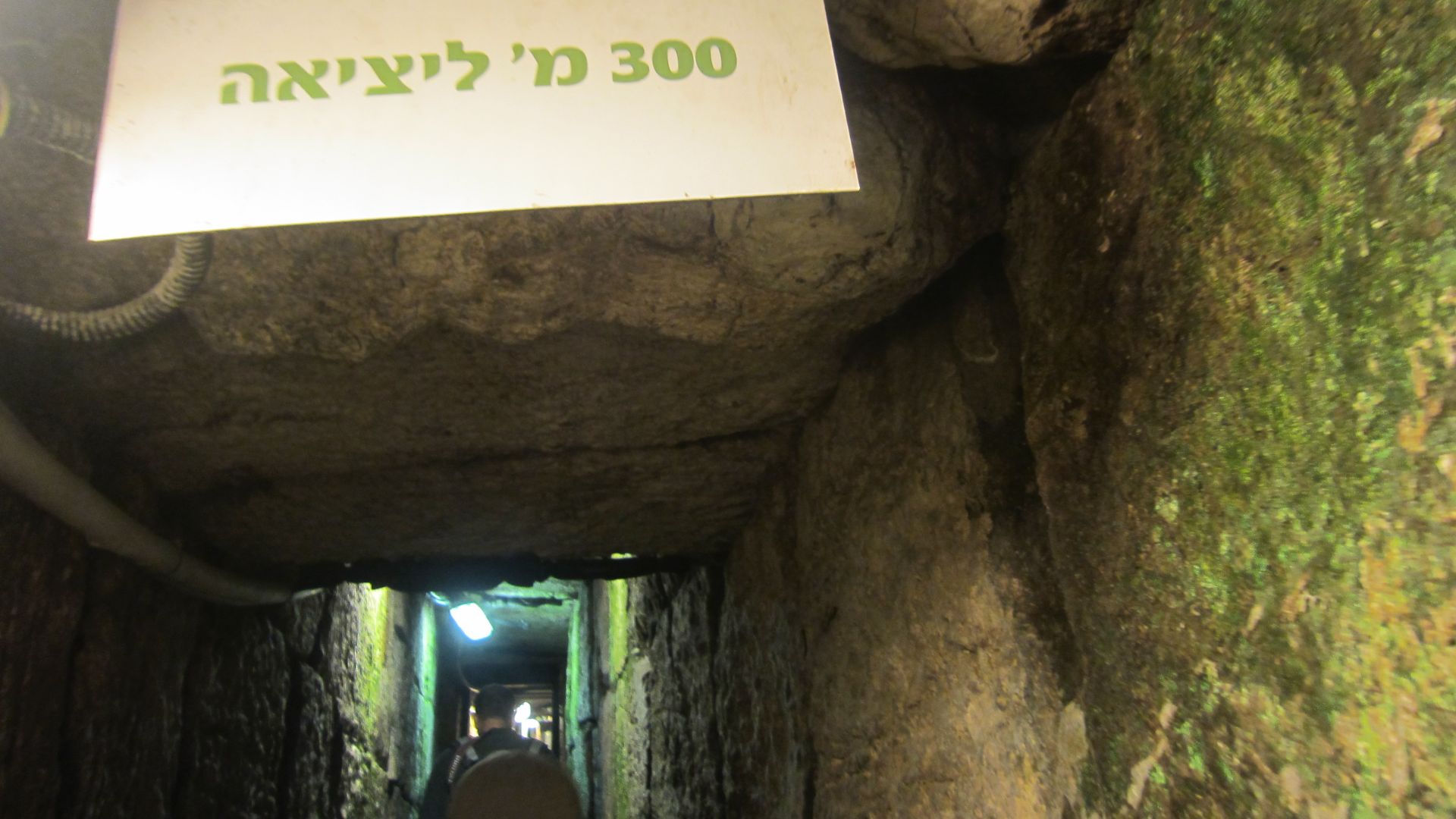
The channel once ran beneath Jerusalem’s main street during the Second Temple period. Above it stood shops, markets, homes, and public buildings filled with residents and visitors. Below, rainwater, wastewater, broken belongings, and discarded food quietly carried pieces of daily life into darkness.
Jerusalem Under Roman Power
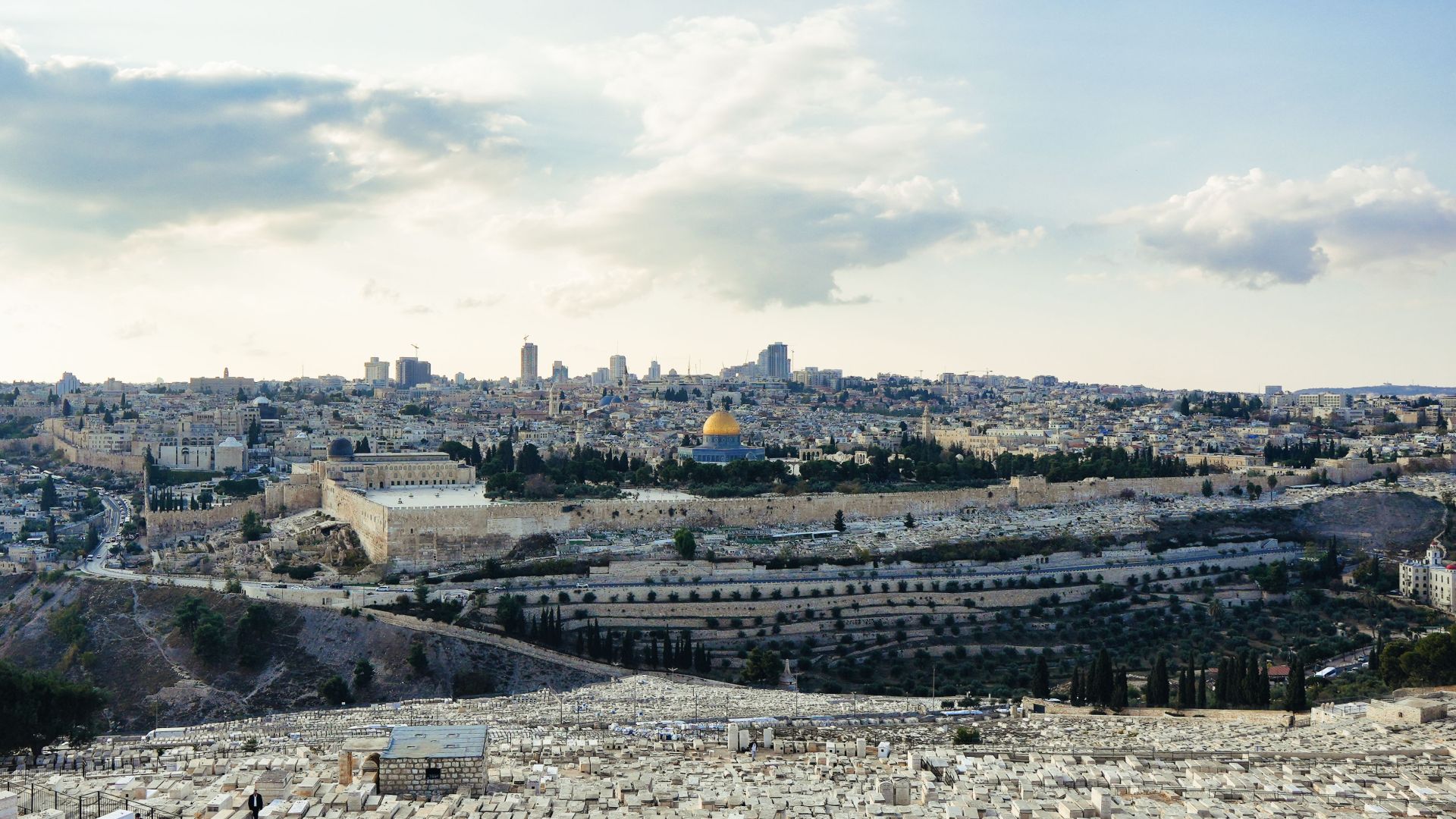
During the first century CE, Jerusalem was part of the Roman province of Judaea. Roman officials controlled the region, but the city remained a major center of Jewish religious and cultural life. That uneasy balance would eventually collapse into open rebellion and devastating war.
An Underground Time Capsule
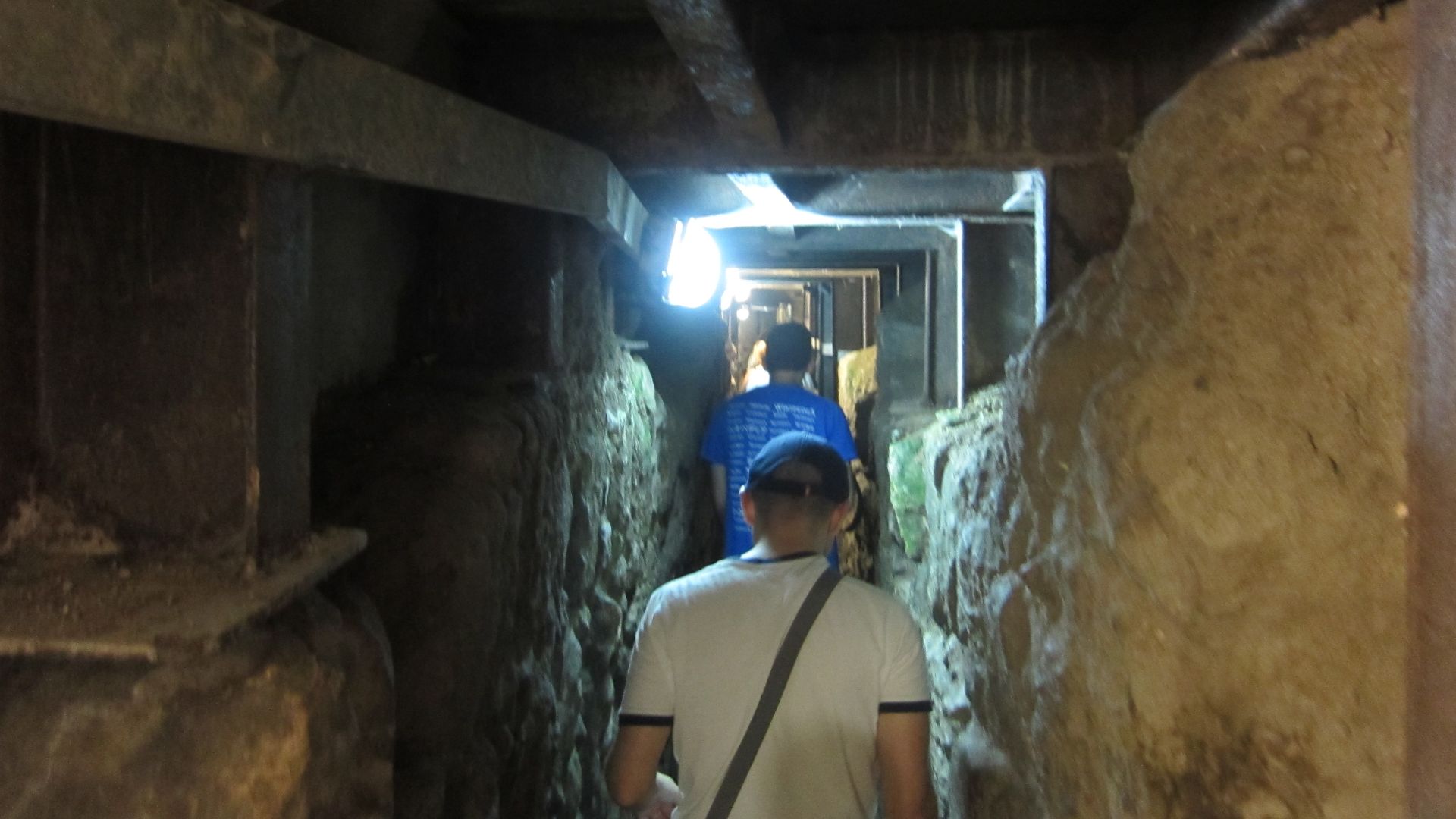
Drainage channels are not glamorous places, but they can be archaeological gold mines. Items washed or thrown into the system became trapped between its stone walls. Protected from later construction and disturbance, the debris remained remarkably close to where it had landed centuries earlier.
Thousands Of Tiny Clues
The excavation produced thousands of small discoveries rather than one enormous treasure. Pottery fragments, seeds, pieces of glass, animal remains, and household objects might not look spectacular individually. Together, however, they reconstruct the habits, diets, businesses, and changing fortunes of an entire neighborhood.
Kitchenware From Ordinary Homes
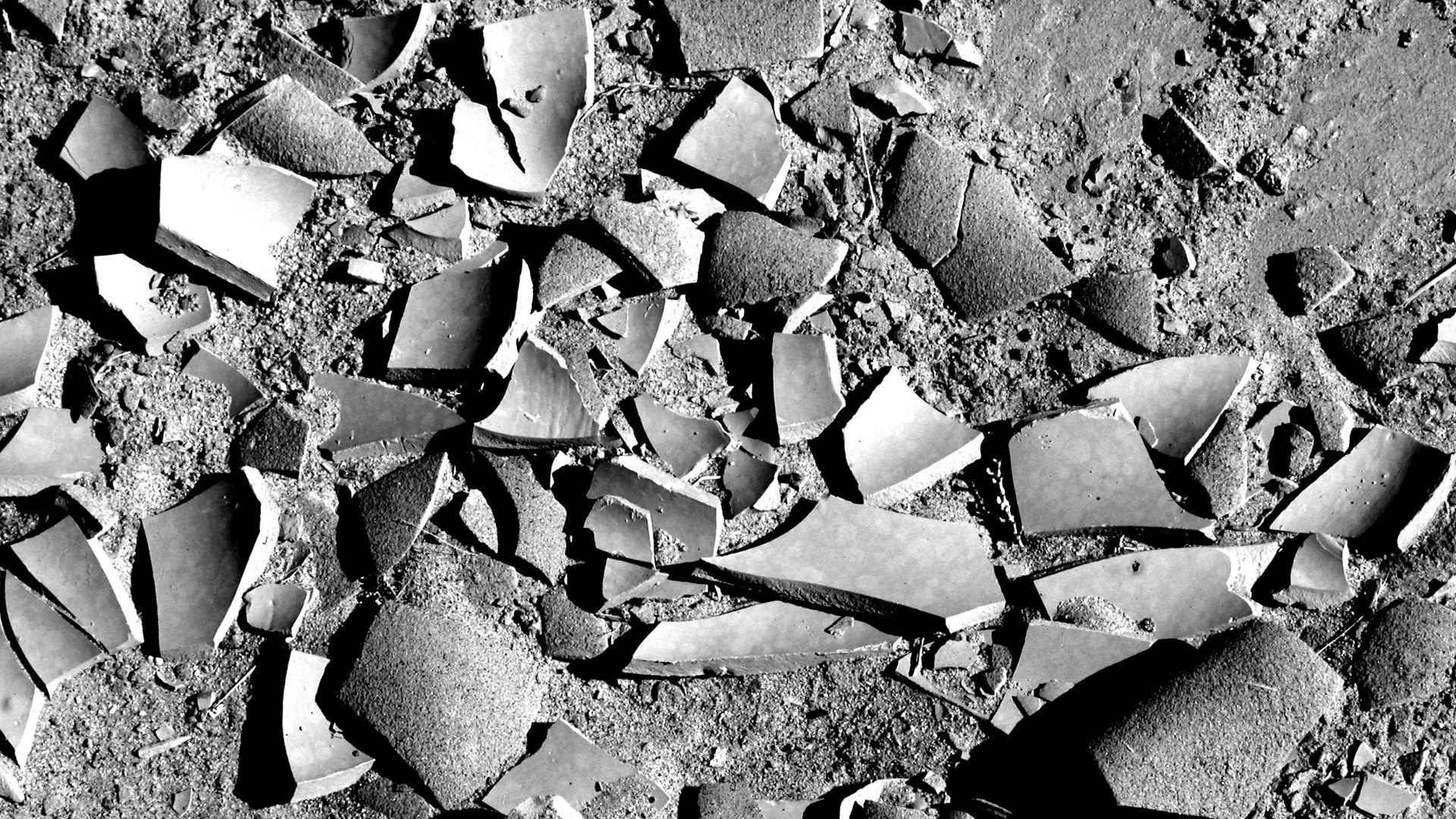
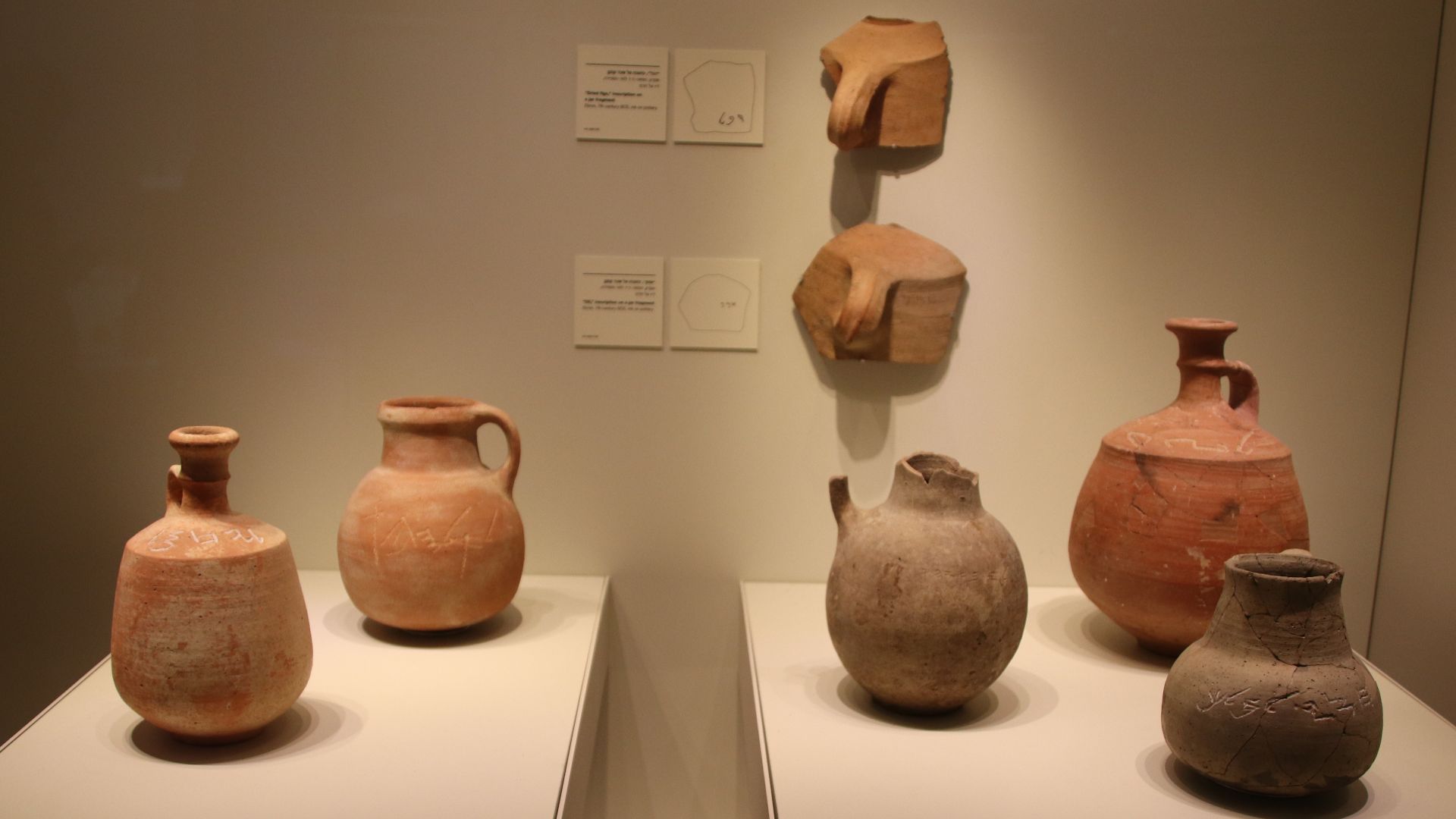
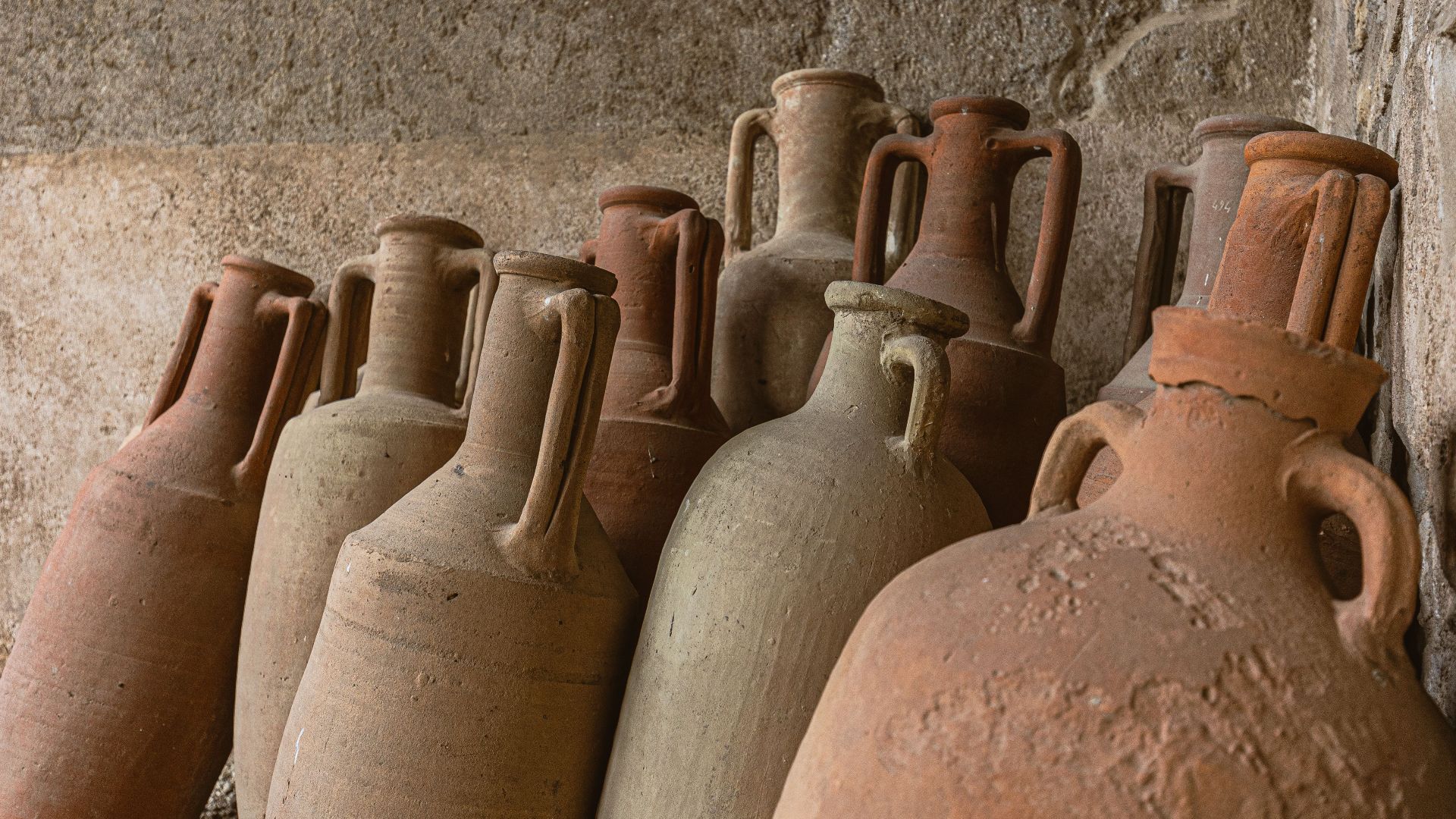
Among the finds were numerous pieces of ceramic kitchenware. These bowls, jars, cooking pots, and storage vessels belonged to people preparing meals rather than kings posing for monuments. Their broken dishes offer something rare: direct evidence of the routines that kept ancient Jerusalem fed.
What The Pottery Can Reveal
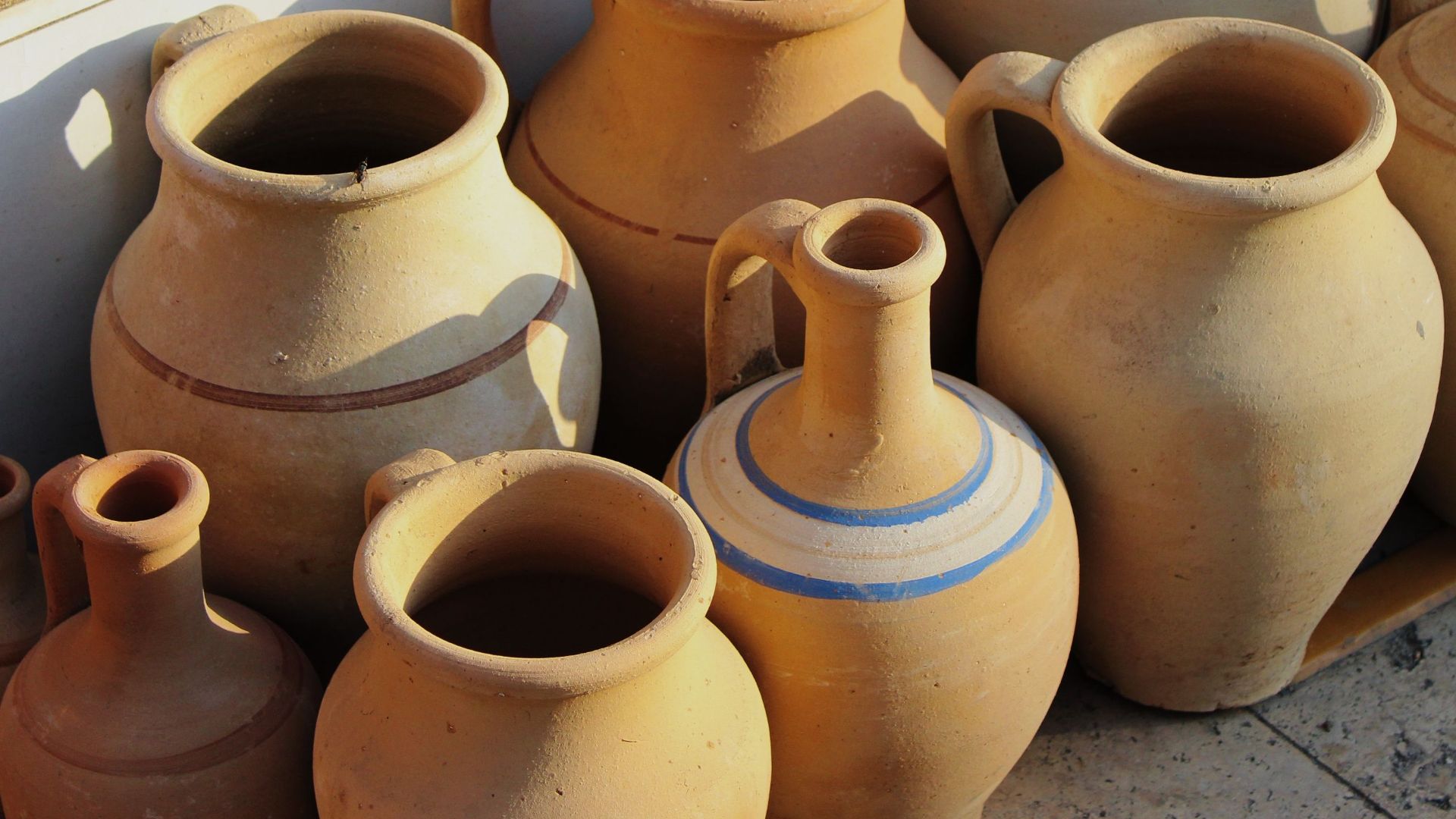
Pottery styles changed over time, making ceramics extremely useful for dating archaeological layers. The shapes and materials can also suggest what people cooked, how food was stored, and where containers were produced. Even a broken rim can provide surprisingly valuable information about trade and household life.
 Gary Todd from Xinzheng, China, Wikimedia Commons
Grape Seeds In The Sediment
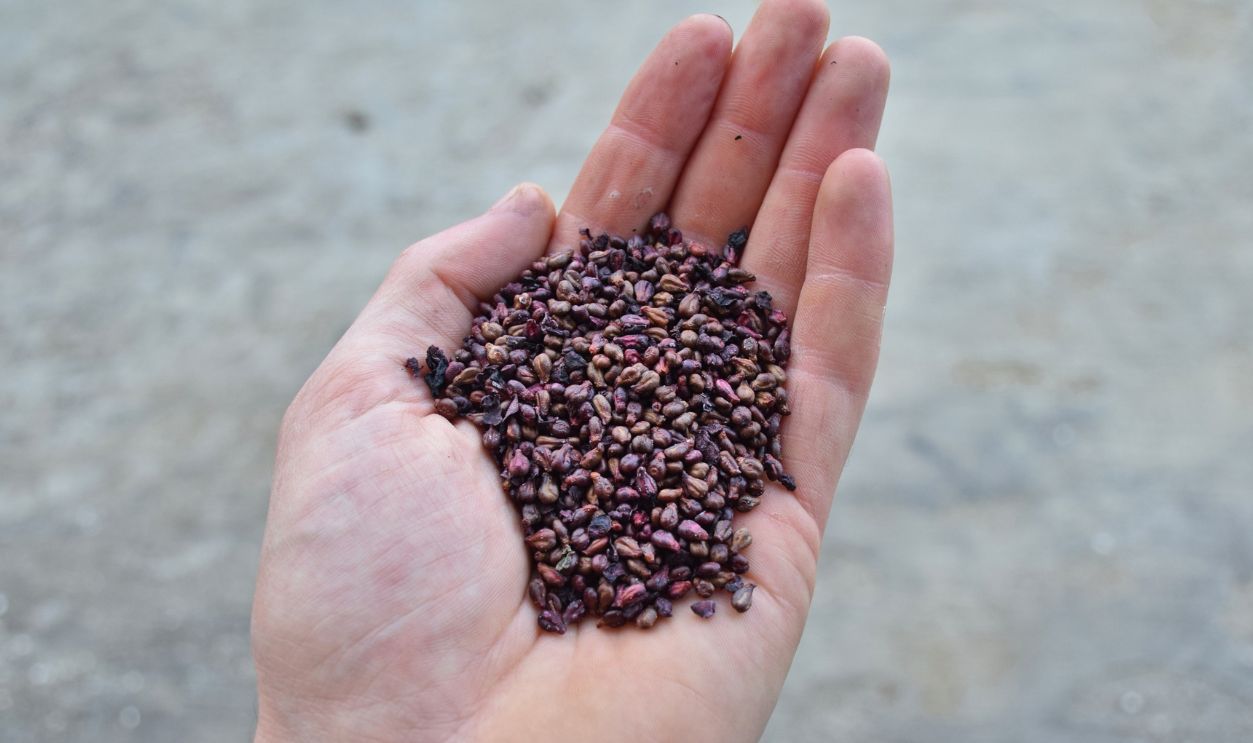
Researchers also recovered ancient grape seeds, sometimes called grape pips. They are tiny, easy to overlook, and incredibly informative. Their presence supports what historians already suspected: grapes and grape products were familiar parts of Jerusalem’s food culture and wider agricultural economy.
Wine Was More Than A Drink
Grapes could be eaten fresh, dried into raisins, or pressed into wine. Wine played practical, economic, social, and religious roles across the ancient Mediterranean. The seeds therefore connect the underground channel with vineyards, merchants, kitchens, dining tables, and ceremonies taking place far above it.

Eggshells Somehow Survived
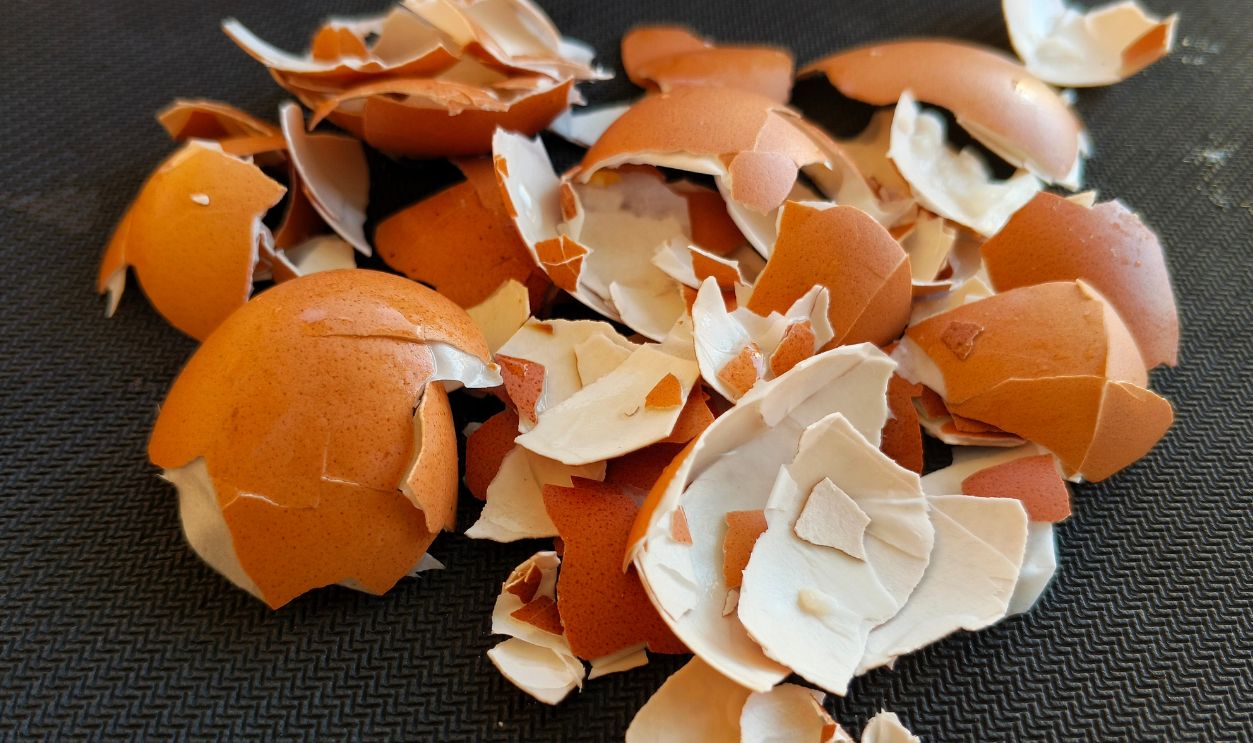
Even fragments of eggshell dating back approximately 2,000 years were discovered. Their survival is remarkable because eggshell is fragile and easily crushed. These remains provide archaeologists with another clue about what Jerusalem’s residents ate during the final decades of the Second Temple period.
A Menu Hidden In Waste
Food waste can sometimes tell archaeologists more than elegant buildings do. Seeds, shells, bones, and burned plant material reveal what people actually consumed. In Jerusalem’s drainage sediment, yesterday’s garbage became today’s evidence, offering a menu assembled from scraps rather than ancient written recipes.
A Delicate Glass Vessel
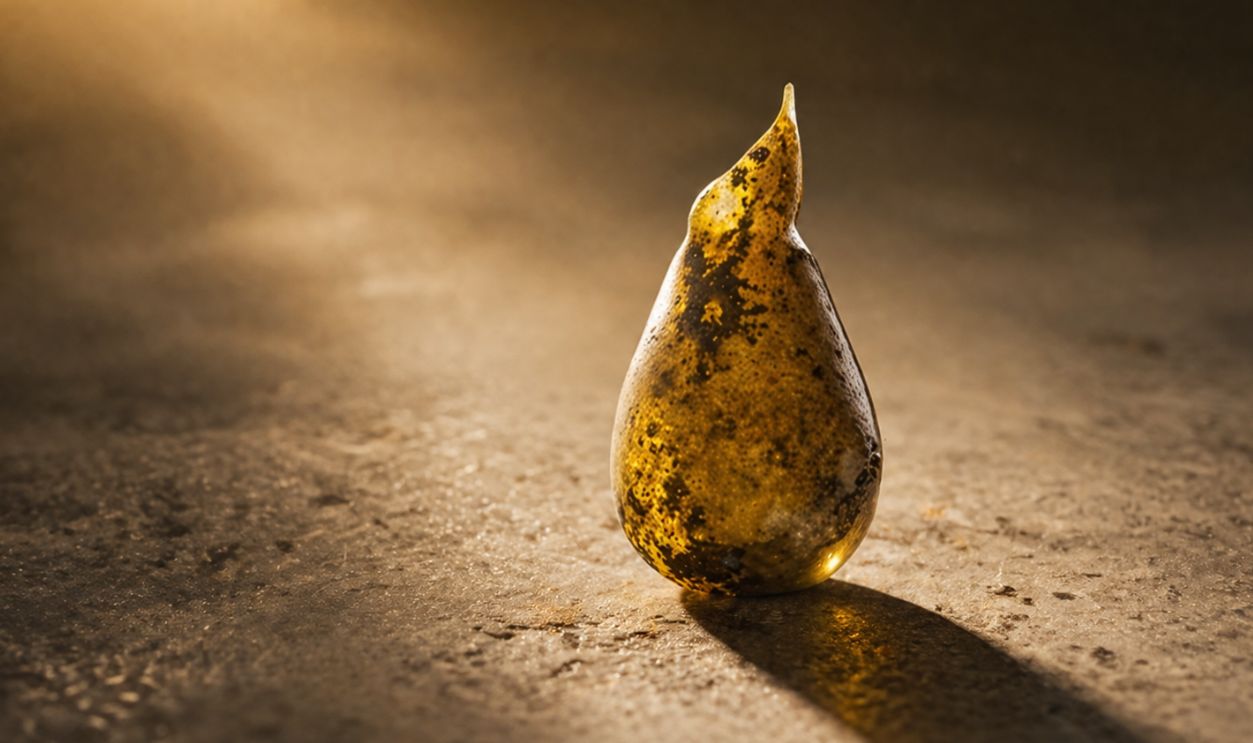
One especially striking discovery was a complete glass vial. Archaeologists believe containers like it may have held perfume or costly oils. Unlike ordinary pottery, fine glass could signal luxury, specialized trade, or personal grooming, suggesting that valuable goods circulated through Jerusalem’s busy commercial streets.
Expensive Oils And Fragrances
Perfumed oils were prized across the Roman world. They could be used for grooming, medicine, ceremonies, or hospitality. A small bottle might have passed through many hands, from producer to merchant to customer, before somehow disappearing into the city’s drainage system.

Lamps Still Marked By Flame
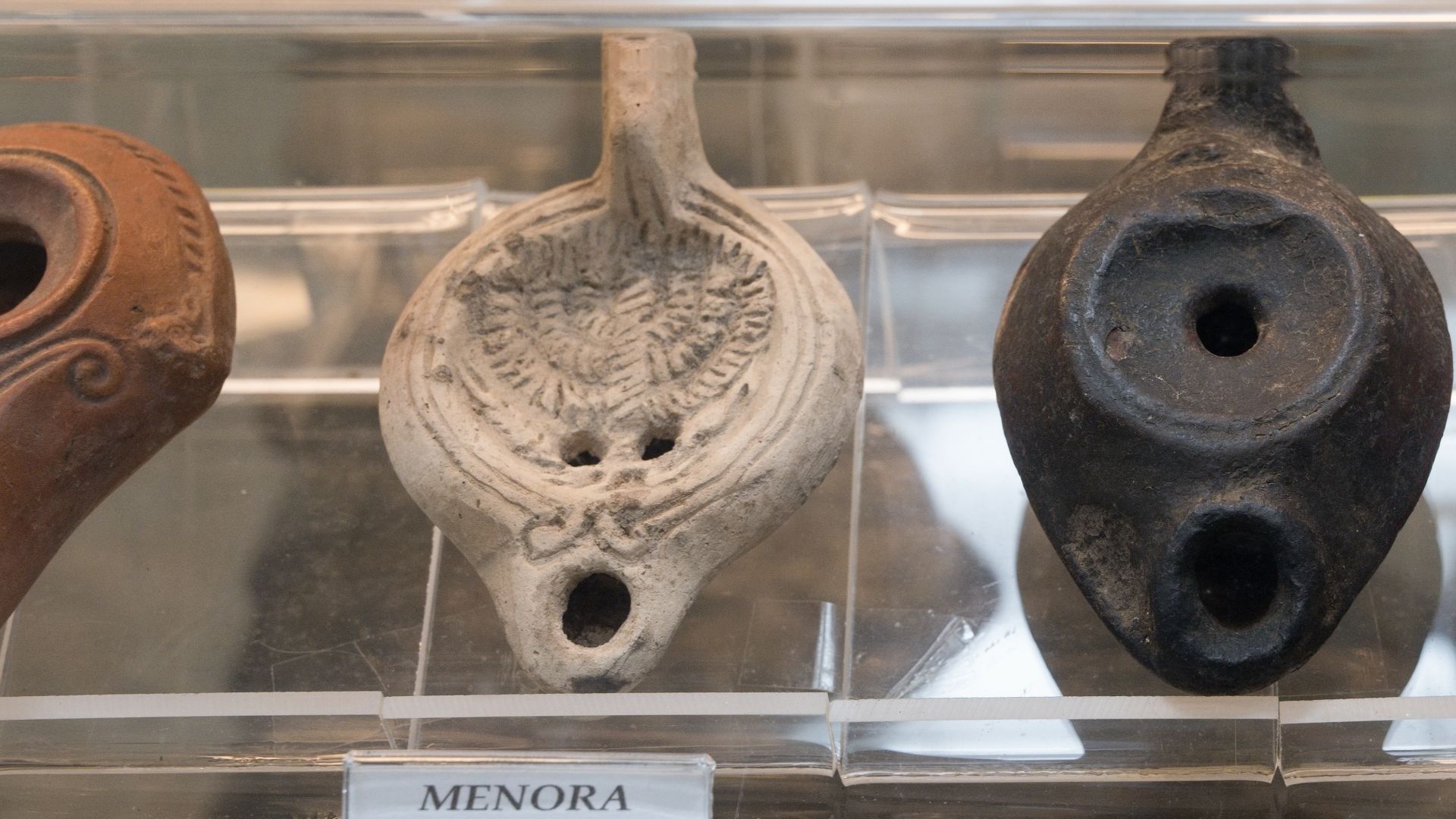
Complete ceramic oil lamps were also uncovered, some with traces of soot still visible. That dark staining was left by flames burned nearly two millennia ago. Suddenly, the artifacts feel less like museum pieces and more like objects that someone extinguished only moments before disaster.
Lighting The Ancient City
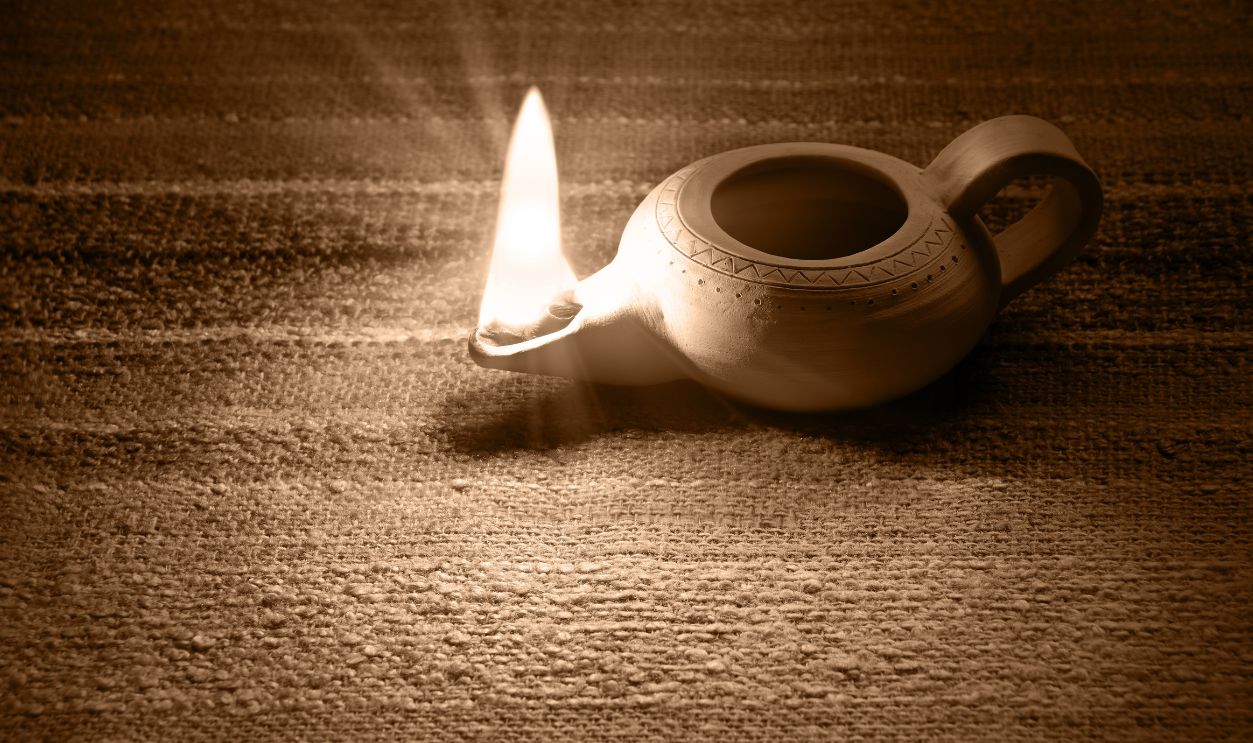
Without electric lights, oil lamps illuminated homes, workshops, shops, and underground spaces. Their small flames allowed people to work, eat, pray, and move after sunset. Finding intact lamps in the channel may also reflect how residents used the underground system during Jerusalem’s final crisis.
A City Full Of Movement
The main street above the drainage channel served an active urban population. Merchants sold goods, pilgrims traveled toward sacred sites, laborers carried supplies, and residents completed ordinary errands. The material swept below reflects that movement, mixing household rubbish with objects lost in a crowded city.
 Elad Weinstein, GFDL, Wikimedia Commons
From Prosperity To Decline
The channel’s layers seem to record a changing Jerusalem. Earlier deposits contain evidence of a prosperous, energetic city. Later material suggests activity was declining as rebellion and Roman military pressure intensified. Archaeologists can therefore follow the city’s weakening pulse through its accumulating debris.
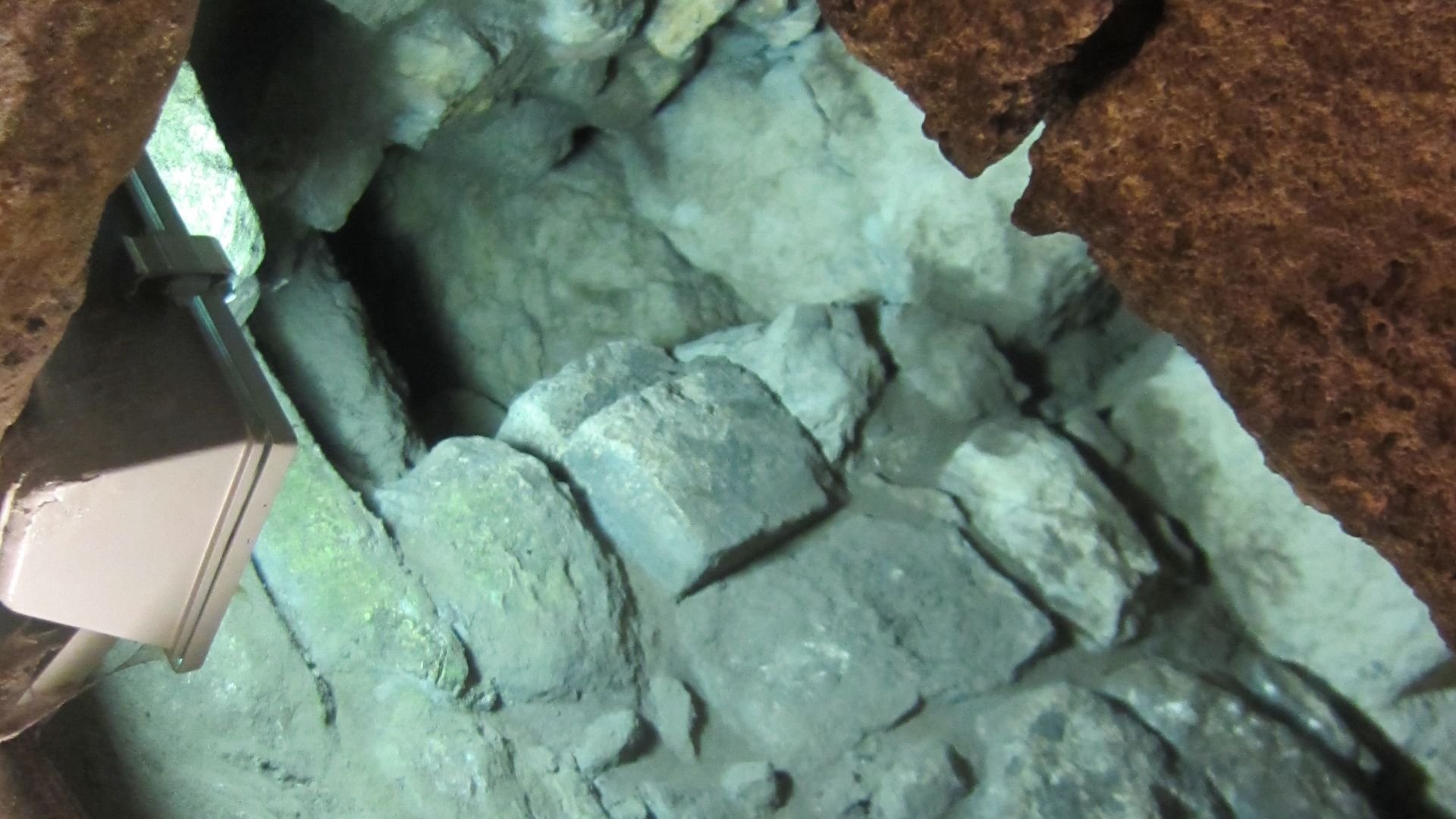
Rebellion Against Rome
In 66 CE, Jewish rebels launched a revolt against Roman rule. What followed was a brutal conflict involving political division, siege warfare, hunger, and destruction. Jerusalem became the rebellion’s most important battlefield, placing its residents in an increasingly desperate and dangerous position.
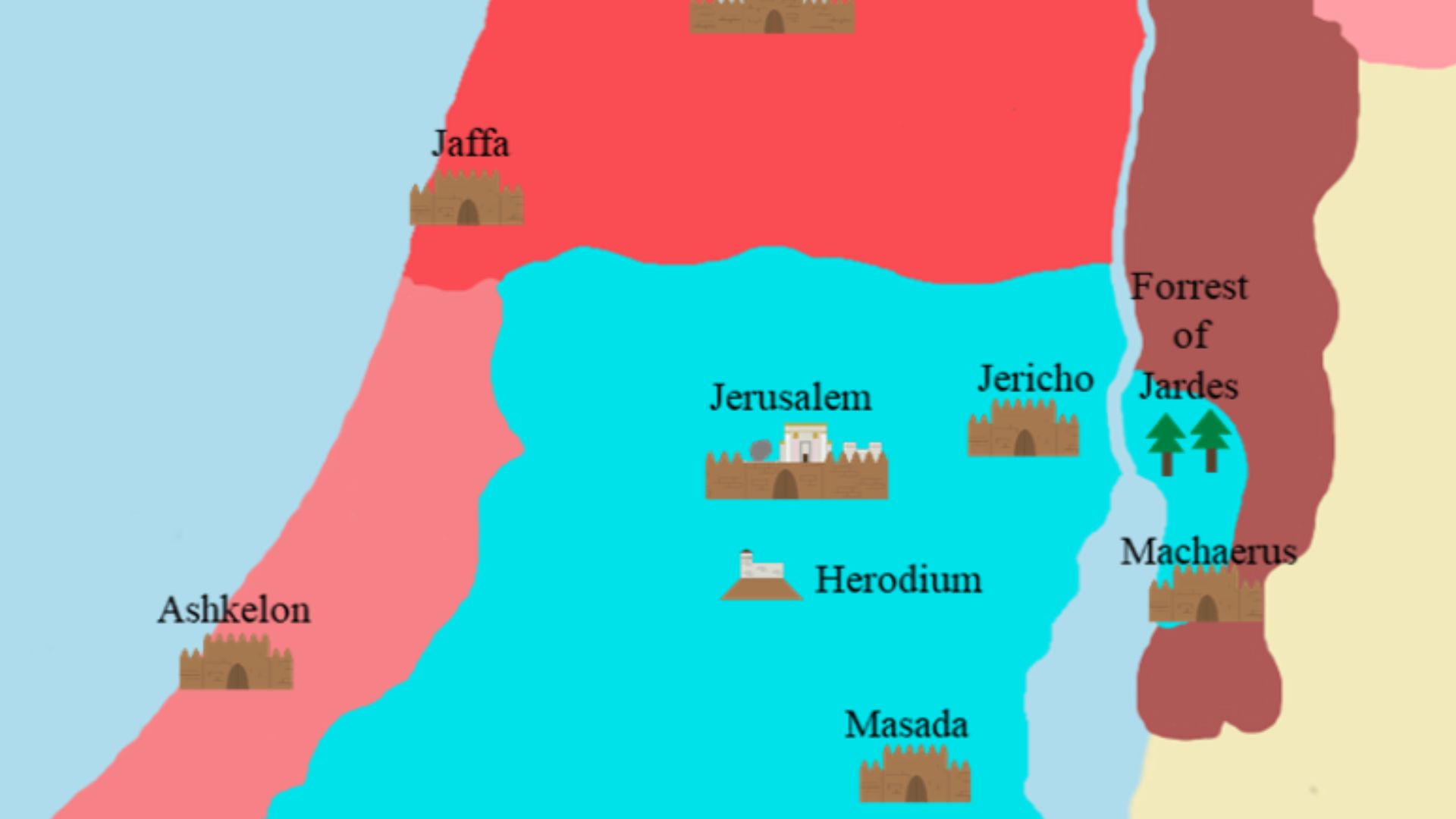
The Siege Tightened
Roman forces eventually surrounded Jerusalem and cut off supplies. Food became scarce, normal commerce collapsed, and once-busy streets grew dangerous. The household remains in the drainage channel come from a city whose ordinary routines were being slowly replaced by fear, shortage, and survival.
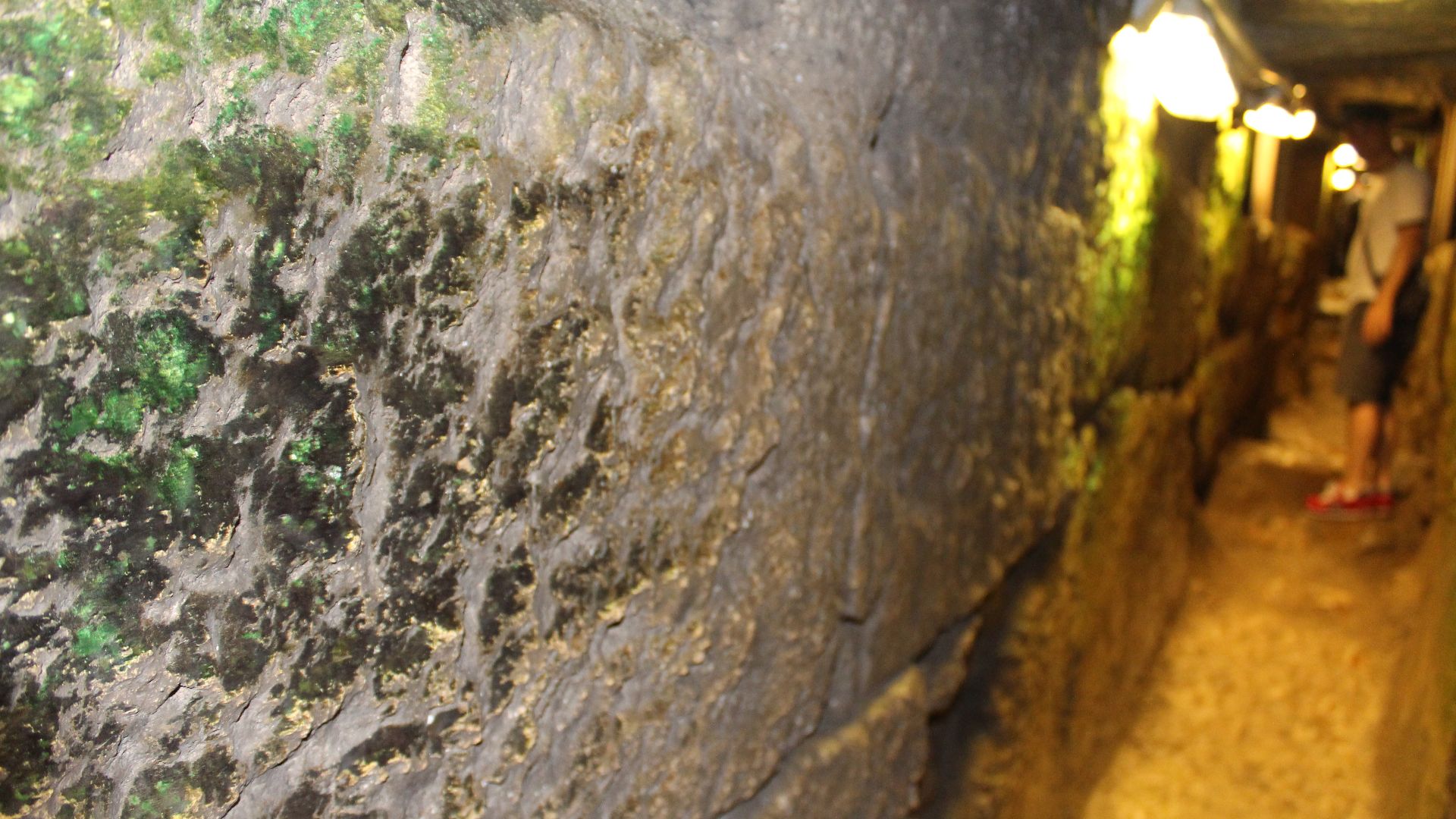
Refuge Beneath The Streets
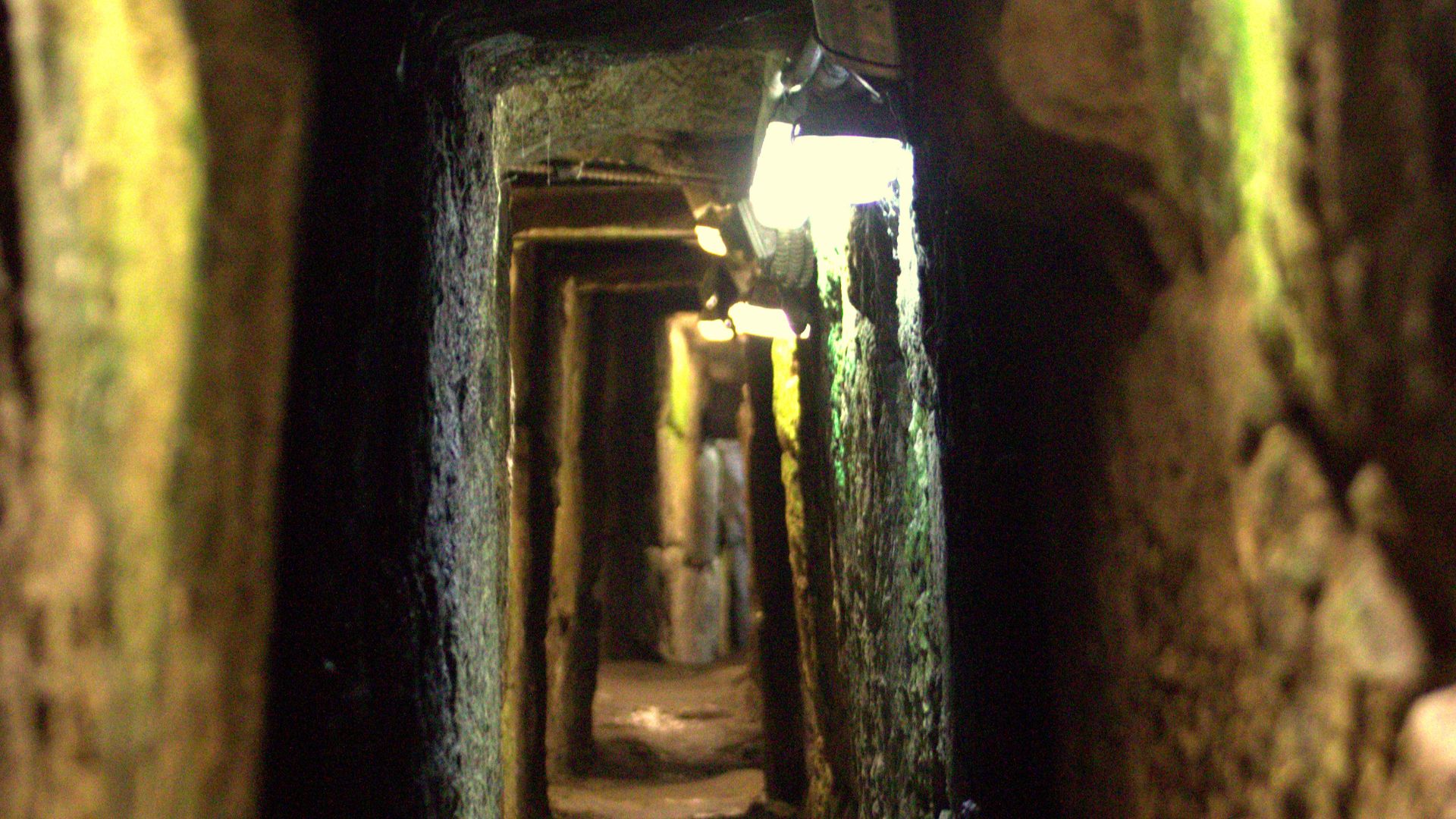
Ancient historian Flavius Josephus wrote that people hid in underground passages during Jerusalem’s capture. Archaeological discoveries suggest the drainage network may indeed have sheltered residents or rebels. Lamps would have been essential inside those dark tunnels, particularly while fighting raged above.
 Scan by NYPL, Wikimedia Commons
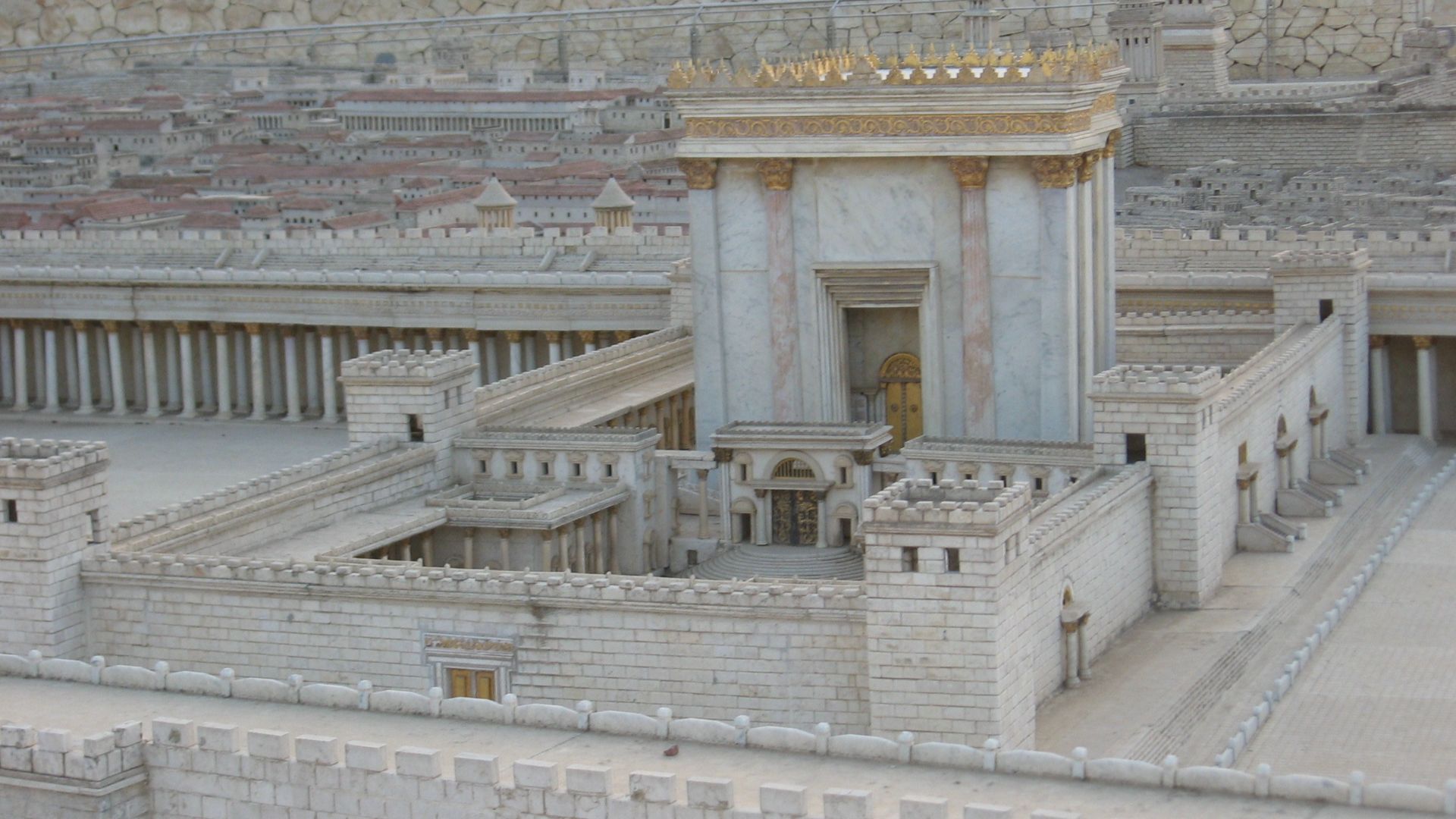
Jerusalem Fell In 70 CE
Roman troops captured Jerusalem in 70 CE and destroyed much of the city, including the Second Temple. The event transformed Jewish history and left enormous physical destruction. Objects sealed in the drainage channel were preserved near the moment when one version of Jerusalem abruptly ended.
 M.t.lifshits, Wikimedia Commons
Complete Objects Tell A Troubling Story
Archaeologists usually find household objects after they have broken through ordinary use. Complete lamps and containers can suggest a more sudden abandonment. Their owners may not have had time to retrieve them, especially if they were fleeing violence, hiding underground, or caught amid collapsing buildings.
Sifting The Soil Carefully
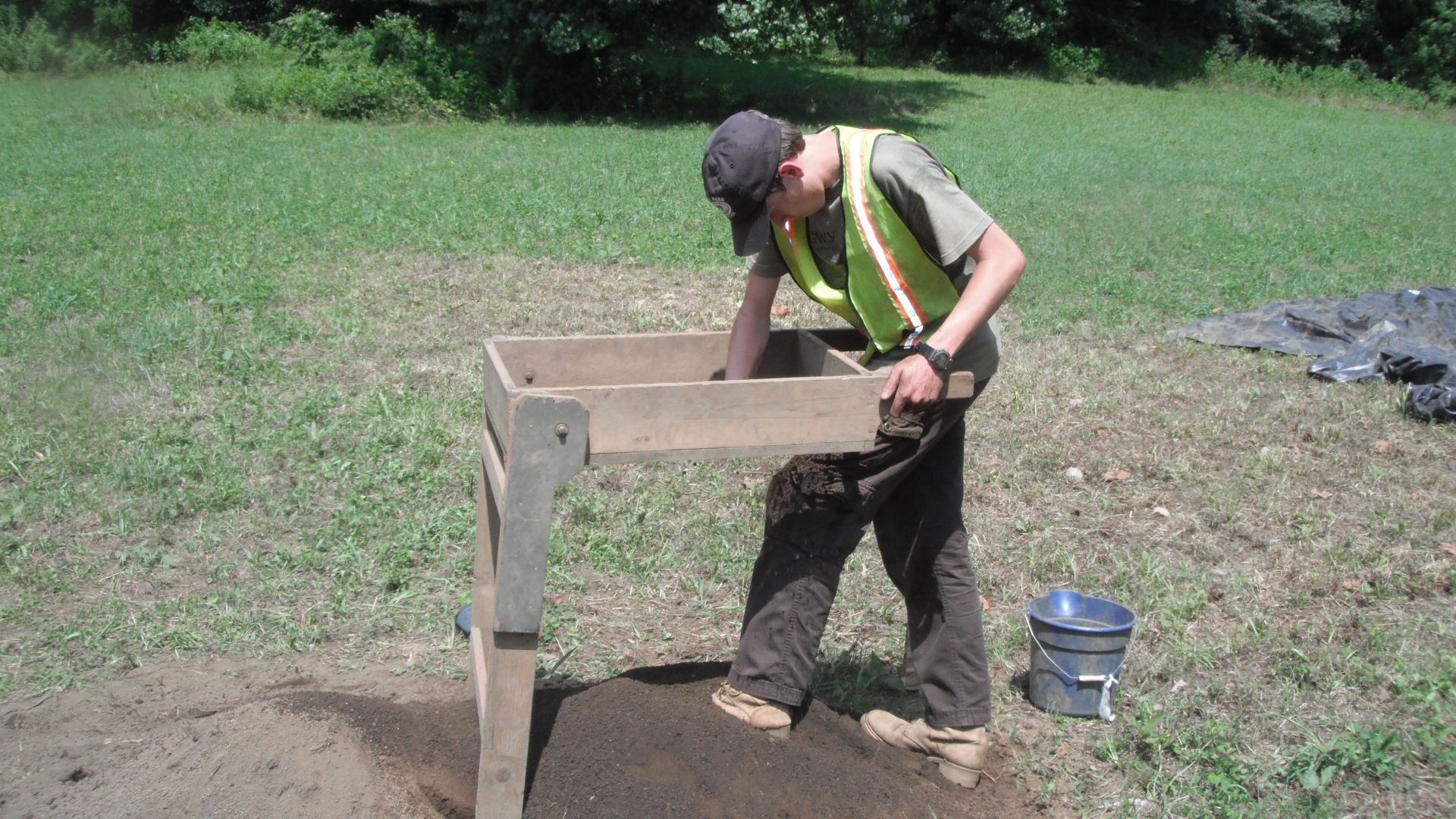
Recovering tiny objects requires painstaking work. Excavated soil can be sifted and examined for seeds, bones, glass fragments, coins, and other remains. A hurried excavation might miss nearly everything important. In this case, the smallest discoveries helped build the most detailed picture.
Garbage Becomes Archaeological Treasure
To ancient residents, eggshells and grape seeds were disposable rubbish. To modern researchers, they are evidence of meals, agriculture, trade, and personal choices. Archaeology often works this way: the objects people valued least in life can become some of the most revealing after death.

More Than Emperors And Armies
Roman history is often told through emperors, generals, monuments, and battles. Jerusalem’s drainage channel adds cooks, shopkeepers, craftspeople, families, and frightened refugees. These people rarely appear clearly in written histories, but the things they dropped and discarded allow them to re-enter the story.
A Difficult Site With Enormous Value
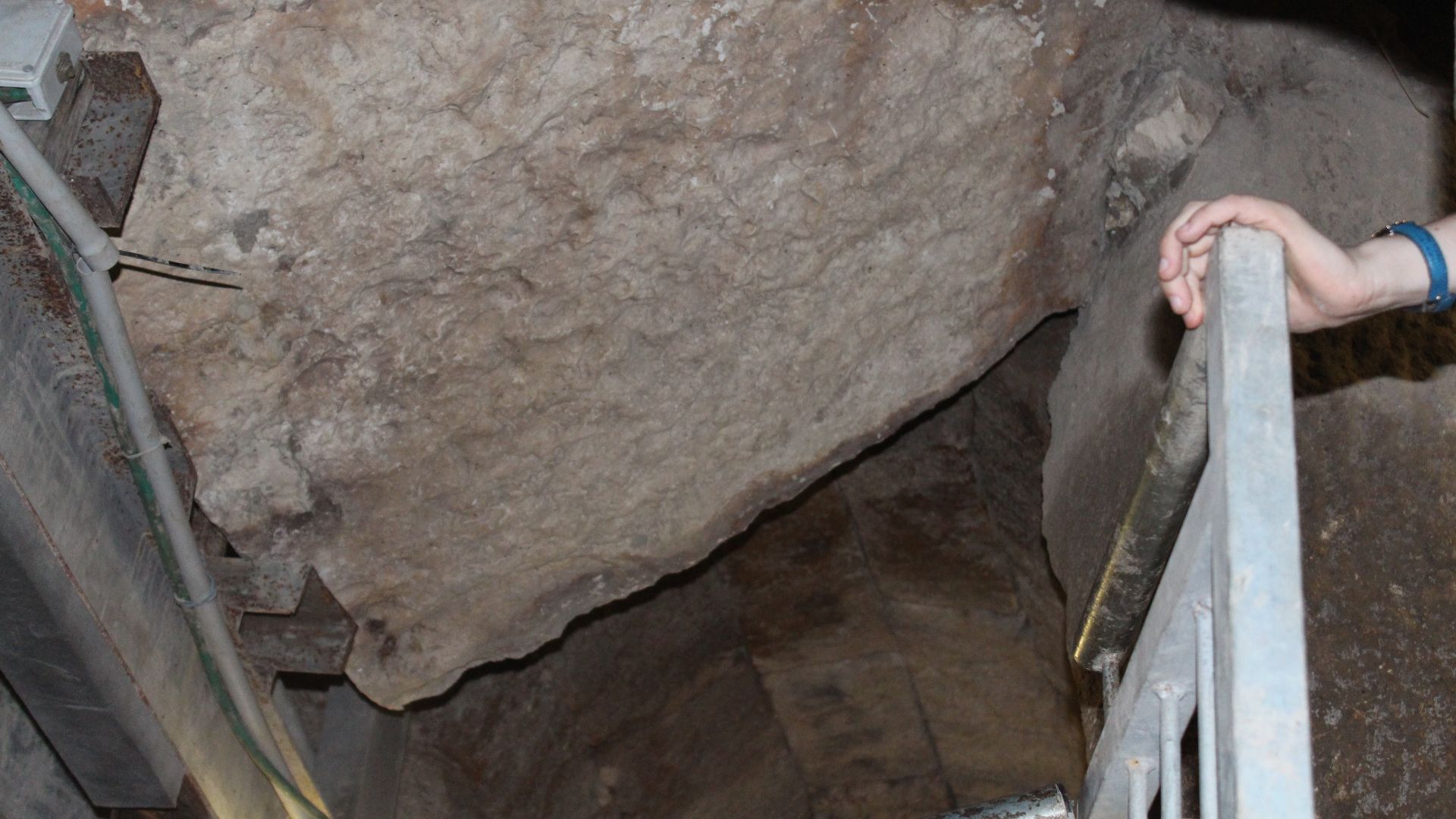
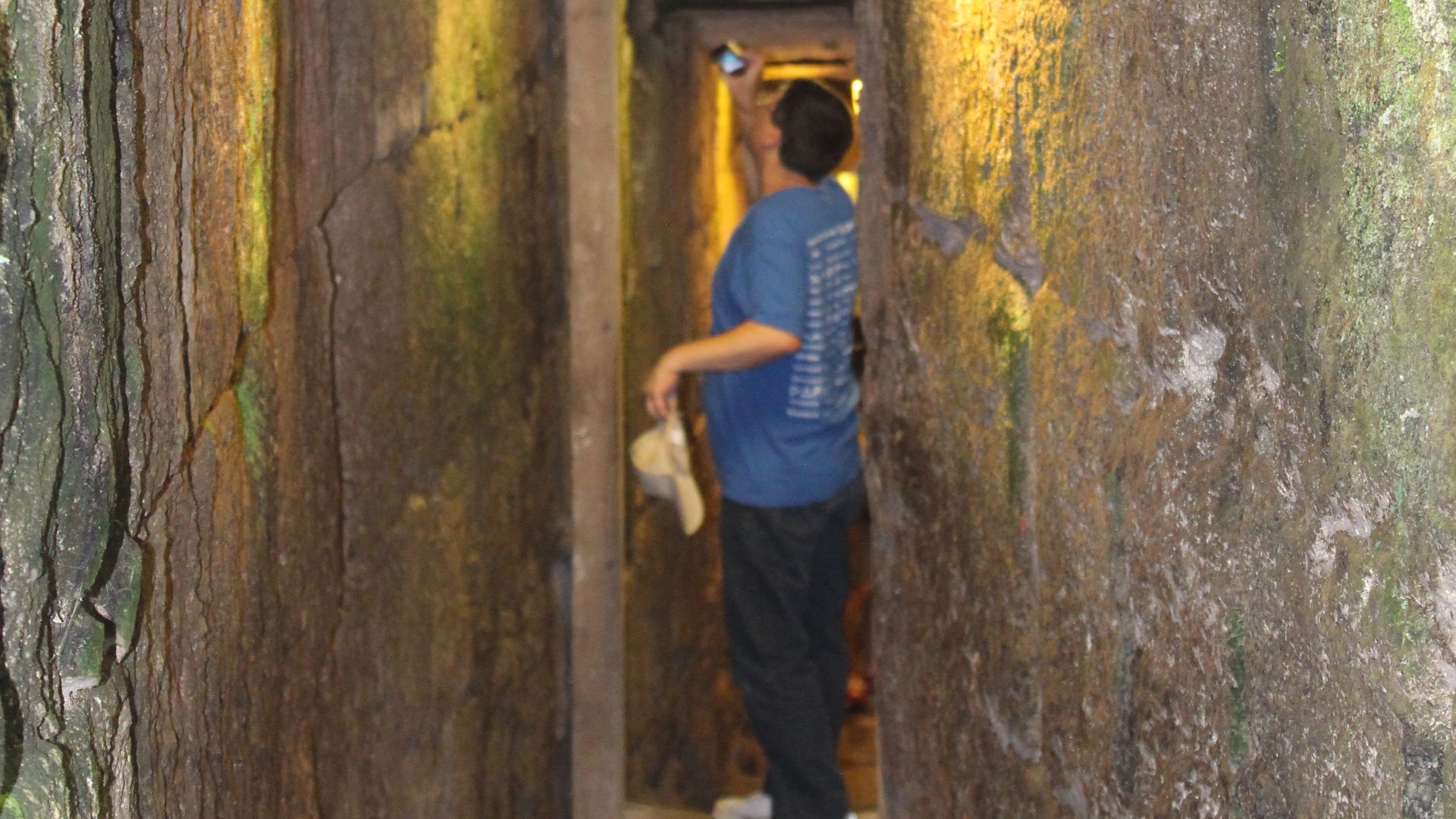
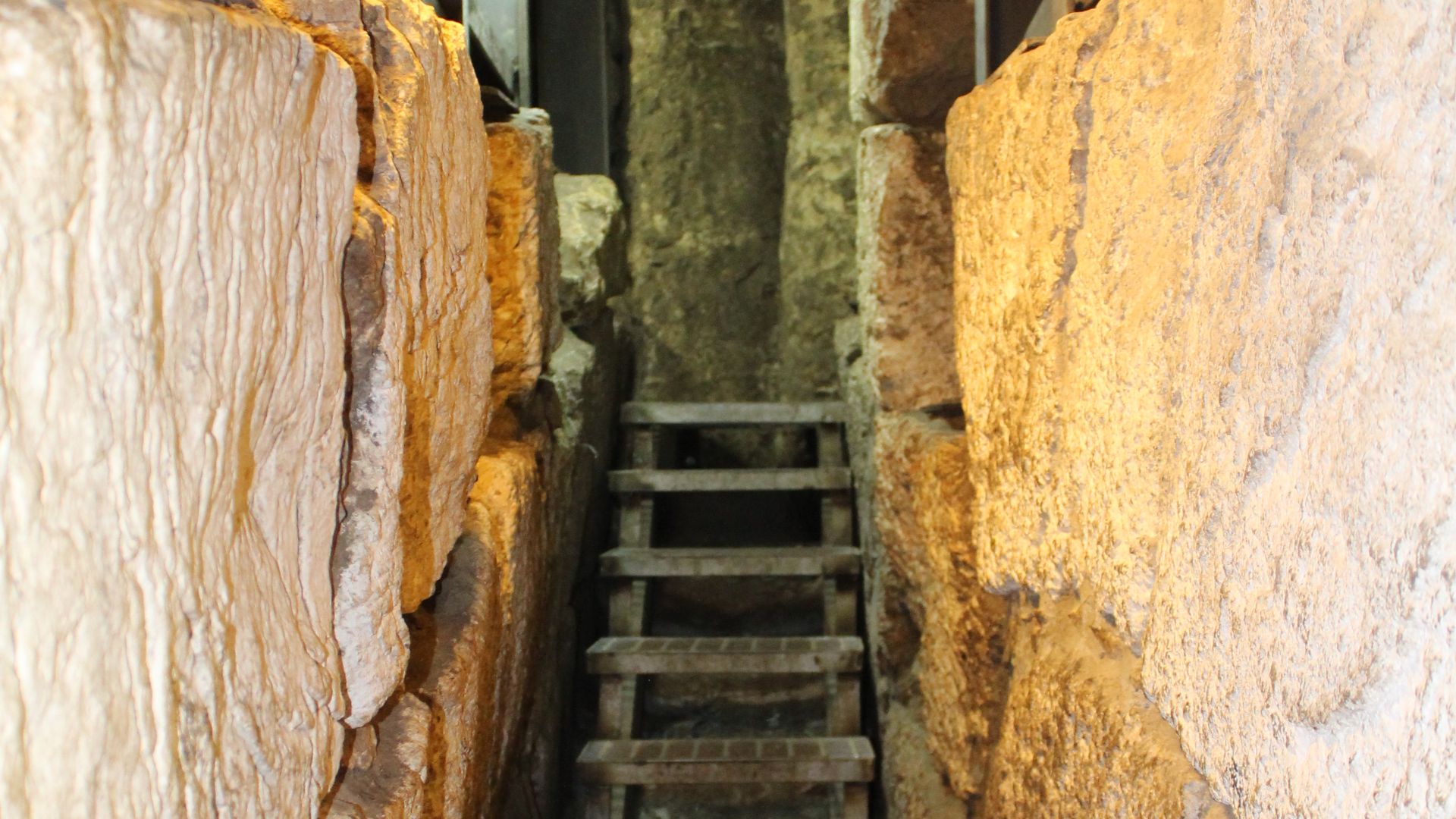
Excavating beneath Jerusalem is physically challenging and historically sensitive. Archaeologists must work inside confined spaces while carefully documenting every layer. Yet the channel offers an opportunity few sites can match: a protected trail running directly beneath the heart of an ancient capital.
Jerusalem’s Smallest Objects Speak Loudly
A grape seed, a stained lamp, and a broken cooking pot may appear insignificant beside Jerusalem’s monumental ruins. Yet these humble objects reveal how people ate, traded, worshipped, and endured Roman rule. The ancient drain did not merely carry waste. It preserved a city’s final heartbeat.
You May Also Like:
Ancient Routes That Modern Travelers Can Still Follow—Which One Would You Explore First?