A Sword That Shouldn't Have Survived
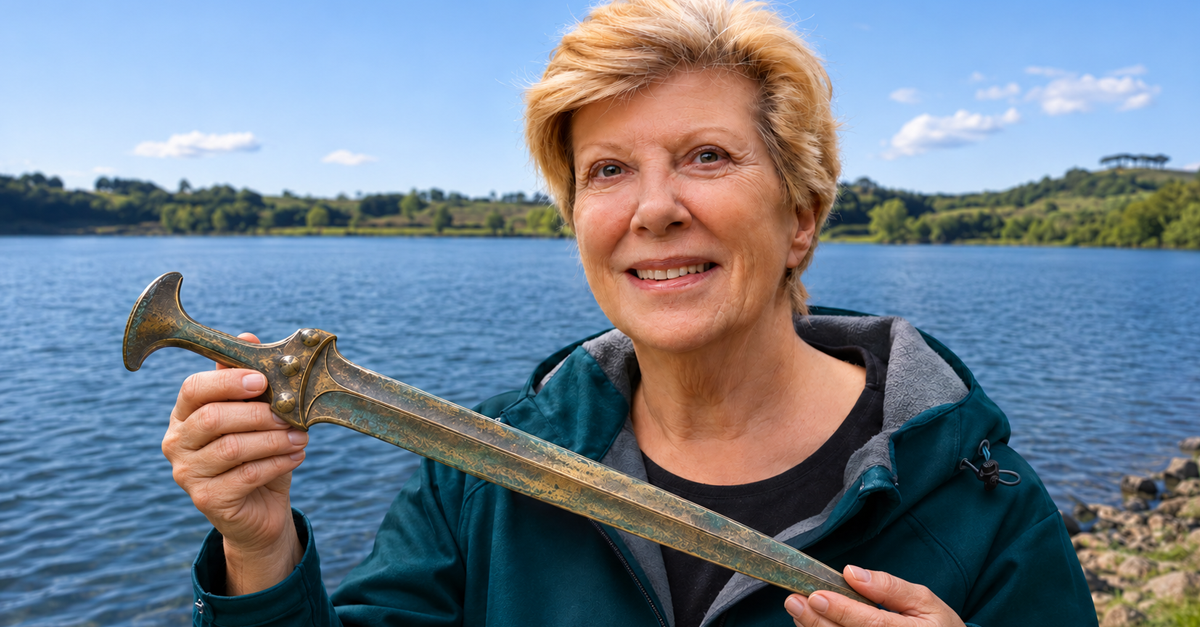
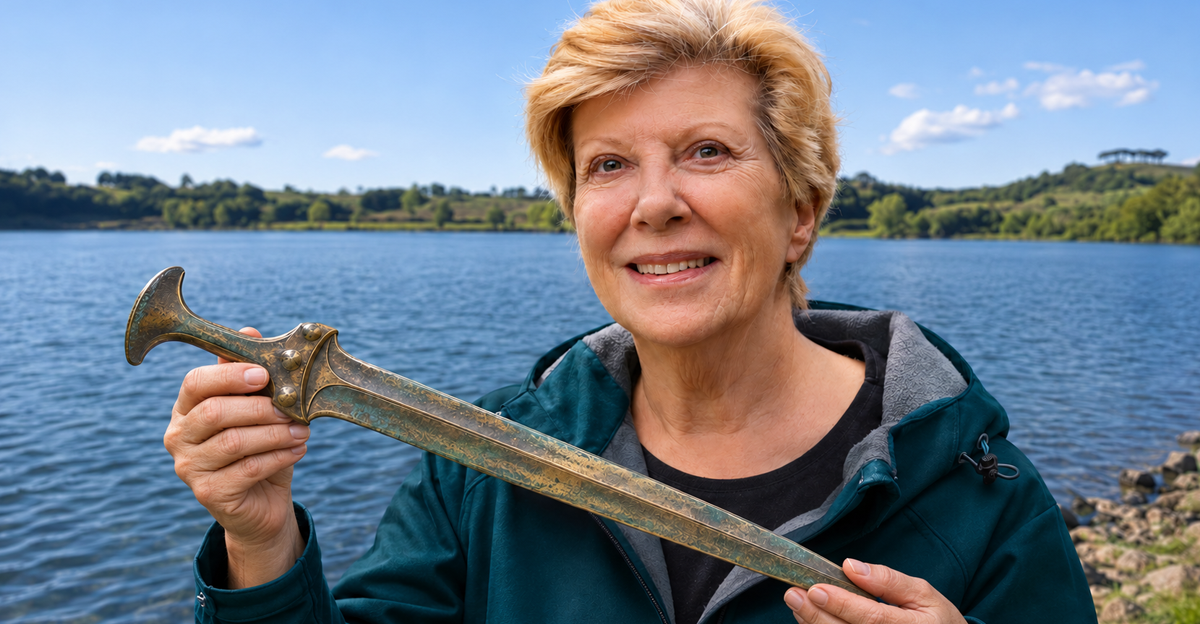
At the bottom of an Italian lake, archaeologists found something extraordinary: a 3,300-year-old bronze sword with a blade that was still sharp. The weapon had spent thousands of years underwater, yet it was remarkably well preserved. Even more intriguing, it was discovered among the remains of an ancient village, raising a fascinating question. How did it end up there?
An Extraordinary Discovery In Italy
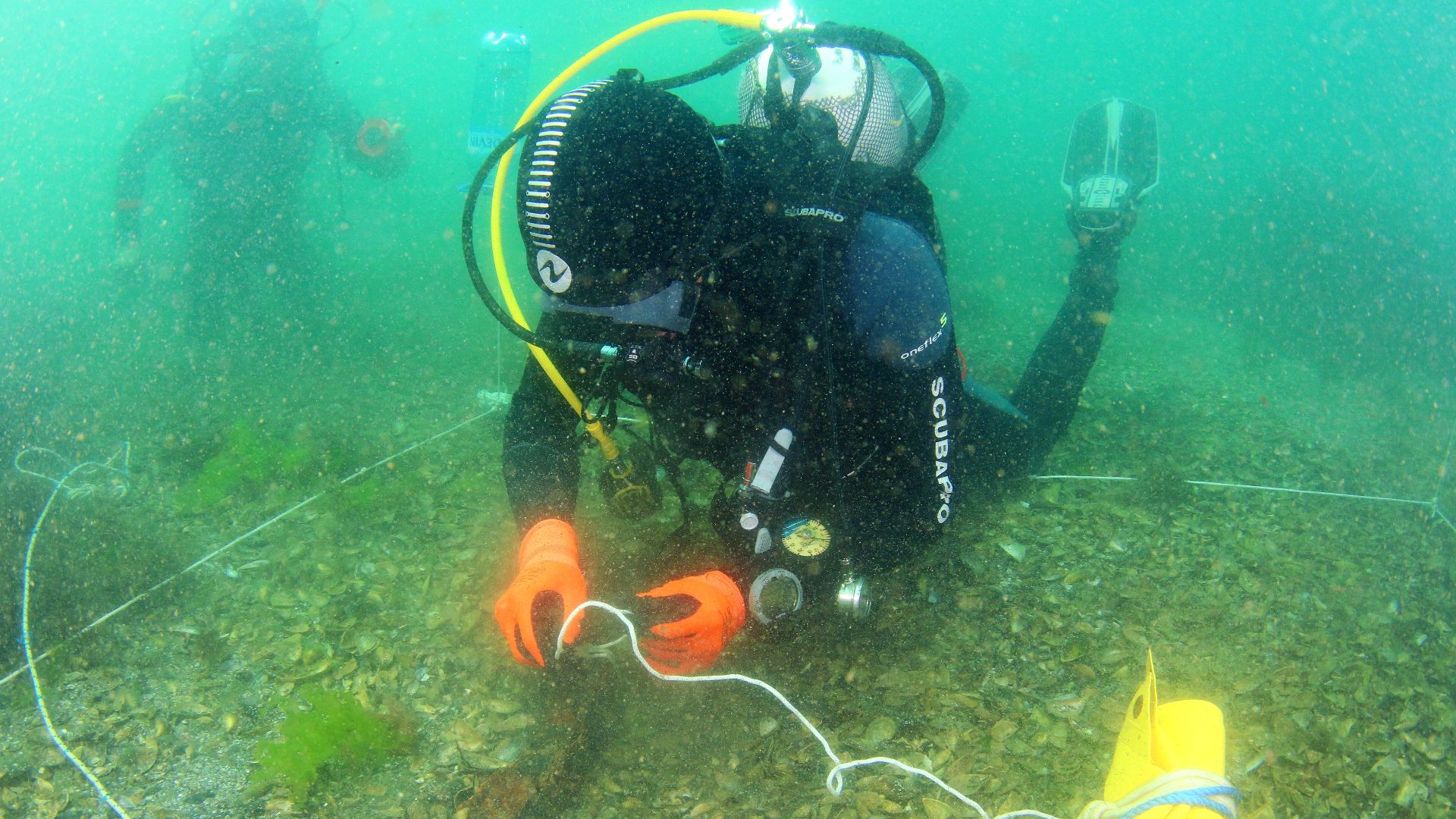
The sword was recovered from Lake Mezzano in central Italy during an underwater archaeological expedition in 2026. Researchers were exploring the remains of a prehistoric settlement when they made the discovery. Italian heritage officials announced the find on October 6, calling it an important addition to their understanding of Bronze Age communities.
The Sword Was 3,300 Years Old
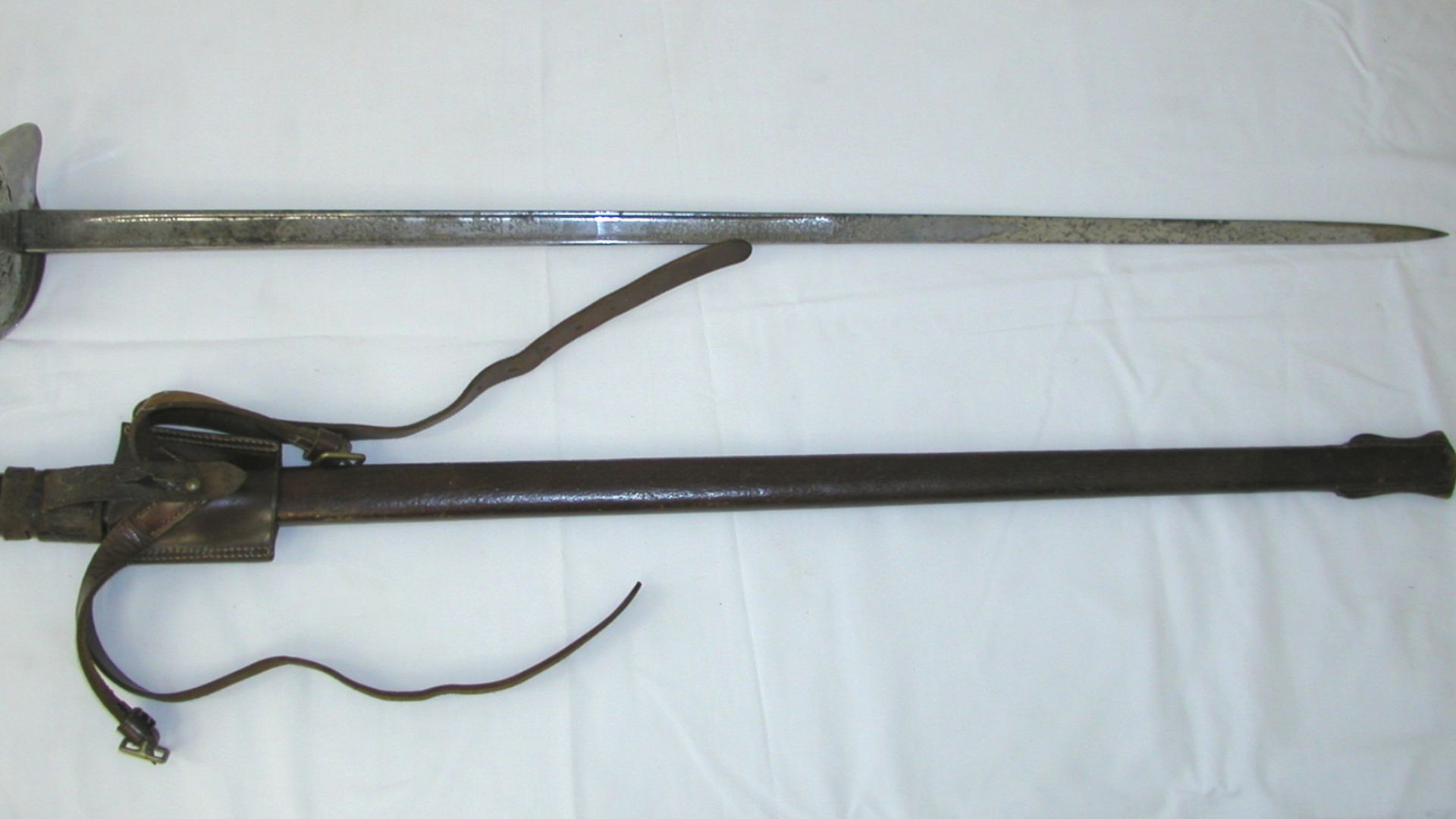
Archaeologists dated the weapon to the 13th century BCE, placing it around 3,300 years in the past. It belonged to the Late Bronze Age, long before the rise of ancient Rome. By then, communities across central Italy were already producing sophisticated bronze weapons.
 Wilkinson Sword Company, Wikimedia Commons
Its Blade Was Still Sharp
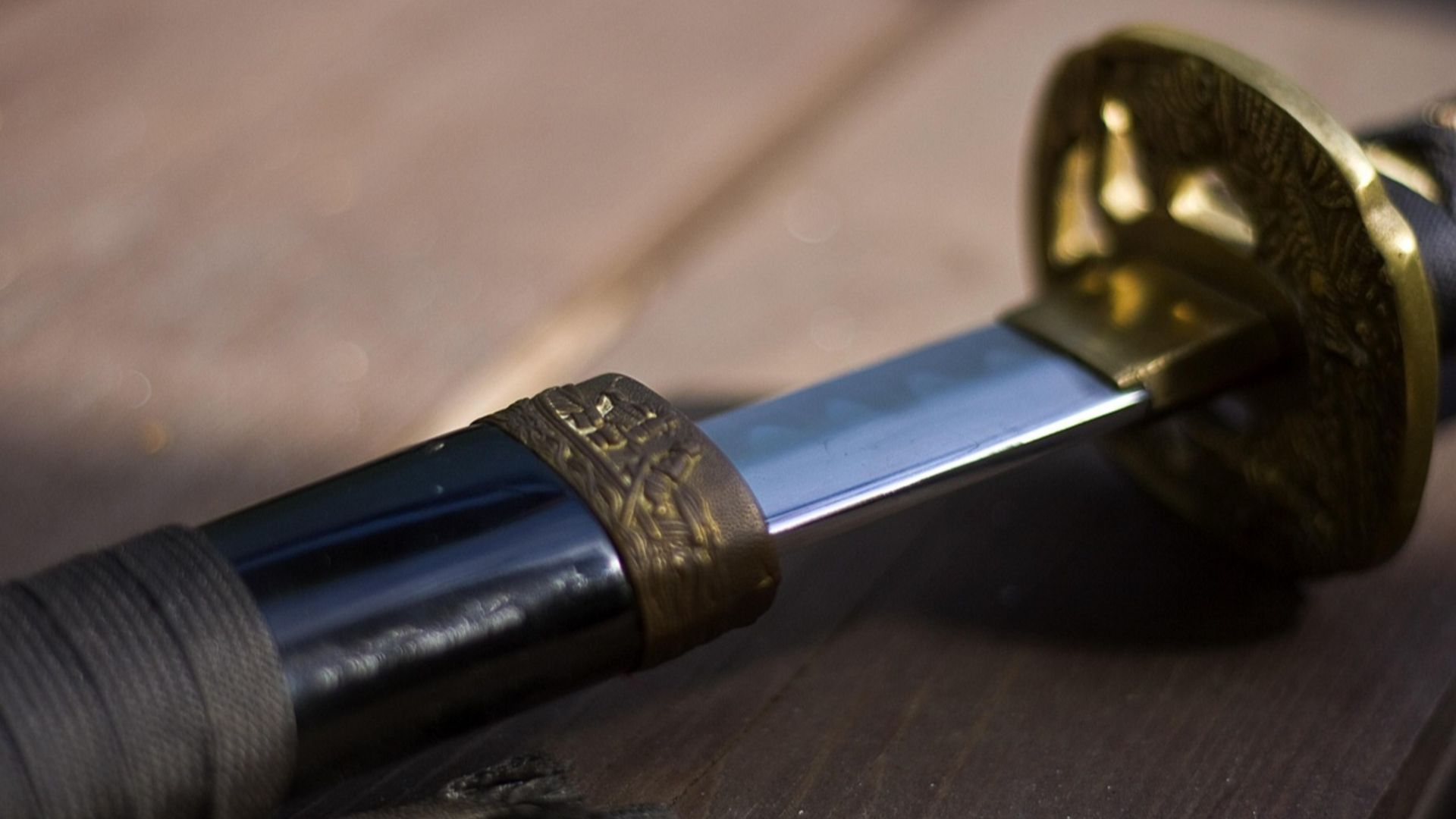
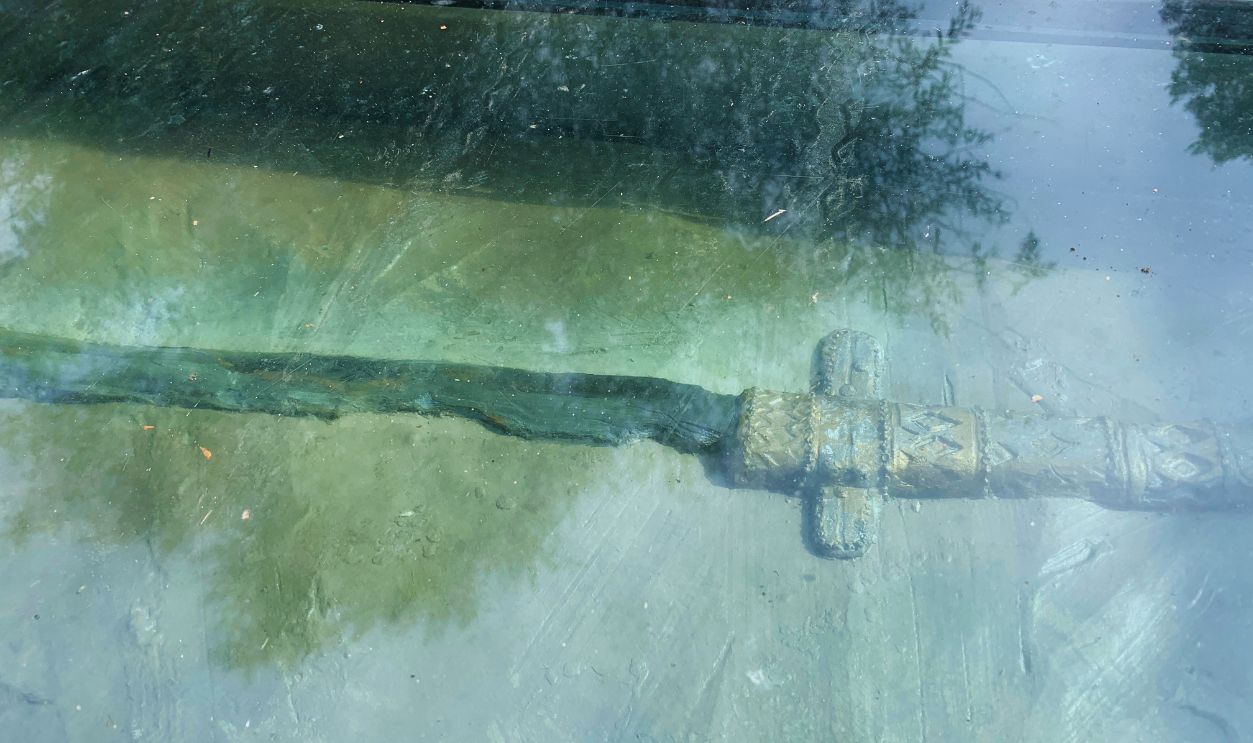
What made the discovery especially remarkable was the sword's condition. Despite spending more than three millennia underwater, its cutting edge remained sharp. Italian archaeologists described the weapon as exceptionally well preserved, making it a particularly striking example of surviving Bronze Age metalwork.
The Lake Was Hiding Another Secret
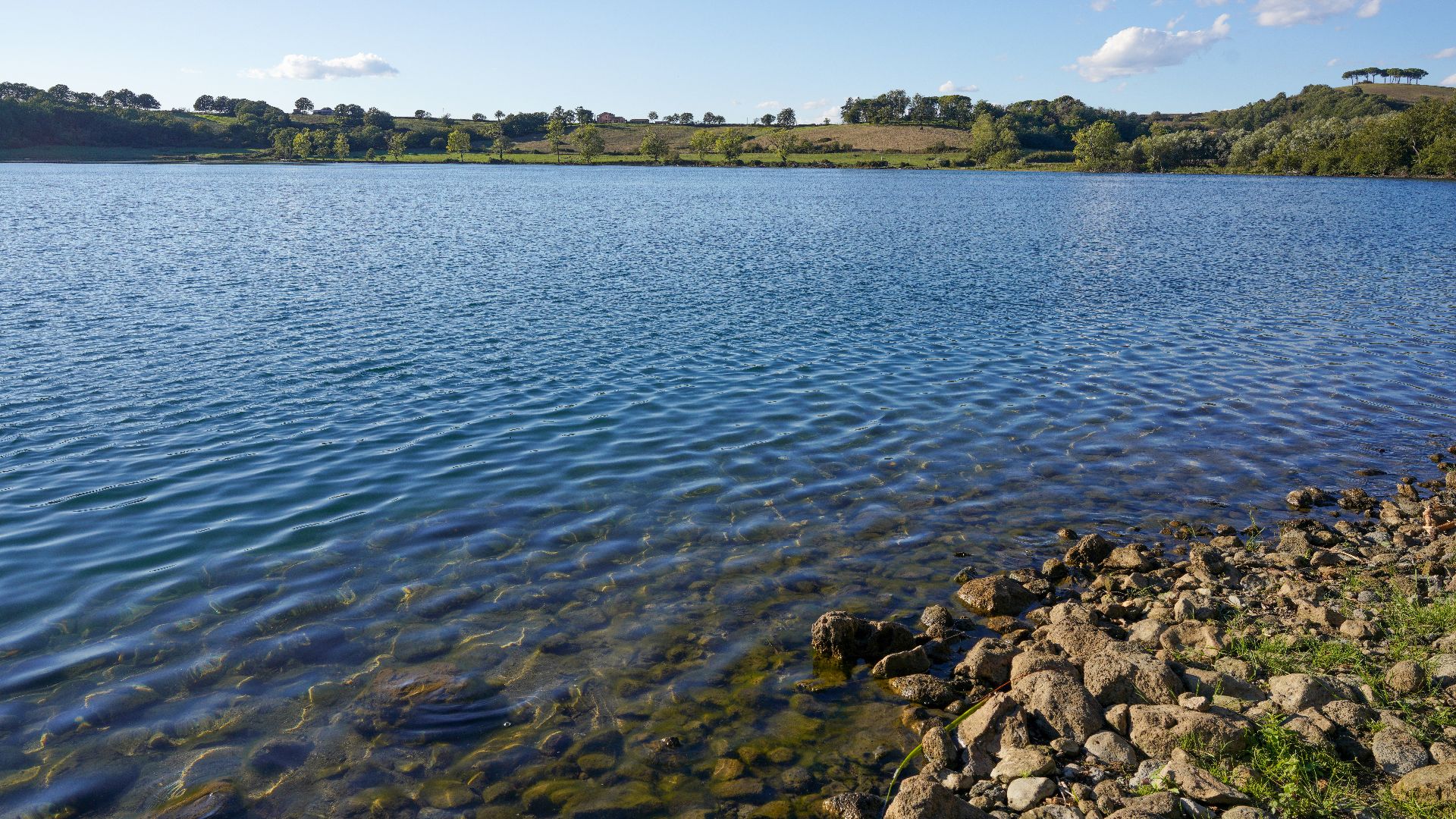
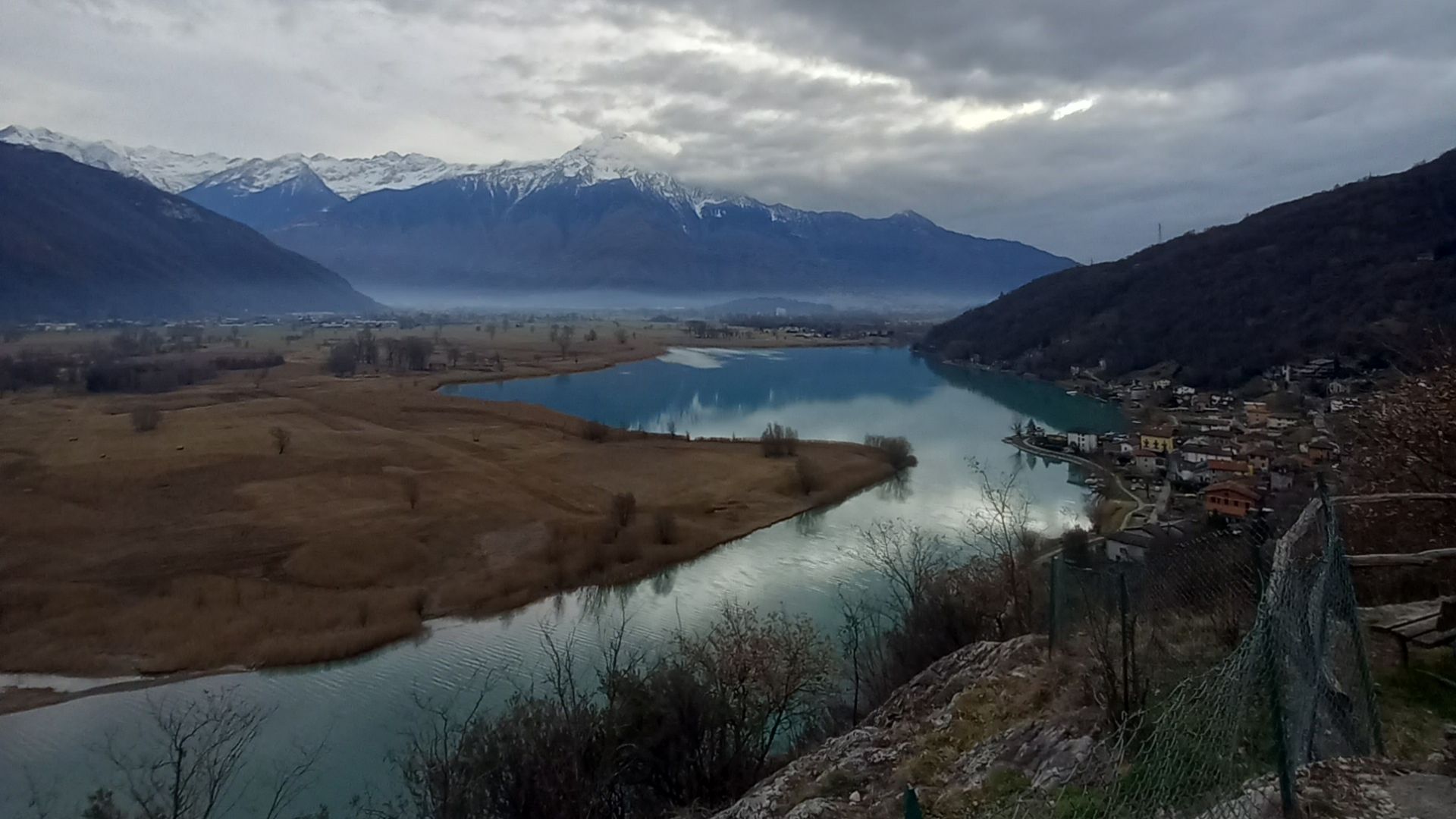
The sword wasn't simply lying at the bottom of an ordinary lake. Lake Mezzano occupies an ancient volcanic crater roughly 60 miles northwest of Rome. Beneath its waters are the remains of an extensive prehistoric settlement that was once home to a thriving community.
 WikiRomaWiki, Wikimedia Commons
A Village Built On Stilts
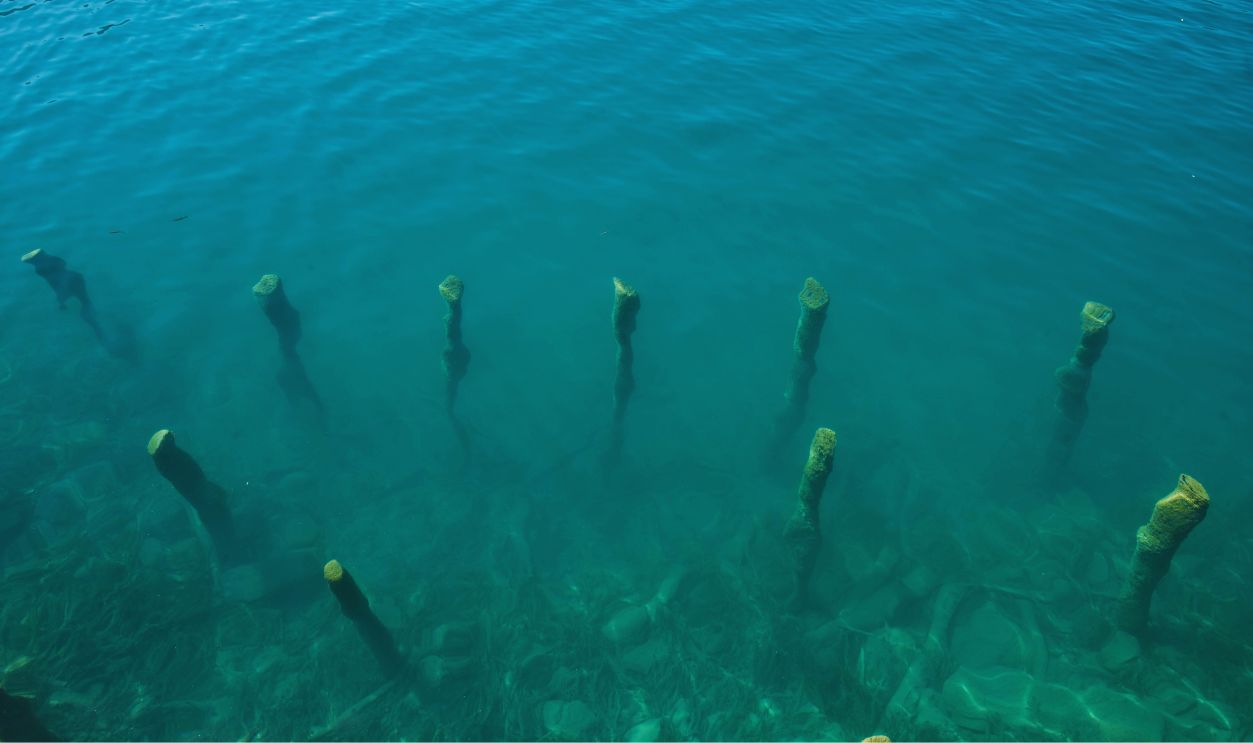
The ancient settlement consisted of wooden structures supported by posts driven into the ground. Known as pile dwellings, these buildings allowed people to occupy areas along the lake's shores and shallow waters. Thousands of years later, the surviving wooden posts still provide clues about how the community was organized.
 Guppy, H. B. (Henry Brougham), 1854-1926, Wikimedia Commons
The Settlement Predated Rome
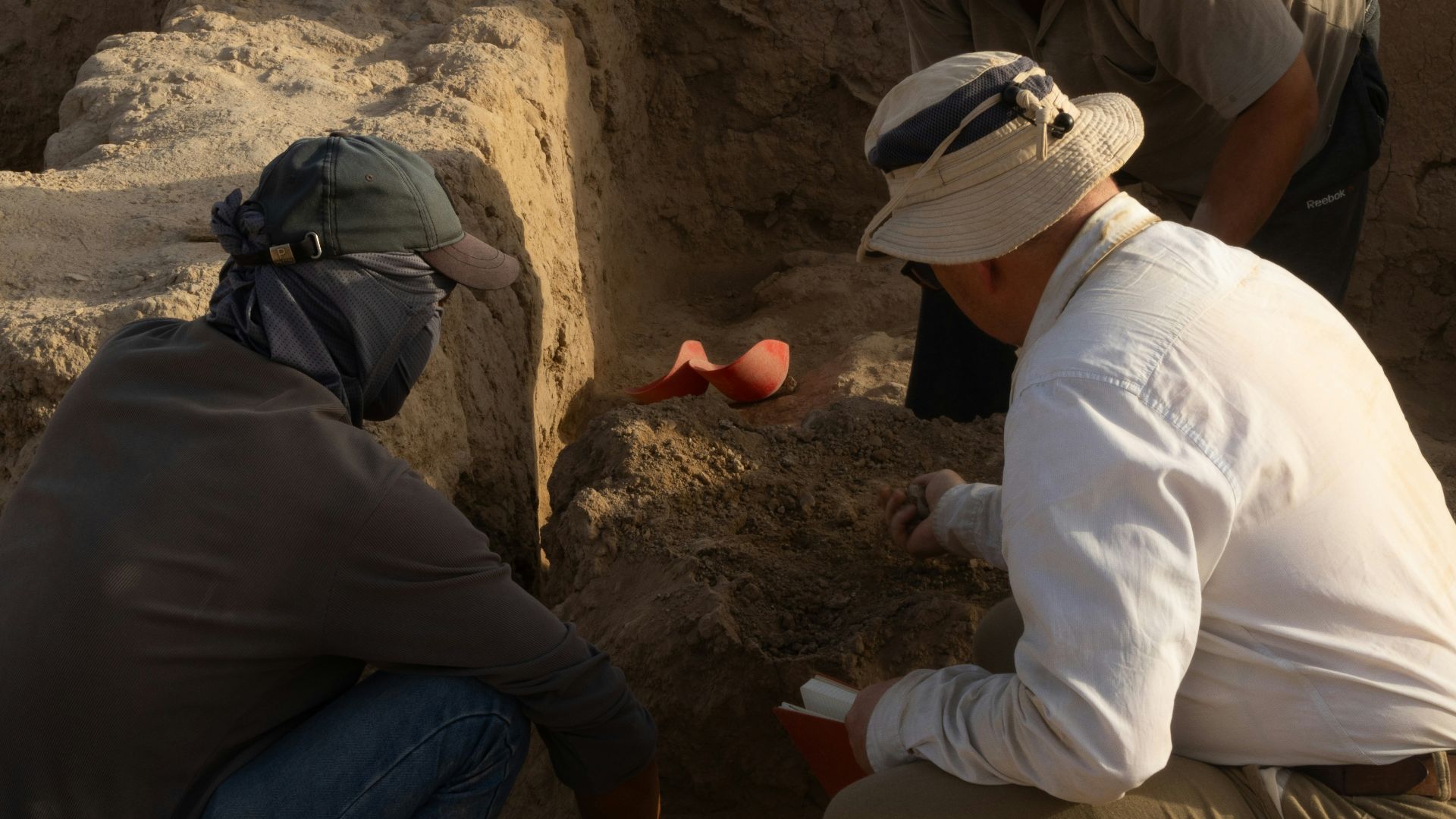
The archaeological remains date to approximately 1700–1150 BCE, covering several centuries of Bronze Age activity. This places the settlement well before the emergence of the Etruscan and Roman civilizations. Its inhabitants belonged to a much earlier chapter of Italian history that archaeologists are still piecing together.
 Aleksander Stypczynski, Unsplash
This Wasn't The First Sword Found There
Remarkably, the 2026 discovery was the third bronze sword recovered from Lake Mezzano since archaeological investigations began in the 1970s. The earlier weapons had already demonstrated the importance of the submerged settlement. Finding another has given researchers fresh evidence about the role of weapons in the ancient community.
 Unknown author, Wikimedia Commons
The Weapon Revealed Ancient Craftsmanship
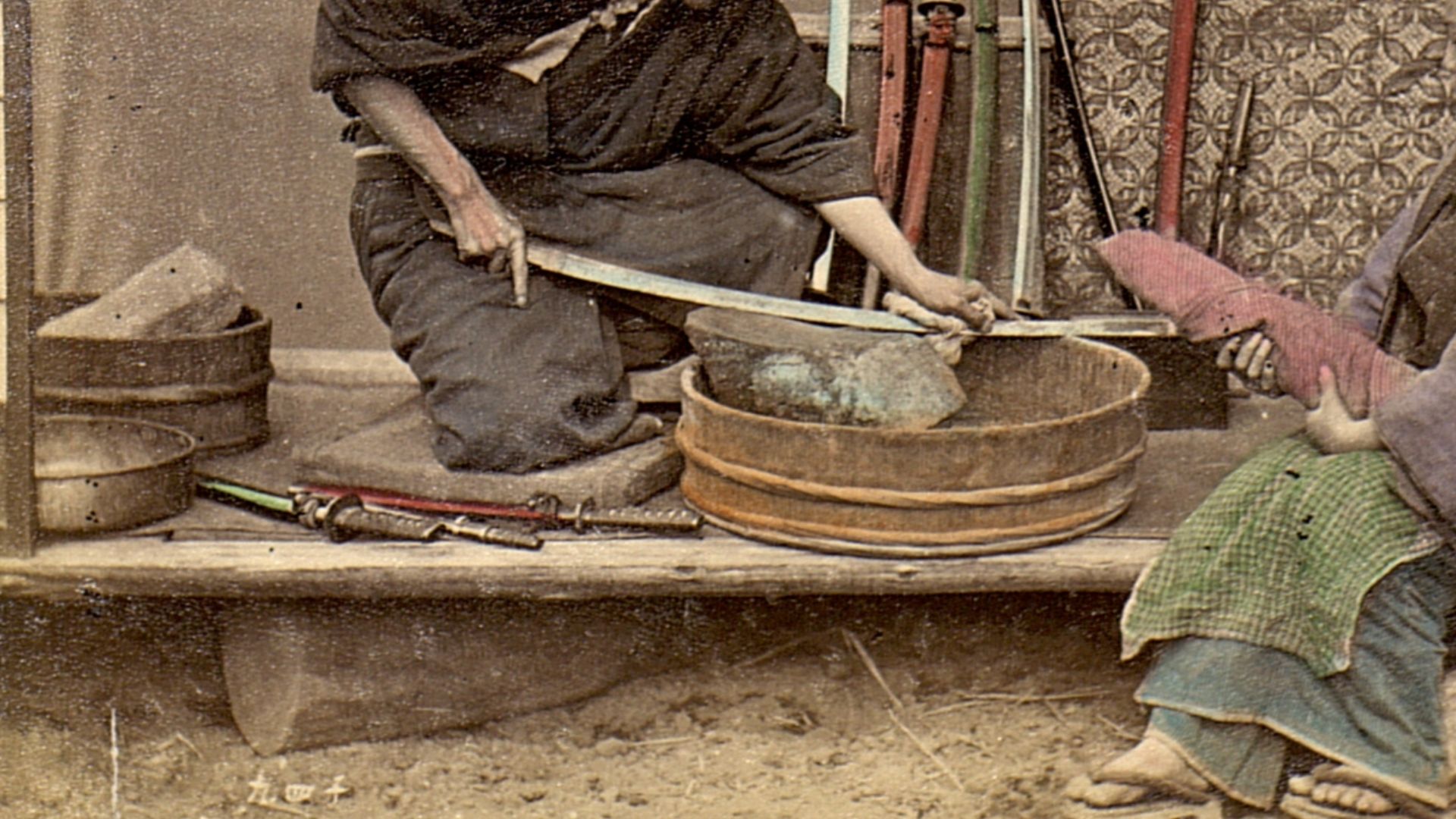
The sword's design matches weapon-making traditions found in central Italy during the Late Bronze Age. Its construction reflects the advanced metalworking skills developed by communities of the period. But its significance may have extended well beyond its effectiveness as a weapon.
 Wolcott, Katherine, Wikimedia Commons
Swords Were Symbols Of Power
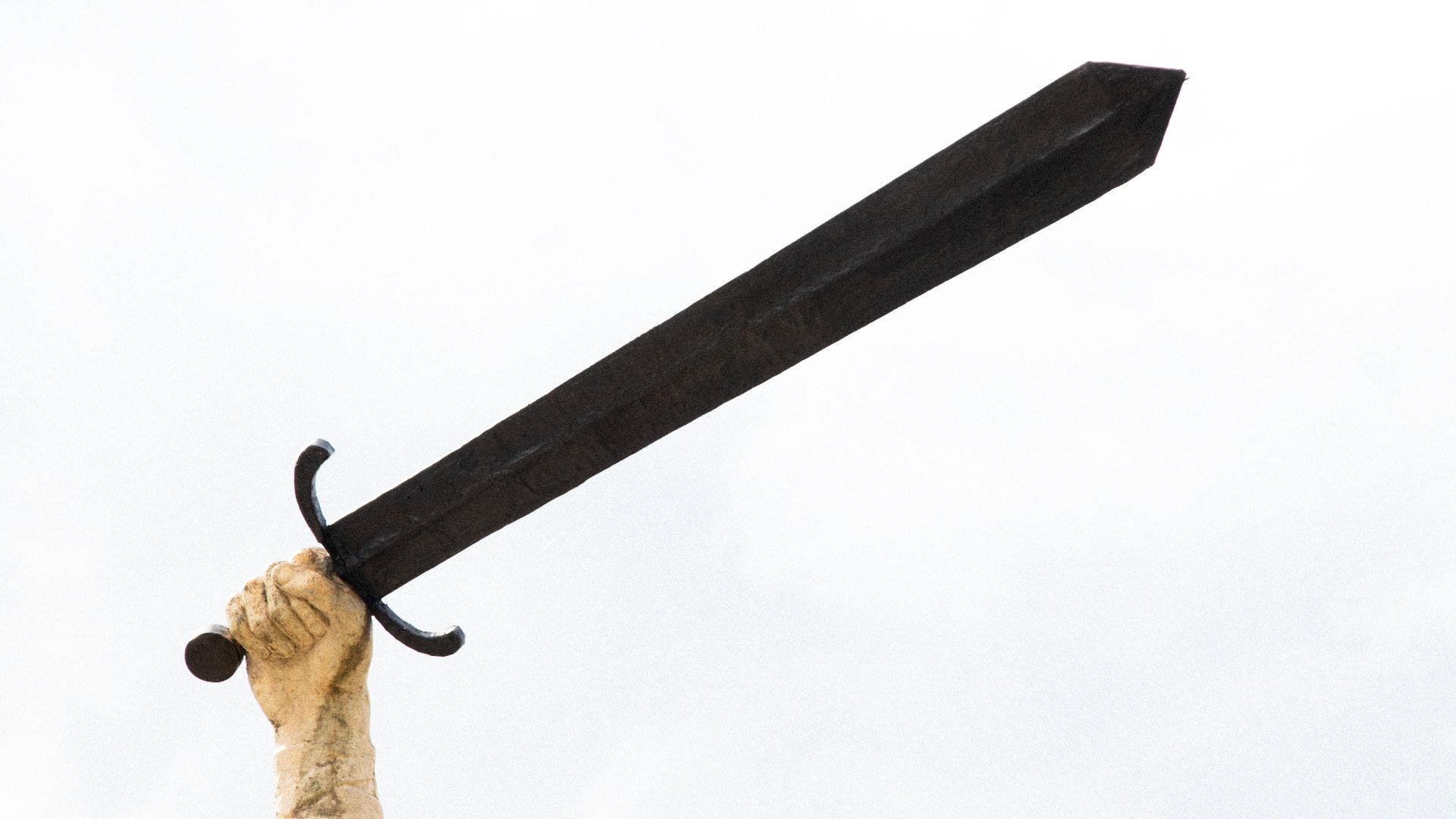
In Bronze Age society, weapons could communicate wealth, prestige, and social standing. An impressive bronze sword wasn't necessarily valued only for fighting. Archaeologists believe such objects could also express the identity and authority of their owners.
A Surprising Object Was Found Nearby
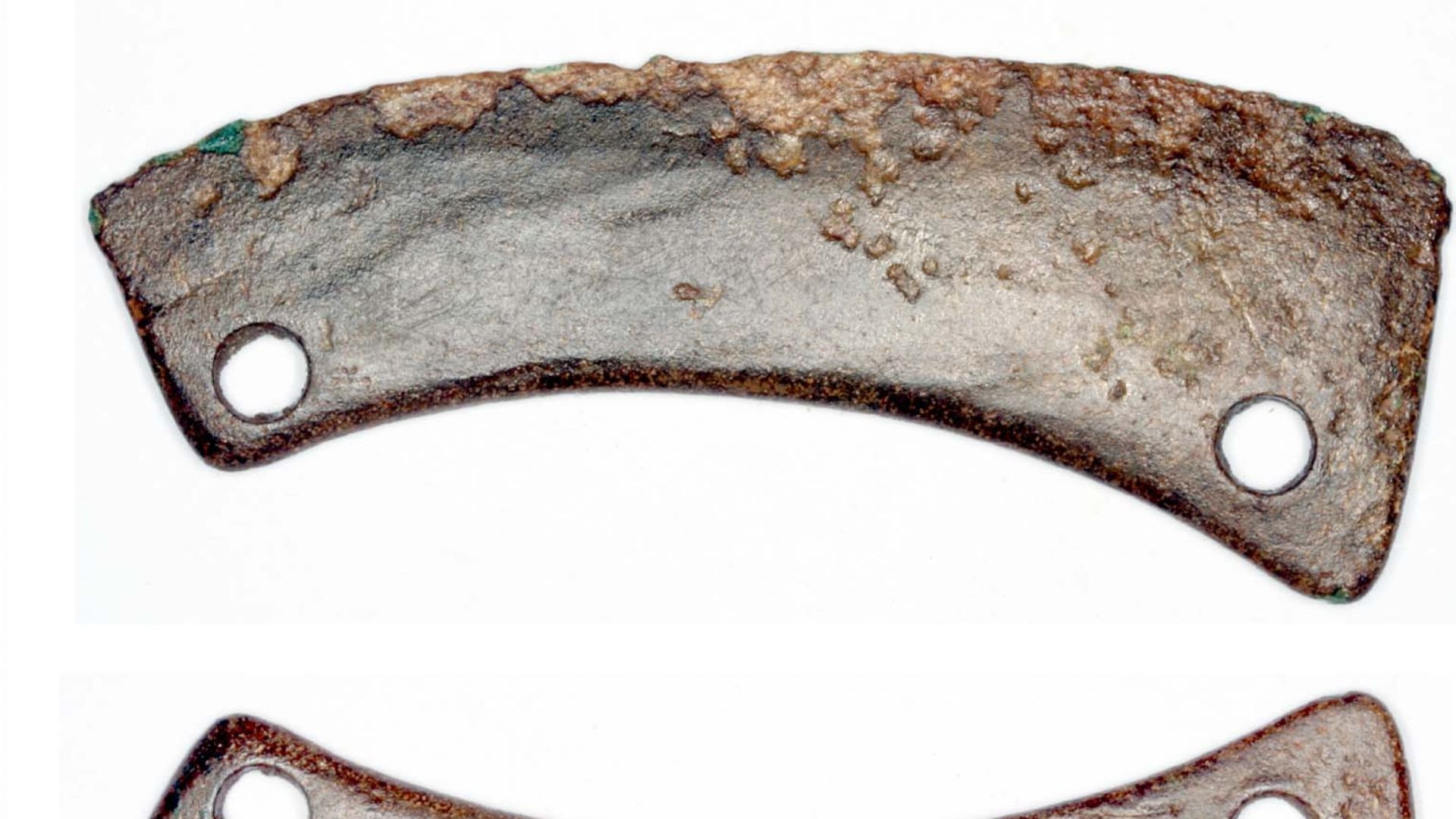
The sword wasn't the only interesting artifact recovered during the 2026 expedition. Archaeologists also discovered a bronze razor lying close to the weapon. The unusual pairing immediately attracted attention because similar combinations have been documented at other Bronze Age sites.
 The Portable Antiquities Scheme, John Davey, 2006-10-02 16:06:46, Wikimedia Commons
Could It Have Belonged To A Warrior?
The proximity of the razor and sword raised the possibility that they once belonged to a high-status individual. Researchers noted that comparable associations elsewhere have been connected with warrior elites. However, there is no proof that the two Lake Mezzano objects shared an owner, leaving the sword's original purpose uncertain.
 Vinkhuijzen, Hendrik Jacobus, 1843-1910, Wikimedia Commons
The Lake Held Even More Weapons
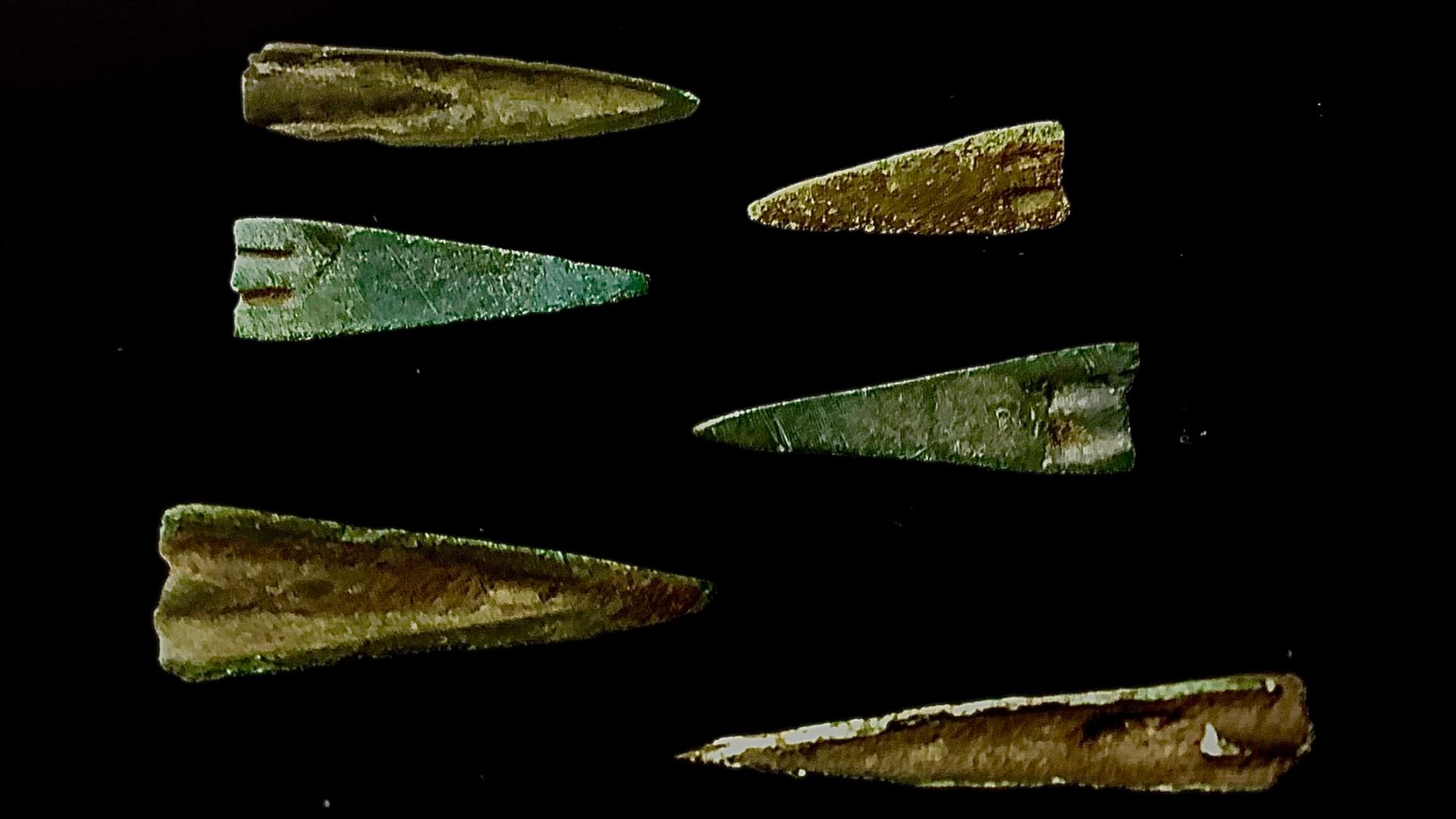
The expedition produced several other bronze weapons and tools, including axes, arrowheads, daggers, and spearheads. Researchers also recovered pins and ceramic vessels, some of which were still intact. These discoveries offered a broader picture of the objects used and valued by the ancient settlement's inhabitants.
 Bruce C. Cooper (digital image), Wikimedia Commons
The Mystery Began Back In 1971
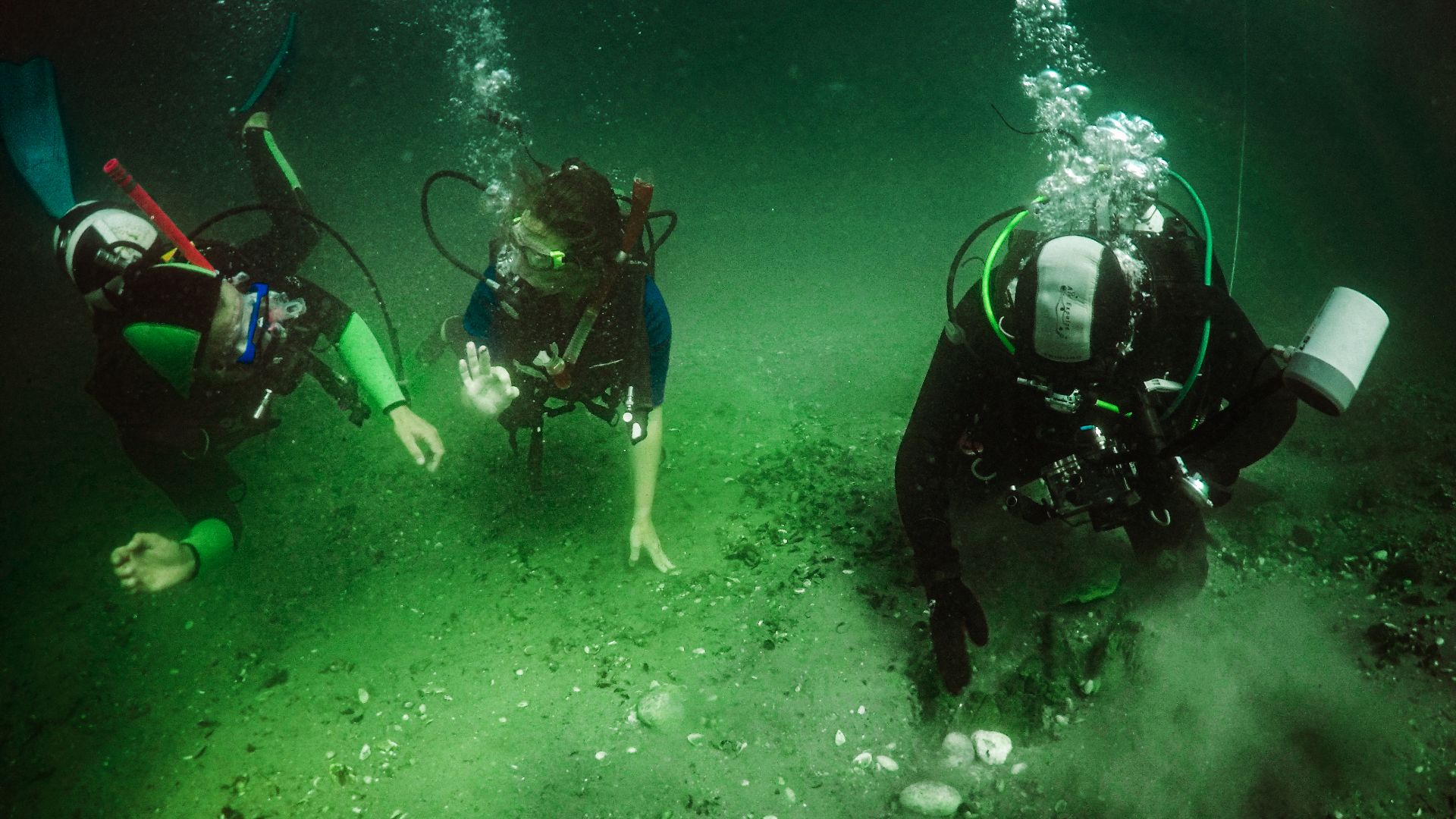
The story of Lake Mezzano's underwater settlement began decades before the latest sword discovery. In 1971, Italian geologist Lamberto Ferri Ricchi identified the remains of three prehistoric pile dwellings beneath the water. They were submerged at depths ranging from approximately nine to 30 feet.
 Oleksandr (Alex) Zakletsky, Wikimedia Commons
The First Excavations Revealed More
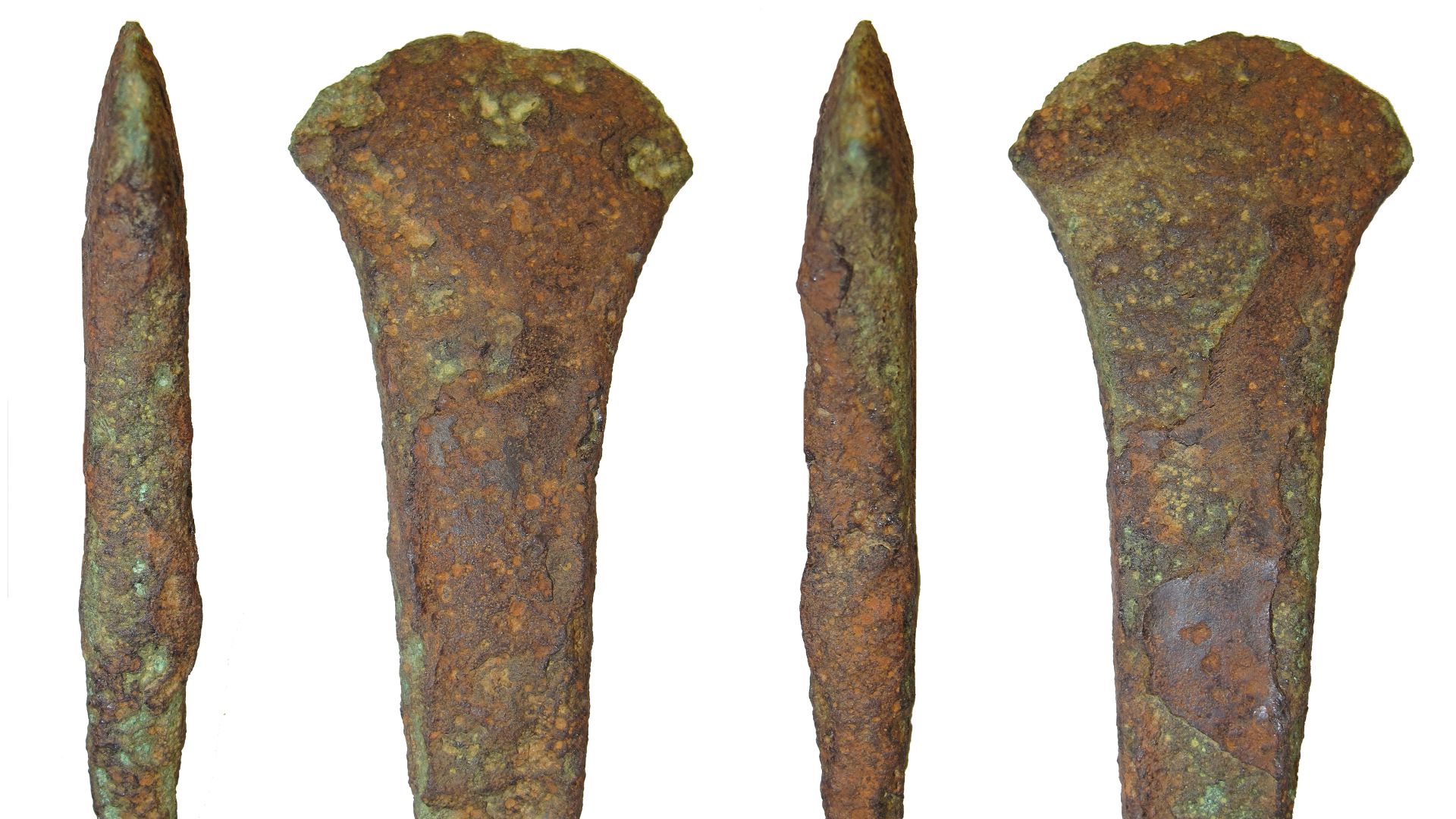
During subsequent investigations in the 1970s, researchers recovered roughly 50 ceramic vessels, three bronze axes, wooden planks, millstones, and skeletal remains. The discoveries revealed that the submerged site contained far more than the remains of buildings. Archaeological investigations continued through 1996 before coming to a halt.
 Lincolnshire County Council, Adam Daubney, 2012-02-28 14:55:57, Wikimedia Commons
Archaeologists Finally Returned In 2025
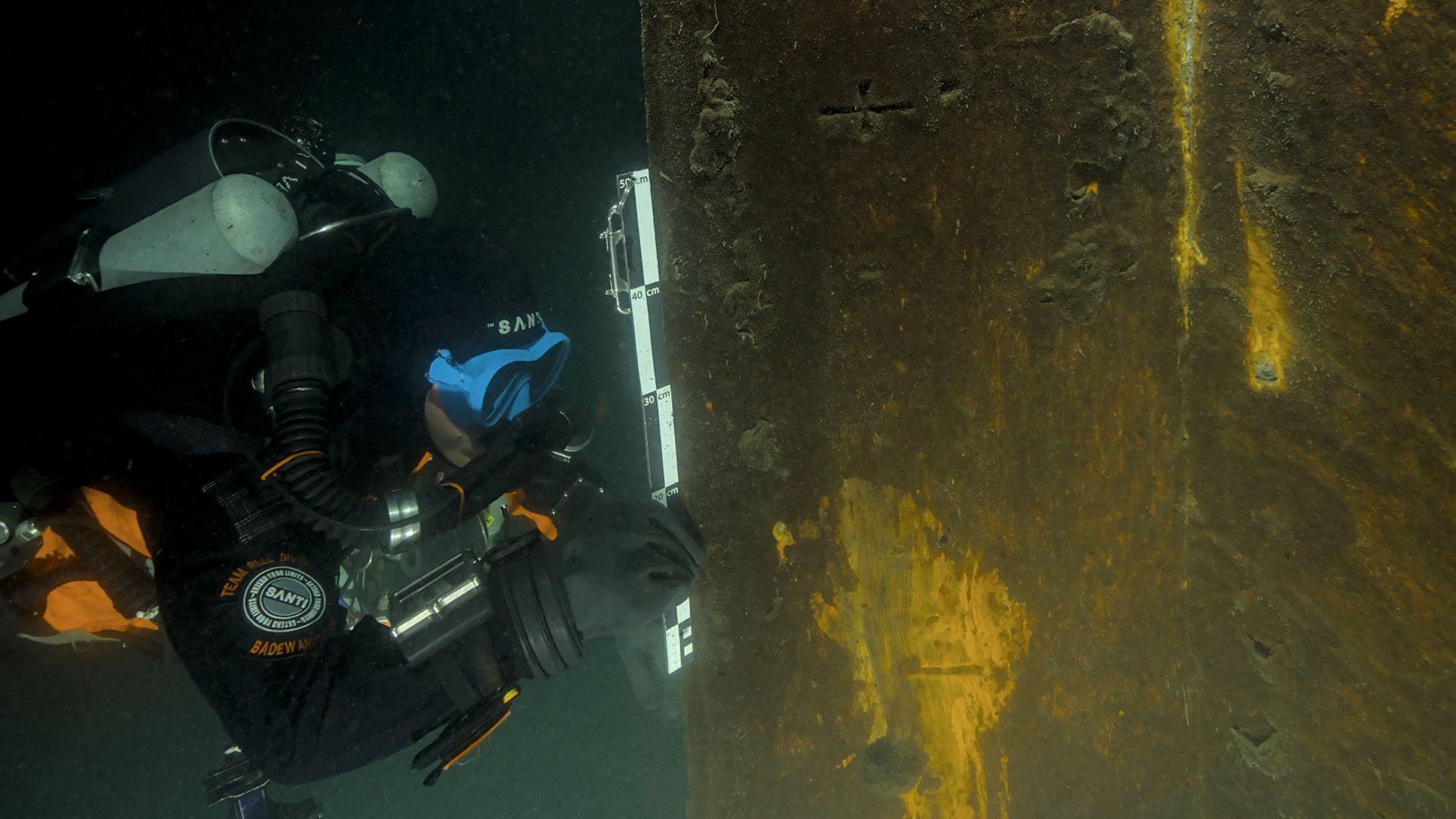
After nearly three decades without major excavations, underwater researchers returned to Lake Mezzano in September 2025. Their work was coordinated by Italy's regional archaeological heritage authority using modern surveying equipment. The renewed investigation soon revealed just how much of the ancient settlement remained hidden.
 Ivar Treffner, Wikimedia Commons
More Than 600 Wooden Posts Were Found
During the 2025 expedition, archaeologists mapped more than 600 wooden posts embedded in the lakebed. Remarkably, these represented only about one-third of the settlement's known extent. Much of the ancient village still awaited detailed investigation.
 Mitrovic Aleksandar, Shutterstock
Some Posts Were More Than 30 Feet Deep
The wooden posts were discovered at depths ranging from roughly eight to more than 32 feet. Researchers believe their different positions reflect changes in the lake's water level during centuries of occupation. The evidence suggests the settlement adapted as conditions around the lake changed.
 Tracey Jones Photography, Shutterstock
Excavating The Lake Wasn't Easy
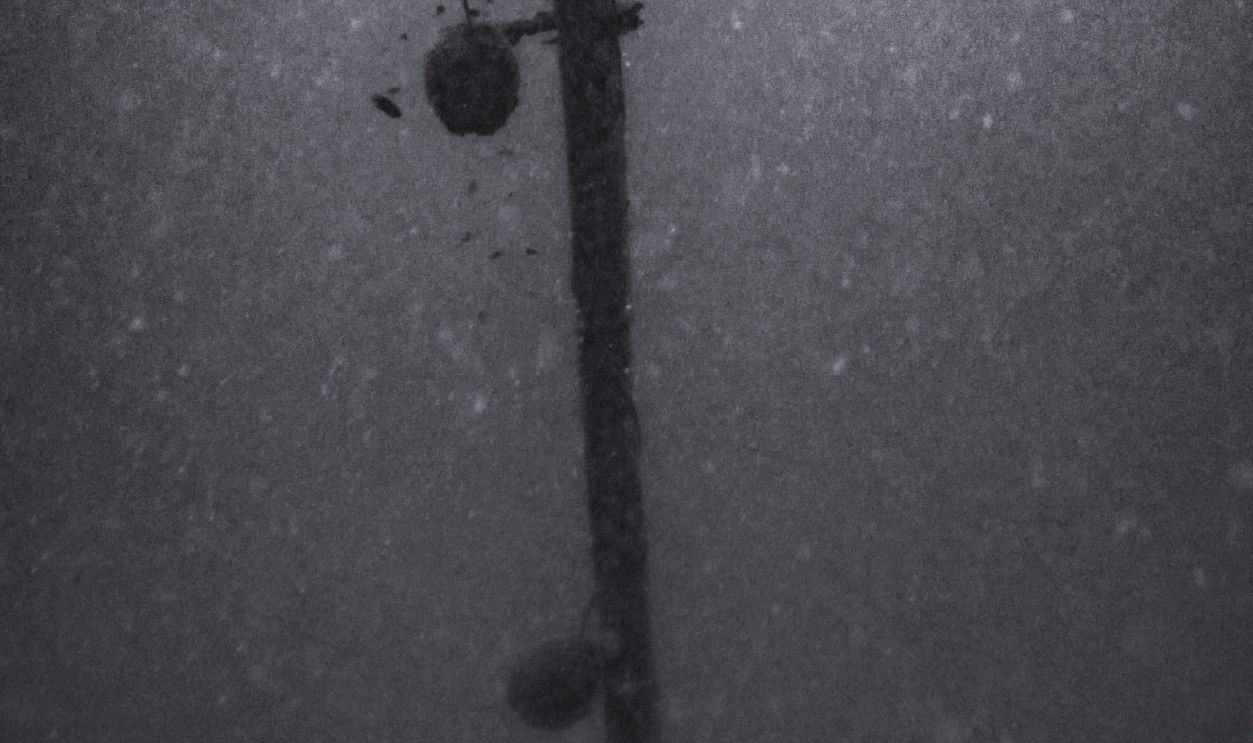
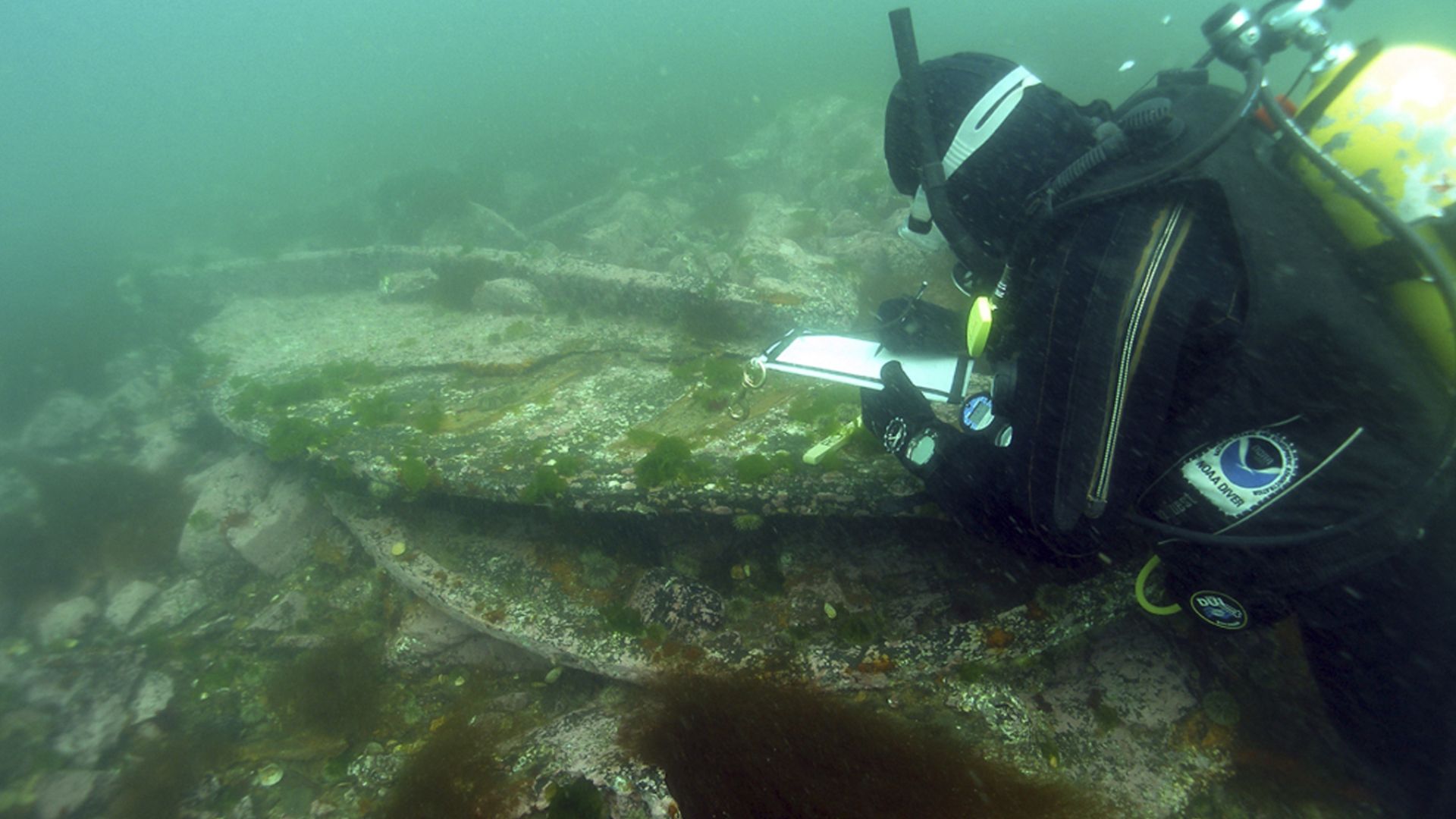
Working underwater presented some serious challenges for the archaeological team. The water was cold, visibility was poor, and disturbing the sediment could make it even harder to see. Divers used specialized equipment to remove layers of clay and expose the ancient remains.

The Village Was Full Of Bronze Treasures
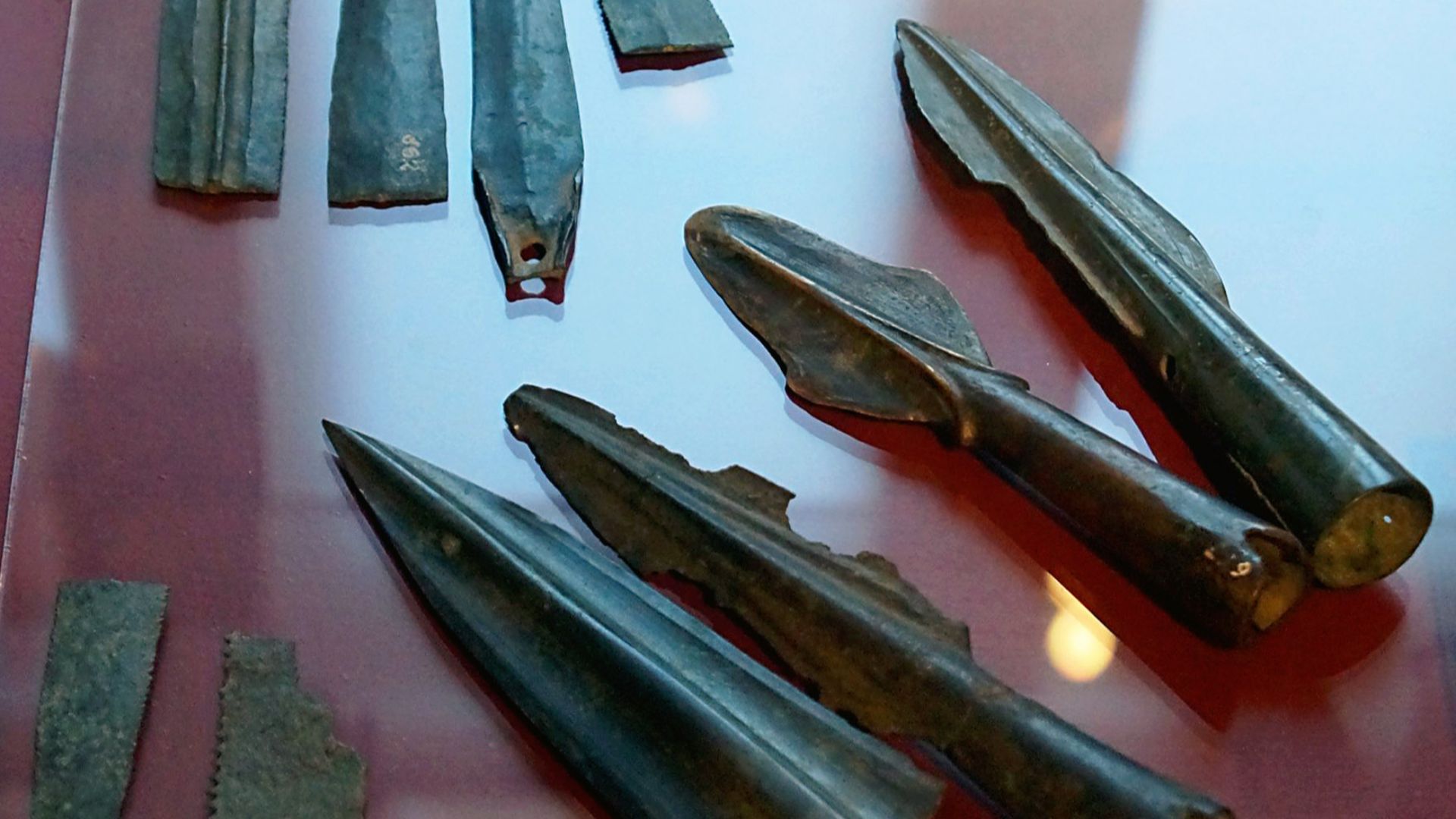
The 2025 expedition recovered more than 25 bronze objects, including axes, spearheads, brooches, rings, and a pin. One particularly impressive discovery was a sickle that retained an unusual degree of preservation. These finds revealed that the community possessed an extensive collection of metal tools and personal objects.
They May Have Made Their Own Weapons
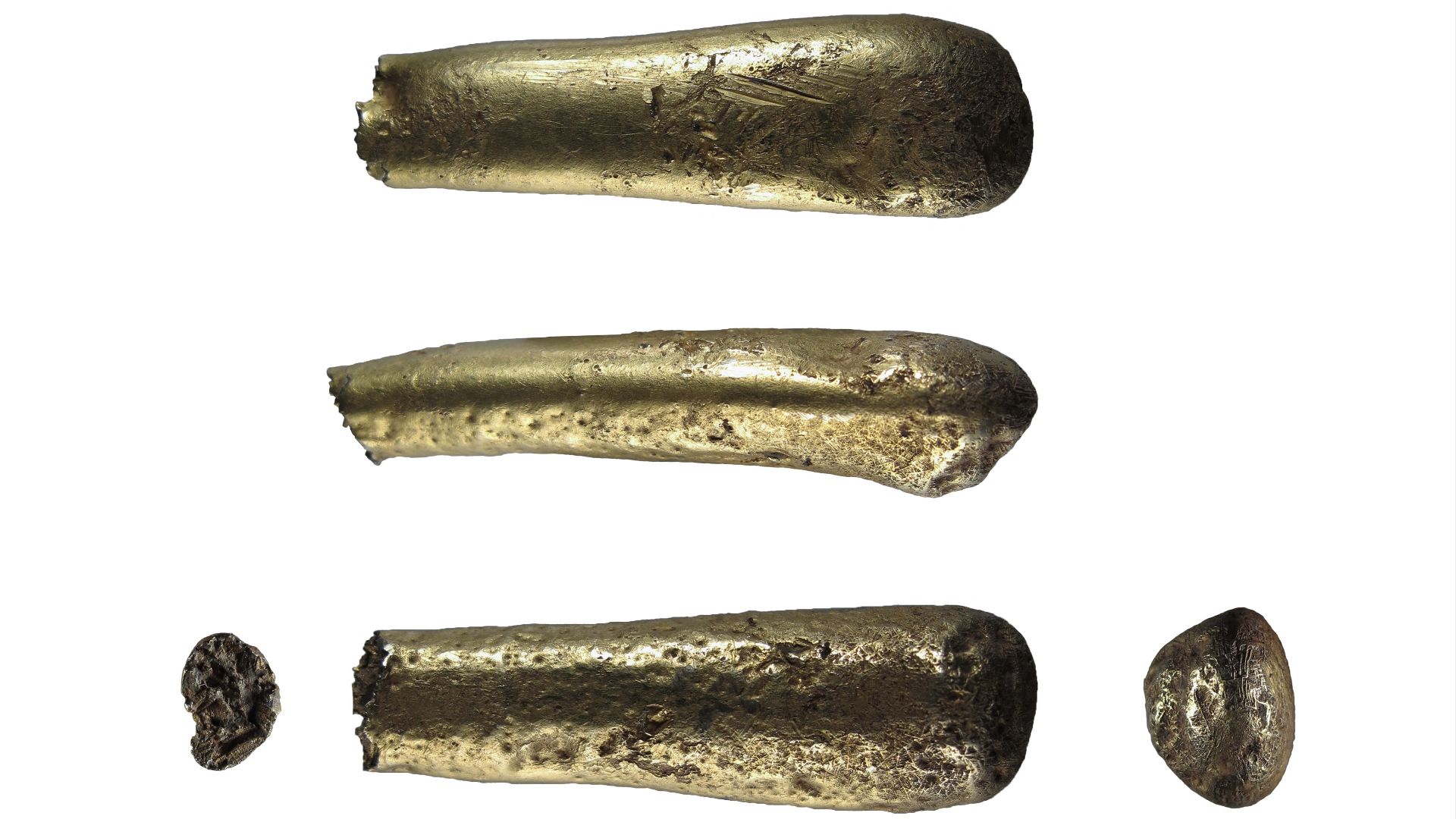
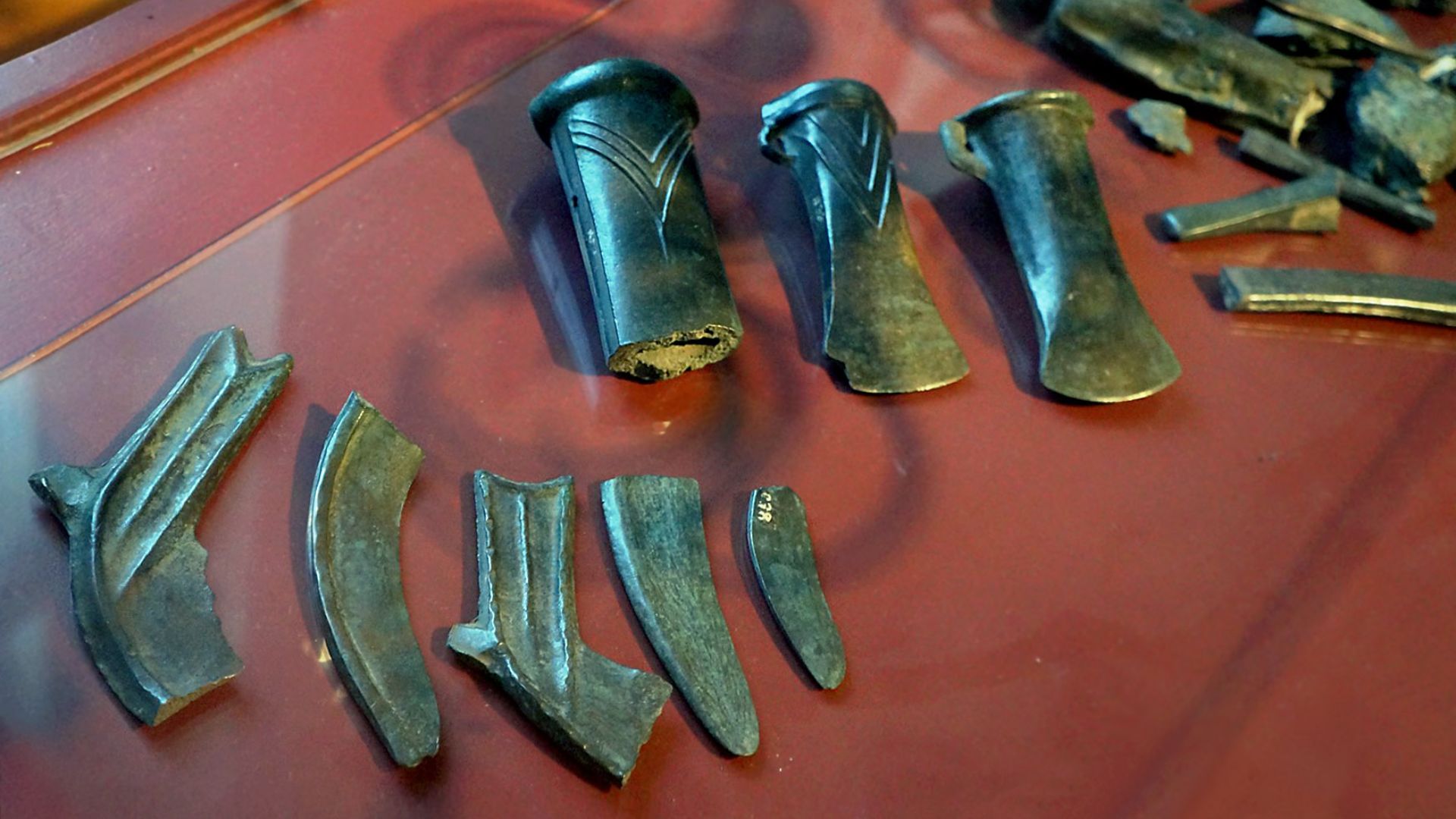
Among the artifacts were fragments of bronze ingots, which could have been used for casting metal objects. Their presence suggests that metalworking workshops may have operated within the settlement. Rather than relying entirely on imported goods, the inhabitants may have produced some of their own bronze tools and weapons.
 Birmingham Museums Trust, Eloise Markwick, 2014-02-07 15:05:30, Wikimedia Commons
Some Artifacts Had Been Through A Fire
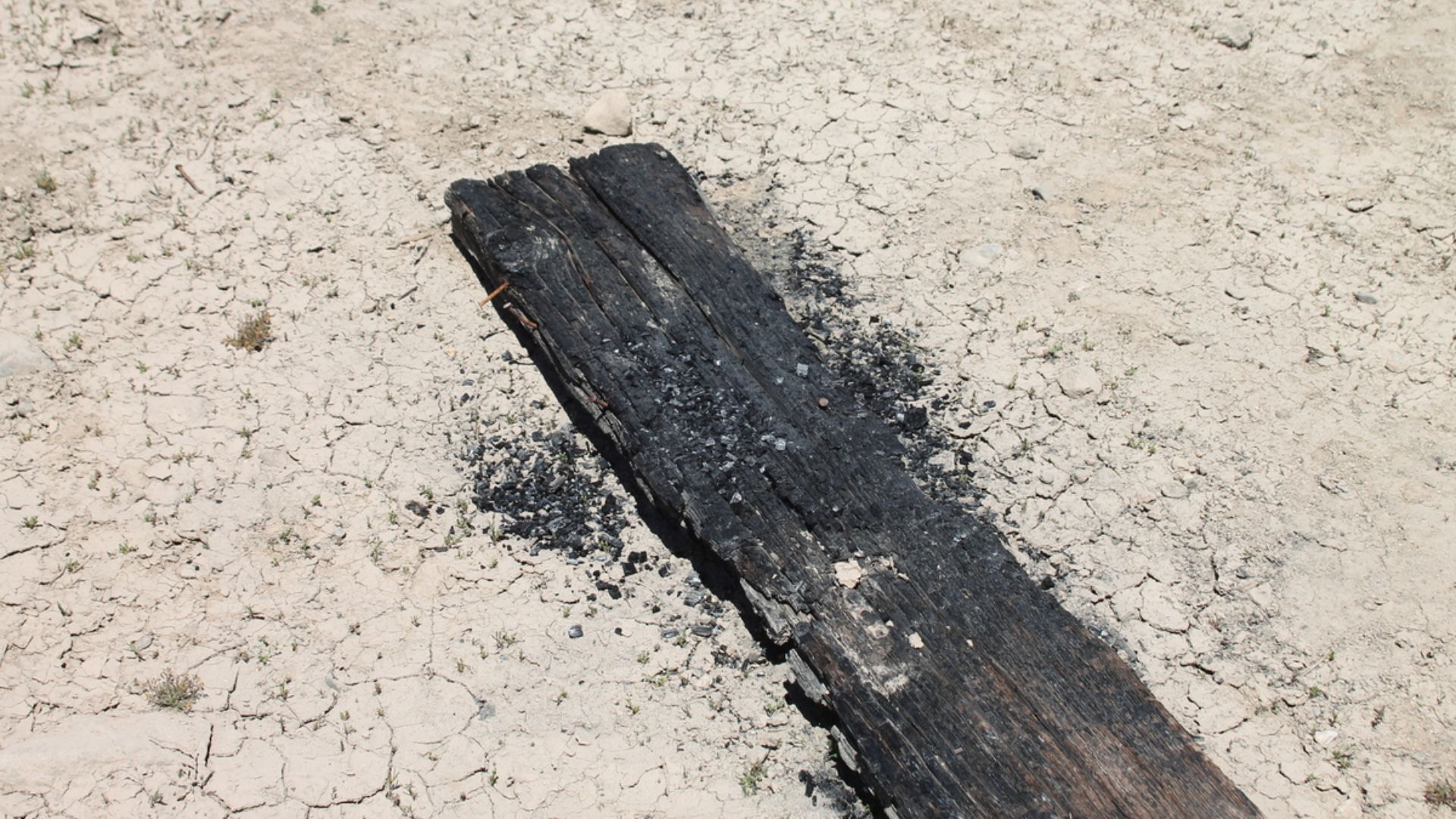
Not everything recovered from the lake had survived without damage. Researchers discovered bronze objects showing evidence of exposure to fire, along with burned remains of wooden structures. They believe some artifacts may have fallen into the water or been abandoned when buildings caught fire.
The Lakebed Helped Preserve Everything
One reason the bronze artifacts survived was the thick clay covering parts of the settlement. In some areas, the sediment created conditions that limited oxidation and protected objects for thousands of years. This helps explain the remarkable condition of several discoveries, although the precise preservation history of the newly recovered sword remains under investigation.
The Sword Came From A Less-Explored Area
During the 2026 expedition, archaeologists investigated part of the lake's southern shore that had previously received limited attention. It was here that they recovered the extraordinary bronze sword. The discovery demonstrated that even areas outside the best-studied sections of the settlement could contain important artifacts.

The Artifacts Shared An Intriguing Pattern
Researchers have noticed that metal objects occur at notably similar depths across different parts of the submerged site. This pattern could help archaeologists understand how the objects accumulated underwater. One possibility is that some were deliberately deposited, although the evidence has not yet established that explanation.
Ancient People Sometimes Offered Weapons To Water
Across prehistoric Europe, archaeologists have found bronze swords, axes, and spearheads deposited in lakes, rivers, and wetlands. Some discoveries are interpreted as offerings connected with religious beliefs or ceremonial practices. That raises an intriguing possibility for Lake Mezzano's sword, but researchers cannot yet say whether it was deliberately placed in the water.
 Walter Crane, Wikimedia Commons
The Discoveries Are Being Carefully Preserved
Recovering ancient objects is only part of the archaeological process. Underwater conservators assisted during the 2026 expedition so that artifacts could receive protective treatment as soon as they were brought to the surface. Italian heritage authorities have also announced plans for an exhibition featuring bronze objects recovered from the lake.
 NOAA Photo Library, Wikimedia Commons
More Secrets May Still Be Waiting
Archaeologists plan to continue investigating Lake Mezzano, with much of the prehistoric settlement still to be explored. Future excavations could reveal more about the community's inhabitants, their metalworking skills, and the reasons so many valuable objects ended up underwater. For now, the 3,300-year-old sword remains one of the site's most extraordinary discoveries, and the mystery of how it got there is still unsolved.
You May Also Like:
Archaeologists In Britain Unearthed A 2,000-Year-Old War Trumpet—And It May Be Connected To Boudicca
Archaeologists Discovered Shipwrecks In The Bahamas Linked To The Real Pirates Of The Caribbean