A Wardrobe Nobody Ever Came Back For
Nearly 2,000 years ago, someone in Pompeii abandoned a wardrobe filled with money, personal belongings, and something far more precious. When archaeologists uncovered its contents, they found clues suggesting its owners had fled in a desperate hurry. But one heartbreaking discovery raised even more questions about what happened that day.

The Day Pompeii's World Ended
In 79 CE, Mount Vesuvius erupted, unleashing volcanic ash, falling debris, and deadly surges of hot gas and rock. Much of Pompeii was buried, trapping evidence of everyday Roman life beneath the destruction. Nearly two millennia later, archaeologists are still uncovering possessions abandoned during the catastrophe.

The Discovery Came From A Busy Street
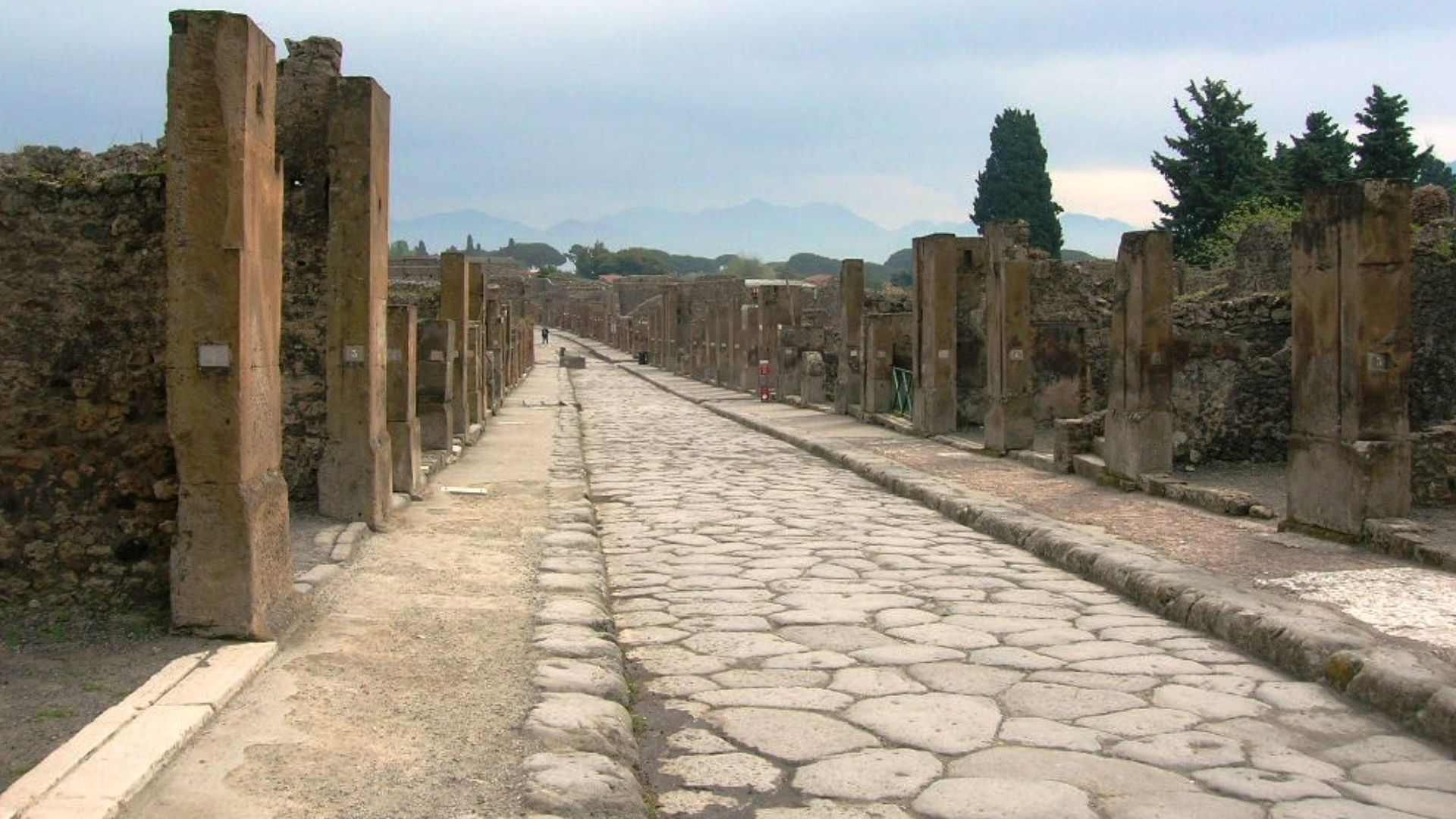
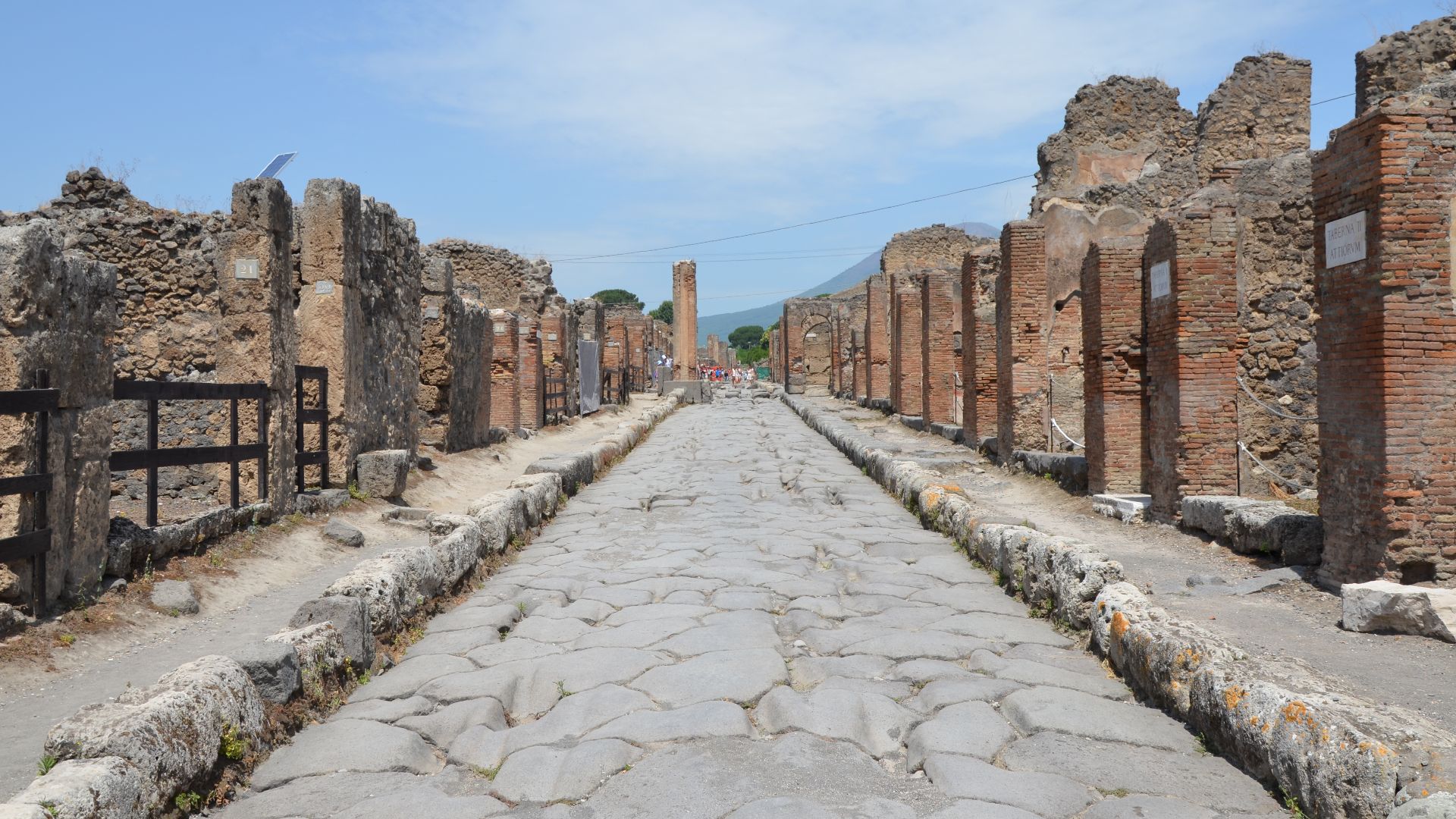
The wardrobe was discovered inside a house overlooking Via dell'Abbondanza, one of ancient Pompeii's main thoroughfares. This central street was lined with residences and businesses before the eruption. Behind one of its surviving facades, researchers found a room containing an extraordinary collection of forgotten belongings.
 Mentnafunangann, Wikimedia Commons
The House Had A Mysterious Name
The property is traditionally known as the House of Cornelius Maximus, although its original occupants remain unidentified. Its name comes from inscriptions recorded during earlier excavations that are no longer visible. Archaeologists cannot confirm whether Cornelius Maximus actually lived there when Vesuvius erupted.
 Carole Raddato from FRANKFURT, Germany, Wikimedia Commons
Part Of The House Had Been Hidden Since 1912
The building's facade was first excavated in 1912, but several rooms behind it remained unexplored. More than a century later, restoration work brought archaeologists back to the property. On October 29, 2026, researchers announced the discovery of an ancient wardrobe filled with remarkably preserved belongings.

The Room Was Surprisingly Elegant
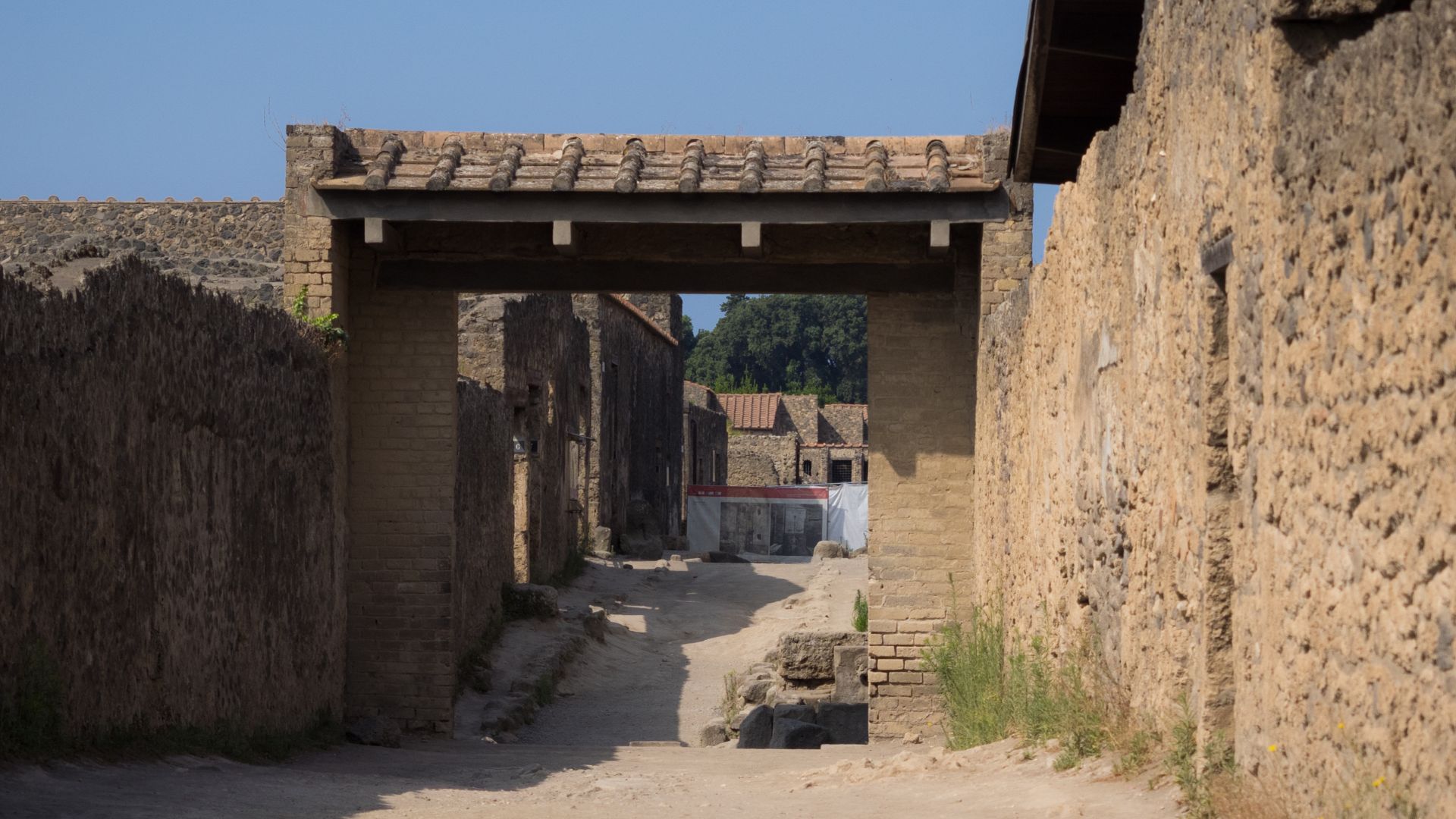
The wardrobe stood inside a room decorated with elaborate Roman wall paintings. Archaeologists linked the artwork to the Via di Castricio workshop, a group of painters known for decorating Pompeii's homes during the first century CE. Their distinctive techniques and patterns suggest that the household enjoyed a comfortable standard of living.
The House Was Undergoing Changes
Evidence from the excavation indicates that construction or renovation work was taking place around the time of the eruption. These activities would have affected how the occupants used parts of the property. The house was apparently undergoing changes when Vesuvius brought ordinary life in Pompeii to an abrupt end.
The Wardrobe Had Almost Disappeared
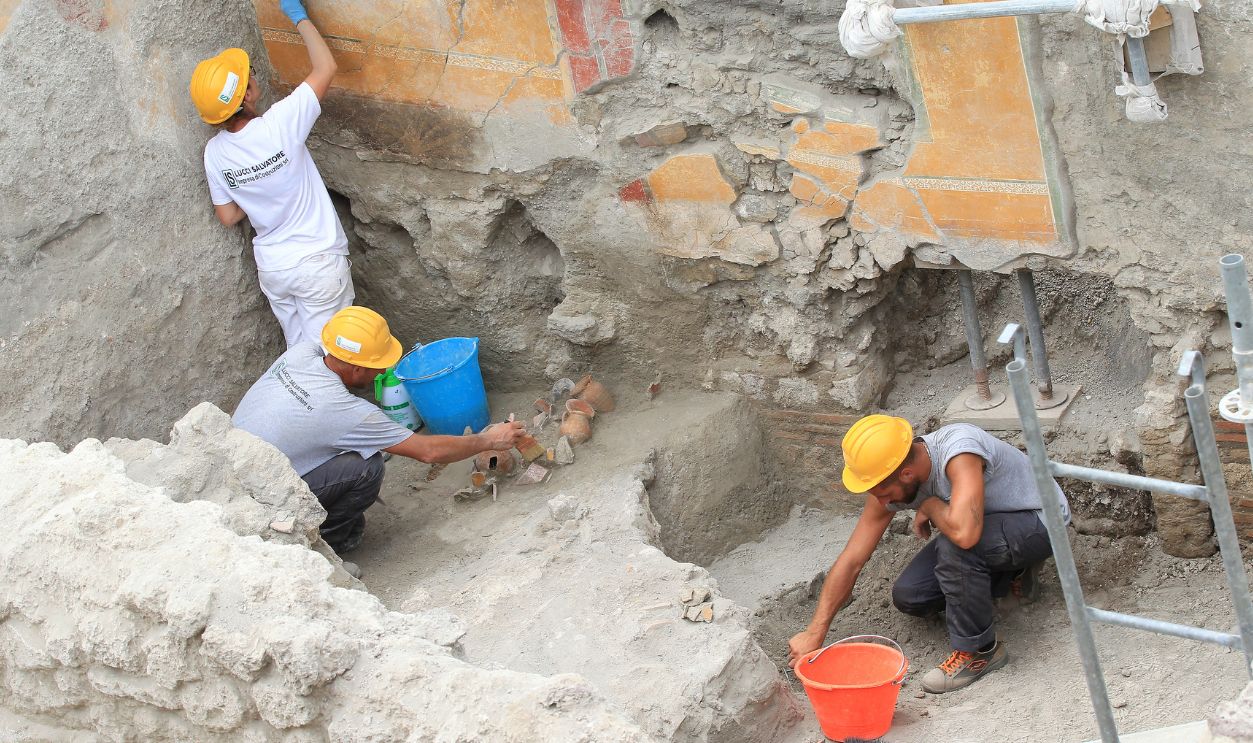
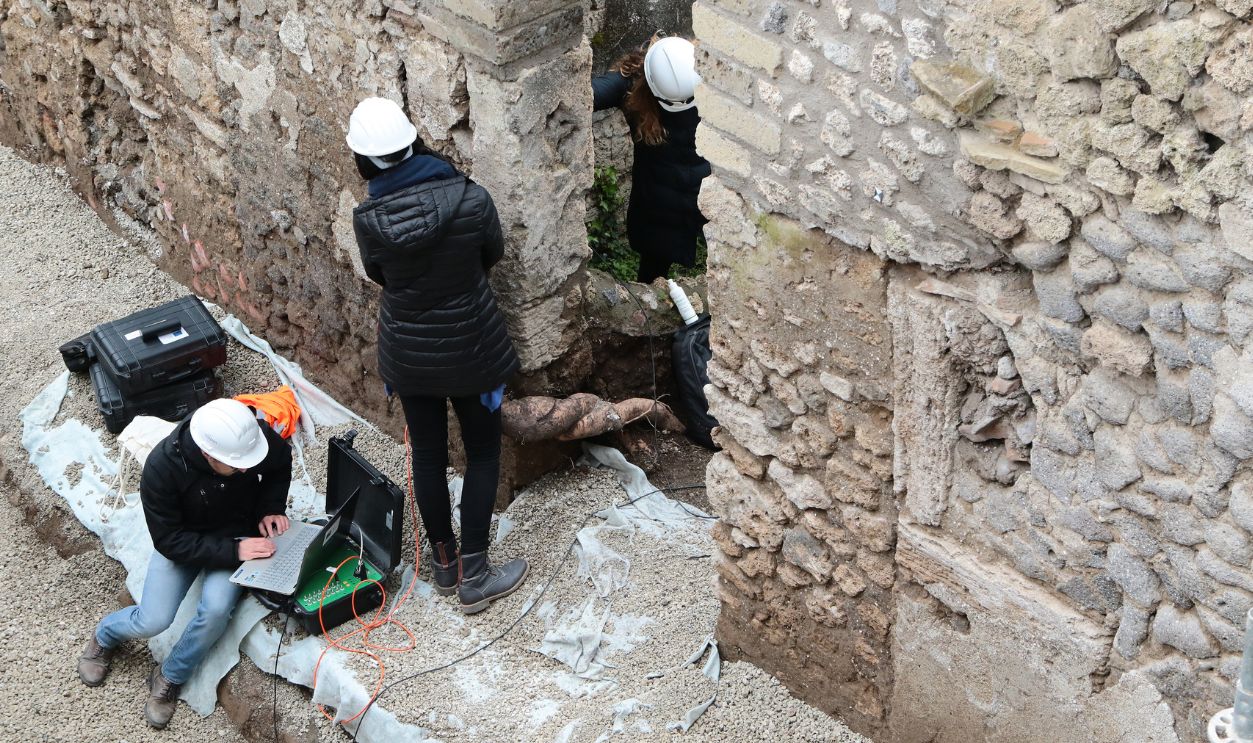
When archaeologists investigated the room, they did not find an intact wooden cabinet. The furniture had deteriorated, but impressions preserved in the volcanic deposits revealed its original position and structure. Researchers could even identify evidence of its boards, internal shelves, and supporting fittings.
Then They Reconstructed Its Destruction
The archaeological evidence suggests that the building's collapsing roof struck the upper portion of the cupboard during the eruption. Some shelves gave way, sending their contents tumbling into the space below. Later volcanic deposits filled the damaged furniture, preserving evidence of where many objects had fallen.
Its Contents Were Still Waiting
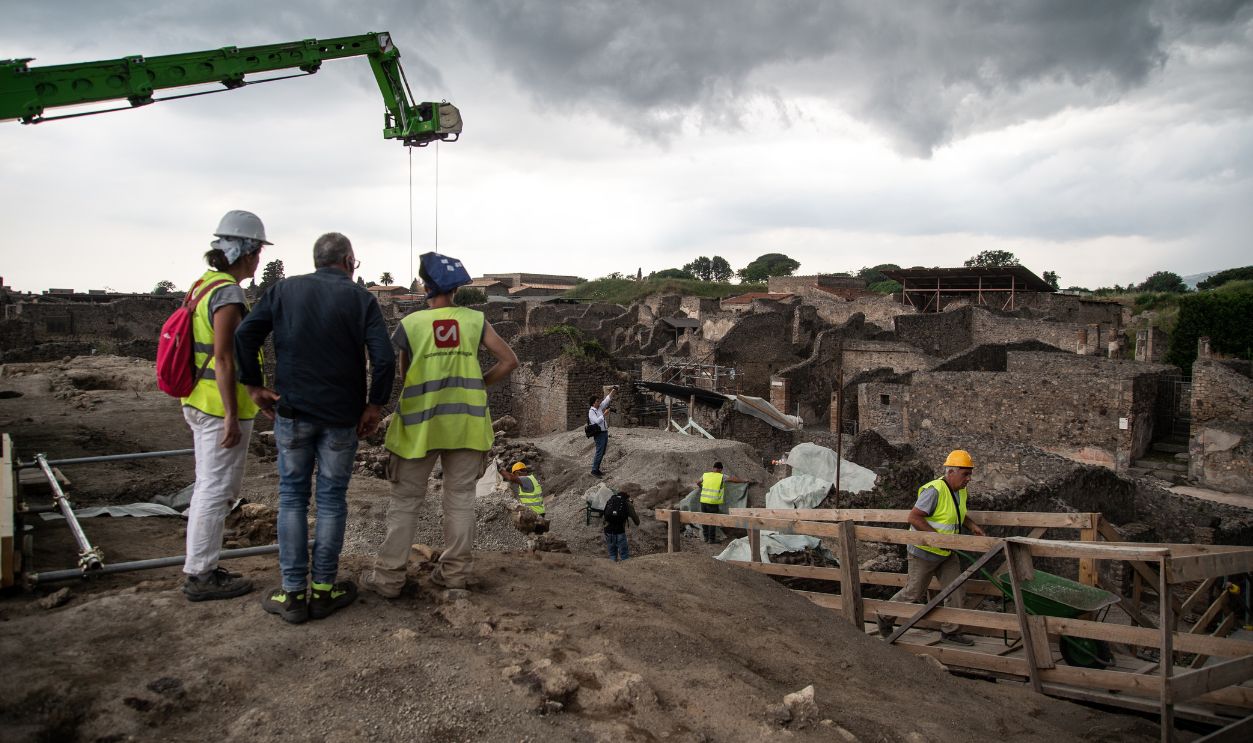
Despite the destruction, archaeologists recovered an assortment of personal belongings and household equipment. Some objects reflected ordinary domestic routines, while others suggested work, religious beliefs, and childhood memories. Together, the discoveries offered an unusually intimate glimpse into the lives of the people who had occupied the house.
A Tiny Bottle Held The First Clue
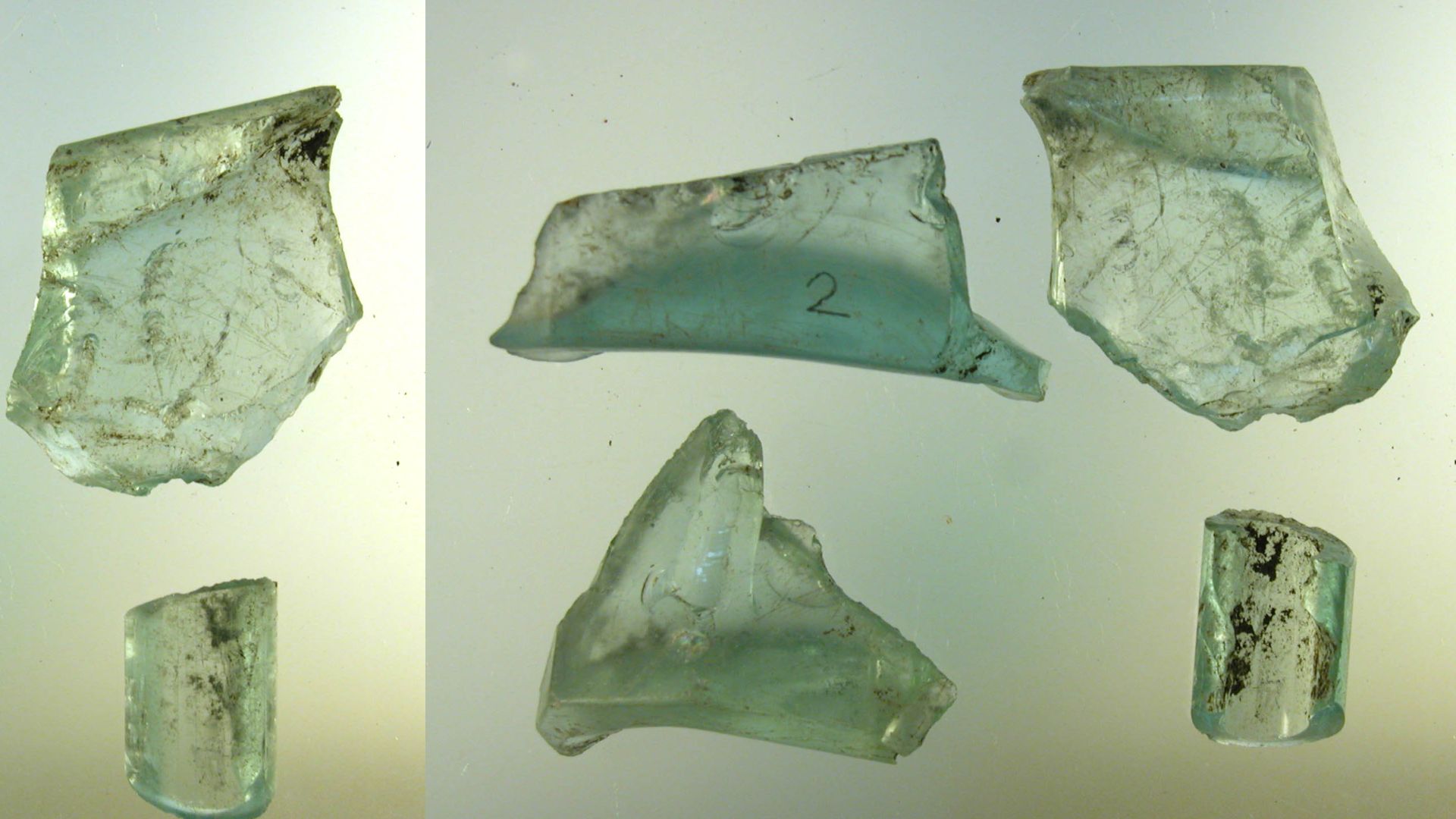
Among the finds was a small glass container believed to have held perfume or ointment. Such bottles were common personal-care objects in the Roman world. Although researchers cannot establish precisely what this one contained, it provides a recognizable connection to the household's daily routines.
 Suffolk County Council Archaeology Service, Faye Minter, 2007-07-02 13:47:04, Wikimedia Commons
There Were Ancient Beauty Tools Too
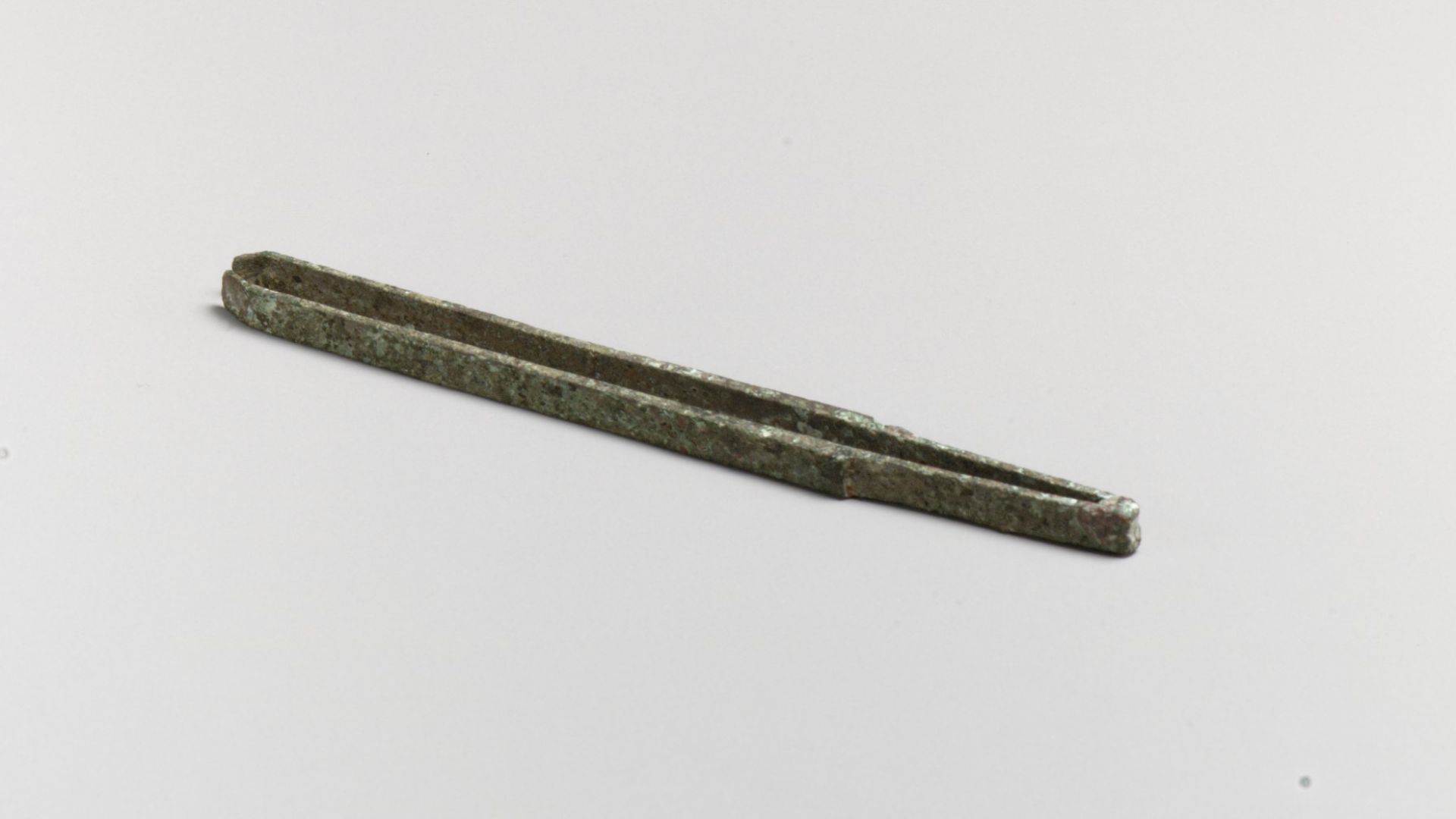
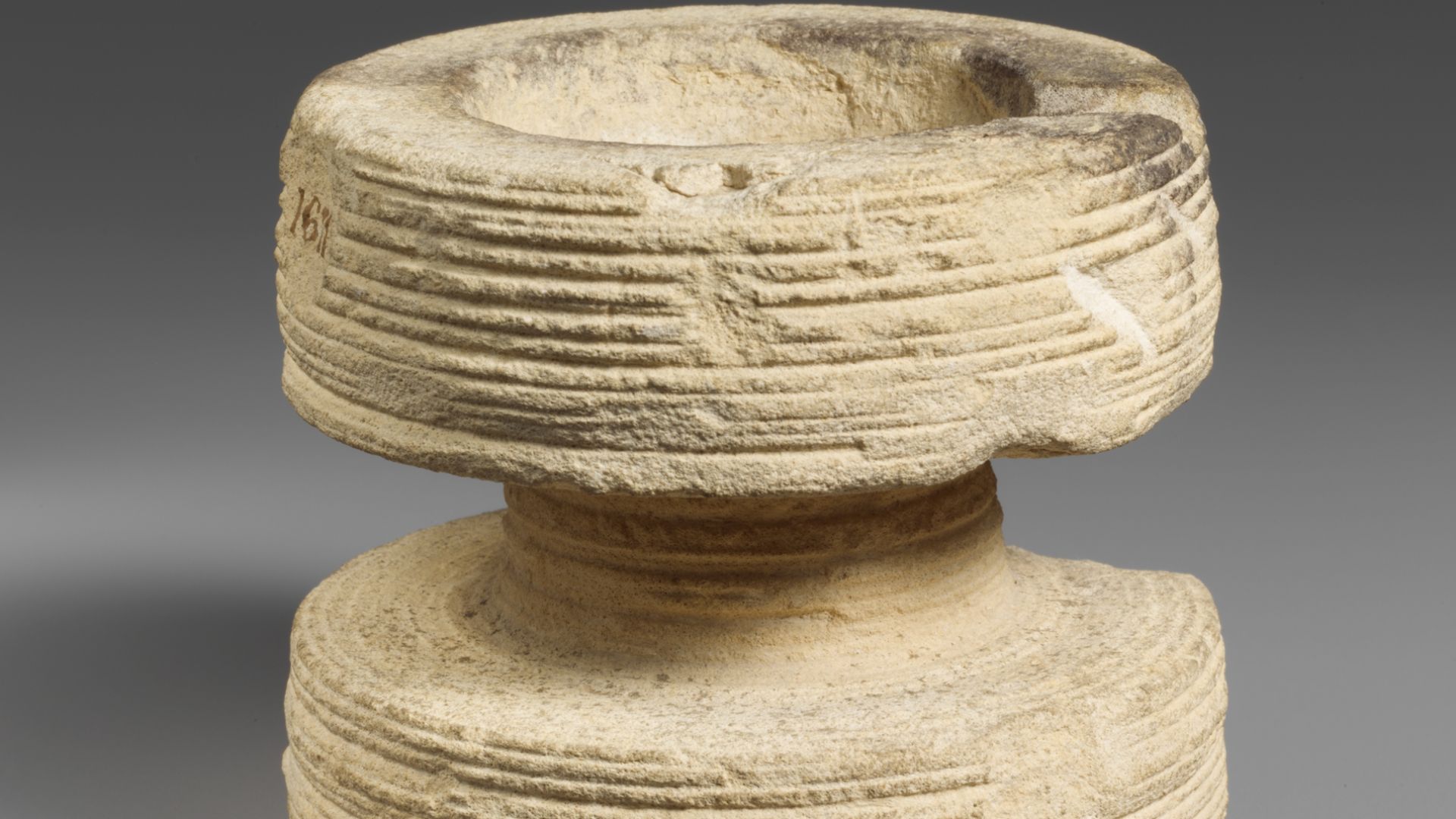
Archaeologists also recovered bronze tweezers and a small stone tablet used for preparing or mixing pigments. Additional implements included bone spatulas that may have been used for cosmetics or other purposes. These objects were associated with Roman personal grooming, although they cannot establish who owned them.
Even The Air Could Be Fragranced
Another discovery was an incense burner, an object used to release fragrant smoke. Such items could have practical, ceremonial, or religious purposes in Roman households. Its presence alongside grooming equipment suggests that scent and personal care formed part of life inside the house.
A Bronze Lamp And Cooking Pots Survived
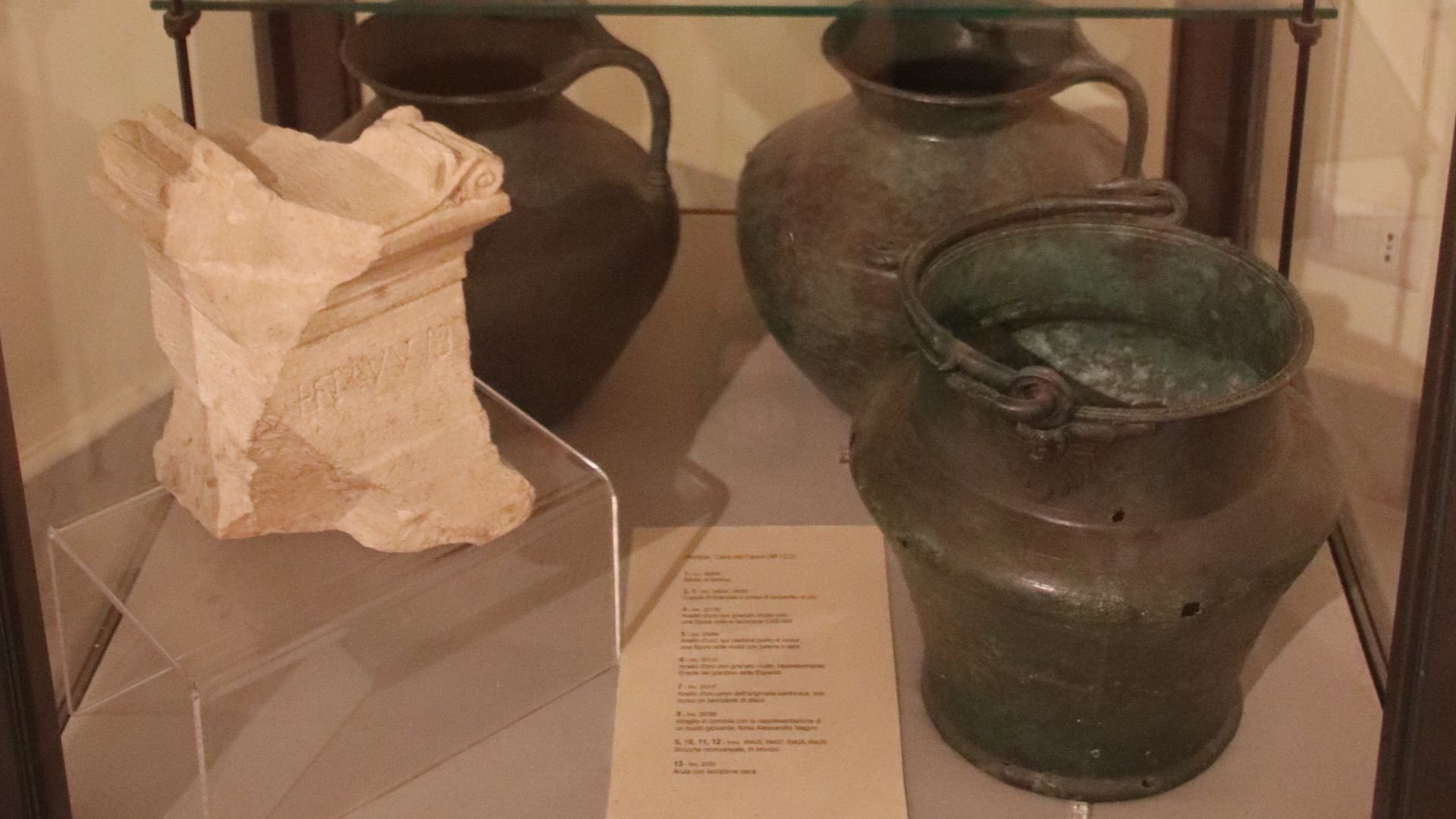
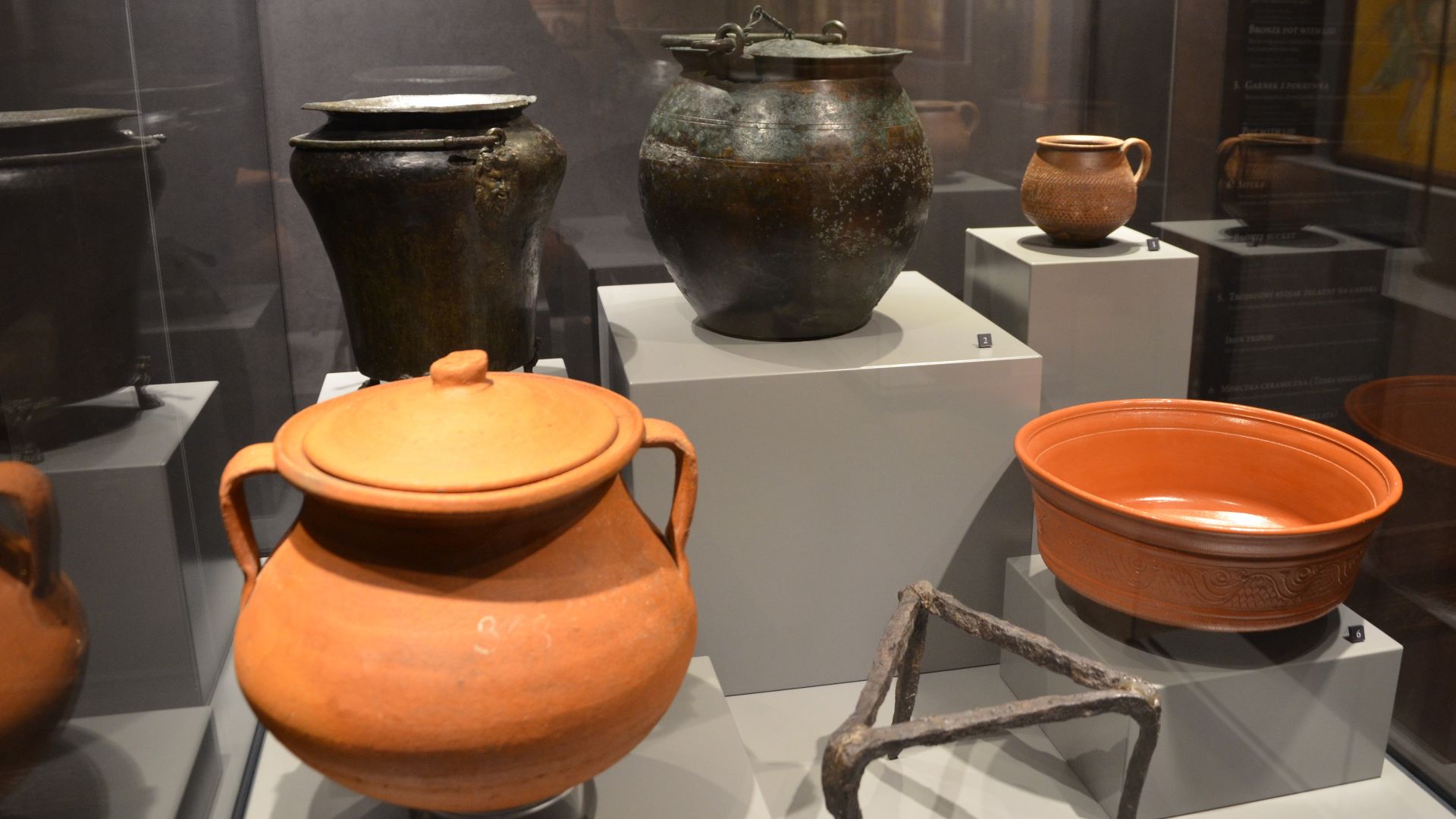
The cupboard also contained a bronze oil lamp and vessels made from ceramic, glass, and metal. Cooking pots and other containers were stored among the more personal possessions. This assortment suggests the furniture served as a general household cupboard rather than simply a place for clothing.
 Gary Todd from Xinzheng, China, Wikimedia Commons
One Little Vessel Was Particularly Beautiful
Among the pottery was a small, carefully decorated vessel featuring a pattern resembling pinecone scales. Its workmanship distinguished it from some of the more practical household equipment. Archaeologists have suggested that objects like this might have carried personal memories, although its significance to the owner remains unknown.
Then Came The Most Touching Discovery
Mixed among the household belongings were at least 24 tiny objects made from several different materials. Archaeologists identified them as pendants associated with a type of necklace traditionally given to Roman children. Their discovery introduced a much more personal mystery about the people who had lived in the house.
The Necklace Was Made Of Tiny Charms
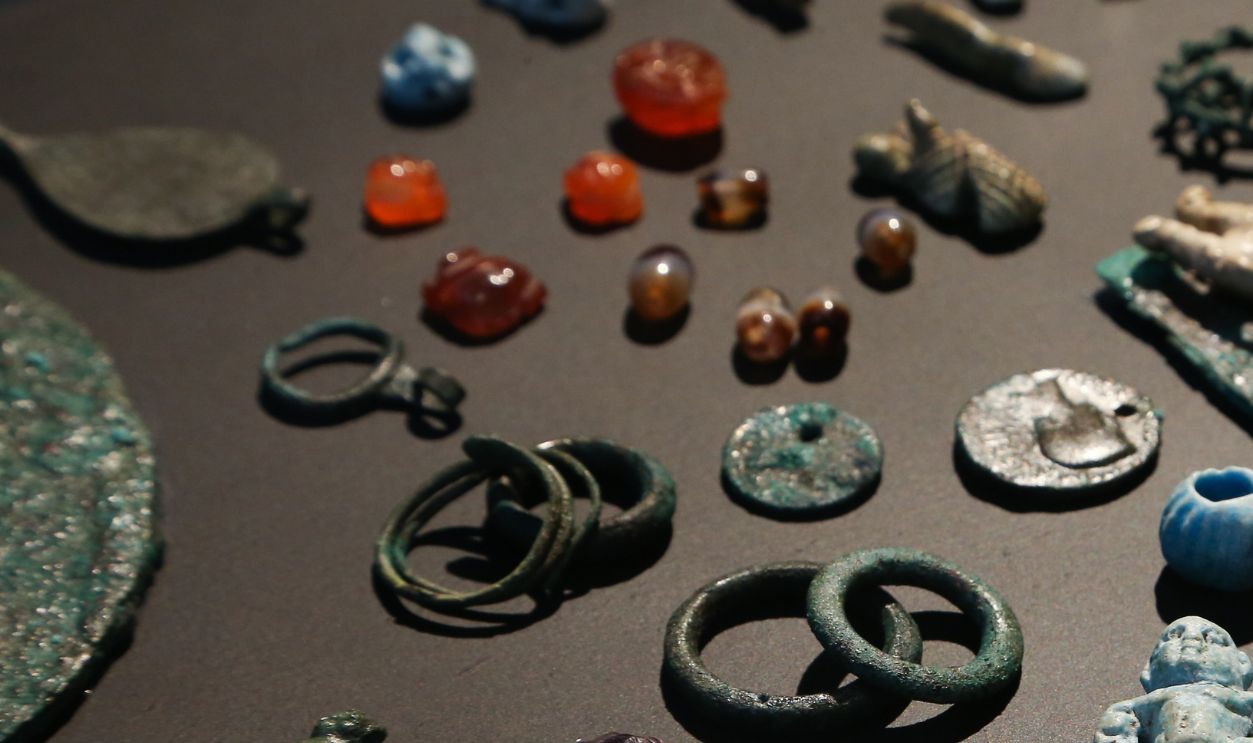
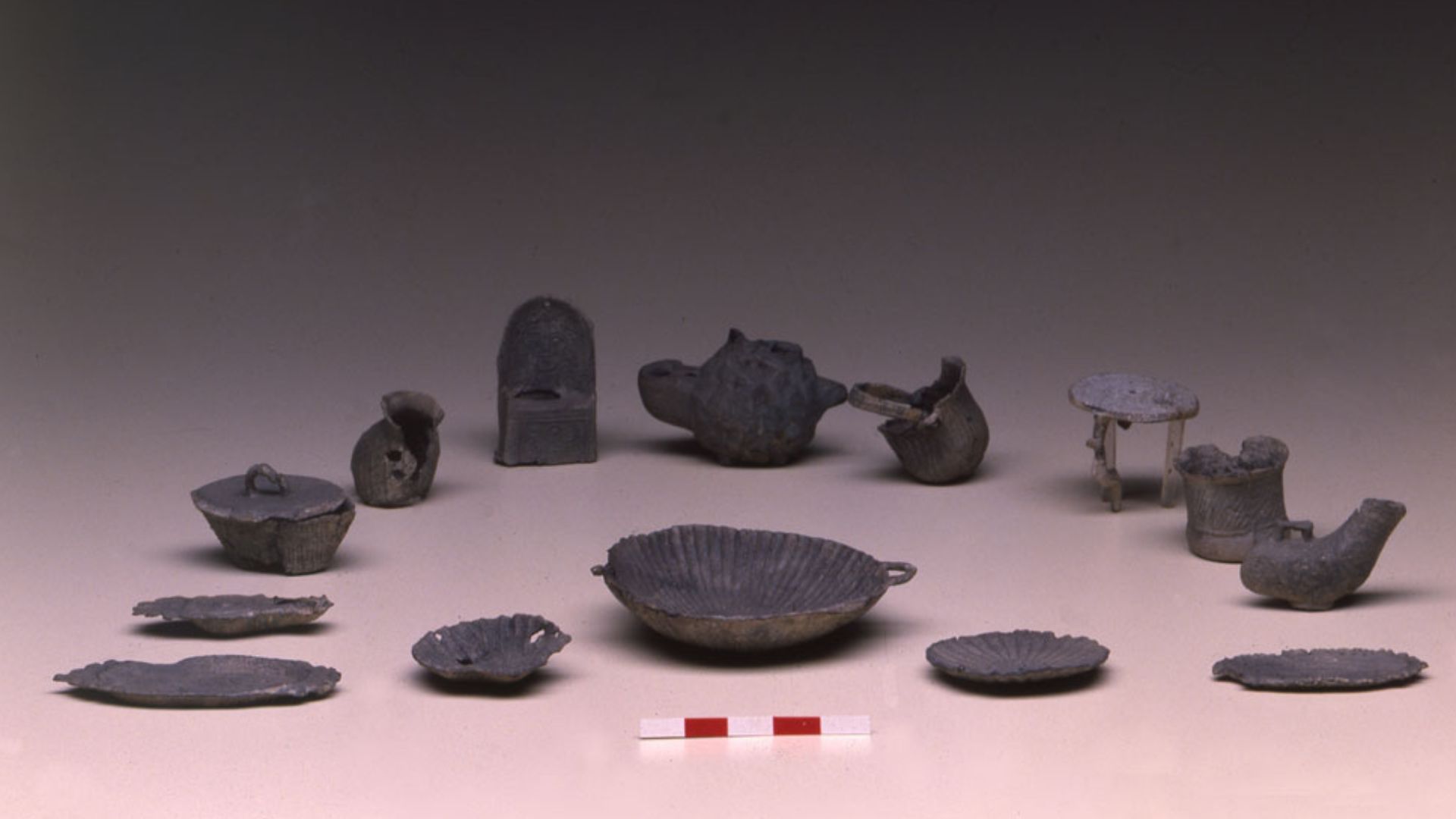
The miniature pendants were crafted from materials including bone, faience, glass paste, and rock crystal. Each had a small opening allowing it to be suspended from a cord or similar attachment. Their different shapes and materials suggest that the collection was assembled for more than simple decoration.
These Charms Had A Special Name
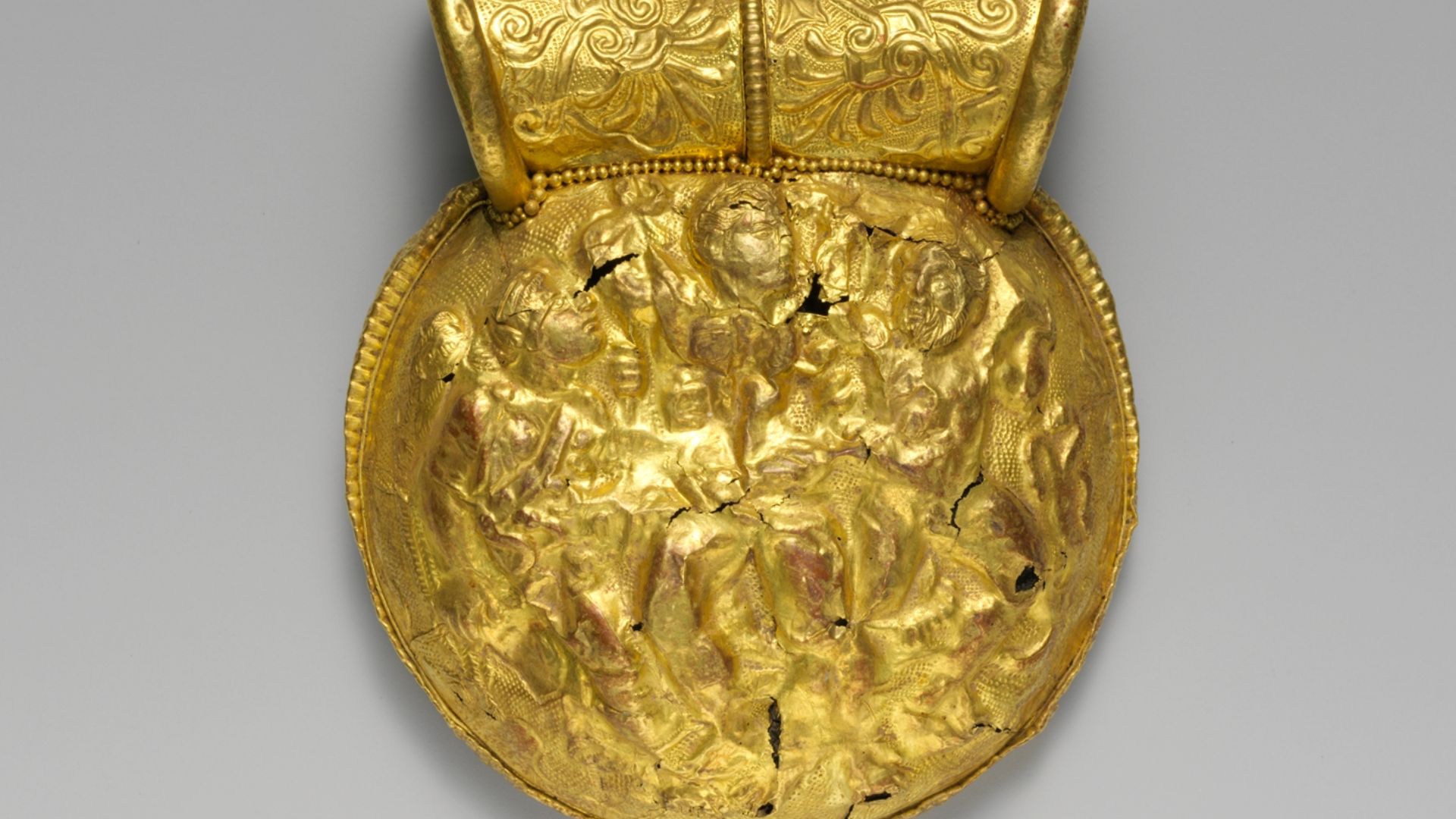
The objects belonged to a category known as crepundia, a Latin term associated with rattling sounds. In ancient Rome, such collections of miniature pendants were particularly associated with children. They could serve as protective amulets while also functioning as familiar personal ornaments.
 Musei Civici di Reggio Emilia, Wikimedia Commons
The Necklace Helped Parents Keep Track Of Children
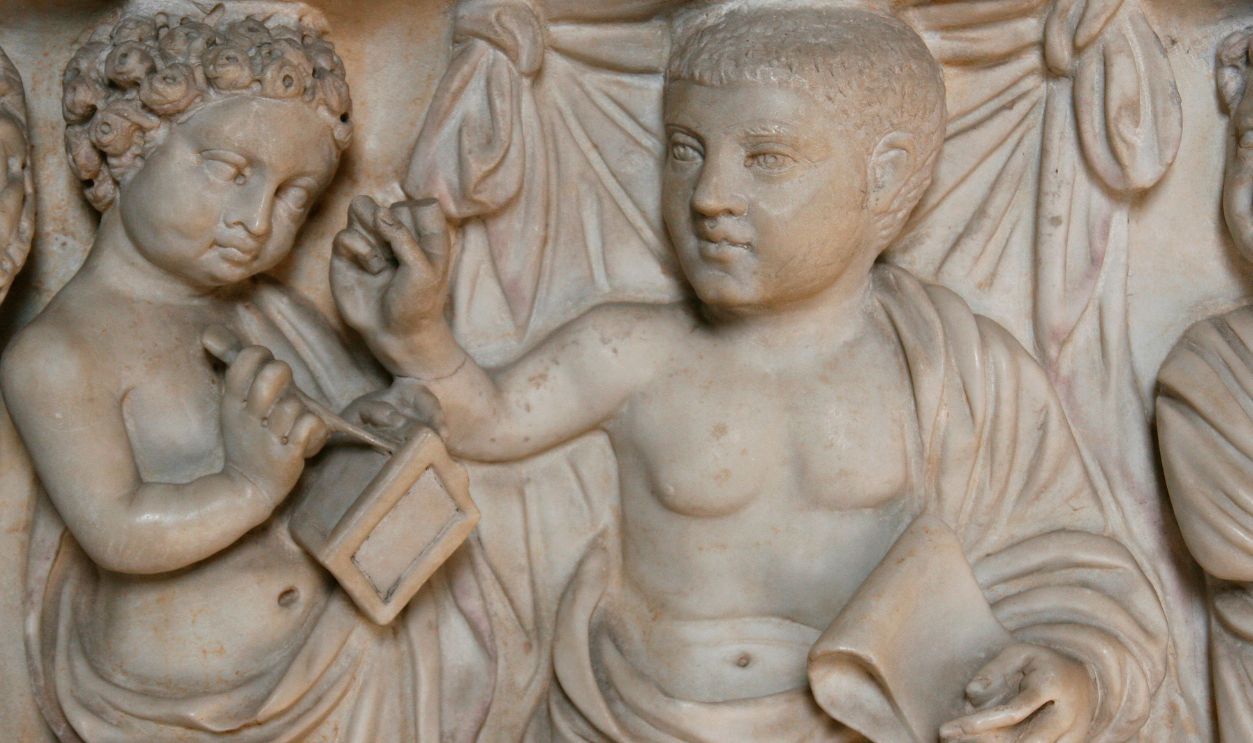
When worn, the small pendants could knock together and produce a rattling sound. This made it easier for caregivers to hear a young child moving nearby. The distinctive collection of charms could also help identify its owner, giving the objects a practical purpose beyond decoration.
 UniversalImagesGroup, Getty Images
Some Charms Represented Powerful Gods
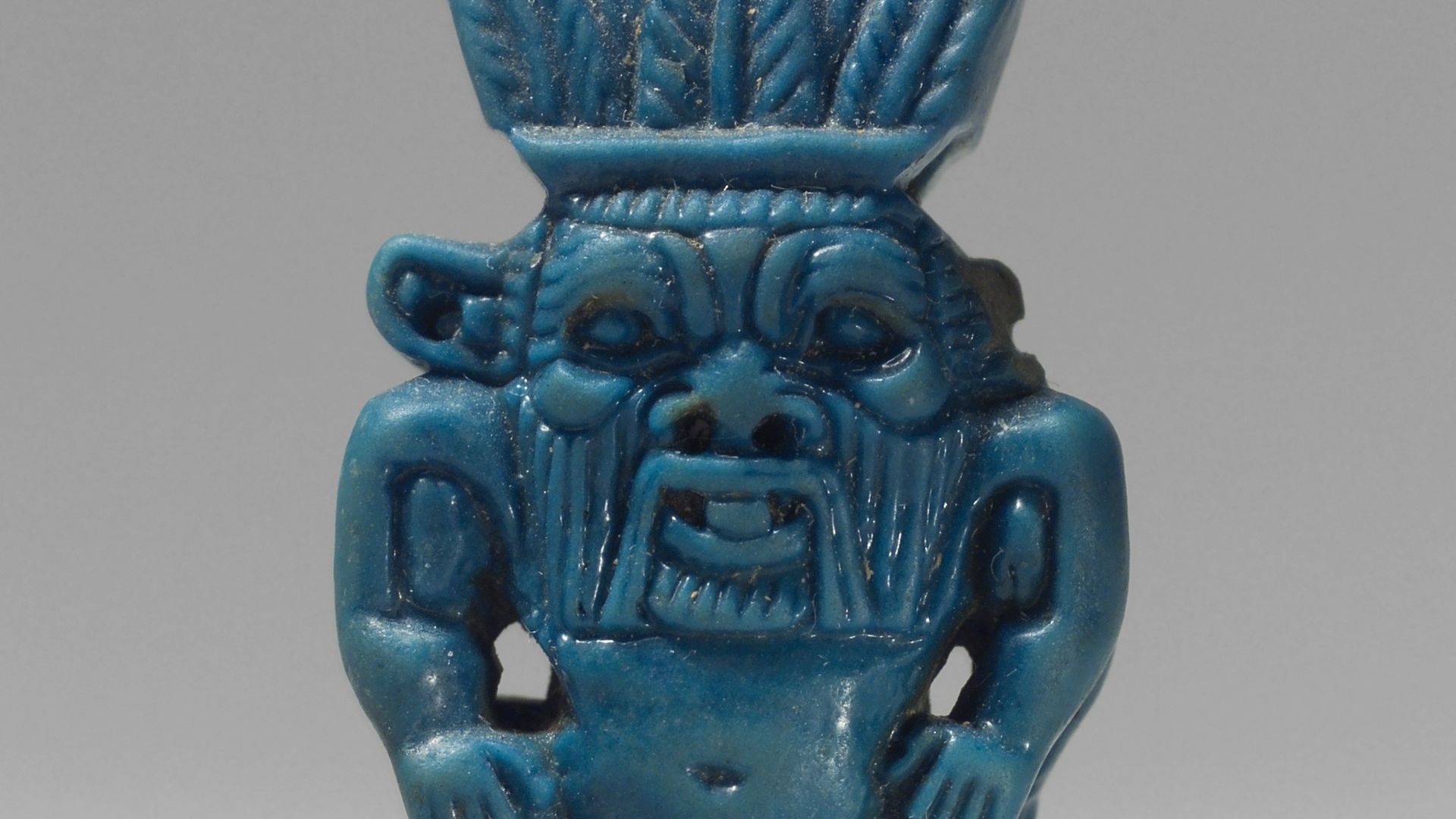
Among the miniature figures were depictions of Bes, an Egyptian deity associated with protecting households and children. Another represented Mercury, an important Roman god connected with travel and commerce. Their presence reflects the varied religious symbols that could appear among Roman personal amulets.
Others Looked Surprisingly Familiar
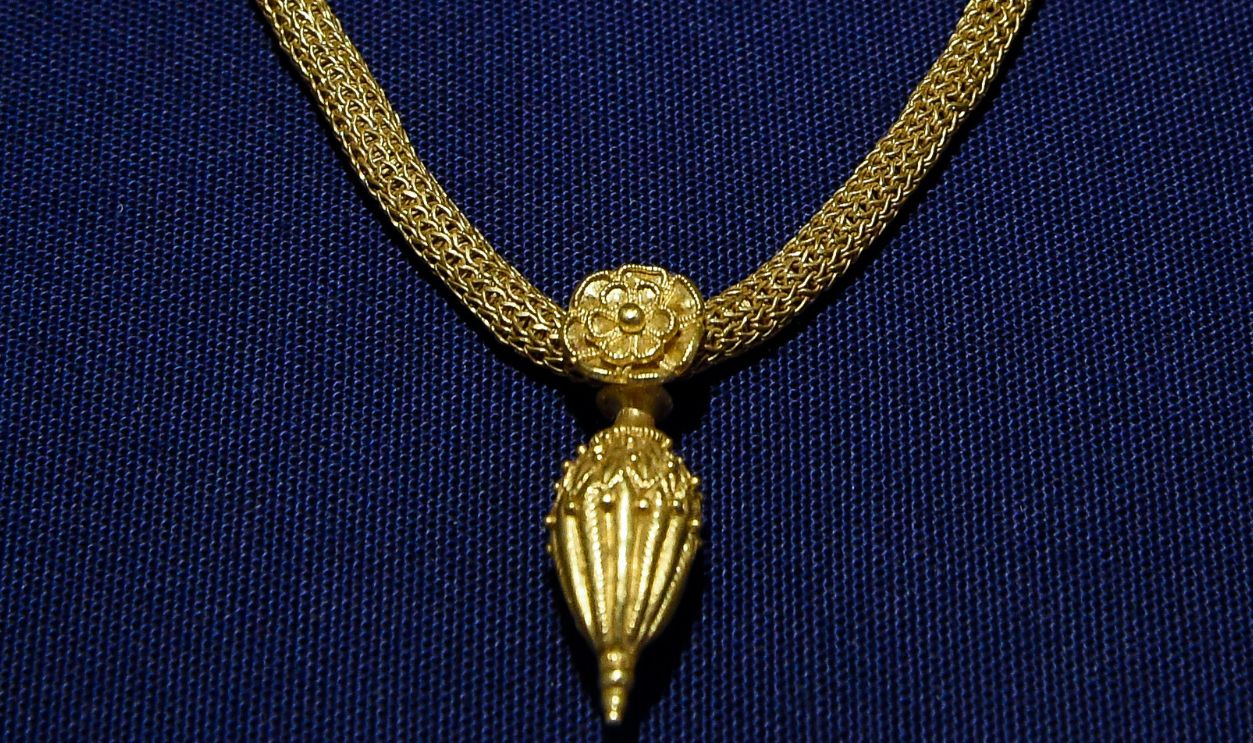
The necklace also included miniature hands, feet, pinecones, and bunches of grapes. These recognizable shapes were among the different symbols gathered into the collection. The exact significance of each individual charm is uncertain, but together they demonstrate the variety of objects used in Roman protective jewelry.
 Mondadori Portfolio, Getty Images
The Charms Were Found In A Cloth Bag
Archaeological evidence indicates that the pendants had originally been stored inside a small fabric bag on one of the cupboard's shelves. When the furniture collapsed, the bag tore and its contents scattered among the debris. Researchers even identified traces of the fabric, providing rare evidence of a material that usually decays over time.
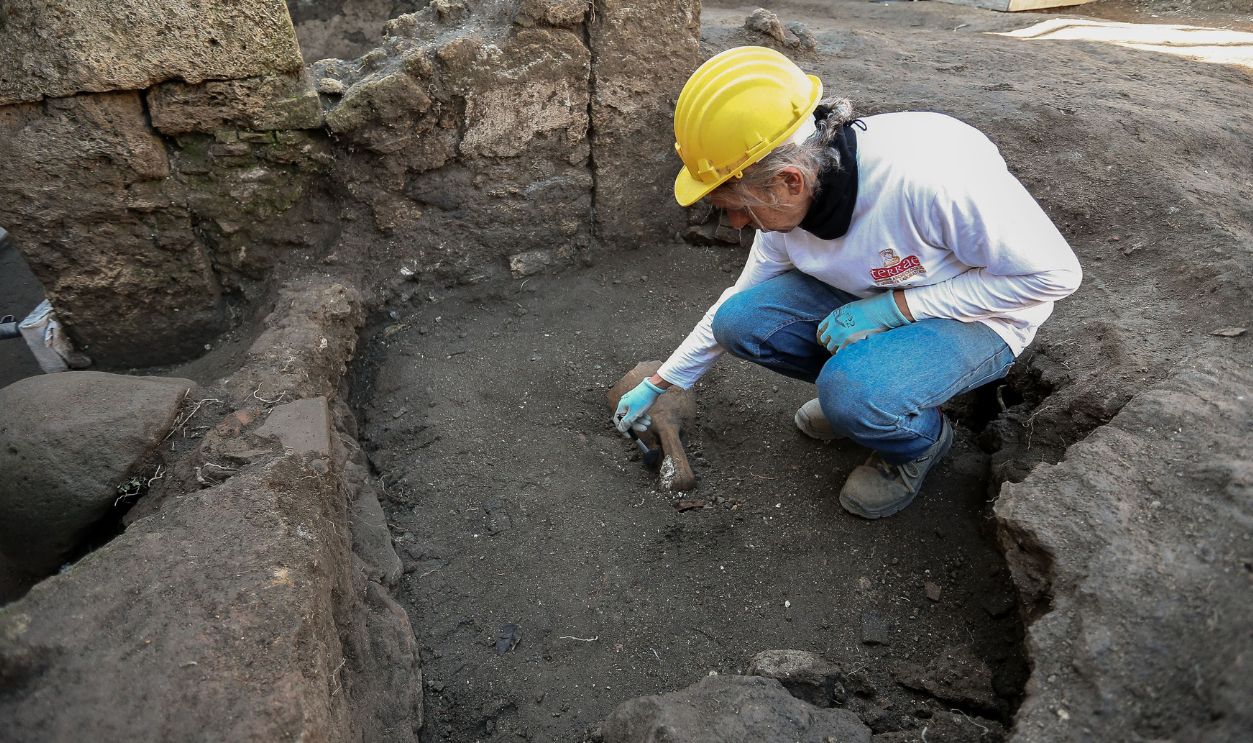
But The Necklace Might Not Have Belonged To A Child
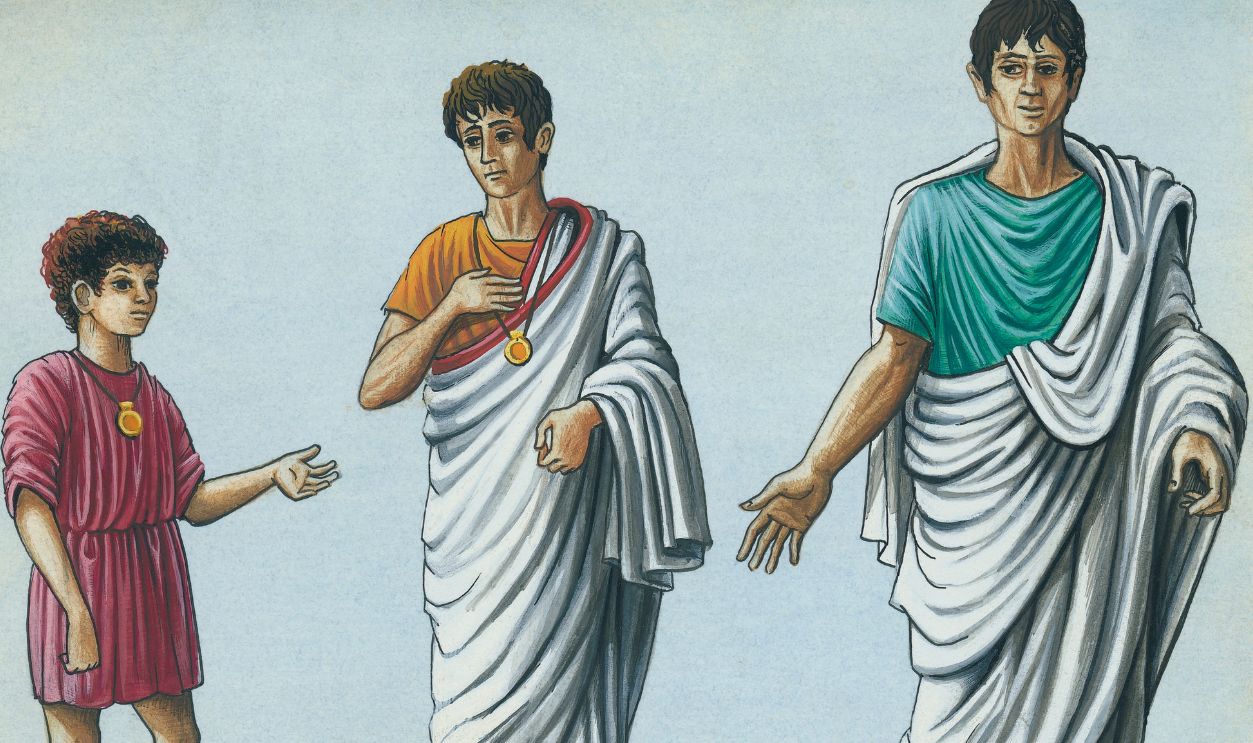
Although crepundia were traditionally associated with children, adults sometimes kept them long after childhood. Such objects could become treasured reminders of family members, childhood homes, or earlier experiences. That raises the possibility that the necklace had been carefully preserved by an adult rather than worn by a child living in the house.
 DEA PICTURE LIBRARY, Getty Images
It Could Have Been A Reminder Of Family Far Away
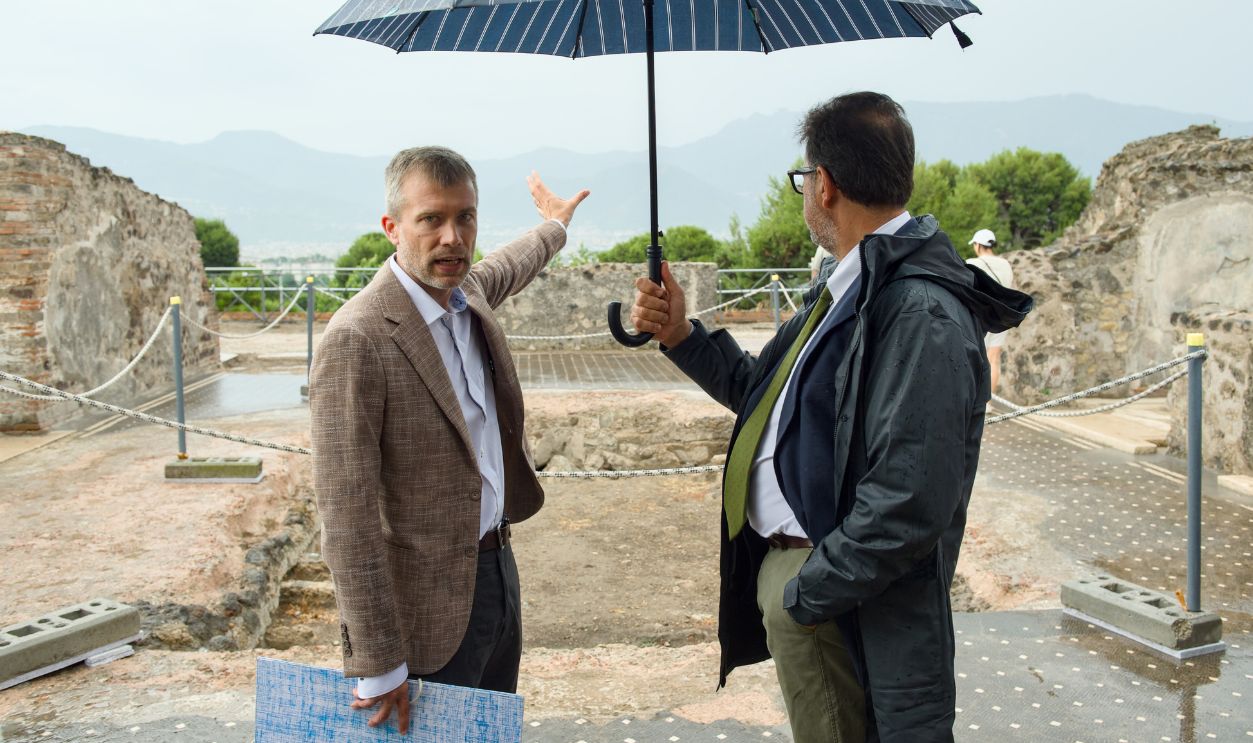
Pompeii Archaeological Park director Gabriel Zuchtriegel explained that these personal objects could remind people of parents who lived far away. The Roman world was highly mobile, with merchants, enslaved people, and others frequently living far from their childhood homes. The charms may therefore have held emotional significance for someone who had kept them for years.

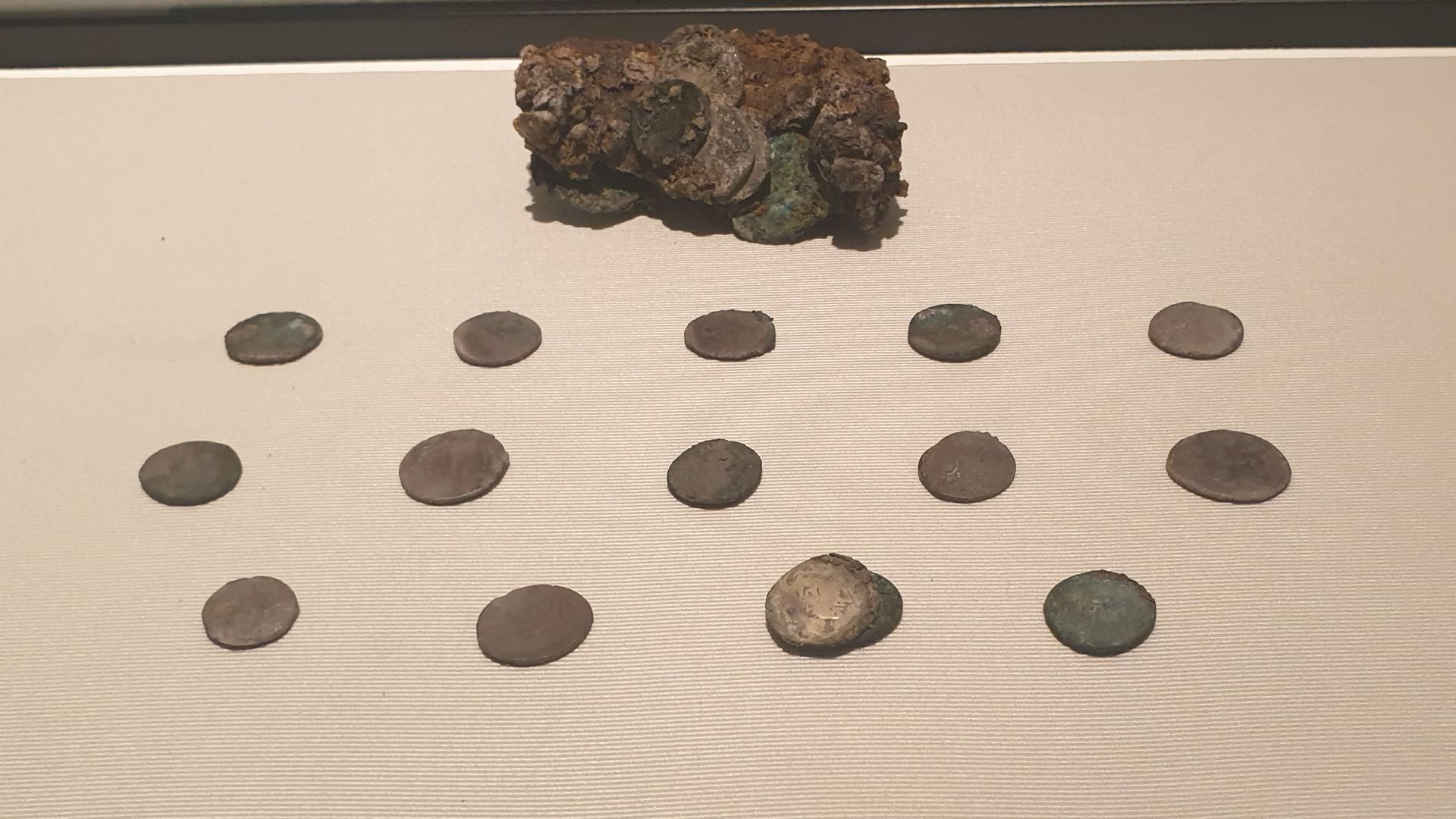
Someone Also Left Behind 38 Coins
The wardrobe contained 38 bronze coins preserved inside a small container made from woven plant material. Archaeologists recovered traces of the basket and examined its construction. The money was another significant discovery because it suggested that the occupants may not have had time to retrieve their possessions before abandoning the house.
 MumblerJamie, Wikimedia Commons
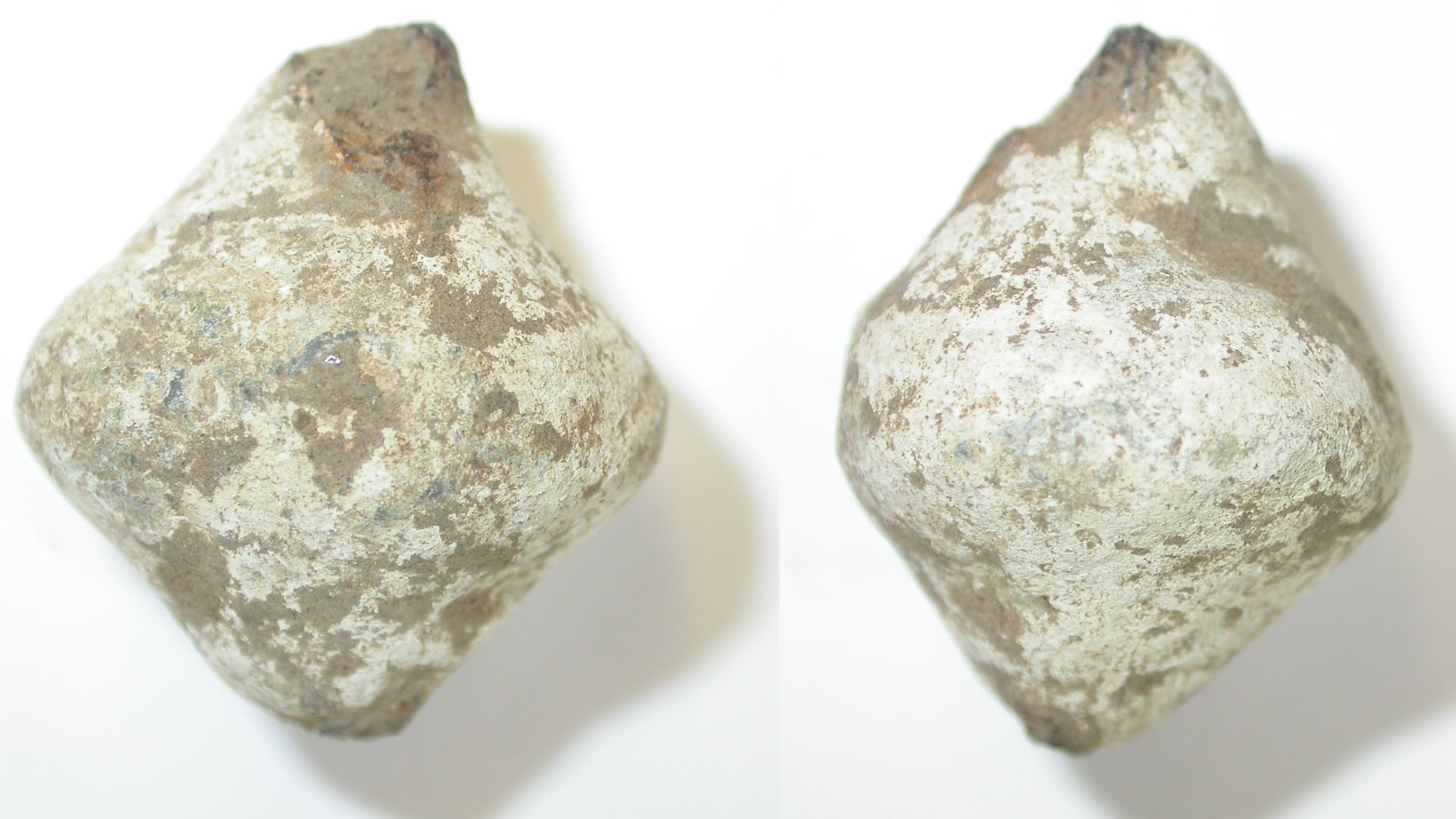
There Were Clues About Someone's Work
Researchers also discovered lead weights stored in a small wooden box, of which only faint traces survived. These objects could have been used in commercial transactions, suggesting that someone associated with the household may have been involved in trade. Their exact function remains uncertain, but they provide another clue about the occupants' possible activities.
 Derby Museums Trust, Rachel Atherton, 2006-06-12 12:18:38, Wikimedia Commons
Two Unexpected Visitors Were Found Upstairs
Elsewhere in the house, archaeologists discovered the fragmented skeletons of two young mice inside an amphora stored on a mezzanine. Laboratory examination of 117 bone fragments suggested the animals were probably wood mice that had not reached maturity. Their remains offer a surprisingly ordinary glimpse of the challenges faced by people living in ancient Pompeii.

Why Was Everything Left Behind?
The discovery of money, useful equipment, and potentially treasured childhood keepsakes raised an unsettling question. Why would someone abandon possessions that had both financial and personal value? Archaeologists believe the objects may have been left behind because their owners had to flee the eruption without enough time to gather their belongings.

Did The Occupants Actually Escape?
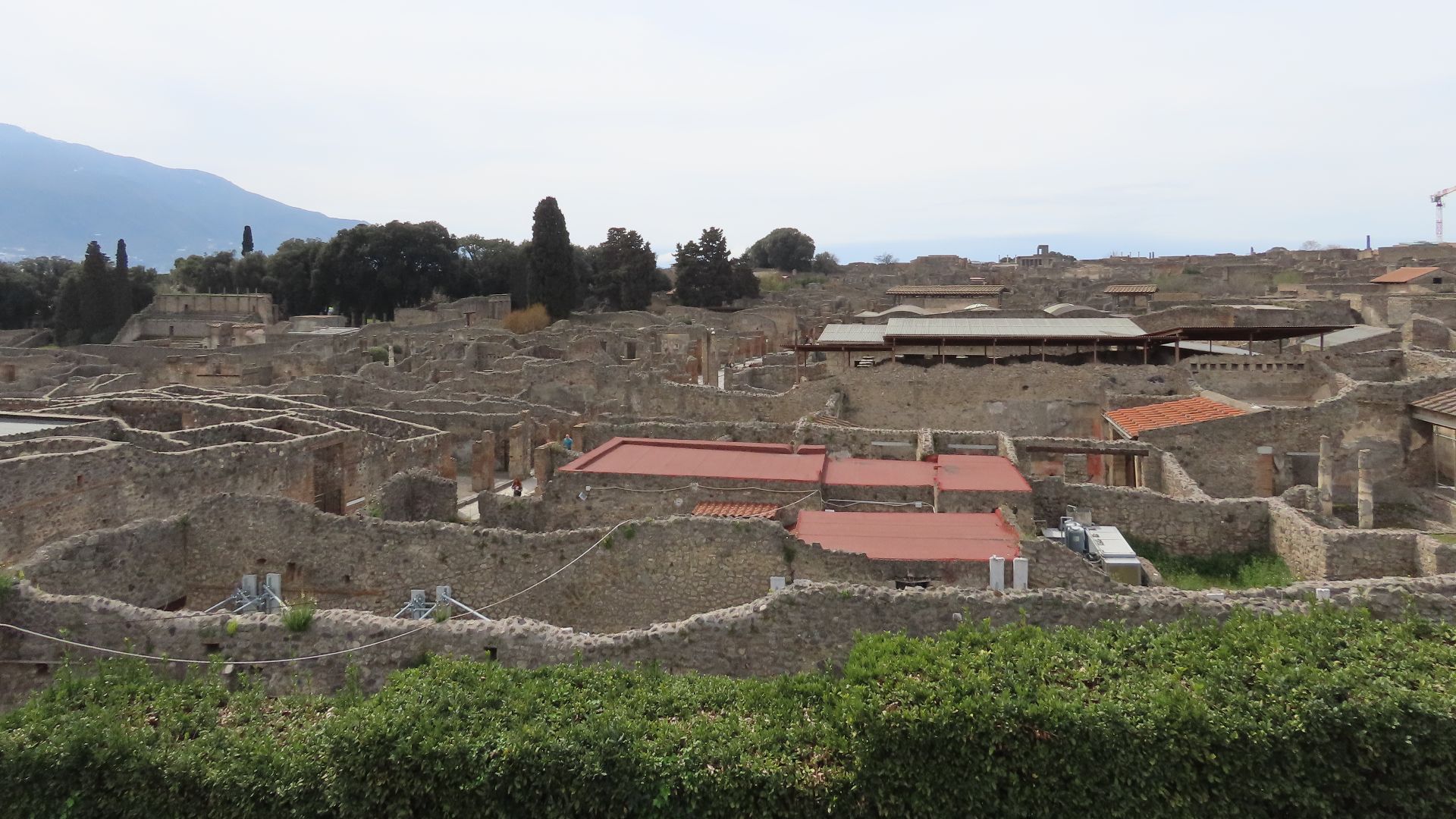
Unfortunately, the wardrobe cannot reveal whether its owners survived the catastrophe. They may have escaped Pompeii but found themselves unable to return, or they might have died during the eruption or afterward. Their identities and ultimate fate remain unknown, leaving the abandoned possessions as some of the strongest surviving evidence of their lives.
 Tracey Hind from Aups, France, Wikimedia Commons
An Ordinary Wardrobe Revealed An Extraordinary Story
Nearly 2,000 years after Vesuvius buried Pompeii, archaeologists have recovered traces of someone's daily habits, work, and possibly treasured childhood memories. The perfume bottle, coins, household equipment, and tiny protective charms reveal a personal side of Roman life that grand monuments rarely capture. Whatever happened to the people who owned them, their belongings have finally emerged from the ruins to tell part of their story.
You May Also Like:
Scientists uncover a toxic legacy of Ancient Rome that may have lowered intelligence across Europe