A Lost Community Emerges From The Sand
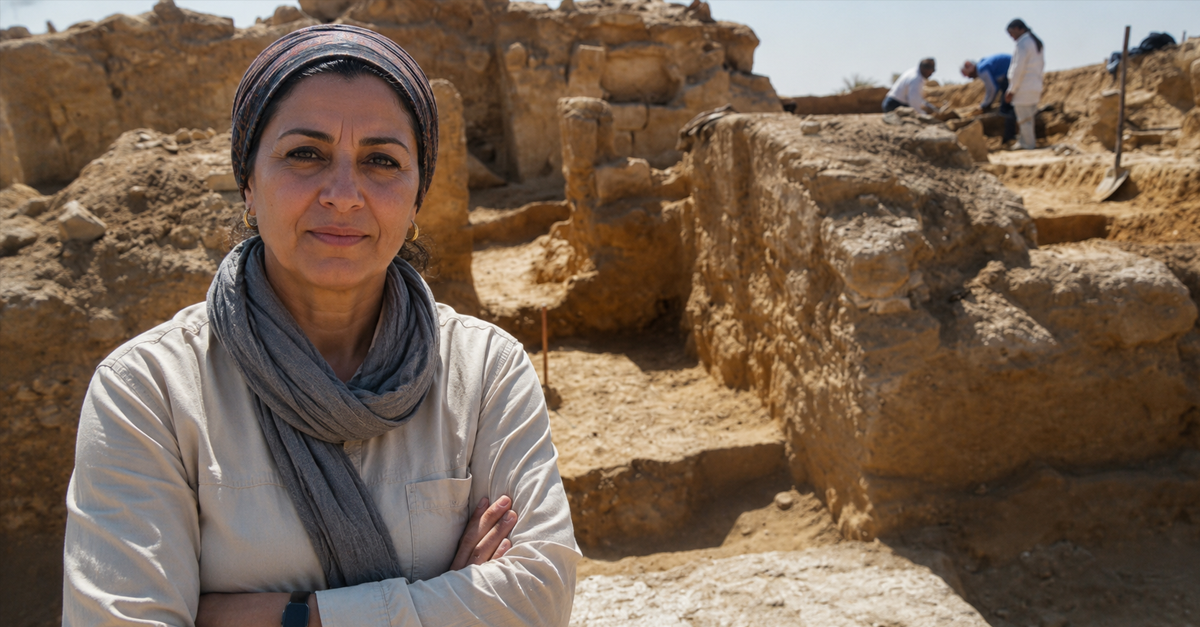
Deep in Egypt’s Western Desert, archaeologists have uncovered the remains of a remarkably preserved settlement dating back roughly 1,600 years. Streets, houses, churches, coins, ovens, and handwritten records survived beneath layers of desert sand. Together, they offer an unusually detailed look at life in Byzantine-era Egypt.
The Discovery Was Made At Dakhla Oasis
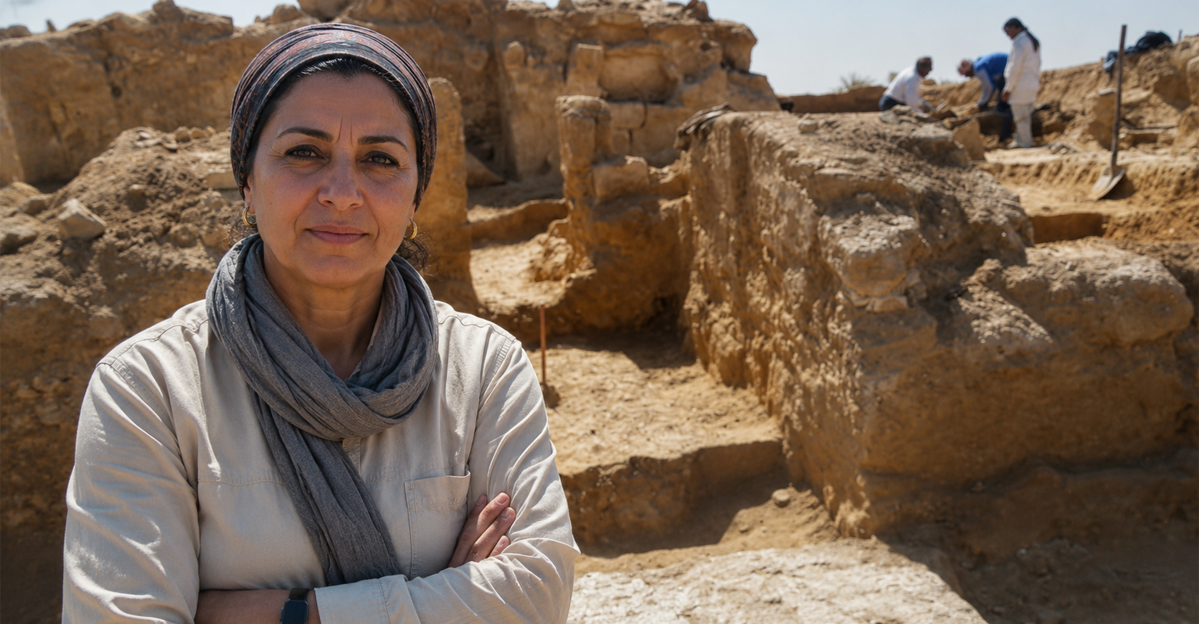
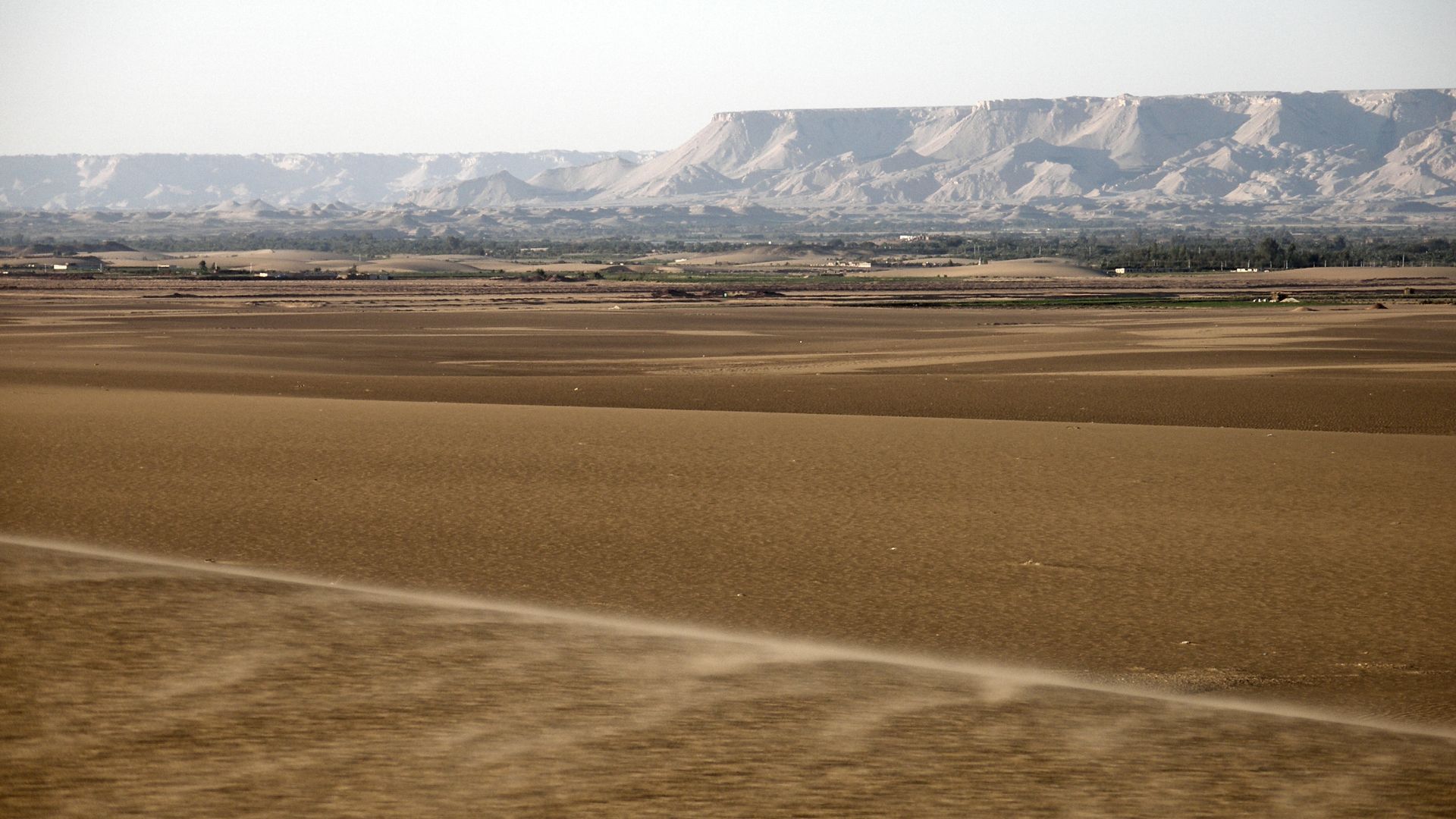
The settlement was uncovered at the Ain El-Sabil archaeological site in Dakhla Oasis. This remote oasis lies in Egypt’s New Valley Governorate, far west of the Nile. Its location shows that important ancient communities flourished well beyond Egypt’s famous river cities.
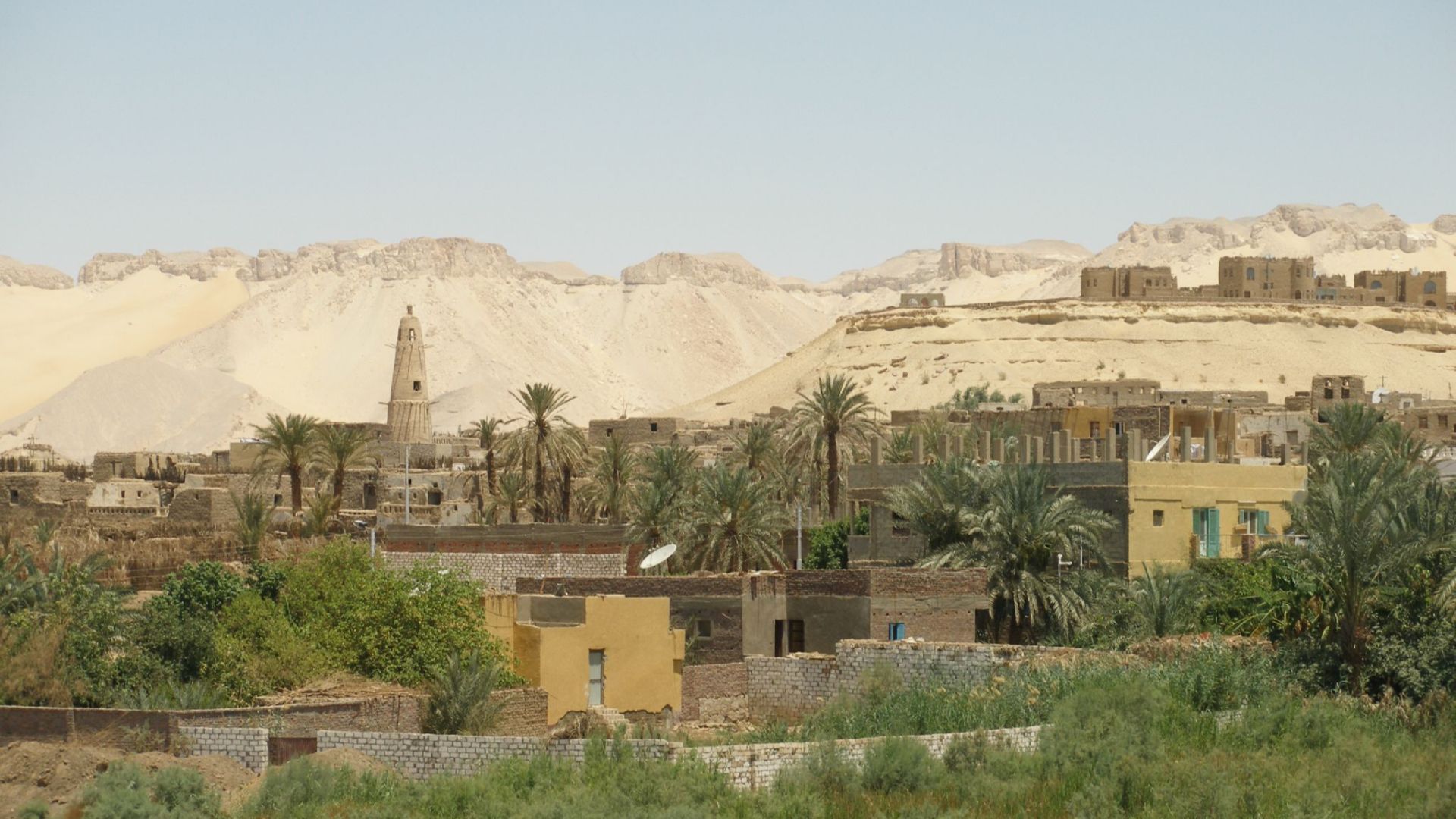 Vyacheslav Argenberg, Wikimedia Commons
An Egyptian Team Led The Excavation
The work was carried out by an Egyptian archaeological mission from the Supreme Council of Antiquities. Egypt’s Ministry of Tourism and Antiquities announced the discovery in July 2026. Officials described it as an important addition to the country’s growing collection of archaeological sites.
The City Dates To The Fourth Century
Evidence indicates that the community was active during the fourth century CE. Egypt was still part of the Roman world, although historians commonly describe this later period as Byzantine Egypt. The settlement therefore stood at a major turning point in the region’s political and religious history.
 Ángel M. Felicísimo from Mérida, España, Wikimedia Commons
The Desert Preserved An Entire Neighborhood
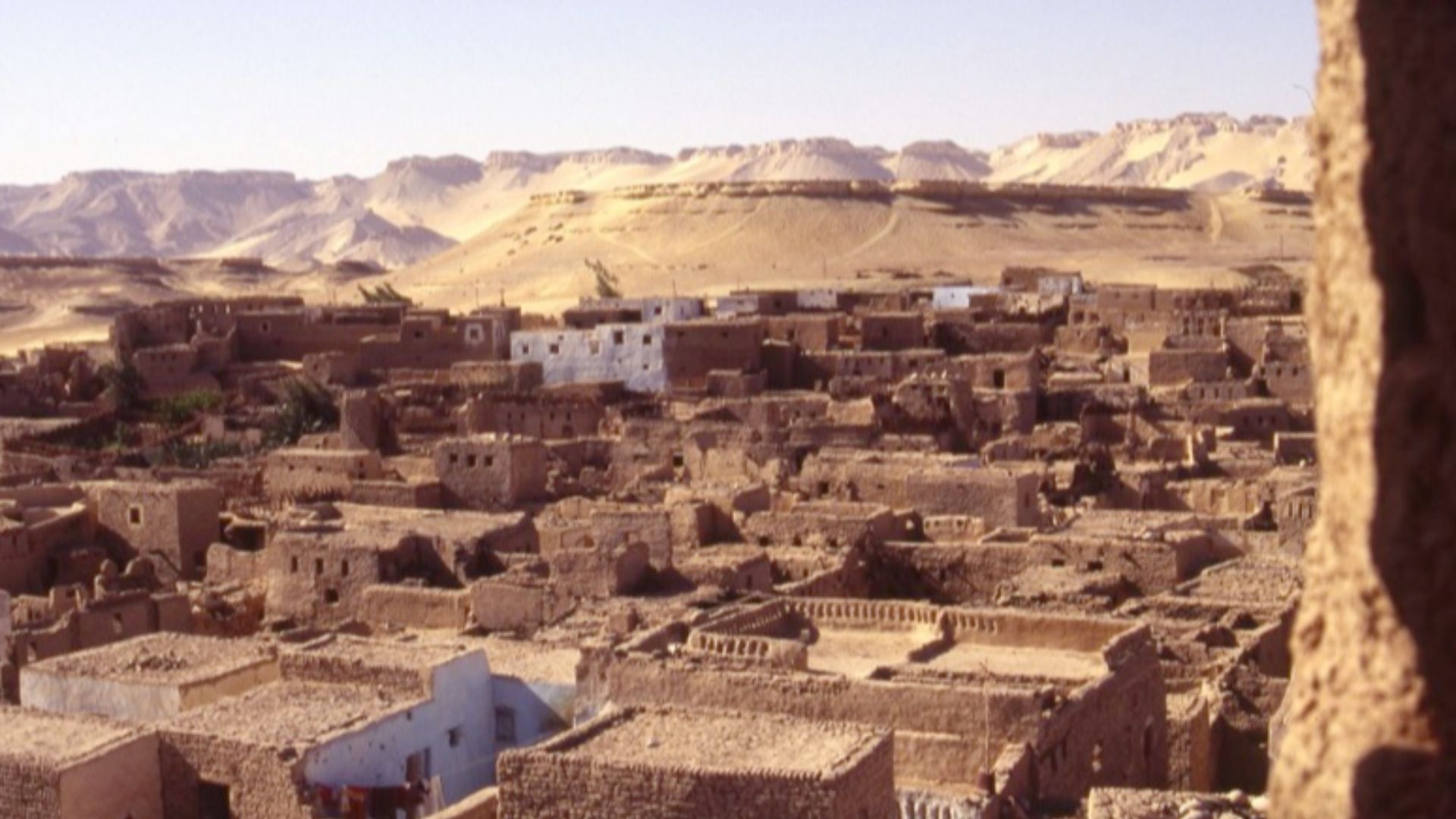
Rather than finding one isolated building, archaeologists uncovered a substantial residential district. Mud-brick walls, doorways, rooms, streets, and public areas remained identifiable. That level of preservation allows researchers to examine how the community functioned as a whole.
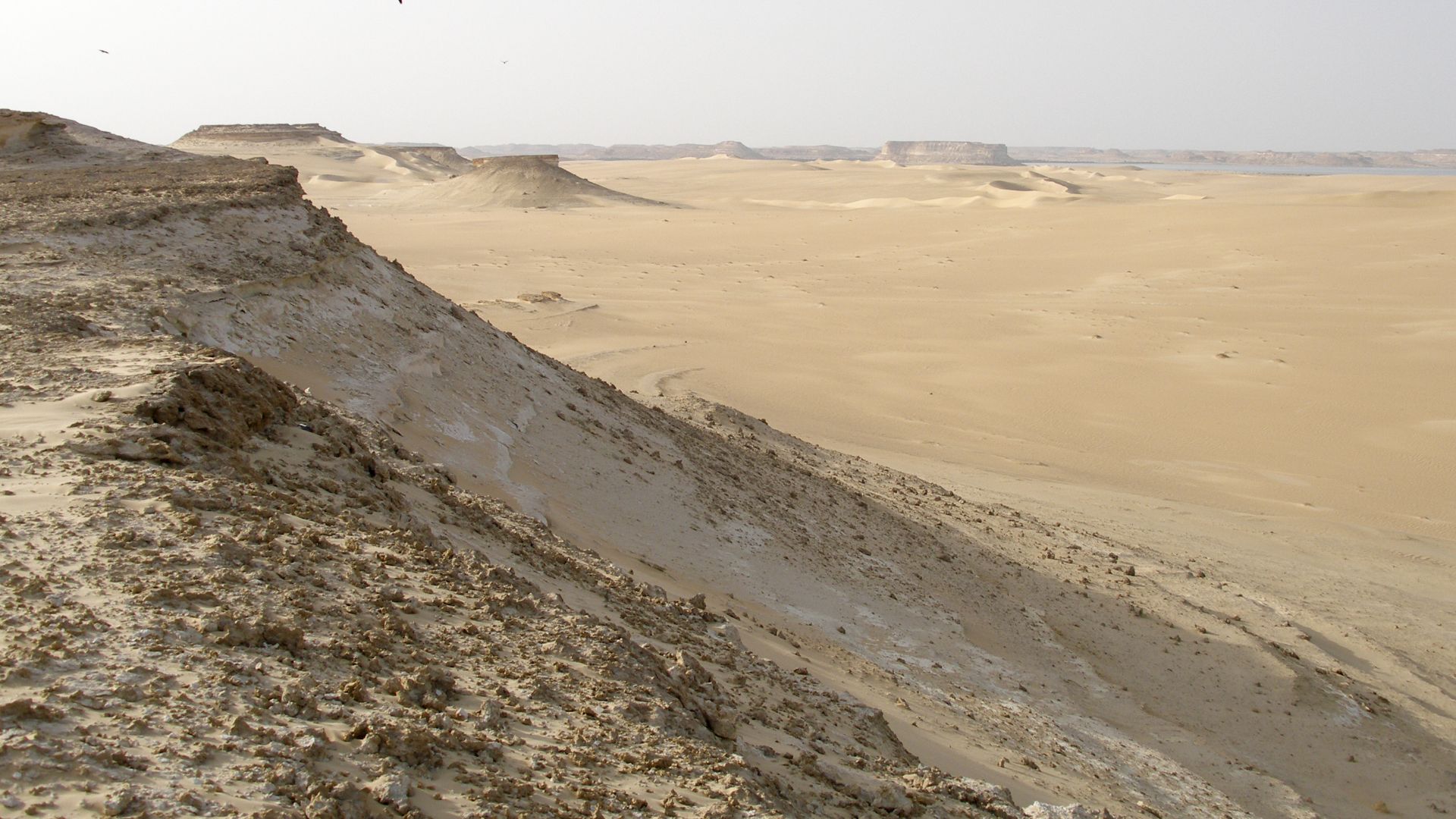 Vyacheslav Argenberg, Wikimedia Commons
The Streets Followed A Clear Plan
The settlement was not assembled randomly. Major streets ran from north to south, while smaller roads crossed them from east to west. Their intersections created squares and public spaces that suggest deliberate urban planning.
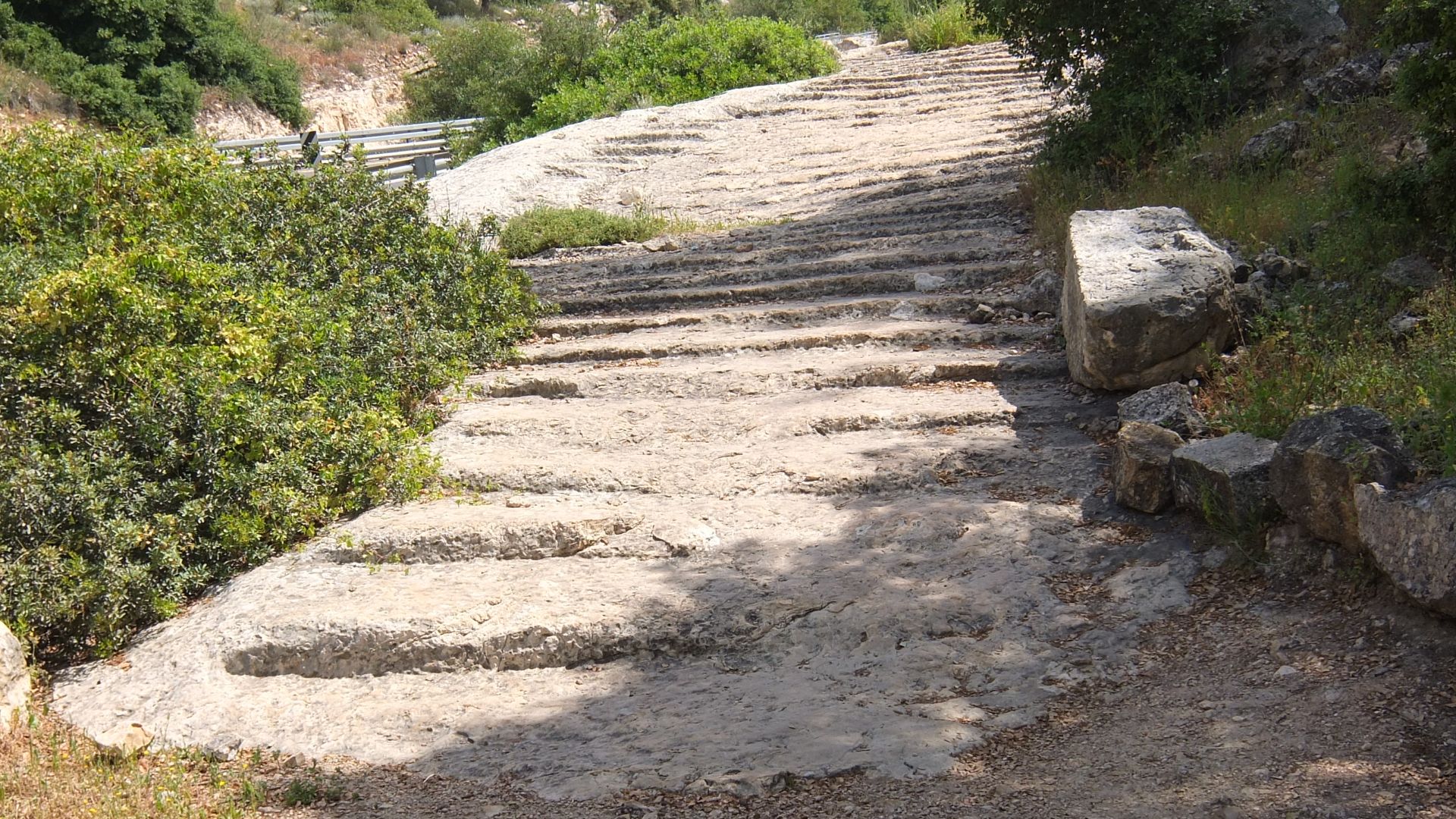
A Church Dominated The Main Street
A basilica-style Christian church stood near the head of the settlement. It overlooked one of the principal streets and dates to around the middle of the fourth century. Its prominent position shows how important Christianity had become within the community.
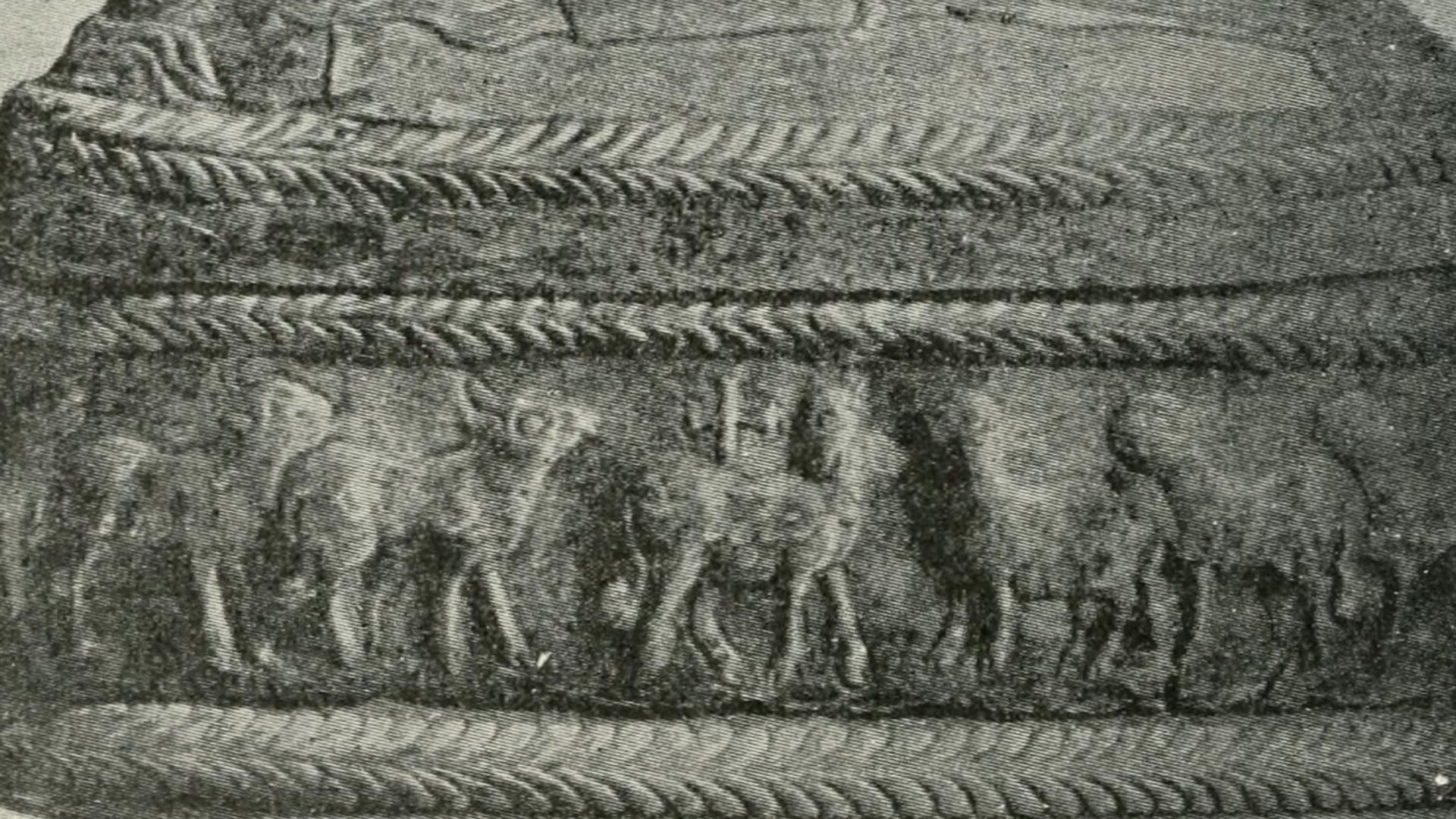 Internet Archive Book Images, Wikimedia Commons
Christianity Was Transforming Egypt
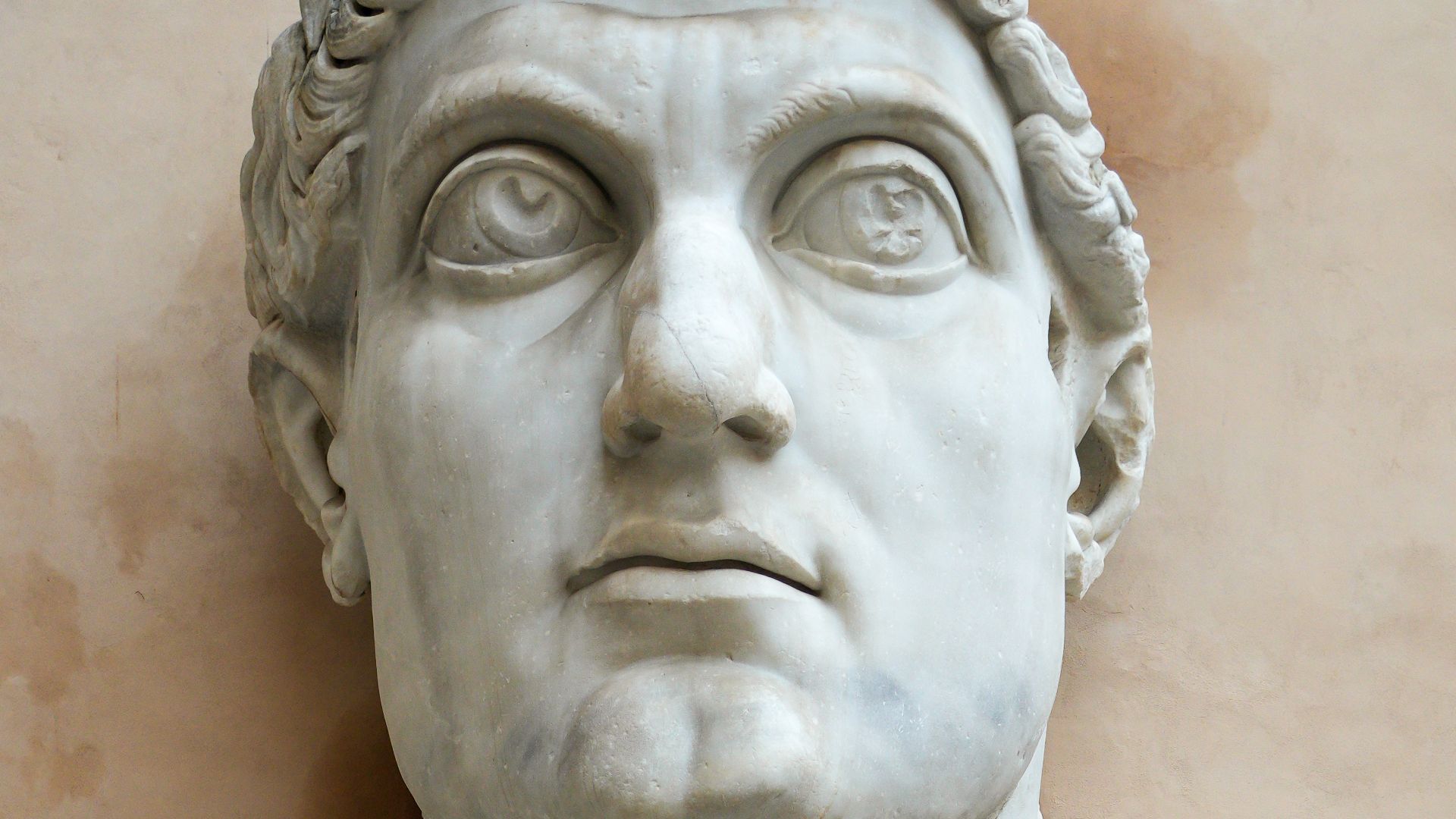
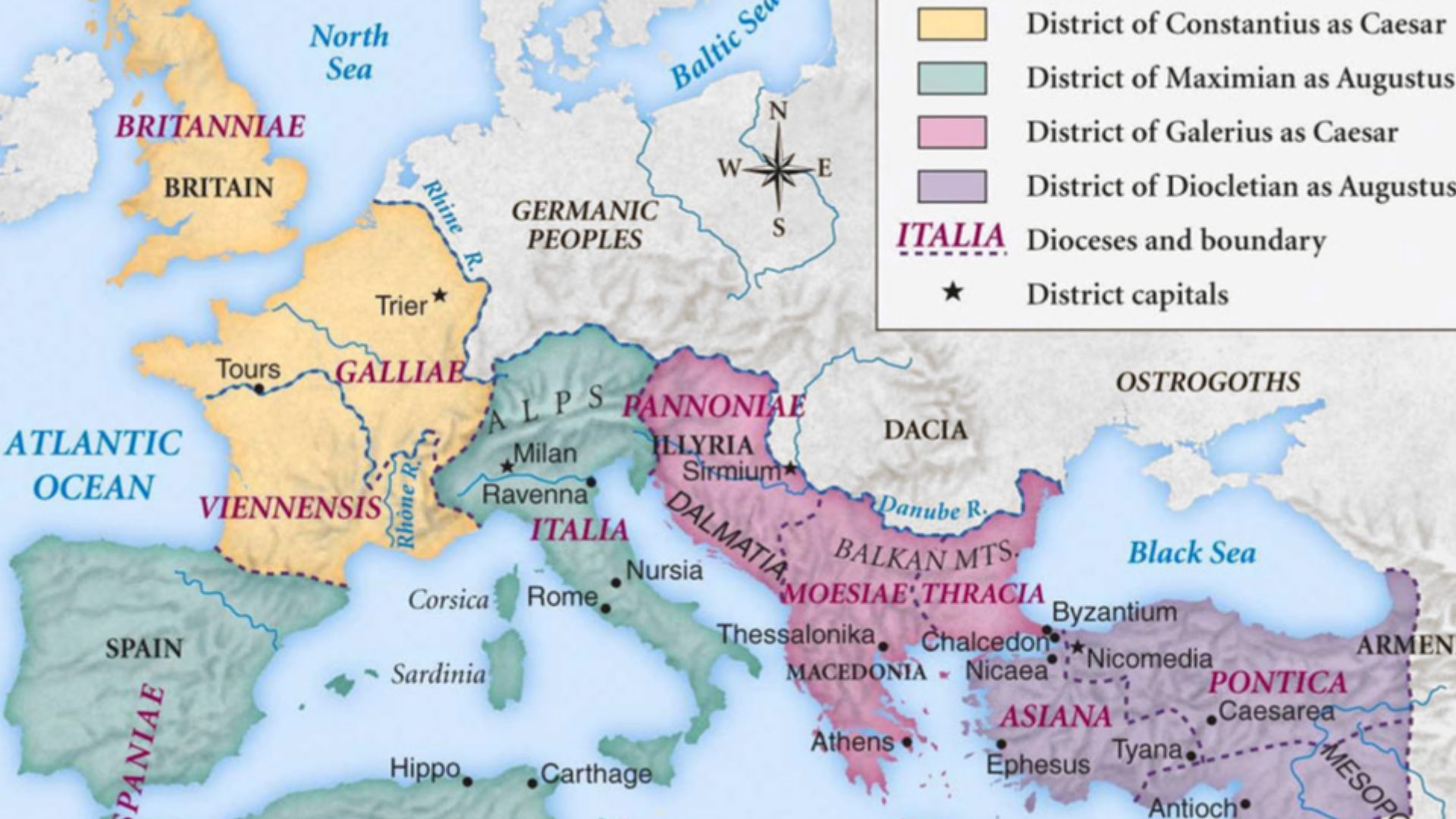
Christianity expanded rapidly across Egypt during the fourth century. The religion received legal recognition under Emperor Constantine I and became increasingly influential throughout the Roman Empire. Buildings found at Ain El-Sabil capture part of that enormous cultural transition.
Worship May Have Begun Inside A House
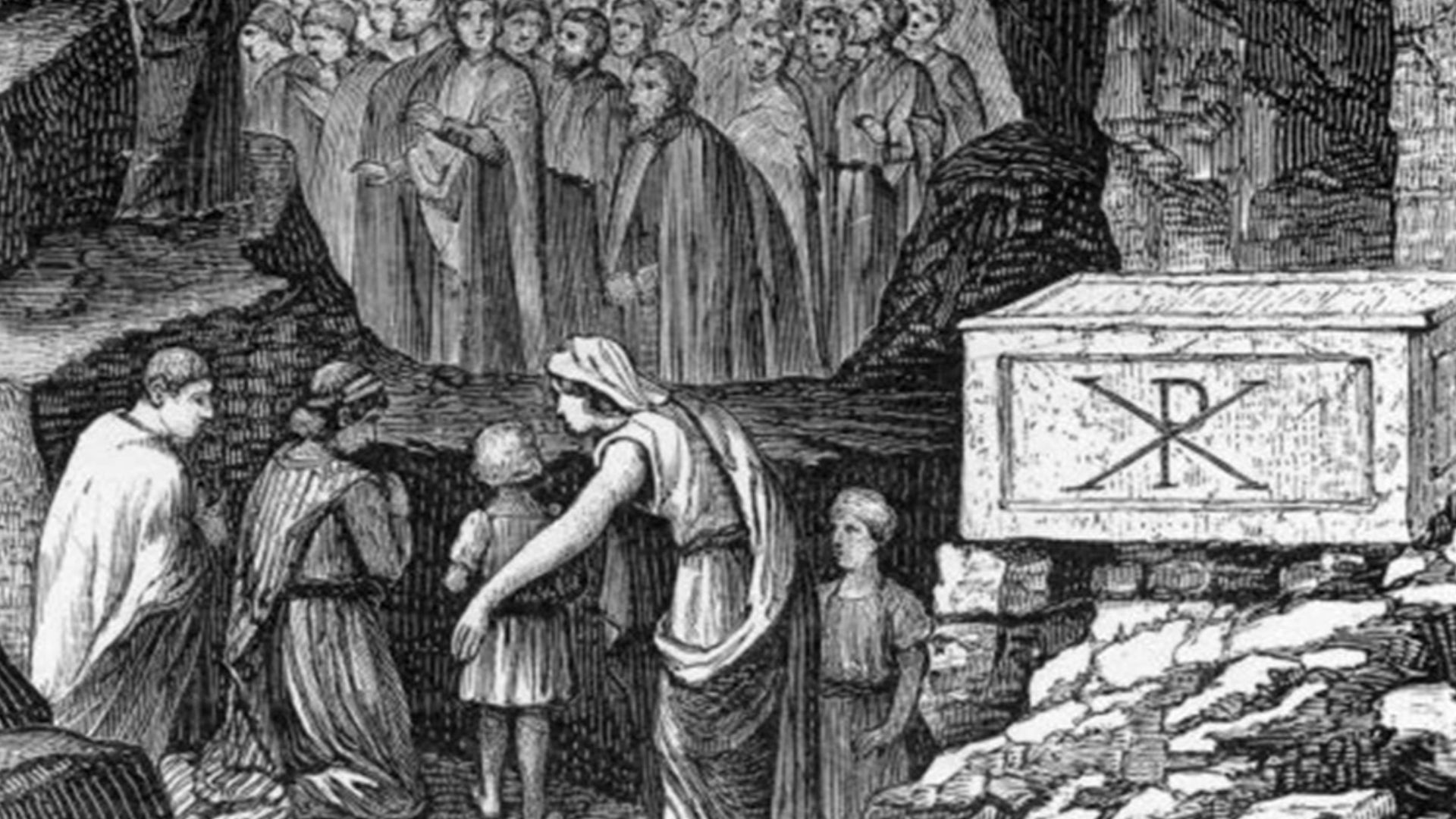
Before the basilica was built, residents may have gathered for worship inside a private home. Archaeologists identified one early fourth-century residence, known as the House of Tapibos, as a possible house church. The building could reveal how organized Christian worship developed before larger churches appeared.
 AnonymousUnknown author, Wikimedia Commons
A Deacon’s Home Was Also Identified
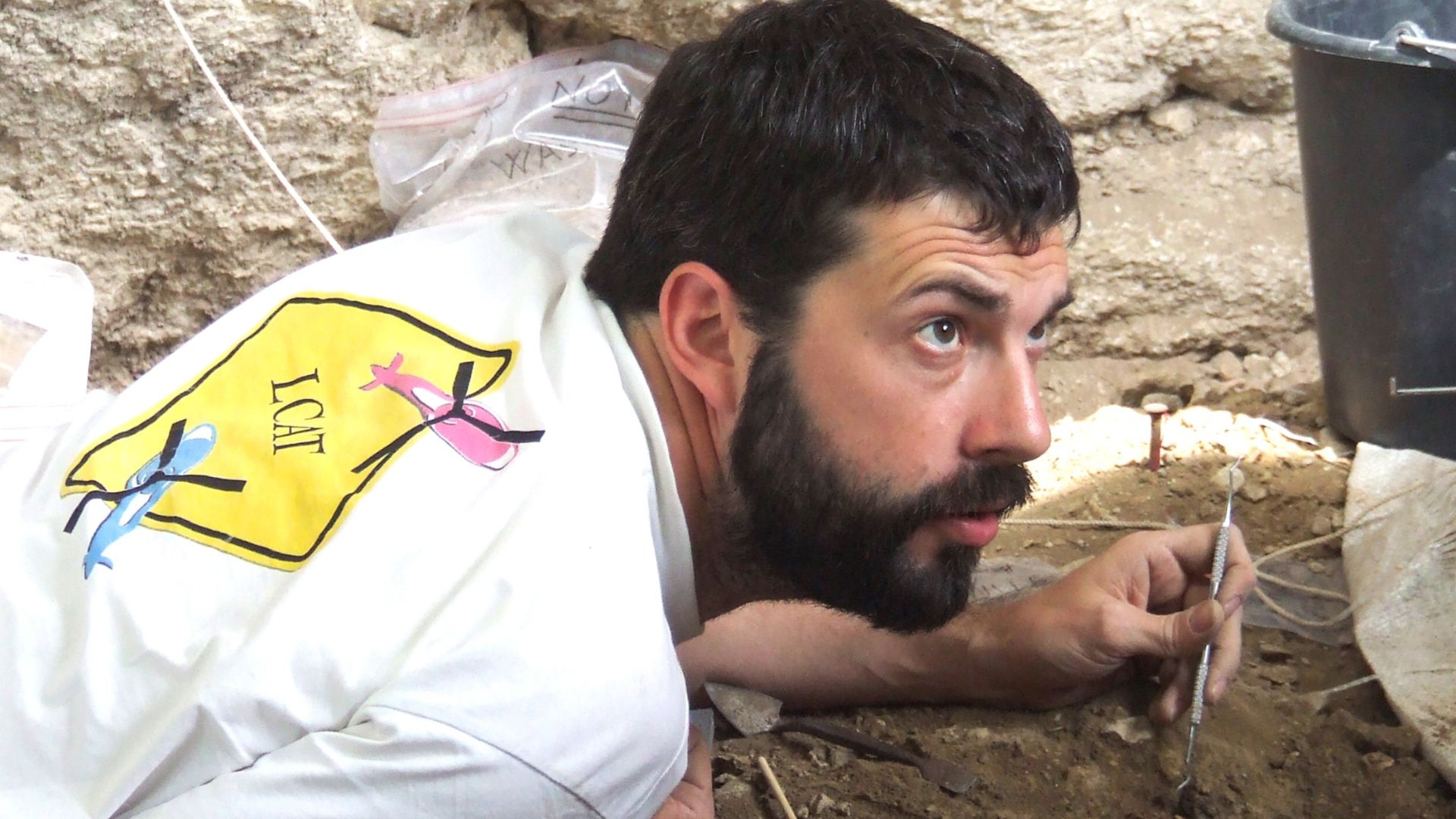
Another residence belonged to a church deacon named Tisous. The house dates to the second half of the fourth century and stood within the city’s residential quarter. Its identification gives the discovery a rare personal connection to someone who lived there.
 Nataliya Shestakova, Wikimedia Commons
Two Watchtowers Guarded The Outskirts
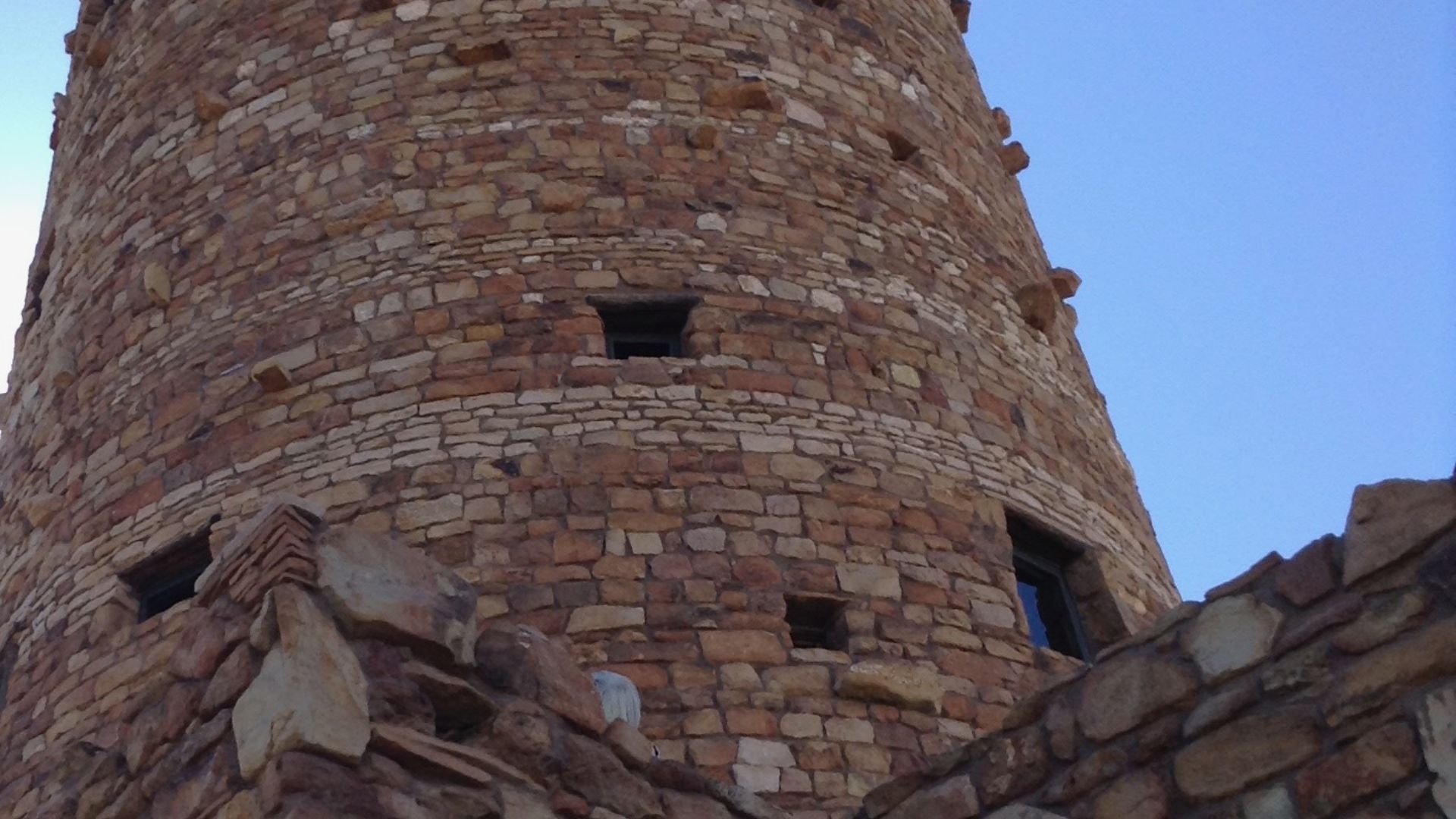
Remains of two watchtowers were uncovered near the settlement’s edges. Their position suggests that residents kept watch over the surrounding approaches. In an isolated desert community, protecting roads, supplies, and people would have been essential.
 SallyRichards, Wikimedia Commons
Thick Walls Added Another Layer Of Defense
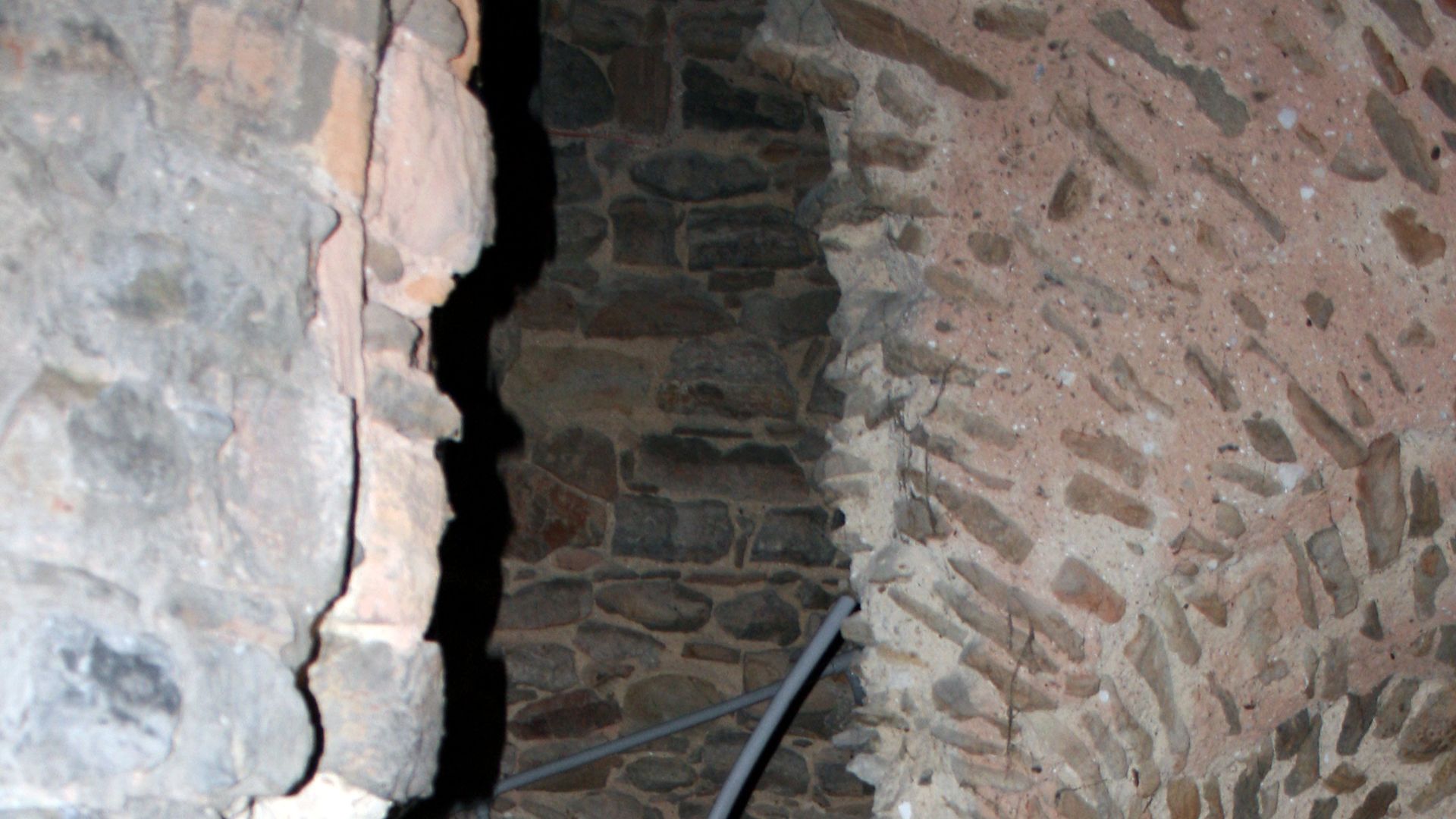
Archaeologists also found a heavily fortified structure with unusually thick defensive walls. Its exact role still requires further study, but it was clearly built with security in mind. The structure suggests that life in the oasis was not always peaceful or predictable.
 Keven Law from Los Angeles, USA, Wikimedia Commons
The Homes Were Surprisingly Spacious
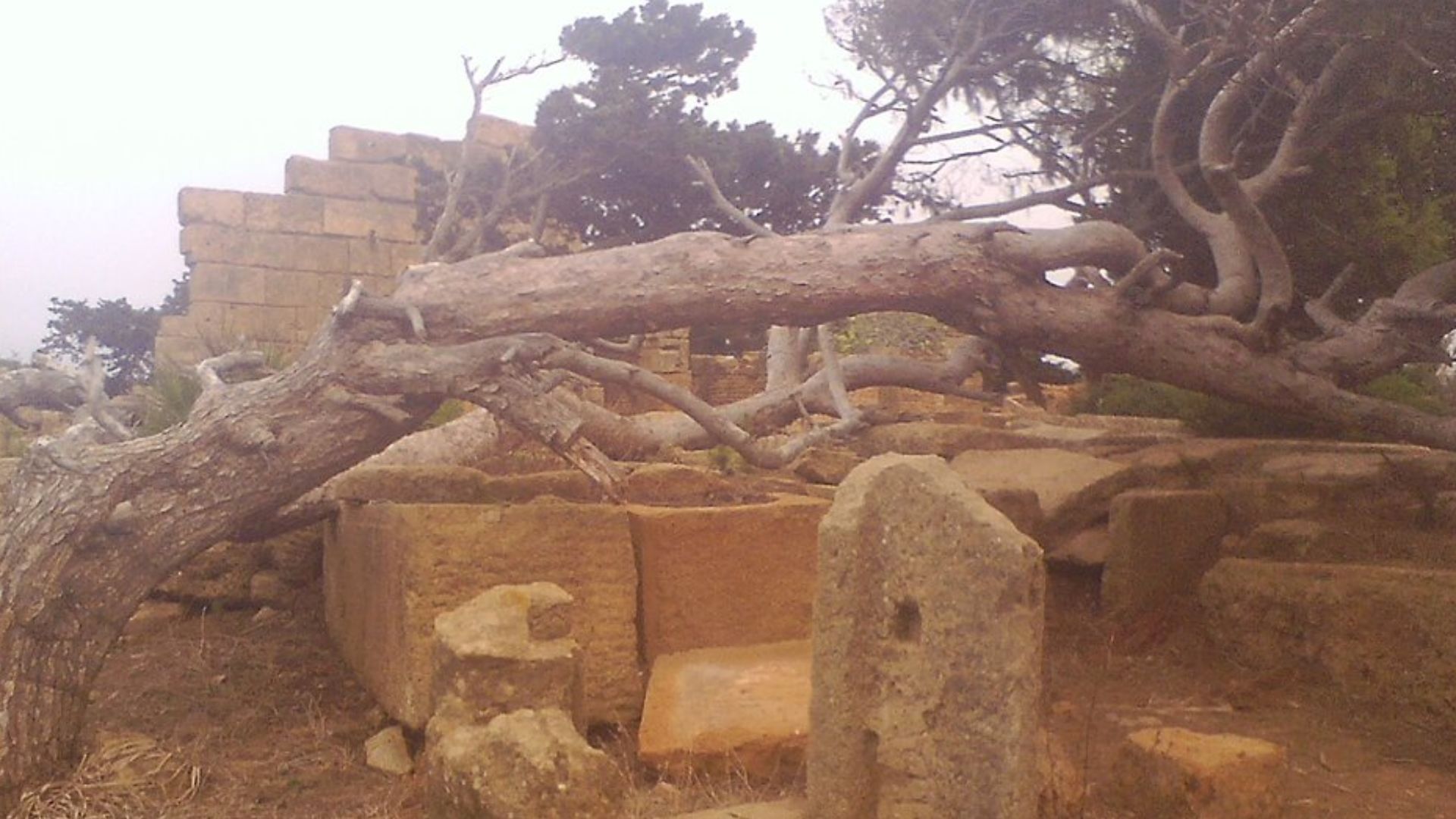
Several houses contained large reception areas and rooms once covered by vaulted roofs. These were not merely temporary shelters placed in the desert. Their design points to an established community with skilled builders and clearly defined domestic spaces.
Mud Brick Made Desert Life Possible
The settlement was constructed largely from mud brick, a widely used material in ancient Egypt. Builders formed bricks from available earth and dried them in the sun. In Egypt’s dry climate, mud-brick structures can survive for centuries when protected from rain and later disturbance.
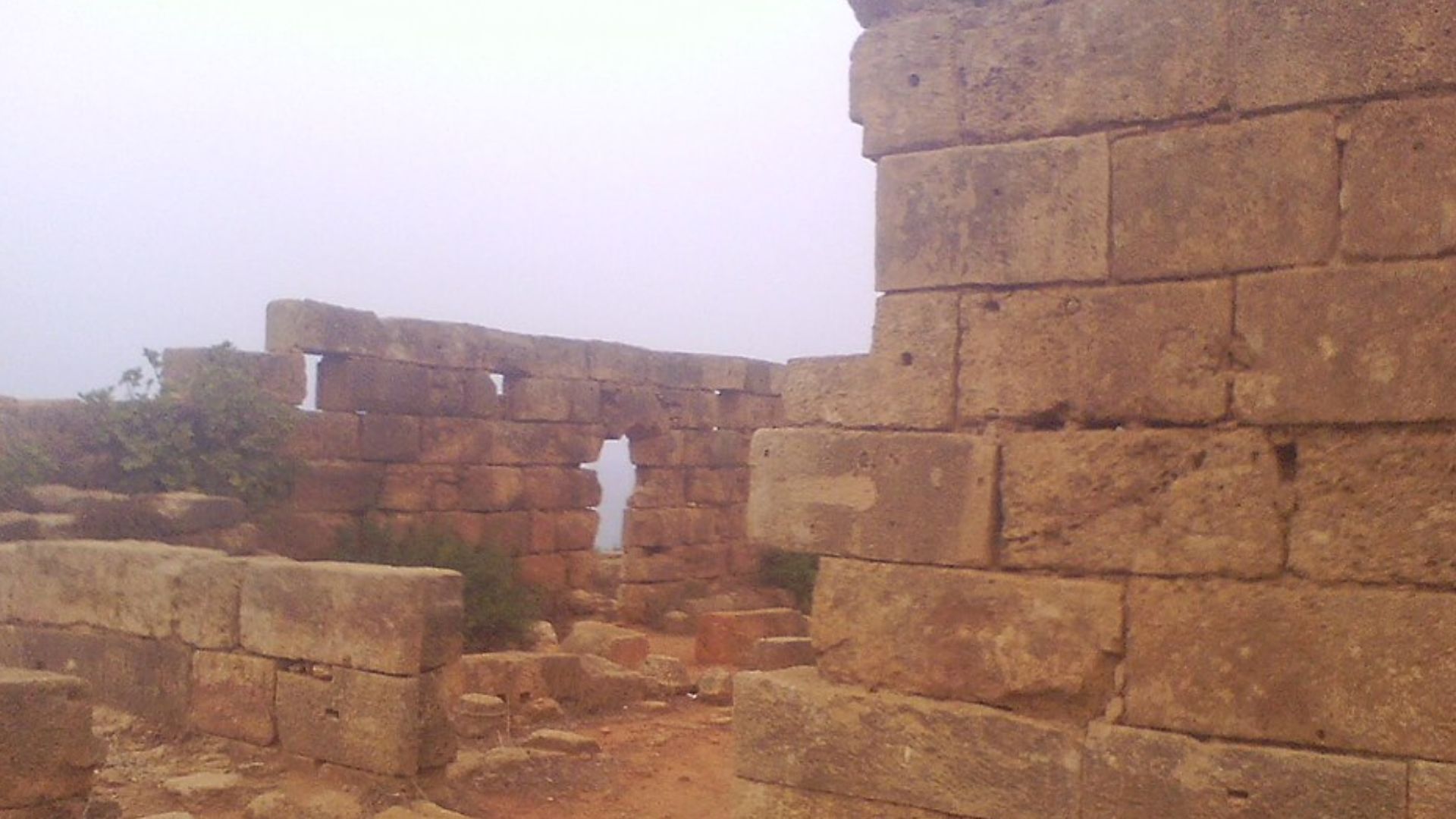
Kitchens Bring The City To Life
Excavators uncovered kitchens and bread ovens inside the residential district. These simple features help turn the ruins into a recognizable human community. Families prepared meals, stored ingredients, and carried out familiar daily routines within these walls.
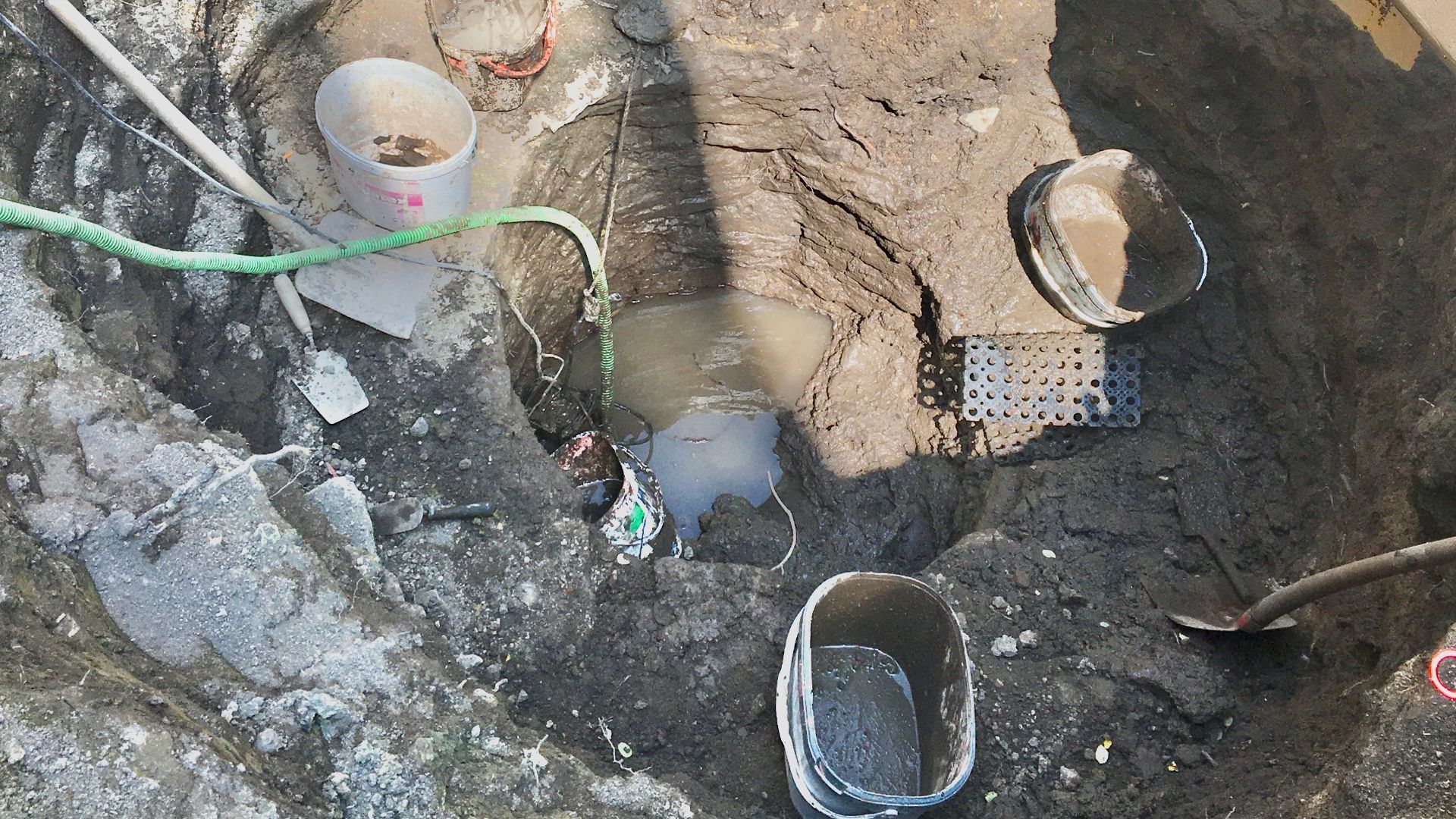
Residents Ground Their Own Grain
Stone grinding tools were found alongside the ovens and cooking spaces. They were likely used to process grain before it was turned into bread or other foods. Such discoveries reveal the physical work behind feeding a desert settlement.
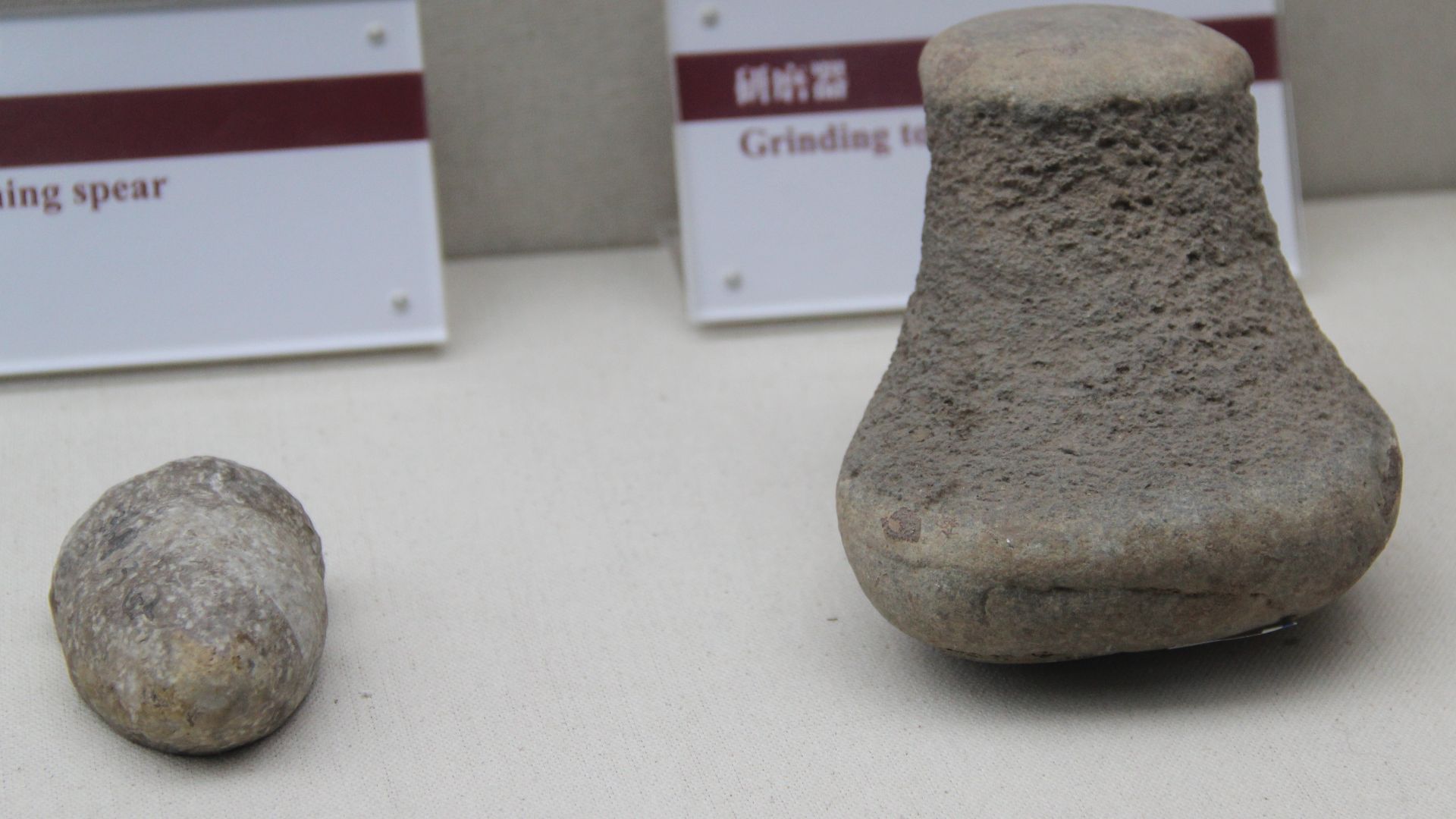
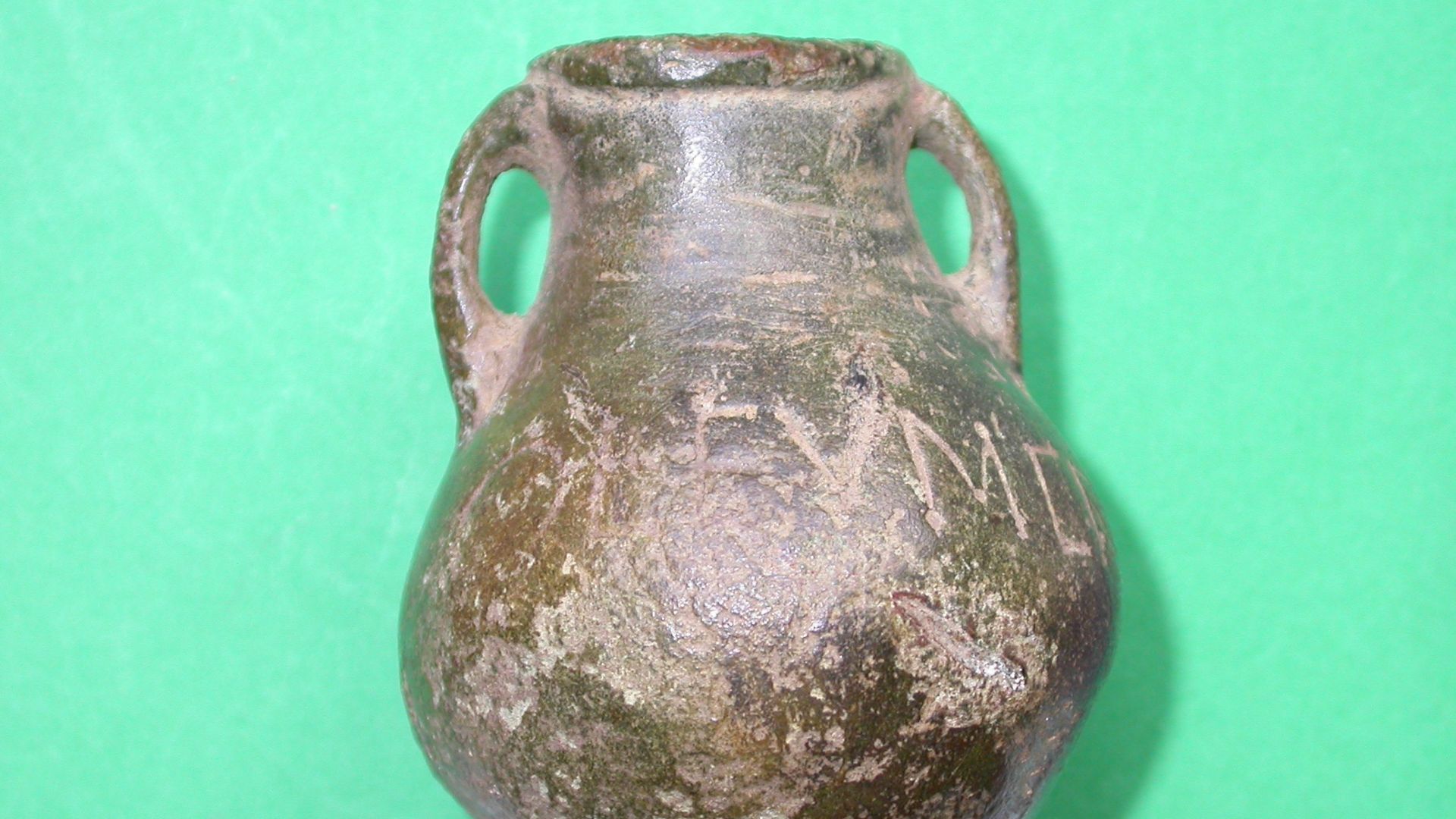
Small Bottles Once Held Valuable Liquids
The artifacts included small vessels used to store oils and perfumes. These containers suggest that residents had access to products extending beyond the most basic necessities. They may also point to trading connections with other communities across Egypt.
 The Portable Antiquities Scheme, David Williams, 2003-11-05 10:45:07, Wikimedia Commons
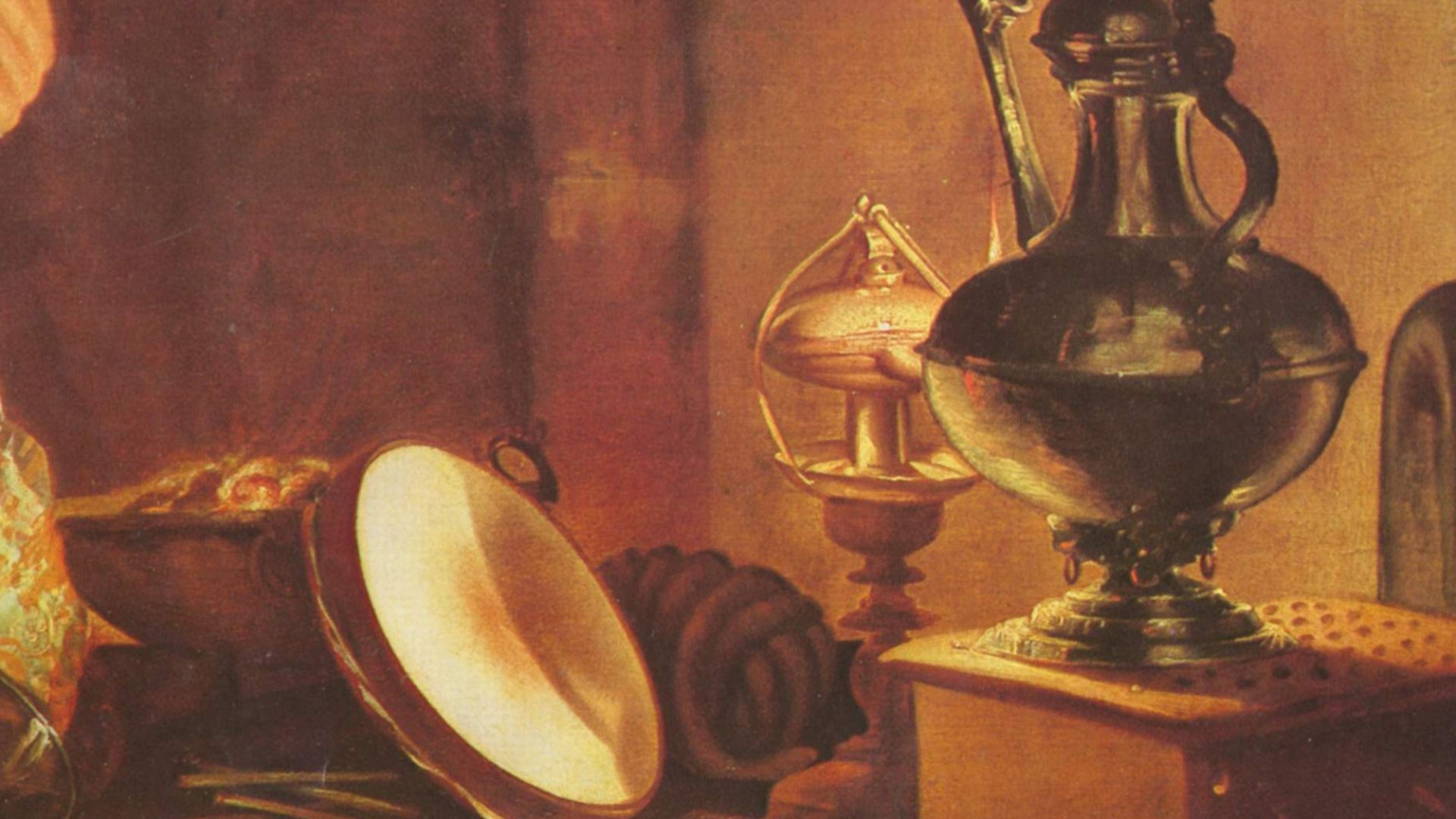
Oil Lamps Lit The Rooms
Archaeologists recovered oil lamps from the mud-brick buildings. These lamps would have illuminated homes, workspaces, and religious gatherings after sunset. Their survival provides another intimate glimpse of everyday life inside the city.
 Michel Gobin, Wikimedia Commons
Bronze Coins Passed Through Many Hands
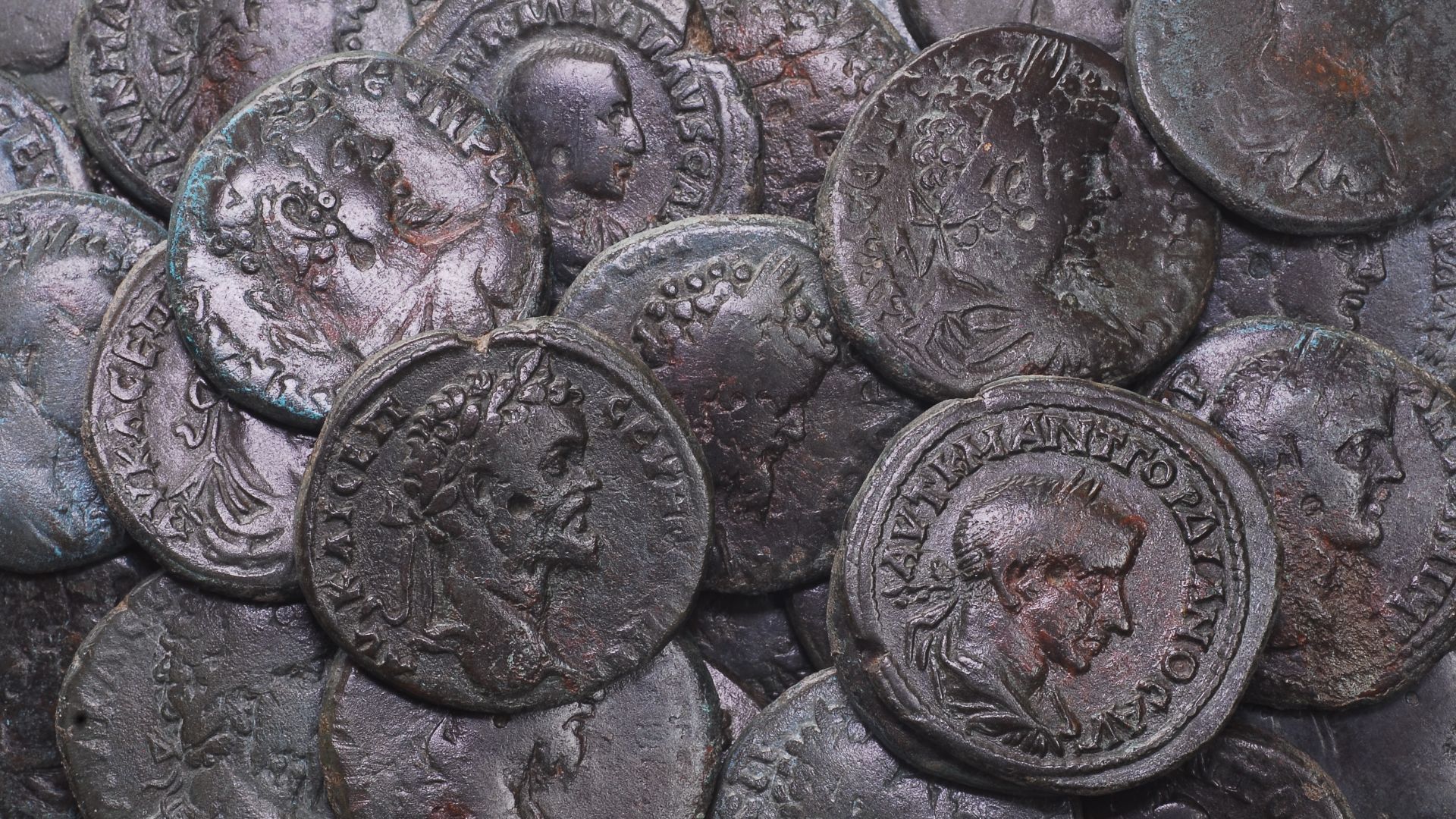
A collection of well-preserved bronze coins was found across the site. Some carry portraits of emperors, Latin inscriptions, and Christian imagery. They show that the oasis participated in the monetary and political systems of the wider empire.
 Janusz Recław, Wikimedia Commons
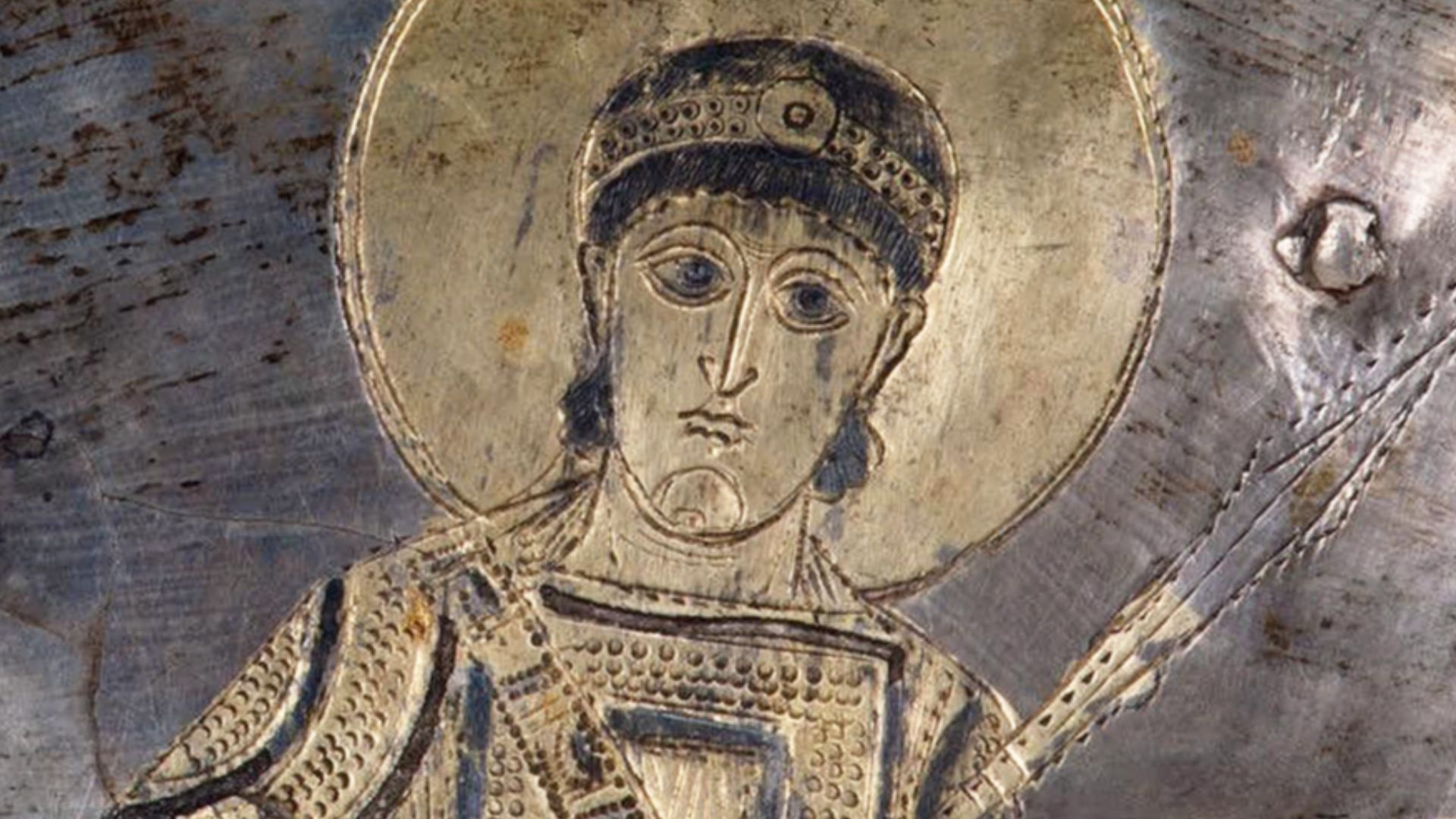
Gold Coins Helped Date The Settlement
Gold coins discovered at Ain El-Sabil date to the reign of Emperor Constantius II. He ruled from 337 to 361 CE, placing the objects firmly within the fourth century. The coins provide valuable chronological evidence for the settlement’s occupation.
Broken Pottery Became Ancient Notepaper
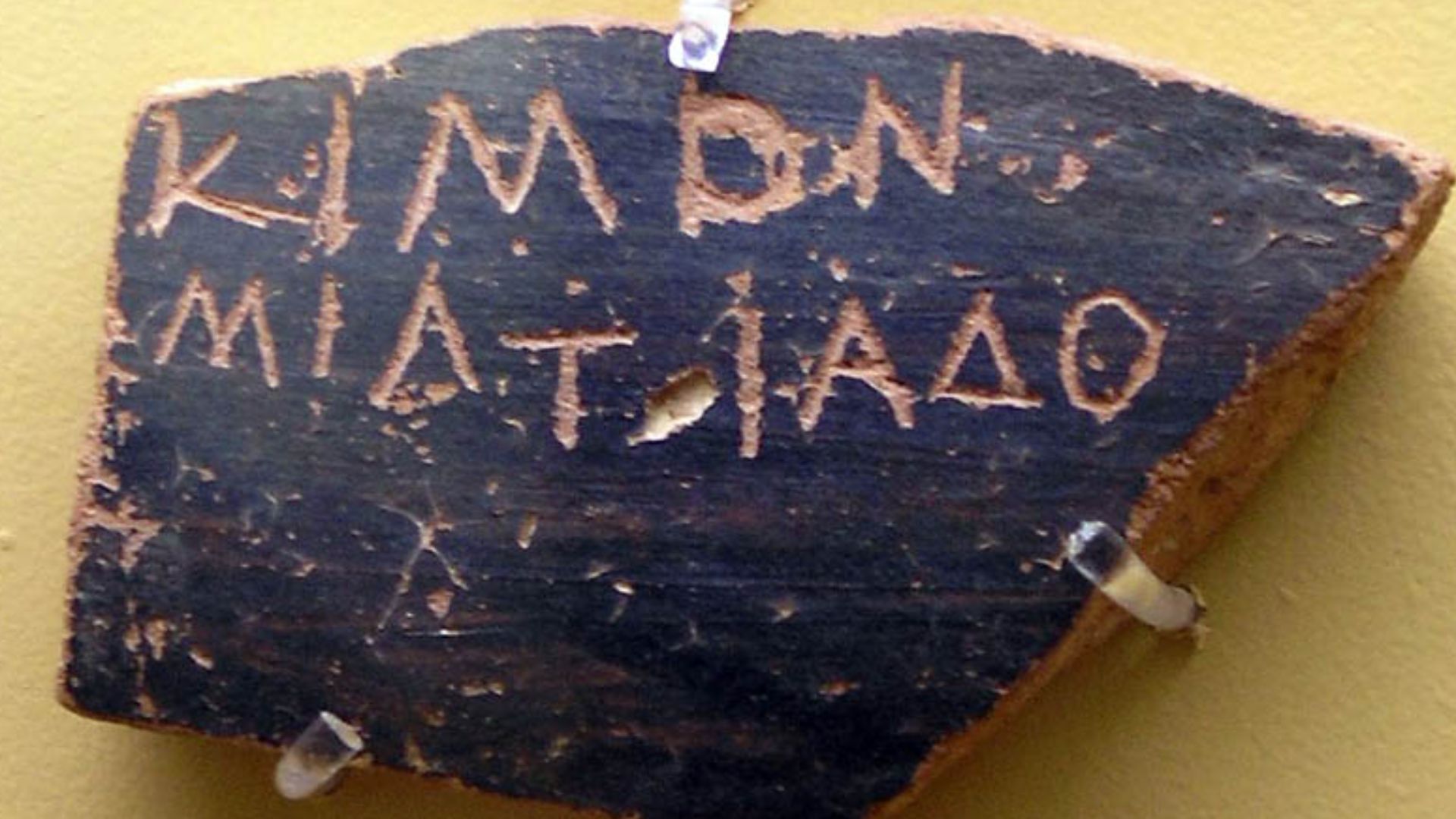
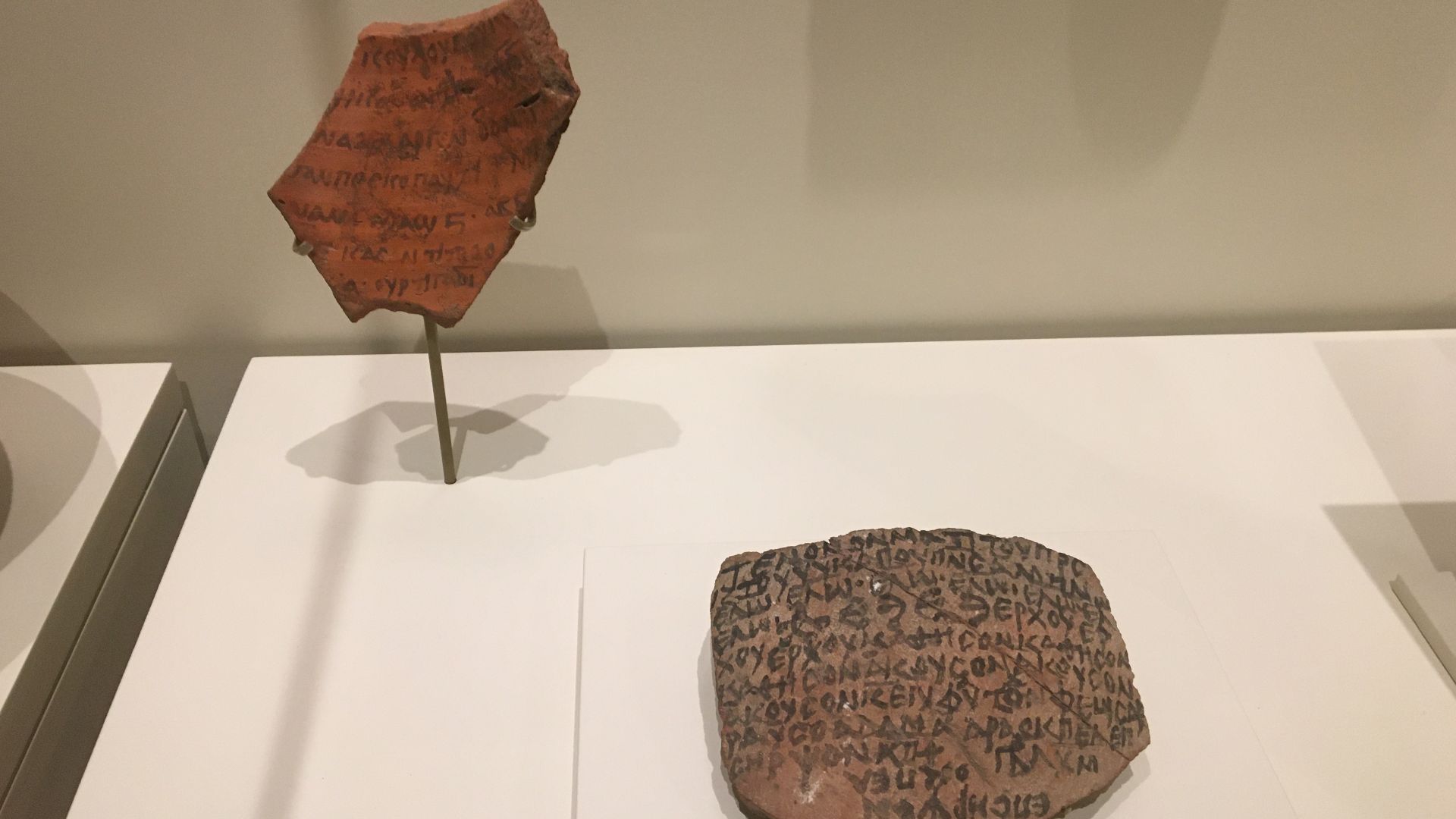
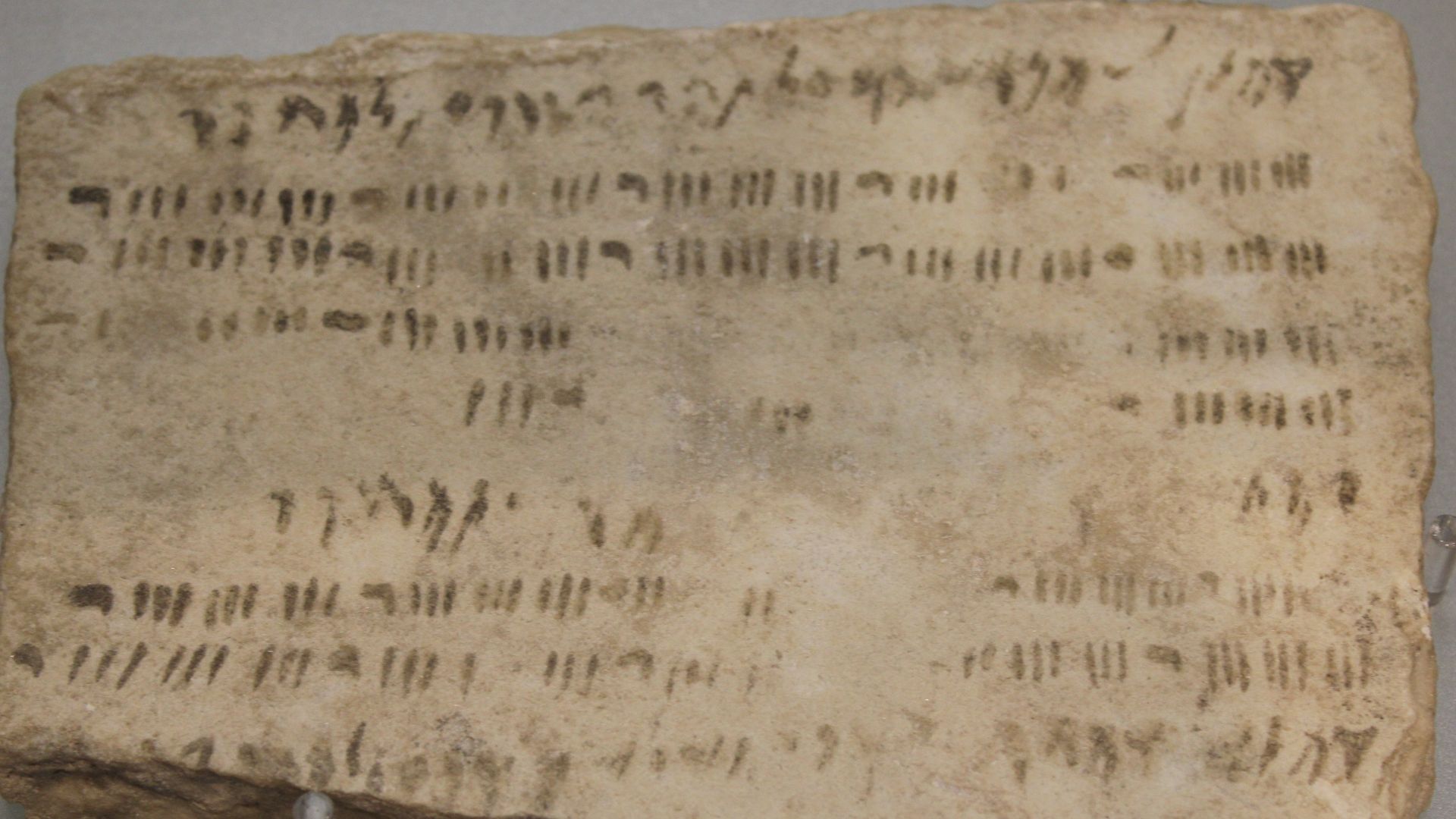
One of the most exciting discoveries was a collection of nearly 200 inscribed pottery fragments. Known as ostraca, these broken pieces were reused as inexpensive writing surfaces. Their texts preserve information that monumental inscriptions rarely record.
The Residents Wrote In Two Languages
The ostraca contain writing in both Greek and Coptic. Greek was widely used for administration and communication, while Coptic represented the Egyptian language written largely with Greek letters. Finding both languages reflects the blended cultural identity of Byzantine Egypt.
The Messages Recorded Everyday Business
The inscriptions document commercial transactions, correspondence, and other ordinary activities. They may help researchers reconstruct relationships between merchants, households, religious figures, and local officials. Few artifacts bring ancient voices so close to the present.
Dakhla Was Connected To A Larger World
Although surrounded by desert, Dakhla Oasis was not completely isolated. Routes across the Western Desert connected the oases with the Nile Valley and other settlements. Coins, imported goods, religious ideas, and written languages all reveal those wider connections.
 Vyacheslav Argenberg, Wikimedia Commons
Egypt’s History Extends Far Beyond The Nile
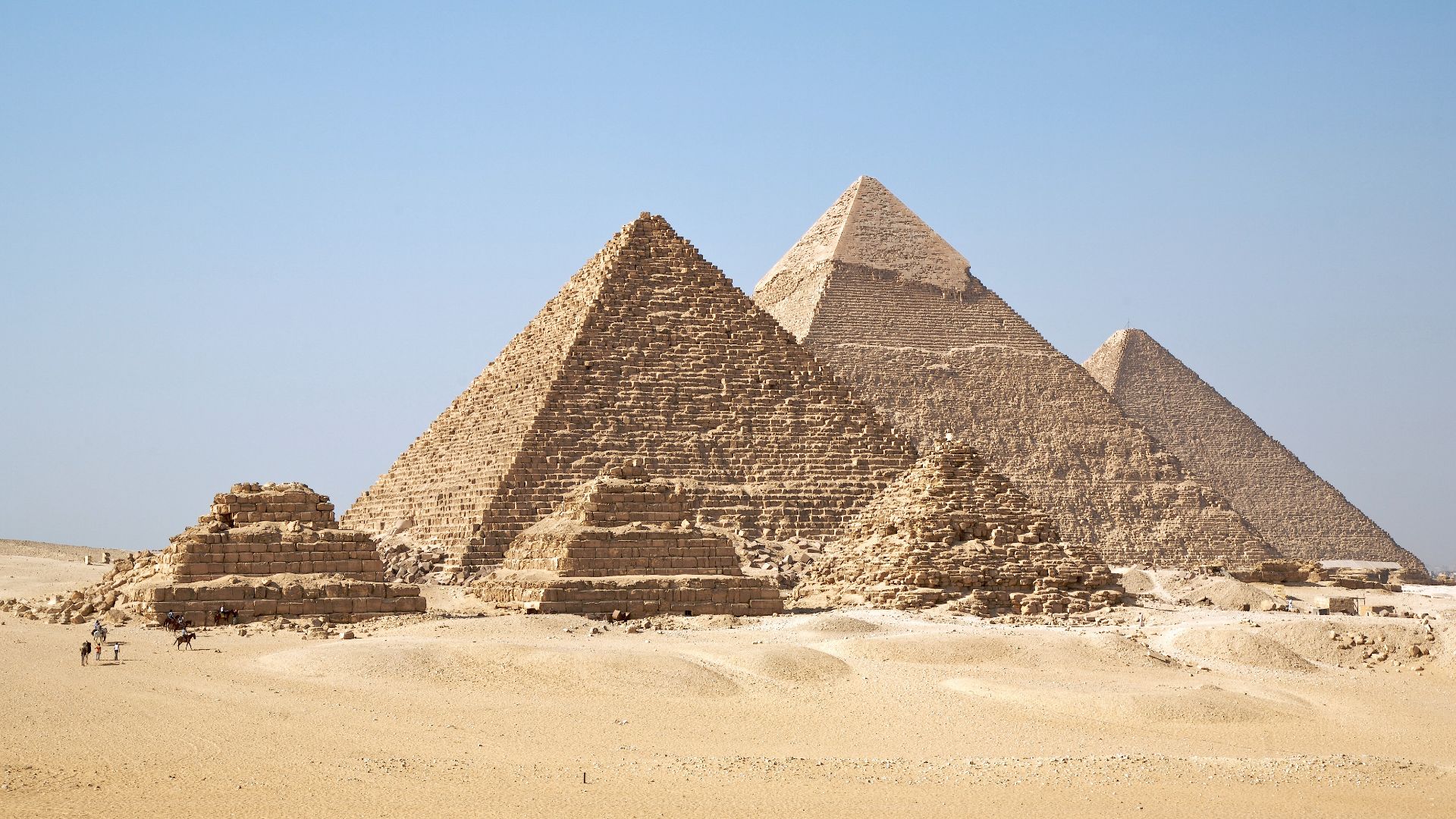
Popular images of ancient Egypt often focus on pyramids, pharaohs, and temples beside the Nile. Ain El-Sabil tells a later and very different story. It shows Christian families building homes, operating businesses, and creating an organized town deep in the desert.
 Ricardo Liberato, Wikimedia Commons
The Discovery Could Strengthen Desert Tourism
Egyptian officials believe the find could increase interest in New Valley’s archaeological attractions. The country has been promoting sites outside its most familiar tourism centers. A preserved Byzantine settlement could eventually become an important stop for travelers interested in Egypt’s lesser-known history.
 Coppermine Photo Gallery, Wikimedia Commons
The Region Has International Heritage Potential
Kharga Oasis and the smaller southern oases, including Dakhla, appear on Egypt’s UNESCO Tentative List. Inclusion on that list does not guarantee World Heritage status, but it allows a country to consider a site for future nomination. Discoveries like the one at Ain El-Sabil may strengthen appreciation for the region’s cultural importance.
 Charlie Phillips, Wikimedia Commons
The City Still Has More Stories To Tell
Researchers must now conserve the fragile mud-brick buildings and study the artifacts in greater detail. The ostraca may reveal names, transactions, and relationships that have remained unknown for centuries. Beneath Egypt’s desert, an entire community is slowly returning to history.
 Kris Sliver, Wikimedia Commons
You May Also Like:
Archaeologists Discover 140,000-Year-Old Underwater Ecosystem Linked To The Lost World Of Sundaland