The Discovery Began With Dredging
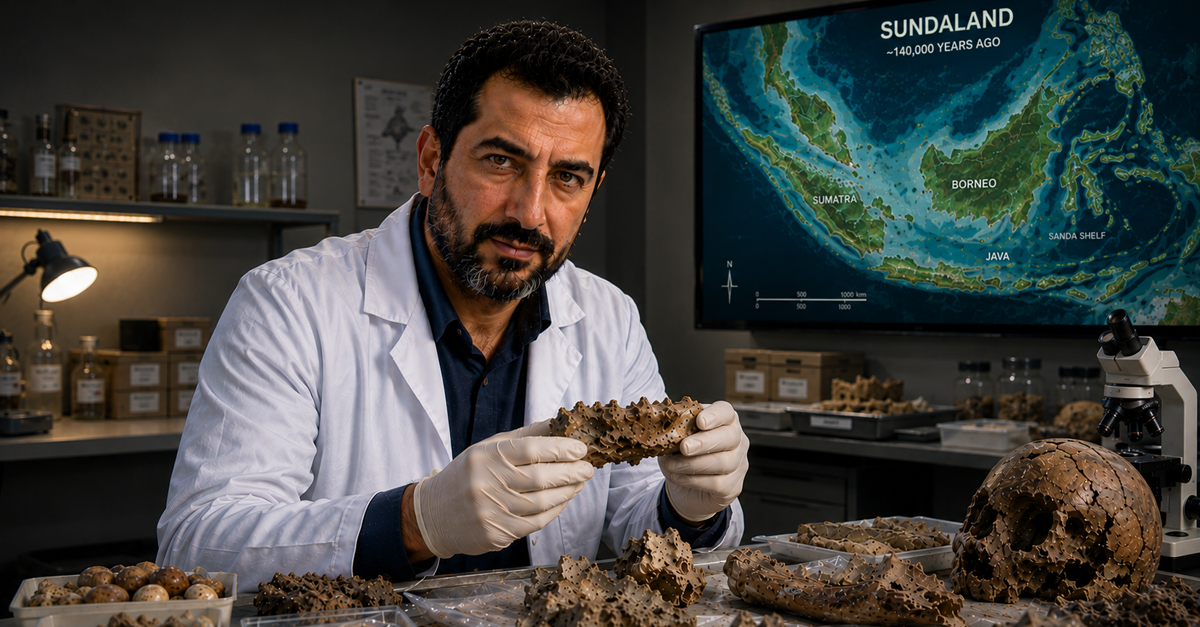
What if an entire prehistoric ecosystem was hiding beneath the ocean floor? Researchers working in Indonesia's Madura Strait uncovered thousands of fossils from a drowned landscape dating back roughly 140,000 years. Among the discoveries were remains of animals, reptiles, fish, and even Homo erectus. Together, they provide an unprecedented look at the lost world of Sundaland.
A Seabed Full Of Fossils
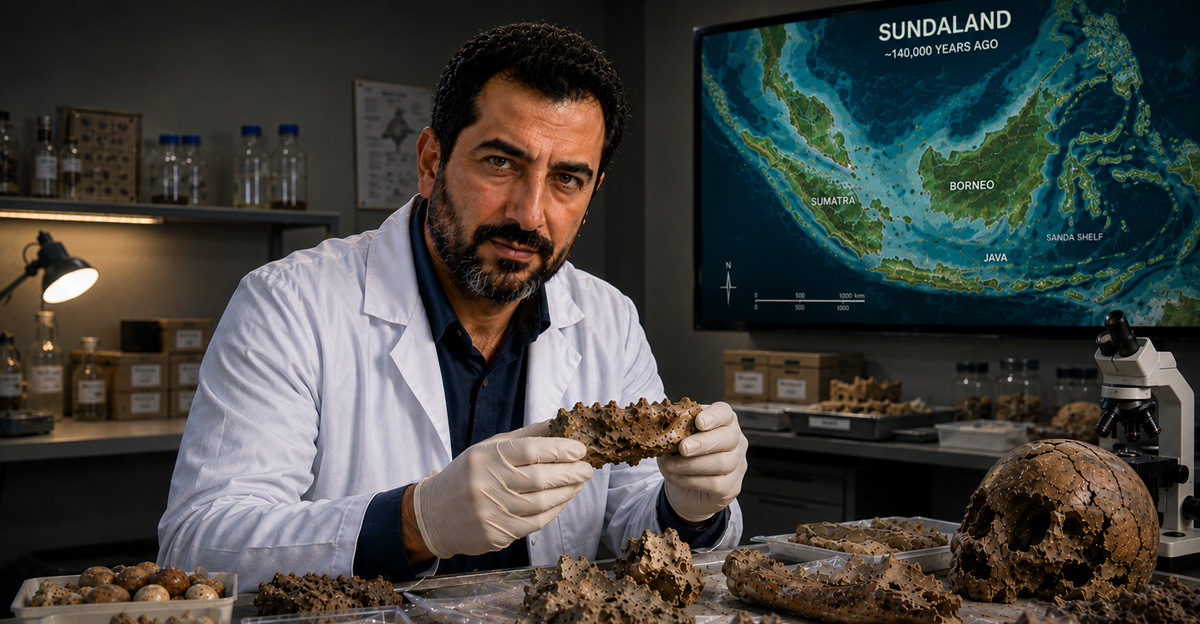
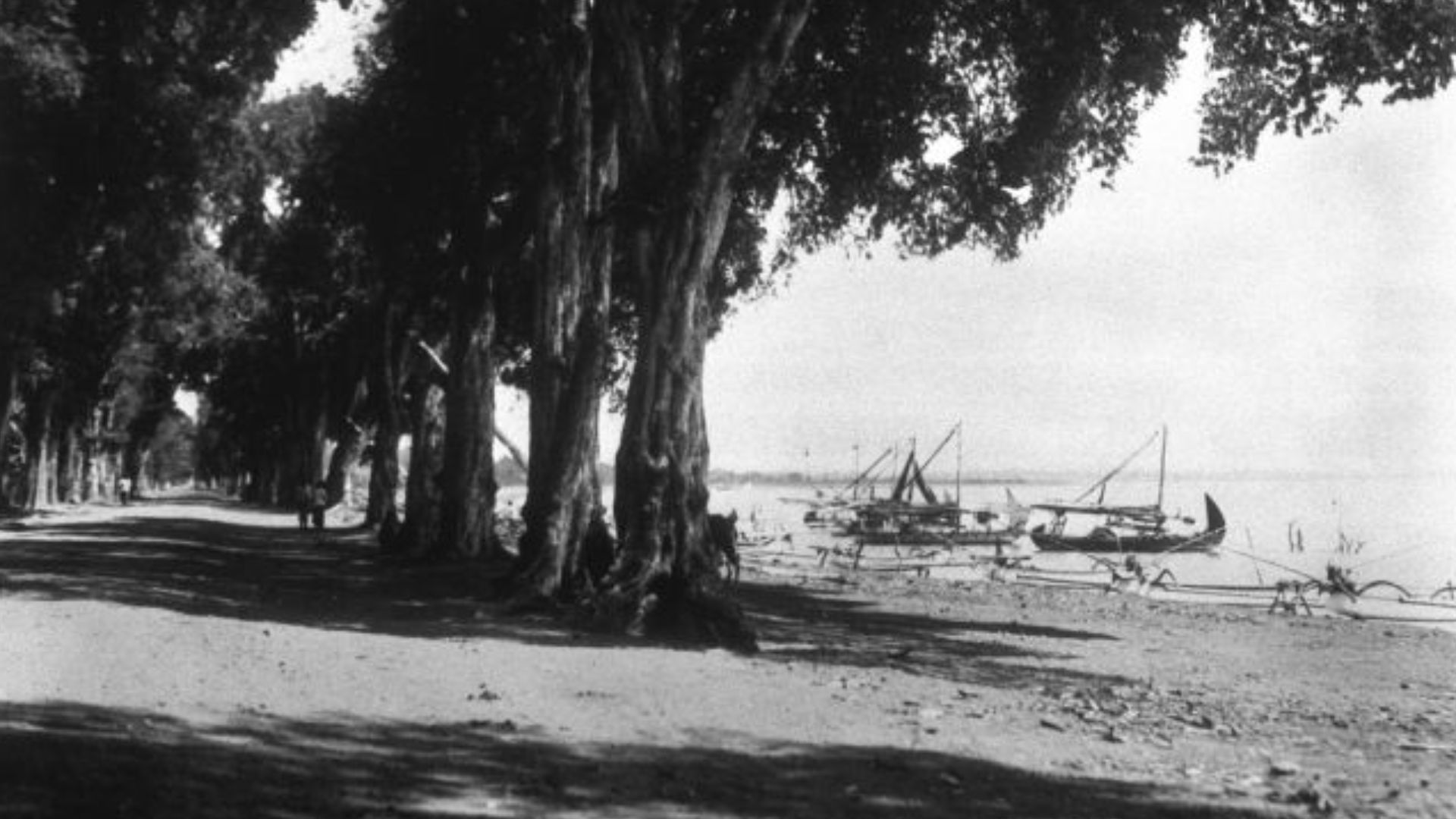
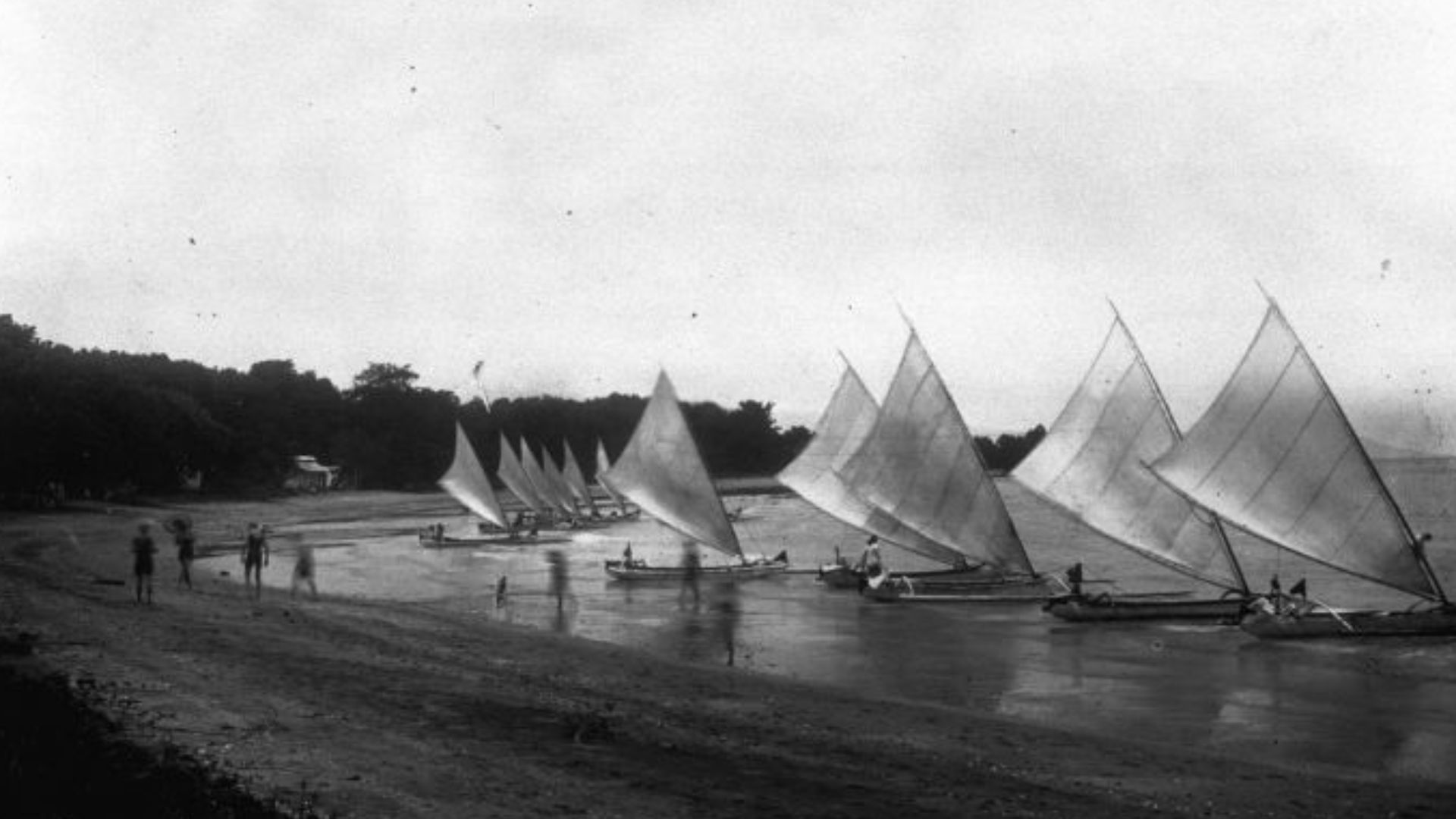
The story began during dredging operations in the Madura Strait between Java and Madura. Sand from the seabed was extracted for land reclamation projects near Gresik. Once the sediment reached land, researchers noticed something remarkable mixed within it. Thousands of ancient bones had been preserved inside the sand.
 Unknown authorUnknown author, Wikimedia Commons
The Scale Of The Find
Scientists eventually recovered more than 6,000 vertebrate fossils from the dredged material. The collection included remains from fish, reptiles, mammals, and even ancient human relatives. Such a large concentration of fossils is rare. It immediately suggested that researchers had stumbled upon a major prehistoric site.
 Unknown authorUnknown author, Wikimedia Commons
The First Evidence From A Drowned Landscape
The discovery is especially important because it represents the first known hominin locality from submerged Sundaland. Scientists have long known that vast areas of Southeast Asia were once dry land. However, direct fossil evidence from those drowned regions has been extremely difficult to obtain. This find finally provides a tangible glimpse into that lost world.
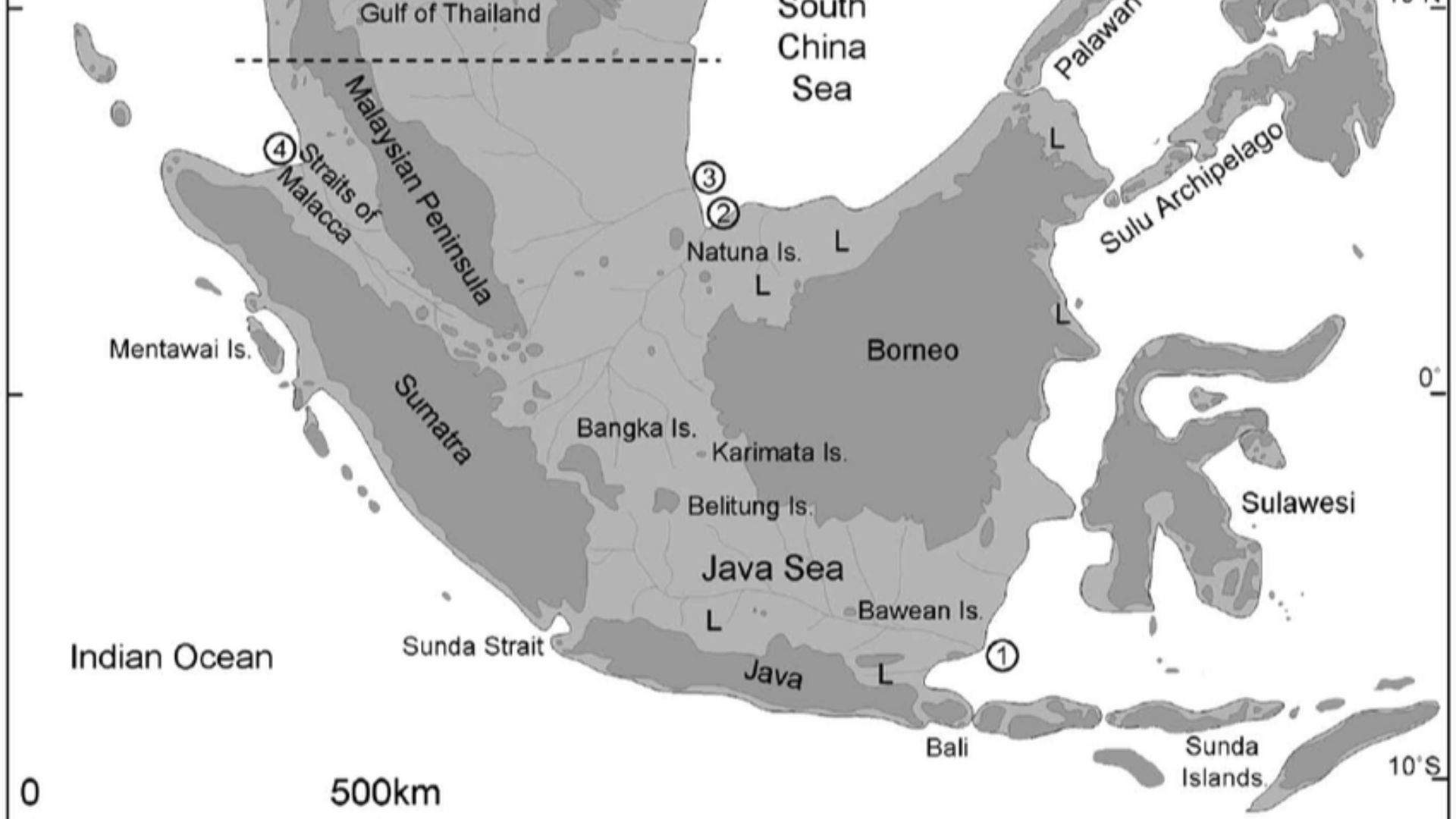
What Was Sundaland?
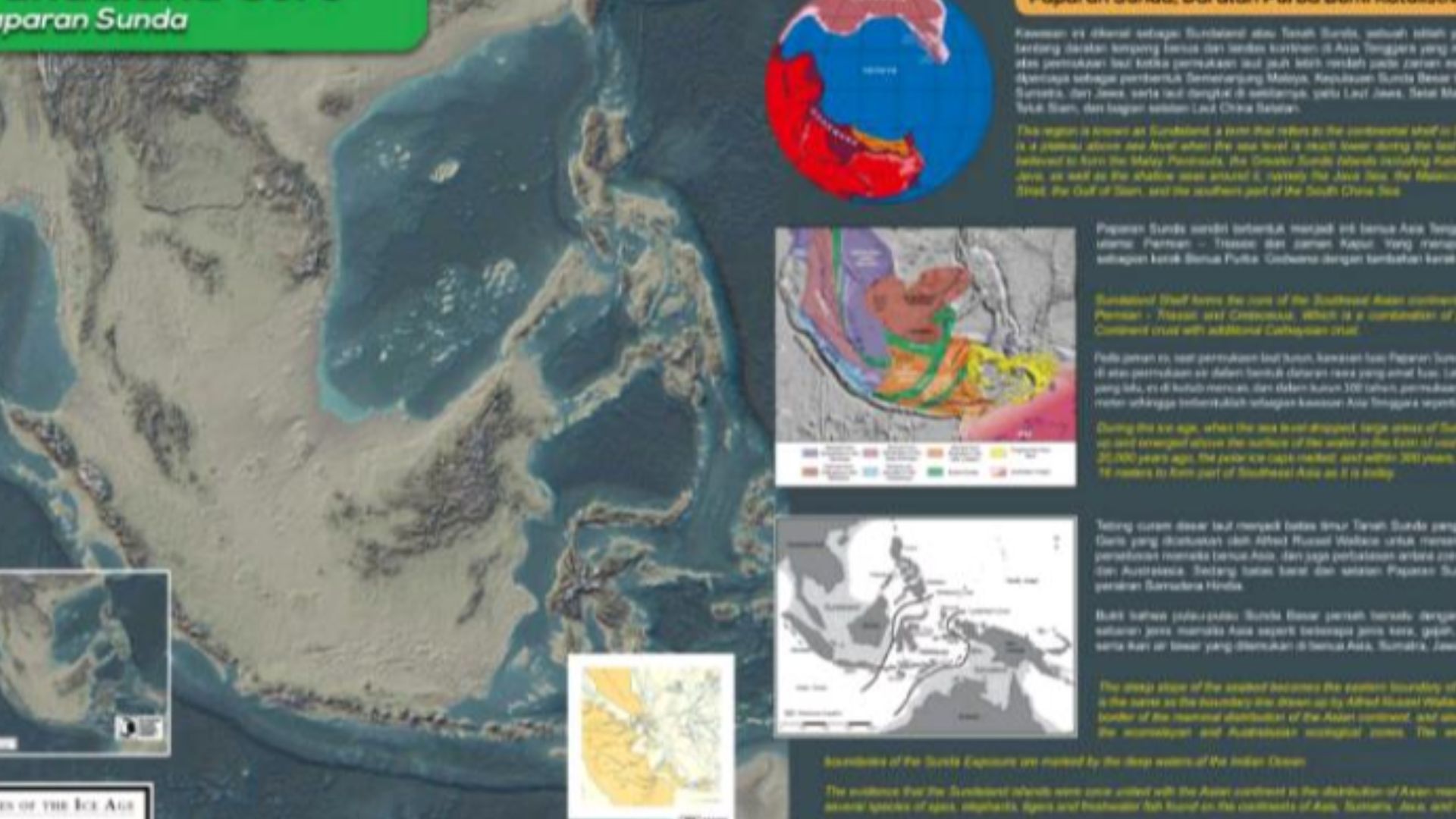
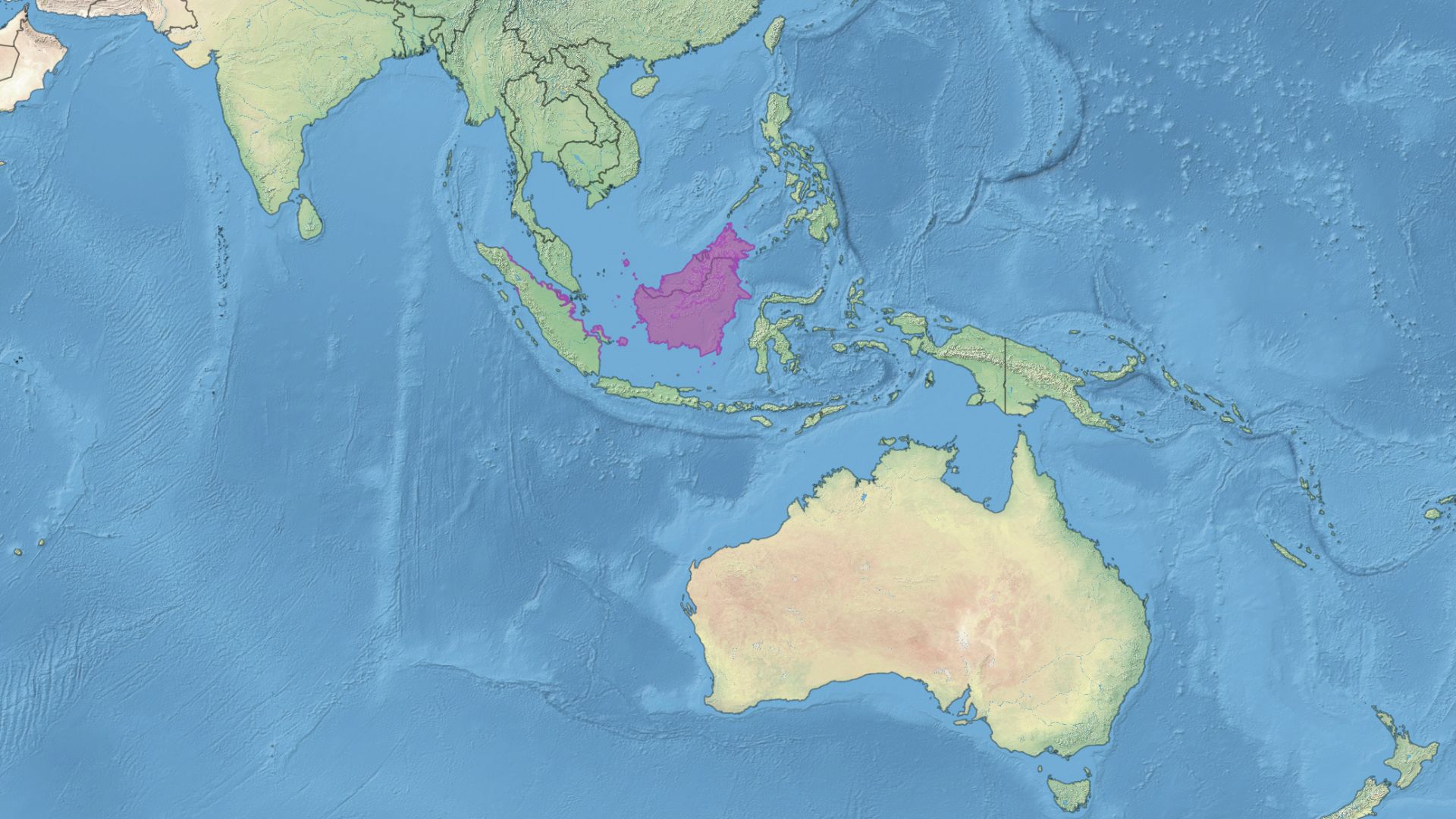
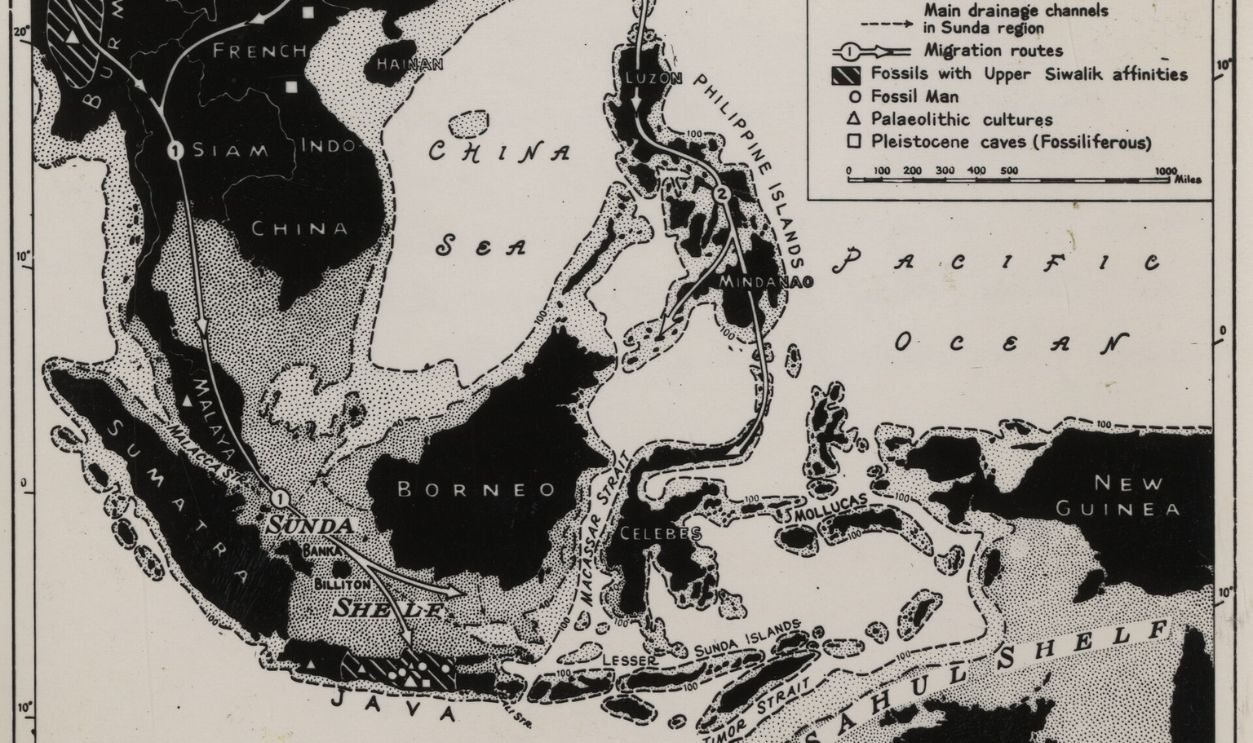
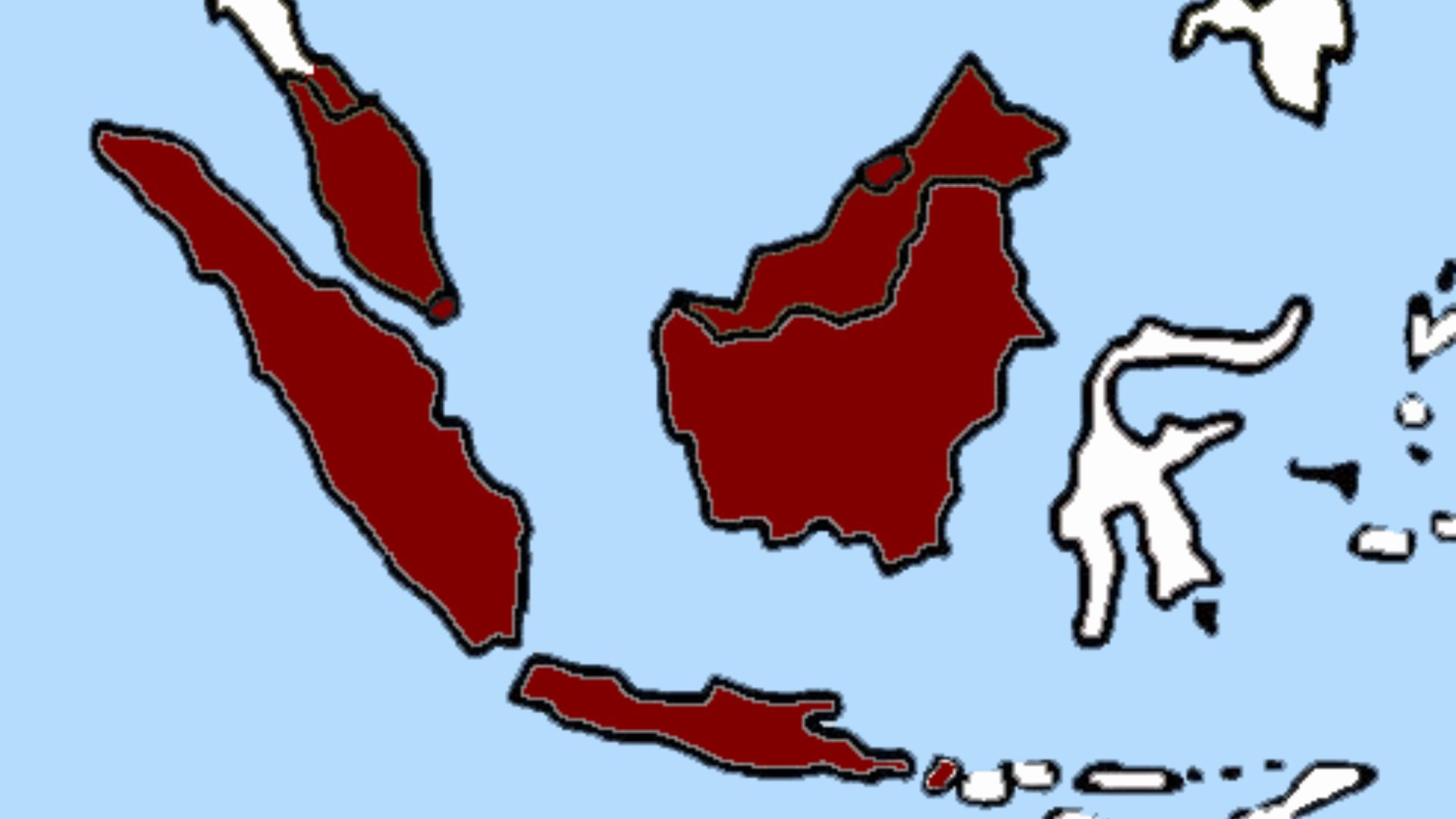
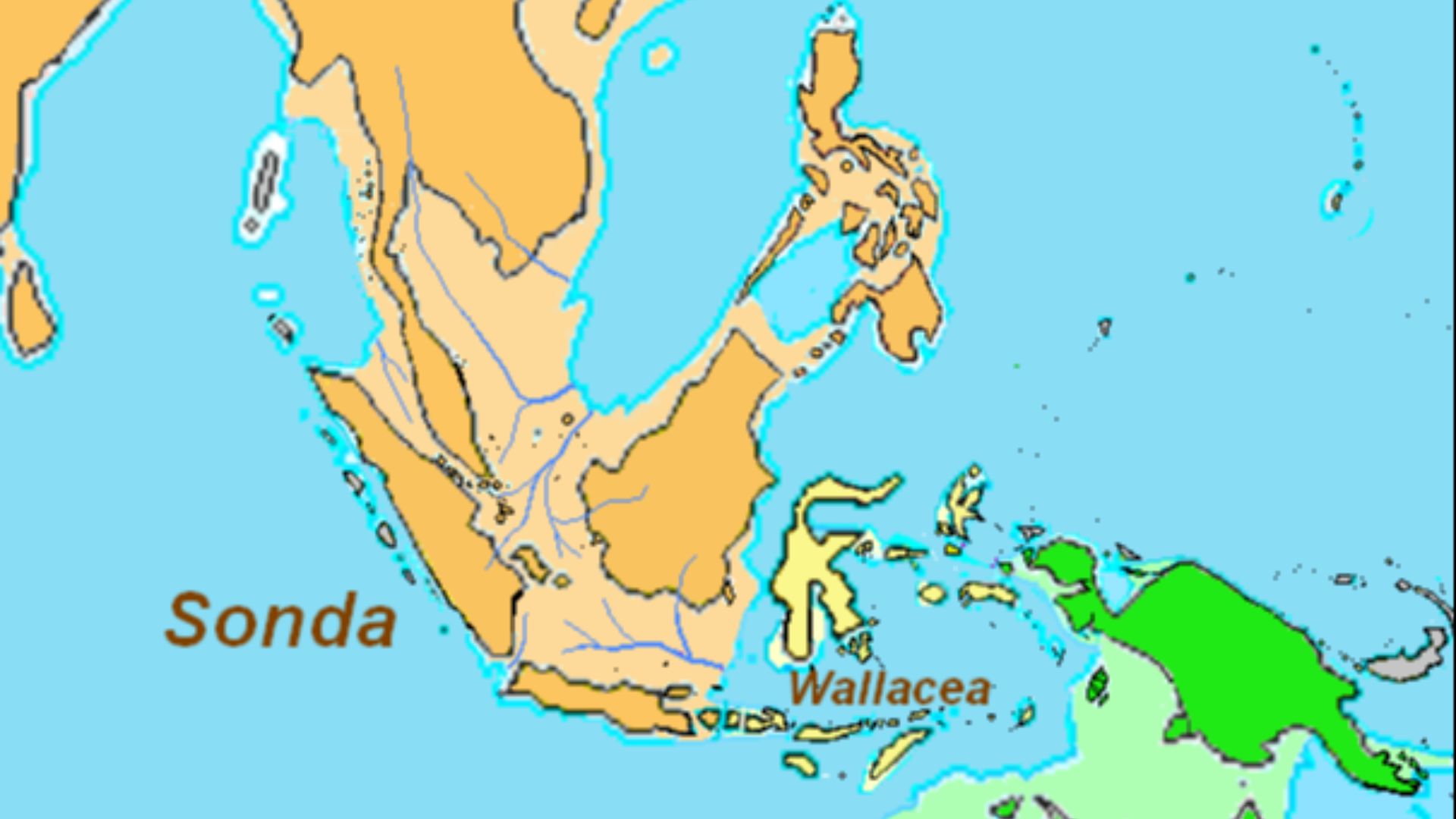
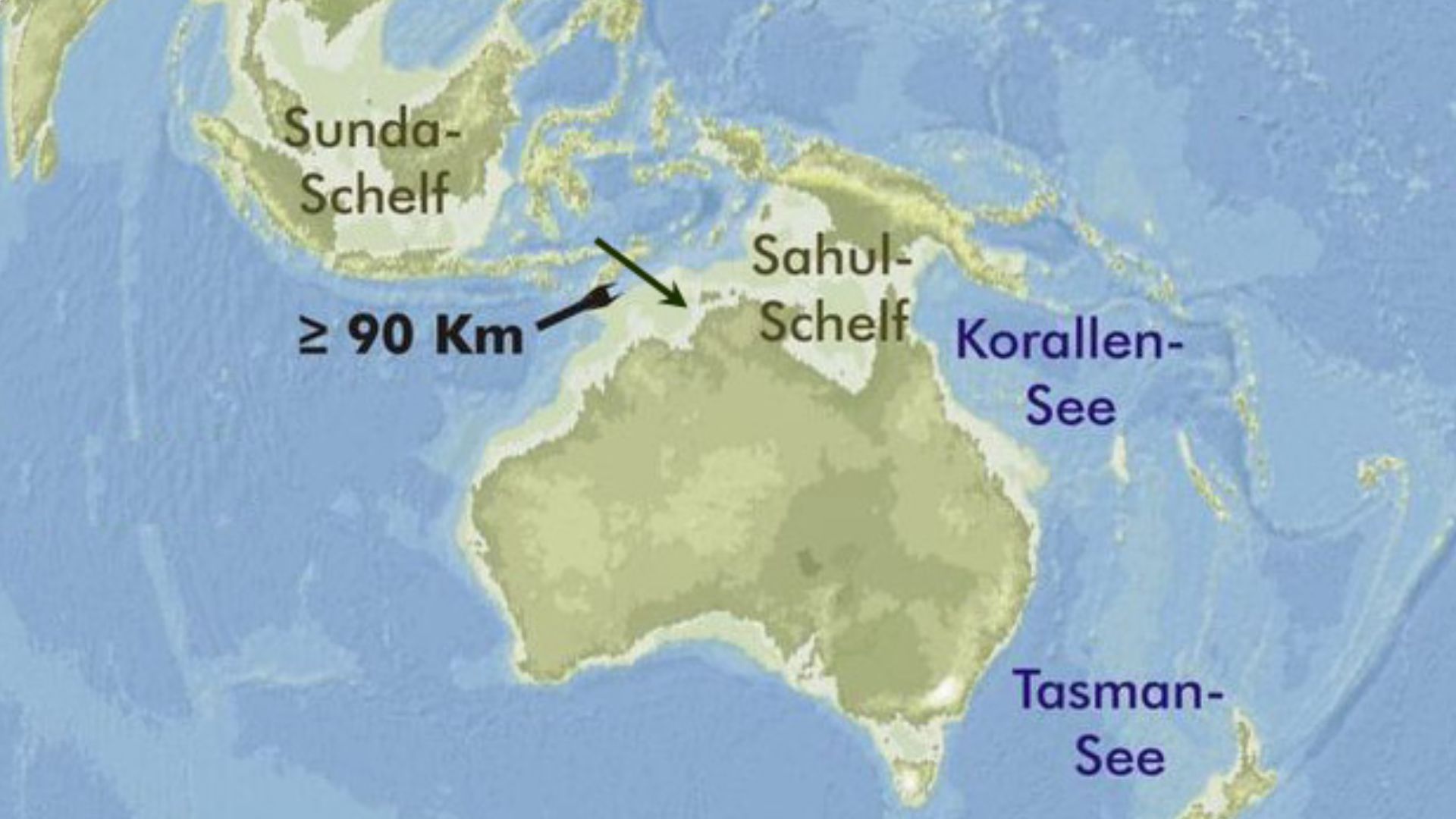
Sundaland was a huge Ice Age landmass that connected much of western Indonesia to mainland Asia. During periods of lower sea level, islands such as Java, Sumatra, Borneo, and Bali were linked by broad plains. Animals and early humans could travel freely across these landscapes. Today, most of Sundaland lies beneath shallow seas.
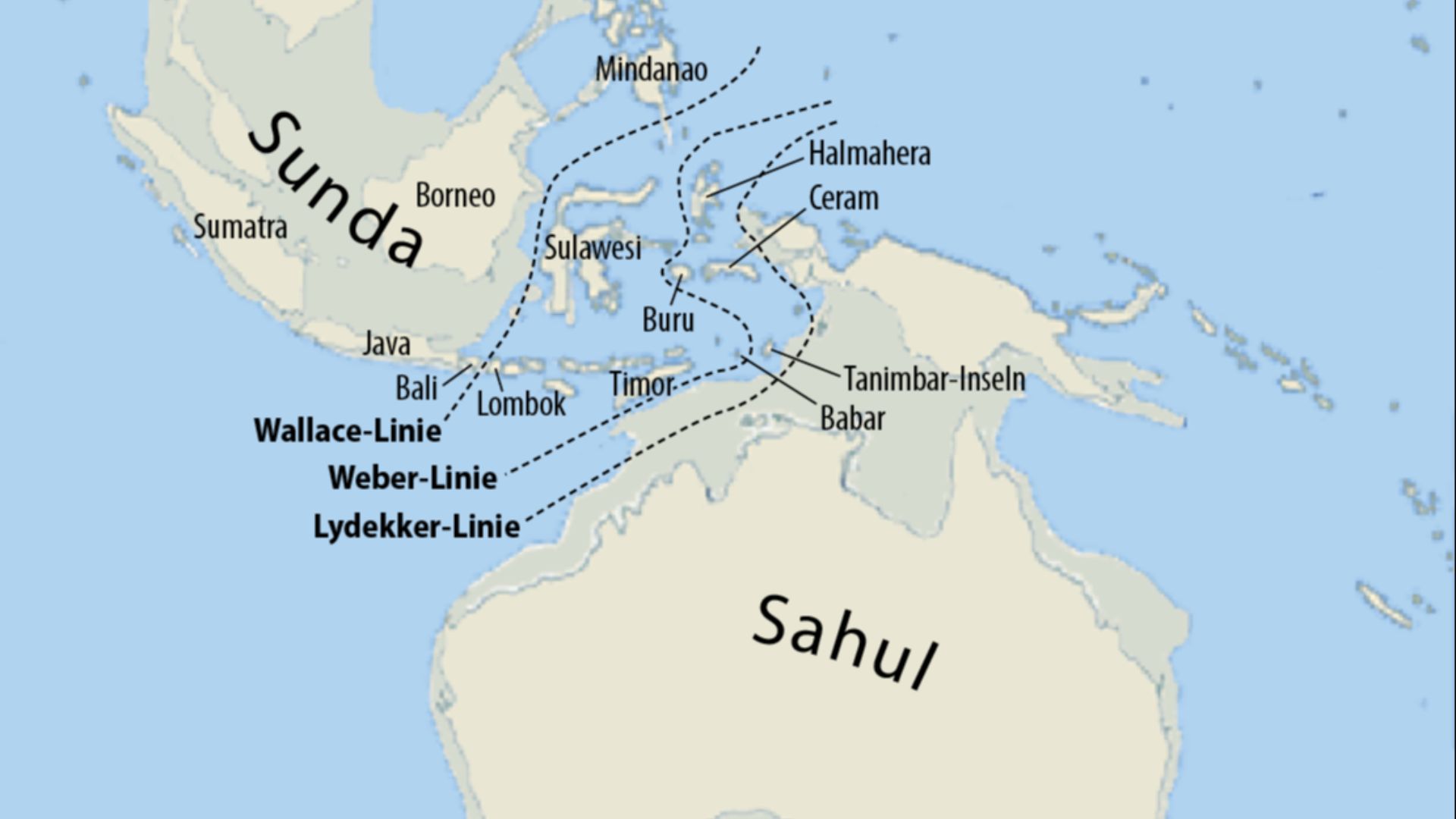 Maximilian Dörrbecker (Chumwa), Wikimedia Commons
Why The Land Disappeared
The disappearance of Sundaland was driven by changing sea levels. During glacial periods, enormous quantities of water were locked away in ice sheets. As a result, sea levels dropped dramatically. When the climate warmed and glaciers melted, rising seas flooded the exposed plains.
 Dtopeng Kingdom Group, Wikimedia Commons
Hidden Beneath The Ocean
For thousands of years, the remains of Sundaland remained hidden under water. Researchers suspected that valuable archaeological and fossil evidence might still exist there. The challenge was finding a way to access it. Dredging unexpectedly provided that opportunity.
 Martin Falbisoner, Wikimedia Commons
An Ancient River Valley
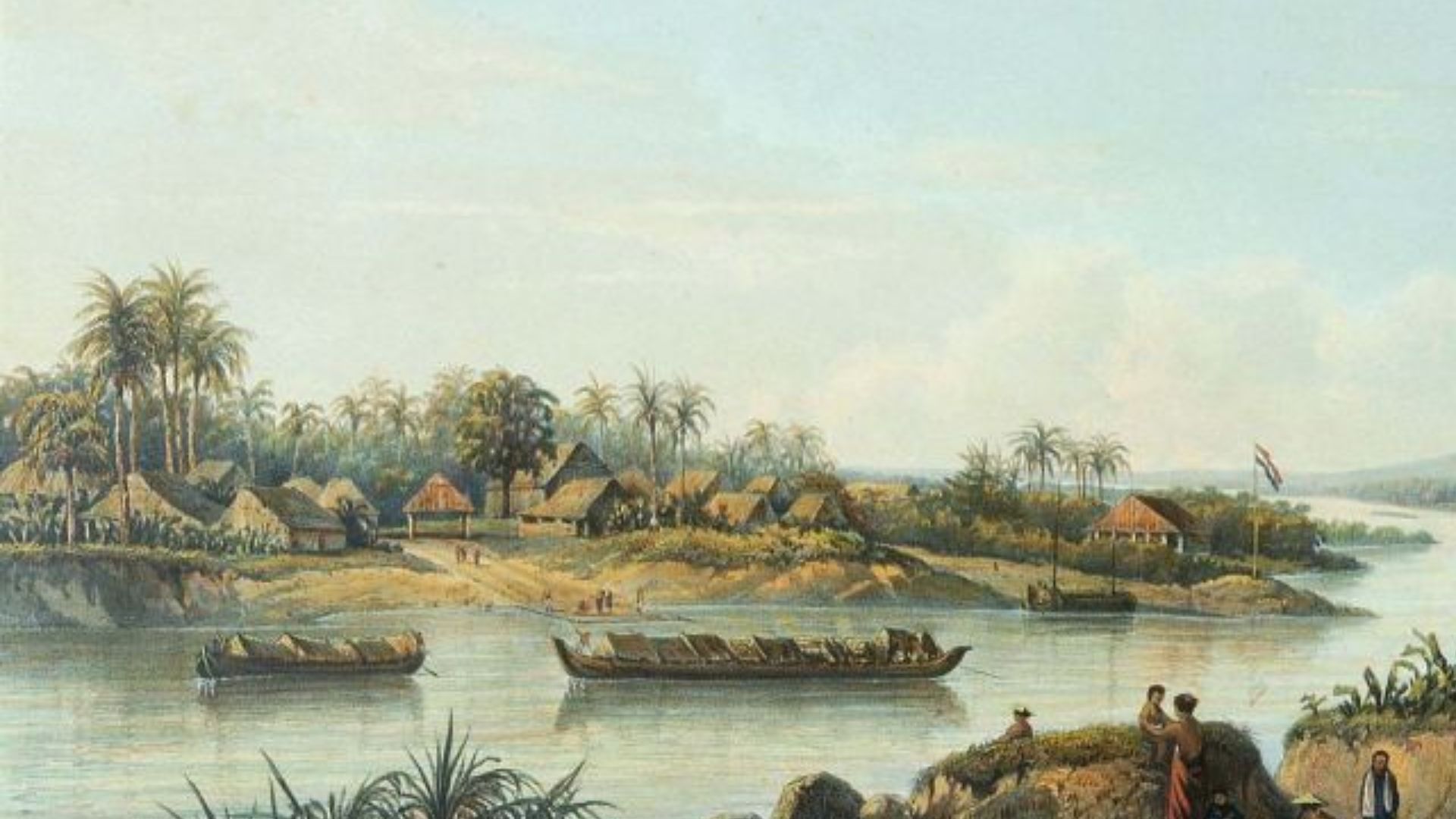
Scientists determined that the fossils came from an ancient branch of the Solo River system. Long before the sea flooded the region, the area contained active river channels and fertile floodplains. These waterways supported a wide variety of life. The river valley eventually became buried beneath marine sediments.
 Abraham Salm (Schilder)., Wikimedia Commons
Dating The Ecosystem
Researchers used advanced dating techniques to determine the age of the deposits. Their results showed that the fossil-bearing sediments formed between roughly 131,000 and 146,000 years ago. This places the site in the late Middle Pleistocene. It was a time when Homo erectus still inhabited parts of Southeast Asia.
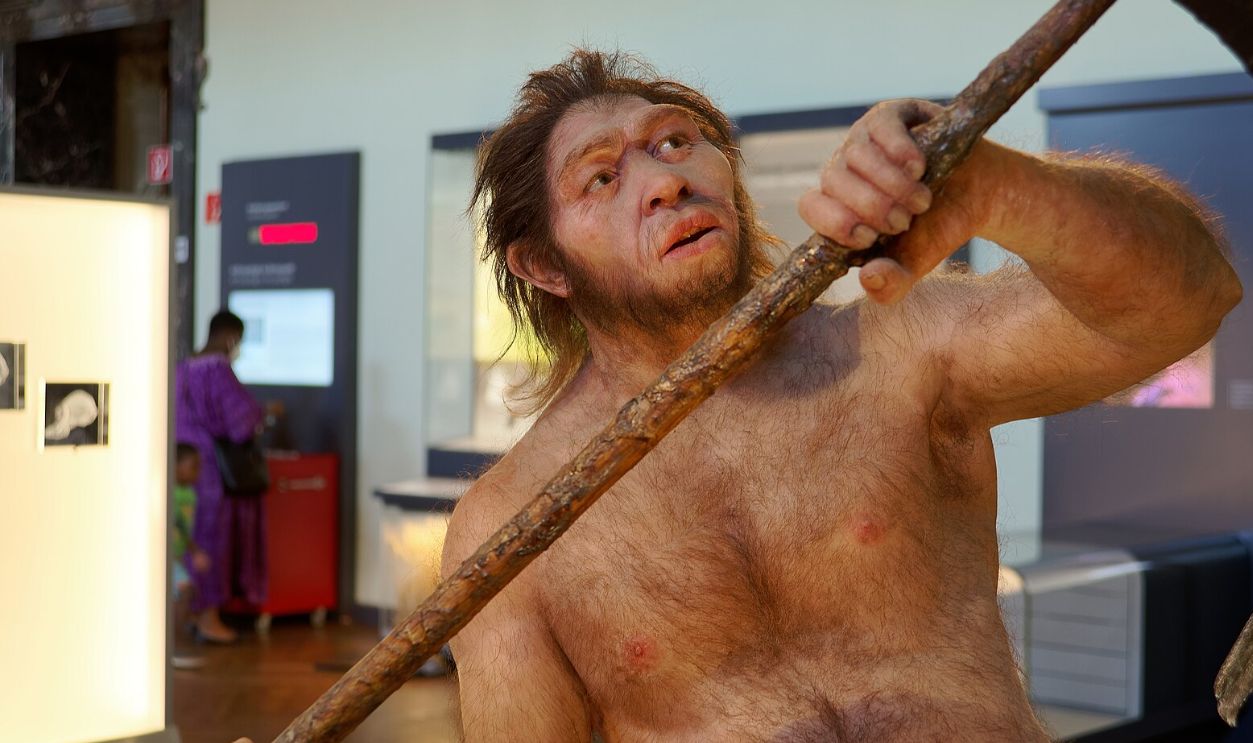 Jakub Hałun, CC BY-SA 4.0, Wikimedia Commons
Reconstructing The Environment
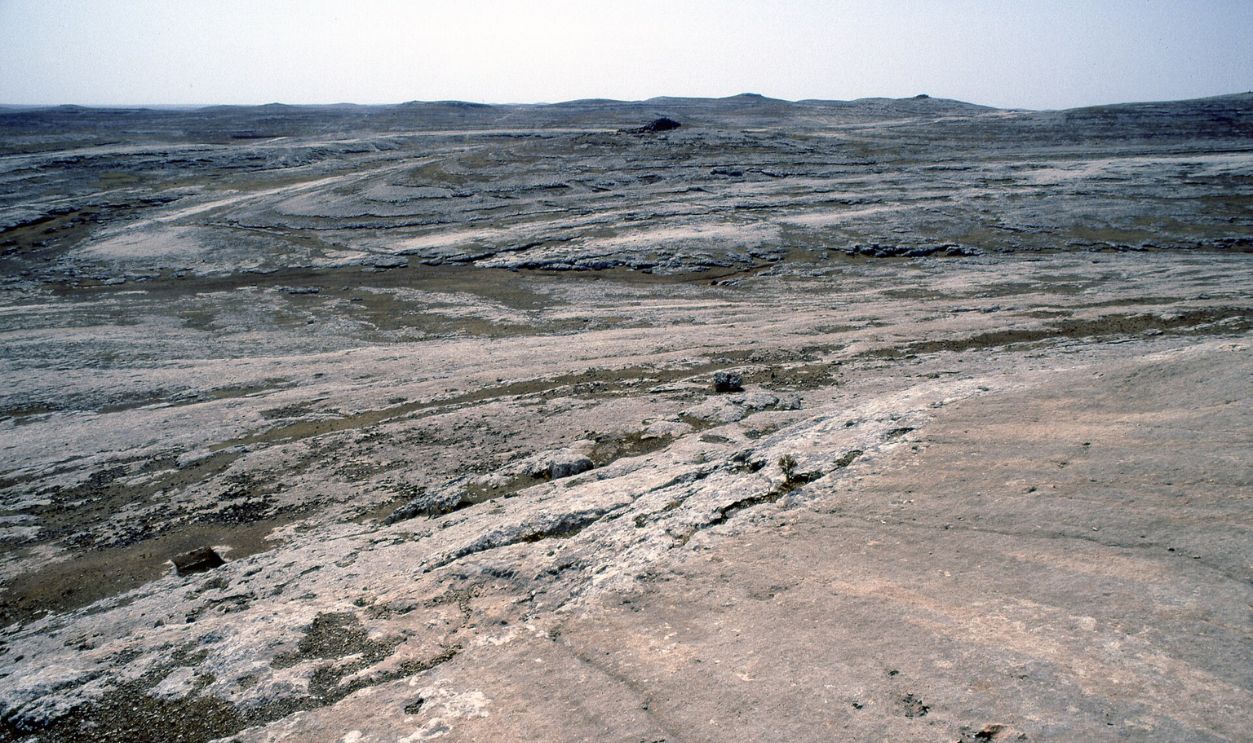
The ancient landscape was far from barren. Rivers, wetlands, and grasslands stretched across the region. Fresh water was abundant. Together, these features created ideal conditions for both wildlife and human populations.
 Dosseman, CC BY-SA 4.0, Wikimedia Commons
Enter Homo Erectus
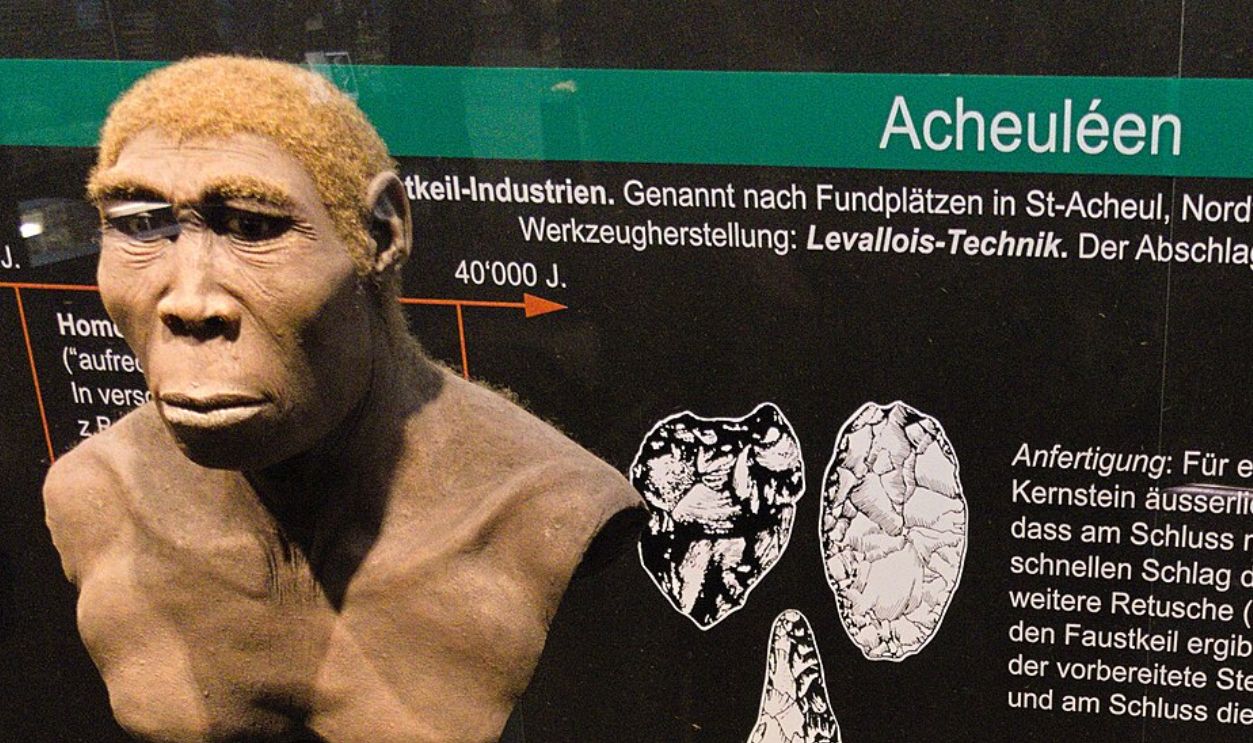
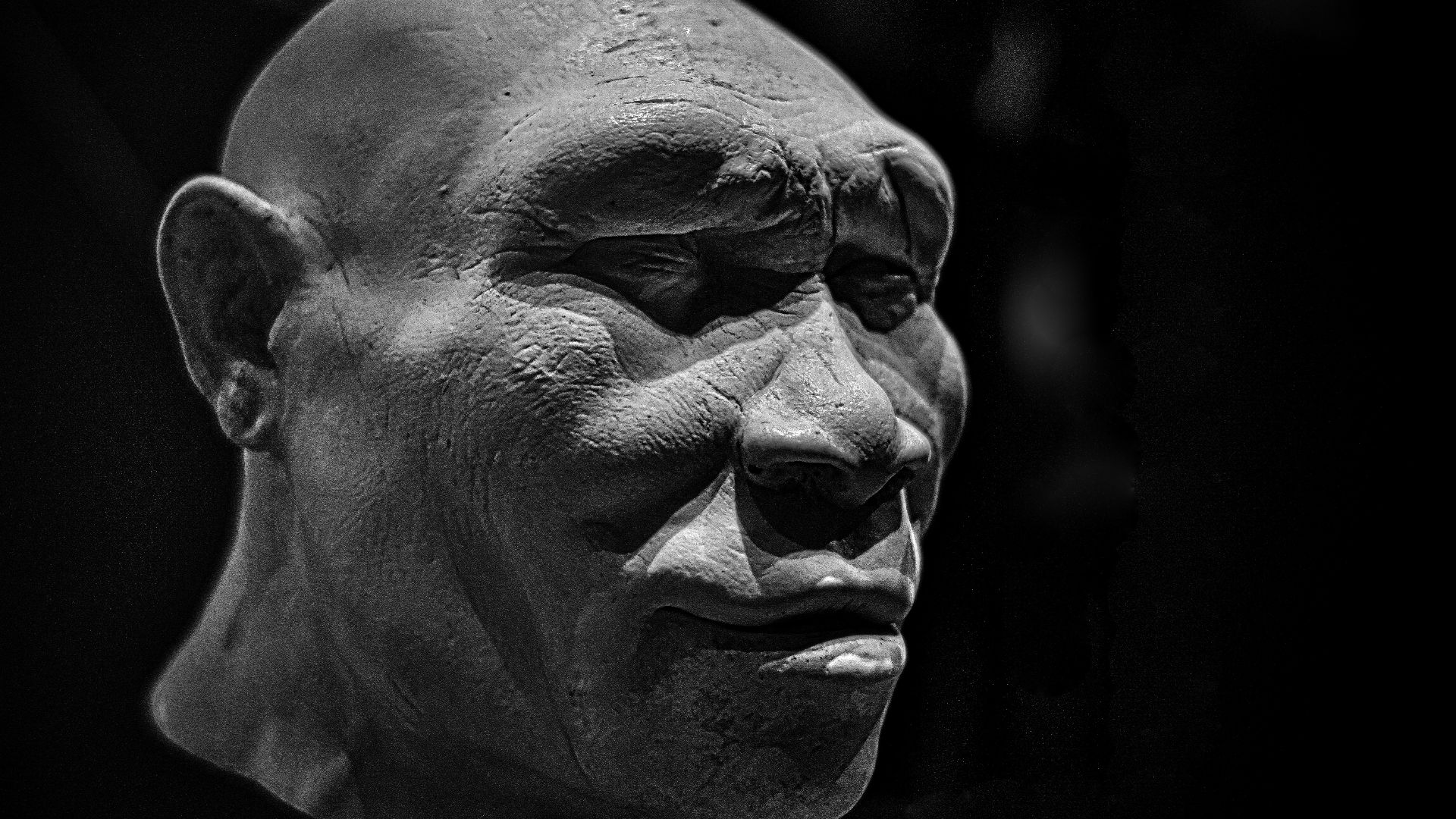
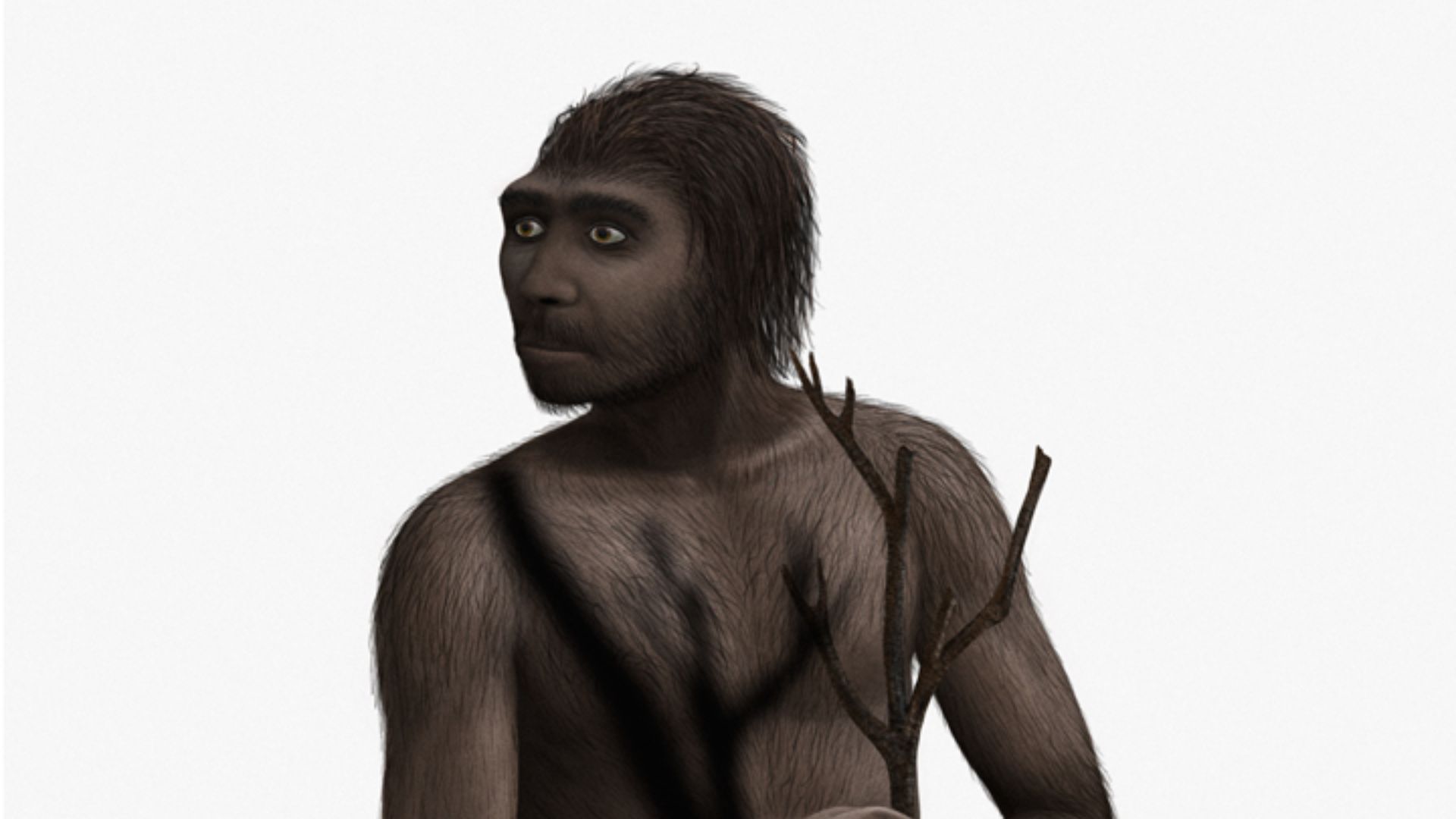
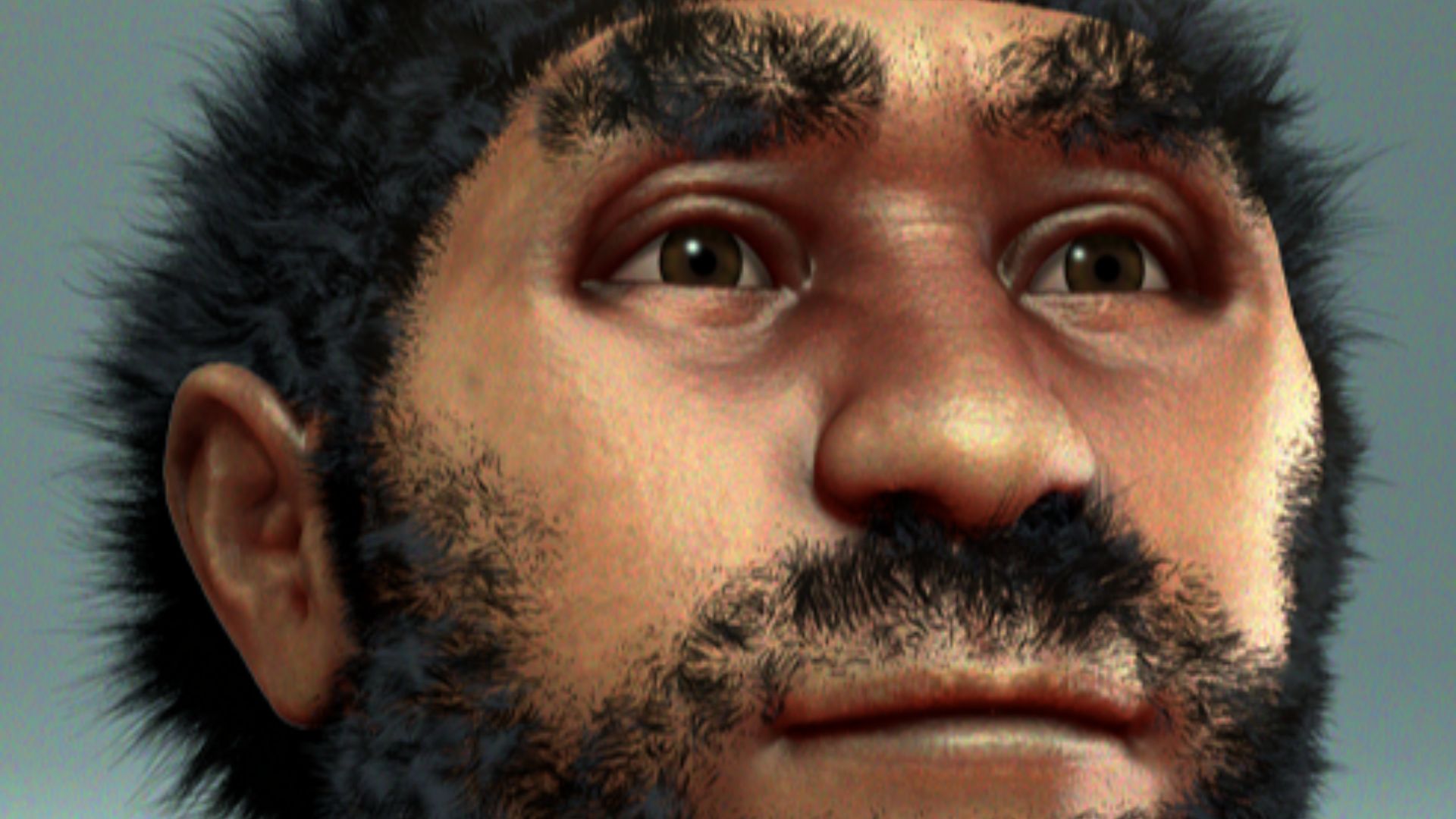
Among the most significant discoveries were two skull fragments identified as Homo erectus. This species was one of humanity's most successful early relatives. Homo erectus survived for nearly two million years and spread across large portions of Africa and Asia. The new fossils add another chapter to its story.
 Cicero Moraes, CC BY 3.0, Wikimedia Commons
Expanding The Known Range
Java already contains some of the world's most famous Homo erectus sites. Fossils from Sangiran, Trinil, and Ngandong have shaped scientists' understanding of the species for decades. The Madura Strait fossils show that Homo erectus also occupied nearby lowlands that are now underwater. This broadens the known extent of its habitat.
 Tiia Monto, CC BY-SA 3.0, Wikimedia Commons
More Than Island Residents
The discovery challenges the idea that these populations lived only on present-day islands. During periods of low sea level, the exposed plains created a continuous landscape. Early humans could move across vast areas without crossing open water. Sundaland may have functioned as a giant ecological corridor.
 Dtopeng Kingdom Group, Wikimedia Commons
A Rich Collection Of Animals
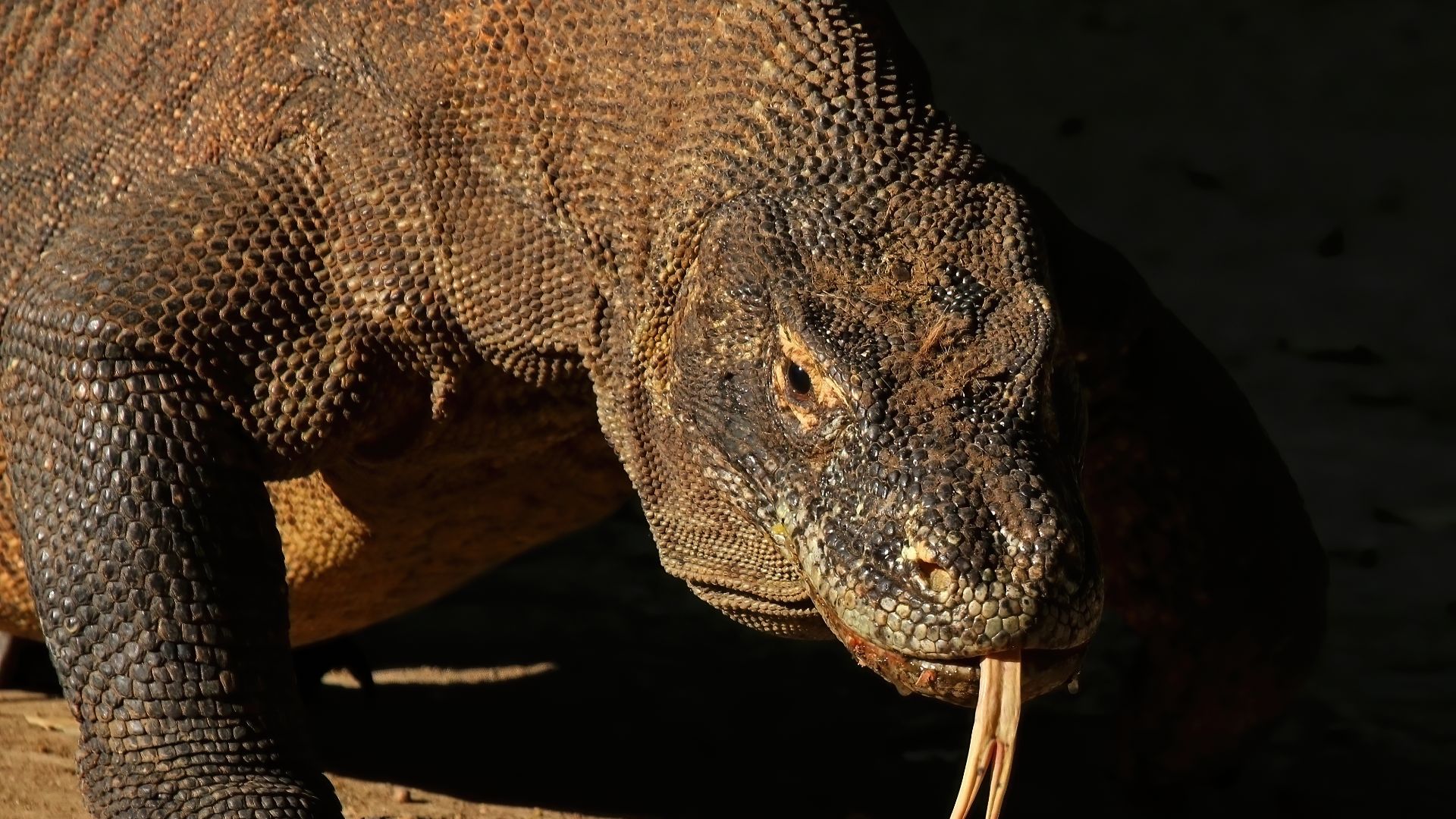
Researchers identified fossils belonging to 36 vertebrate species. The collection included aquatic creatures, reptiles, and mammals. Together, the remains reveal an ecosystem filled with biodiversity. The site provides one of the clearest snapshots of ancient life in submerged Southeast Asia.
 Charles J. Sharp, Wikimedia Commons
Giants Of The Ice Age
Several large herbivores roamed the landscape. Fossils from elephant-like Stegodon were among the discoveries. Scientists also identified buffalo and other large grazing animals. These species would have formed the foundation of the ecosystem.
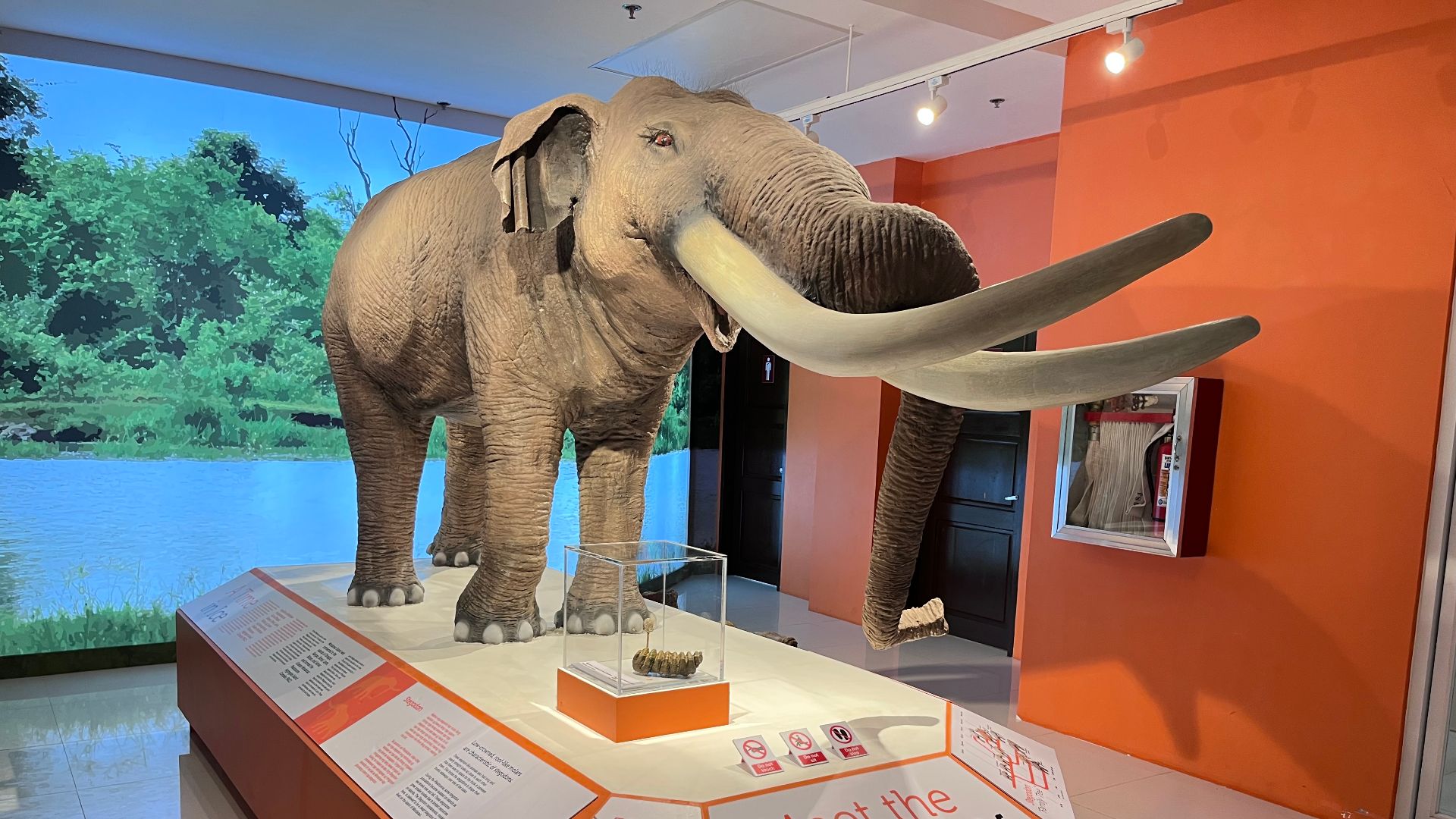 MadayawDavao, Wikimedia Commons
Reptiles Shared The Landscape
The fossil record revealed a surprising variety of reptiles. Scientists found evidence of turtle species, crocodiles, varanids, and pythons. These animals occupied different ecological niches throughout the region. Their presence points to a healthy and diverse environment.

Life In The Water
Aquatic species were equally important. Researchers recovered remains from fish and river sharks. These animals highlight the importance of waterways within the ecosystem. Rivers likely served as vital resources for both wildlife and hominins.
 Bill Harrison from Wellington, New Zealand, Wikimedia Commons
A Resource-Rich Habitat
According to researchers, the environment would have offered year-round resources. Fish, shellfish, edible plants, fruits, and seeds were readily available. Reliable water sources would have attracted animals from across the region. For Homo erectus, it was an ideal place to survive.
Evidence Of Human Activity
The fossils reveal more than the presence of early humans. Some remains show direct evidence of interaction. Researchers discovered turtle bones bearing cut marks. These marks suggest that hominins processed the animals for food.
 Dtopeng Kingdom Group, Wikimedia Commons
Breaking Bones For Nutrition
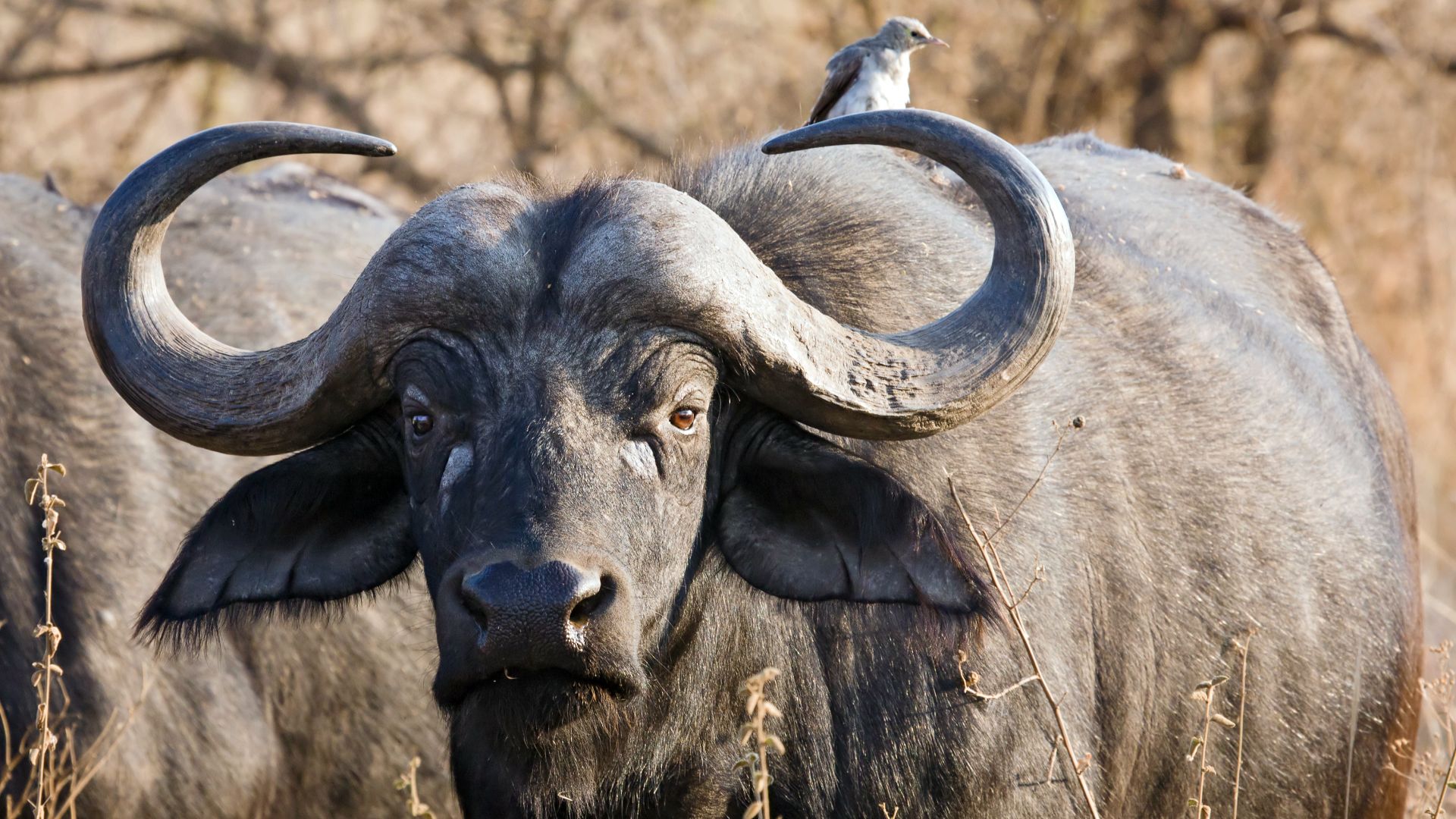
Scientists also found numerous broken bones from bovid species. Bovids include buffalo and related animals. The fracture patterns indicate deliberate breakage. Early humans were likely extracting nutrient-rich marrow from the bones.
Signs Of Active Hunting
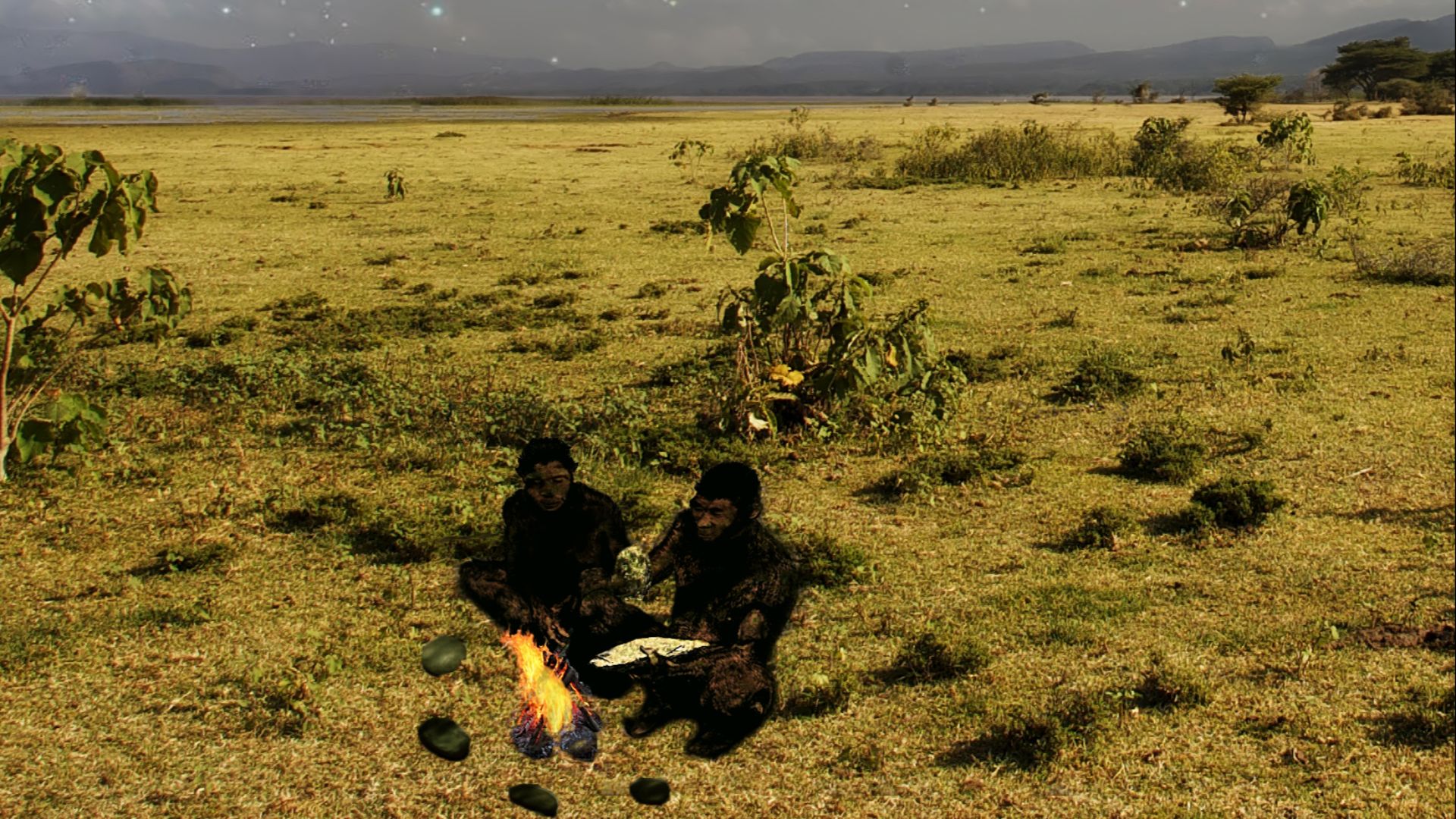
The evidence suggests something particularly interesting about hunting behavior. The animals targeted were not exclusively old, weak, or injured individuals. Many appeared healthy and physically capable. This hints that Homo erectus may have actively hunted rather than merely scavenged.
A Behavioral Surprise
Such behavior has often been associated with later human populations. The Madura Strait evidence suggests that some Homo erectus groups may have been more sophisticated hunters than previously believed. Researchers remain cautious about drawing firm conclusions. Even so, the findings raise intriguing questions.
 Werner Ustorf], Wikimedia Commons
Connections Across Asia
Scientists have proposed several explanations for these behaviors. One possibility is independent development within local populations. Another is cultural influence from other hominin groups moving through Asia. At present, the evidence does not allow definitive answers. Future discoveries may clarify the picture.
 Unknown Author, CC BY 4.0, Wikimedia Commons
The Mystery Of Missing Tools
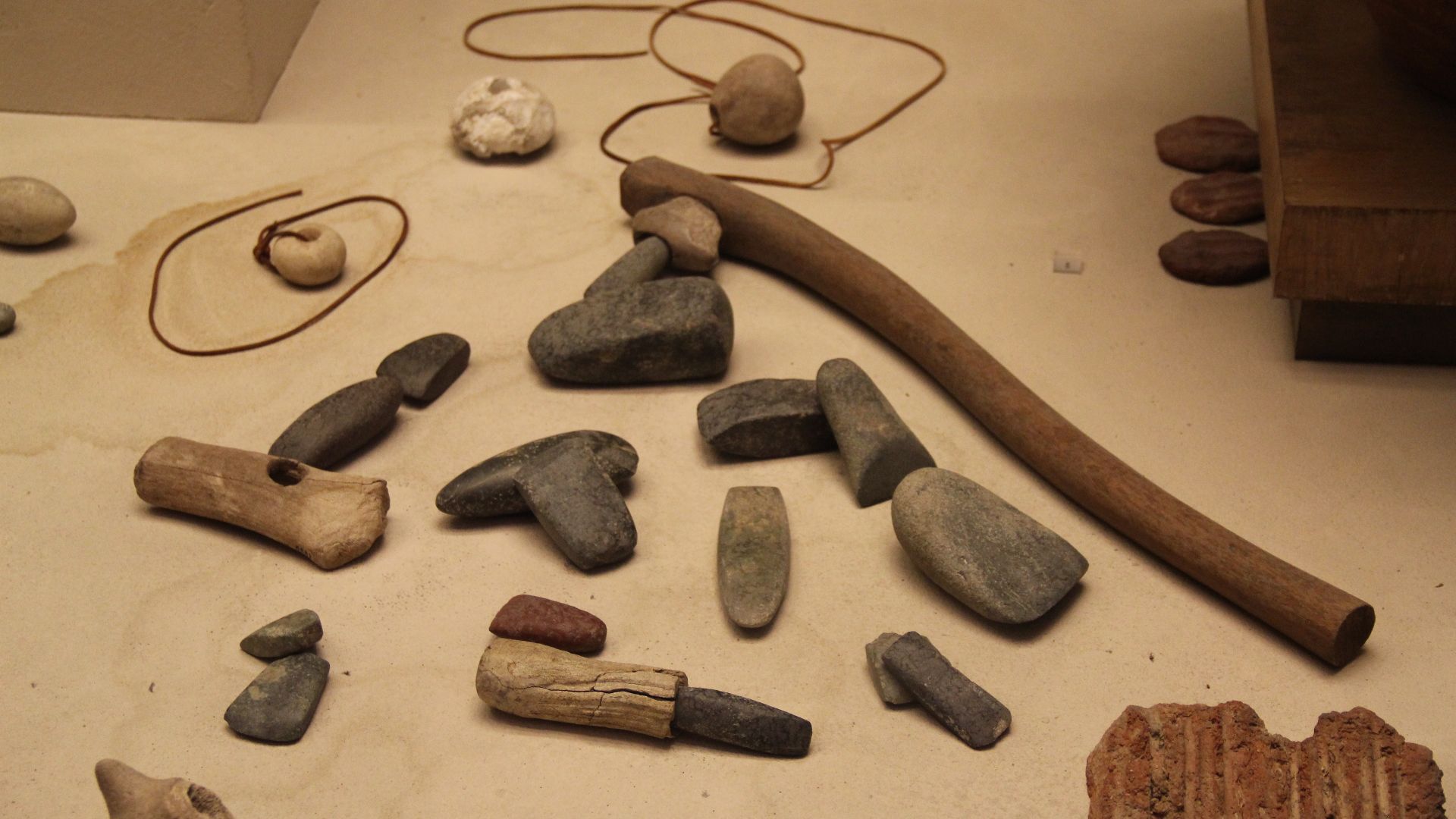
Curiously, researchers did not recover recognizable stone tools from the site. That absence does not necessarily mean tools were not used. Organic materials such as bamboo rarely survive over such long periods. Some researchers suggest that perishable tools may have played an important role.
A History Of Resourcefulness
Previous discoveries have already shown that Homo erectus used aquatic resources. Fossil shell collections from Java demonstrate that these hominins exploited river environments. The new site fits neatly into that pattern. Waterways appear to have been central to their way of life.
An Accidental Discovery
The discovery itself was never part of a planned archaeological excavation. Instead, it emerged through industrial dredging activities. Without those operations, the fossils might have remained hidden indefinitely. Sometimes major breakthroughs arrive unexpectedly.
 National Institute of Allergy and Infectious Diseases, Unsplash
Years Of Careful Work
Leiden University archaeologist Harold Berghuis spent years examining the dredged material. The process required patience and persistence. Fossils had to be identified among enormous quantities of ordinary sediment. The effort ultimately transformed a construction byproduct into a major scientific discovery.
 National Cancer Institute, Unsplash
Preserving The Collection
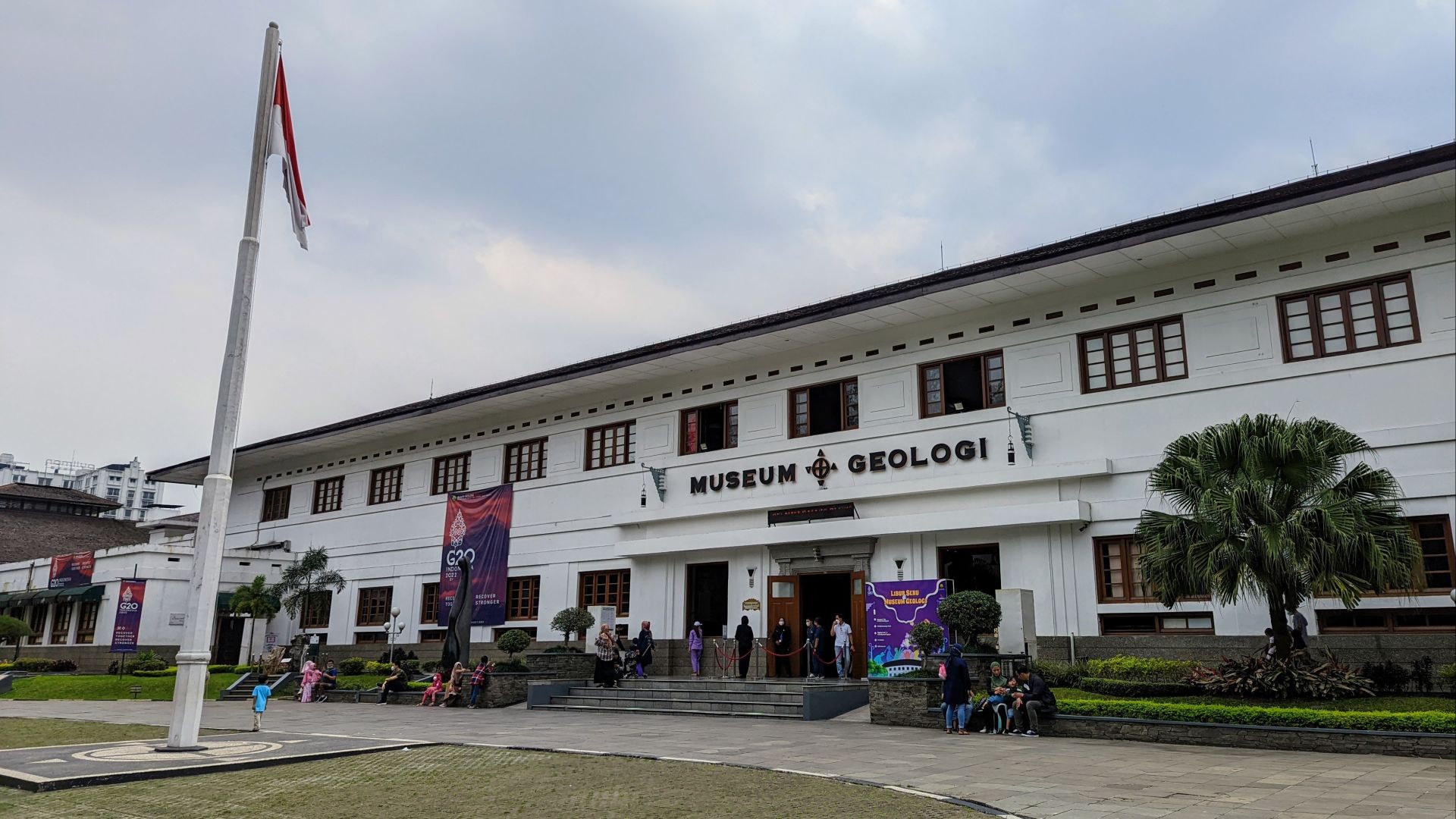
The recovered fossils were transferred to the Geological Museum in Bandung. There, researchers can continue studying the material. Proper preservation ensures that future scientists will have access to the collection. It also helps safeguard the site's scientific value.
 KemejaAmir8876, Wikimedia Commons
Multiple Studies Built The Case
The discovery was not based on a single piece of evidence. Researchers conducted several complementary studies. These investigations examined geology, fossil identification, dating methods, and ecological reconstruction. Together, they created a convincing picture of the ancient environment.

Understanding The Geology
Geological analysis revealed how the fossils became preserved. The remains were buried within sediments deposited by an ancient river system. Over time, changing conditions sealed the deposits beneath newer layers. This protected them for more than 100,000 years.
Establishing The Timeline
Optically stimulated luminescence dating played a key role in the research. This technique measures when sediment grains were last exposed to sunlight. By applying it to the deposits, scientists established a reliable age range. The method helped anchor the entire discovery in time.
 National Institute of Allergy and Infectious Diseases, Unsplash
Before The Sea Returned
The fossils capture a moment just before rising waters transformed the landscape. Rivers still flowed across the plains. Large animals grazed nearby. Homo erectus populations shared the environment with a wide variety of species.
A Lost Migration Route
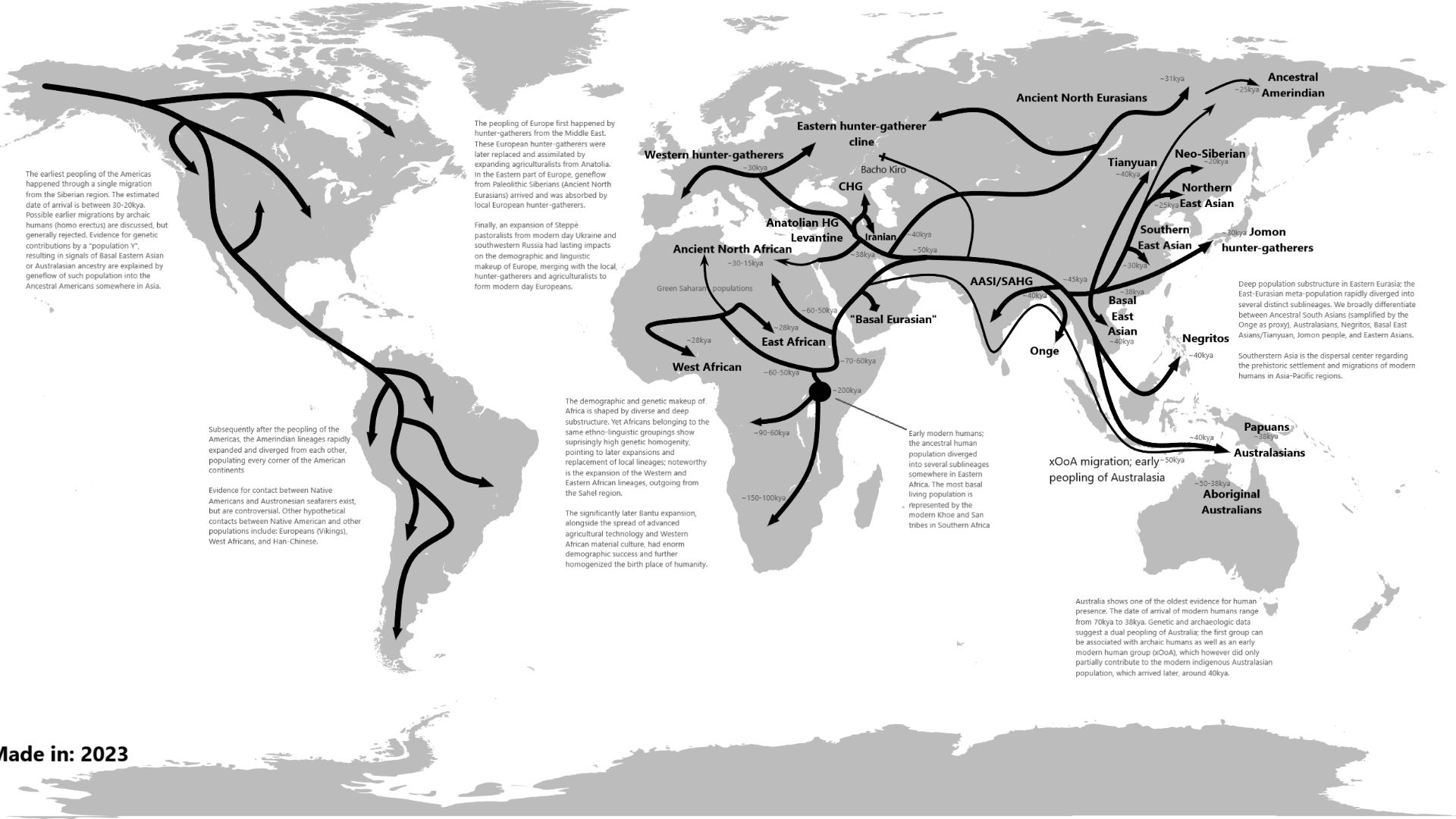
Sundaland was more than a habitat. It also served as a major migration corridor. Animals and hominins could travel across connected lowlands stretching hundreds of miles. The discovery helps researchers understand how populations moved through Southeast Asia.
 National Institute of Allergy and Infectious Diseases, Unsplash
Filling A Major Gap
For decades, scientists recognized that submerged landscapes represented a missing chapter in human history. Evidence from those drowned regions remained frustratingly scarce. The Madura Strait fossils help fill that gap. They provide direct proof that important ecosystems existed where ocean waters now lie.
 Sakurai Midori, Wikimedia Commons
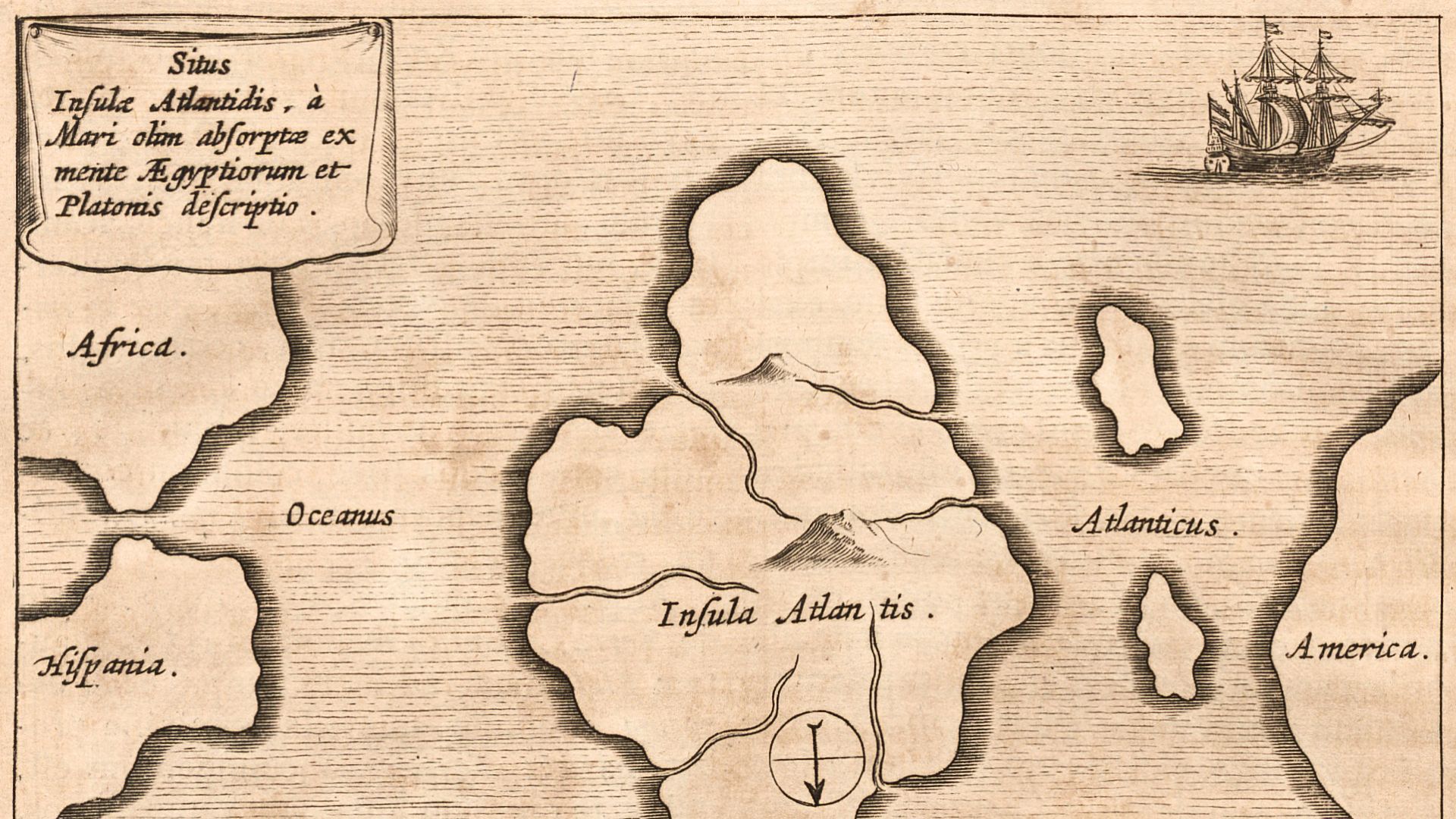
Not Atlantis
Sensational headlines often compare discoveries like this to Atlantis. The comparison is misleading. Researchers found no evidence of cities, monuments, or advanced civilizations. What they uncovered was something equally fascinating: a genuine prehistoric ecosystem frozen in time.
 Athanasius Kircher, Wikimedia Commons
Reconstructing A Food Web
The fossil collection allows scientists to examine relationships between species. Predators, herbivores, reptiles, fish, and hominins all appear within the assemblage. Together, they reveal the structure of a functioning ecosystem. Few submerged sites offer such detail.
 NPS Natural Resources, Wikimedia Commons
Life Revolved Around Water
Rivers served as the heart of the landscape. They supplied drinking water and attracted wildlife. They also provided transportation routes and food resources. It is no surprise that Homo erectus populations gravitated toward these environments.
 Cicero Moraes, Wikimedia Commons
Beyond Modern Coastlines
Modern maps can sometimes distort our understanding of ancient geography. Today's coastlines did not exist during many Ice Age periods. The Madura Strait discovery reminds us that entire landscapes have vanished beneath the sea. Those hidden regions may contain many more archaeological treasures.
The Animals Tell A Bigger Story
Many species identified at the site no longer inhabit the region today. Some are extinct altogether. Their remains help scientists reconstruct ancient climates and habitats. Every fossil contributes another piece to the puzzle.
 Didier Descouens, Wikimedia Commons
Tiny Fossils, Huge Importance
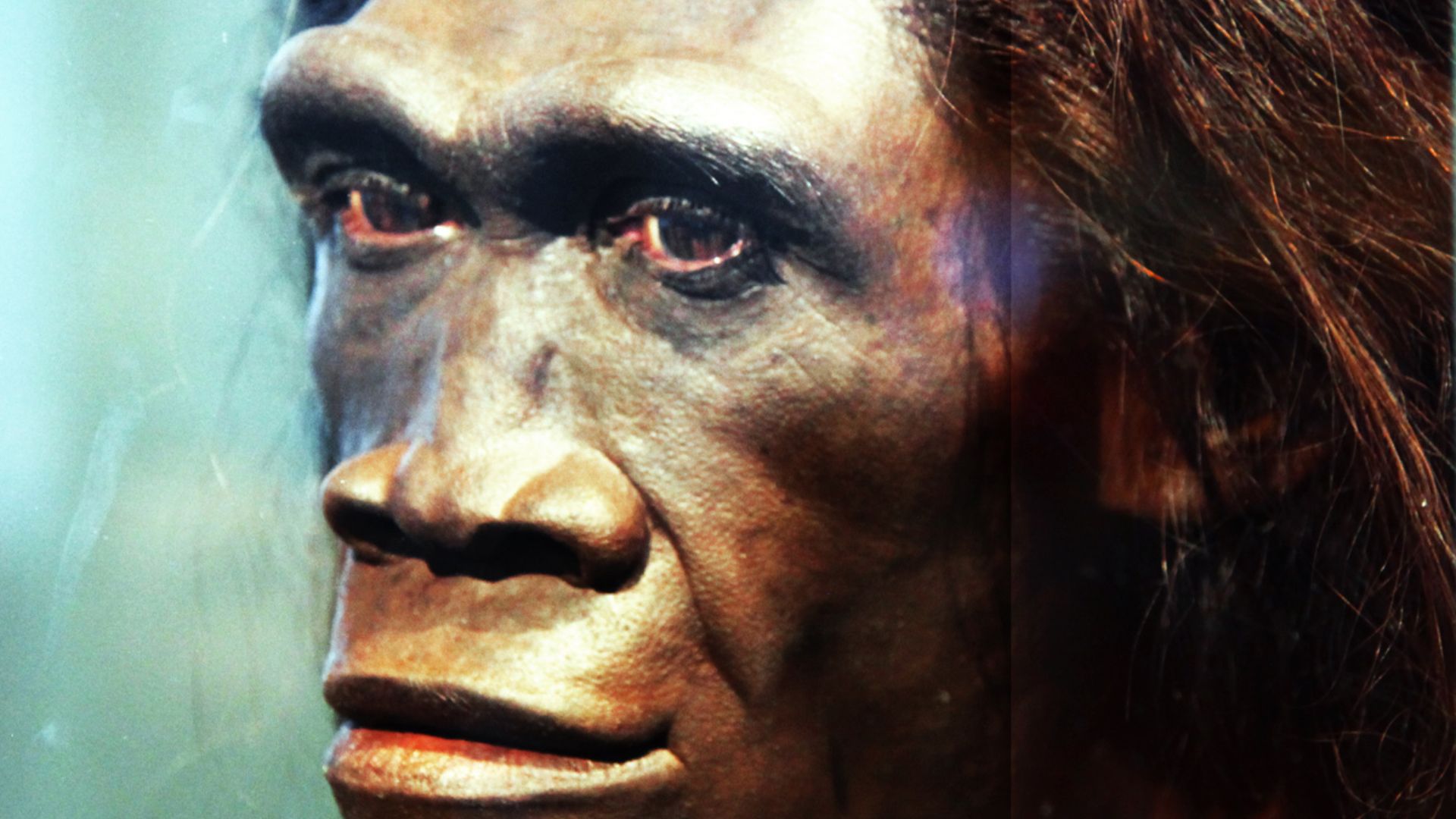
The two Homo erectus skull fragments are surprisingly small. Yet even tiny fossil pieces can be scientifically valuable. Careful anatomical comparisons allowed researchers to identify them confidently. Their significance far outweighs their size.
 Tim Evanson, Wikimedia Commons
A Discovery Almost Missed
One of the hominin fossils was reportedly found near the end of the collecting process. It could easily have gone unnoticed. That detail highlights how fragile the chain of discovery can be. Sometimes world-changing evidence hides in plain sight.
 Dtopeng Kingdom Group, Wikimedia Commons
Questions Still Remain
The site has answered important questions about ancient Sundaland. At the same time, it has created new mysteries. Researchers still want to know more about hunting practices, migration patterns, and interactions among hominin groups. Future studies may provide those answers.
 Jayasinghe23, Wikimedia Commons
Looking Beneath The Waves
Scientists increasingly believe that submerged landscapes deserve greater attention. Large portions of human prehistory may be hidden offshore. Advances in underwater research could reveal additional sites. The Madura Strait discovery may only be the beginning.

A Window Into A Vanished World
This remarkable find transforms a stretch of seabed into a window on the distant past. It reveals rivers, wildlife, and human relatives living together on land that no longer exists. Rather than a mythical lost civilization, researchers uncovered something real. They found the remains of an entire ecosystem preserved beneath the waters of Indonesia.
 The original uploader was Muntuwandi at English Wikipedia., Wikimedia Commons
You May Also Like: