The Pyramid With a Horrifying Secret
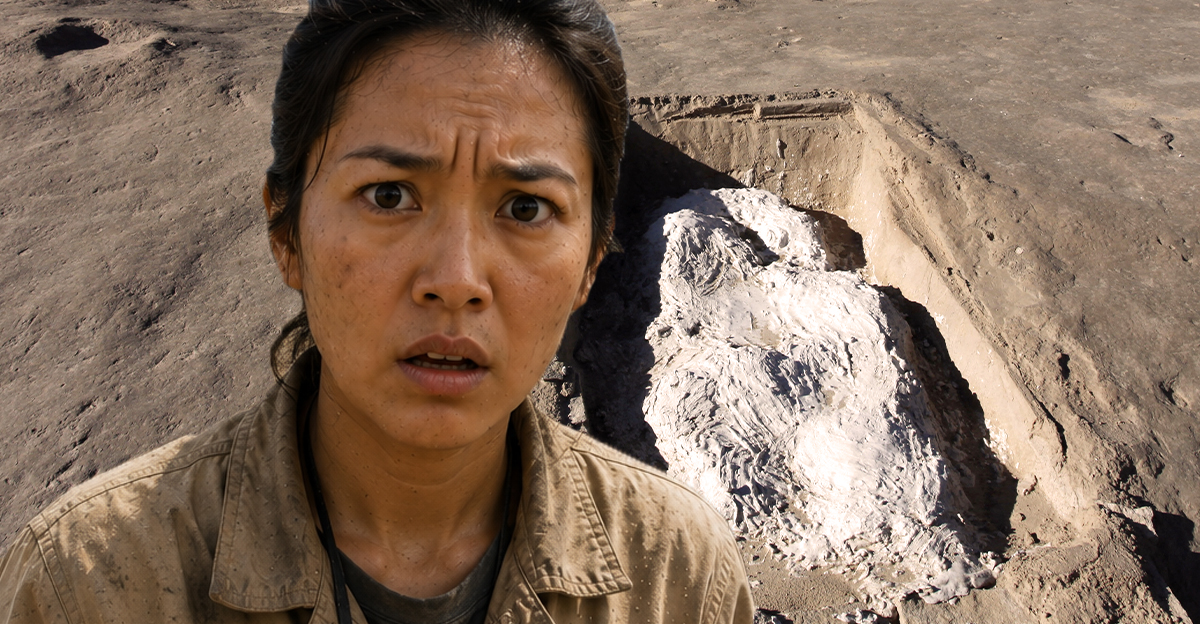
Deep beneath an ancient pyramid in northern China, archaeologists uncovered pits filled with dozens of human skulls. Researchers believe the victims were buried there nearly 4,000 years ago—and for a very disturbing reason. But the deeper archaeologists dug into the lost city of Shimao, the stranger and more unsettling the mystery became.
A Lost City Nobody Understood
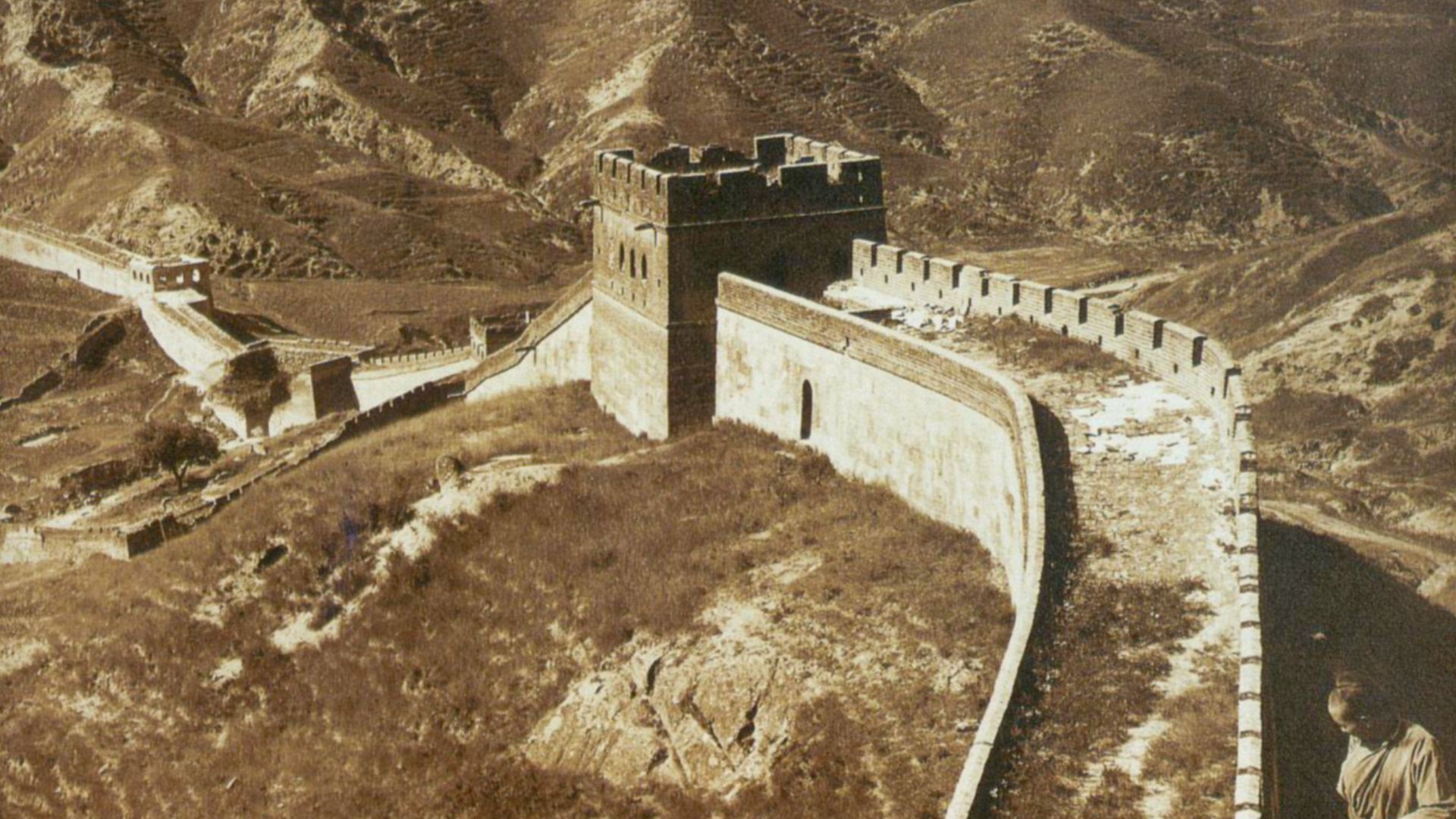
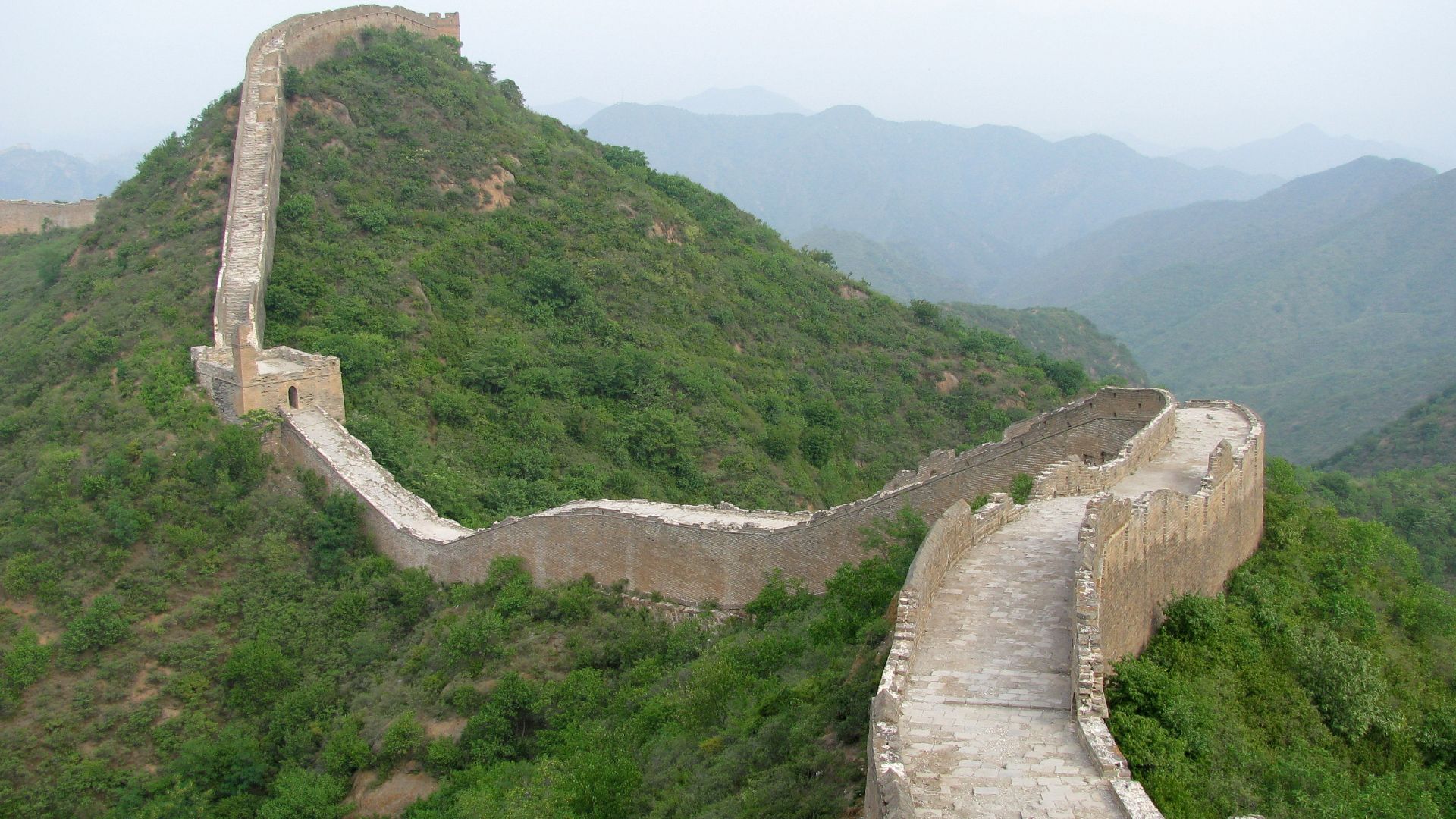
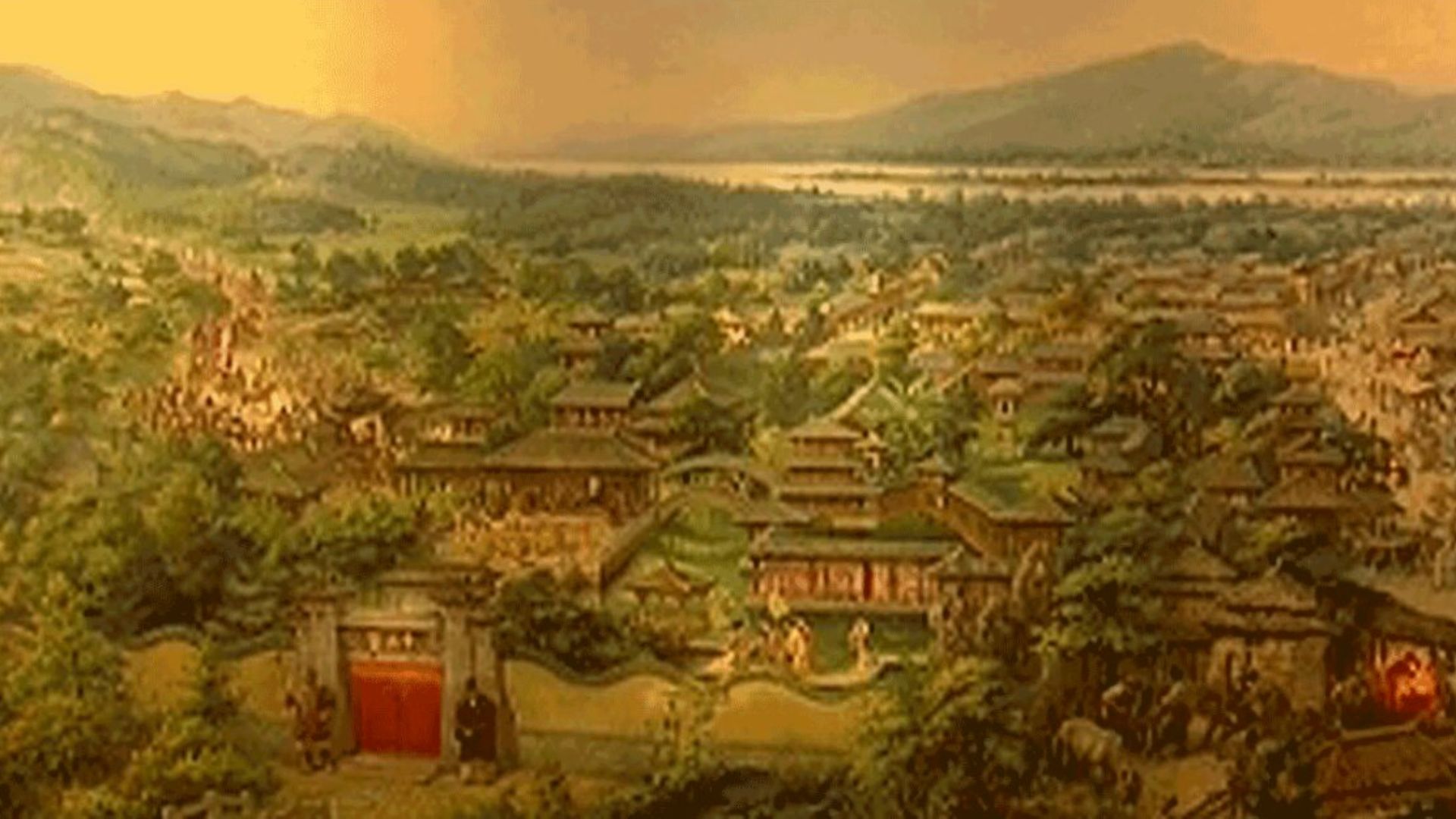
For years, the rocky hills of Shaanxi Province didn’t seem very important. People assumed the stone ruins near the edge of the modern Great Wall region were connected to later Chinese fortifications. Turns out, the site was much older—and much stranger—than anyone expected.
 Herbert Ponting, Wikimedia Commons
Meet Shimao
The site is called Shimao, located near the modern city of Shenmu in northern China. Archaeologists first began seriously studying it in the early 2000s, and almost immediately realized they were dealing with something massive.
 Photograph: Bilaterian Plan: Pataliputra (talk), Wikimedia Commons
Older Than Historians Expected
Researchers dated Shimao to around 2300 BCE to 1800 BCE, making it roughly 4,000 years old. That completely changed what historians thought they knew about early civilization in China. Apparently, people were building giant cities here way earlier than expected.
A Giant Hidden Under Dirt
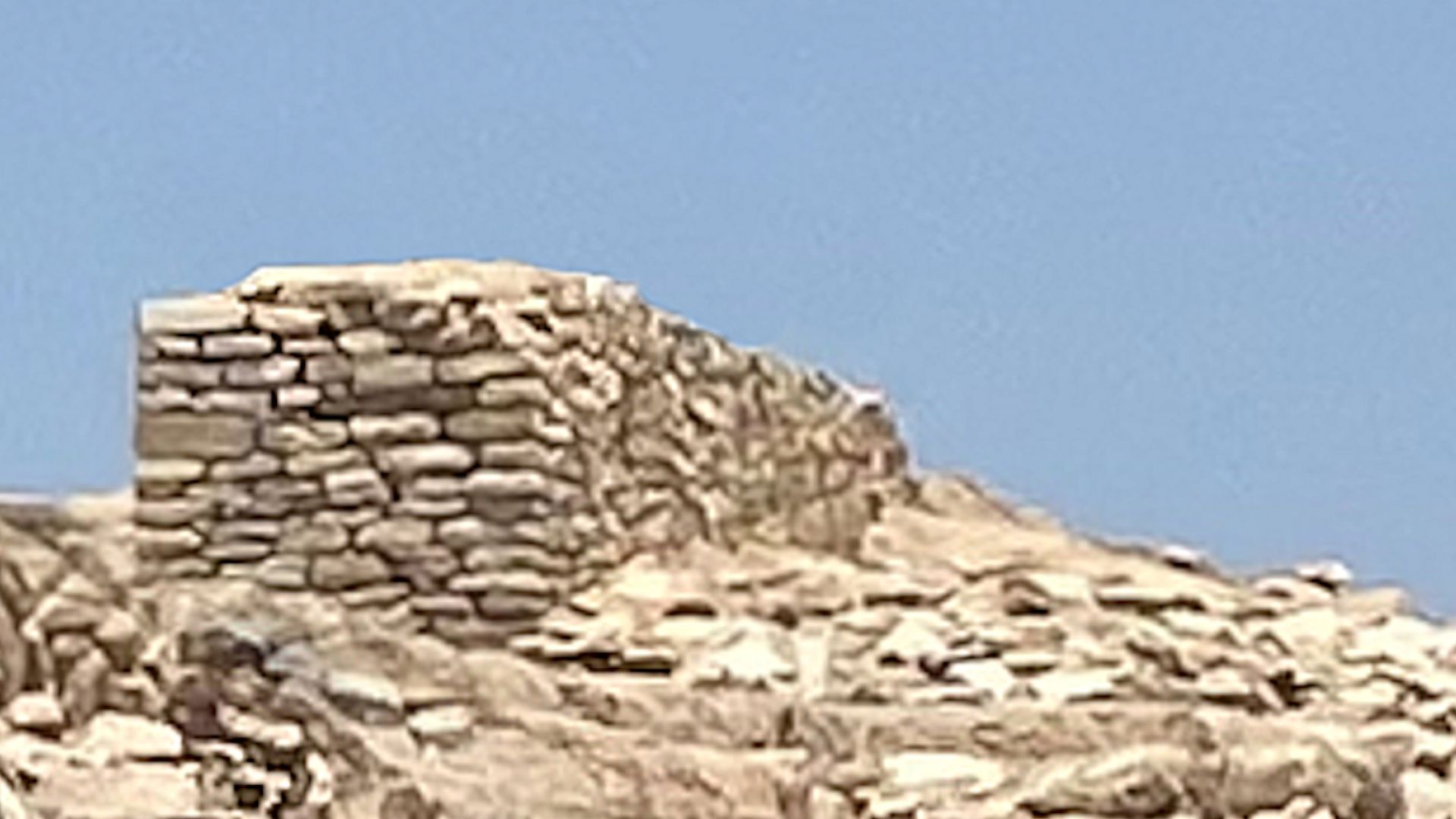
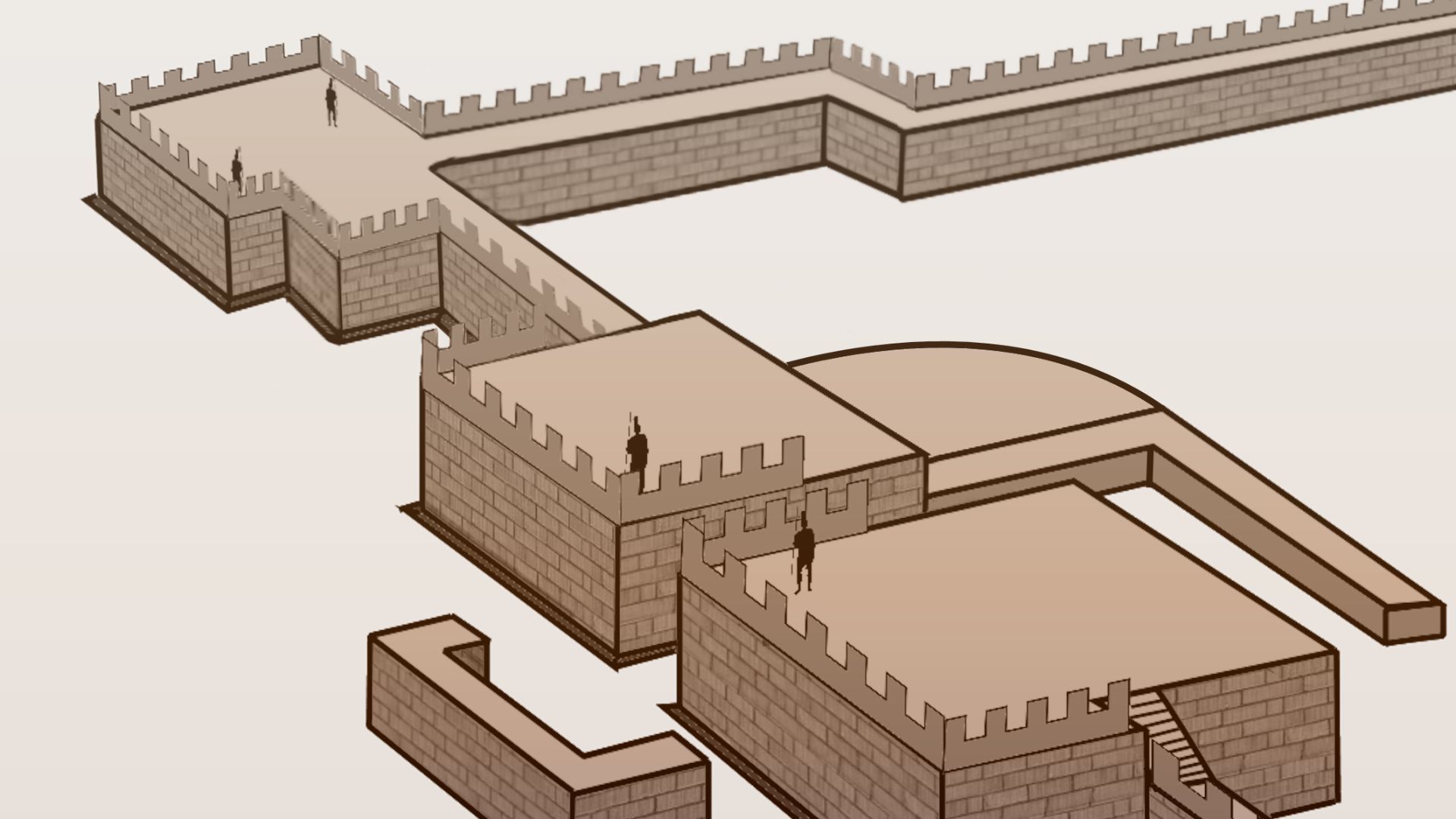
Shimao turned out to cover nearly 400 hectares, making it one of the largest prehistoric settlements ever discovered in China. The city included giant defensive walls, gates, towers, and enough stone construction to make modern contractors cry a little.
The Pyramid in the Middle of Everything
At the center of the city stood a massive stepped pyramid rising about 70 meters (230 feet) high. It towered over the surrounding landscape. But it wasn’t just for show.
More Than Just a Fancy Building
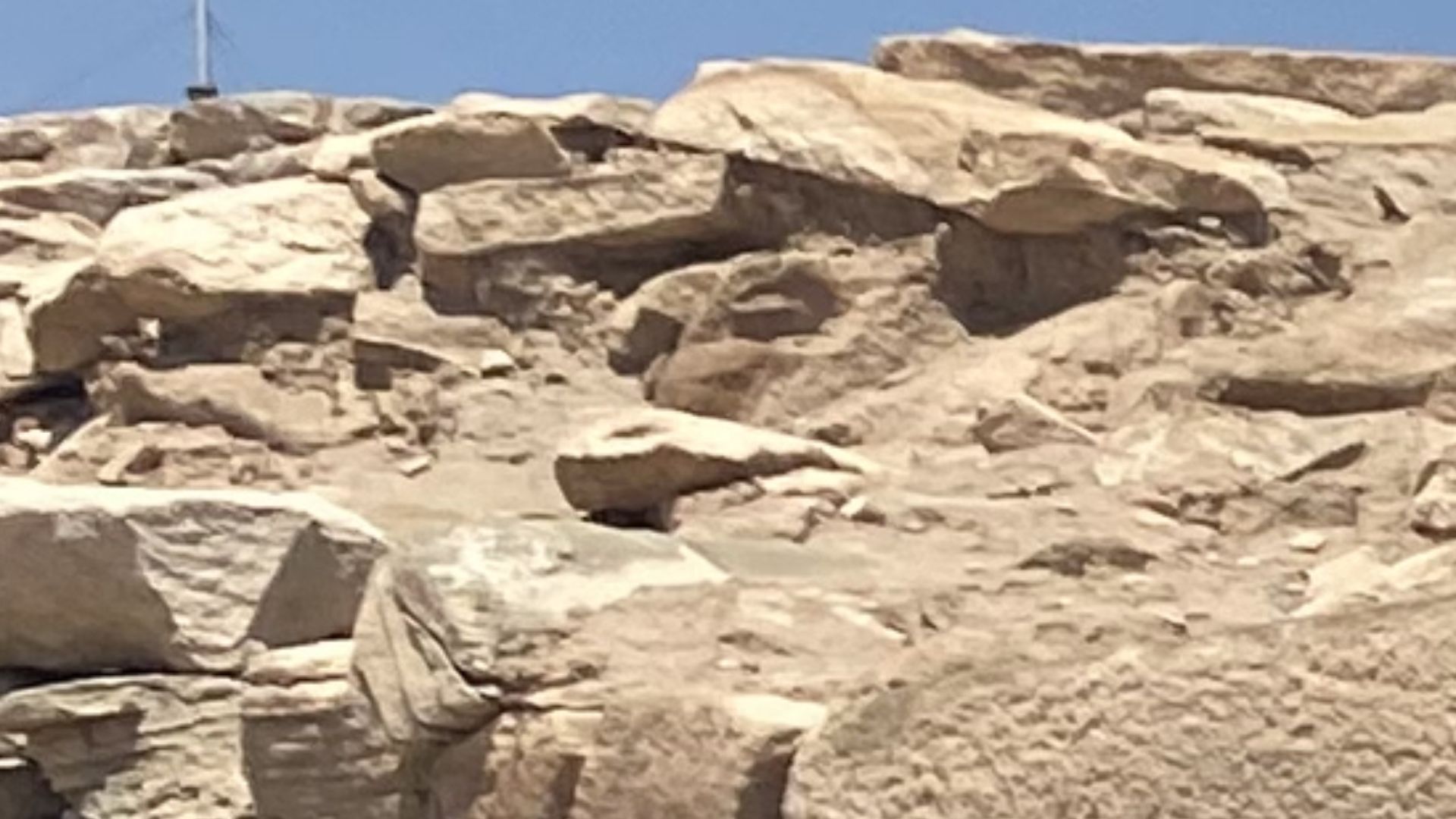
Archaeologists discovered elite living spaces, ceremonial areas, and defensive structures built directly into the terraces. Whoever controlled Shimao clearly wanted power, protection, and a dramatic skyline.
The deeper they dug, the more they found.
Creepy Faces in the Walls
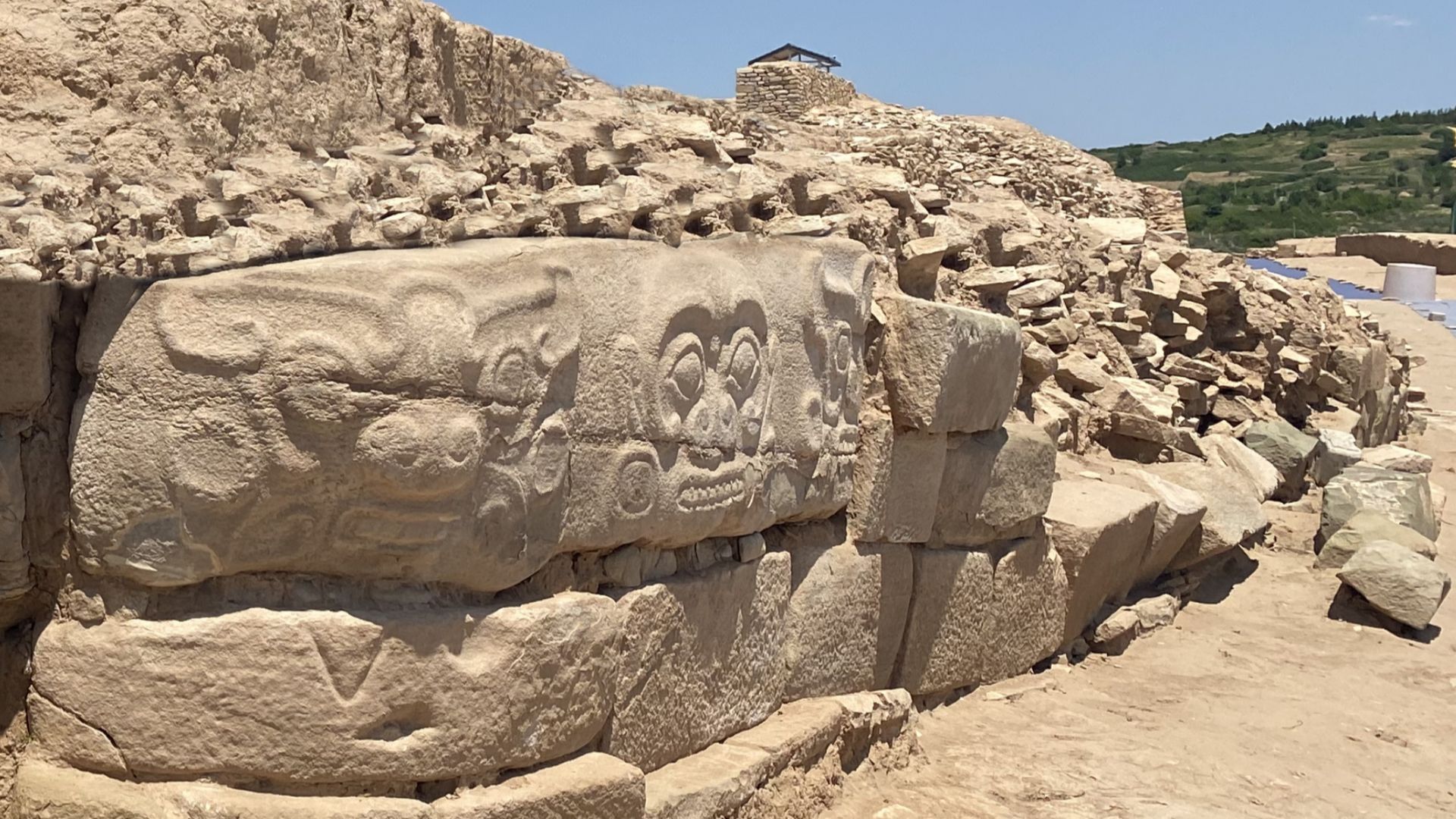
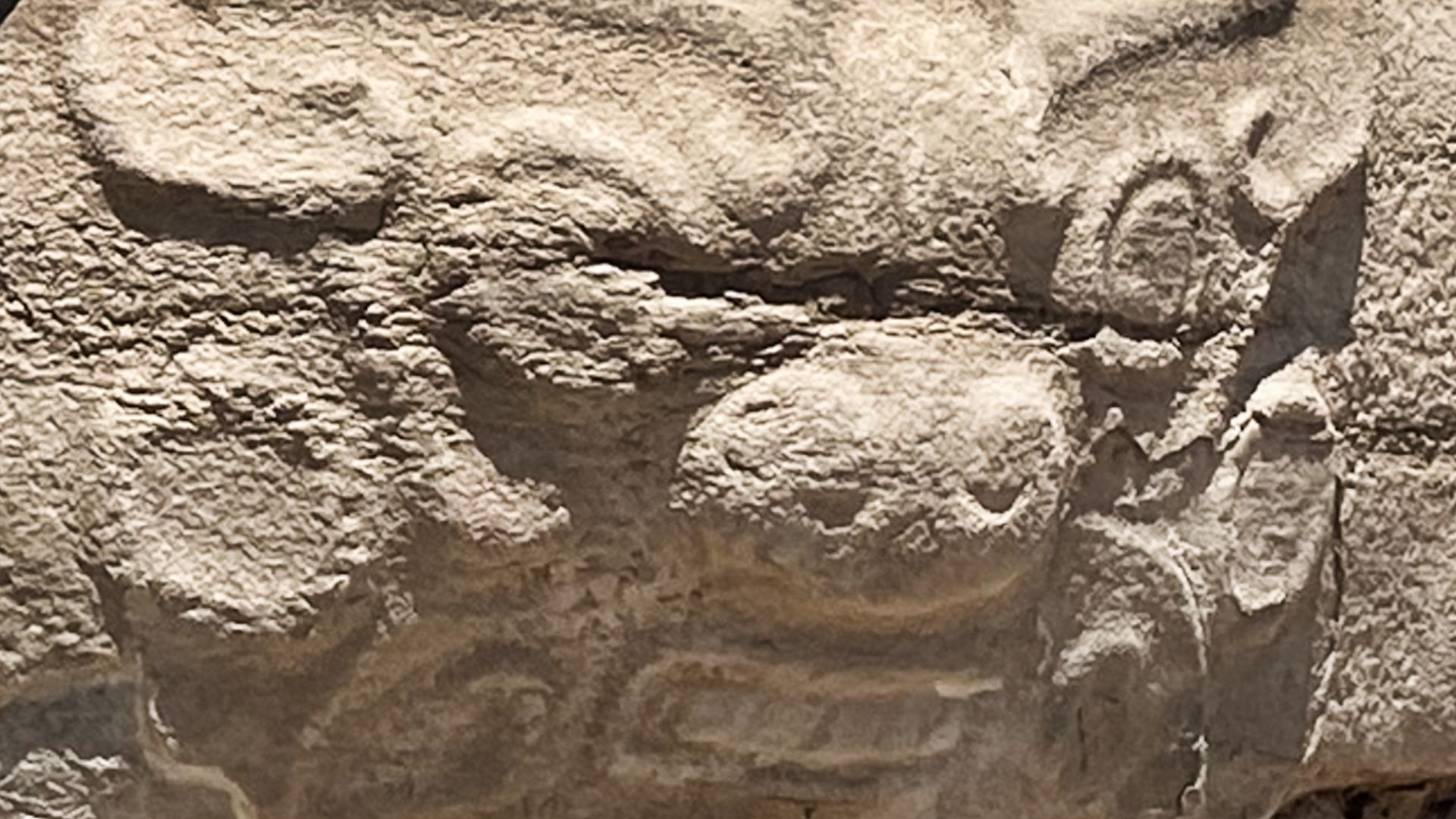
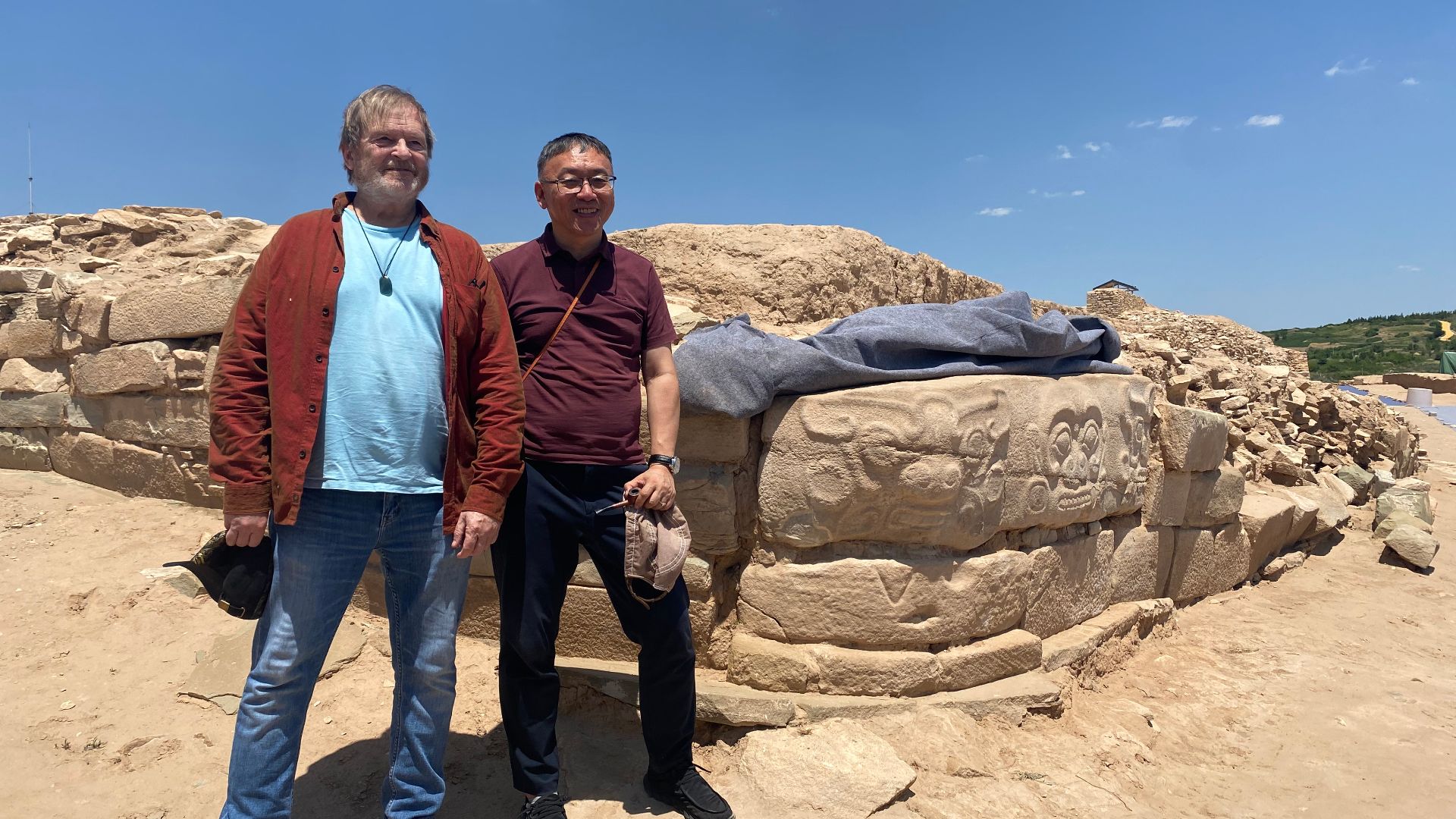
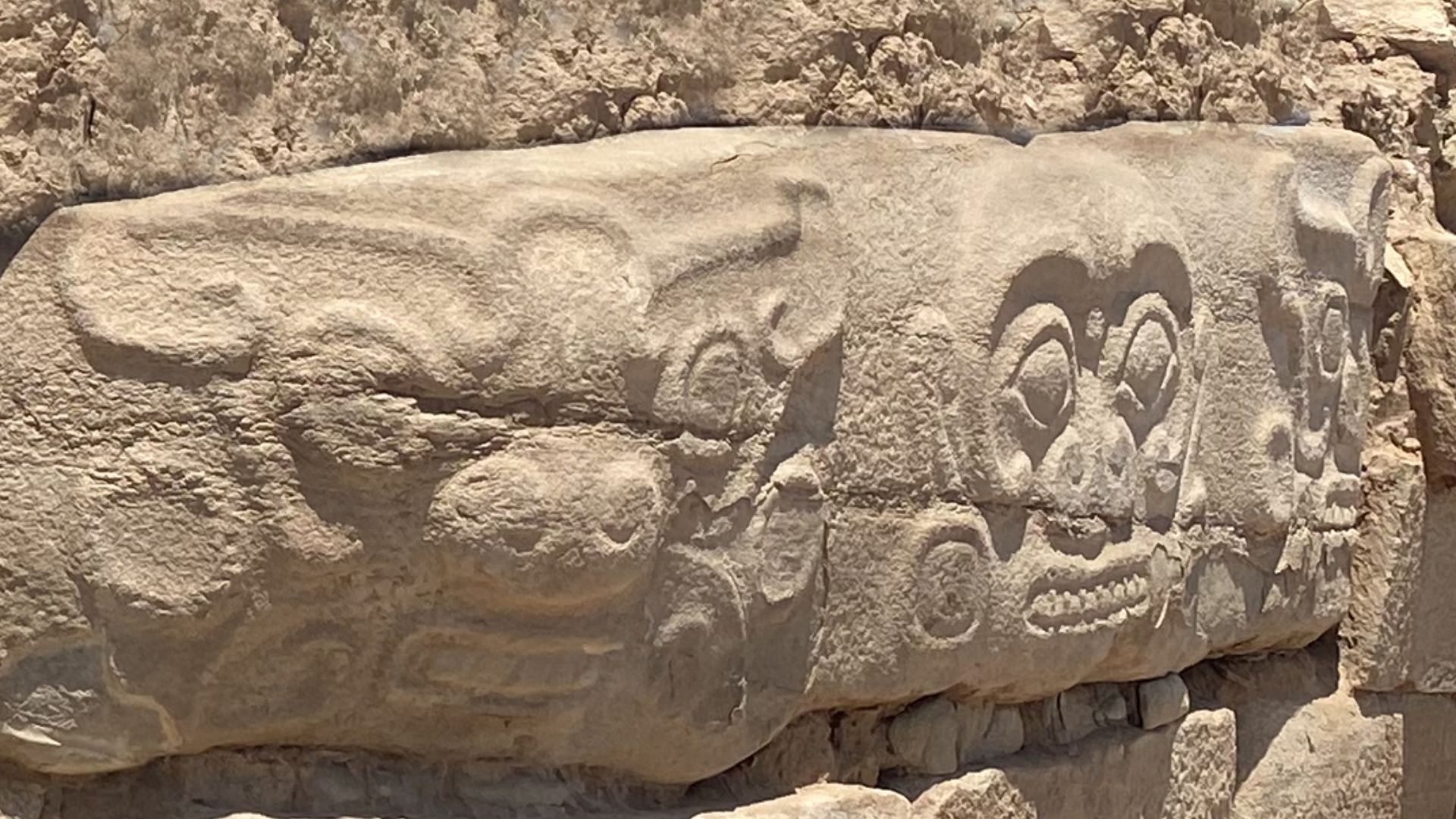
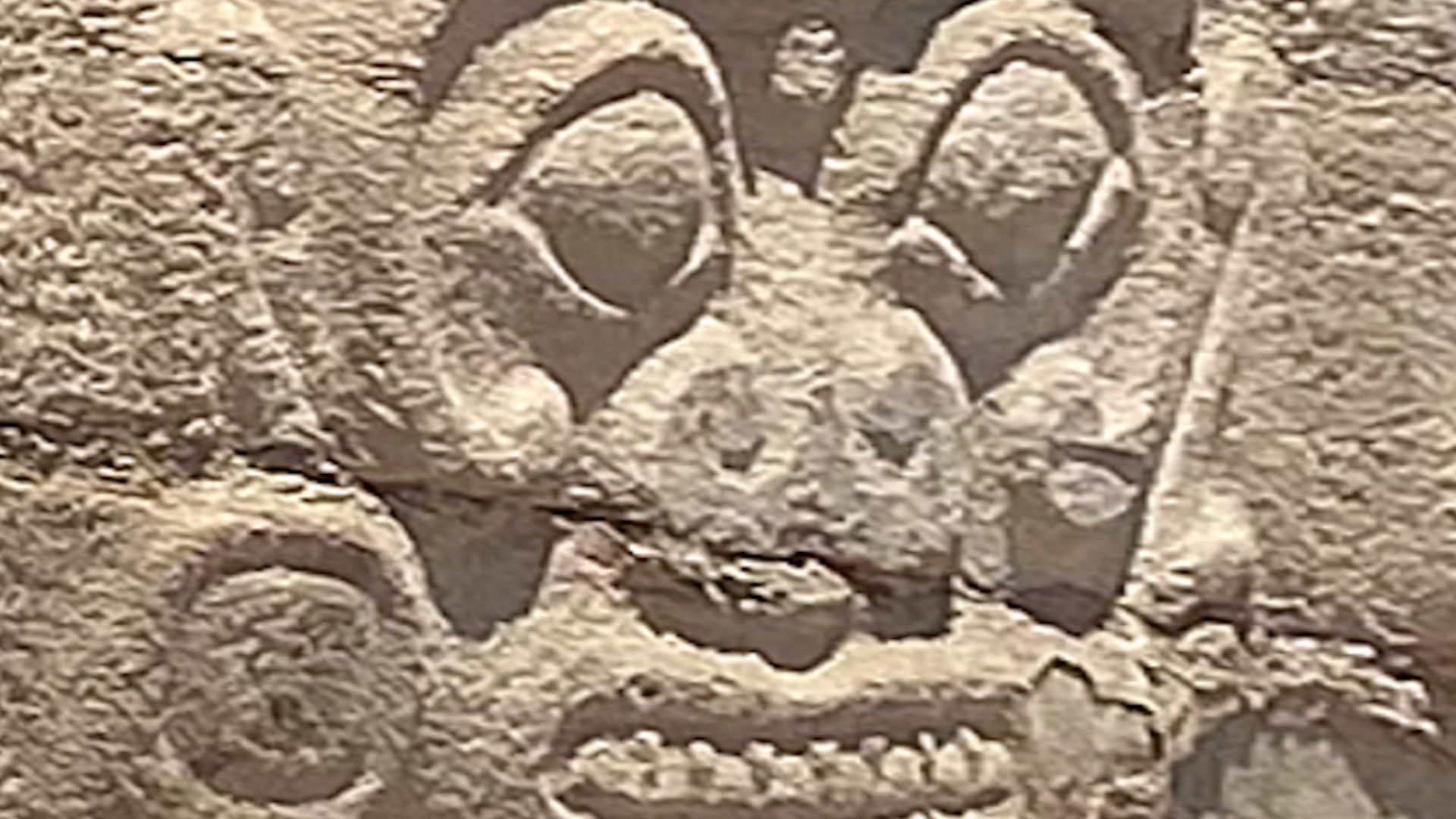
As excavations continued, archaeologists uncovered carved stone reliefs featuring strange human faces and giant eyes built into the walls. Some experts think the carvings were meant to protect the city. Others had more chilling theories.
Jade Buried Inside the Walls
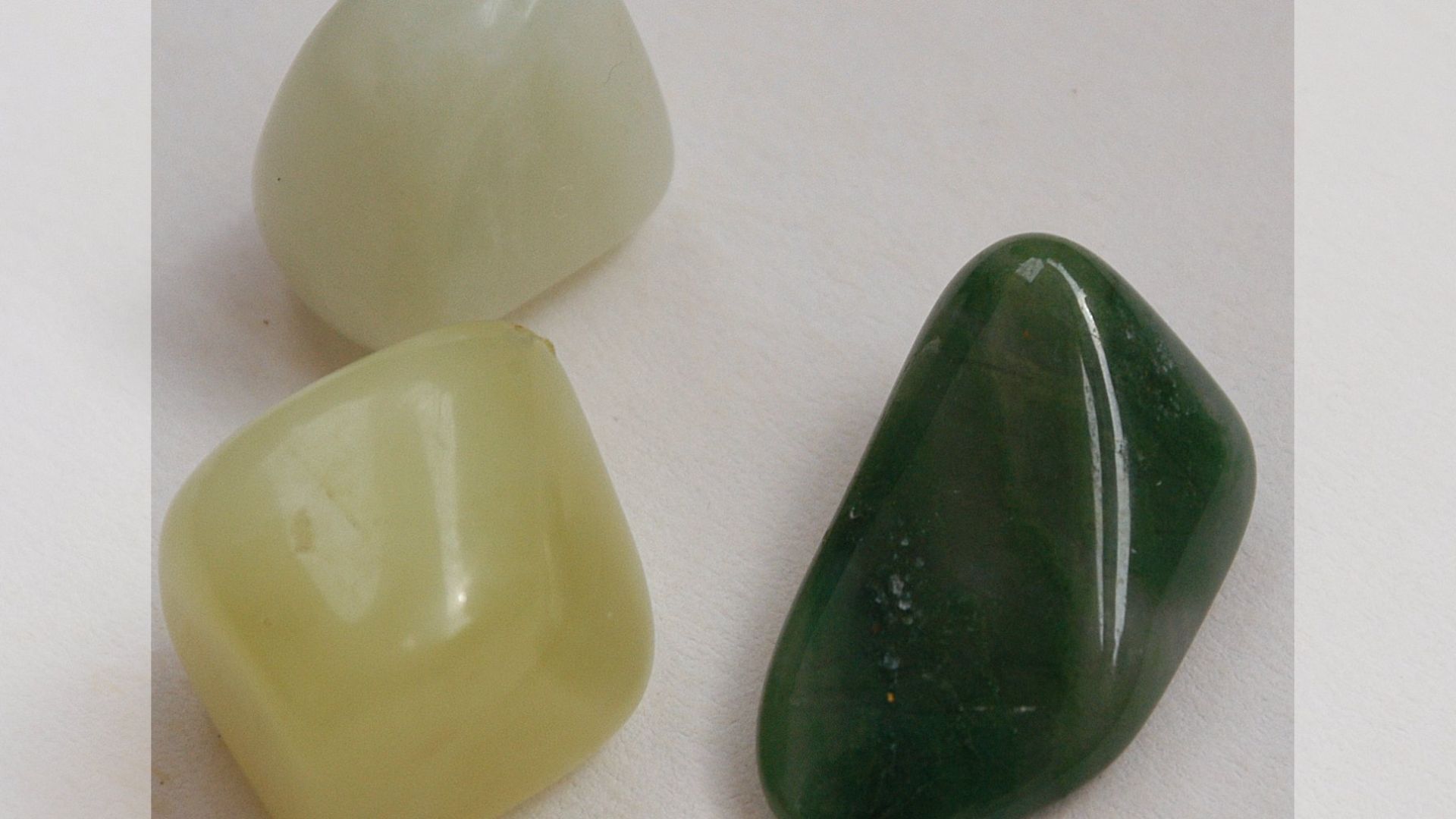
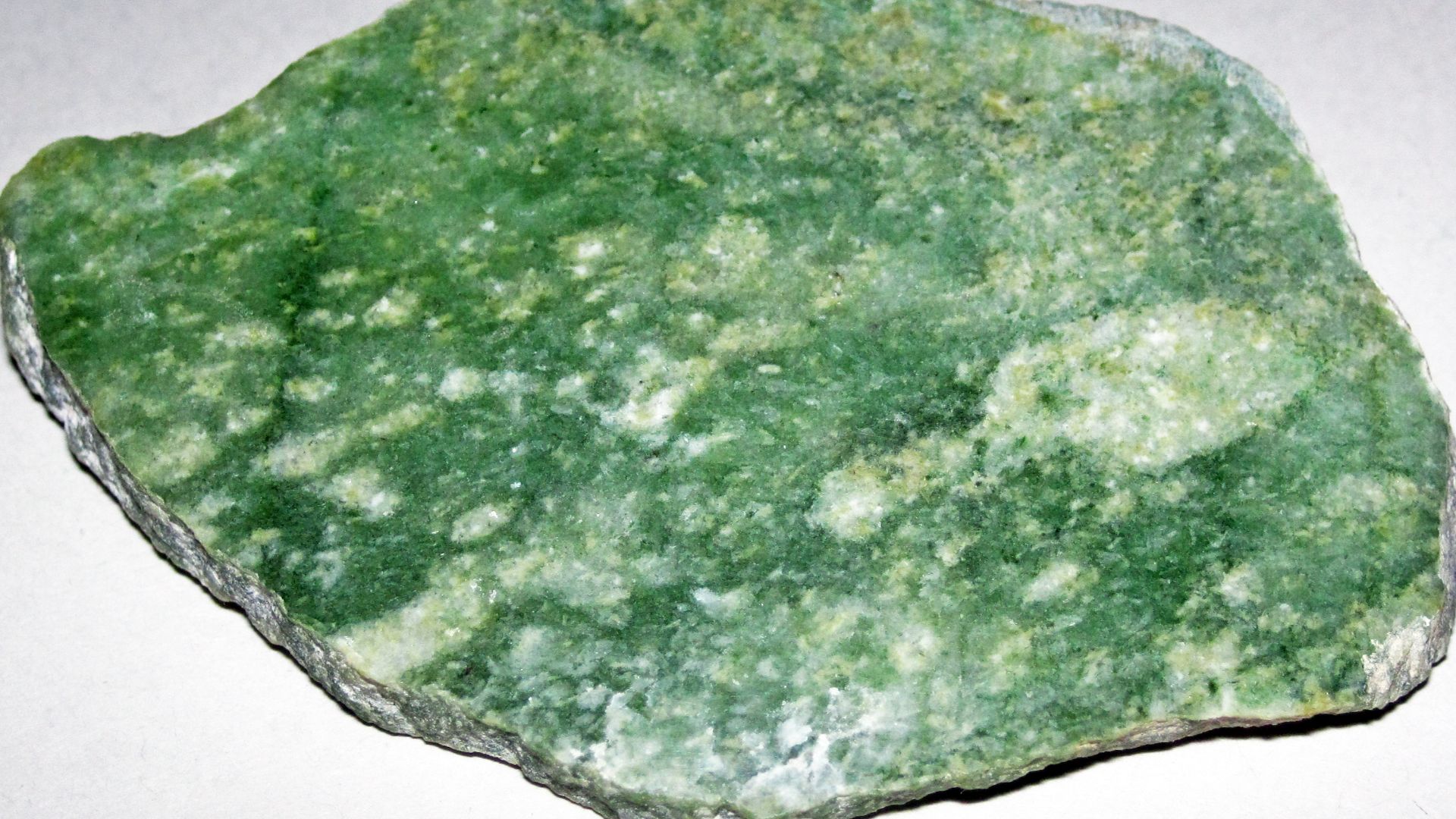
Researchers also found pieces of jade hidden inside the city’s stone fortifications. In ancient China, jade was considered spiritually powerful and extremely valuable. Archaeologists believe these pieces may have been ritual offerings placed there during construction.
This Wasn’t a Peaceful Place
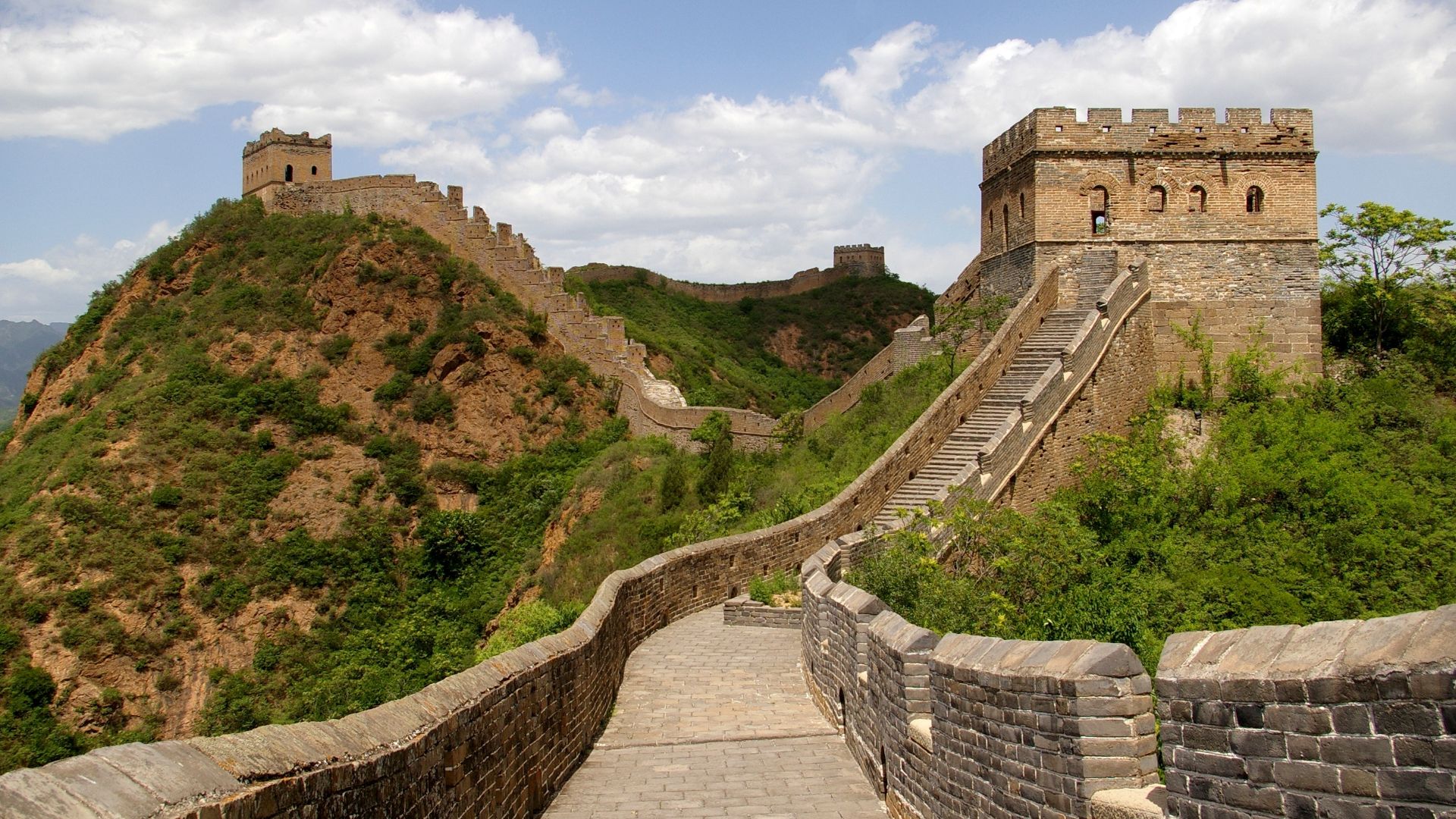
Shimao was heavily fortified, and evidence suggests violence was common. Massive walls and defensive structures point to a city constantly preparing for conflict. This was not some quiet farming village where everyone peacefully traded vegetables.
It gets worse.
 Jakub Halun, Wikimedia Commons
A City Built on Power
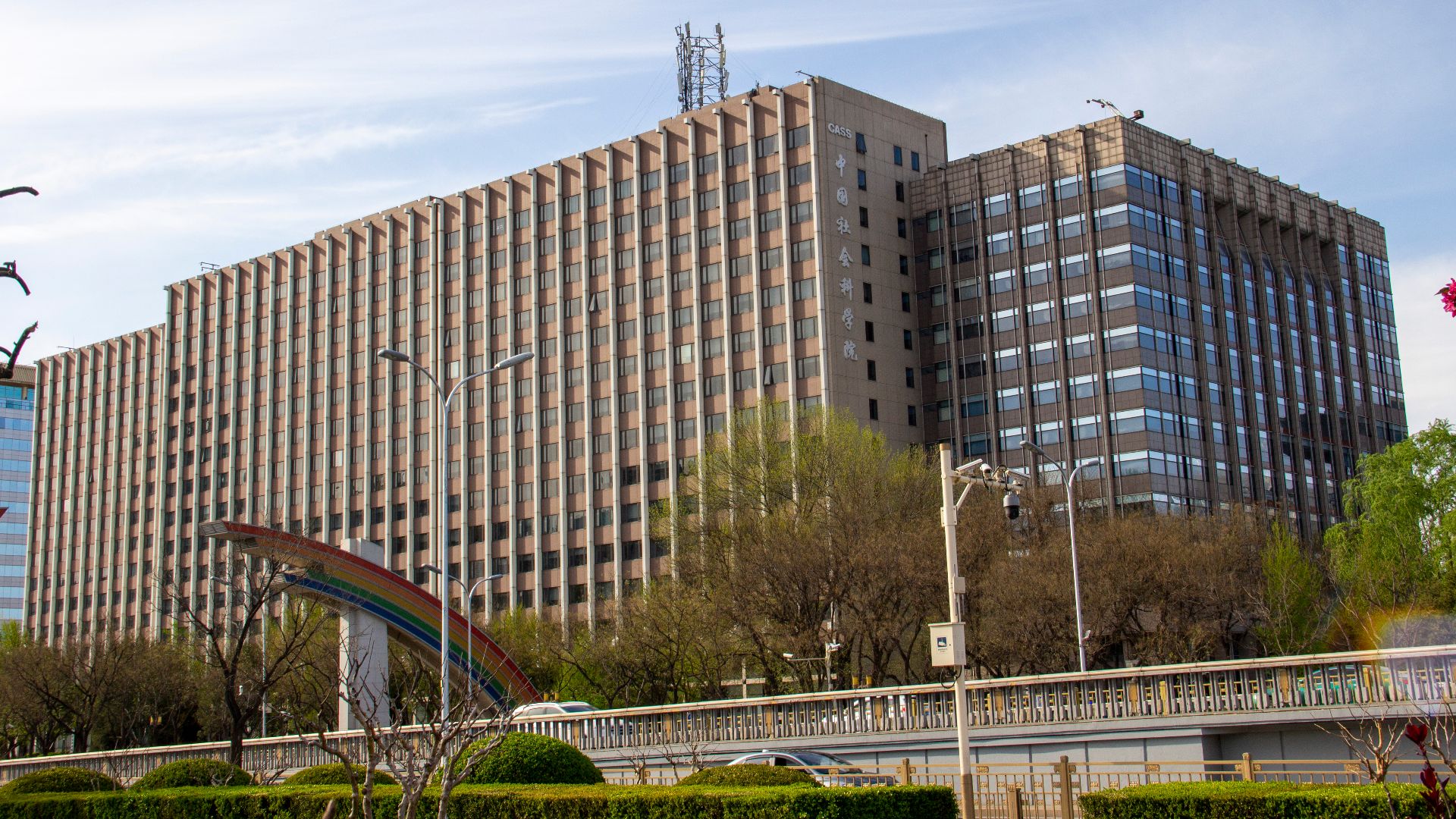
Archaeologists from the Chinese Academy of Social Sciences believe Shimao controlled nearby regions through military strength and influence. The scale of the city suggests a powerful ruling class with workers, soldiers, craftsmen, and leaders all living within the walls.
And what they did inside those walls was horrifying.
Digging Beneath the Pyramid
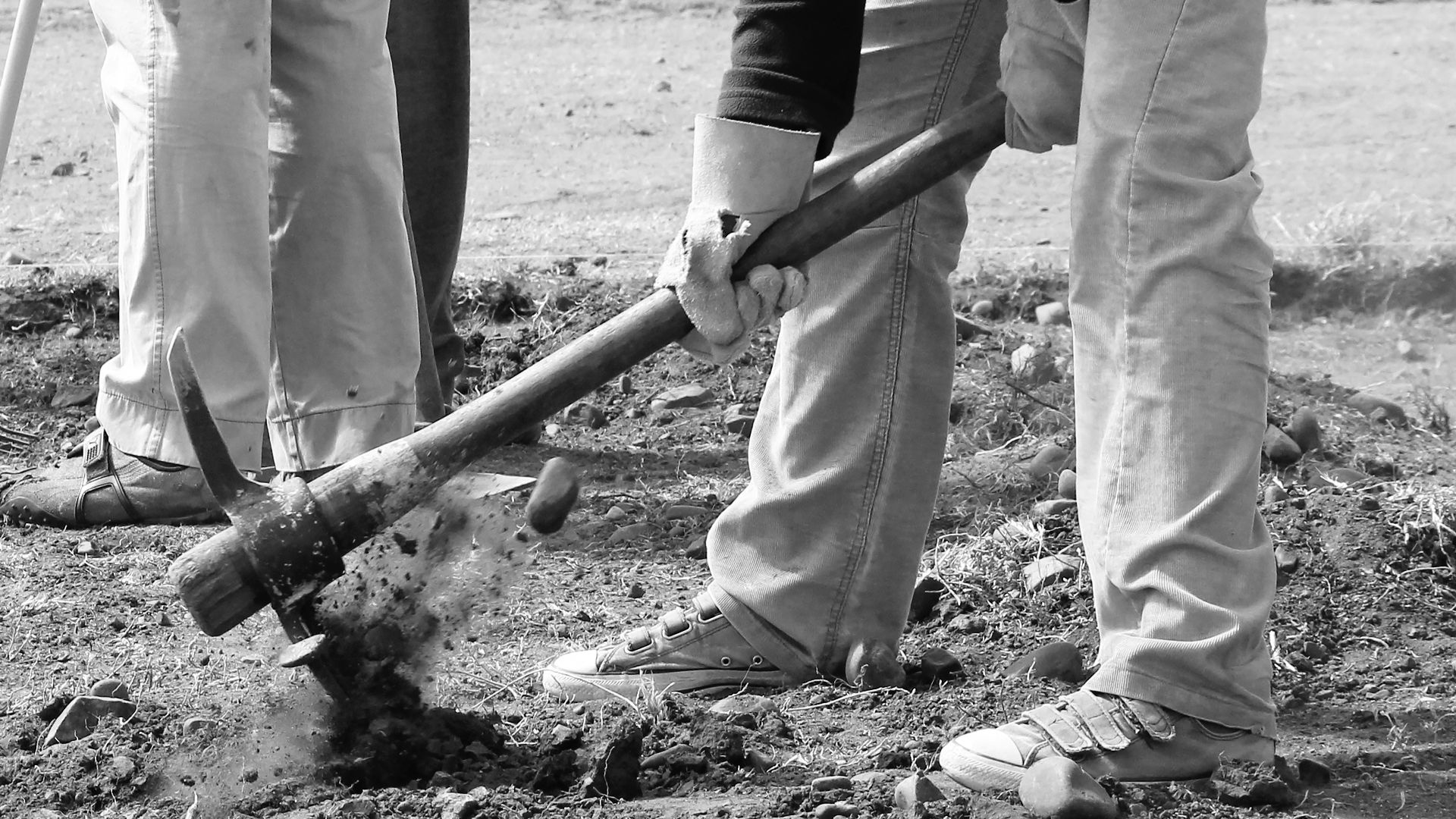
As researchers explored areas beneath the pyramid complex, they expected to find foundations and ritual spaces. What they did not expect was something that would completely change the story of the site.
The First Skull Appears
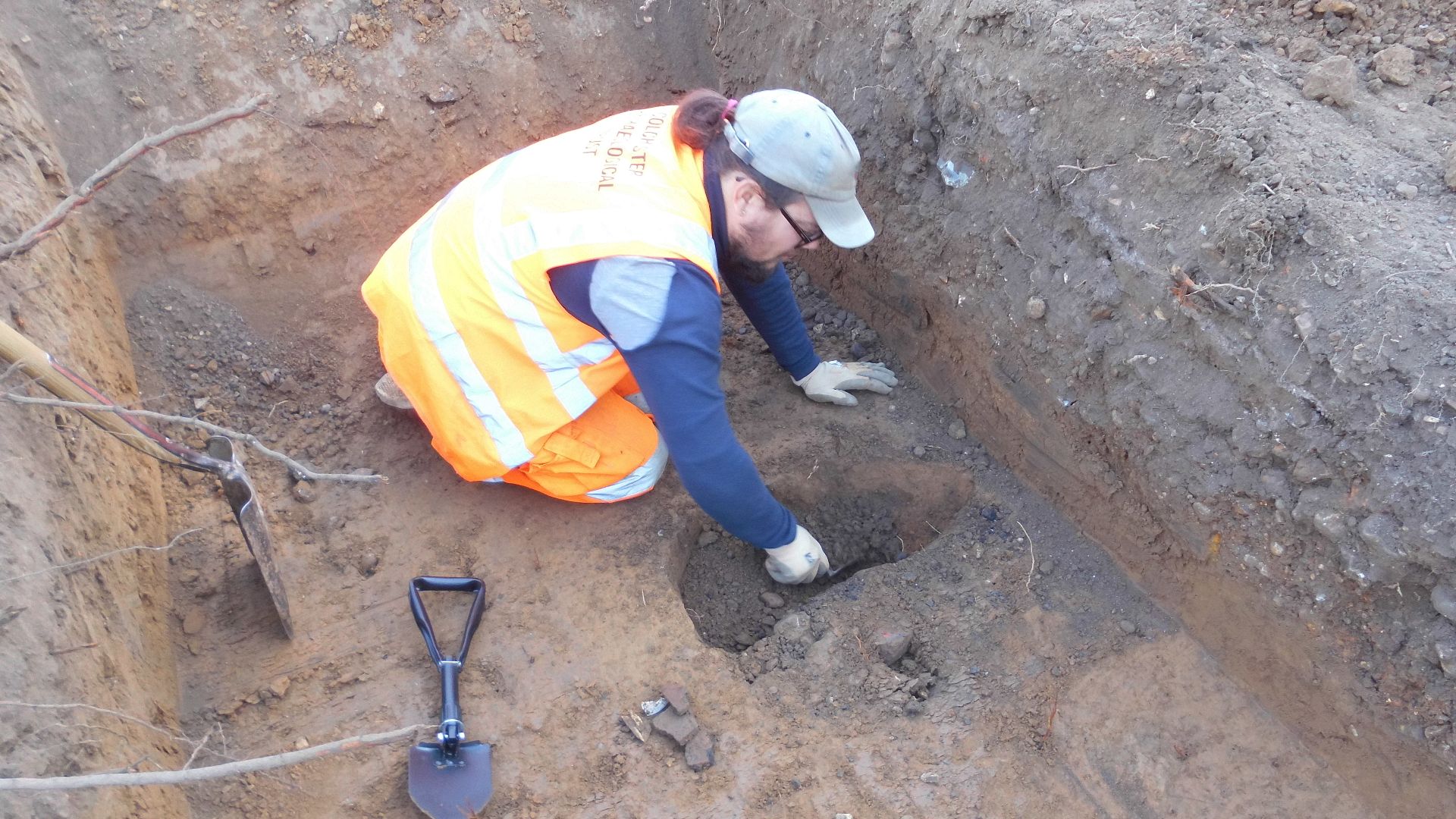
Archaeologists uncovered large pits near the eastern gate of the pyramid. Then human remains began appearing. At first, it was only a few skulls. But the digging kept going.
 Dr Elliott Hicks, Colchester Archaeological Trust, Wikimedia Commons
More and More Human Remains
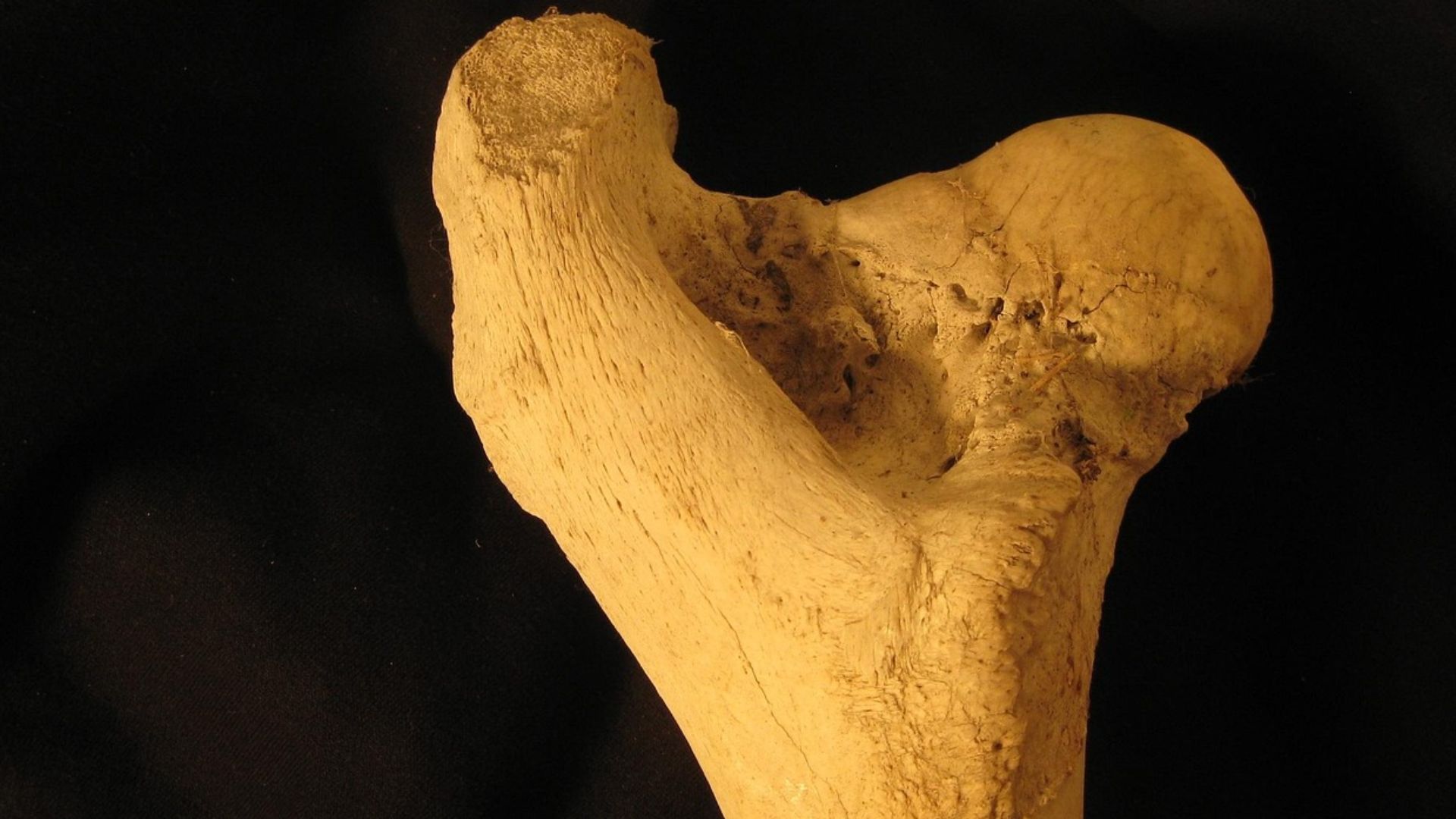
The deeper researchers excavated, the worse the discovery became. The pits contained huge numbers of human skulls stacked together, with very few complete skeletons nearby.
Six Pits Full of Skulls
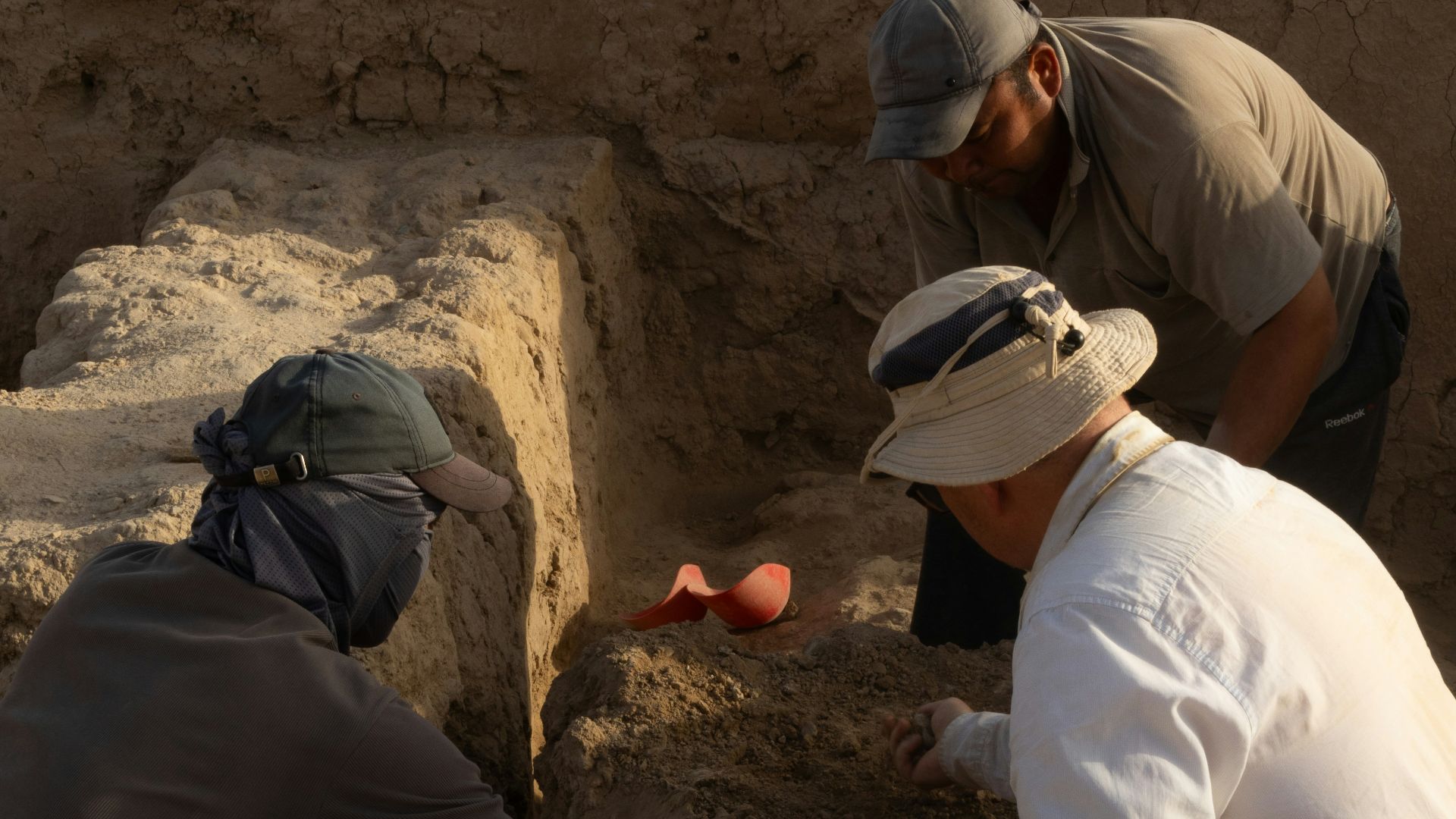
Eventually, archaeologists identified at least six separate pits filled with human remains. The discovery immediately raised questions about ritual violence and human sacrifice at Shimao.
There’s more.
 Aleksander Stypczynski, Unsplash
Mostly Young Girls
Analysis suggested the remains belonged mostly to young females, likely teenagers or young women. Researchers estimate around 80 individuals may have been buried in the pits.

Signs of Ritual Sacrifice
The skulls showed evidence consistent with decapitation, leading researchers to believe these were ritual sacrifices rather than ordinary burials. Suddenly, Shimao went from “impressive ancient city” to “deeply unsettling ancient city.”
 Gary Todd from Xinzheng, China, Wikimedia Commons
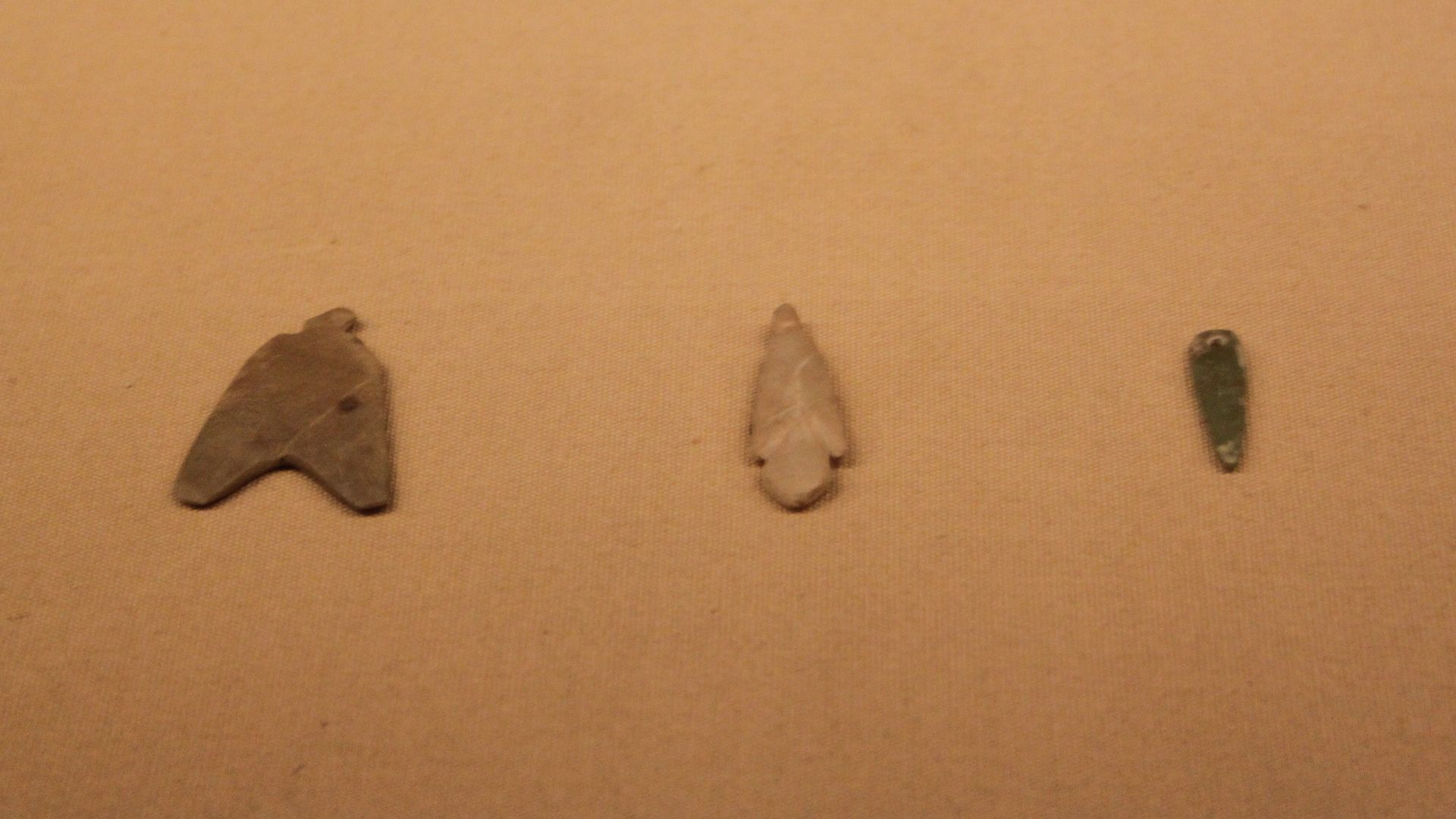
Human Sacrifice Was Real
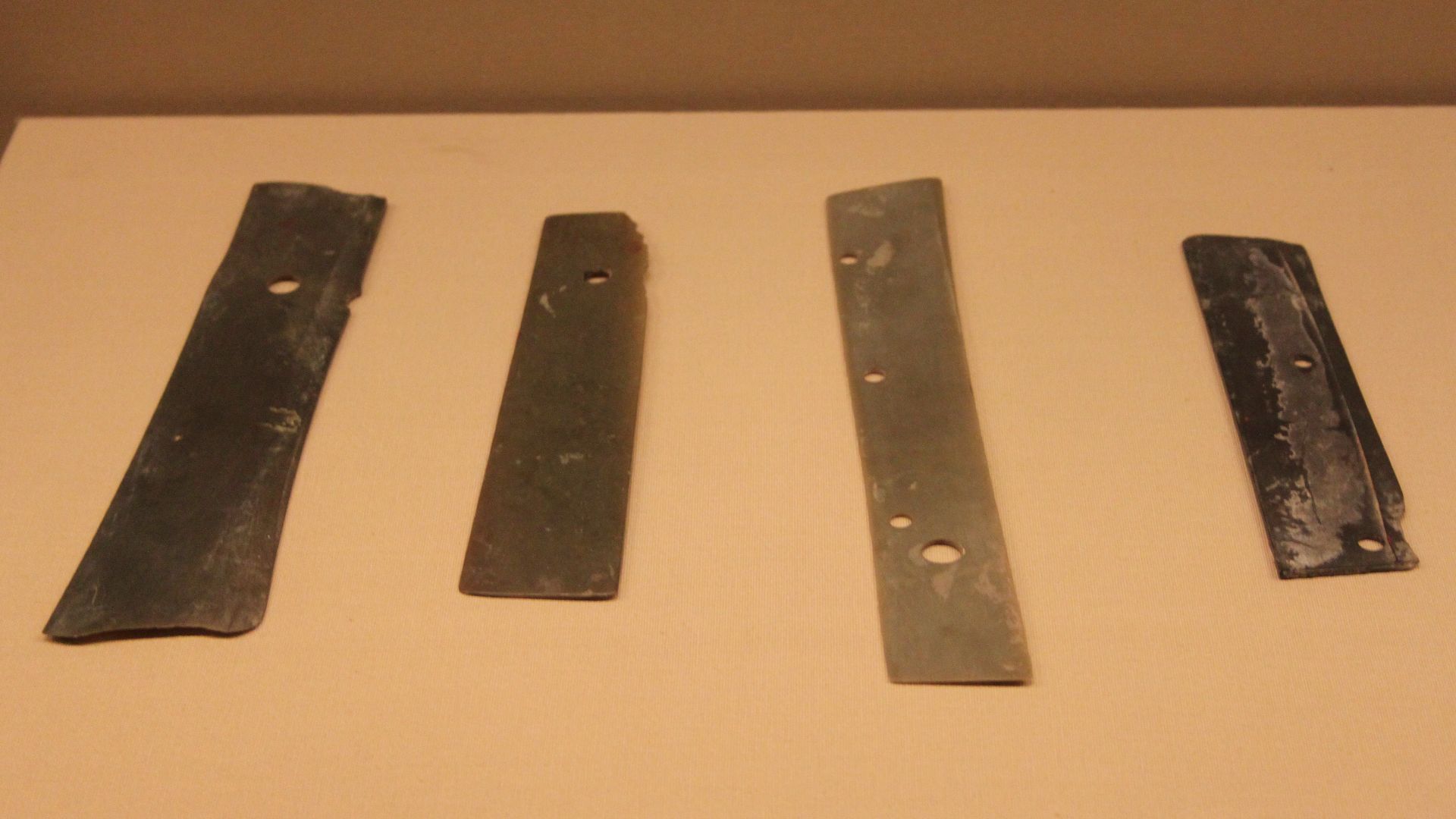
As disturbing as it sounds, human sacrifice existed in several ancient Chinese cultures. Historical records from later periods describe sacrifices tied to religion, royal funerals, and ceremonies connected to construction projects.
 Gary Todd from Xinzheng, China, Wikimedia Commons
Offerings to Ancient Gods
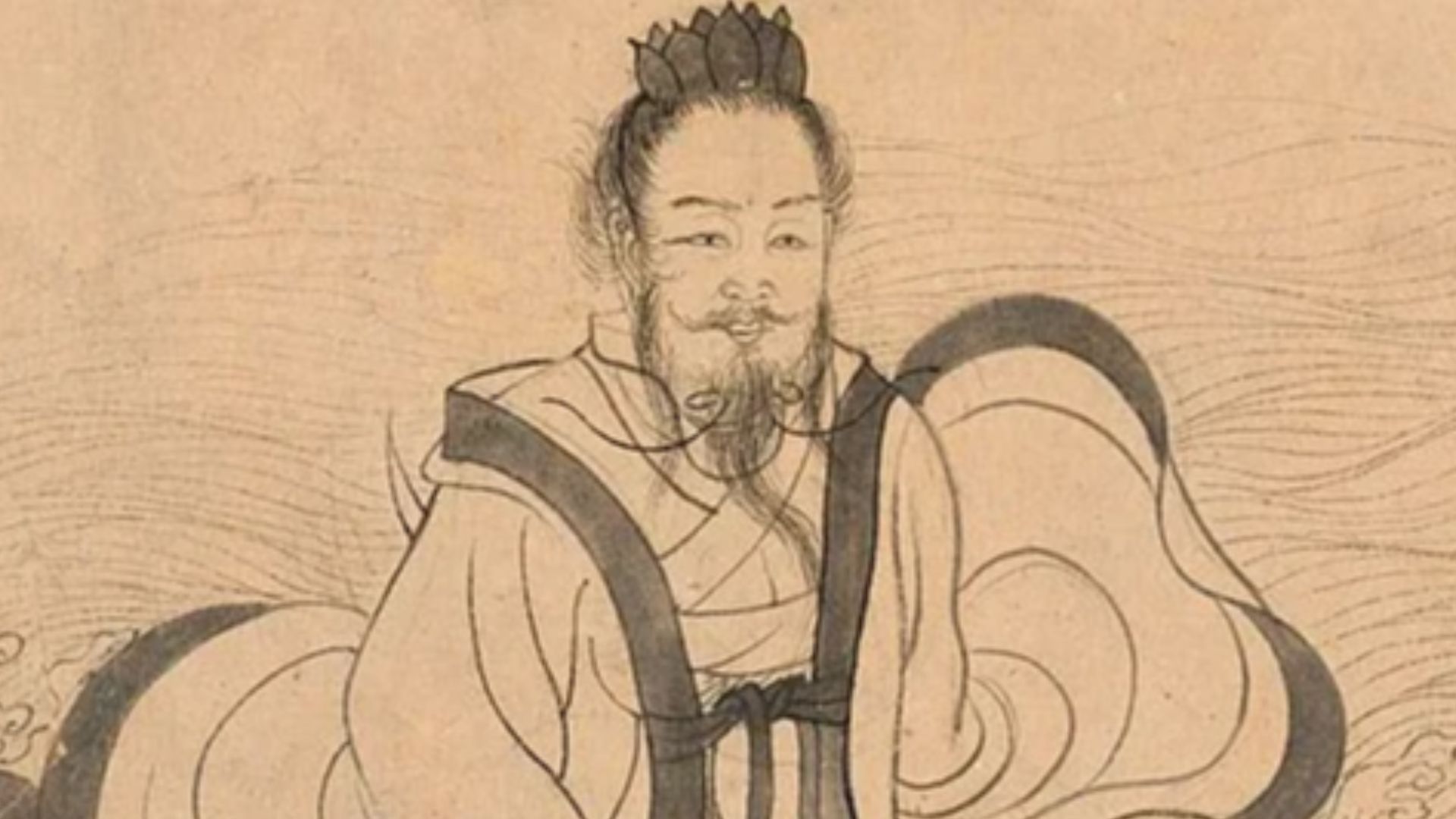
Some sacrifices in ancient China were made to gods like Hebo, the river deity associated with floods and water. Others involved servants or concubines being buried alongside elites after death. Ancient history was not exactly known for workplace safety regulations.
But there’s one thing researchers still can’t figure out.
But Shimao Still Doesn’t Make Sense
What makes Shimao especially mysterious is that there are no written records explaining why these sacrifices happened. Archaeologists can study the evidence, but the real reason behind the killings remains unknown.
Still, people speculate.
 Peter Dowley from Dubai, United Arab Emirates, Wikimedia Commons
A Message of Fear?
Some experts think the sacrifices may have been intended to intimidate enemies or demonstrate political power. Others believe they were connected to the construction of the pyramid itself, almost like a massive ceremonial offering.
 James St. John, Wikimedia Commons
“The Earliest Evidence”
Researchers described the skull pits as some of the earliest known evidence of organized human sacrifice in China. The findings completely changed how historians viewed early Chinese civilization and ritual practices.
The Mystery Still Hasn’t Been Solved
Even after years of excavation, archaeologists still cannot fully explain why the victims were sacrificed. The city continues to reveal new discoveries, but the darkest part of the story remains unanswered.
The Secret Hidden Under the Pyramid
What began as the discovery of a forgotten Bronze Age city eventually uncovered one of the creepiest archaeological finds in China. Beneath the pyramid sat pits filled with the skulls of dozens of young victims, hidden for nearly 4,000 years.
 Pataliputra ( talk ), Wikimedia Commons
History Can Still Be Disturbing
Today, Shimao is considered one of the most important archaeological discoveries in modern China. But underneath its walls, jade, and towering pyramid lies a mystery that still unsettles researchers—because somewhere in the rise of this ancient city, eighty young girls lost their lives, and history never explained why.
You May Also Like: