The Queen Who Refuses To Be Found
For more than 2,000 years, nobody has been able to answer one simple question: Where is Cleopatra buried? It is one of history's greatest mysteries—and now, after years of discoveries at an ancient temple, some archaeologists think they're closer than ever to solving it. The problem? What they've discovered may only make the mystery even more complicated.
History Says The Tomb Should Exist
Ancient writers including Plutarch recorded that Cleopatra and Mark Antony were buried together after their deaths in 30 BC. According to the historical accounts, Octavian—later known as Emperor Augustus—allowed the defeated lovers to be interred in the same tomb.
That means Cleopatra's burial place almost certainly existed. The problem is that no one knows exactly where it was built, and more than two millennia of earthquakes, flooding, wars, and urban development have erased many of the clues.
 Roland Unger, Wikimedia Commons
Most Experts Originally Looked In Alexandria
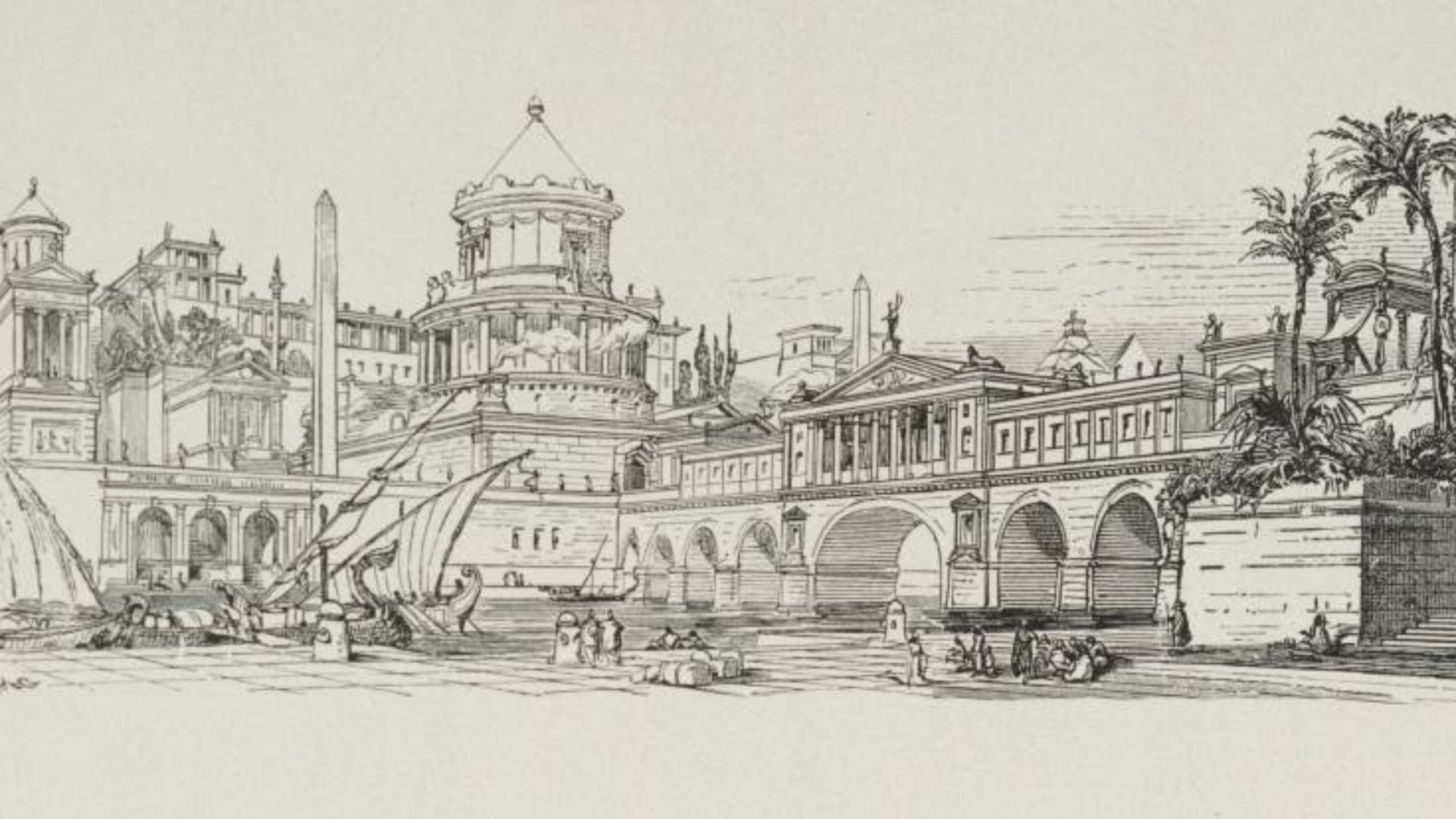
For generations, archaeologists assumed Cleopatra's tomb was somewhere beneath ancient Alexandria. The city was her capital, her home, and the center of her political power. If ancient writers were correct that she received a royal burial, Alexandria seemed like the most logical place to begin the search.
 Gnauth, Adolf, Wikimedia Commons
The City Sank Beneath The Sea
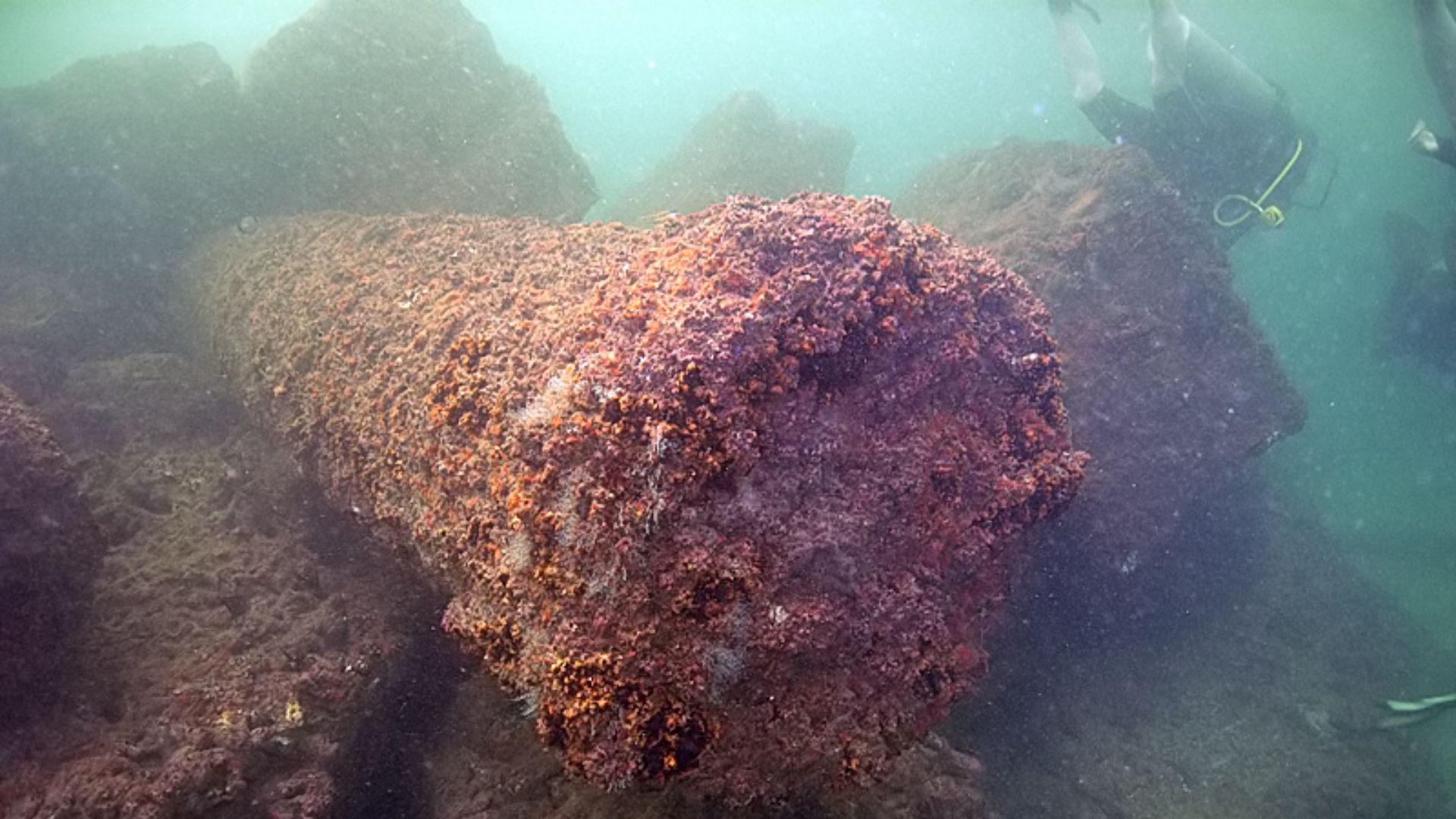
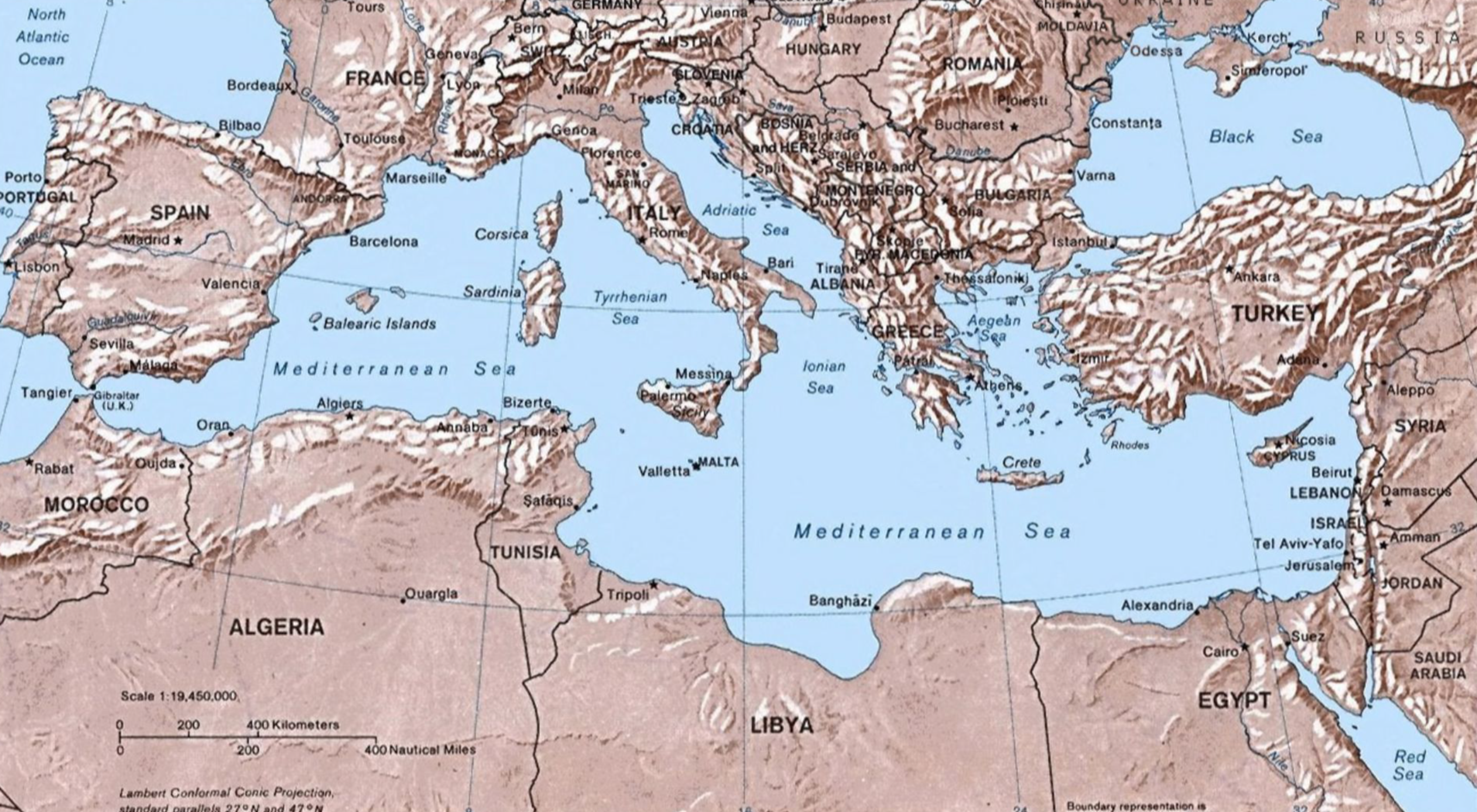
The search became much more complicated because parts of ancient Alexandria no longer sit on dry land. Earthquakes, tsunamis, and coastal subsidence caused parts of the ancient royal quarter to sink beneath the Mediterranean. Some archaeologists believe Cleopatra's tomb may still be somewhere down there.
 Roland Unger, Wikimedia Commons
One Archaeologist Had A Different Theory
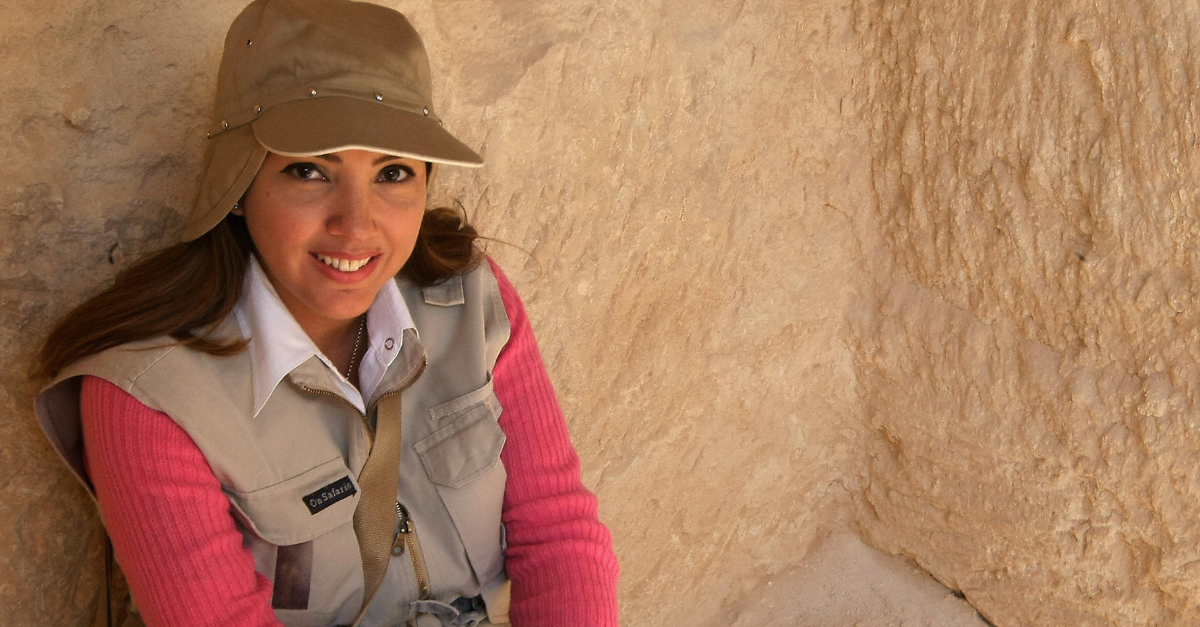
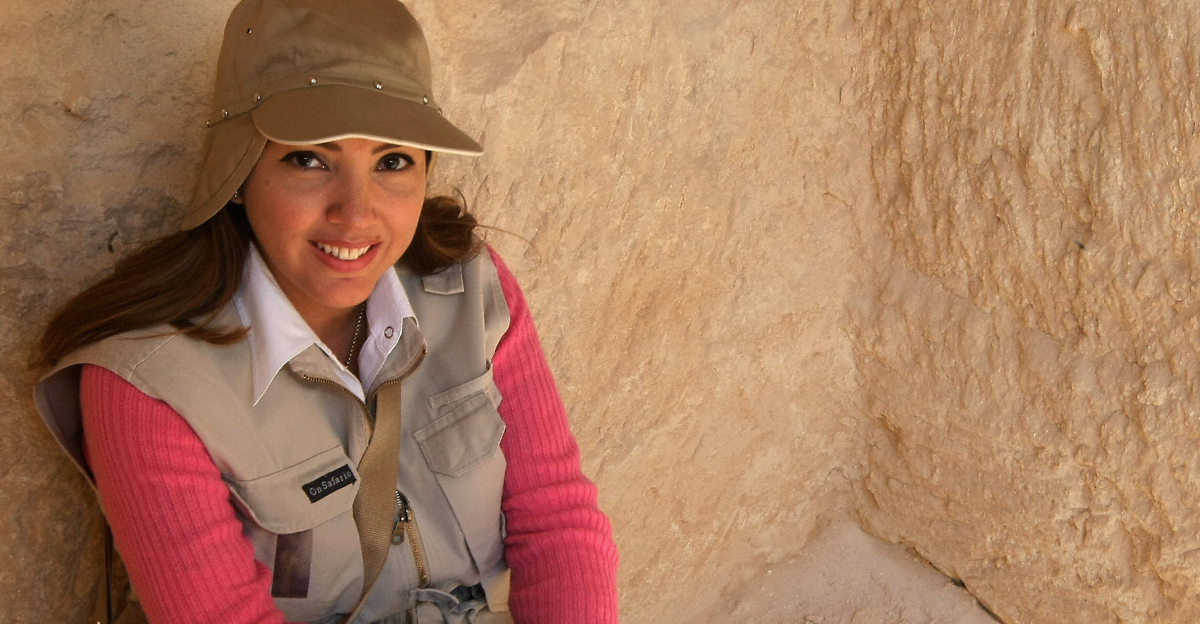
In the early 2000s, Dominican archaeologist Kathleen Martínez became convinced that researchers might be looking in the wrong place.
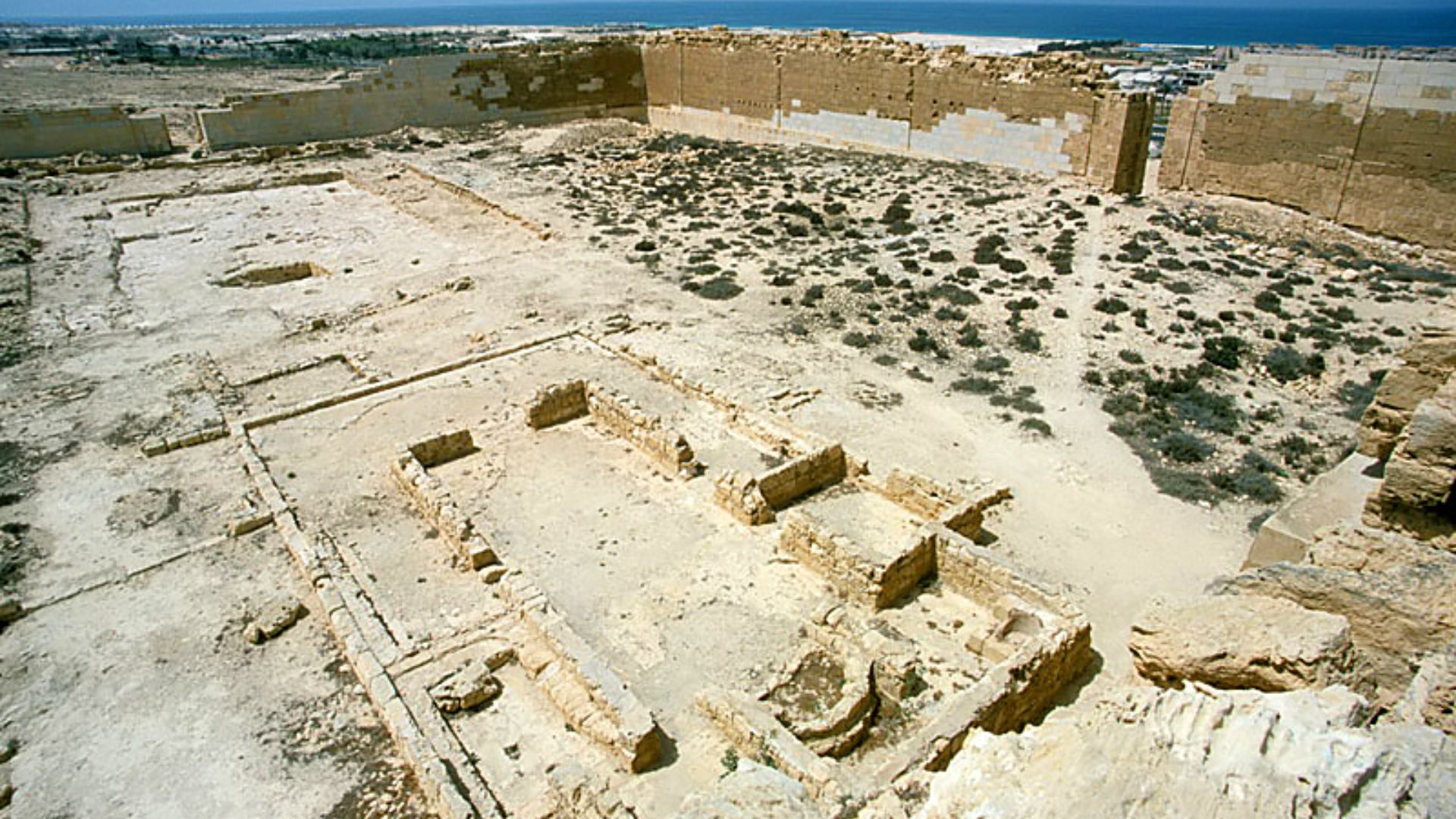
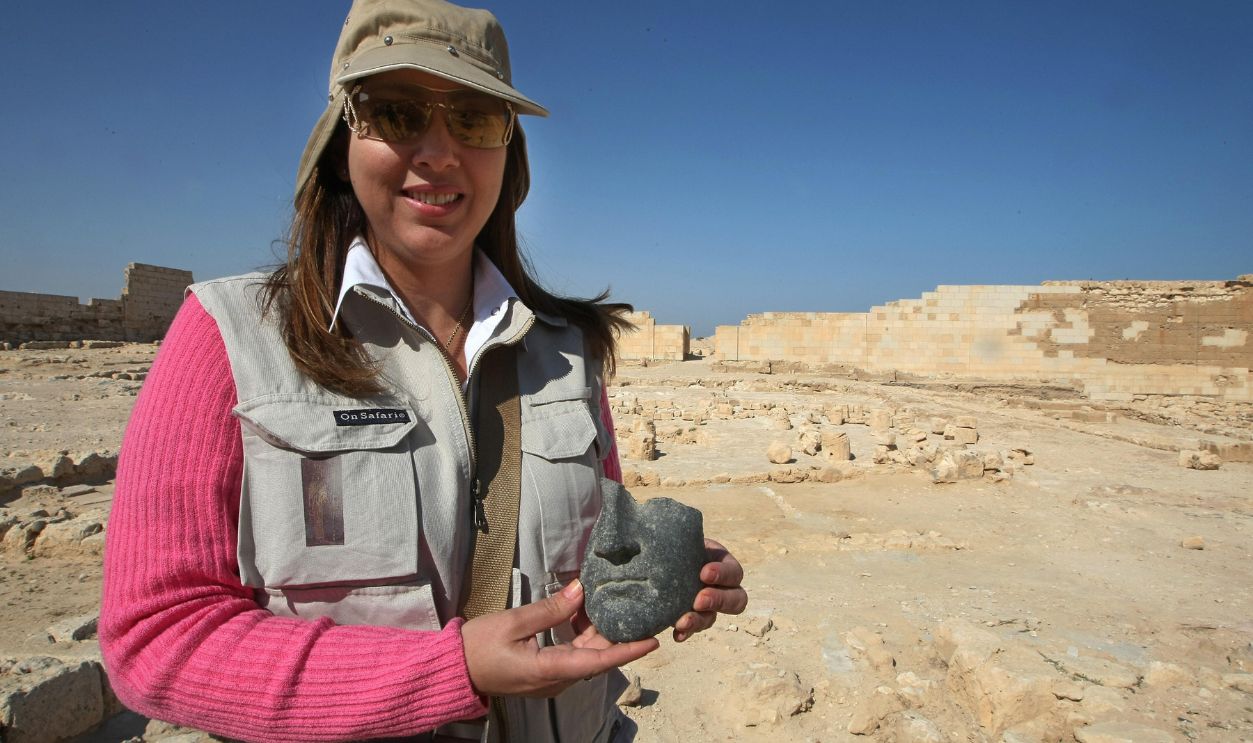
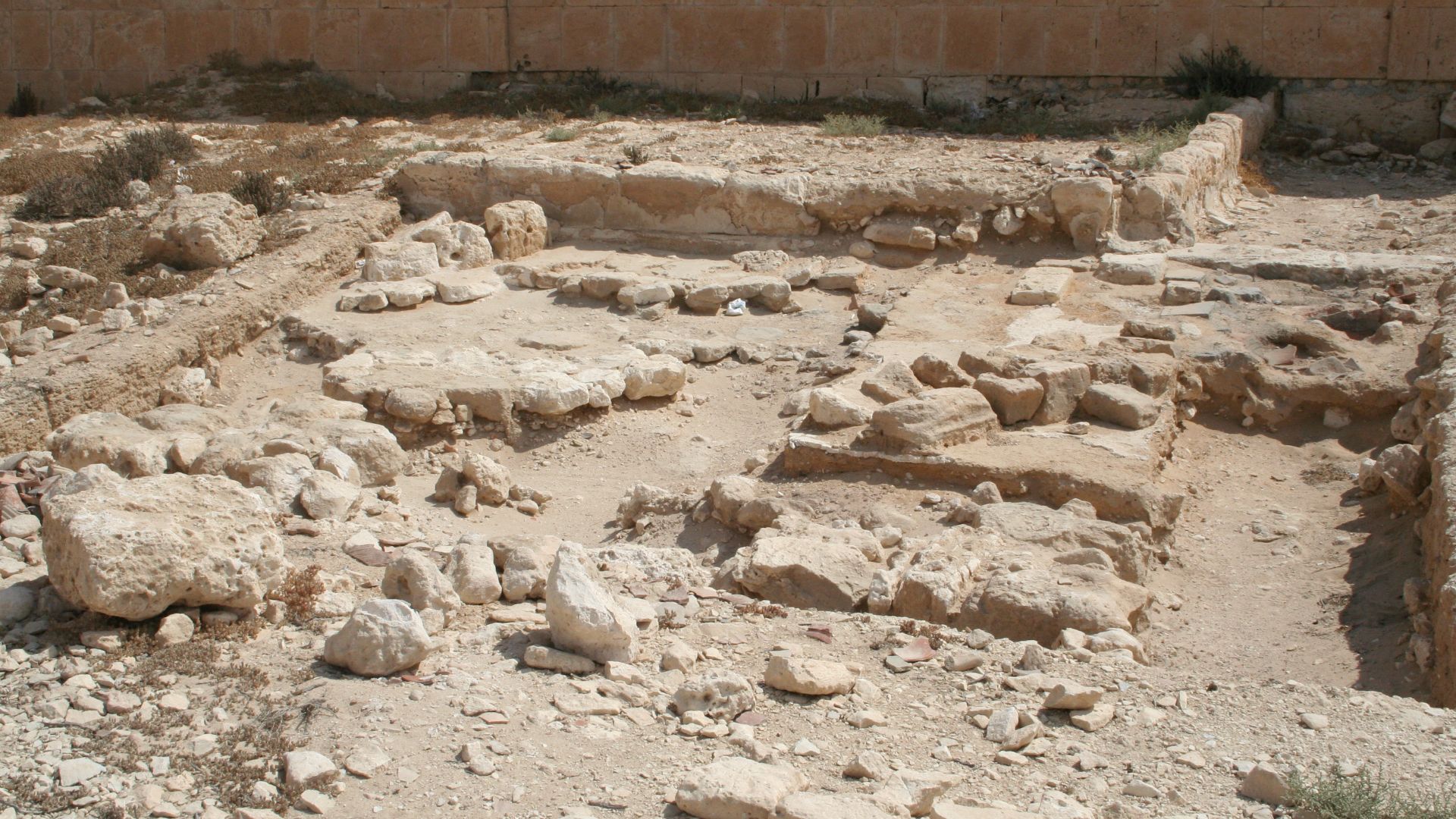
She believed Cleopatra may have chosen to be buried at Taposiris Magna, a major religious complex located about 30 miles west of Alexandria. The site was dedicated to Osiris, the Egyptian god associated with death and rebirth.
Taposiris Magna Was Already Ancient
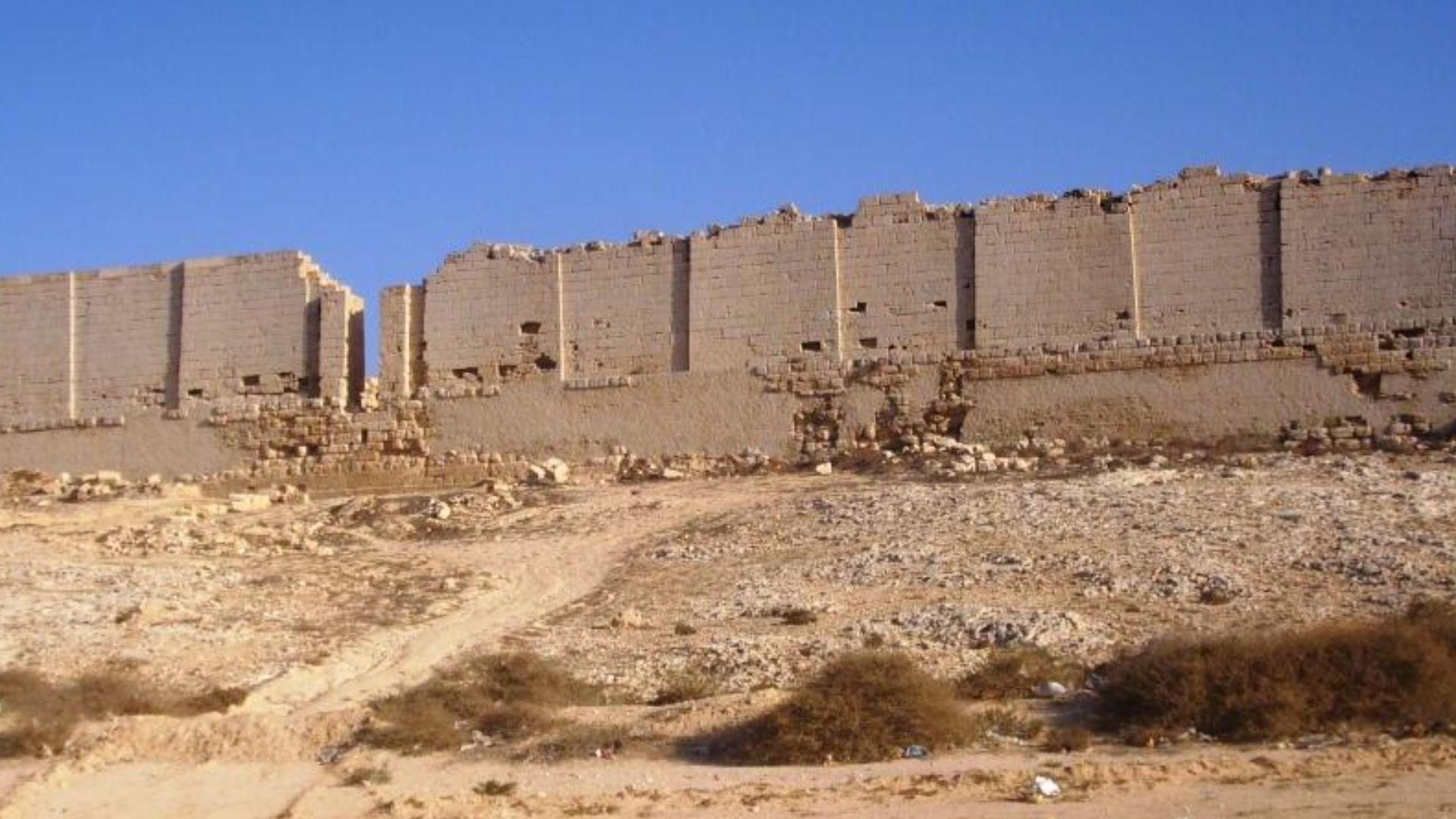
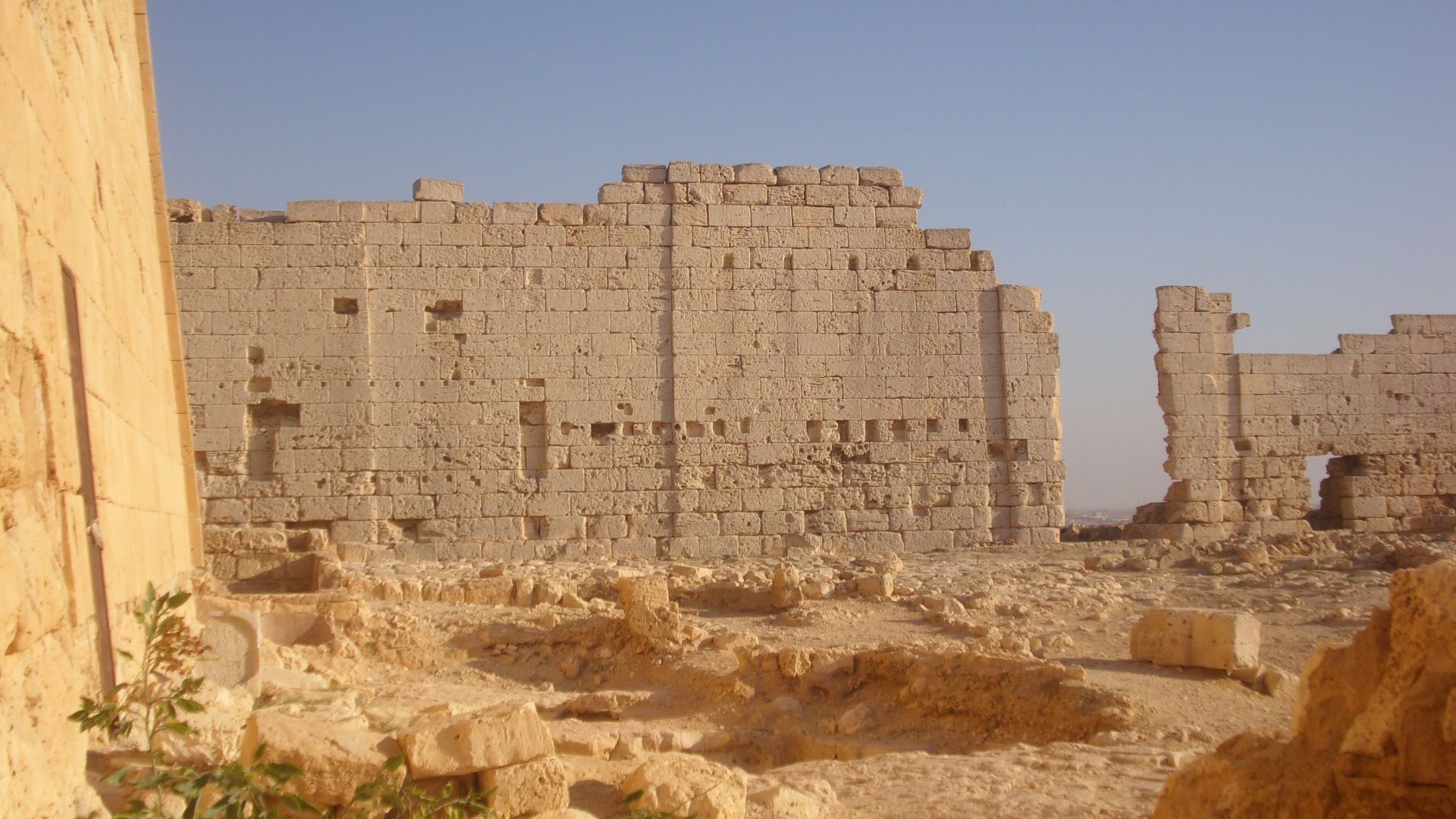
The site was not some newly built temple from Cleopatra's era. Taposiris Magna was built during the reign of Ptolemy II Philadelphus around 280–270 BC, roughly 250 years before Cleopatra's death. That means it was already an important religious center long before the famous queen ever ruled Egypt.
At First, Many Scholars Were Skeptical
The theory was controversial from the beginning. Cleopatra ruled from Alexandria, not Taposiris Magna, and no ancient source directly states that she was buried there. Still, Martínez argued that Cleopatra's deep interest in Egyptian religion may have influenced where she wanted to spend eternity.
 Einsamer Schutze, Wikimedia Commons
Cleopatra Had Strong Ties To Isis
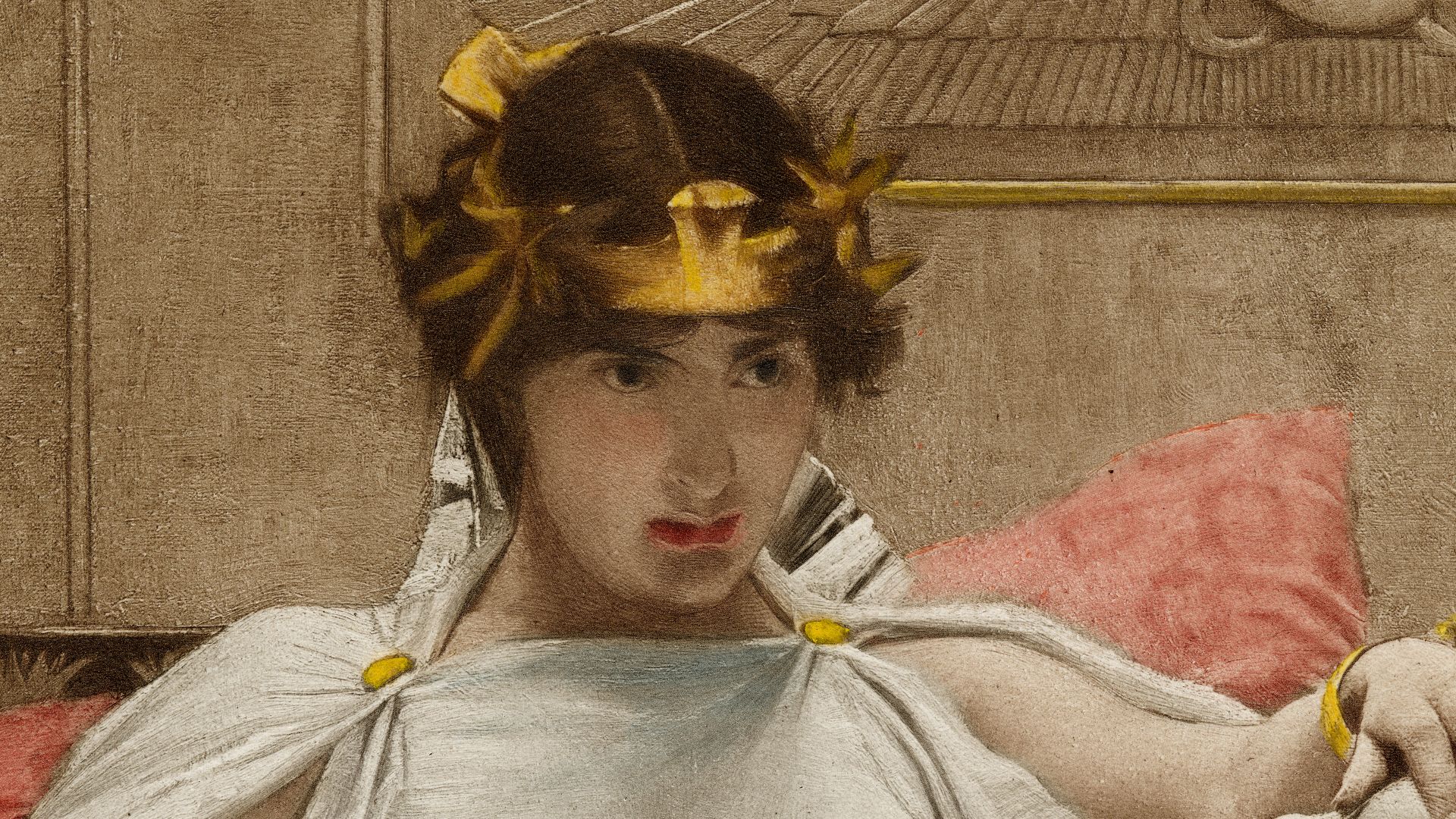
One reason Martínez became interested in Taposiris Magna involves Cleopatra's connection to the goddess Isis.
Throughout her reign, Cleopatra was famously associated with Isis, one of ancient Egypt's most important deities. Since Taposiris Magna was connected to religious traditions involving both Isis and Osiris, Martínez believed the symbolism may have appealed to the queen.
 John William Waterhouse, Wikimedia Commons
Then The Discoveries Started Piling Up
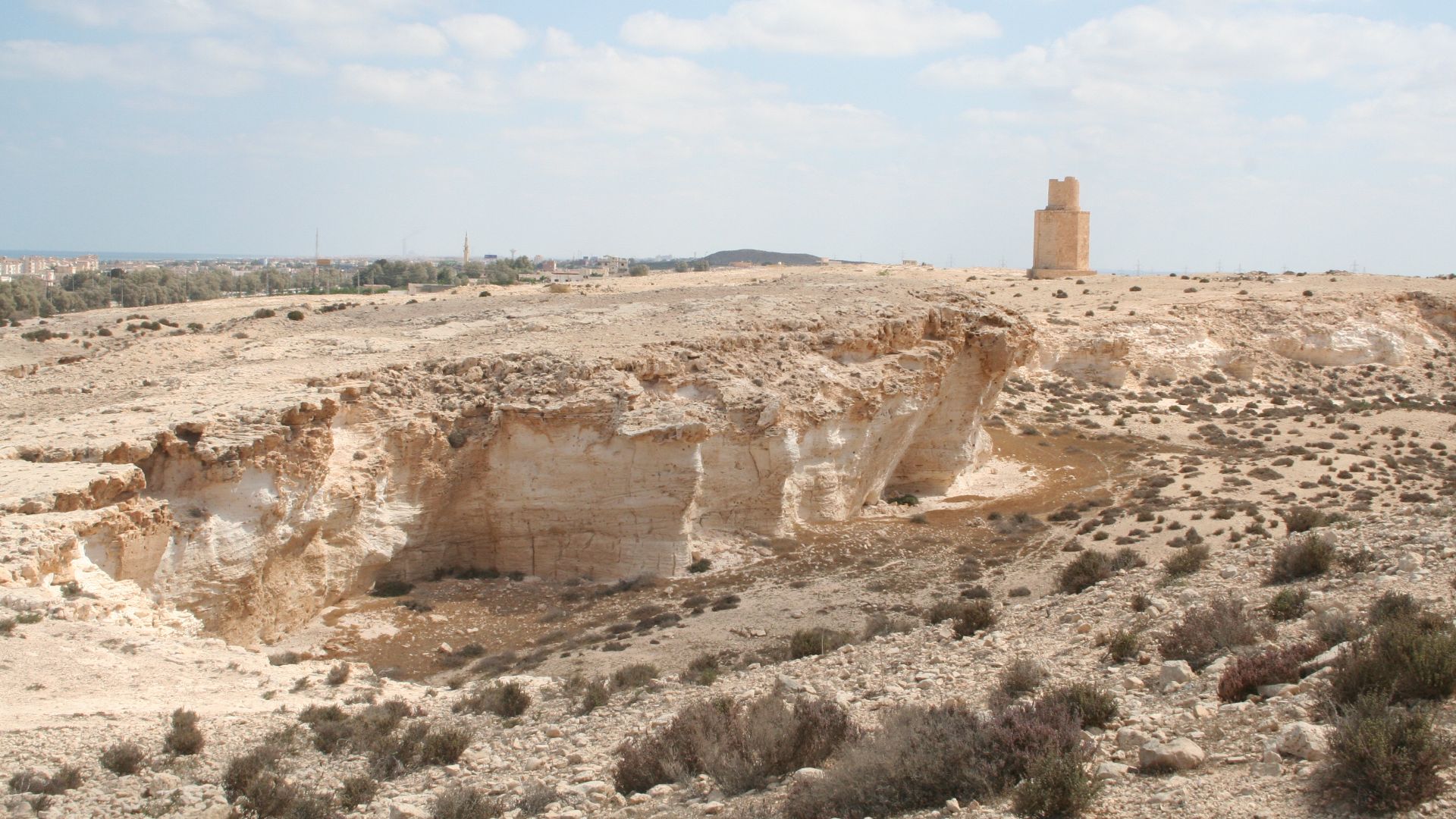
Excavations at Taposiris Magna began producing intriguing finds that forced archaeologists to take the theory more seriously. Year after year, the site continued yielding evidence that it had been a far more important place than many experts once believed.
 Einsamer Schütze, Wikimedia Commons
Coins Bearing Cleopatra's Face Emerged
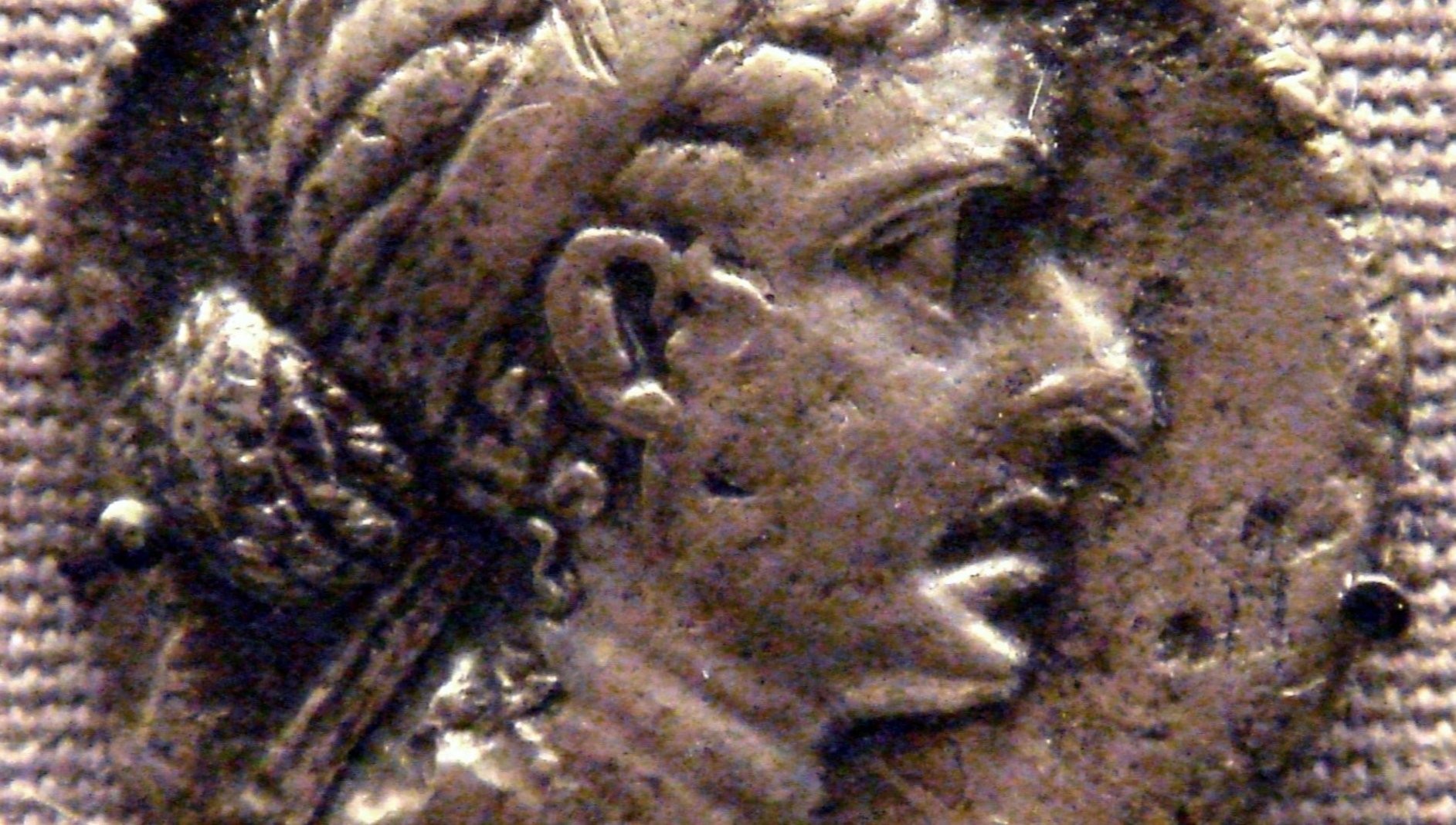
Among the most eye-catching discoveries were coins depicting Cleopatra VII herself. The finds confirmed that the site was active during her lifetime and connected to the Ptolemaic world she ruled. While not proof of a burial, the discovery strengthened the site's significance.
The Temple Was More Important Than Expected
Archaeologists also uncovered statues, religious artifacts, ceremonial objects, and high-status burials. Together, the discoveries suggested Taposiris Magna was not simply a remote temple but a major center of activity during the late Ptolemaic period.
The Gold-Tongued Mummies Raised Eyebrows
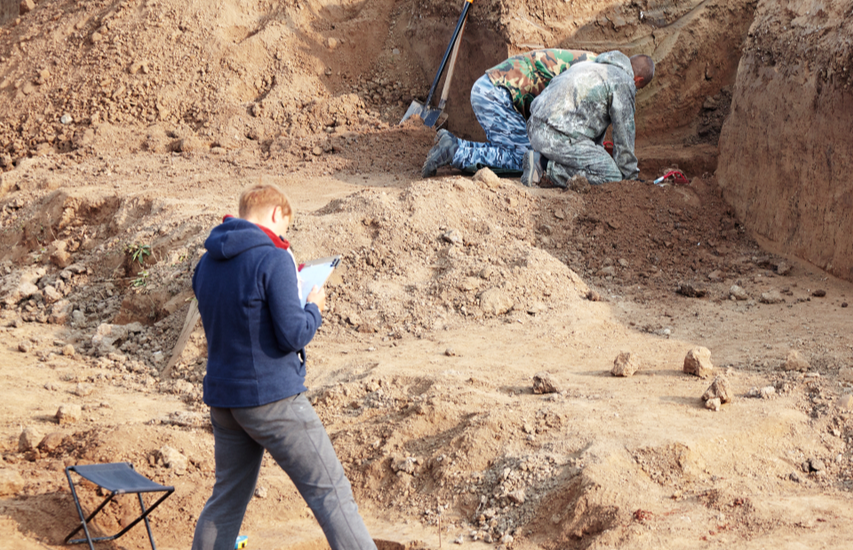
Among the more unusual discoveries were mummies fitted with gold tongue amulets. Ancient Egyptians believed these symbolic tongues could help the dead communicate in the afterlife.
The burials had no known connection to Cleopatra, but they highlighted the religious importance of the site and attracted international attention.
The Temple Hid A Massive Surprise Underground
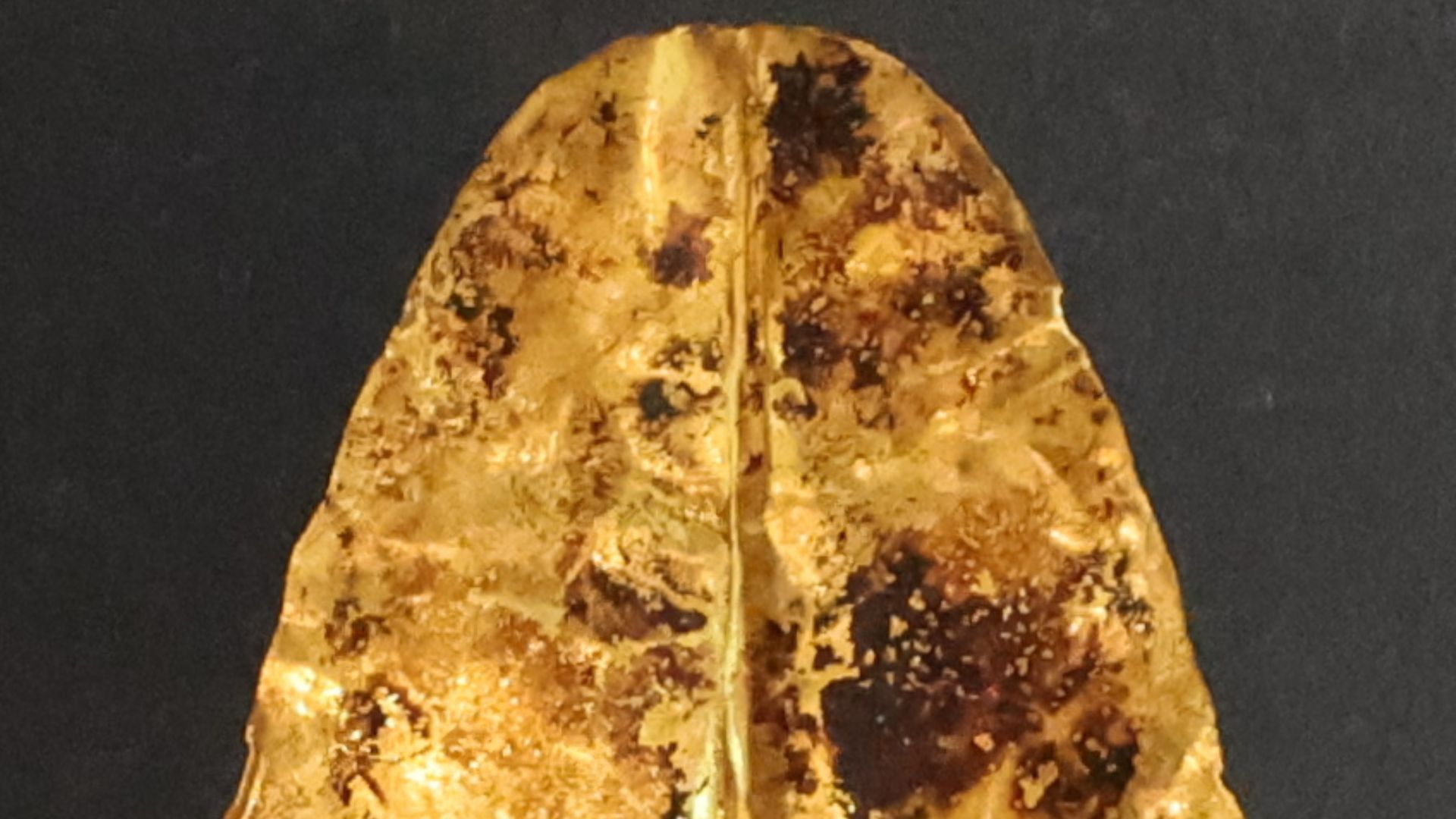
One of the most dramatic discoveries came when archaeologists located a huge tunnel beneath the temple complex.
The passage stretches for more than 4,000 feet, stands roughly 6½ feet high, and sits about 40 feet below ground. Carved directly through bedrock, it represents a remarkable engineering achievement. Some experts compared it to the famous Tunnel of Eupalinos in Greece.
 Zach Marshall, Wikimedia Commons
Nature May Have Buried The Evidence
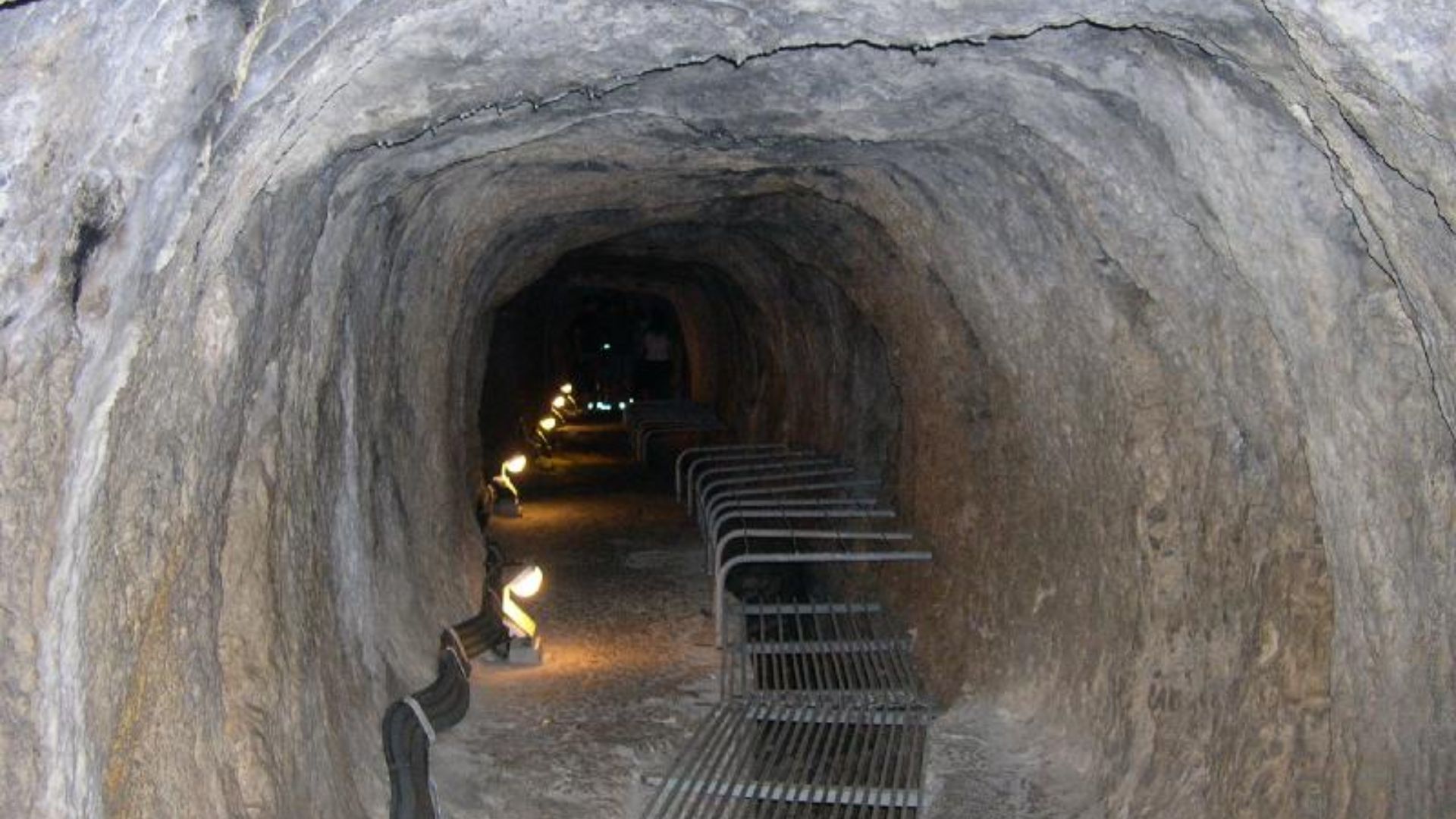
Researchers later determined that parts of the ancient complex had been damaged by earthquakes and flooding over the centuries.
Some sections appear to have collapsed or become submerged as the coastline changed. If Cleopatra's tomb is connected to the temple, portions of it may now lie beneath water or deep layers of debris.
Archaeologists Found A Lost Harbor
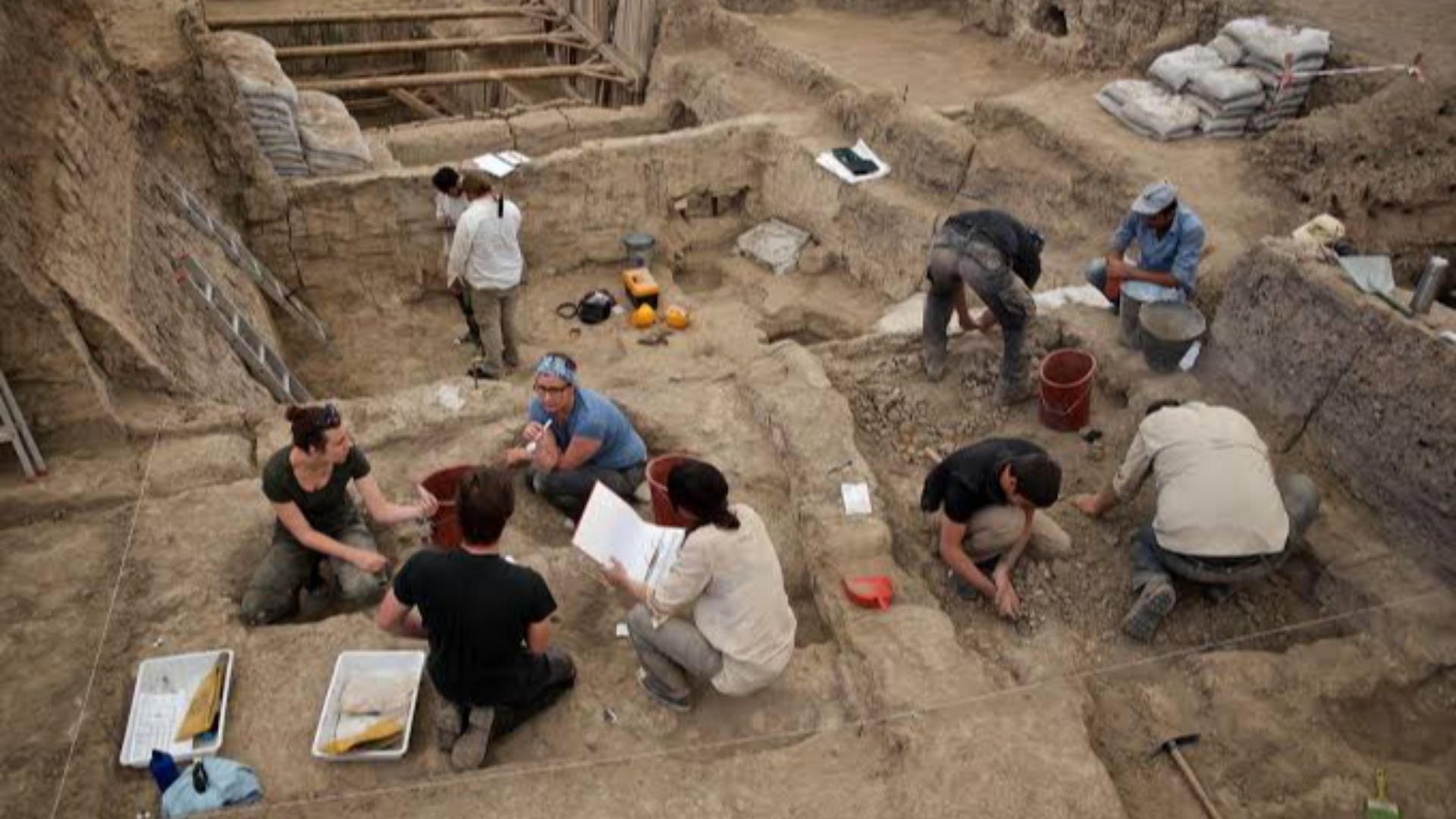
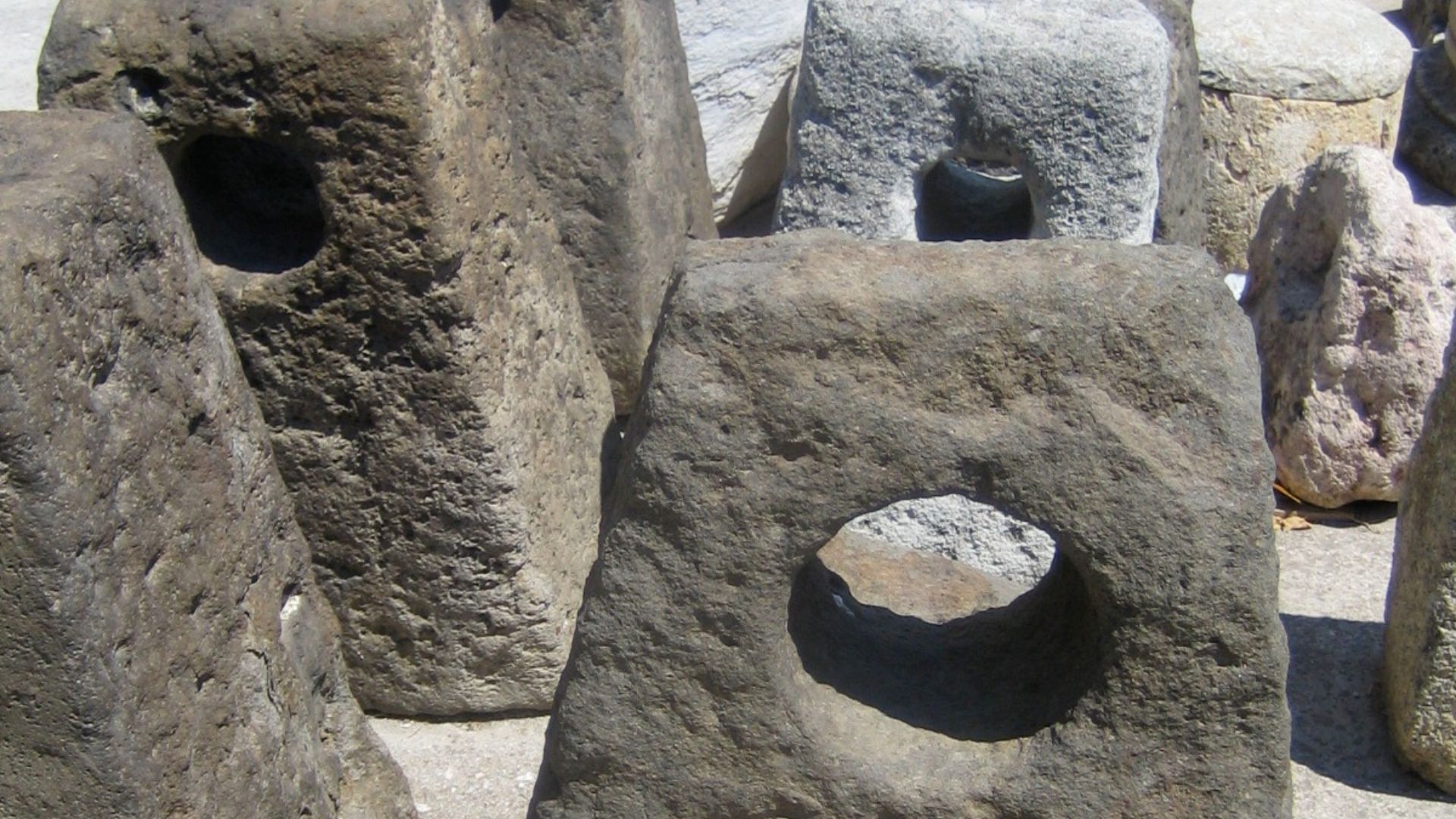
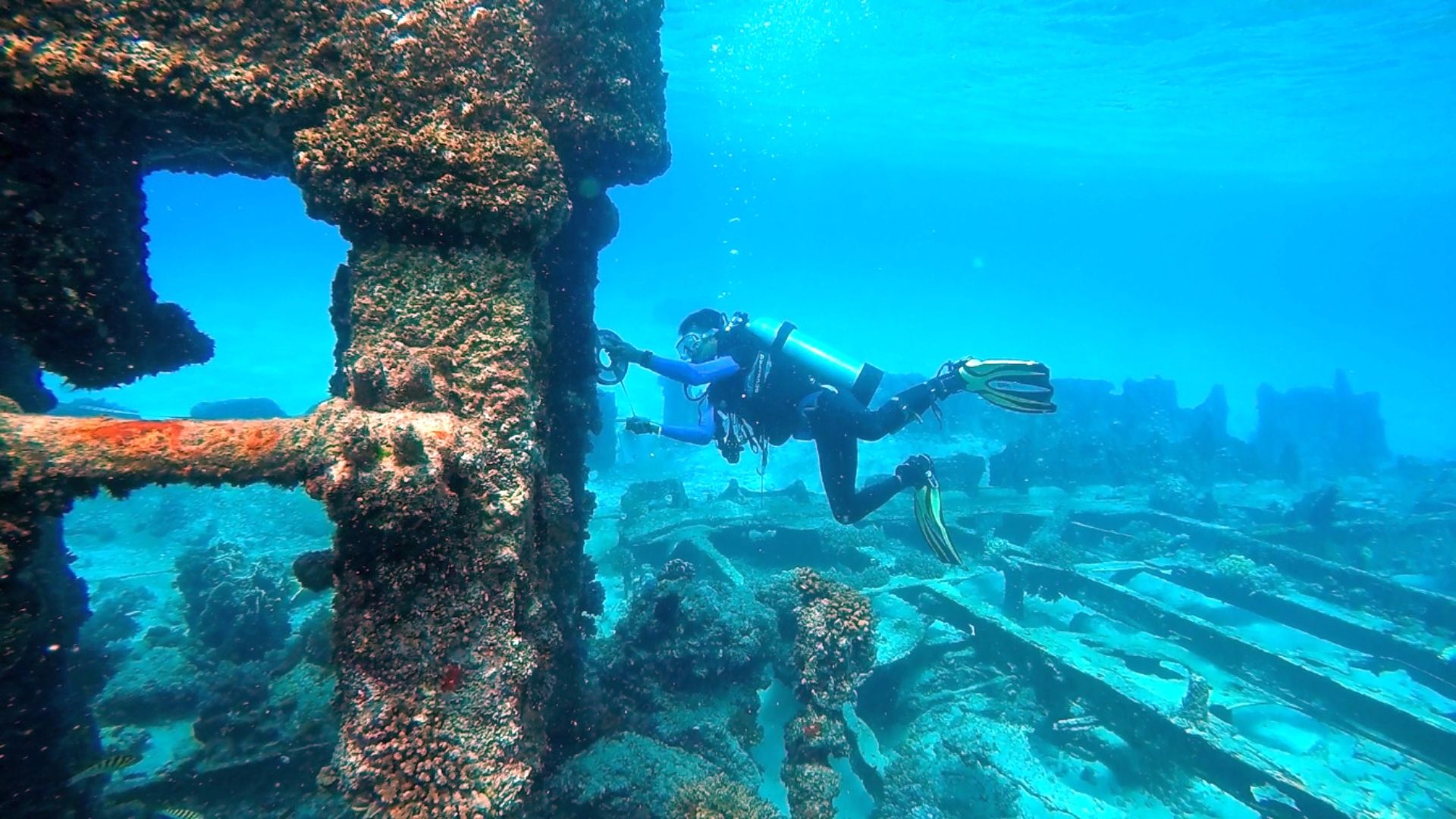
One of the most important recent discoveries was a submerged ancient harbor near Taposiris Magna. Researchers also documented underwater structures, anchors, and evidence of maritime activity that had remained hidden beneath the Mediterranean for centuries.
 Jose M. Ciordia, Wikimedia Commons
Why The Harbor Discovery Matters
The harbor suggests Taposiris Magna was much more connected to the wider Mediterranean world than previously thought. Rather than an isolated temple, it may have been part of an important regional network during Cleopatra's lifetime.
The Harbor Created A New Possibility
The discovery also raised a fascinating possibility. If parts of the ancient complex were connected to structures that later sank beneath the sea, then key sections of the site may still be hidden underwater.
In other words, the most important clues might exist in places archaeologists can identify—but cannot easily explore.
 Dwi sumaiyyah makmur, Wikimedia Commons
The Tomb Could Be Underwater
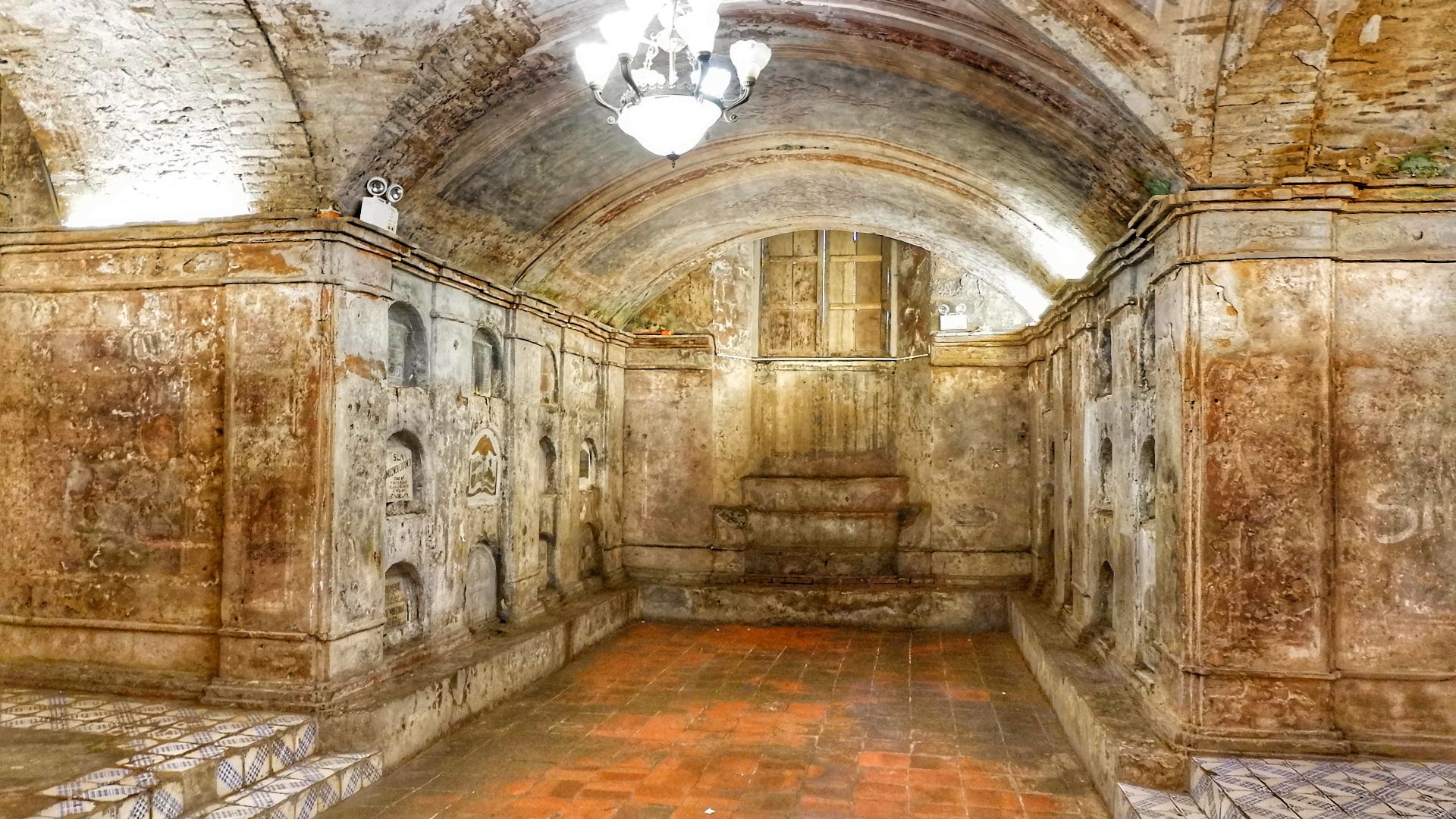
One possibility is that any surviving burial chamber now lies beneath submerged portions of the site. If that's true, archaeologists may be dealing with one of the most difficult excavations in modern Egyptology. Exploring collapsed underwater structures is far slower and more complicated than digging a traditional desert tomb.
 Lucidoadrian, Wikimedia Commons
The Biggest Problem Is Still The Same
Despite years of discoveries, researchers have not found Cleopatra's mummy, sarcophagus, or burial chamber. The evidence surrounding Taposiris Magna may be intriguing, but it remains circumstantial.
The Evidence Still Isn't Direct
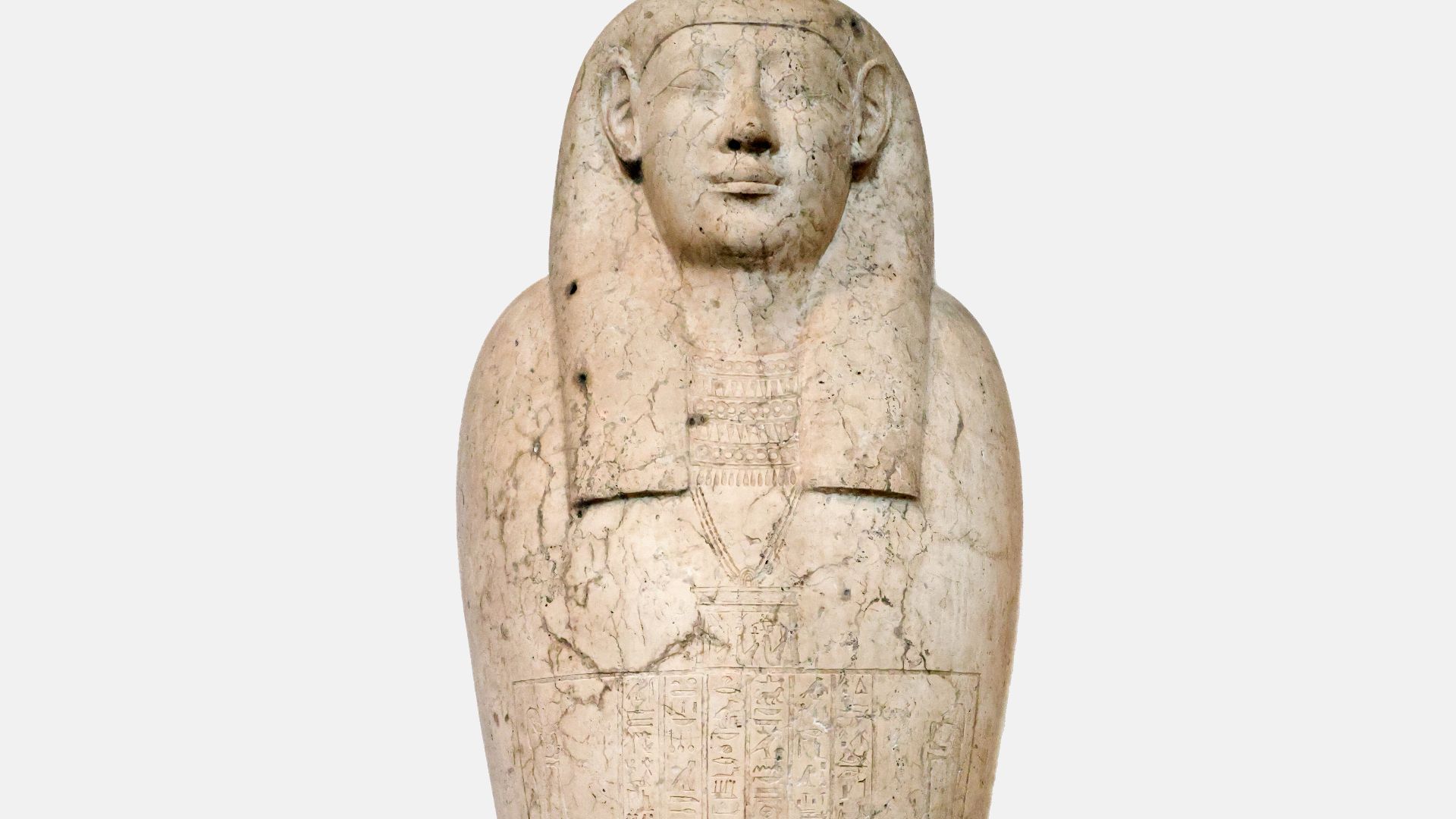
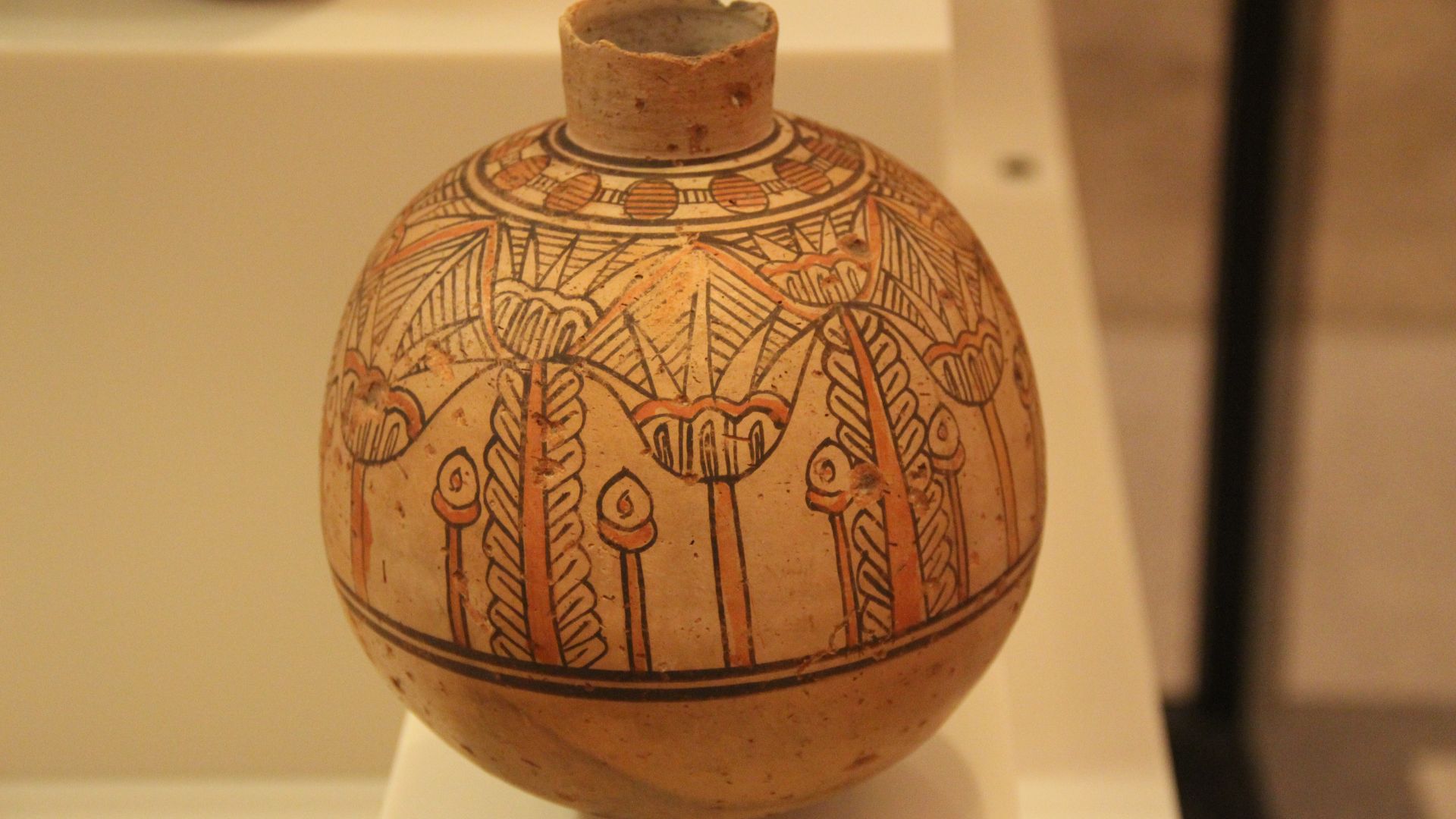
Researchers have found coins, tunnels, statues, high-status tombs, and a harbor. What they have not found is anything that directly links a burial to Cleopatra herself. That missing piece continues to frustrate both archaeologists and history enthusiasts.
 Gary Todd from Xinzheng, China, Wikimedia Commons
Archaeology Requires Proof
Extraordinary claims require extraordinary evidence. Until researchers uncover an inscription, sarcophagus, mummy, or other unmistakable marker connected to Cleopatra, the mystery remains officially unsolved.
![Musée gallo-romain de Fourvière (Lyon) - Parti inférieure d'un stylobate découvert en remploi lors de la démolition de l'église Saint-Côme à Lyon. Haut. 96cm ; larg.175cm. Deux inscriptions :
à gauche : [---] / patr[ono ---] ate praef(ecto) / coloniae act](https://www.factinate.com/storage/app/media/factinate/2026/6/1/1780308350af802a2c493358be0e9e101907ec00aee28879f2.jpg) Arnaud Fafournoux, Wikimedia Commons
Arnaud Fafournoux, Wikimedia Commons
Some Experts Remain Unconvinced
Not every Egyptologist agrees with the Taposiris Magna theory.
Critics point out that no ancient source specifically mentions Taposiris Magna as Cleopatra's burial place. If such a dramatic relocation occurred, some historians argue that at least one surviving writer might have recorded it.
Many researchers still believe Cleopatra's tomb is more likely located somewhere beneath ancient Alexandria's lost royal quarter.
The Search Is A Race Against Time
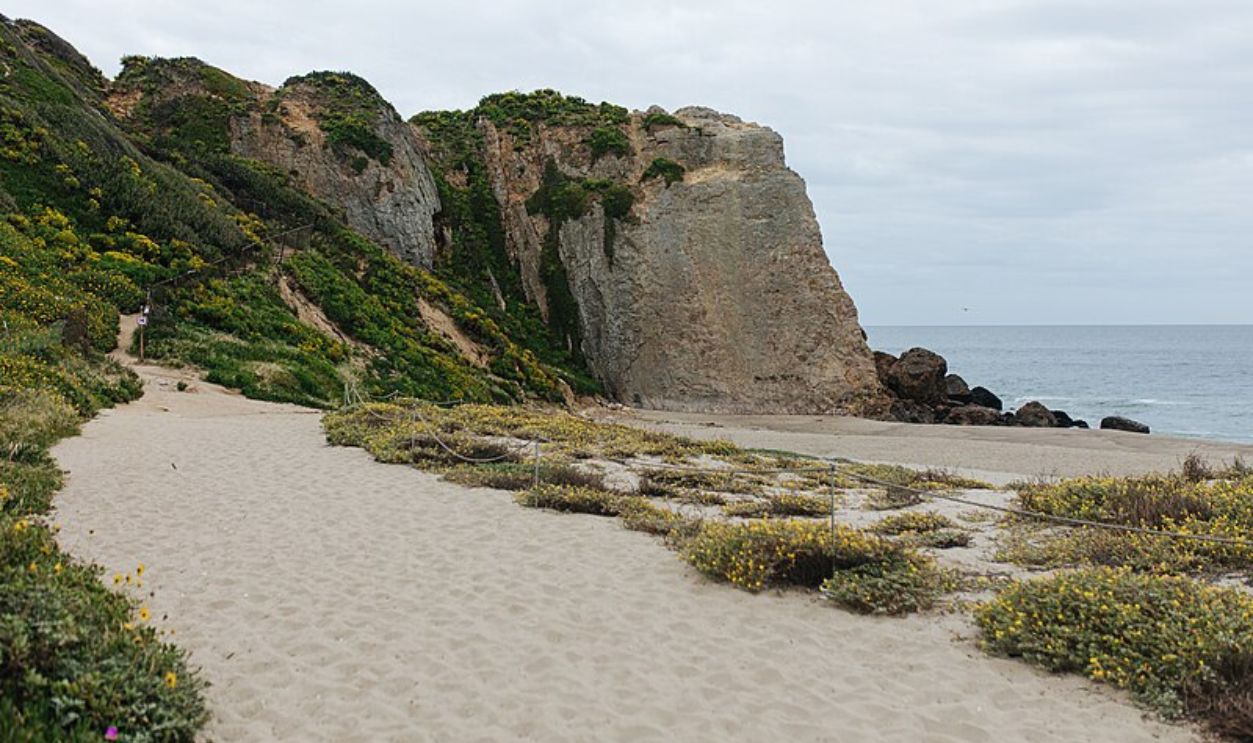
Coastal erosion, rising sea levels, and the natural deterioration of ancient structures continue to threaten archaeological sites across Egypt. Every year that passes makes preserving and studying submerged ruins more challenging.
 Cecilybreeding, CC0, Wikimedia Commons
Why Cleopatra Still Fascinates Us
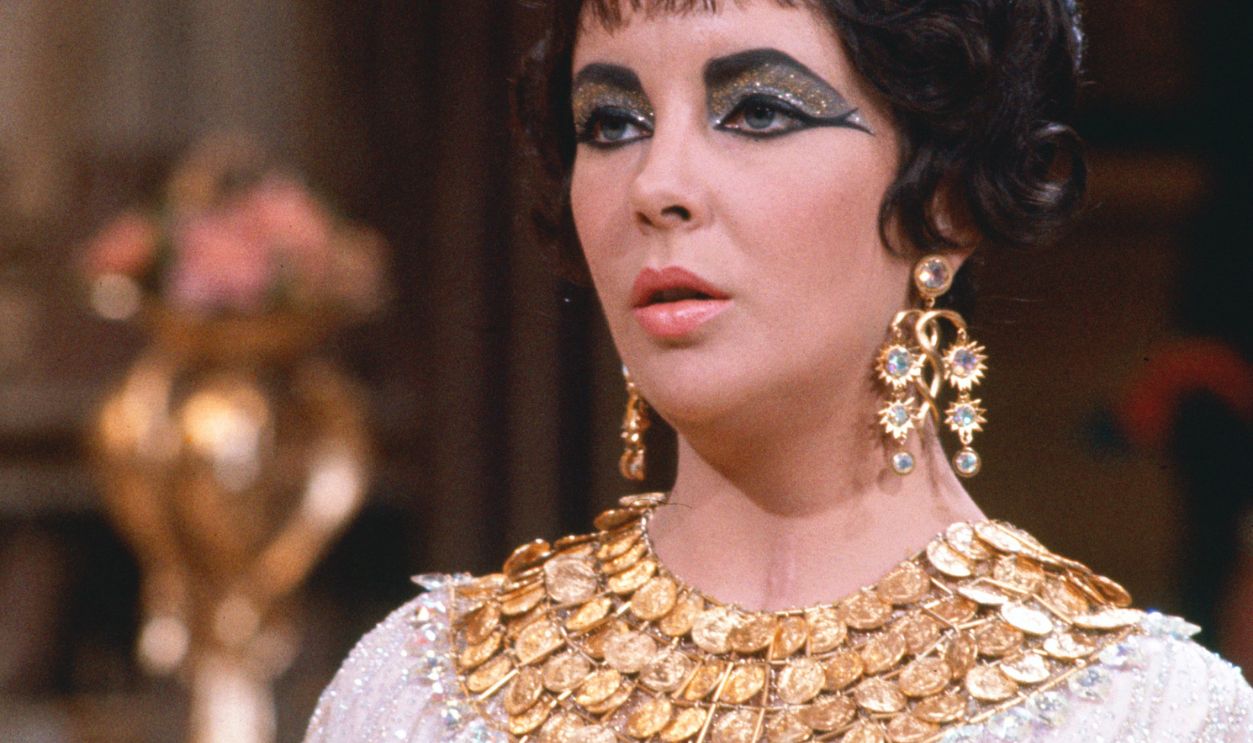
Part of the reason this mystery attracts so much attention is because Cleopatra was far more than a queen.
She was a politician, diplomat, strategist, and one of the most influential figures of the ancient world. More than 2,000 years after her death, she remains one of the few ancient rulers whose name is instantly recognizable around the globe.
 Silver Screen Collection, Getty Images
The Mystery Isn't Solved Yet
For now, Cleopatra's final resting place remains one of archaeology's greatest unsolved mysteries.
But after decades of searching, archaeologists finally have a location they believe deserves serious attention. Whether the answer lies beneath an ancient temple, under the Mediterranean Sea, or somewhere else entirely, the hunt for history's most famous missing tomb is far from over.
You Might Also Like: