A Cave Full Of Secrets
For decades, scientists usually found Neanderthal history one fossil at a time: a tooth here, a bone fragment there. But a cave in Poland just delivered something completely different.
This Was Basically A Prehistoric Group Chat
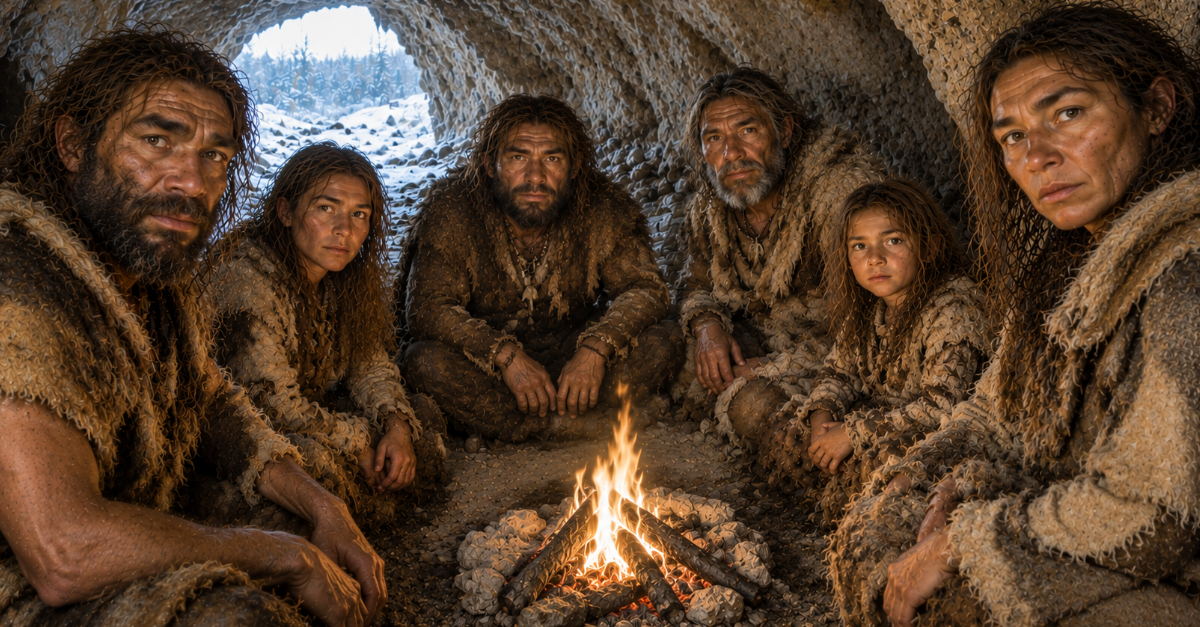
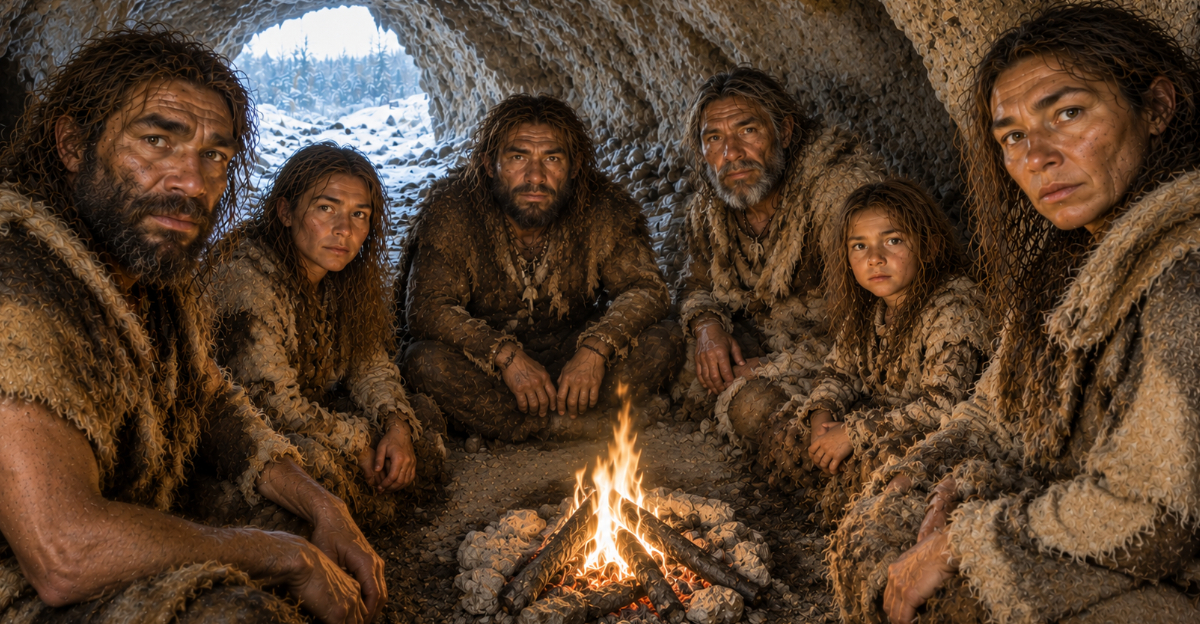
Researchers managed to reconstruct the genetic profile of a small Neanderthal group that lived in the same place roughly 100,000 years ago. That’s basically the prehistoric version of finding an ancient neighborhood group chat.
The Discovery Happened In Stajnia Cave
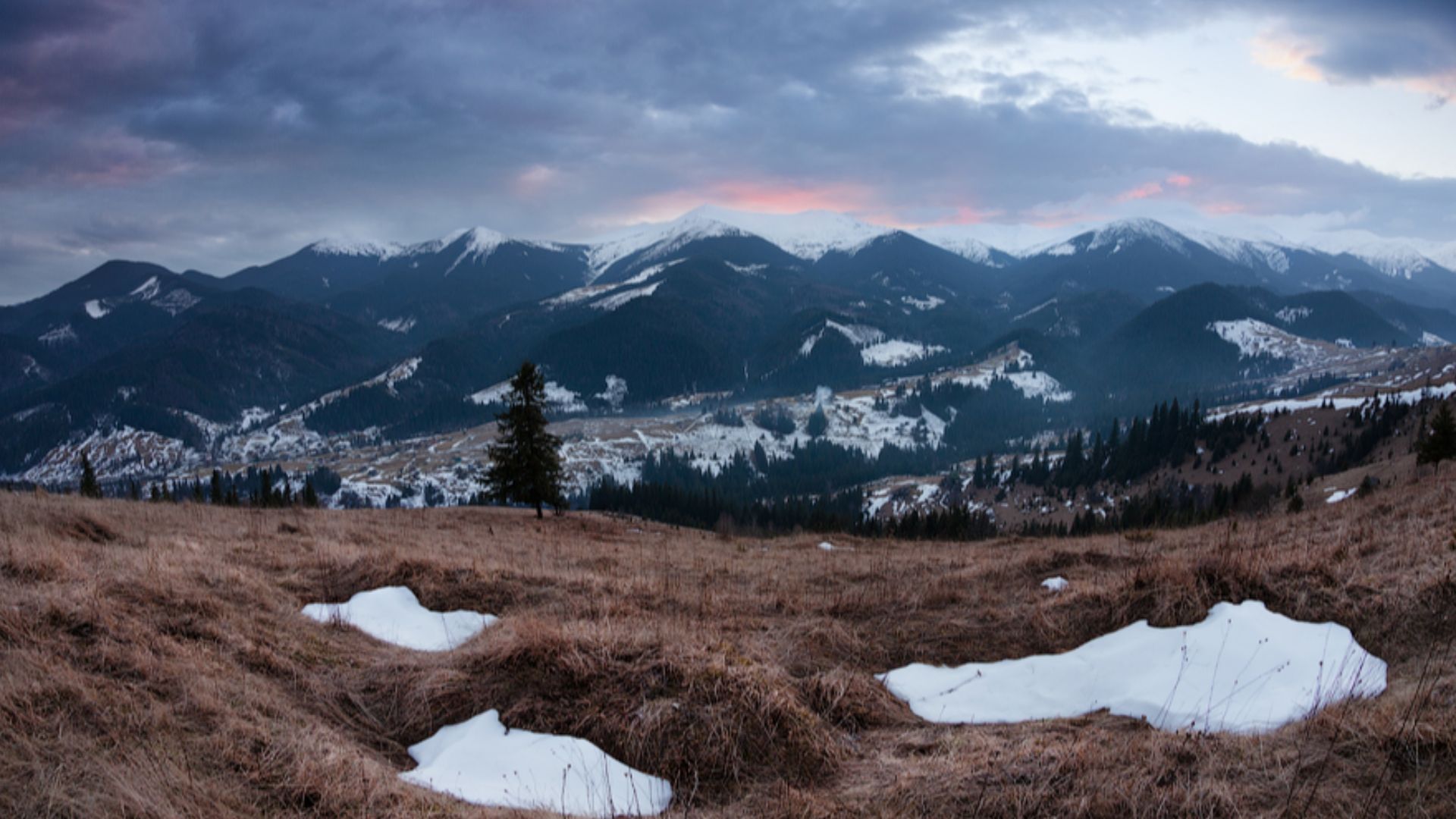
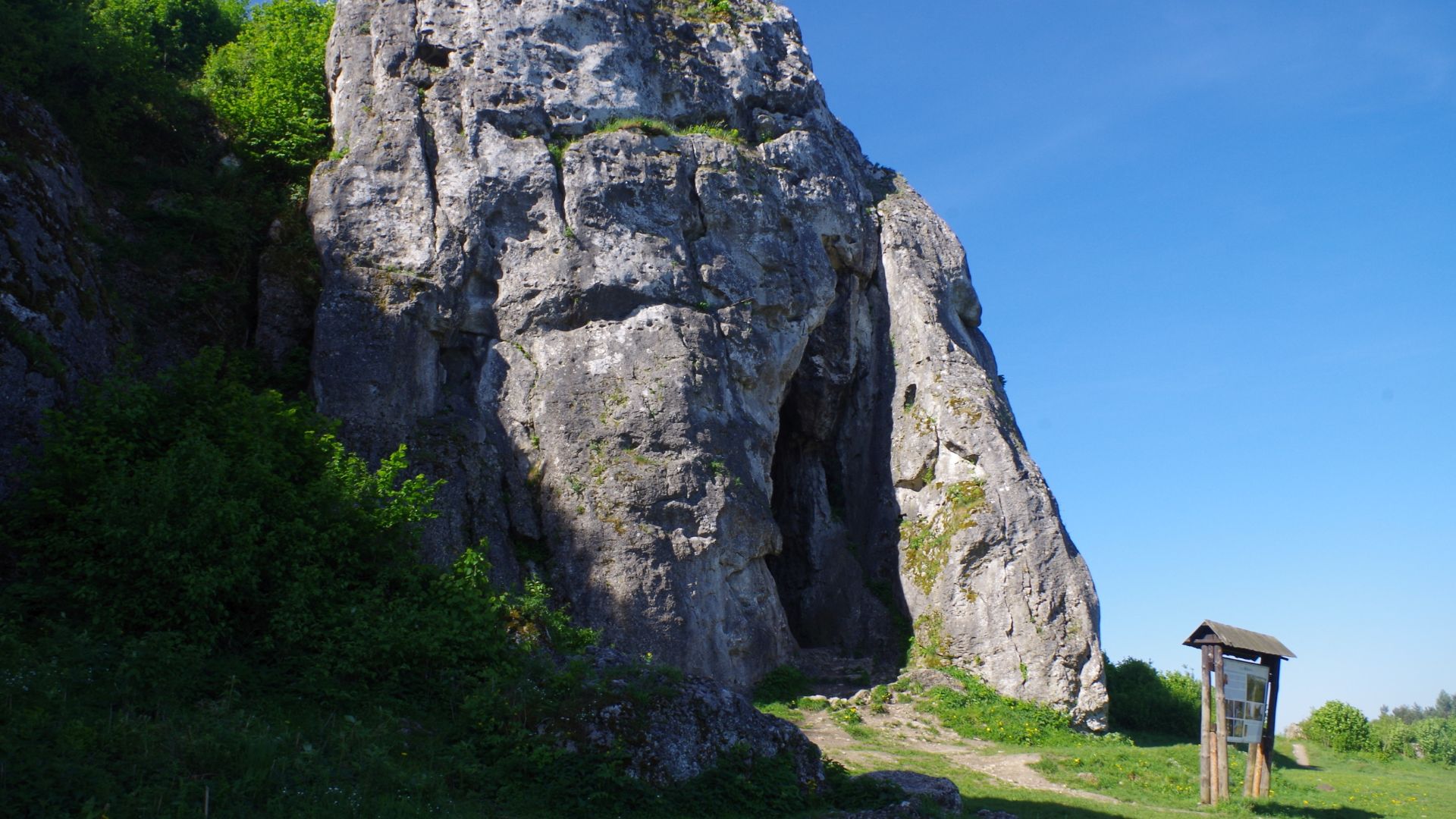
The breakthrough came from Stajnia Cave in southern Poland, north of the Carpathian Mountains. The site had already produced important Neanderthal finds, but this study gave researchers something rarer: DNA evidence from multiple individuals connected to the same place and broad time period.

This Is Extremely Rare
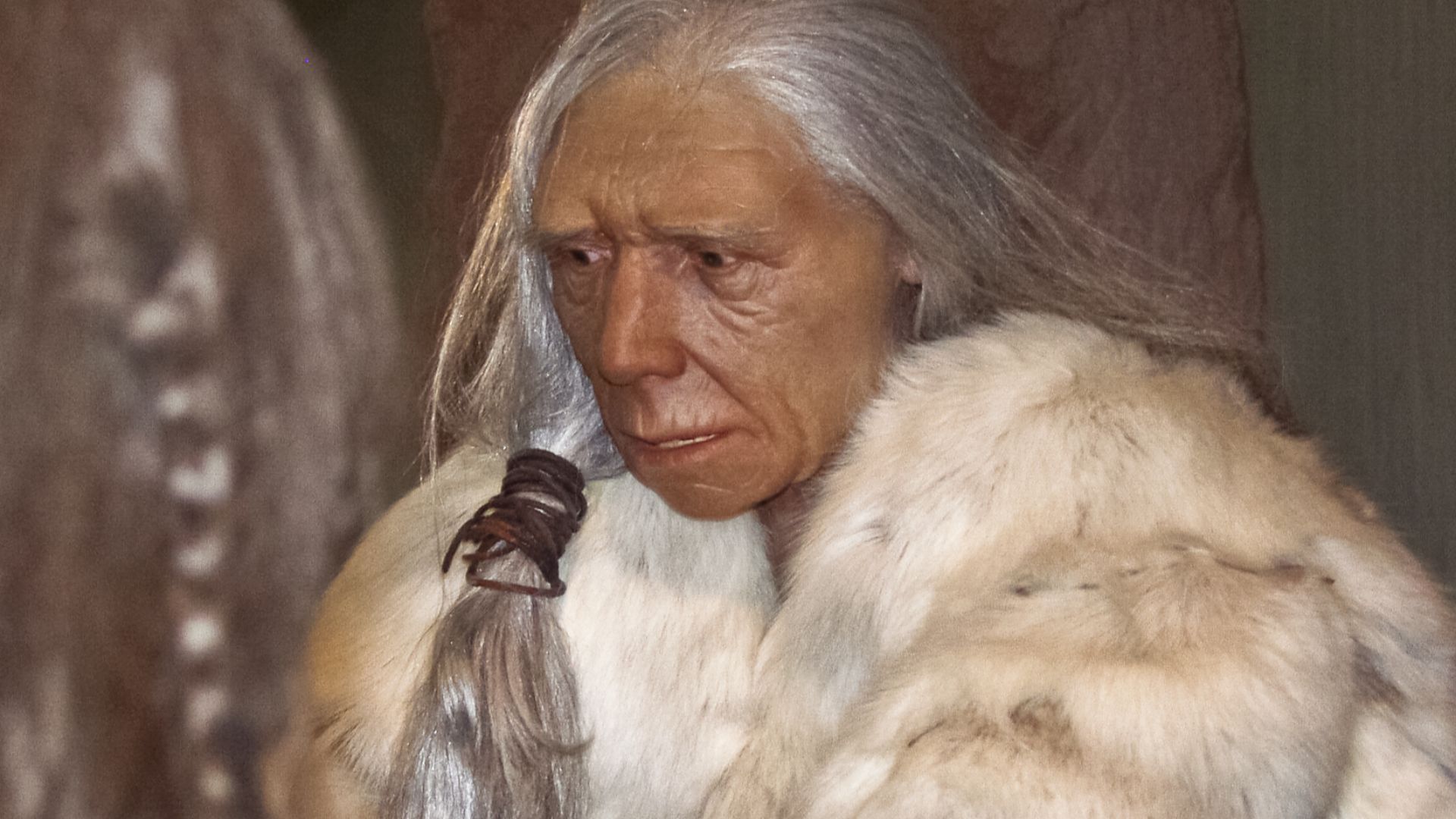
Normally, ancient Neanderthal DNA studies revolve around isolated individuals. Scientists might learn about one Neanderthal woman, one child, or one tooth, but not the group around them. This discovery changed that by giving researchers a genetic snapshot of multiple Neanderthals from one site.
 Fährtenleser, Wikimedia Commons
They Identified At Least Seven Neanderthals
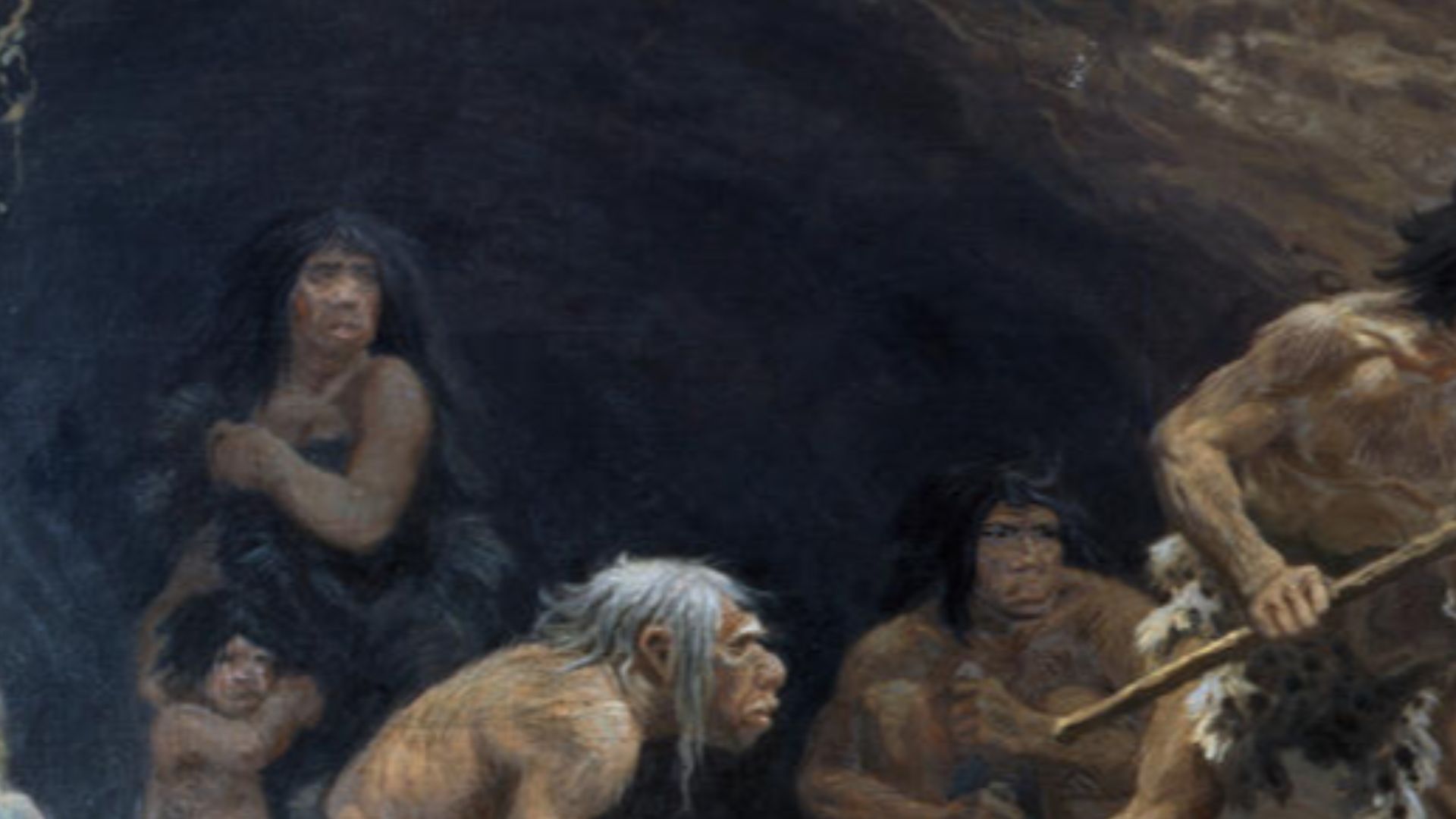
Researchers analyzed mitochondrial DNA from eight Neanderthal teeth and identified at least seven individuals. That matters because it lets scientists study a group, not just a lone fossil. Suddenly, Neanderthals stop looking like scattered museum pieces and start looking more like people who lived near one another.

The DNA Came From Ancient Teeth
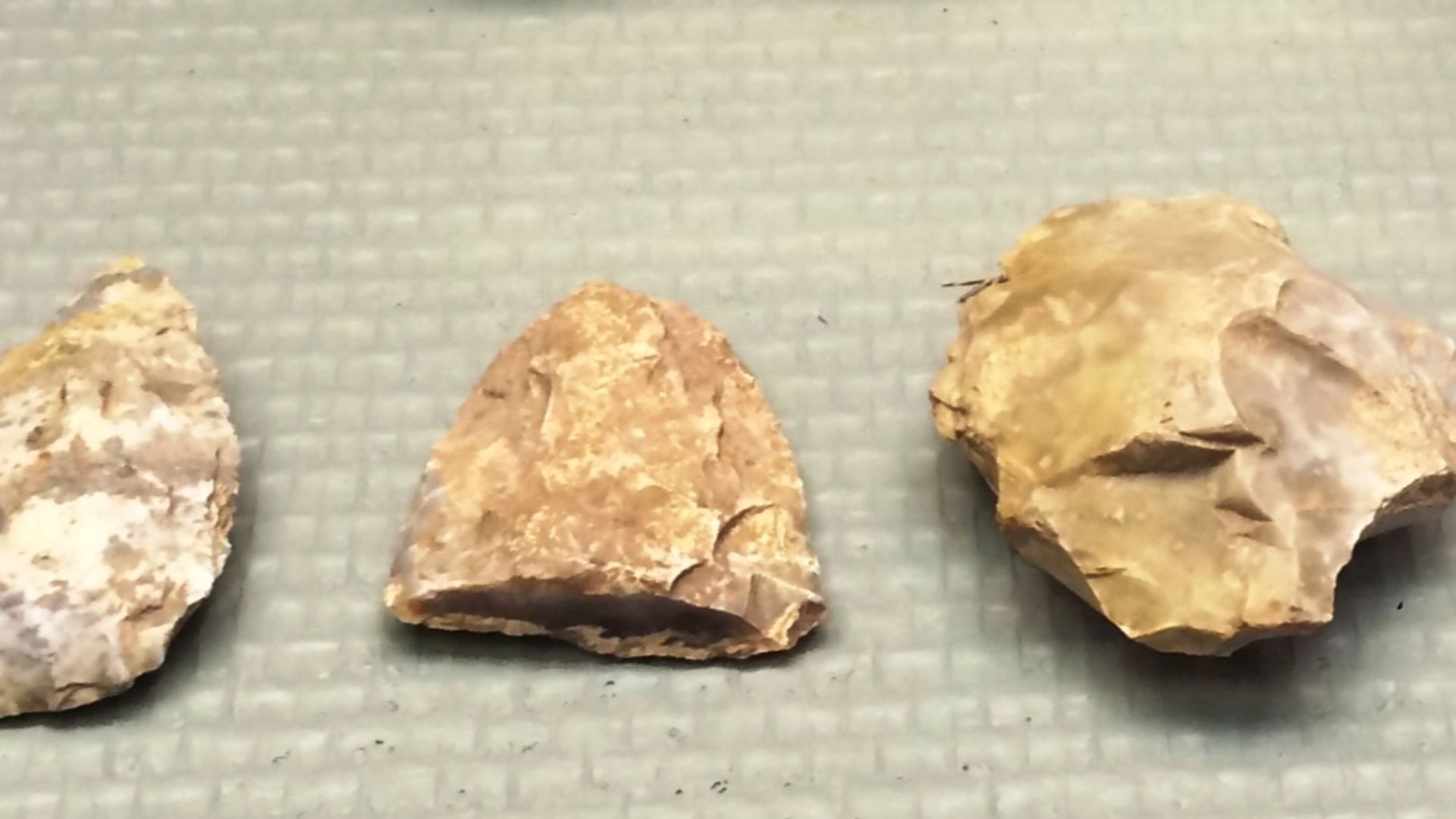
The genetic evidence came from teeth, not complete skeletons or cave dirt. That’s still wildly impressive. Teeth can preserve ancient DNA better than many other remains, and in this case, they helped scientists recover genetic information from Neanderthals who lived tens of thousands of years before modern humans dominated Europe.

It Was Mitochondrial DNA
The study focused on mitochondrial DNA, which is passed down through the maternal line. That means researchers were not rebuilding complete genomes or a full family tree. Instead, they were tracing maternal genetic links, which can still reveal powerful clues about relatedness, movement, and population history.
 Charles Robert Knight, Wikimedia Commons
Ancient DNA Technology Has Become Wildly Advanced
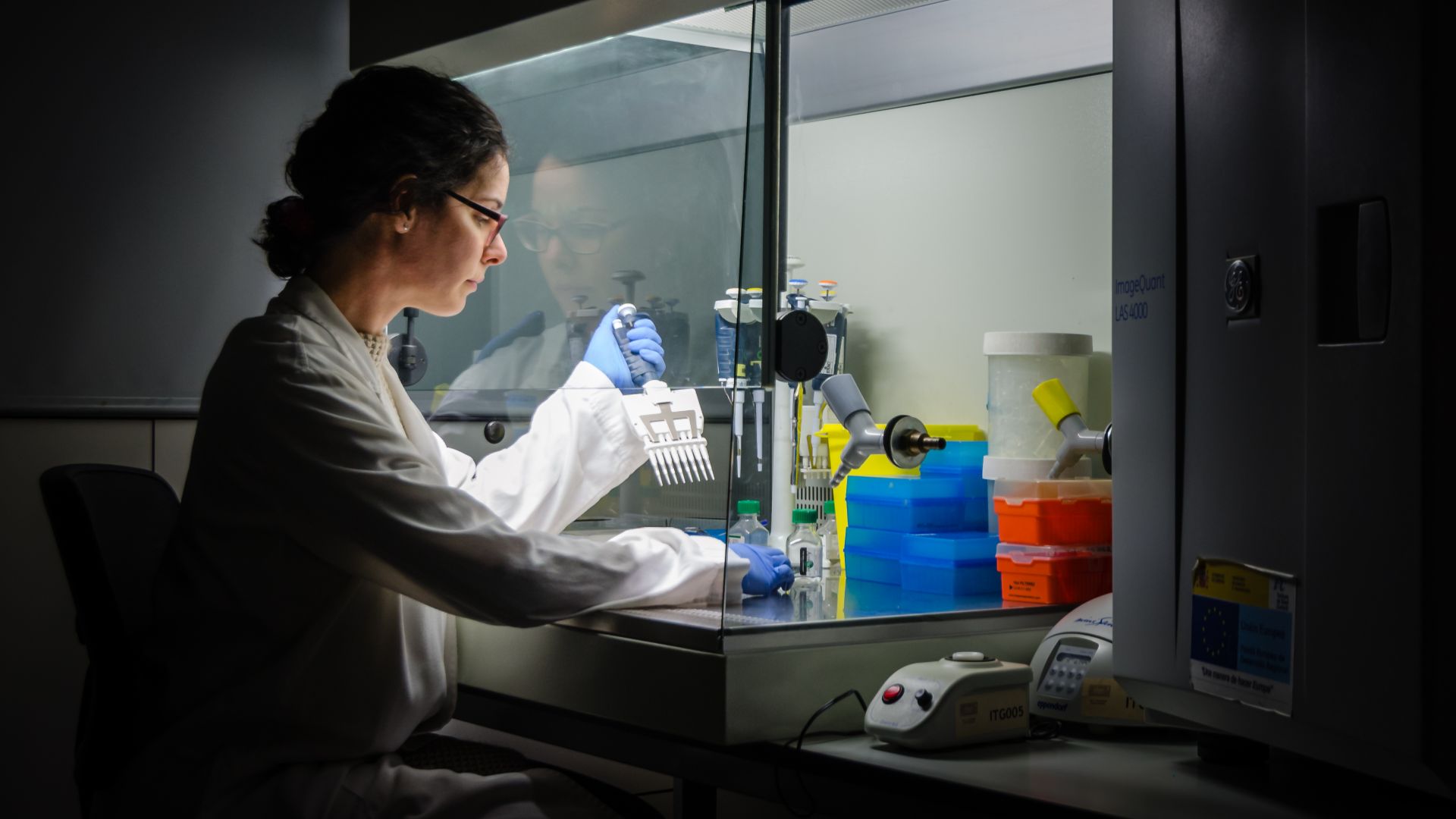
A few decades ago, this kind of study would have sounded impossible. Now scientists can analyze tiny, damaged ancient remains and still pull out meaningful genetic clues. It’s basically forensic science operating at “Ice Age detective” levels, only with 100,000-year-old teeth instead of fingerprints.
The Cave Was Like A Time Capsule
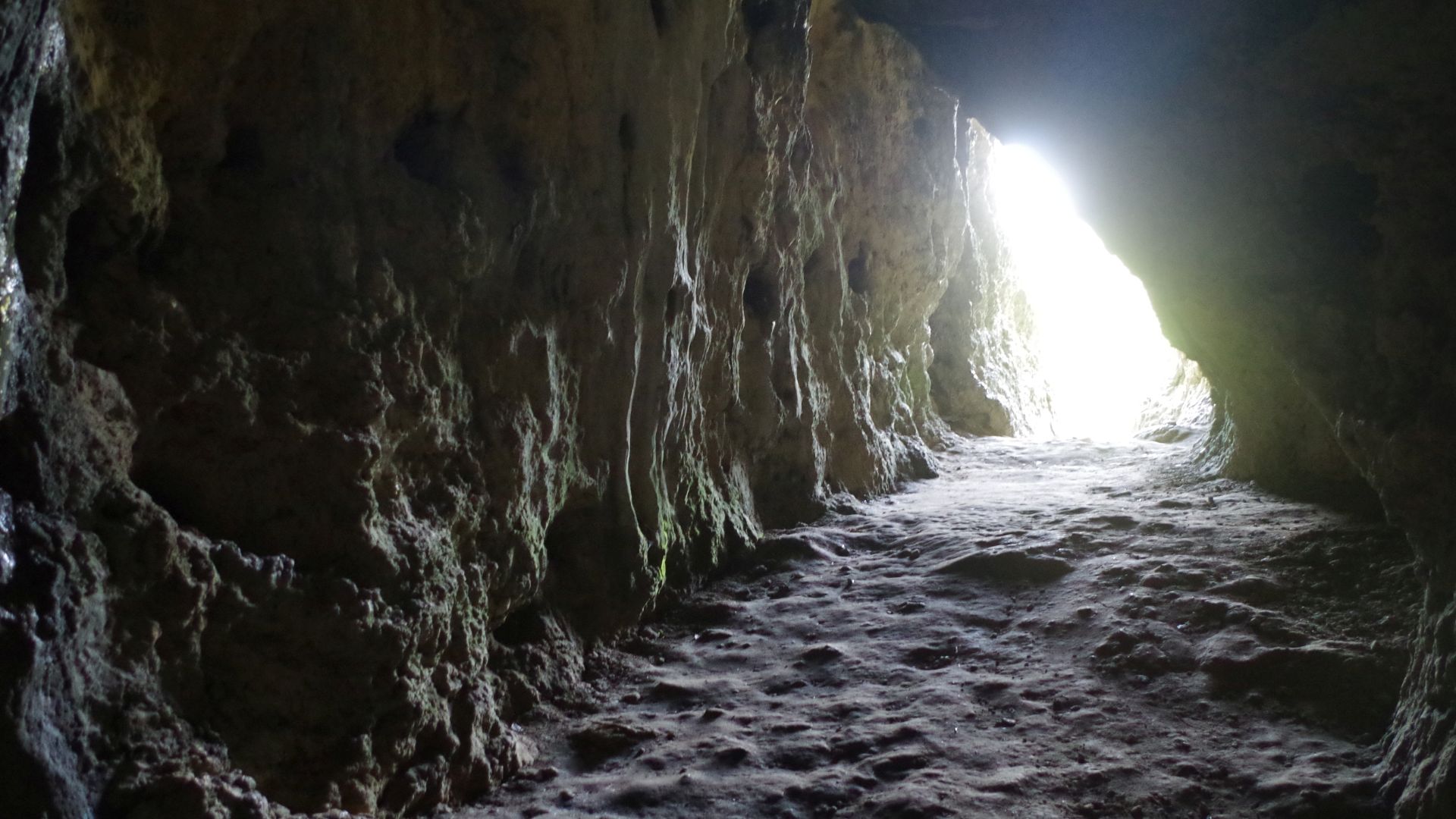
Stajnia Cave preserved rare clues from a very distant period of Neanderthal history. The teeth were dated to roughly 119,700 to 92,498 years ago, placing them around 100,000 years in the past. That makes this one of the oldest multi-individual Neanderthal genetic assemblages from Central Europe.
 Jerzy Opioła, Wikimedia Commons
Researchers Could Compare Individuals
One of the biggest breakthroughs was that scientists could compare several individuals from the same site. Instead of looking at one anonymous fossil in isolation, they could examine how the Stajnia Neanderthals fit together genetically and how they related to broader Neanderthal populations across Europe.

Scientists Found Probable Maternal Links
Two juvenile teeth and one adult tooth shared the same mitochondrial DNA profile, suggesting those individuals may have been closely related through the maternal line. That doesn’t prove a complete family tree, but it does hint at real biological connections inside this ancient group.

It Revealed A Small, Connected Group
The DNA suggests these Neanderthals belonged to a small group living in the same region during the same broad period. That is important because it gives researchers a more grounded view of Neanderthal life. They were not just random fossils—they were members of overlapping communities.

Europe Was Brutal 100,000 Years Ago
Europe during this period was no picnic. Climate conditions shifted, food sources changed, and survival depended on adaptability. Neanderthals living north of the Carpathians had to deal with harsh environments where cooperation, mobility, and good timing could make the difference between survival and disaster.
They Weren’t Primitive Cavemen
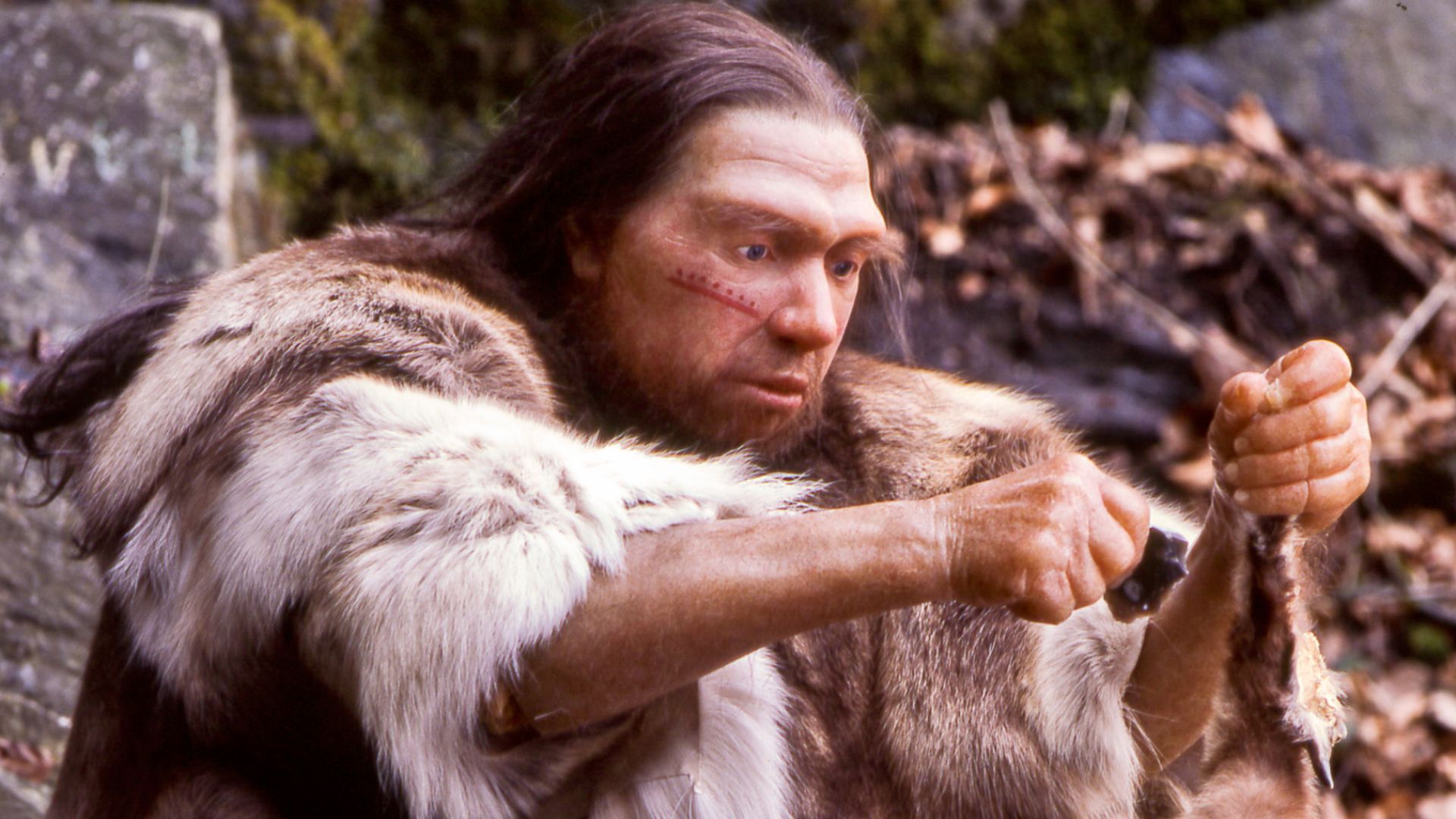
Discoveries like this keep pushing scientists away from the old “grunting caveman” stereotype. Neanderthals made tools, hunted strategically, adapted to difficult climates, and survived across huge regions. This DNA study adds another layer by showing how connected some of their populations may have been.
The Group May Have Relied On Cooperation
The study doesn’t prove exactly how the Stajnia group lived day to day, but small prehistoric groups almost certainly depended on cooperation. Hunting, sharing food, protecting children, and moving through difficult landscapes would have been much easier when people worked together. Honestly, group projects were probably less annoying when survival was on the line.
 Neanderthal-Museum, Mettmann, Wikimedia Commons
Their DNA Connected Across Europe
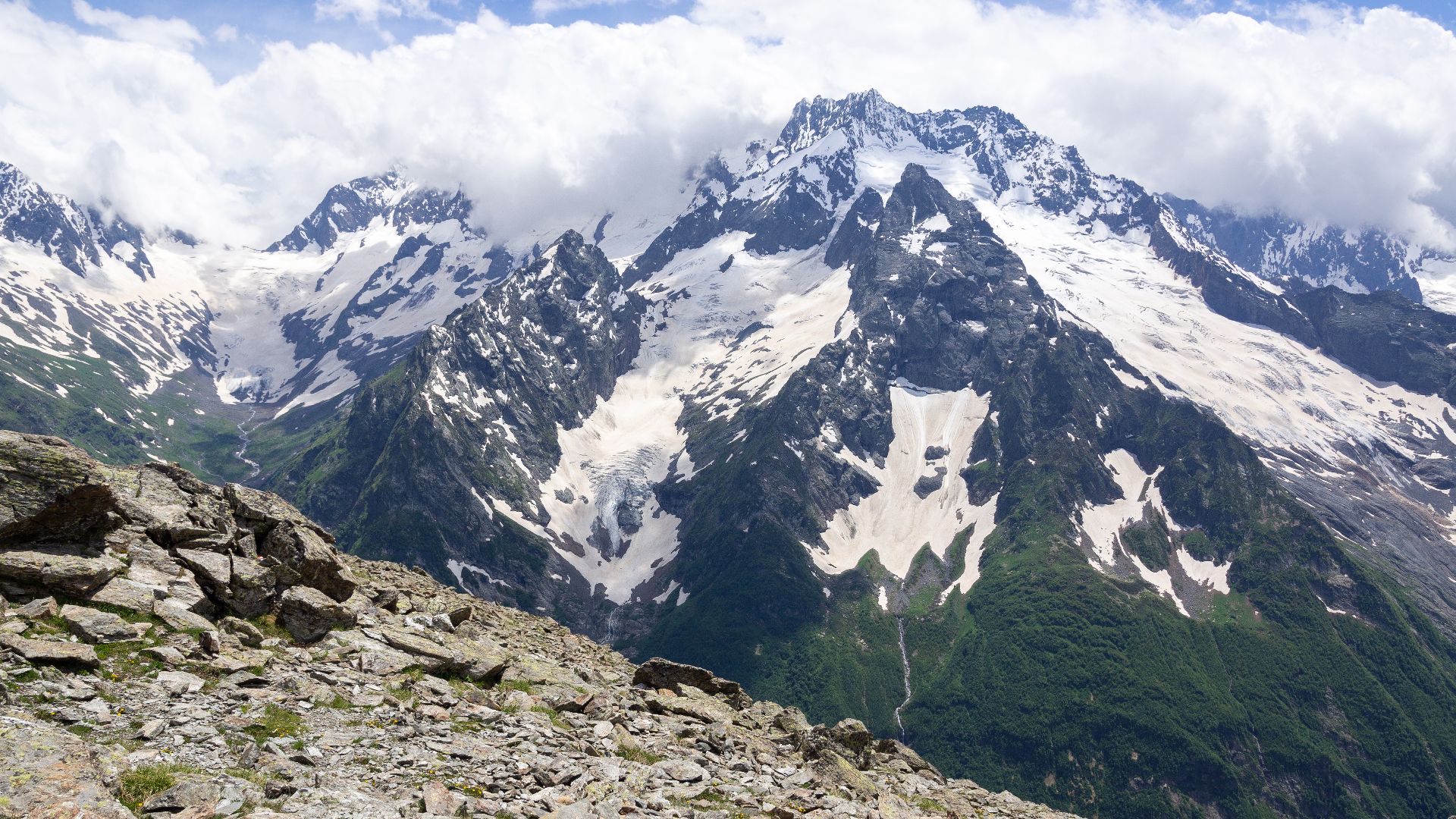
One of the most interesting findings was that the Stajnia mitochondrial lineages were related to Neanderthals from places including the Iberian Peninsula, southeastern France, and the northern Caucasus. That suggests these maternal lineages were spread across a huge area of western Eurasia.
 Vyacheslav Argenberg, Wikimedia Commons
Scientists Could Track Ancient Movement
By comparing the Stajnia DNA with other Neanderthal remains, researchers could better understand how Neanderthal populations moved and changed over time. The findings point to broad connections across Europe and western Eurasia, making Poland an important region for studying Neanderthal population history.
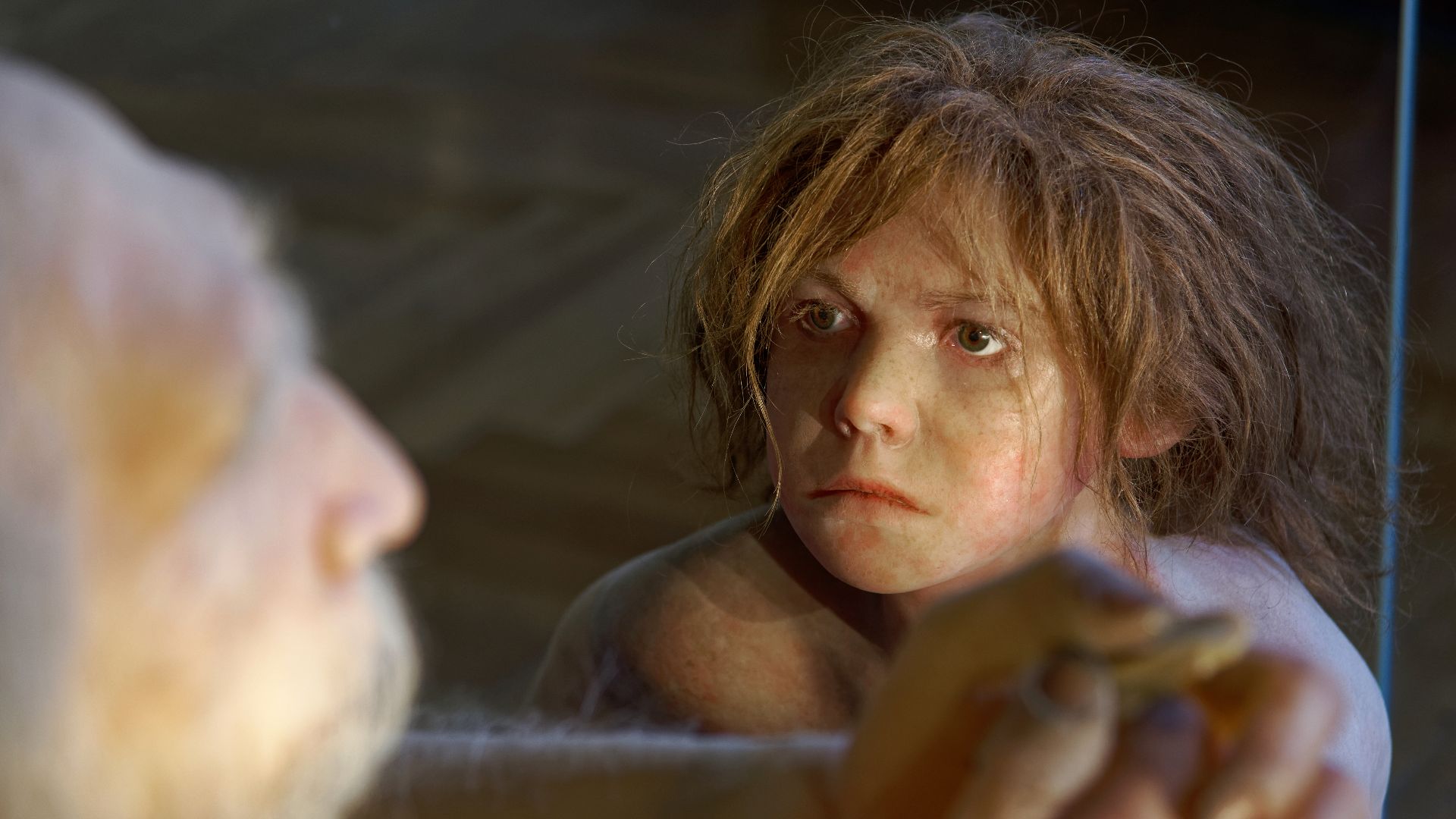
Some Neanderthal DNA Still Exists Today
Modern humans still carry small amounts of Neanderthal DNA, especially people with ancestry outside sub-Saharan Africa. Those traces come from ancient interbreeding between Homo sapiens and Neanderthals. So yes, a tiny part of the Ice Age family drama is still technically walking around today.

This Was Basically Prehistoric Social Networking
For researchers, the exciting part is seeing more than disconnected fossils. Multiple individuals from one site let scientists study patterns of relatedness, migration, and population structure. It’s less “random tooth in a drawer” and more “tiny Ice Age social network.”

The Juvenile Teeth Were Especially Important
The juvenile teeth helped researchers identify possible maternal links inside the group. Finds like these are especially valuable because younger individuals can reveal details about population structure and community life that adult remains alone might miss. Small teeth, huge scientific gossip.
 Jakub Hałun, Wikimedia Commons
Scientists Still Don’t Know Exactly What Happened To Neanderthals
The disappearance of Neanderthals remains one of archaeology’s biggest mysteries. Climate pressure, small population sizes, competition or contact with modern humans, disease, and other factors may all have played roles. Studies like this help fill in the story, but they do not solve the whole case.

Stajnia Cave May Hold Even More Answers
Stajnia Cave has already produced several important Neanderthal discoveries, and this study shows how valuable the site still is. As DNA extraction and dating methods improve, researchers may be able to squeeze even more information from remains that once looked too small or damaged to study.
 Jerzy Opioła, Wikimedia Commons
This Discovery Changes How Archaeologists Work
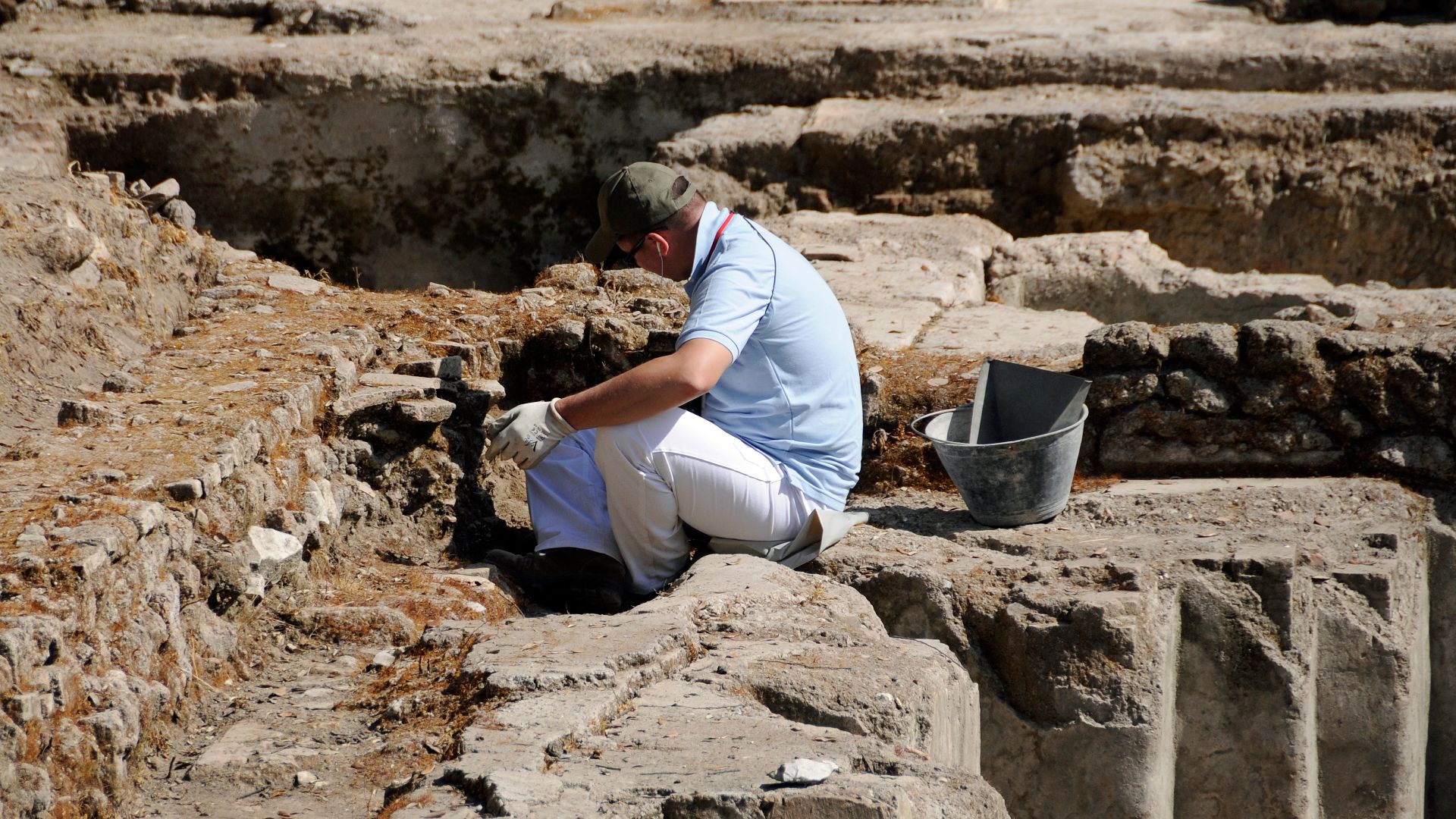
The study, published in Current Biology in April 2026, shows how powerful ancient DNA research has become. Scientists no longer need a perfect skeleton to learn something meaningful. Sometimes eight teeth are enough to open a window into a group that lived nearly 100,000 years ago.
 Son of Groucho from Scotland, Wikimedia Commons
It Makes Neanderthals Feel Surprisingly Familiar
The strangest part of discoveries like this is how human Neanderthals begin to feel. They lived in groups, moved across difficult landscapes, adapted to brutal conditions, and left behind traces of biological connection. The gap between “them” and “us” keeps getting smaller every year.
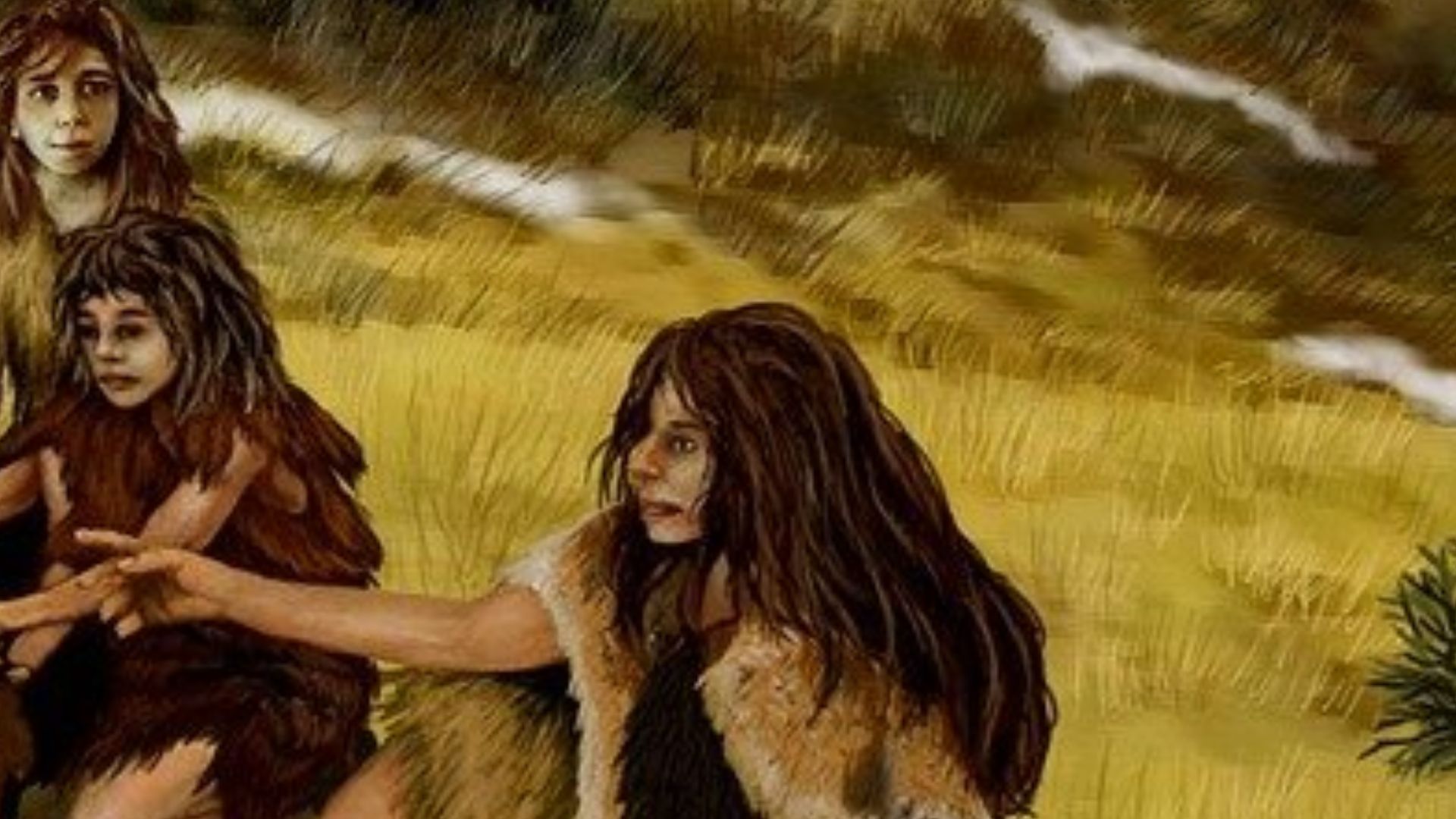
Scientists Think This Is Only The Beginning
Future DNA studies may reveal more prehistoric groups from single sites, not just isolated individuals scattered across time. This Polish cave discovery could be remembered as part of the moment scientists stopped studying Neanderthals only as lonely fossils—and started seeing them as connected populations.

You Might Also Like:
The Oldest Human Face Ever Found
In 2023, a hiker in the Italian Alps found a 280-million-year-old link to the prehistoric world.