Hiker Stumbles Upon Deep Past
While trekking through the Italian Alps, a woman stumbled upon something that shouldn’t have been there—an eerily preserved slice of Earth from 280 million years ago. Hidden in plain sight were fossilized footprints, ancient plant remains, and even the delicate marks of long-vanished raindrops. Scientists confirmed the discovery, but the real question is how something so ancient survived at all—let’s dig into it.

Ancient Footprints
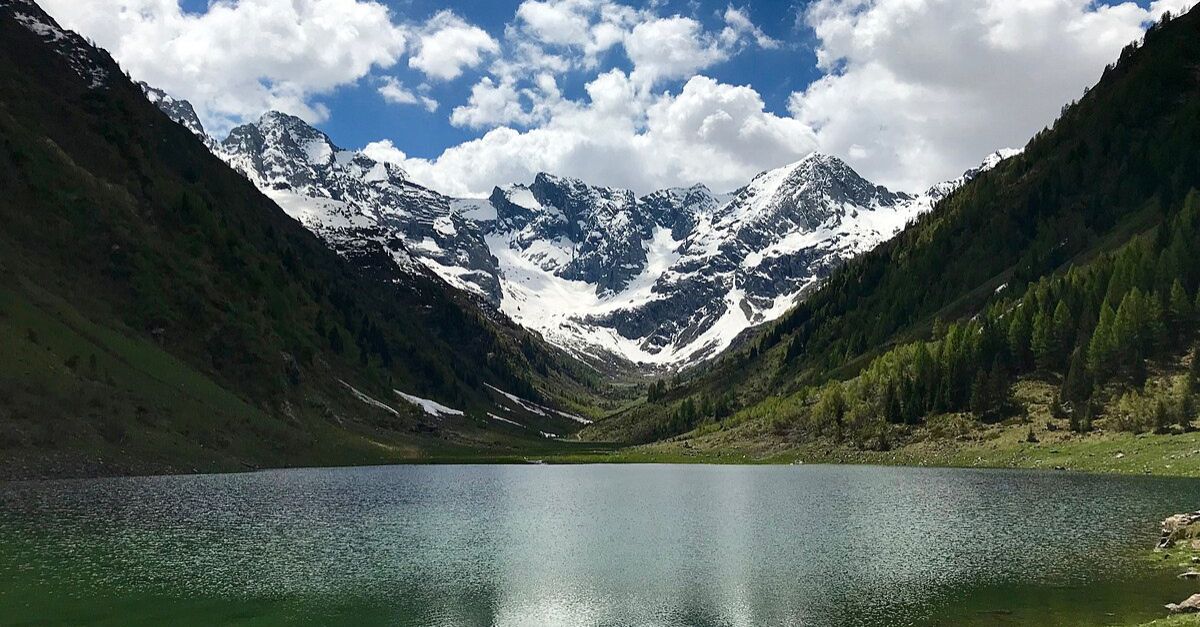
In 2023, Claudia Steffensen was hiking behind her husband in the Valtellina Orobie Mountains Park in Lombardy, Italy, when she stepped on a rock that felt like a slab of cement. What happened next would lead to astonishing insights.
 Footwarrior, CC BY-SA 3.0, Wikimedia Commons
Ancient Footprints (Cont.)
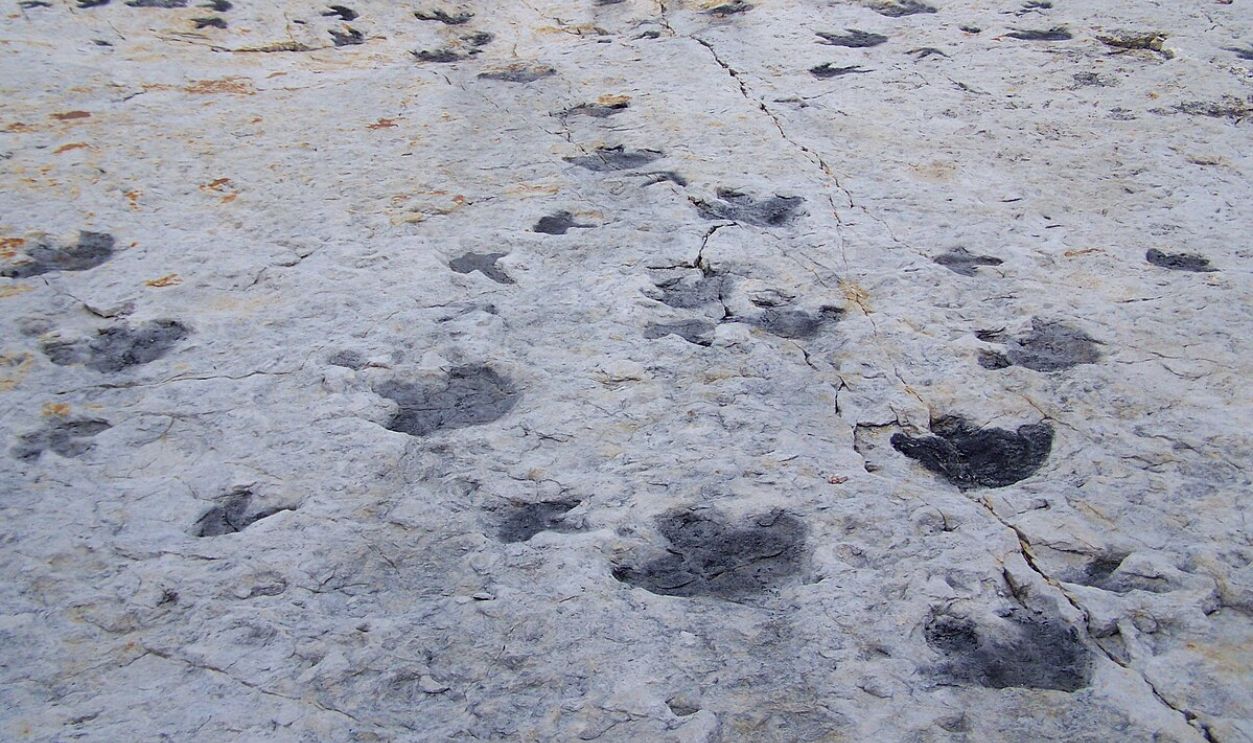
She told The Guardian that she noticed strange circular shapes with wavy lines and took a closer look. That’s when she realized they were actually footprints, which marked an unexpected discovery that attracted scientific interest and further examination.
 Hiker Stumbles Across 280-Million-Year-Old Fossil Gold Mine by The Weather Network
Prehistoric Reptile Tracks
Scientists analyzed the rock and confirmed that the footprints belonged to a prehistoric reptile. This discovery raises new questions about what other clues might be hidden in these Alpine heights. Let’s dive deeper into what all of this could mean.
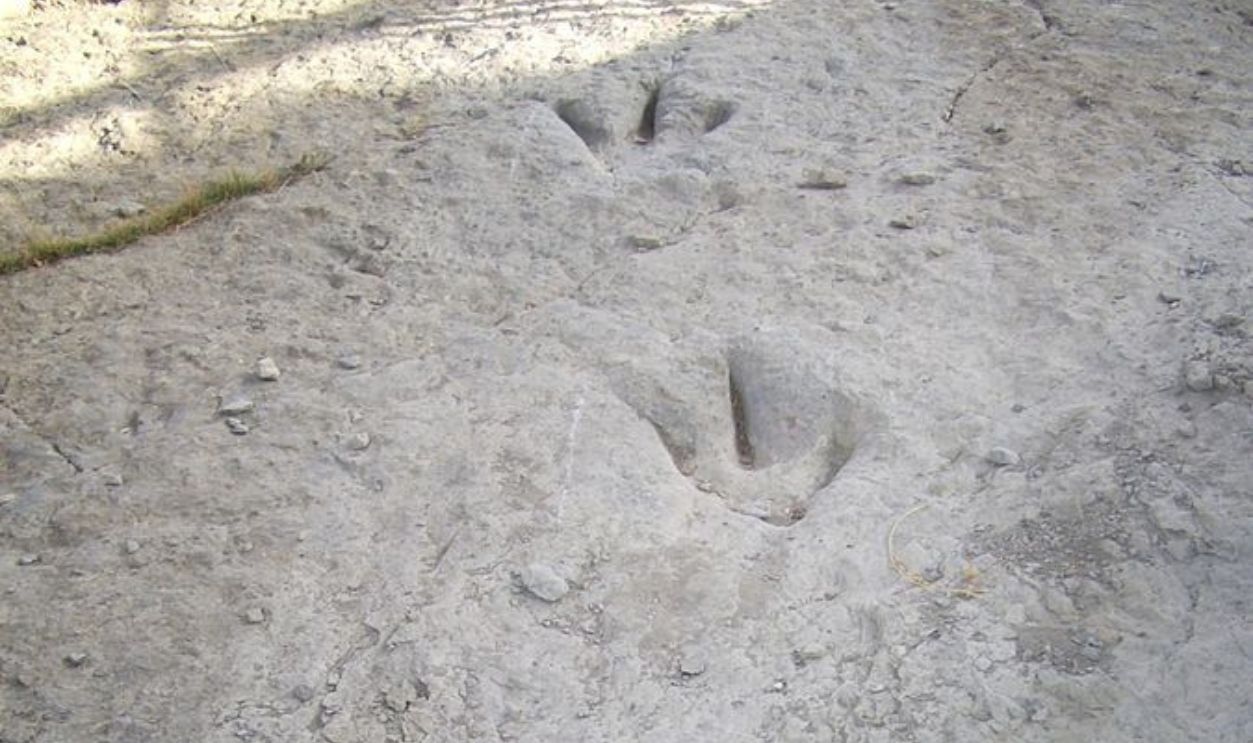 jynus, CC BY-SA 3.0, Wikimedia Commons
Searching For More Clues
Beyond Steffensen’s “rock zero” (the name given to her find), there could be more evidence waiting to be uncovered. Researchers are now looking deeper into the area in the hope to learn more about the ancient creatures that once roamed this place.
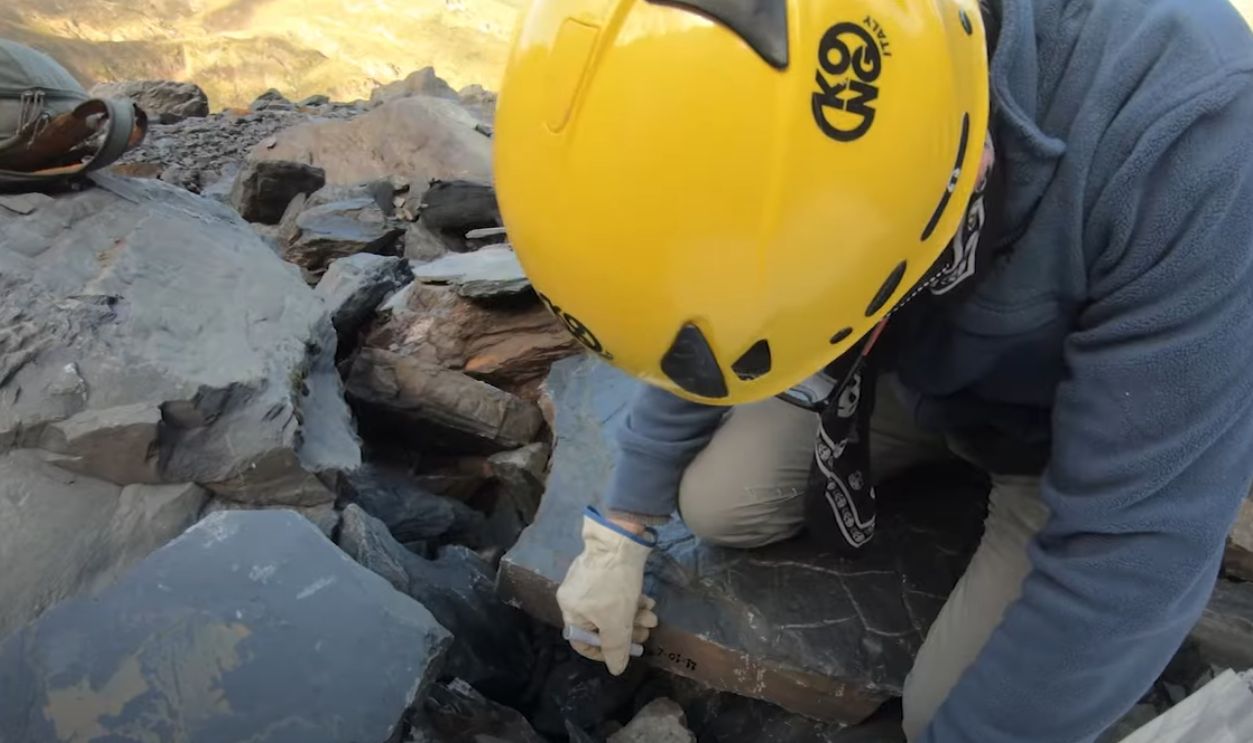 Hiker Stumbles Across 280-Million-Year-Old Fossil Gold Mine by The Weather Network
Permian Ecosystem Uncovered
Experts visited the site multiple times and found evidence of an entire ecosystem from the Permian period, which lasted from 299 million to 252 million years ago. Moreover, this era reportedly experienced a rapidly warming climate.
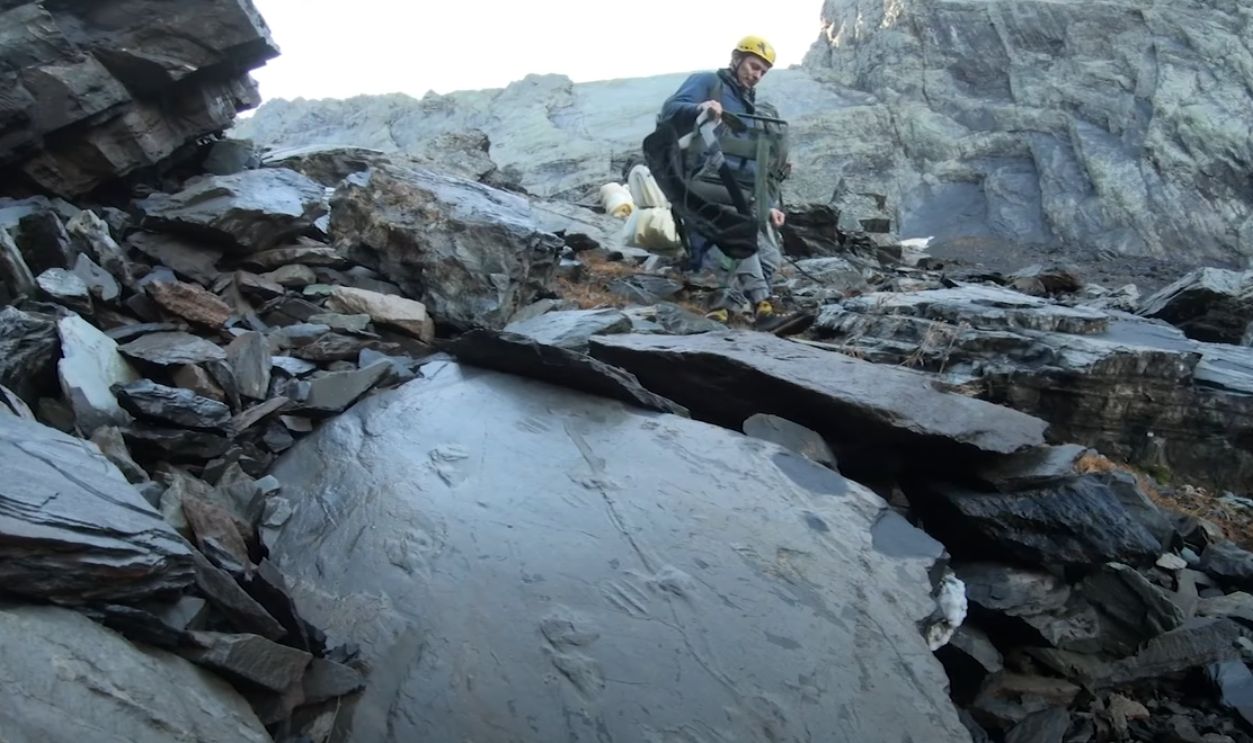 Hiker Stumbles Across 280-Million-Year-Old Fossil Gold Mine by The Weather Network
Permian Ecosystem Uncovered (Cont.)
The period ended with the Great Dying, a mass extinction that wiped out 90% of Earth’s species. The discovery offers a rare glimpse into this ancient world and reveals traces of life that existed long before the dinosaurs.
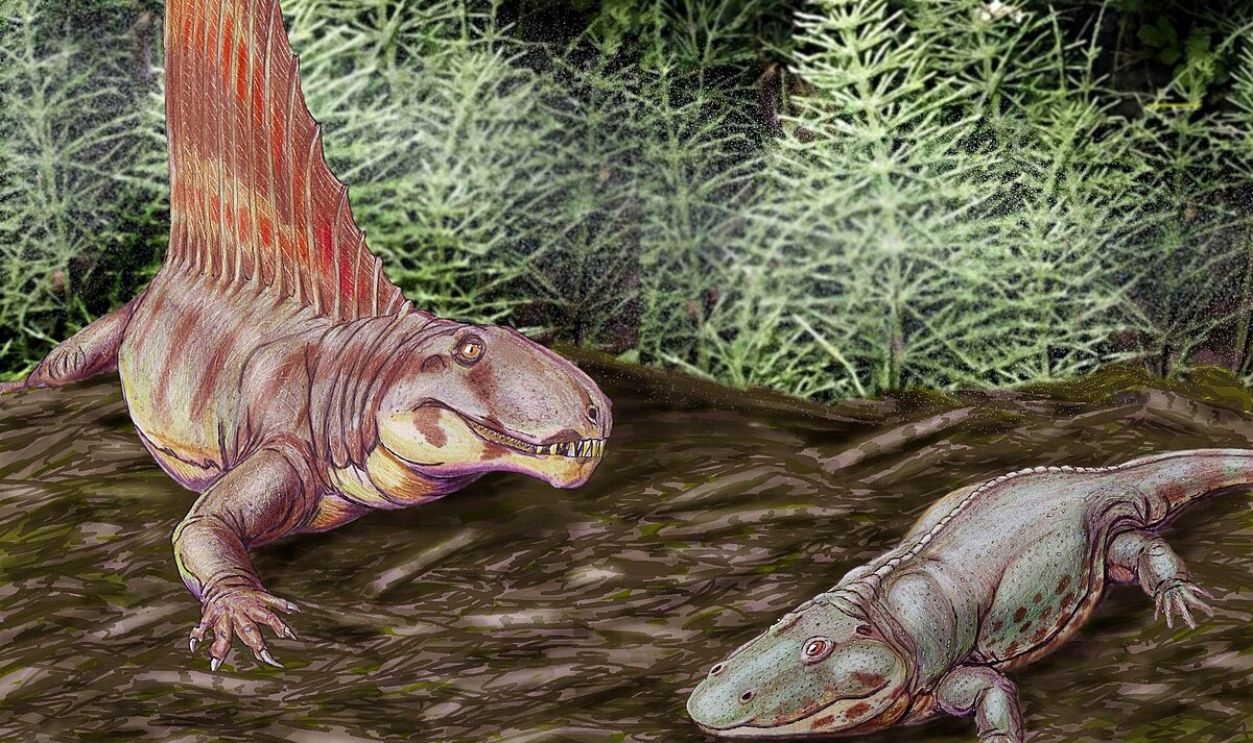 Dmitry Bogdanov, CC BY 3.0, Wikimedia Commons
Past Climate
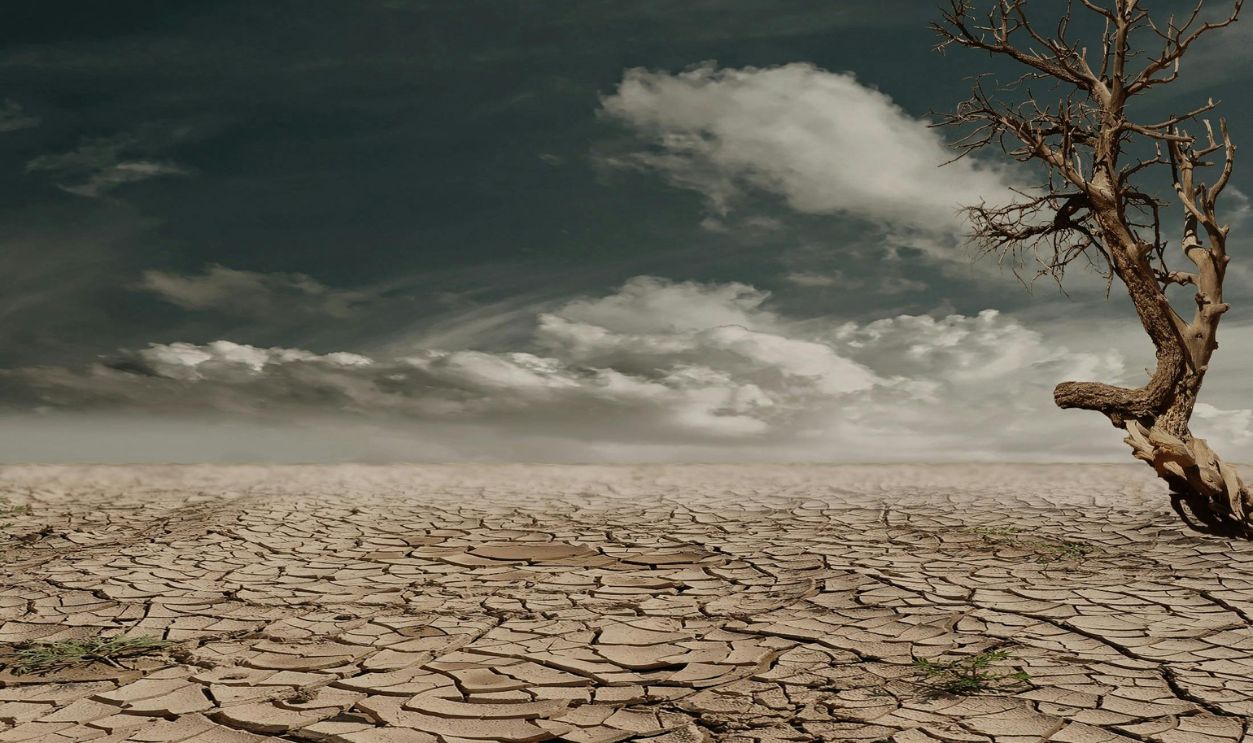
According to researchers, these fossils open a window into a distant geological era marked by a global warming trend that closely mirrors what we’re seeing today. More than just ancient remnants, they provide a rare and valuable glimpse into Earth’s climate history—and what it might be trying to tell us now.
Fossilized Tracks
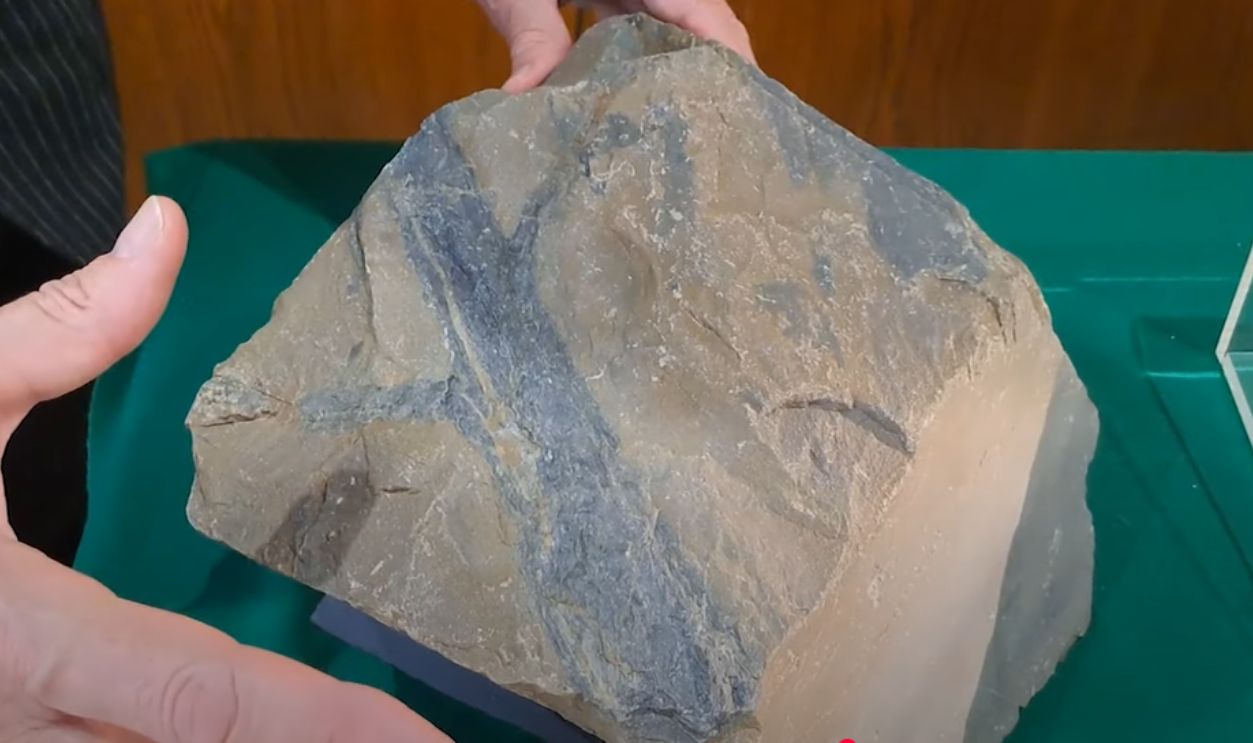
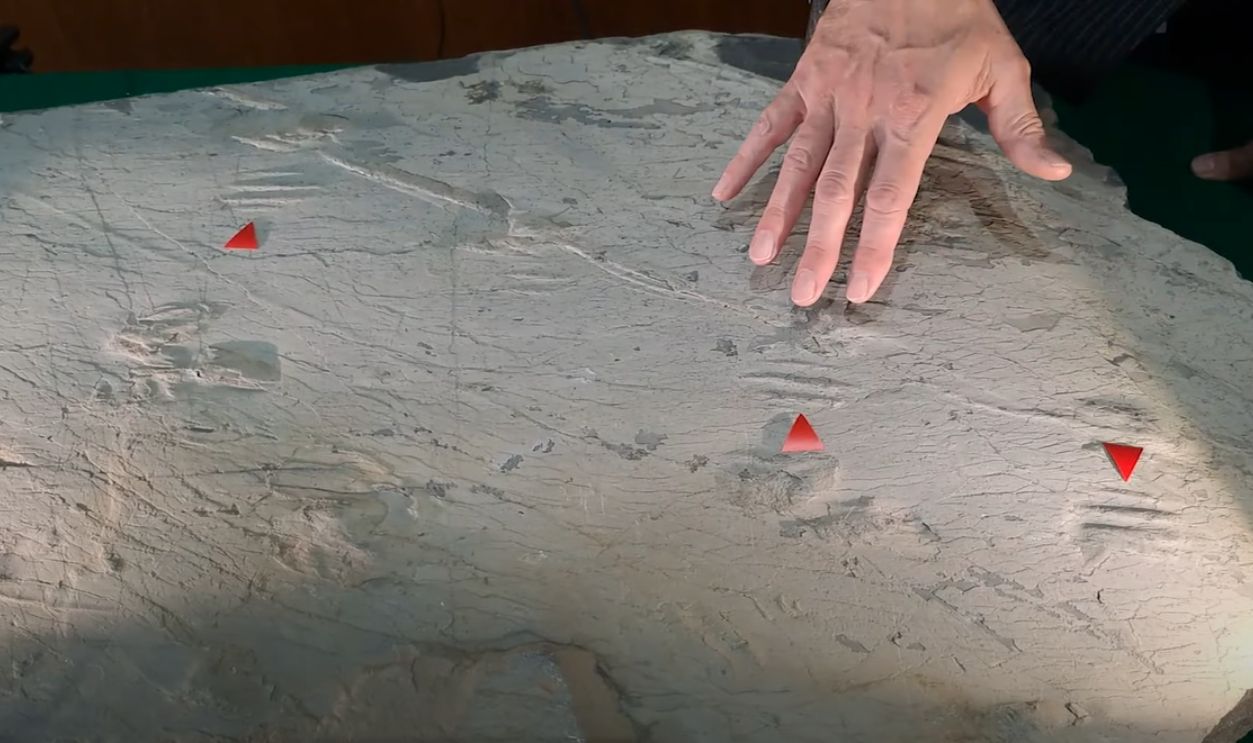
Reports suggest that this ancient ecosystem holds fossilized footprints from reptiles, amphibians, insects, and arthropods, often lining up to form tracks. Researchers also found traces of seeds, leaves, and stems, which tell us about the plant life of that time.
 Hiker Stumbles Across 280-Million-Year-Old Fossil Gold Mine by The Weather Network
Echoes Of Ancient Waters
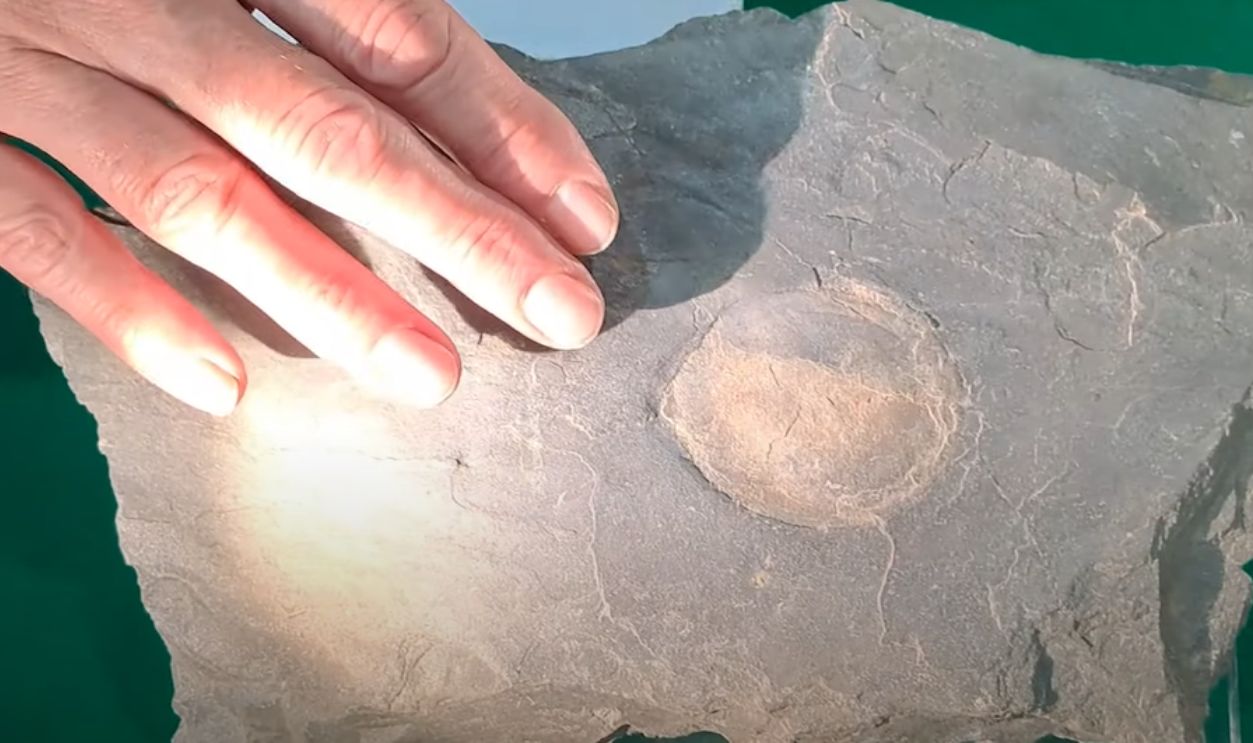
Additionally, they discovered imprints of raindrops and wave patterns preserved from when a prehistoric lake once covered the area. These findings help piece together a long-lost world. But what else did the researchers discover?
 Hiker Stumbles Across 280-Million-Year-Old Fossil Gold Mine by The Weather Network
Traces Of Life At 9,850 Feet
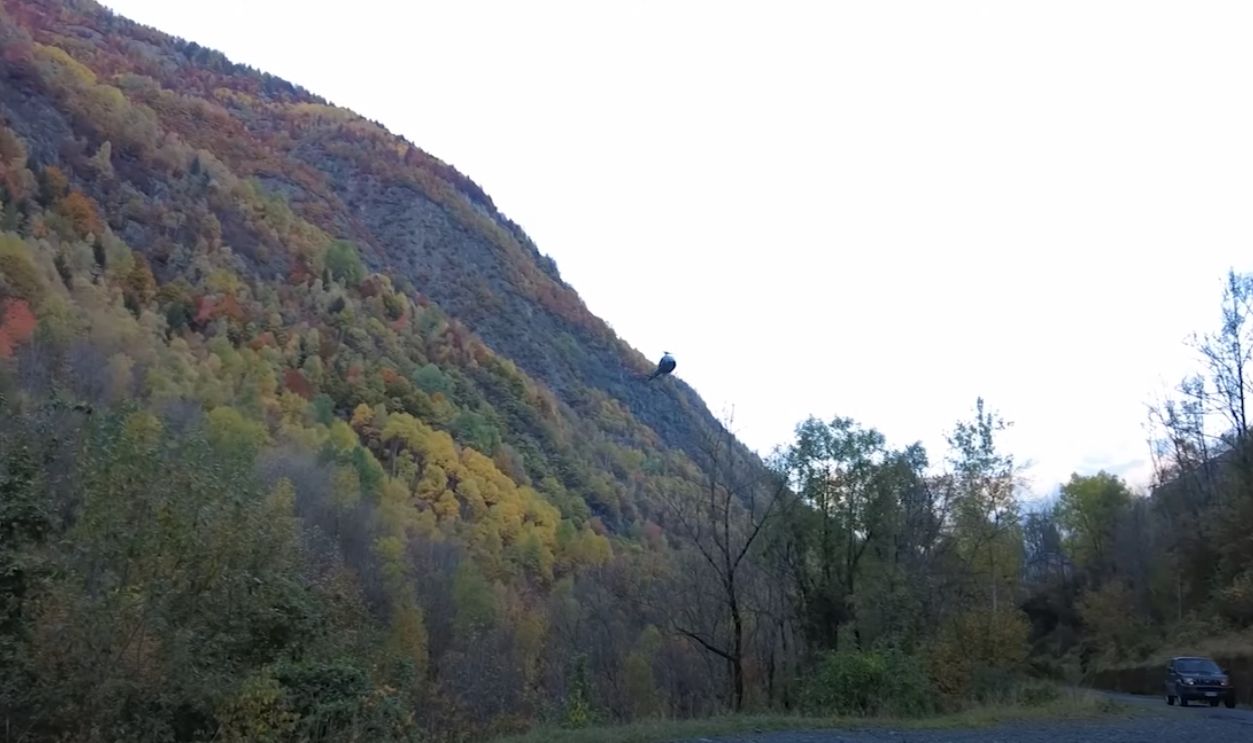
Evidence of this ancient ecosystem has been discovered as high as 9,850 feet (3,000 meters) in the mountains and in the valleys below. Over millions of years, landslides have transported fossil-filled rocks down the slopes.
 Hiker Stumbles Across 280-Million-Year-Old Fossil Gold Mine by The Weather Network
Traces Of Life At 9,850 Feet (Cont.)
This scattered traces of prehistoric life across different elevations. These findings suggest that the ecosystem once covered a vast area. In the upcoming slides, you will learn how the tracks were able to be preserved over time.
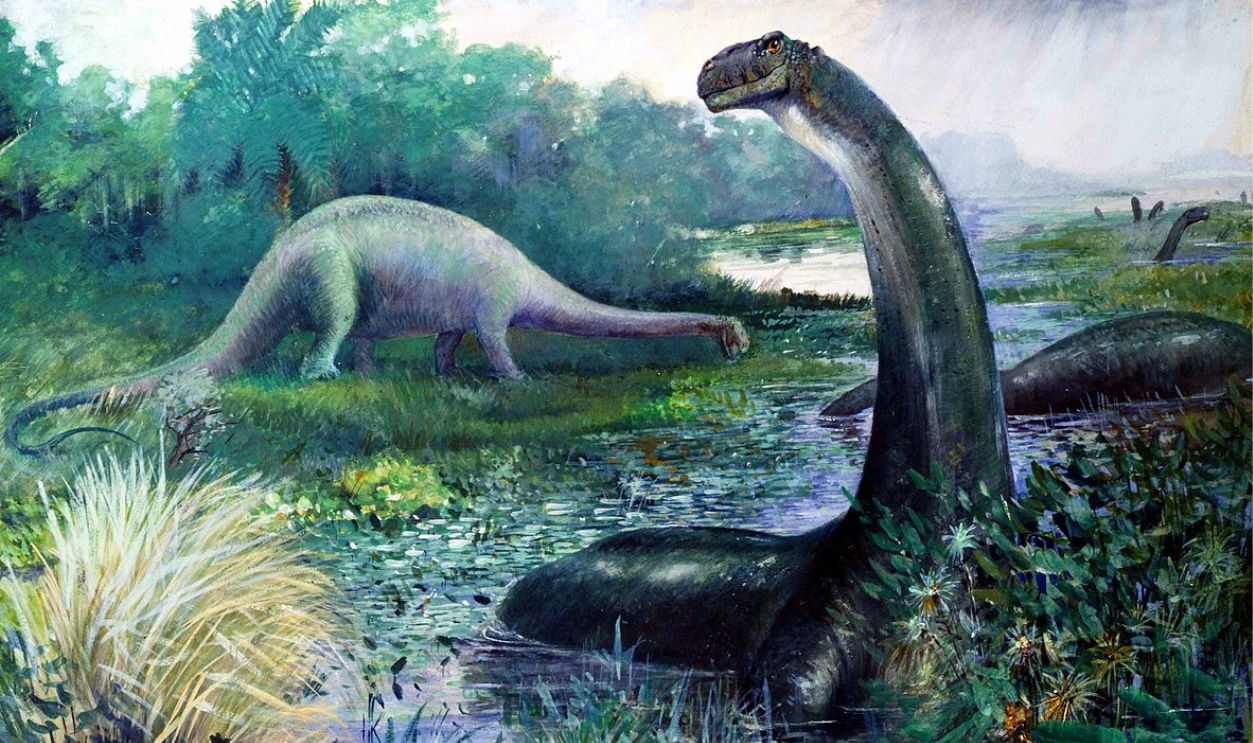 Charles Robert Knight, Wikimedia Commons
Water Helped Preserve Ancient Tracks
This ecosystem, preserved in fine-grained sandstone, remained intact thanks to its ancient closeness to water. According to a paleontologist at the University of Pavia in Italy, Ausonio Ronchi, the footprints were formed when these sandstones and shales were still sand.
 Jose Manuel Suarez, CC BY 2.0, Wikimedia Commons
Water Helped Preserve Ancient Tracks (Cont.)
He further added that the footprints were mud-soaked in water at the edges of rivers and lakes, which dried up seasonally over time. According to him, the summer sun dried these surfaces, which hardened them so much that when water returned, it didn’t wash away the footprints.
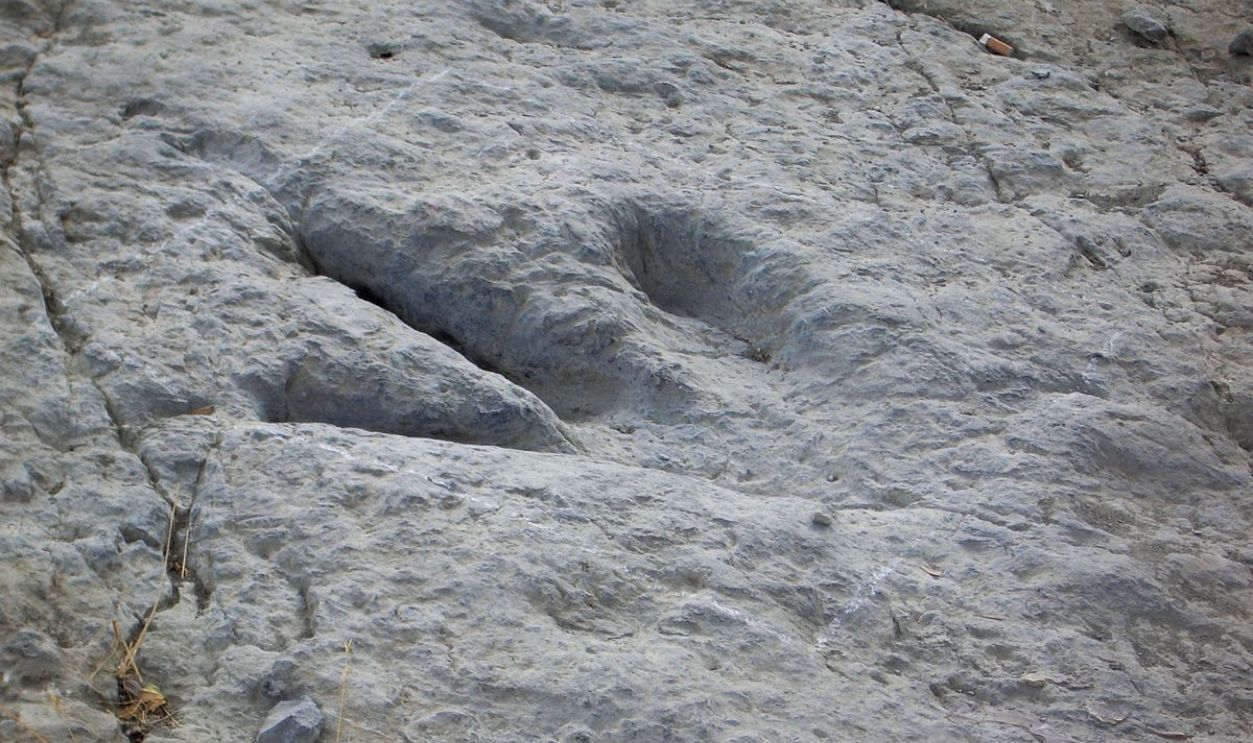 jynus, CC BY-SA 3.0, Wikimedia Commons
Claw Marks Frozen In Time
The fine grains of sand and mud preserved even the tiniest details, which included claw marks and patterns left by the animals’ underbellies, as per the statement. These delicate imprints provide a rare look at how these creatures moved across the area millions of years ago.
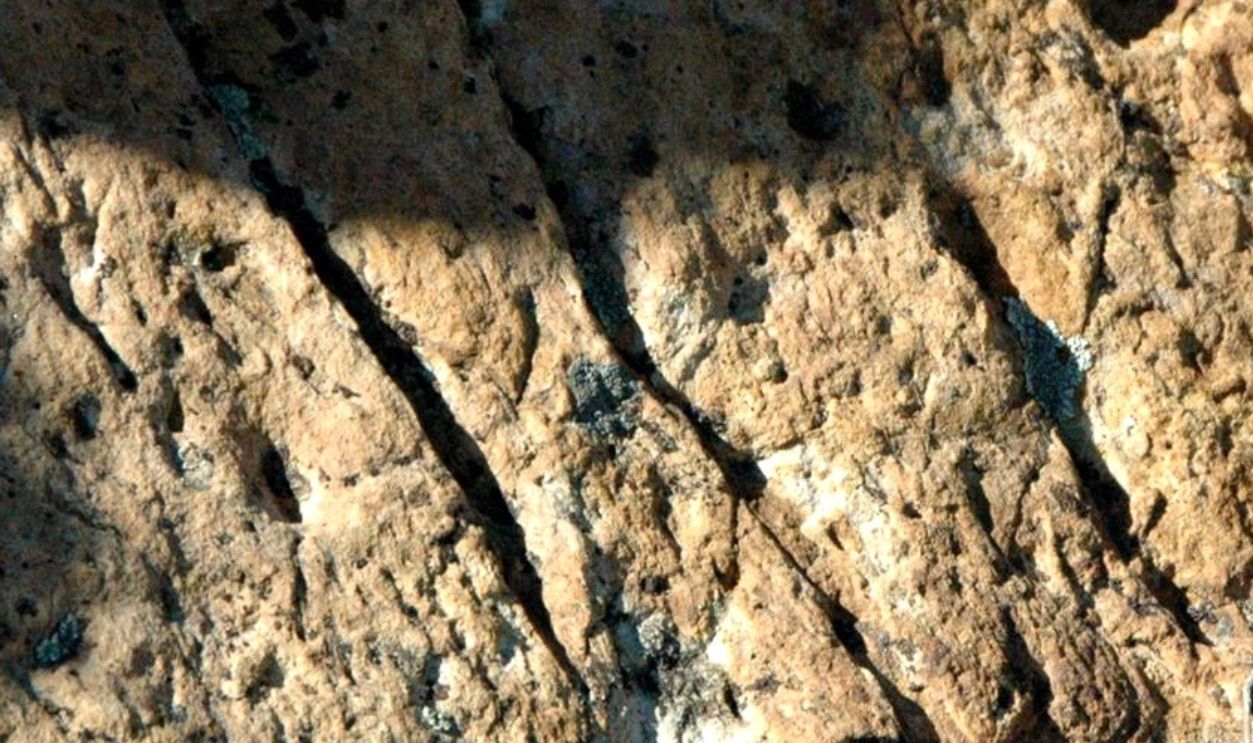 James St. John, CC BY 2.0, Wikimedia Commons
Claw Marks Frozen In Time (Cont.)
Scientists are still studying these fossils, hoping to uncover more about the creatures that once walked across this ancient landscape. With every new finding, the mystery only deepens. It’s hard not to wonder what kind of animals could have left their marks nearly 10,000 feet above sea level. The answer is more surprising than you might expect…

Ancient Giants Walked These Lands
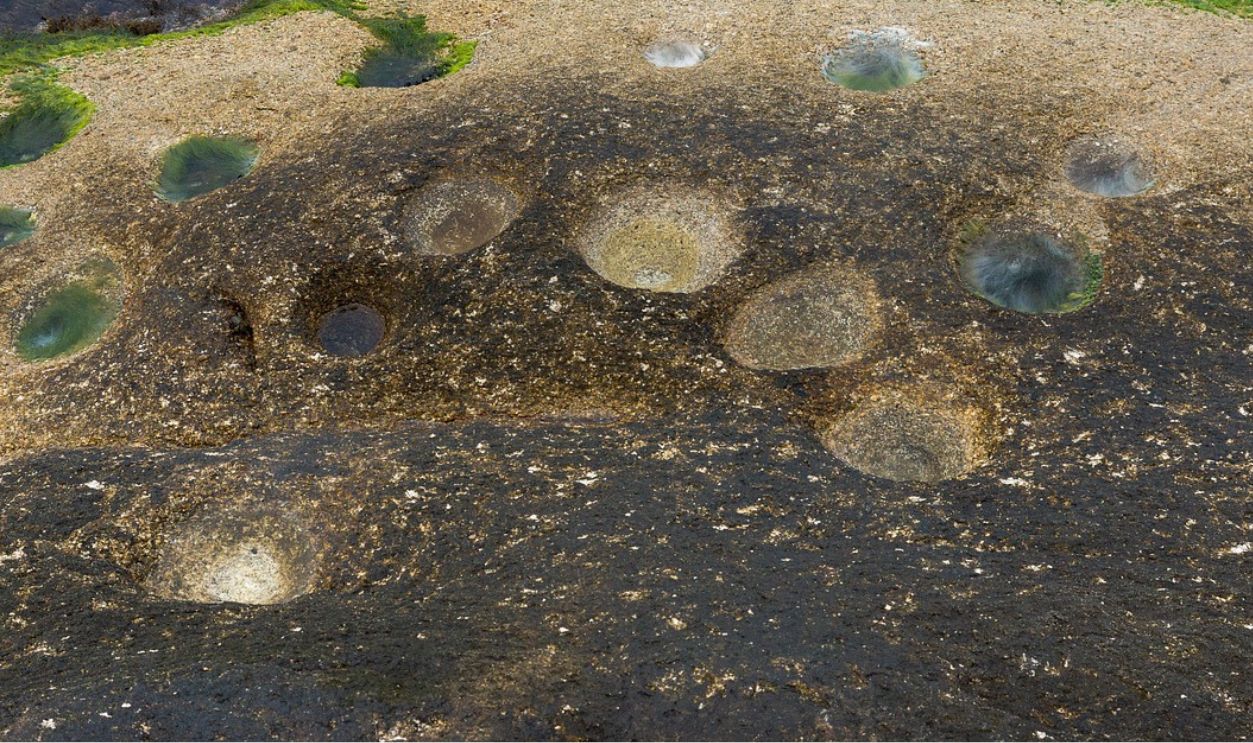
Researchers discovered imprints from at least five different animal species, some of which may have been as large as modern Komodo dragons (Varanus komodoensis), who reached lengths of 6.5 to 10 feet (2 to 3 meters).
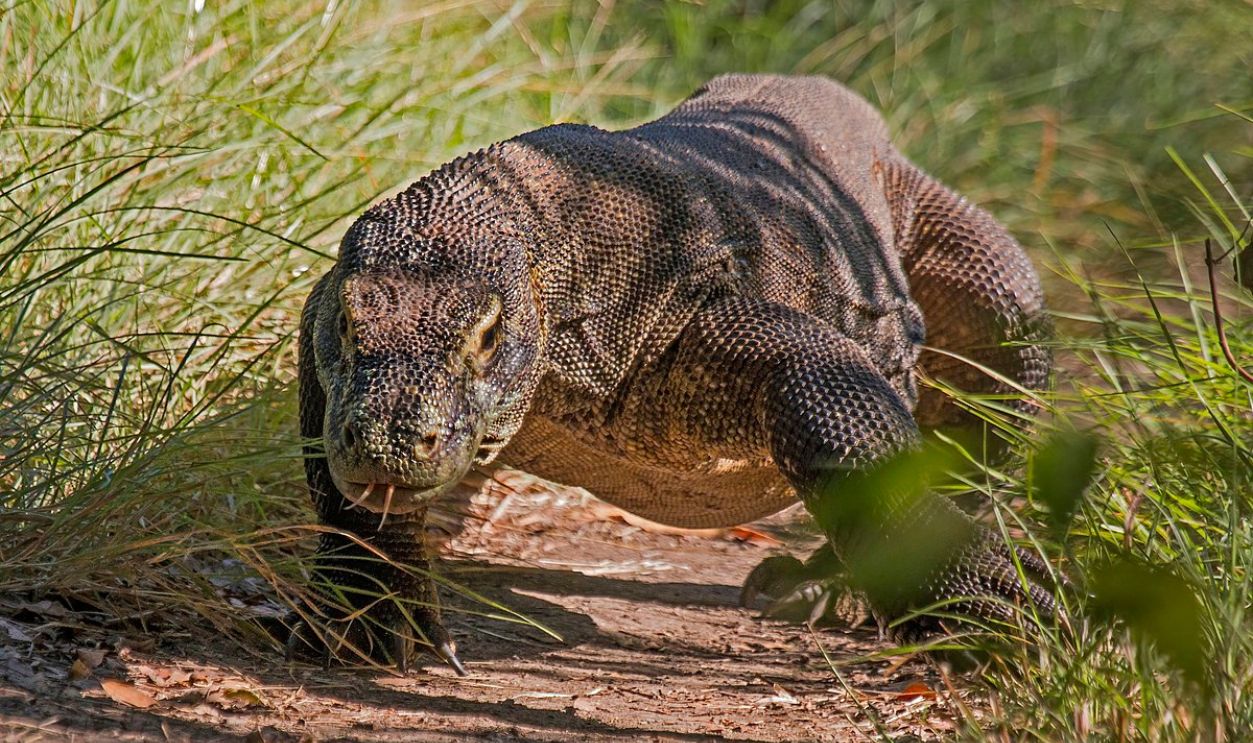 Charles J. Sharp, CC BY-SA 4.0, Wikimedia Commons
Decoding Ancient Footprint
These fossilized tracks provide valuable clues about the sizes and movements of prehistoric creatures that once roamed the area. Scientists are now working to identify these species and understand their role in this ancient ecosystem.
Massive Reptiles Before Dinosaurs
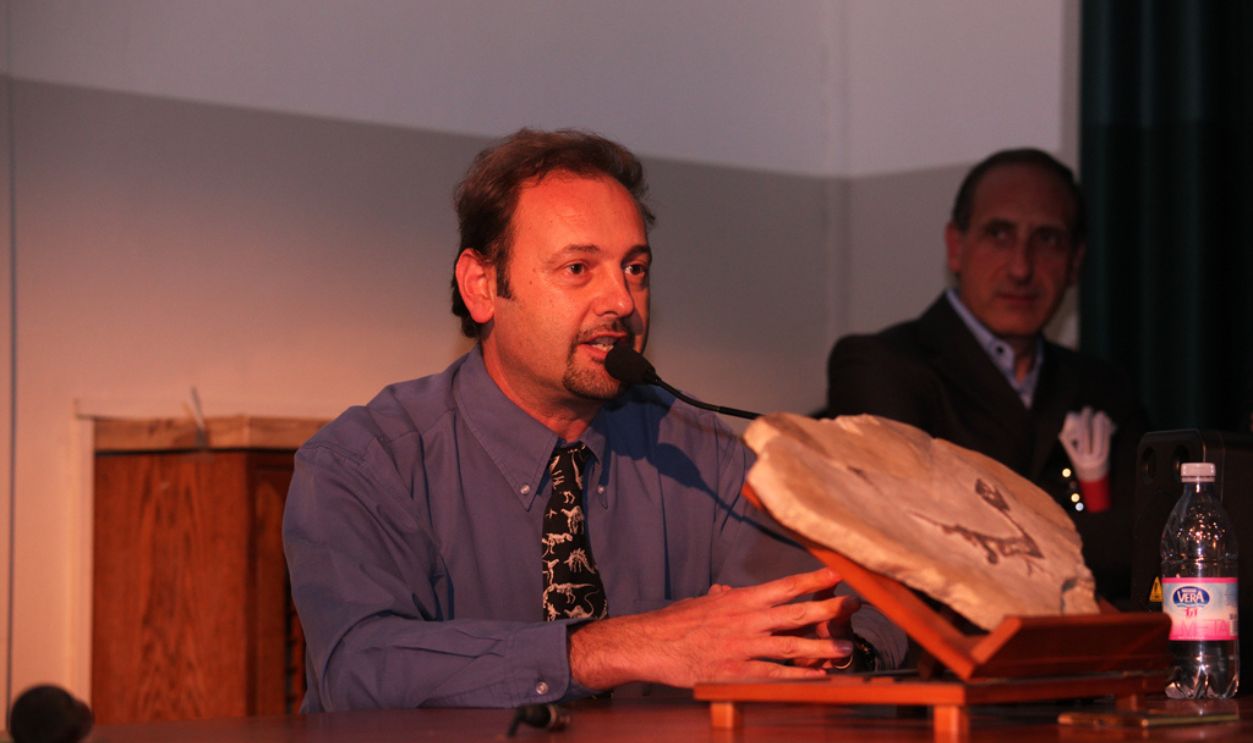
Cristiano Dal Sasso, a vertebrate paleontologist at the Natural History Museum of Milan, explained that during that time, dinosaurs had not yet evolved. However, the animals that left the largest footprints in this area were still quite large.
 Meet the media Guru from Milan, Italy, CC BY-SA 2.0, Wikimedia Commons
Lost Giants
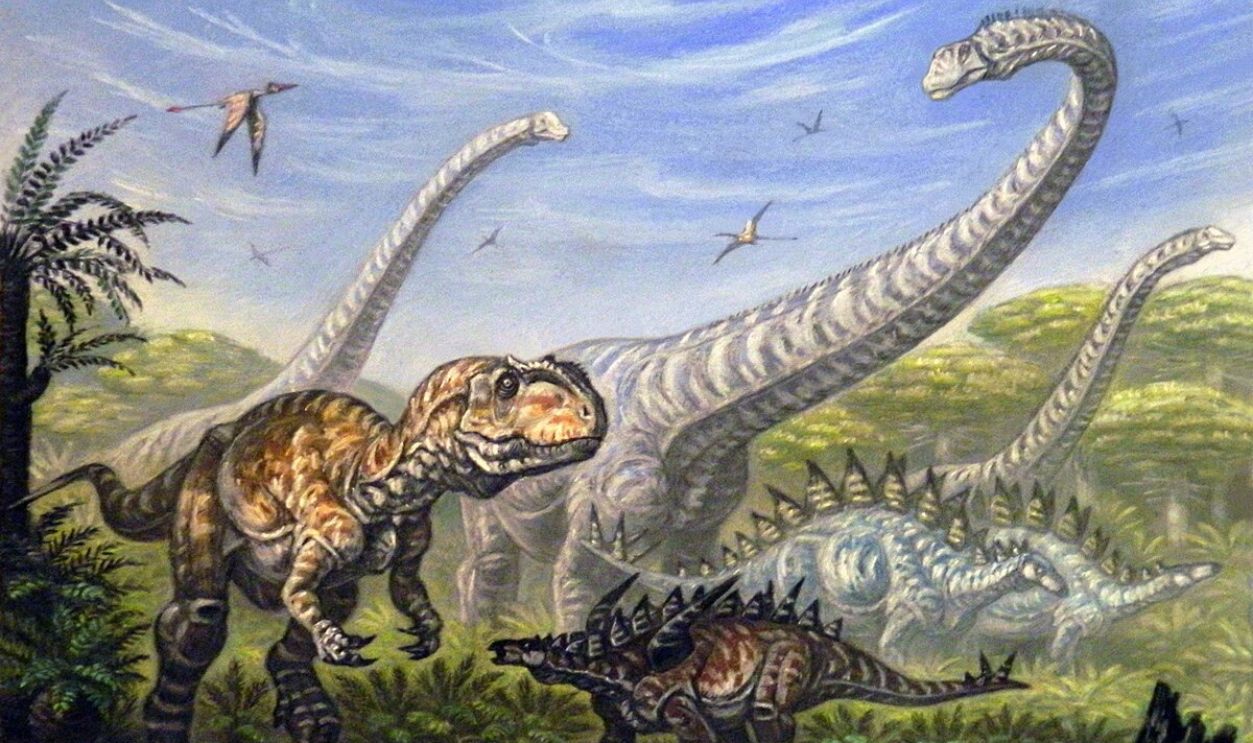
The finding suggests that giant creatures thrived in this ecosystem long before the age of dinosaurs. Now, let’s see what this profound discovery means for us and what great insight it has uncovered in the next slides.

Past Extinctions Teach Present Lessons
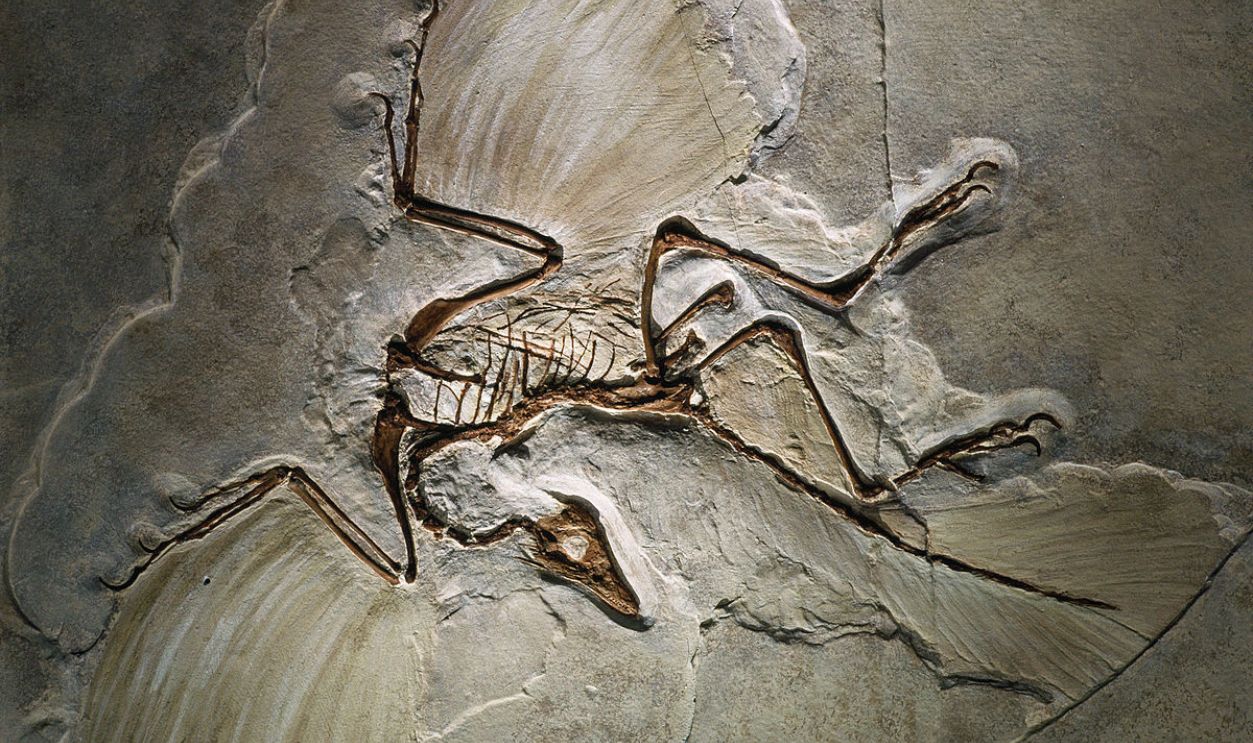
The fossils offer a glimpse into an ancient world whose creatures went extinct at the end of the Permian period. Researchers believe these findings can also help us better understand the world we live in today.
 James L. Amos, CC0, Wikimedia Commons
Past Extinctions Teach Present Lessons (Cont.)
By studying how life responded to past climate changes and mass extinctions, scientists can gain valuable insights into Earth’s history and the challenges modern ecosystems may face in the future. This has introduced new possibilities in the realm of prehistoric research.
 ABelov2014 (https://abelov2014.deviantart.com/), CC BY-SA 3.0, Wikimedia Commons
Warming Alps Expose Prehistoric Clues
Many of these prehistoric imprints might have stayed hidden forever if not for a surprising force—modern climate change. As rising temperatures melt the ice and snow across the Alps, long-buried surfaces are finally being revealed. With each retreating glacier, fossils that have remained untouched for millions of years are emerging, offering an unexpected glimpse into a world long gone.
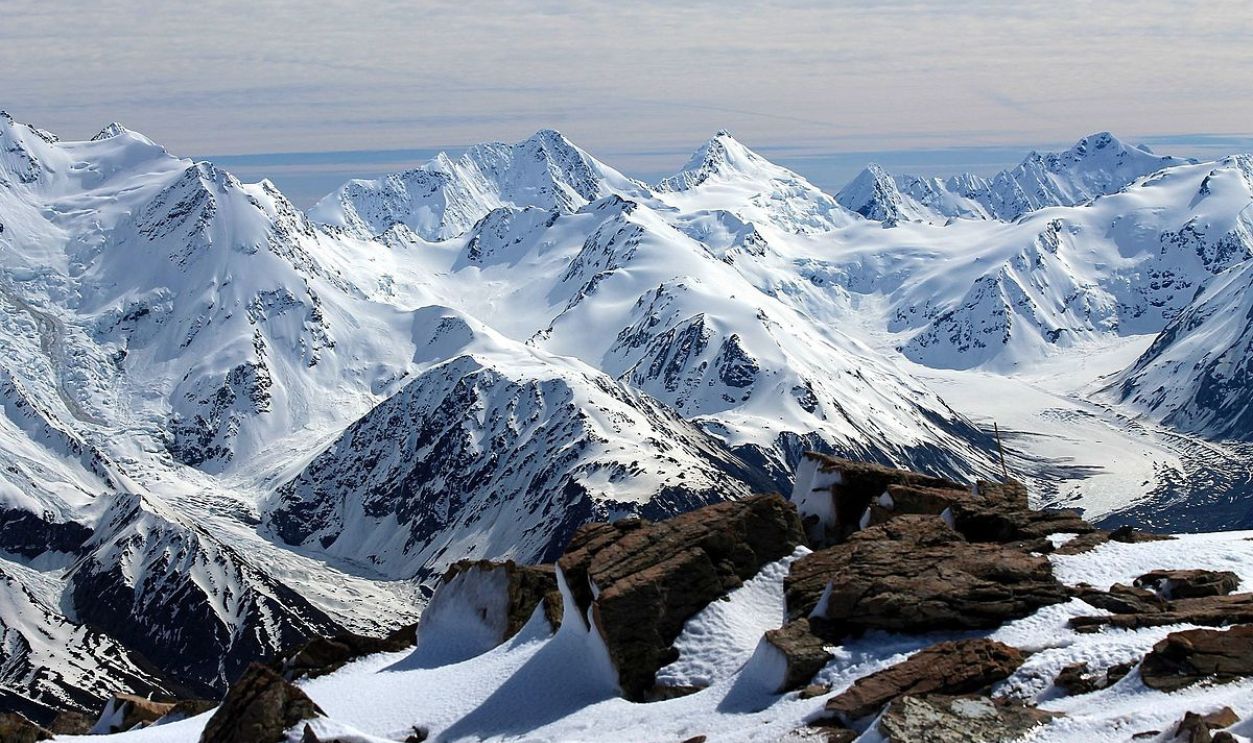 Lasse Holst Hansen, CC0, Wikimedia Commons
Aerial Tech Aids Discovery
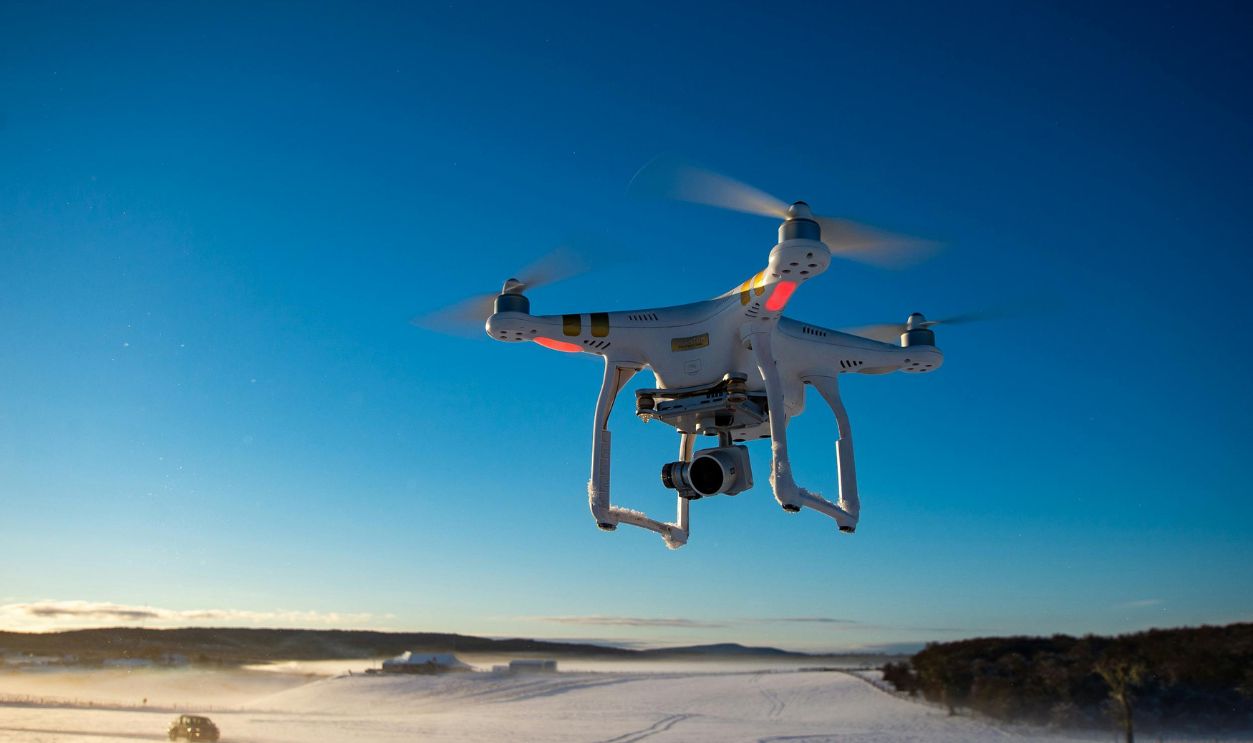
Researchers are now reportedly utilizing drones to map fossils on vertical walls. At the same time, a helicopter is helping to recover specific finds in the unstable terrain, as transporting boulders would be impossible without aerial support.
Training Ground For Discovery
Stefano Rossi, an official from the regional Superintendence of Archeology, Fine Arts, and Landscape, stated that the fossil deposit could become an important subject of study and evolve into a training ground for researchers and students.
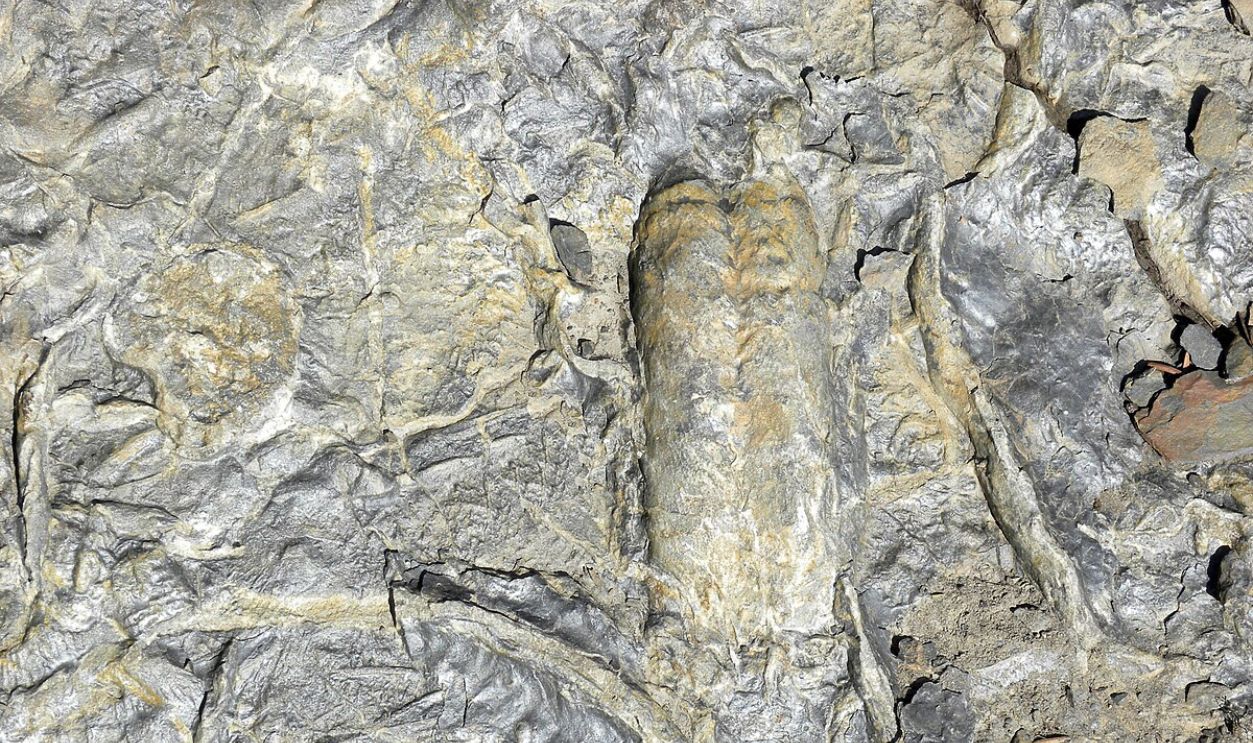 Wilson44691, Wikimedia Commons