The Pyramid Nobody Finished Studying
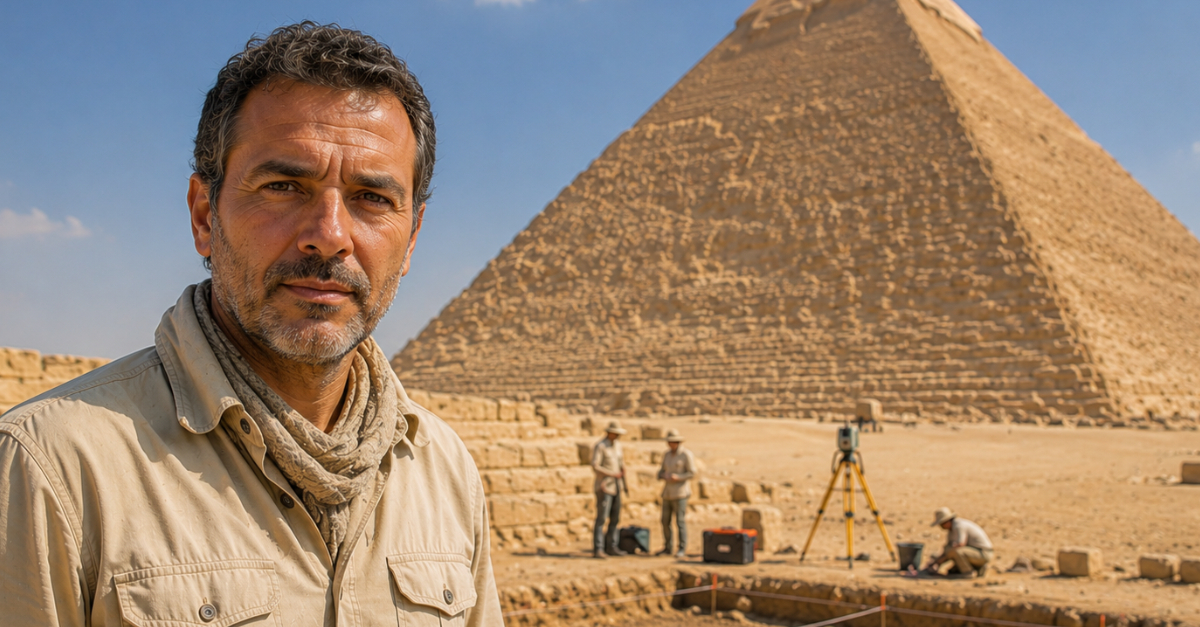
You'd think there wouldn't be much left to discover around the Great Pyramid of Giza. It has been explored, measured, mapped, photographed, and studied for generations. Not to mention the millions of tourists who've visited it and everything around it. Yet archaeologists have now found evidence of something everyone somehow missed...for more than 4,500 years.
The Discovery Happened At Giza
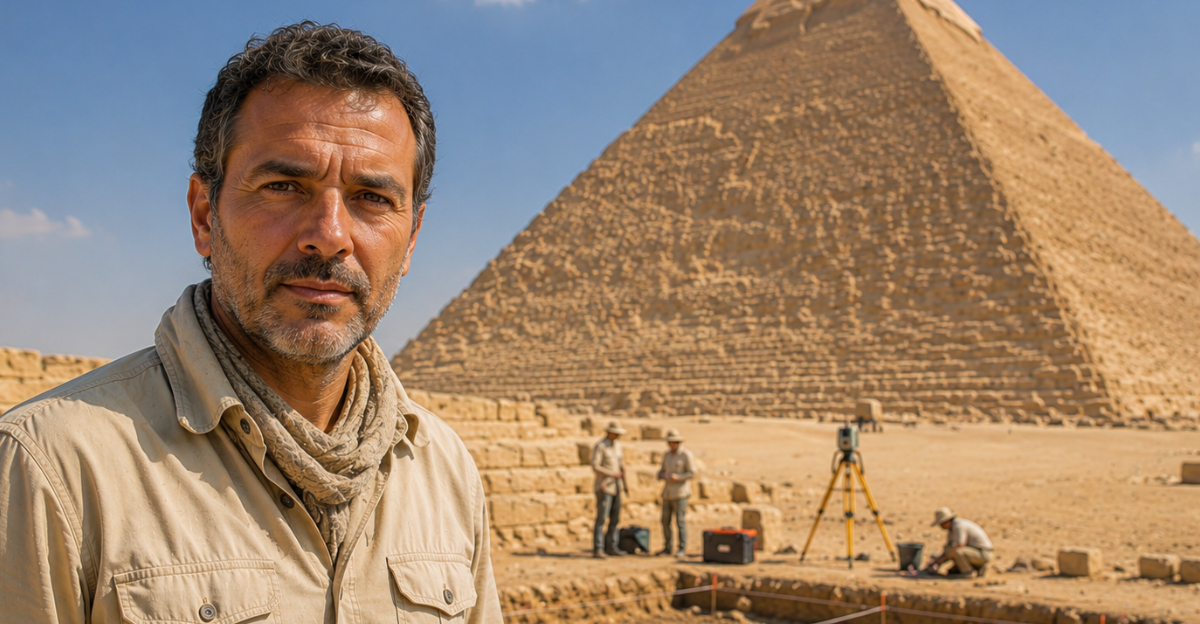
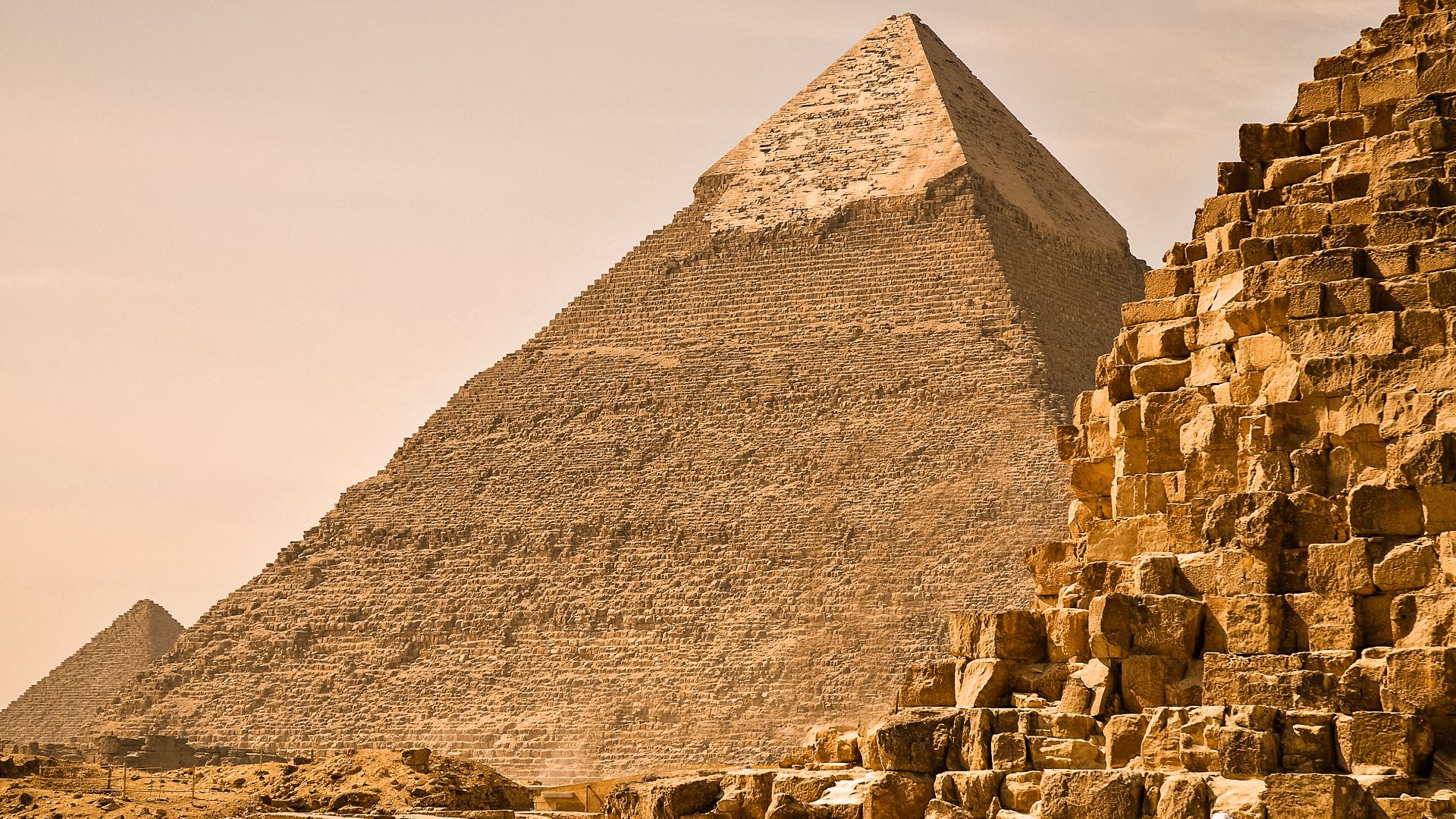
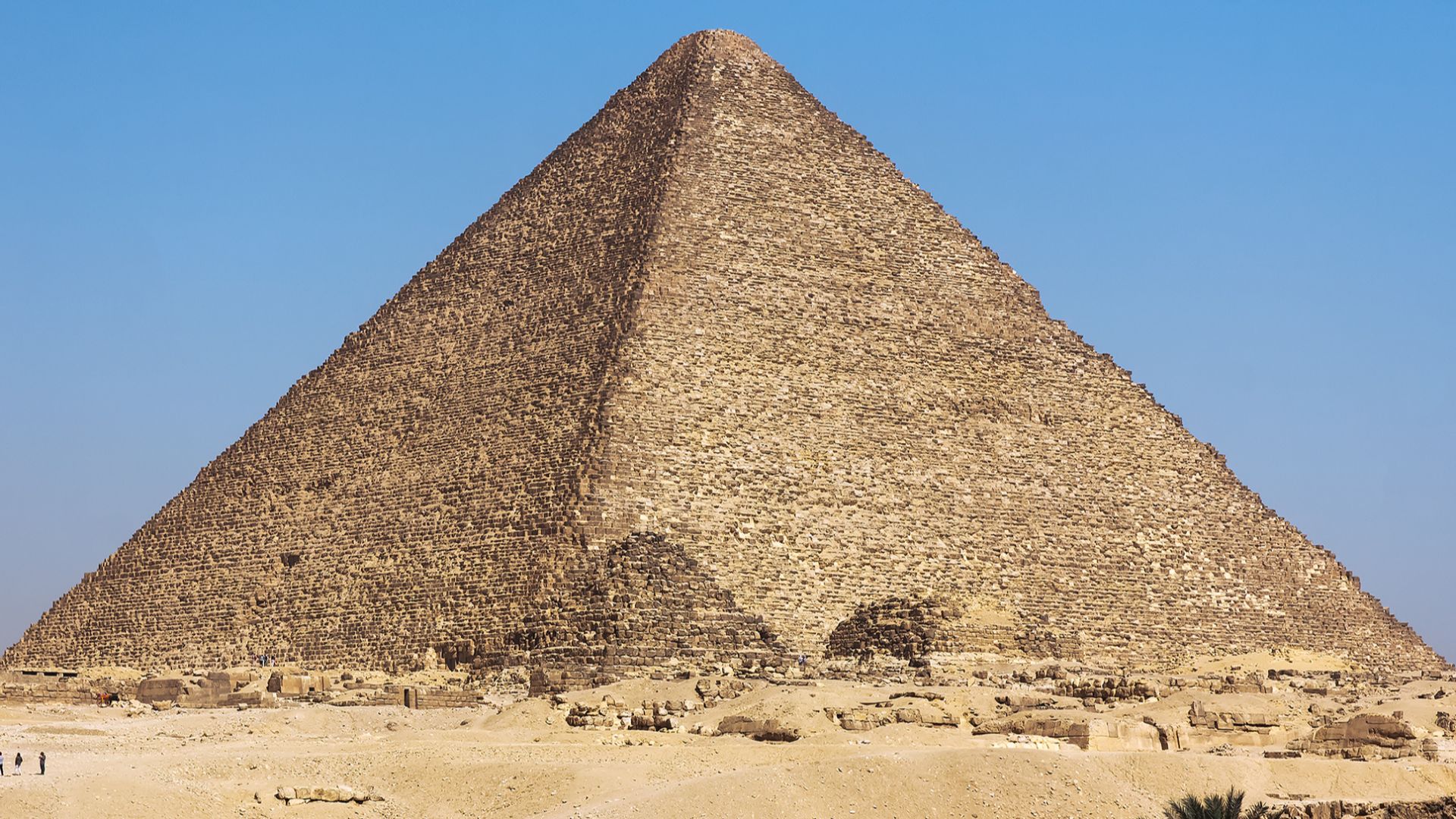
The discovery was made near the Great Pyramid of Khufu, the largest and oldest of Egypt's famous pyramids. Built around 2560 BC, the monument has dominated the Giza Plateau for more than 4,500 years. It remains the only surviving wonder of the ancient world and one of humanity's most recognizable structures.
 Mstyslav Chernov, Wikimedia Commons
More Than Just One Pyramid
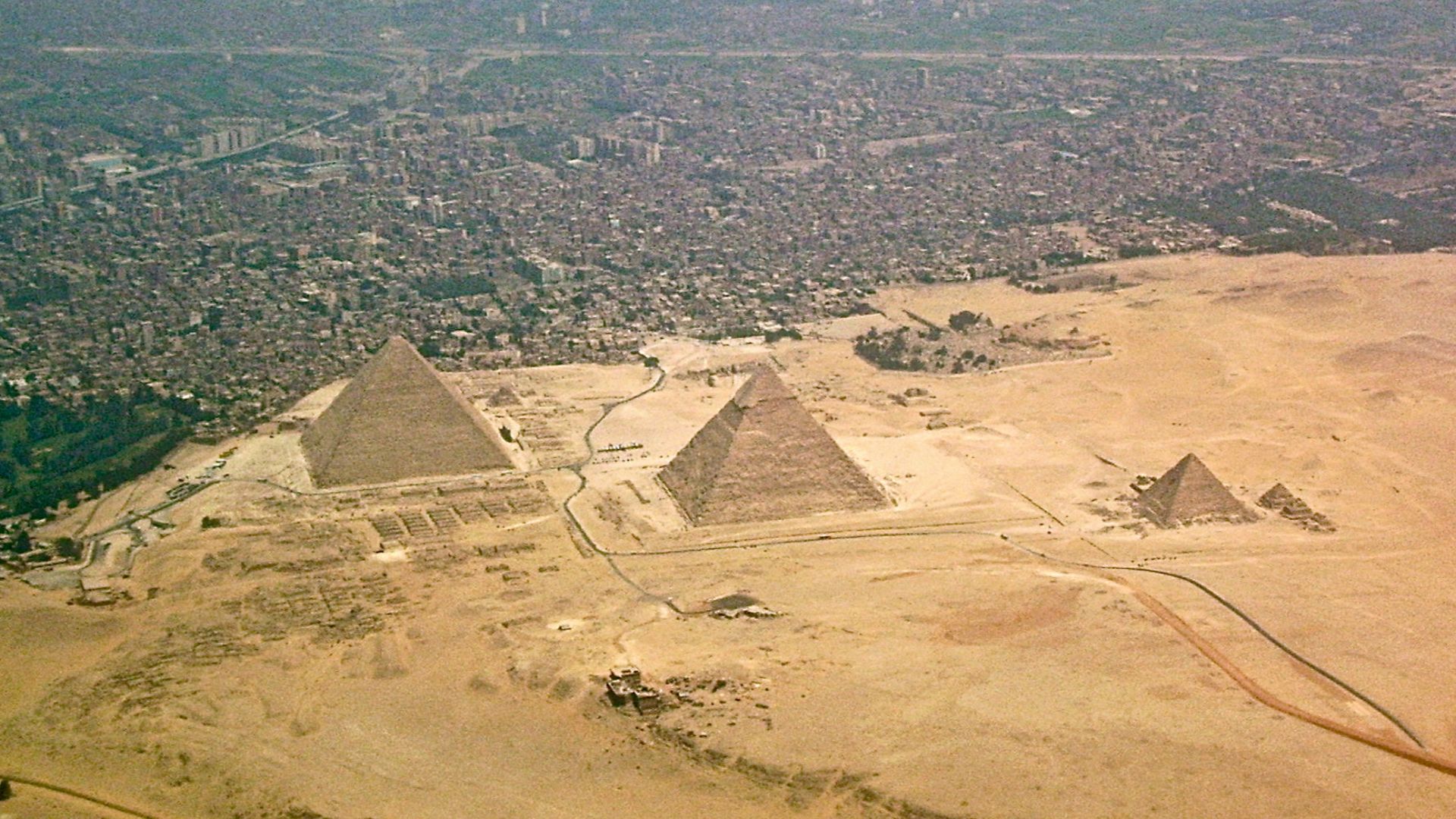
While the Great Pyramid gets most of the attention, the surrounding landscape is packed with tombs, cemeteries, temples, causeways, and other structures connected to ancient Egyptian royalty. Archaeologists have spent generations studying the area, making maps and uncovering new details about how the ancient complex functioned.
 Robster1983 at English Wikipedia, Wikimedia Commons
It Was Found In The Western Cemetery
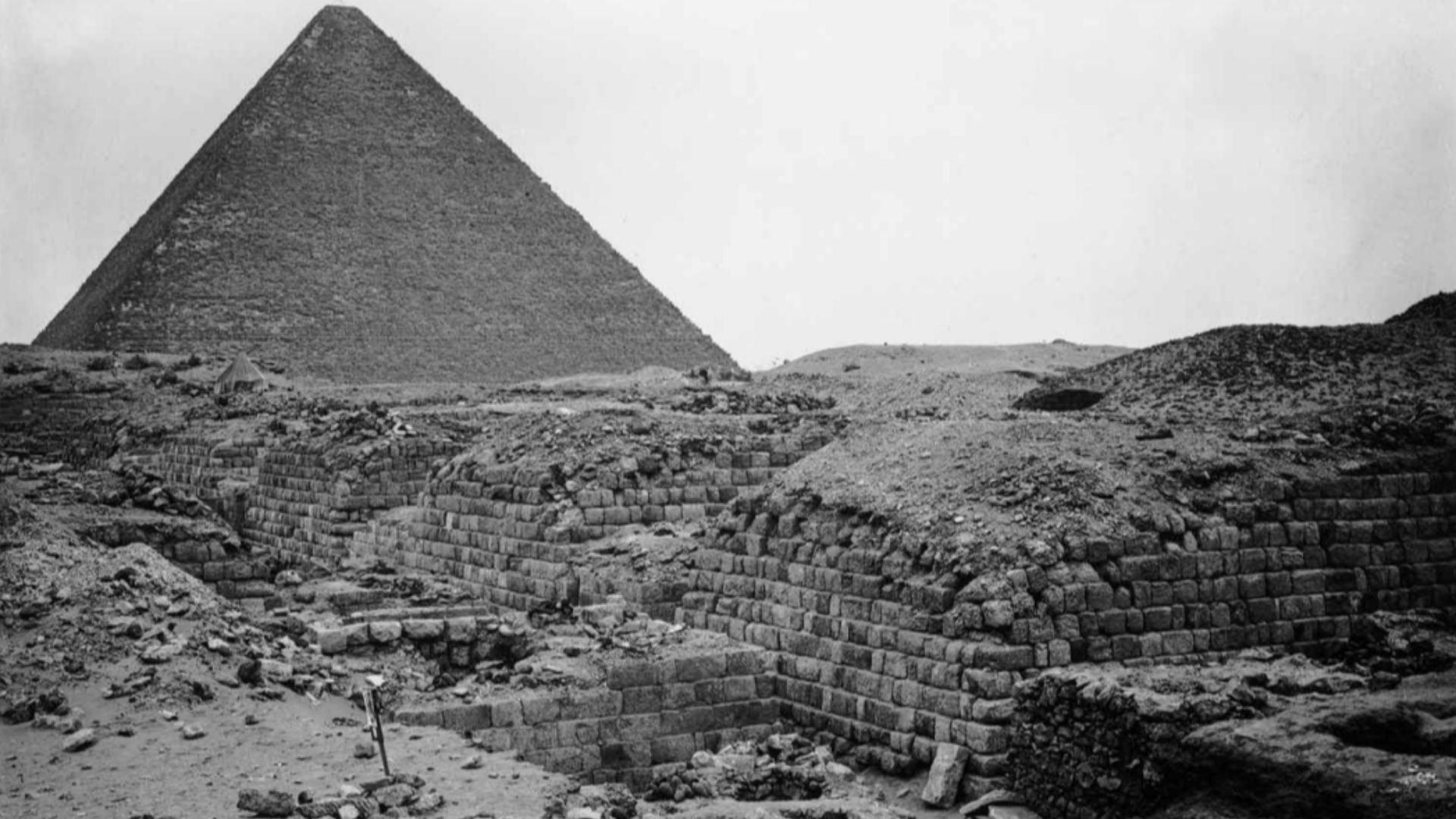
The newly detected structure lies within Giza's Western Cemetery, a burial ground used by high-ranking officials and members of Khufu's extended court. Some of the people buried there helped administer one of the most powerful kingdoms in the ancient world.
 George Andrew Reisner Jr. (November 5, 1867 – June 6, 1942), Wikimedia Commons
A Place Archaeologists Know Well
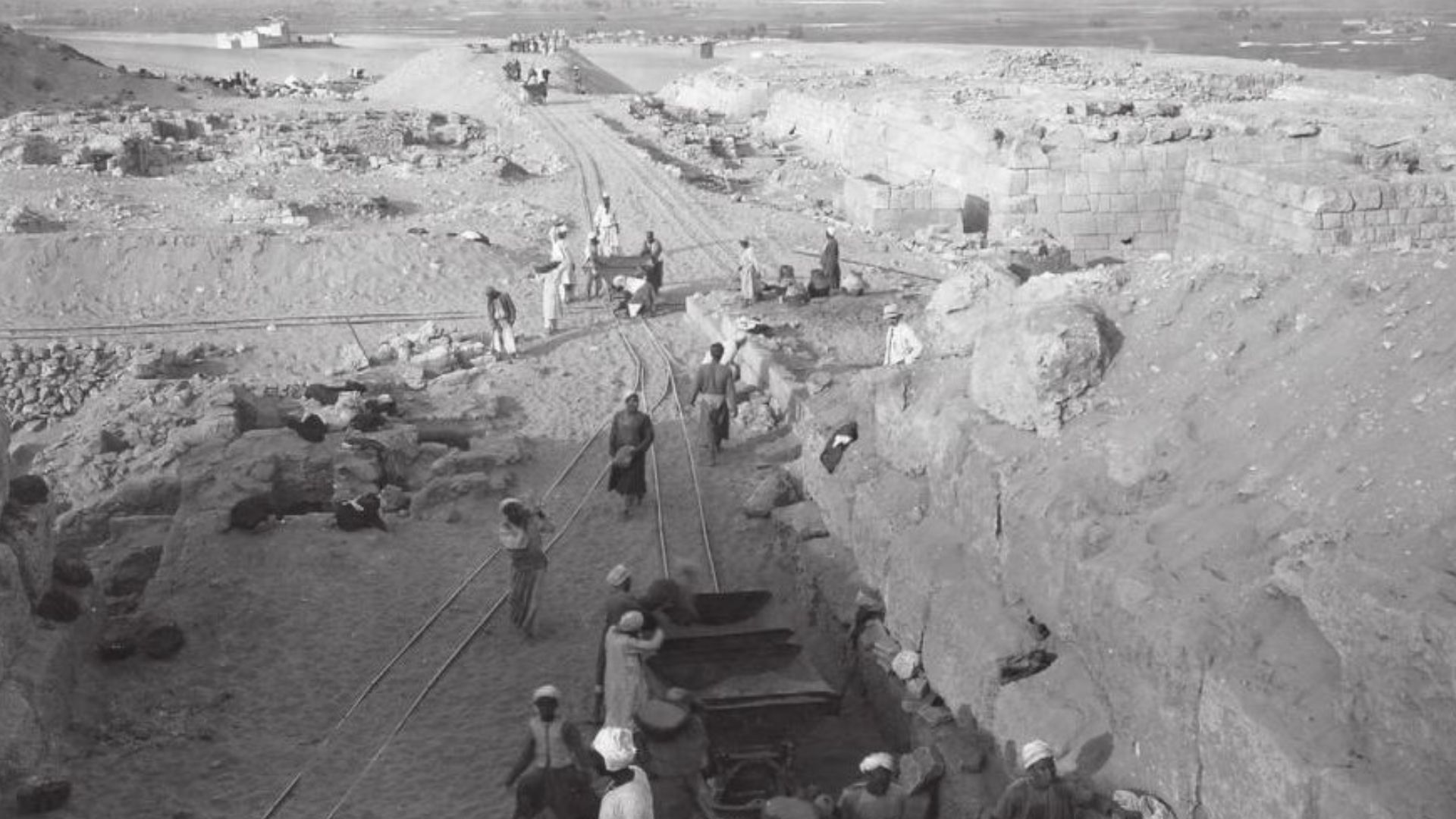
Researchers have investigated the cemetery for decades. That's part of what makes this discovery so surprising. The area wasn't considered unexplored territory, and many archaeologists assumed its major features had already been identified long ago.
Nothing On The Surface Gave It Away
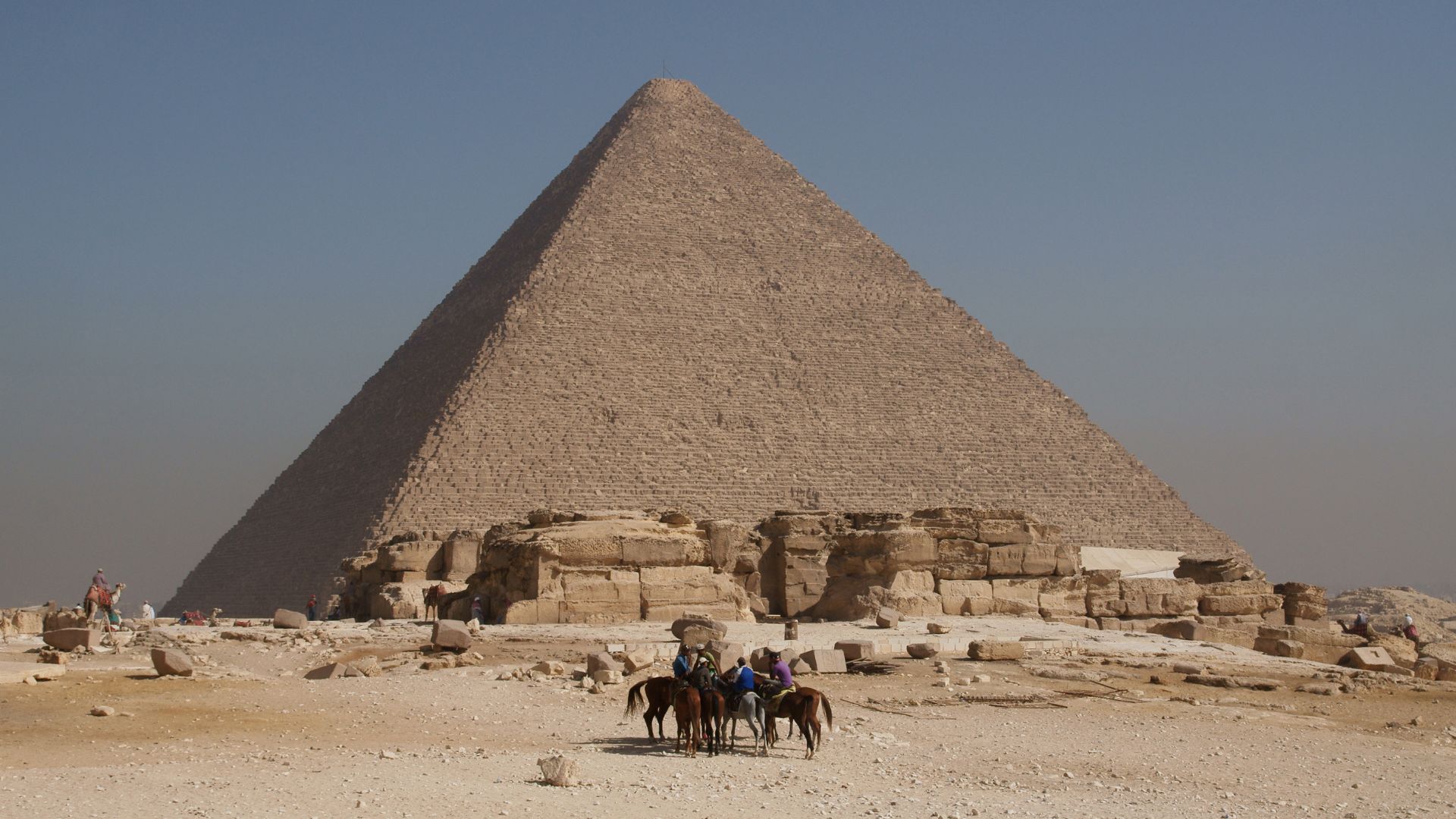
One reason the discovery surprised researchers is that there were no obvious clues above ground. No visible ruins, entrances, or unusual features hinted that anything was hidden below. Visitors have walked past this area for decades without realizing anything unusual might be beneath their feet.
Researchers Didn't Start By Digging
Instead of excavation, the team began by looking beneath the surface without disturbing the site. Modern archaeological surveys often begin this way because they allow researchers to search for hidden features while preserving fragile historical landscapes.
Scanning The Ground
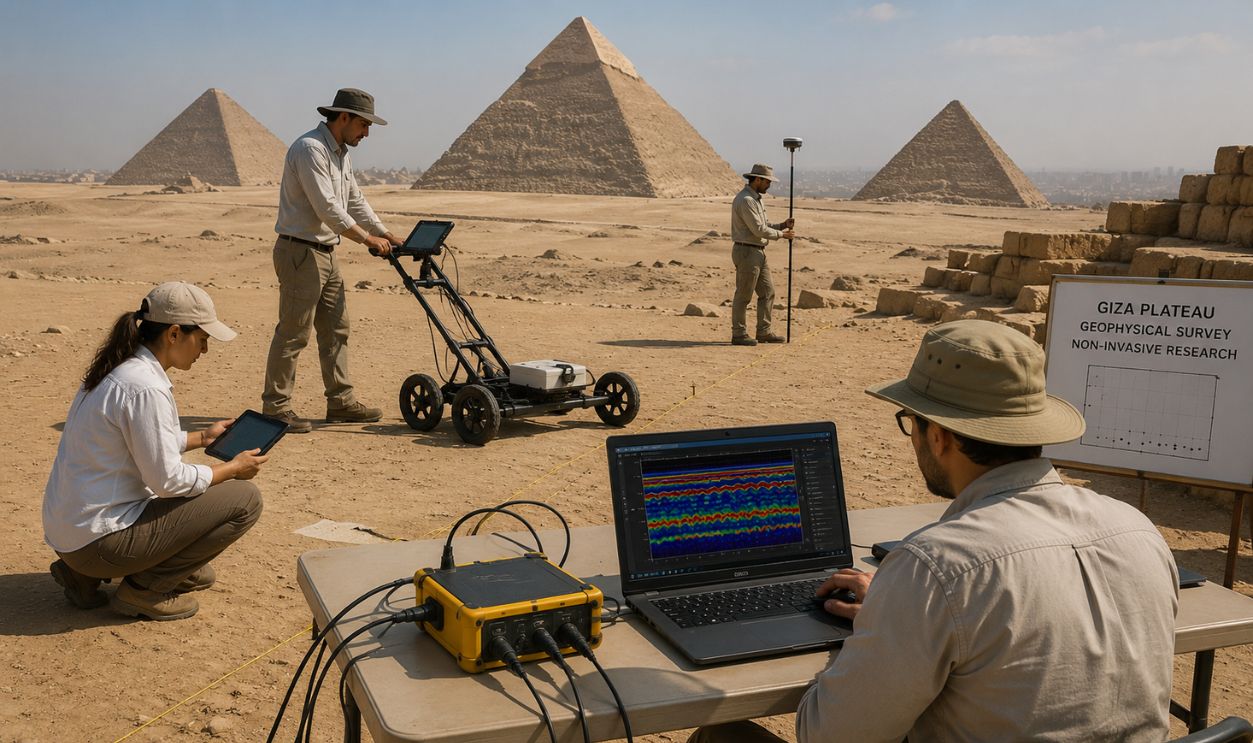
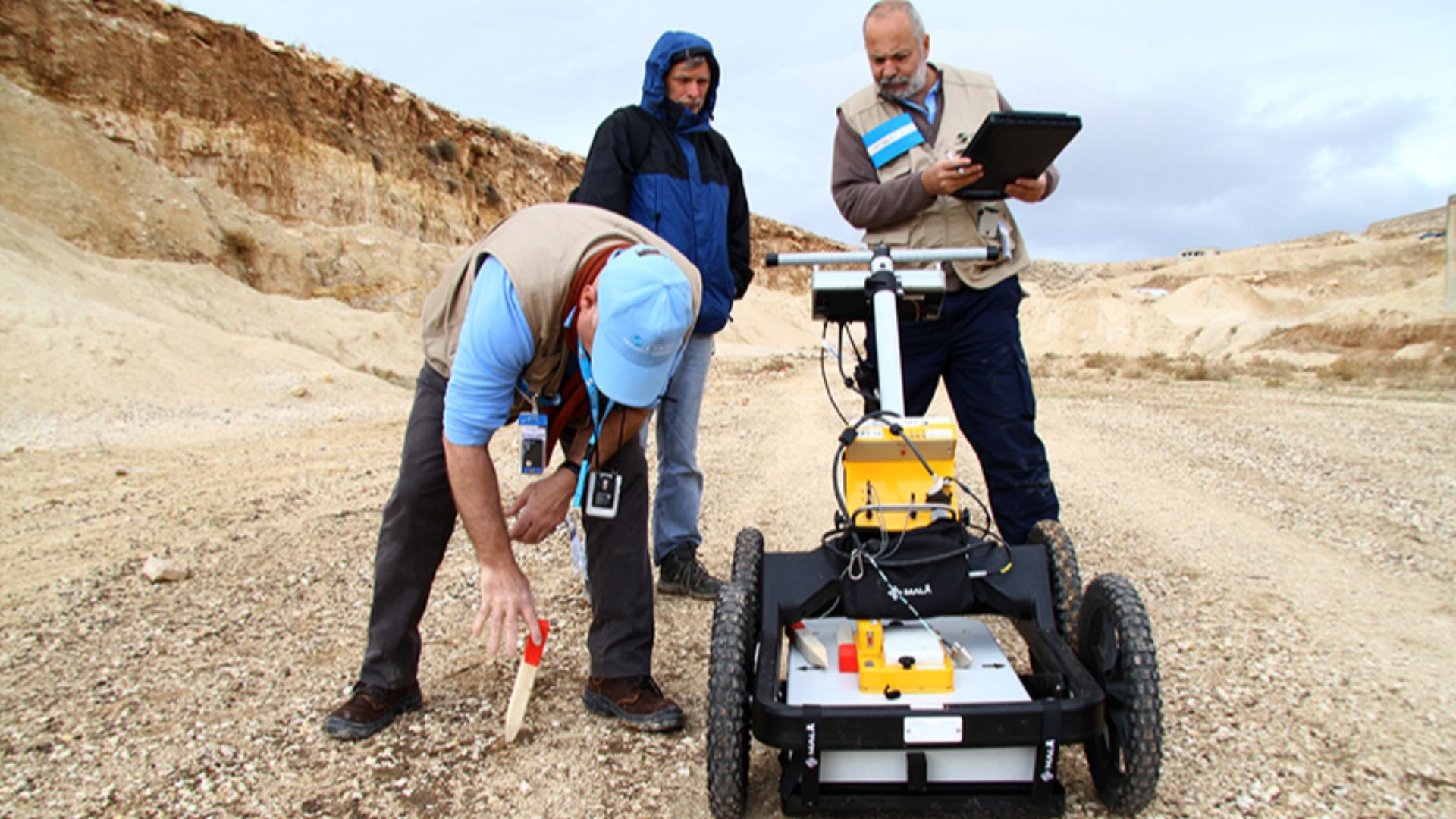
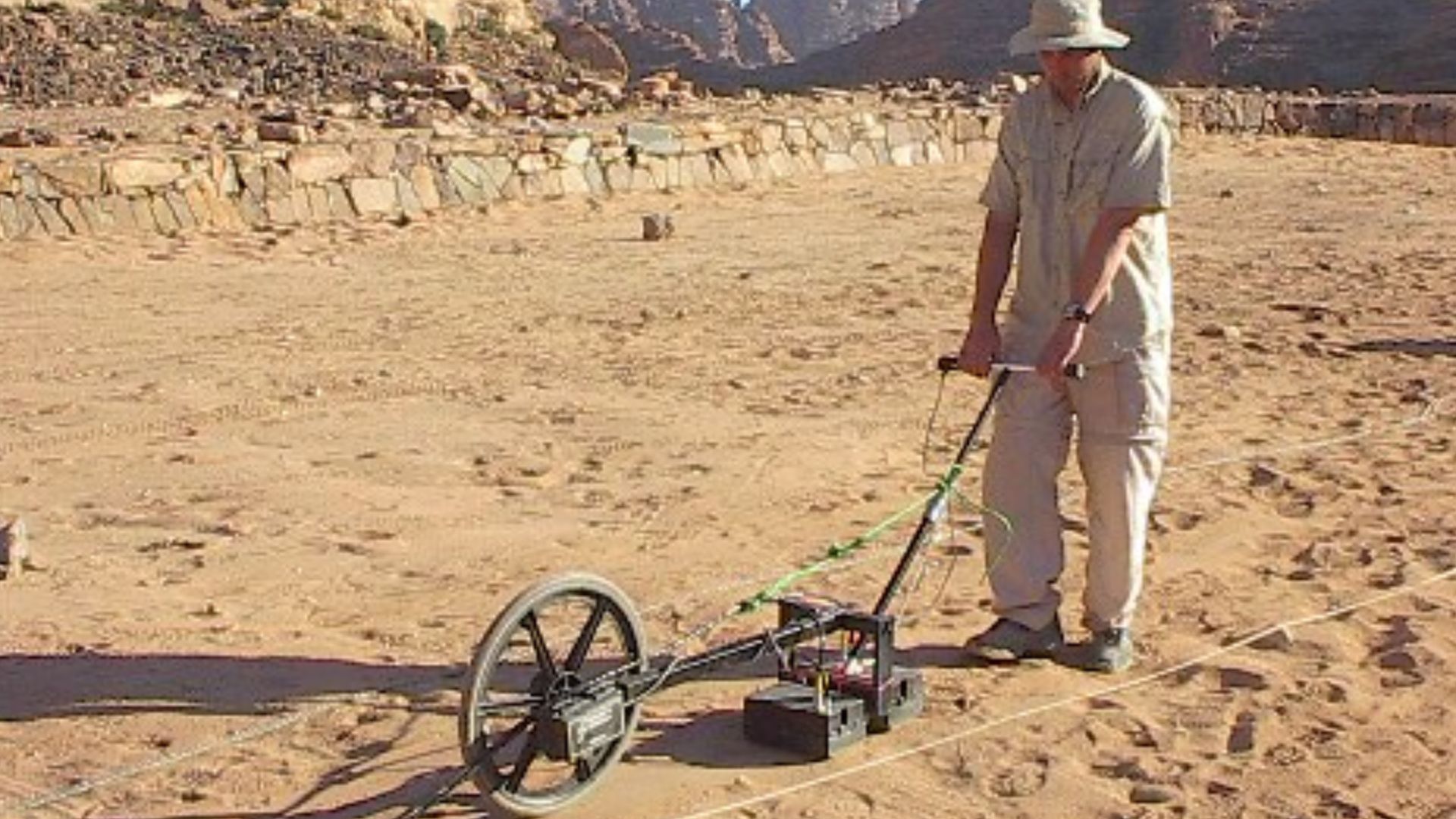
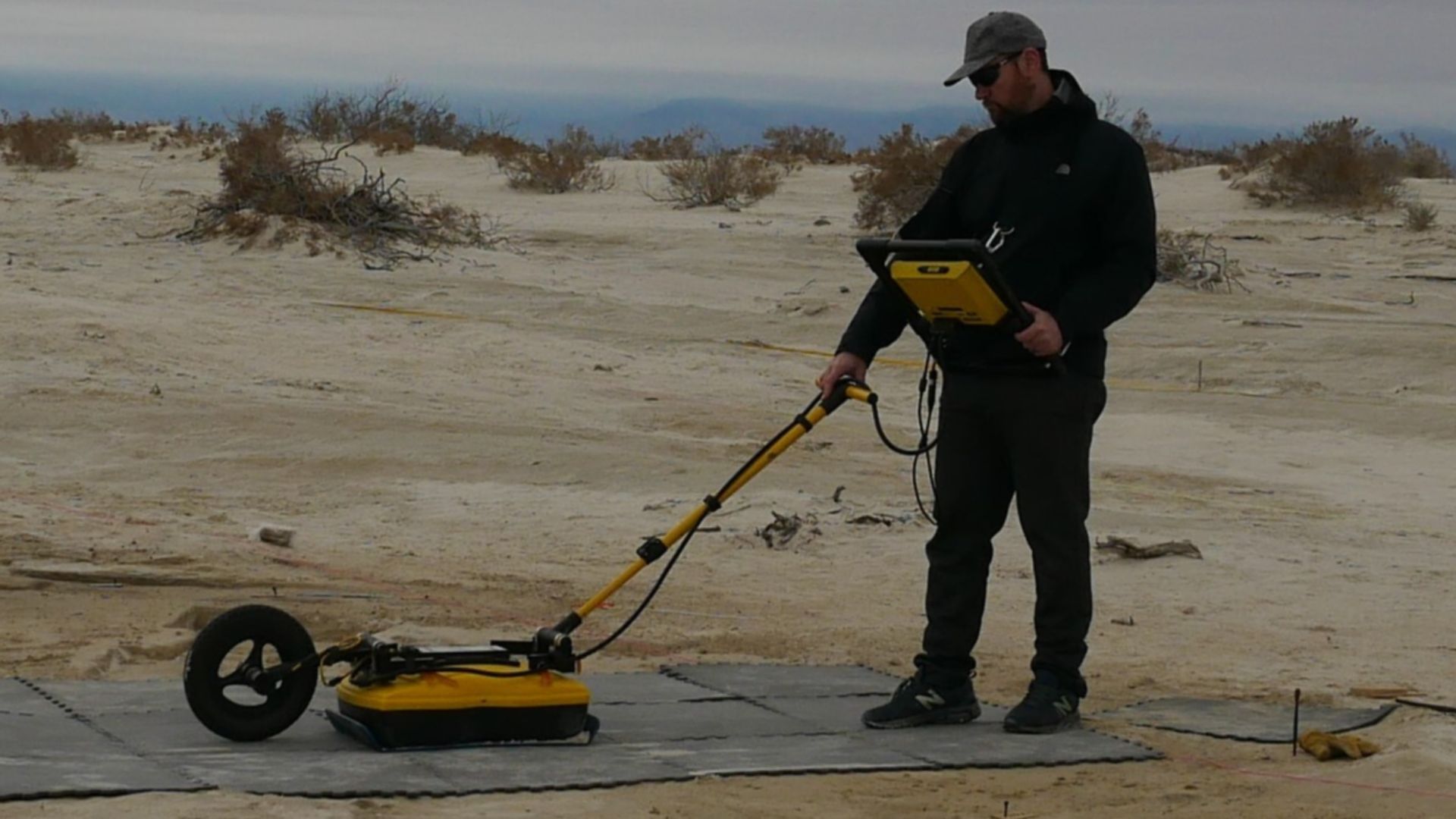
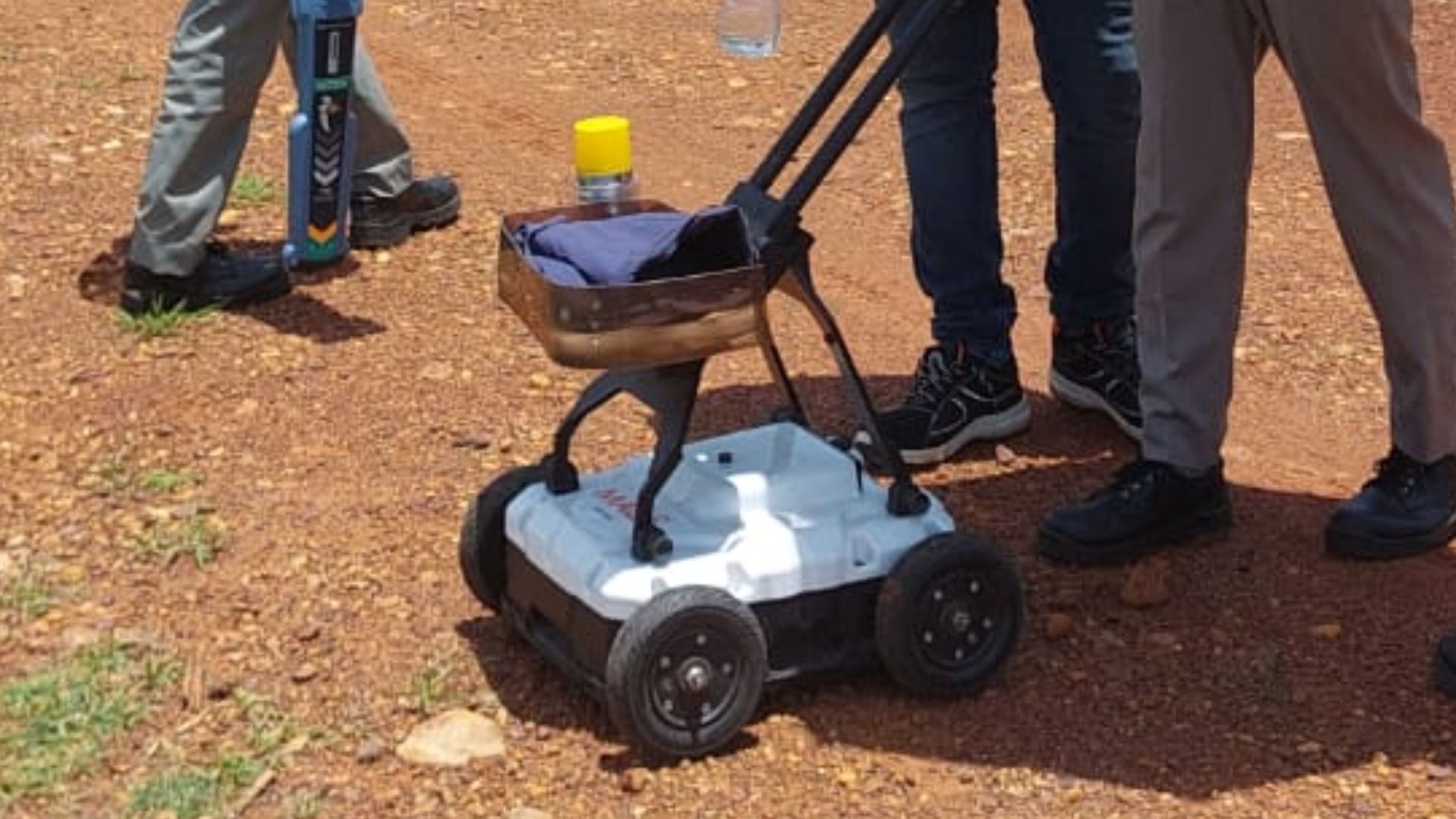
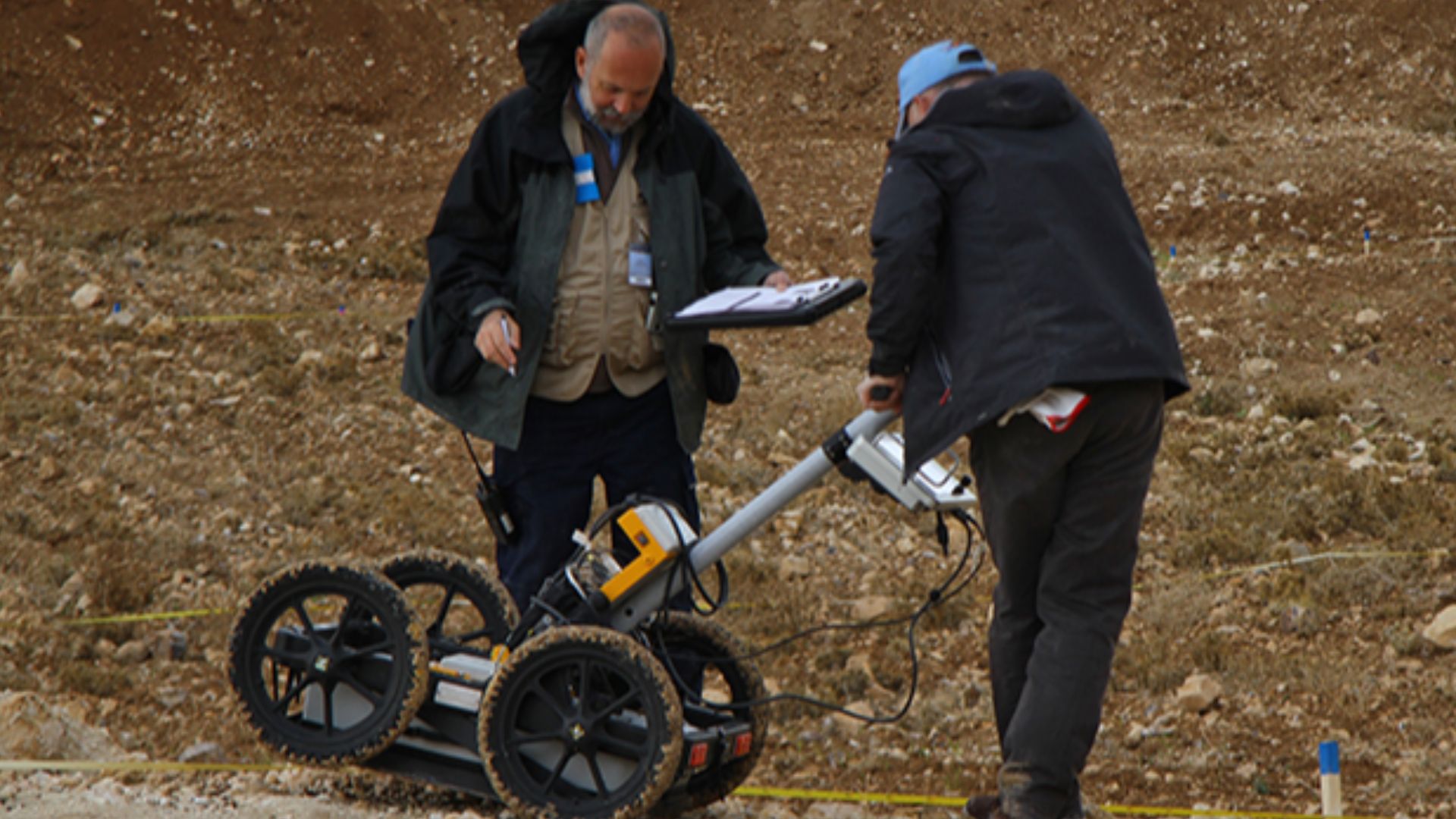
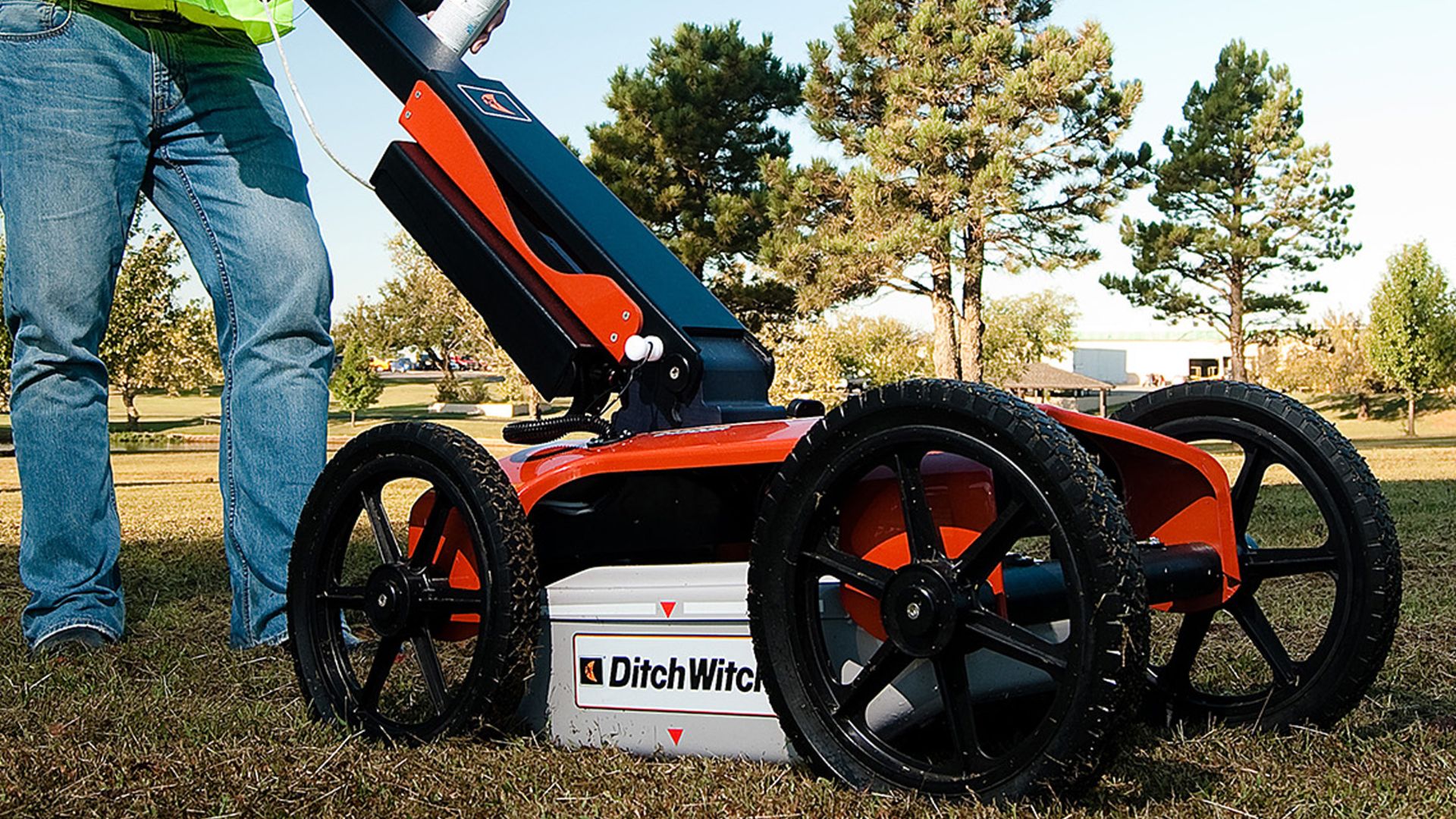
Researchers used ground-penetrating radar and electrical resistivity tomography. These technologies allow scientists to detect hidden underground features by measuring differences in soil composition, density, and electrical resistance. Together, they can reveal structures invisible from the surface.
 The Official CTBTO Photostream, Wikimedia Commons
They Found Something Unusual
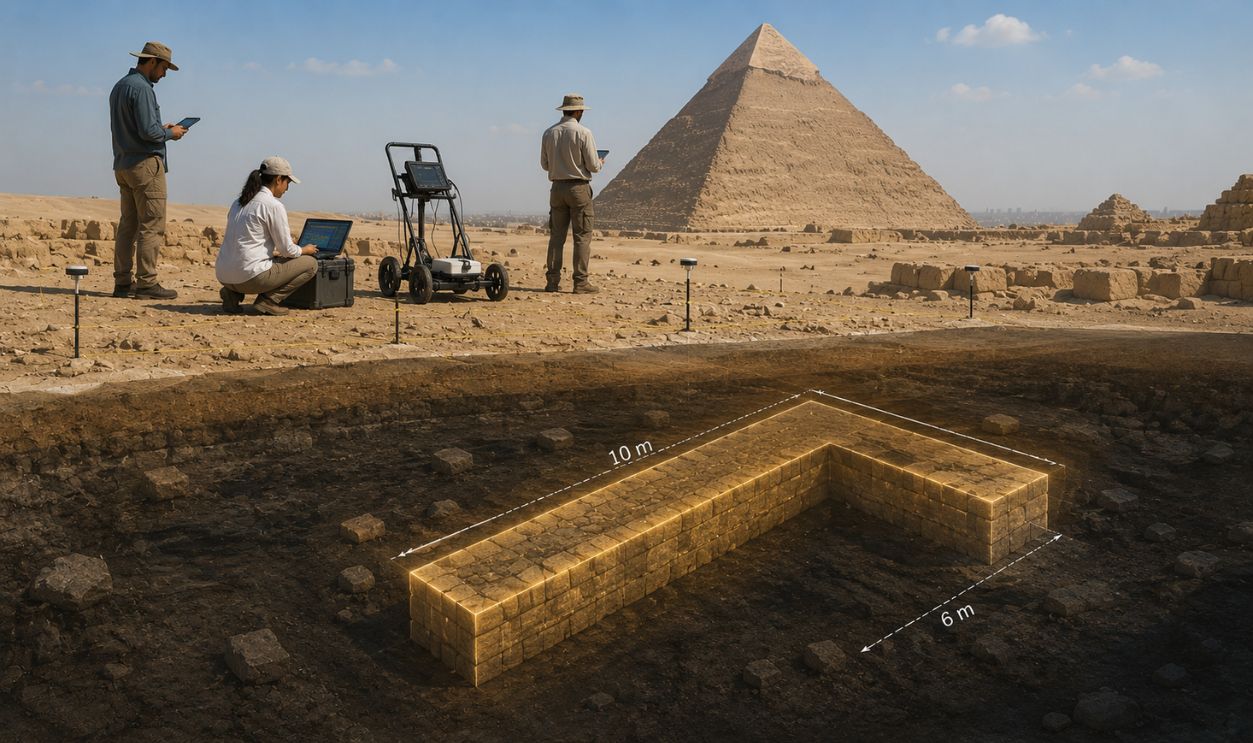
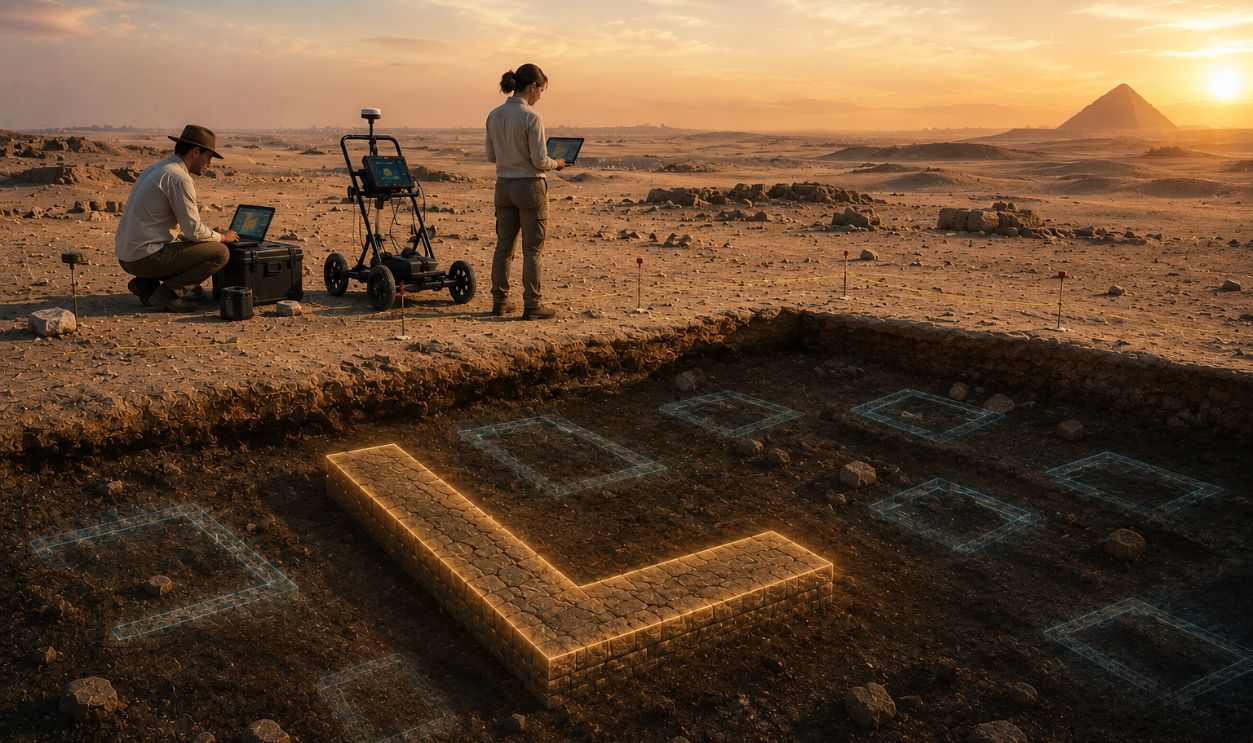
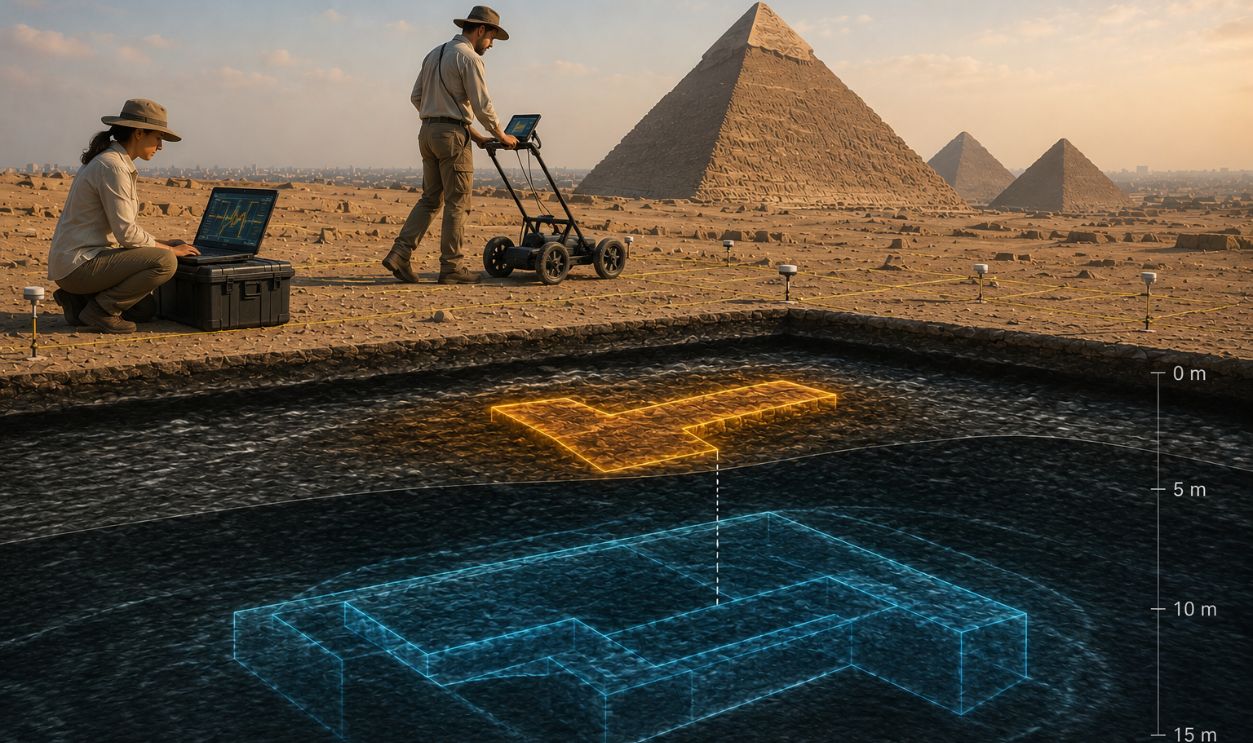
The scans revealed an L-shaped anomaly beneath the surface. Researchers weren't looking at a dramatic tomb entrance or an obvious buried chamber. Instead, they identified a shape that stood out from everything around it. The unusual pattern immediately caught their attention and suggested there might be more beneath the ground than anyone realized.
 Archaeo-Physics LLC, Wikimedia Commons
It Doesn't Look Natural
According to the researchers, the feature appears more consistent with a man-made structure than a natural geological formation. Its geometric shape and unusual pattern differ from what archaeologists would normally expect from naturally occurring underground features.
The Structure Is Fairly Large
The L-shaped feature measures roughly 10 meters long and sits several feet below the surface. That may not sound especially impressive next to the Great Pyramid itself, but discoveries are rarely judged by size alone. Finding a previously unknown feature in one of the most studied archaeological sites on Earth is what makes researchers take notice.
Bigger Than It First Appears
Archaeologists often become excited not because of what they know, but because of what they don't know. The shape itself may be relatively modest, but the fact that it remained undiscovered for so long raises questions about what else might still be hidden nearby.
There May Be More Below It
The mystery became even more intriguing when researchers noticed another anomaly beneath the L-shaped feature. Instead of appearing to be an isolated structure, the scans suggested there could be something larger hidden farther underground. That possibility quickly became one of the most interesting aspects of the discovery.
 Arc Geodesy Pvt Ltd, Wikimedia Commons
Something Larger Underground
This second feature appears deeper and potentially much larger than the upper anomaly. Researchers cannot yet determine its exact shape or purpose, but its presence suggests the L-shaped feature may be connected to a more extensive underground structure.
The Mystery Goes Deeper
Survey data suggests the deeper anomaly continues below the upper feature and may extend farther underground than researchers initially expected. Scientists still cannot see exactly what lies underground, but the scans indicate they may be looking at only part of a larger buried complex rather than a single isolated structure.
 Keith Adler, Wikimedia Commons
One Theory Involves An Entrance
One possibility is that the L-shaped feature represents an entrance shaft or access point leading to something deeper below. Ancient Egyptian burial complexes often included shafts, corridors, and concealed architectural features that were later sealed. If that's what researchers are seeing here, the most important part of the discovery may not be the upper structure at all.
 Tadeusz Biniewski, Wikimedia Commons
Another Theory Is A Filled-In Structure
Researchers have suggested the anomaly may represent a structure that was intentionally filled after construction. If that's correct, ancient builders may have deliberately sealed it thousands of years ago, helping explain why it escaped notice for so long.
 The Official CTBTO Photostream, Wikimedia Commons
Nobody Knows What It Is Yet
This is where many headlines get ahead of the actual science. Archaeologists have not discovered a hidden treasure chamber, a secret tomb, or a lost city. What they have found is evidence of an artificial underground feature whose purpose remains unknown.
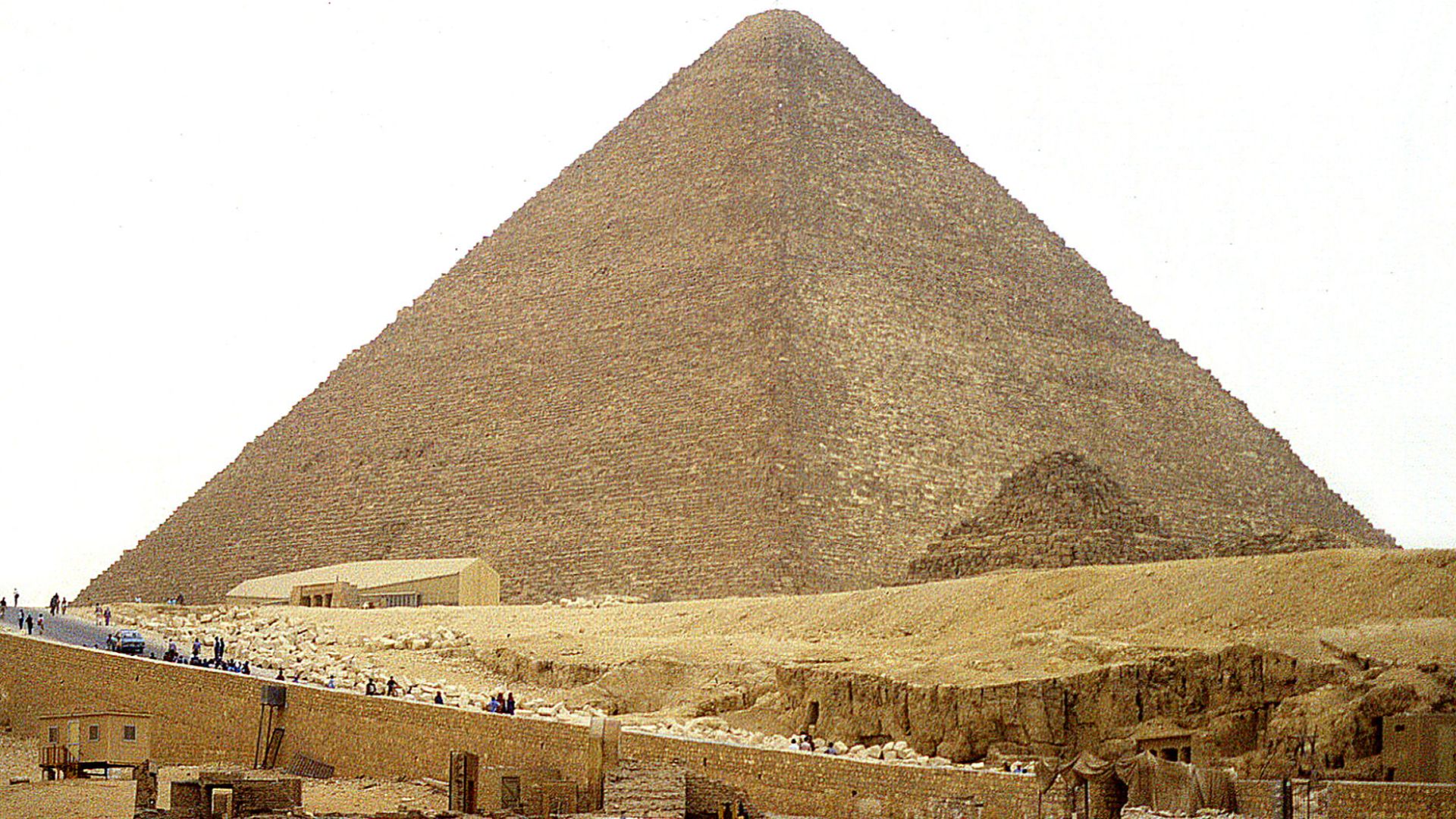
The Mystery Is Still Unfolding
Determining exactly what the structure is will require additional study and, potentially, future excavation. For now, researchers are working with data collected from underground scans rather than direct physical evidence from the structure itself.
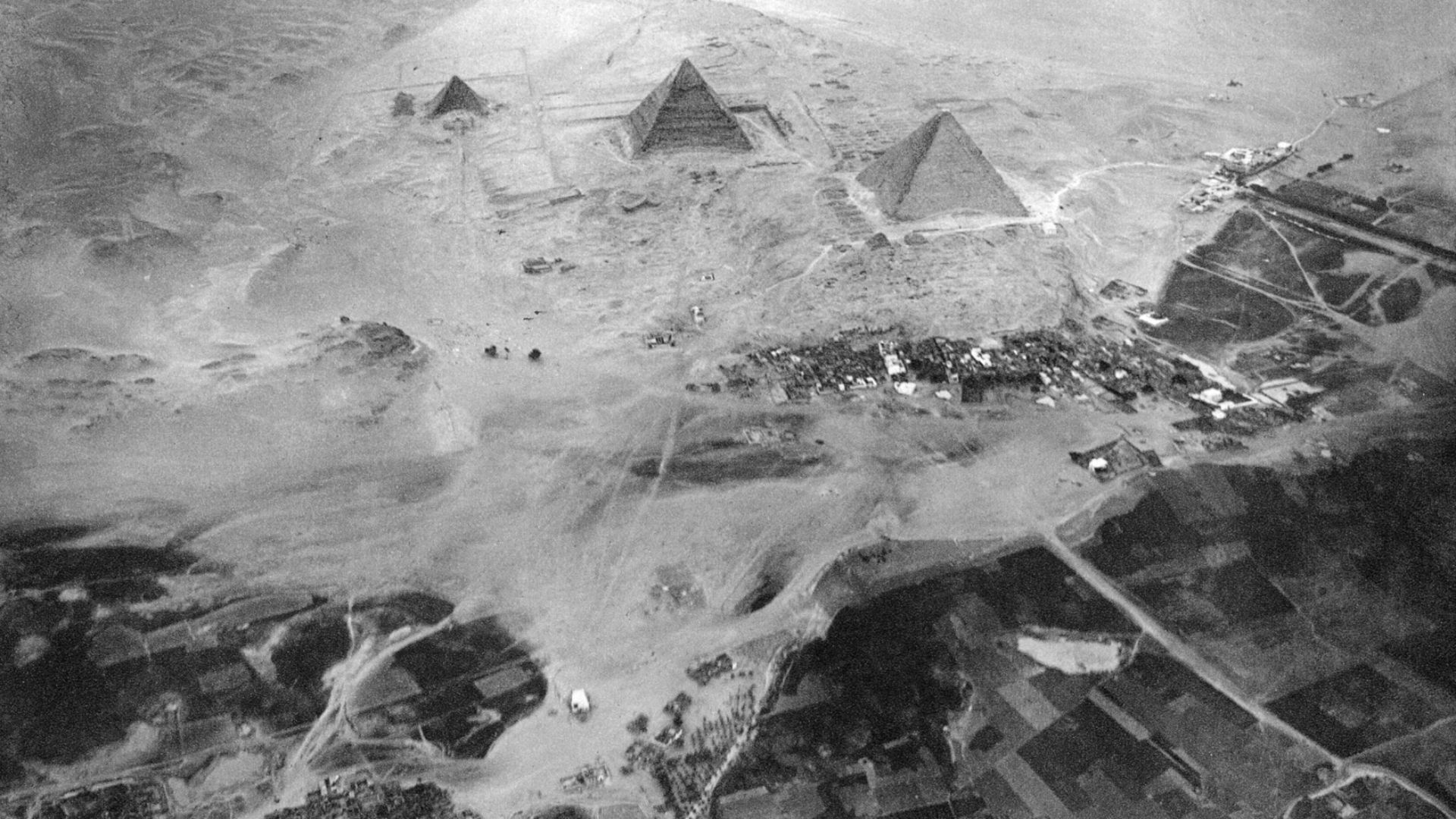 Eduard Spelterini, Wikimedia Commons
Why The Discovery Matters
Archaeologists aren't excited because they know exactly what they've found. They're excited because they don't. Discovering a previously unknown man-made feature beside the Great Pyramid in an area that has already been studied extensively is genuinely unusual. It suggests there may still be important parts of Giza waiting to be identified.
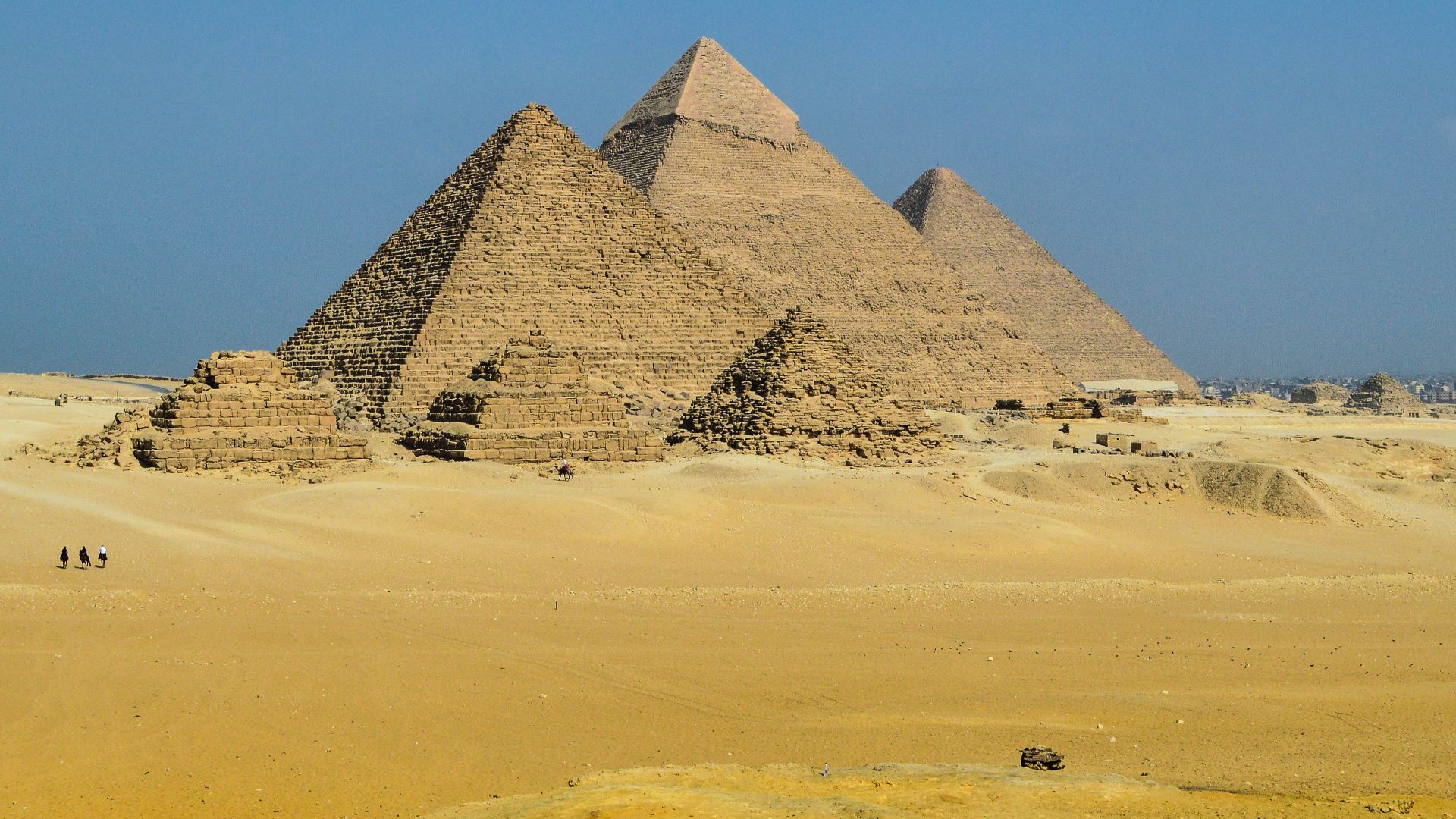 Morhaf Kamal Aljanee, Wikimedia Commons
A Surprise In A Familiar Place
The Giza Plateau is one of the most investigated archaeological sites on Earth. New discoveries certainly happen there, but finding a previously unknown structure in a well-studied cemetery is the kind of result that immediately attracts attention throughout the archaeological community.
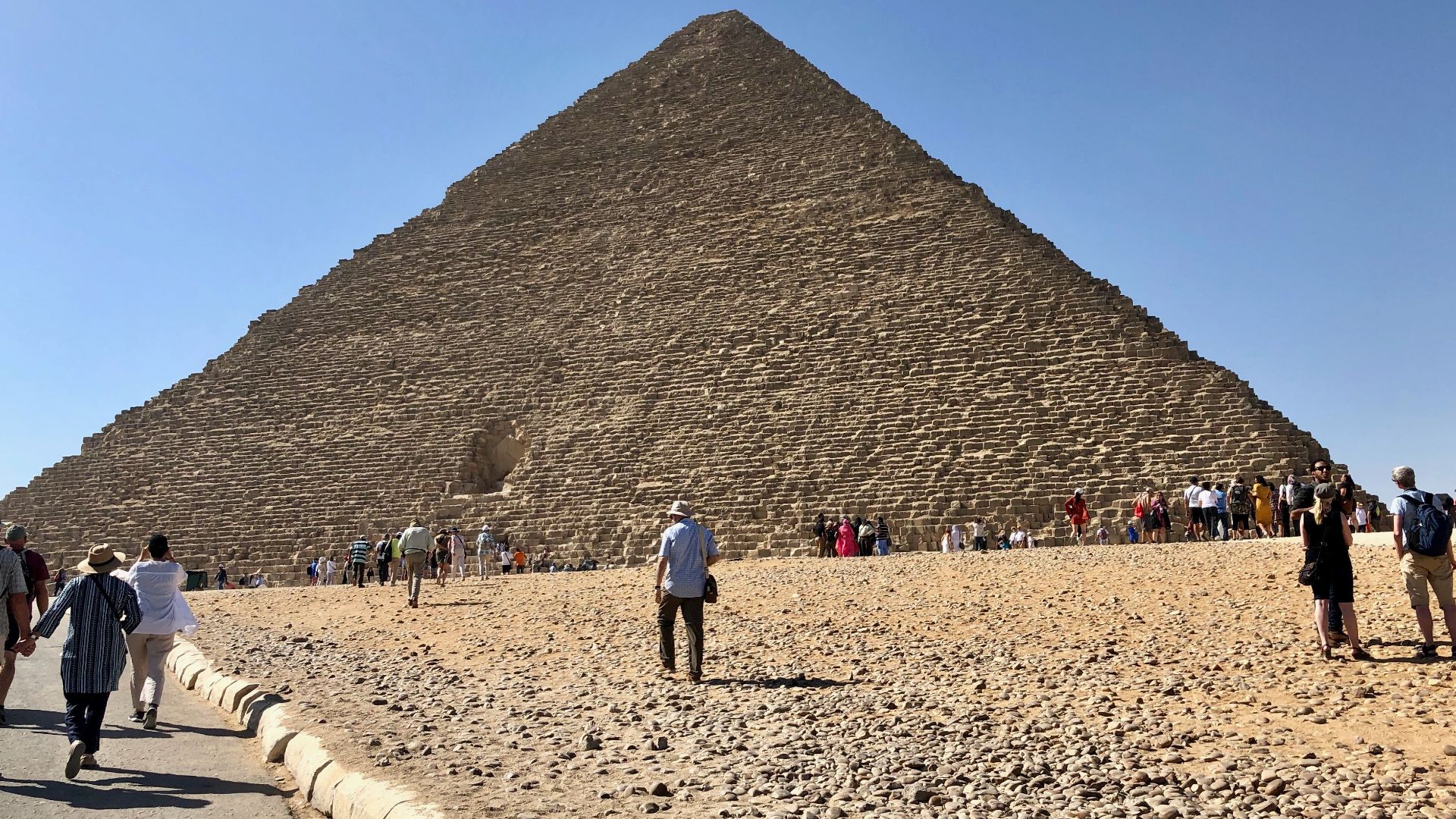 Warren LeMay from Chicago, IL, United States, Wikimedia Commons
Giza Still Has Secrets
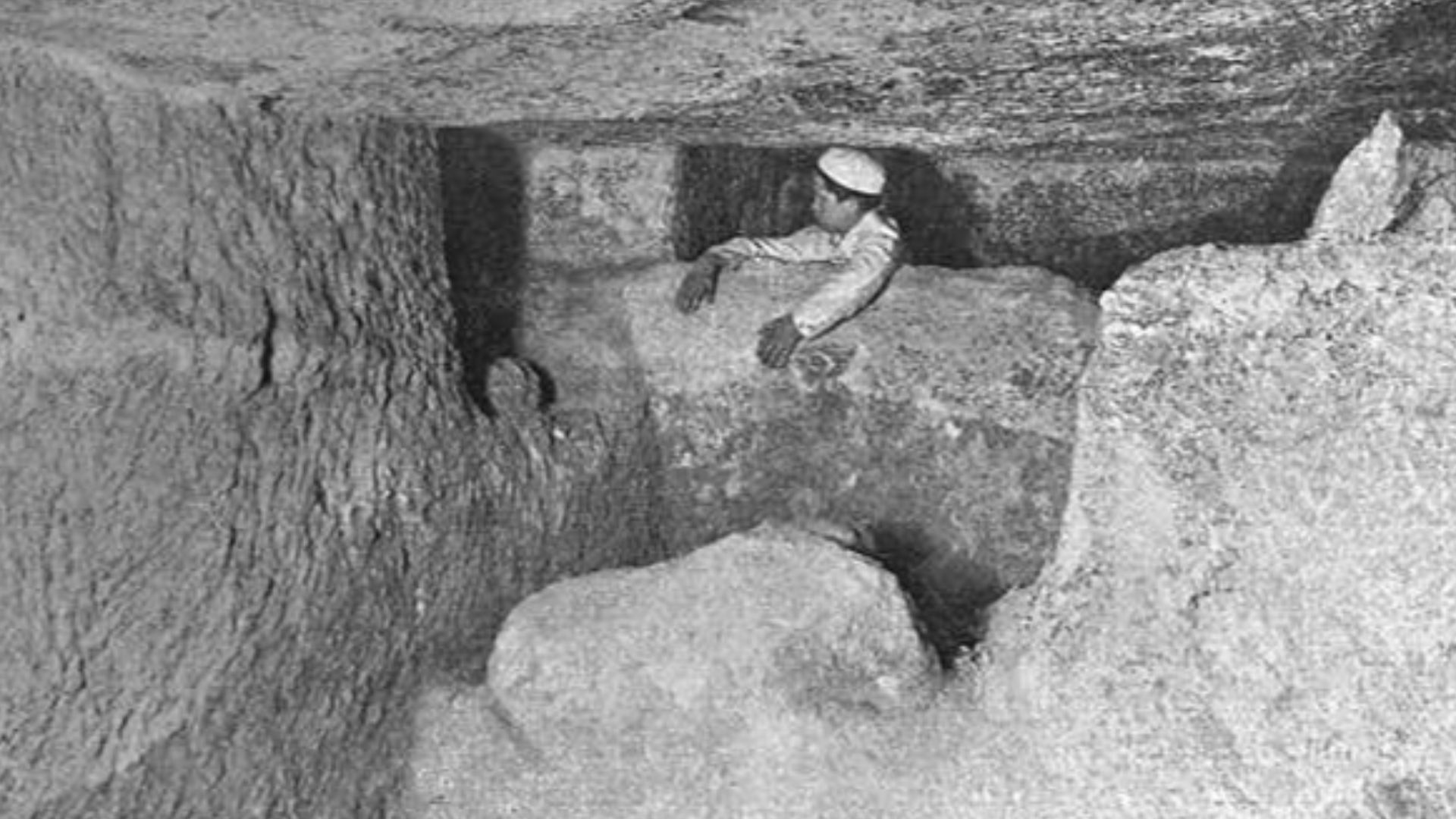
For more than a century, archaeologists have worked to understand the Giza Plateau. New tombs, inscriptions, worker settlements, and hidden spaces continue to emerge from one of the most famous archaeological landscapes on Earth. Discoveries like this serve as a reminder that even well-known sites can still produce surprises.
 John and Edgar Morton, Wikimedia Commons
Hidden Spaces Aren't Unusual
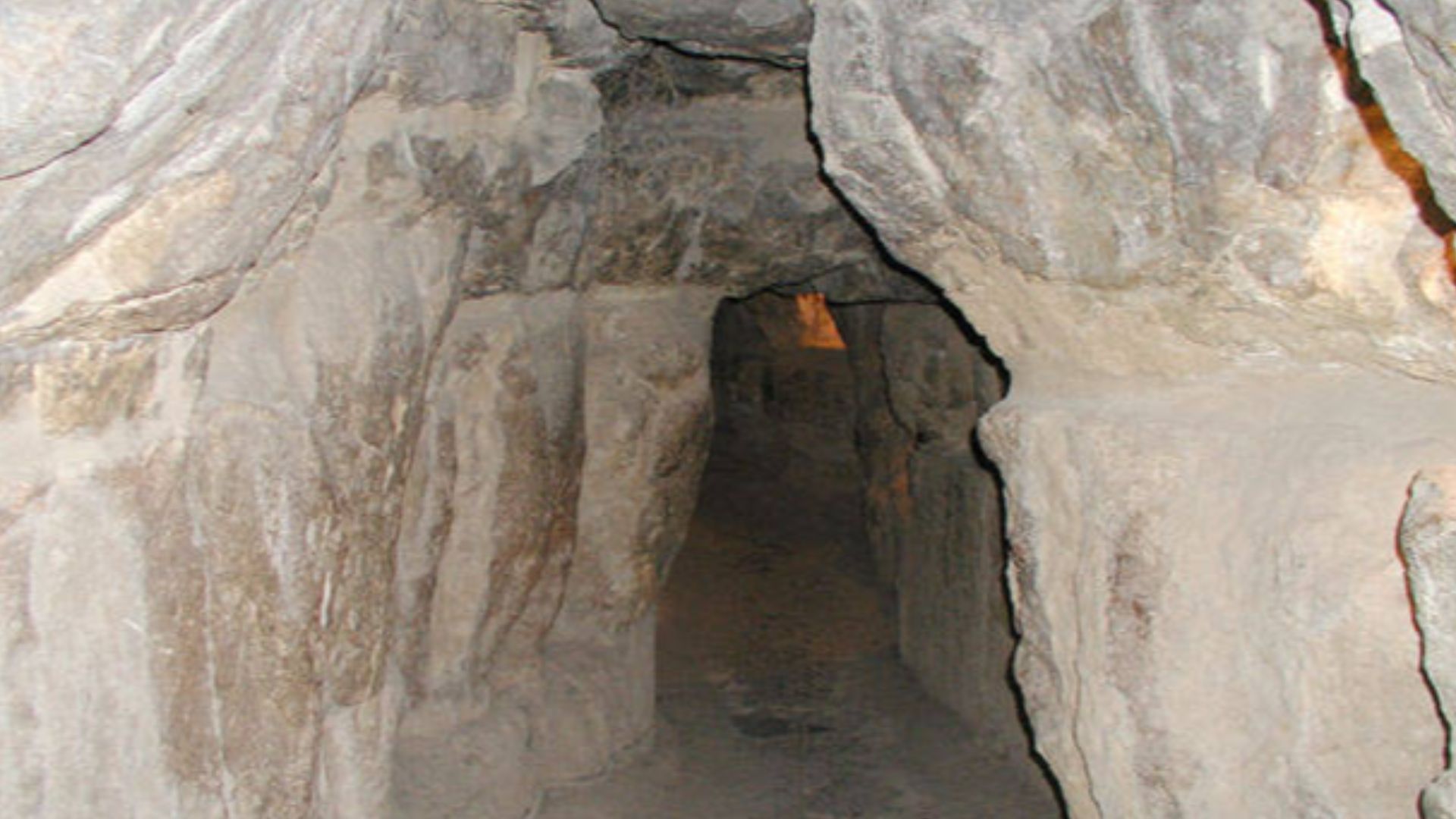
Ancient Egyptian builders frequently created underground chambers, tunnels, storage areas, and ritual spaces. Many were intentionally concealed, making them difficult to locate without modern technology. In some cases, entire structures have remained hidden for thousands of years.
 Jon Bodsworth, Wikimedia Commons
Scientists Have Found Hidden Features Before
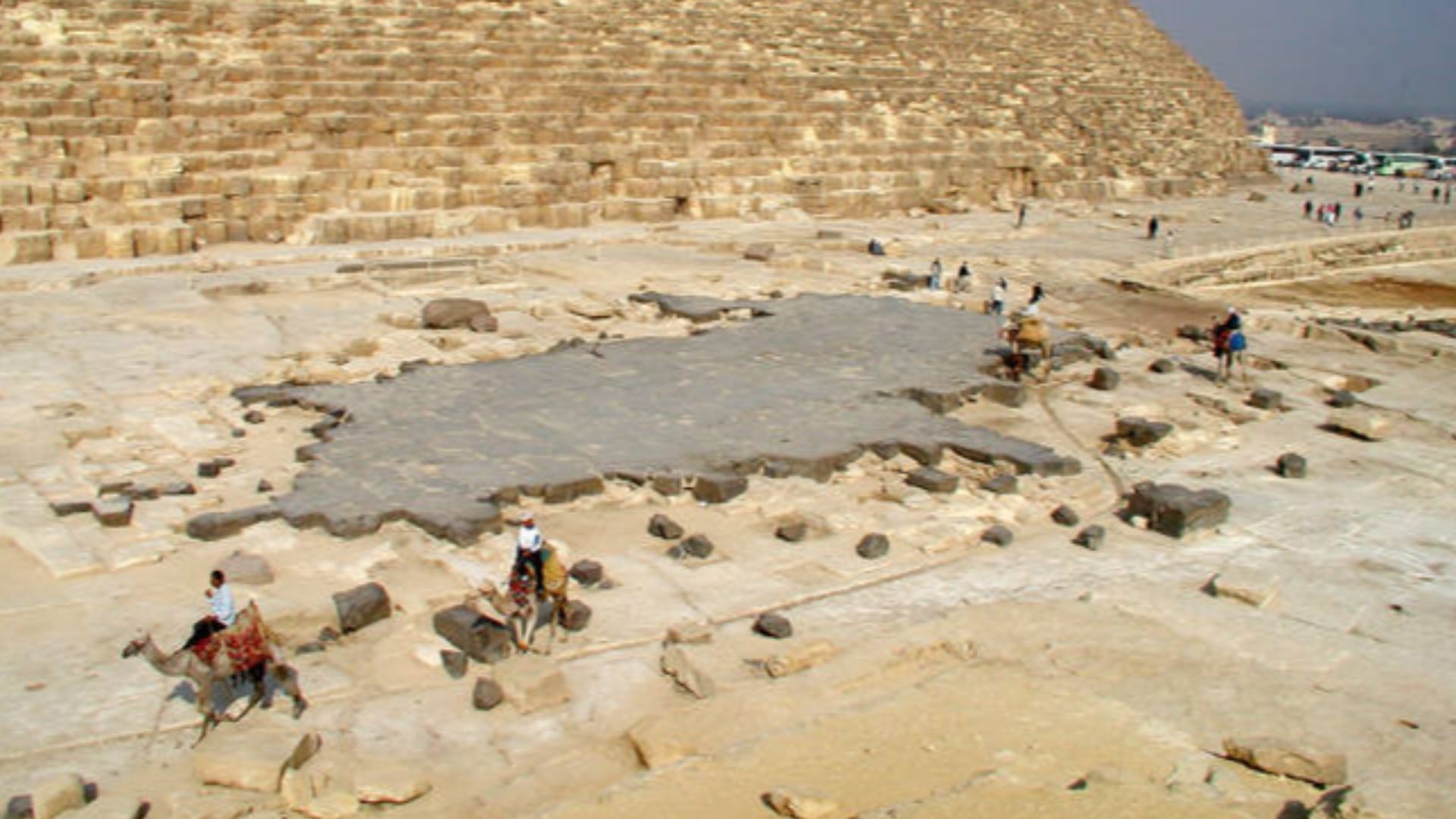
In recent years, advanced scanning projects have identified previously unknown voids inside the Great Pyramid itself. Those discoveries demonstrated that even iconic monuments can still contain features that escape detection for generations.
 Jon Bodsworth, Wikimedia Commons
Modern Technology Changed Everything
For most of history, discovering hidden structures meant digging and hoping for the best. Today's radar and imaging systems allow archaeologists to identify promising targets without moving a single stone, opening up new possibilities at sites once thought fully explored.
 Douwe C. van der Zee, Wikimedia Commons
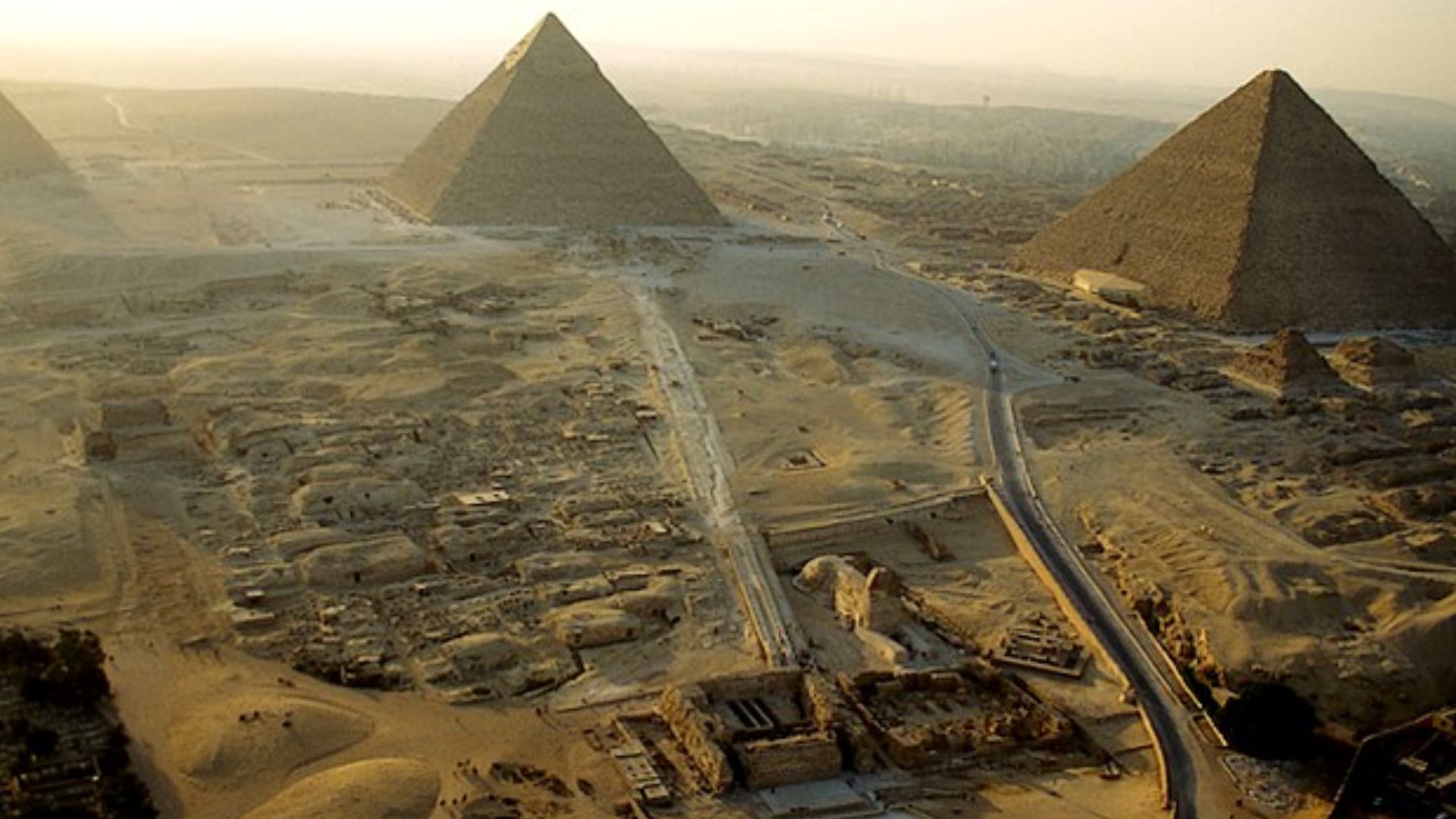
The Western Cemetery Was Reserved For Important People
The cemetery where the anomaly was discovered was not a random location. Many of the people buried there held important positions within the royal administration and helped oversee key aspects of ancient Egyptian government and construction projects.
 http://puzzles-games.eu, Wikimedia Commons
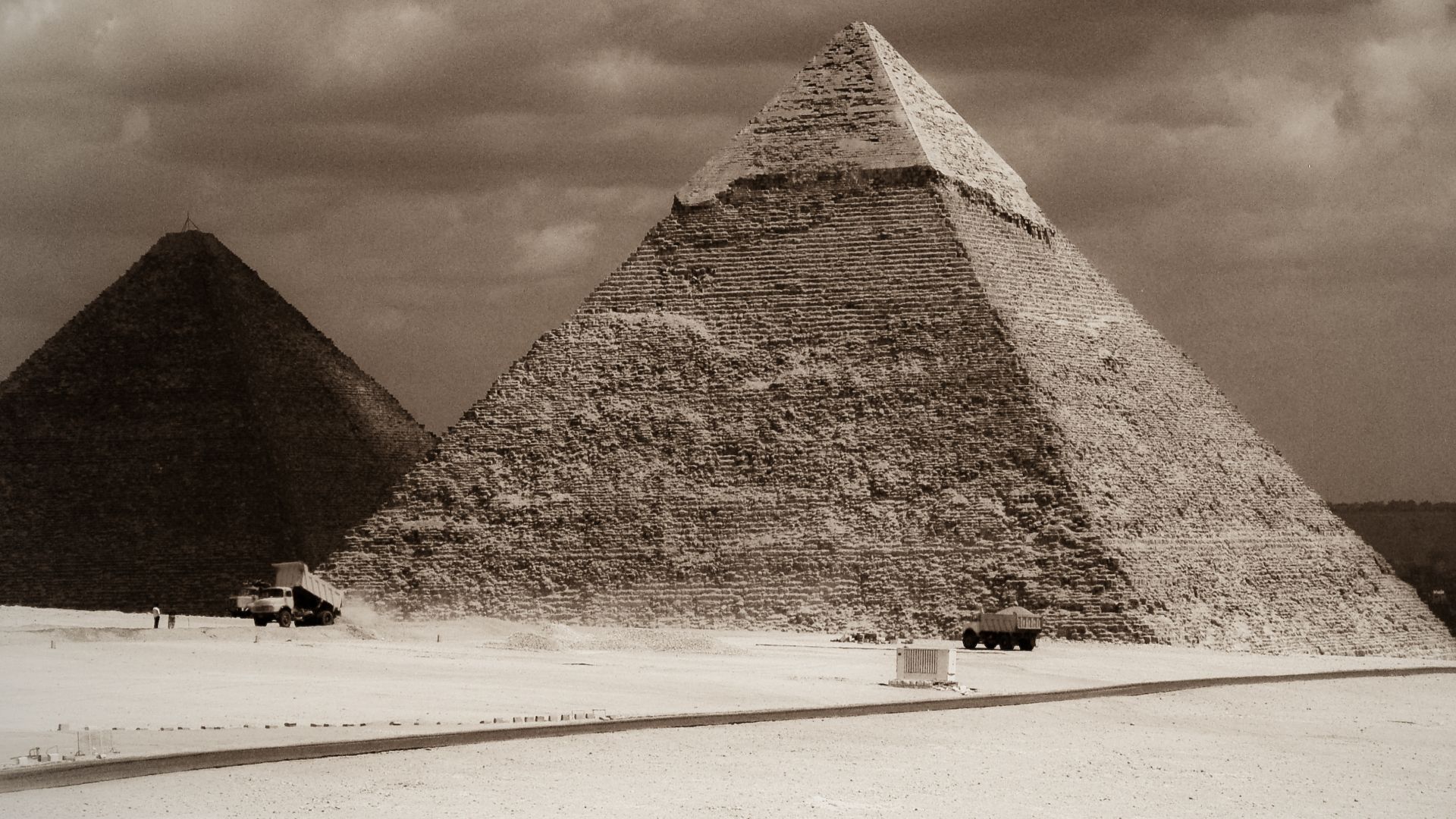
Some Were Connected To The King
The cemetery includes officials, administrators, and individuals connected to Khufu's court. That naturally raises questions about whether the newly detected structure might be associated with someone important, though no evidence currently points to any specific person.
 Mstyslav Chernov, Wikimedia Commons
Technology Is Changing Archaeology
A generation ago, discoveries like this often required extensive excavation before archaeologists even knew where to dig. Today, researchers can identify promising targets with remarkable accuracy while leaving much of the site untouched.
 The Charles Machine Works, Wikimedia Commons
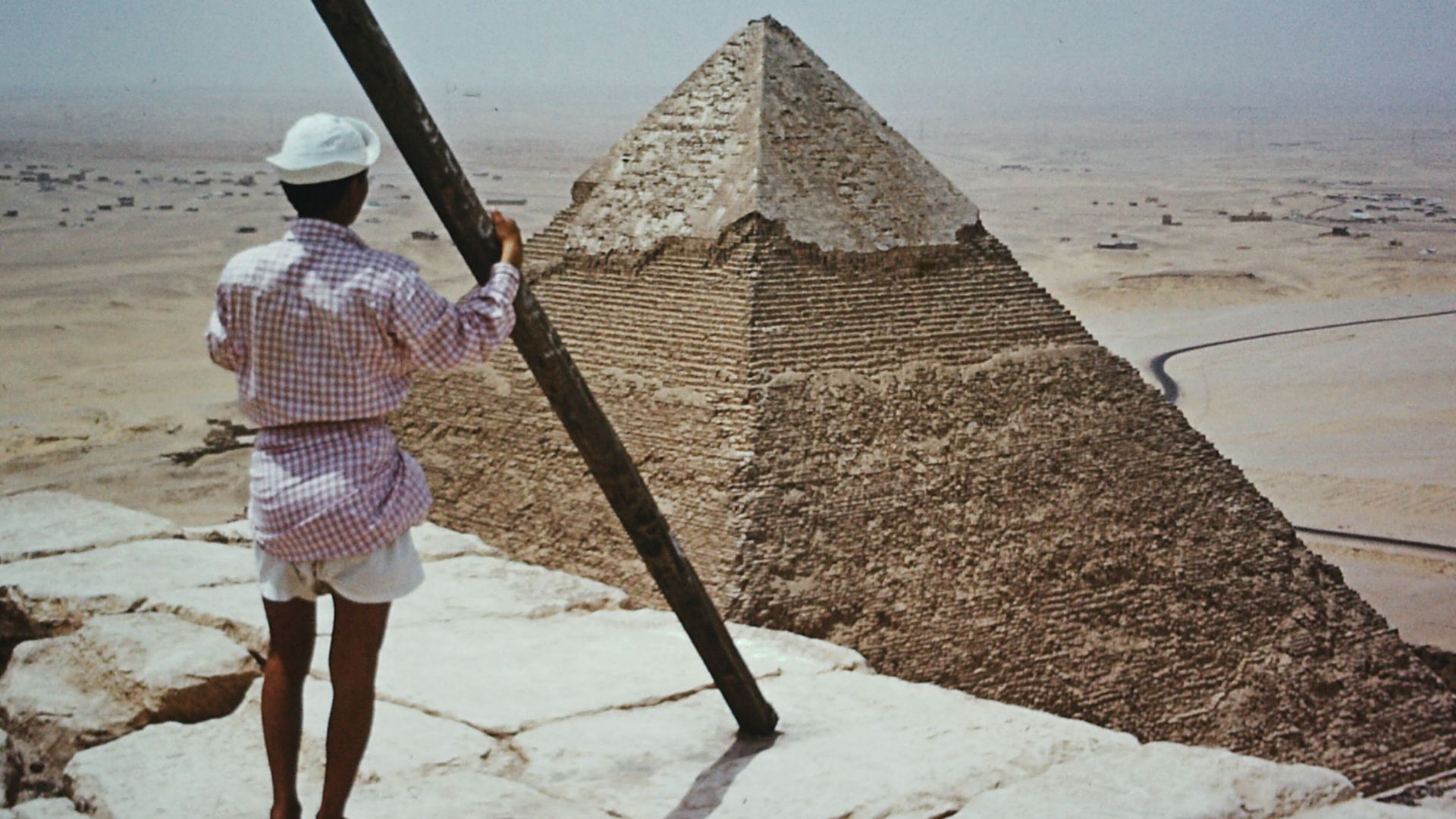
Digging May Eventually Provide Answers
At the moment, the underground scans provide only part of the story. To determine exactly what the structure is, archaeologists may eventually need to excavate the area. Until then, the mystery remains unresolved.
 Lorenz.King at JLU Giessen.de, Wikimedia Commons
Even The Researchers Want Answers
The scientists behind the discovery have acknowledged that underground scans can reveal only so much. Their study points toward future excavation as the best way to determine exactly what is hidden beneath the site and why it was built.

Not Every Mystery Leads To Treasure
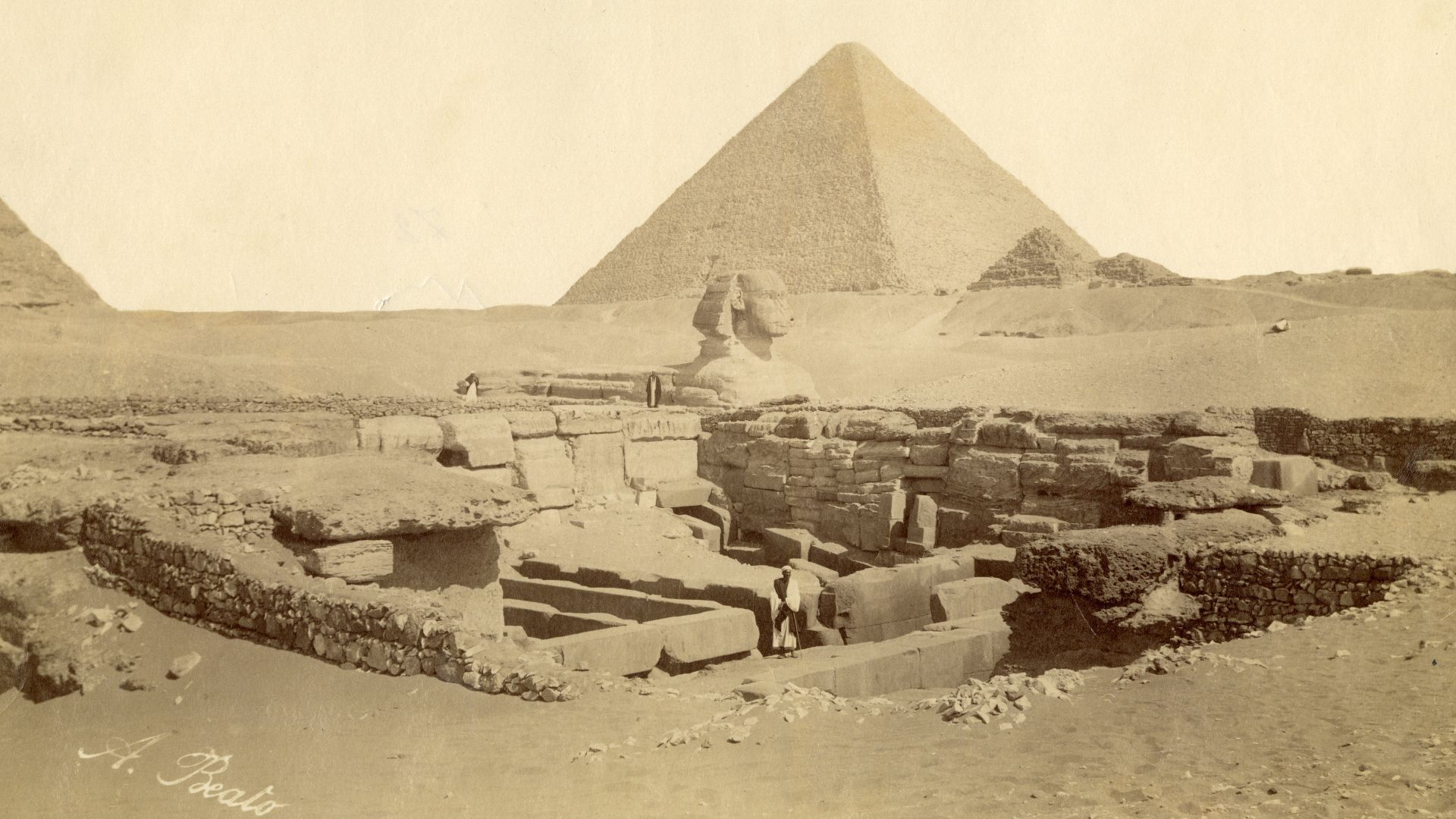
History is full of underground anomalies that turned out to be walls, foundations, unfinished structures, or other ordinary features. Even so, those discoveries often help archaeologists better understand how ancient sites were organized and used.
 Antonio Beato, Wikimedia Commons
But Some Mysteries Become Major Discoveries
Many famous archaeological finds began with a single unexplained anomaly. What first appears to be a minor curiosity can sometimes lead to a tomb, a temple, or an entirely new understanding of a historical site.
The Real Story Is What Comes Next
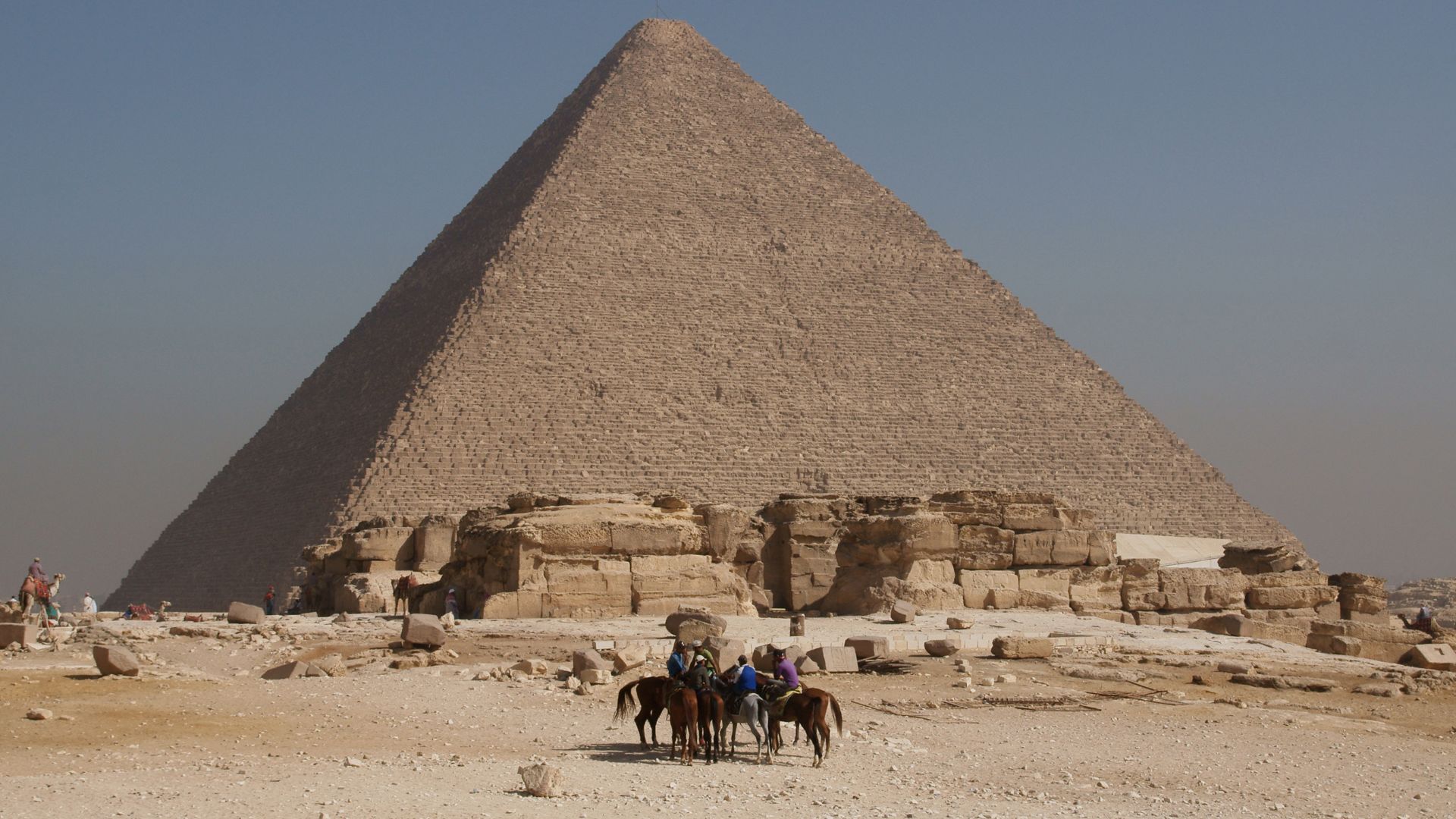
For now, nobody knows exactly what has been found beside the Great Pyramid of Giza. What researchers believe is that the scans have detected an artificial underground feature beneath a part of the site that many believed was already understood. Whether it turns out to be a forgotten tomb, an entrance shaft, or something nobody has yet imagined, archaeologists now have a brand-new mystery to solve.
 Daniel Mayer, Wikimedia Commons
You Might Also Like:
Archaeologists Have Just Found An Egyptian Tomb That Rivals King Tut
NASA researchers detected a mysterious signal from deep space that repeats every 44 minutes.