A Signal That Shouldn’t Exist
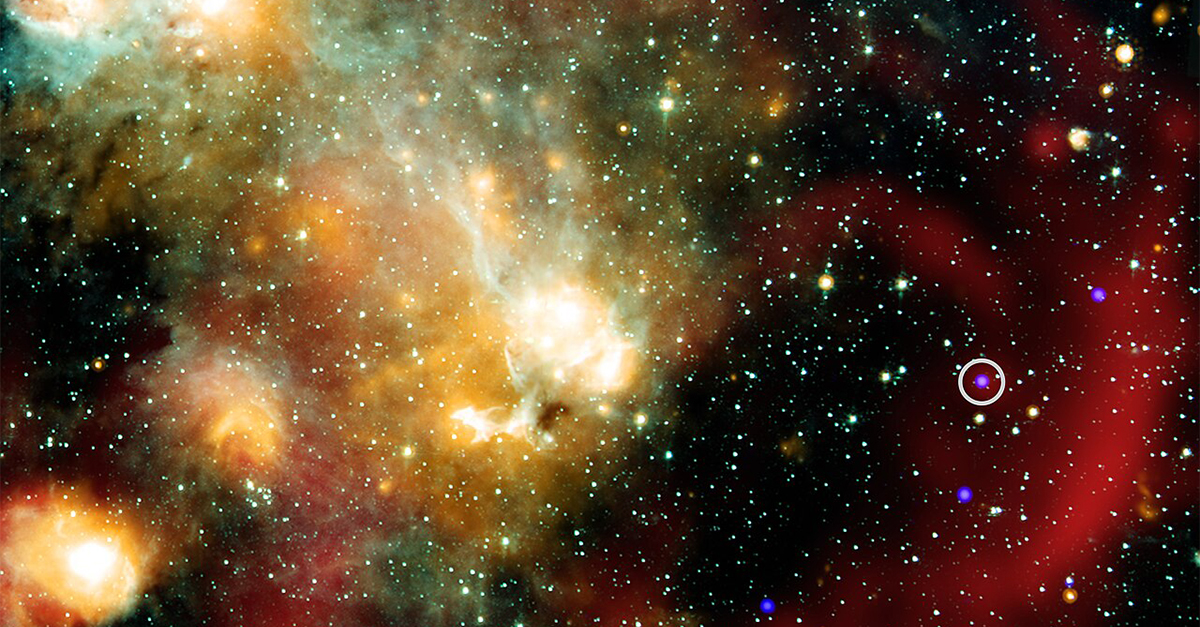
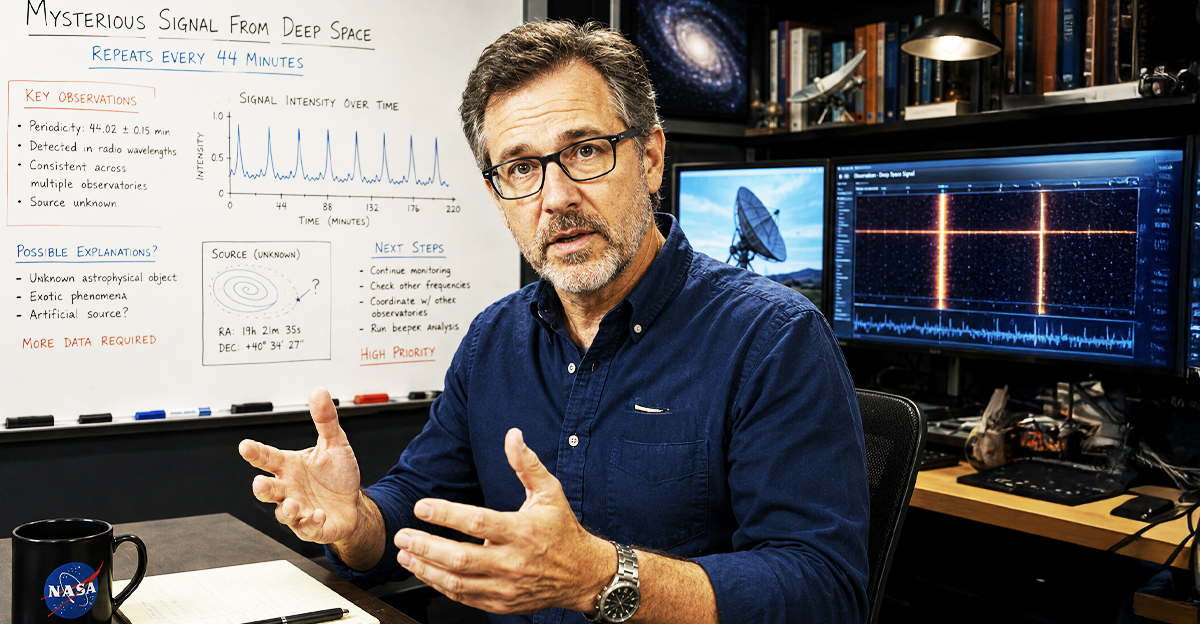
Astronomers scanning the distant galactic skies for unusual radio emissions stumbled across something incredibly strange: a signal from deep space pulsing every 44 minutes with eerie regularity. The discovery immediately grabbed the attention of researchers because nothing else known in the universe behaves quite like this. The deeper they looked, the stranger the whole situation became.
Hidden Deep Inside The Milky Way
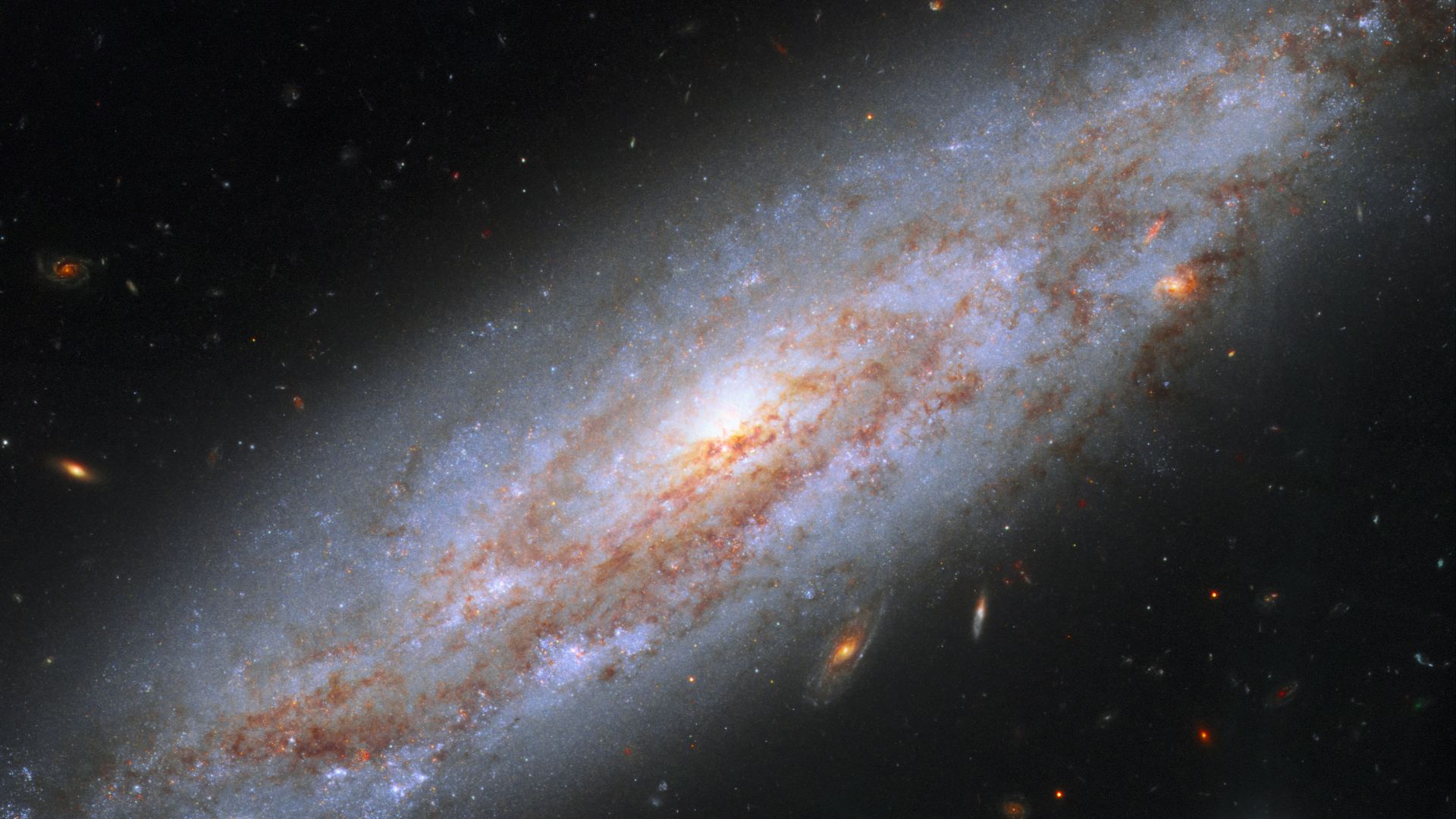
The mysterious source, an object with the official name ASKAP J1832, appears to be located deep within our own galaxy, buried in a crowded and chaotic region of the Milky Way. That location alone makes the discovery a challenge to study clearly. Dense clouds of dust, stars, and magnetic interference complicate observations, but astronomers soon realized the signal itself was impossible to ignore.
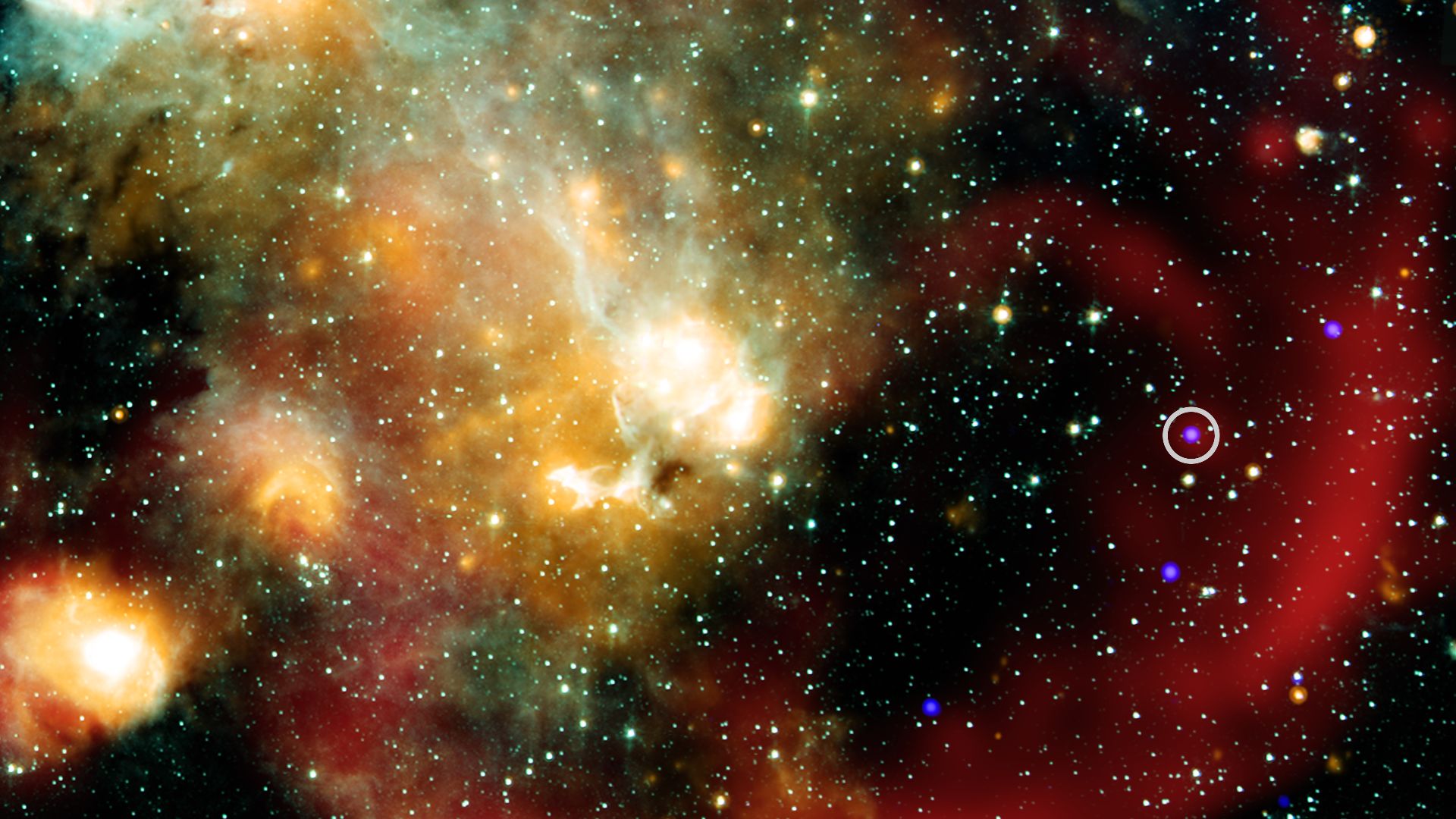 X-ray: NASA/CXC/ICRAR, Wikimedia Commons
Detected By Powerful Radio Telescopes
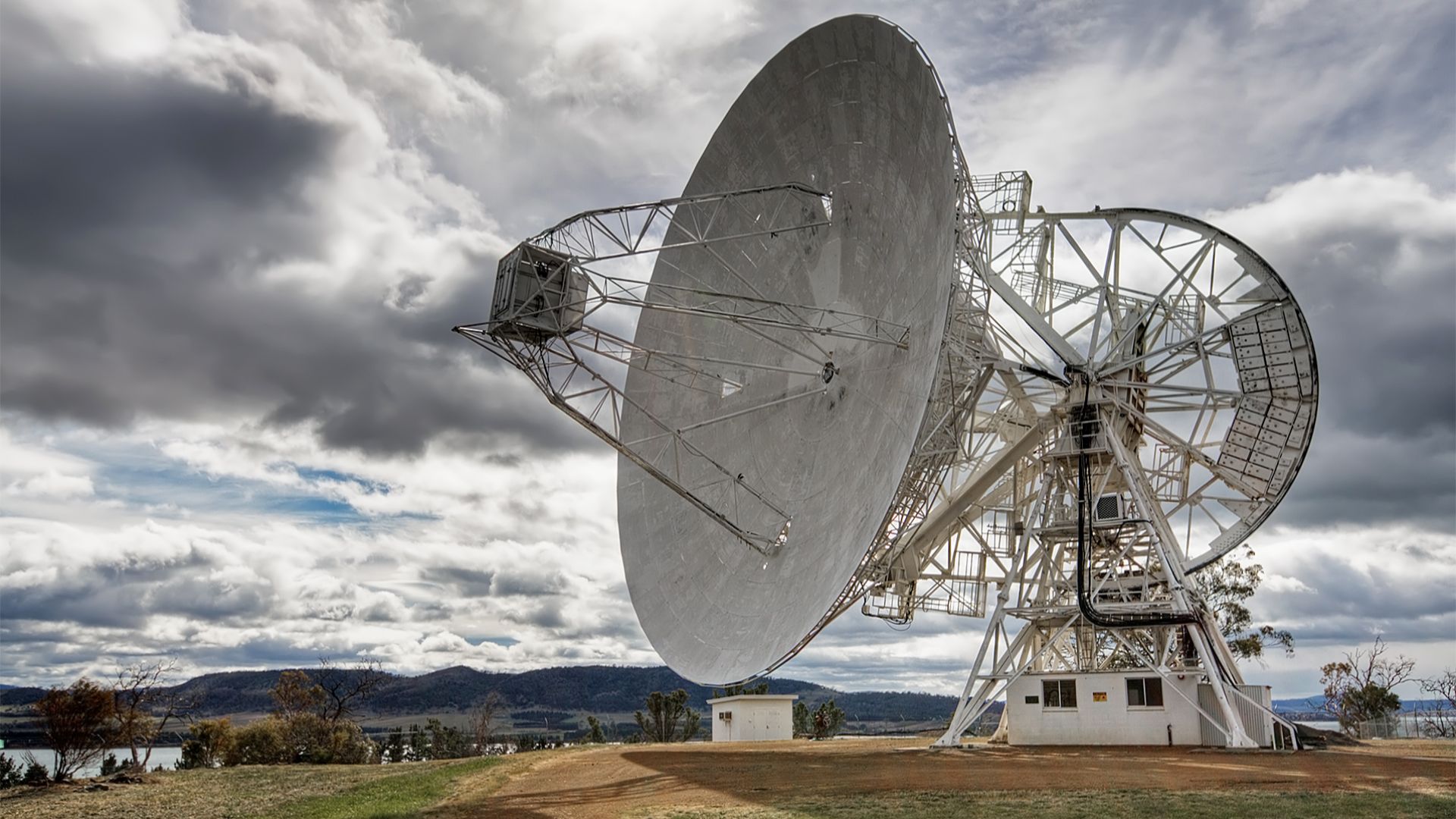
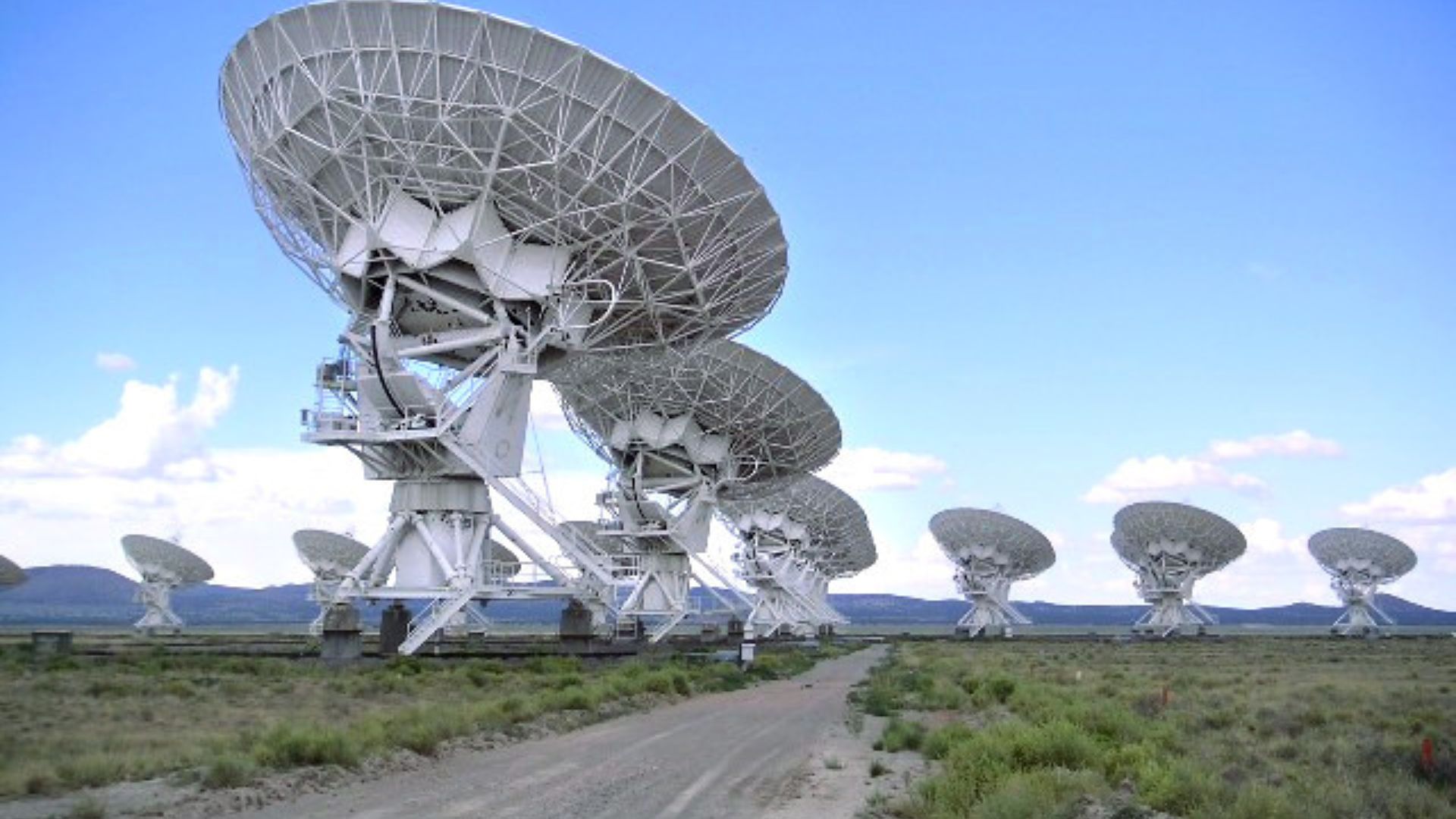
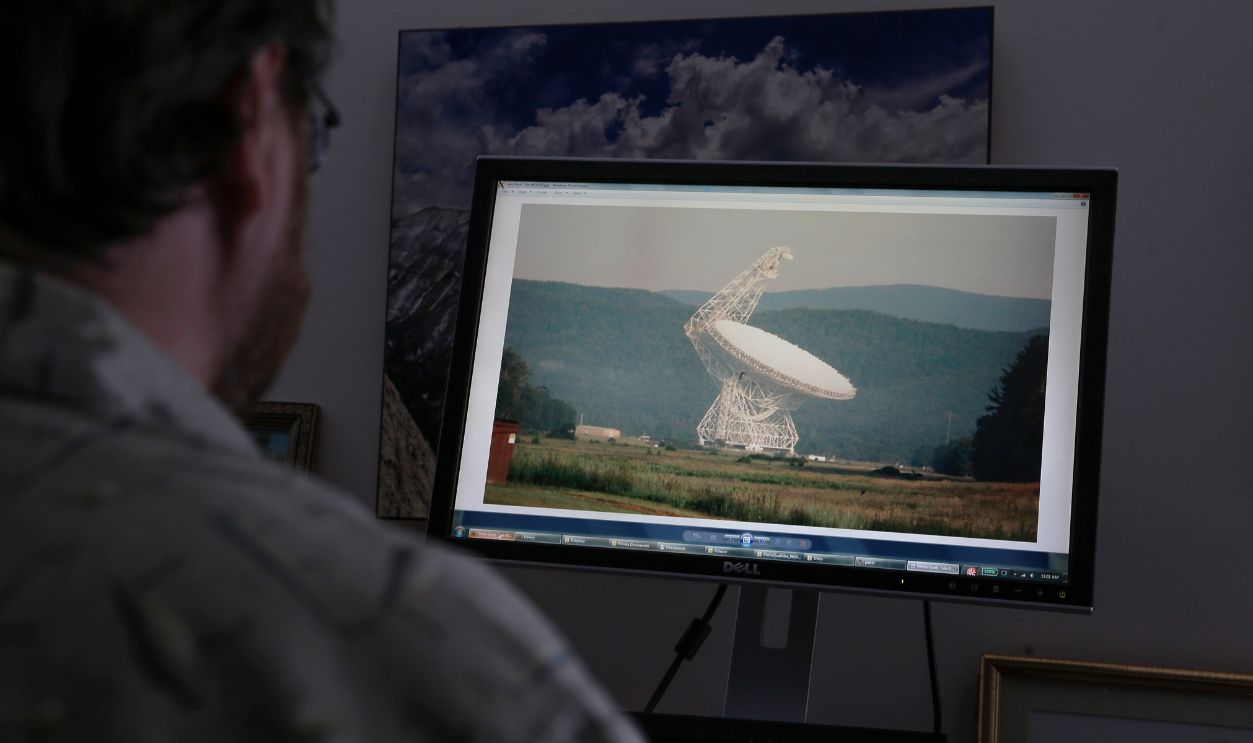
Researchers identified the signal using highly sensitive radio telescopes capable of detecting faint emissions from across the galaxy. These instruments regularly search for pulsars, black holes, and fast radio bursts, but this object failed to fit any familiar category. Instead, it behaved unlike anything the flabbergasted astronomers had previously cataloged.
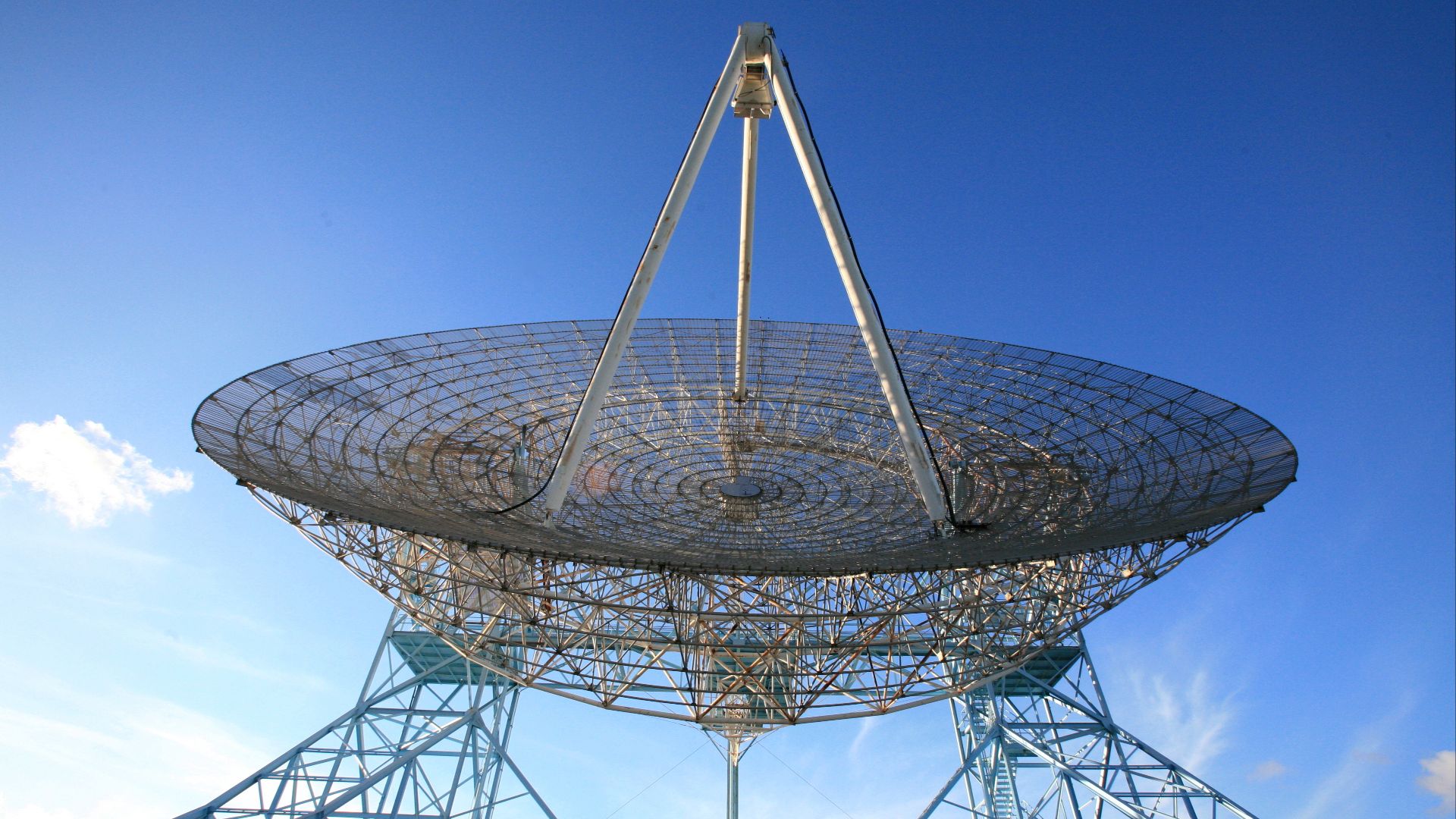 Steve Jurvetson from Menlo Park, USA, Wikimedia Commons
Every 44 Minutes Like Clockwork
What shocked scientists most was the timing. The object emits a burst of radio waves precisely every 44 minutes, almost like a giant cosmic heartbeat. Many known astronomical objects pulse rapidly over seconds or milliseconds, but a cycle this slow sits far outside normal expectations and existing models.

The Burst Lasts Only A Few Minutes
Each emission is surprisingly brief. The signal suddenly flares to life, stays active for several minutes, and then vanishes again into silence. For the overwhelming majority of the 44-minute cycle, the object appears completely dormant. That strange on-and-off behavior created an enormous puzzle for researchers trying to explain it.
 Noodle snacks, Wikimedia Commons
At First They Thought It Was All A Mistake
At first, researchers suspected equipment glitches or interference from Earth-based technology. Strange radio signals sometimes result from satellites, aircraft, or electronic contamination near observatories. However, repeated observations from different instruments confirmed the pulses were genuinely coming from deep space. Once that became clear, the mystery intensified dramatically.
It Doesn’t Behave Like A Pulsar
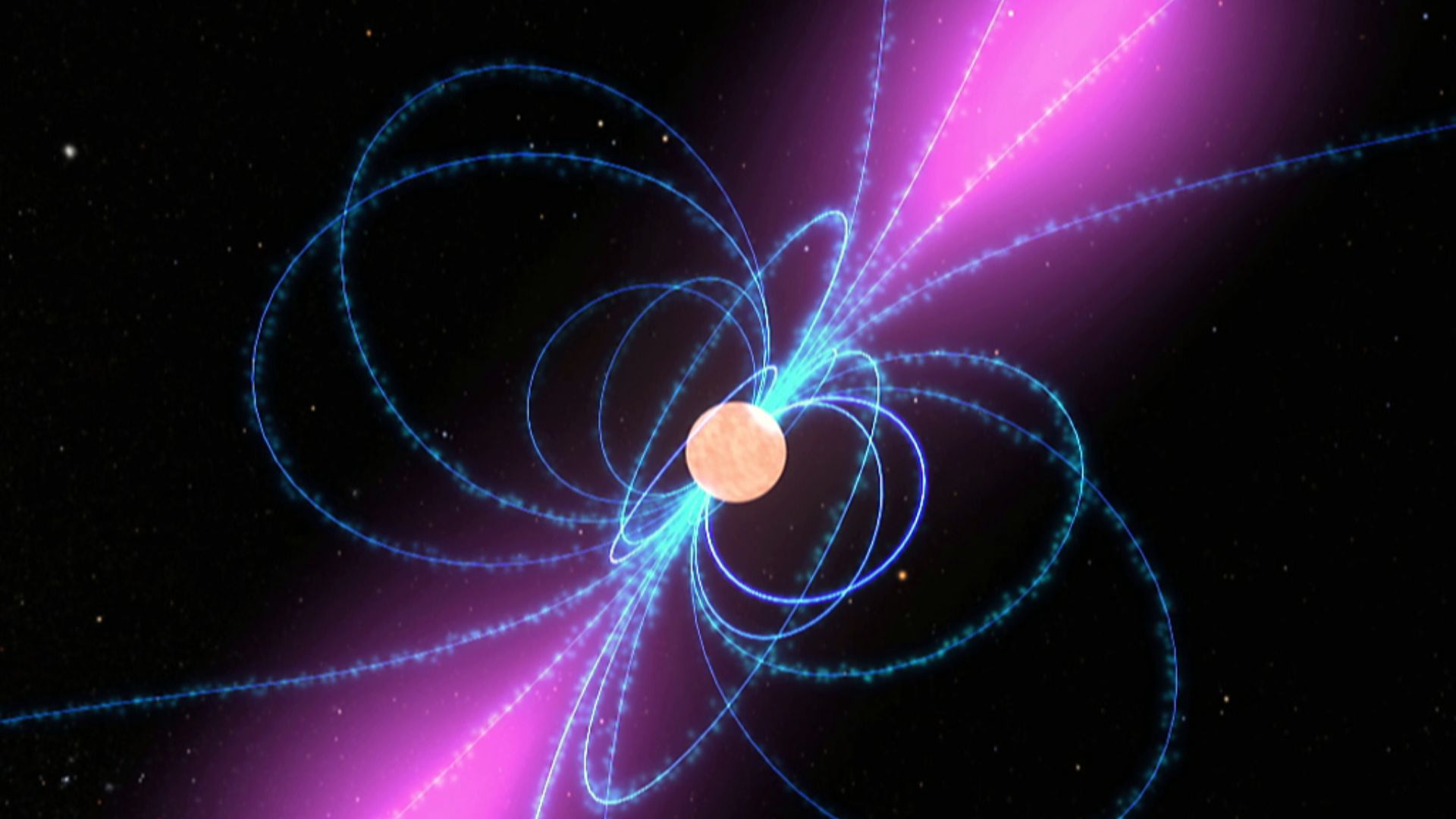
Pulsars are among the universe’s most famous radio emitters, created when spinning neutron stars beam radiation into space like great big lighthouse signals. But pulsars spin extremely fast, usually completing rotations in seconds or fractions of a second. A 44-minute interval is so unusually slow that astronomers struggle to reconcile it with known pulsar physics.
Magnetars Also Fail To Explain It
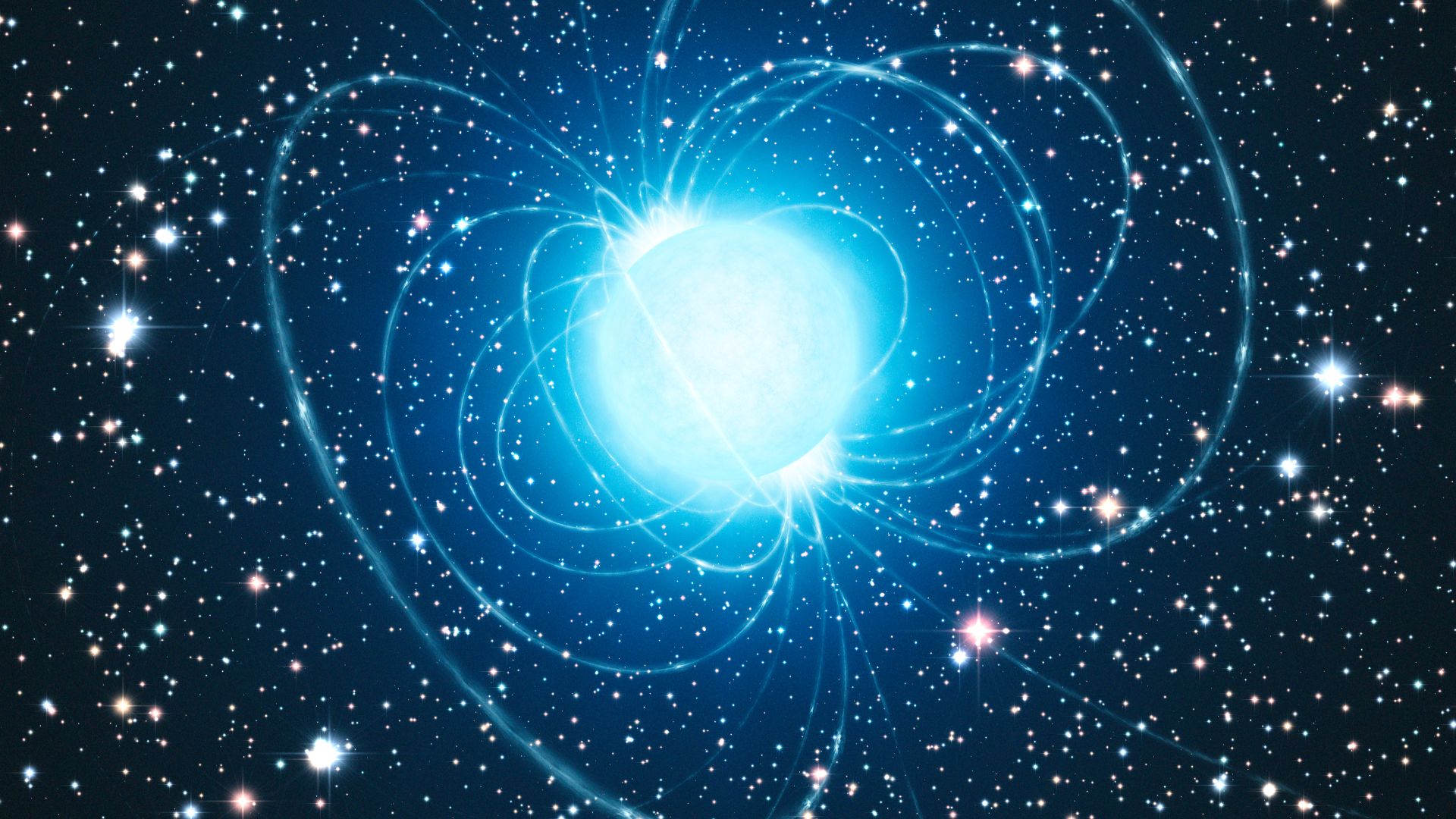
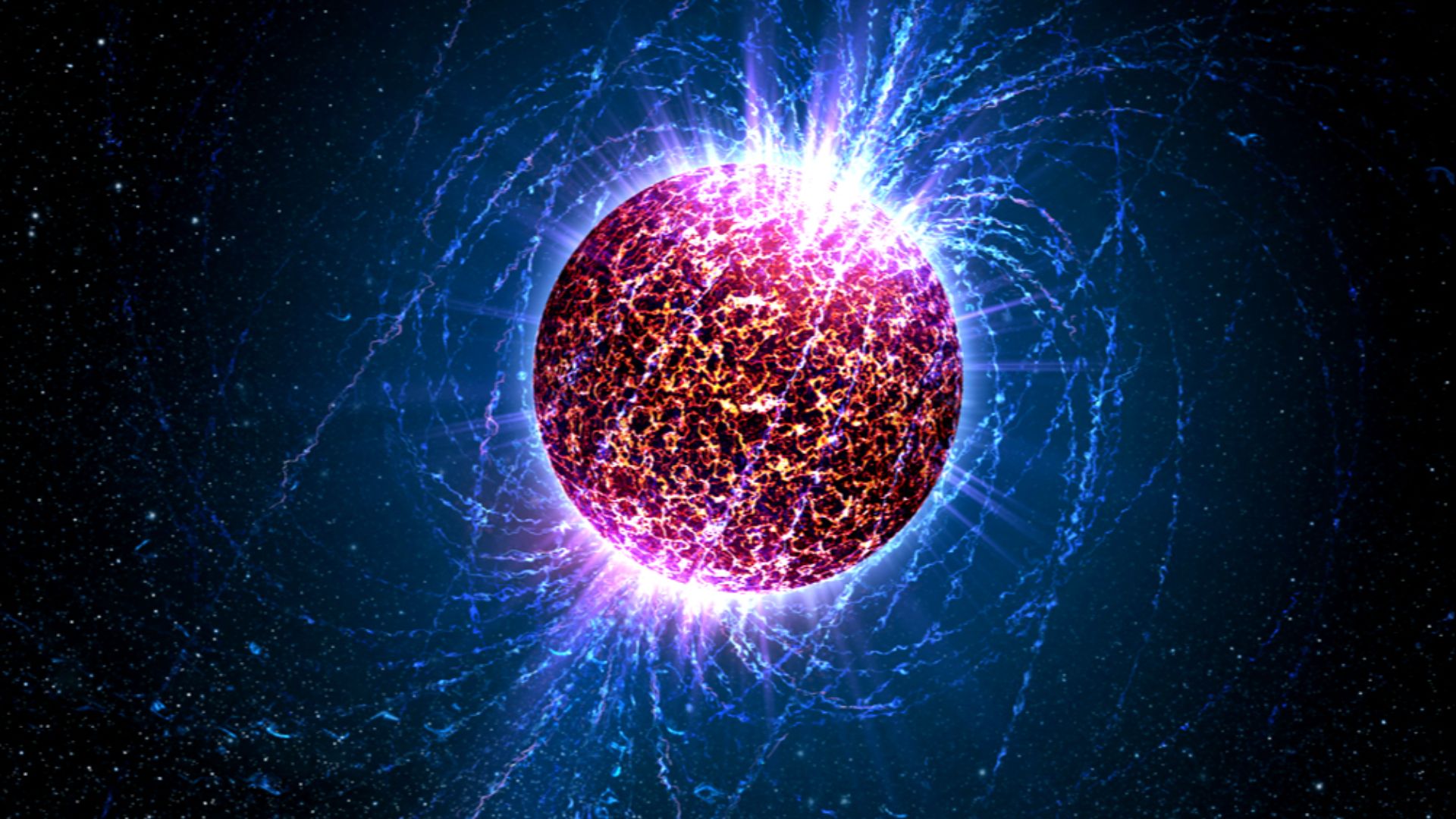
Some scientists explored whether the object could be a magnetar, a rare type of neutron star possessing unimaginably strong magnetic fields. Magnetars can behave erratically and produce powerful bursts of energy. But even magnetars generally rotate much faster than this object appears to, leaving researchers with more questions than answers.
 ESO/L. Calcada, Wikimedia Commons
The Object Seems To Be “Sleeping”
One of the strangest aspects of the signal is its apparent inactivity between bursts. During those quiet periods, the object becomes nearly impossible to detect. Astronomers describe it almost as though the source “wakes up” briefly before falling back to sleep again. That behavior hints at someunknown process unfolding deep inside the object itself.

The Discovery Challenges Existing Models
Modern astrophysics relies heavily on predictive models explaining how stars evolve and emit energy. This object refuses to be pigeonholed in with those expectations. If scientists eventually confirm that it represents an entirely new class of celestial body, textbooks about neutron stars and radio astronomy may require major rewrites in the coming years.
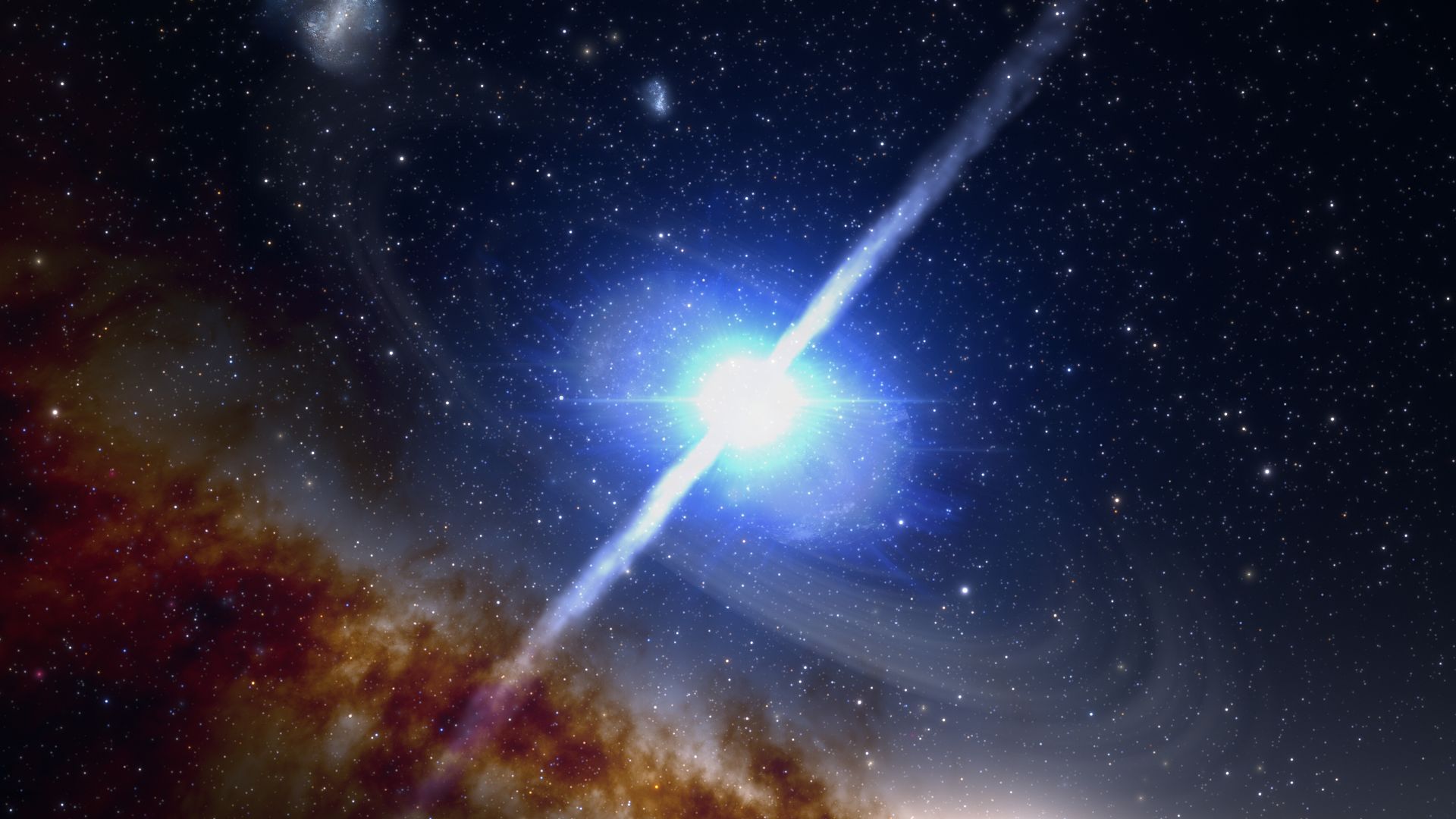 NOIRLab/NSF/AURA/J. da Silva/Spaceengine, Wikimedia Commons
Researchers Are Calling It A Long-Period Transient
Astronomers classify the object as a “long-period transient,” a term describing rare radio sources with unusually long emission cycles. Only a tiny number of similar objects have ever been identified. Even among those odd discoveries, however, this source stands apart because of both its timing and the strength of its bursts.
 SKA Project Development Office and Swinburne Astronomy Productions, Wikimedia Commons
Similar Signals Have Appeared Before
Over the past few years, astronomers have uncovered a handful of bizarre radio sources showing unusually slow pulses. Those discoveries hinted that the universe might contain previously unknown kinds of stellar remnants. The newly detected 44-minute signal now strengthens that suspicion and suggests scientists may only be seeing the tip of the iceberg.
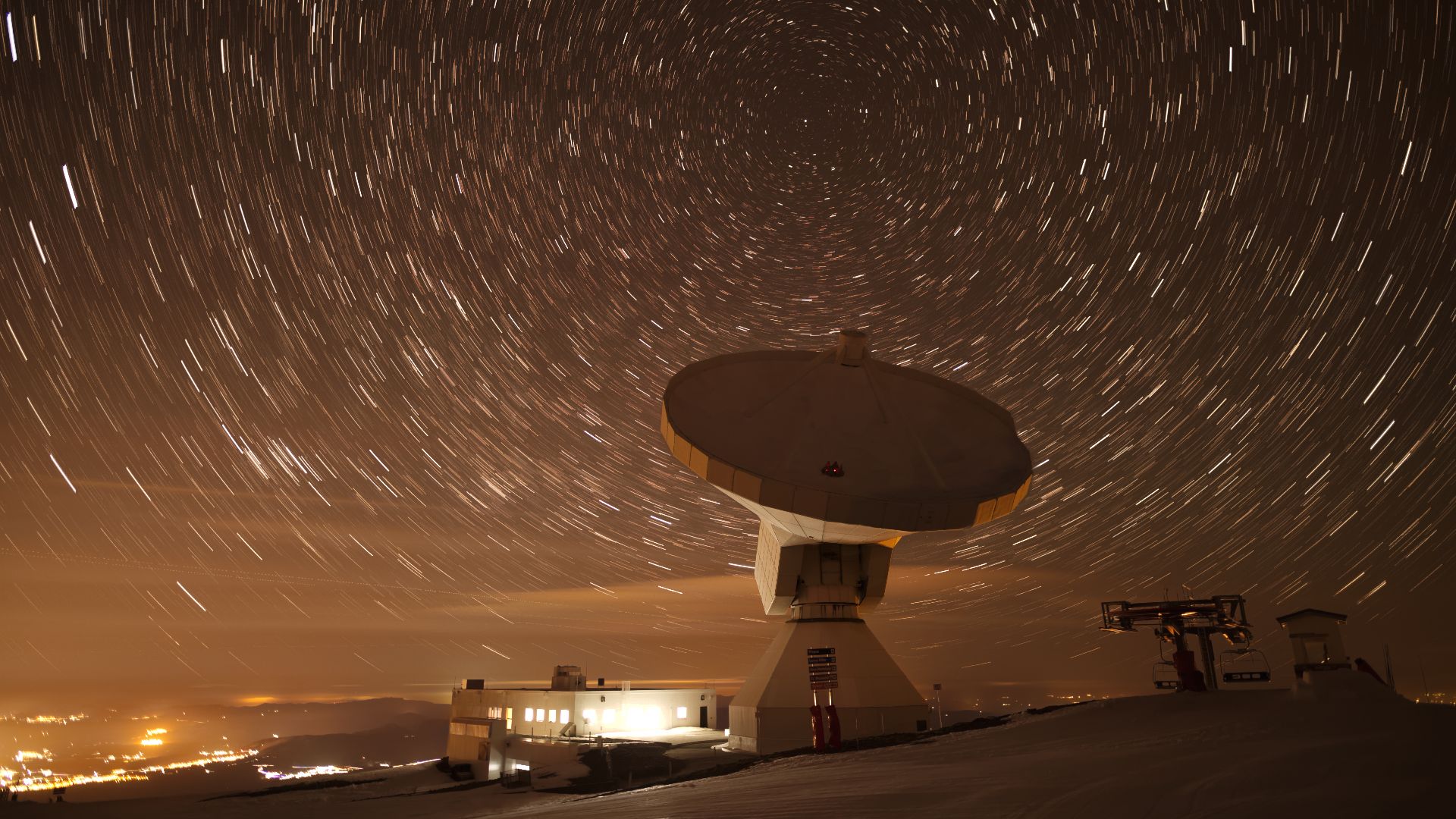
Fast Radio Bursts Added To The Confusion
Astronomers are already wrestling with another cosmic mystery called fast radio bursts, or FRBs, which produce intense flashes lasting milliseconds. Some FRBs repeat while others occur only once. Although the new 44-minute signal differs dramatically from FRBs, both phenomena reveal how incomplete humanity’s understanding of deep-space radio activity still is.
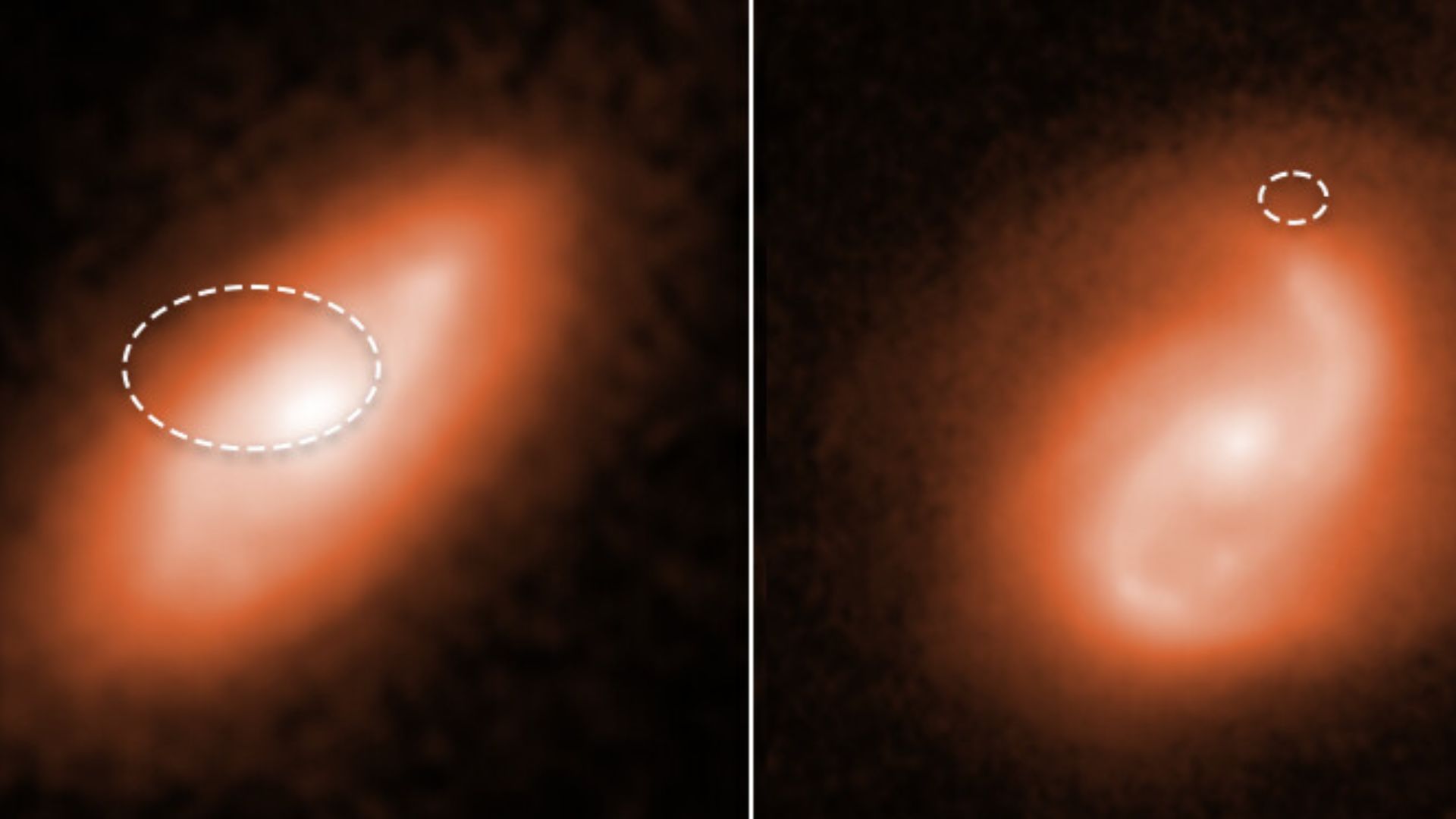 NASA, ESA, A. Mannings (UC Santa Cruz), W. Fong (Northwestern), A. Pagan (STScI), Wikimedia Commons
The Signal Is Incredibly Powerful
Despite originating from vast distances across the galaxy, the radio bursts are still detectable from Earth using modern instruments. That means the source itself must be releasing enormous amounts of energy. Researchers are still at an utter loss to comprehend what mechanism could repeatedly generate such emissions without destroying the object responsible for producing them.

The Handiwork Of A White Dwarf?
One possible explanation involves a white dwarf, the dense leftover core of a dead star. Under certain conditions, white dwarfs may generate magnetic activity capable of producing radio signals. But no known white dwarf system matches all the characteristics seen in the 44-minute pulses, keeping the mystery very much alive.

Binary Star Systems Are Another Theory
Some researchers suspect two orbiting objects could be interacting in unusual ways. A neutron star paired with another stellar companion might create periodic bursts through magnetic interactions or matter transfer. Binary systems already produce some of the universe’s strangest phenomena, making them a tempting avenue for scientists investigating this peculiar signal.
 ESA/Hubble & NASA, Wikimedia Commons
Black Holes Haven’t Been Ruled Out
Black holes have also entered the discussion, although current evidence remains inconclusive. Black holes themselves emit no light, but the material surrounding them can generate powerful radiation. If the signal somehow involves a black hole feeding on nearby matter, it could reveal a type of behavior astronomers have never observed before.
 Xinhua News Agency, Getty Images
The Discovery Requires Careful Patience
Signals like this are extraordinarily easy to miss. Because the bursts only happen briefly every 44 minutes, astronomers needed long observation periods and careful analysis to confirm the pattern. Rushing things will only make matters even more confusing than they already are. A shorter survey could easily have overlooked the object entirely. That realization raises the unsettling possibility about how many hidden signals might still exist undetected.
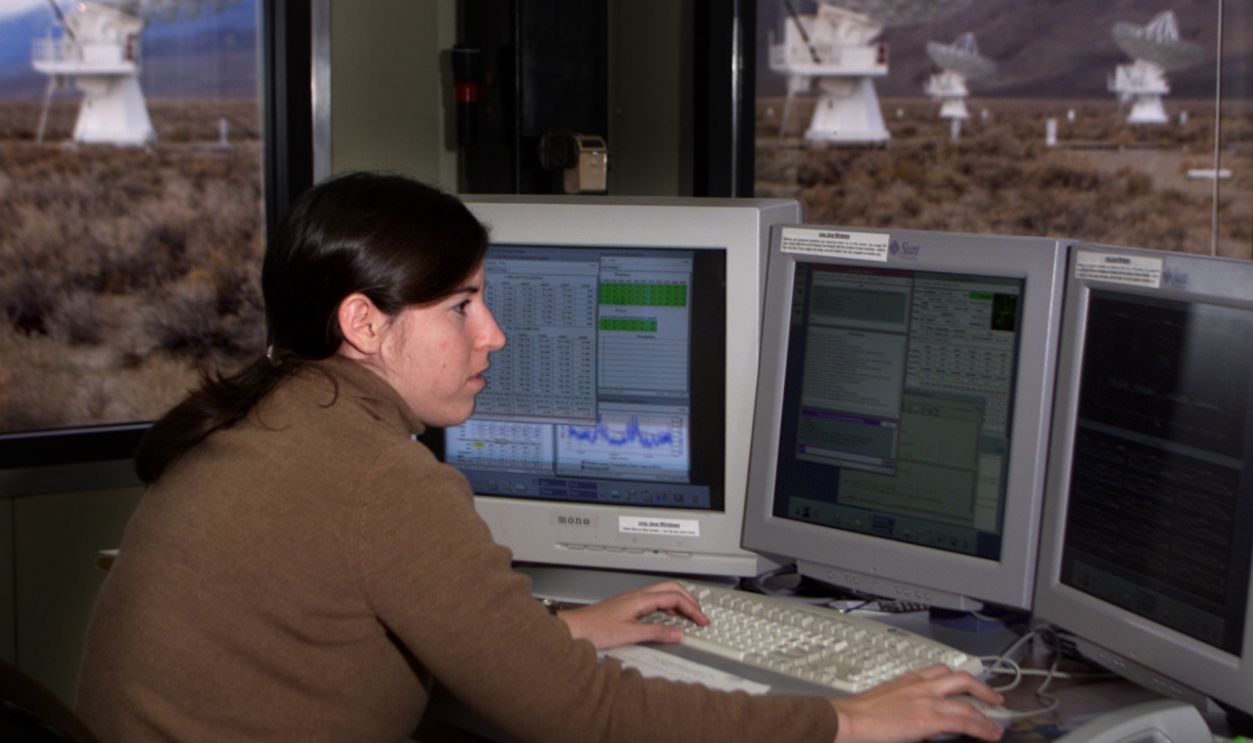
AI May Us Help Find More
Modern astronomy increasingly depends on AI (artificial intelligence) to process massive volumes of telescope data. Researchers believe AI systems could eventually uncover many additional long-period transients hidden inside the already voluminous existing backlog of archives. If more objects like this emerge, scientists may finally be able to pinpoint patterns that explain what these mysterious radio emitters truly are.

Scientists Compare It To A Cosmic Lighthouse
The repeating nature of the bursts naturally invites comparisons to a lighthouse beam sweeping across the ocean. Something may be rotating or cycling with extraordinary precision deep in space. Yet unlike ordinary pulsars, the timing here remains bizarrely slow, forcing astronomers to confront the disturbing possibility that an unknown mechanism is at work.
 NASA, ESA, A. Riess (STScI/JHU), Wikimedia Commons
SETI Researchers Always Pay Attention
Whenever strange repeating signals appear, speculation about extraterrestrial intelligence inevitably follows. Scientists stress that there is absolutely no evidence this signal is artificial or technological in origin. Still, organizations like the Search for Extraterrestrial Intelligence (SETI) monitor such discoveries carefully because repeat patterns naturally attract attention in the broader search for possible alien civilizations.
 San Francisco Chronicle, Getty Images
Most Experts Favor Natural Explanations
Although the signal sounds exotic, and may vaguely hint at the presence of extraterrestrial life forms, astronomers overwhelmingly believe that some sort of natural astrophysical process has to be responsible. The challenge lies in identifying exactly what that process is. The universe already contains neutron stars, quasars, magnetars, and black holes that once seemed inscrutable before science eventually uncovered the mechanisms behind them.
 Casey Reed - Penn State University, Wikimedia Commons
The Discovery Shows How Little We Know
Despite centuries of astronomical progress, discoveries like this reveal how much remains mysterious about the cosmos. Entire classes of objects may still be hiding within the galaxy, invisible until new technologies or patient observations uncover them. Every strange detection reminds scientists that the universe is a lot more complex than humans once imagined.

Future Observatories Could Provide Answers
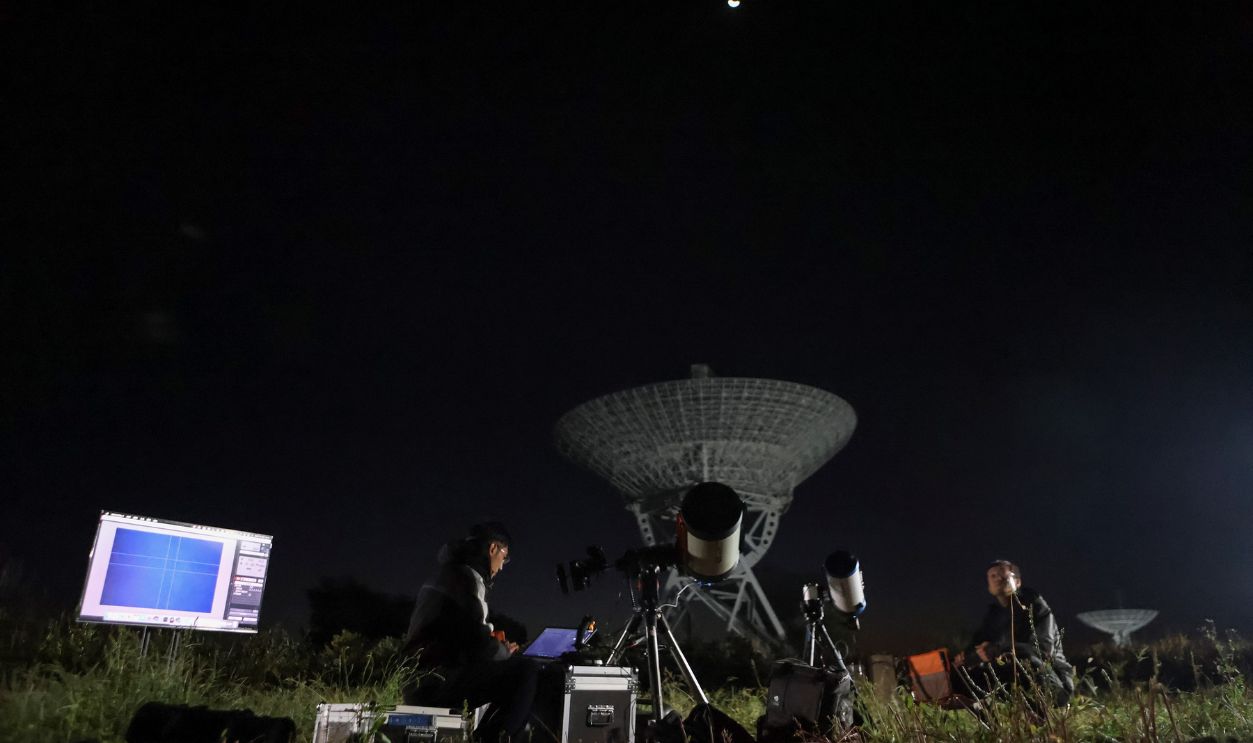
Upcoming observatories and next-generation radio arrays may finally shed light on the mystery. More sensitive instruments will allow astronomers to track the object continuously, measure its environment more precisely, and search for related signals elsewhere in the galaxy. Those future observations could determine whether this object is unique or surprisingly common.
 Xinhua News Agency, Getty Images
The Mystery Is Far From Solved
For now, the 44-minute signal remains one of astronomy’s newest and most baffling mysteries. Researchers continue to gather enormous volumes of data while squabbling over the various competing theories. Whether the source turns out to be an exotic neutron star, a bizarre binary system, or something totally unknown, the discovery has already expanded our sense of what the universe might contain.

You May Also Like: