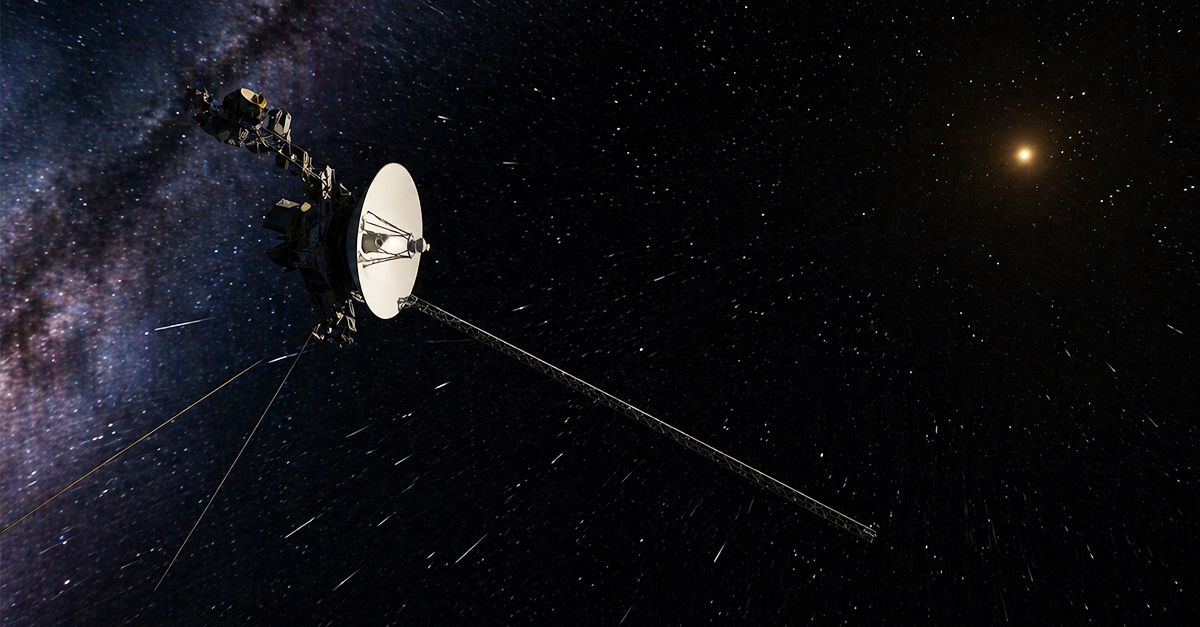
A Probe At The Edge Of Forever
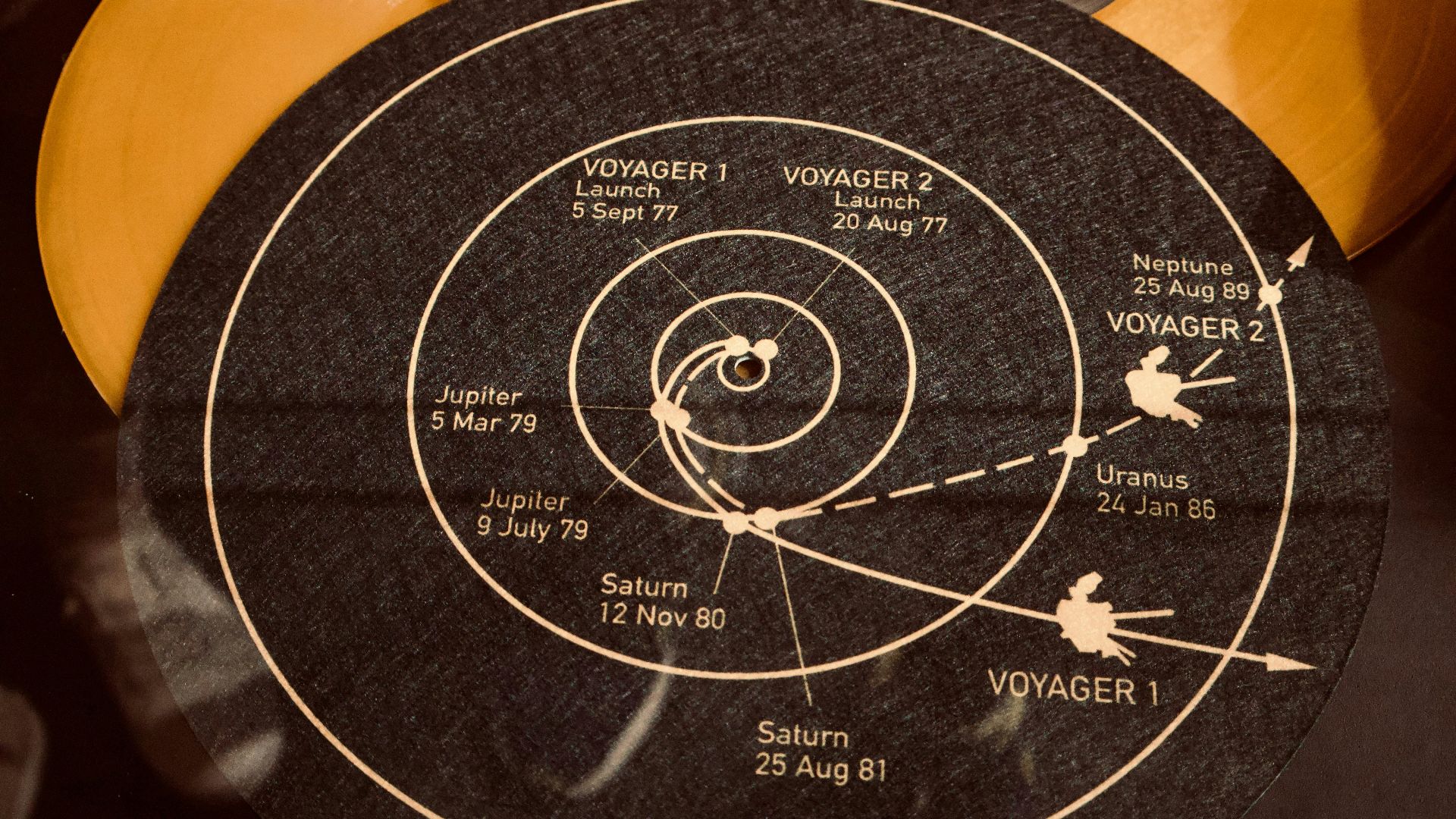
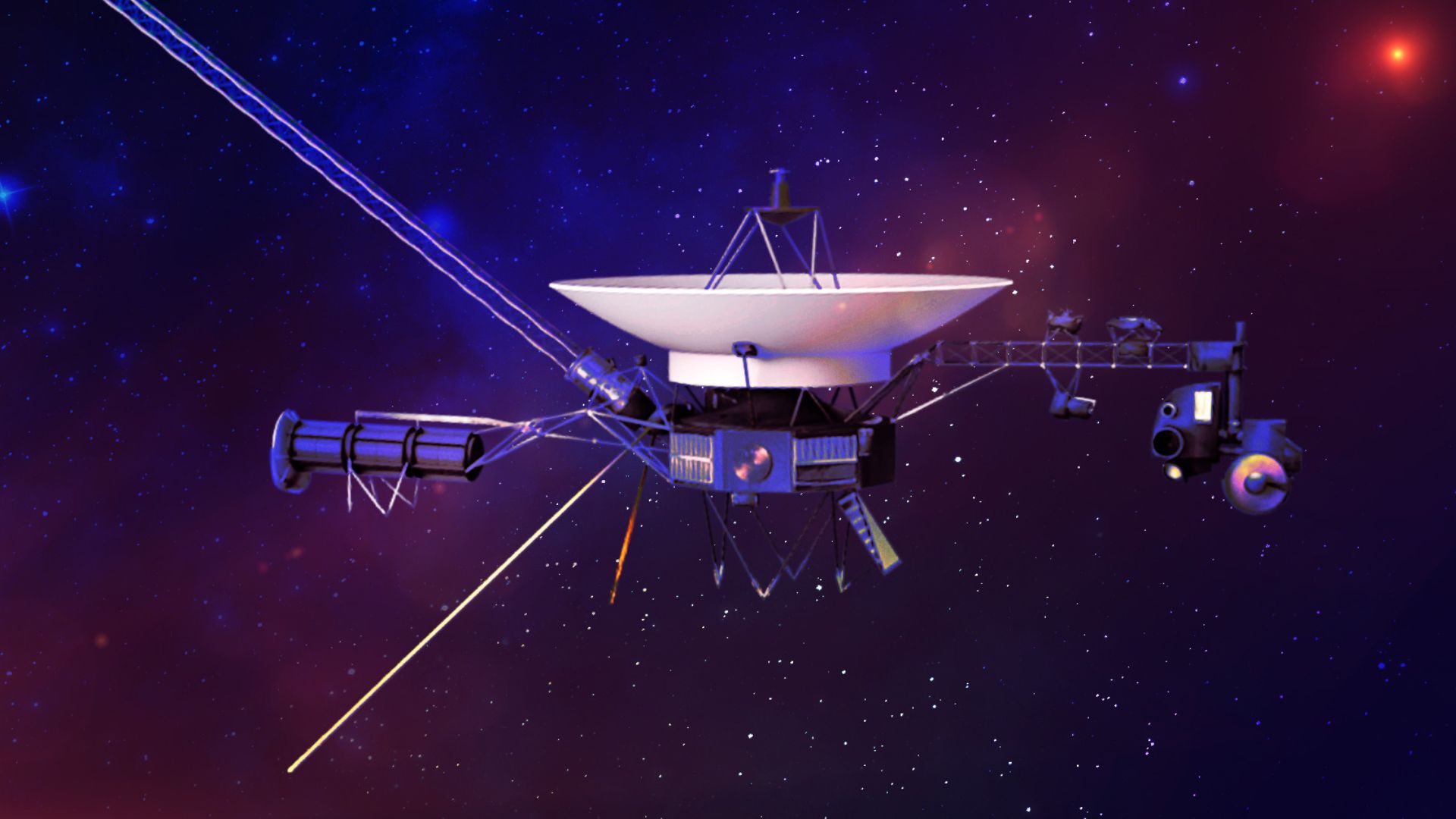
Almost five decades after its launch, Voyager 1 is still pushing outward into the unknown. Now more than 15 billion miles from Earth, it has entered true interstellar space. But its power is fading, and scientists are racing against time to gather as much groundbreaking data as possible before the probe finally goes silent.
Leaving The Solar System Behind
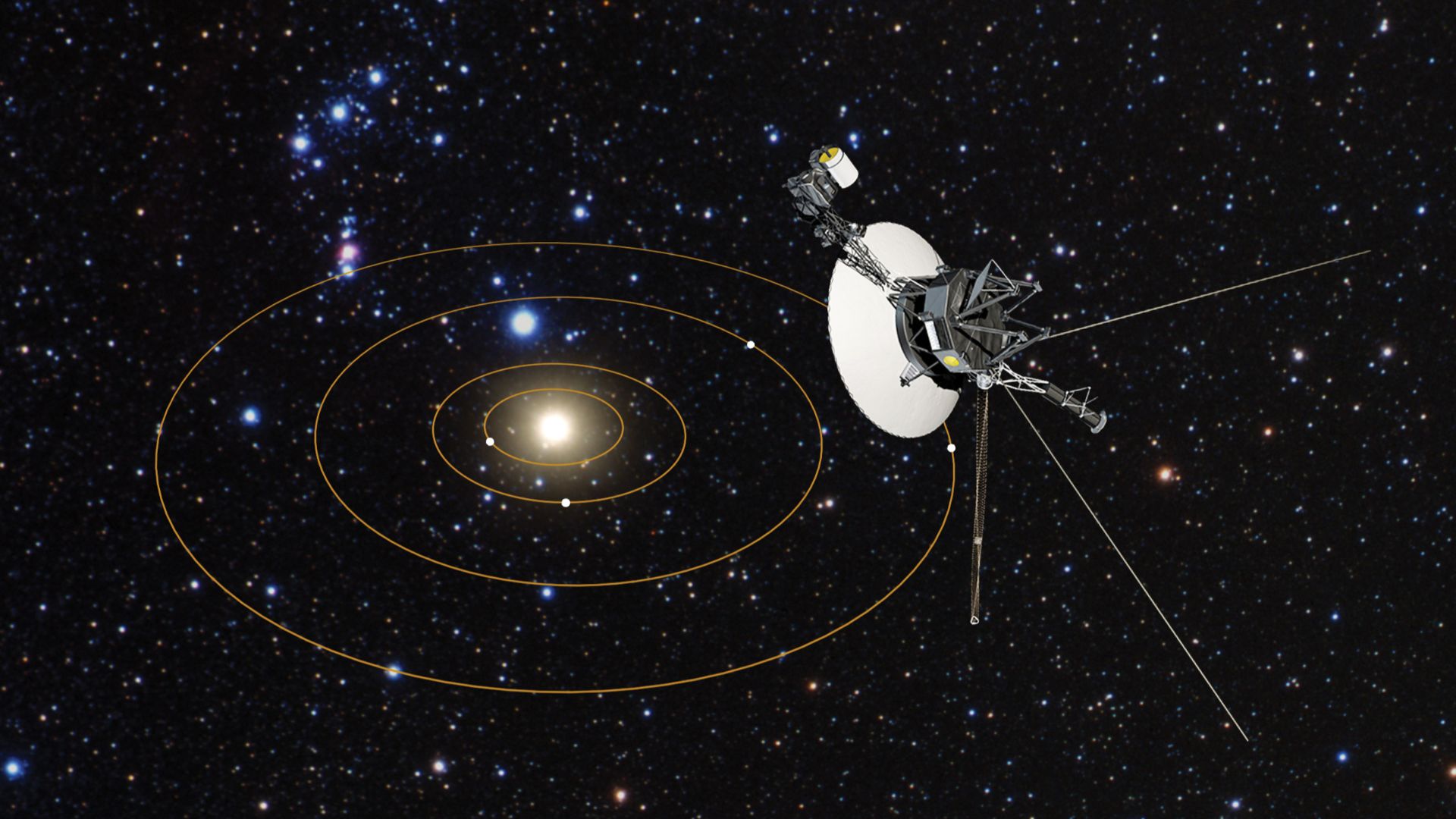
In 2012, Voyager 1 crossed the heliopause, the invisible boundary where the Sun’s influence fades and interstellar space begins. This milestone marked humanity’s first direct step into the space between stars. Scientists were expecting a blank silent void, but what Voyager found instead challenged our age-old complacent assumptions about the nature of deep space.
 NASA, ESA, and G. Bacon (STScI), Wikimedia Commons
Not Silence But Subtle Activity
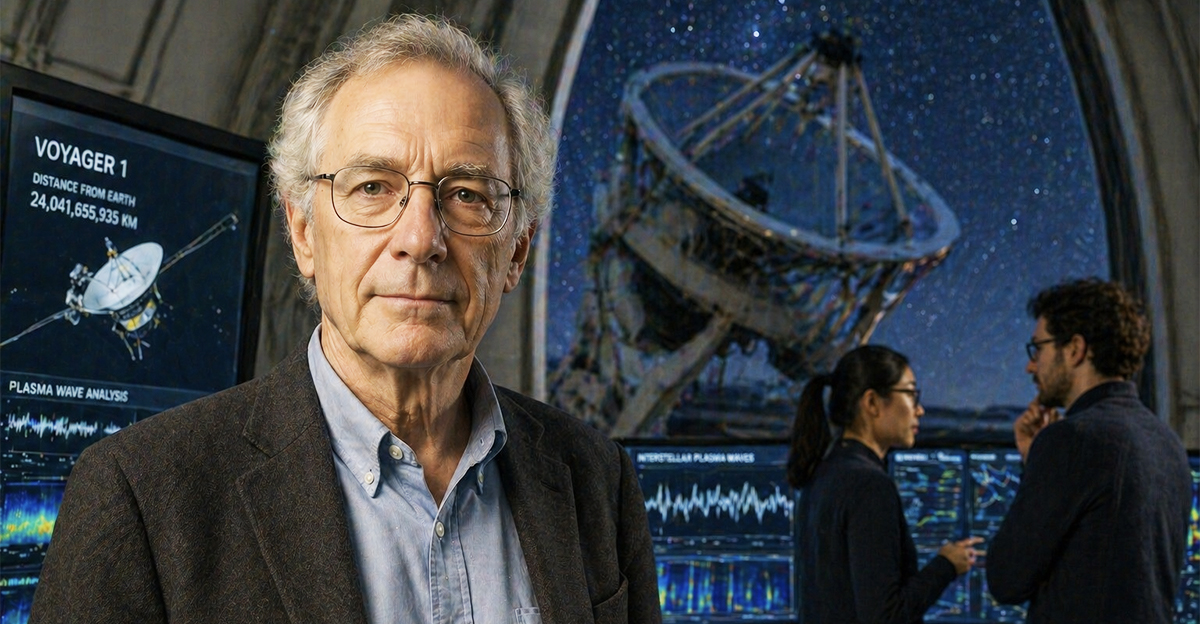
Contrary to expectations, interstellar space was not quiet. Voyager detected constant activity in the form of plasma waves. These are tiny vibrations in charged particles that fill the space between stars. Instead of emptiness, the probe revealed a dynamic environment filled with motion and energy, even far beyond the reach of our Sun.
Translating Space Into Sound
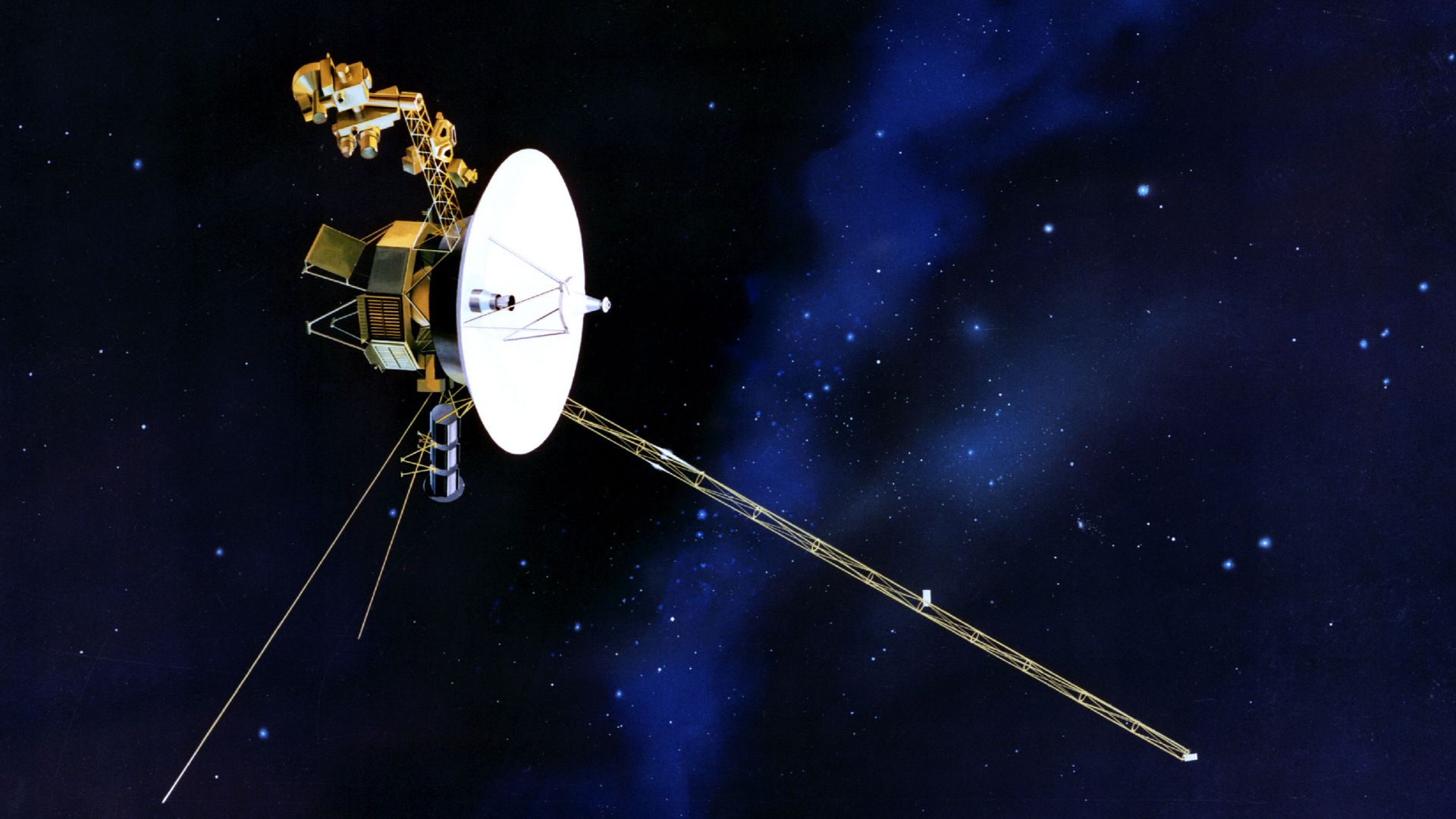
Voyager doesn’t record sounds in the traditional sense. Its instruments measure plasma vibrations and convert them into frequencies humans can hear. The result is an eerie, continuous low-level hum. This translation allows scientists to interpret otherwise invisible activity occurring in the interstellar medium surrounding the spacecraft.
The Discovery Of A Persistent Hum
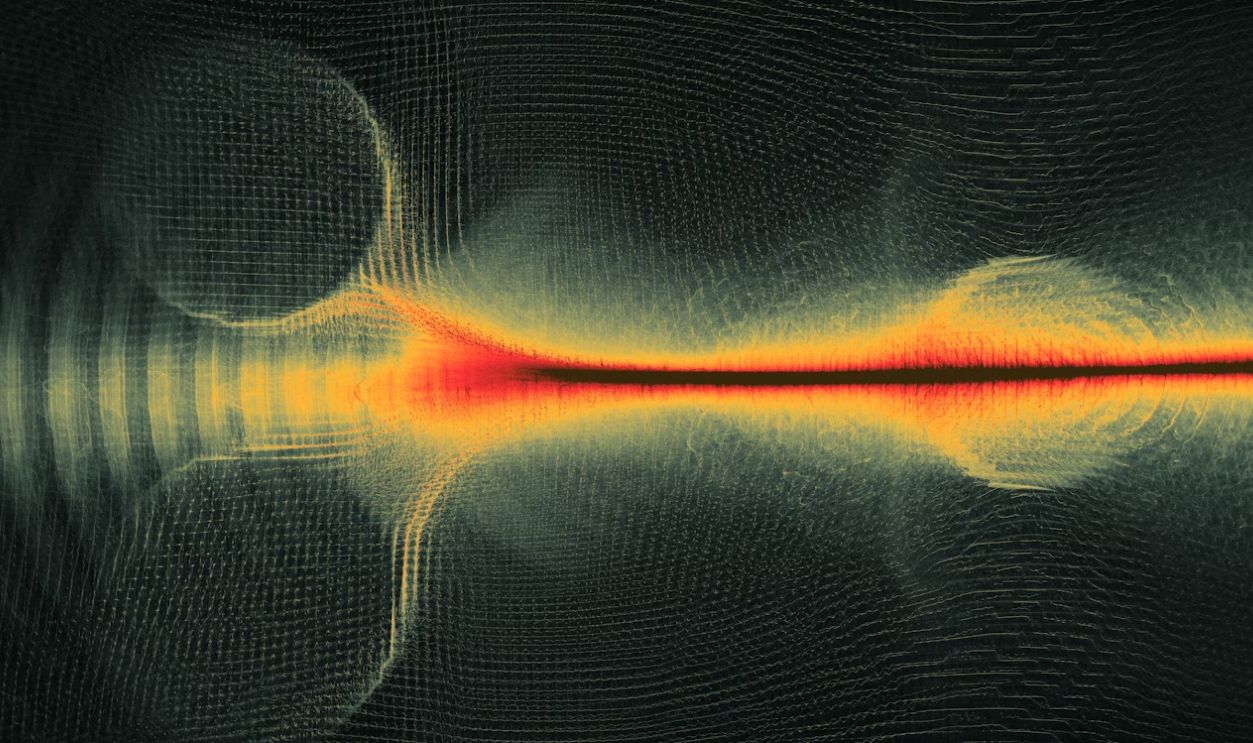
In recent years, researchers identified a faint but constant signal in Voyager’s data. This hum is not tied to solar eruptions or other temporary events happening in space. Instead, it appears to be a steady background feature of interstellar space. That discovery suggests the region is far more complicated and structured than we ever previously believed.
A Surprise For Scientists
Scientists had fully expected interstellar space to be largely uniform and quiet. Instead, Voyager’s readings showed a persistent background of fluctuations. These subtle variations in plasma (clouds of charged particles) density indicate that the space between stars behaves more like a shifting environment than a static void, forcing researchers to rethink decades of theoretical models.

A Cosmic Ocean Of Particles
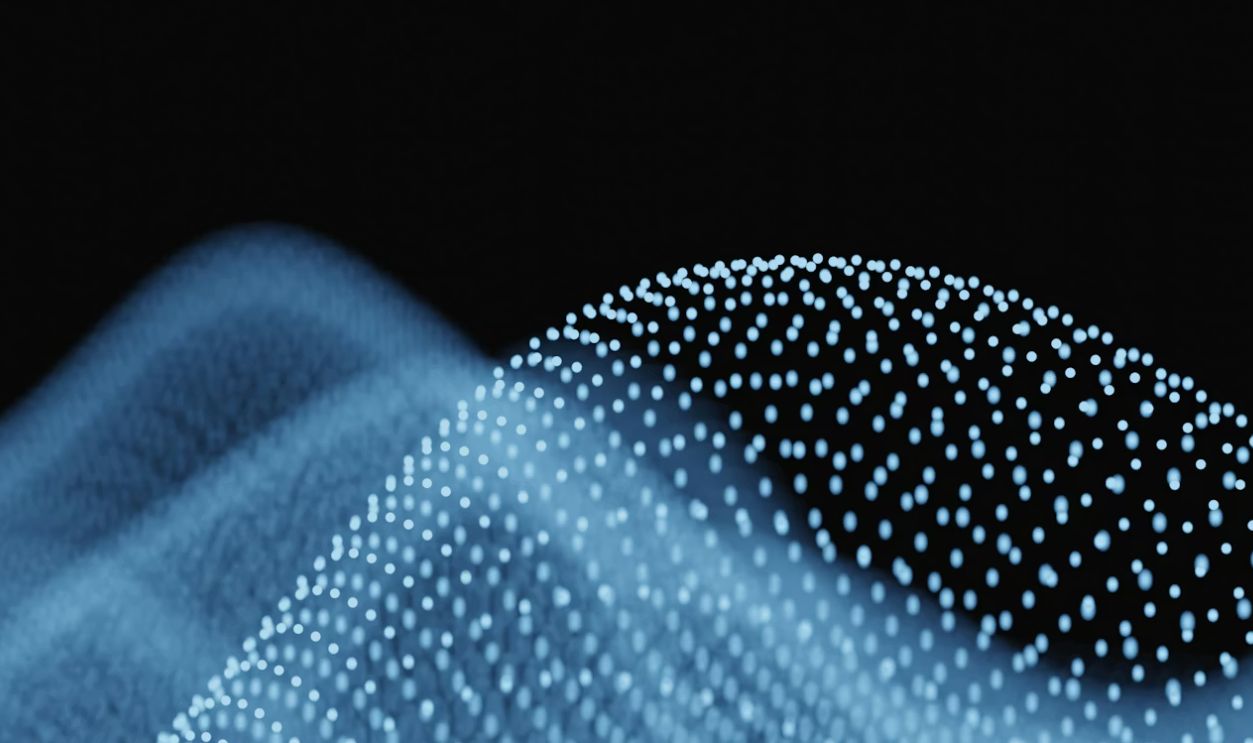
The interstellar medium can now be thought of as a vast ocean of charged particles. Voyager’s data shows that this ocean is never truly still. Tiny invisible waves are rippling through it all the time, carrying energy across immense distances. This realization has reshaped how scientists view the structure and behavior of our galaxy.

Why The Signal Matters
This faint hum offers critical clues about how energy moves through space. It also helps scientists understand how cosmic rays travel and interact with their surroundings. These facts are essential so we can build more accurate models of the galaxy and so we can better understand the environment that any future manned or unmanned spacecraft may encounter.
A Probe Running On Borrowed Time
Voyager 1’s power source is a radioisotope generator that slowly loses energy each year. NASA engineers have already shut down several of the spacecraft’s instruments to conserve power. Every remaining watt is precious, and the mission is now focused on keeping essential systems running for as long as possible.
Ingenious Efforts To Keep It Alive
To extend Voyager’s lifespan, engineers carefully shepherd its energy use. Systems are turned off one by one, and operations are streamlined. These efforts have kept the spacecraft functional far beyond its original mission timeline, making it one of the most enduring scientific instruments ever built.

Communication Across Vast Distances
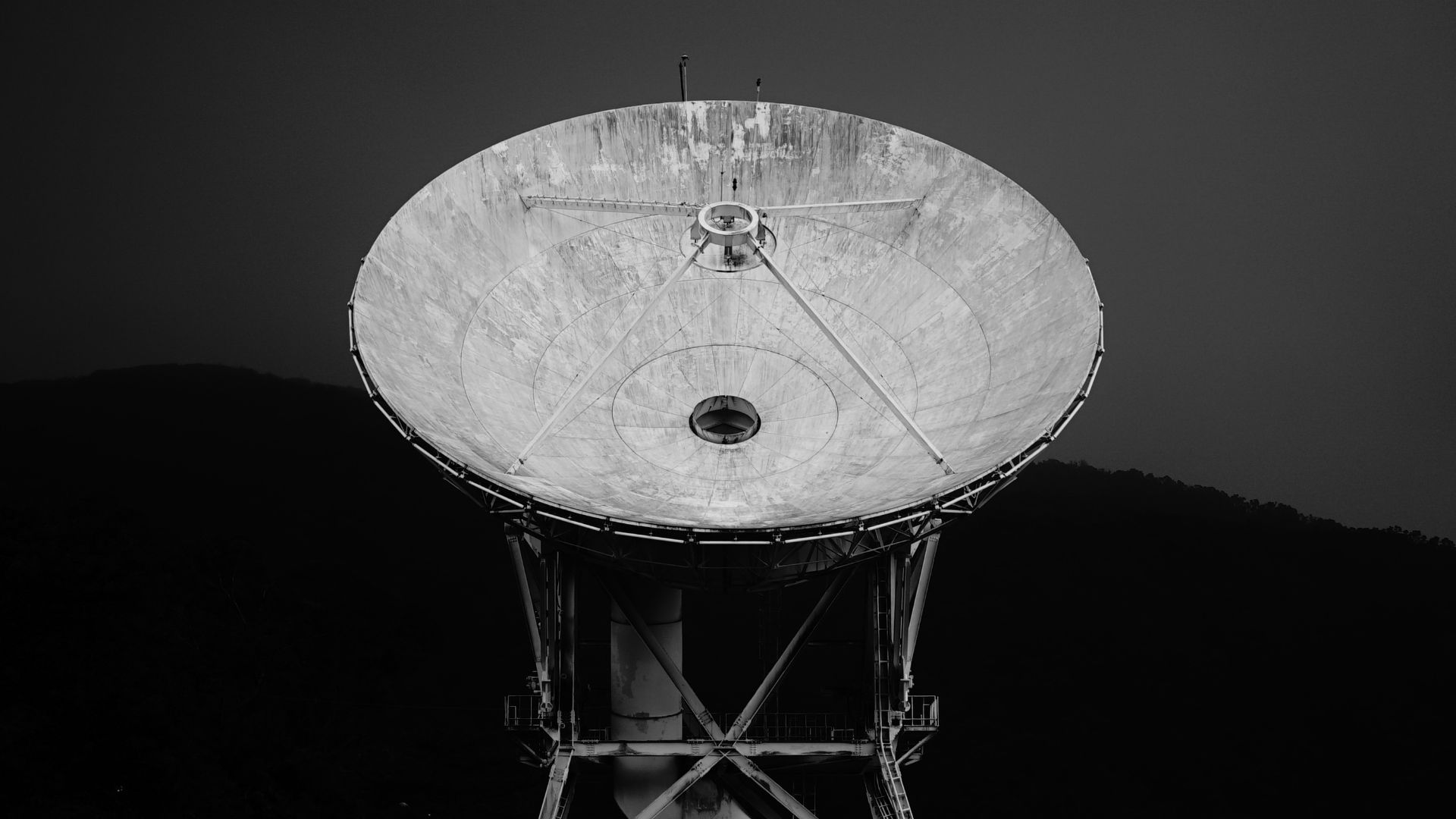
Even sending data back to Earth is a major challenge. Signals from Voyager take over twenty hours to arrive back on Earth. By the time scientists have received the information, it reflects conditions from nearly a day in the past. Despite this delay, the probe is still delivering invaluable insights from deep space.
 Galen Crout galen_crout, Wikimedia Commons
A Narrow Window Of Opportunity
Time is running out. Within the next decade, Voyager will most likely lose the ability to transmit data completely. Scientists are prioritizing the most important measurements, knowing that each new piece of information could be the last glimpse we ever get from this distant explorer that is destined to travel alone to the stars.
Mapping The Interstellar Environment
Voyager’s instruments have allowed scientists to map the density and behavior of the charged particle ocean in interstellar space. This mapping helps reveal how the Sun’s influence transitions into the broader galaxy. It also gives us context for understanding other stars and their surrounding environments.
Redefining Empty Space
What we used to think was an empty nothingness is now understood as an active region filled with subtle motion. Voyager’s discoveries show that even the darkest reaches of space are shaped by forces and interactions. This has some major consequences for astrophysics and our understanding of the universe.
The Human Story Behind The Mission
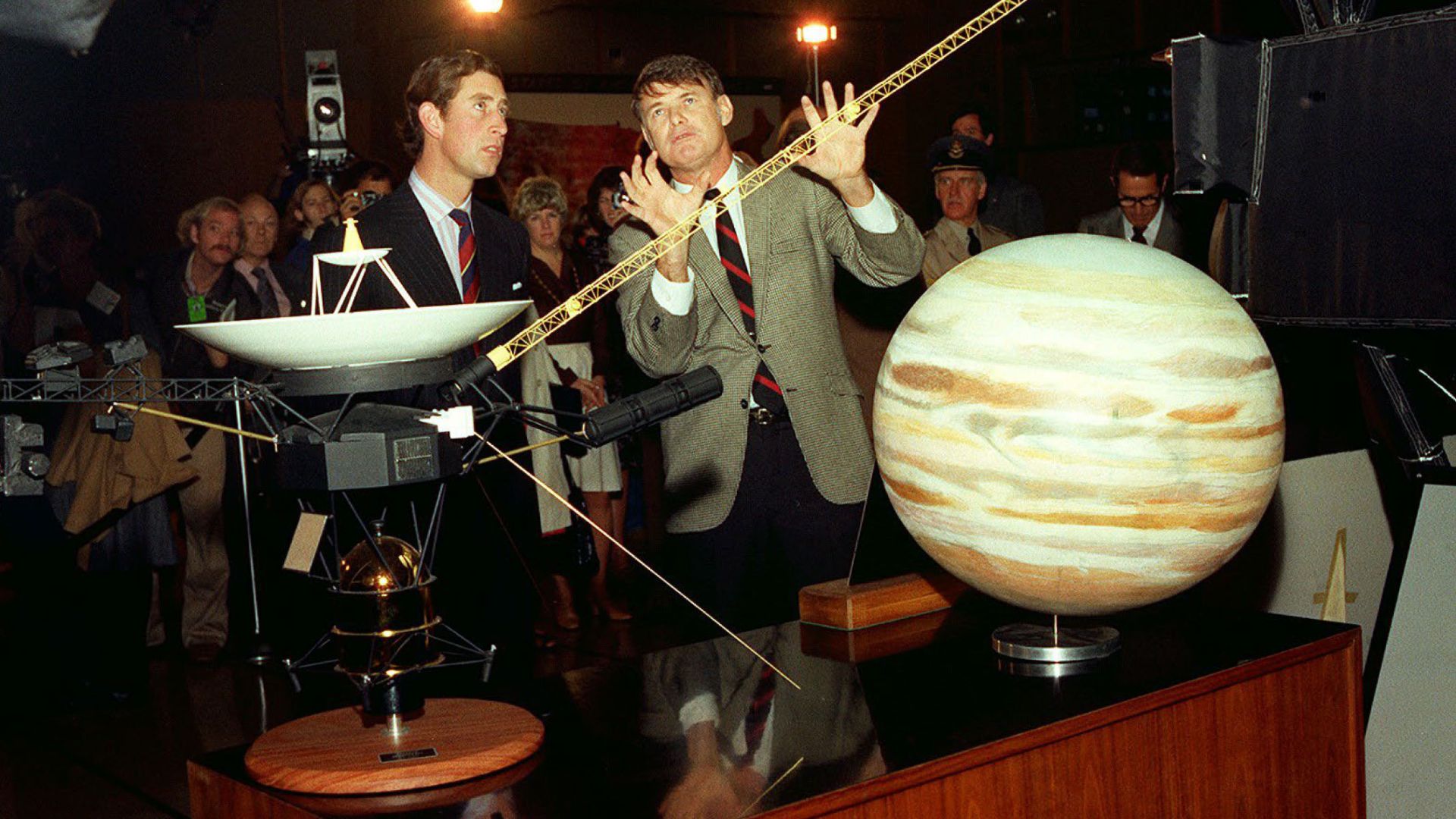
Voyager 1 is more than a machine. It’s the result of decades of human curiosity and ingenuity. Launched in 1977, it has outlived generations of scientists. Many of the people who designed it never thought that it would still be working today, but it continues to push boundaries.
 NASA/JPL-Caltech, Wikimedia Commons
The Golden Record’s Silent Journey
Attached to Voyager is the famous Golden Record, a collection of sounds, music, and images from Earth. While the probe now listens to the universe, it also carries a message from Earth outward. Long after it stops transmitting, it will continue drifting through space as a testament to human existence.
 NASA Hubble Space Telescope, Unsplash
Lessons For Future Exploration
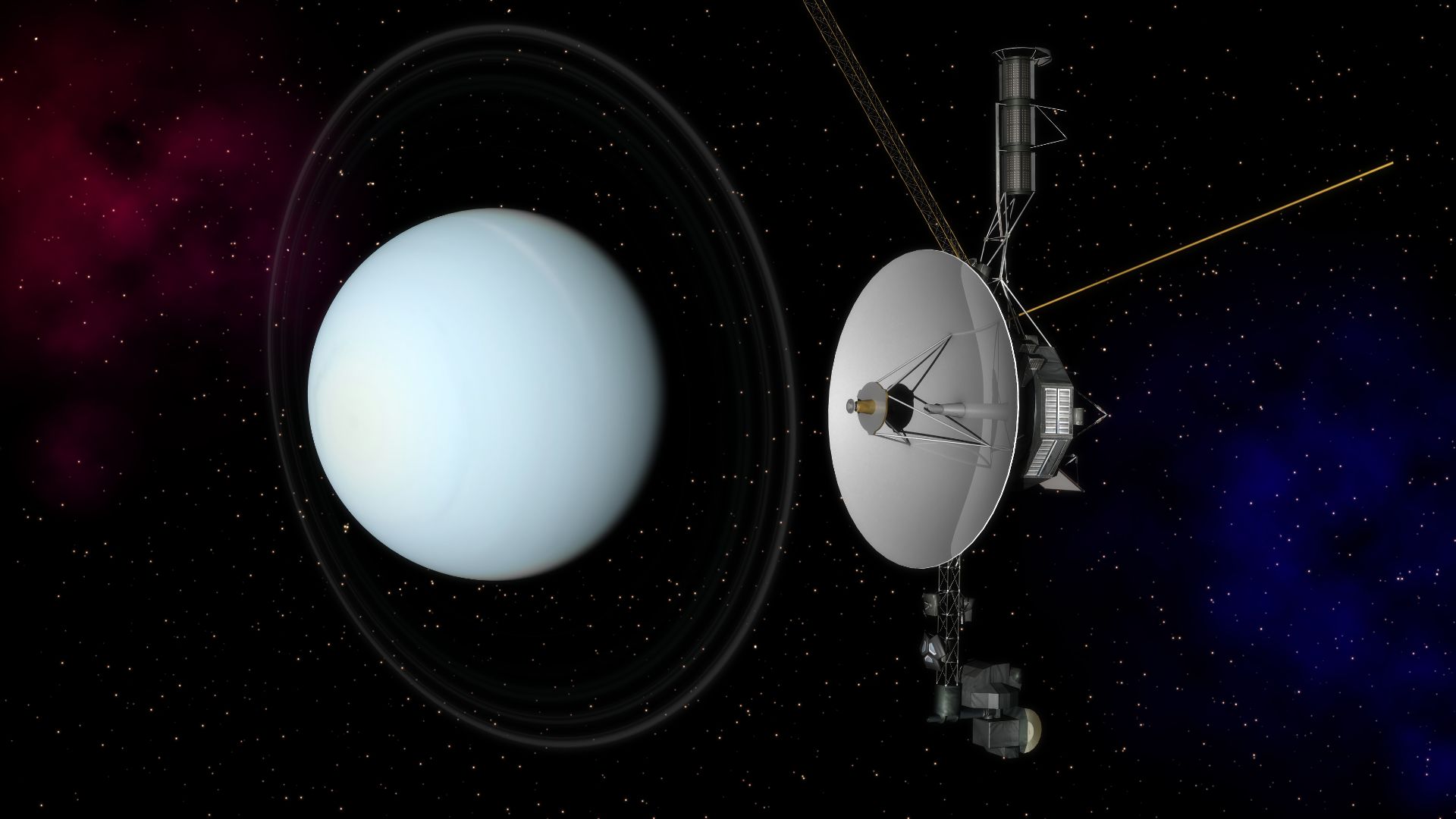
Voyager’s findings are shaping the design of future space missions. Understanding the interstellar medium is crucial for planning spacecraft that could one day travel even farther. The probe’s data is helping to lay the foundation for the next generation of deep space exploration.
 NASA/JPL-Caltech, Wikimedia Commons
A Race Against The Inevitable
Every day, Voyager’s power supply gets weaker and weaker. Engineers and scientists know that the end is near, but they grimly continue to push the spacecraft to its limits. Each new signal received is another small victory in a race against time, capturing knowledge that would otherwise remain forever unknown.
 Kevin M. Gill, Wikimedia Commons
What Happens When It Falls Silent
Eventually, Voyager will no longer be able to communicate. When that time comes, it will continue traveling silently through the galaxy. Its mission will be done, but its journey will continue for millions of years into the future, carrying the legacy of the human race into the cosmos.
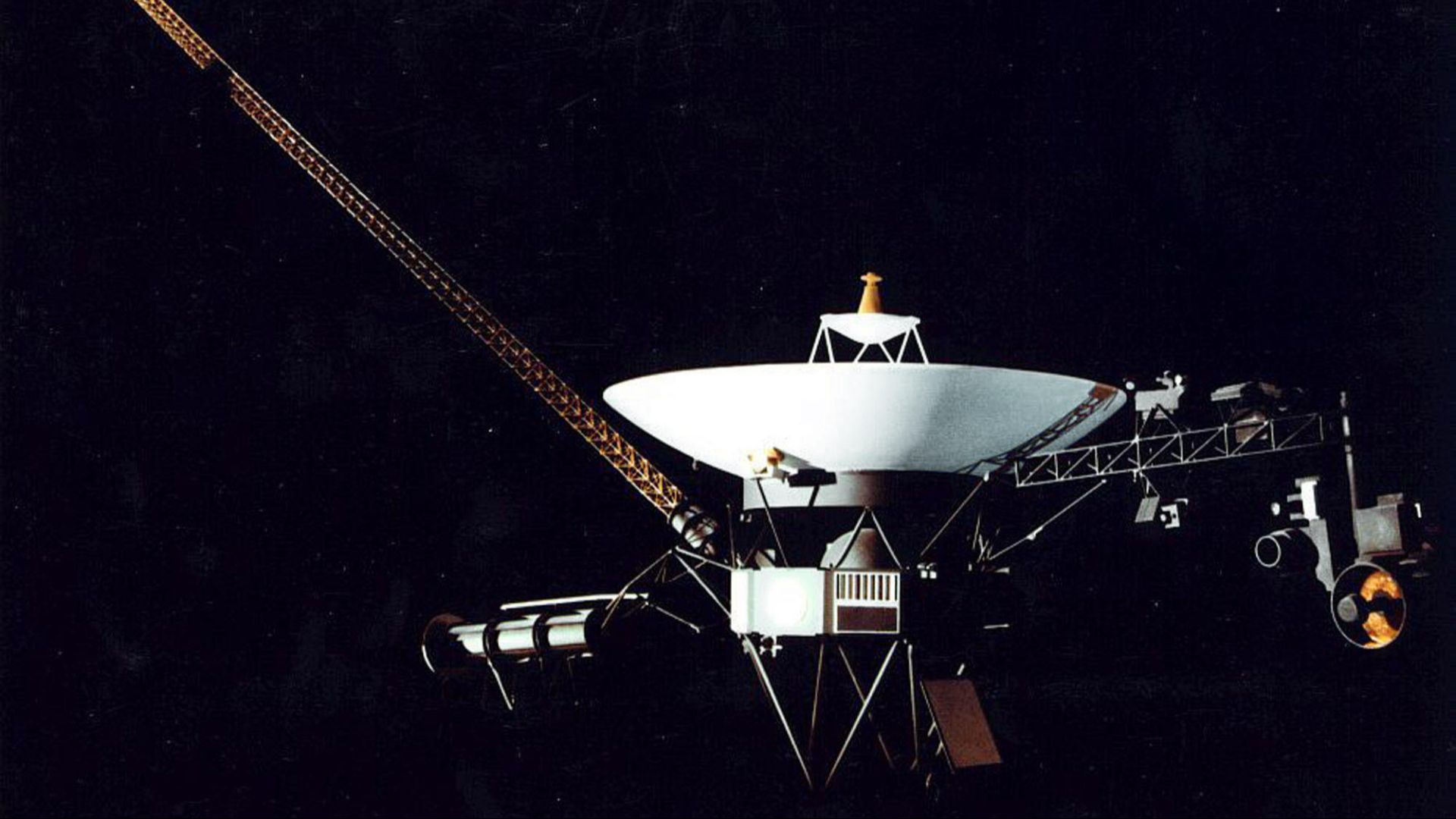
Listening To The Universe One Last Time
Until that final transmission, Voyager 1 remains our most distant listener. The strange hum it detects is a reminder that space is not empty, but alive with unseen forces. As its voice flickers and fades, the data it sends back may reshape our understanding of the universe for generations to come.
 NASA Hubble Space Telescope, Unsplash
You May Also Like:
Facts That Sound Insane But Are 100% True
24 Things Only 60s Kids Will Remember