A City Hidden By The Jungle
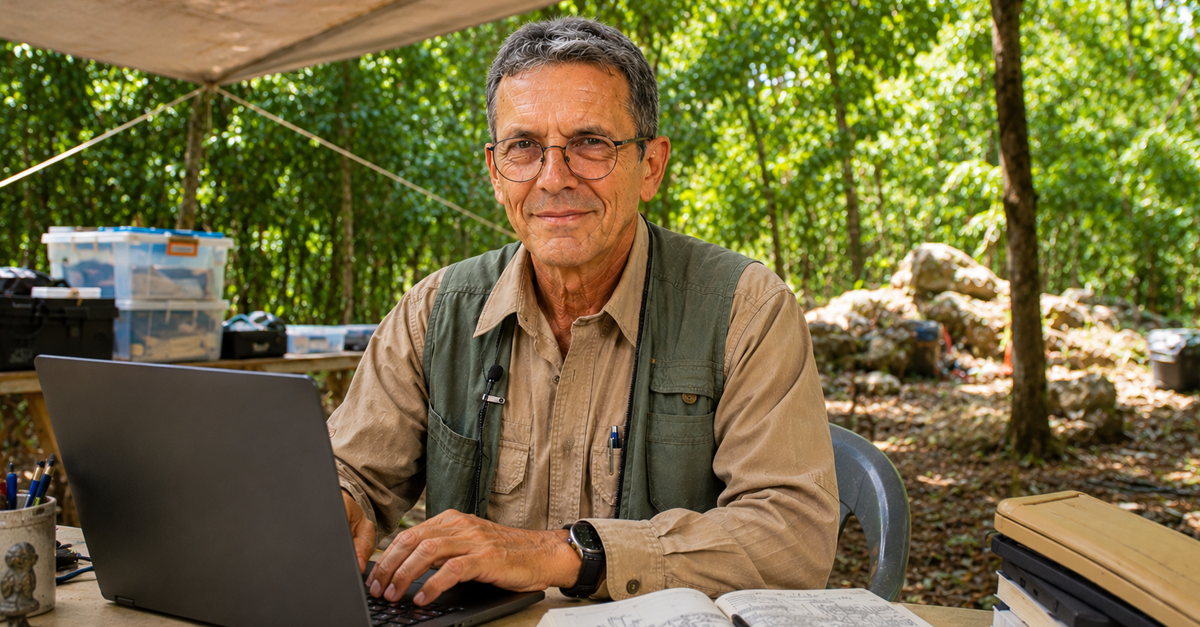
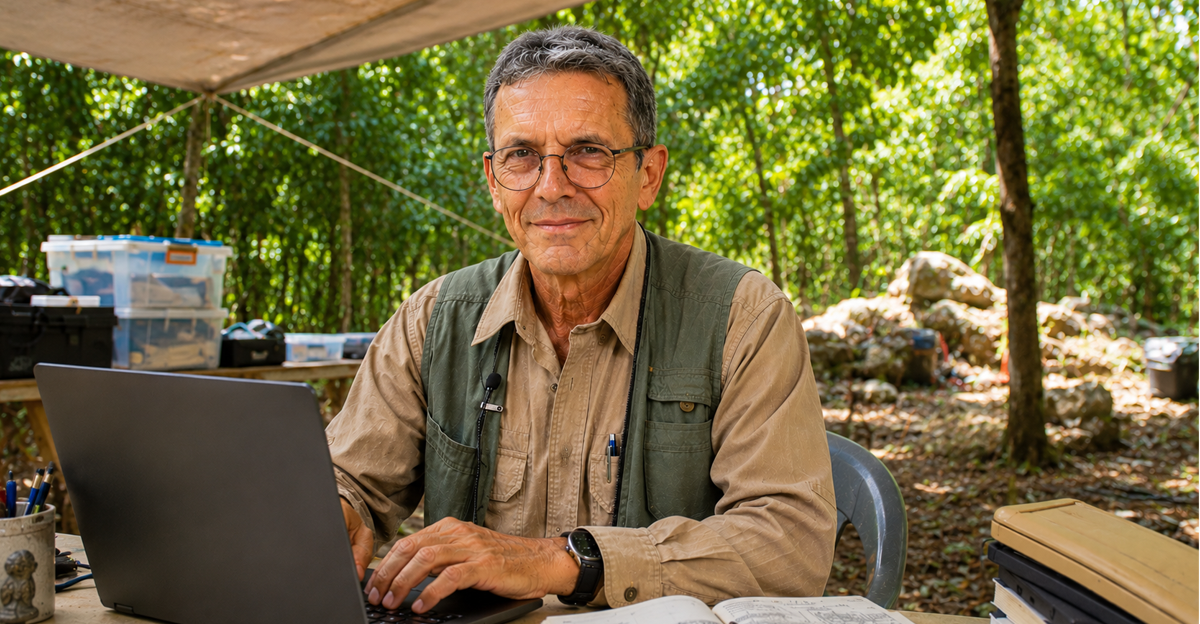
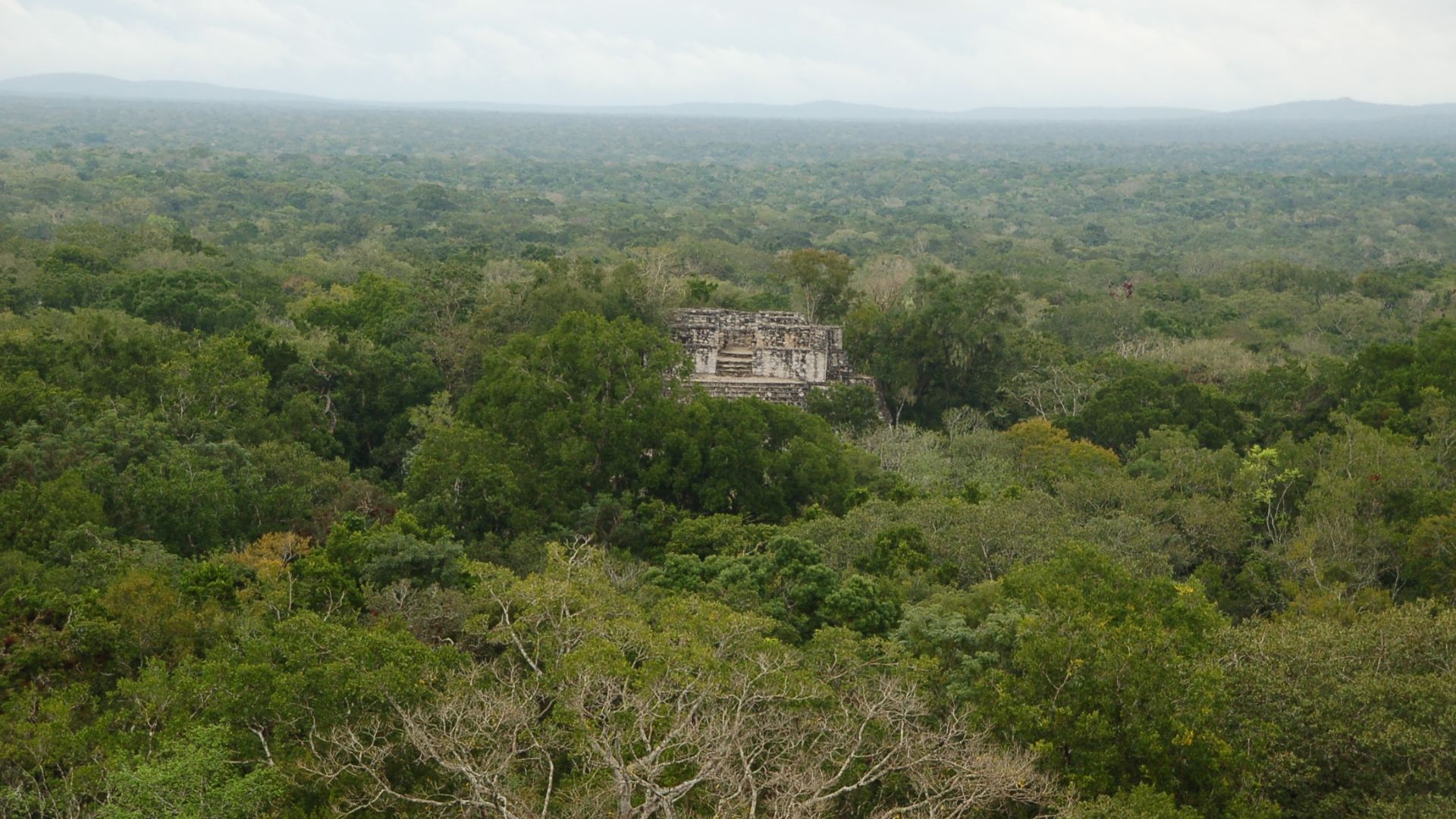
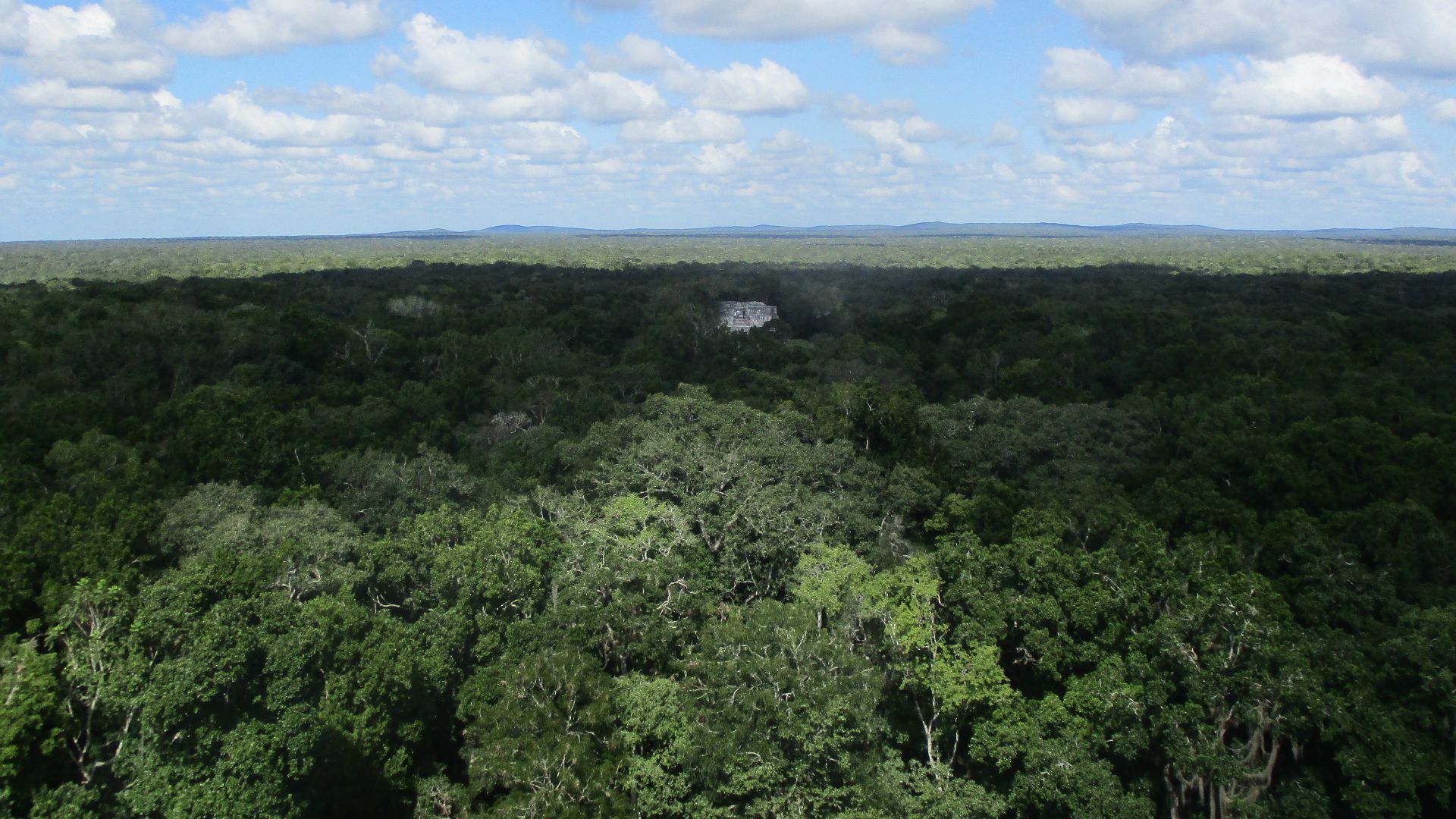
Deep in the Campeche jungle, archaeologists have identified an ancient Maya city that remained hidden for centuries. The site is called Minanbé, a name drawn from Yucatec Maya words meaning “there is no path.” That name is appropriate because reaching the ruins required a difficult journey through thick forest. The discovery is already changing how researchers think about this part of the Maya world.
The Discovery Happened In Campeche
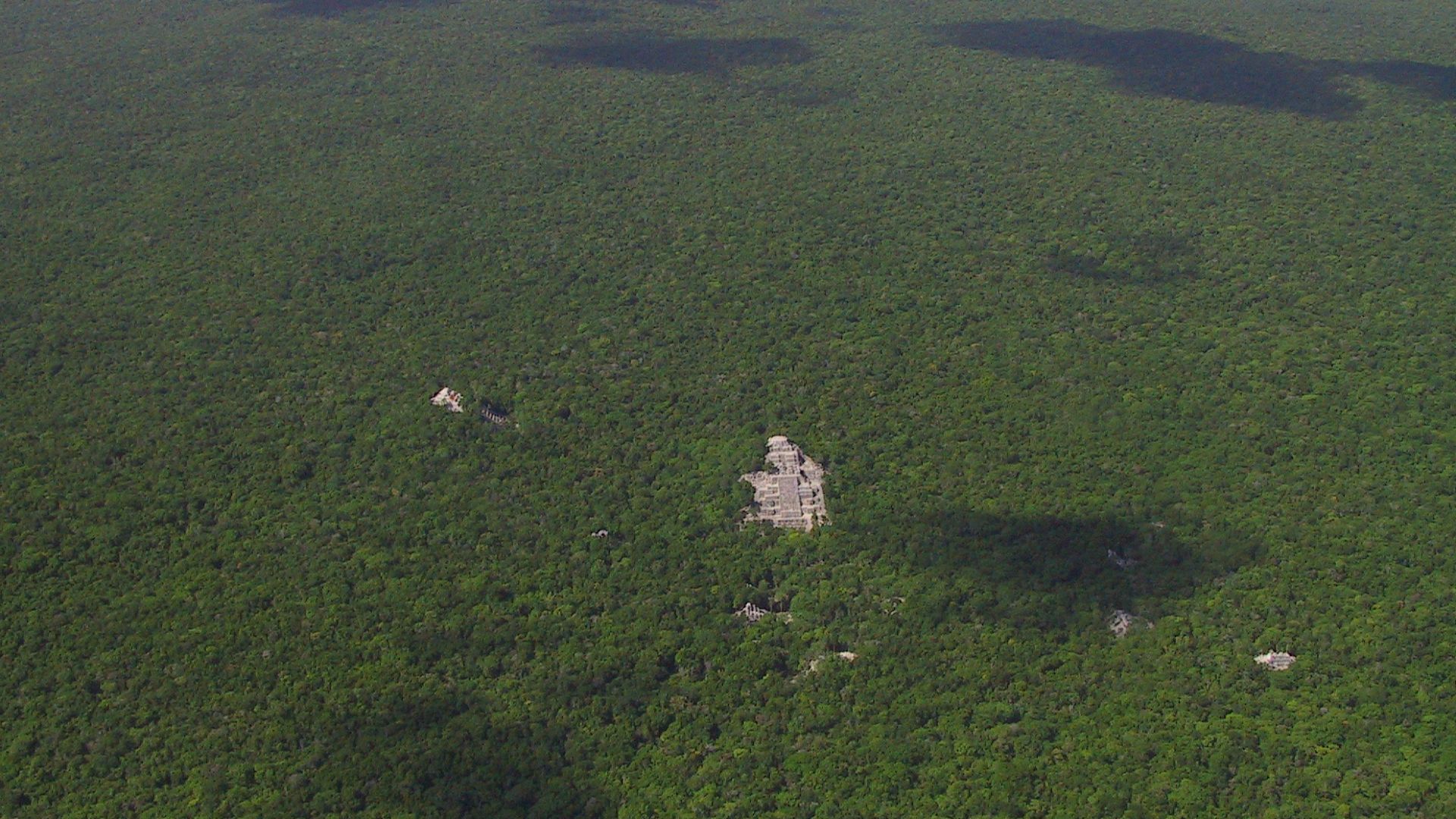
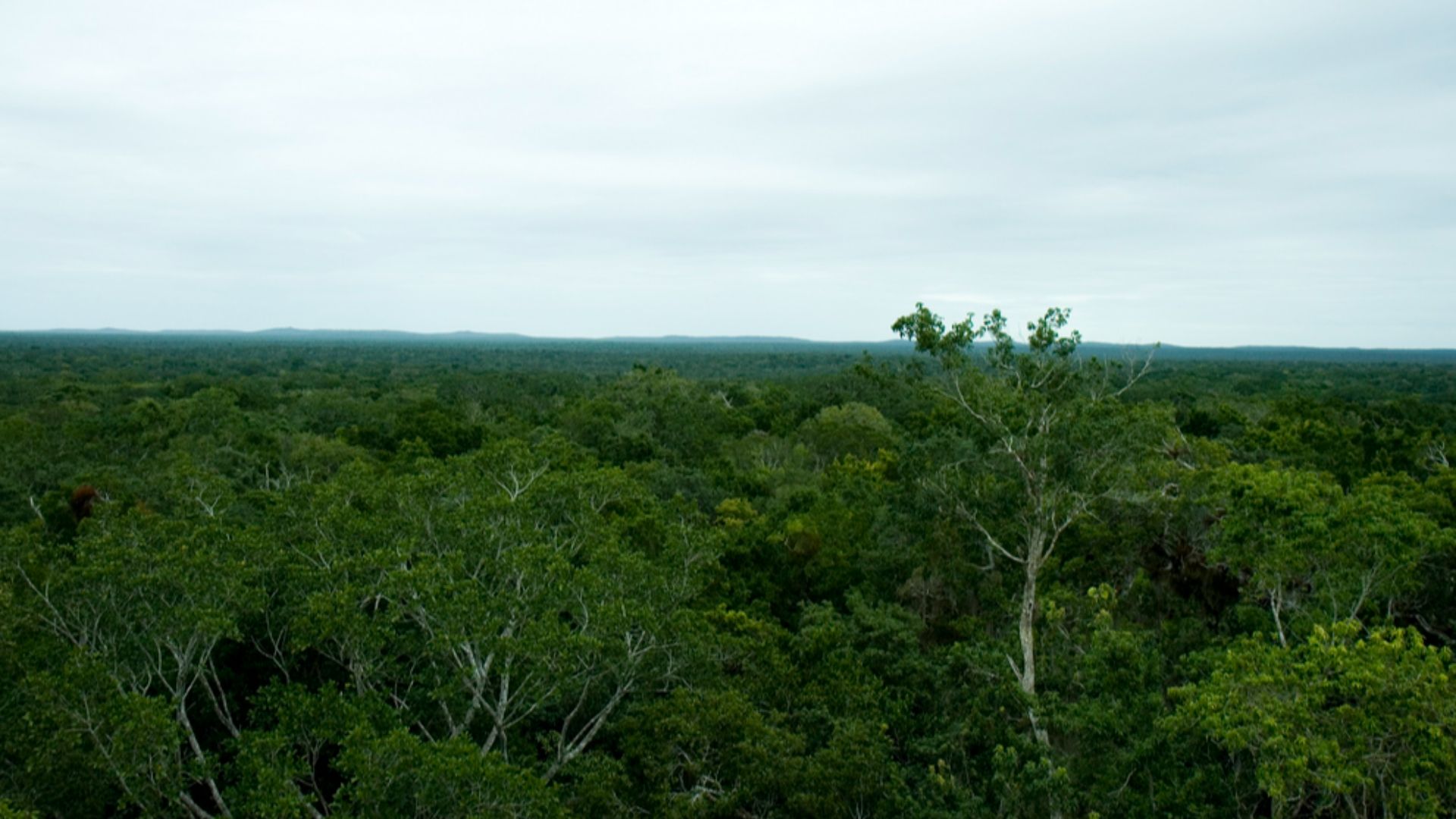
Minanbé lies in Mexico’s Calakmul Biosphere Reserve, one of the most important forested regions in the Maya lowlands. The reserve is in the state of Campeche, near some of the most powerful ancient Maya cities ever found. This region was not empty wilderness in the past. It was once part of a dense and highly organized landscape.
 Lugares INAH, Wikimedia Commons
The Site Was Almost Untouched
Researchers described Minanbé as unusually intact compared with many other archaeological sites in the region. There were no obvious signs of looting when the team reached it. That surprised archaeologist Ivan Šprajc, who has spent decades studying Maya sites in the central lowlands. Its isolation helped protect it long after its residents were gone.
 (WT-en) Lahoriali at English Wikivoyage, Wikimedia Commons
There Really Was No Easy Road
The team had to cut a path through several kilometers of jungle before they could explore the site. They used machetes, all-terrain vehicles, and long stretches of walking to reach the ruins. The lack of logging roads made the trip harder. It also helped explain why the city had remained so well preserved.
 Gautier Poupeau, Wikimedia Commons
LiDAR Pointed The Way
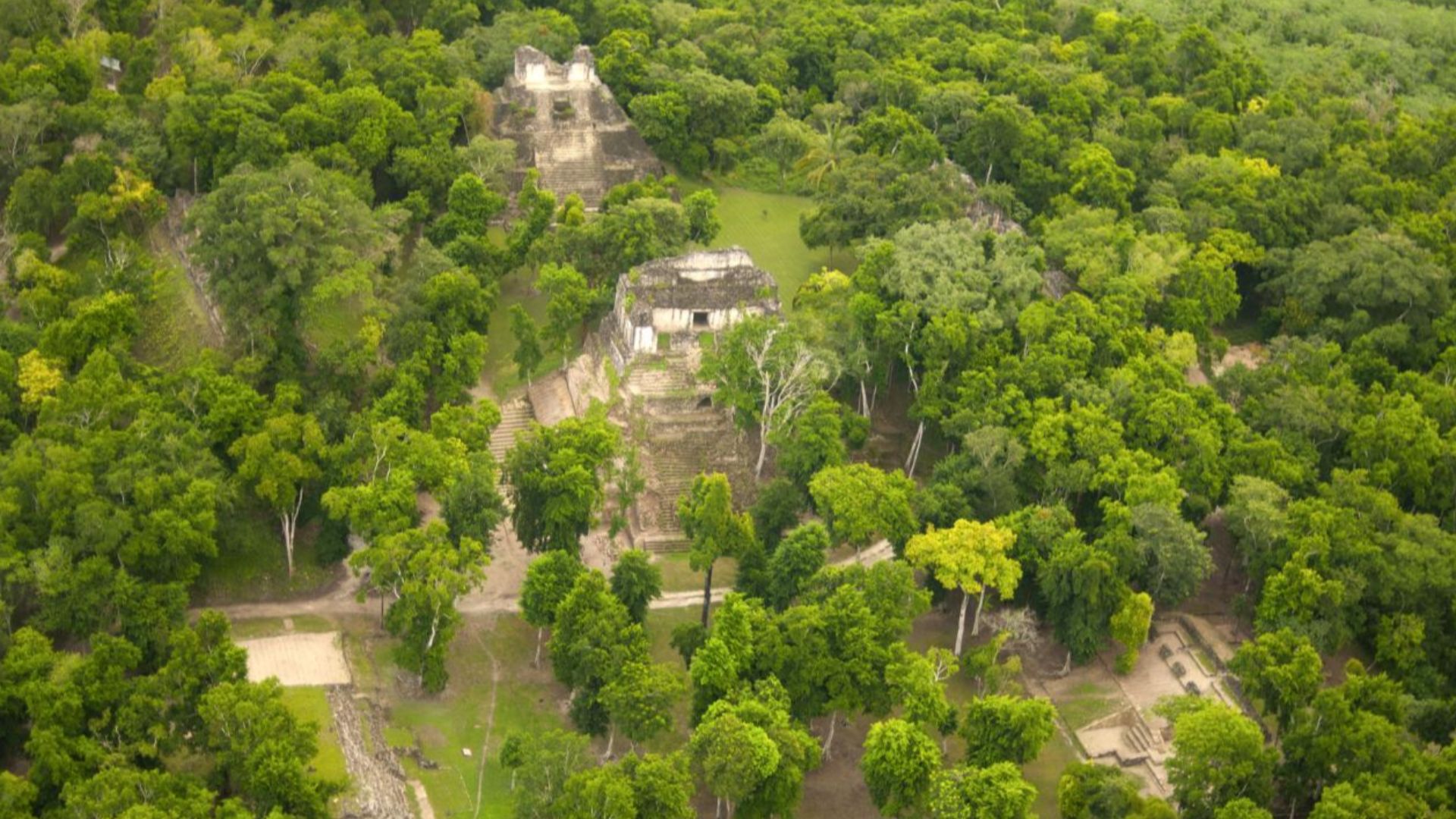
The first clues came from airborne LiDAR, a laser-scanning technology that can reveal terrain hidden under trees. LiDAR does not remove the jungle, but it can show buried shapes and ancient construction beneath the canopy. The technology helped researchers identify where to look before they went in on foot. Once they reached the area, they confirmed that the shapes were part of a real urban center.

The City Covers About 15 Hectares
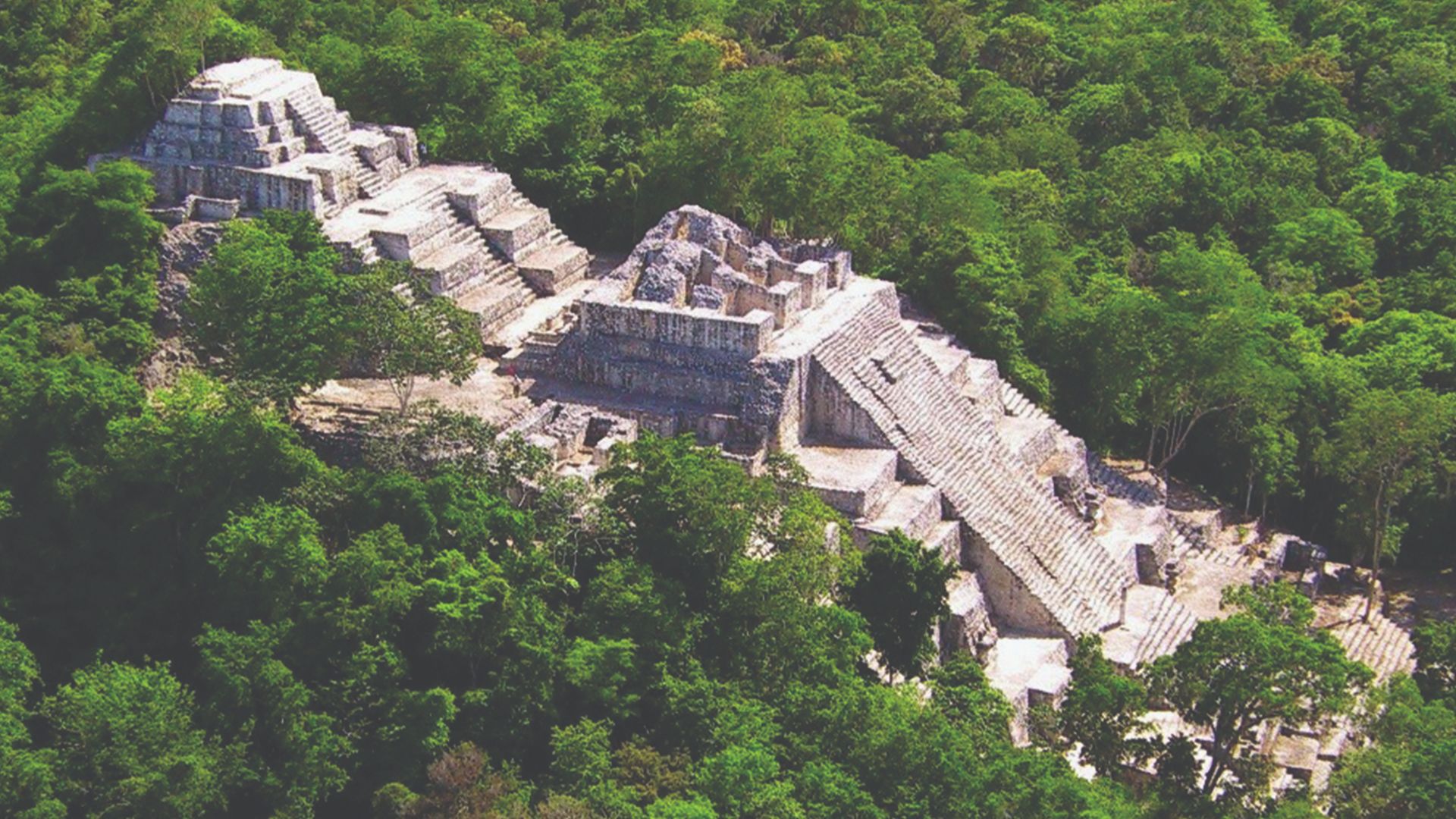
Minanbé’s monumental core covers roughly 15 hectares. That makes it smaller than giant Maya capitals, but still important enough to include major public buildings. Researchers found plazas, palatial structures, religious buildings, terraces, and water features. The layout suggests a planned and organized settlement.
 Lugares INAH, Wikimedia Commons
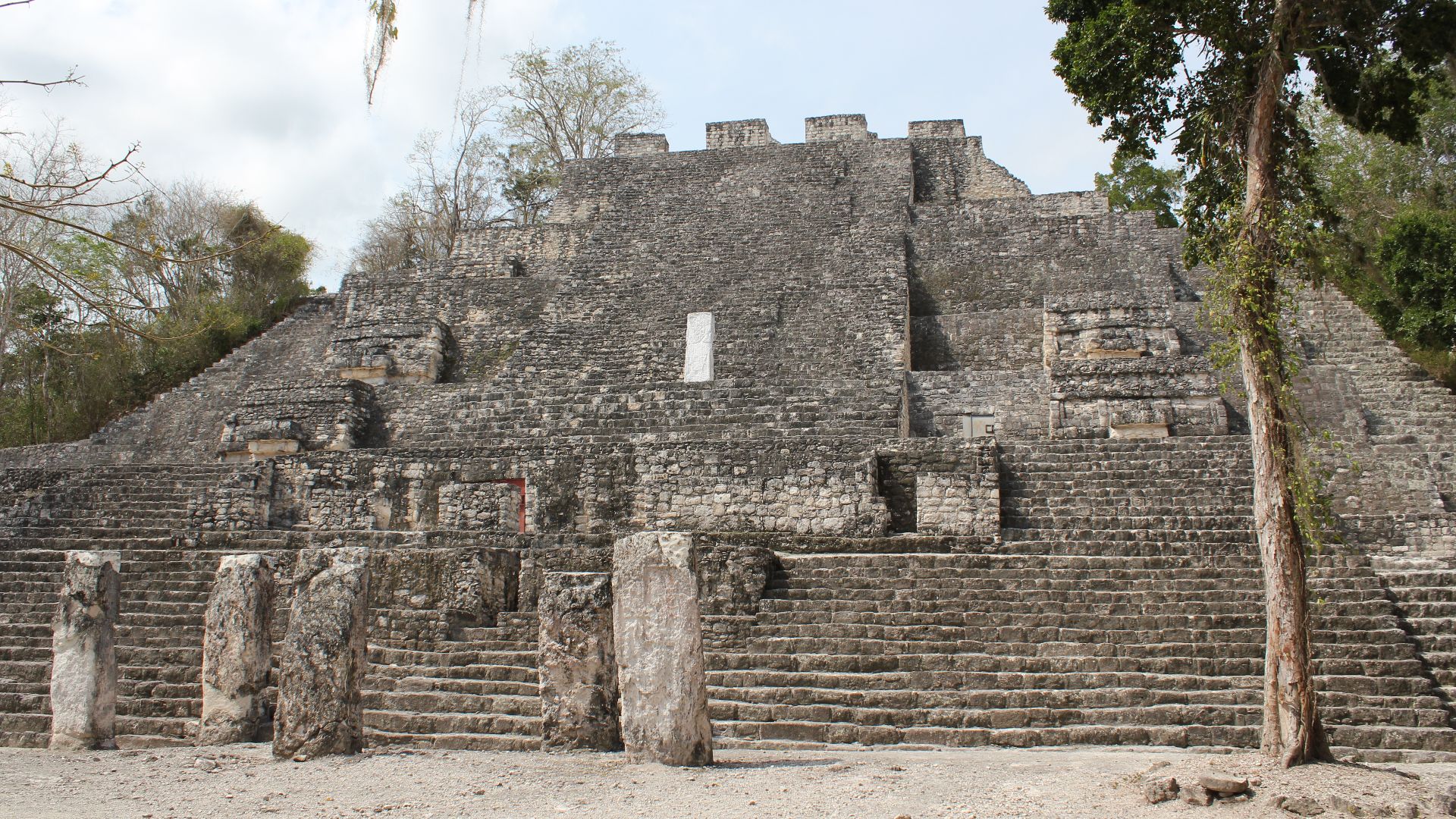
A Pyramid Still Stands There
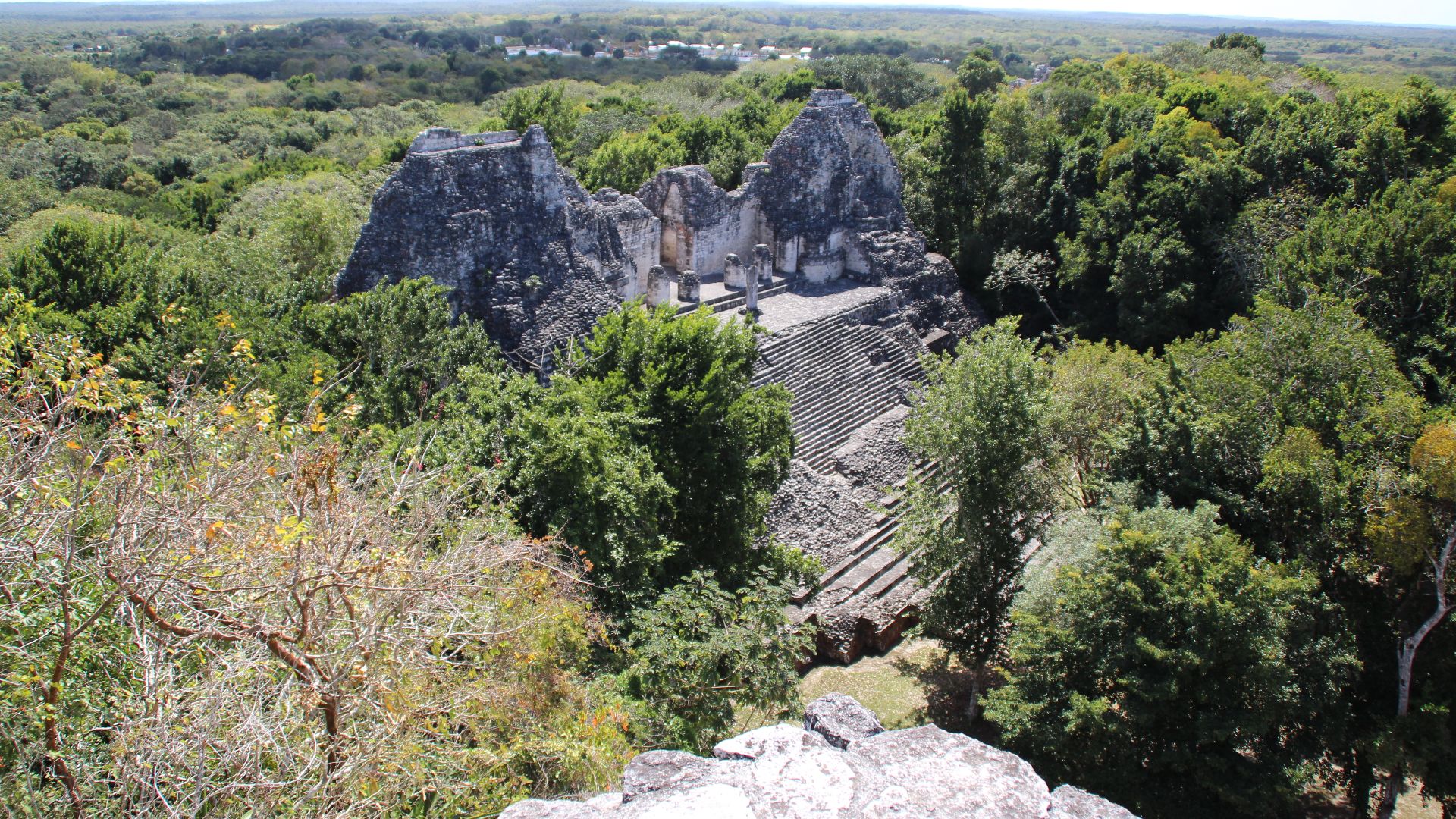
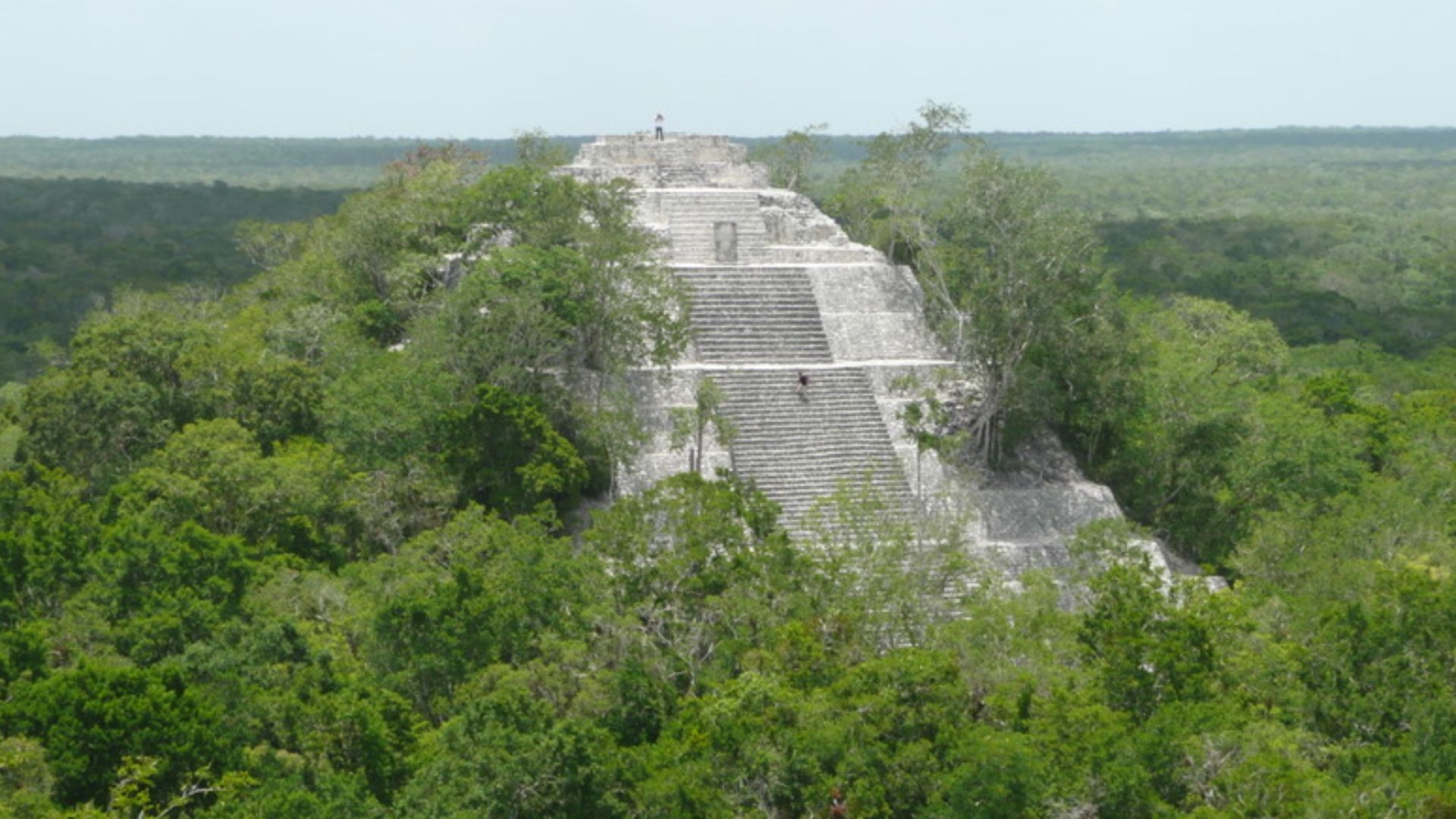
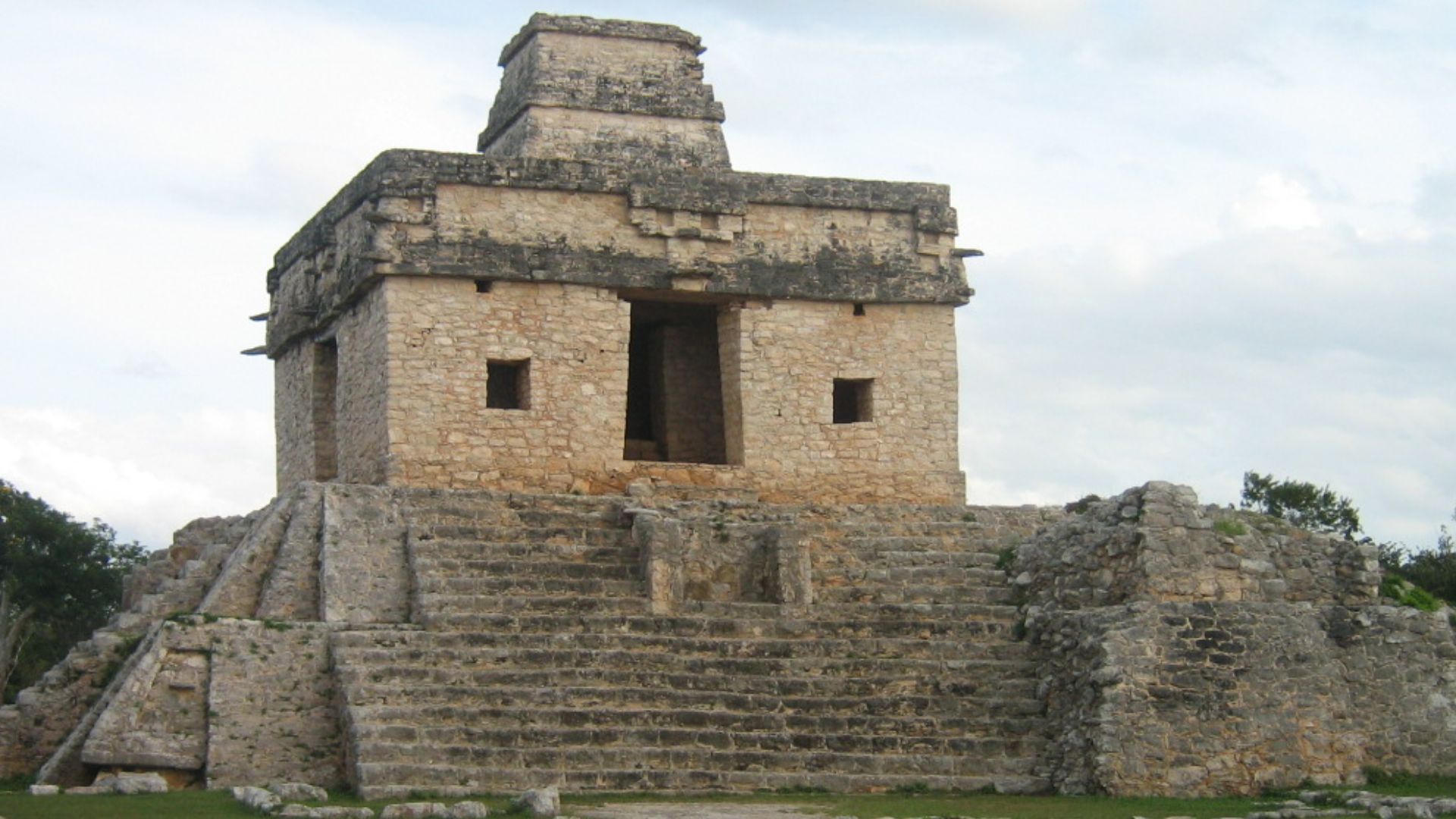
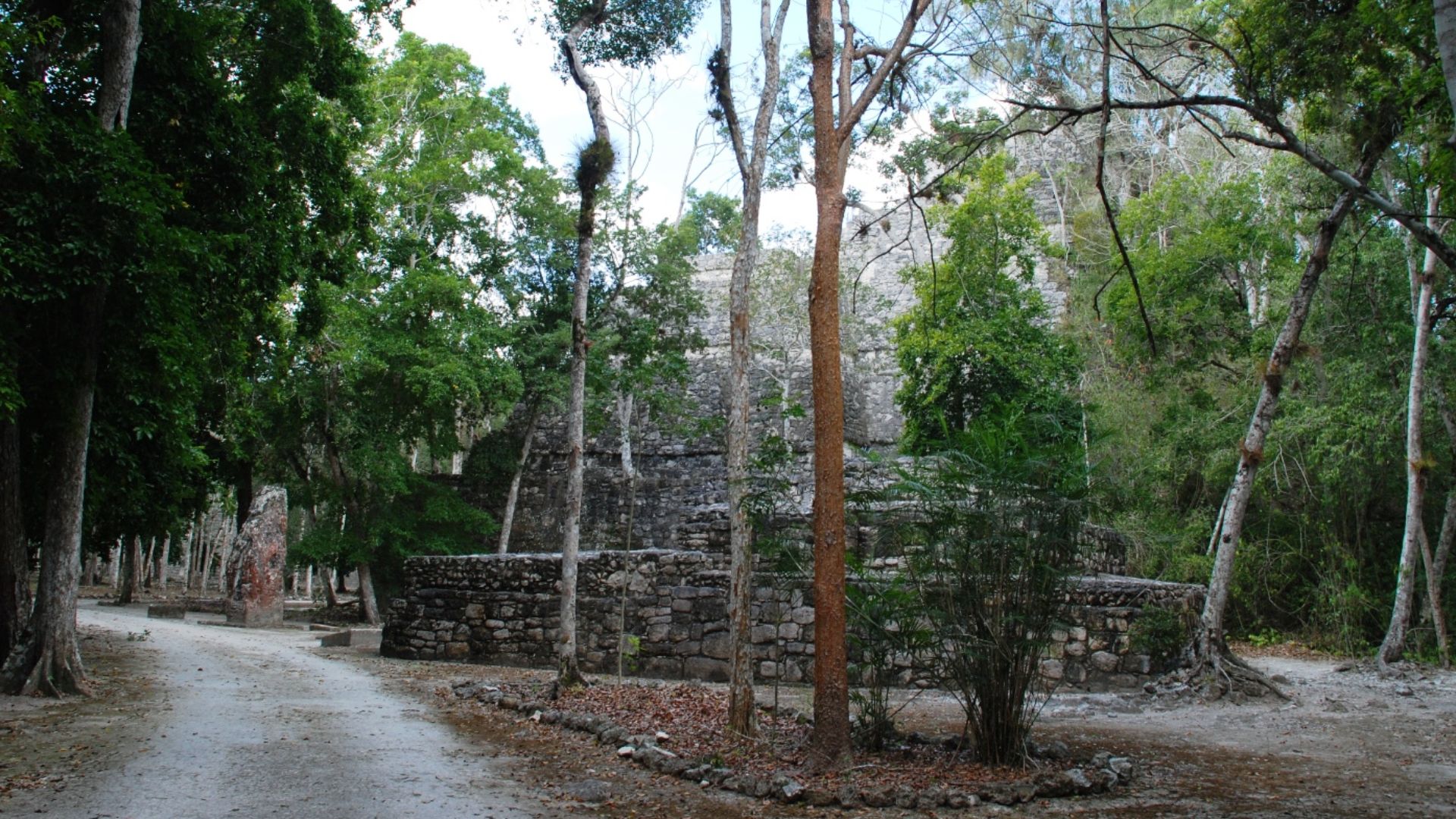
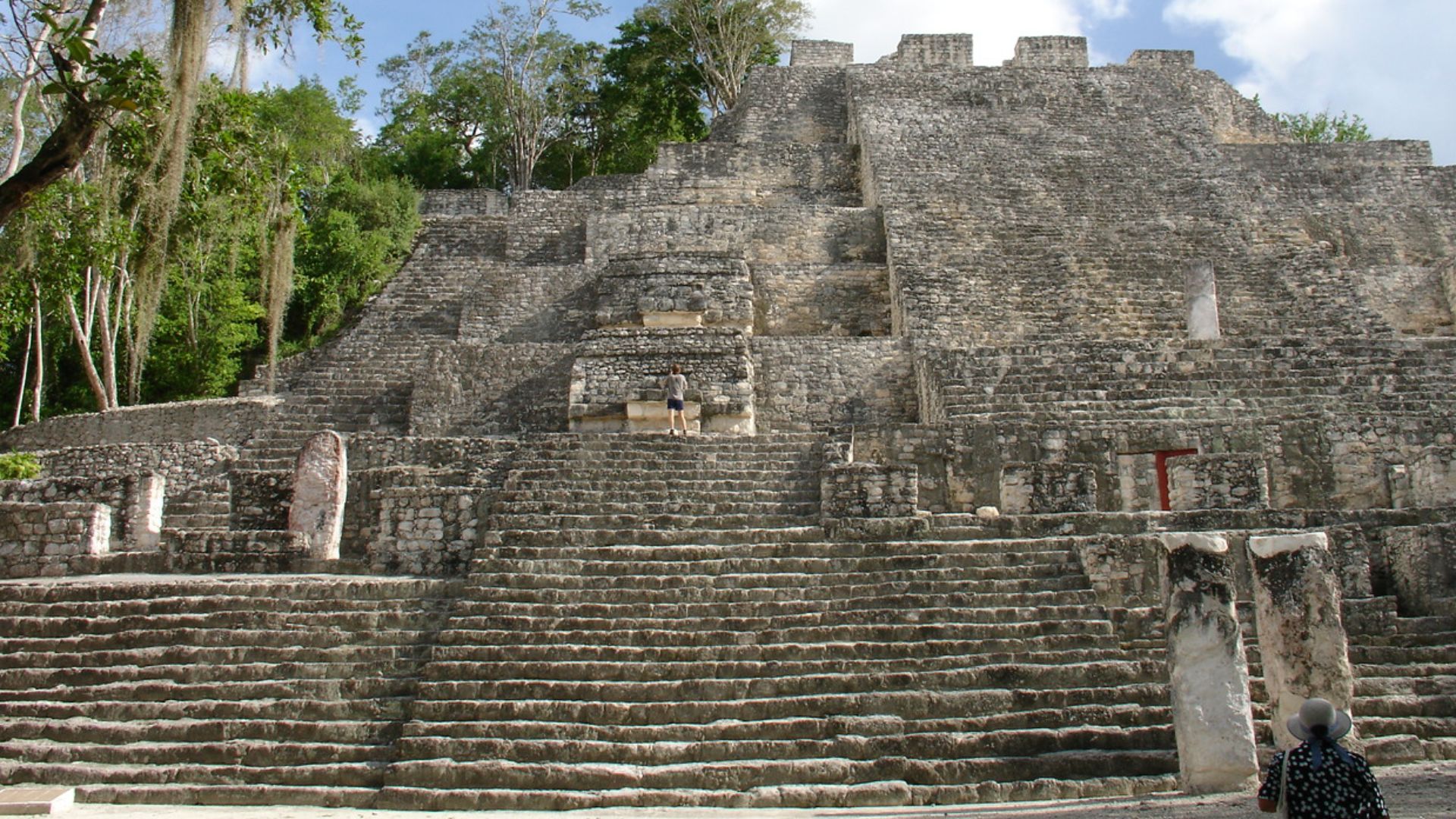
One of the most striking discoveries was a pyramid temple rising more than 13 meters high. The structure shows features associated with the Río Bec architectural style. That includes refined masonry, smooth facade panels, steep stairs, and upper moldings. For researchers, the pyramid is a major clue to the city’s cultural connections.
 Juan Carlos Costal Perez, Wikimedia Commons
The Río Bec Style
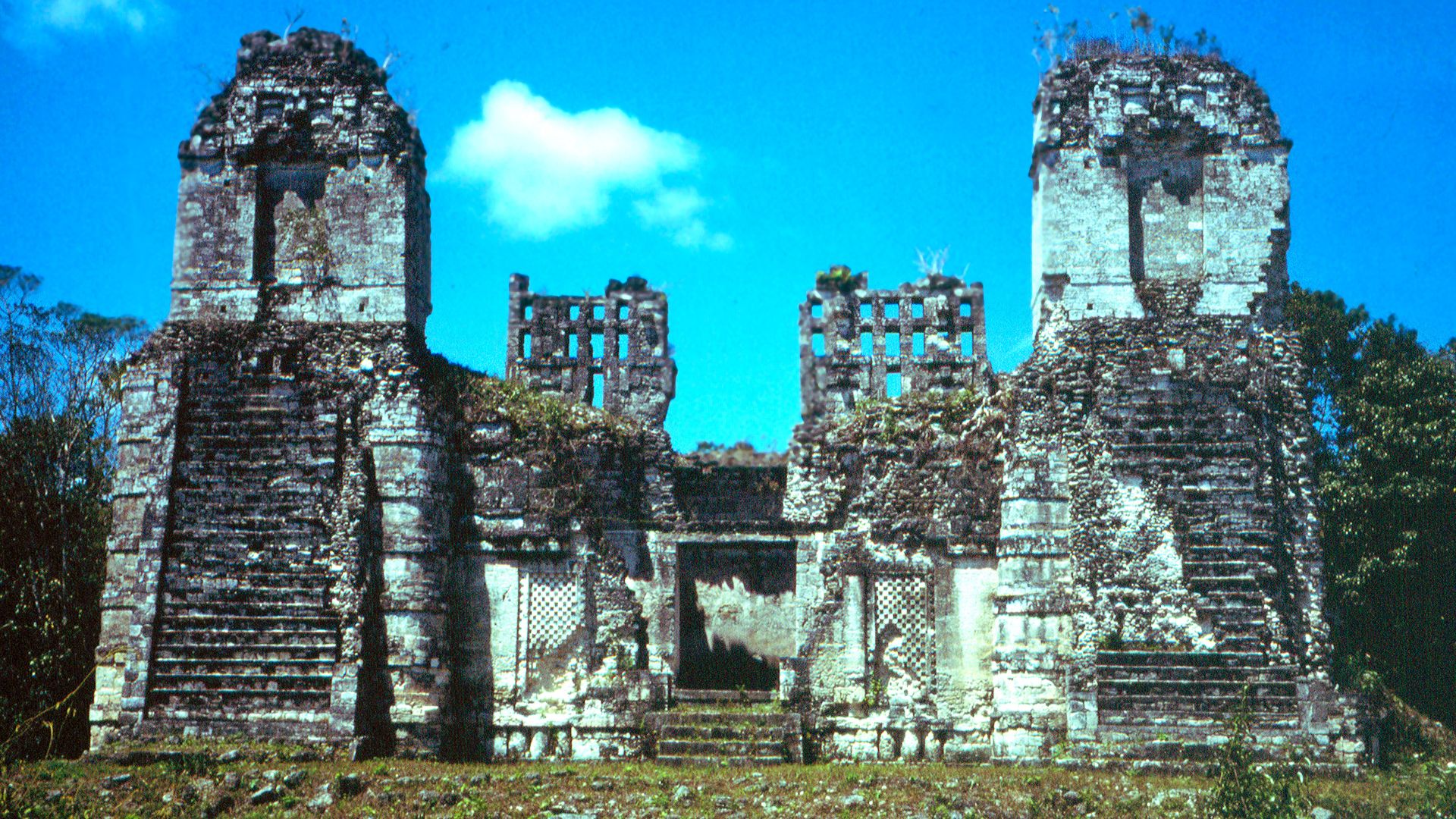
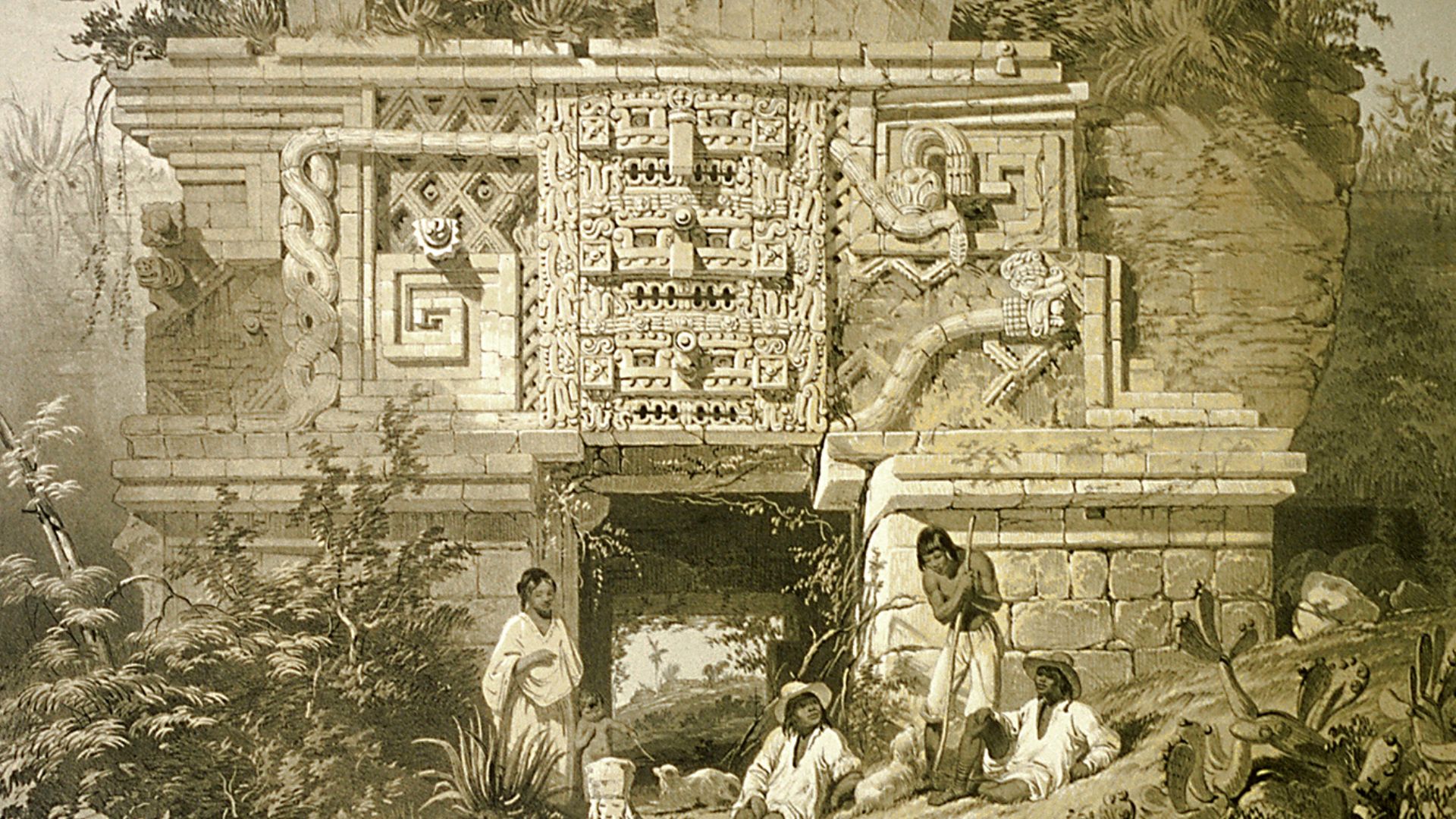
Río Bec architecture is strongly associated with parts of the Maya lowlands in southern Mexico. Buildings in this style often created a dramatic sense of height and authority. At Minanbé, the style suggests the city belonged to a broader regional tradition. It was not an isolated village hiding in the forest.
The City Had Public Spaces
The site included open plazas surrounded by important buildings. In Maya cities, plazas were often places for ceremonies, gatherings, political events, and public display. Their presence points to a community with civic and religious life. Minanbé likely served people from the surrounding landscape as well as residents living near its center.
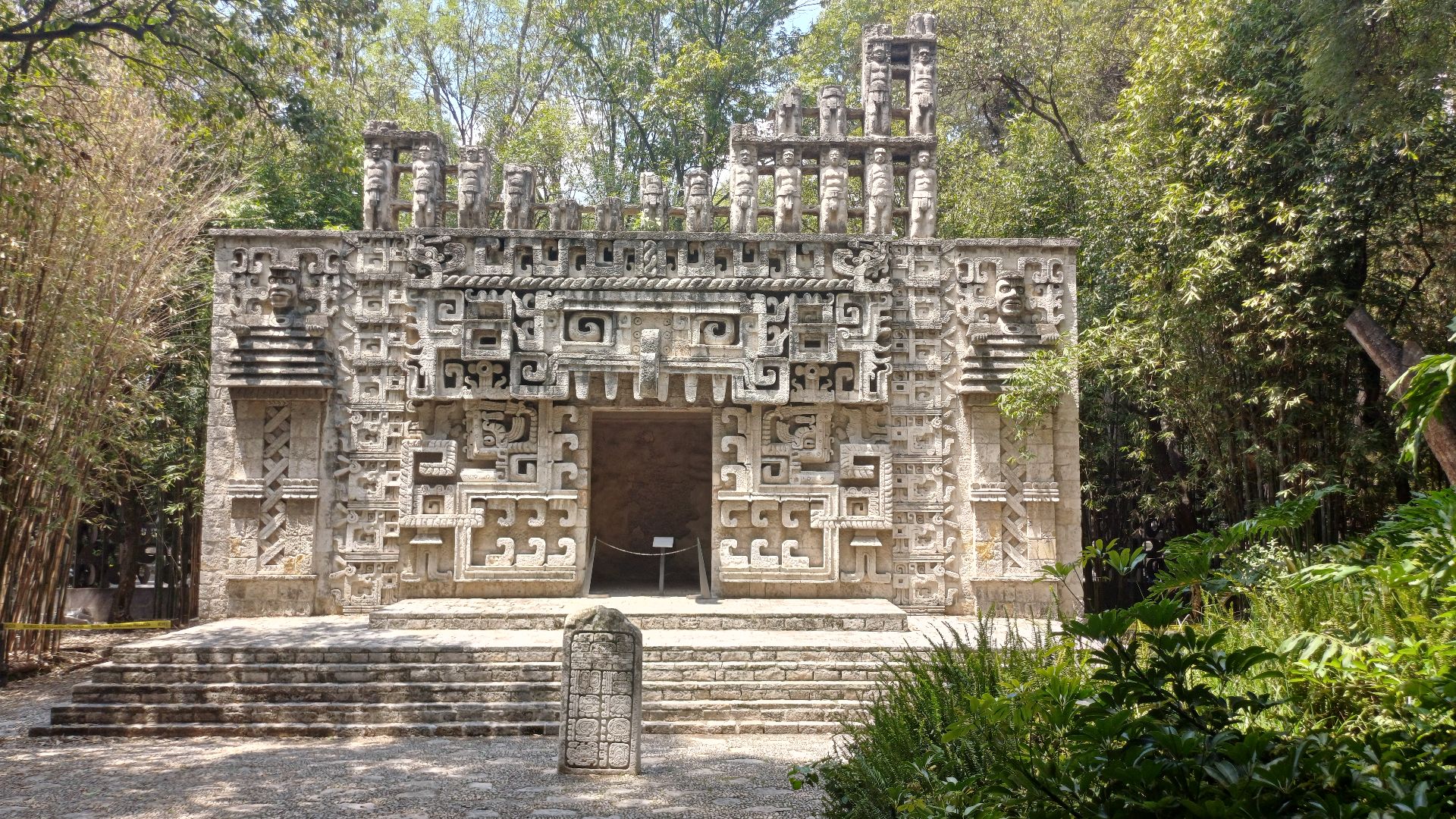
Palaces Point To Local Power
Researchers also identified buildings interpreted as palatial structures. These would have been tied to elites, administrators, or ruling families. Their presence suggests Minanbé had some level of local political authority. The city may have been part of a regional hierarchy connected to larger centers nearby.
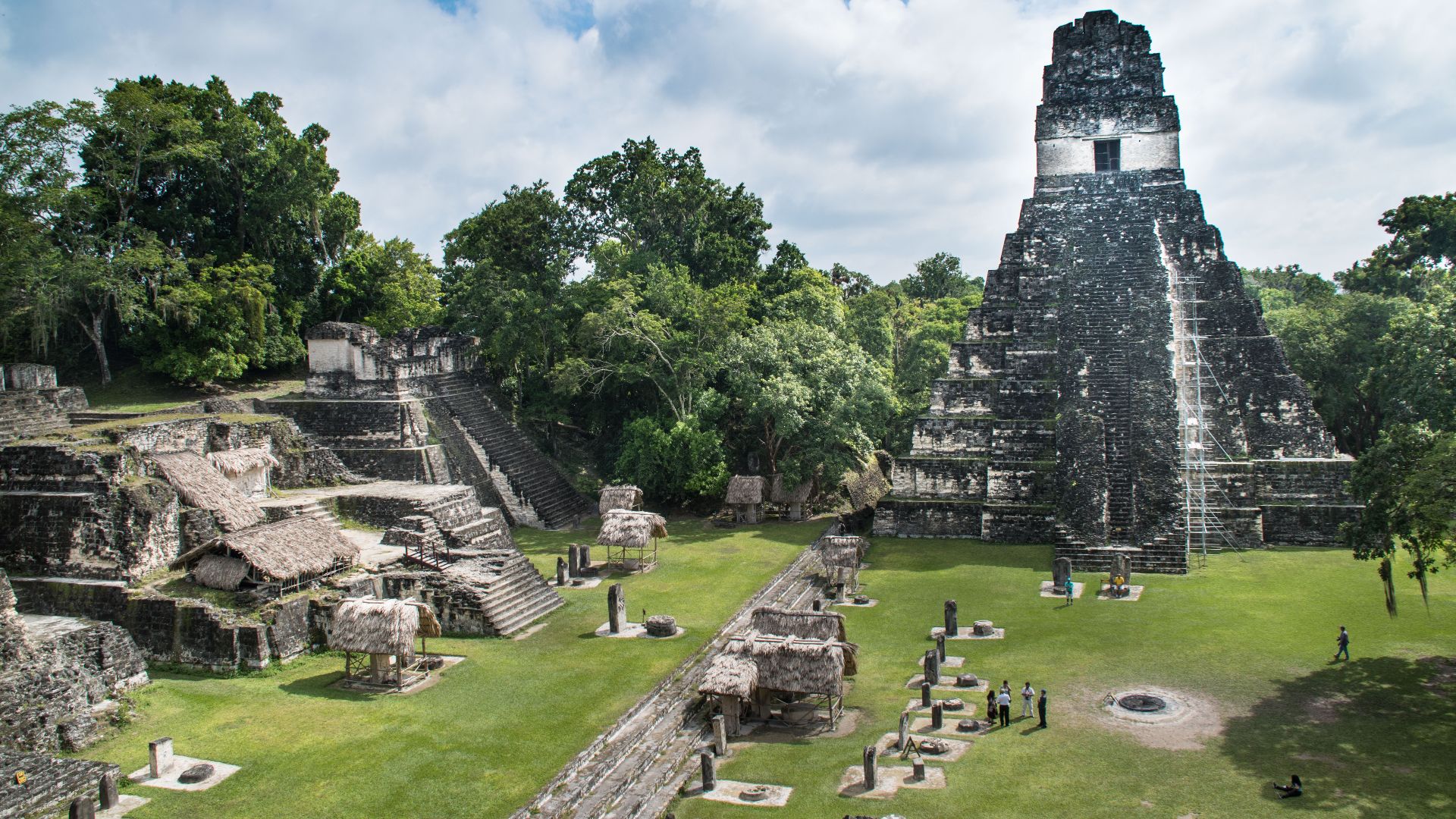 Ralf Steinberger from Milan, Berlin + Munich, Italy + Germany, Wikimedia Commons
Water Was Carefully Managed
The team documented wetlands and hydraulic channels at the site. That is significant because water management was essential in many Maya lowland communities. Seasonal rainfall and dry periods made storage, drainage, and access to water a major challenge. Minanbé’s water features show that its residents shaped the landscape to survive there.
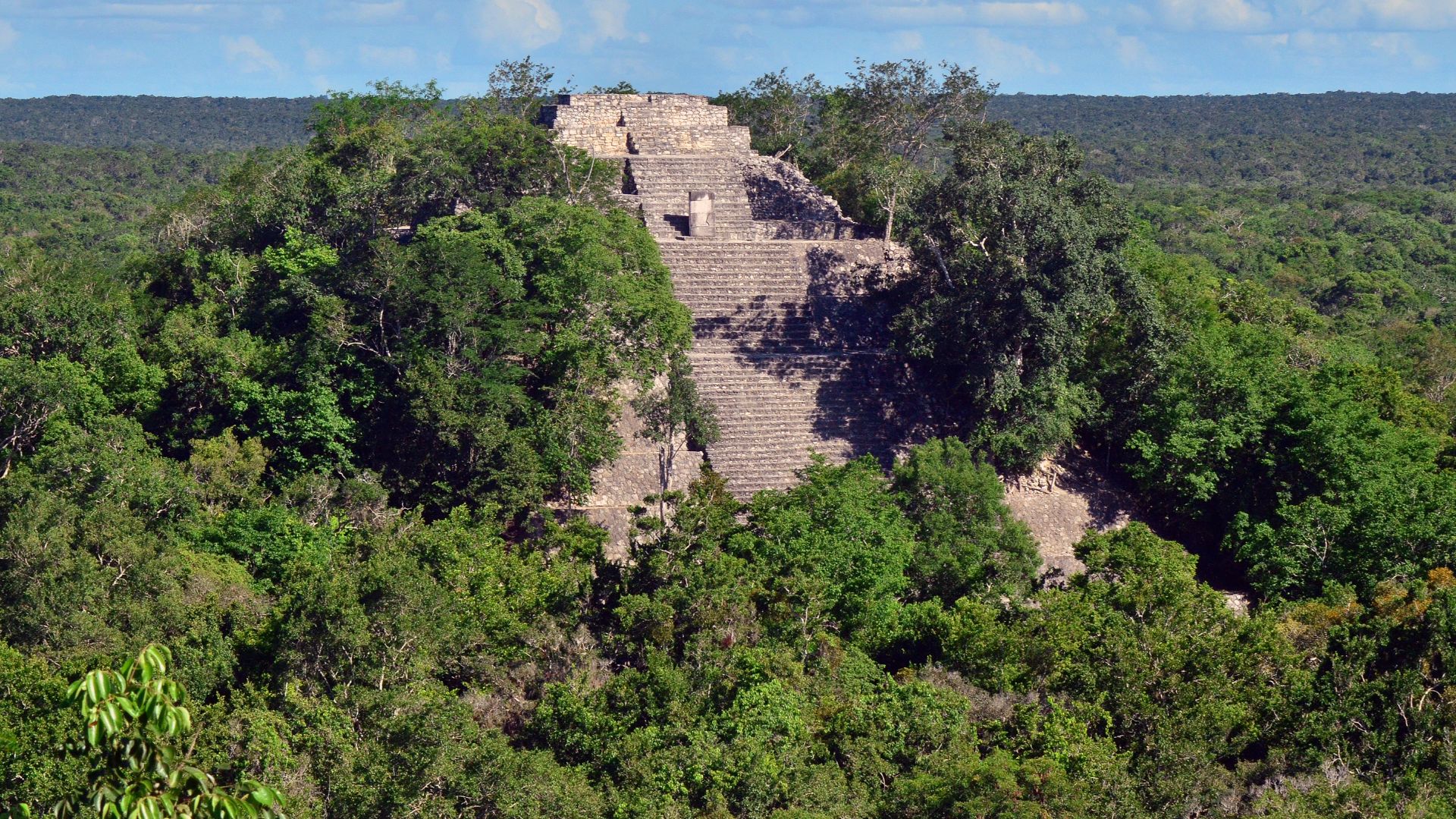
Terraces Reveal A Working Landscape
The city was not just a ceremonial center. Terraces around the site point to land management and agricultural activity. Researchers have described the wider region as heavily modified for farming. That means Minanbé likely depended on a managed countryside, not just the forest around it.
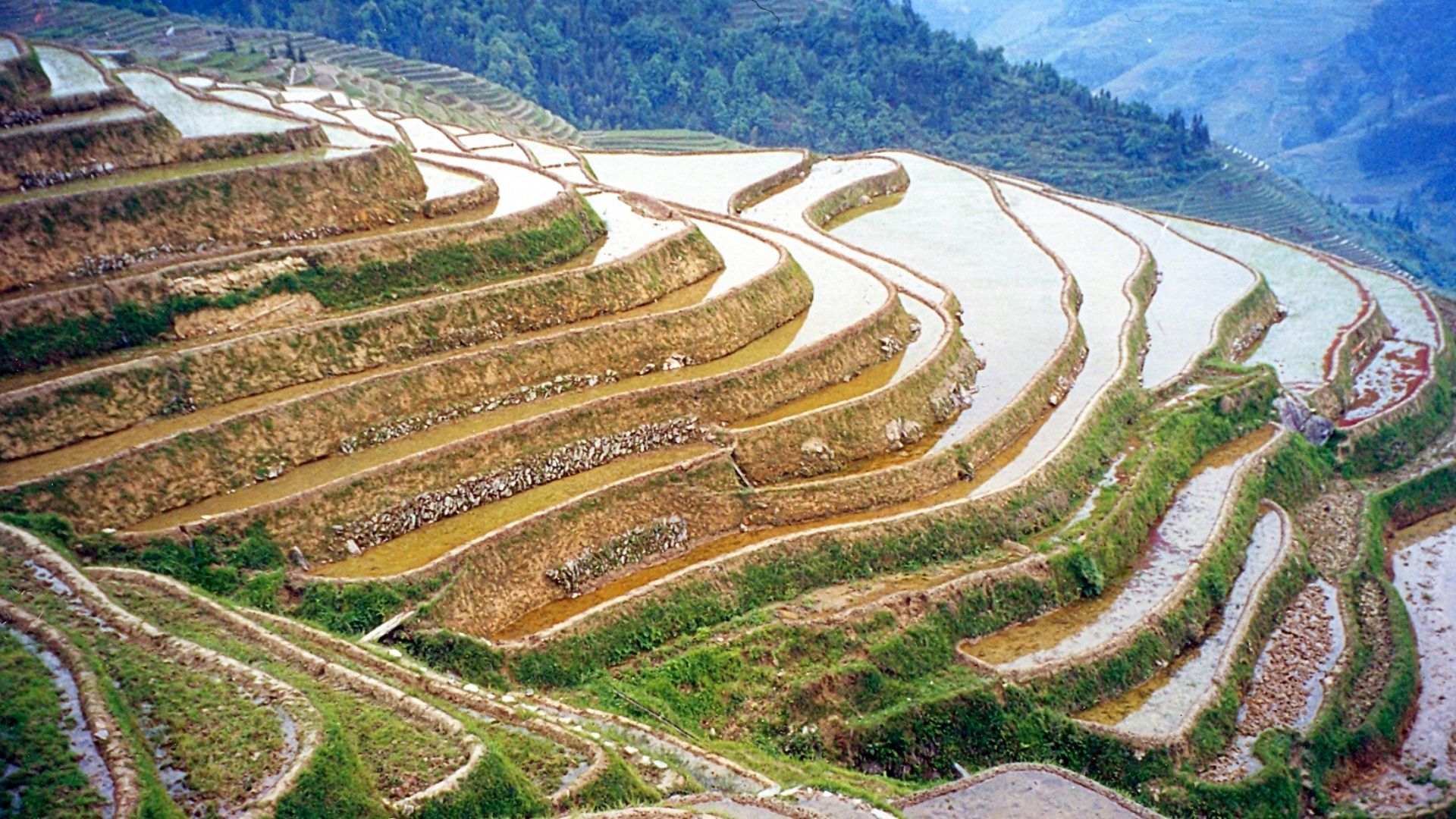
The City Reached Its Peak Late
Evidence from inscriptions, ceramics, and architecture suggests Minanbé reached its height during the Late Classic period. That period lasted roughly from 600 to 900 AD. It was also the era when nearby Calakmul was one of the great powers of the Maya world. Minanbé seems to have flourished during that same broad regional boom.
 Arian Zwegers from Brussels, Belgium, Wikimedia Commons
Calakmul Was Nearby
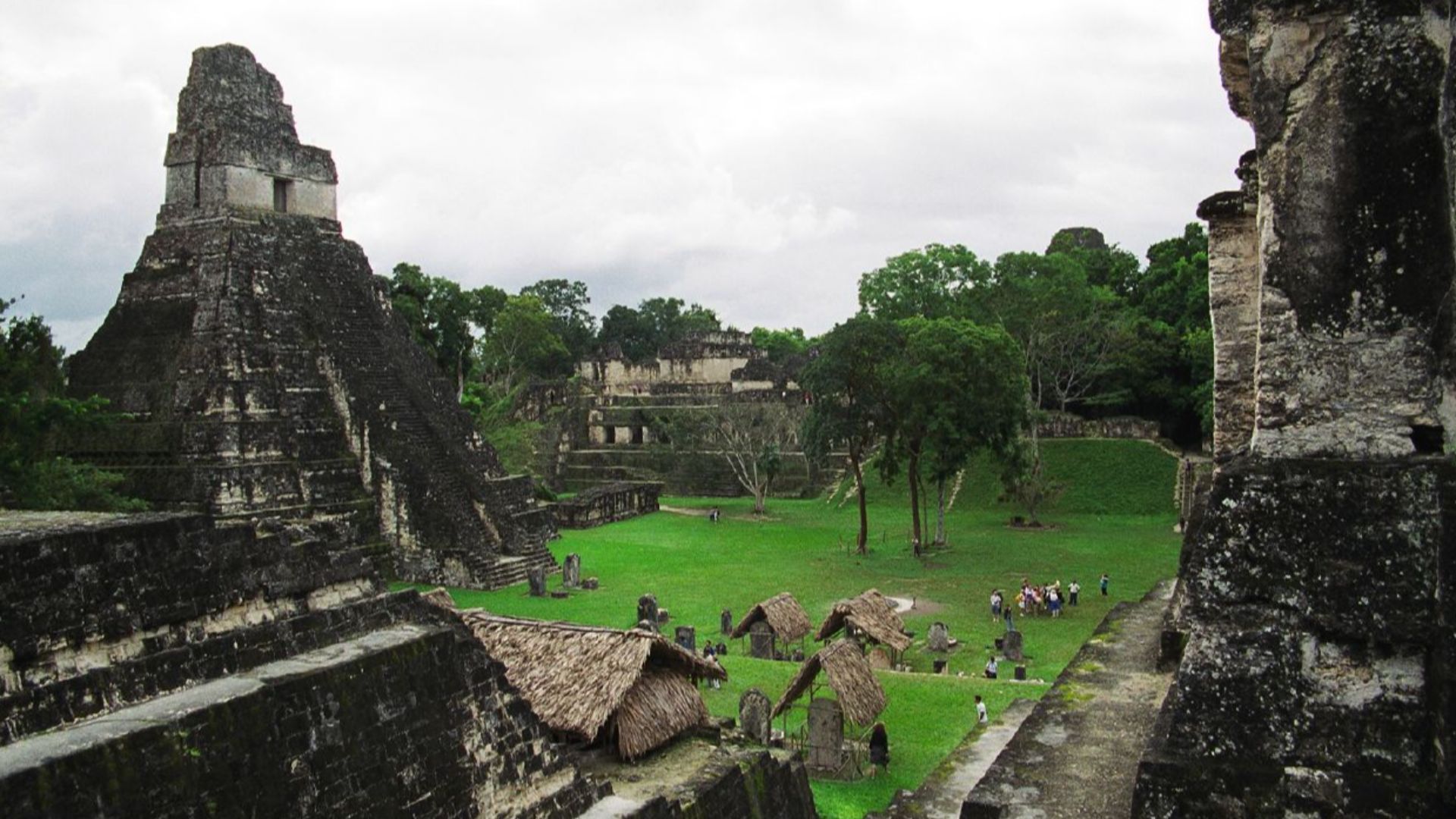
Calakmul was one of the most important Maya cities in the ancient world. Its influence shaped politics, trade, and conflict across large parts of the lowlands. Minanbé’s location within the Calakmul region makes the discovery especially interesting. It may help researchers understand how smaller cities fit into a larger political world.
 Lugares INAH, Wikimedia Commons
The Monuments Are Crucial
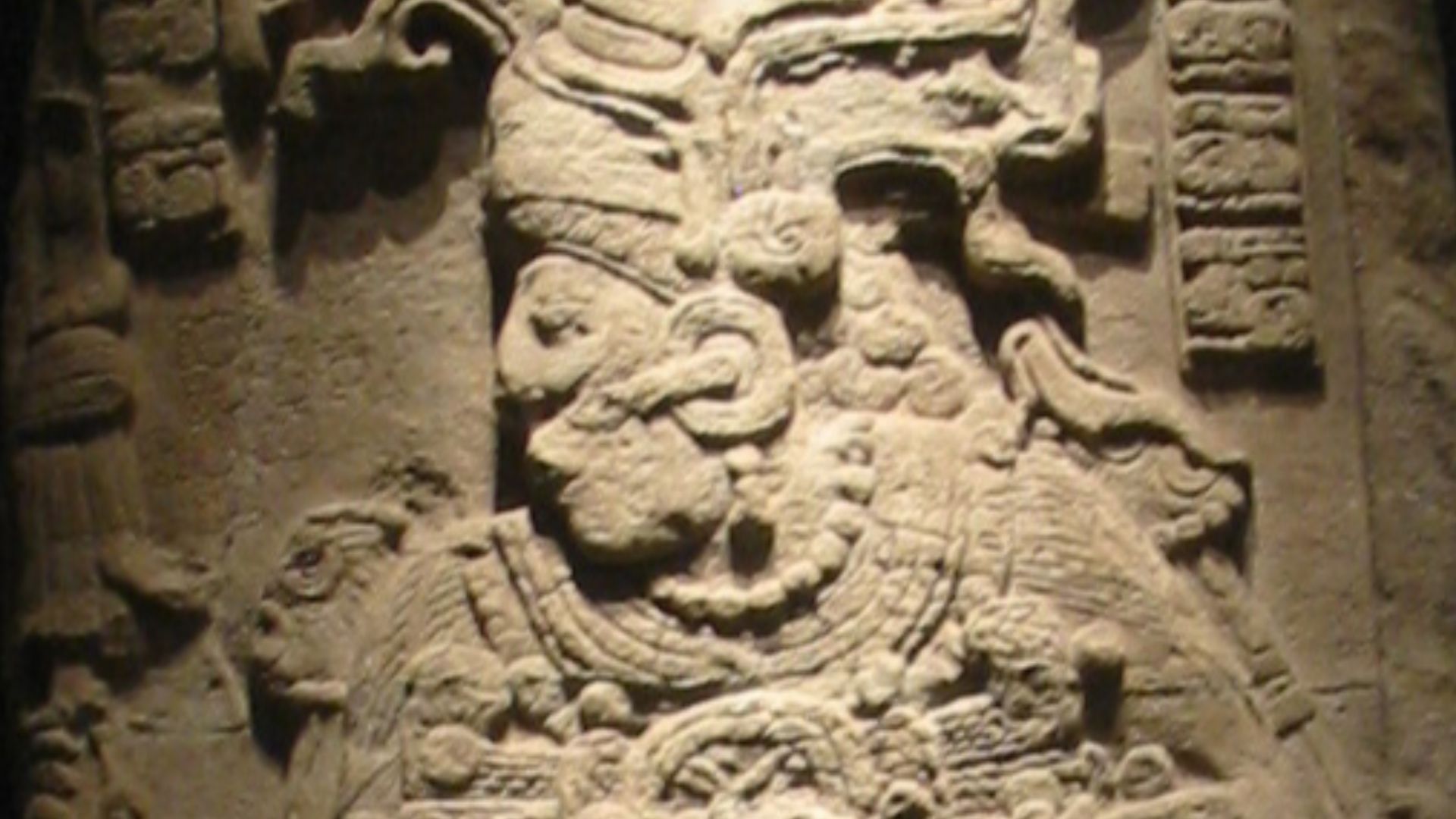
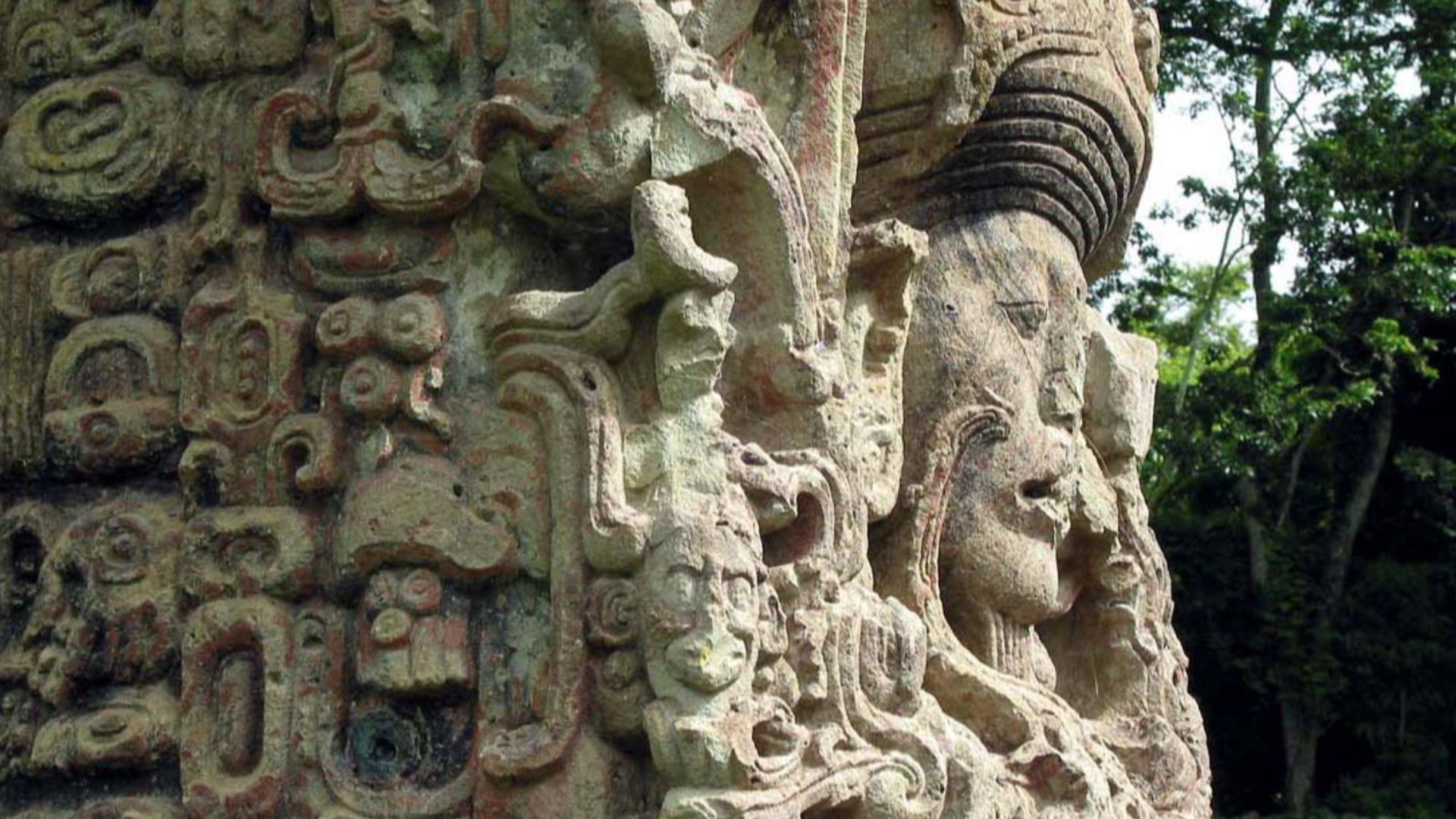
Archaeologists documented 14 monuments at Minanbé, including stelae and altars. Some contain iconography and hieroglyphic elements. These carved stones are important because they can preserve dates, rulers, rituals, and political messages. Even when badly eroded, they can still offer clues that architecture alone cannot provide.
 Thelmadatter, Wikimedia Commons
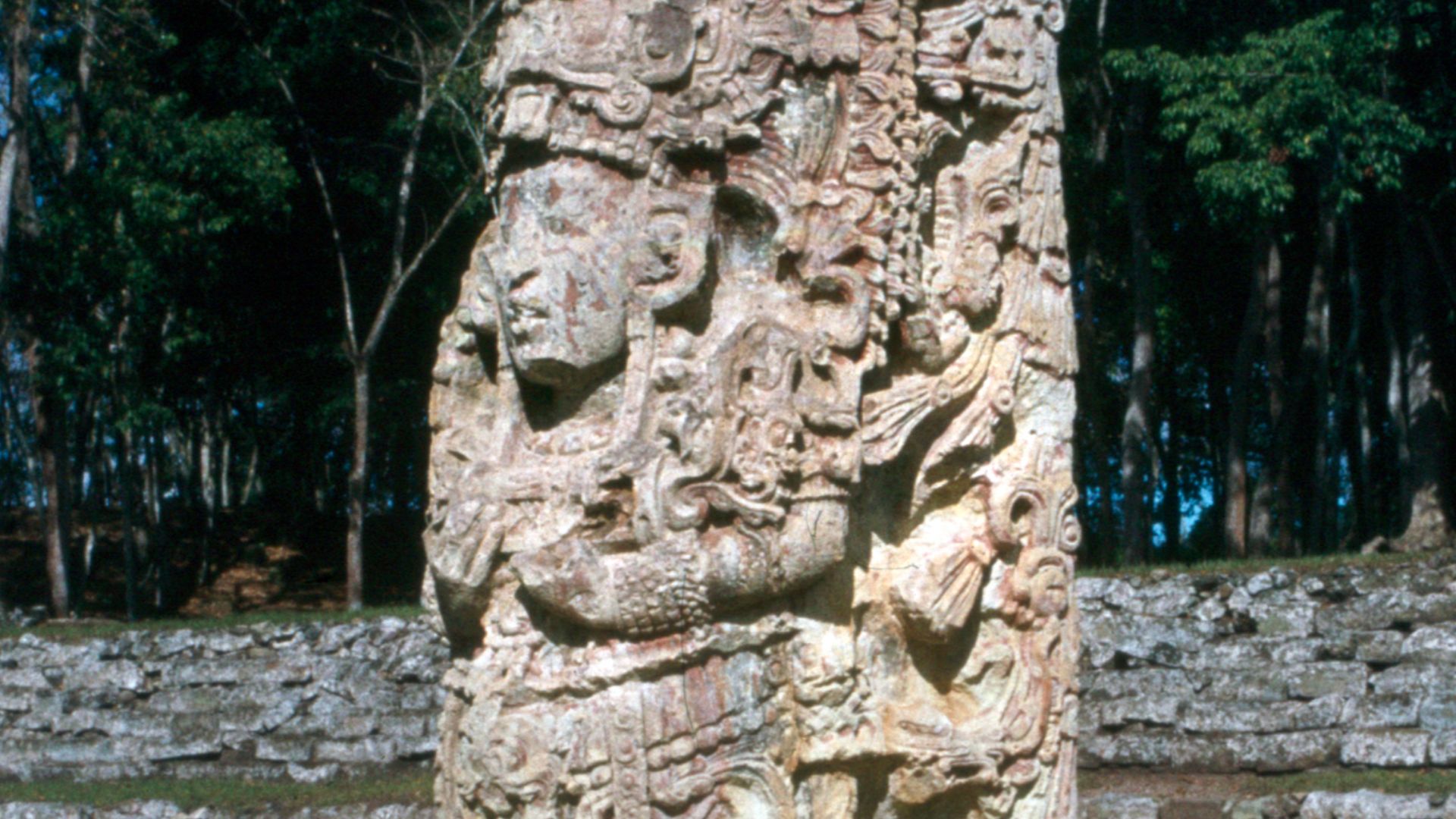
Stela 1 Carries A Date
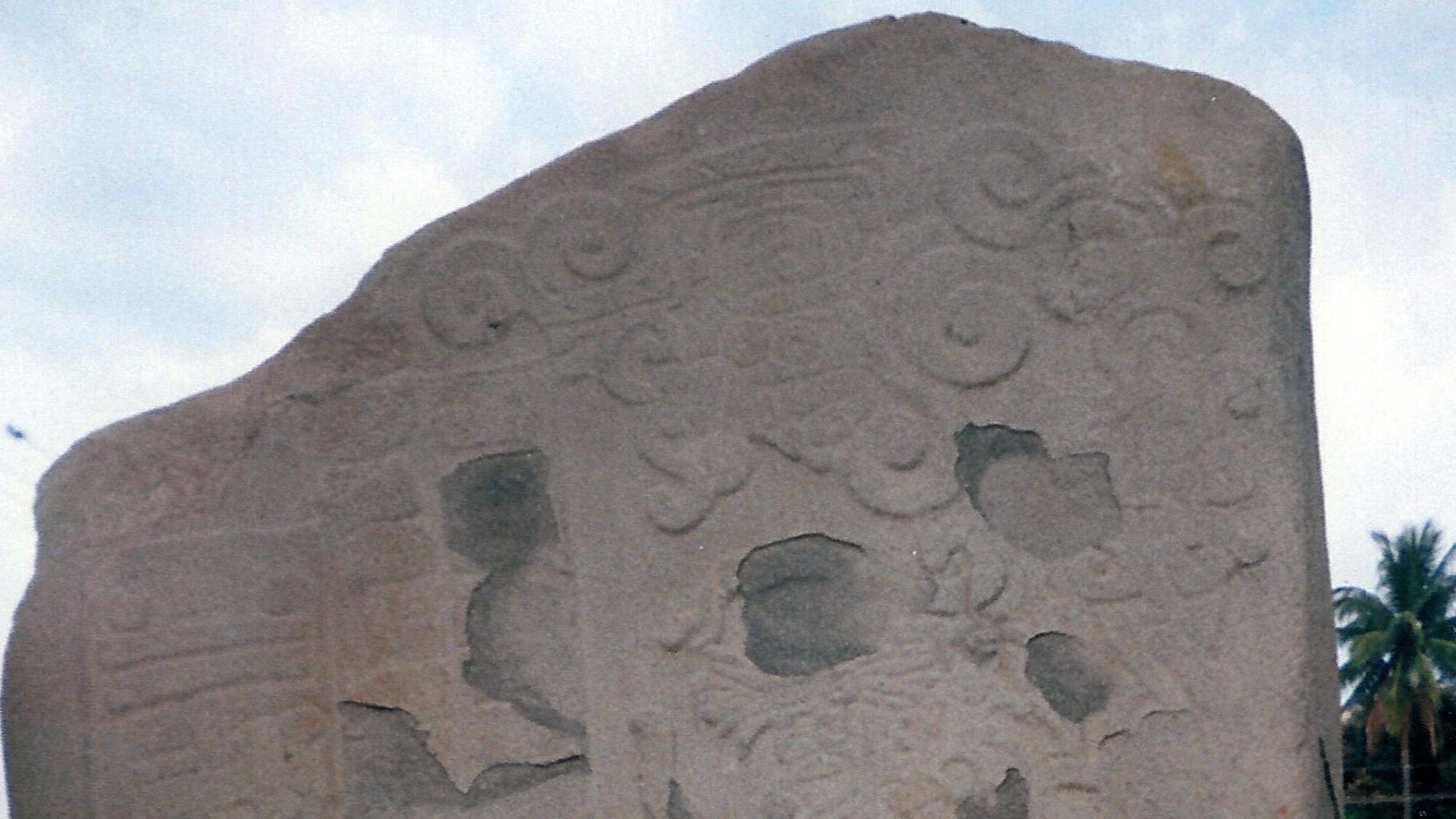
One of the most important finds is known as Stela 1. It includes a calendrical sign identified as 5 Ajaw, corresponding to 849 AD. That places at least some activity at Minanbé close to the Terminal Classic period. This is especially important because many Maya cities in the region were abandoned during the following century.
 Simon Burchell, Wikimedia Commons
The Carvings Are Worn But Revealing
The limestone surfaces at Minanbé are heavily eroded in places. To study them, researchers used hundreds of photographs to create 3D models of the monuments. These models were then examined by an epigraphist. That digital work helped identify details that might be difficult to read in the field.
Some Monuments Were Broken
Researchers found round and rectangular altars at the site, and some appear to have been intentionally altered. One monument includes hieroglyphic cartouches and the image of a ruler in elaborate regalia. Another inscription may include part of a Long Count date from the late seventh century. These details suggest Minanbé had a long and changing history.
 Gerd Eichmann, Wikimedia Commons
The Abandonment Remains Unclear
The big unanswered question is why the city was eventually abandoned. Researchers know that many Maya cities in the region declined or were deserted around the 10th century. Minanbé’s dated monuments place it close to that turbulent moment. What they do not yet have is one simple cause.
 Pete Fordham, Wikimedia Commons
It Was Probably Not One Thing
The decline of Classic Maya cities is usually understood as a complex process. Scholars have studied possible factors such as drought, political conflict, shifting trade, environmental stress, and social upheaval. Minanbé may have been affected by some combination of pressures. More excavation will be needed before researchers can say more.
Northern Groups May Be Part Of The Story
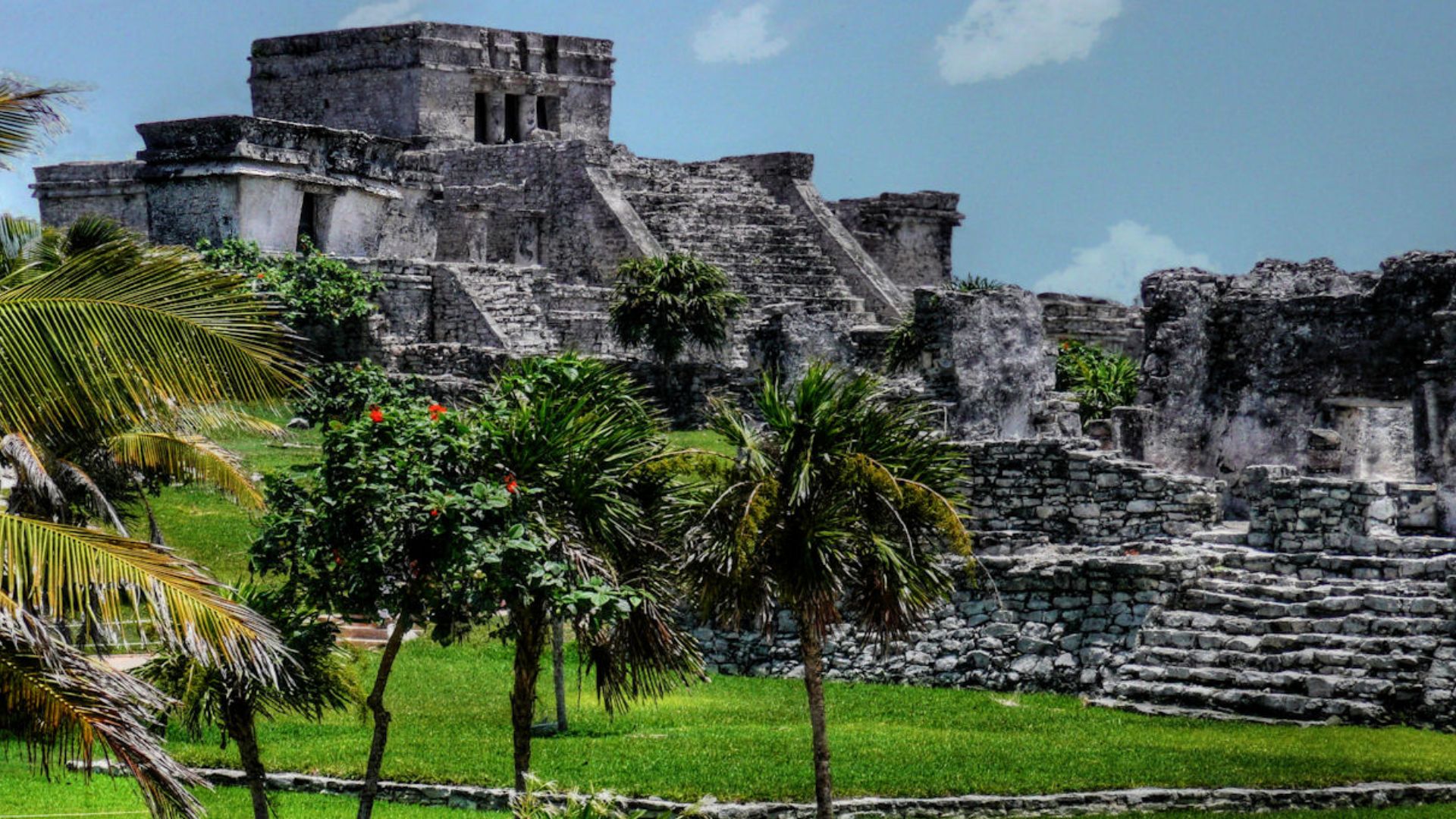
Researchers have raised questions about possible incursions or movements from groups in the northern Yucatán Peninsula. These groups may have arrived later and disrupted local power structures. That idea is still under investigation. It is one of several possibilities, not a final answer.
The Site Could Change The Timeline
Because Minanbé appears so well preserved, it may help researchers study the final centuries of Maya occupation in the region. Its monuments, ceramics, buildings, and water systems all offer pieces of the puzzle. The 849 AD date is especially useful because it comes close to a period of major regional change. That makes the city more than just a beautiful ruin.
 Frederick Catherwood, Wikimedia Commons
Campeche Keeps Revealing Lost Cities
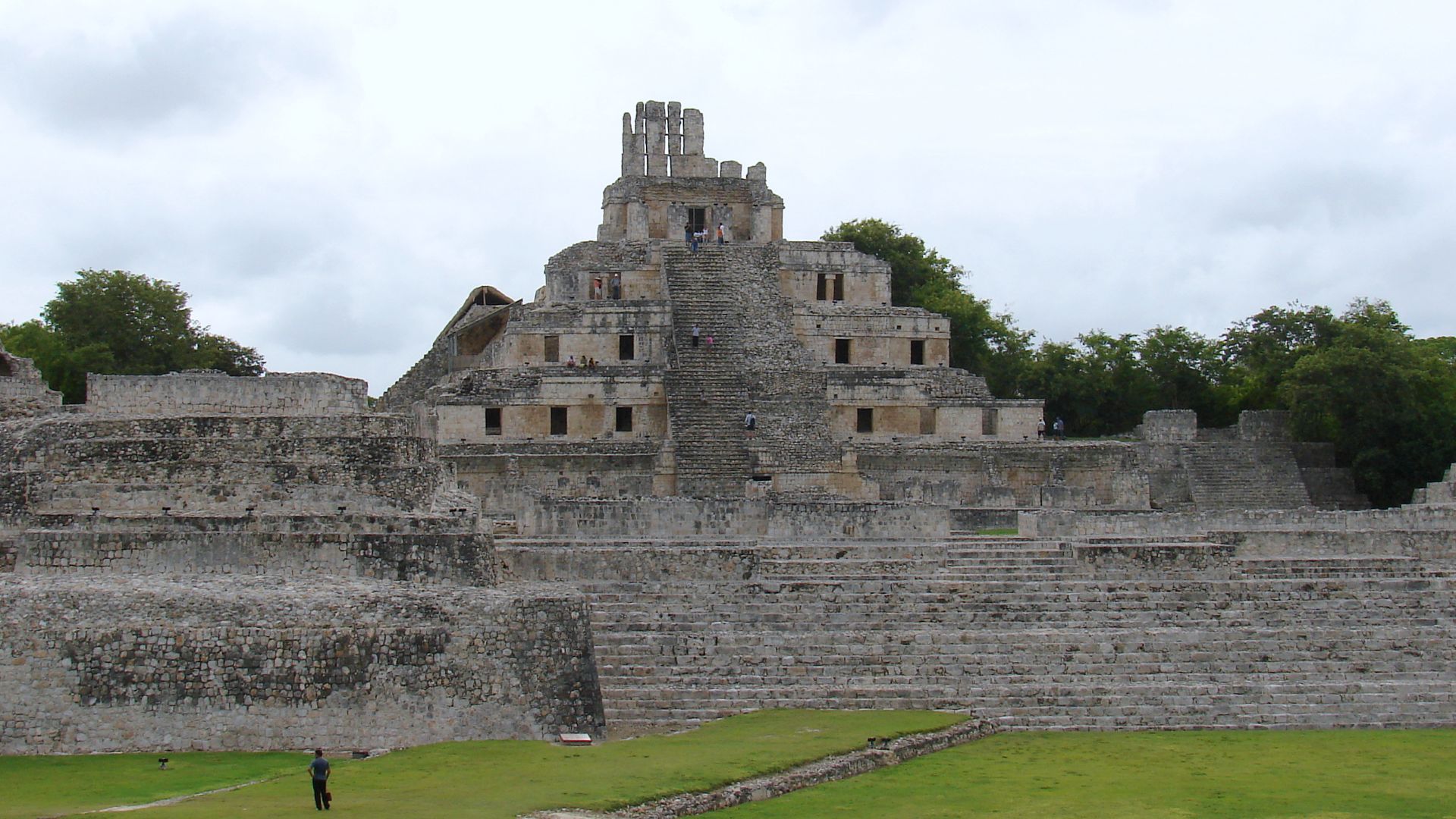
Minanbé is not the only recent Maya discovery in Campeche. In 2024, researchers announced Valeriana, another previously unknown Maya city found through existing LiDAR data. Valeriana included pyramids, plazas, a ball court, and a reservoir. Together, these discoveries show that the Campeche jungle still hides major archaeological surprises.
Valeriana Showed A Crowded Landscape
The Valeriana research revealed thousands of structures across a LiDAR survey area. That supported the idea that the region between known Maya sites was far more densely settled than once assumed. The discovery also showed how old environmental data can be reexamined for archaeology. Minanbé adds a different type of evidence because researchers physically reached and documented the site.
 FlickreviewR, Wikimedia Commons
The Jungle Protected What People Forgot
For centuries, Minanbé survived because it was difficult to reach. Thick vegetation covered its plazas, monuments, and buildings. The same isolation that erased it from modern view also helped keep looters away. That is why the discovery feels unusually fresh to archaeologists.
 August Dominus, Wikimedia Commons
This Is Also A Travel Story
For modern travelers, Campeche is often associated with colonial streets, coastal scenery, and famous ruins like Calakmul. Discoveries like Minanbé reveal another side of the region. Beneath the forest, there are still traces of cities that once shaped politics, farming, religion, and daily life. It is a reminder that the Maya world was vast, urban, and deeply connected.
The City Is Not A Tourist Site
Minanbé should not be treated like an open attraction. The site is remote, fragile, and part of an active archaeological investigation. Researchers reached it under controlled field conditions with official authorization. For now, the best way to understand it is through the findings being released by archaeologists.
 MariyaShubina, Wikimedia Commons
The Mystery Is Just Beginning
Minanbé gives researchers a rare look at a city near the end of a major chapter in Maya history. Its intact condition, dated monuments, and preserved architecture make it especially valuable. Yet the reason it was abandoned remains unresolved. That unanswered question is exactly what makes the discovery so important.
You May Also Like:
Archaeologists Discover 140,000-Year-Old Underwater Ecosystem Linked To The Lost World Of Sundaland