 Gary Todd, CC0, Wikimedia Commons, Modified
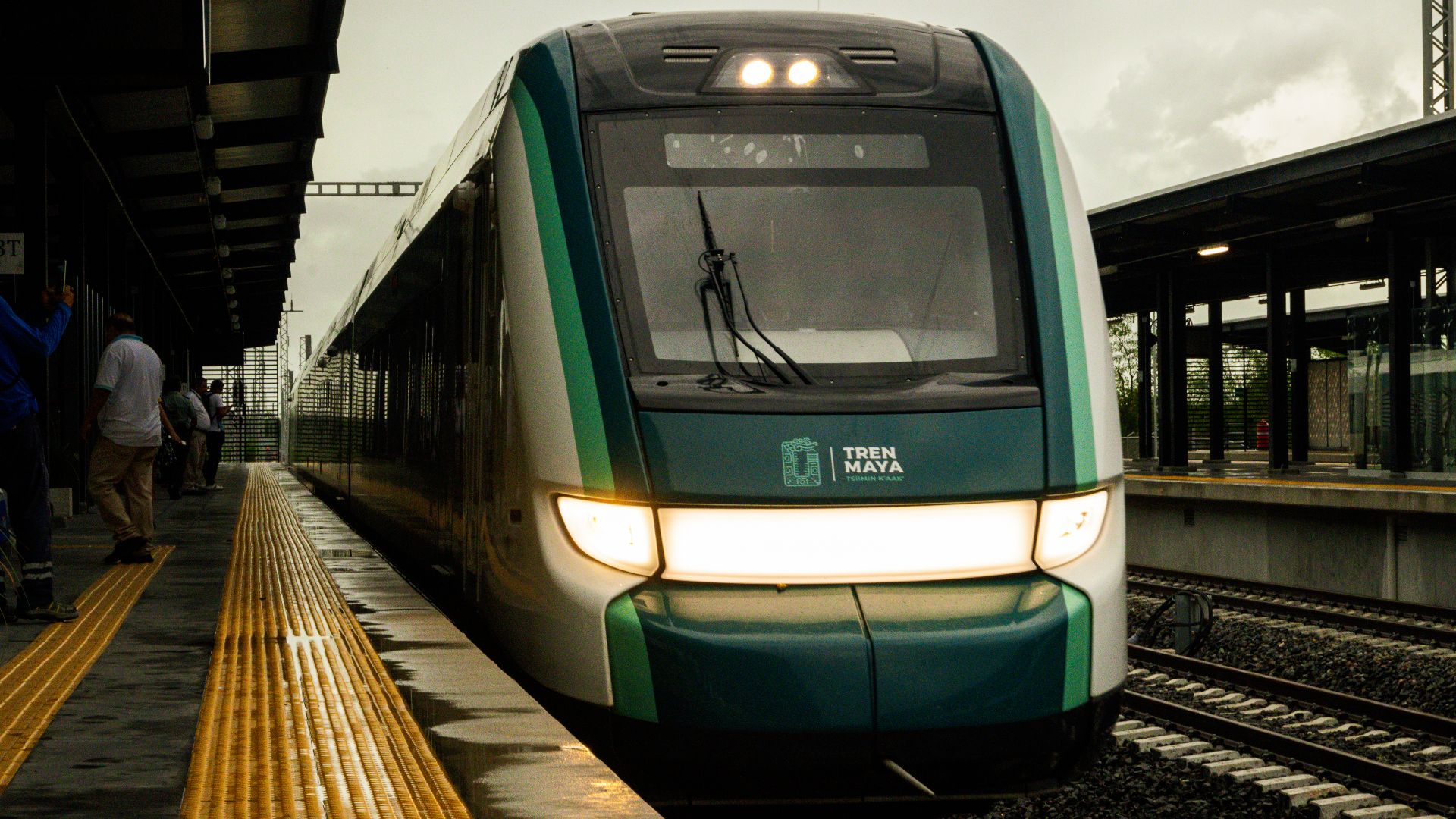
The rumble of construction equipment stopped abruptly when workers hit something unexpected beneath the jungle floor. What started as routine groundwork for Mexico's ambitious Maya Train project near Palenque turned into one of the most significant archaeological discoveries in recent years. Deep in the earth, hidden for over a millennium, lay a richly furnished Maya grave that would soon rewrite our understanding of ancient burial practices in this region. The tomb, packed with ceremonial offerings and exquisite carved greenstone figures, opened a window into the spiritual world of the Maya civilization. For archaeologists, it was a dream scenario—modern infrastructure revealing ancient secrets that might have remained buried forever. The discovery highlighted an unexpected benefit of the controversial railway project: bringing trained experts to monitor every meter of excavated ground, ensuring that history wouldn't be lost to progress.
A Royal Resting Place Frozen In Time
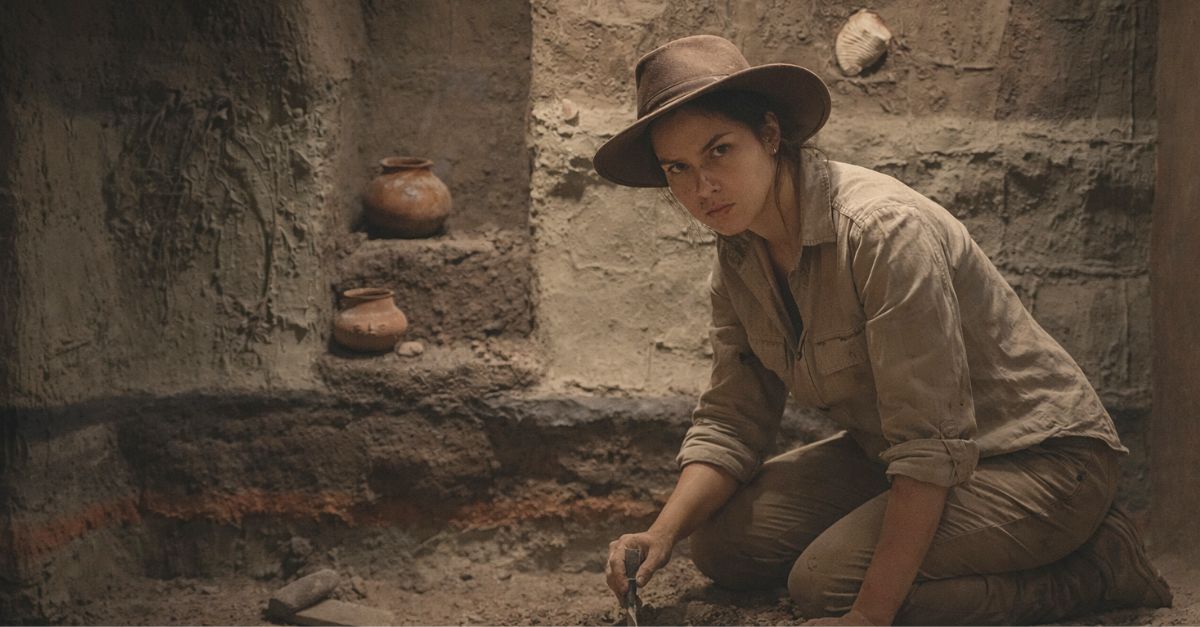
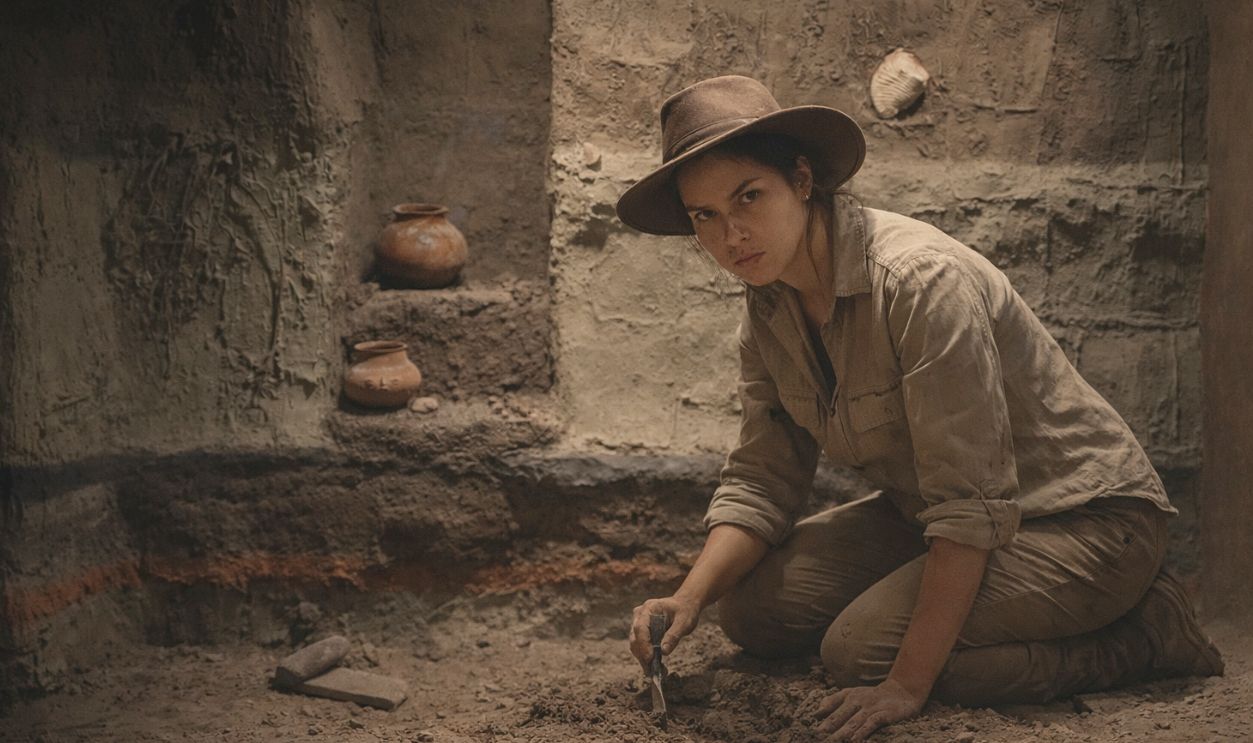
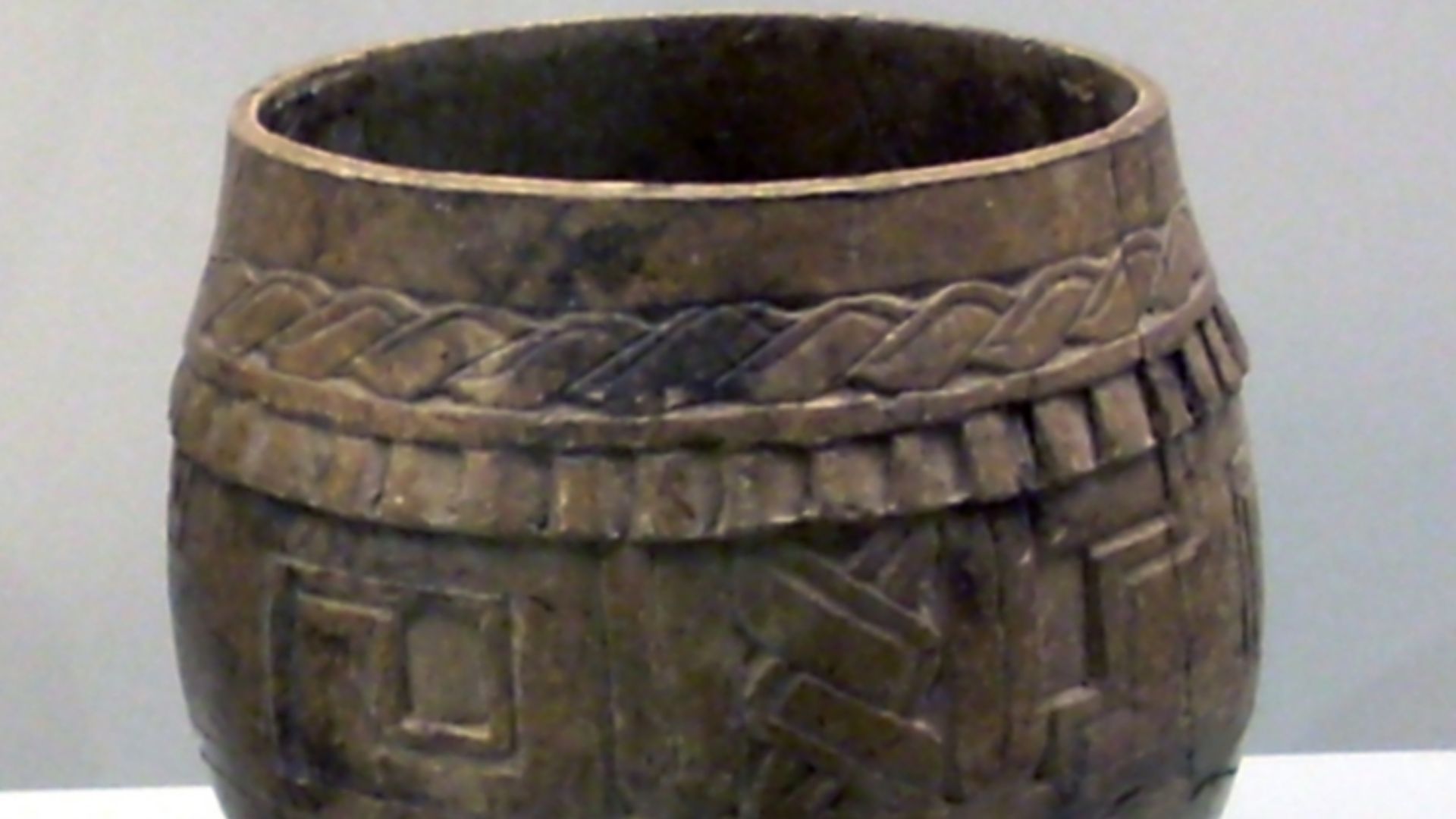
The burial chamber revealed itself slowly, layer by layer, as archaeologists carefully brushed away centuries of sediment. Inside, researchers found skeletal remains surrounded by an array of artifacts that spoke to the deceased's high status within Maya society. The positioning of the body and the sheer quantity of grave goods suggested this wasn't an ordinary individual but someone of considerable importance, possibly nobility or a religious figure. What made this discovery particularly remarkable was its pristine condition. Unlike many archaeological sites that have been looted or disturbed over the centuries, this tomb remained sealed and untouched since the day it was closed. The offerings included elaborate pottery vessels that once held food and drink for the afterlife journey and ceremonial tools. Each item had been deliberately placed with care and intention, following ritual practices that governed Maya beliefs about death and the afterlife. The researchers working on the site noted that the tomb's preservation quality would allow them to conduct detailed analyses that are rarely possible with ancient burials. The chamber itself showed evidence of careful construction, with stone walls that had protected its contents from water damage and root intrusion for centuries.
 Simon Burchell, Wikimedia Commons
Greenstone Figures: Windows To The Sacred World
Among all the treasures discovered, the carved greenstone figures captured the most attention from archaeologists and art historians alike. These weren't simple decorative pieces but sophisticated religious artifacts that held deep spiritual significance in Maya culture. Greenstone, including jade and jadeite, was more valuable to the ancient Maya than gold, believed to possess life-giving properties and connections to water, vegetation, and renewal. The figures discovered in this tomb displayed exceptional craftsmanship, with intricate details carved into the hard stone using primitive tools—proof of the artistic dedication of Maya artisans. Some depicted deities from the Maya pantheon, while others represented ancestors or supernatural beings that would guide and protect the deceased in the underworld. The presence of multiple greenstone pieces indicated enormous wealth and spiritual power. Creating such objects required not just skilled craftspeople but also access to trade networks spanning hundreds of miles, since greenstone sources were located far from Palenque. Researchers believe these particular carvings may help identify which deity or lineage the buried individual served or descended from, potentially connecting this tomb to known royal families documented in Palenque's hieroglyphic records and expanding our understanding of the city's complex political and religious hierarchy.
Balancing Progress And Preservation
The discovery near Palenque represents both opportunity and challenge for modern Mexico. The Maya Train project, designed to boost tourism and economic development across the Yucatan Peninsula, has faced criticism from archaeologists and environmental groups concerned about damage to cultural and natural heritage. Yet this find demonstrates how infrastructure projects, when properly managed with archaeological oversight, can actually advance our knowledge of ancient civilizations. The key lies in adequate funding for salvage archaeology and the willingness to pause construction when significant discoveries emerge. In this case, authorities made the decision to halt work and bring in a full excavation team, recognizing that what lay beneath the ground held value beyond any construction timeline. The tomb and its contents are now being carefully documented, with each artifact photographed, measured, and cataloged before removal.
 ProtoplasmaKid, Wikimedia Commons