

The Colony That Vanished
For more than four centuries, the Lost Colony of Roanoke has been one of America's most enduring mysteries. More than 100 English settlers seemingly disappeared, leaving behind almost no clear explanation. But after decades of archaeology, old maps, climate research, and strange historical clues, many researchers now think the answer may have been hiding in plain sight.
England's First Big American Experiment
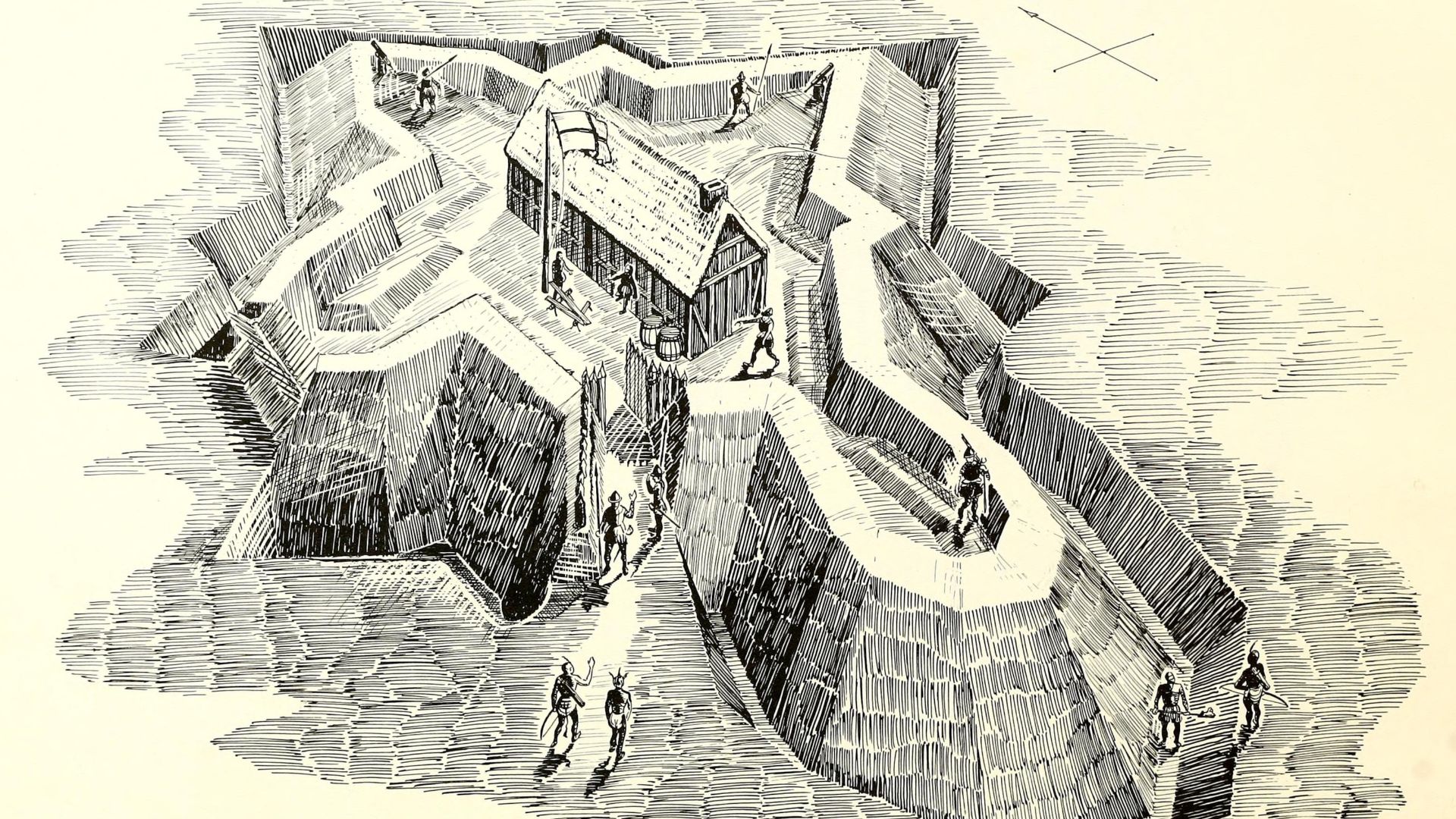
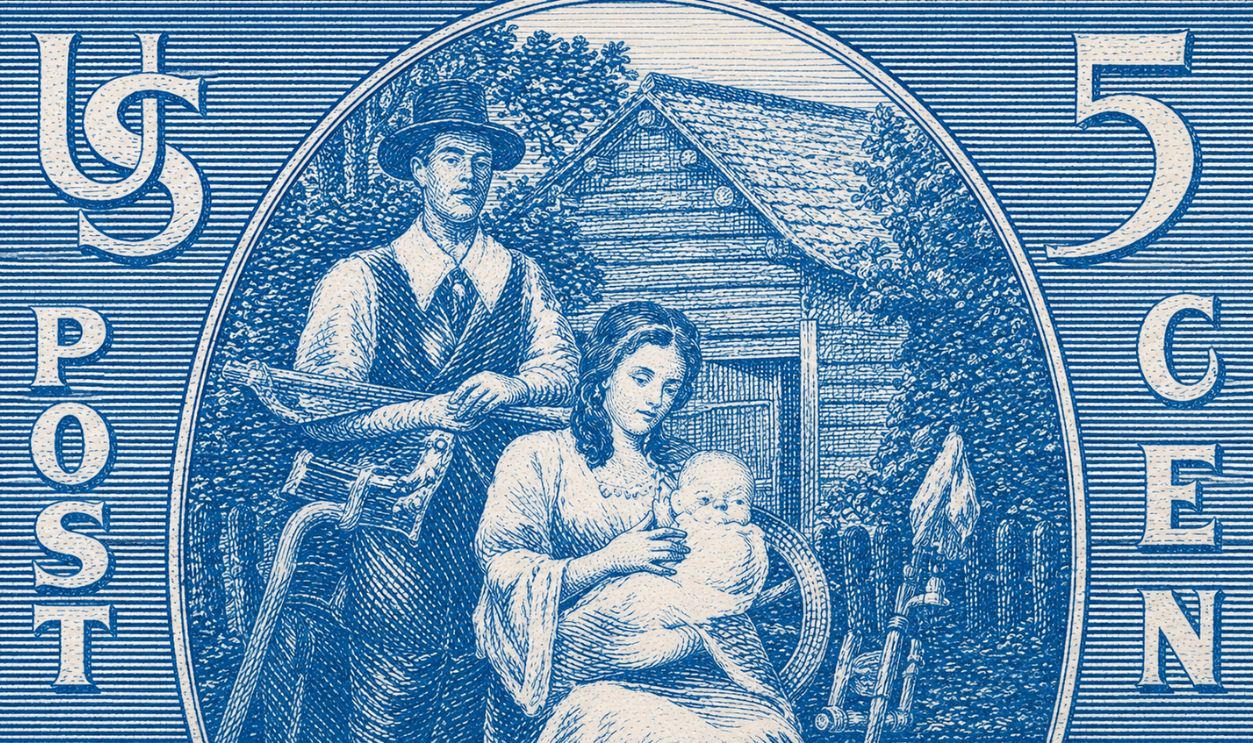
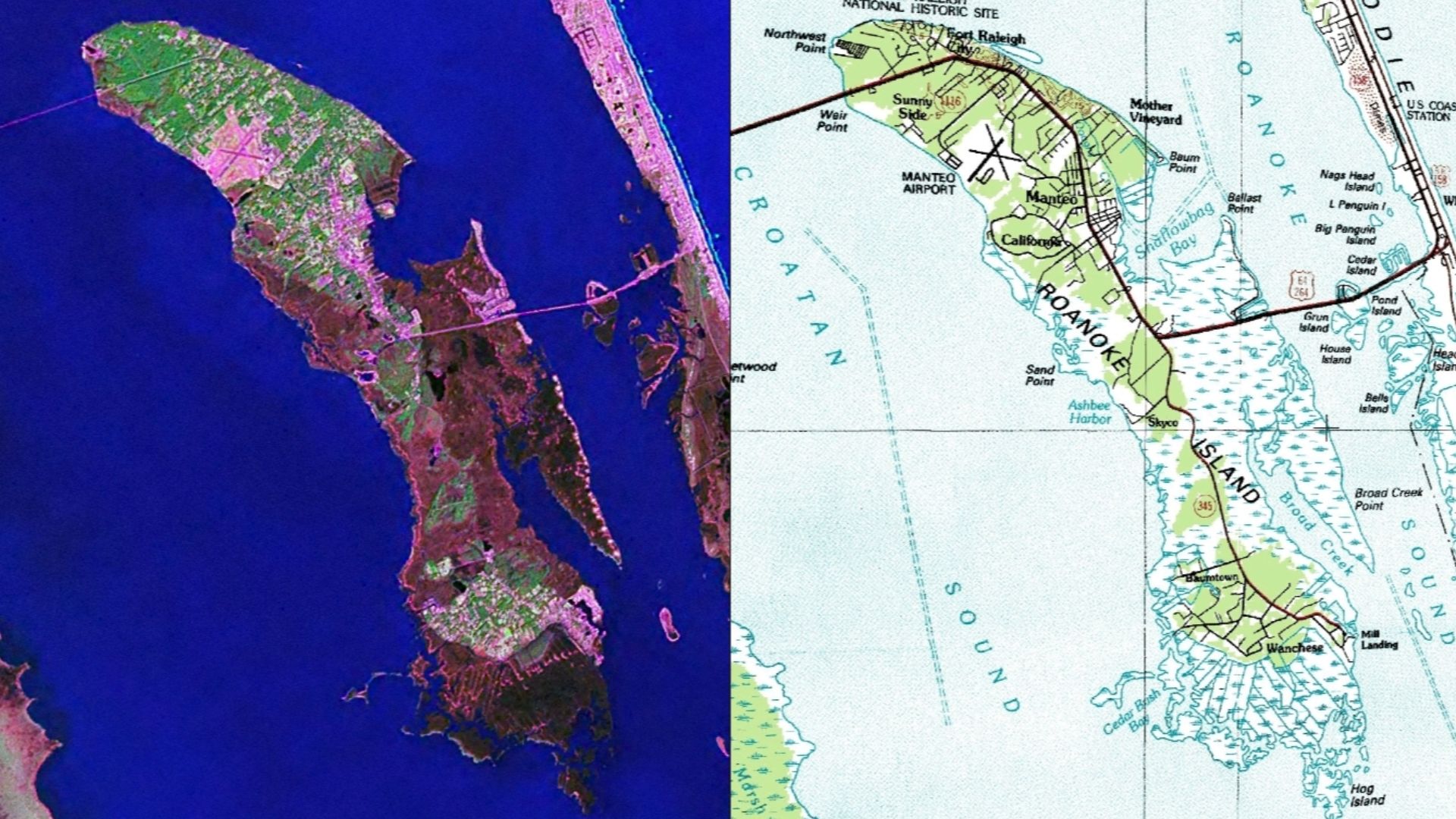
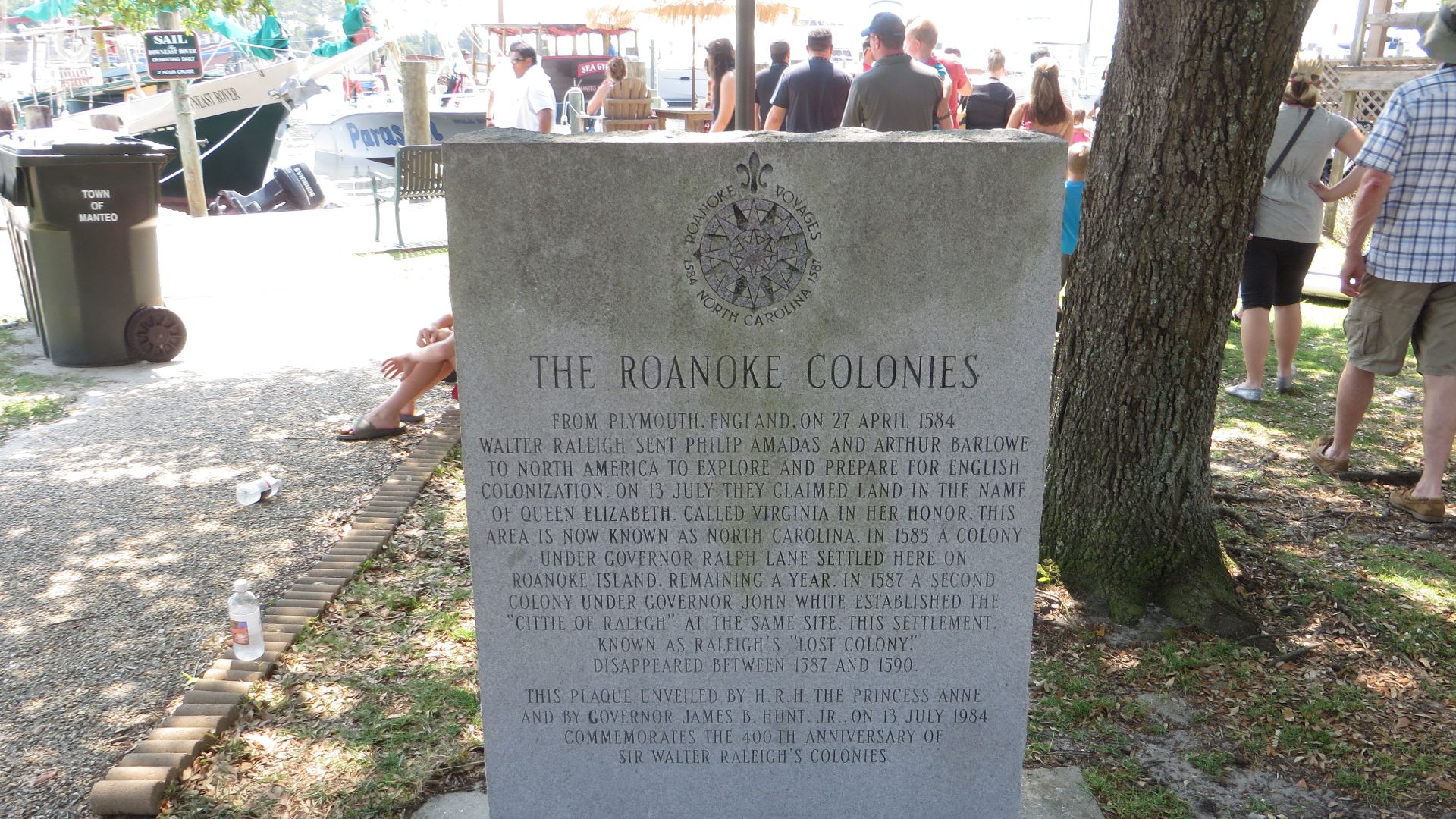
In 1587, a group of English settlers arrived on Roanoke Island, in what is now North Carolina's Outer Banks. Their goal was huge: build a permanent English colony in North America. If it worked, England would have a foothold in the New World. If it failed...well, history gave that part a pretty dramatic nickname.
 Design by William Ludwell Sheppard, Engraving by William James Linton, Wikimedia Commons
Life Was Difficult From The Start
The settlers quickly learned that starting a colony was not exactly the breezy adventure people back in England may have imagined. Food was limited, supplies were thin, and relations with some Indigenous groups were already tense. The colony needed help from England, and without it, survival was going to get ugly fast.
A Baby Was Born
One of the colony's most famous residents was Virginia Dare, the granddaughter of Governor John White. Born shortly after the settlers arrived, she became the first English child born in North America. Her birth gave the colony a hopeful symbol, which makes what happened next feel even more haunting.
The Governor Had To Leave
Only weeks after the colony was established, John White sailed back to England for supplies. The plan was simple: gather food, tools, and reinforcements, then come right back. Unfortunately, history loves ruining simple plans. White had no idea he was about to be separated from the colony for years.
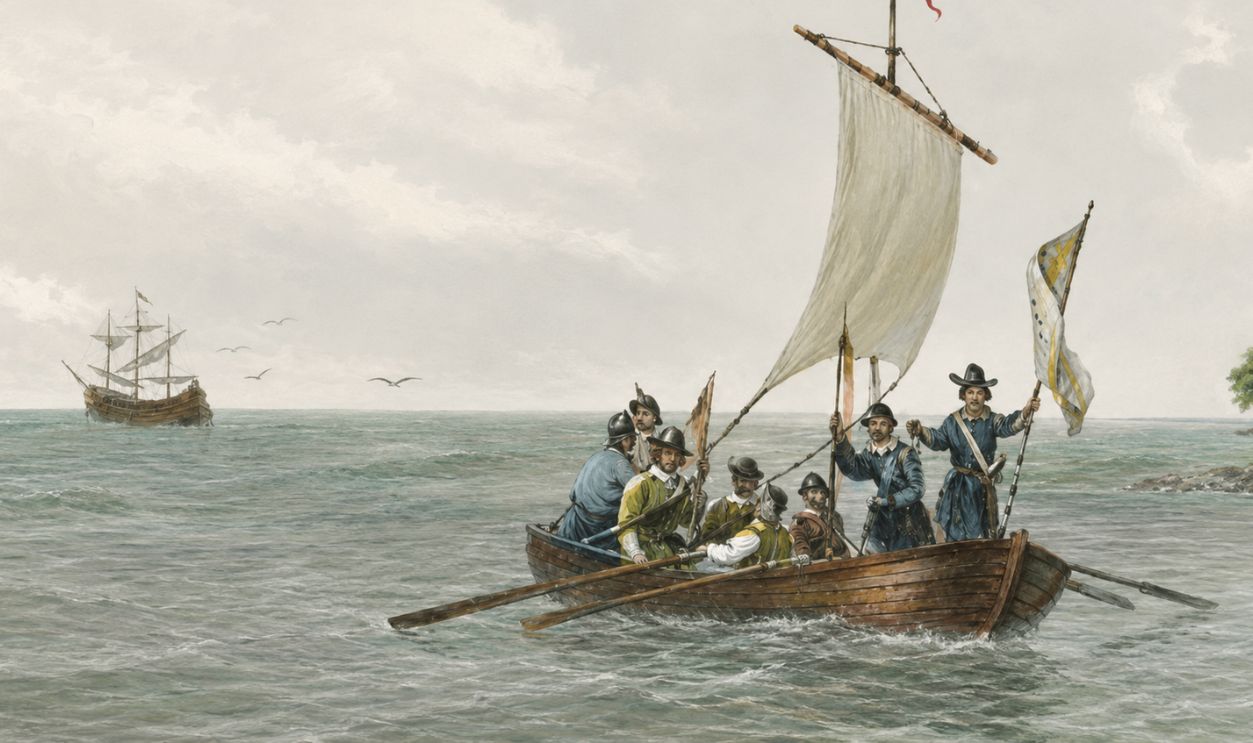 Original painting by Seth Eastman, c.1850., Wikimedia Commons, Modified
England Went To War
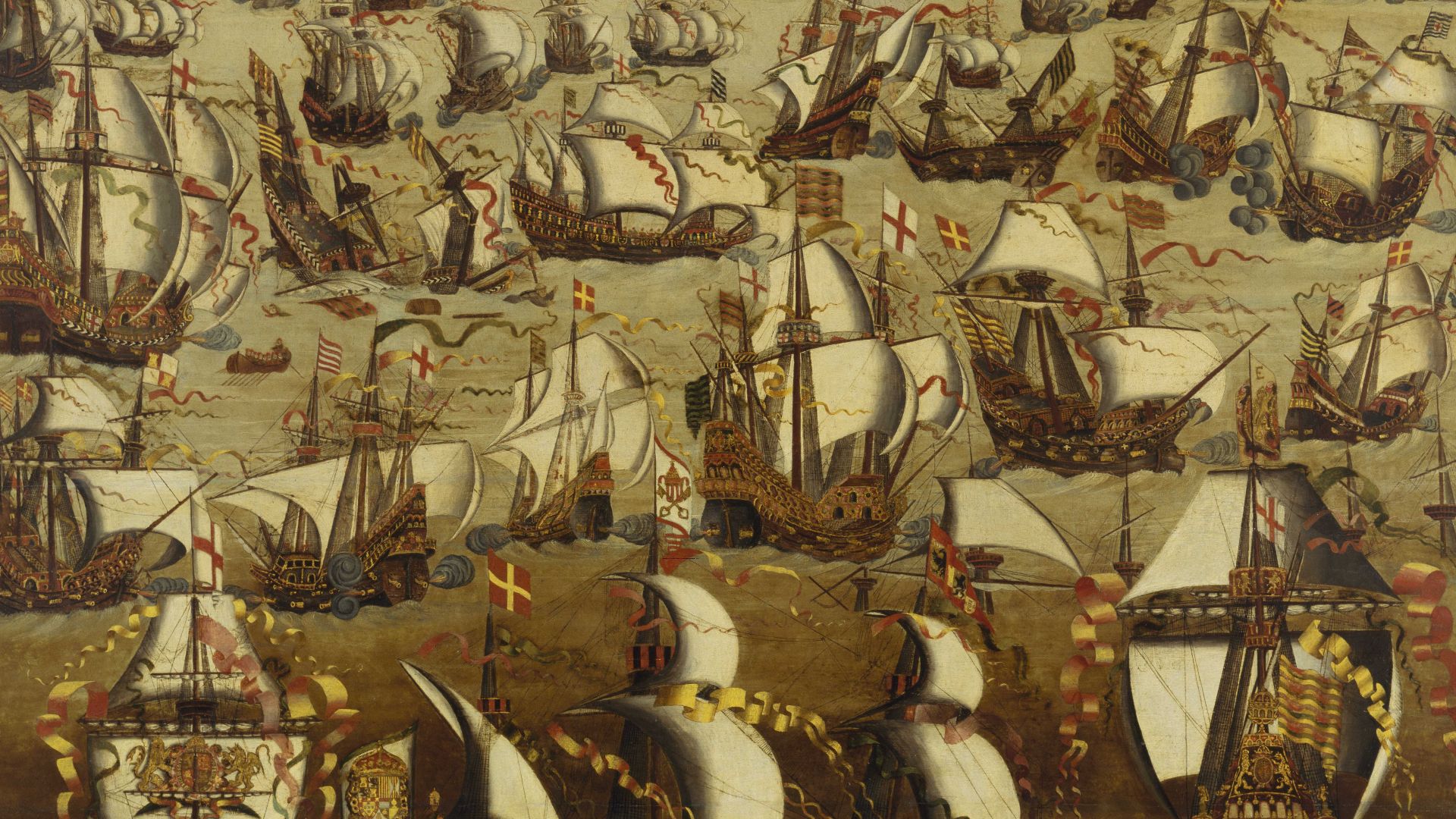
White's return was delayed when England became consumed by the threat of the Spanish Armada. Ships were needed for national defense, not colonial supply runs. By the time White finally got back to Roanoke in 1590, nearly three years had passed. That is a long time to leave a struggling colony on read.
The Return Nobody Wanted
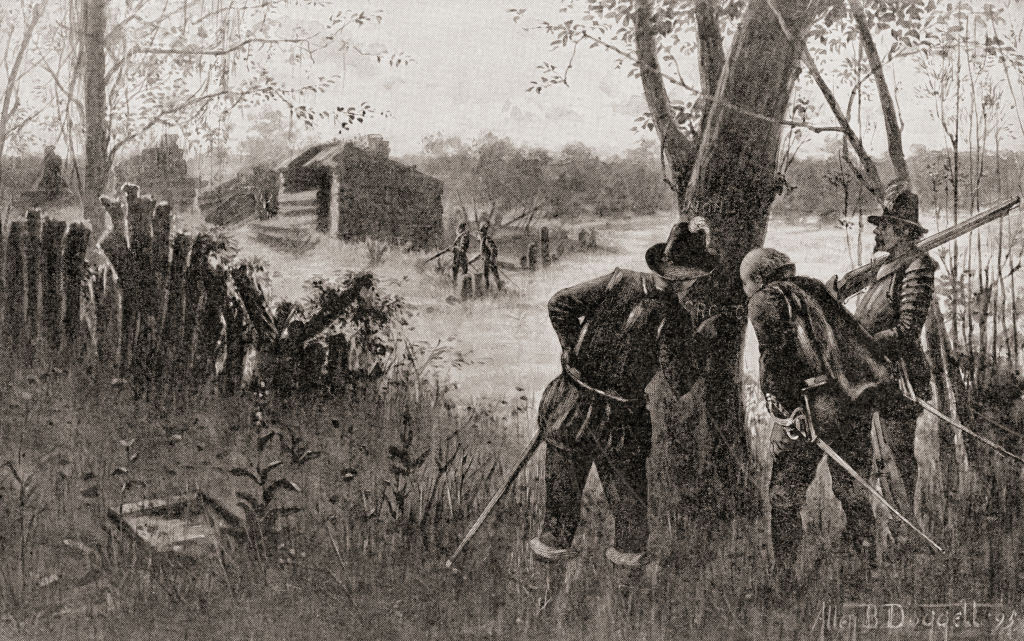
When White reached Roanoke, he expected to find his family and the other settlers. Instead, the settlement was empty. The houses had been taken apart, and anything useful appeared to have been carried away. There were no colonists, no bodies, and no obvious scene of destruction. Just silence.
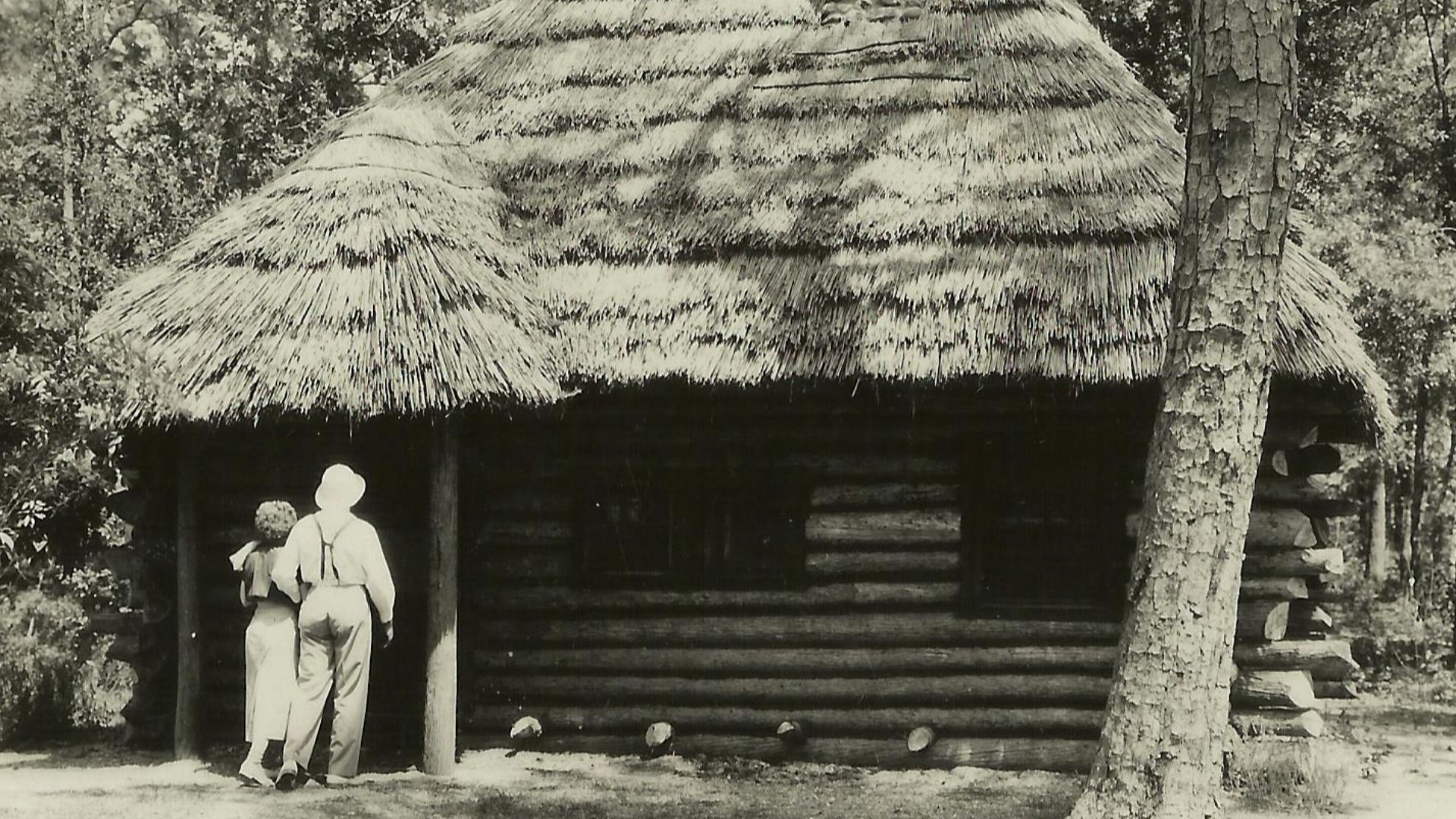 State Archives of North Carolina, Wikimedia Commons
One Word Was Left Behind
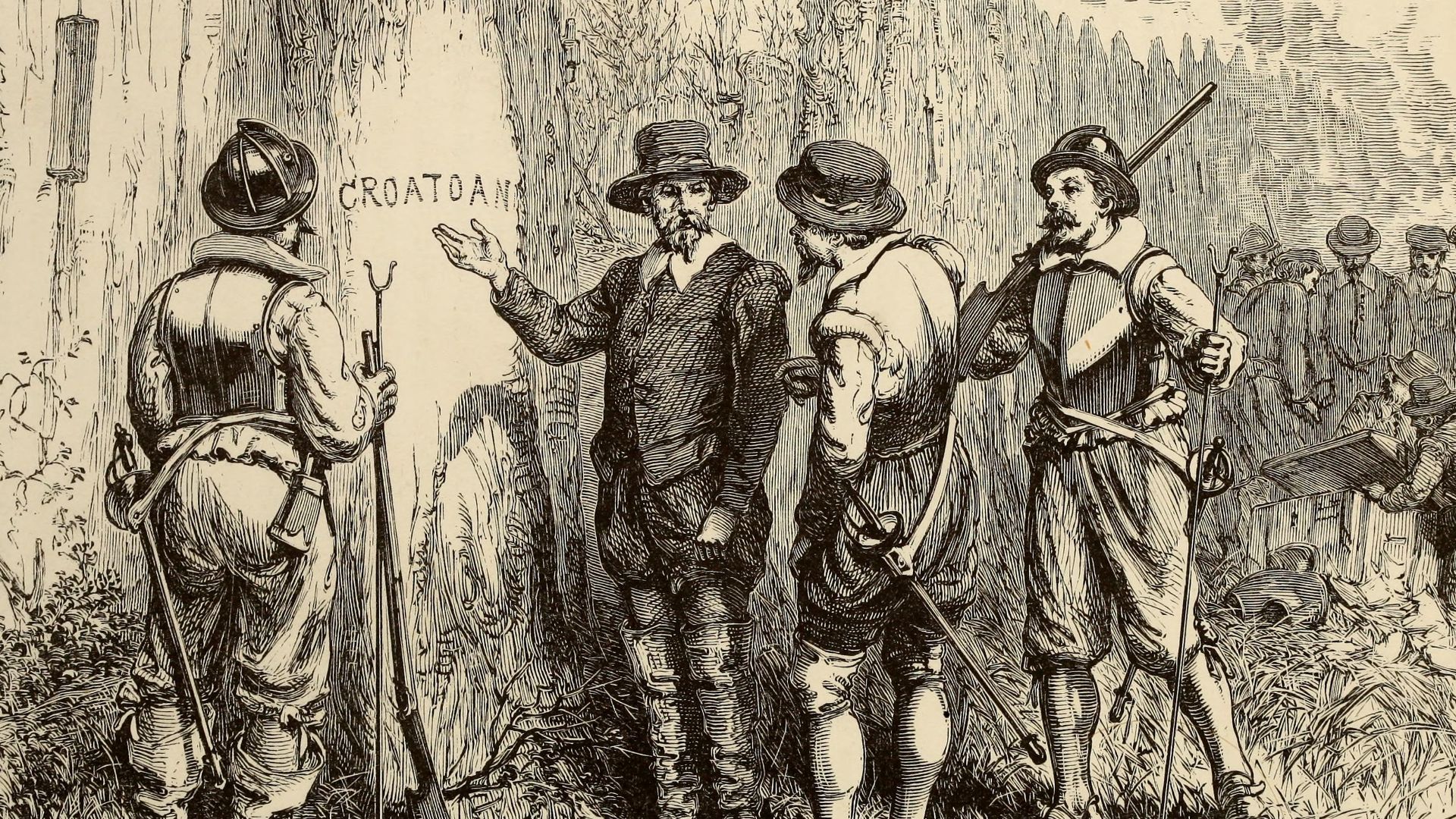
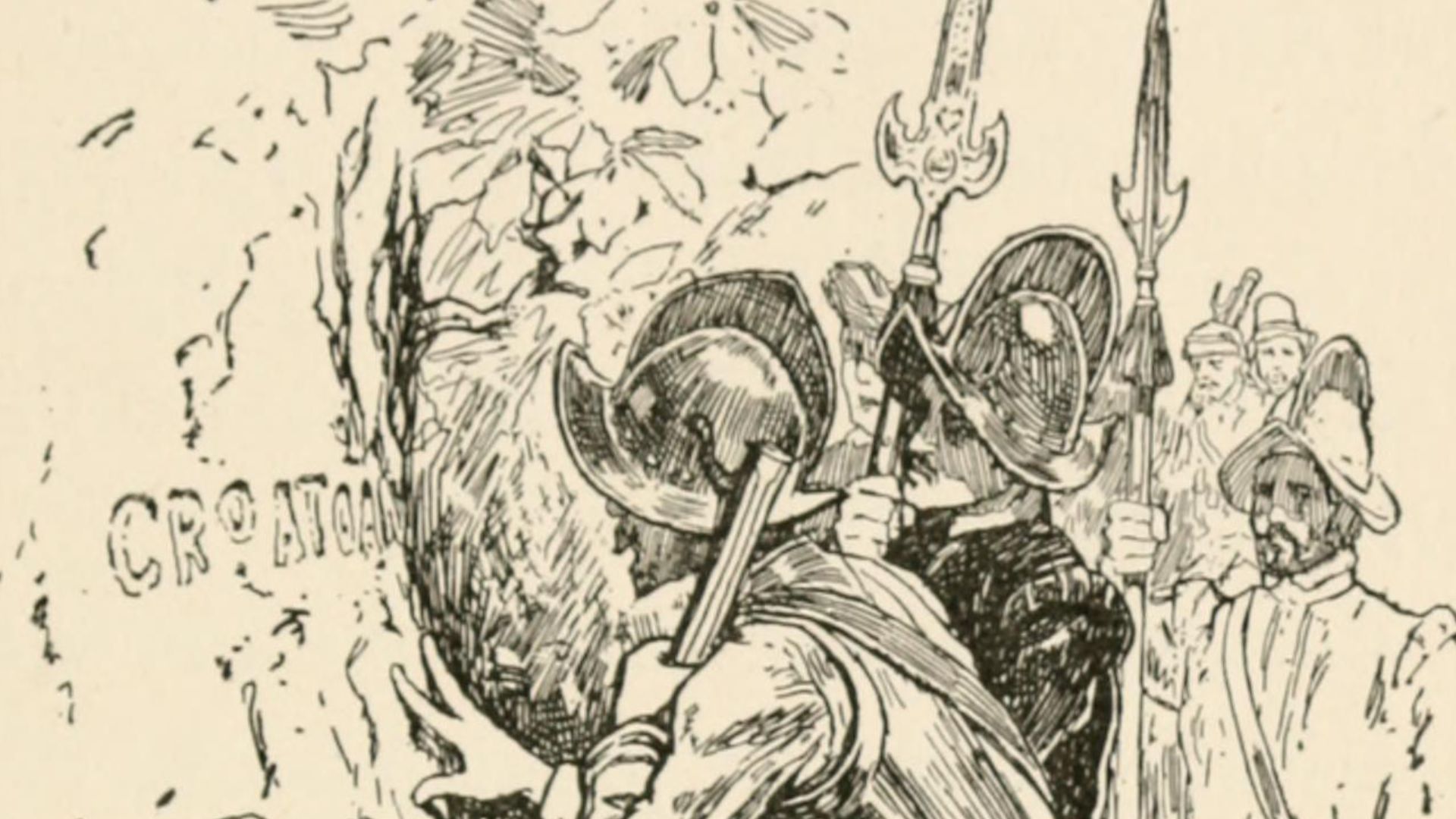
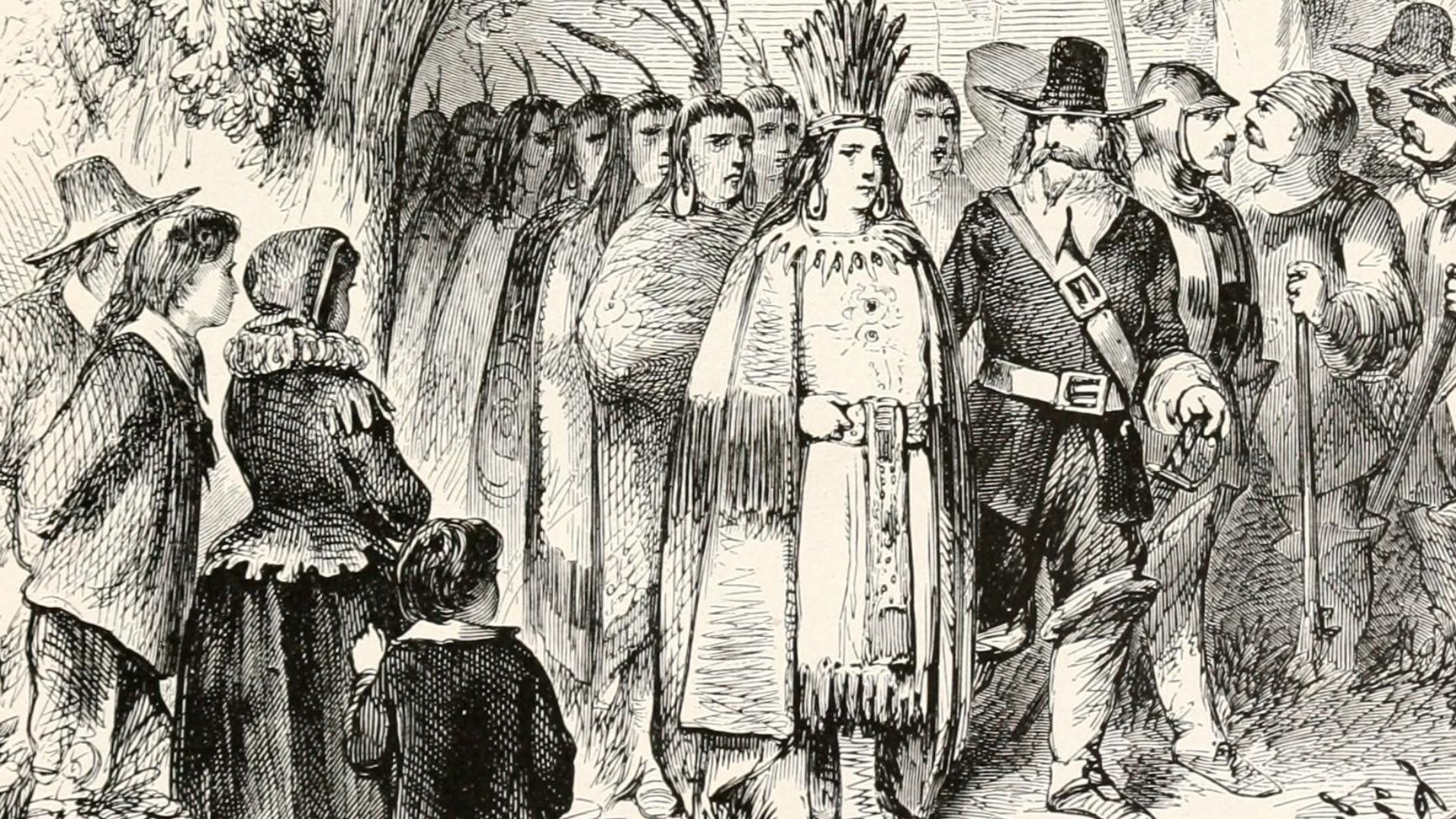
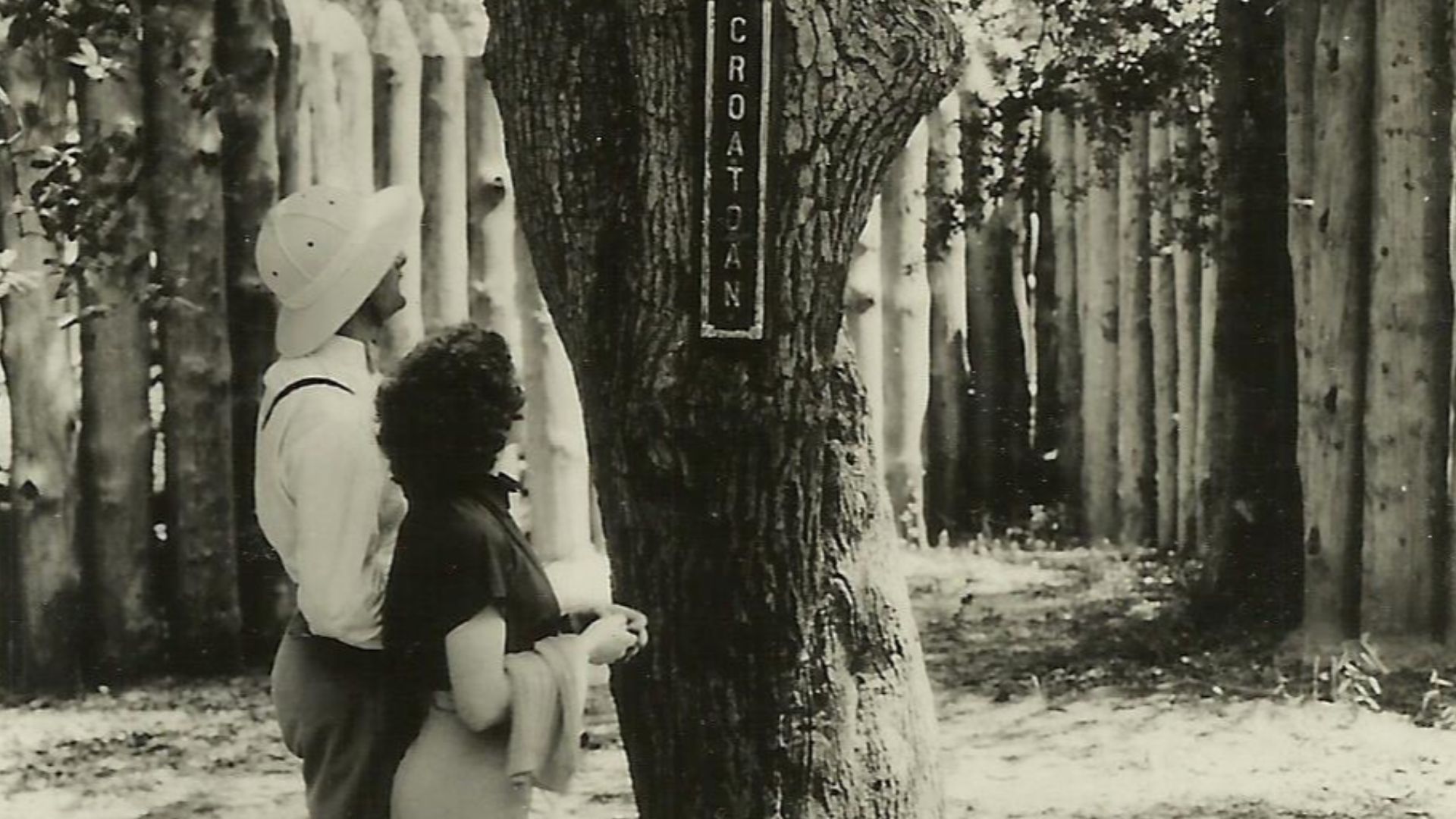
The most famous clue was carved into a wooden post: CROATOAN. Nearby, the letters CRO were carved into a tree. White had agreed with the colonists that if they relocated, they would leave a message behind. That word seemed to point directly toward Croatoan Island, now Hatteras Island.
![Identifier: storiesofthreeam00corb
Title: Stories of the three Americas. Their discovery and settlement
Year: 1890 (1890s)
Authors: Corbett, Eunice C. [from old catalog]
Subjects:
Publisher: Chicago, A. Flanagan
Contributing Library: The Library of Co](https://www.factinate.com/storage/app/media/splashtravels/2026/6/6/178077557278cb3fccf750078579ac7df3bfea6aefb03b6f49.jpg) Internet Archive Book Images, Wikimedia Commons
Internet Archive Book Images, Wikimedia Commons
The Missing Distress Signal
This is one of the biggest clues people forget. White and the settlers had also agreed that if they left because of danger, they would carve a cross as a distress signal. But White found no cross. That mattered. It suggested the colonists had not fled in panic or under attack. They may have left on purpose.
 Internet Archive Book Images, Wikimedia Commons
Who Were The Croatoan?
The Croatoan were an Indigenous people who lived on nearby Hatteras Island. Unlike some groups in the region, they had generally maintained friendlier relations with the English. So when White saw CROATOAN carved into the post, he did not immediately assume disaster. He believed the colonists had likely gone there.
![The flyer, Man of the Secotan Indians in North Carolina. Watercolour painted by John White in 1585. [1]](https://www.factinate.com/storage/app/media/splashtravels/2026/6/6/17807758754175c75958b84b9b8e79d953af1a8a52e2426e51.jpg)
White Tried To Follow Them
White wanted to sail to Croatoan Island and search for the settlers. But bad weather and problems with the ship got in the way. The search was cut short, and White was forced to leave. That detail is brutal. The answer may have been just miles away, and he never got to check.
Theories Ran Wild
Because White never found them, the mystery exploded. Some believed the settlers were massacred. Others thought they died of disease, starved, were taken by the Spanish, or vanished deep inland. With so little hard evidence, almost any theory could sneak into the conversation wearing a fake mustache.
 Universal History Archive, Getty Images
The Drought Problem
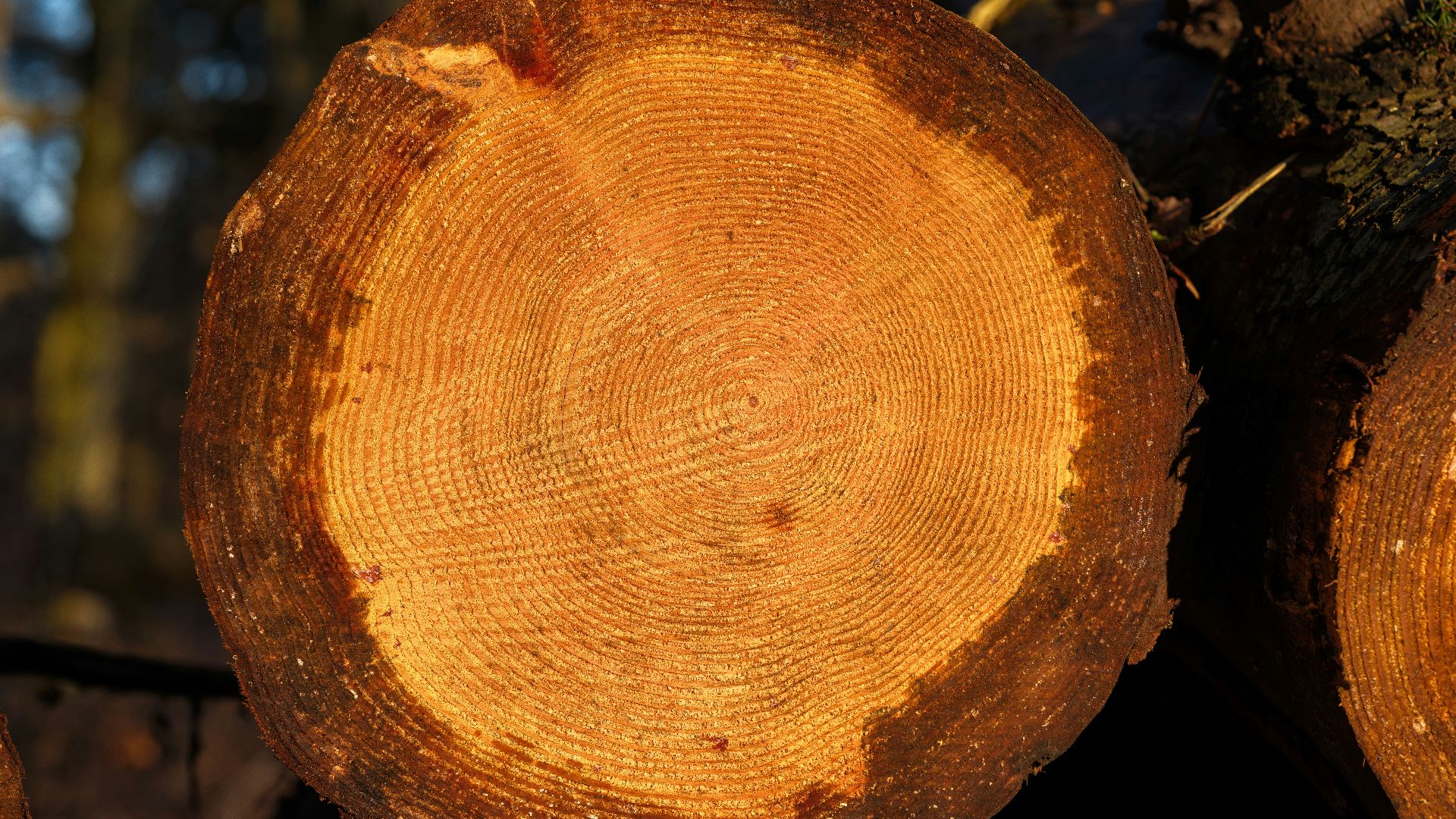
Modern climate research added another serious clue. Tree-ring studies suggest the region suffered an extreme drought around the time Roanoke was struggling. That would have made farming and food gathering even harder. If the colonists were already short on supplies, the drought could have pushed them to leave.
The Colonists Needed Allies
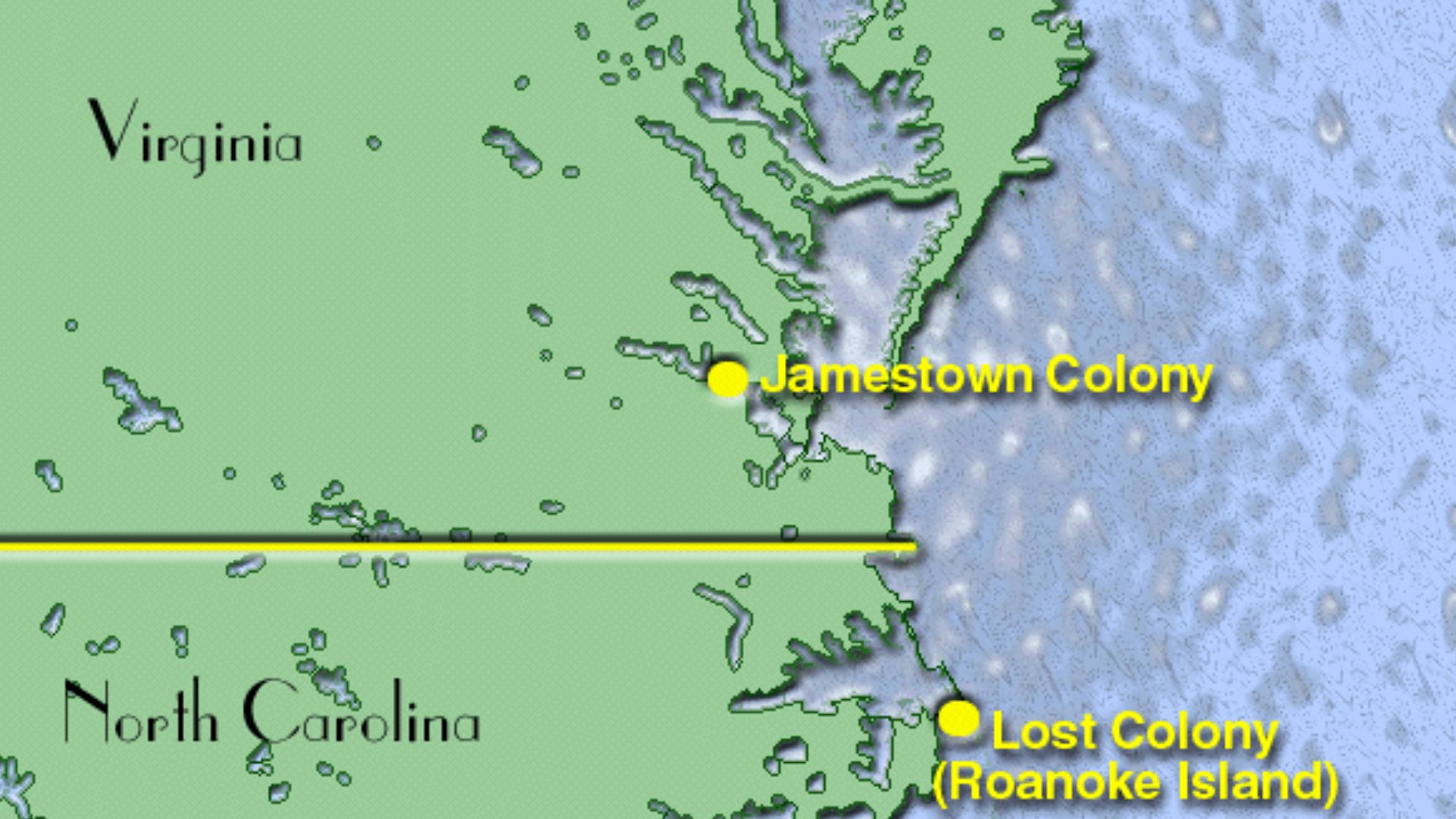
Roanoke was not Jamestown. There was no steady pipeline of ships, supplies, and reinforcements. If food ran out, the settlers had very few options. Joining or living near Indigenous communities may not have been Plan B. It may have been the only realistic way to survive.
 Poroubalous, Wikimedia Commons
They Were Already Planning To Move
Another overlooked clue: the colonists may have discussed moving before White ever left. Historical sources indicate they hoped to establish themselves farther into the Chesapeake region, and some researchers believe relocation plans already existed. That makes the abandoned settlement look less like a sudden disappearance and more like a move that actually happened.
 John White (artist), Wikimedia Commons
A Hidden Clue On An Old Map
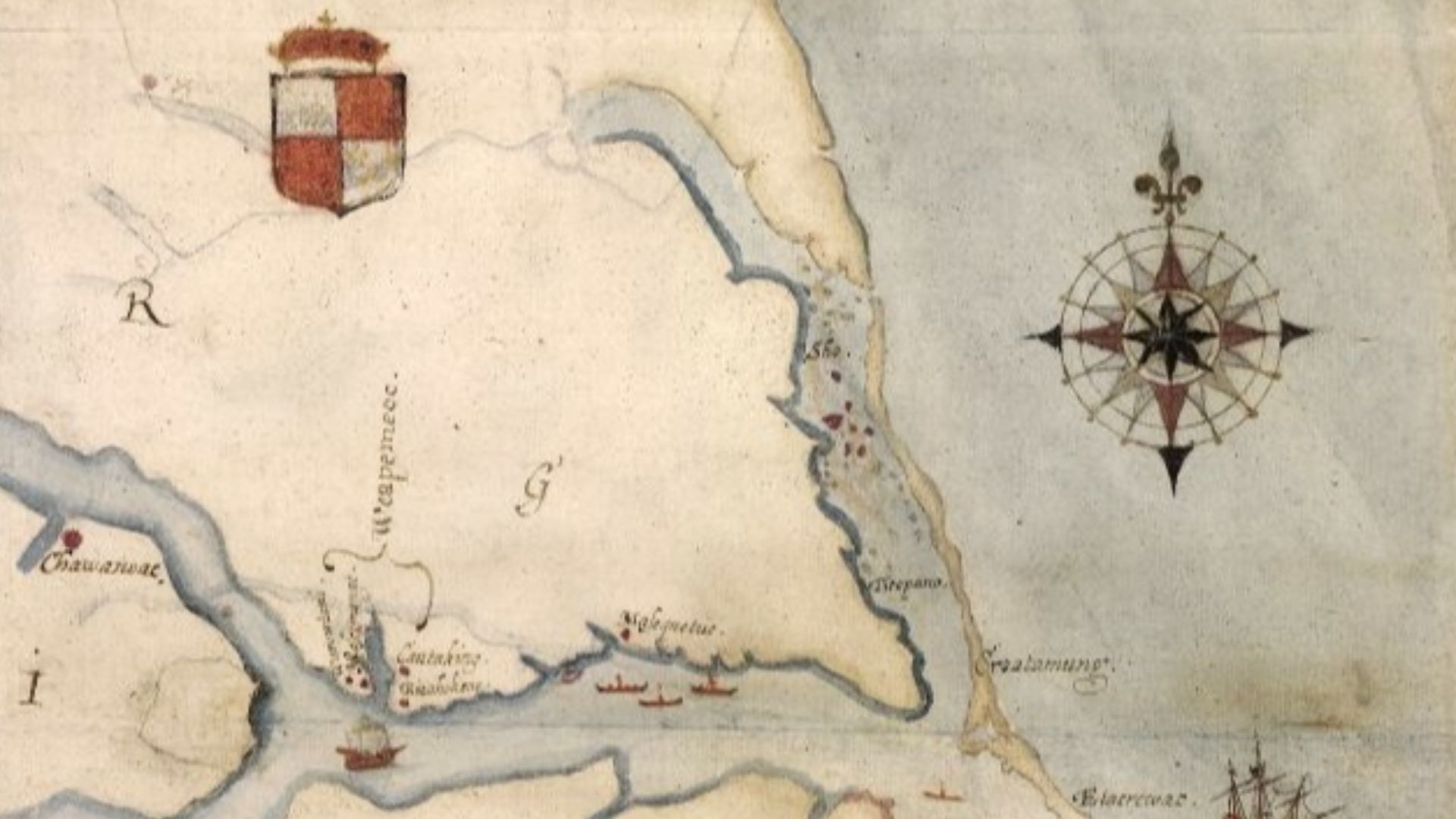
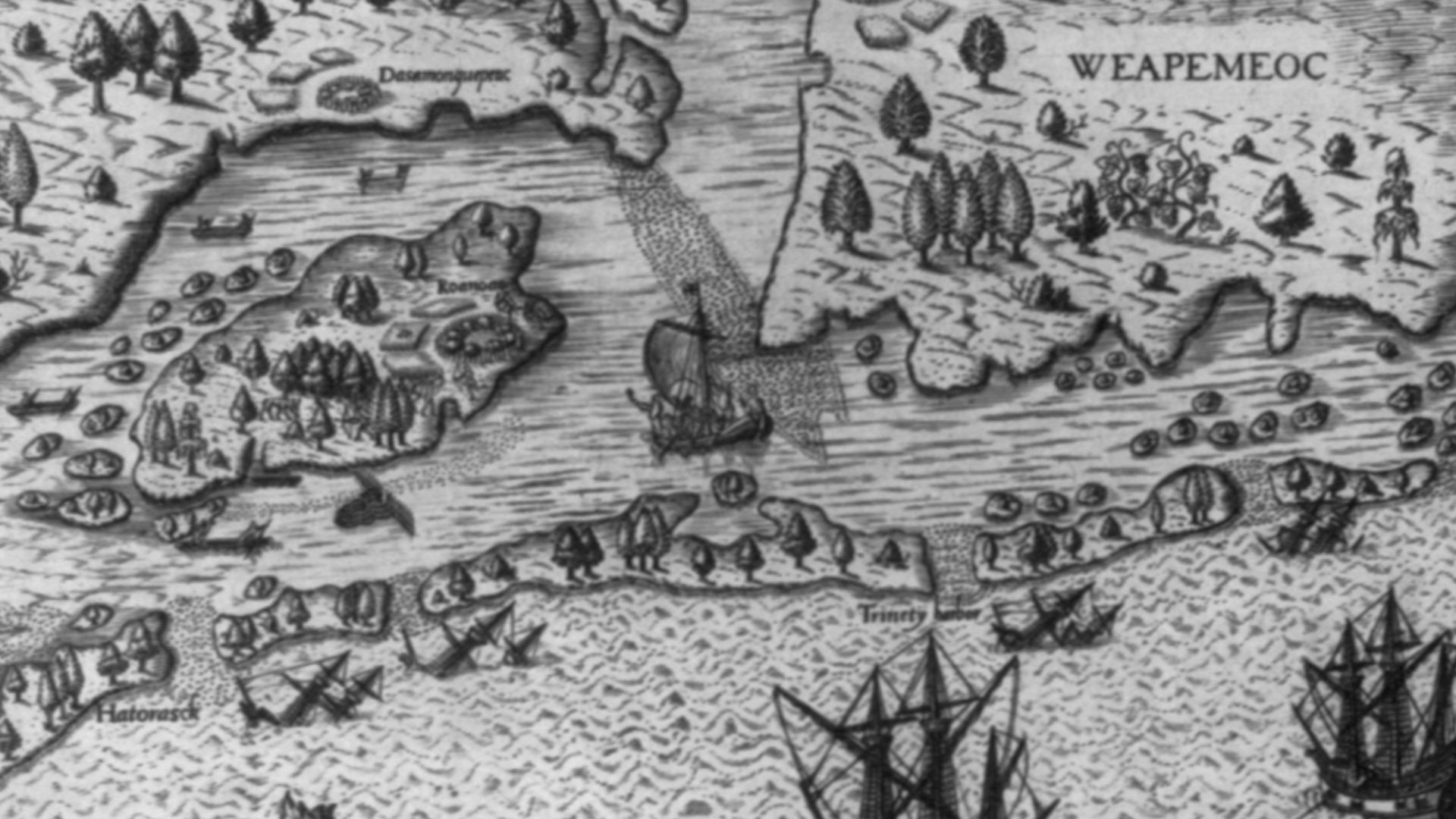
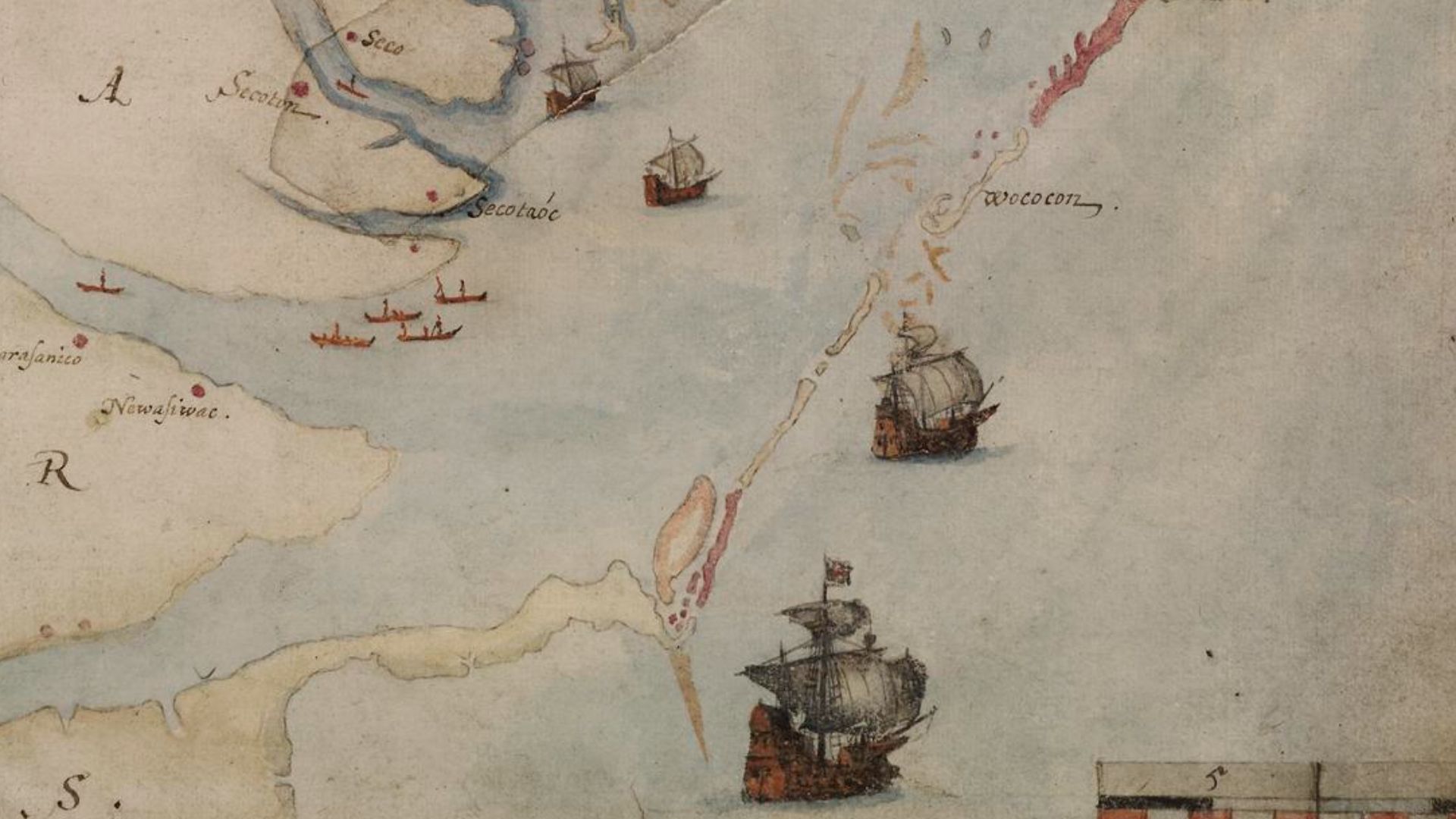
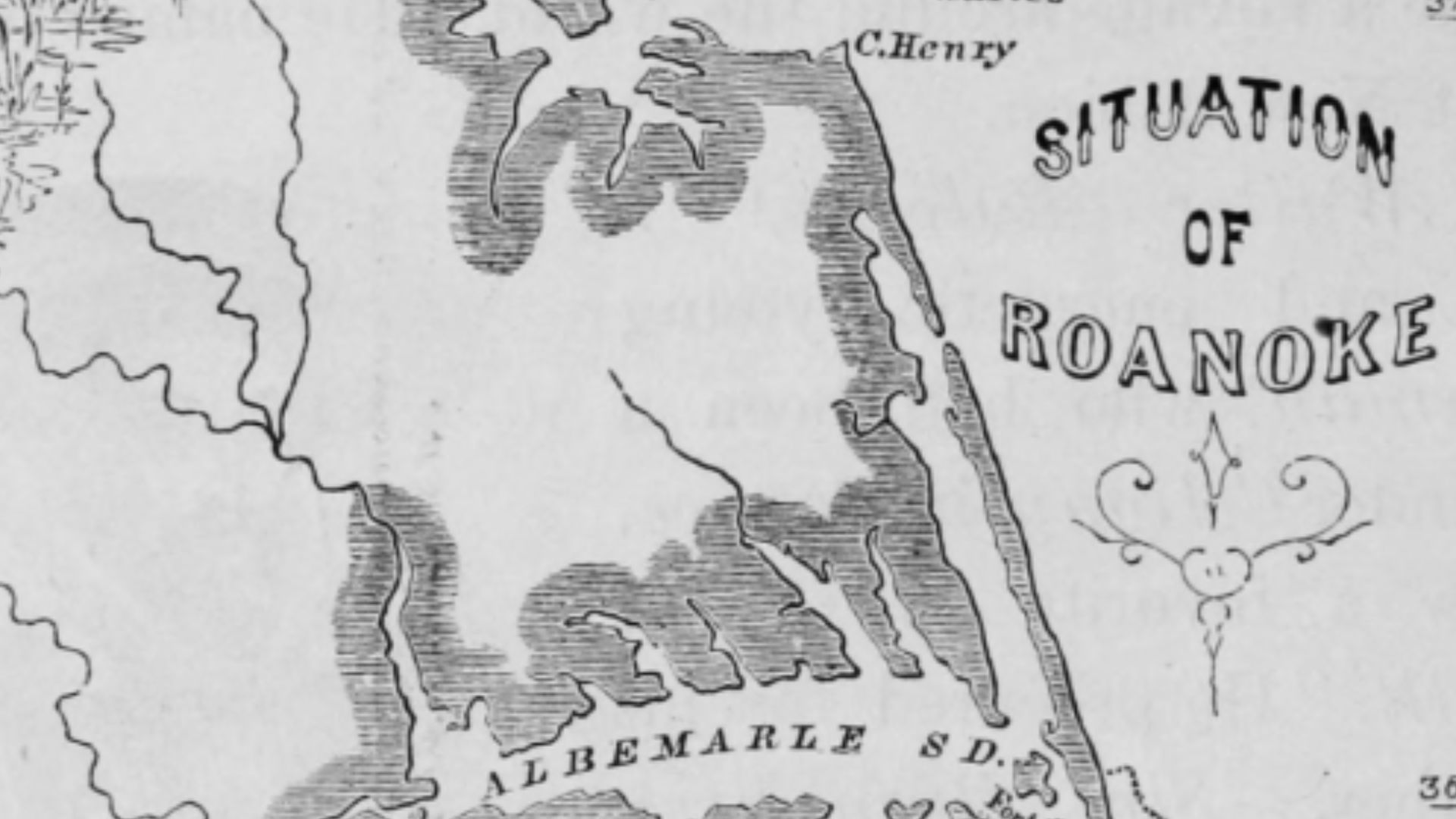
One of the most intriguing discoveries came from a map drawn by John White. Researchers found a hidden symbol under a patch on the map. Some believe it marked a possible inland fort location. In other words, White's own map may have quietly preserved a clue to where at least some colonists planned to go.
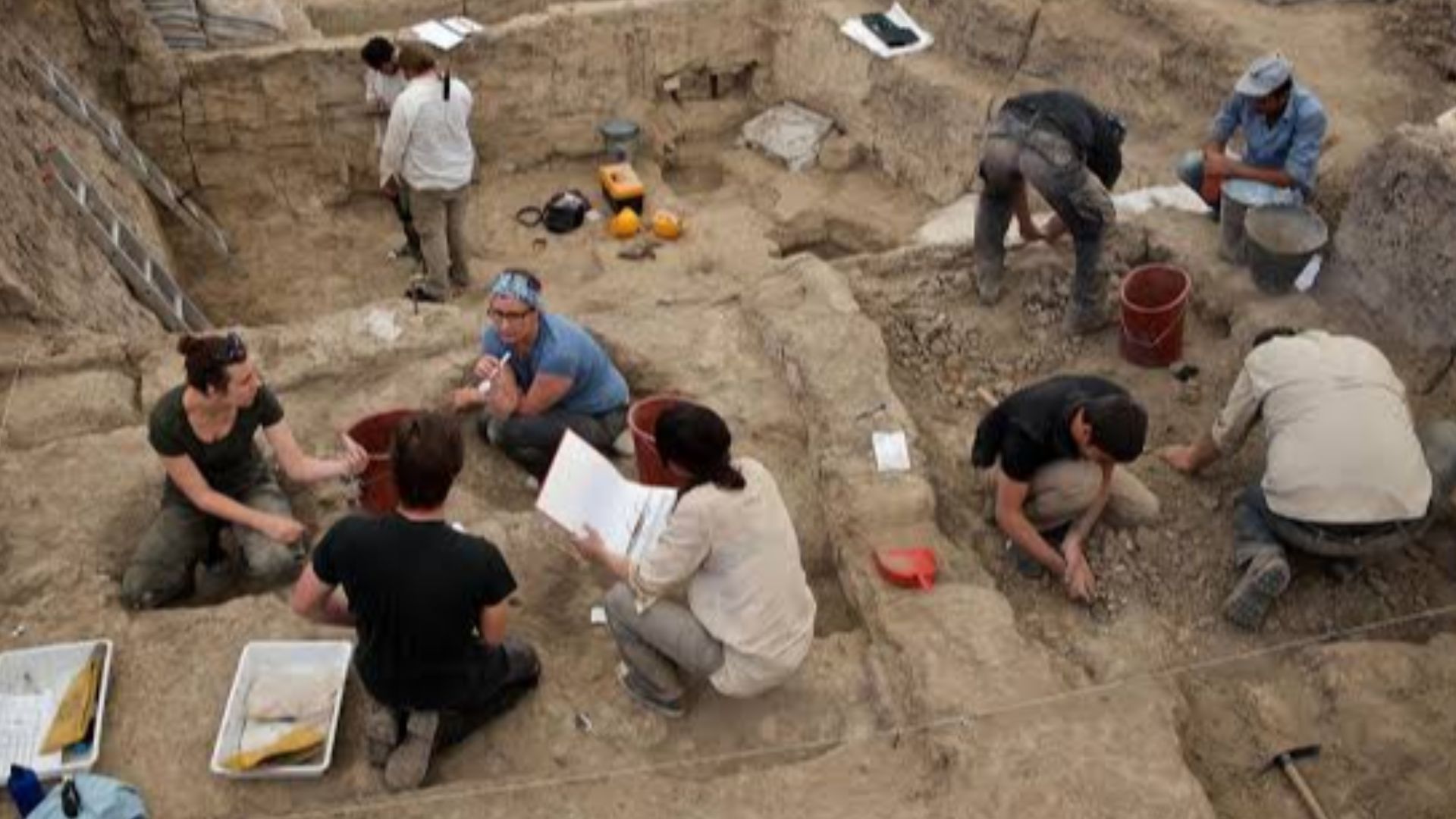
Archaeologists Investigate Site X
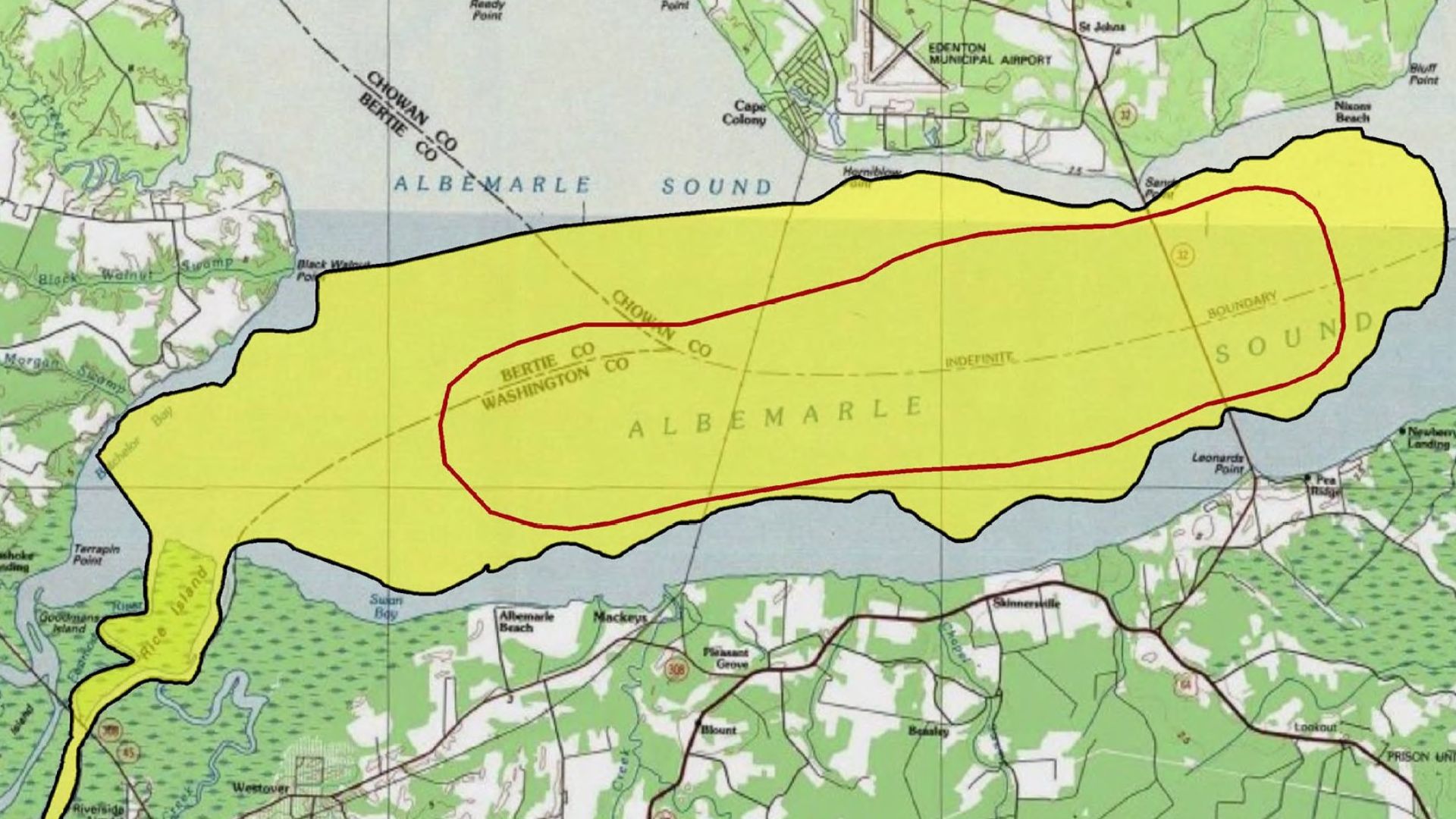
That hidden map clue led researchers to an inland location now known as Site X, near Albemarle Sound. Archaeologists there found artifacts that appeared to be English and dated to the right general period. It was not a smoking gun, but it was definitely the kind of clue that makes historians sit up straighter.
 American Battlefield Protection Program, Wikimedia Commons
Pottery That Raised Eyebrows
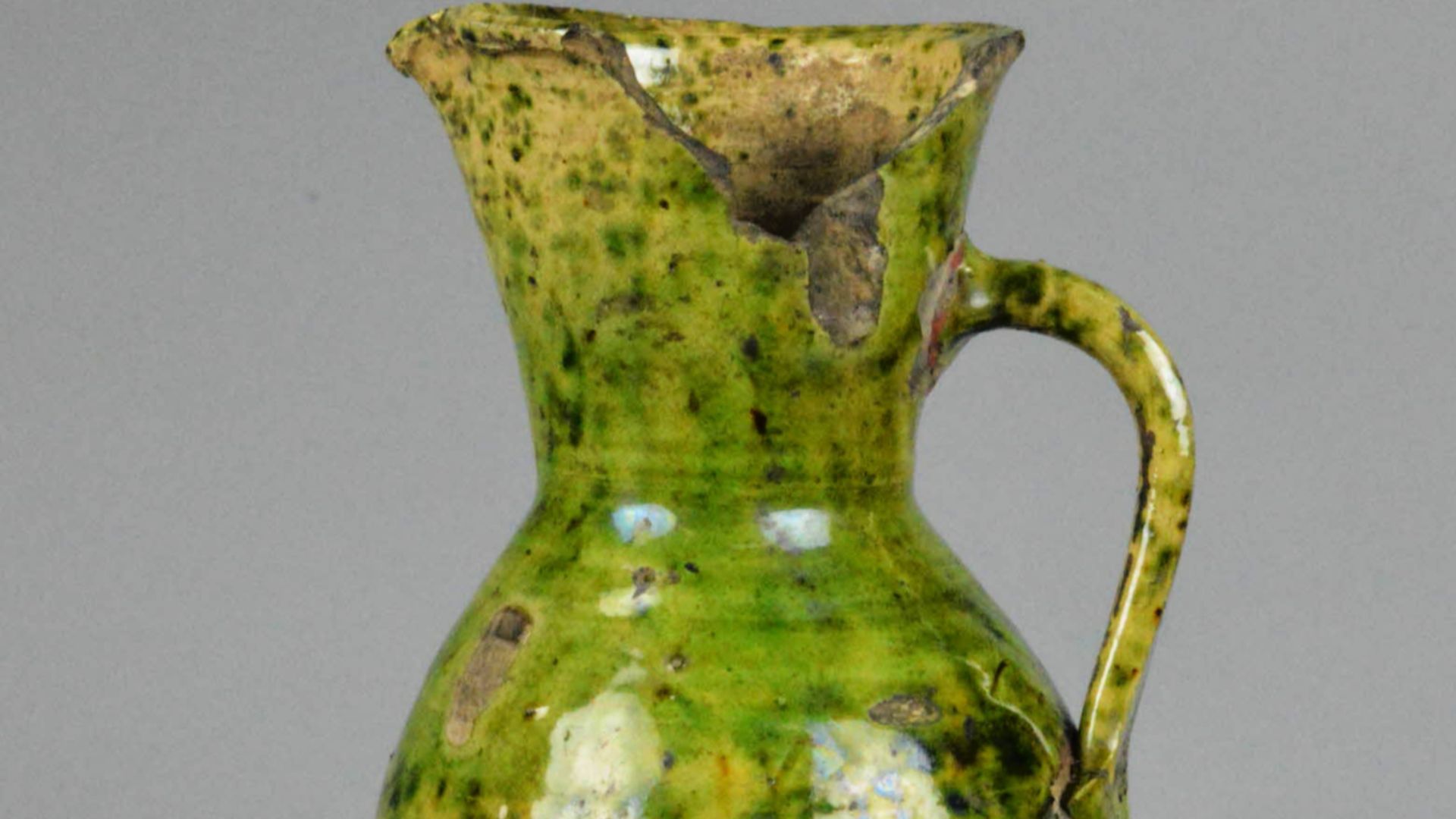
Among the finds at Site X were fragments of English Border Ware pottery. That does not automatically prove Roanoke colonists lived there, but it is exactly the sort of object English settlers could have had. When artifacts show up in the right place, from the right time, people start paying attention.
 Unknown authorUnknown author, Wikimedia Commons
Site Y Added More Interest
Researchers have also investigated another nearby location called Site Y. Finds there have added to the argument that English material culture may have moved inland after Roanoke was abandoned. Again, this does not prove every colonist's fate, but it supports the idea that the story continued away from Roanoke Island.
 PINKNEY, S.C. (via Lossing, Benson John), Wikimedia Commons
Clues On Hatteras Island
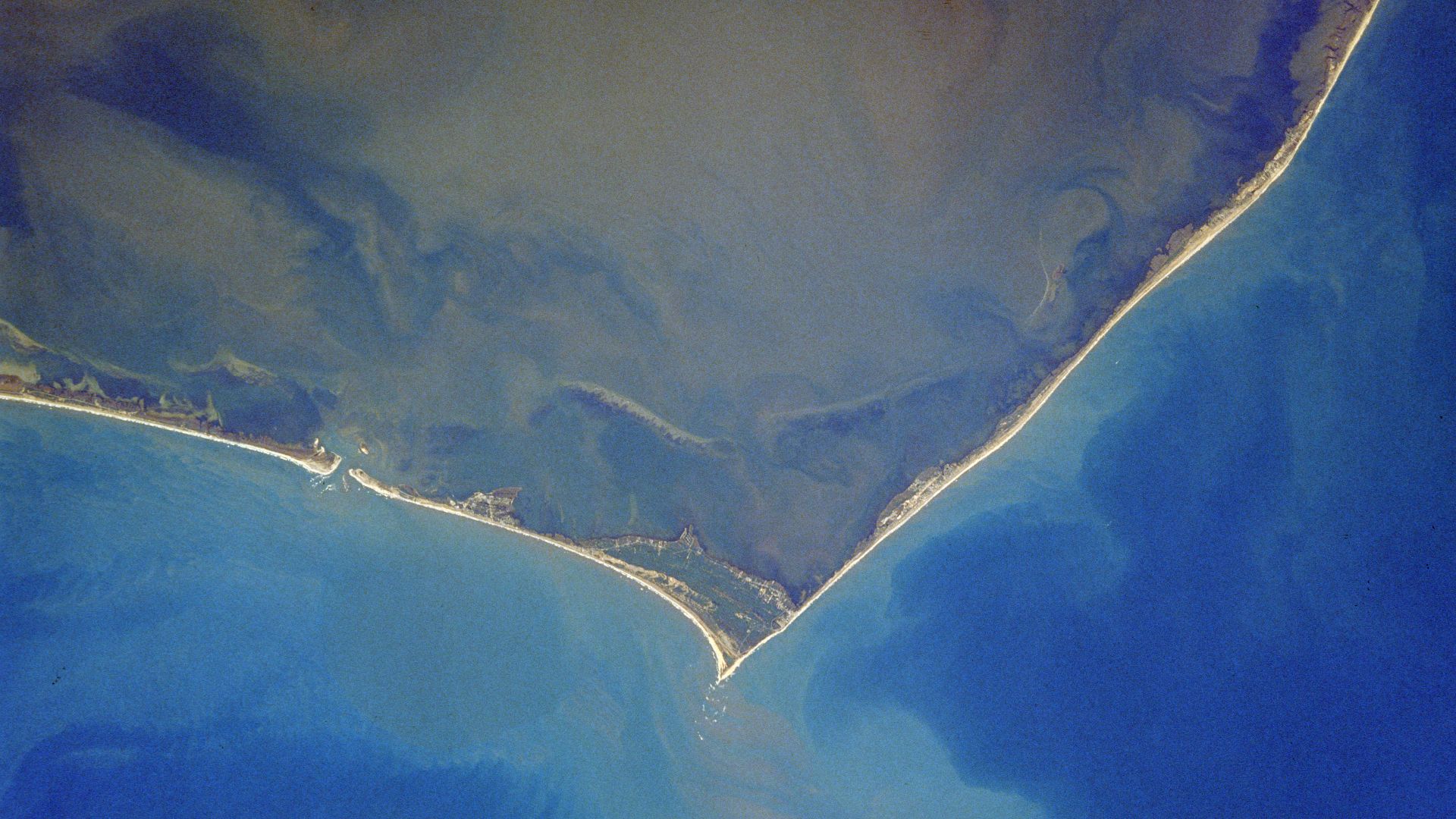
Meanwhile, excavations on Hatteras Island have uncovered European objects, including metal items, trade goods, and other artifacts. That matters because Hatteras was associated with the Croatoan. If the colonists followed the message they carved, this is exactly where researchers would expect to find traces.
The Hammerscale Clue
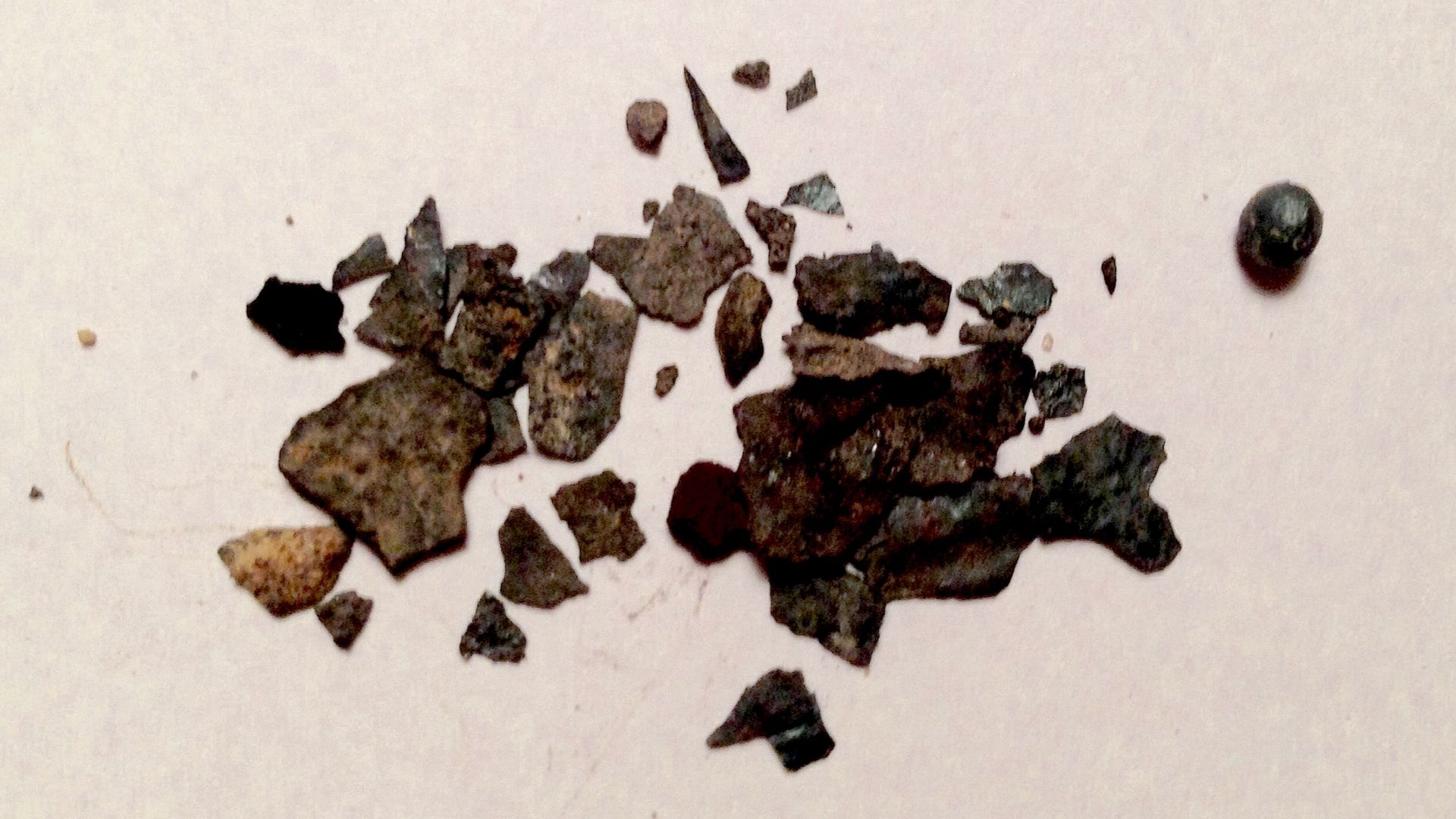
One newer piece of evidence has drawn attention: tiny flakes of metal called hammerscale found on Hatteras Island. Hammerscale is produced by ironworking. Some researchers argue this is important because English settlers practiced ironworking, while local Indigenous communities generally worked European iron differently. It is not proof, but it is another intriguing clue.
Copper Was A Big Deal
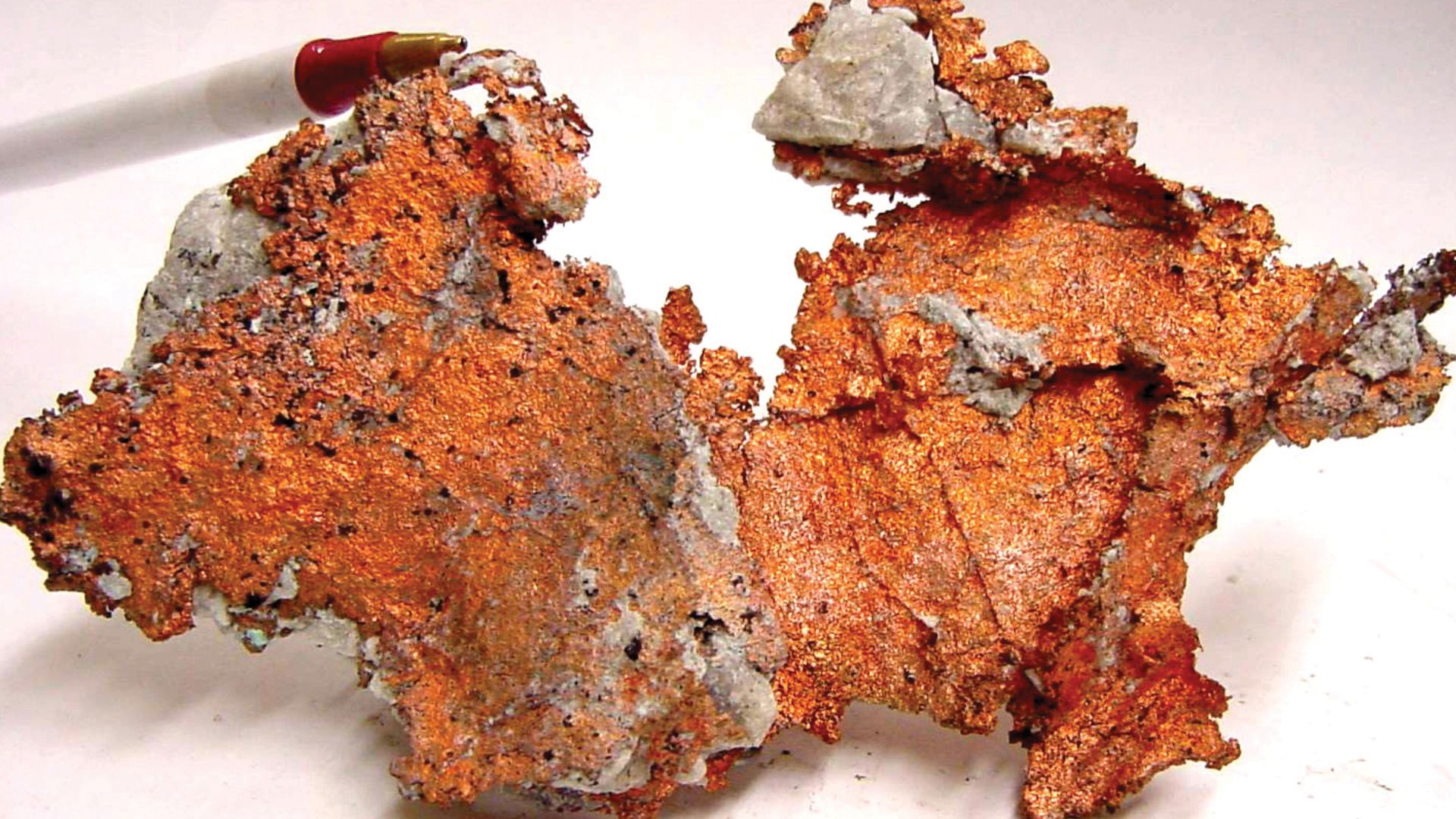
Copper also matters in this mystery. European copper and metal goods were valuable trade items, and archaeologists have found metal objects in places tied to Roanoke theories. Trade alone could explain some finds, but when the timing, location, and object types line up, they become harder to dismiss.
 U.S. Geological Survey, Wikimedia Commons
Evidence Of A Split Colony
Many researchers now suspect the colonists did not all go to one place. Some may have gone to Croatoan. Others may have moved inland. That would explain why evidence appears in multiple locations. The Lost Colony may not have vanished as one group. It may have scattered to survive.
Jamestown Heard Stories
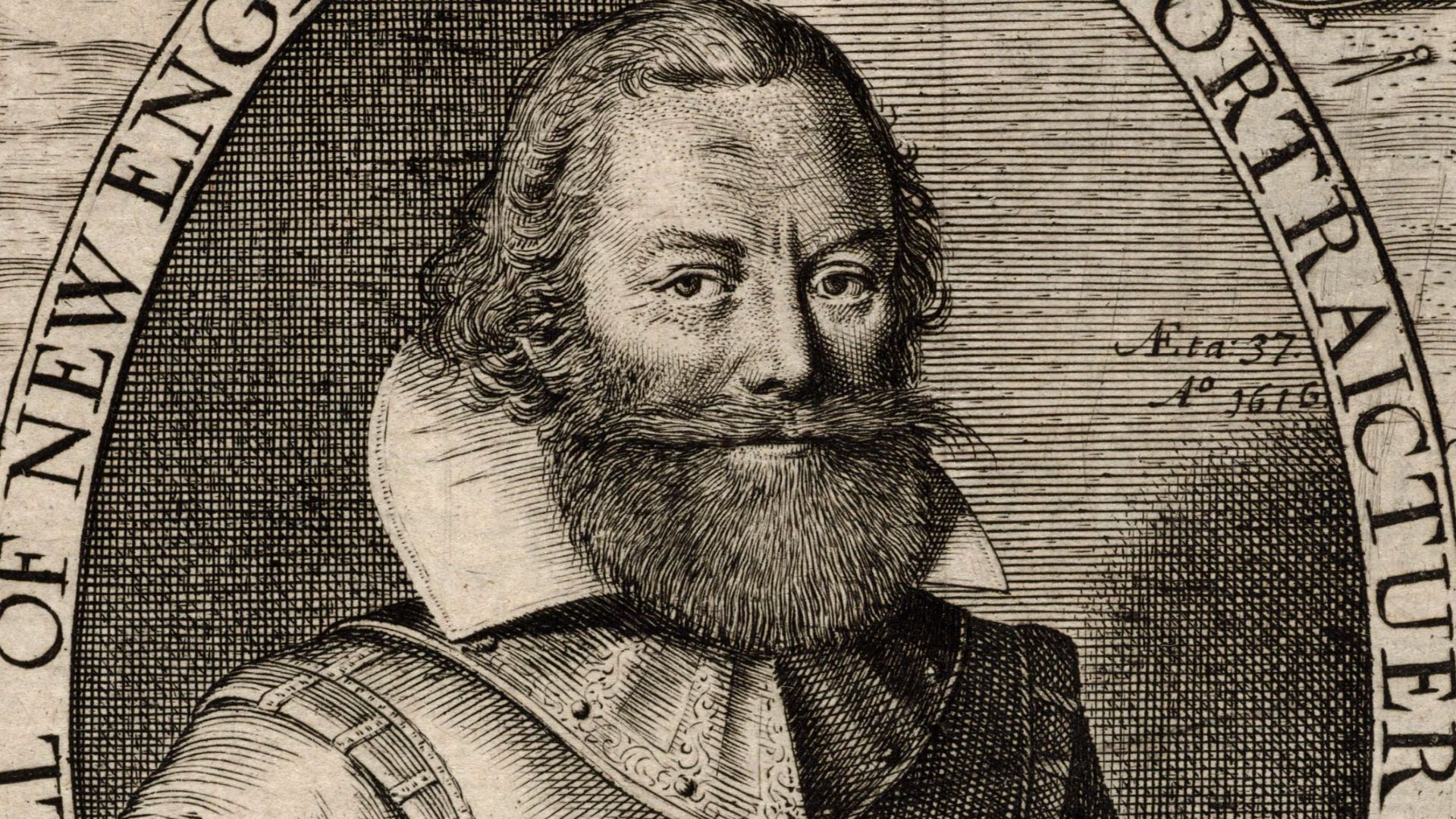
When Jamestown was founded in 1607, English settlers heard stories that may have connected back to Roanoke. Captain John Smith and others recorded reports about English people living among Indigenous communities or being attacked years earlier. These accounts are difficult to verify, but they kept the Roanoke question alive almost immediately.
 Book by Capt. John Smith, engraver uncertain, Wikimedia Commons
The Four Men, Two Boys Report
One of the strangest reports came from William Strachey in the early 1600s. He wrote of accounts involving four English men, two boys, and a young girl living among Indigenous groups. Historians debate how reliable the report is, but its unusual level of detail has kept it part of the discussion for centuries.
 Internet Archive Book Images, Wikimedia Commons
The Gray-Eyed Mystery
Some later accounts described Indigenous people with gray eyes or other features Europeans interpreted as signs of English ancestry. These claims are far from conclusive and should be treated cautiously. Still, they helped fuel the long-running belief that some colonists may have been absorbed into Indigenous communities.
Native Oral Traditions
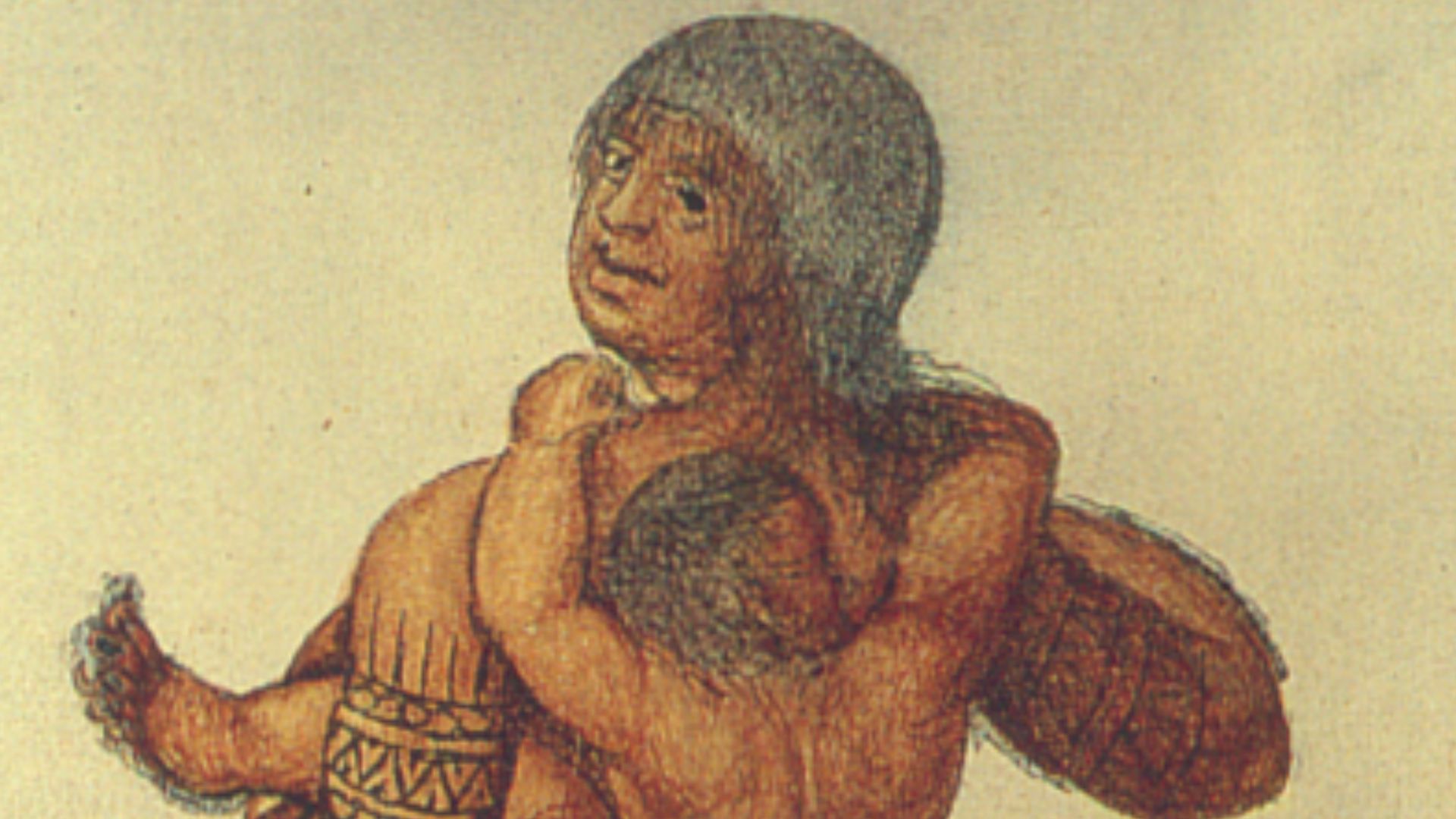
Some Indigenous oral histories from the region have been interpreted as describing English newcomers being absorbed into local communities. Oral traditions alone cannot solve the mystery, but many historians consider them valuable when viewed alongside archaeological evidence and written records.
Why No Signs Of Violence?
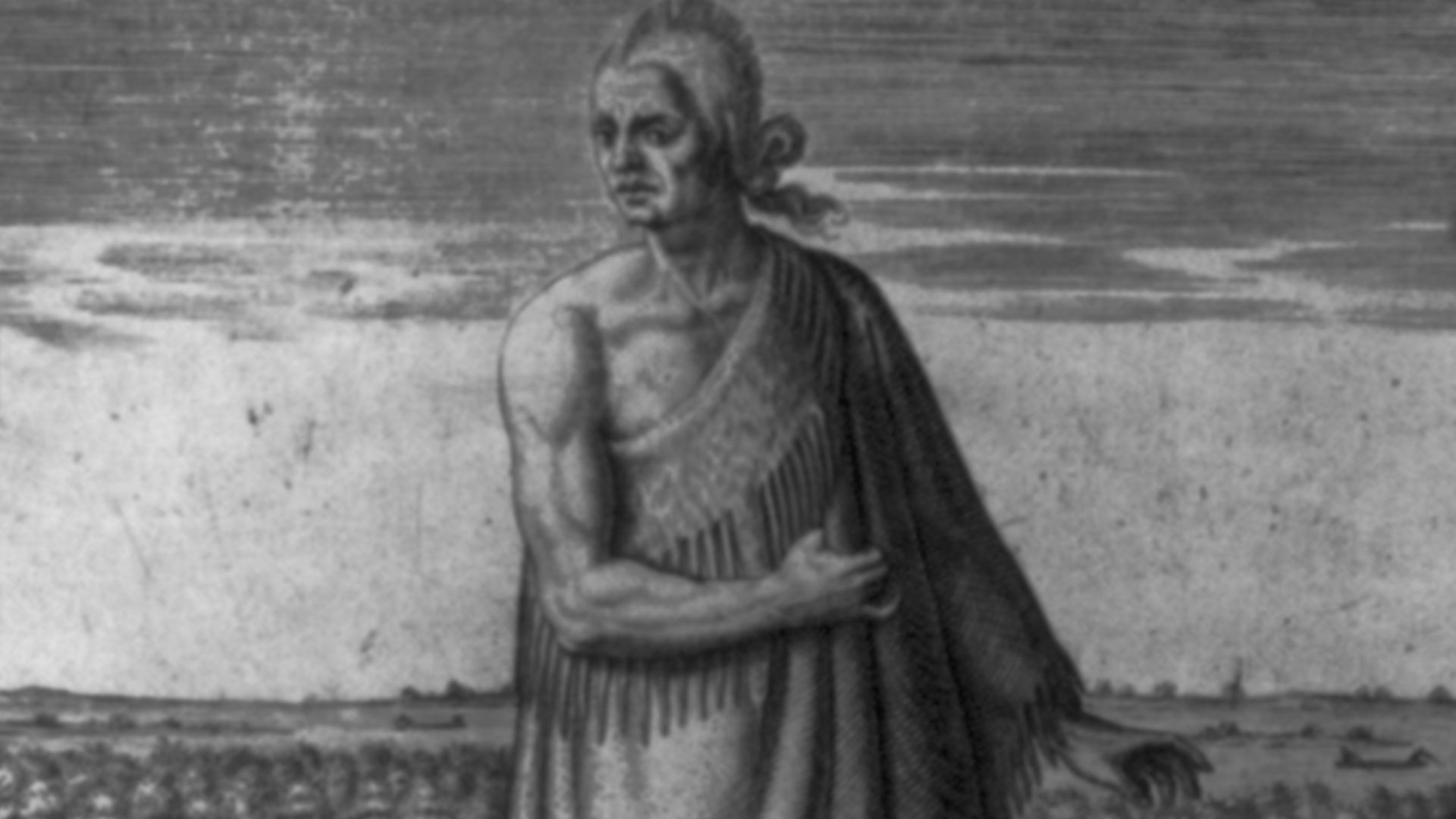
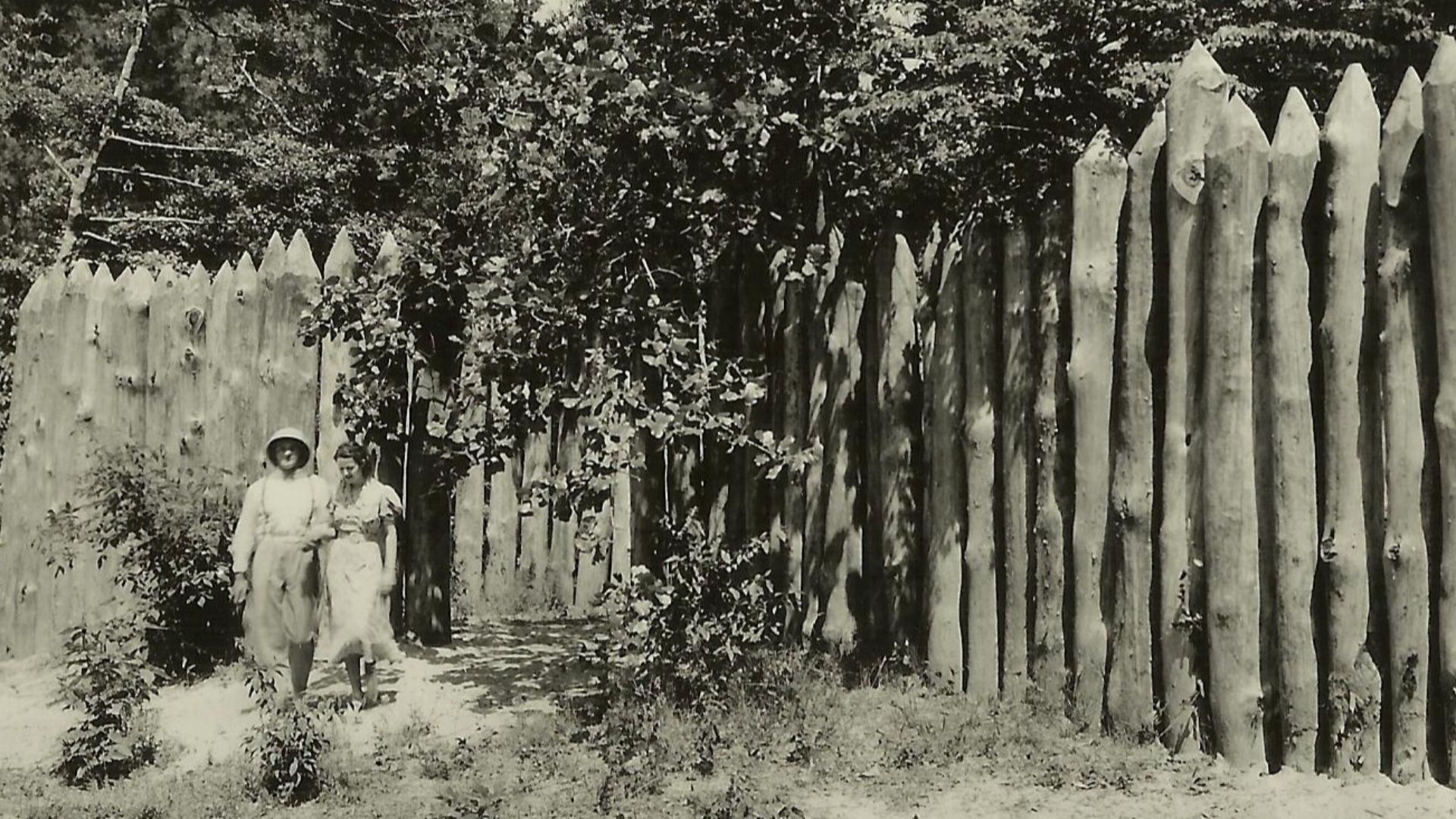
One detail continues to stand out: there is no convincing evidence of a large massacre at Roanoke itself. No mass graves. No clear battlefield remains. No destroyed settlement frozen in disaster. The place looked abandoned, not overrun. That supports the idea that the colonists left deliberately.
 State Archives of North Carolina, Wikimedia Commons
Why DNA Hasn't Solved It
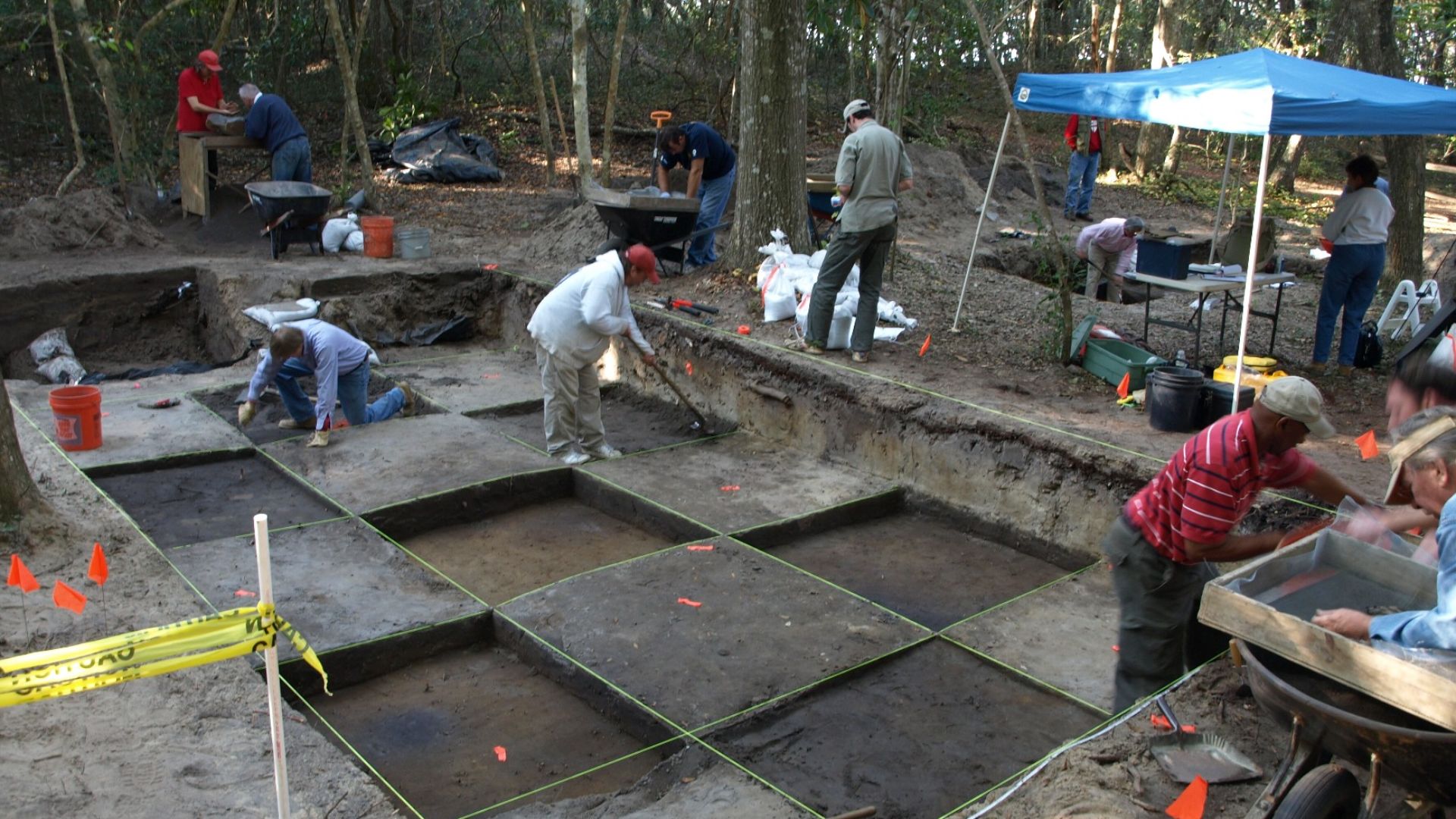
People often wonder why DNA testing has not ended the debate. The problem is simple: researchers do not have confirmed remains from the Roanoke colonists. Without verified Roanoke remains to compare against, genetics can only do so much. Science is powerful, but it still needs something to test.
 National Park Service, Wikimedia Commons
Survival May Have Been The Real Story
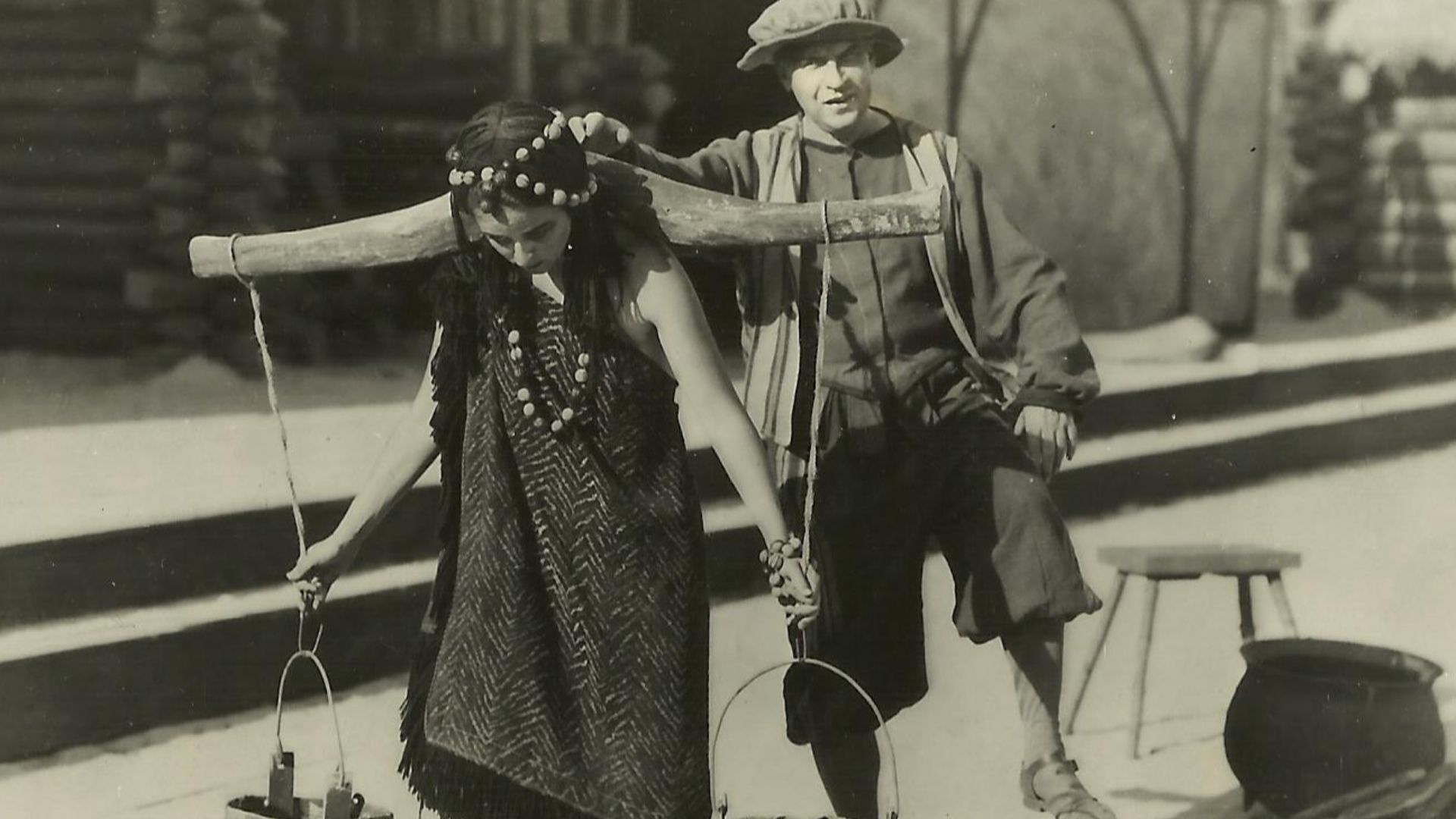
For generations, people imagined the Lost Colony ending in tragedy. But the evidence increasingly points toward something less dramatic and more human. The colonists may have adapted, moved, split up, and joined Indigenous communities. They may not have disappeared at all. They may have survived by becoming part of another world.
 State Archives of North Carolina, Wikimedia Commons
Not Everyone Is Convinced
To be clear, the mystery is not officially solved in the clean, case-closed way people might want. Some historians still argue the evidence is circumstantial. Others think multiple theories could be true at once. Roanoke remains complicated, which is exactly why it has lasted for more than 400 years.
 Ken Lund from Reno, Nevada, USA, CC BY-SA 2.0, Wikimedia Commons
The Strongest Theory Yet
Even with those cautions, the assimilation theory fits a lot of clues: the CROATOAN message, the missing distress symbol, the lack of violence, the drought, the inland map clue, and the artifacts found in multiple places. It may not answer every question, but it answers more than any other theory currently on the table.
 State Archives of North Carolina, Wikimedia Commons
A Mystery That Refuses To Die
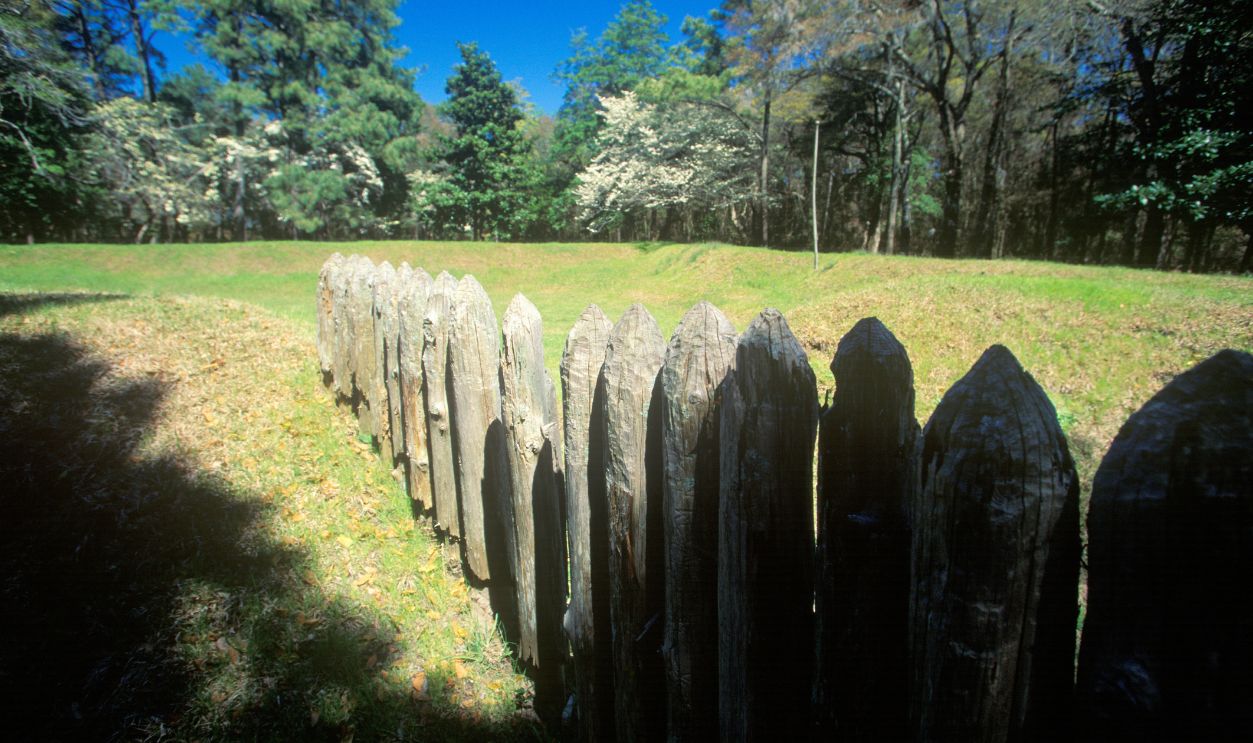
Roanoke still fascinates people because it feels like a ghost story hiding inside a history lesson. There is just enough evidence to build a case, but not enough to slam the book shut. Every new discovery adds another piece, and somehow the puzzle gets both clearer and stranger.
 Joe Sohm/Visions of America, Getty Images
What Some Archaeologists Believe Today
After years of excavation and research, some archaeologists and historians believe the Lost Colonists were not simply “lost.” The strongest current explanation is that at least some abandoned Roanoke, split into smaller groups, and joined nearby Indigenous communities. After more than 400 years, the answer may be surprisingly simple: some of them survived, just not as an English colony.
You Might Also Like:
The Most Peaceful Countries In The World—Ranked According To Data




.jpg)