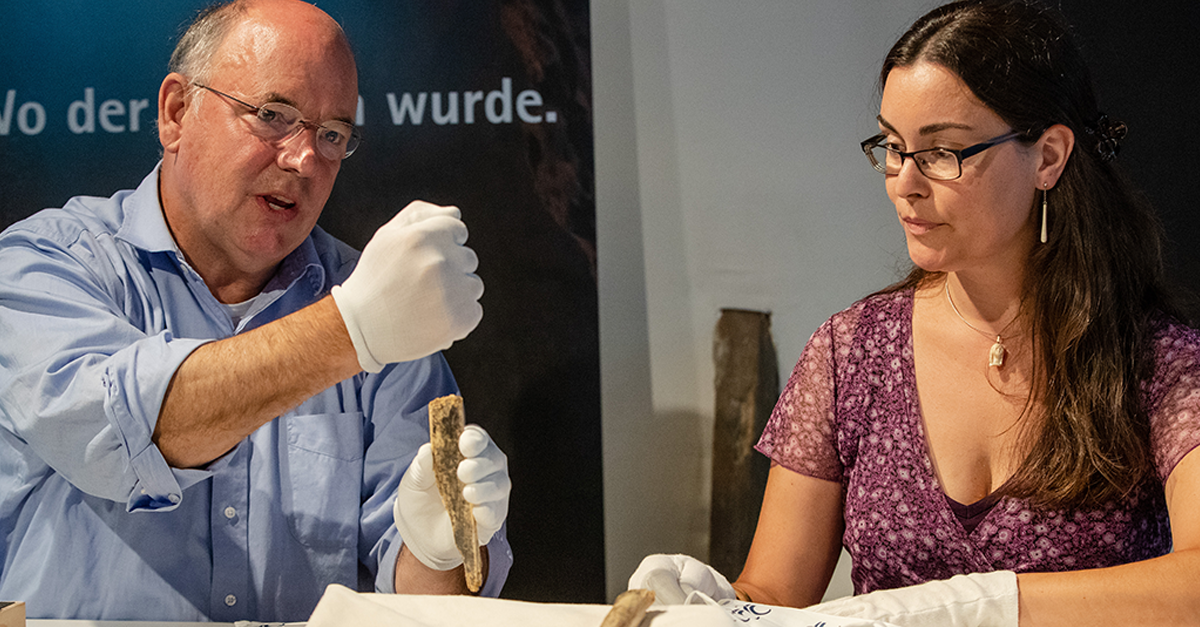
A Strange Object With A Surprising Secret
In a German cave, archaeologists uncovered a bizarre 35,000-year-old object carved from mammoth ivory. It had four carefully drilled holes, mysterious spiral grooves, and no obvious purpose. For years, nobody could explain what it did, until researchers made a replica and discovered something remarkable.
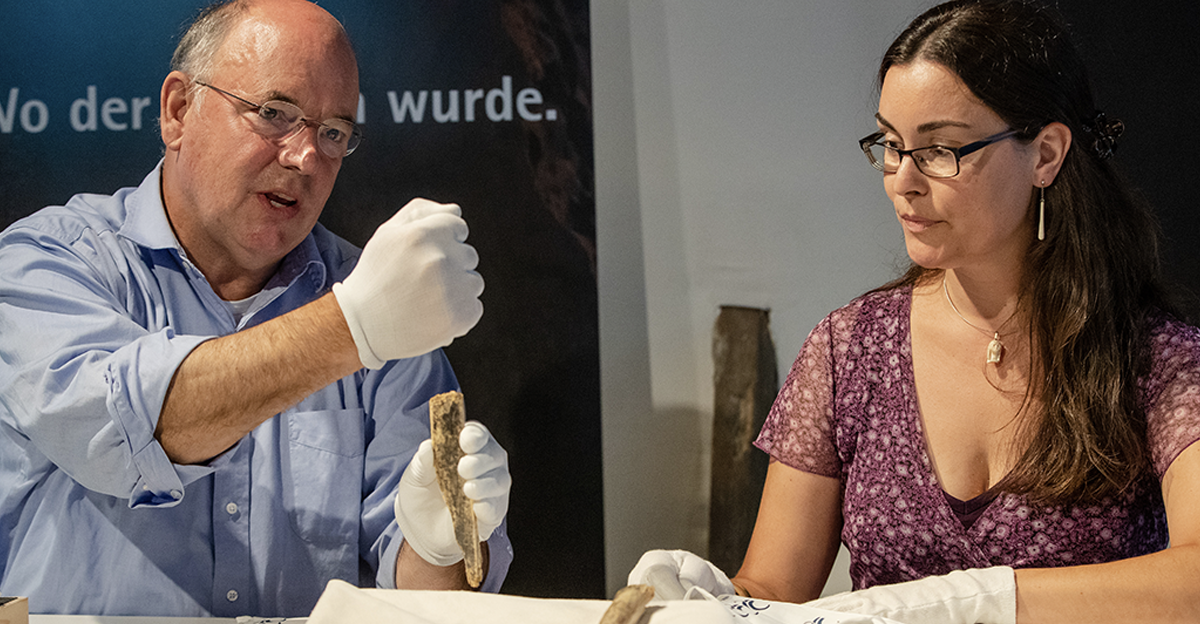 Christoph Schmidt/picture alliance, Getty Images
A Cave Full Of Ancient Secrets
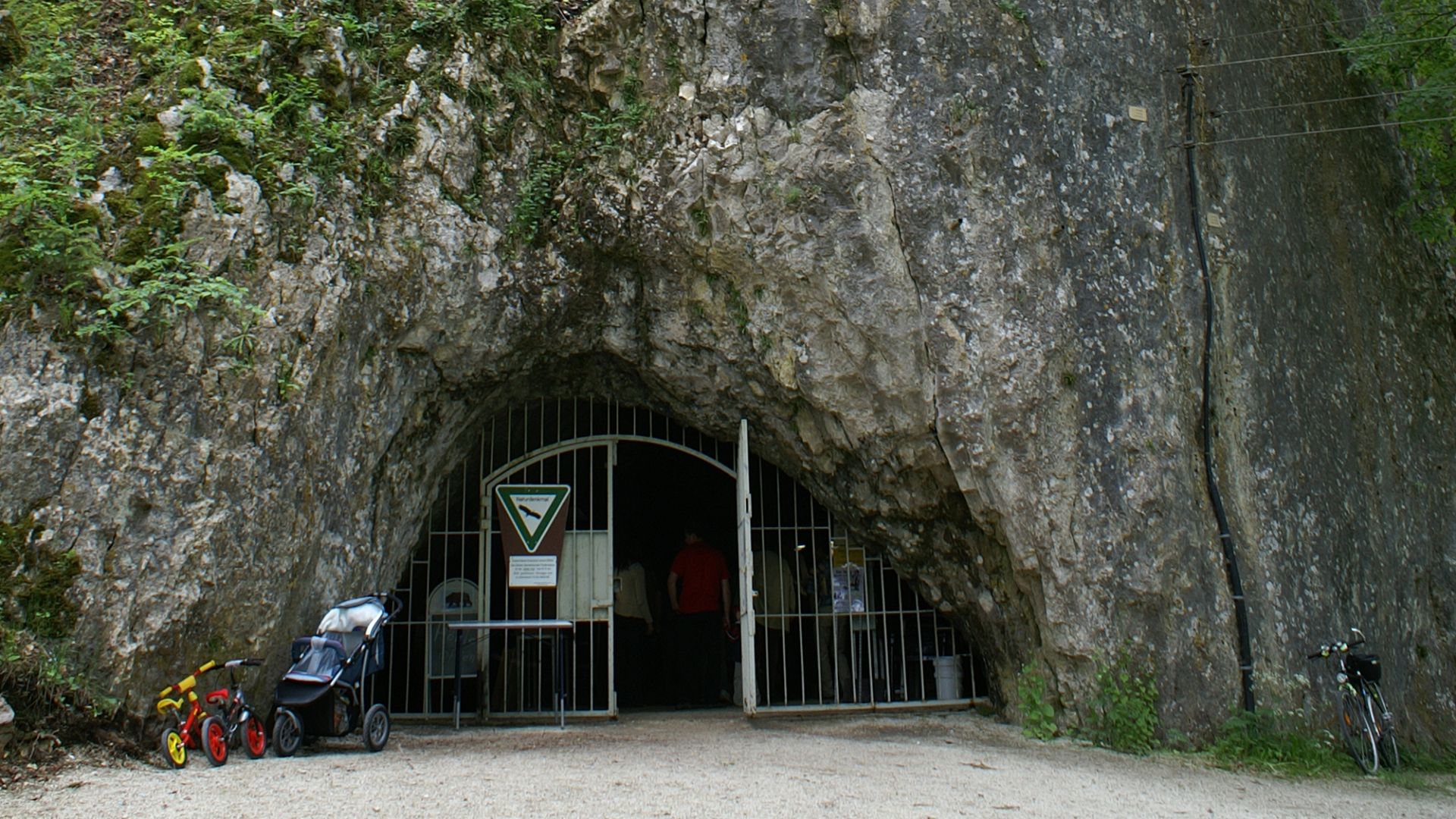
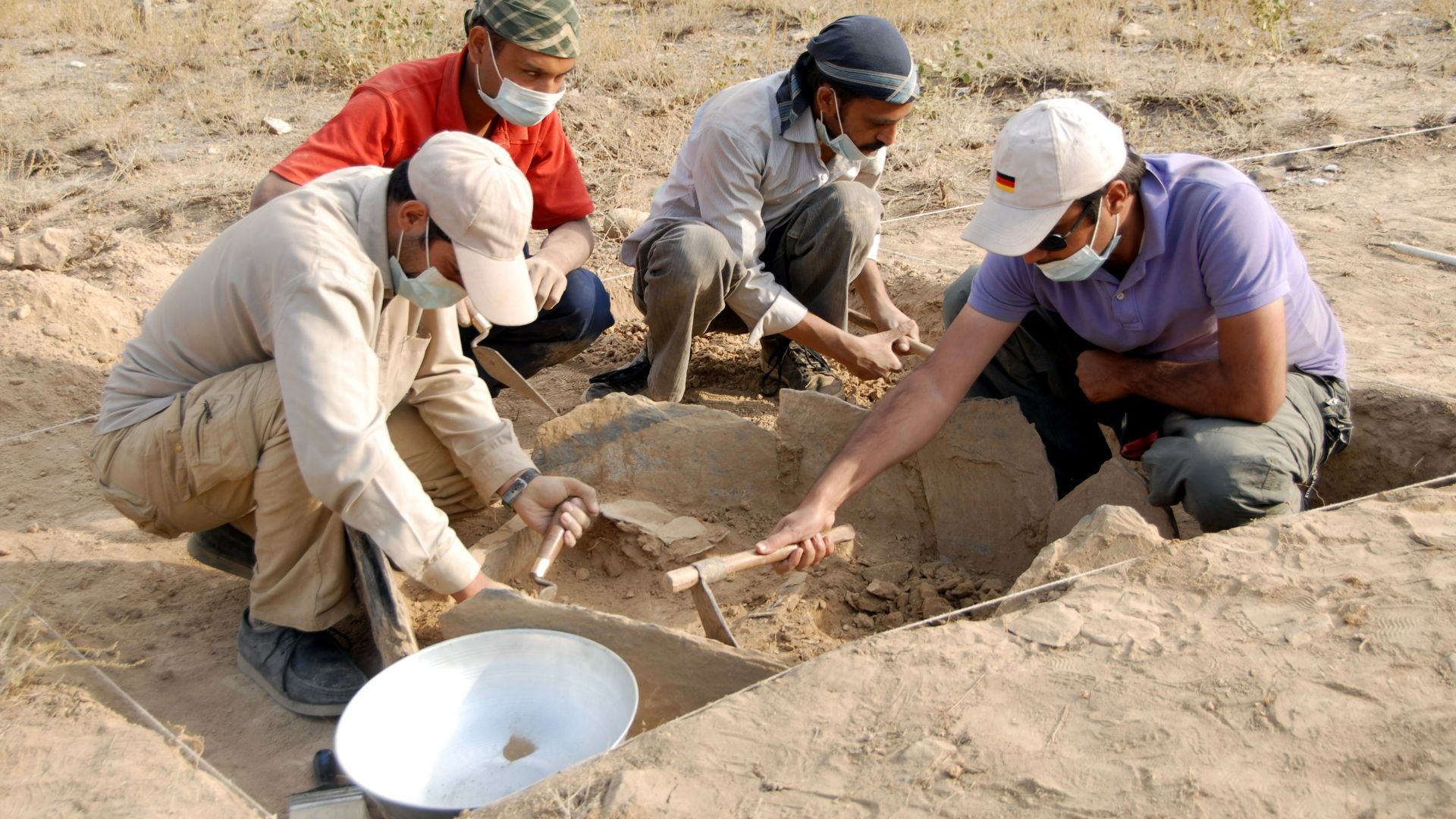
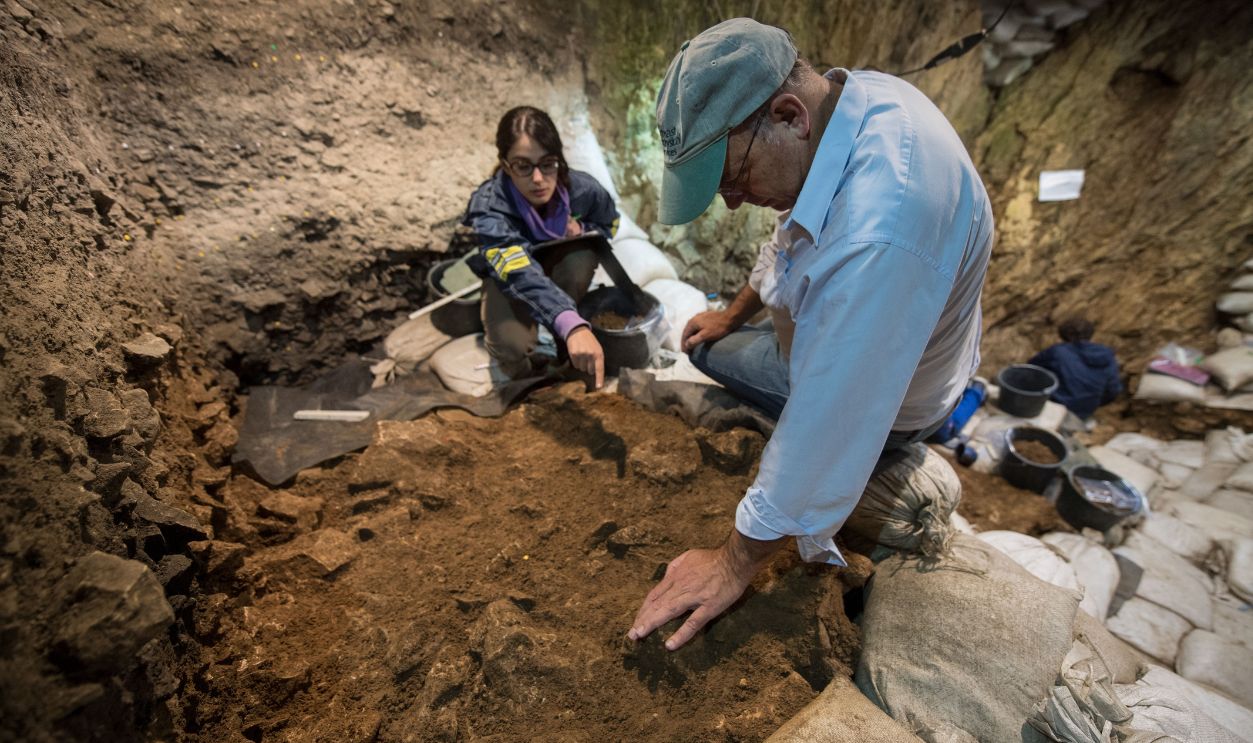
The discovery happened at Hohle Fels Cave in southwestern Germany. This limestone cave has preserved evidence of human activity stretching back tens of thousands of years. Archaeologists have uncovered extraordinary examples of prehistoric art and technology here, making it one of Europe's most important Stone Age sites.
 Dr. Eugen Lehle, Wikimedia Commons
The Discovery Came In 2015
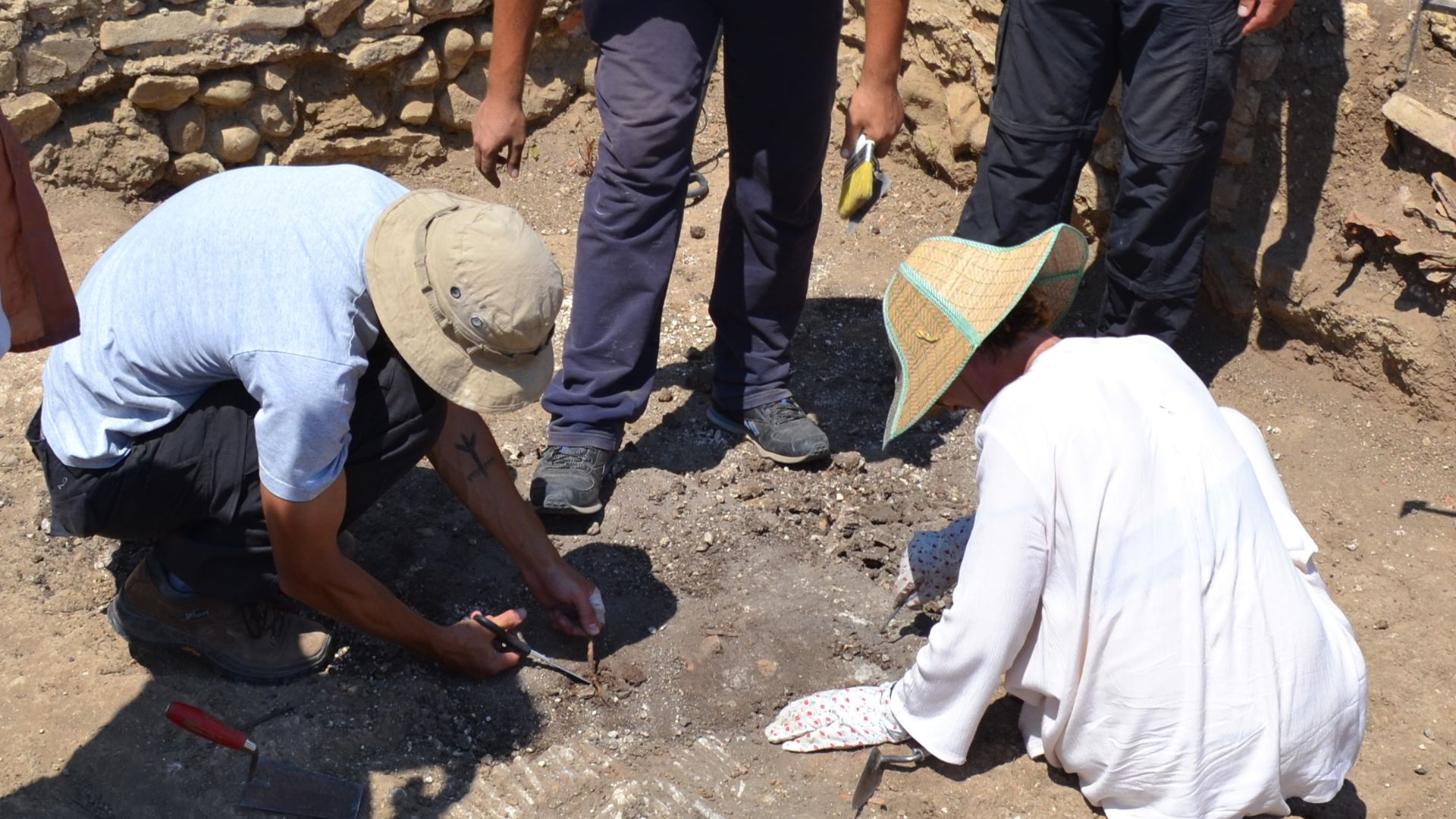
In August 2015, archaeologists excavating the cave uncovered 13 fragments of worked mammoth ivory. Two more pieces were recovered during sediment screening. Although the fragments initially appeared unremarkable, researchers soon realized they belonged to something unusual.
Fifteen Pieces Formed Something Strange
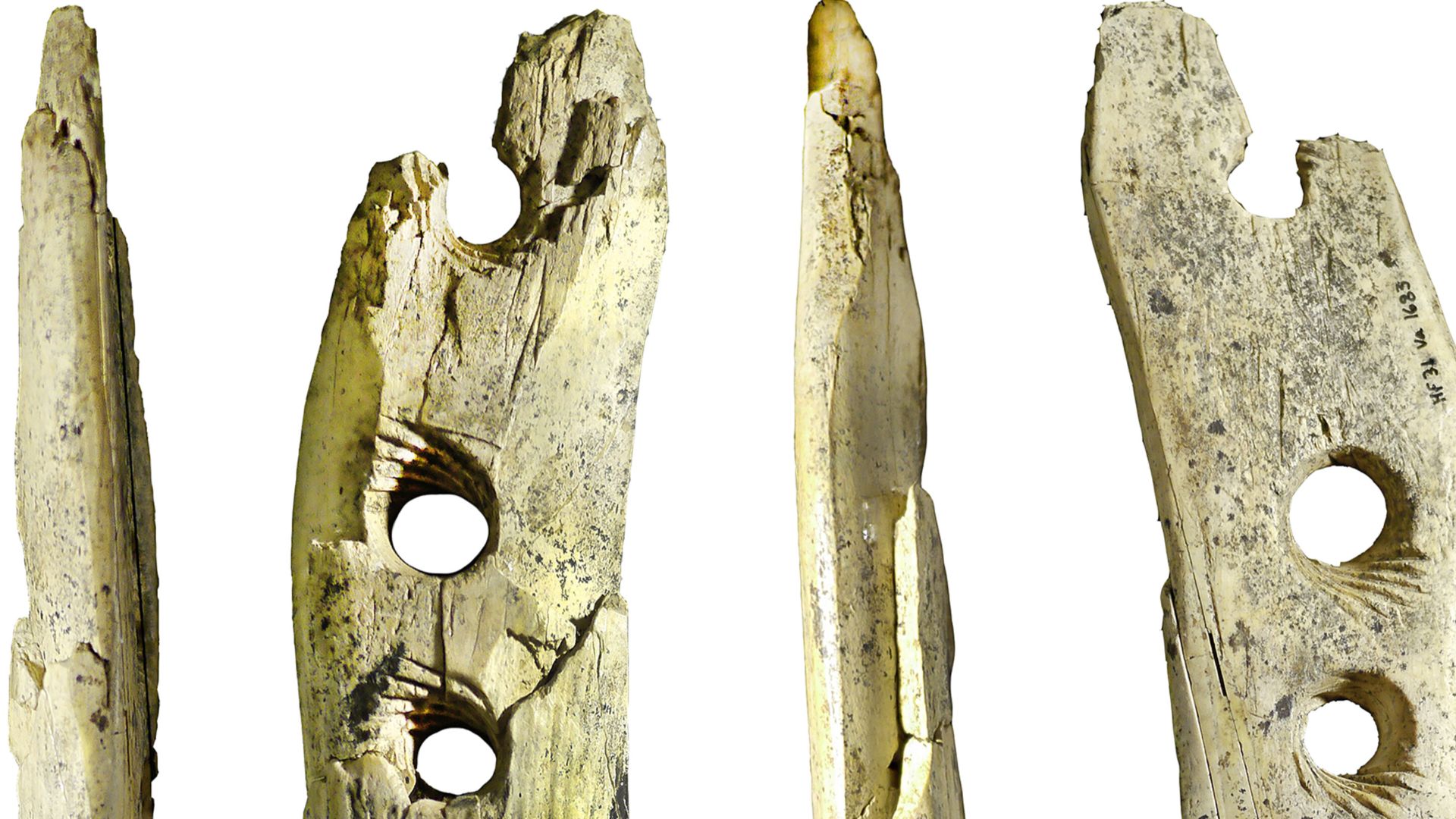
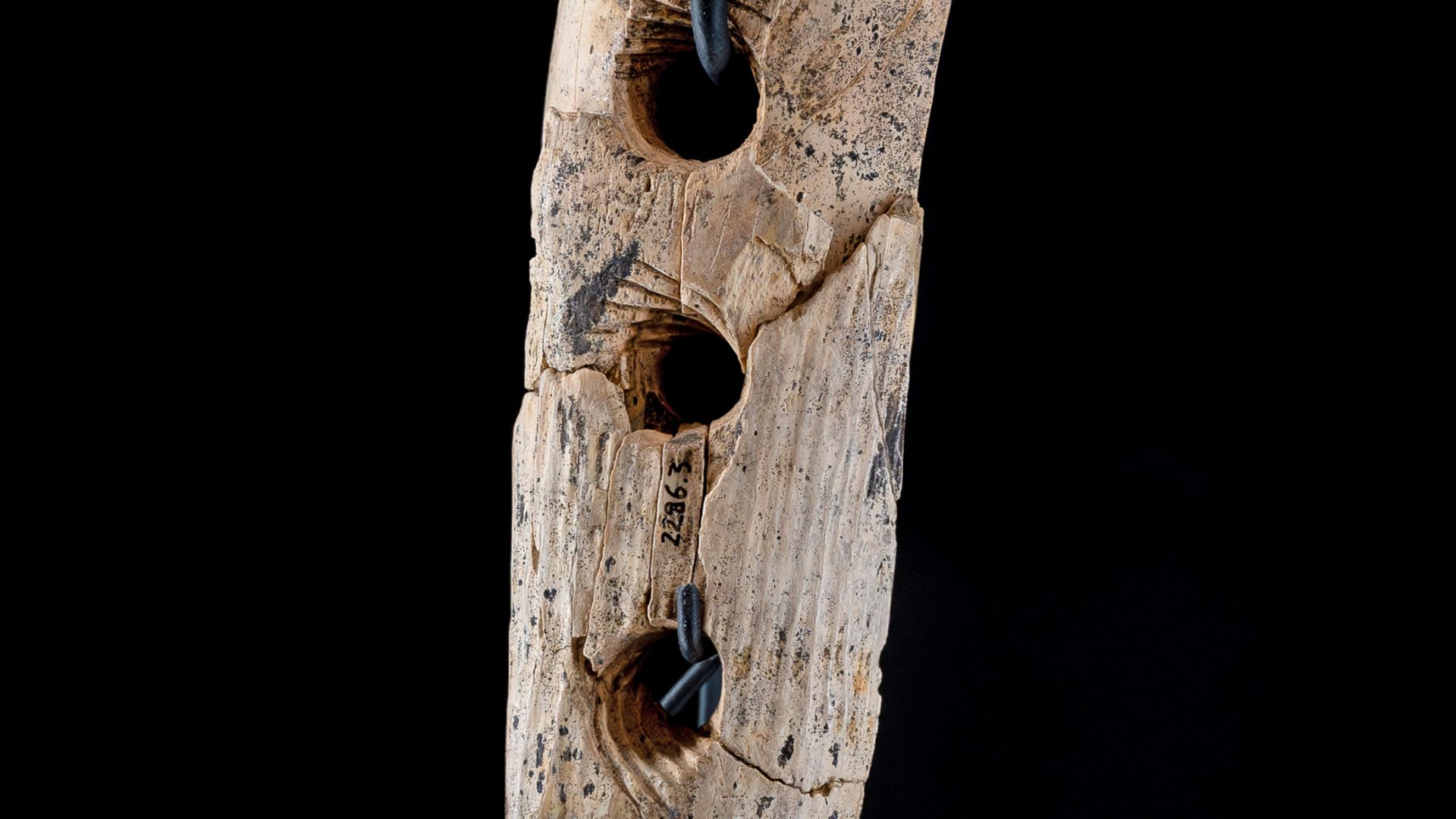
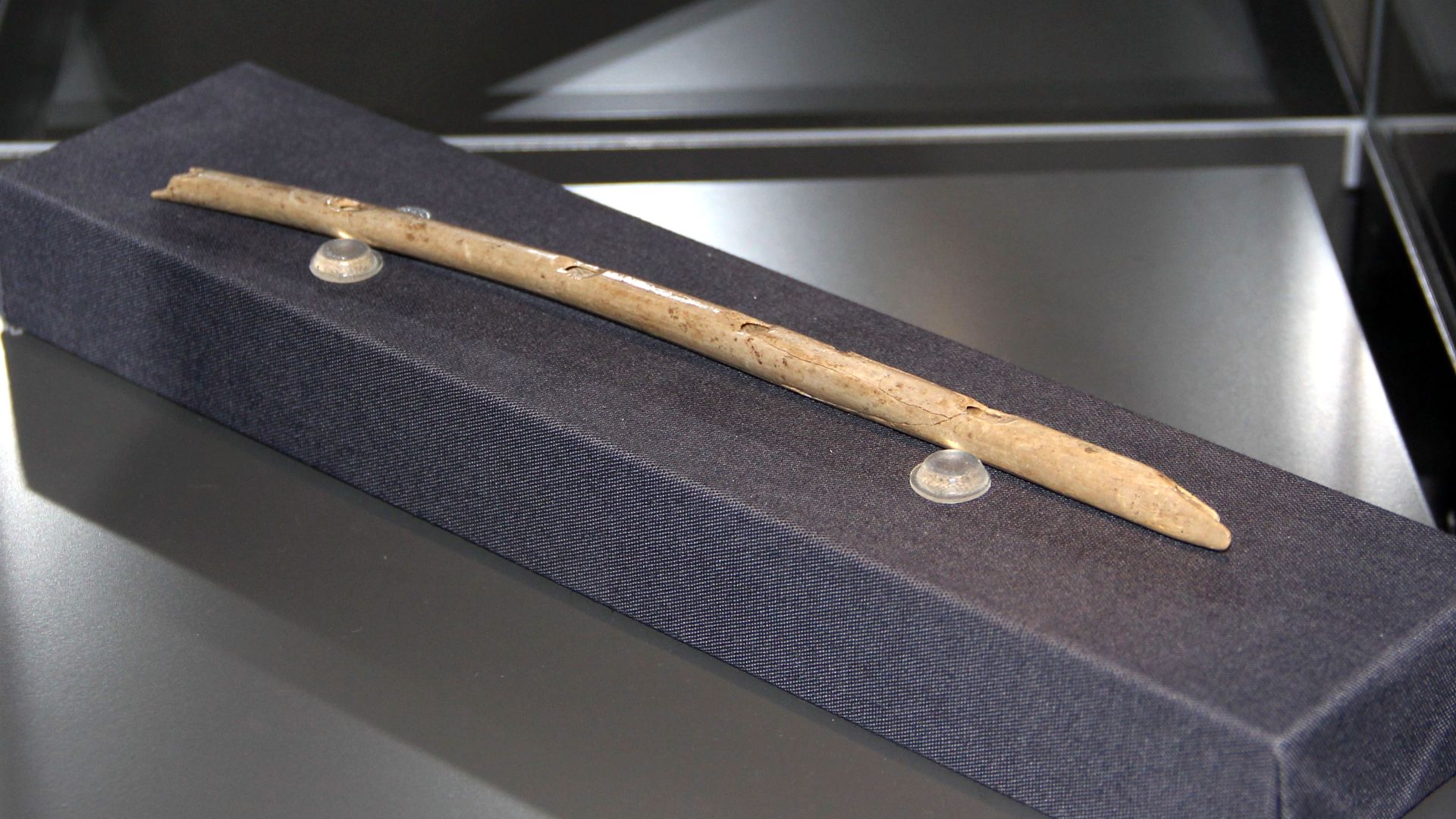
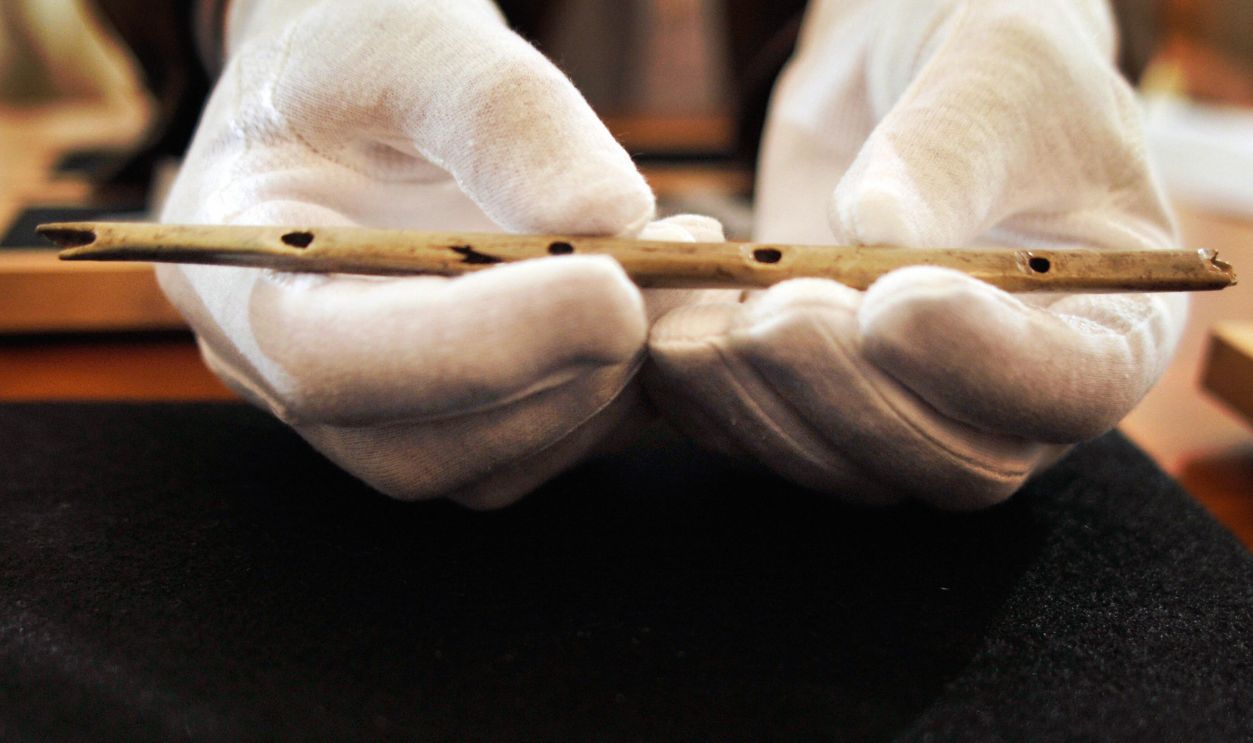
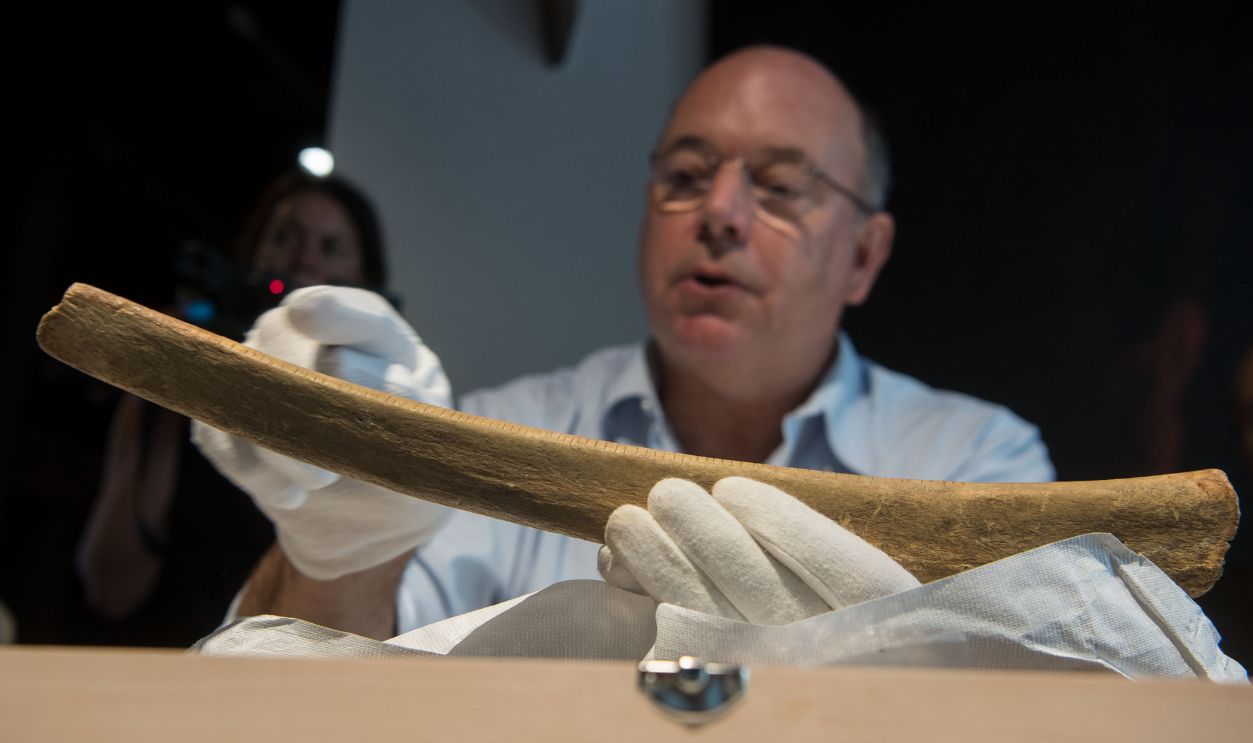
After fitting the 15 fragments together, archaeologists reconstructed a nearly complete ivory baton. It measured approximately eight inches long and featured four circular openings arranged in a row. Its unusual design suggested that somebody had invested considerable effort in making it.
The Object Was Incredibly Old
The artifact came from an archaeological layer dating to between 35,000 and 40,000 years ago. This placed it within the Aurignacian period, when early modern humans lived in Europe. The discovery offered a rare glimpse into the technological abilities of people living during the last Ice Age.

It Came From A Woolly Mammoth
The mysterious object had been carved from woolly mammoth tusk, a material used by prehistoric craftspeople. Working ivory required patience and skill, particularly when creating such delicate features. Whoever made this baton clearly knew how to shape a difficult material with remarkable precision.

Four Holes Made It Particularly Strange
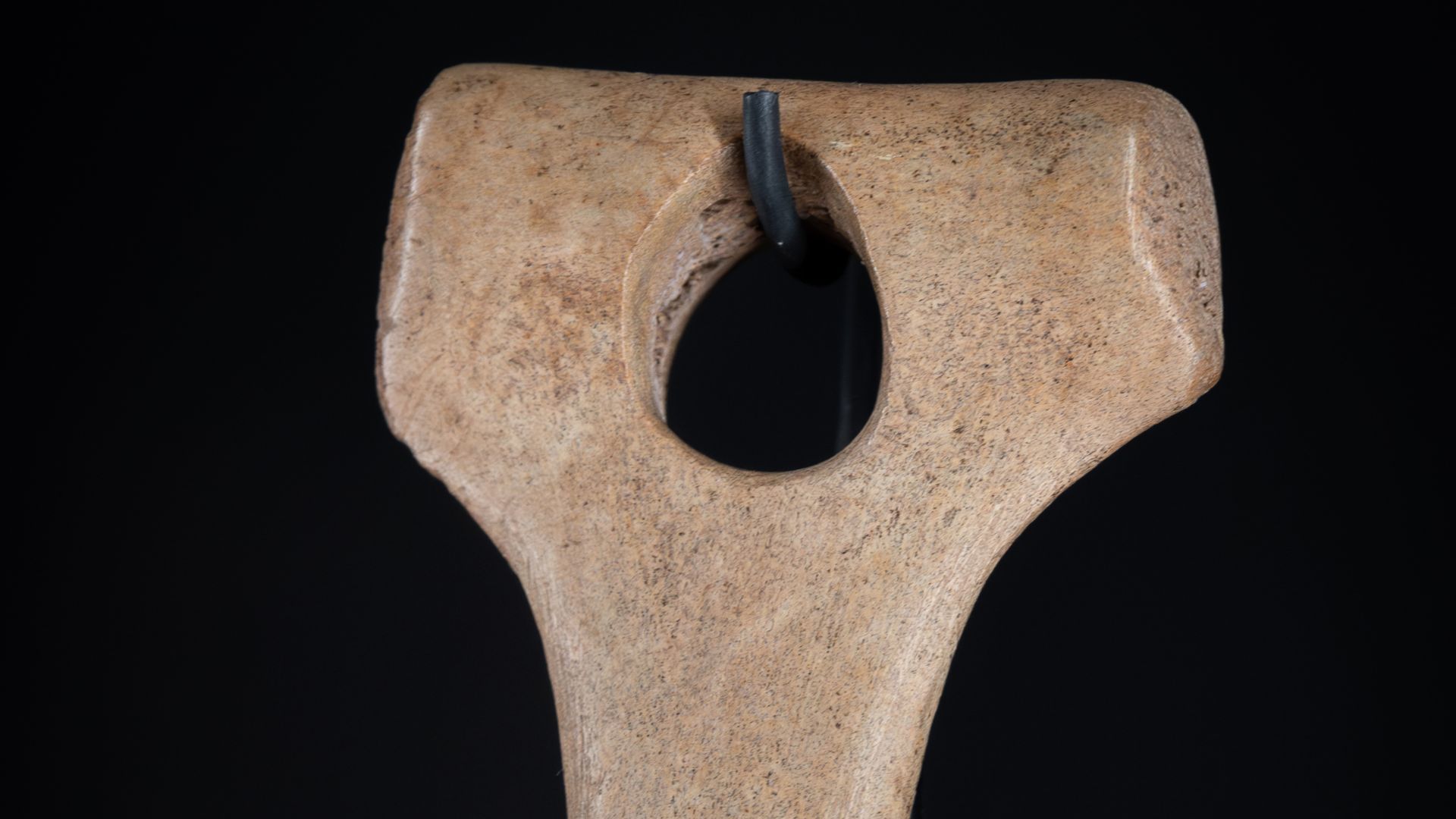
The baton's most distinctive feature was a row of four openings. They measured approximately seven to nine millimeters across, with smaller and larger holes alternating along the ivory. Their careful arrangement suggested that they served a specific purpose.
 Hannes Wiedmann, Wikimedia Commons
The Holes Contained Another Surprise
Closer inspection revealed six spiral grooves carved inside each opening. These grooves followed a clockwise direction when viewed from the ivory's curved surface. Their precise arrangement raised an intriguing question about what the ancient craftsperson had intended.
The Craftsmanship Was Remarkably Precise
Microscopic analysis revealed that the holes had been drilled from both sides of the ivory. Their grooves aligned remarkably well, demonstrating considerable planning and control. Researchers concluded that sharp stone tools had been used to create these intricate details.
 picture alliance, Getty Images
Archaeologists Had Seen Similar Objects Before
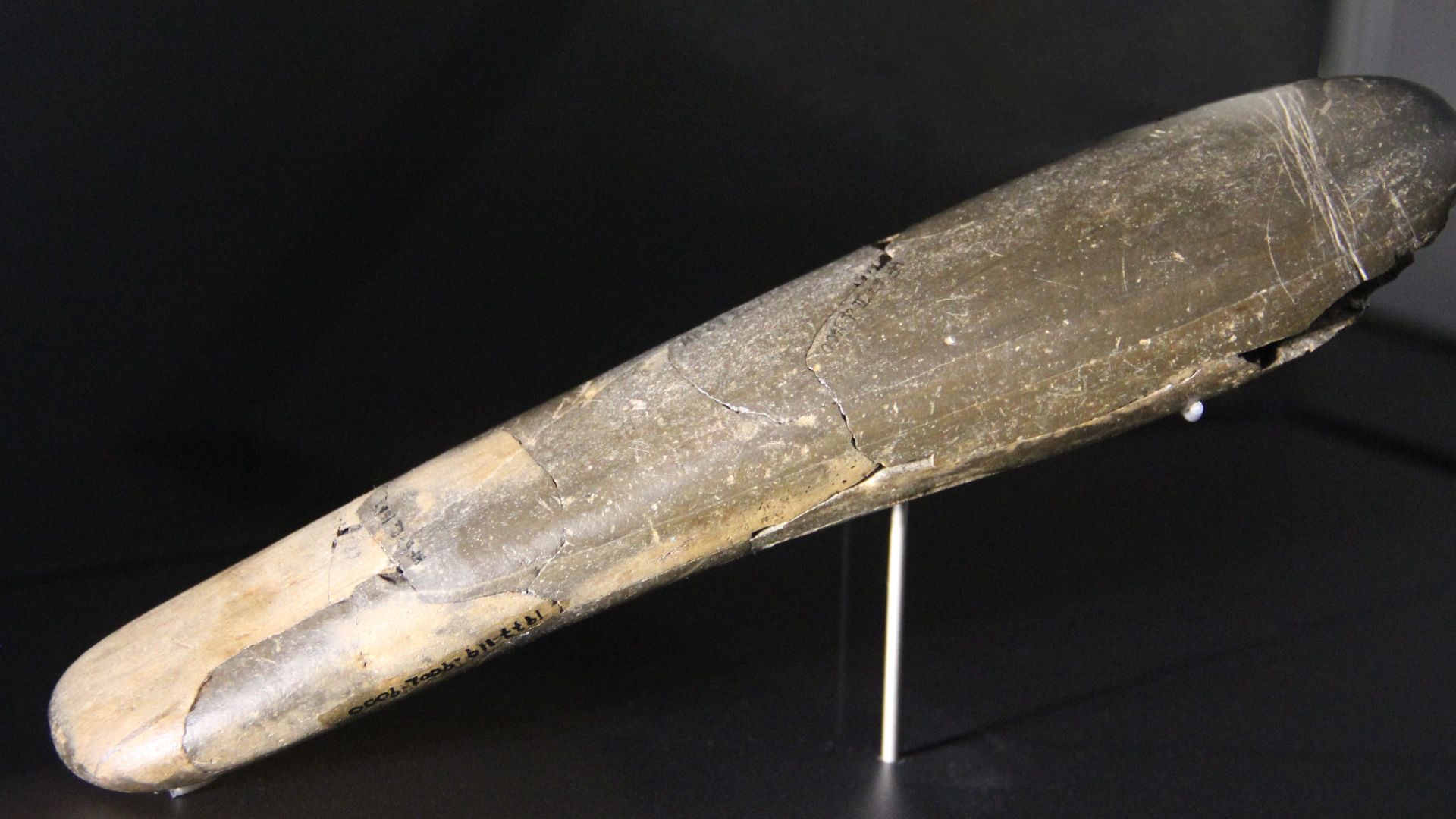
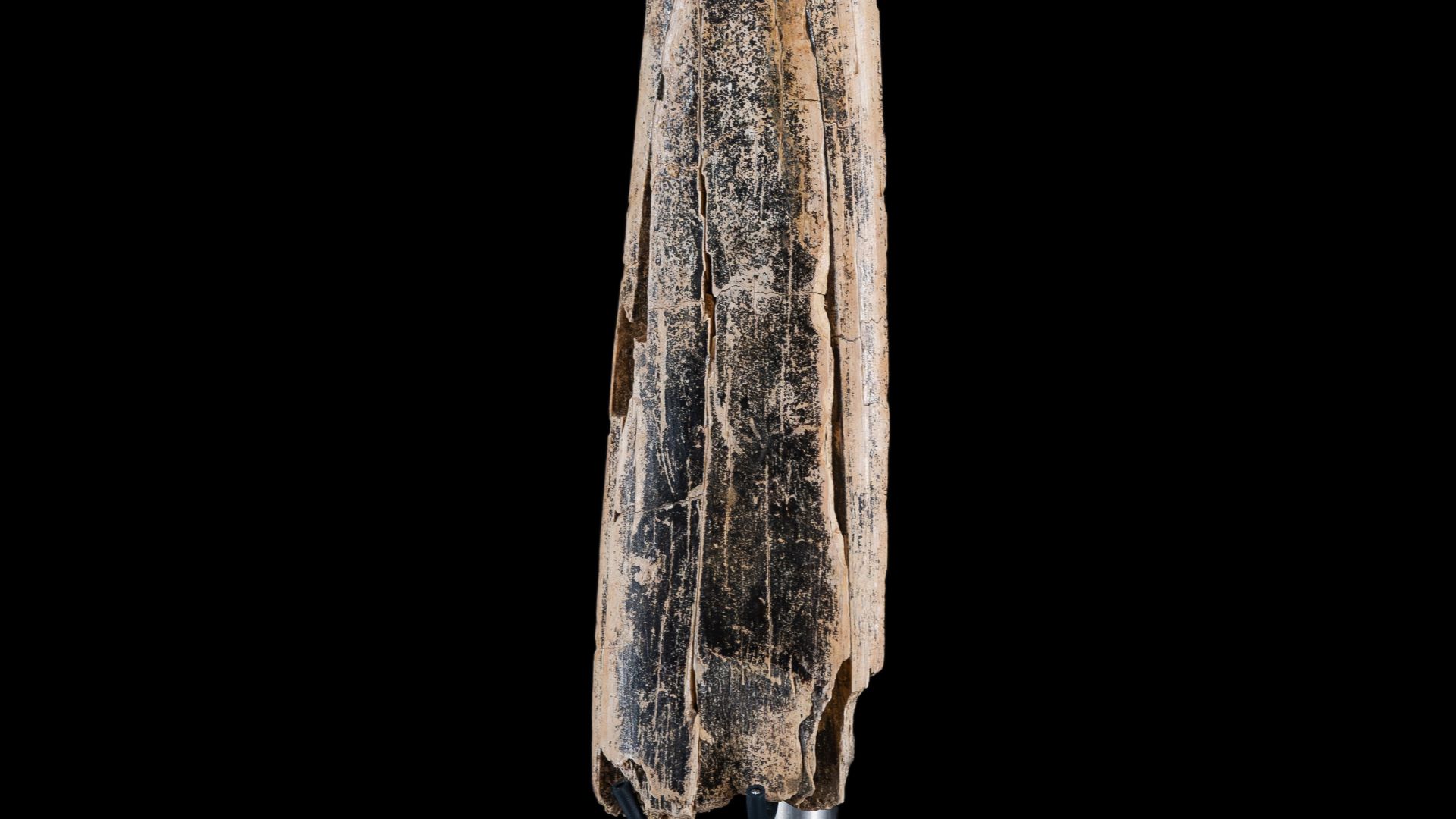
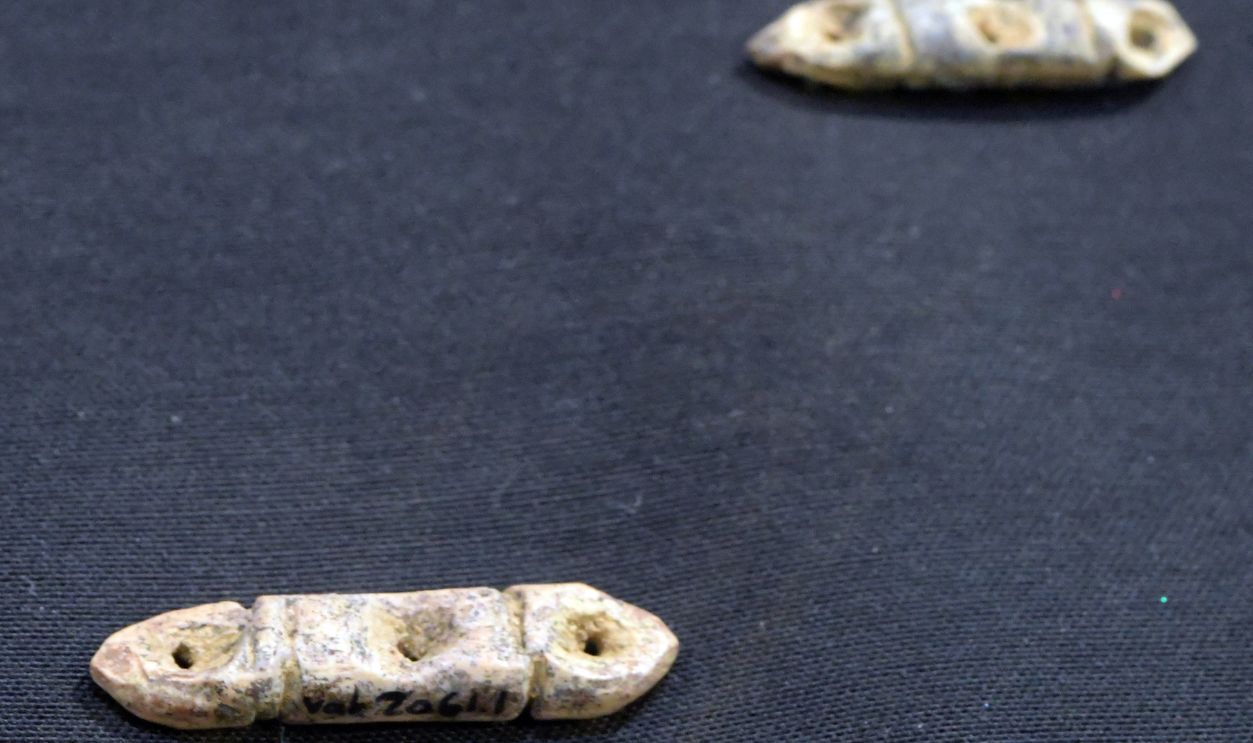
The Hohle Fels artifact wasn't entirely unique. Archaeologists had previously discovered a similar four-holed ivory object at Geißenklösterle Cave in 1983. Three other perforated ivory batons were also recovered from Vogelherd Cave during excavations in 1931.
 Junaid Ahmad, Wikimedia Commons
Nobody Could Agree On Their Purpose
For decades, archaeologists debated what these unusual artifacts were supposed to do. Some suggested they were ceremonial objects, symbols of authority, or works of art. However, none of these explanations fully accounted for the carefully carved openings and grooves.
 Frame Stock Footage, Shutterstock
Other Explanations Were More Practical
Some researchers proposed that the batons were tools for straightening wooden shafts or processing leather. These ideas offered practical alternatives to the ceremonial interpretations. Still, the unusual spiral grooves remained difficult to explain.
Then Researchers Took A Closer Look
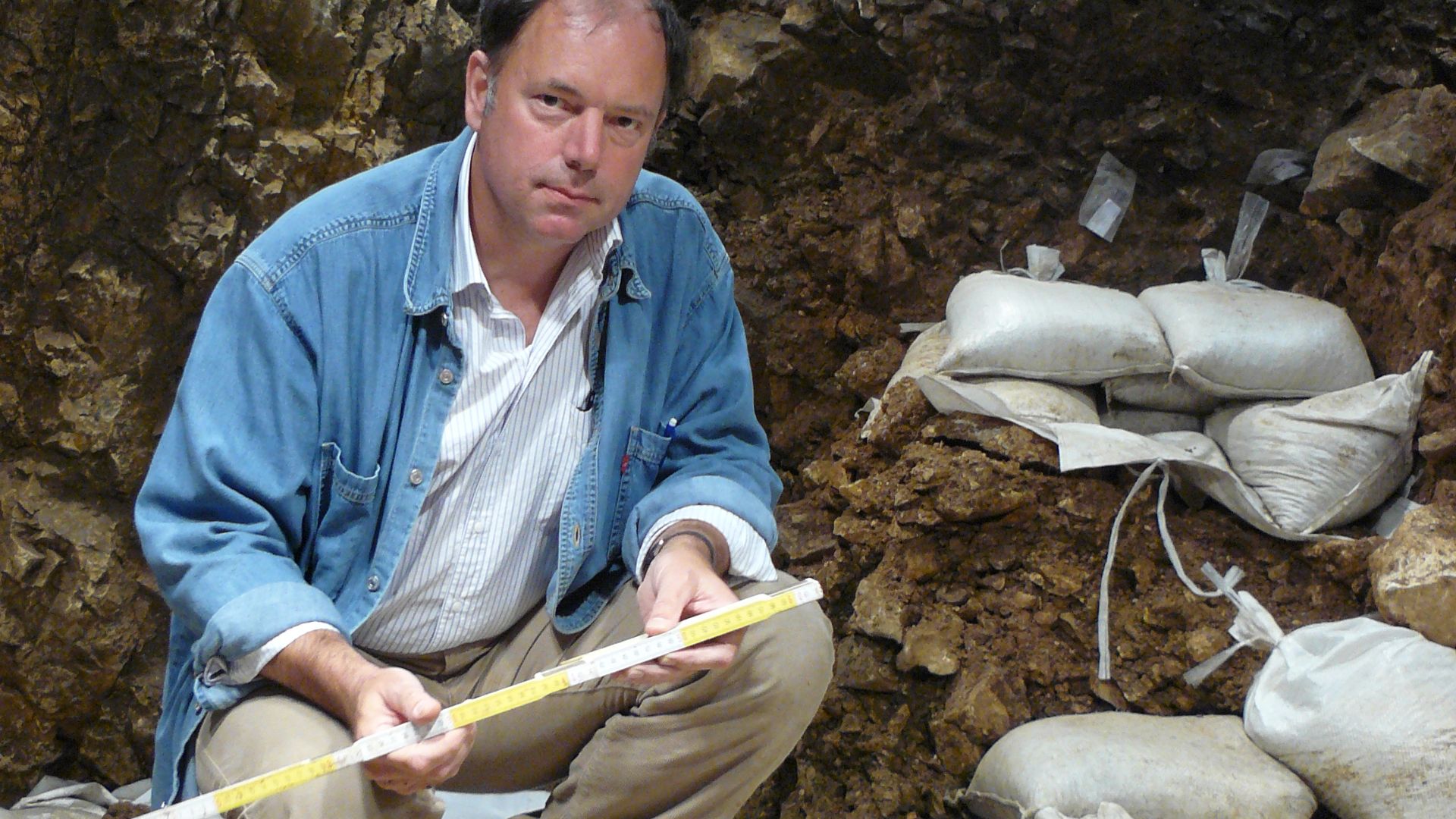
Years after the 2015 discovery, archaeologists Nicholas Conard and Veerle Rots took a closer look at the mysterious objects. Working at the University of Tübingen and the University of Liège, they combined microscopic analysis with experimental archaeology. Their investigation would eventually lead to a surprising breakthrough.
 Haeusslergeorg, Wikimedia Commons
Tiny Traces Offered An Important Clue
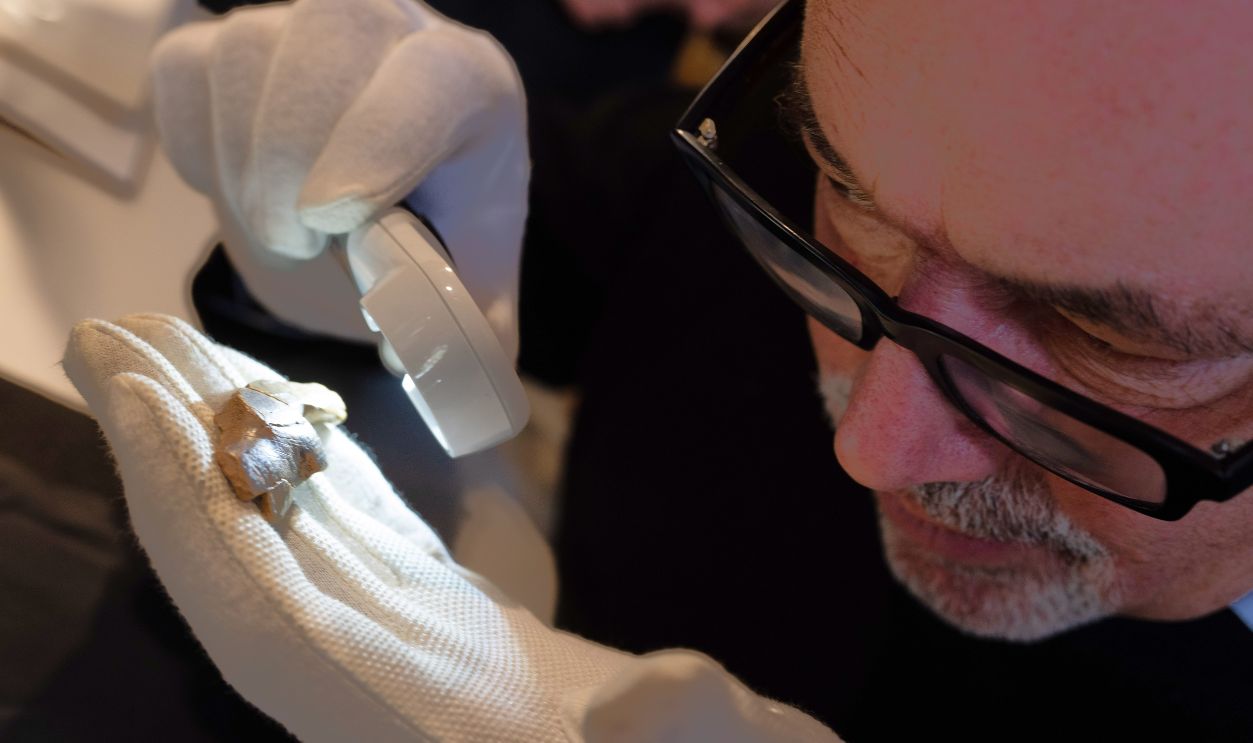
Under the microscope, researchers discovered plant fibers adhering to parts of the Hohle Fels baton. The fibers were especially noticeable around its holes and grooves. Because the surrounding sediment contained relatively few plant fibers, researchers suspected the material might be connected to the object's use.
 picture alliance, Getty Images
Another Artifact Showed Signs Of Wear
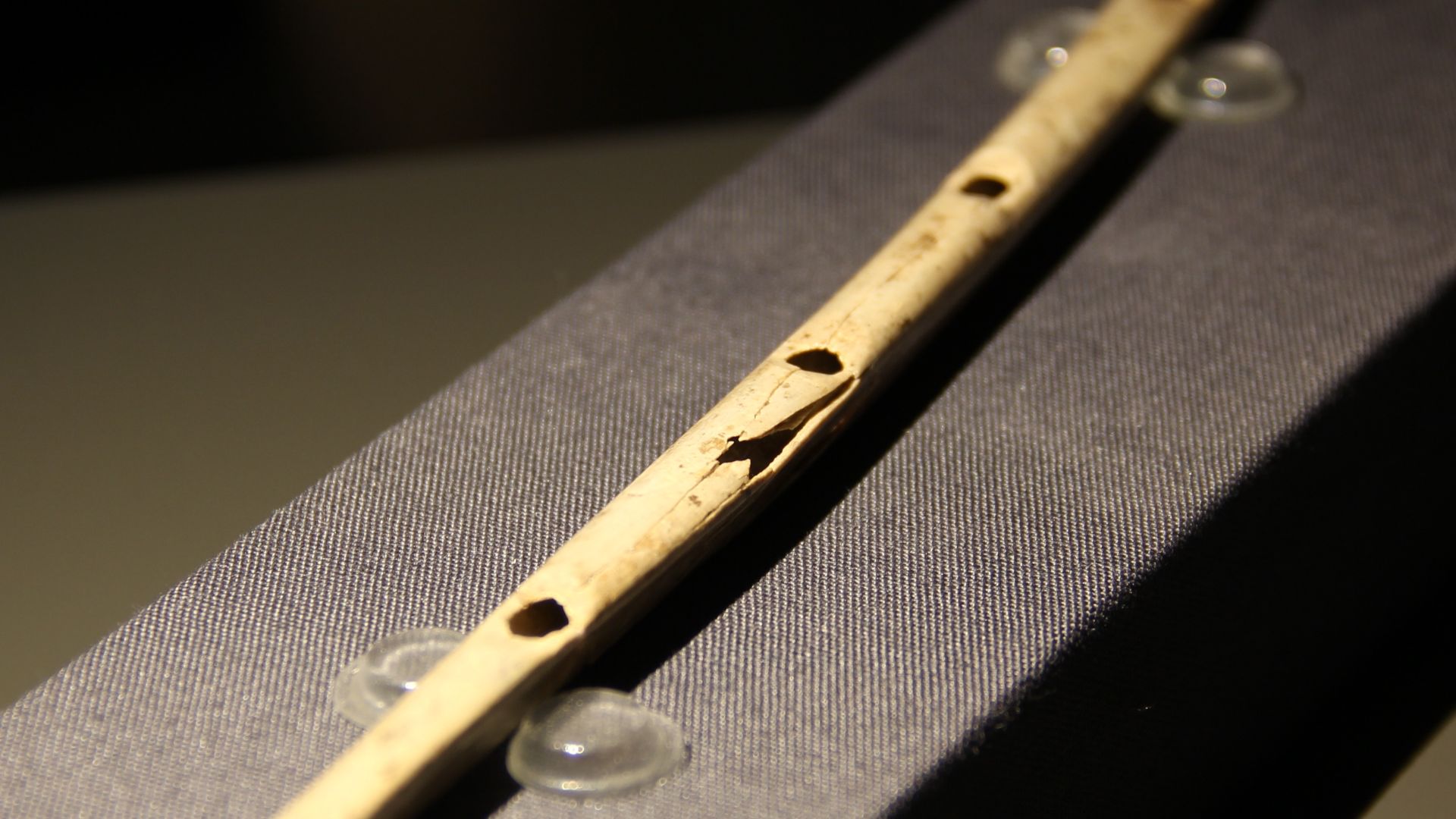
The team also examined the similar ivory baton from Geißenklösterle Cave. Unlike the Hohle Fels example, its grooves showed considerable wear from repeated contact with another material. This suggested that at least one of the ancient objects had been used extensively.
 Hannes Wiedmann, Wikimedia Commons
The Evidence Pointed Toward A New Theory
The researchers began considering whether the openings had been designed to guide plant fibers through the ivory. Perhaps the spiral grooves helped manipulate those fibers during some kind of manufacturing process. That possibility led them toward a technology whose ancient history remains surprisingly mysterious.
 Tomatenpflanze, Wikimedia Commons
One Everyday Material Was Missing
Rope and string would have been incredibly useful to prehistoric communities, yet surviving examples are rare. Most ancient plant fibers have decomposed, leaving archaeologists with limited physical evidence. Conard and Rots suspected that the perforated batons might offer a missing piece of that history.
They Decided To Recreate The Object
To test their rope-making theory, the researchers produced replicas of the ancient batons. They experimented with versions made from wood, animal bone, a warthog's split tooth, and bronze. The objective was to discover whether the four-holed design could actually help produce rope.
 picture alliance, Getty Images
Several Materials Went Into The Experiment
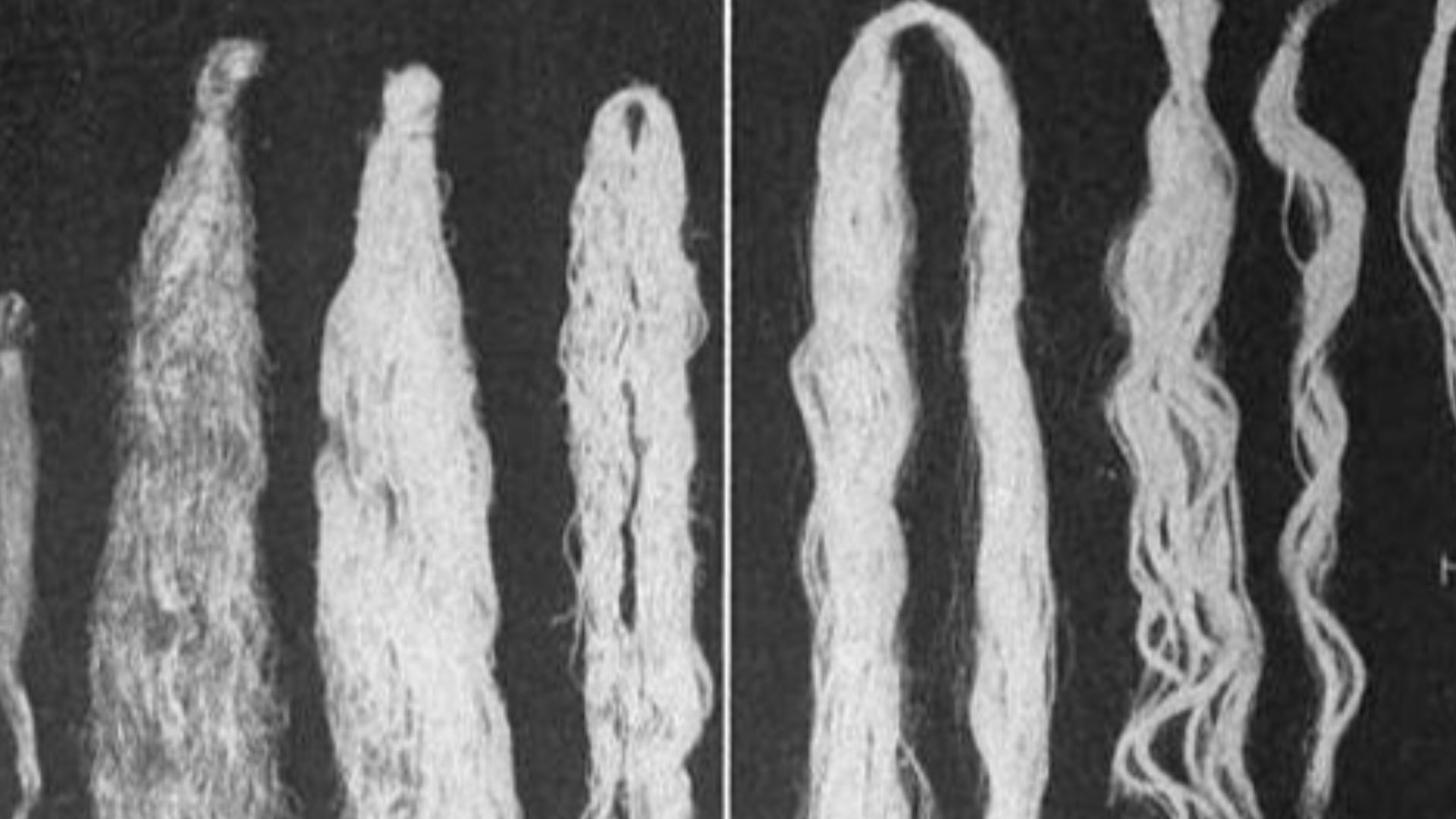
The team tested deer sinew alongside plant materials including flax, hemp, nettles, willow, linden, and cattails. Some fibers proved difficult to process with the reconstructed tools. Others produced promising results, encouraging the researchers to continue experimenting.
 Helen Kinne, Anna Maria Cooley, Wikimedia Commons
One Plant Worked Particularly Well
Cattail leaves turned out to be especially suitable for the process. Their long fibers could be twisted into strands and guided through the openings. The researchers also noted that cattails could plausibly have grown in sheltered parts of Germany's Ach Valley during the Aurignacian period.
 Thomas Metaxas, Wikimedia Commons
The Four Holes Finally Made Sense
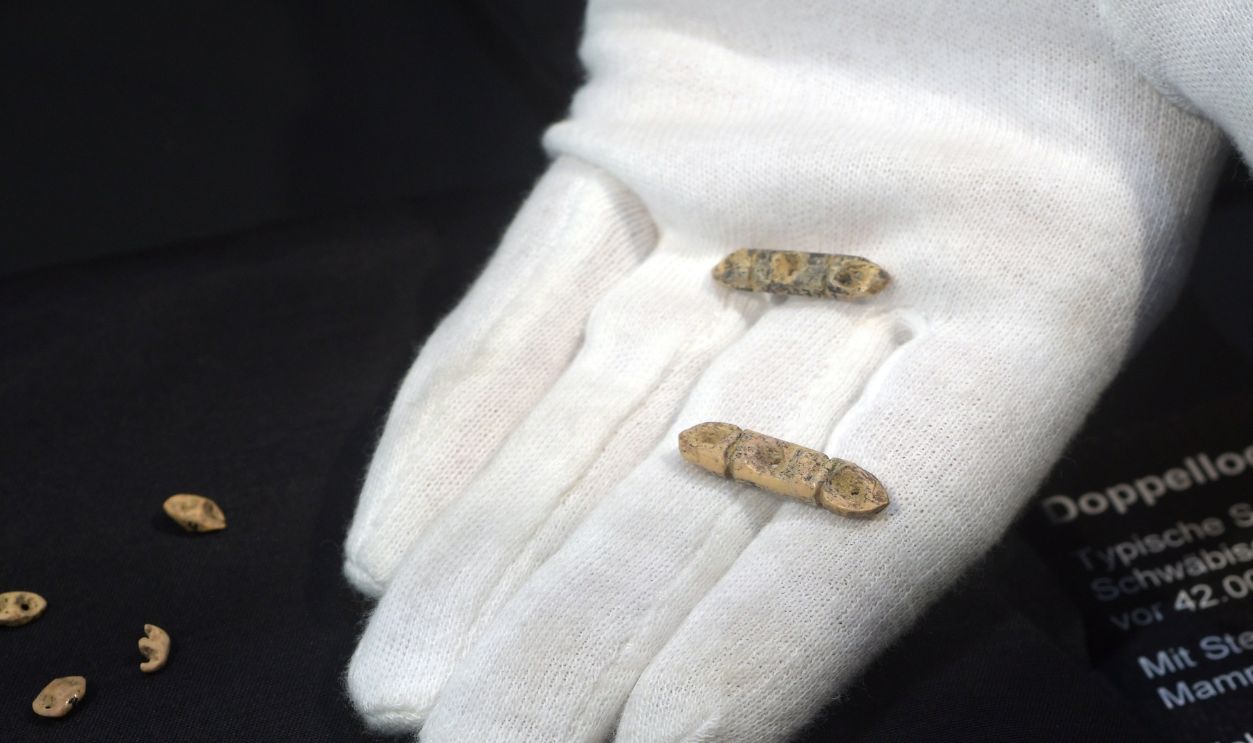
During successful experiments, participants twisted bundles of cattail fibers and fed them through the holes. The openings helped maintain uniform strand thickness, while the grooves organized the fibers and preserved their twist. As the baton moved along the strands, they twisted together behind it to form thicker rope.
 picture alliance, Getty Images
The Experiment Required Teamwork
Operating the reconstructed tool effectively required several people working together. Each person maintained tension on a separate strand, while another operated the baton. Depending on how many openings were used, the process required between three and five participants.
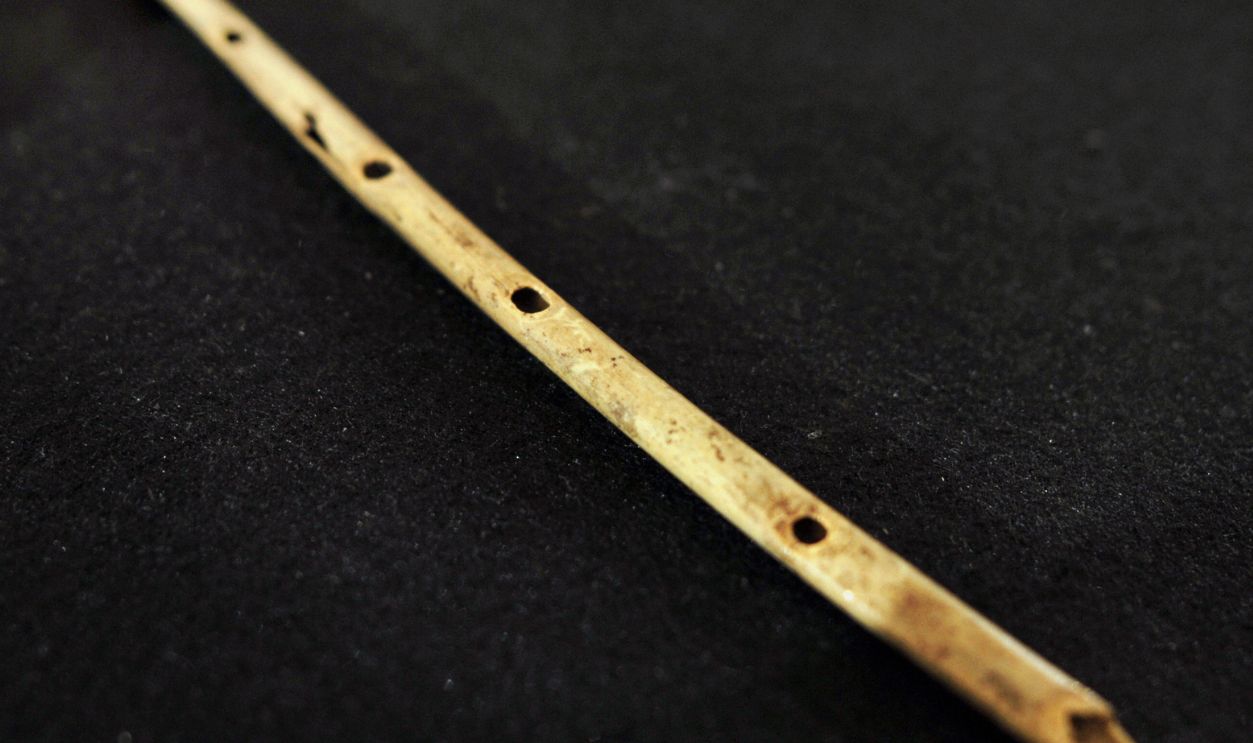
Then Came The Remarkable Result
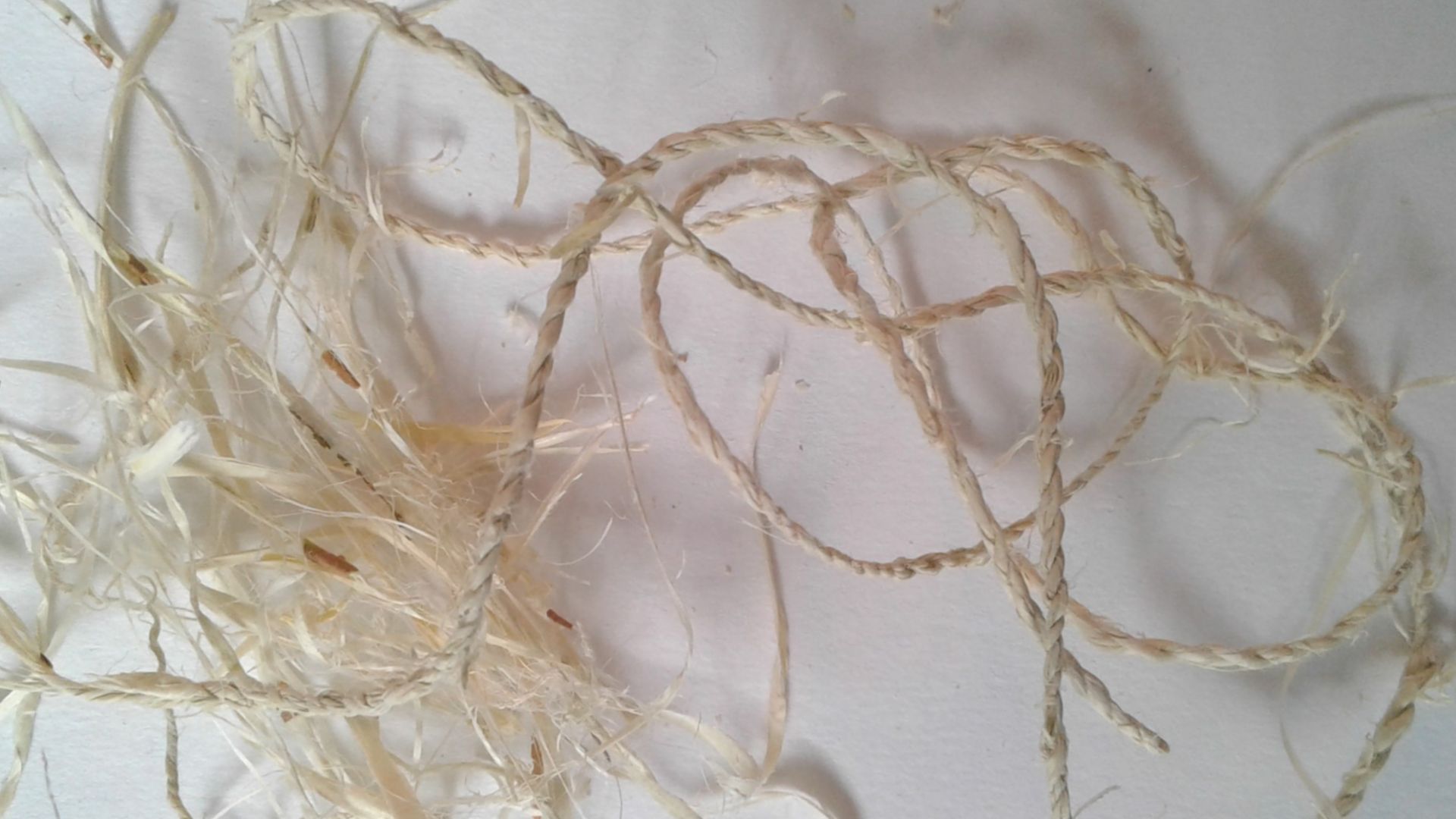
The researchers successfully produced strong, flexible rope using the reconstructed tool. With four or five participants, they could manufacture approximately 16 feet of rope in just ten minutes. The experiment demonstrated that the mysterious four-holed design was remarkably effective at producing thicker, multi-strand rope.
 LittleGoldenFlower, Wikimedia Commons
The Design Had Another Clever Advantage
The openings helped maintain consistent strand thickness while allowing fresh fibers to be added during production. This meant the team could create longer lengths of rope rather than being limited to short pieces. The number of holes used also helped determine how many strands went into the finished rope.
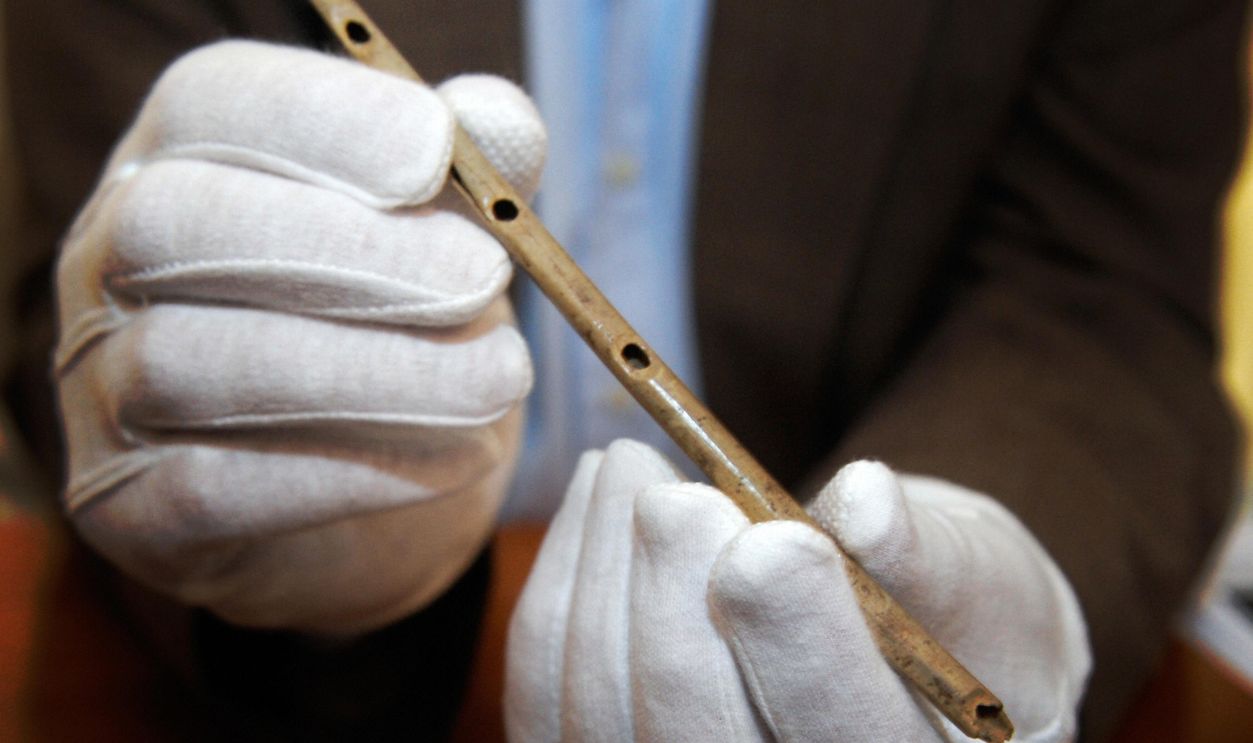
The Ancient Tool May Have Seen Little Use
Interestingly, the original Hohle Fels baton showed relatively little evidence of wear. Its grooves remained sharply defined, suggesting it had not experienced extensive use before being deposited in the cave. The much more worn Geißenklösterle example offered a useful contrast, supporting the possibility that similar objects had been used repeatedly.
 picture alliance, Getty Images
The Findings Made Headlines In 2024
The researchers published their findings in Science Advances on January 31, 2024. Their experiments provided strong support for the theory that these ivory batons were rope-making tools. Objects once interpreted as ceremonial or decorative might instead represent a sophisticated form of prehistoric technology.
 picture alliance, Getty Images
But One Mystery Remains
Although the experiments demonstrated that the batons could make rope, researchers cannot prove that this was their only purpose. Some objects may have served different functions or been used with materials that have not survived. Nevertheless, the combination of plant residues, wear patterns, and successful experiments makes the rope-making explanation compelling.
The Rope Could Have Had Countless Uses
For Ice Age communities, strong rope could have been useful for securing shelters, carrying materials, and fastening equipment. It might also have helped people manufacture nets, traps, and other everyday items. Although the original ropes have not survived at Hohle Fels, the experiment revealed how valuable such a manufacturing tool could have been.

A Small Object With A Remarkable Story
More than 35,000 years after it was made, a piece of mammoth ivory has revealed a fascinating possibility about prehistoric life. Its four mysterious holes may have helped people manufacture a material we still depend on every day. The discovery is a reminder that some of humanity's cleverest ancient inventions were solutions to surprisingly ordinary problems.
 picture alliance, Getty Images
You May Also Like:
Exciting New Animal Experiments Are Changing What Archaeologists Think About Ancient Tools
Ancient Teeth Reveal Humans Were Using Mind-Altering Plants 25,000 Years Ago