A 25,000-Year-Old Habit Was Hiding In Their Teeth
Scientists examining ancient human teeth from Indonesia noticed something they couldn't explain. Deep grooves had been worn into the teeth of people who lived thousands of years apart, including one individual who may date back 25,000 years. The answer appears to involve a mind-altering plant that millions of people still use today. The discovery may be the earliest recorded evidence of humans habitually using a neuroactive plant.

The Clues Came From Sulawesi
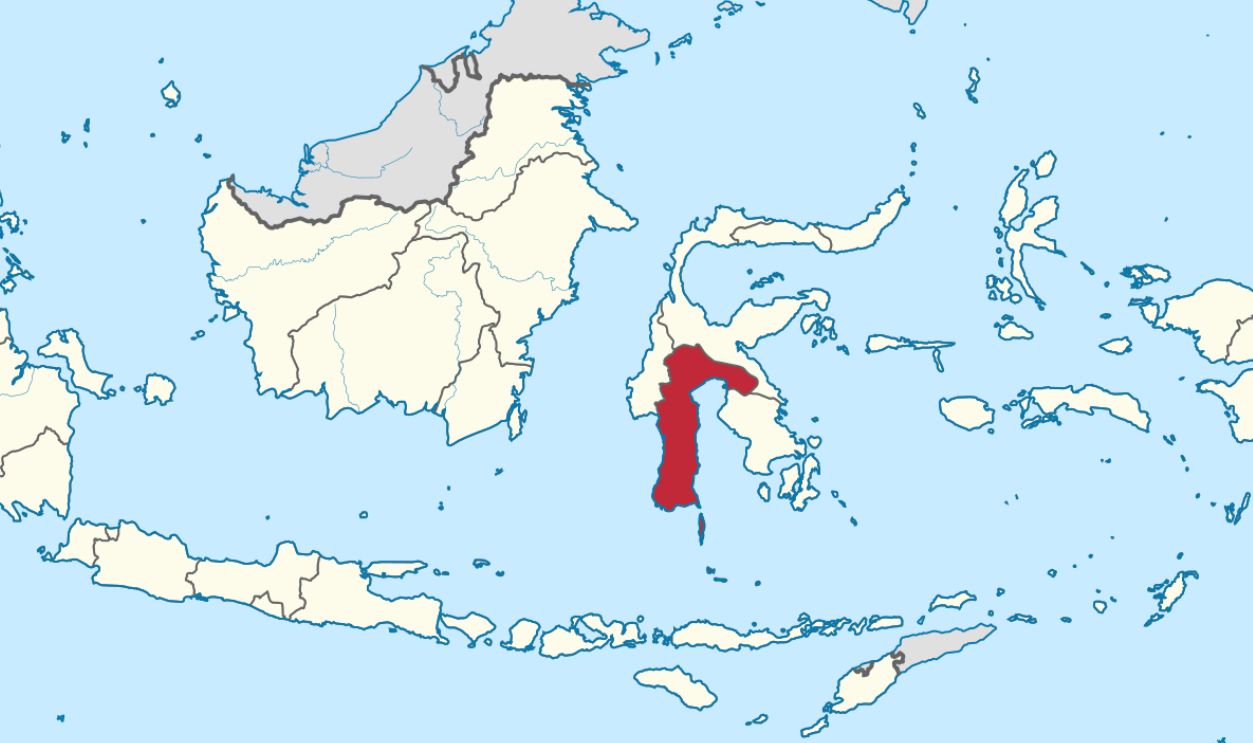
The remains were discovered at archaeological sites in South Sulawesi, one of Indonesia's largest islands. Its limestone caves and rock shelters preserve evidence of humans living there deep into the prehistoric past. Human skeletons from this period are extremely rare in the region, which made these remains especially valuable to researchers.
These People Never Met
The two individuals lived thousands of years apart. The older remains, known as Maros-LBB-1a, came from deposits dated to roughly 25,000 to 16,000 years ago. The second individual, CPL-R2a, lived much later, around 7,600 to 6,300 years ago, yet the teeth of both showed remarkably similar damage.
 Frame Stock Footage, Shutterstock
The Older Remains Came From A Rock Shelter
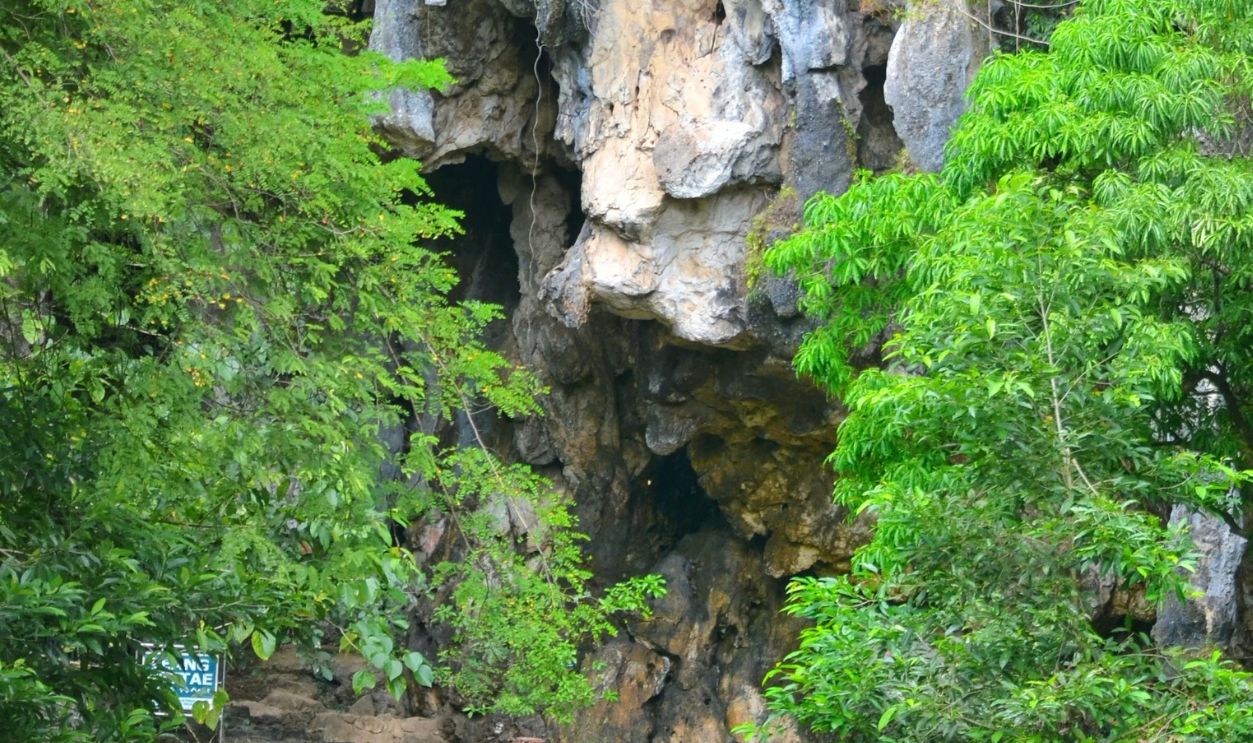
Maros-LBB-1a was discovered at Leang Bulu Bettue, a limestone rock shelter on Sulawesi's southwestern peninsula. The surviving remains include part of the upper jaw and three molars. Earlier research had already identified severe wear and unusual dental problems, but the cause of the strange damage remained uncertain.

The Second Skeleton Offered More Clues
CPL-R2a was discovered at Leang Cappalombo 1 in South Sulawesi. This individual belonged to the prehistoric Toalean hunter-gatherer tradition that existed before agriculture became established on the island. Because more of the skeleton survived, researchers could examine the person's dental health in considerably greater detail.
Their Teeth Had Strange Grooves
Both individuals had deep, rounded grooves worn into their teeth. These marks looked very different from the flatter surfaces produced by normal chewing over a lifetime. Something had apparently been repeatedly pressed against and moved around the teeth.
 Frame Stock Footage, Shutterstock
Food Did Not Fit The Pattern
Researchers considered whether ordinary eating could have produced the damage. The locations, shapes, and depth of the grooves did not resemble typical chewing wear. Instead, they suggested that a small, hard object had repeatedly remained inside the mouth for long periods.

Something Hard Had Been Held There
The grooves gave researchers an idea of the object's approximate shape. It appeared to have been relatively small, rounded, and hard enough to slowly grind through tooth enamel. The severity of the wear also suggested this was not an occasional experiment, but something continued over years.
Betel Nut Became The Prime Suspect
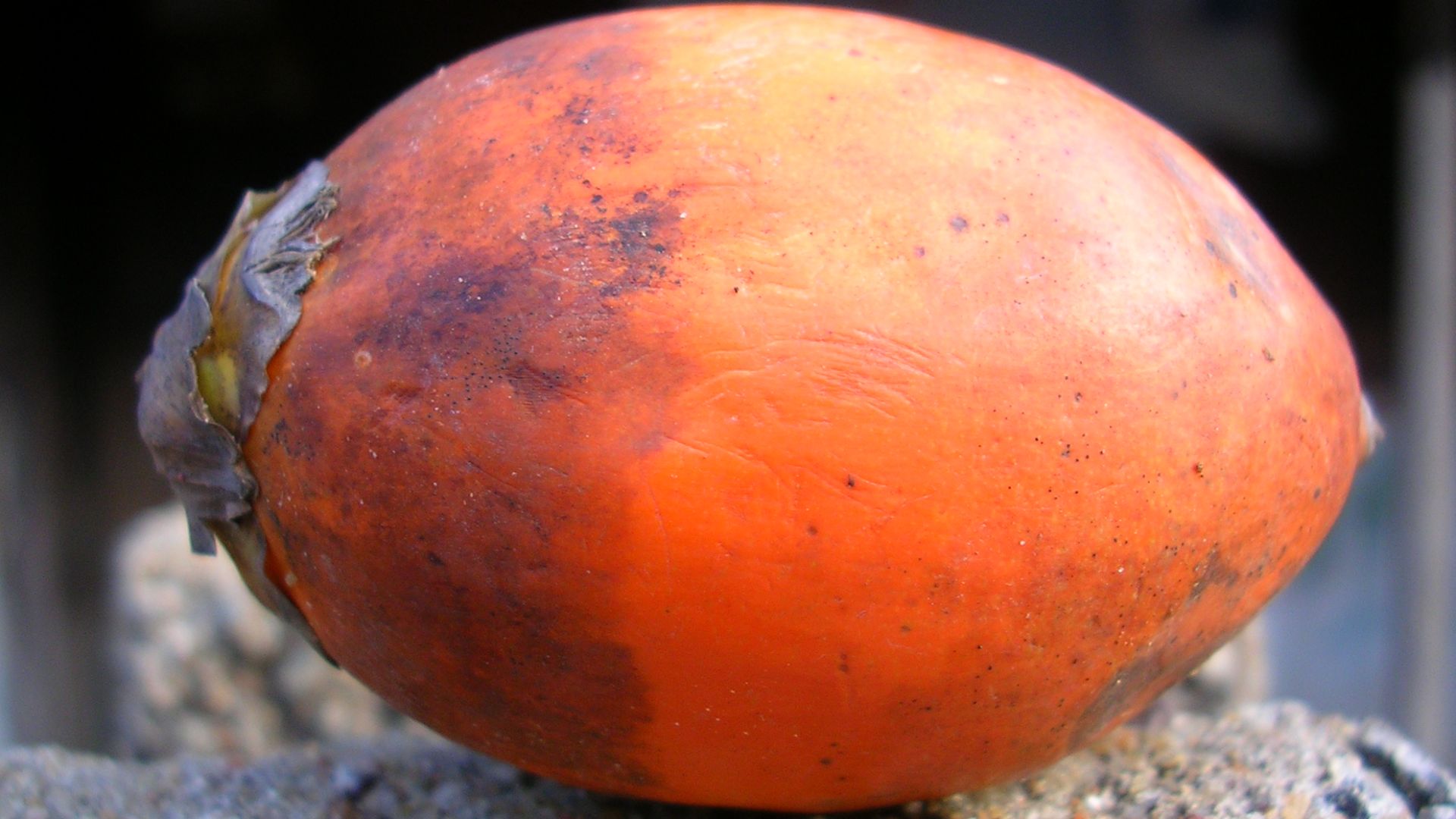
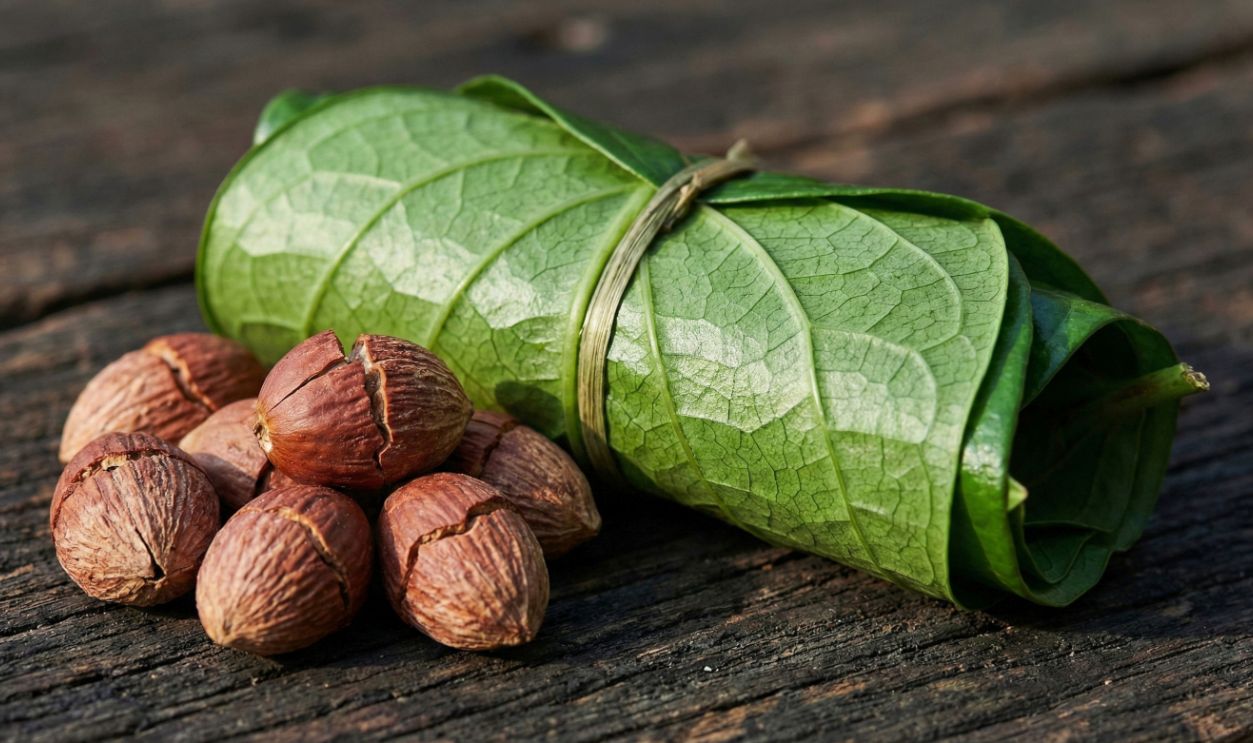
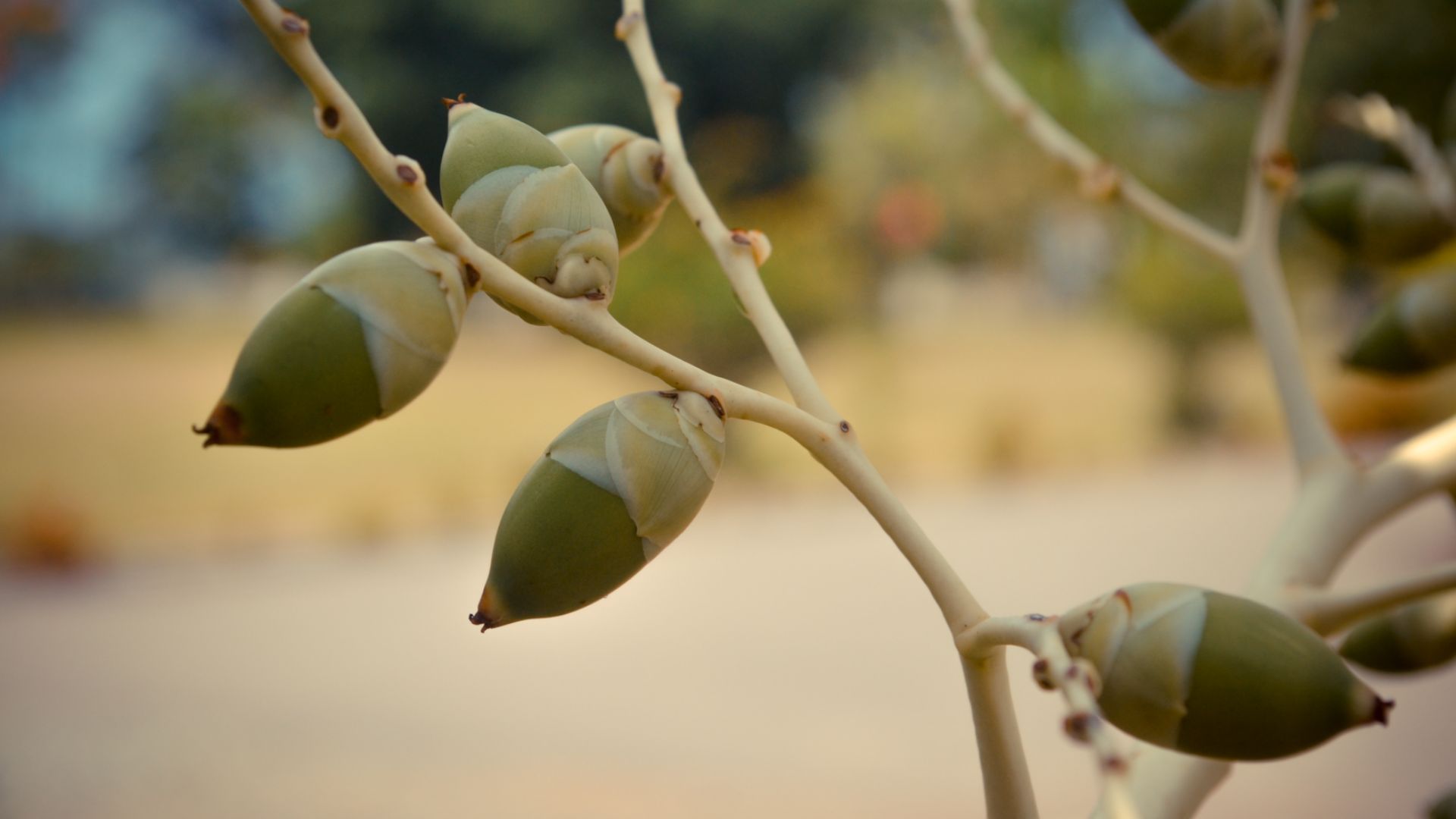
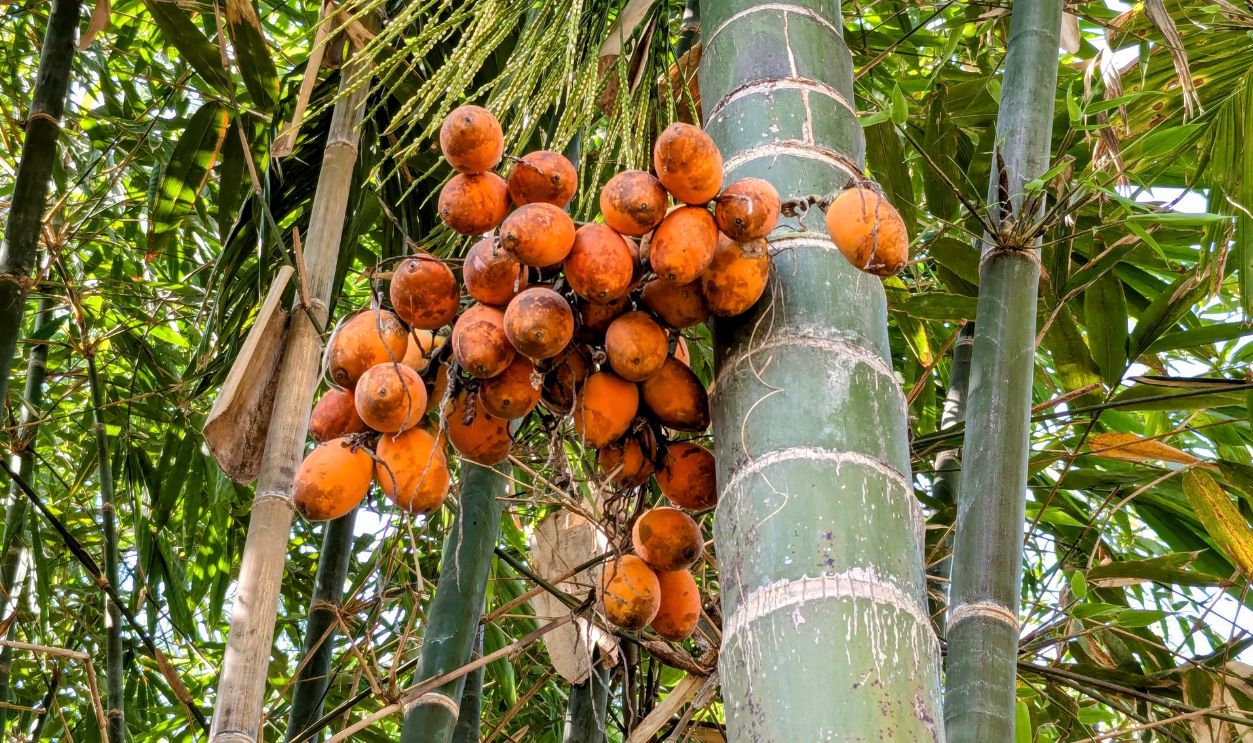
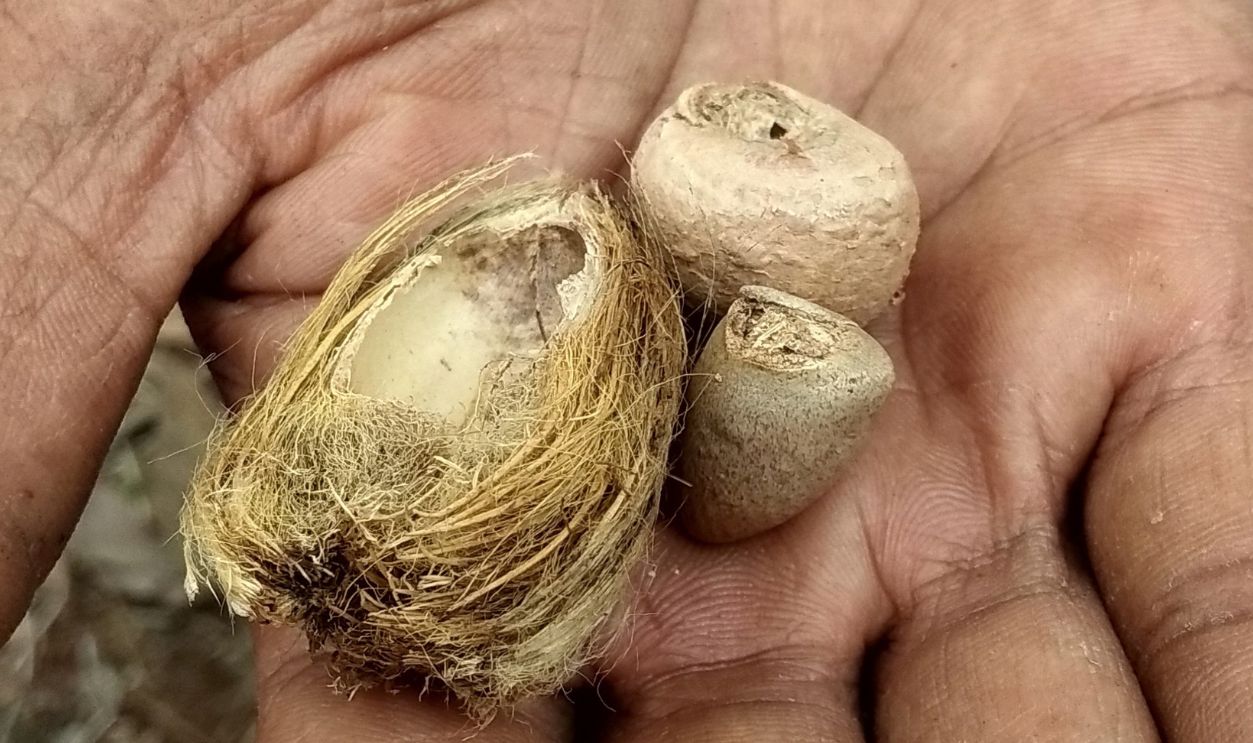
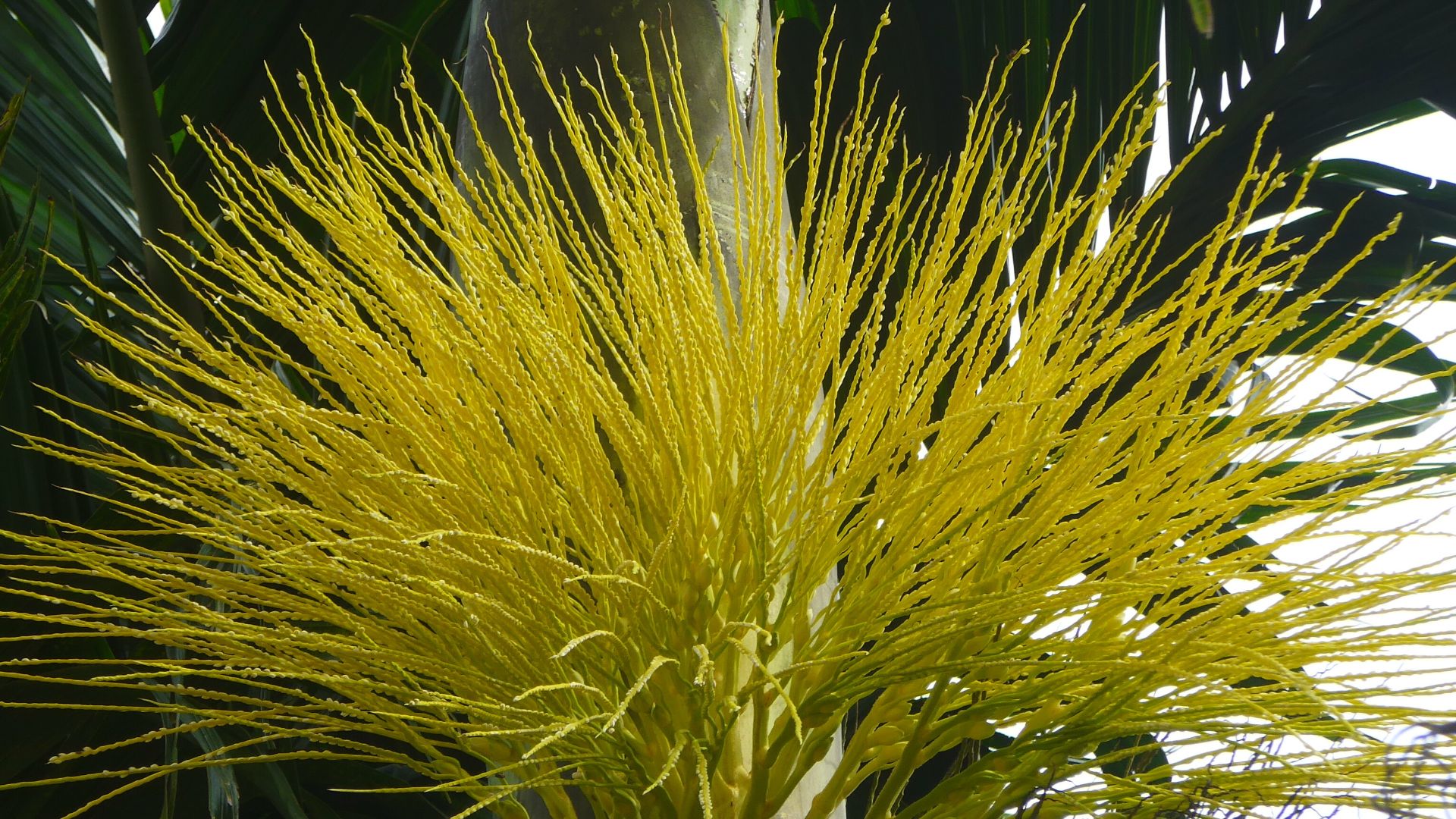
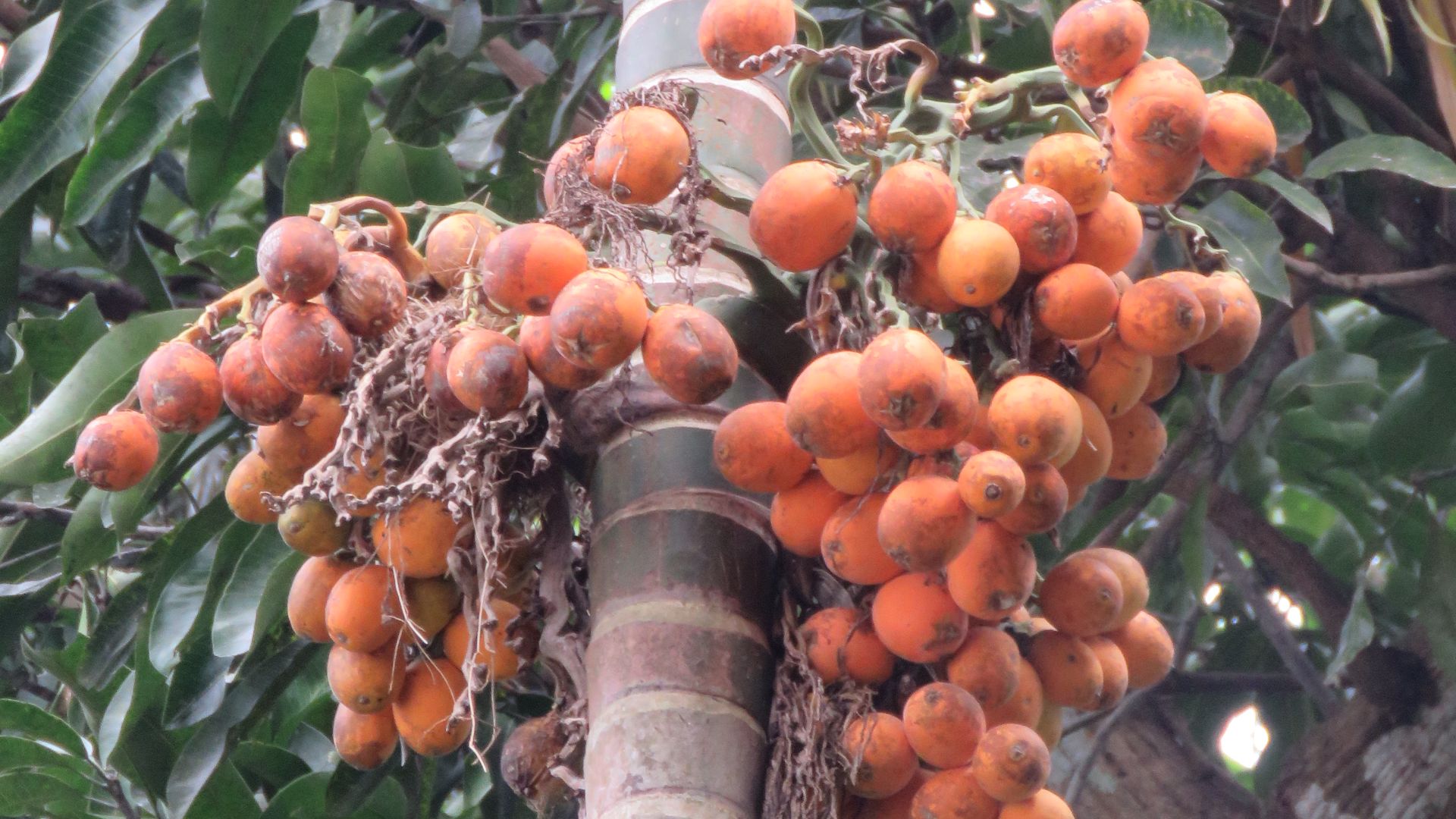
One candidate matched the evidence unusually well. The seeds of areca palms, commonly called betel nuts, are hard and rounded enough to create this kind of damage. Wild areca palms occur naturally in Sulawesi, meaning prehistoric people in the region could have encountered their seeds locally.
 Banni Pulikottil, Wikimedia Commons
Betel Nut Is Actually A Seed
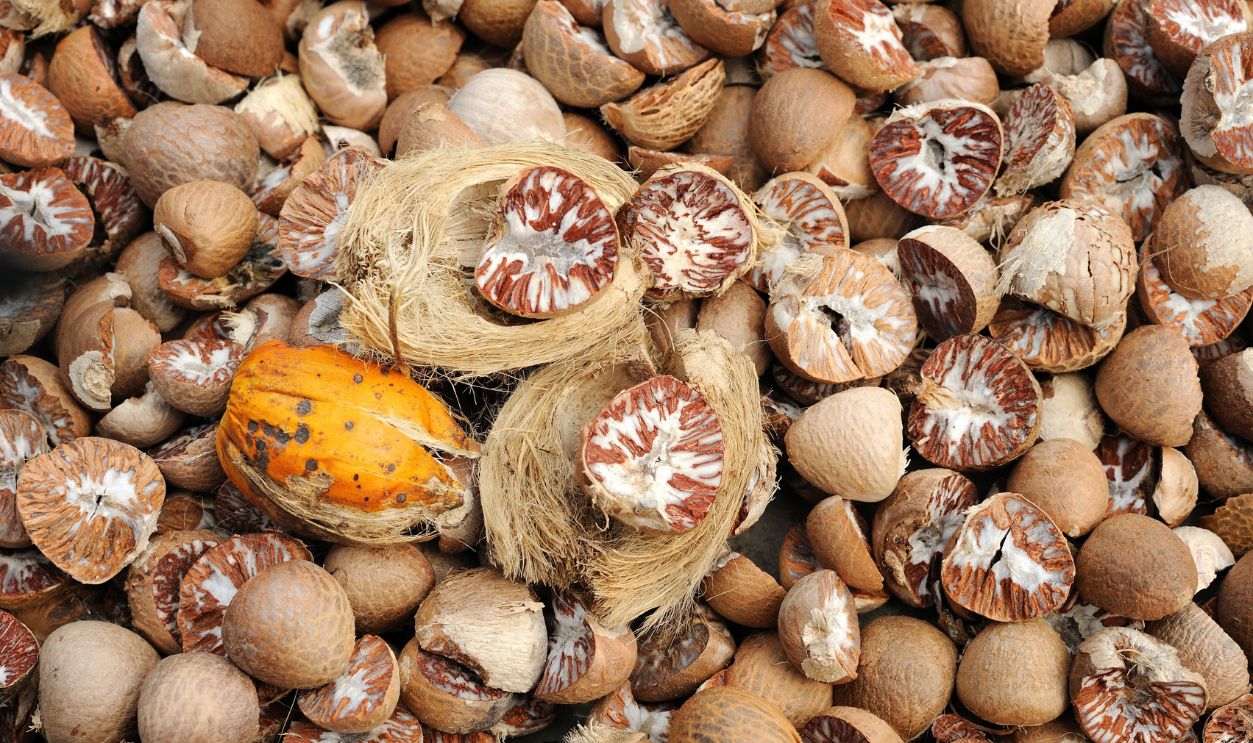
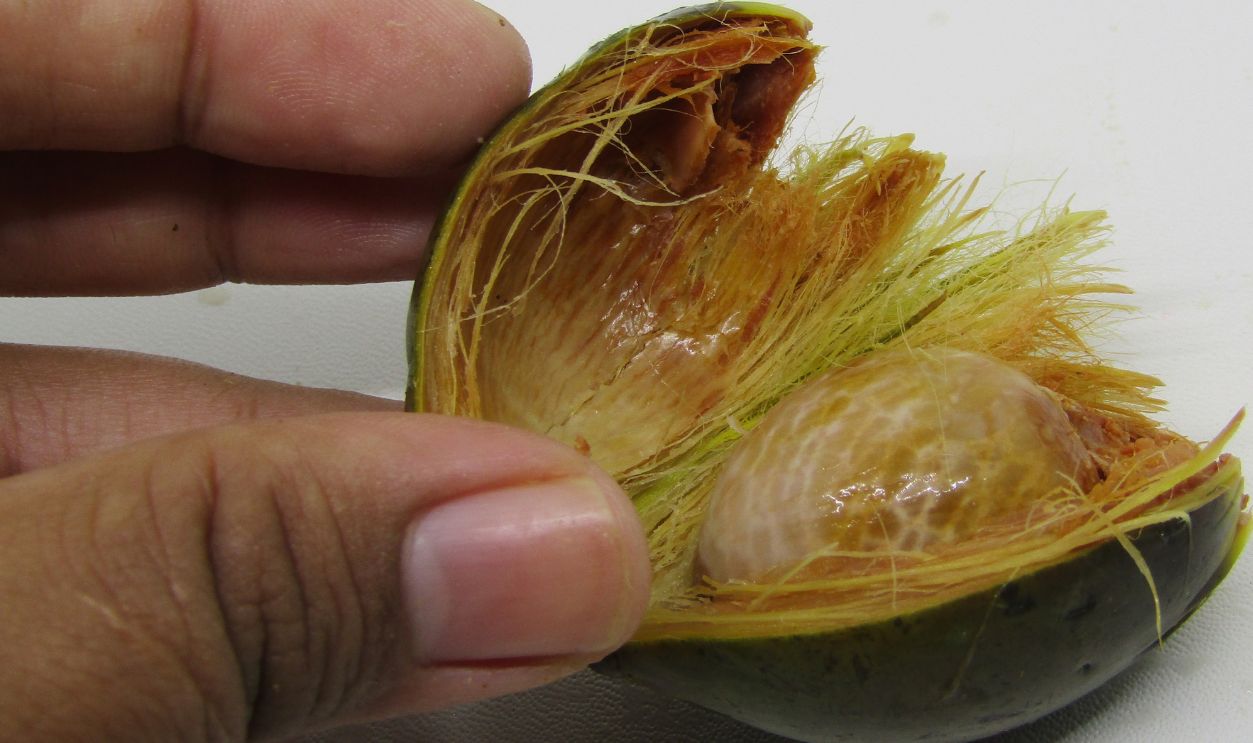
Despite its familiar name, betel nut is not technically a nut. It is the seed found inside the fruit of an areca palm. The seed contains several biologically active compounds, including arecoline, an alkaloid responsible for much of its psychoactive effect.
The Habit Is Still Huge Today
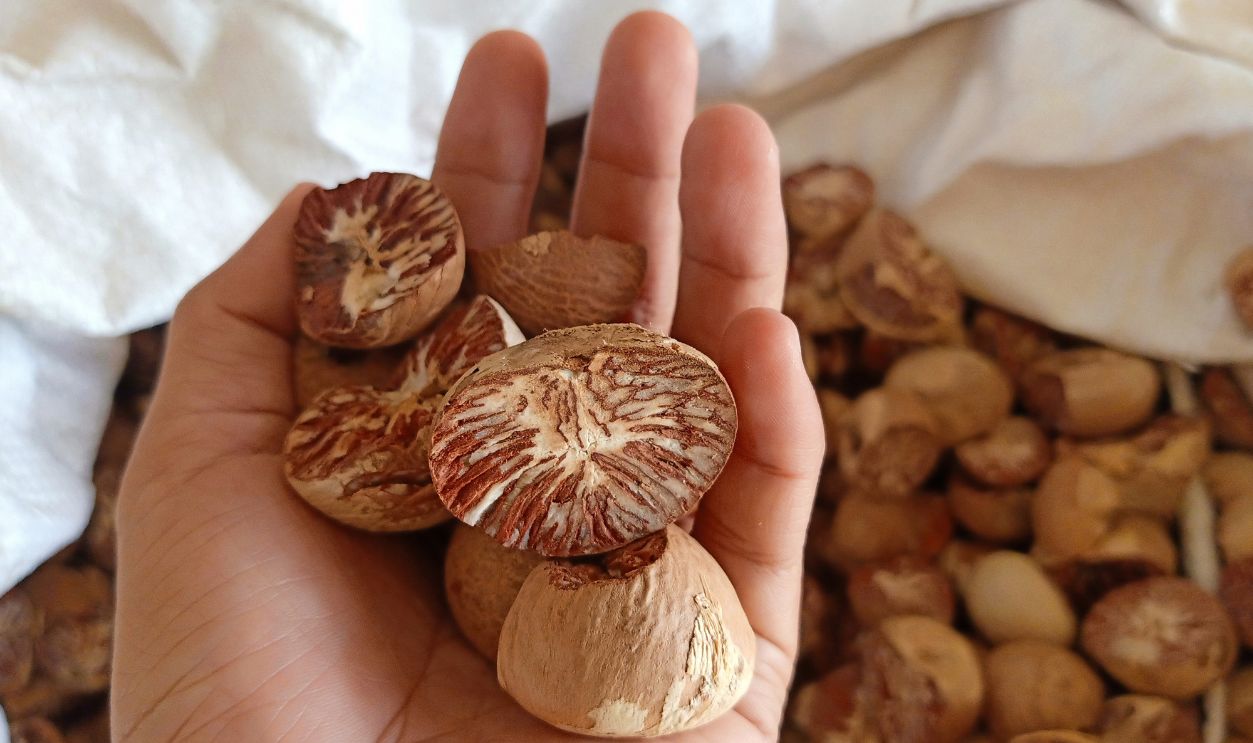
Areca products remain widely consumed across parts of Asia and the Pacific. The new study notes that around one in ten people worldwide use betel nut. That makes it one of the world's most widely consumed psychoactive substances, although modern methods of taking it can look very different from the ancient behavior proposed in Sulawesi.
 Pattama Rattanawan, Shutterstock
The Ancient Habit Looked Different
Modern betel use often involves chewing prepared mixtures, but the Sulawesi evidence points to something simpler. Researchers propose that these prehistoric people repeatedly sucked whole, dehusked areca seeds. They may have gently moved and gnawed the seeds as they held them in their mouths for prolonged periods.
But Would Sucking A Seed Actually Work?
That possibility created an obvious problem. Researchers needed to know whether simply holding an intact areca seed in the mouth could release enough arecoline to have a physiological effect. Otherwise, the dental grooves might have resulted from a habit unrelated to the plant's psychoactive properties.

Scientists Recreated The Ancient Method
The team placed intact areca seeds in artificial saliva to mimic prolonged exposure inside a human mouth. Chemicals gradually leached from the seeds into the liquid. The researchers could then investigate whether the resulting solution contained biologically active levels of arecoline.

Frog Eggs Helped Provide An Answer
Researchers used frog egg cells engineered to express human receptors affected by arecoline. When exposed to the artificial saliva from the seed experiment, those receptors responded. The results indicated that simply keeping intact areca seeds in the mouth for extended periods could release enough arecoline to produce physiological effects.

It Was Probably Milder Than Modern Betel
The ancient method would not necessarily have produced an effect as strong as modern betel-quid chewing. Adding slaked lime makes arecoline more readily available to the body. Even without that preparation, however, the experiment showed that prolonged sucking could expose a person to the seed's active compound.
 Rachmat.Wahidi, Wikimedia Commons
The Teeth Held Chemical Evidence Too
The case did not depend entirely on the shape of the grooves. Biomolecular analysis of dental material from the ancient individuals was consistent with exposure to areca and included evidence of arecoline. That gave researchers another independent line of evidence connecting the unusual tooth wear to betel nut.
 THICHA SATAPITANON, Shutterstock
Several Clues Pointed The Same Way
The shape of the grooves matched the proposed object, and appropriate areca seeds were available in the region. Laboratory experiments showed that sucking intact seeds could release an active dose of arecoline. Chemical evidence from the ancient teeth strengthened the case further, leading the team to identify habitual betel-nut sucking as the most likely explanation.
The Biggest Mystery Is Why They Did It
The evidence can reveal what these people were putting in their mouths, but not exactly why. They may have sought the plant's psychoactive or numbing effects, or the behavior may have served purposes that are impossible to reconstruct today. One explanation proposed by the researchers is particularly interesting because both individuals suffered from serious dental problems.

They May Have Been Treating Toothache
Arecoline can have analgesic effects, making pain relief one possible motive for sucking the seeds. Researchers therefore suggest that the behavior may have functioned partly as a prehistoric form of self-medication. There is no way to prove that motivation from the skeletal remains alone, so it remains a hypothesis rather than a confirmed diagnosis.

The Treatment Could Make Things Worse
Whatever relief the seeds provided came with a potential downside. Repeatedly rubbing a hard seed against the teeth gradually wore deep channels through the enamel and underlying tissue. In some areas, the damage approached or reached the tooth pulp, which would likely have caused considerable pain.

A Vicious Cycle May Have Followed
The researchers suggest that this could have created a self-perpetuating pattern. Someone might suck an areca seed because its effects temporarily eased dental pain, while the physical act of sucking and moving the seed caused additional damage. Greater pain could then have encouraged even more frequent use.
Their Dental Health Was Already Poor
The remains show serious oral-health problems in addition to the unusual grooves. Researchers documented severe tooth wear and evidence of periodontal disease, among other dental pathologies. In the worst cases, damage exposing sensitive parts of a tooth could have made eating painful and increased the risk of infection.

Does This Mean They Were Addicted?
The persistence of such a damaging habit suggests people kept using areca seeds despite the harm they caused. However, archaeologists cannot know exactly why the behavior continued. What the evidence shows much more securely is repeated use of the seeds over long periods, even as the teeth became increasingly damaged.
The Habit Predates Farming On Sulawesi
Both individuals lived before agriculture became established in their part of Sulawesi. That makes the older evidence particularly striking because it shows that repeated psychoactive plant use was already occurring among hunter-gatherers deep in prehistory. Regular use clearly did not require farming, cities, or settled agricultural societies.
 Chathunidewminidissa, Wikimedia Commons
It May Beat Ancient Beer By Thousands Of Years
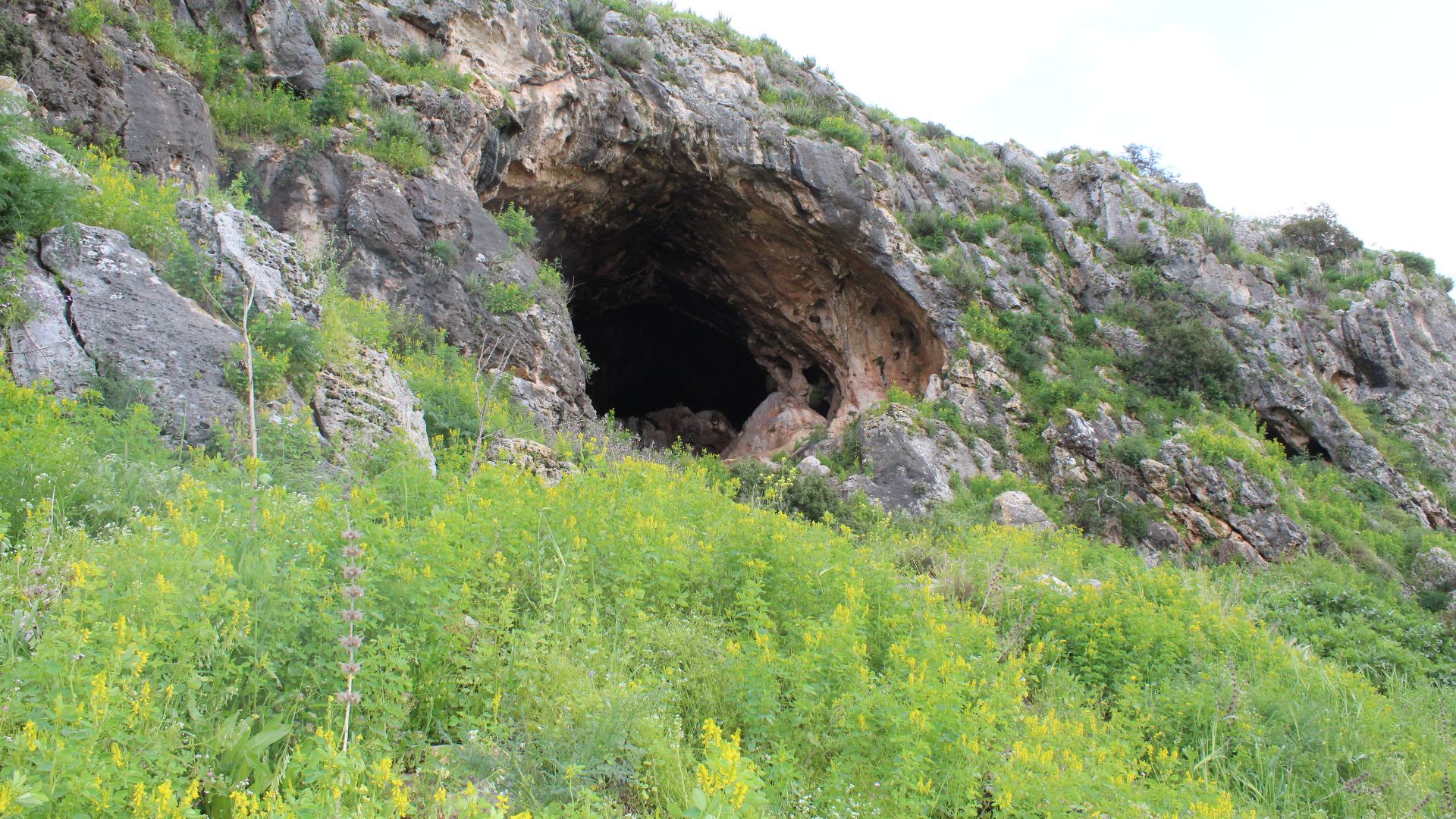
Before the Sulawesi discovery, some of the earliest strong archaeological evidence for deliberate psychoactive substance use came from Raqefet Cave in Israel. Researchers there found evidence that Natufian hunter-gatherers fermented cereals around 13,000 years ago, probably in connection with ritual feasting. The oldest Sulawesi remains potentially push direct evidence of habitual psychoactive plant use several thousand years farther into the past.
 ר. ישורון R Yeshurun, Wikimedia Commons
These Teeth Changed The Timeline
The discovery does not mean humans first encountered psychoactive plants 25,000 years ago. Earlier people could easily have used them without leaving evidence that survived for archaeologists to find. What these damaged teeth provide is something much rarer: physical, chemical, and experimental evidence suggesting that habitual use of a mind-altering plant was already part of human life during the last Ice Age.
You May Also Like:
Archaeologists Opened A Tomb Sealed For 600 Years In Peru—What They Found Inside Was Extraordinary
Four Giant Footprints Were Found In North Dakota—And Scientists Think An Adult T. Rex Made Them