An Ancient Mystery Just Got Stranger
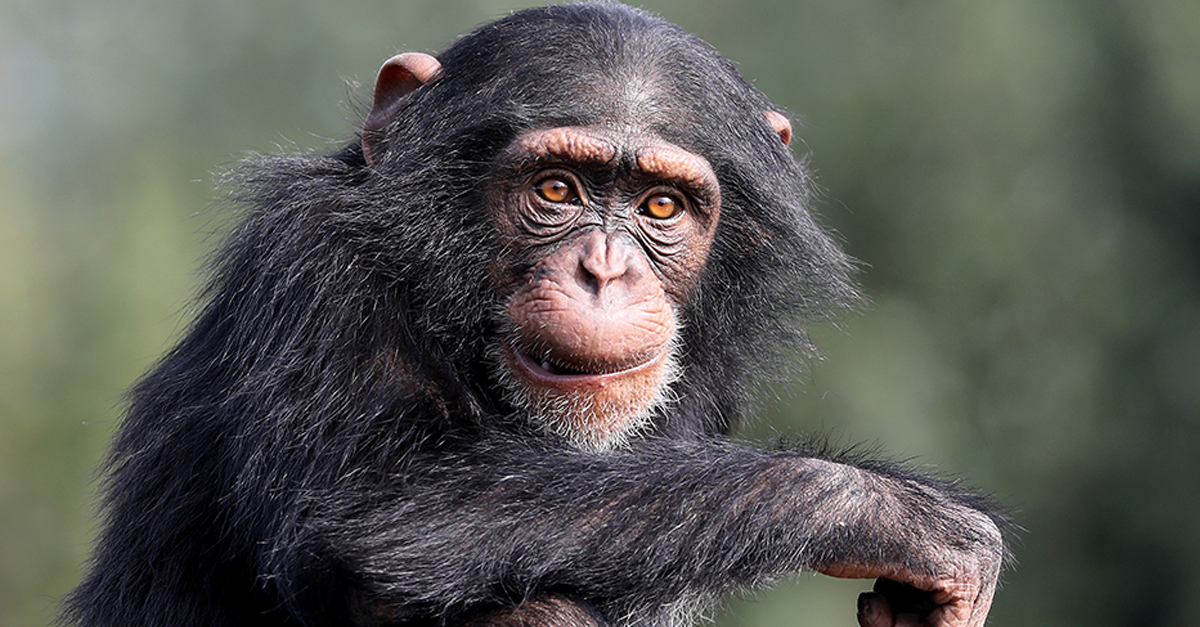
For nearly 800,000 years, ancient humans were picking up crystals for reasons archaeologists still can't fully explain. The stones weren't tools, weapons, or jewelry, yet our ancestors carried them anyway. To find out what made crystals so irresistible, scientists recently handed them to chimpanzees. What happened next looked eerily familiar.
The Trail Goes Back 780,000 Years
The mystery reaches back roughly 780,000 years to Zhoukoudian in China, a major Homo erectus site. In 1931, archaeologist Pei Wenzhong reported finding 20 quartz crystals there. The discovery was striking because the crystals appeared alongside evidence of early human activity, yet their purpose was far from obvious.

These Were Not Ordinary Stone Tools
Closer examination made the mystery even harder to explain. Researchers have not found the kinds of modification expected if the crystals had been shaped into tools, weapons, or ornaments. Yet hominins still seem to have considered them worth collecting and, in some cases, carrying elsewhere.
 xiquinhosilva, Wikimedia Commons
The Pattern Did Not Disappear
Zhoukoudian was not the only place where crystals turned up in an intriguing context. The 2026 study cites quartz crystals from prehistoric sites in India, Austria, and South Africa, spanning hundreds of thousands of years. These discoveries suggest that unusual crystalline stones repeatedly attracted attention in different hominin populations.
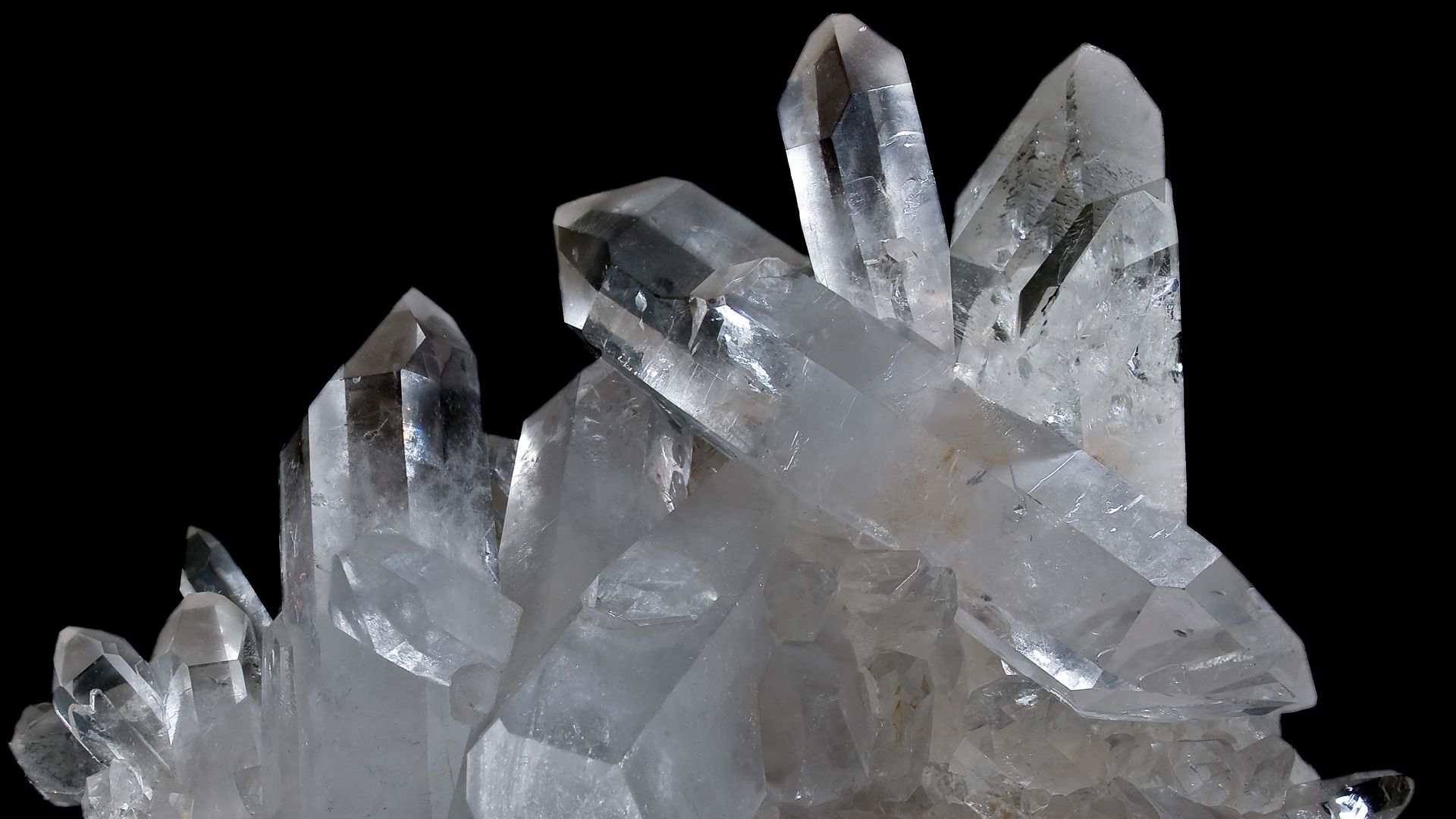 Didier Descouens, Wikimedia Commons
Modern Humans Left An Even Clearer Clue
At Ga-Mohana Hill North Rockshelter in South Africa, archaeologists uncovered 22 calcite crystals in deposits dating to about 105,000 years ago. Geological work indicated that the crystals did not naturally originate inside the shelter, so people appear to have deliberately brought them there. They showed no evidence of being worked into conventional tools, leading researchers to consider cultural or ritual explanations for the collection.
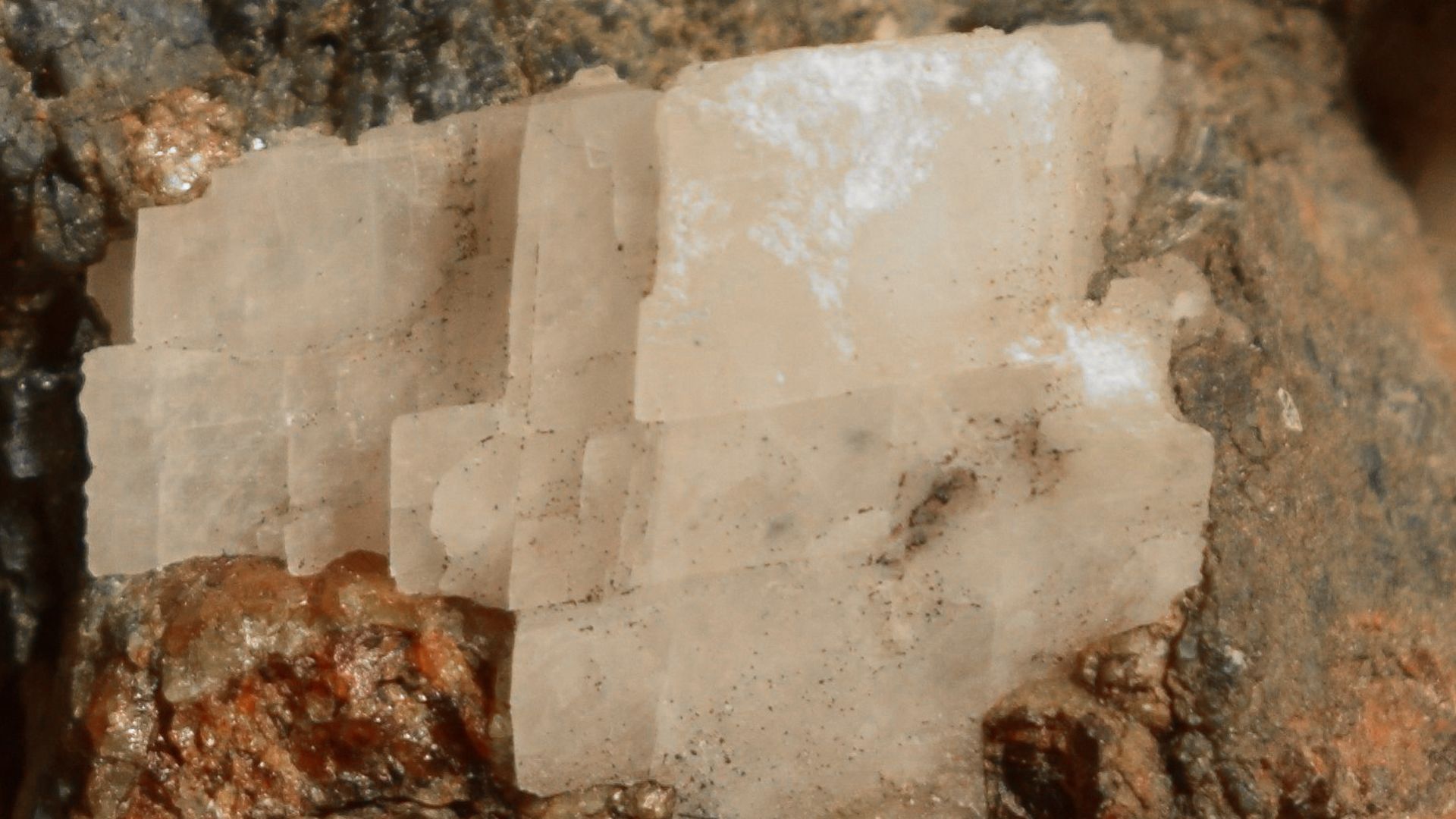 PaleoNeolitic (montage creator), Wikimedia Commons
Scientists Needed A Living Comparison
No experiment can reveal exactly what a Homo erectus individual thought hundreds of thousands of years ago. Researchers therefore turned to chimpanzees, one of our closest living evolutionary relatives, to see whether crystals also attract their attention. The goal was not to recreate ancient human behavior, but to test whether some basic attraction to unusual mineral properties might extend beyond humans.
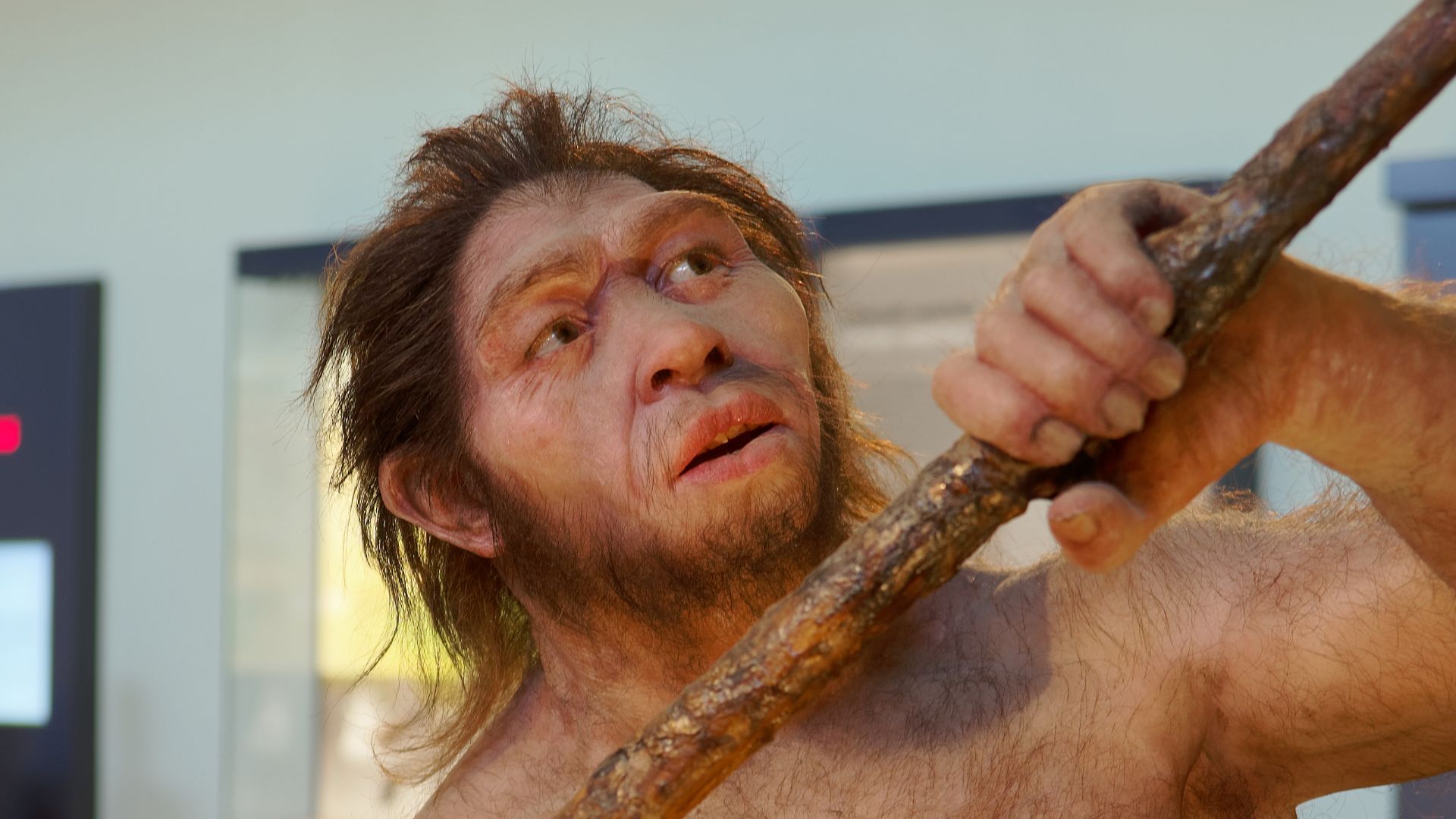 Jakub Halun, Wikimedia Commons
Nine Chimpanzees Joined The Experiment
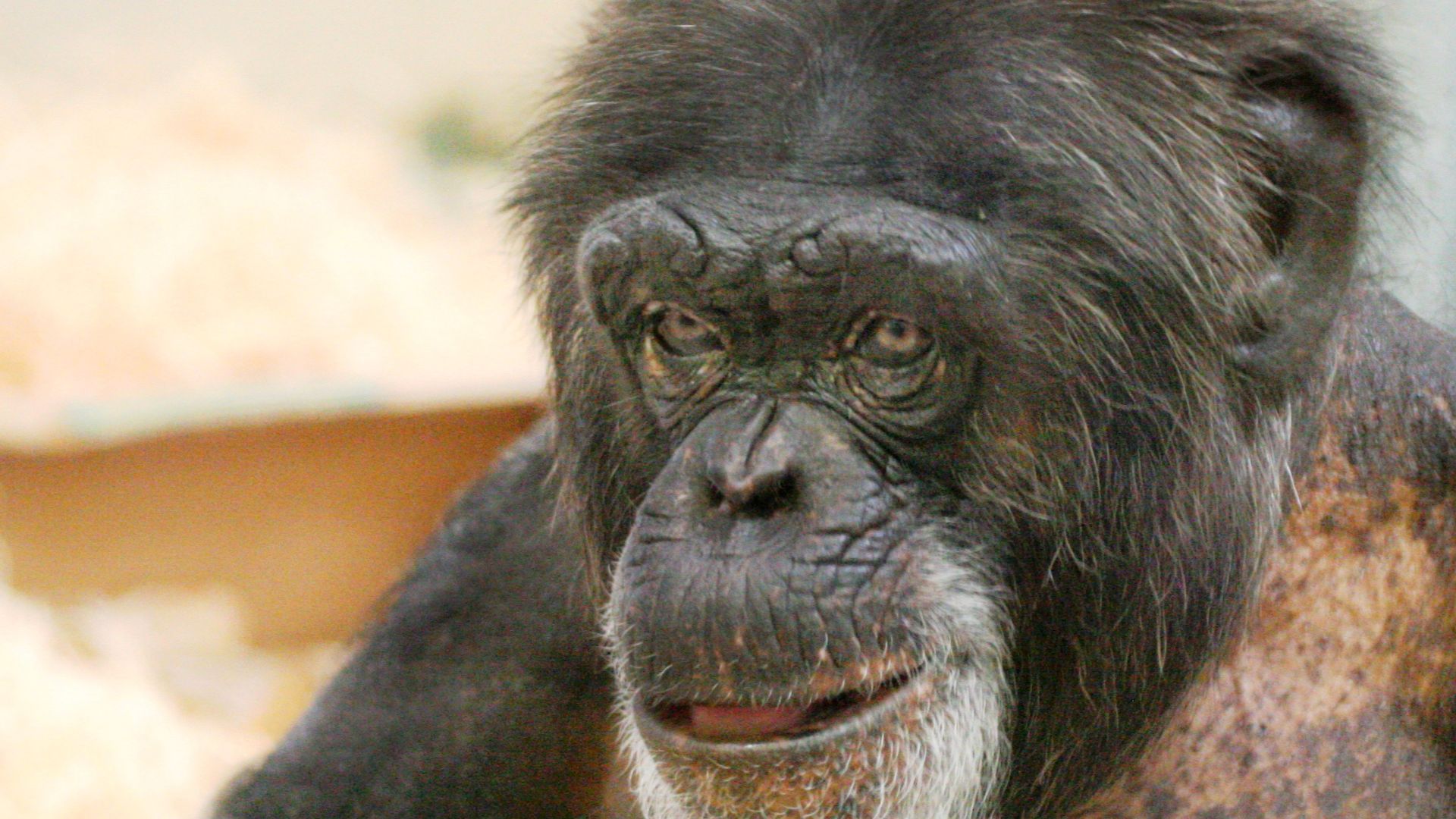
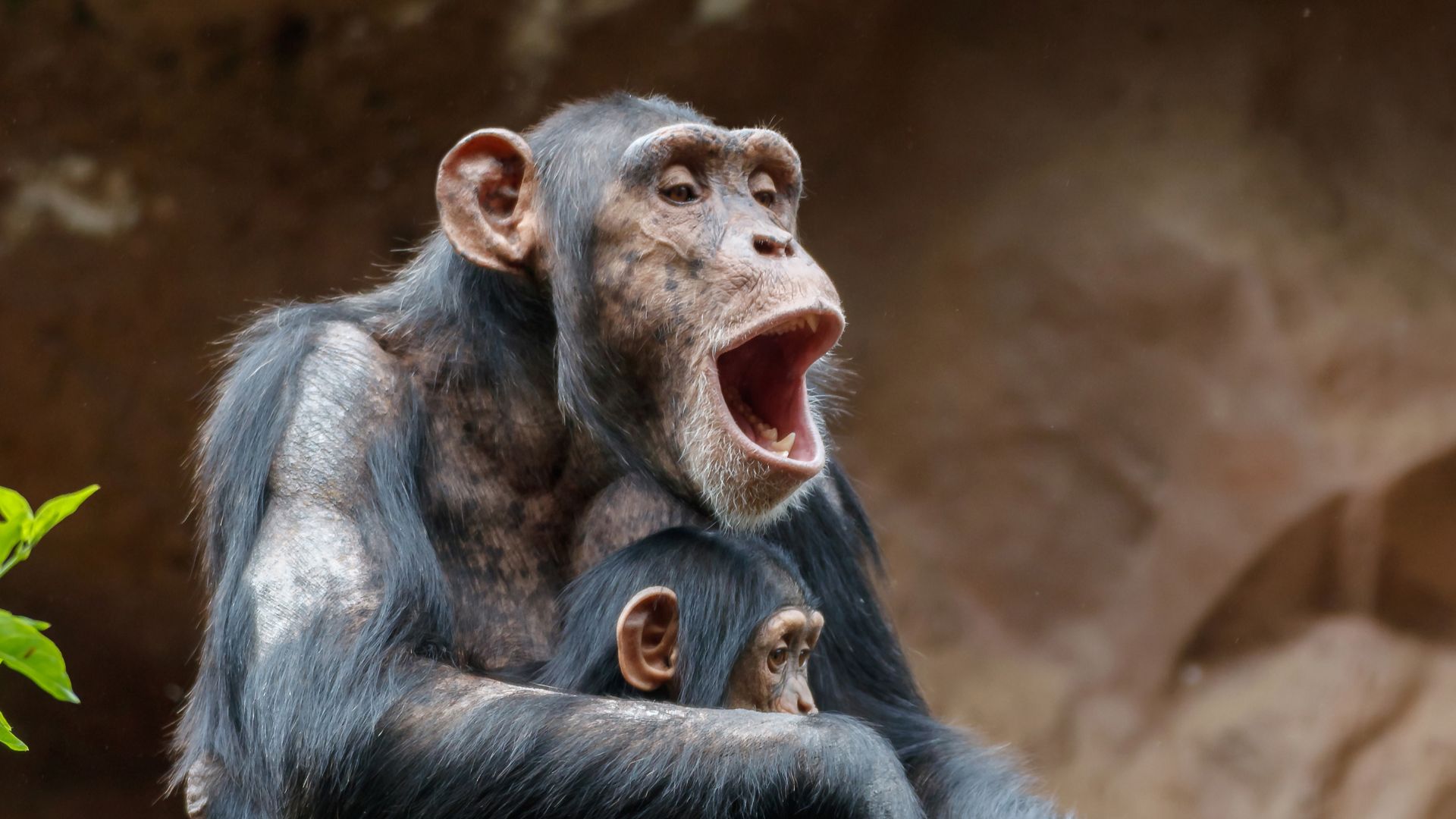
The study involved nine adult chimpanzees living at the Rainfer Fundación Chimpatía near Madrid, Spain. They were divided into two separate social groups, one containing five individuals and the other four. The researchers observed them in semi-natural indoor and outdoor enclosures rather than bringing them into a conventional laboratory setting.
There Was One Important Catch
These were described as enculturated chimpanzees, meaning their lives had included substantial exposure to humans and human environments. Their reactions therefore cannot automatically be assumed to represent wild chimpanzees. The researchers said experiments with unenculturated apes will be needed to see how widespread the behavior really is.
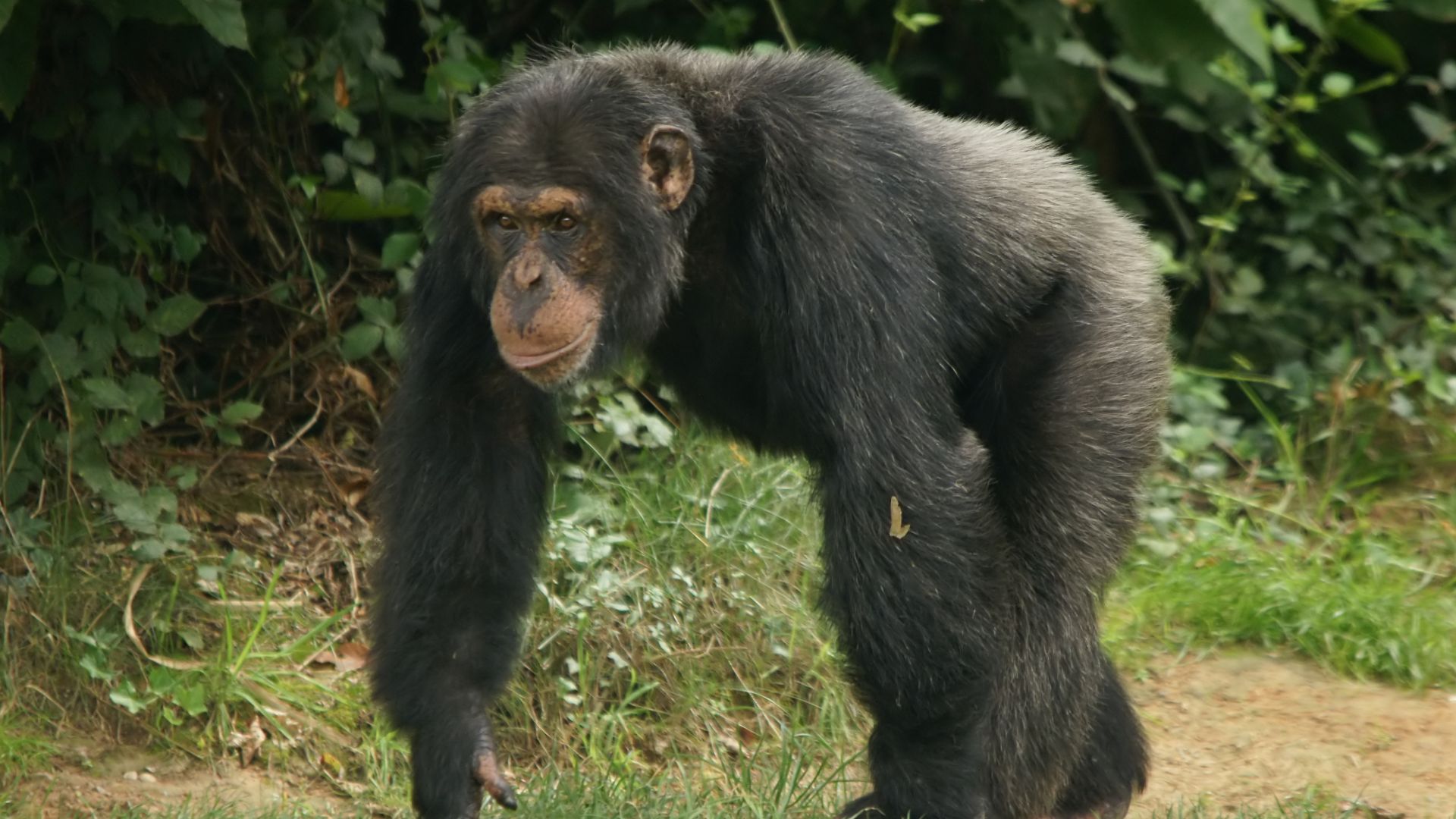 Hans Hillewaert, Wikimedia Commons
Then Came The Monolith
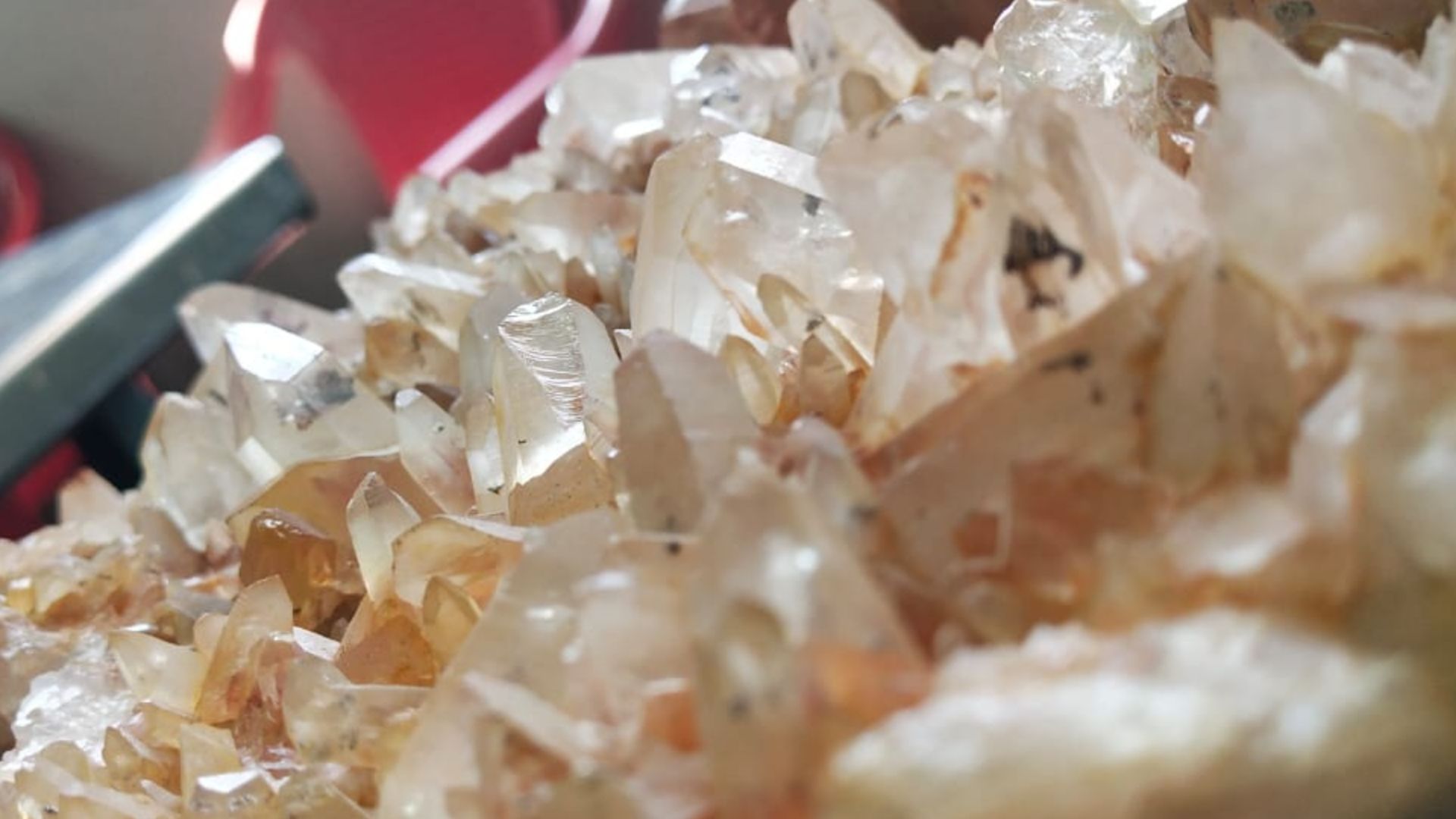
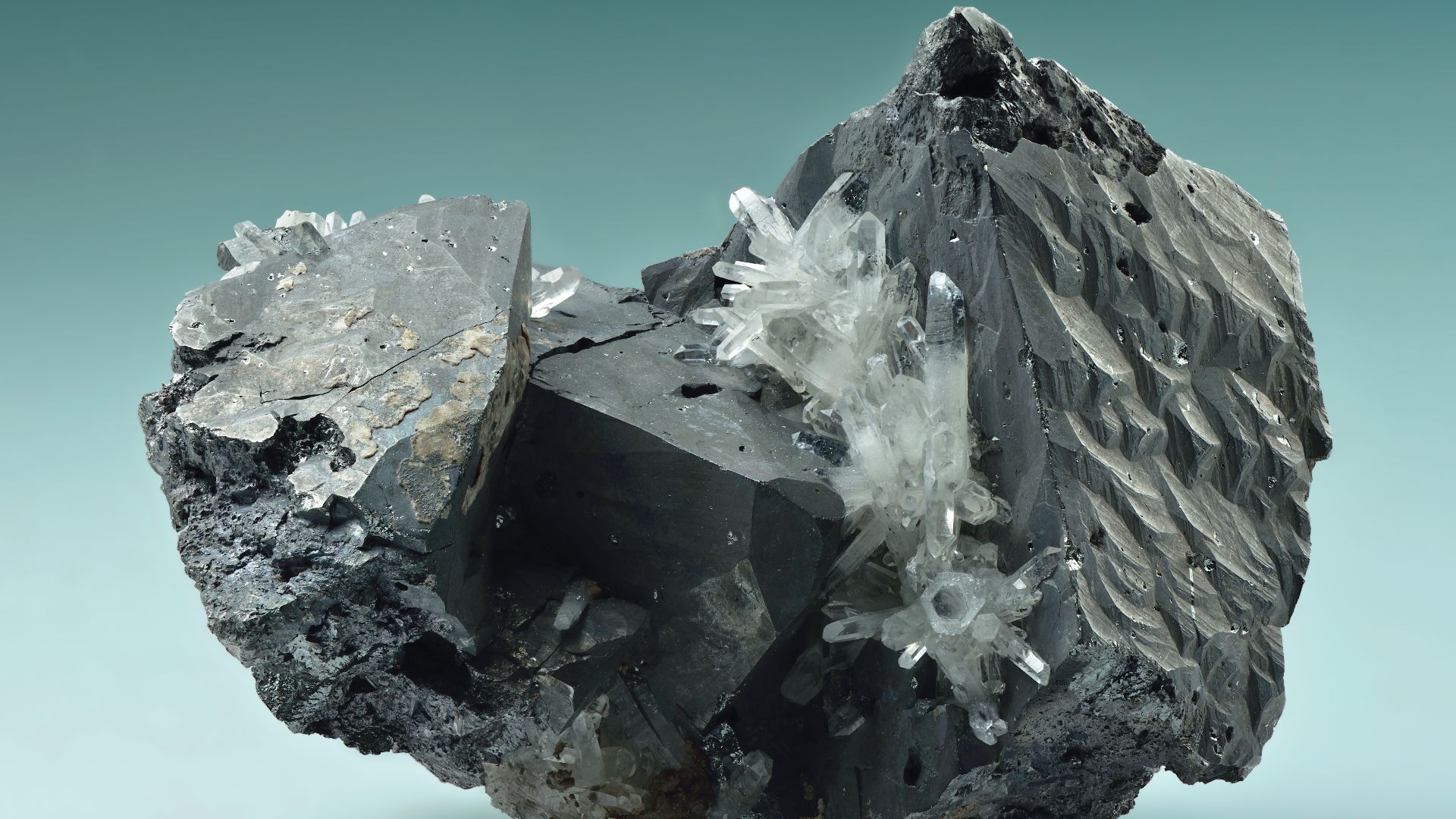
The first experiment had a fittingly dramatic nickname: "The Monolith." Researchers placed a 35-centimeter-tall transparent quartz crystal on one pedestal and a similarly tall brown sandstone rock on another. The quartz weighed 3.3 kilograms, while the sandstone weighed 2.1 kilograms.
 Barkave Balusamy, Wikimedia Commons
At First, Both Objects Were Interesting
When the chimpanzees entered the enclosure, both unfamiliar objects drew attention. Simply approaching the crystal, though, would not show that its crystalline properties were what interested them. As the observation continued, the animals' behavior toward the two objects began to diverge.
 Gunnar Creutz, Wikimedia Commons
The Crystal Soon Pulled Ahead
The chimpanzees spent significantly more time interacting with the quartz crystal than with the ordinary rock. The sandstone received relatively little sustained attention after its initial inspection. The crystal, by contrast, continued drawing the animals back.
 Robert M. Lavinsky, Wikimedia Commons
Manuela Took Matters Into Her Own Hands
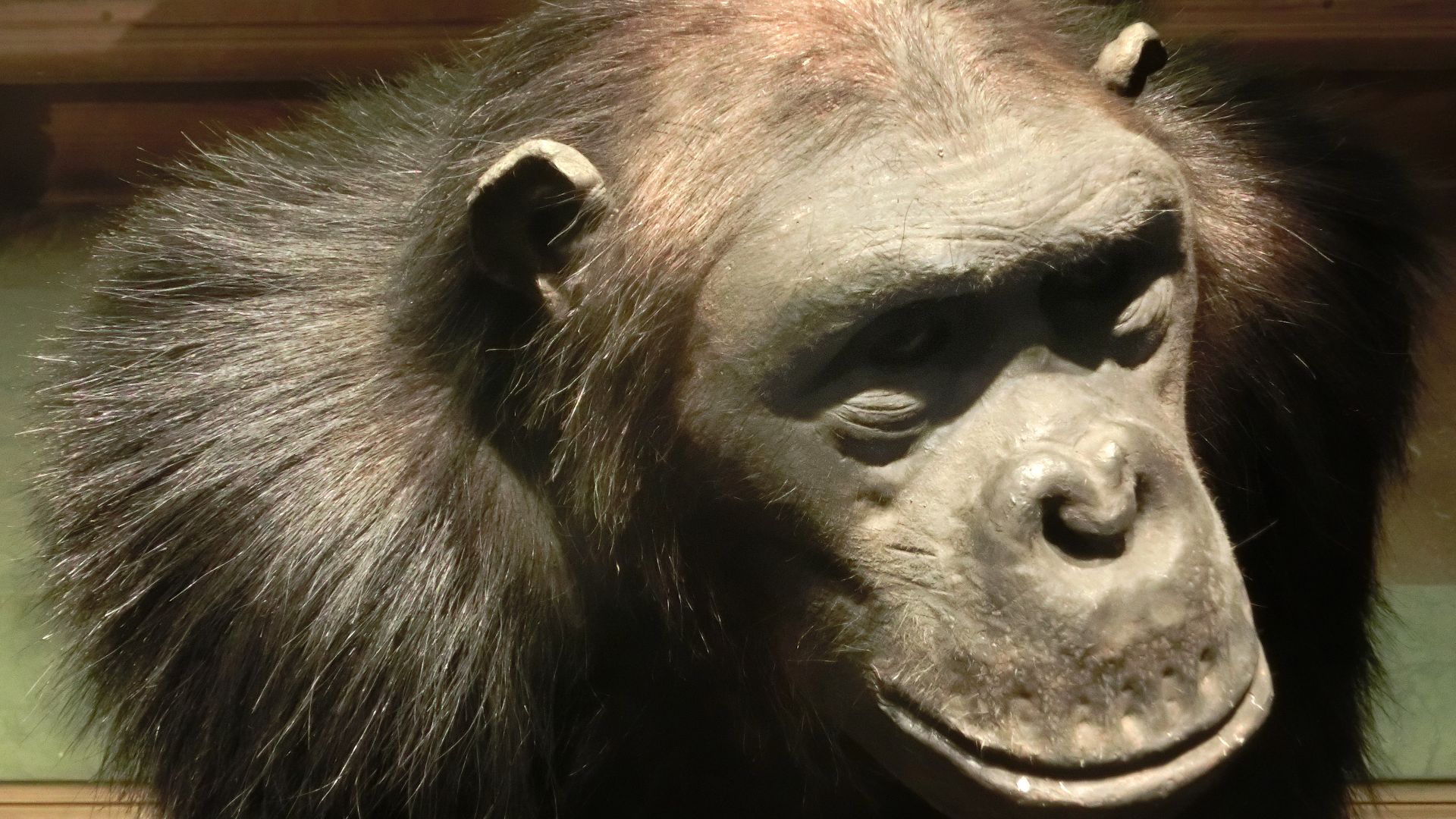
Several chimpanzees tried to detach the crystal from its pedestal. Eventually Manuela, the group's alpha female, succeeded in pulling it free. Rather than simply dropping it and moving on, she carried the crystal onto part of the group's wooden climbing structure.
 R. J. Mathar, Wikimedia Commons
Everyone Wanted A Closer Look
Once the crystal was loose, other members of the group began handling and examining it. Yvan and Yaki appeared soon after Manuela left it on the structure, and the chimpanzees manipulated it from different positions. Their interest continued well beyond the moment when the strange new object first appeared.
 Vyacheslav Argenberg, Wikimedia Commons
Yvan Took The Crystal Home
Eventually Yvan picked up the large quartz crystal and carried it into the indoor dormitory. That move was especially interesting because transporting an object requires more effort than briefly inspecting it where it lies. The crystal remained with the chimpanzees inside for roughly two days.
 Ivar Leidus, Wikimedia Commons
Toti Studied It From Different Angles
Video from inside the dormitory captured Toti carefully handling the large quartz crystal. Toti rotated it and changed viewing angles while examining different parts of the object. To the researchers, this looked less like a quick novelty check and more like sustained exploration of the crystal's unusual physical properties.

The Ordinary Rock Had A Different Fate
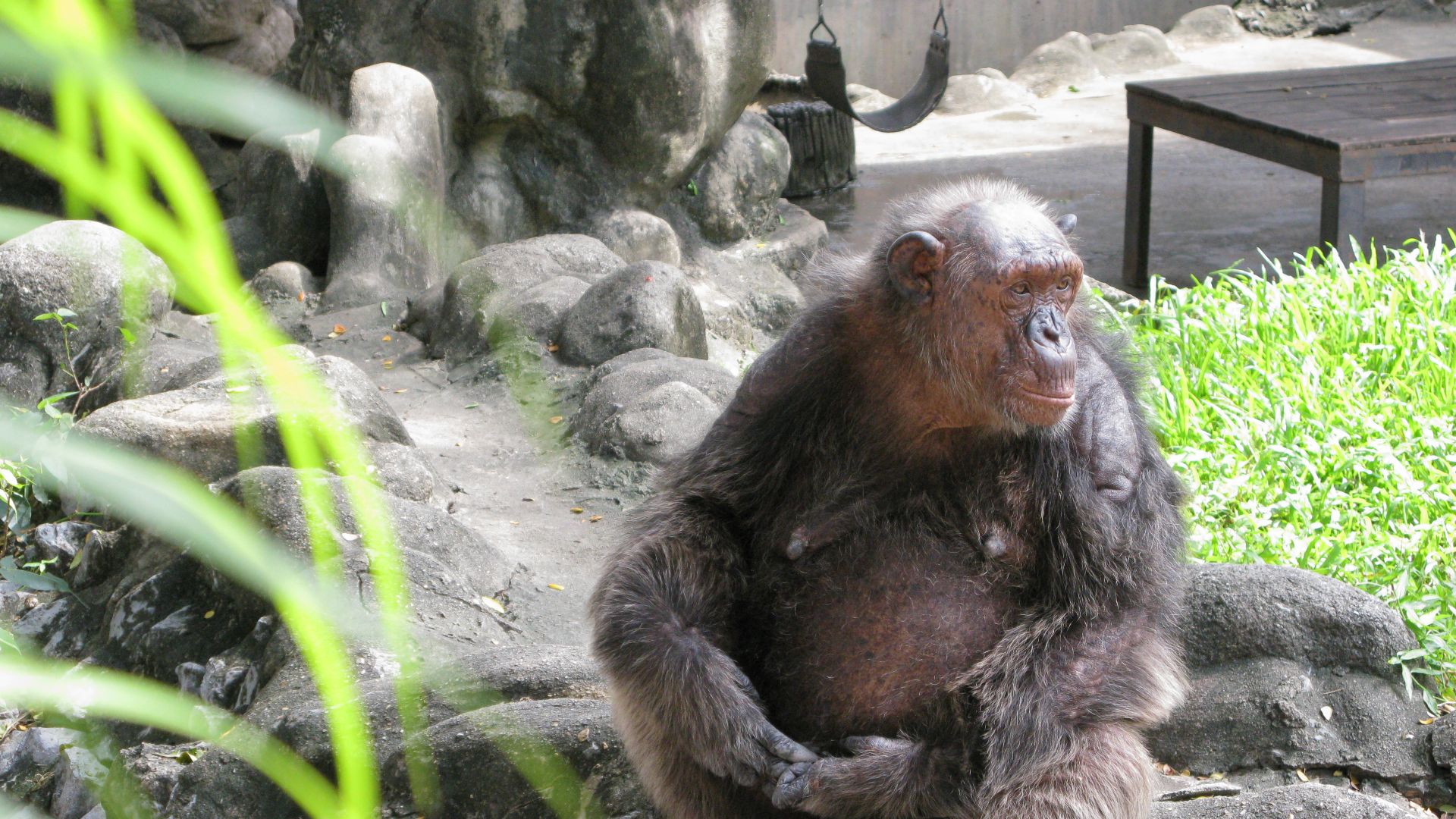
The sandstone never inspired the same sustained response. According to the study, no individual devoted more than two minutes of attention to it after it had been detached. It was eventually moved a short distance and then left alone for the remainder of the experiment.
Getting The Crystal Back Was Not Easy
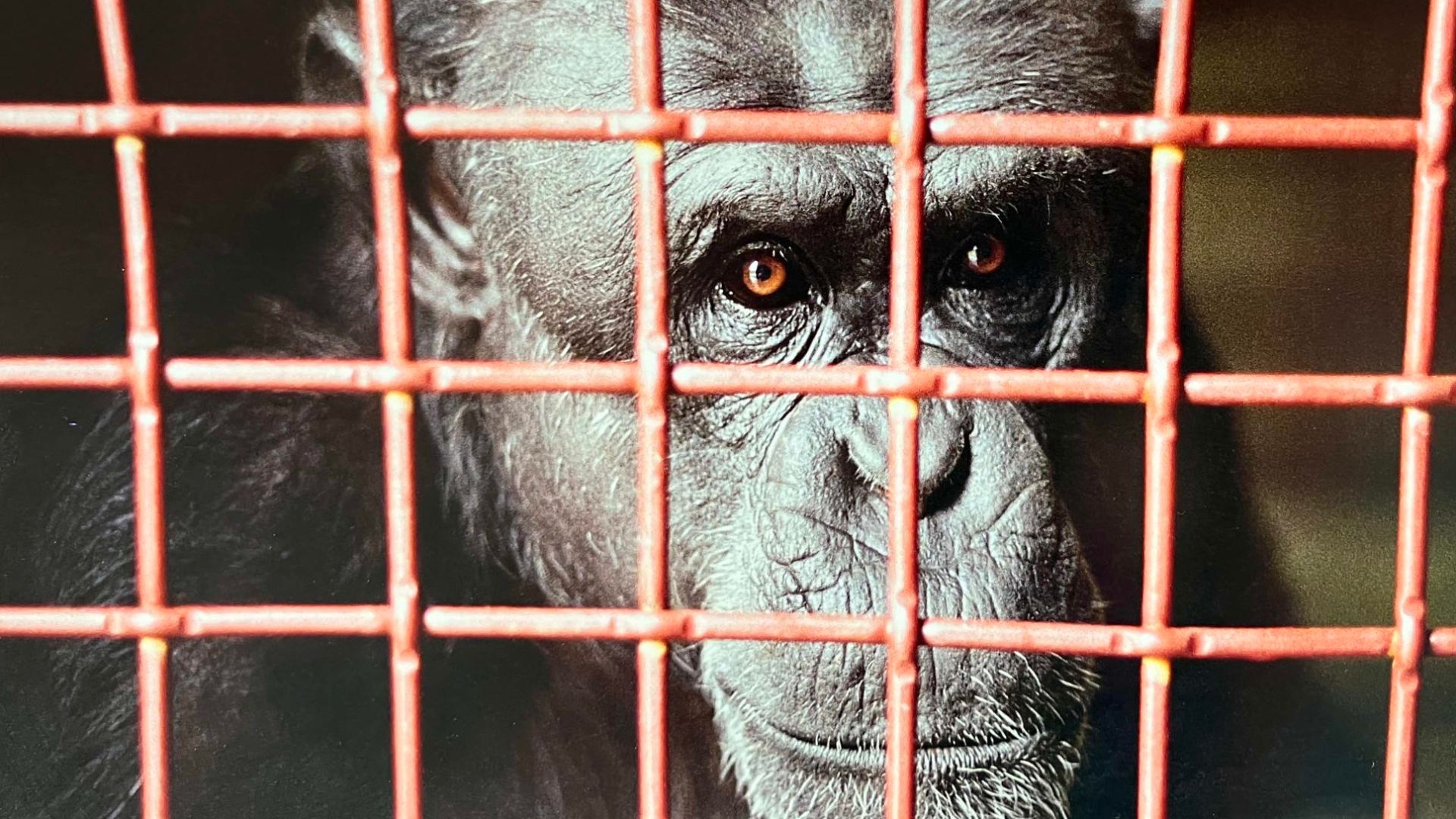
The researchers eventually wanted their large quartz specimen returned, but the chimpanzees were in no hurry to surrender it. Caretakers spent hours negotiating an exchange involving favored foods, including bananas and yogurt. The researchers interpreted the difficulty of retrieving the crystal as another indication that the animals placed some value on it.
 Bob Ingersoll, Wikimedia Commons
Smaller Crystals Faced A Tougher Test
The next experiment removed some of the spectacle. Instead of one large crystal on a pedestal, researchers placed small quartz and calcite crystals among piles of ordinary pebbles with varying shapes, colors, and textures. These crystals were much closer in scale to specimens found at archaeological sites.
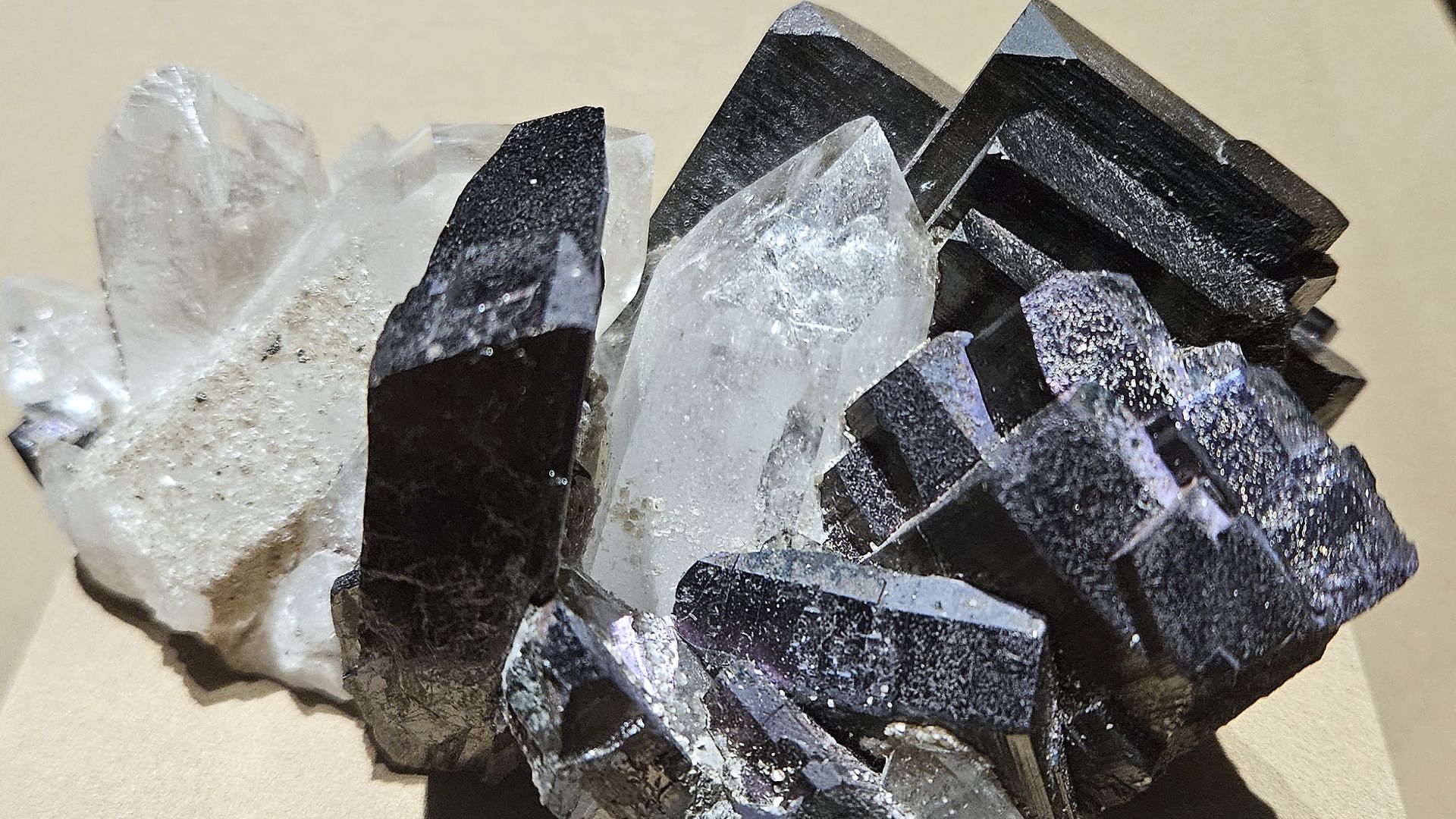
The Chimpanzees Found Them Almost Immediately
The small crystals did not disappear into the visual clutter. Chimpanzees selectively removed quartz and calcite crystals while largely leaving the ordinary pebbles behind. In recorded cases, the selection could happen within seconds.
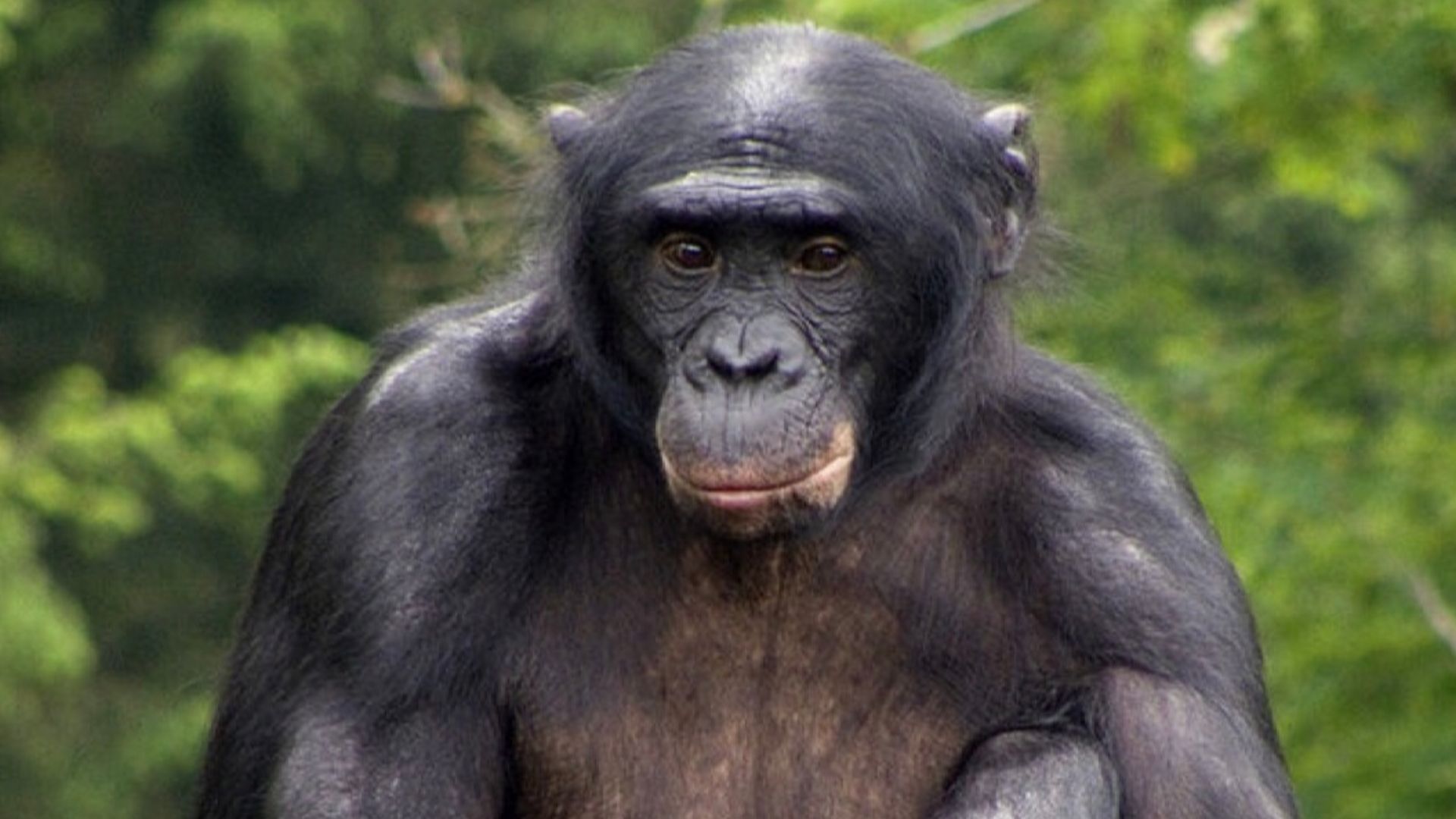 Rennett Stowe (chimpanzee image) and natataek (bonobo image), respectively, Wikimedia Commons
Yvan Did Something Especially Familiar
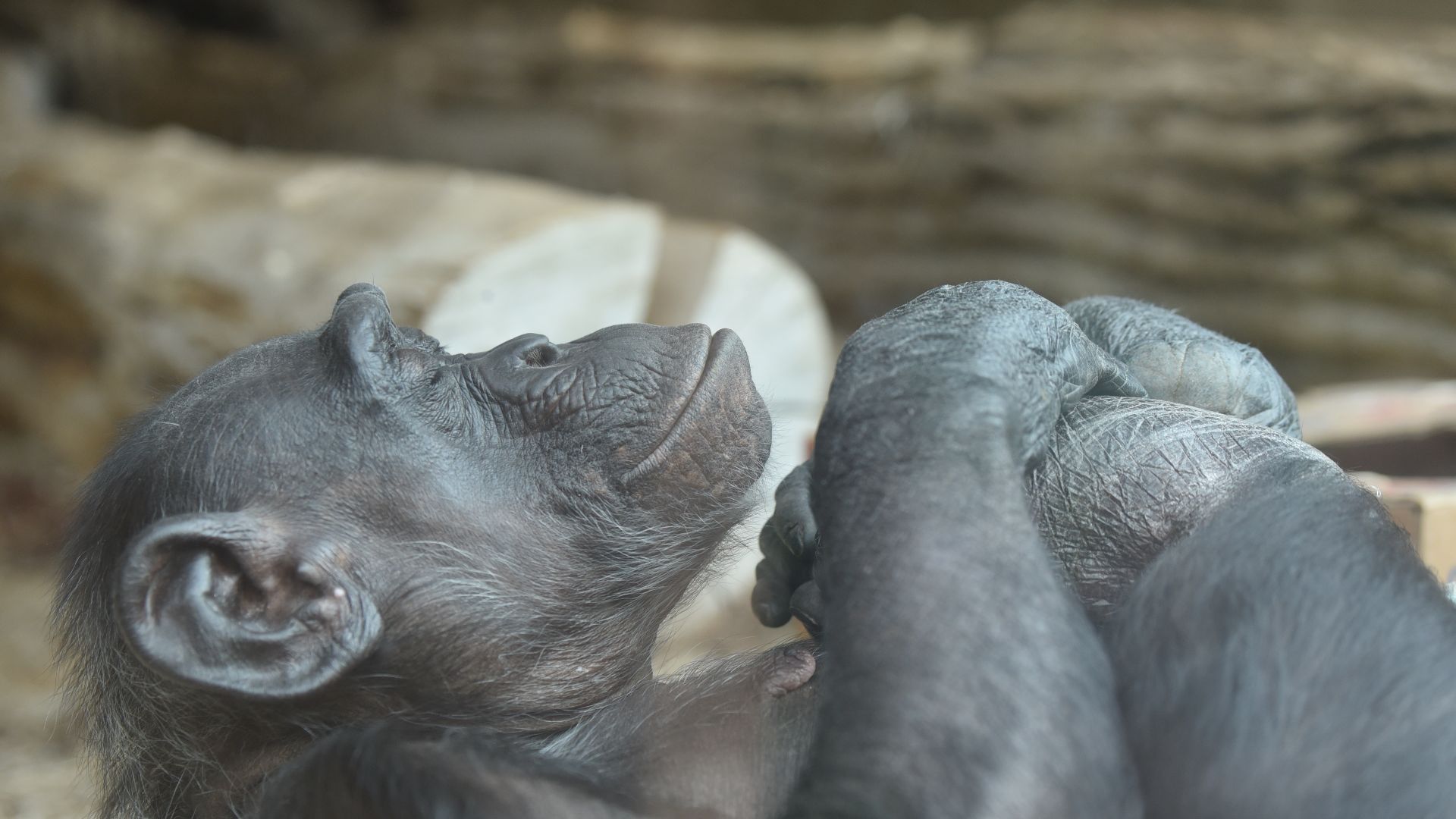
After selecting a small transparent quartz crystal measuring about 3.5 centimeters, Yvan repeatedly brought it close to his eye. The chimpanzee spent more than 15 minutes intermittently examining the specimen this way. Researchers confirmed that Yvan had no known vision problem, making the behavior particularly interesting as a possible investigation of the crystal's transparency.
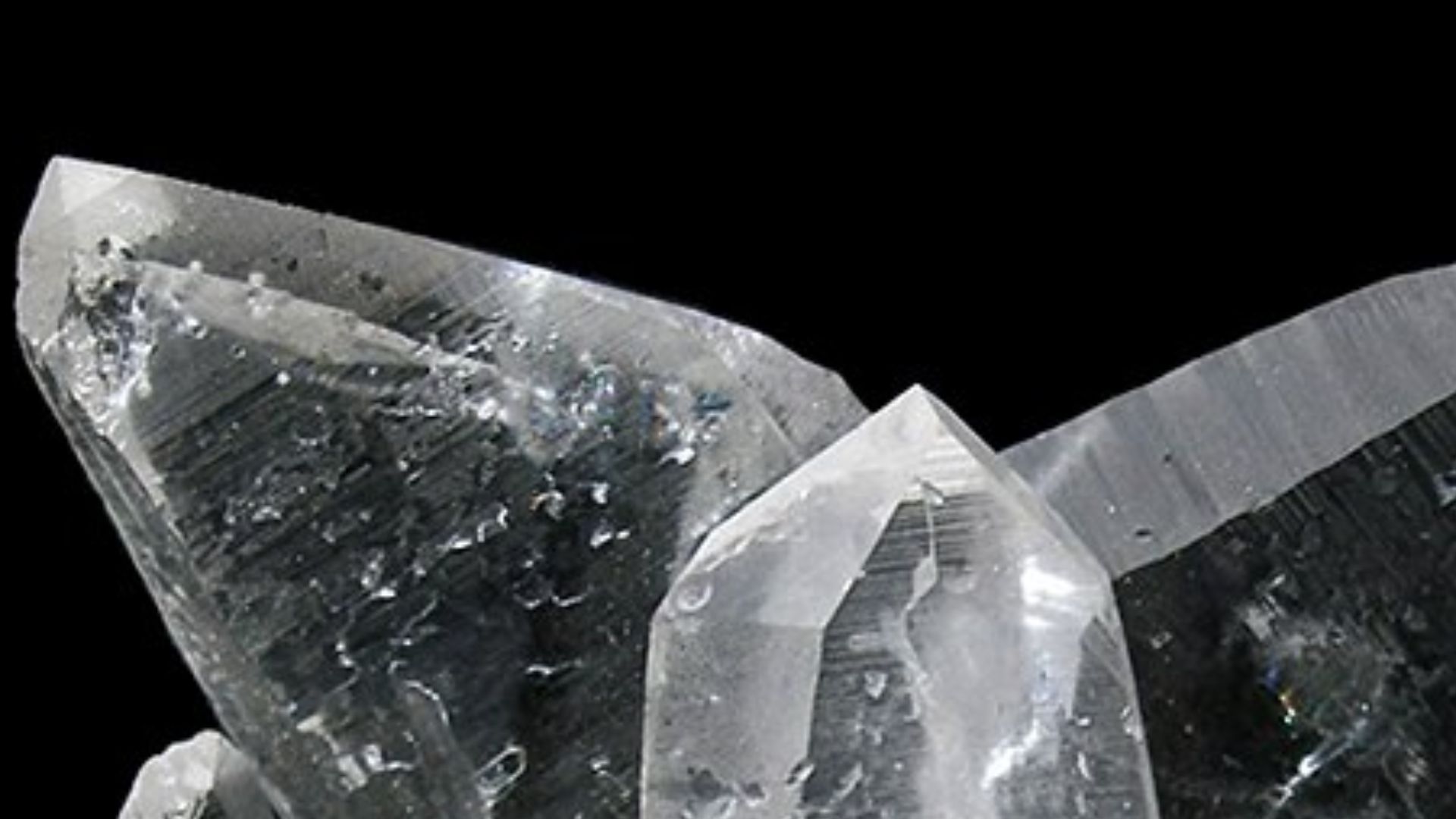 Robert M. Lavinsky, Wikimedia Commons
They Even Used The Light
The close inspection continued indoors. Researchers observed chimpanzees positioning themselves near a window while looking at quartz crystals against the light. Toti also held selected crystals close to the eye, suggesting Yvan was not the only animal investigating their optical qualities.
 National Cancer Institute, Unsplash
Was Transparency The Secret?
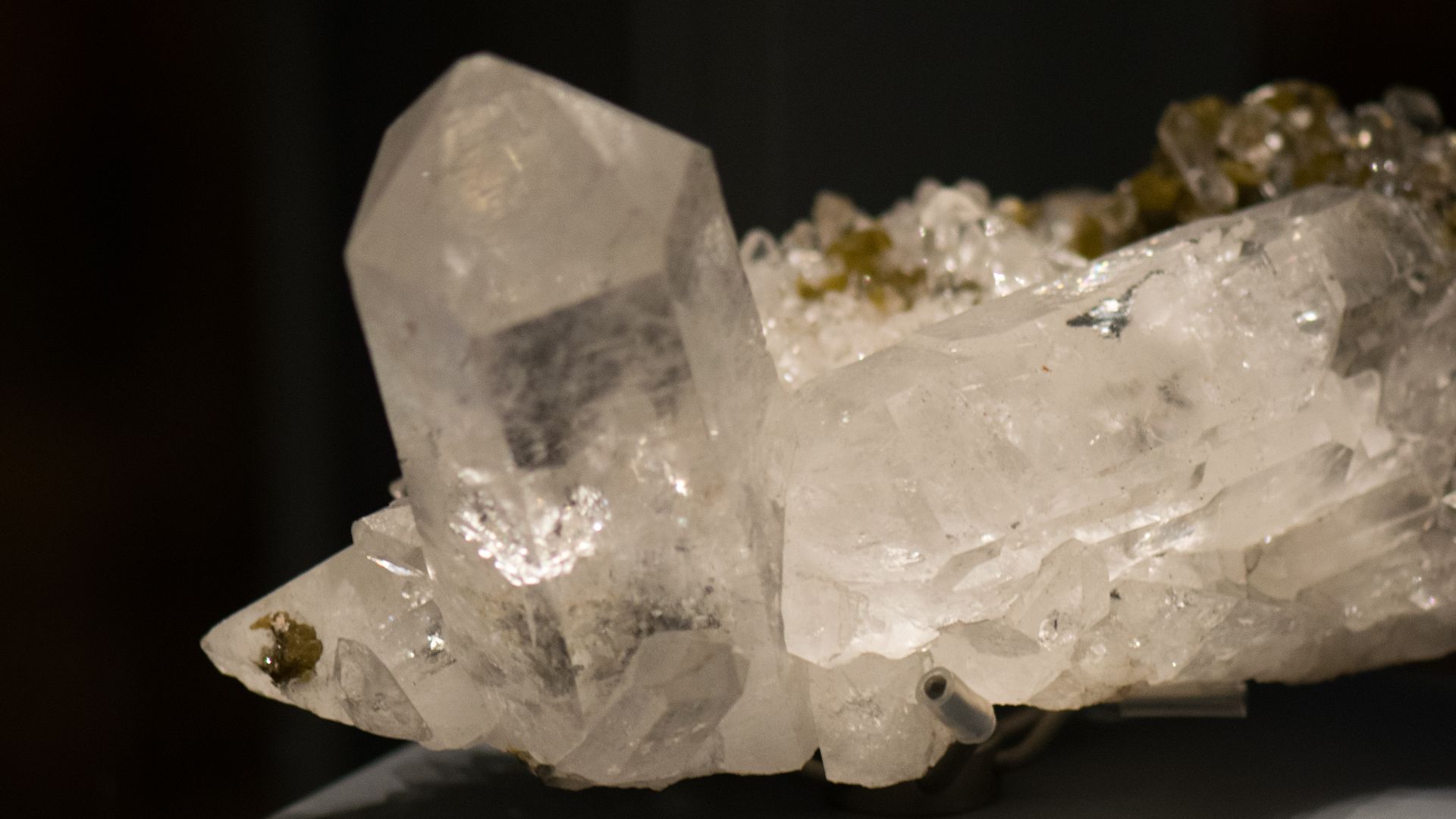
The researchers next tried to separate the effects of transparency from the effects of shape. Chimpanzees collected both transparent and non-transparent crystalline specimens, suggesting that a crystal did not have to be see-through to stand out. They also selected transparent quartz pieces that lacked obvious natural crystal faces, indicating that transparency itself could attract attention too.
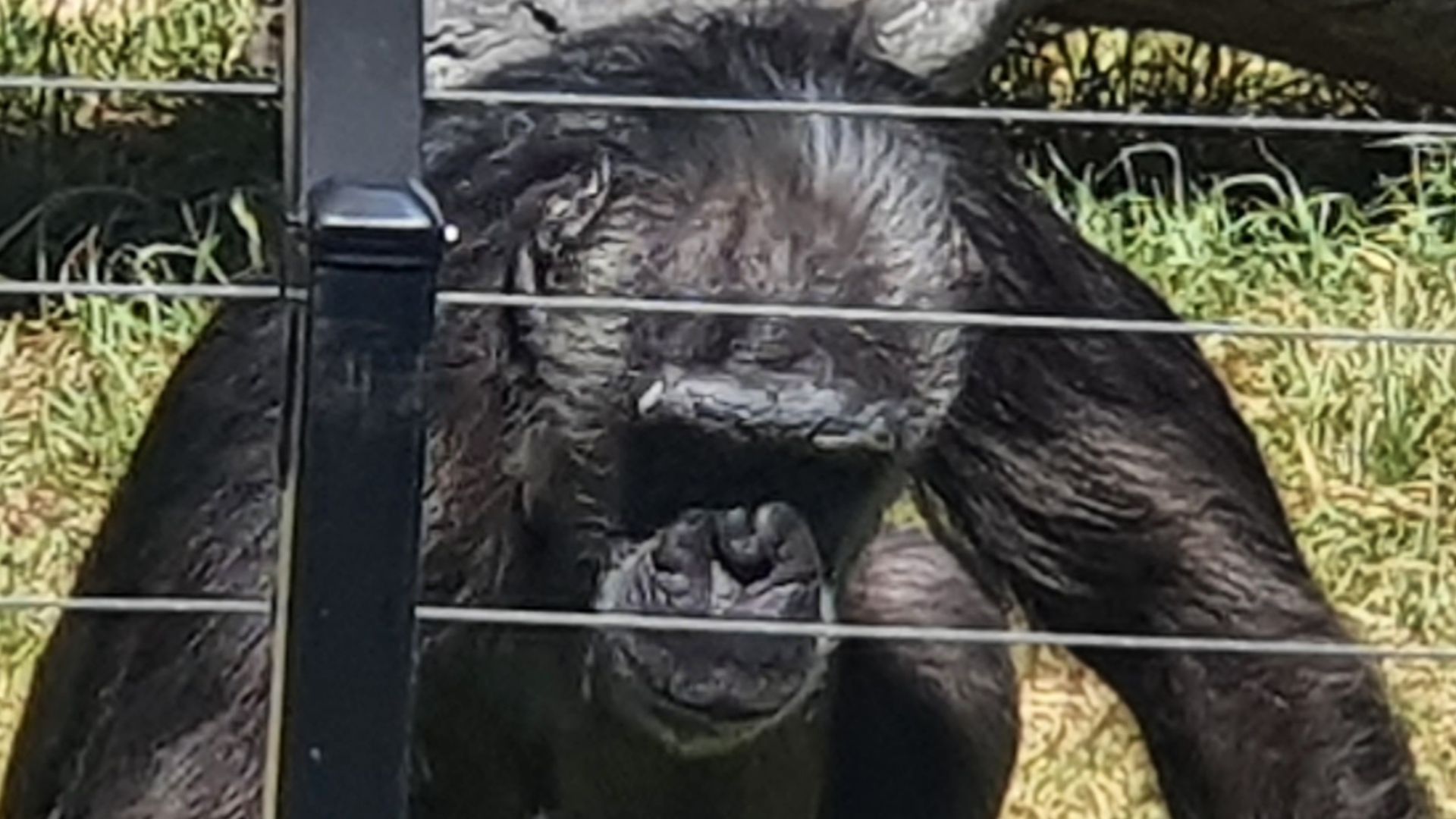 TarnishedPath, Wikimedia Commons
Then The Scientists Added Pyrite
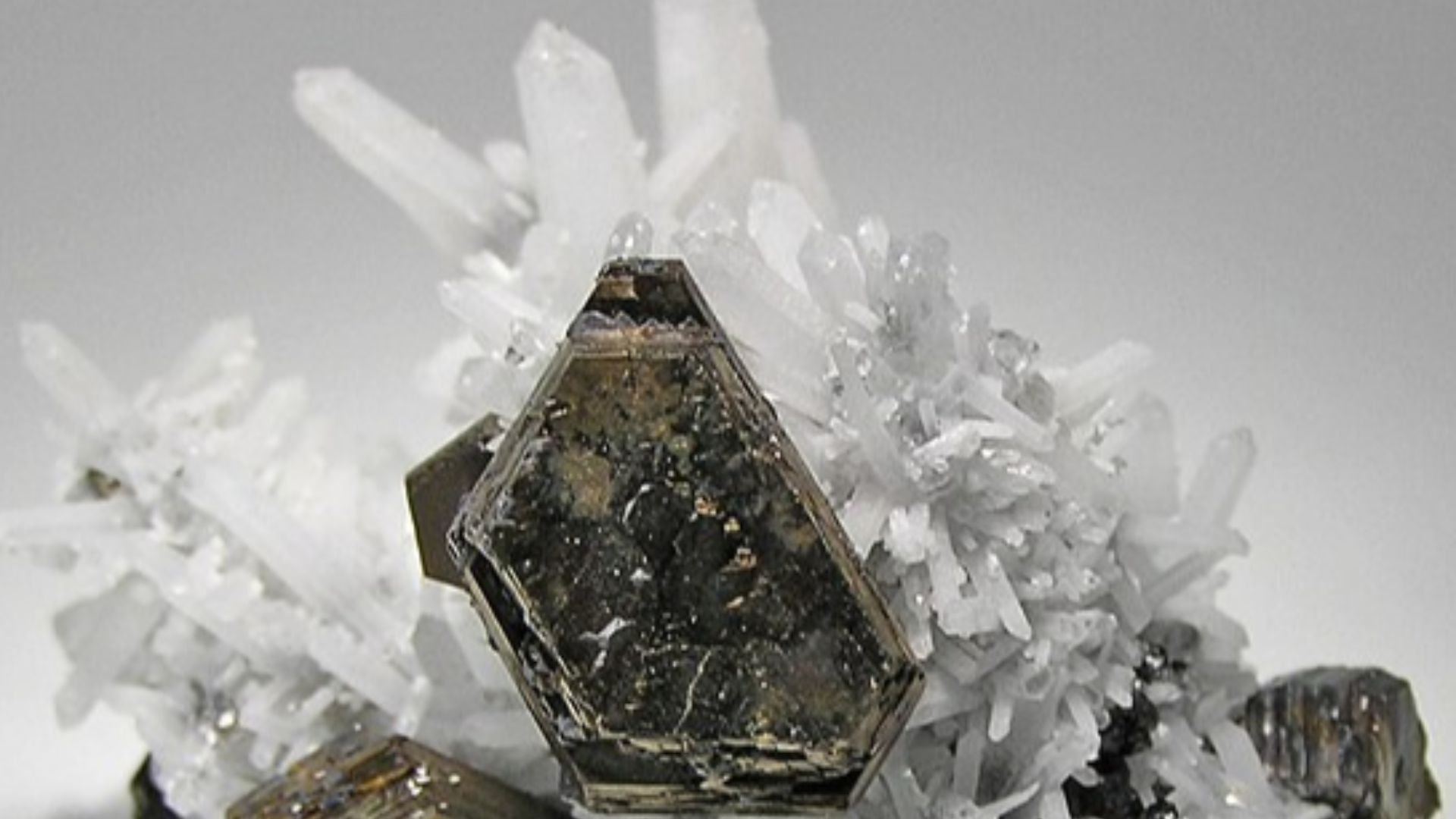
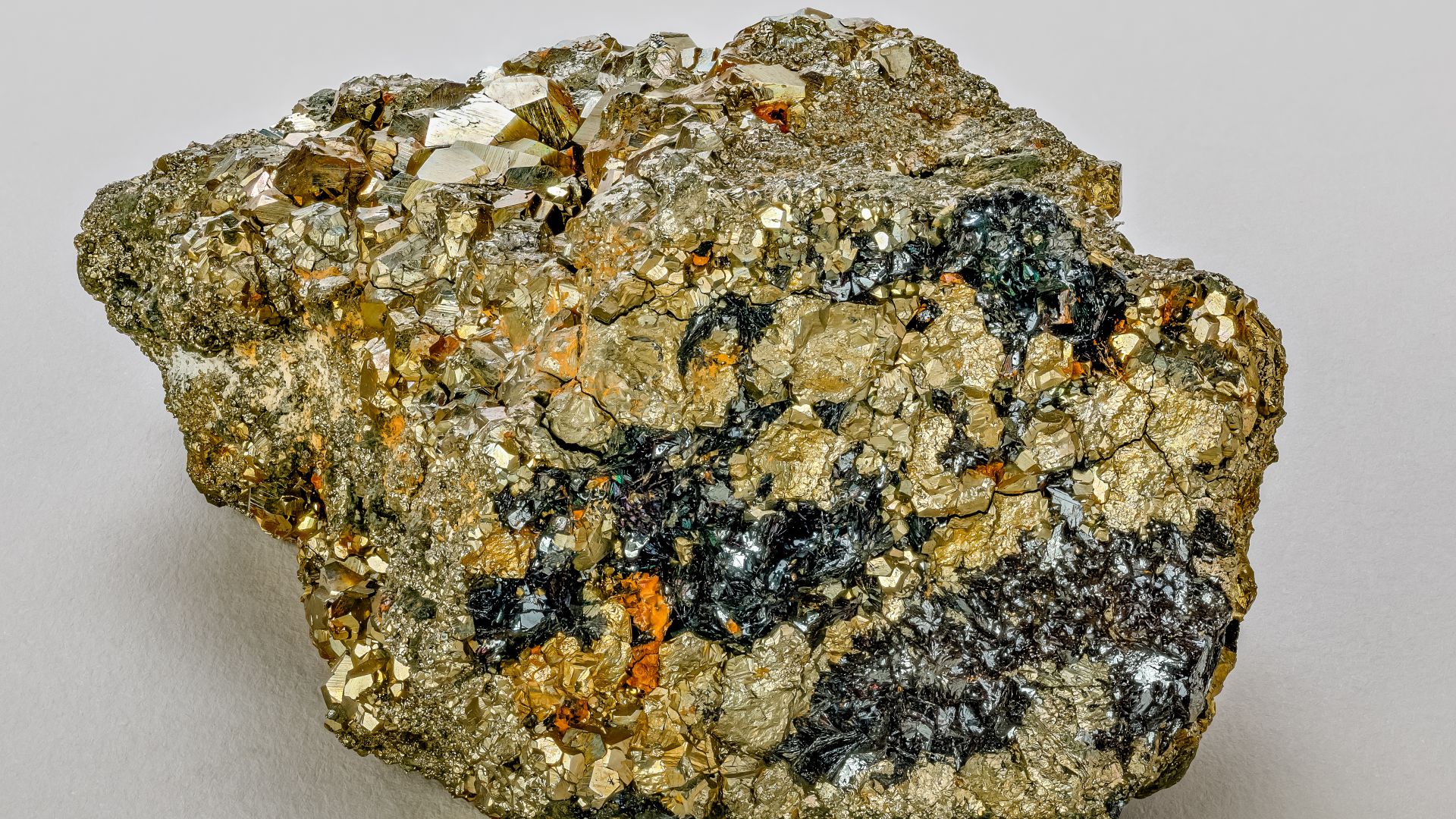
Another test introduced pyrite alongside quartz and calcite. Pyrite is opaque and metallic, while quartz can be transparent and calcite has different optical and geometric characteristics. Despite those differences, the chimpanzees removed 11 of the 12 crystals placed among the four pebble piles.
 CEphoto, Uwe Aranas, Wikimedia Commons
Sandy Took The Experiment Further
One chimpanzee, Sandy, produced perhaps the most striking result. After collecting both pebbles and crystals, Sandy carried them to a wooden structure and later left the quartz, calcite, and pyrite together, separated from the ordinary stones. Because the three minerals differed considerably in appearance, researchers interpreted the grouping as evidence that Sandy was distinguishing crystalline objects from rounded pebbles.
 Photo by David J. Stang, Wikimedia Commons
Two Features Kept Standing Out
Taken together, the tests led the researchers to focus on two characteristics: geometric form and transparency. Crystals can have flat faces, straight edges, and regular angles that make them visually different from many naturally occurring objects encountered by primates. Transparent quartz adds another unusual quality because light can pass through a solid object.
 Thomas Quine, Wikimedia Commons
That Could Help Explain The Ancient Collections
The researchers propose that early hominins may also have been drawn to crystals simply because they looked extraordinary. An unusual object does not need an immediate practical function to attract attention, be picked up, or be carried elsewhere. If that basic perceptual attraction existed deep in primate evolution, it could provide one explanation for why ancient people repeatedly collected crystals.
 Shoushan Zoo, Wikimedia Commons
It Does Not Prove Ancient Symbolism
The chimpanzees' behavior cannot tell researchers whether Homo erectus attached spiritual, symbolic, or aesthetic meanings to crystals. Archaeologist Michael Haslam, who was not involved in the research, noted that the study involved only nine enculturated chimpanzees and said broader evolutionary interpretations should be treated cautiously. He also pointed out that attraction to shiny or crystalline objects is not exclusive to humans and other apes.

Curiosity May Have Come Before Meaning
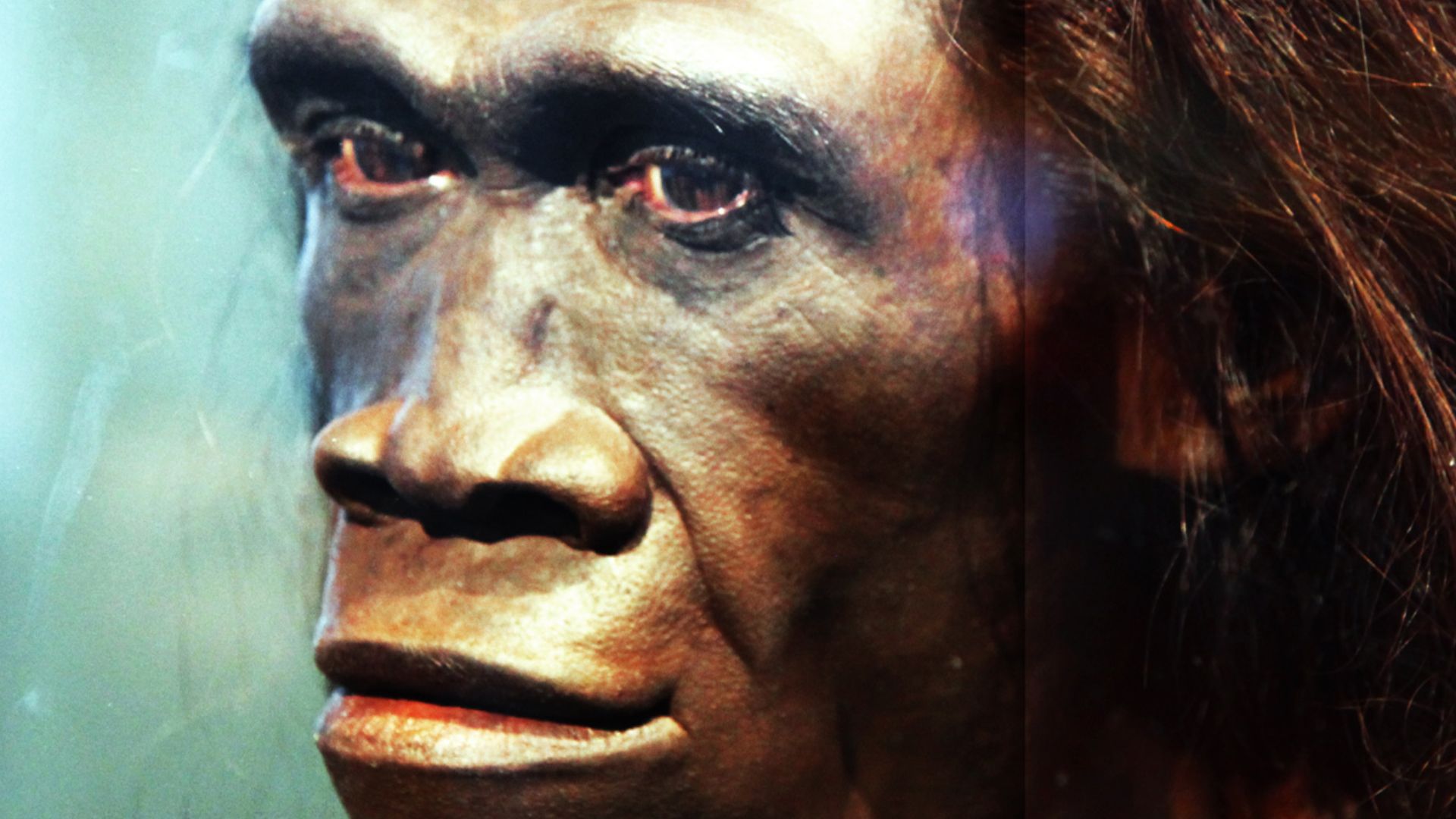
One possibility raised by the experiment is that fascination does not require symbolism in the first place. A striking shape or transparent material might initially attract attention simply because it is rare or perceptually unusual. Humans could later have layered cultural, artistic, or spiritual meanings onto objects that were already naturally good at capturing attention.
 Tim Evanson, Wikimedia Commons
The Next Experiment Could Be Even More Revealing
The study's authors want similar tests carried out with wild, unenculturated chimpanzees and with other great apes, particularly bonobos and gorillas. That could reveal whether crystal attraction is widespread among apes or partly shaped by individual experience and exposure to humans. For now, the 780,000-year-old mystery remains open, but watching chimpanzees pick out crystals, inspect them in the light, carry them home, and resist giving them back makes our own fascination with shiny stones look considerably less unique.
 National Cancer Institute, Unsplash
You May Also Like:
Researchers In Malta Found Evidence That Ancient People Reached Remote Islands Earlier Than Expected
Ancient Humans In Ethiopia Survived A Climate Disaster By Turning A Drying River Into A Lifeline
Scientists Found Two Mysterious “Ghost Ancestors” Hiding In Human DNA—And No One Knows Who They Were