A Cave Rewrote Malta’s History
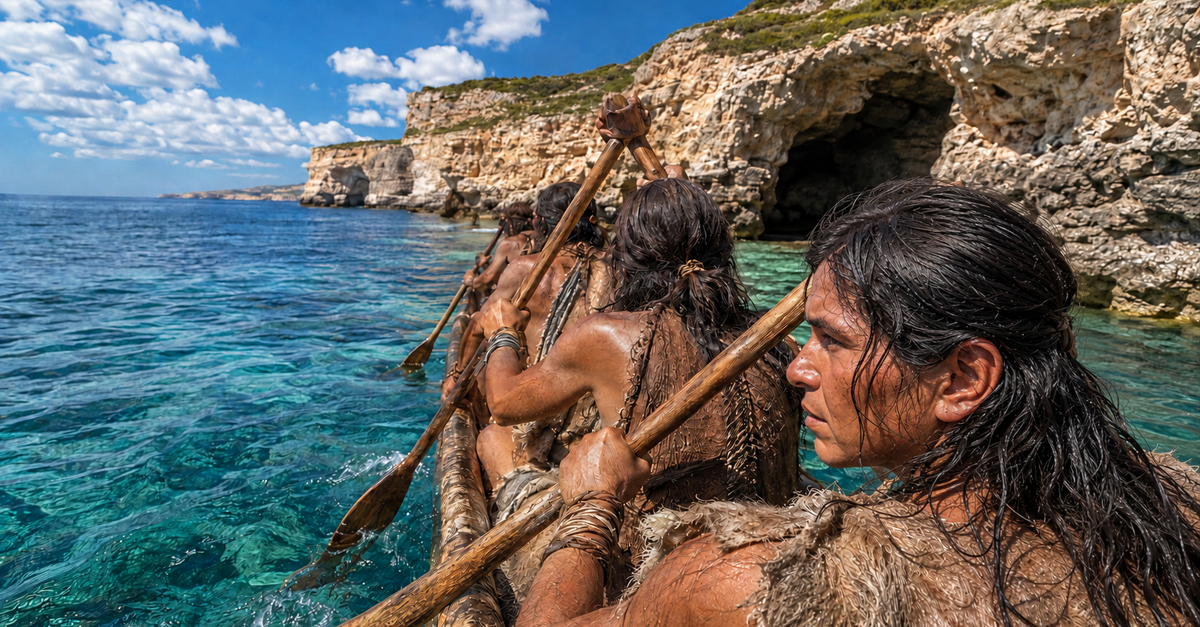
For generations, archaeologists believed Malta’s first inhabitants were farmers who arrived about 7,500 years ago. Excavations at a cave called Latnija have now pushed human activity on the islands back roughly another millennium. The discovery reveals that hunter-gatherers were already making remarkably ambitious Mediterranean voyages around 8,500 years ago.
Malta Was A Formidable Destination
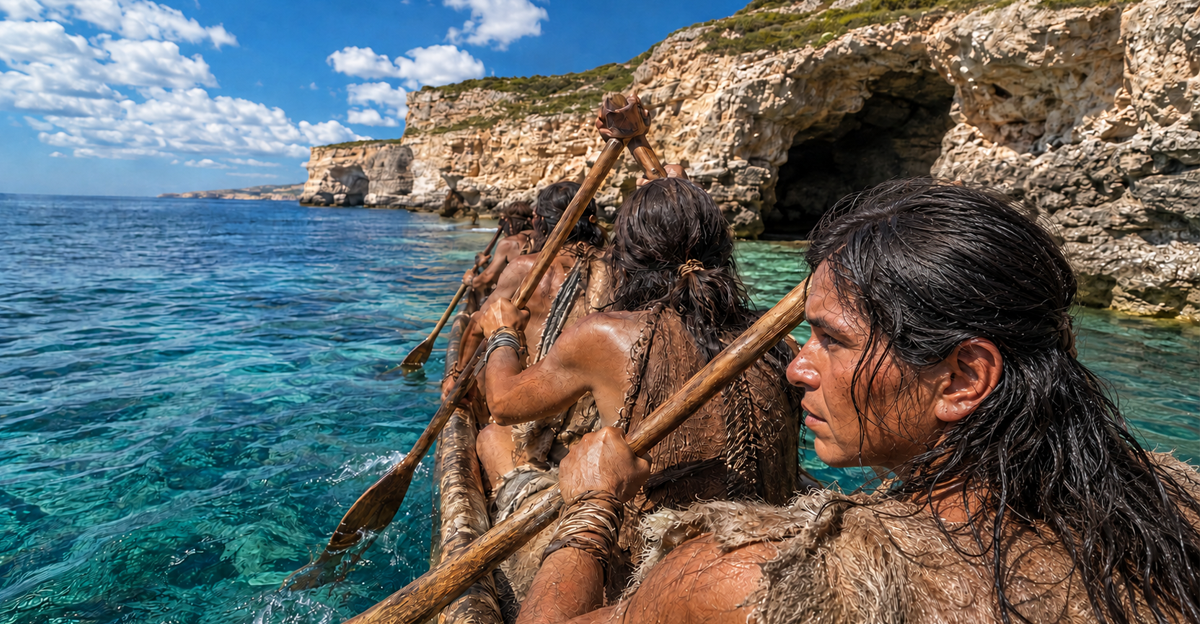
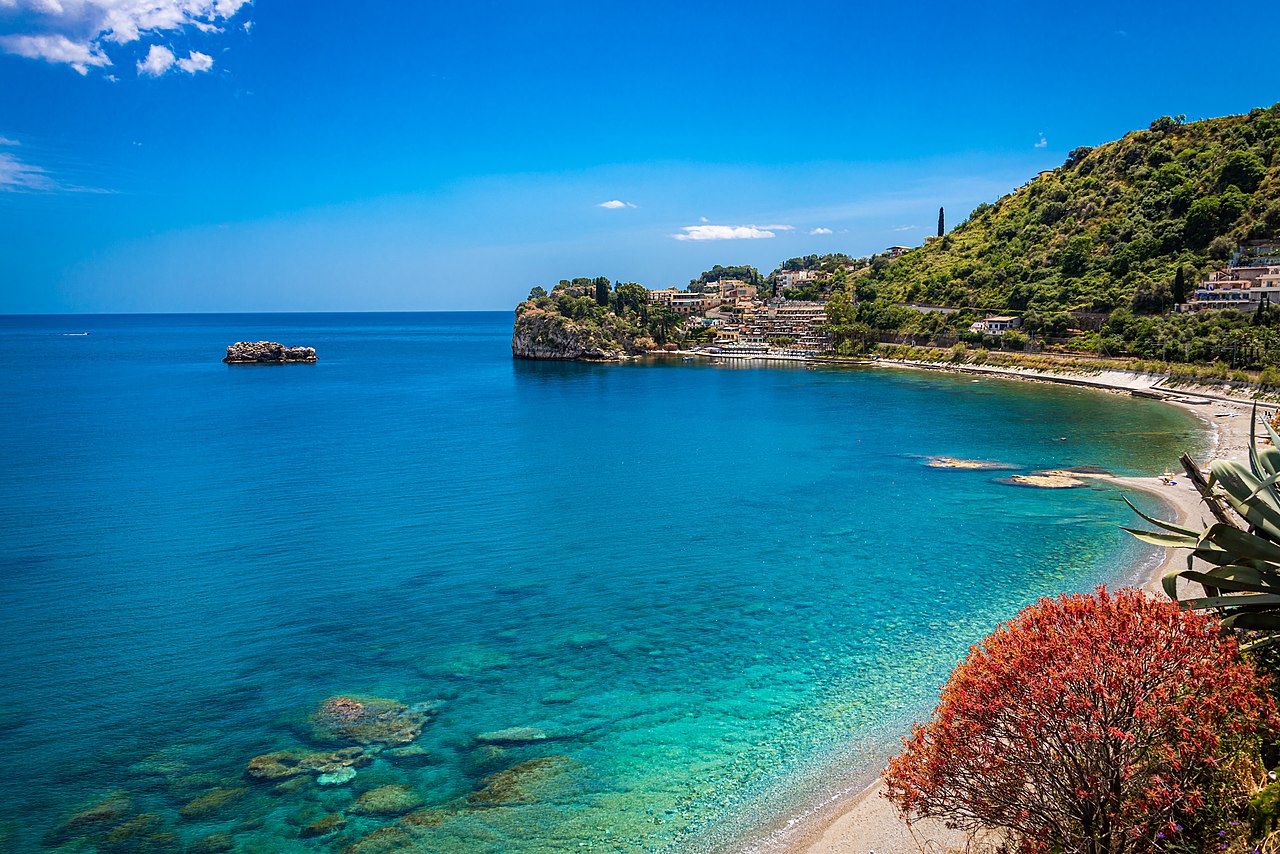
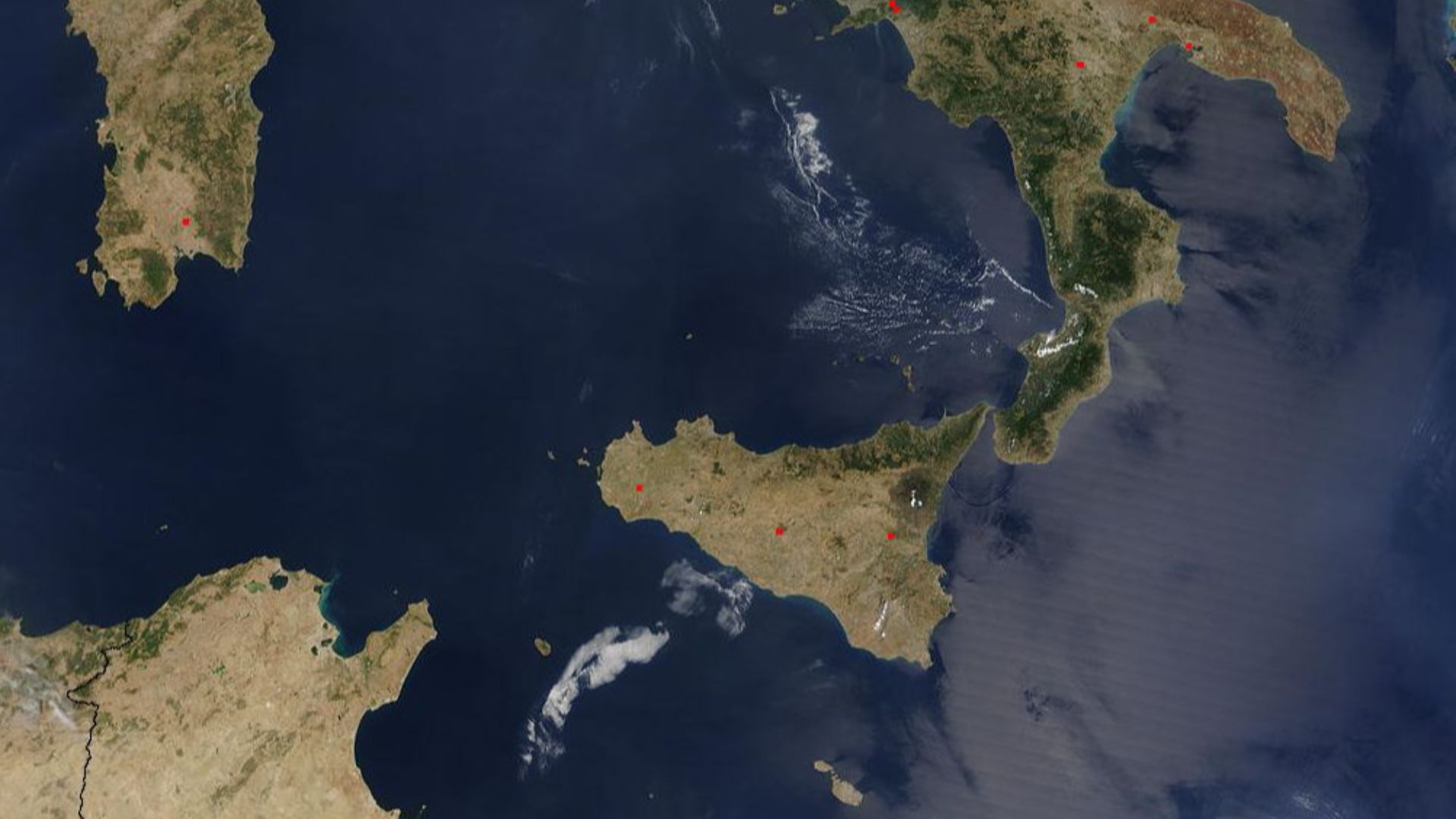
The Maltese archipelago sits south of Sicily in the central Mediterranean. Its small islands are separated from the nearest mainland by a substantial stretch of open water. Reaching them without sails, engines, charts, or modern navigation equipment would have required extraordinary skill and determination.
 Solomonn Levi, Wikimedia Commons
Farmers Once Received The Credit
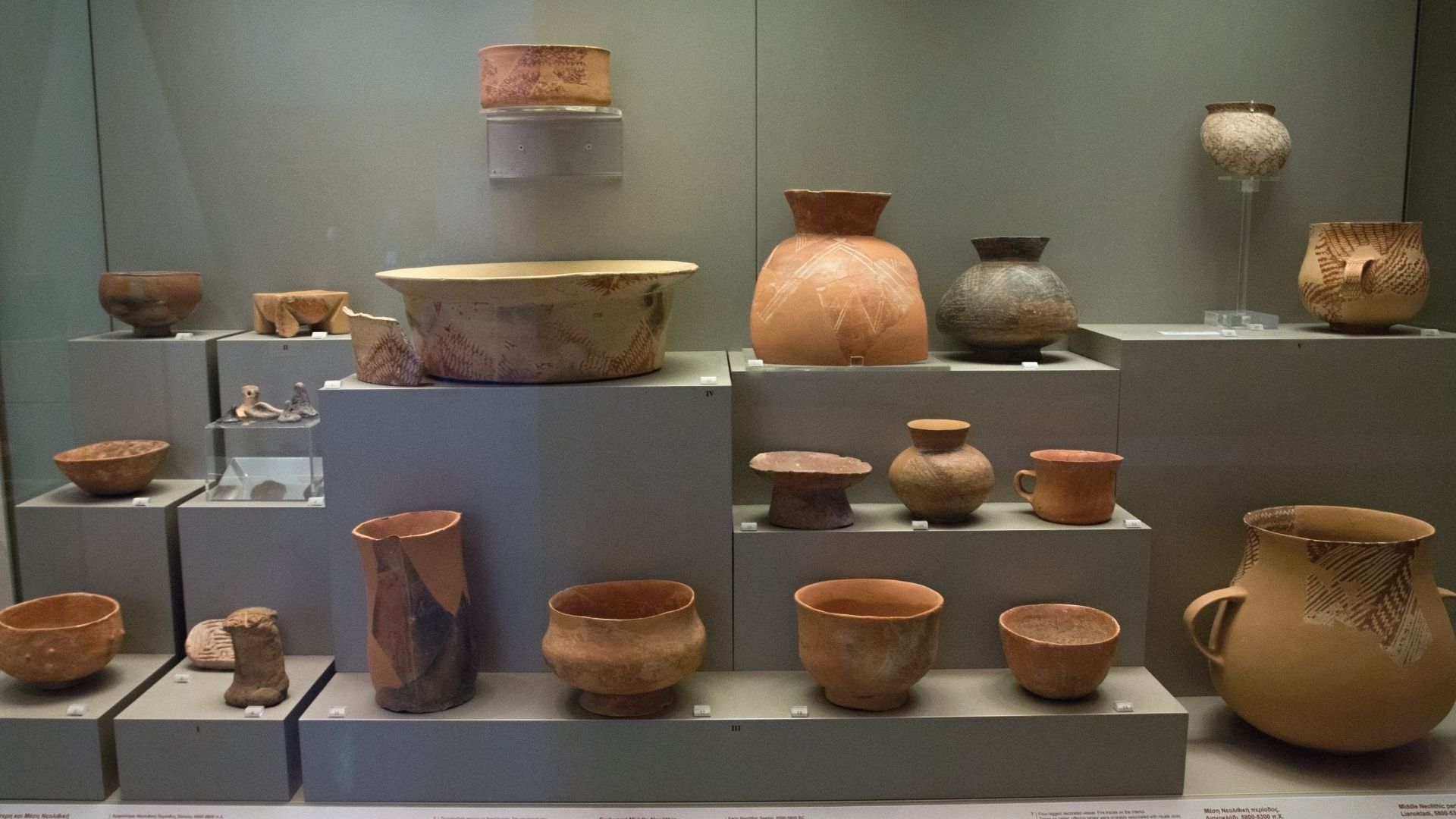
The accepted timeline began with Neolithic farming communities that brought pottery, crops, and domesticated animals to Malta. Secure evidence places their arrival around 7,400 years ago. Researchers consequently assumed that earlier hunter-gatherers had either been unable or unwilling to settle such isolated islands.
The Old Theory Seemed Reasonable
Hunter-gatherers depended on naturally available plants, animals, and marine resources. Small islands were considered too environmentally fragile to support these communities for long. Long-distance travel would also have been dangerous with the watercraft available before sails were invented.

Latnija Offered A Different Story
Latnija lies in the Mellieħa region of northern Malta, near freshwater sources and varied coastlines. The site occupies a large natural depression with a sheltered rock overhang. Its protected sediments preserved traces of human activity that had remained hidden beneath later deposits.
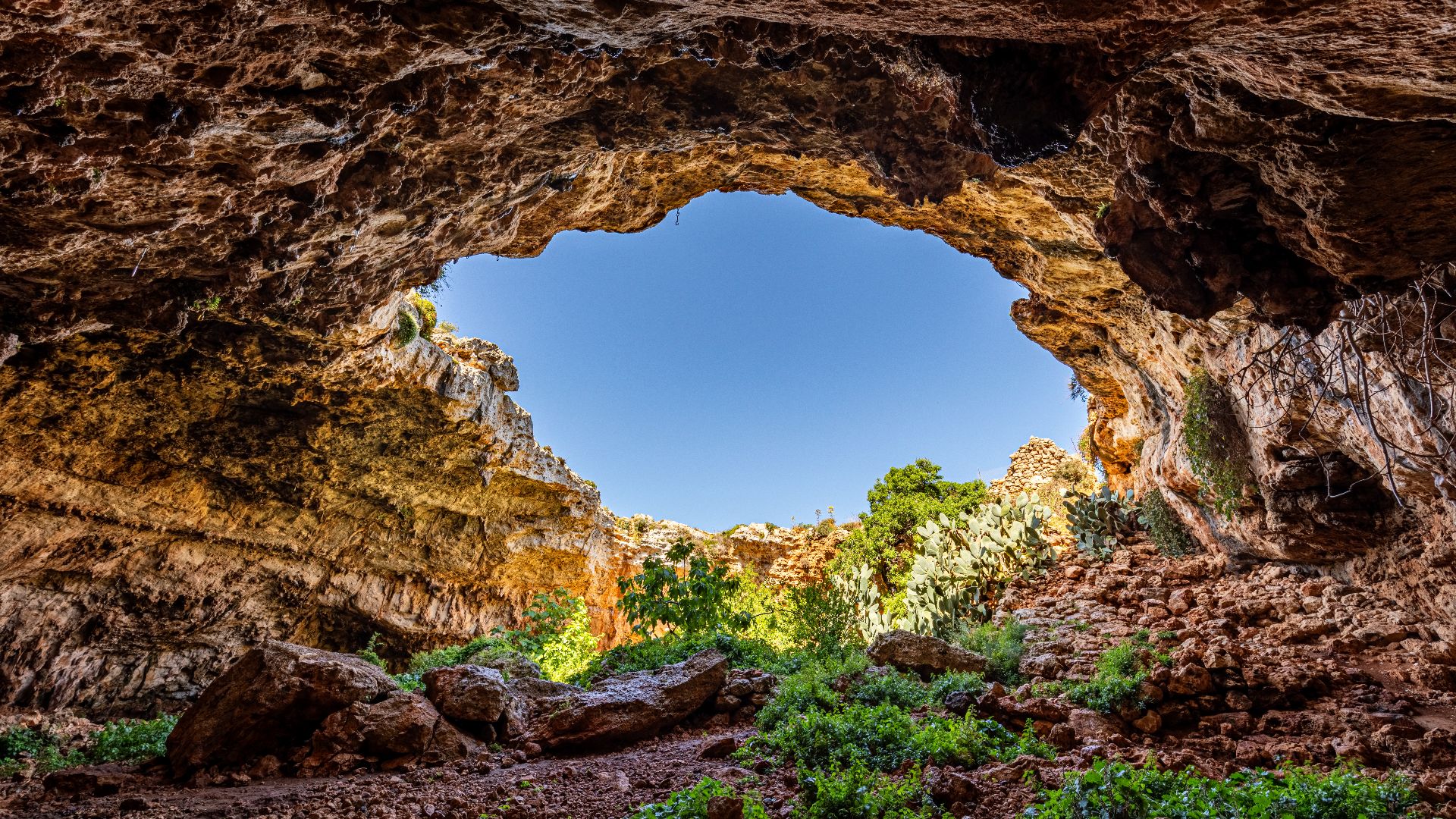 StudioSelinous, Wikimedia Commons
Archaeologists Dug Beneath The Surface
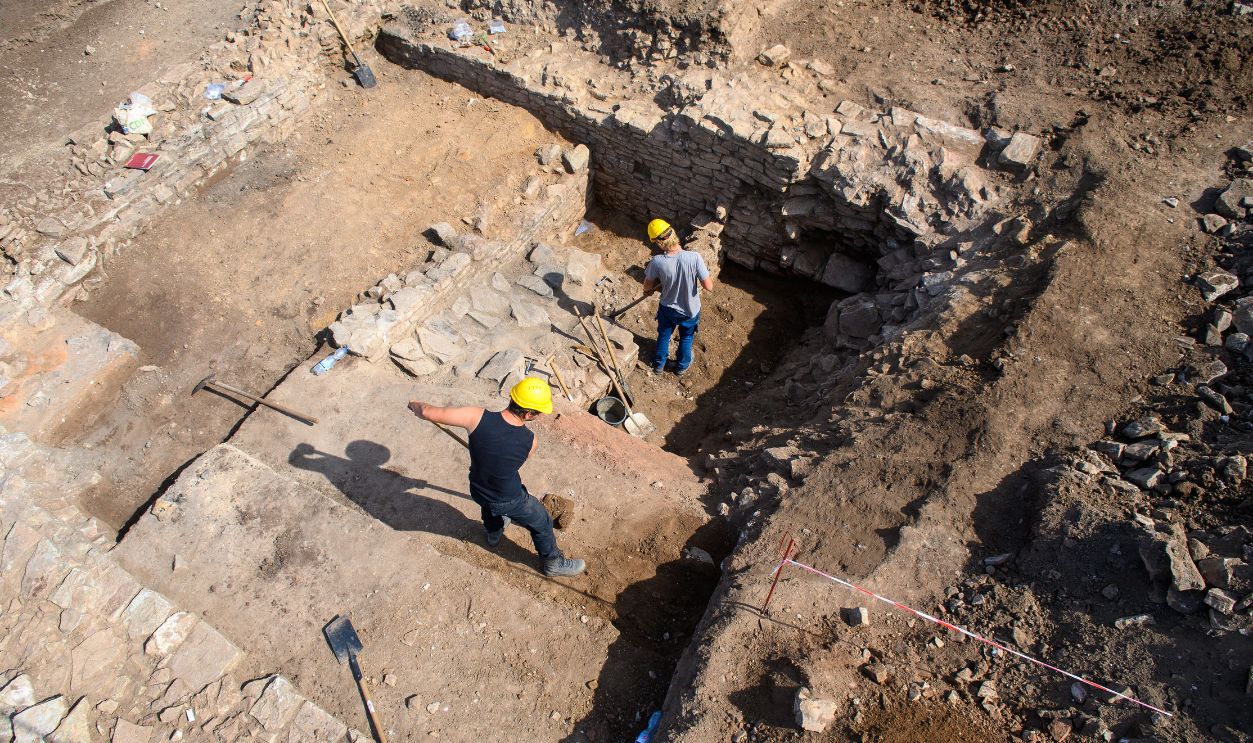
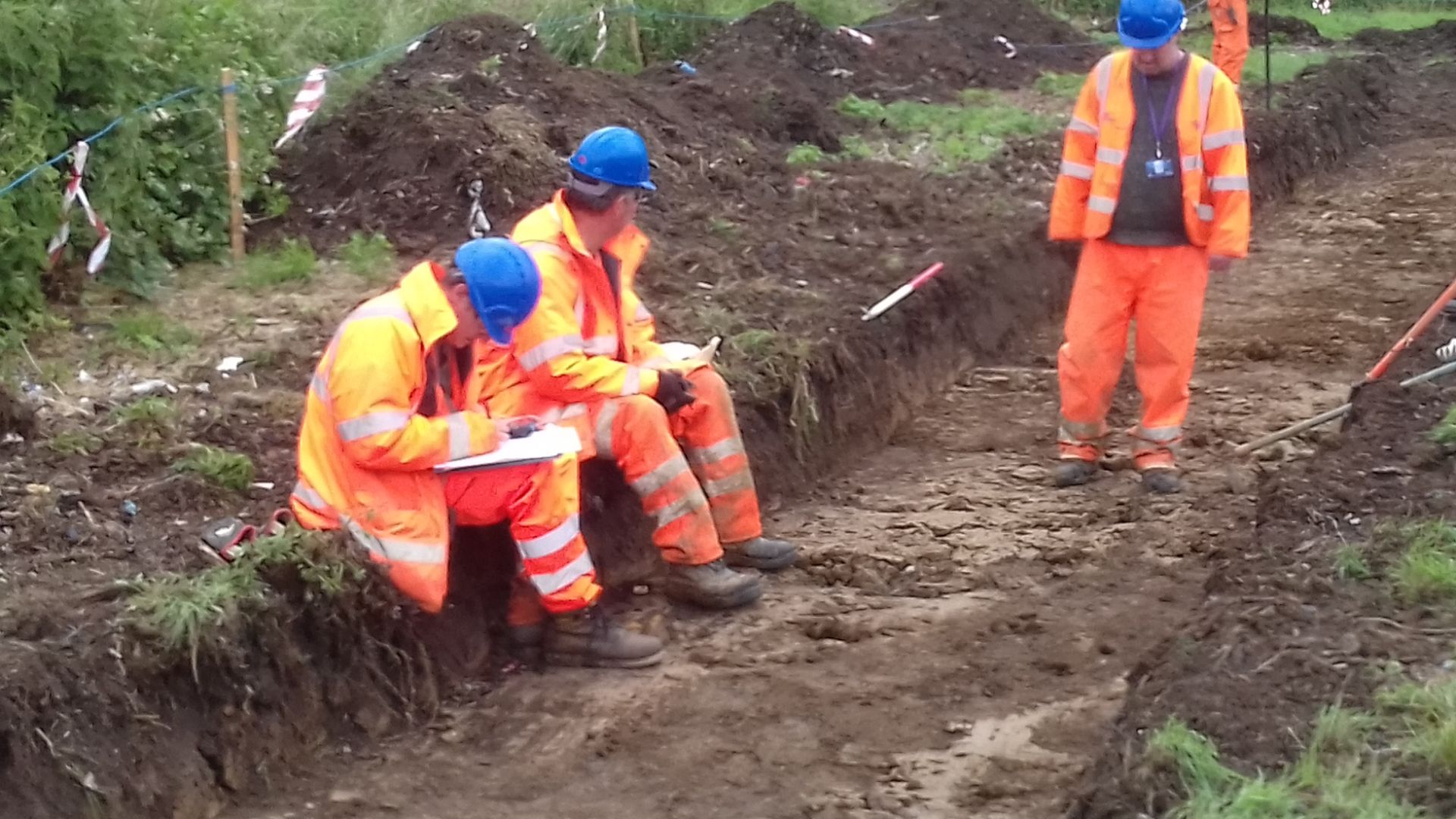
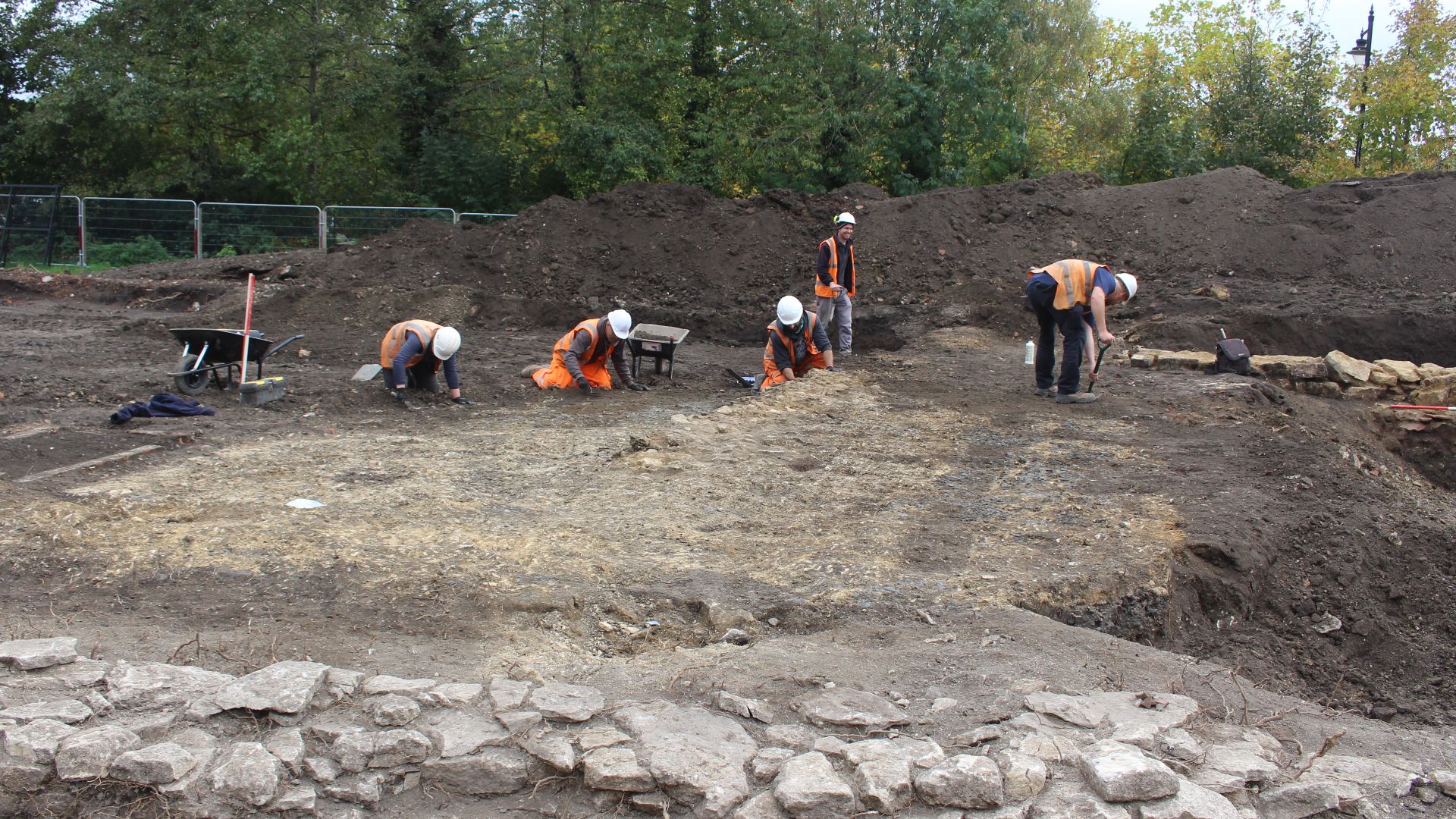
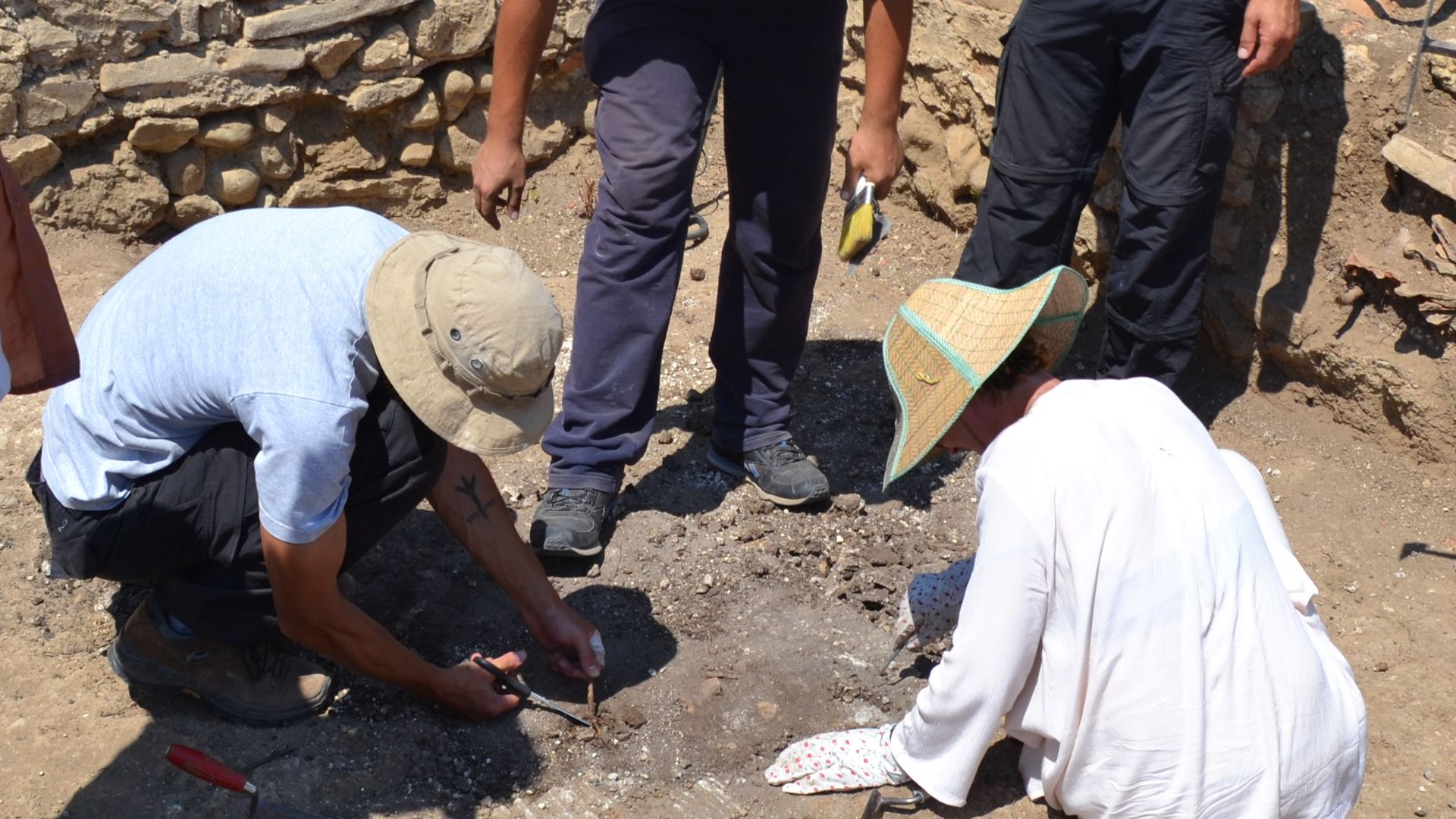
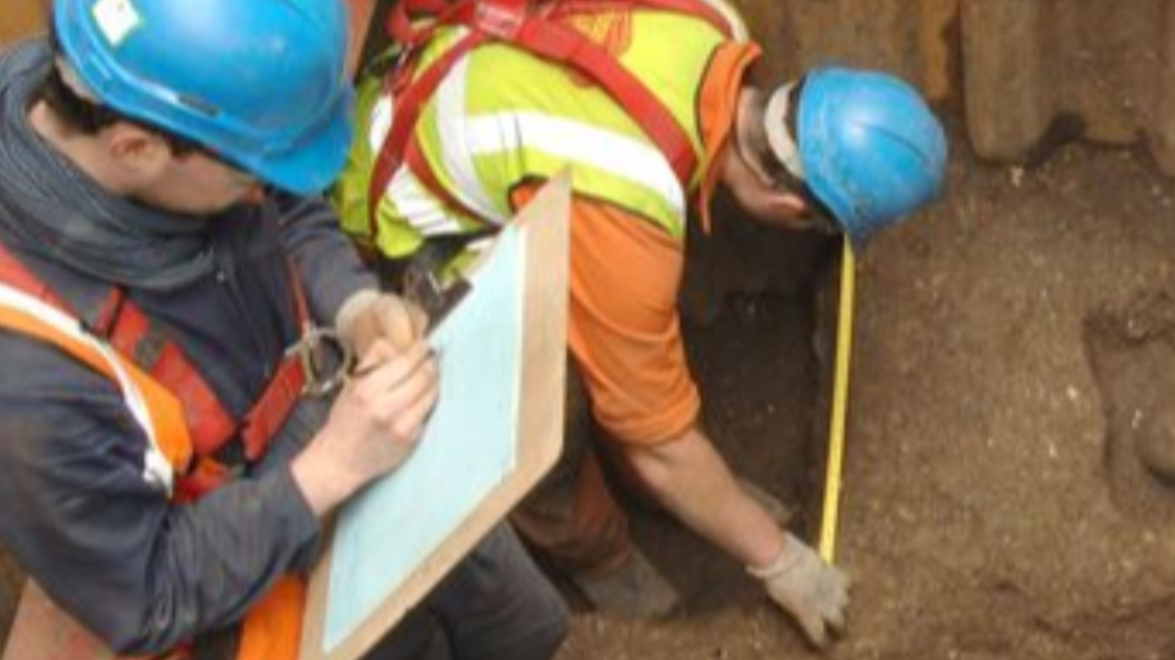
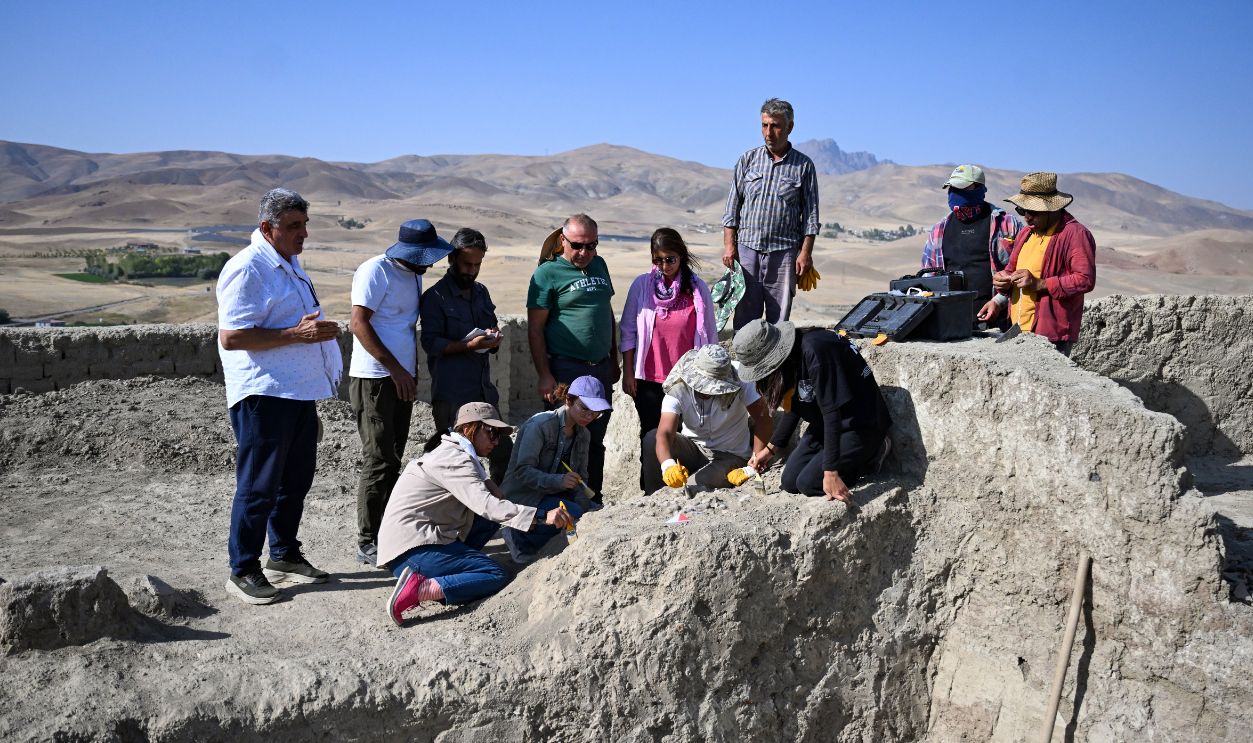
A test excavation began in 2019, followed by larger investigations between 2021 and 2023. Researchers opened a five-by-five-meter trench beneath the overhang and carefully recorded the location of artifacts, bones, and charcoal. The excavation eventually revealed 309 separate sedimentary contexts reaching nearly 1.5 meters deep.
The Layers Contained Human Clues
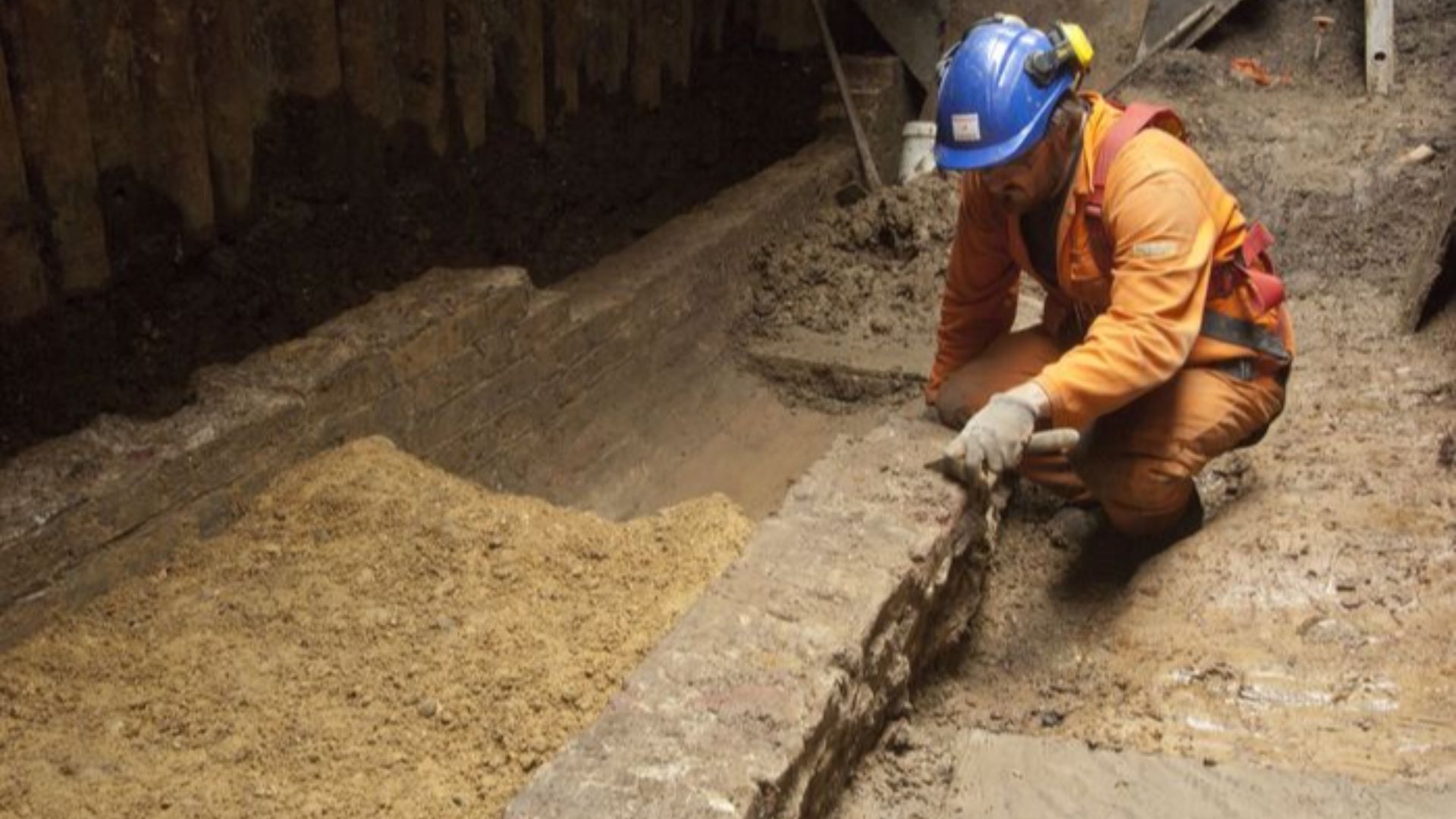
Several layers included thick ash deposits, distinct hearths, animal remains, marine shells, and stone tools. Laboratory analysis confirmed that some sediments had been exposed to intense heat. Together, the evidence pointed to repeated human activity rather than a single accidental fire or naturally disturbed deposit.
 MOLA/Crossrail, Wikimedia Commons
Dating Confirmed The Surprise
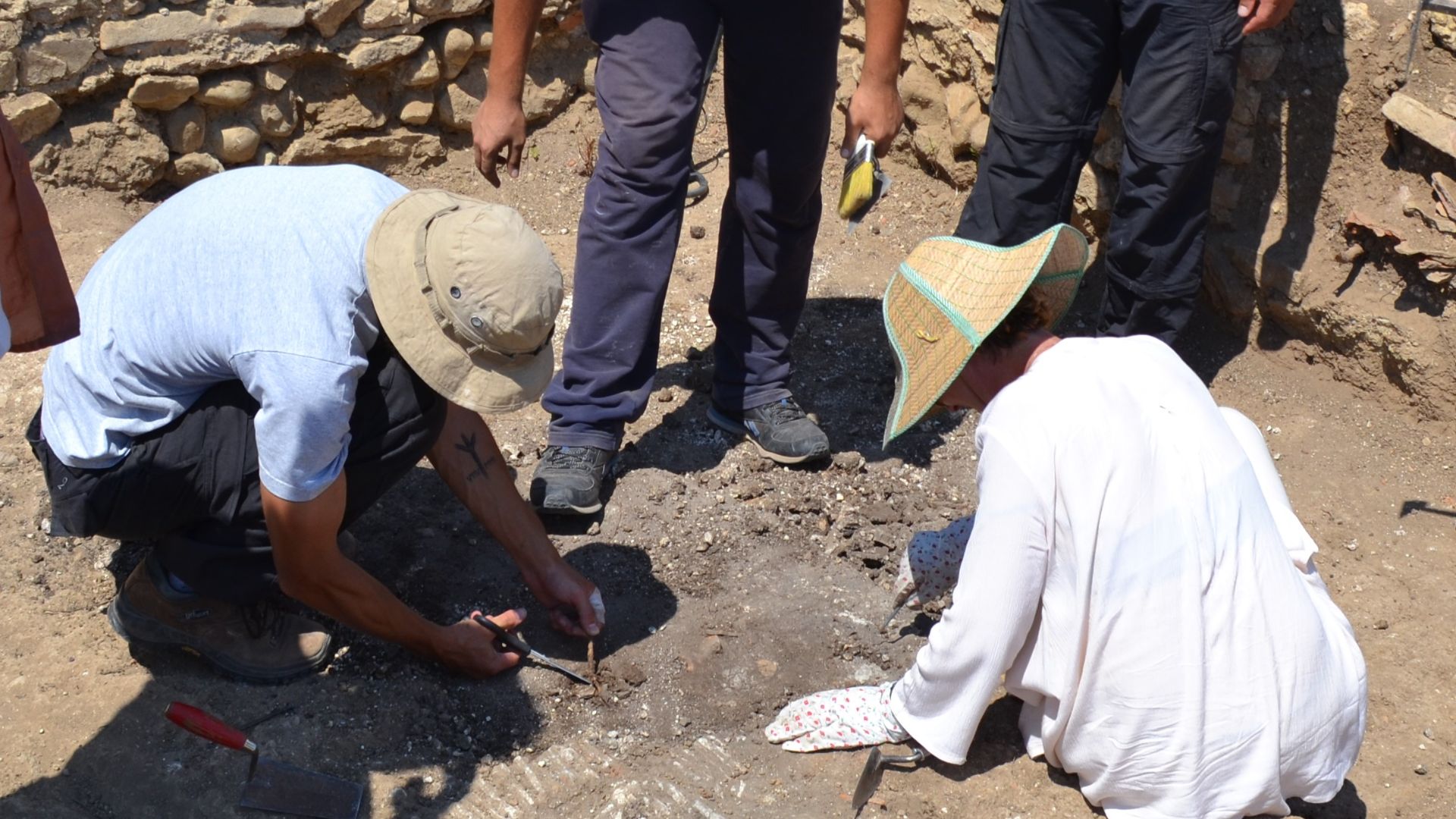
Researchers used accelerator mass spectrometry to obtain 32 dates from charcoal samples. They also dated edible marine snail shells and corrected the results for the marine reservoir effect. The combined chronology indicated that human occupation began around 8,500 years ago.
The Timeline Shifted By A Millennium
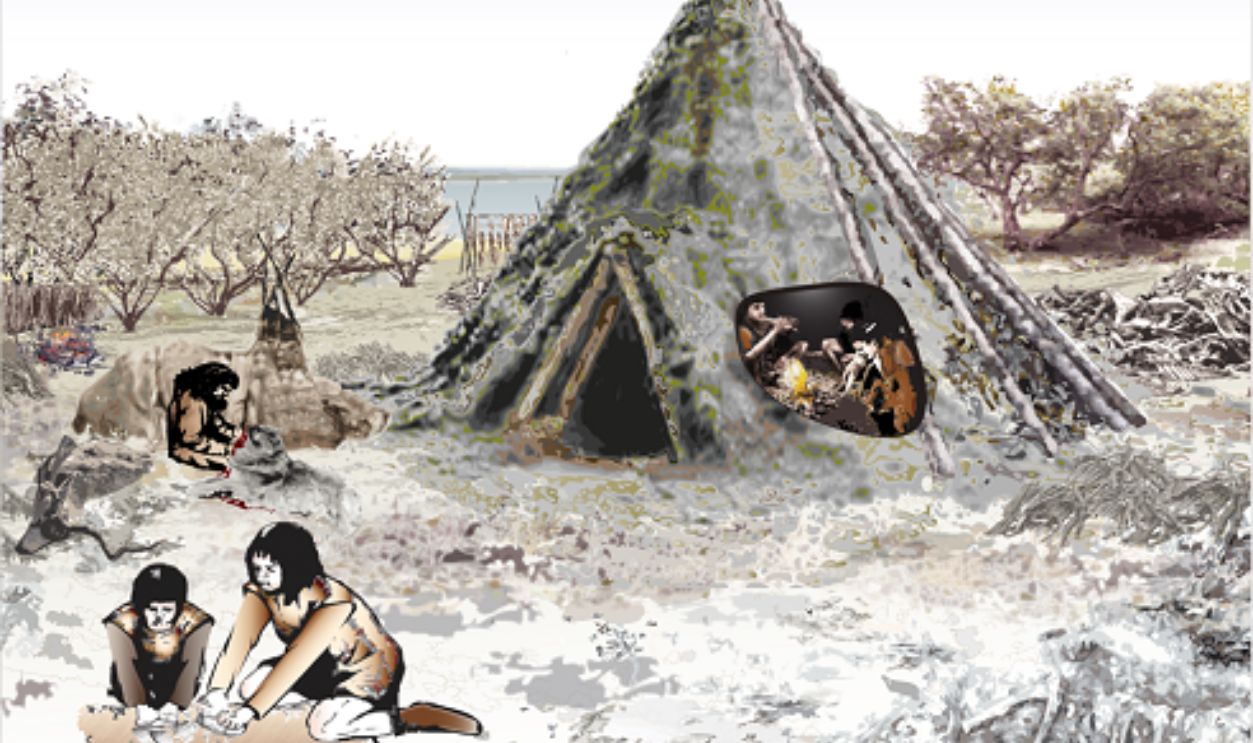
The oldest evidence predates Malta’s first known farming communities by roughly 1,000 years. It belongs to the Mesolithic, when Europe’s remaining hunter-gatherers were living alongside the expanding world of agriculture. Malta’s story therefore began with foragers rather than farmers.
 RachelAM, CC BY-SA 4.0, Wikimedia Commons
These Visitors Were Not Farming
Every animal identified in the Mesolithic deposits was wild. The stone technology also differed from the chert and imported obsidian used by Malta’s later Neolithic communities. These distinctions helped researchers separate the newly discovered occupants from the farmers who followed them.

The Land Bridge Was Long Gone
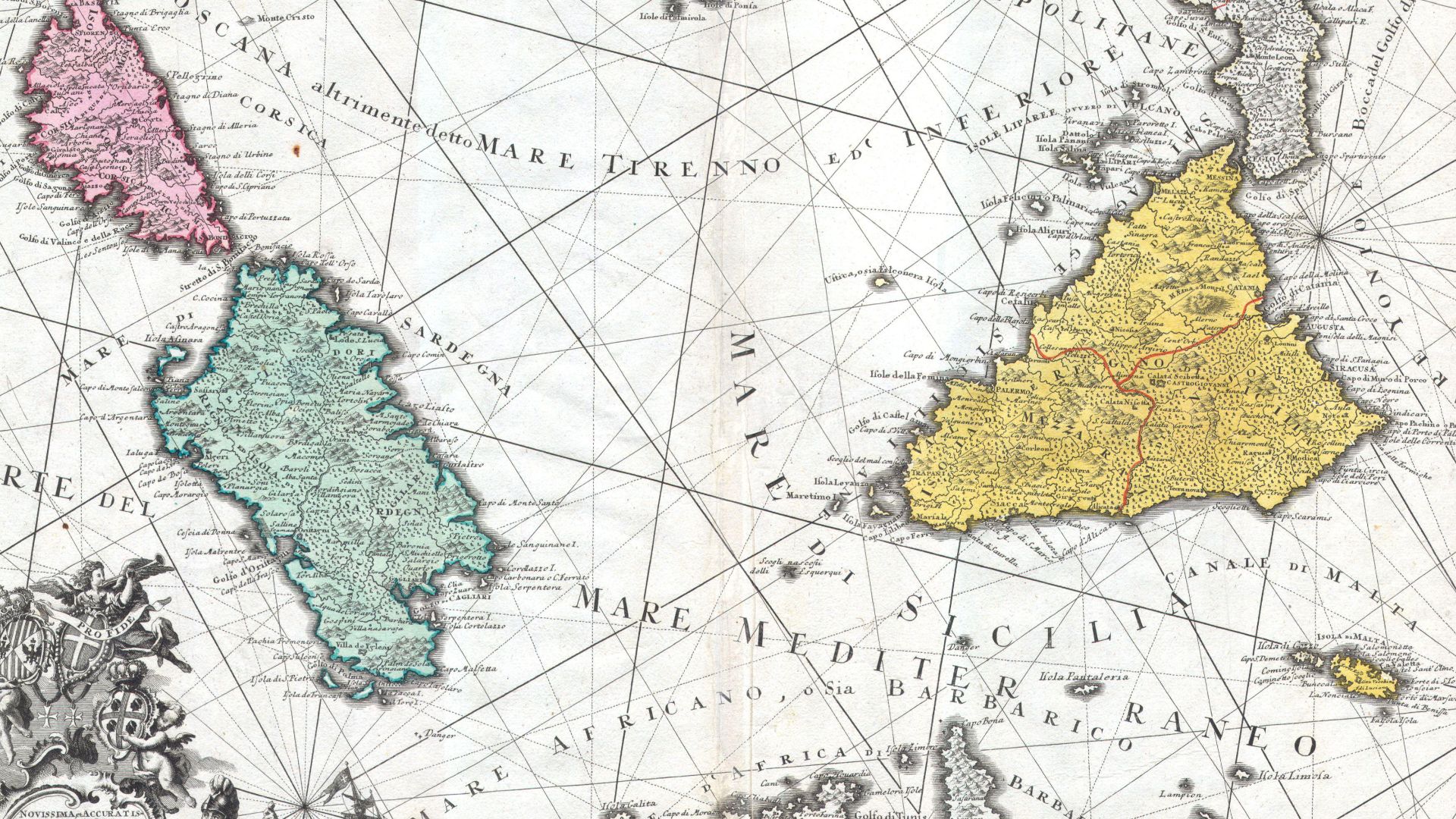
Malta had once been connected to Sicily when sea levels were much lower. That land bridge was submerged thousands of years before the Latnija occupation began. By 8,500 years ago, the islands had nearly reached their modern shape and could only be accessed by water.
 http://www.geographicus.com/mm5/cartographers/homannheirs.txt, Wikimedia Commons
The Crossing Was Enormous
The shortest straight-line distance between Sicily and Malta is now approximately 85 kilometers. Currents, winds, and practical departure points could have lengthened an ancient journey to around 100 kilometers. This represents the longest documented open-water crossing made by Mediterranean hunter-gatherers.
 Joseph Martin Kronheim (1810–96)[1], Wikimedia Commons
Their Boats Remain A Mystery
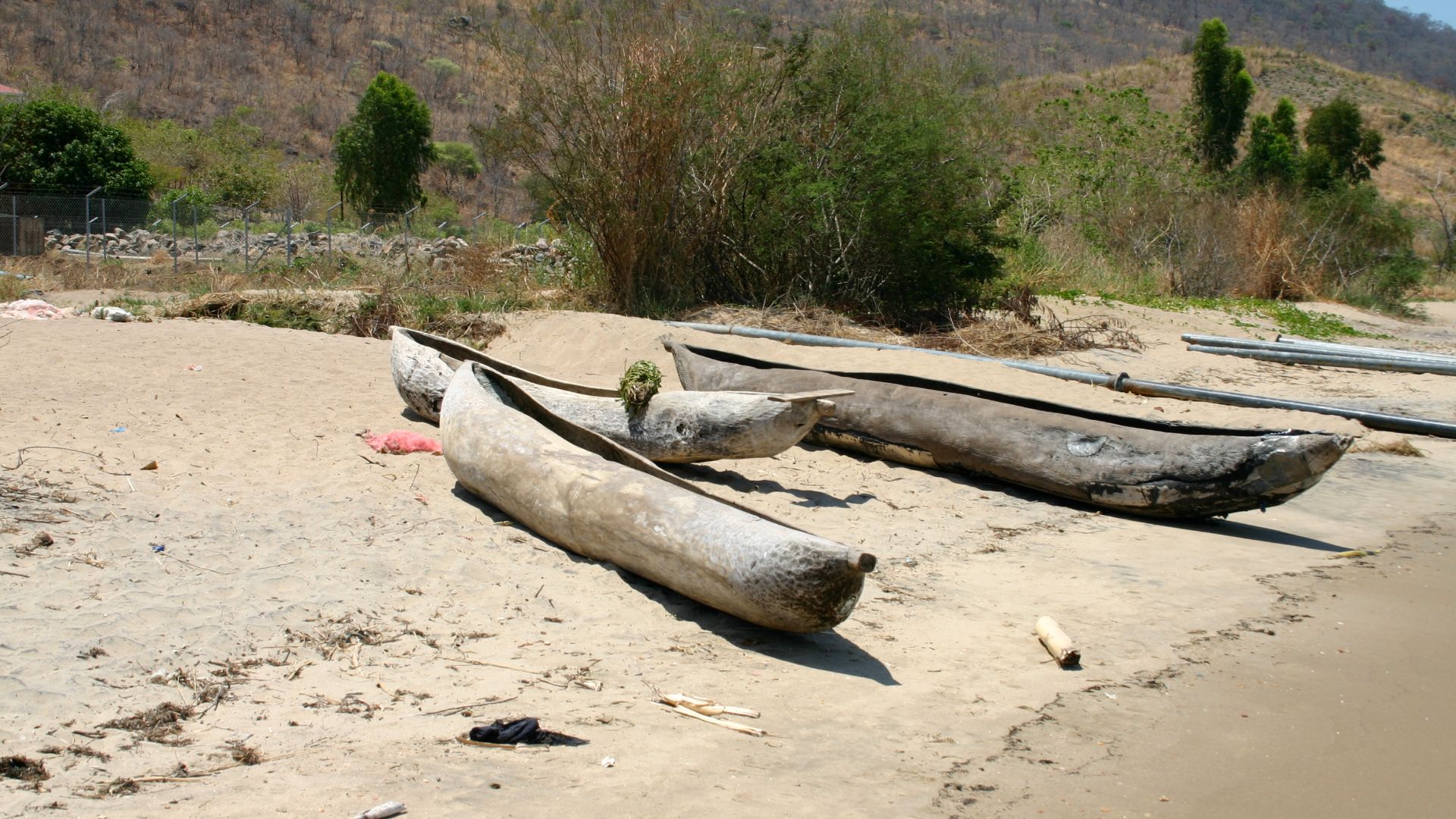
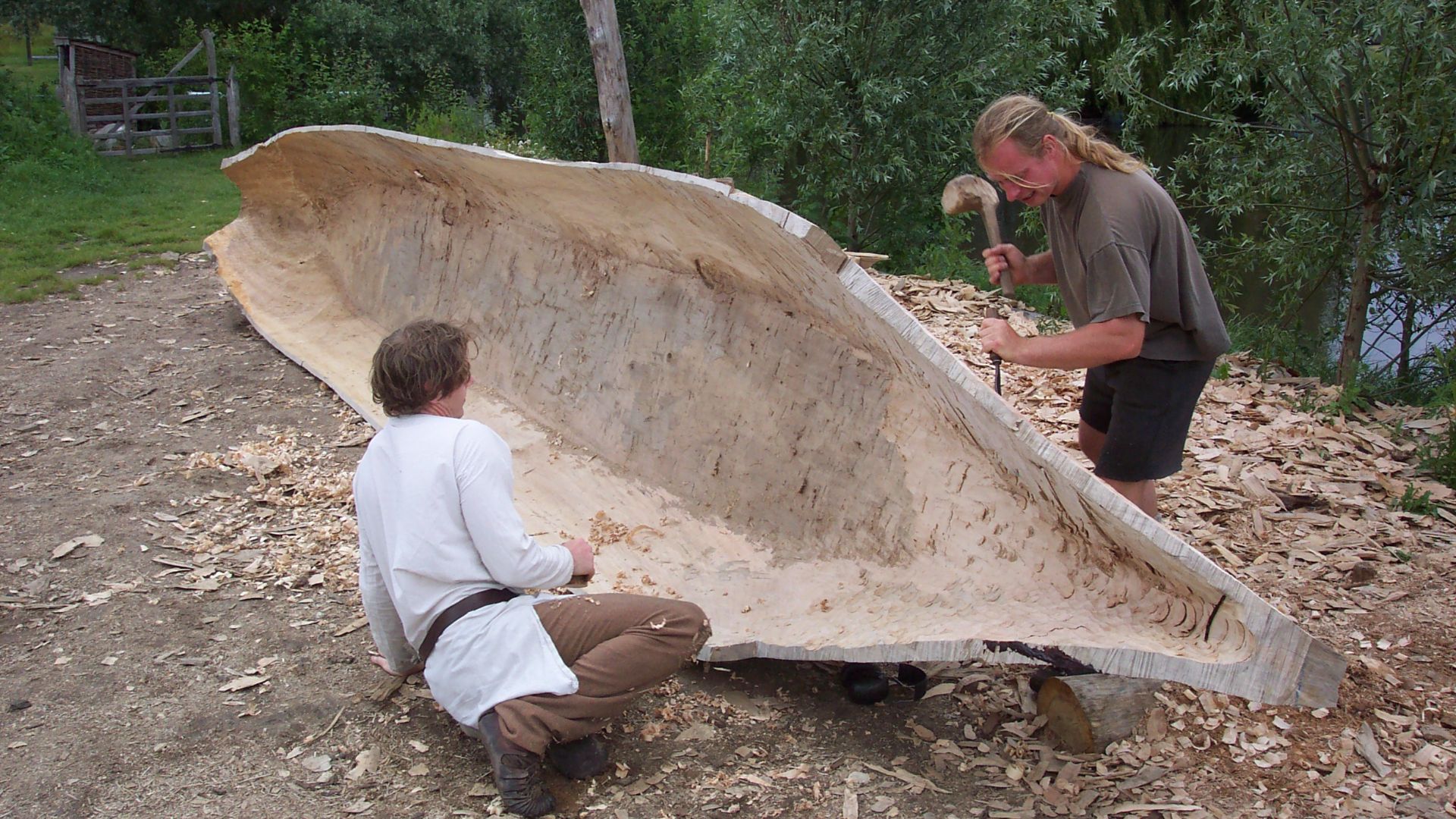
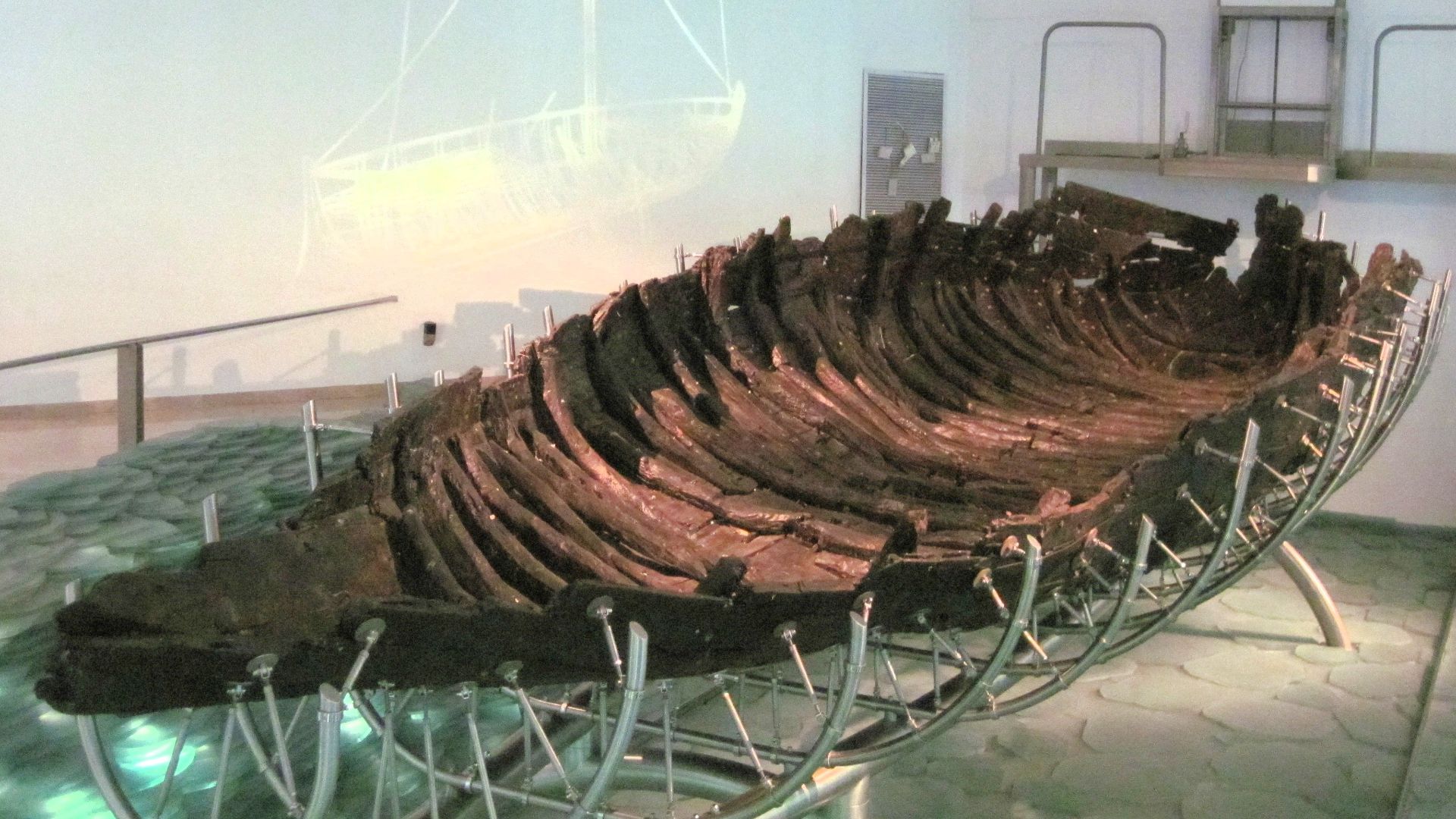
No Mesolithic boat was discovered at Latnija, so researchers cannot identify the travelers’ vessels with certainty. Simple dugout canoes are considered a likely possibility based on later prehistoric examples. Whatever they used had to carry people, equipment, and potentially supplies across an unpredictable sea.
Darkness Was Part Of The Journey
Experimental voyages using a replica prehistoric dugout suggest that such boats could travel around four kilometers per hour. At that pace, a journey to Malta would have continued beyond the available daylight, even during summer. The travelers may have spent approximately eight hours navigating in darkness.
 Andreas Mensert, Wikimedia Commons
The Sea Would Not Cooperate
The Malta Channel contains currents capable of pushing small vessels away from a direct route. Prevailing winds could further increase the distance and physical effort required. These conditions make an entirely accidental arrival less persuasive, especially when considered alongside the long span of activity at Latnija.
 NASA, cropped by DrFO.Jr.Tn, Wikimedia Commons
Navigation Required Real Knowledge
The seafarers may have combined familiar landmarks with observations of currents, winds, stars, and changing sea conditions. They would also have needed to choose favorable weather and maintain a heading after land disappeared from easy view. Their success suggests that maritime knowledge was already deeply developed among some Mesolithic communities.
 Susan Stratton, Archaeology Wales, Wikimedia Commons
Their Tools Looked Surprisingly Simple
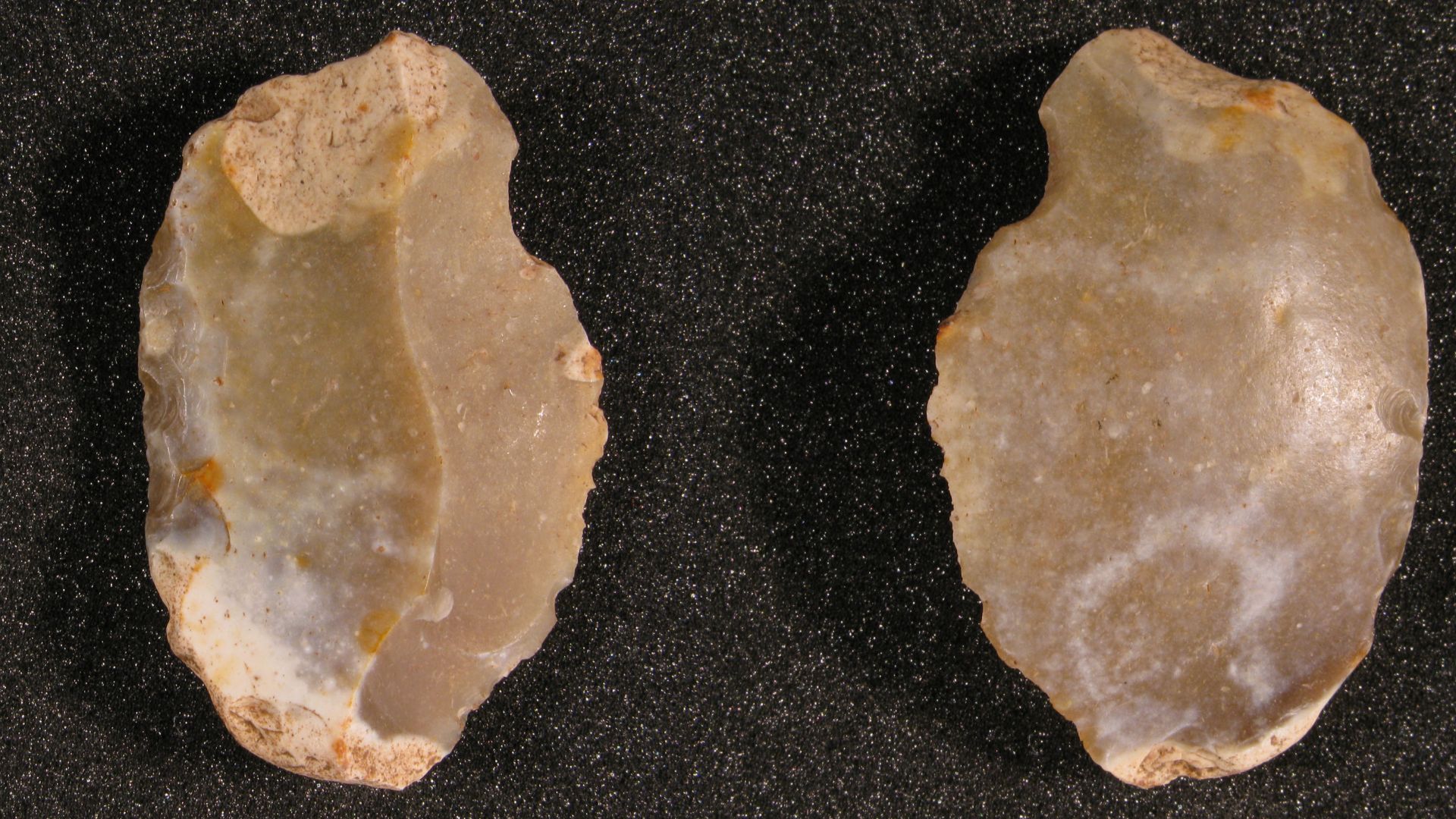
Archaeologists recovered 64 knapped stone artifacts from the Mesolithic deposits. The collection largely consisted of straightforward flakes produced by striking stone with a hard hammer. Elaborate blades, geometric tools, and heavily modified pieces were uncommon.
 Birmingham Museums Trust, Duncan, 2009-06-24 12:06:08, Wikimedia Commons
Local Limestone Replaced Imported Stone
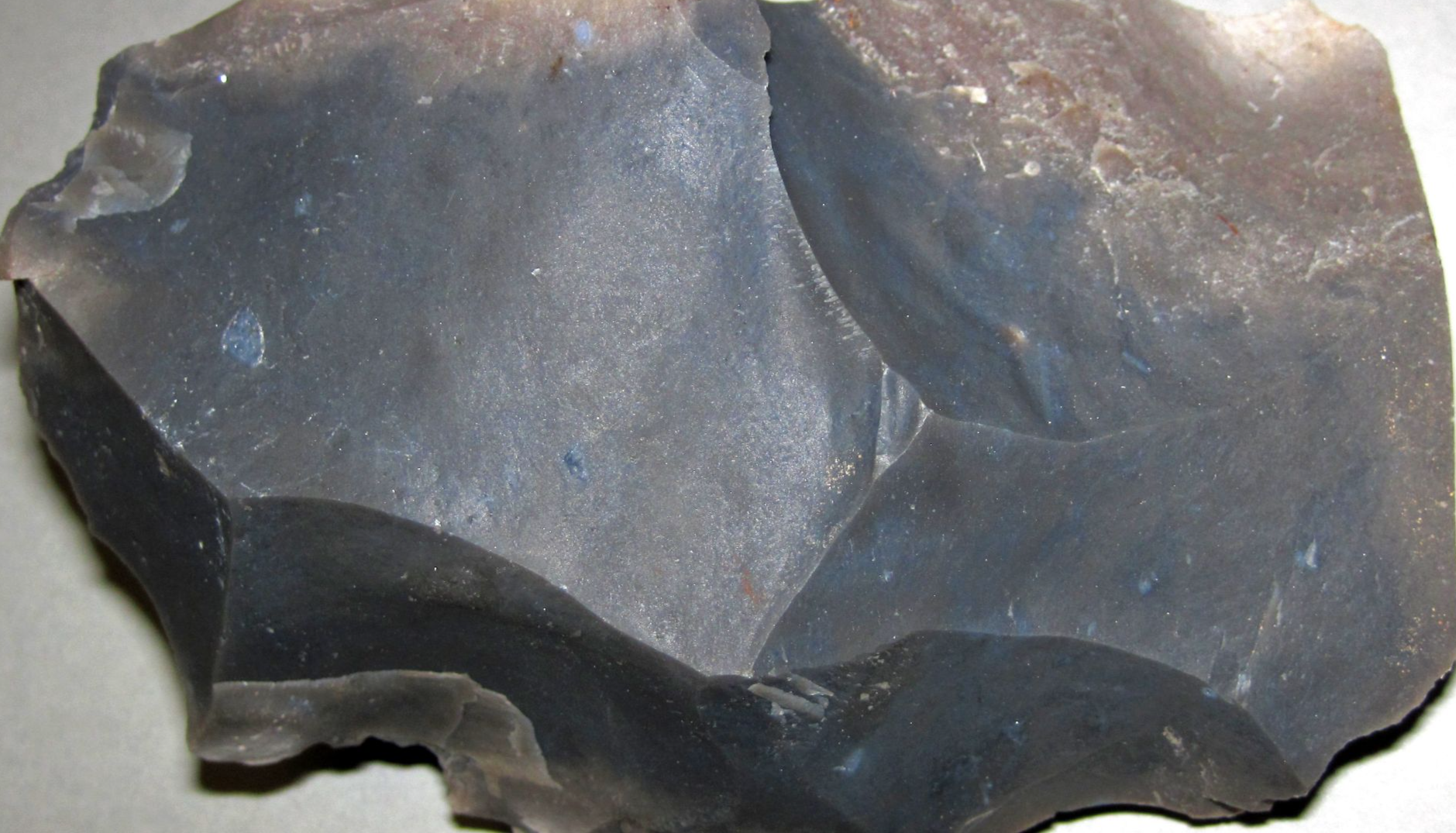
Nearly every recovered tool was made from limestone, including material collected as beach pebbles or cobbles. Only one chert artifact appeared within the Mesolithic group. This contrasts sharply with later Maltese communities, which used local and imported chert along with small quantities of imported obsidian.
 James St. John, Wikimedia Commons
Fires Marked Their Camps
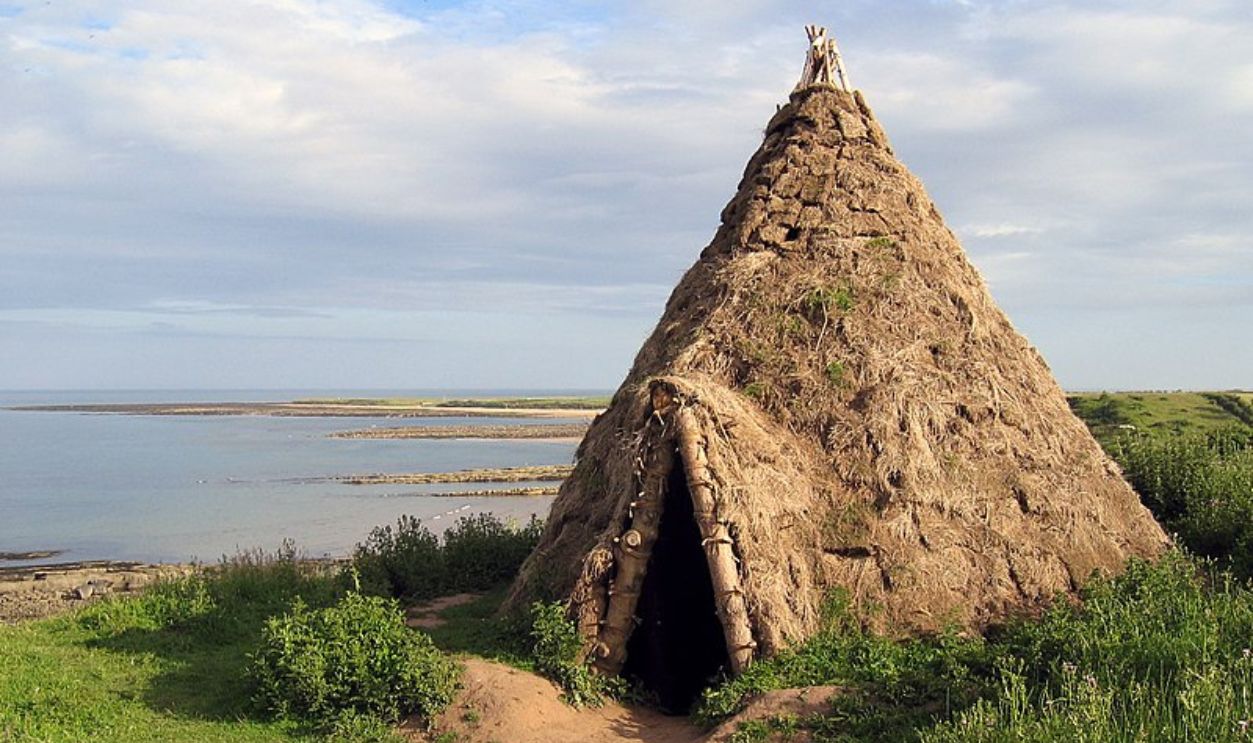
Some hearths remained intact, with layers of ash resting above sediment altered by heat. Researchers found plant particles and burned material within these features. Lentisk wood appears to have been a common fuel, while Mediterranean fan palm may also have been burned.
 Worcestershire Archaeology, Wikimedia Commons
Dinner Left The Strongest Evidence
The deposits contained abundant remains of meals cooked and consumed at the site. Approximately one-quarter of the animal material studied showed evidence of burning or charring. This food waste revealed how the visitors managed to live on an island once considered too limited for hunter-gatherers.
Red Deer Were On The Menu
Red deer dominated the identifiable terrestrial animal remains. Their presence was especially surprising because the species had been thought to have disappeared from Malta before this period. Some bones displayed burning, fractures, and other signs consistent with human processing.
 Jeremy Bradley, Wikimedia Commons
Birds And Tortoises Added Variety
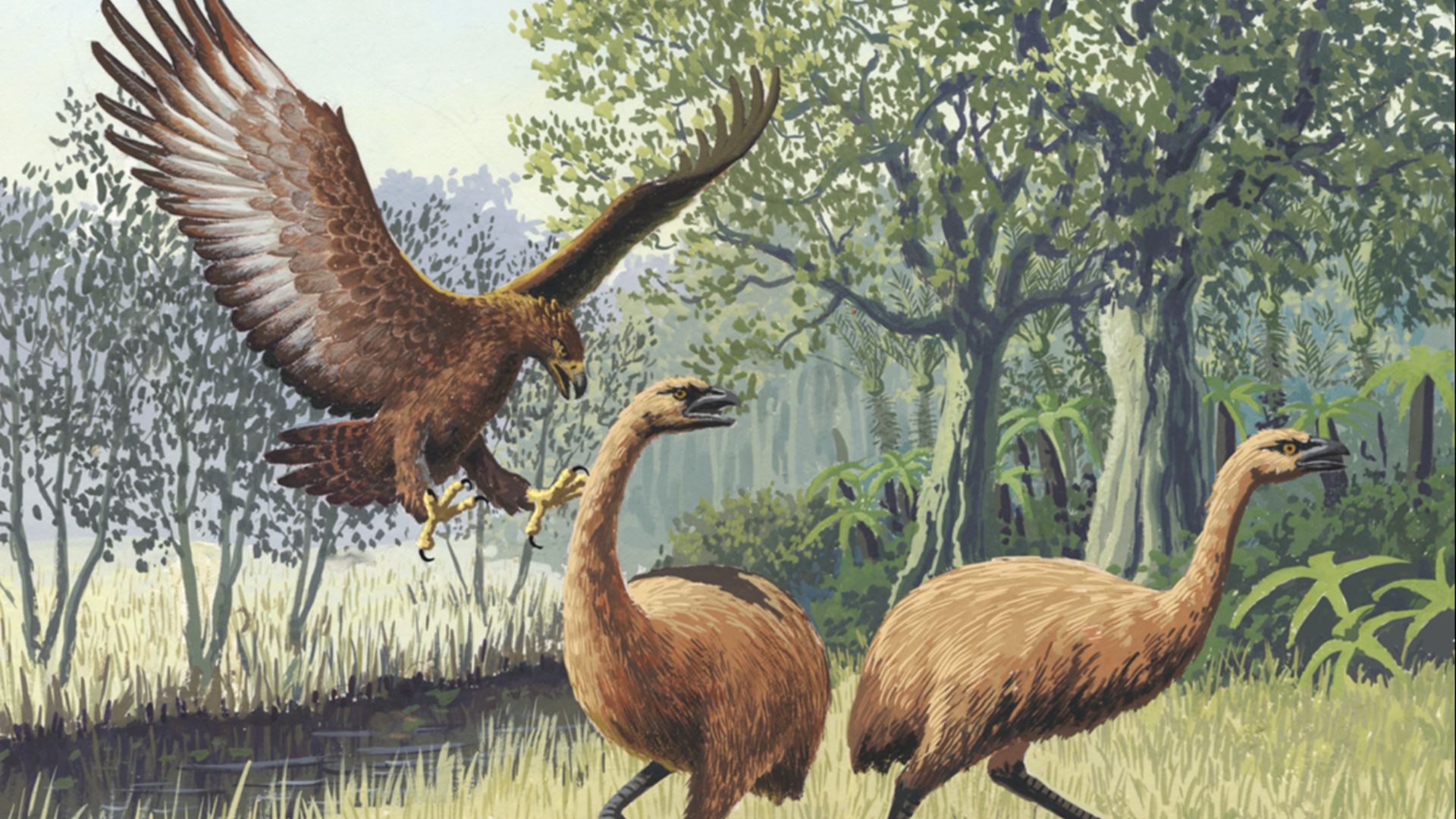
The occupants also consumed birds, including some large species that are now extinct. Turtle or tortoise remains appeared beside the bones of other wild animals. Using several food sources would have reduced the pressure on any single part of Malta’s vulnerable ecosystem.
 John Megahan, Wikimedia Commons
Thousands Of Shells Filled The Site
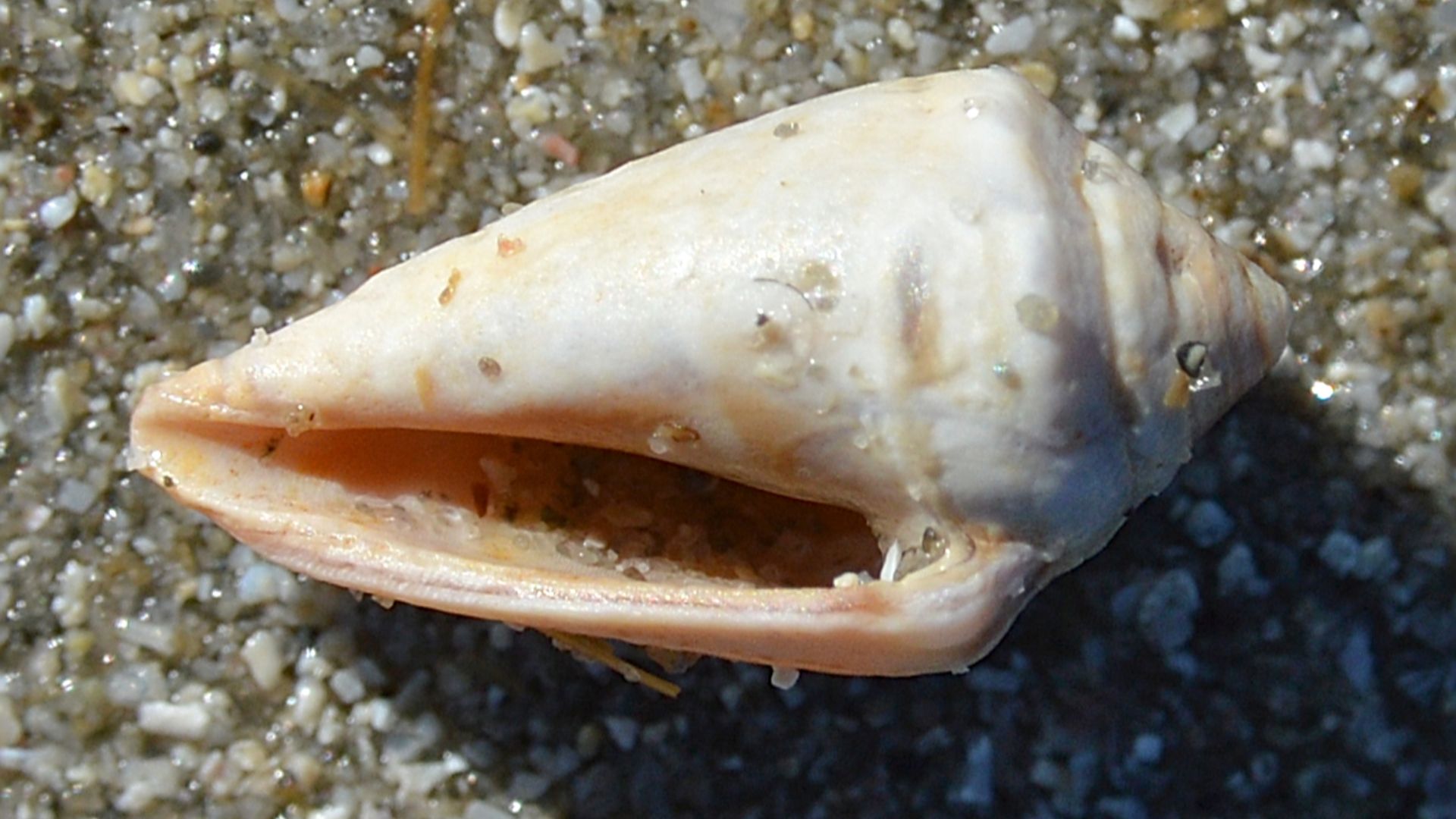
Marine snails were particularly abundant, with researchers recovering approximately 10,000 shells. Limpets, crabs, and sea urchins also appeared in the deposits. Many had clearly been exposed to fire, showing that coastal gathering was an important part of everyday survival.
 Ryan Hodnett, Wikimedia Commons
The Sea Supplied Larger Meals
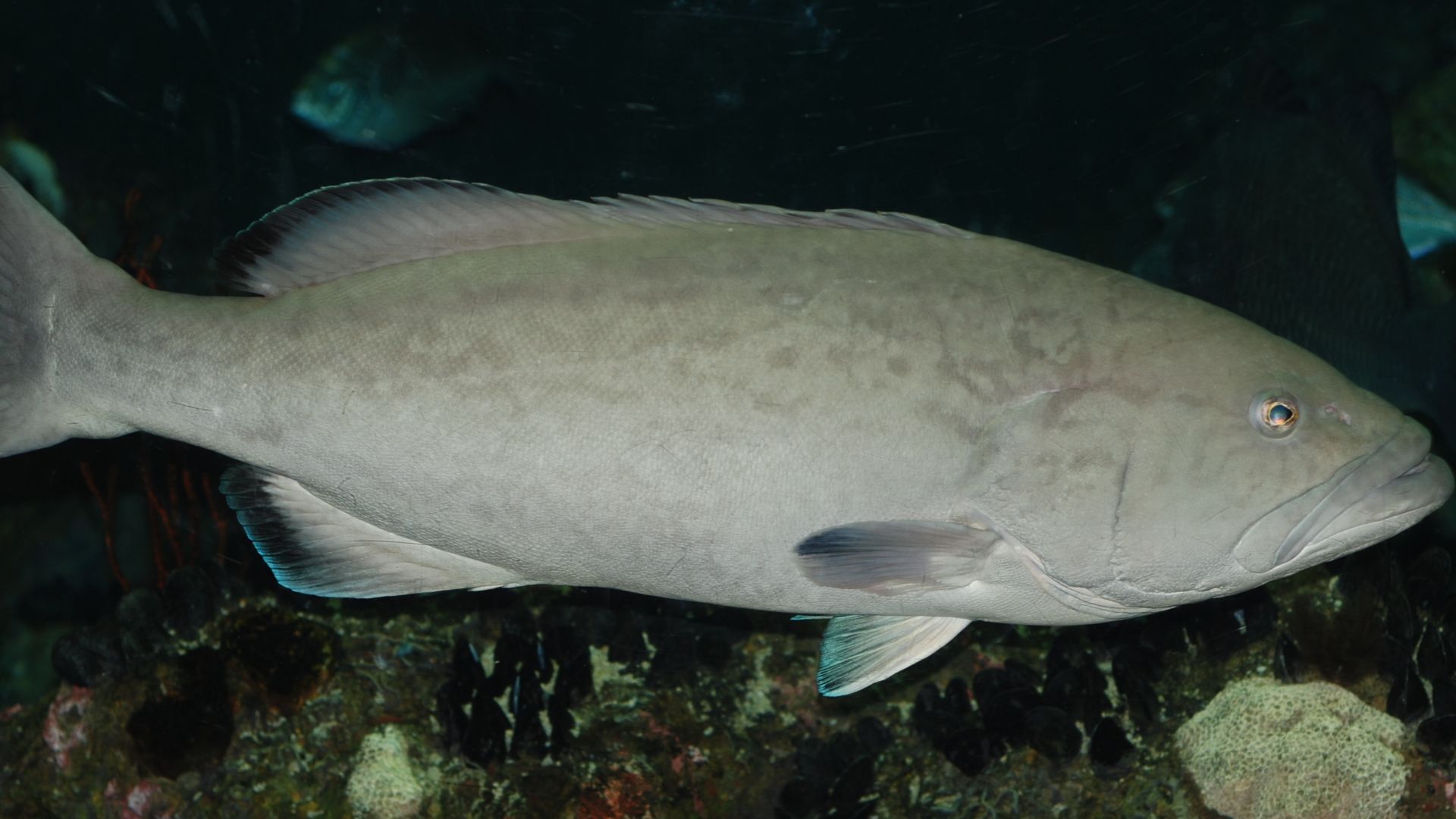
Fish remains included grouper, while seal bones showed that the occupants also accessed marine mammals. These finds demonstrate a much broader engagement with the sea than simply collecting shellfish along the shore. Later farming communities on Malta appear to have relied more heavily on terrestrial foods.
 Jarek Tuszyński, Wikimedia Commons
A Flexible Diet Made Malta Livable
Deer and other land animals provided substantial food, but Malta’s small size placed limits on those resources. Fish, shellfish, birds, reptiles, and marine mammals widened the available menu. That flexibility may explain how hunter-gatherers maintained a presence where an exclusively land-based lifestyle would have struggled.
 Julian Herzog (Website), Wikimedia Commons
Their Reasons Remain Uncertain
Seasonal food opportunities may have encouraged the first voyages, particularly during the relatively favorable climate of the early Holocene. Social pressures connected to the spread of farming communities could also have influenced movement through the region. The evidence does not yet reveal whether Malta was a permanent home, a seasonal destination, or something between the two.
 Crossrail/MOLA, Wikimedia Commons
This Was Bigger Than One Voyage
The archaeological sequence indicates hunter-gatherer activity from roughly 8,500 to 7,500 years ago. A 2026 population study concluded that Malta was too small to support an isolated community across that entire period. The occupants were therefore probably connected to larger populations through repeated overseas journeys and social contact.
 Andrew Curtis, Wikimedia Commons
Ancient Sailors Were More Connected Than Expected
Population modeling suggests Malta could have supported no more than roughly 144 to 170 hunter-gatherers, with realistic estimates potentially lower. A community surviving for centuries would have needed a much larger reproductive population to avoid isolation and eventual collapse. The findings point toward an unknown maritime network linking Malta with other islands or continental coastlines long before Mediterranean farming societies became established.
 Travellers & Tinkers, Wikimedia Commons
The Discovery Changes More Than A Date
Latnija shows that Europe’s last hunter-gatherers could reach isolated islands, exploit unfamiliar ecosystems, and maintain connections across formidable stretches of water. It also means Malta’s first farmers did not encounter a landscape completely untouched by people. One small cave has transformed the archipelago from a late destination into evidence of a much older and more adventurous Mediterranean world.
You May Also Like:
Archaeologists Discover 140,000-Year-Old Underwater Ecosystem Linked To The Lost World Of Sundaland
Ancient Humans In Ethiopia Survived A Climate Disaster By Turning A Drying River Into A Lifeline