A River Became A Lifeline
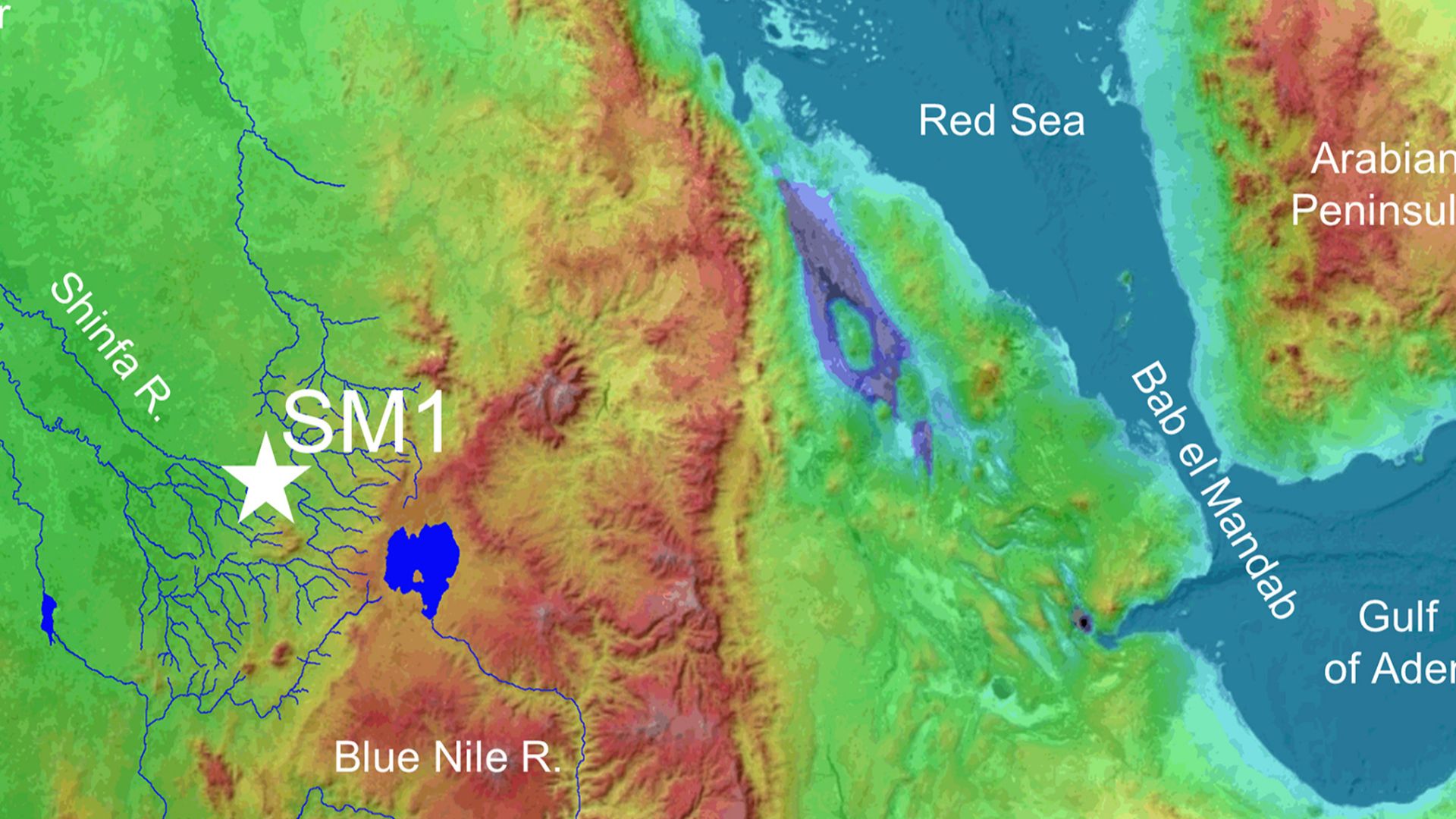
Around 74,000 years ago, people living beside Ethiopia’s Shinfa River faced an increasingly harsh dry season. The nearby archaeological record shows that they responded by eating more fish trapped in shrinking waterholes. Their ability to change strategies helped them endure one of prehistory’s greatest volcanic shocks.
The Story Begins In Ethiopia
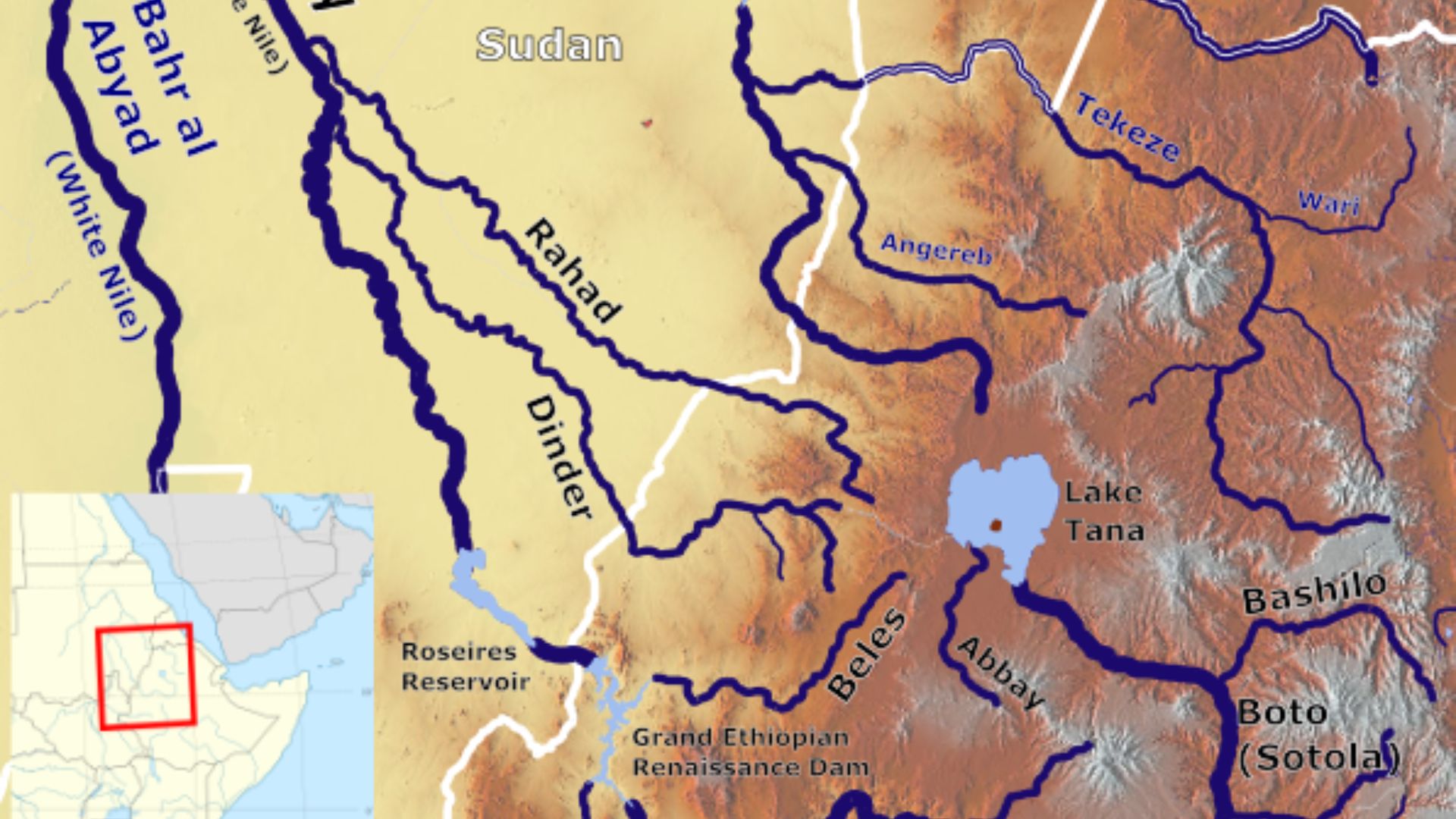
The evidence comes from Shinfa-Metema 1, a Middle Stone Age site in the lowlands of northwestern Ethiopia. It sits beside the Shinfa River, which feeds into the Blue Nile system. This seasonal waterway became central to the community’s survival.
 topographic-map.com, Wikimedia Commons
Disaster Struck Thousands Of Miles Away
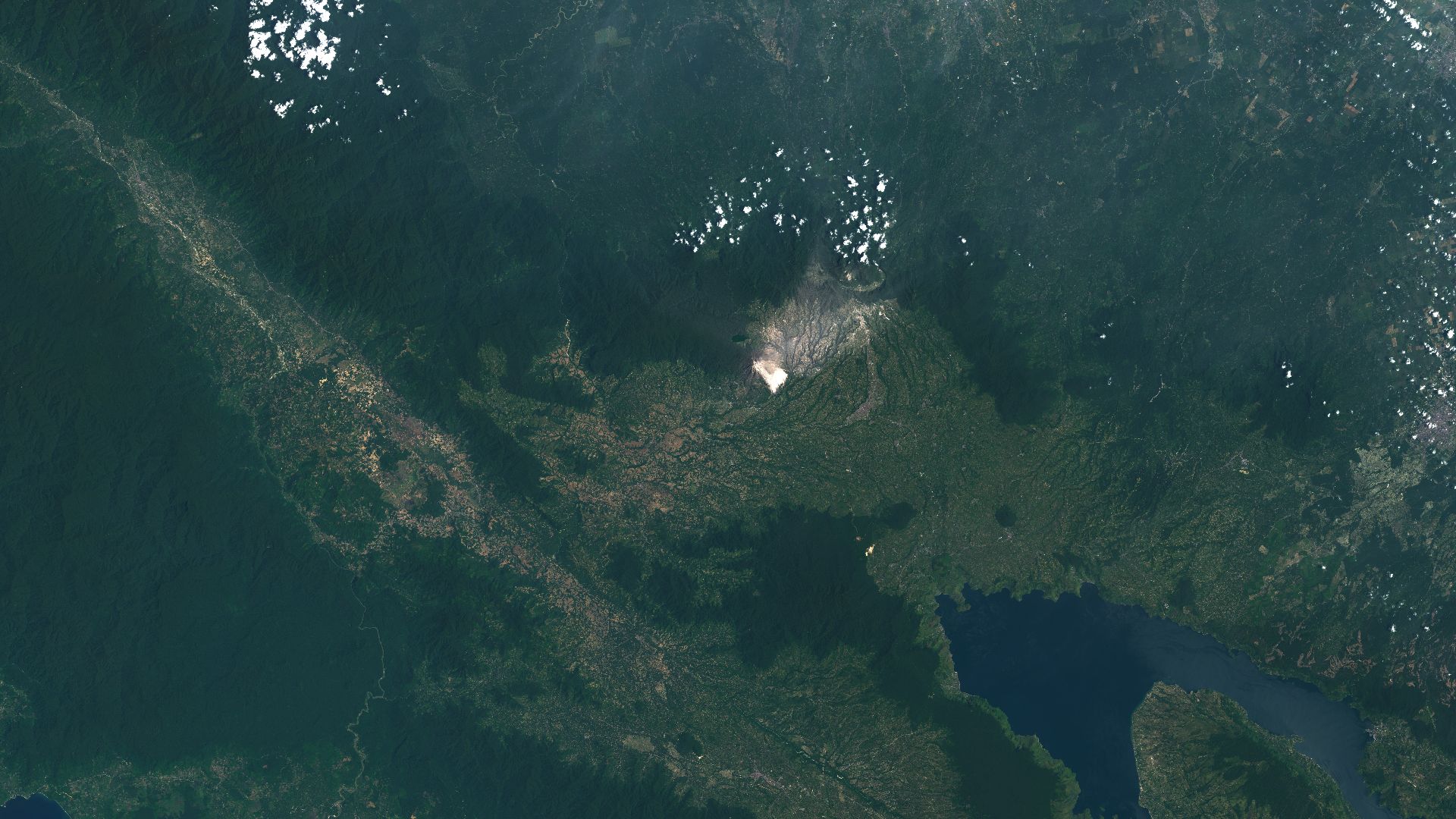
At roughly the same time, the Toba supervolcano erupted on the Indonesian island of Sumatra. It was among the largest known eruptions of the past two million years. Ash and volcanic material spread across enormous distances, reaching as far as northeastern Africa.
 O.V.E.R.V.I.E.W., Wikimedia Commons
A Catastrophe With Global Reach
Toba released tremendous quantities of ash and gases into the atmosphere. Researchers have long debated whether the eruption caused severe global cooling and pushed human populations toward extinction. Evidence from Ethiopia now adds a detailed picture of how at least one community endured the event.
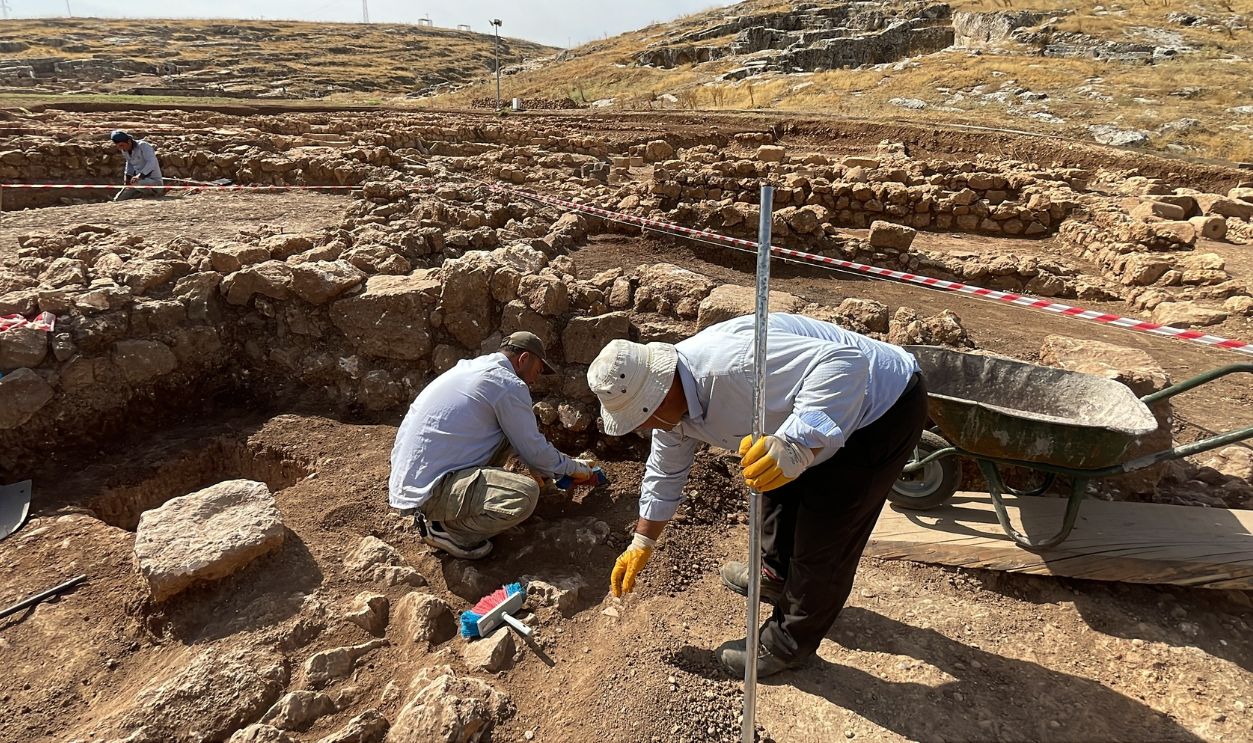
Archaeologists Found The Site In 2002
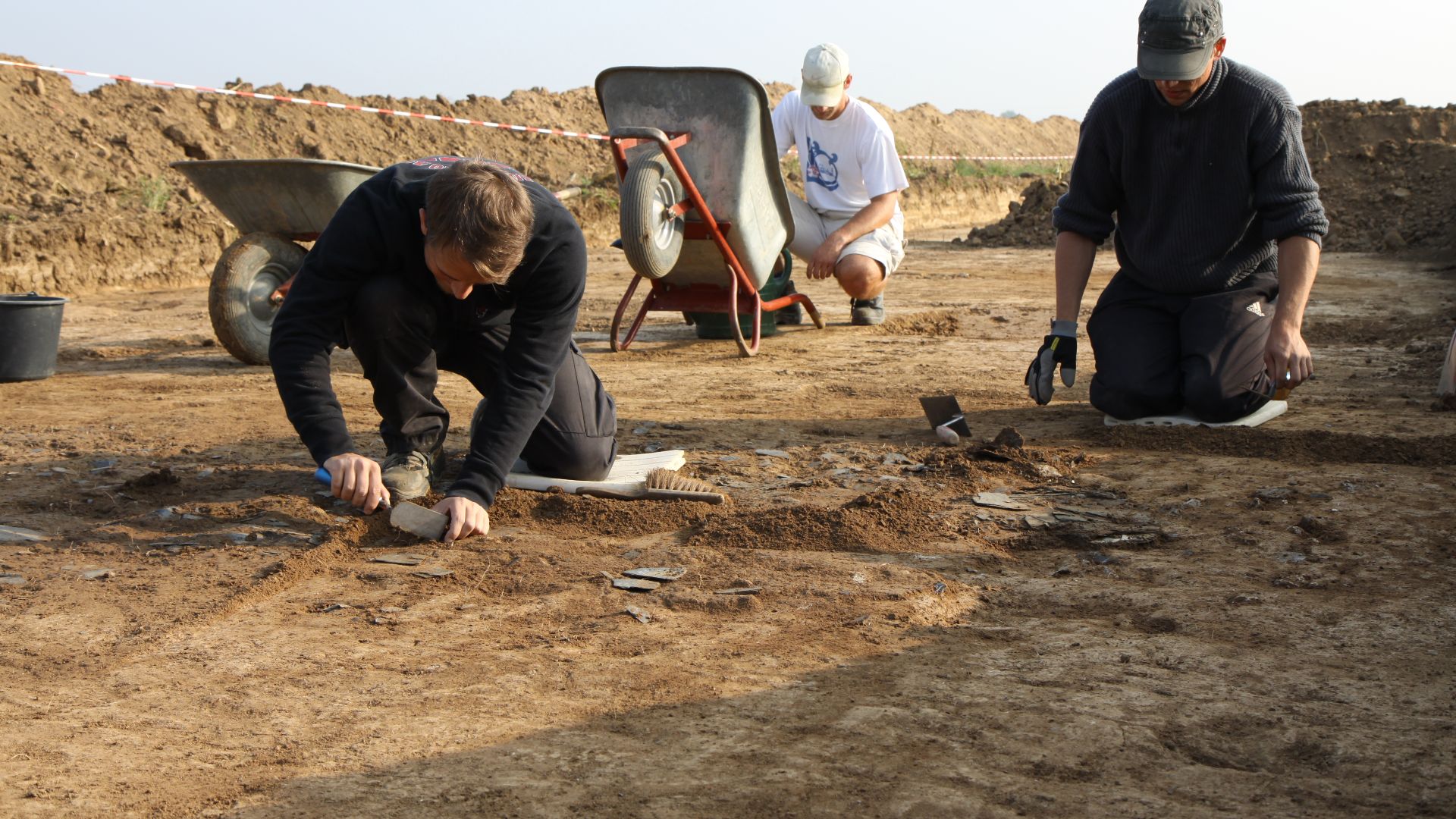
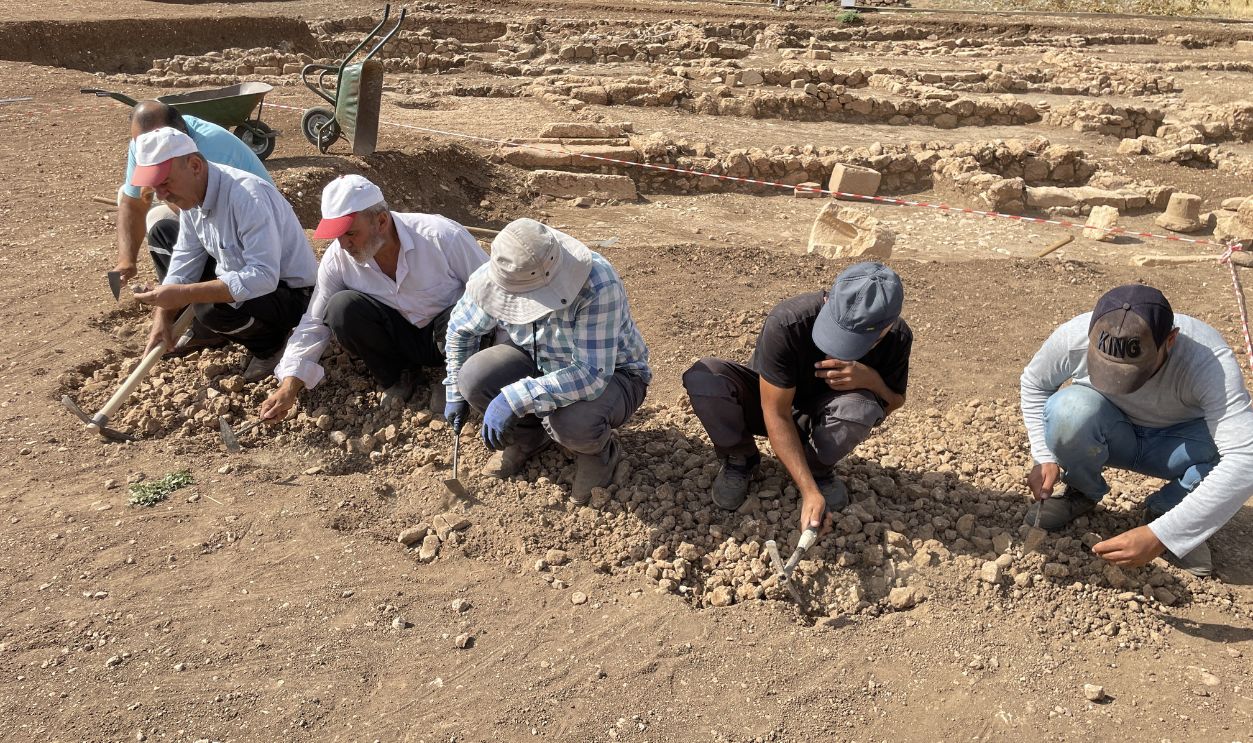
Researchers first identified Shinfa-Metema 1 in 2002 after finding chipped stones and fossilized animal bones. Later excavations uncovered a dense record of tools, food remains, fire use, and changing environmental conditions. Together, those discoveries revealed a settlement occupied around the time of Toba.
 Rachel Goodspeed (U.S. Corps of Engineers Europe District), Wikimedia Commons
The Volcanic Evidence Was Almost Invisible
Scientists found microscopic pieces of volcanic glass inside the archaeological deposits. These particles, known as cryptotephra, can be smaller than the width of a human hair. Chemical analysis matched the glass with material produced by the Toba eruption.

Tiny Shards Created A Precise Timeline
The cryptotephra gave researchers a recognizable time marker within the excavated layers. Tools and animal remains appeared both below and above the Toba signal. That pattern indicates that people used the site before and after the eruption.
Ostrich Eggshells Helped Confirm The Date
Excavators recovered more than 200 fragments of ostrich eggshell from the site. Dating work placed the archaeological deposits at approximately 74,000 years old. The shells also preserved chemical clues about the water and vegetation available to the ostriches.

Ancient Teeth Recorded The Climate
The team analyzed stable oxygen isotopes in fossil mammal teeth and ostrich eggshell. These chemical signatures reflect changes in rainfall, drinking water, and seasonal moisture. The results pointed to unusually long and intense dry seasons.

Conditions Were Already Highly Seasonal
Shinfa-Metema 1 was not surrounded by a permanently lush landscape. The climate resembled some of the most seasonally arid environments found in eastern Africa today. Toba’s effects appear to have made the dry phase even more challenging for a short period.
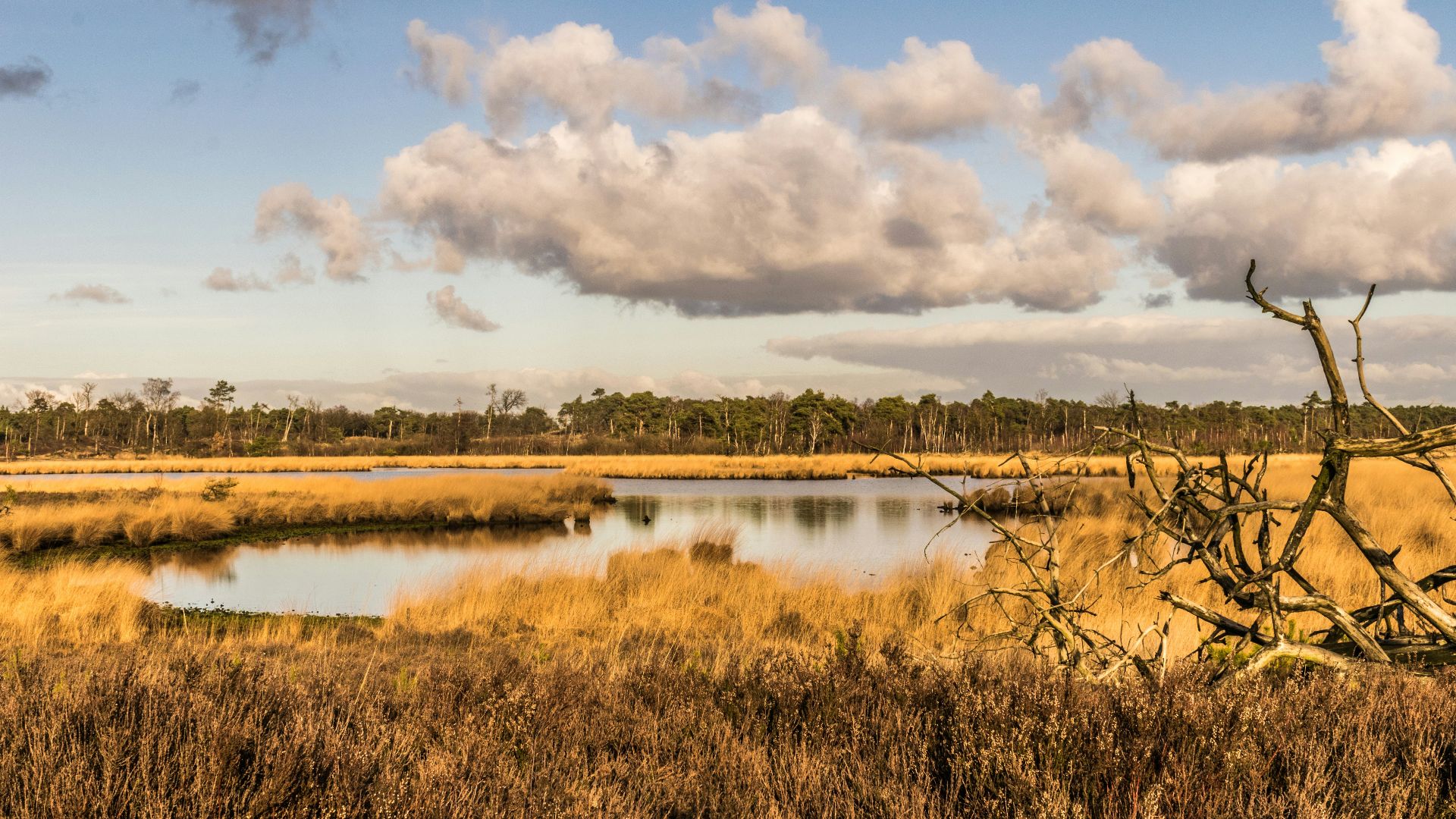
The River Stopped Flowing
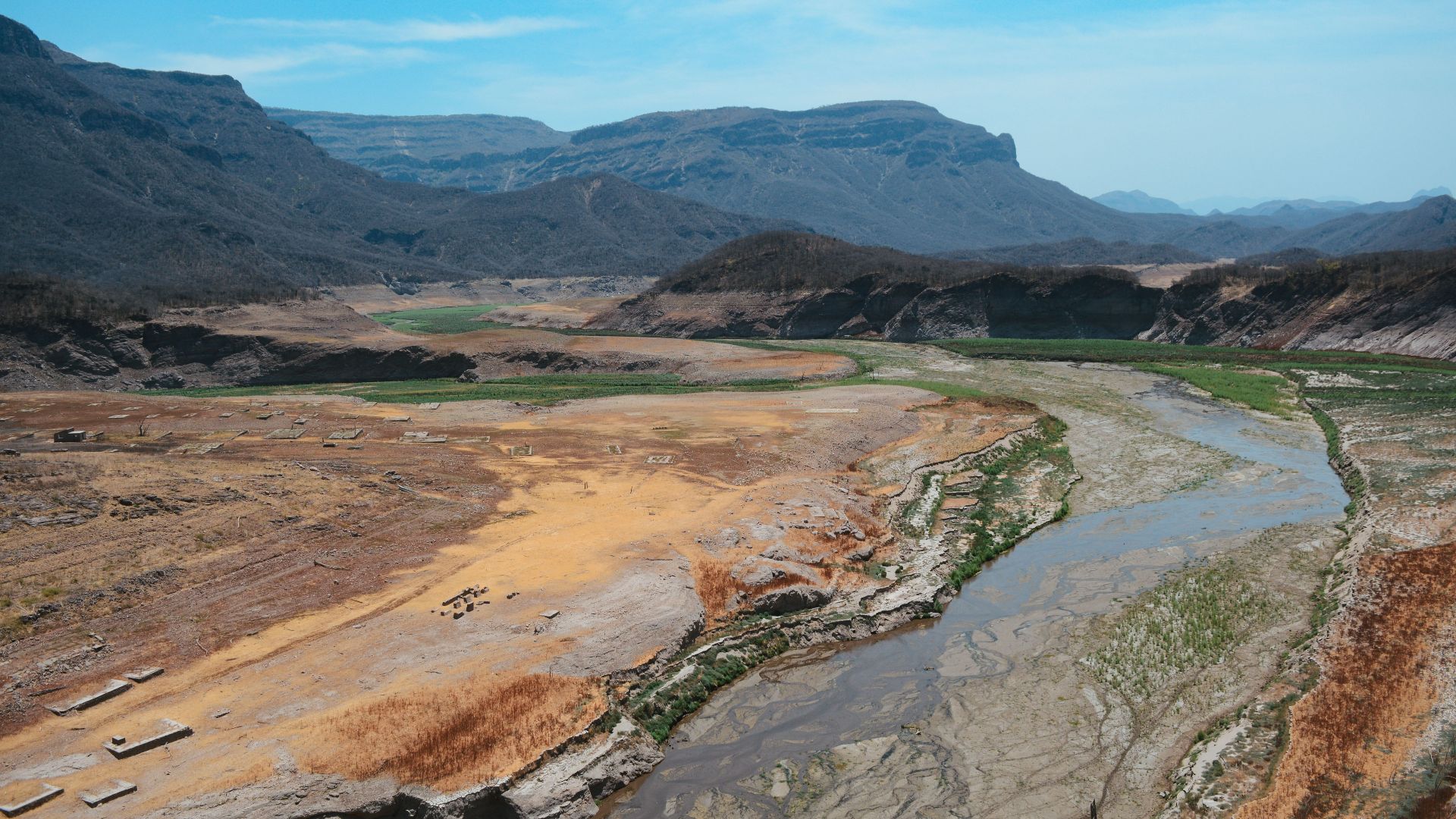
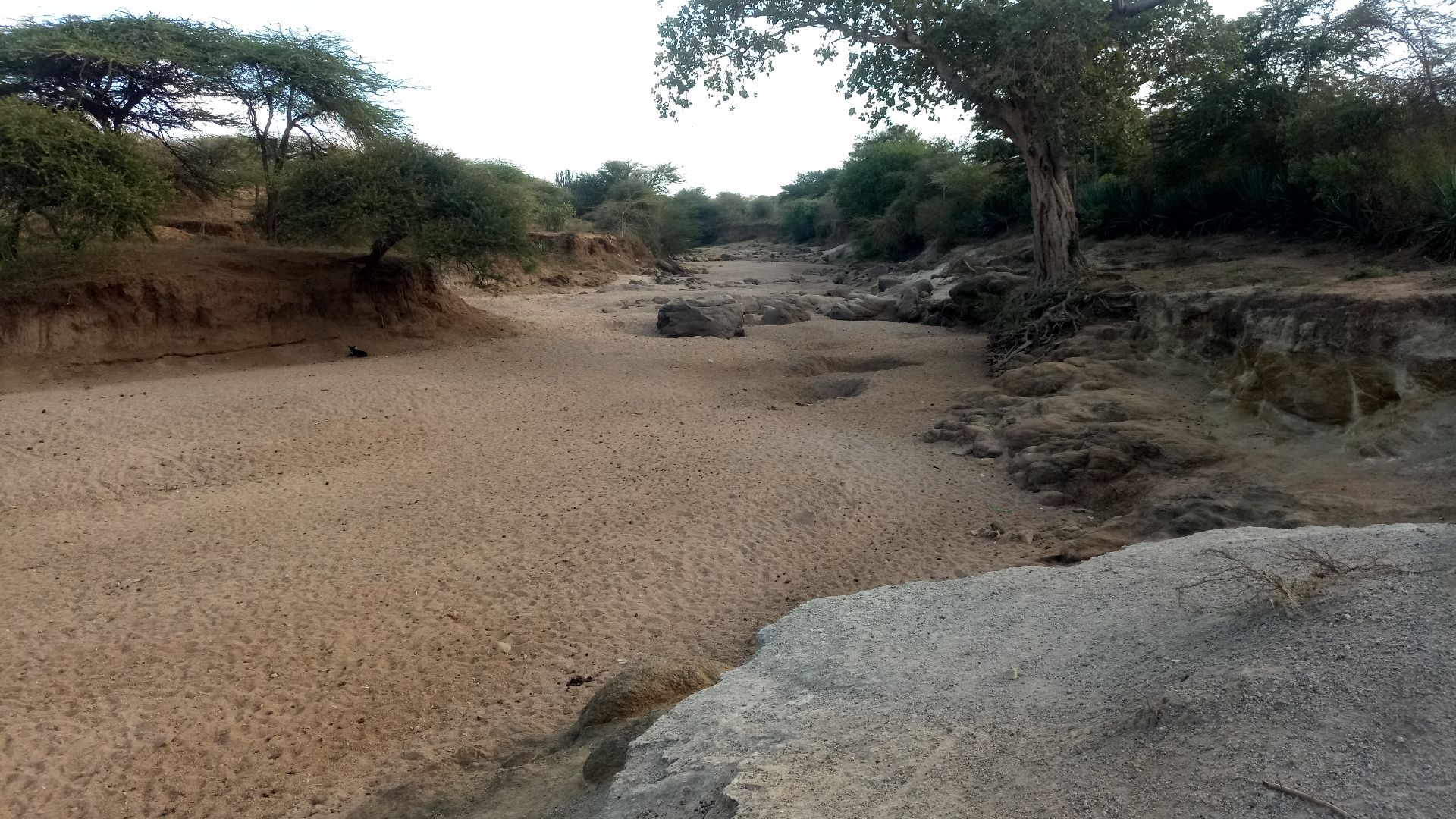
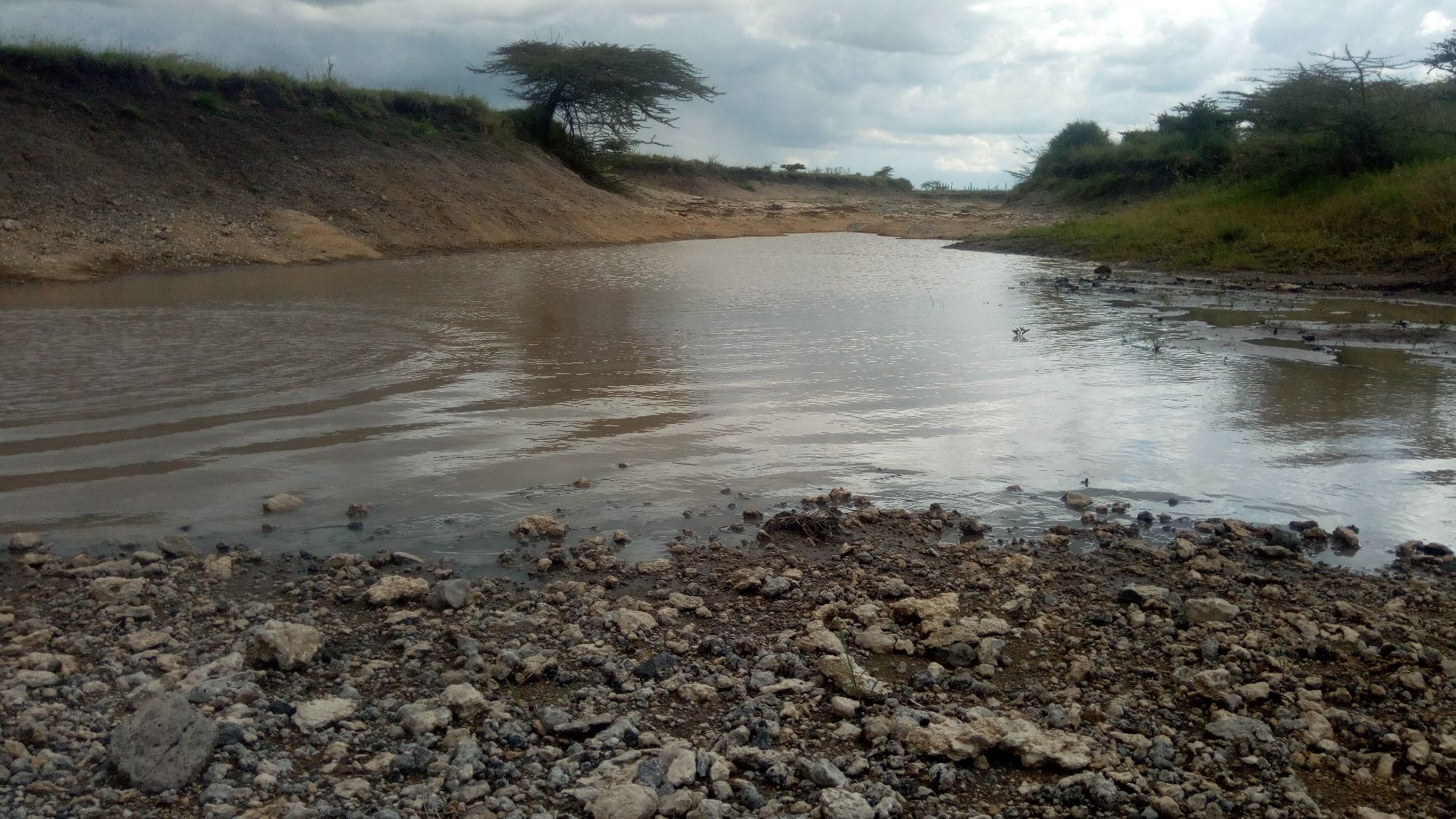
During the long dry season, stretches of the Shinfa River would stop carrying continuous water. Isolated pools remained in the river channel as the surrounding landscape dried. Those scattered waterholes concentrated valuable resources in predictable places.
 Hans Braxmeier & Peter in s, Location map:Sting, Wikimedia Commons
Thirsty Animals Came To The Water
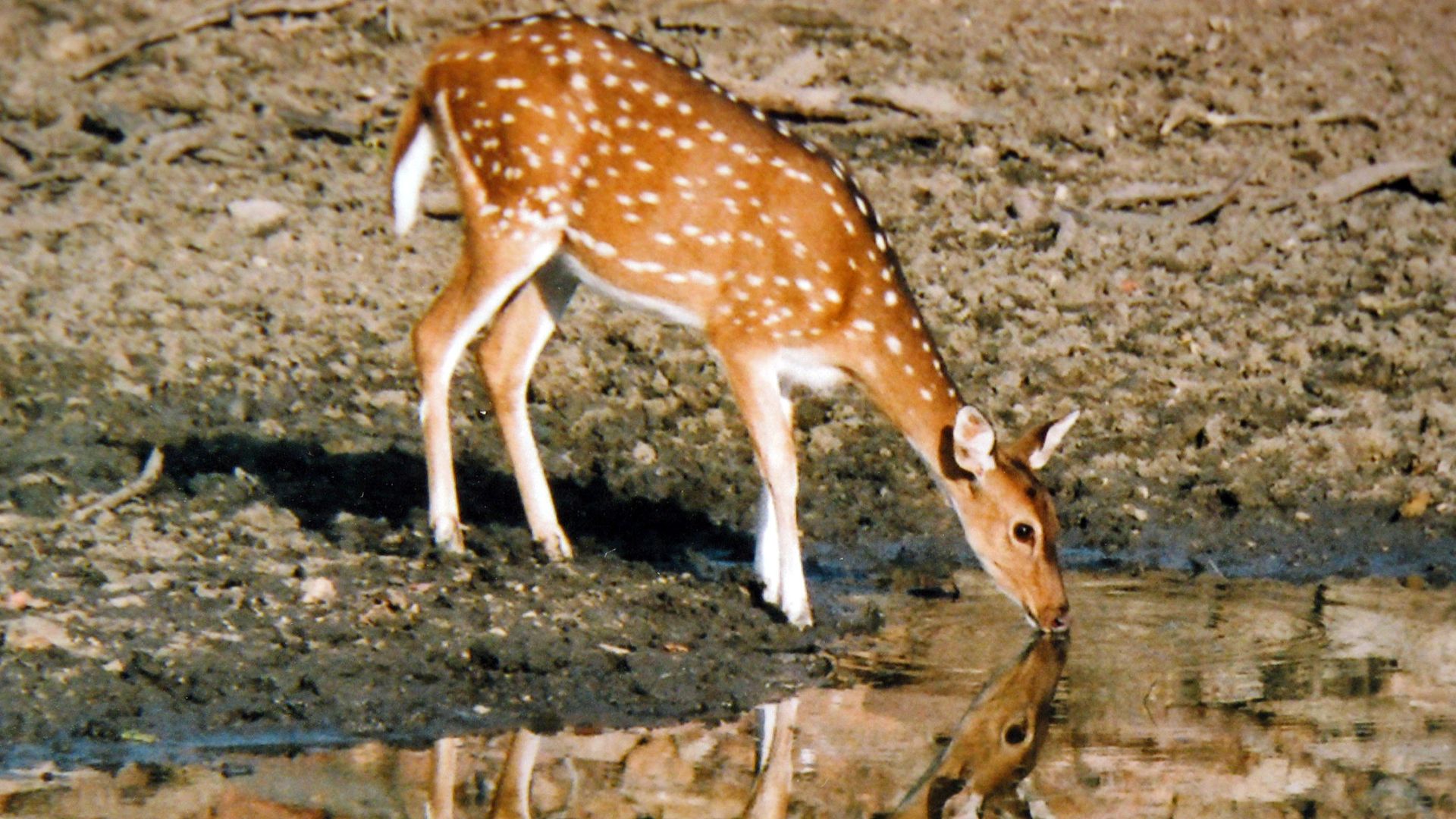
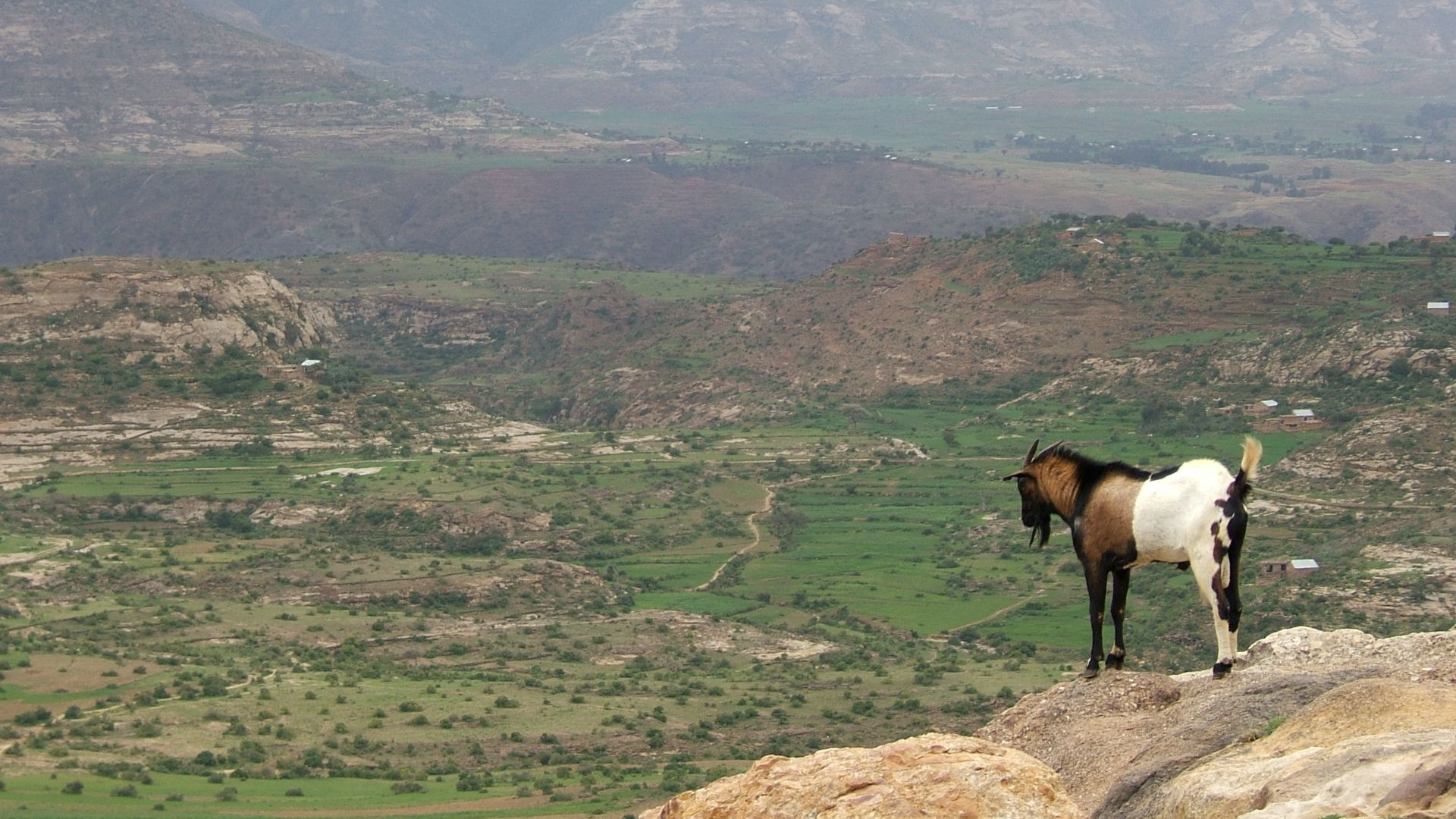
Terrestrial animals still needed to drink as the dry season progressed. The remaining pools therefore created useful hunting locations for nearby people. Hunters could watch for prey gathering beside a limited number of water sources.
The Menu Was Impressively Diverse
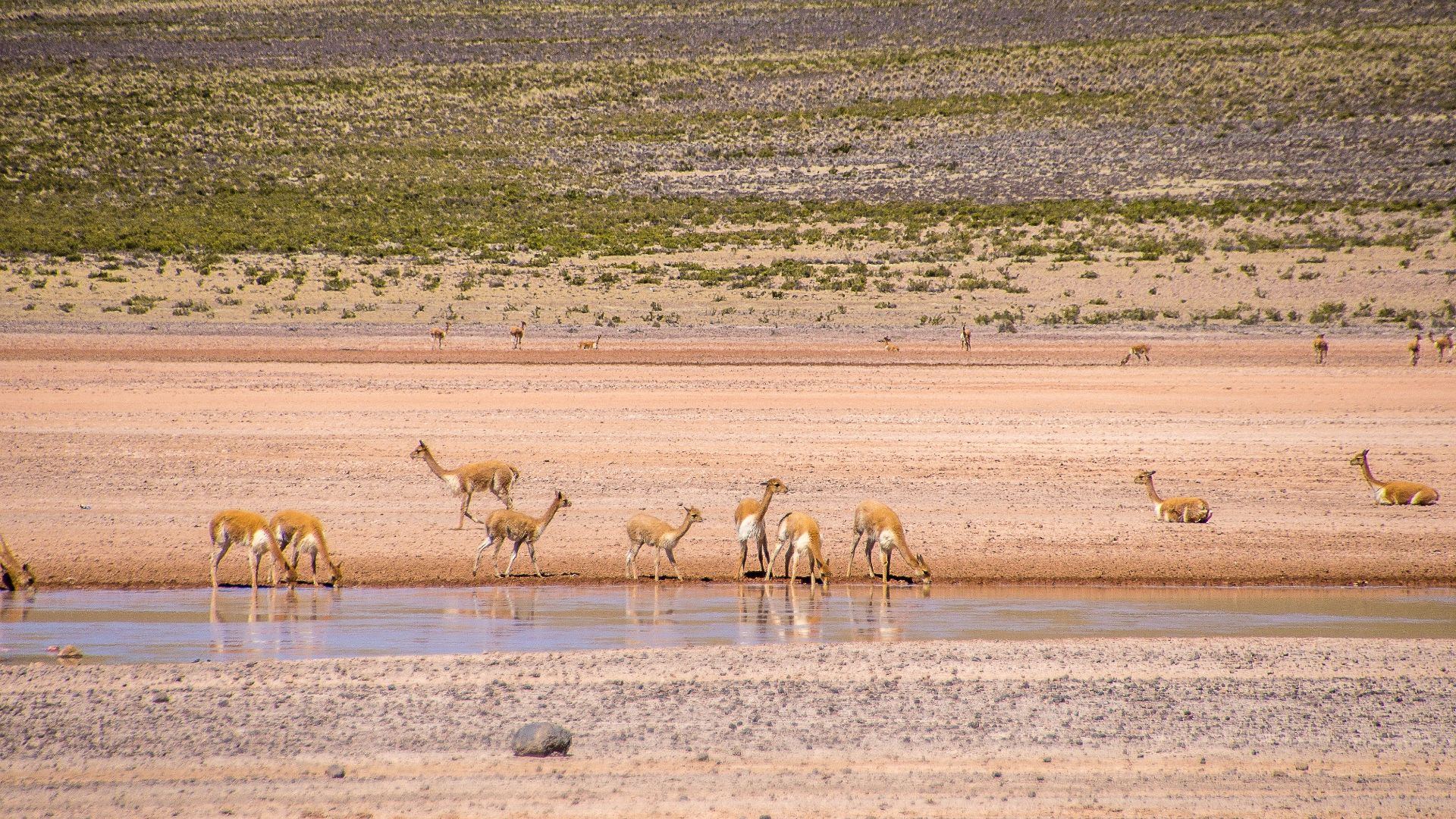
Animal remains show that the community exploited many different species. Their prey included antelope, warthogs, giraffes, monkeys, rodents, birds, frogs, and fish. Such variety suggests that these foragers did not depend on a single food source.
 Mike van Schoonderwalt, Pexels
Bones Preserve Signs Of Butchery
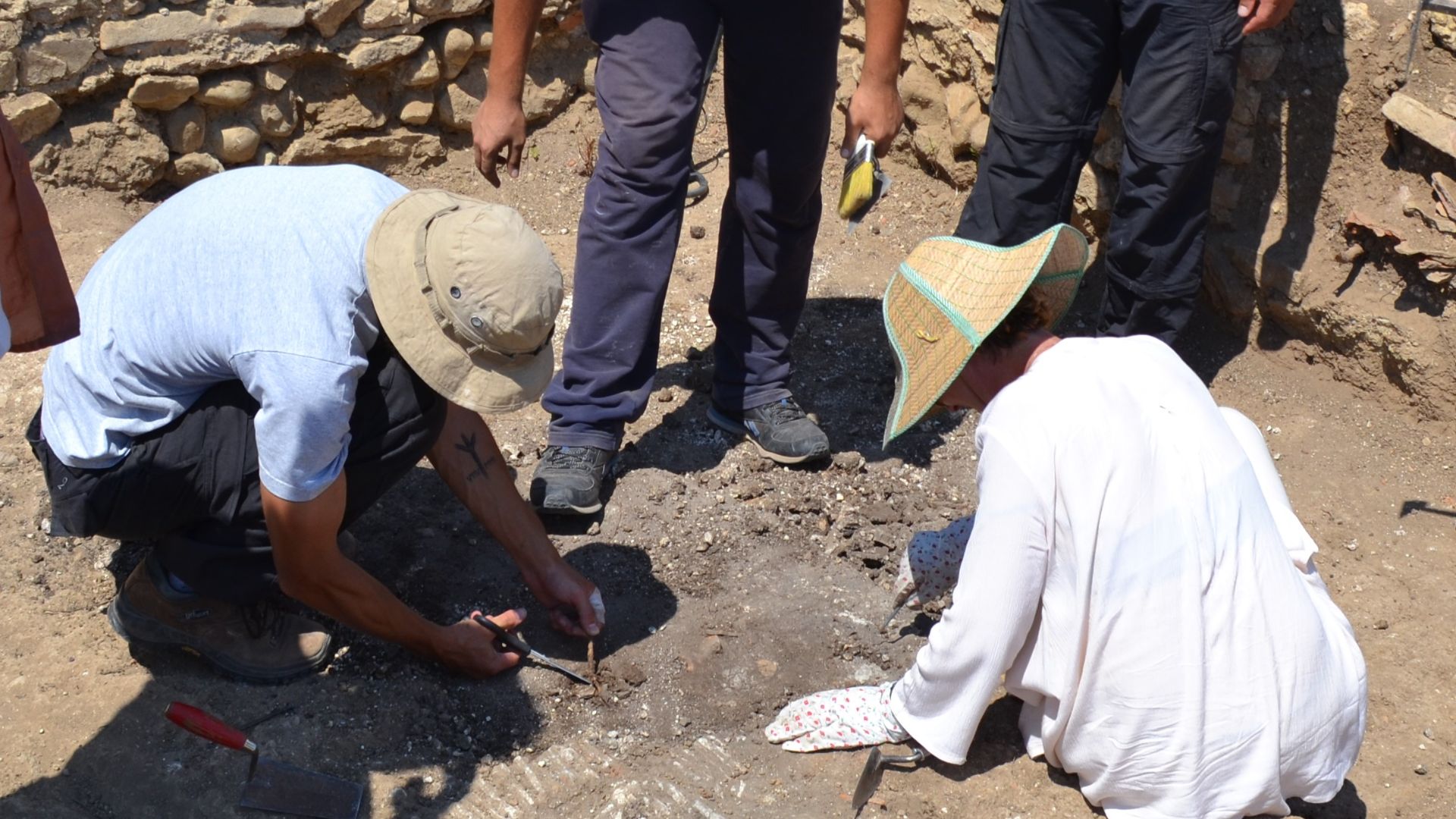
Several animal bones carried cut marks made during processing. Burned remains and evidence of controlled fire suggest that food was also cooked at the site. These traces connect the animals directly with human activity rather than natural accumulation alone.
Fish Became The Crucial Clue
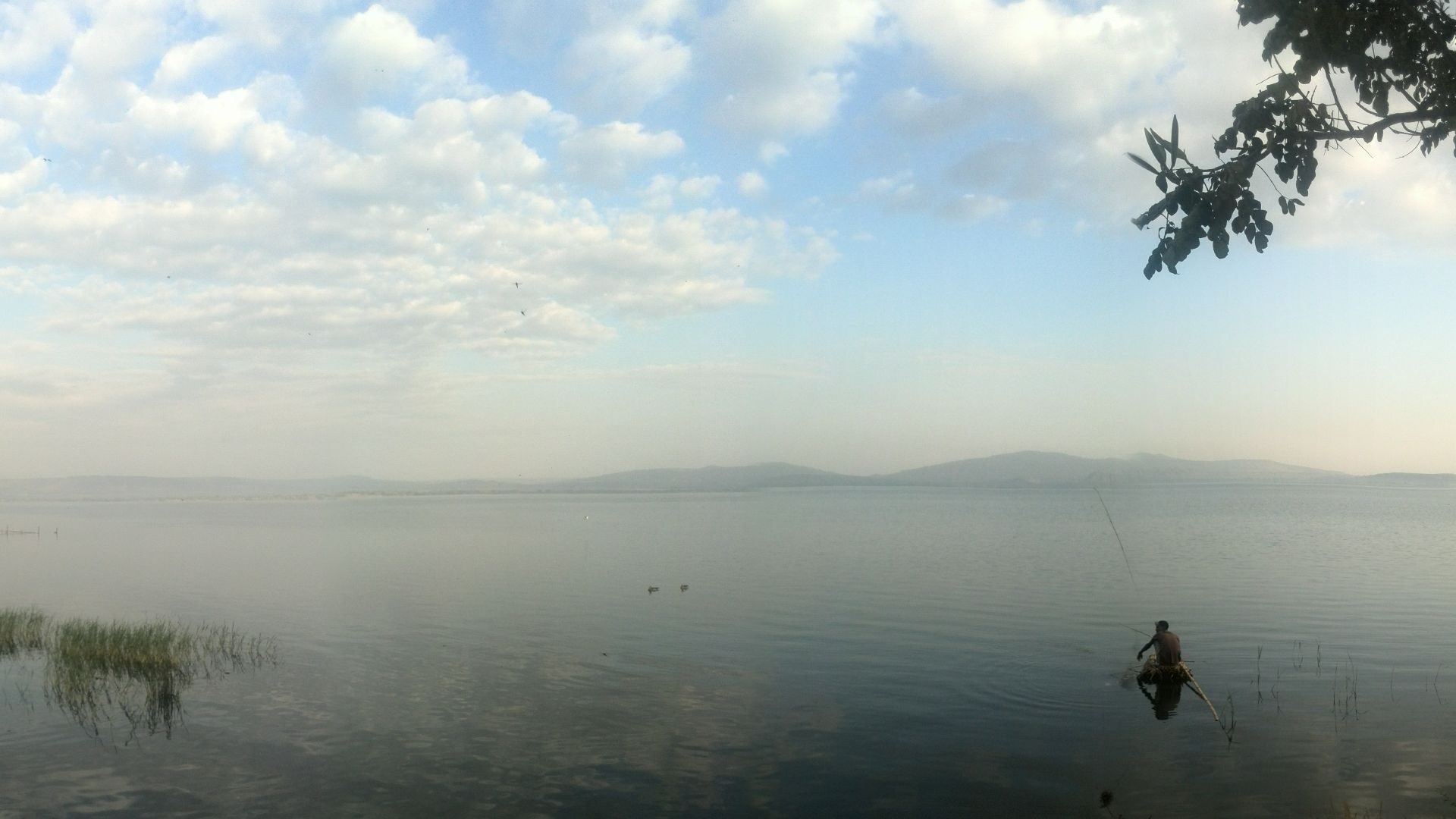
Shinfa-Metema 1 contained an unusually large number of fish remains compared with many other Middle Stone Age sites. Their abundance increased around the Toba horizon. That change gave researchers a window into how people adjusted when terrestrial resources became less dependable.
The Diet Changed After Toba
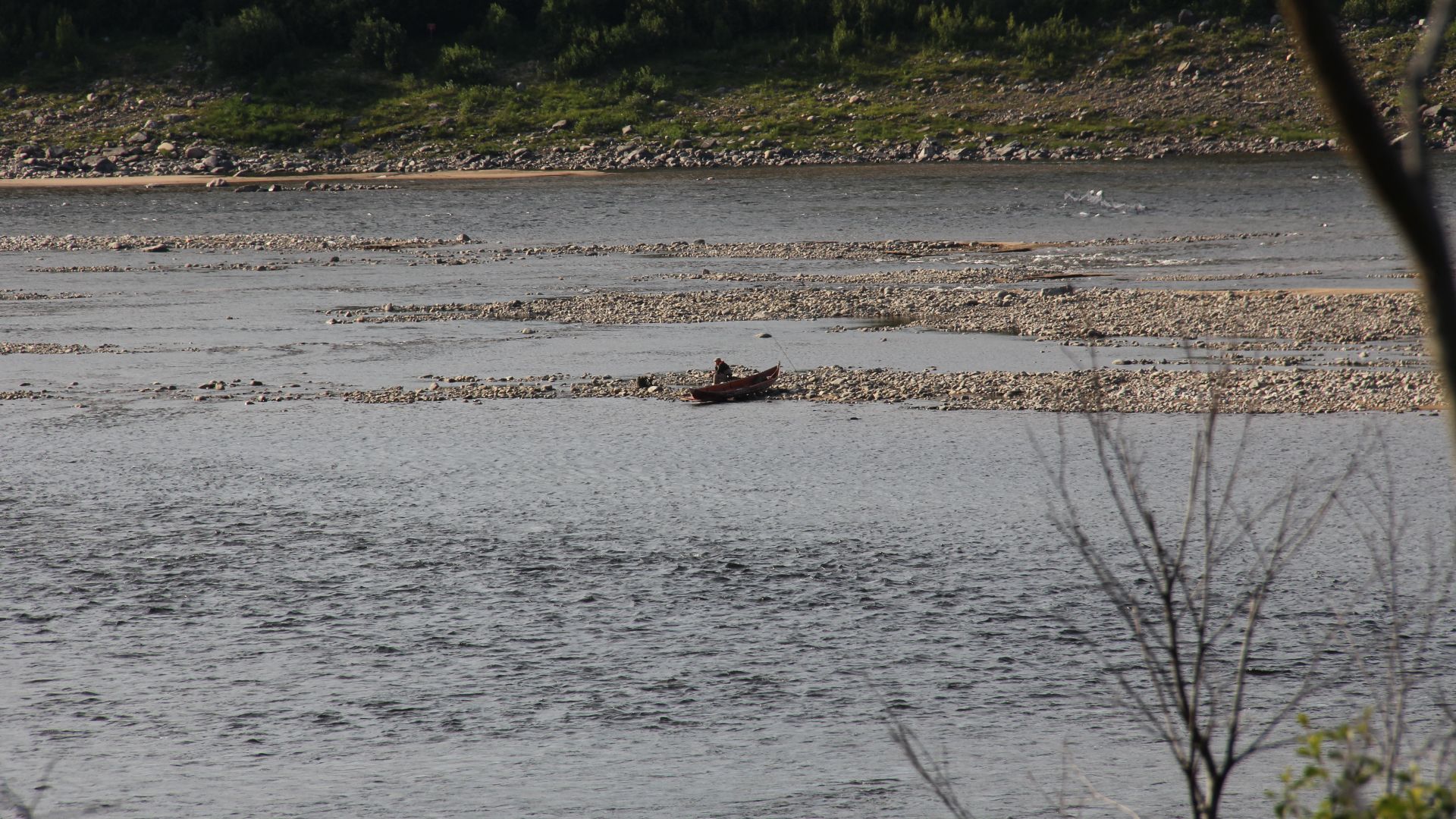
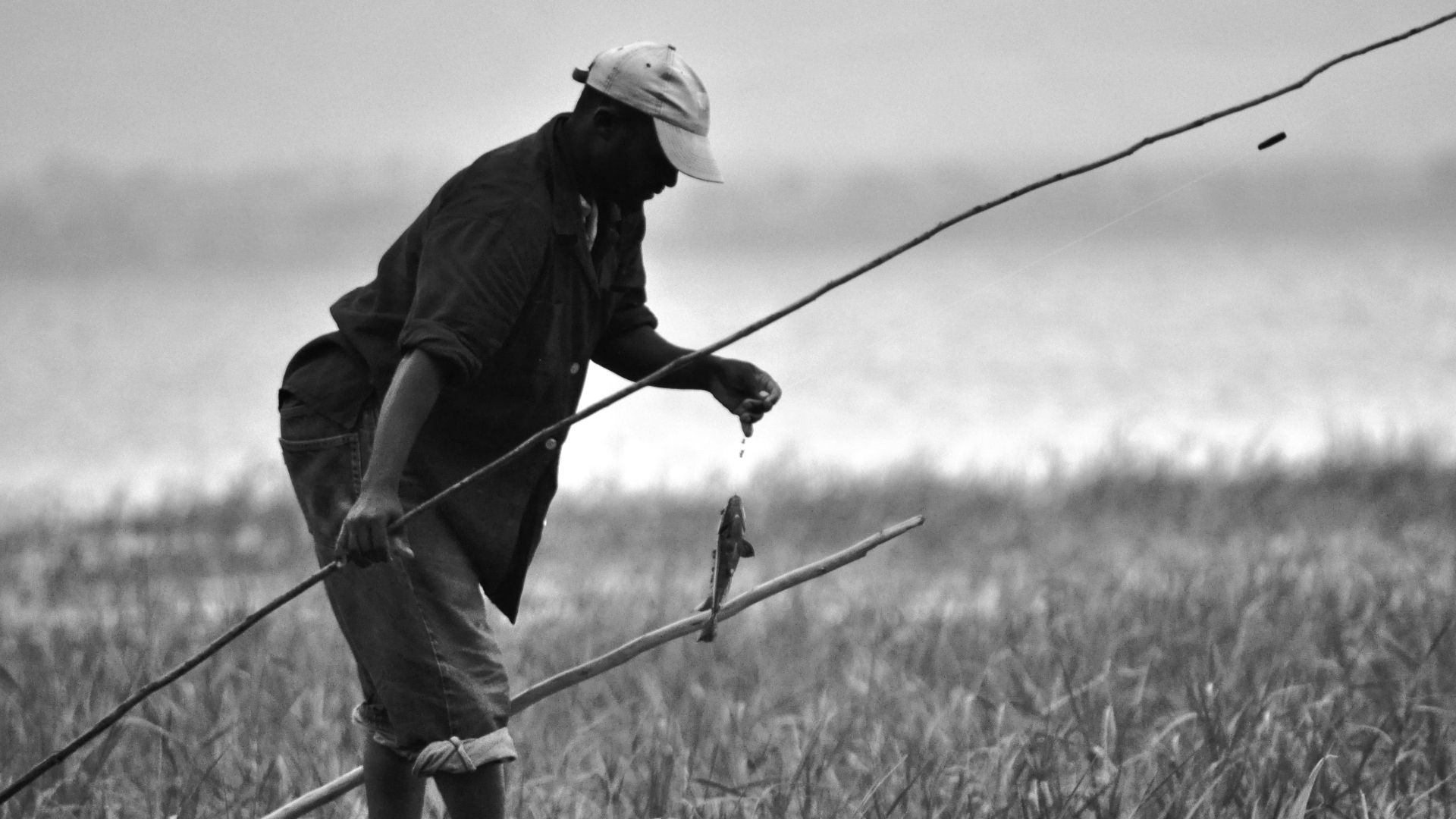
The researchers reported that fish processing rose sharply after the volcanic material reached the region. People were handling nearly four times as much fish as they had earlier in the sequence. The dietary pivot coincided with evidence for a longer and more severe dry season.
Shrinking Pools Made Fishing Easier
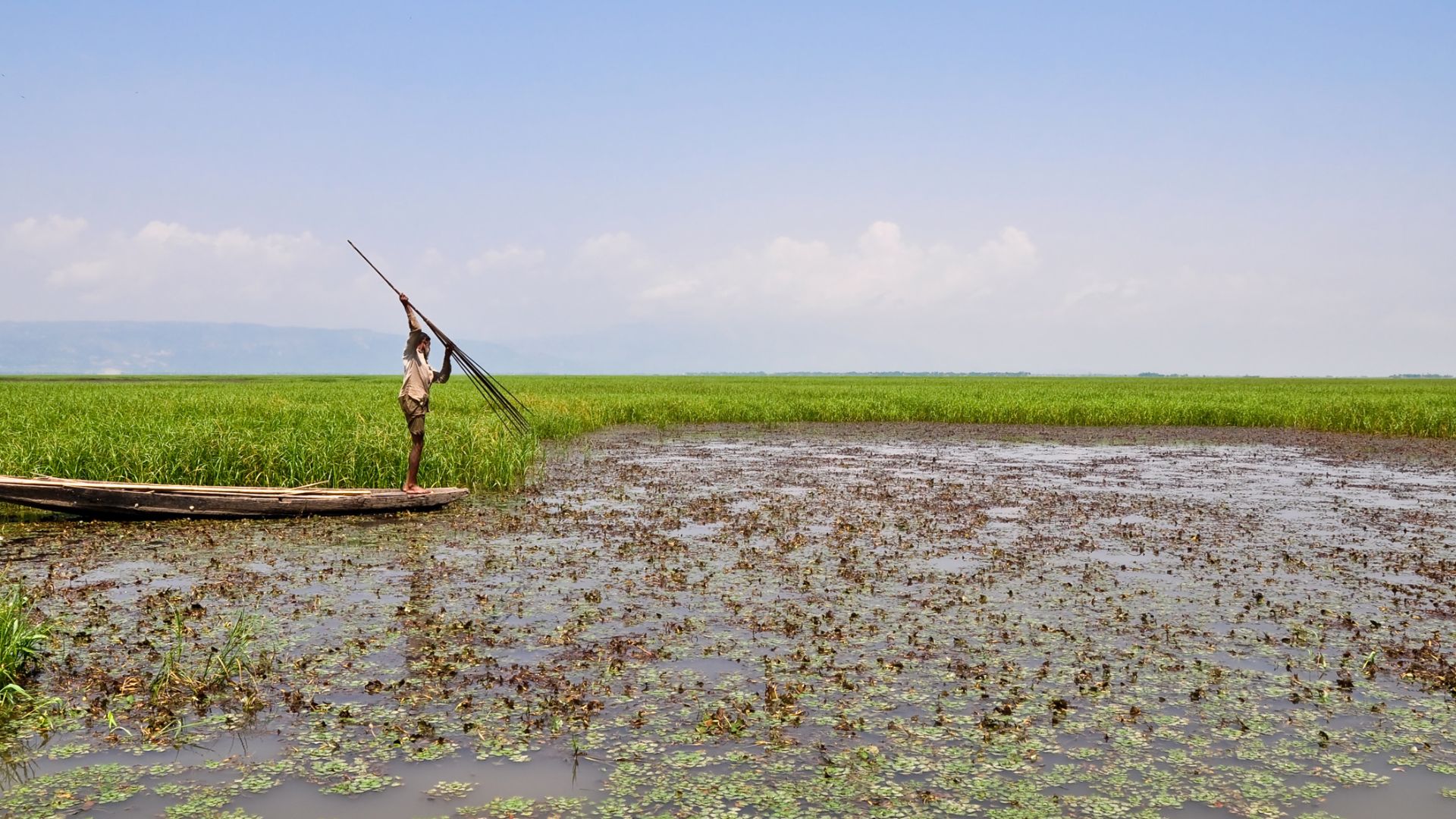
As the river retreated, fish became trapped in isolated and increasingly shallow waterholes. They would have been easier to catch than fish swimming through a full river channel. The environmental crisis therefore created a temporary but highly accessible food supply.
Specialized Gear May Not Have Been Necessary
The team does not argue that the community needed boats, nets, or elaborate fishing equipment. Its interpretation is that people could have gathered fish directly from confined pools. Simple methods may have been enough when large numbers of fish were concentrated in shallow water.
 Natnael Tadele, Wikimedia Commons
The Shift Did Not Last Forever
The archaeological sequence suggests that the most intense effects were relatively brief. When wetter conditions returned, mammal remains again became more common while fish remains declined. The community appears to have adjusted its diet in step with its surroundings.
 Andro96~commonswiki, Wikimedia Commons
Small Stone Points Added Another Surprise
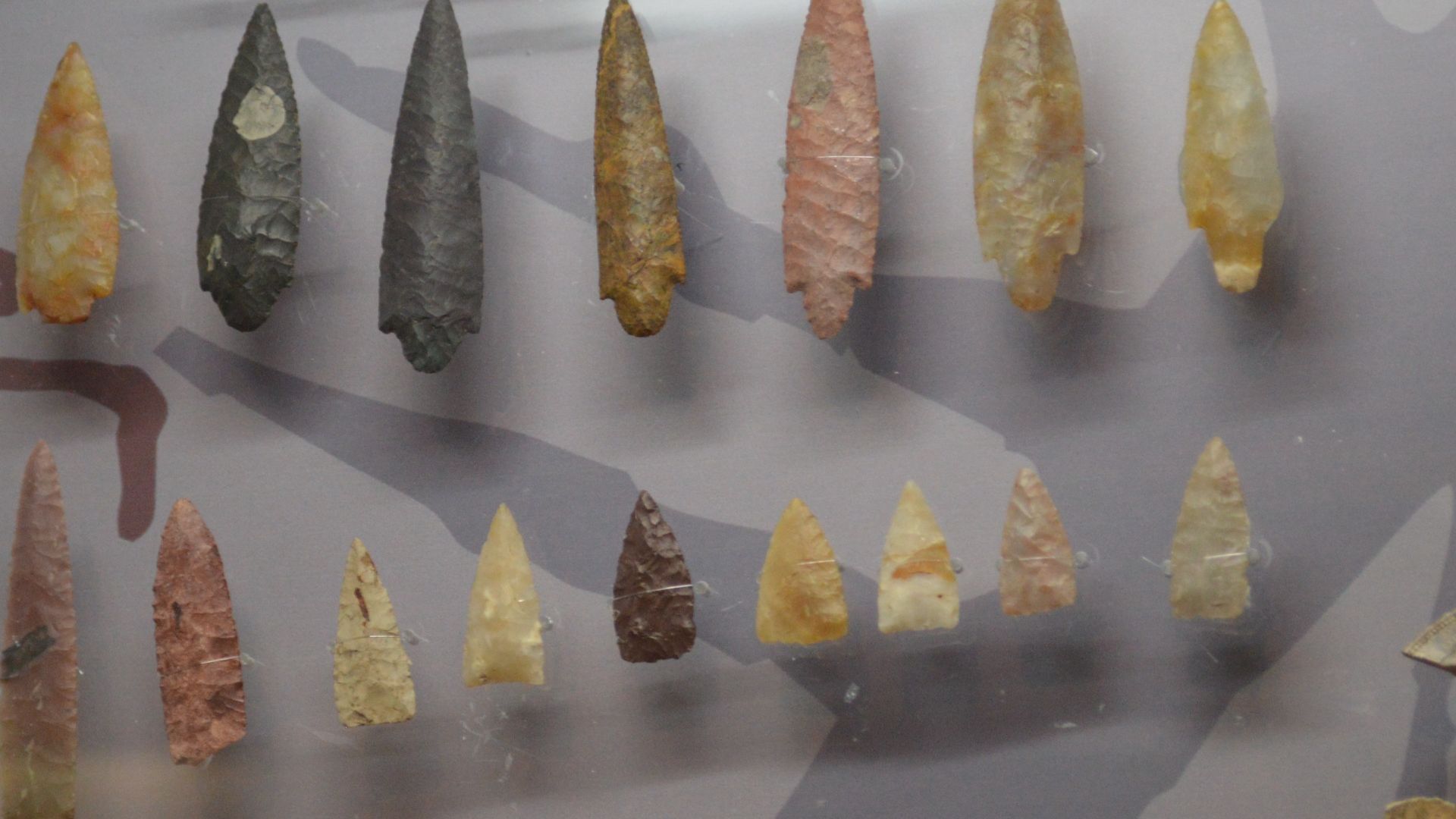
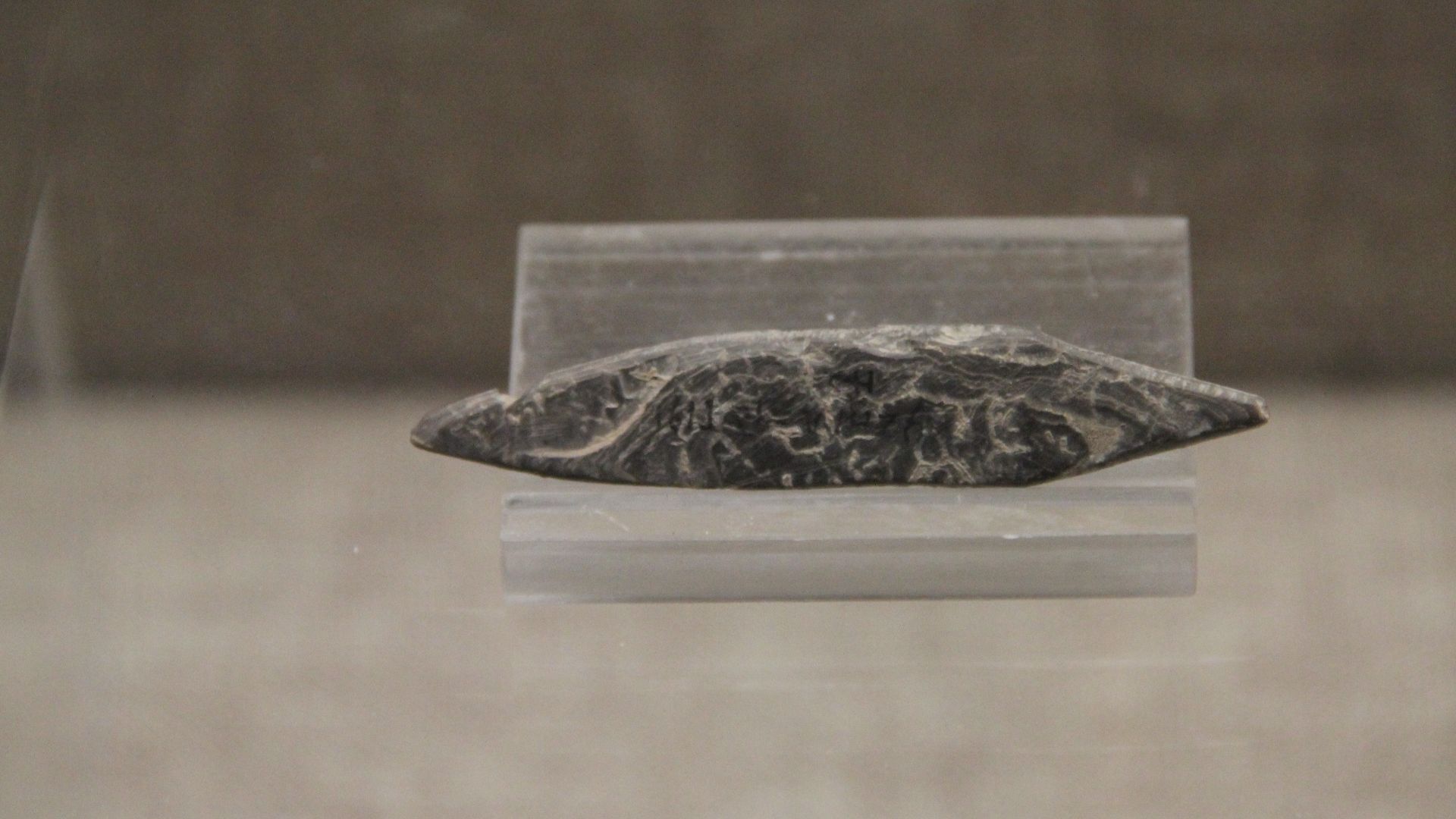
Excavators also found carefully shaped, symmetrical triangular stone points. Their small size and physical characteristics differ from many larger spear tips. The research team argues that at least some were probably mounted as arrowheads.
They Could Be The Oldest Arrowheads
If the interpretation is correct, the Shinfa-Metema points provide the oldest known evidence of bow-and-arrow technology. They date to about 74,000 years ago, several thousand years earlier than other widely discussed examples. The researchers have released three-dimensional scans so other specialists can test their conclusion.
Hunting Technology Increased Their Options
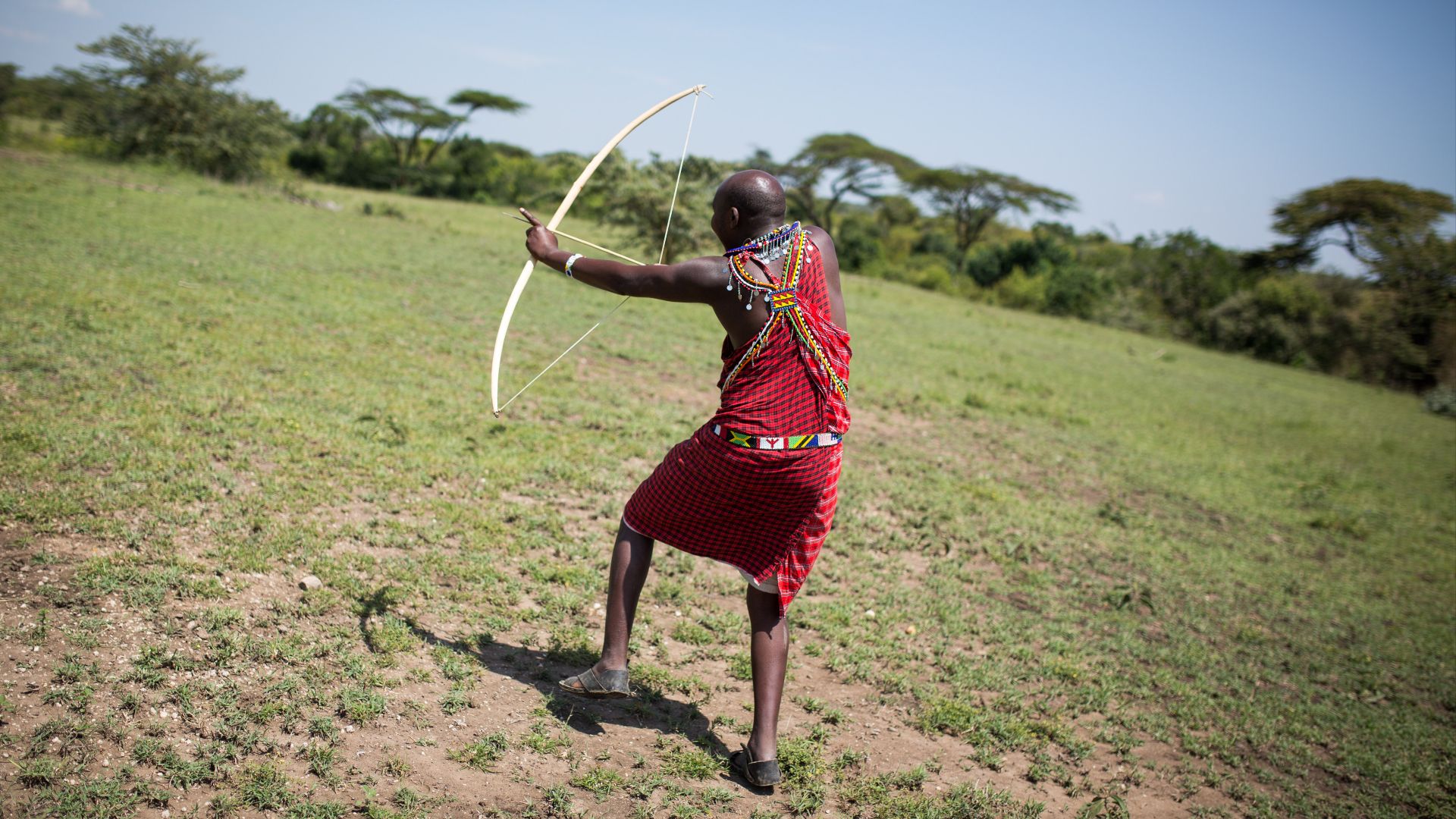
Projectile weapons could help hunters target animals without approaching as closely as they would with handheld weapons. At the same time, the river supplied fish, frogs, and other aquatic foods. The combination offered several ways to respond when one part of the food supply became unreliable.
 Make it Kenya, Wikimedia Commons
Flexibility Was The Real Survival Tool
No single discovery explains the community’s resilience. The evidence instead points to a package of useful behaviors that included hunting, fishing, butchery, fire use, and adaptable toolmaking. People changed what they ate without abandoning the broader landscape they knew.
 Balaram Mahalder, Wikimedia Commons
Seasonal Rivers Became Blue Highways
The researchers describe these river routes as “blue highways.” Even during dry periods, seasonal channels connected one surviving waterhole with another. They could provide food, water, and a natural path through otherwise difficult terrain.
 John Nguru Kamau, Wikimedia Commons
Waterholes May Have Encouraged Movement
A group could exploit one pool until its resources became scarce. It could then follow the river channel toward another remaining source of water. Repeated movements of this kind may gradually have carried populations across considerable distances.
This Challenges The Green Highway Model
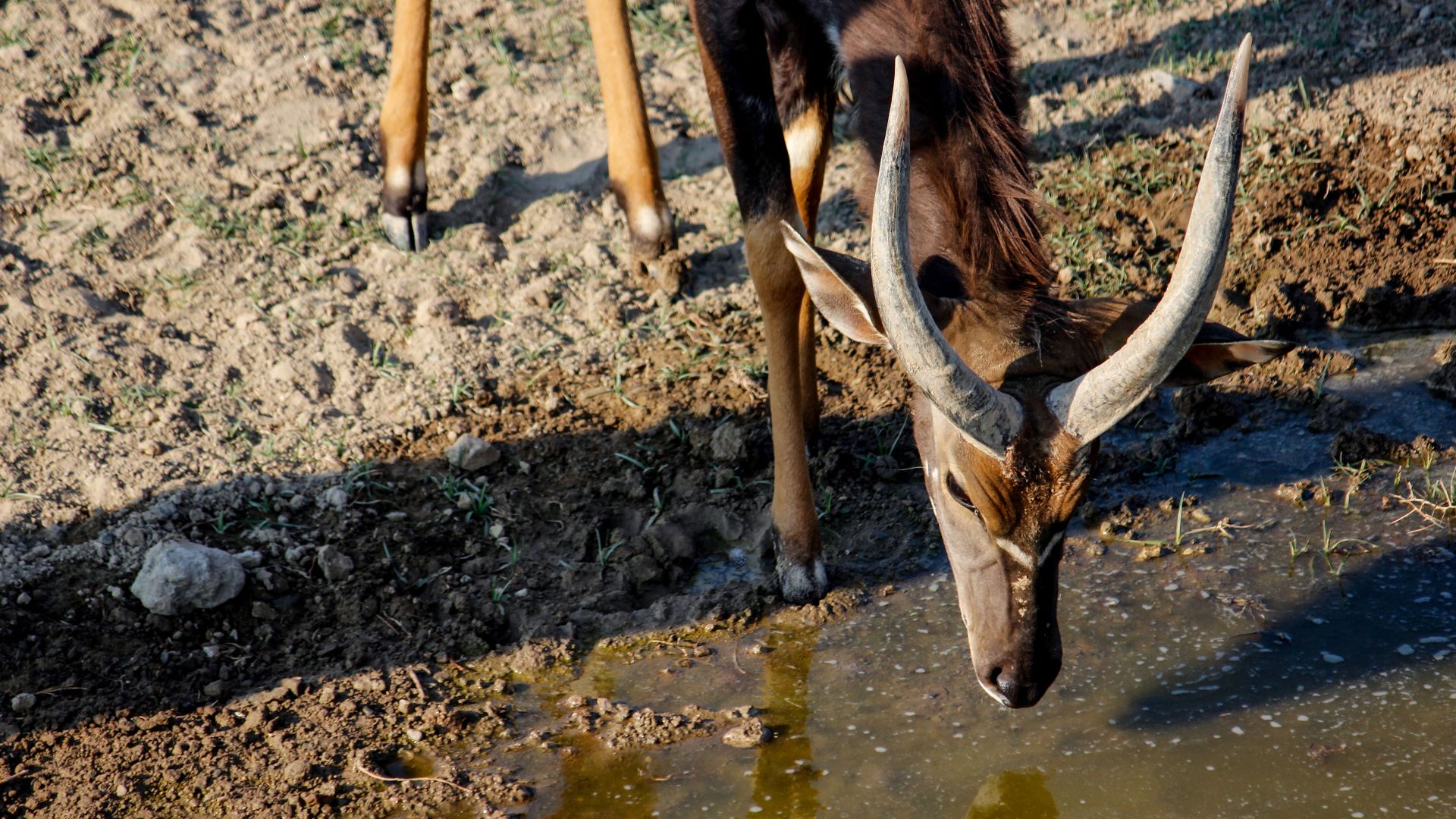
Many explanations for human dispersal out of Africa emphasize humid periods. Under that model, increased rainfall opened green corridors through regions that were otherwise too dry to cross. Shinfa-Metema 1 suggests that resourceful people may also have moved successfully during arid intervals.
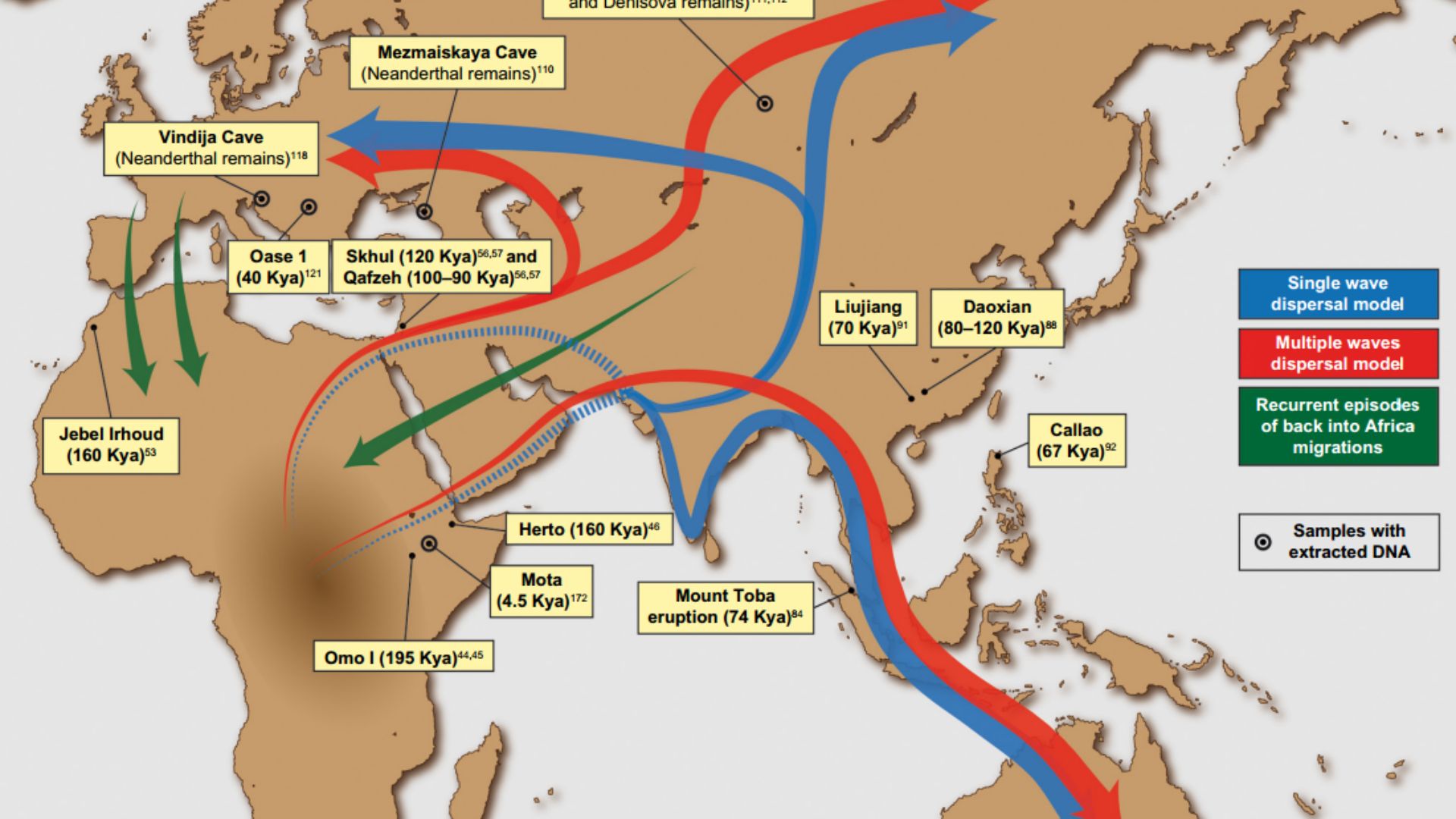 Saioa López, Lucy van Dorp and Garrett Hellenthal, Wikimedia Commons
The Migration Link Remains A Hypothesis
The people at Shinfa-Metema 1 were probably not the specific population ancestral to all later non-African groups. One archaeological site also cannot demonstrate the route taken during a continent-wide dispersal. Some specialists continue to see humid corridors as the stronger explanation, while accepting that blue highways offer an additional possibility.
Adaptability Changed The Human Story
Evidence from Ethiopia joins findings from South Africa and Lake Malawi that challenge the idea that Toba nearly eliminated humanity. The record instead shows people surviving through environmental disruption by adjusting their behavior. At Shinfa-Metema 1, a drying river did not simply represent danger because it also became a lifeline.
 Ndege kereu, Wikimedia Commons
You May Also Like:
Ancient Footprints Found In The Wrong Place Are Rewriting The Story Of How Humans Left Africa