The Biggest Secret Could Still Be Inside
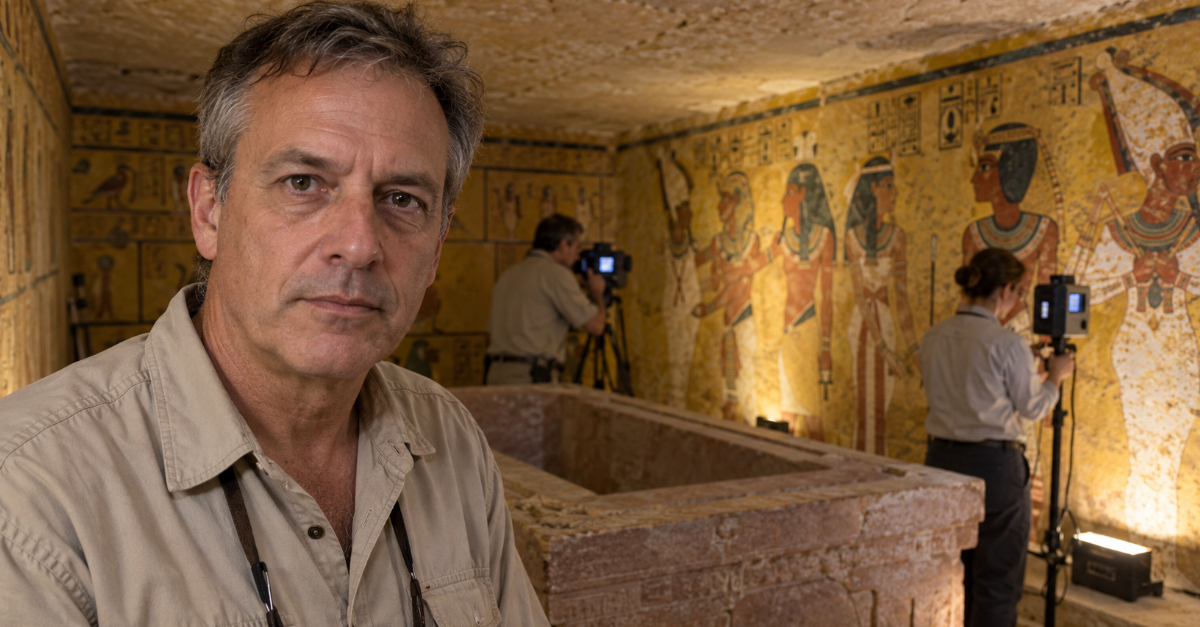
King Tut’s tomb gave the world enough gold to make it seem like the discovery of a lifetime. But what if the most important part was never opened? More than a century later, researchers are looking at its walls—and wondering what everyone might have missed.
The Discovery That Started Everything
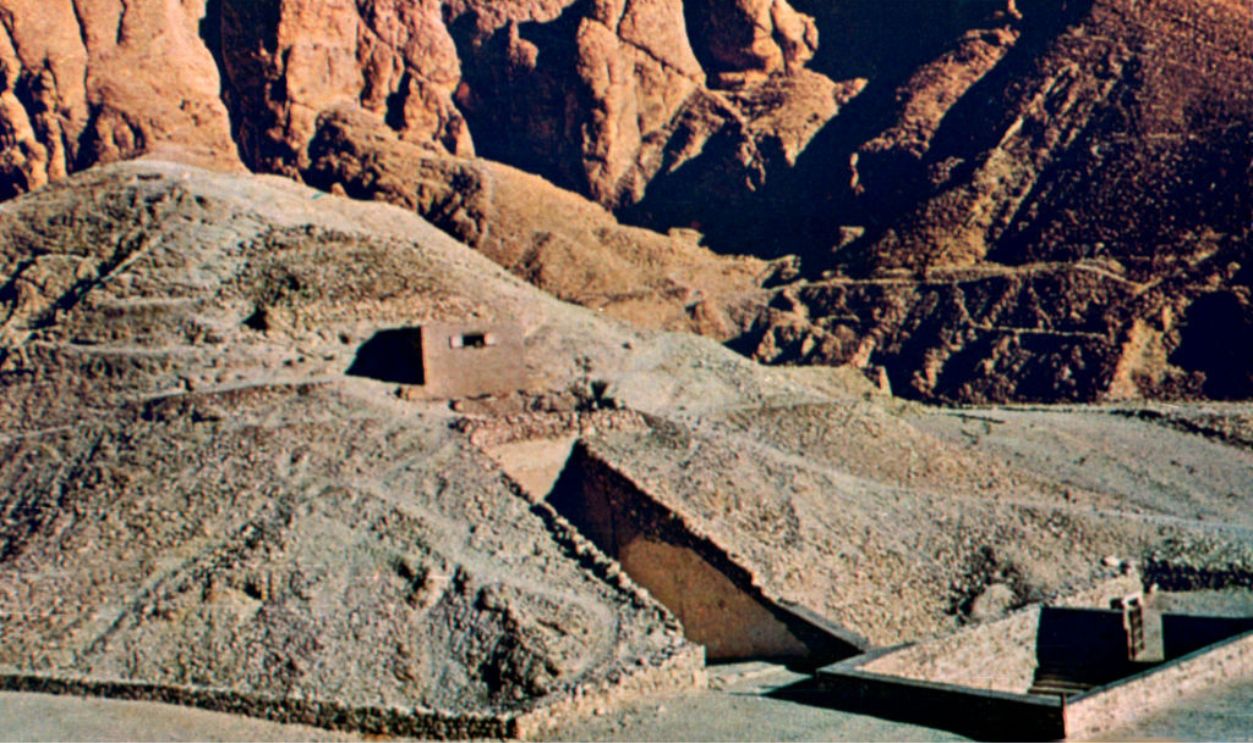
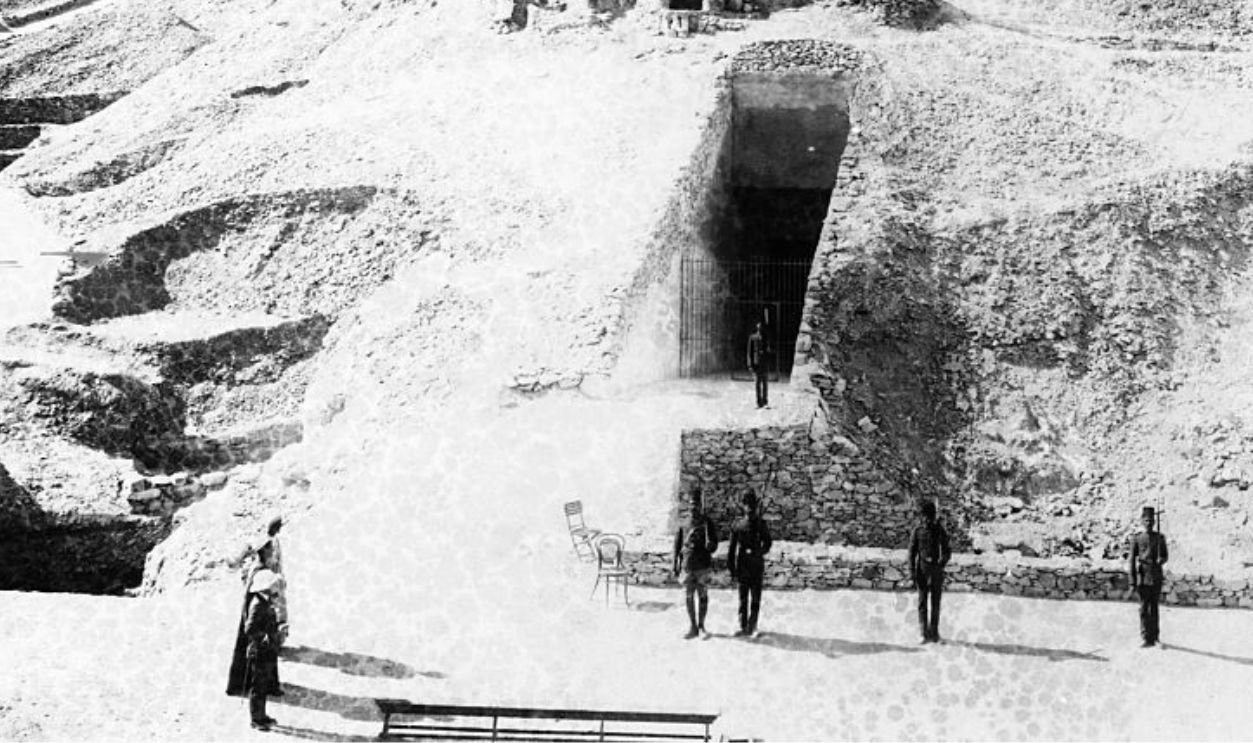
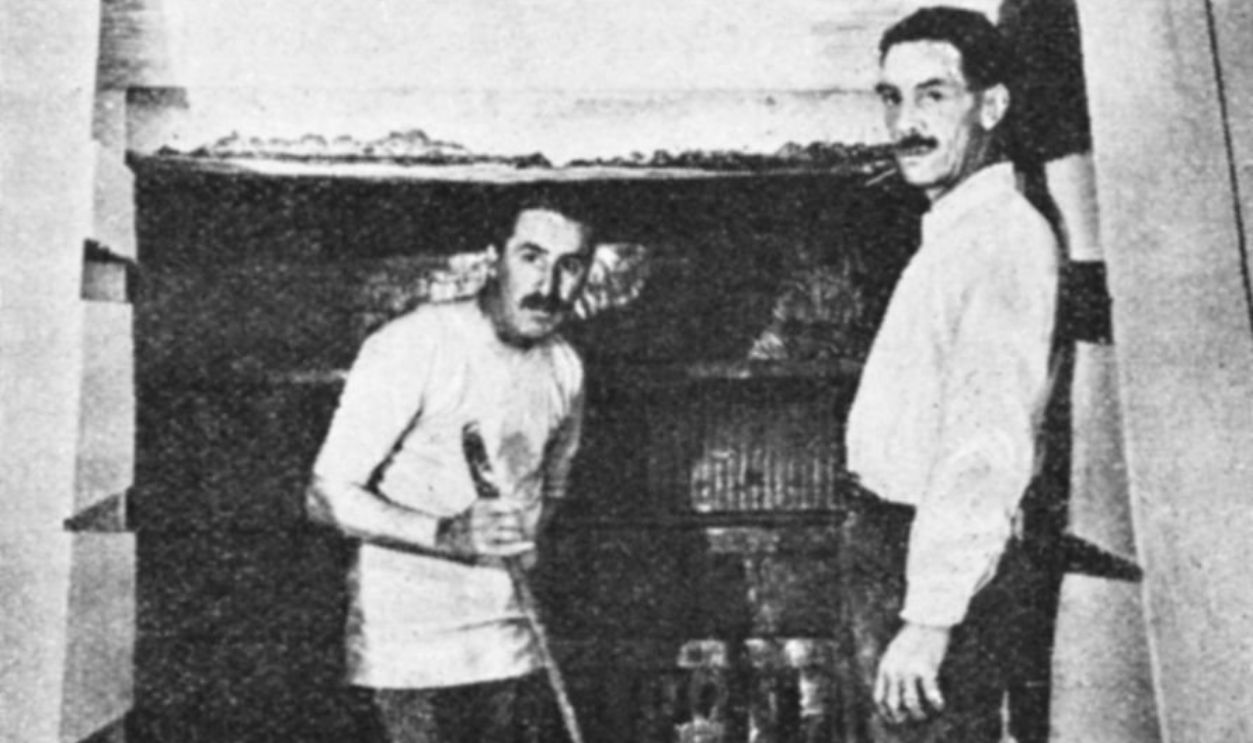
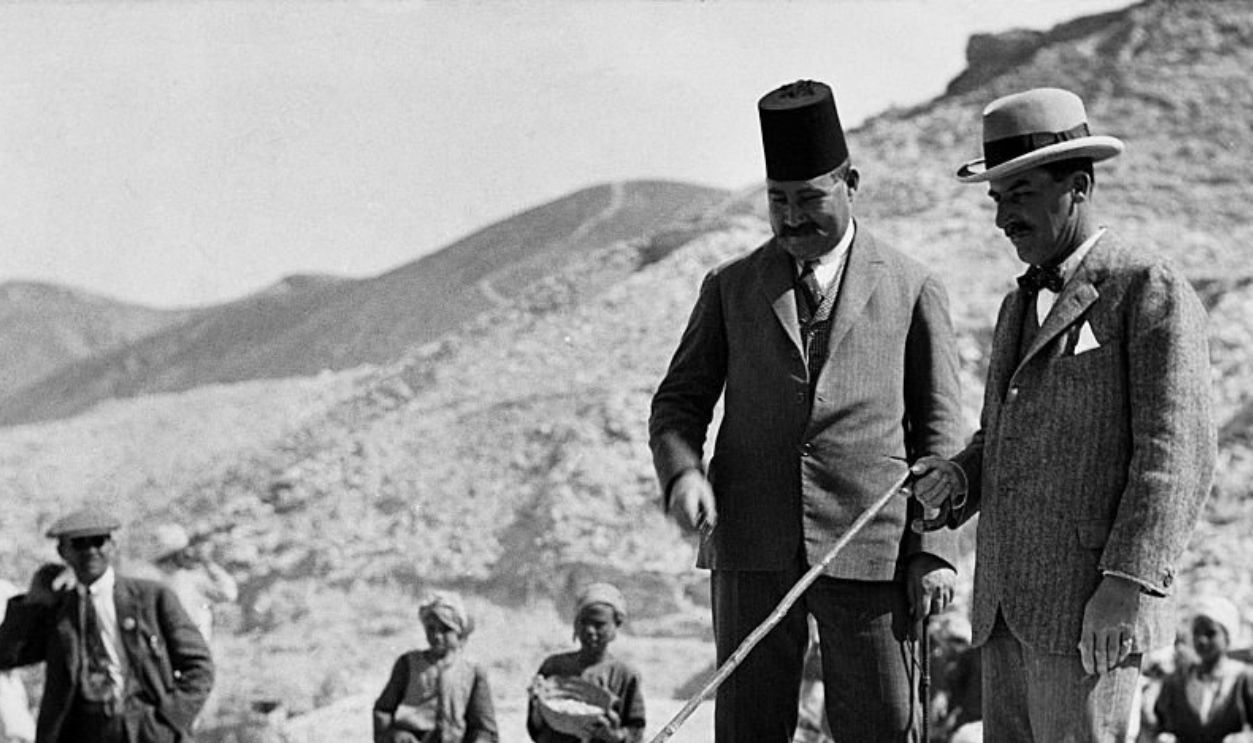
In November 1922, Howard Carter peered through an opening into a tomb in Egypt’s Valley of the Kings. Inside were statues, furniture, chariots, and gold. His famous description was simple: “wonderful things”. It was quite an understatement. But the treasures weren’t the only things worth examining.
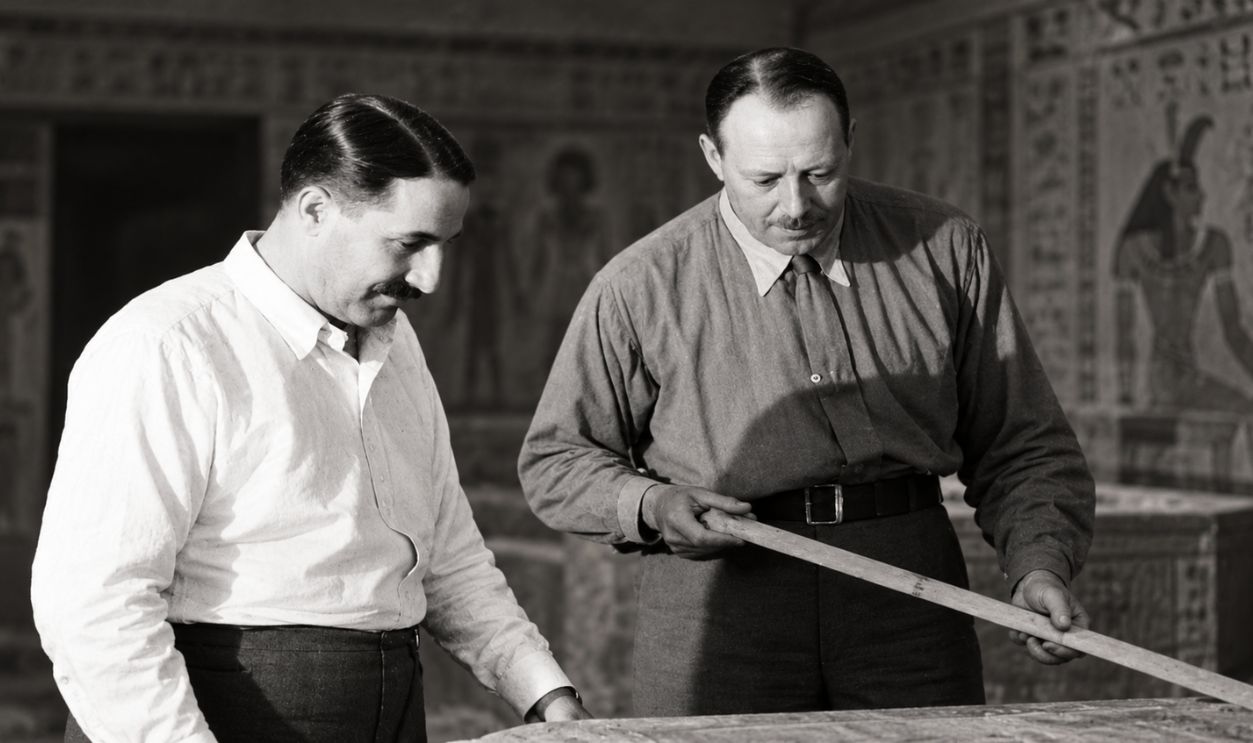 Harry Burton, Wikimedia Commons
Something About The Tomb Seemed Wrong
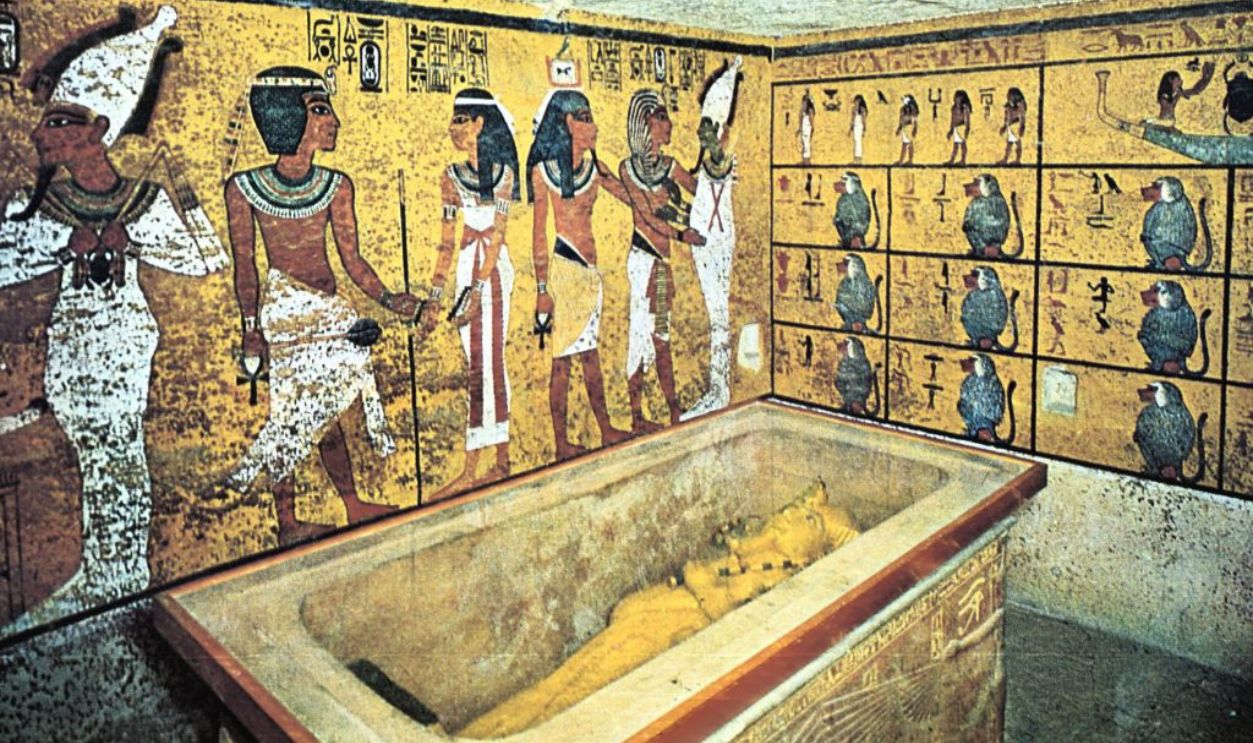
For a pharaoh surrounded by such extraordinary riches, Tutankhamun had a surprisingly modest resting place. His tomb, known as KV62, contains just four chambers beyond its entrance passage. Compared with other royal tombs, it looks less like a grand final home and more like someone ran out of space.
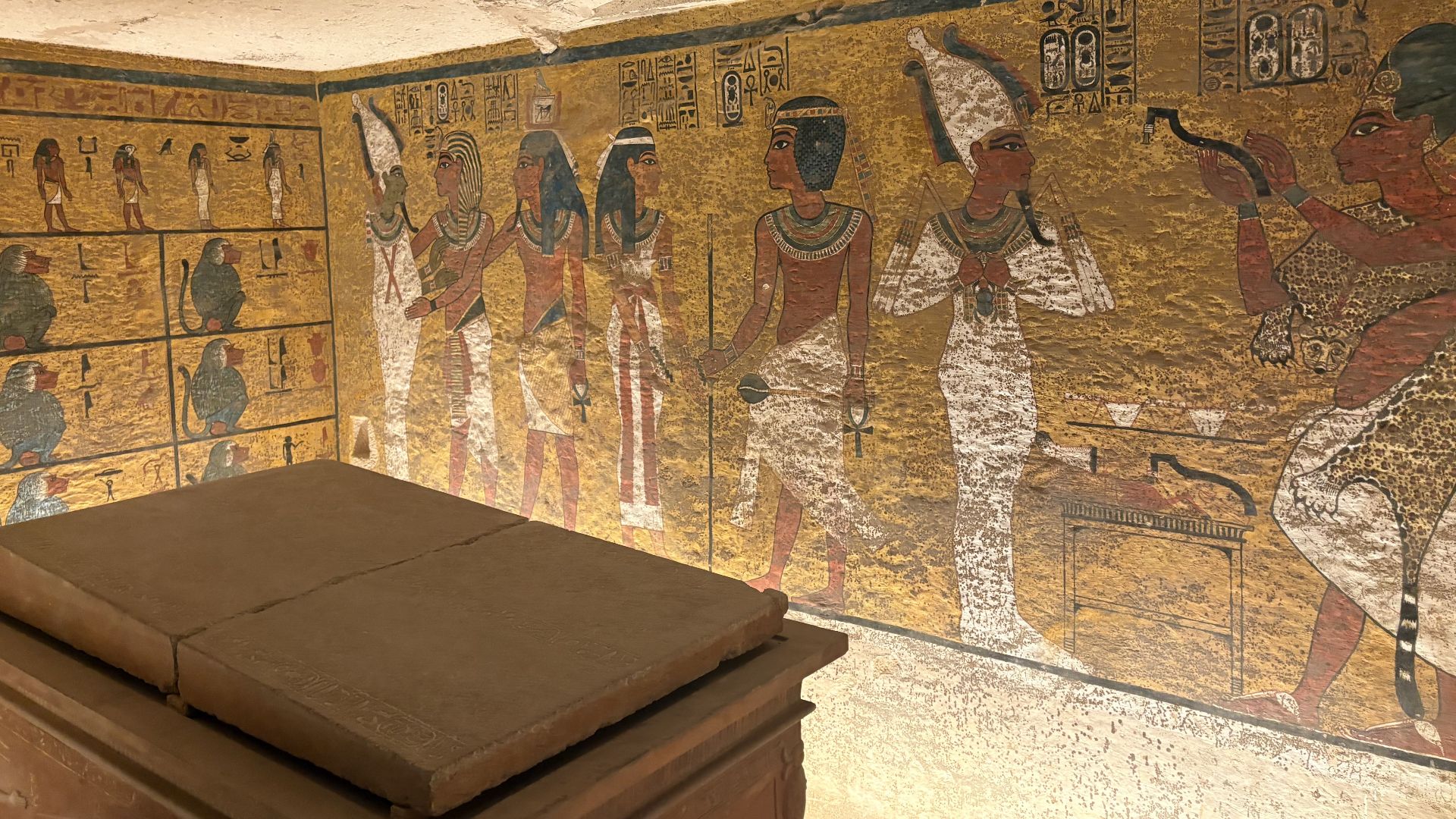
Only One Room Got The Royal Treatment
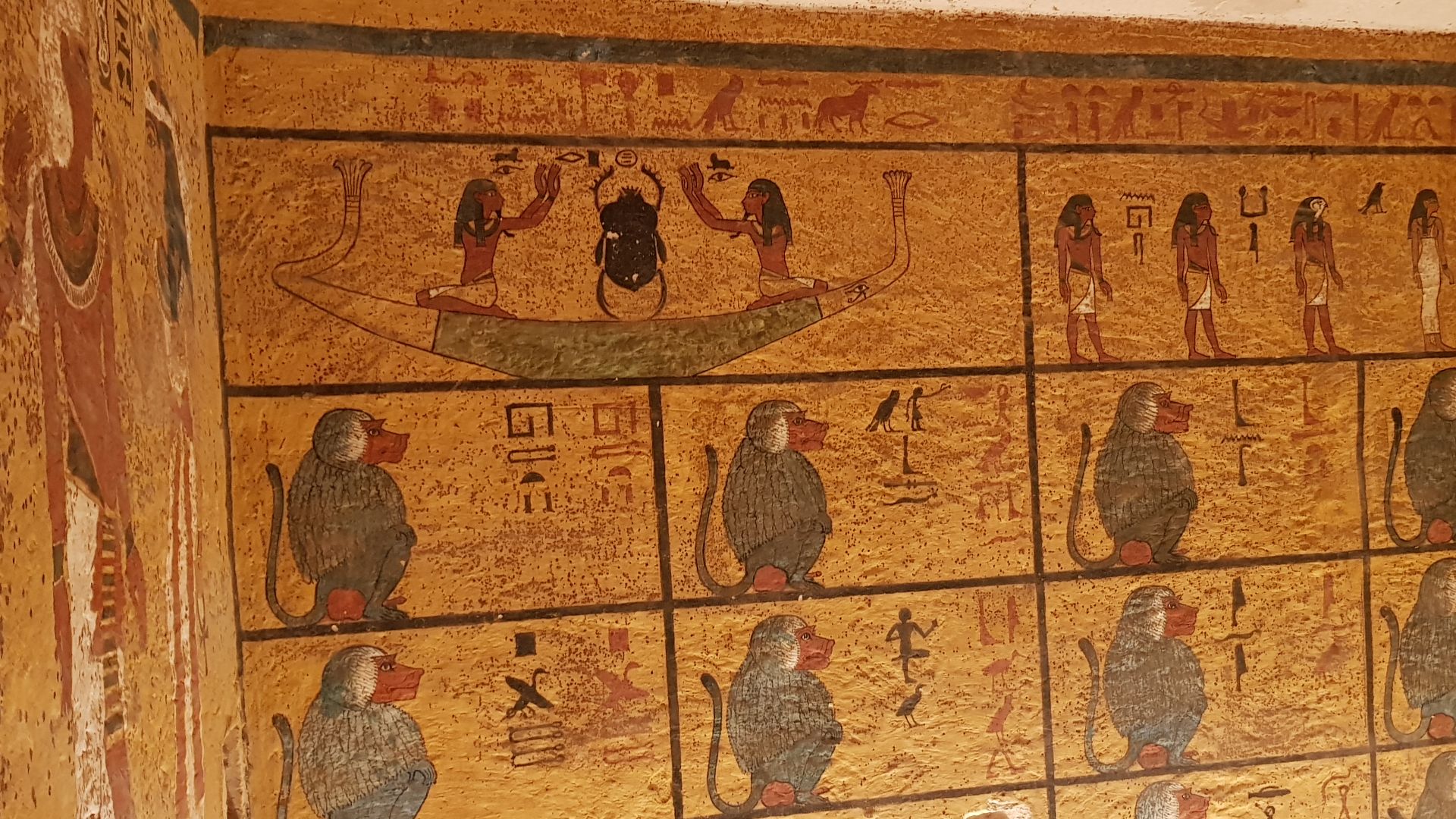
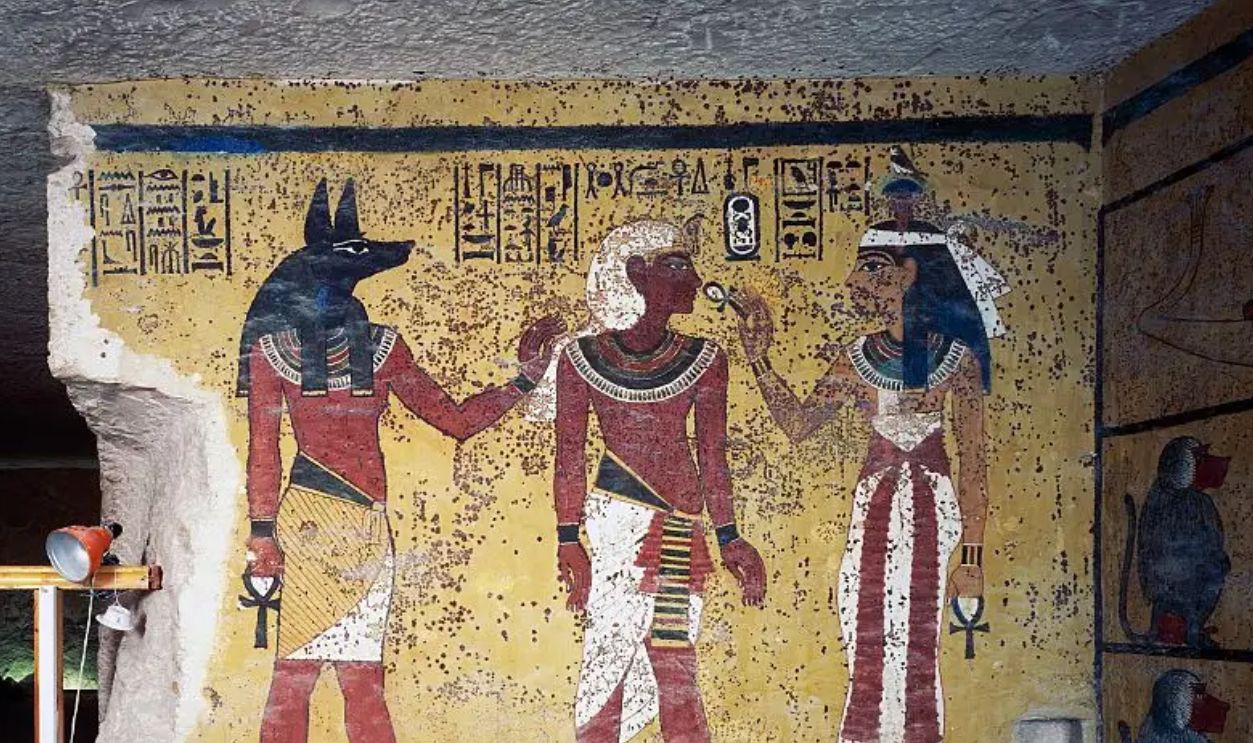
The burial chamber has the famous painted walls, but the other rooms are undecorated. That uneven finish adds to the impression of a burial arranged under pressure. The gold certainly looks fit for a king. The rooms holding it are another matter.
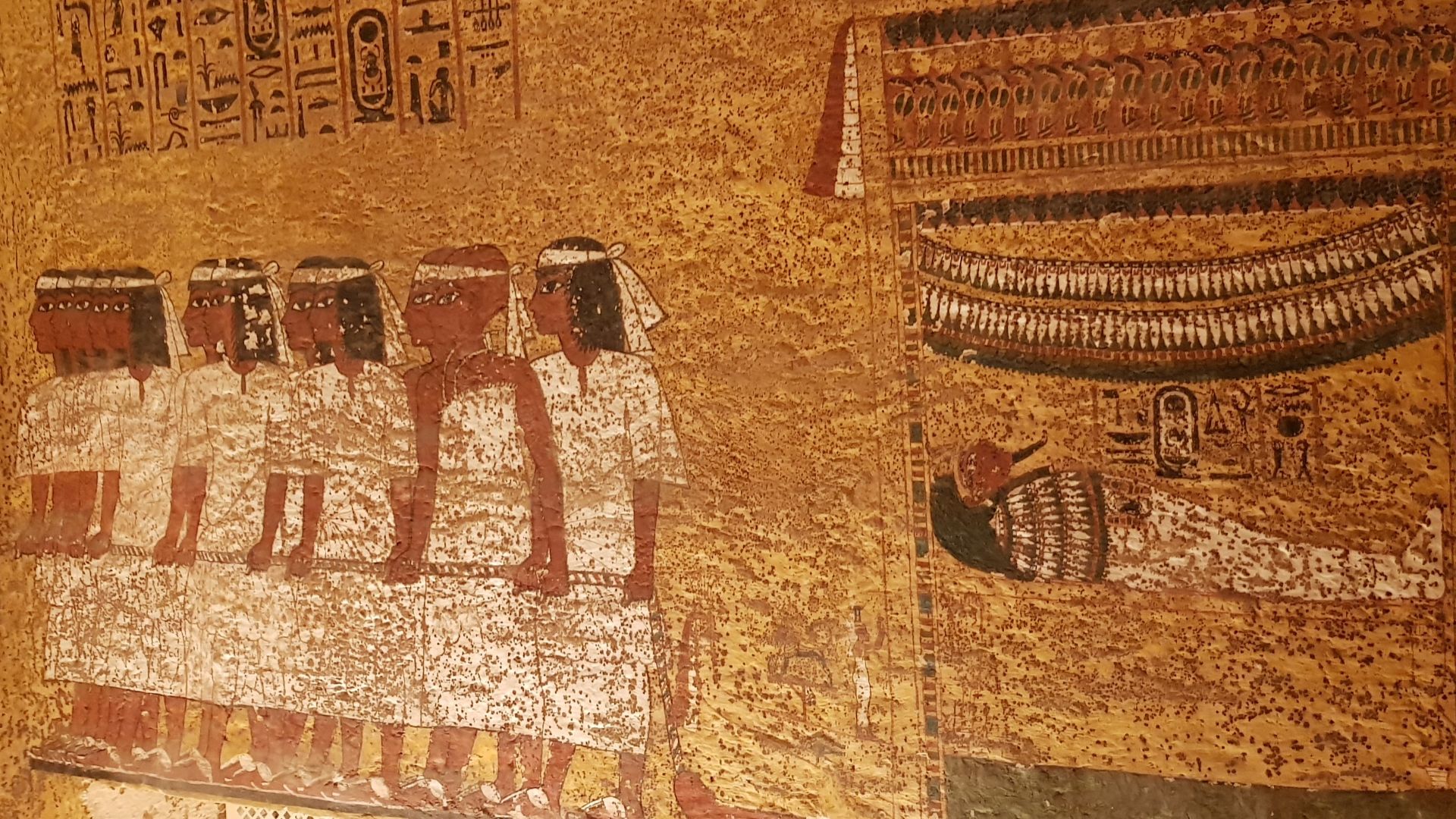
He Was Still A Teenager
Tutankhamun became king at around nine and was only about 19 when his life ended. One longstanding explanation is that officials hurriedly adapted an existing tomb for him. That would help explain the cramped layout. But another explanation suggests the layout might be misleading.
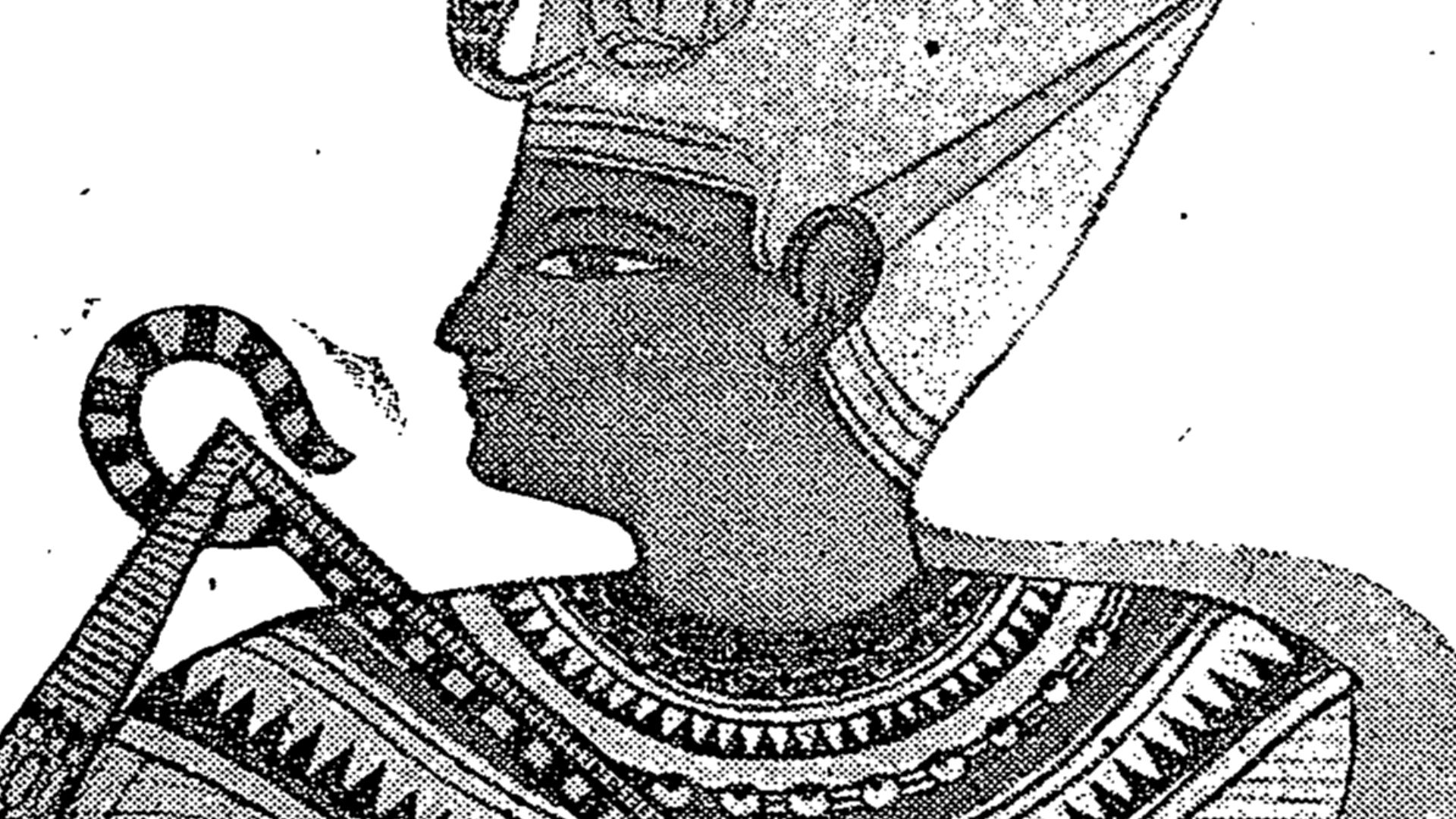 Metropolitan Museum of Art, Wikimedia Commons
The Clues Came From A Copy
The modern mystery began with work intended to preserve the tomb. In 2009, Factum Arte recorded its surfaces in extraordinary detail to help create a replica. Those scans captured tiny changes in the walls that were much harder to study simply by standing in front of them.
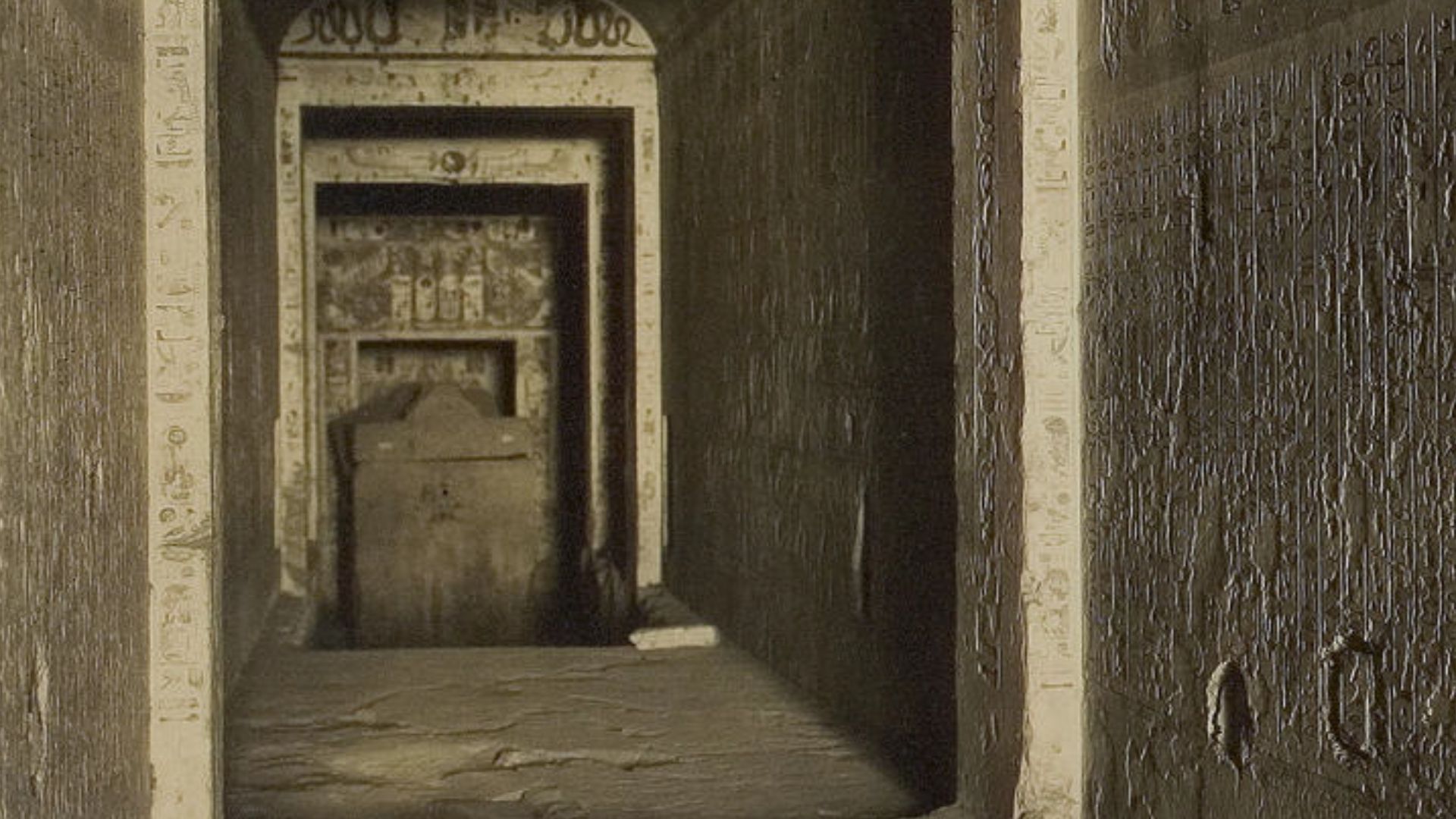 Harry Burton (1879-1940), Wikimedia Commons
An Egyptologist Spotted Possible Doorways
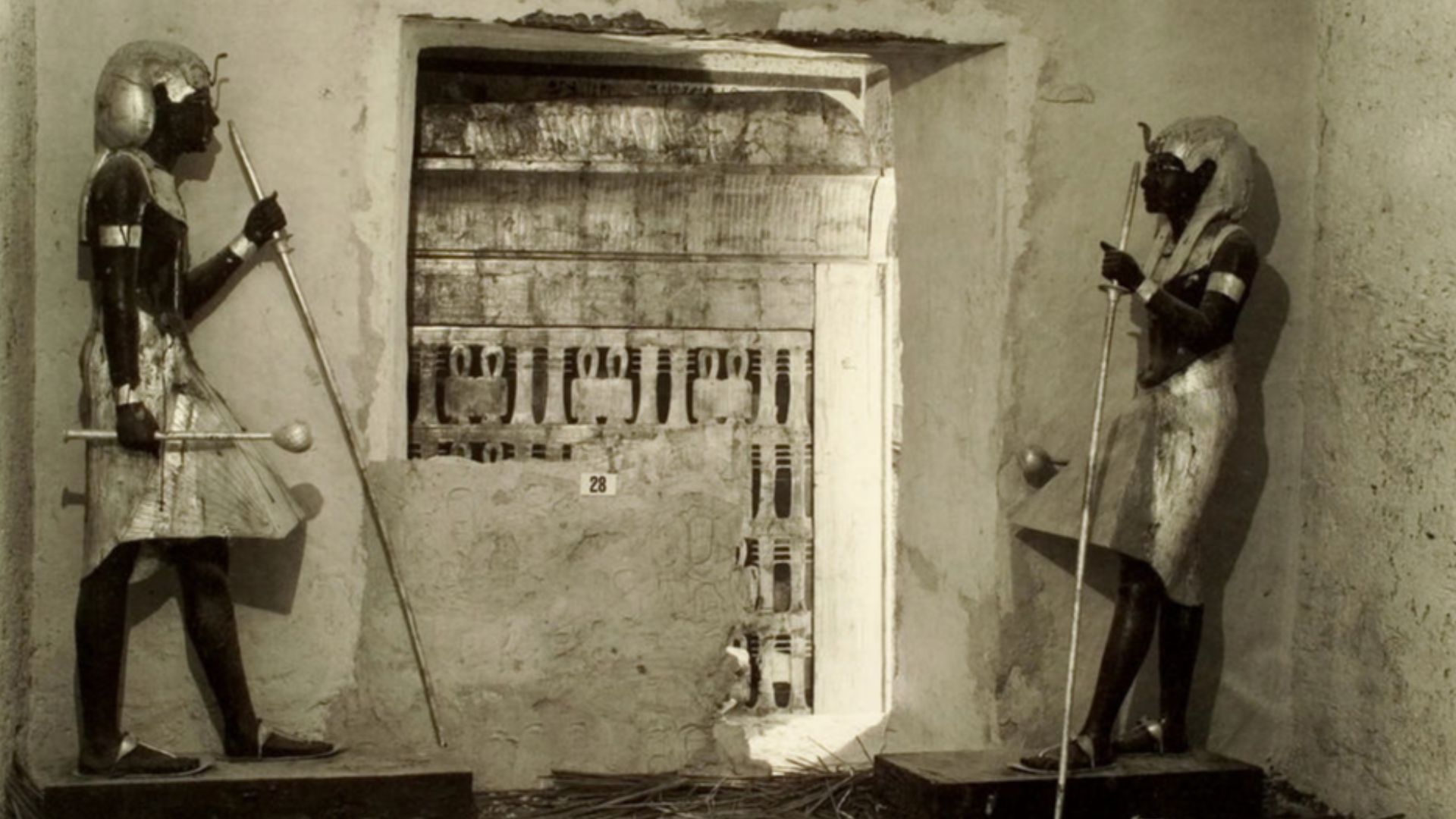
British Egyptologist Nicholas Reeves examined the detailed images and noticed subtle lines and changes in the surfaces of the north and west walls. In 2015, he interpreted them as traces of sealed doorways. Walls that seemed to mark the tomb’s end suddenly looked like possible entrances.
 Harry Burton (1879-1940), Wikimedia Commons
One Wall Might Hide A Corridor
Reeves suggested the western doorway could lead to another storage room. The northern feature was more intriguing: he thought it could conceal a corridor continuing deeper into the rock. If correct, Tut’s burial chamber might occupy space that once formed part of an entrance route.
Then He Put A Name To It
Reeves wasn’t suggesting just any forgotten burial. He proposed that the deeper rooms could belong to Queen Nefertiti. Under his theory, Tutankhamun was placed in the outer section of her tomb while her own burial remained sealed beyond it. That was quite a possible neighbor.
 Craig Wyzik, Wikimedia Commons
A Famous Face Without A Confirmed Tomb
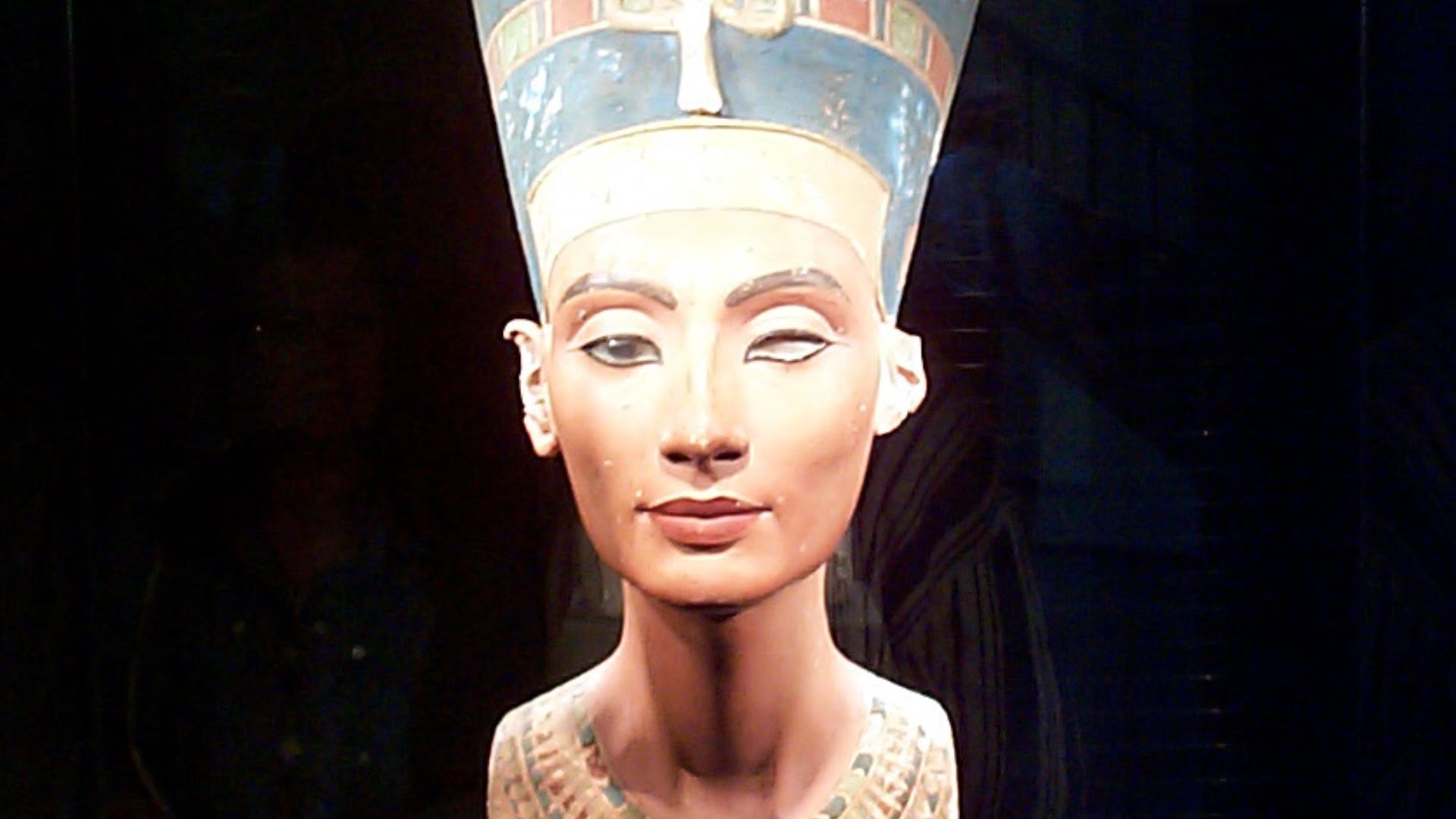
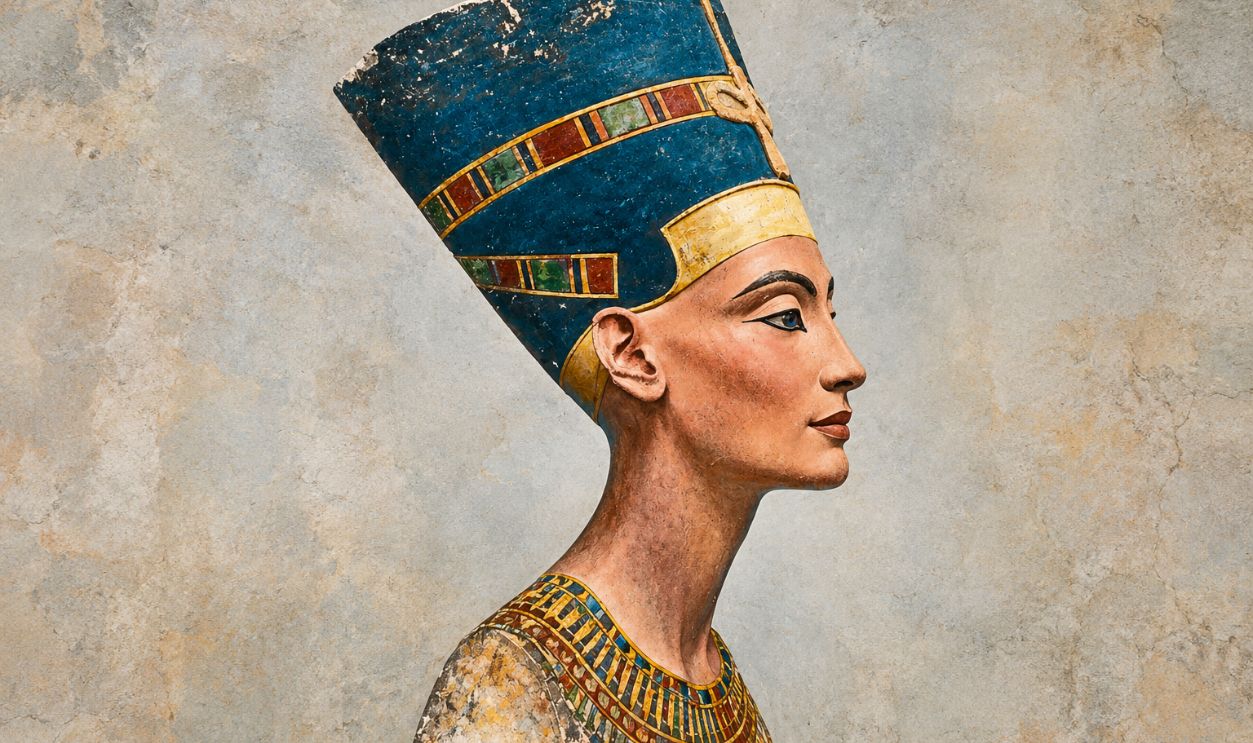
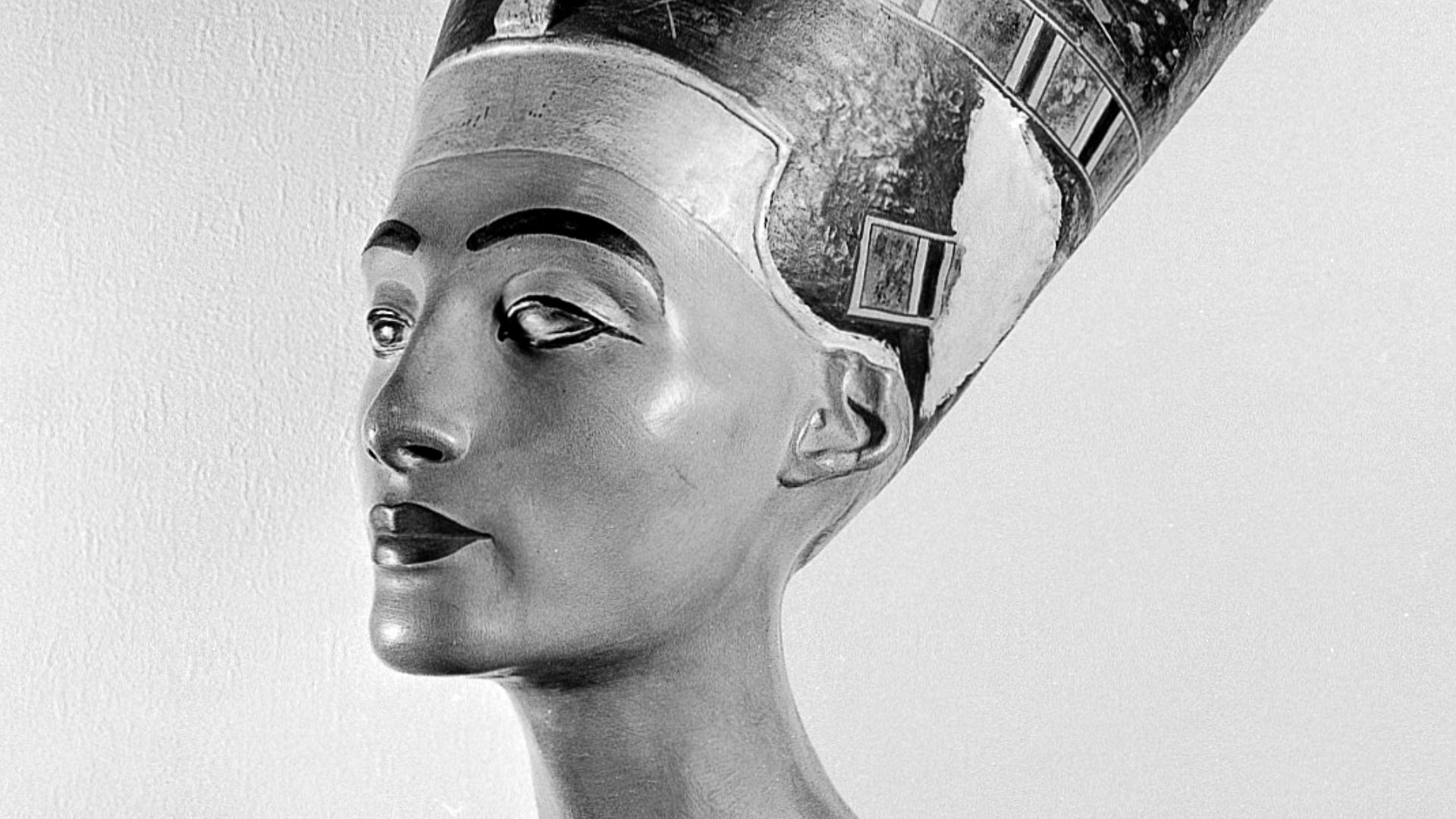
You probably recognize Nefertiti’s painted bust, with its tall blue crown. Her burial place is much less familiar—for good reason. It hasn’t been securely identified. We have one of ancient Egypt’s most recognizable faces, but still lack firm answers about where she was laid to rest.
 Leo Wehrli, Wikimedia Commons, Enhanced
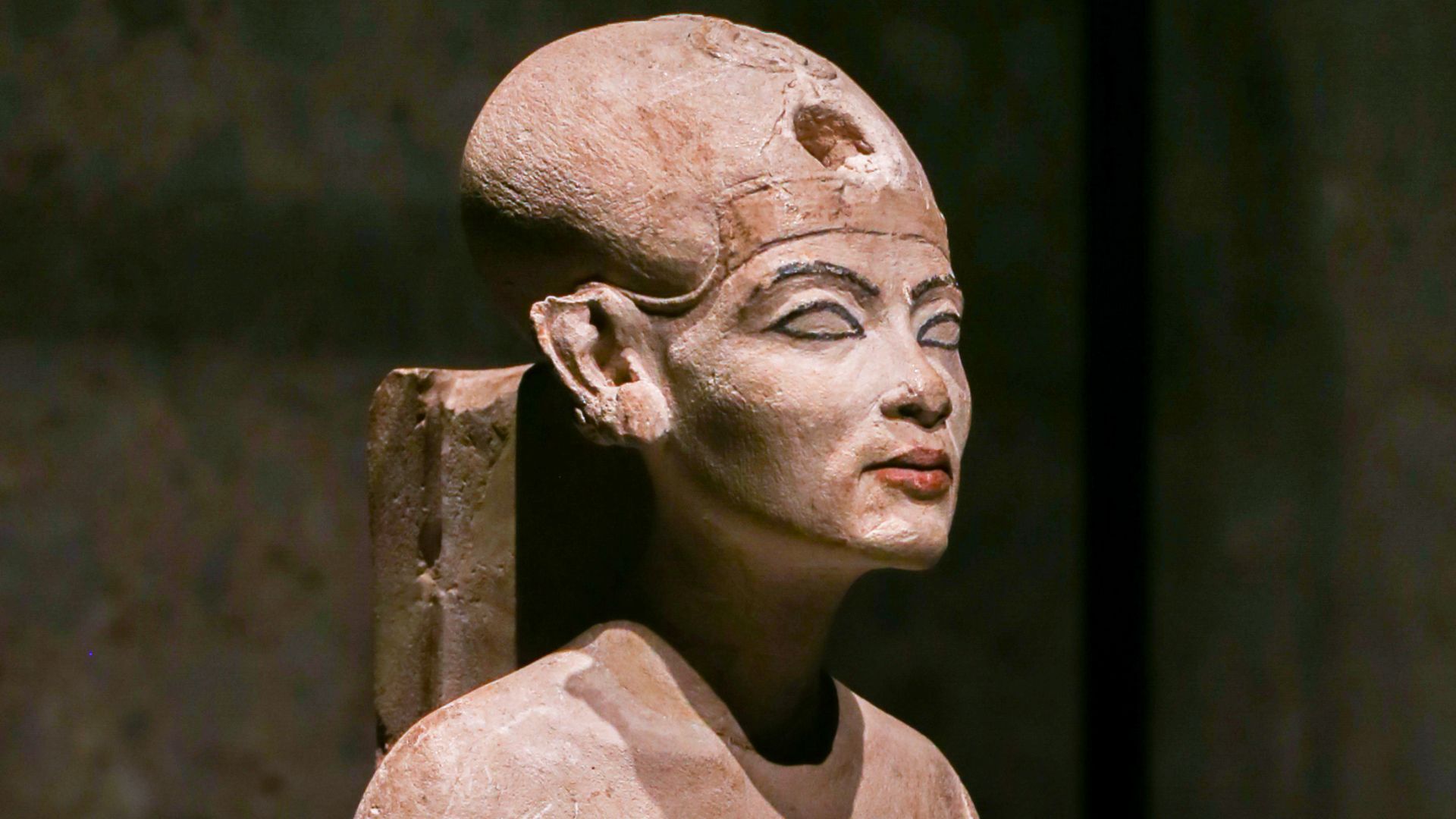
She Was More Than A Royal Wife
Nefertiti was the wife of Akhenaten, the pharaoh who promoted worship of the sun disc Aten. Royal artwork gives her unusual prominence, sometimes showing her at the same scale as her husband. She clearly mattered. Exactly how far her authority extended remains a much harder question.
 ArchaiOptix, Wikimedia Commons
She May Have Ruled As Pharaoh
Some scholars think Nefertiti eventually ruled as a pharaoh herself. However, identifying her with particular royal names remains disputed. That uncertainty makes a confirmed burial especially valuable: inscriptions or objects could help explain what happened during her final years, rather than leave historians arguing over scattered clues.
Tut Might Have Borrowed The Front Rooms
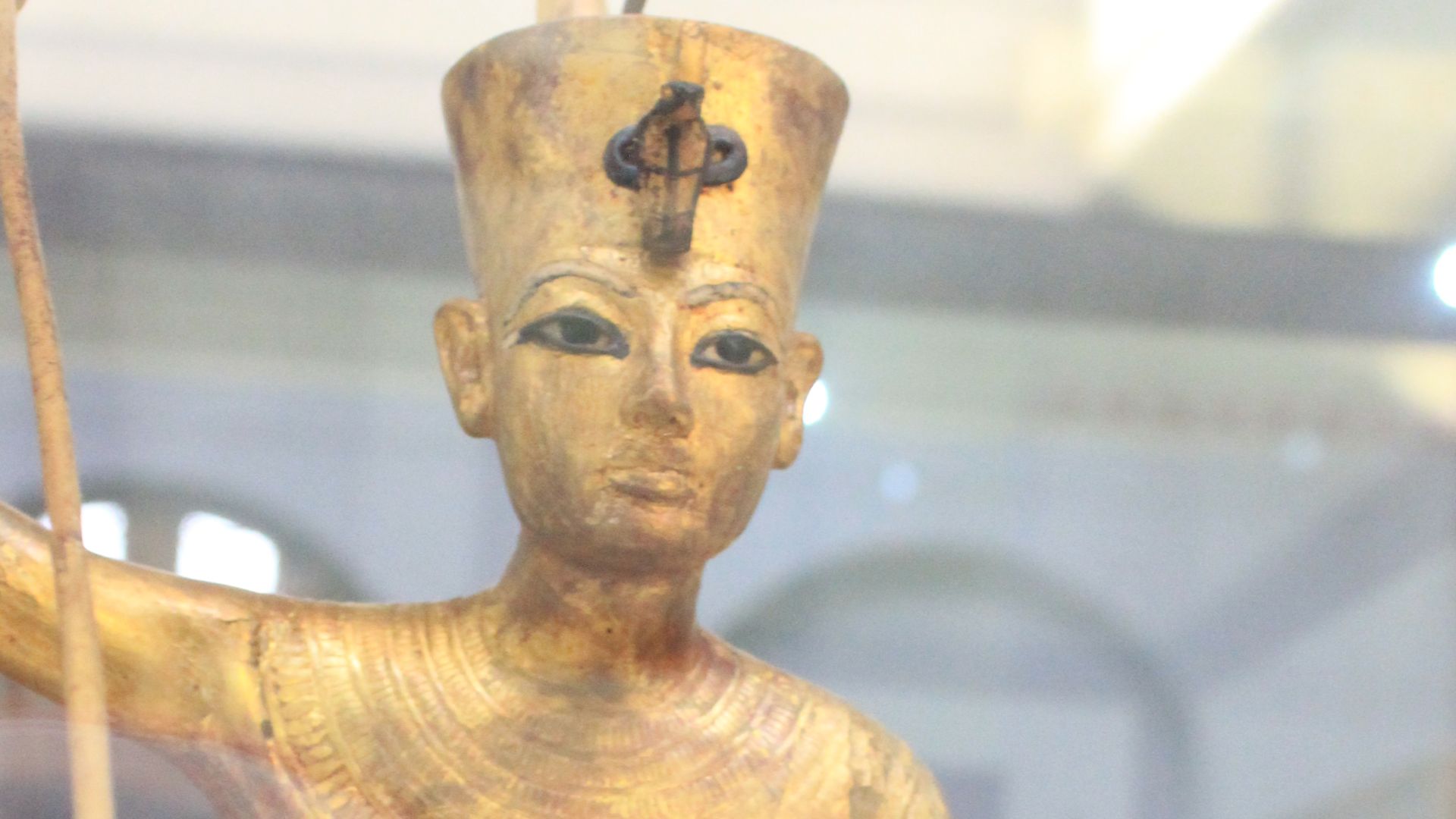
In Reeves’s reconstruction, officials adapted the accessible part of an older royal tomb when Tutankhamun needed a burial place. The original occupant remained farther inside. That would explain why the visible tomb feels incomplete: we would be looking at a converted entrance section, with the rest concealed.
The Paintings Added Another Clue
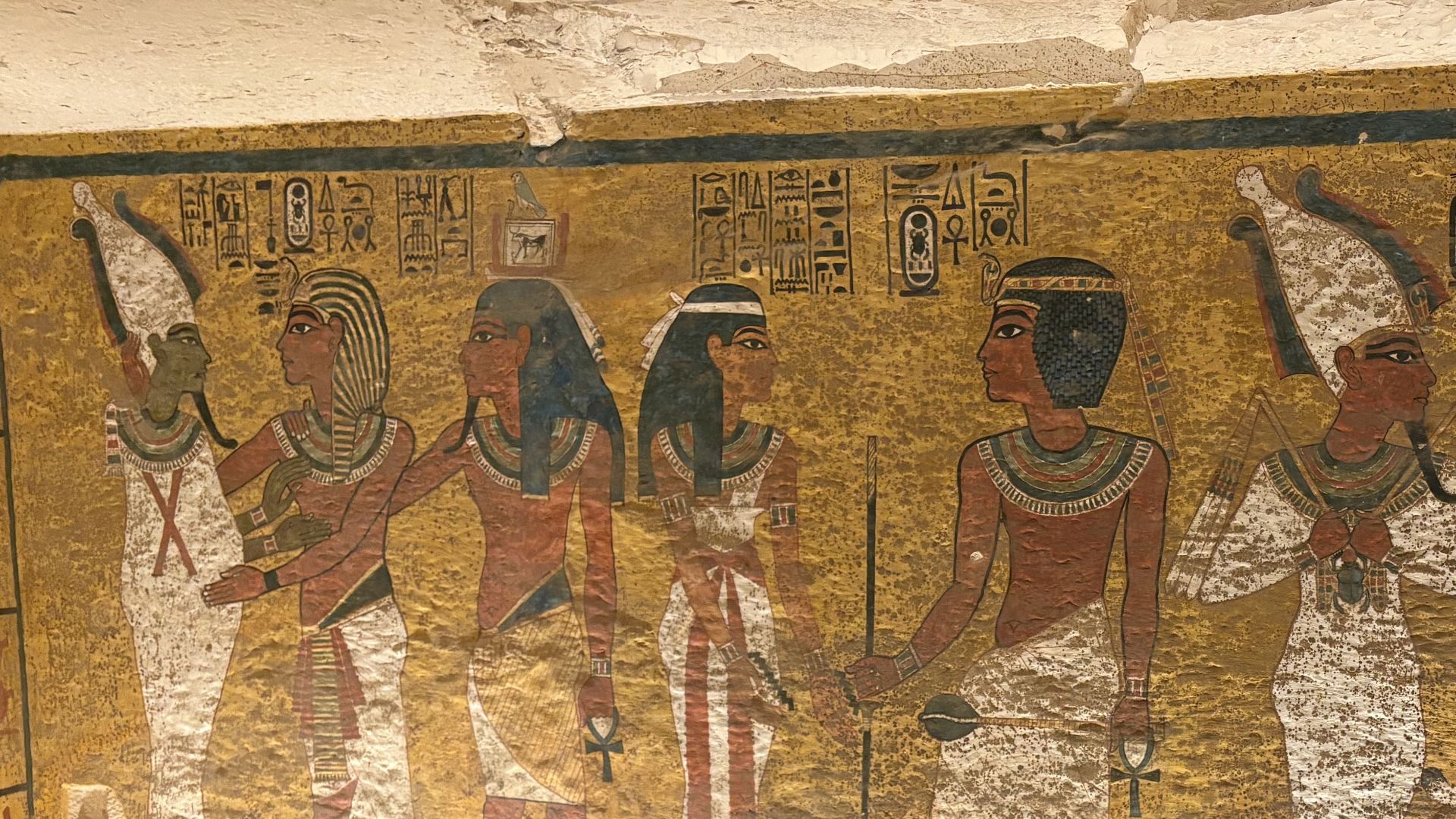
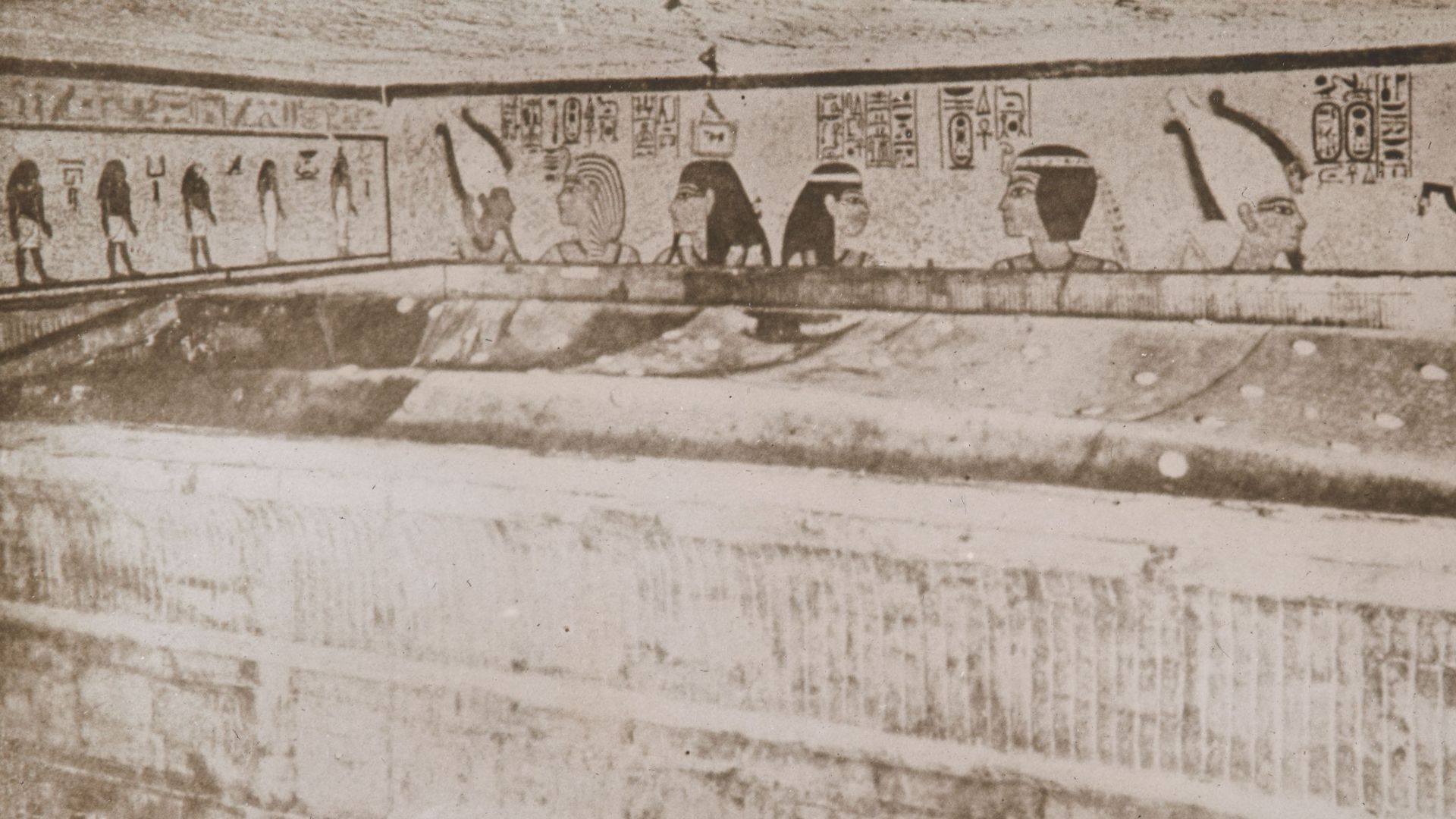
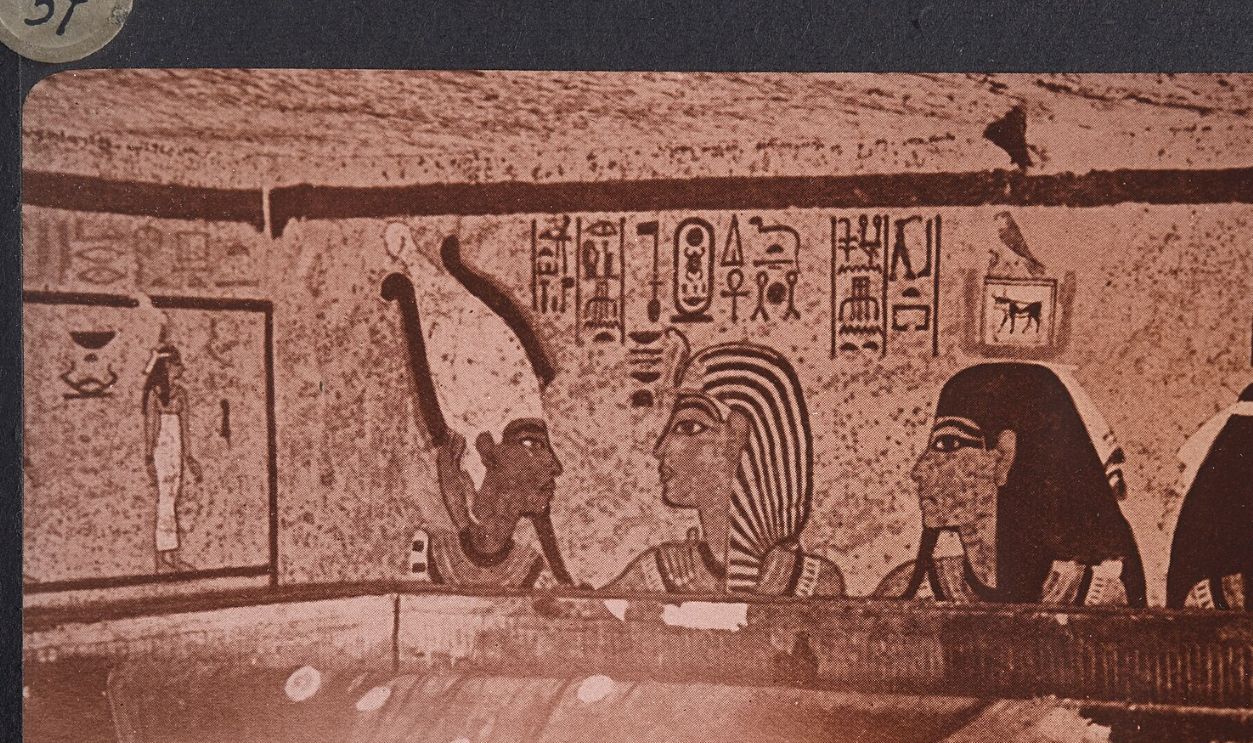
Reeves also drew attention to differences in the burial chamber’s artwork. Figures on the north wall follow different proportions from those on the other walls. He argued that the northern decoration belonged to an earlier phase. Even within one small room, the walls weren’t telling quite the same story.
Could The Painting Conceal An Entrance?
A decorated barrier hiding a tomb’s continuation would have ancient Egyptian precedents. Reeves argued that the north wall might serve that purpose here. Its paintings would therefore do two jobs: provide royal decoration and make a blocked passage look like the end of the room.
 Harry Burton, Wikimedia Commons
The First Scans Raised Expectations
The obvious next step was to investigate without breaking through the paintings. A radar survey in 2015 produced results interpreted as possible concealed spaces. But a second survey in 2016 failed to confirm them. The promising announcement had become an argument over what the equipment actually detected.
 Harry Burton, Wikimedia Commons, Enhanced
Then Came A Much Less Exciting Answer
A third investigation in 2018 used multiple radar systems to examine the walls. Its researchers concluded there were “no hidden chambers immediately adjacent” to Tut’s tomb. That was a serious setback. The proposed discovery had met an inconvenient obstacle: another team couldn’t find the rooms.
But The Investigation Didn’t End There
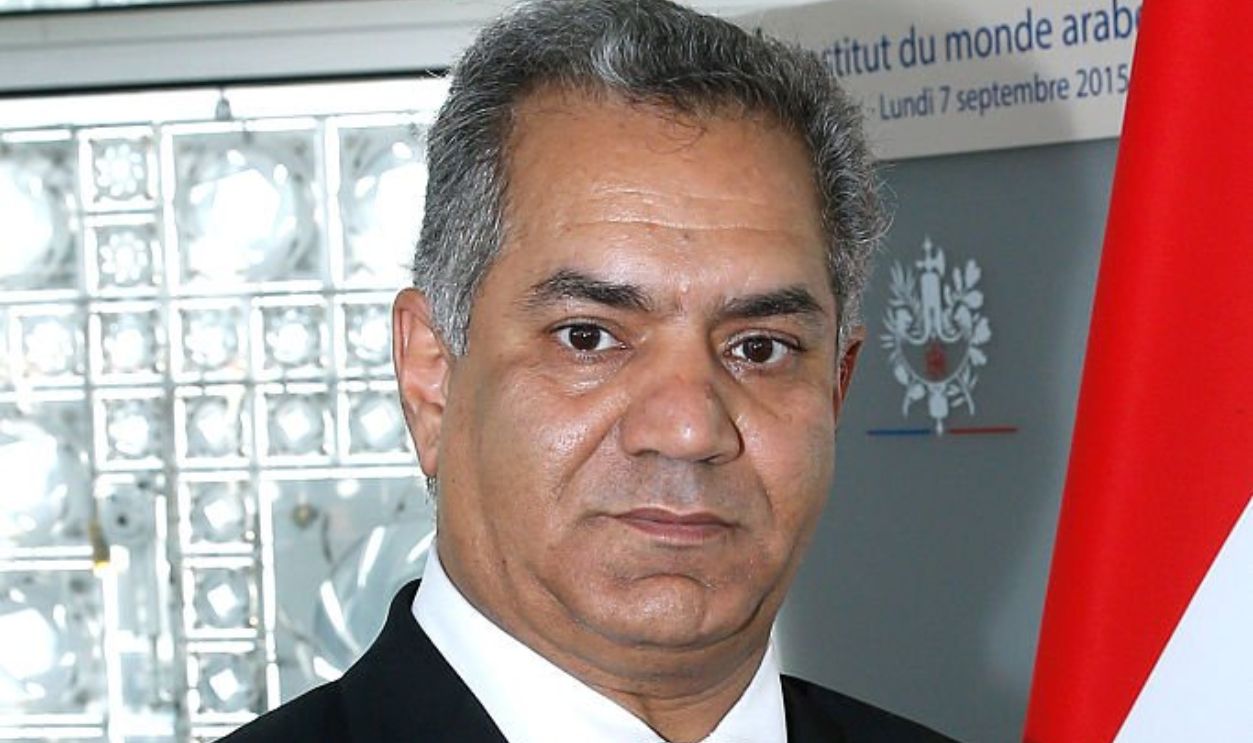
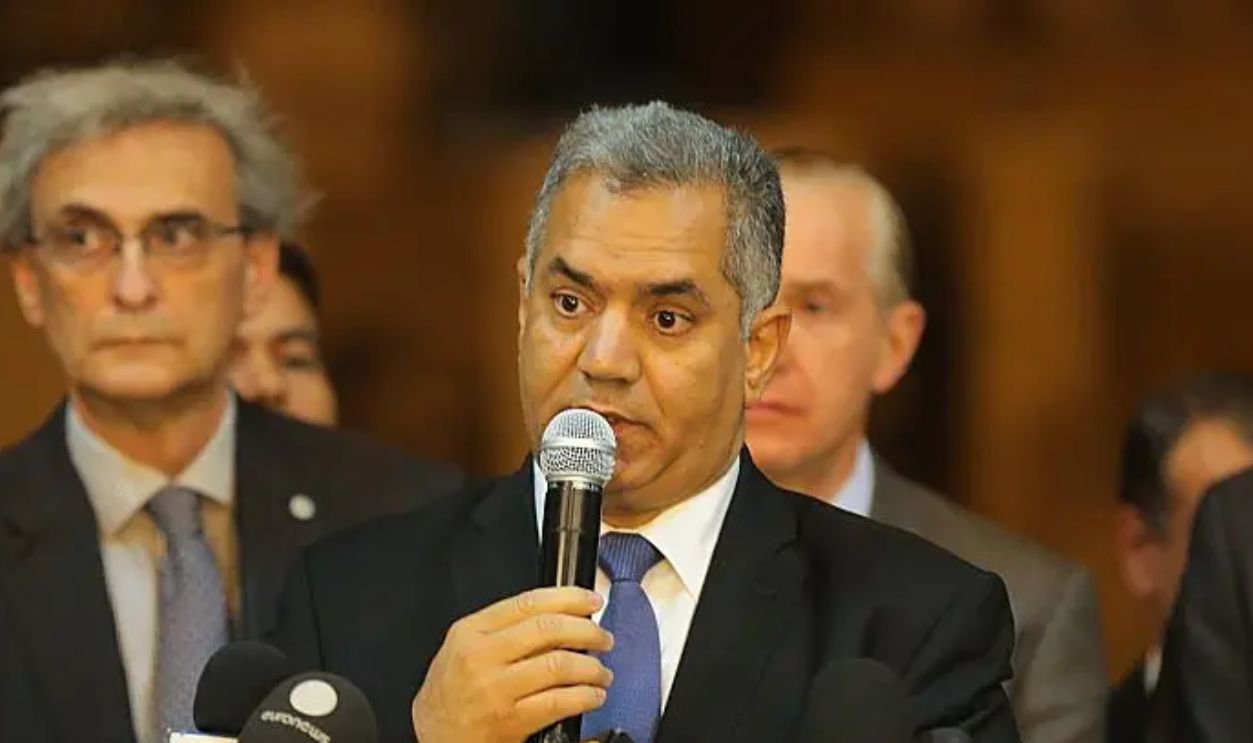
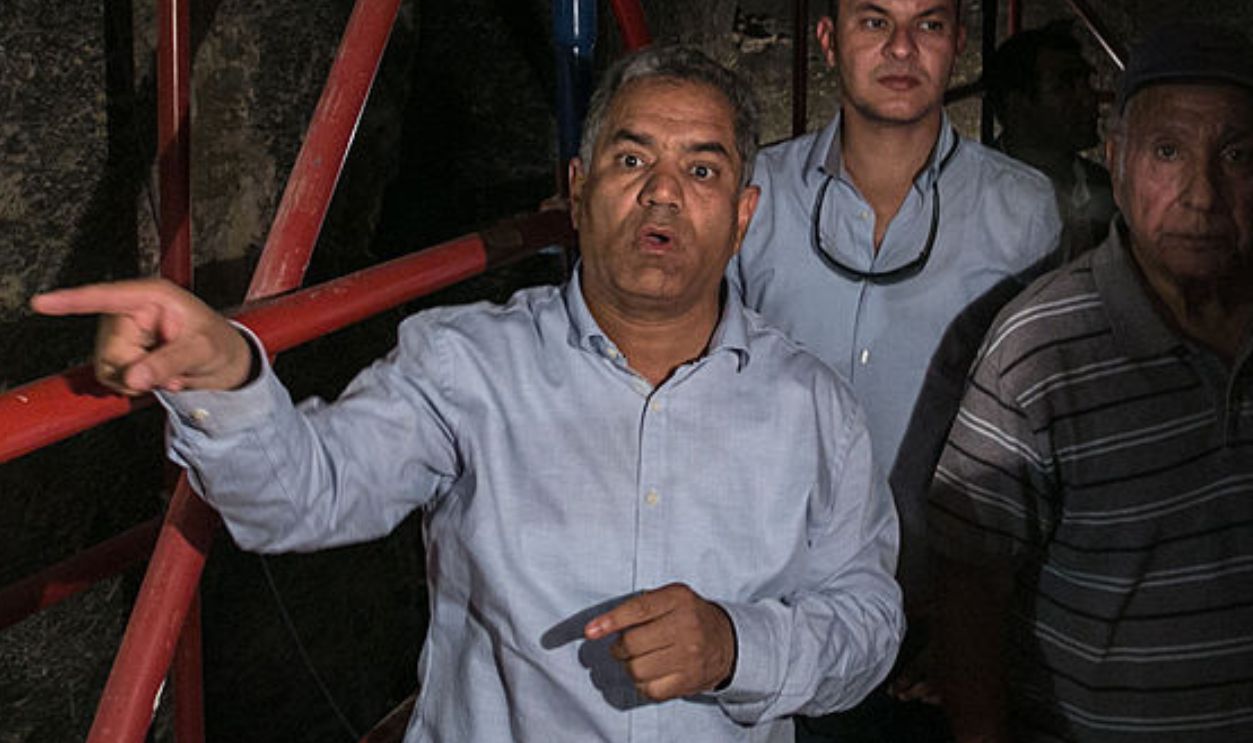
In September 2026, a new report brought the question back. Led by former Egyptian antiquities minister Mamdouh Eldamaty, it reviewed earlier investigations and presented fieldwork conducted in 2023–2024. Its authors argued that the combined evidence supports a tomb extending beyond the rooms we currently know.
 Bertrand Rindoff Petrof, Getty Images
This Time, They Combined Different Methods
The team compared new radar and microgravity findings with geological observations and earlier electrical surveys. The idea was to see whether different methods pointed toward corresponding underground features. That could strengthen the case for further investigation, although agreement between measurements wouldn’t establish exactly what was hidden there.
The Missing Passage Could Be Packed With Rubble
Geophysical specialist George Ballard interprets the radar evidence as a corridor roughly two meters wide, filled with rubble. He argues that earlier searches missed it because they expected an empty space immediately behind the wall. A blocked passage would give a different signal.
Even Tiny Changes In Gravity Can Help
Microgravity surveying measures extremely small variations in gravity caused by differences in underground density. The team identified roughly rectangular features aligned with the tomb. They interpret some as possible artificial structures. Their shapes are intriguing, but a pattern in measurements still needs confirmation on the ground.
 UniversalImagesGroup, Getty Images
One Feature Is Particularly Intriguing
One proposed chamber contains a denser area within a less dense zone. The report suggests this could represent a room holding burial materials. It also acknowledges a geological explanation. Nobody has detected a queen’s coffin. They have detected a feature that might justify looking for one.
 UniversalImagesGroup, Getty Images
Other Scientists Want More Evidence
Independent specialists interviewed by Nature found the results interesting but wanted more information before reaching firm conclusions. Ballard said he lacked permission to release all the data. That leaves an important gap between a promising interpretation and a discovery other researchers can confidently verify.

A Hidden Room Wouldn’t Automatically Mean Nefertiti
Even if additional chambers exist, they could be storerooms rather than another royal burial. And an ancient room needn’t have survived intact. Researchers caution that flooding could have damaged hidden spaces. Finding something beyond the walls would answer one question while opening several more.
 DEA / S. VANNINI, Getty Images
They Can’t Simply Knock Through The Wall
Tutankhamun’s paintings are themselves irreplaceable ancient objects. Conservators have spent years studying, stabilizing, and protecting them from damage. Investigating a possible discovery therefore means protecting the confirmed one already there. Taking a hammer to a suspicious patch of wall would be a terrible way to find out.
A Small Camera Could Provide The Answer
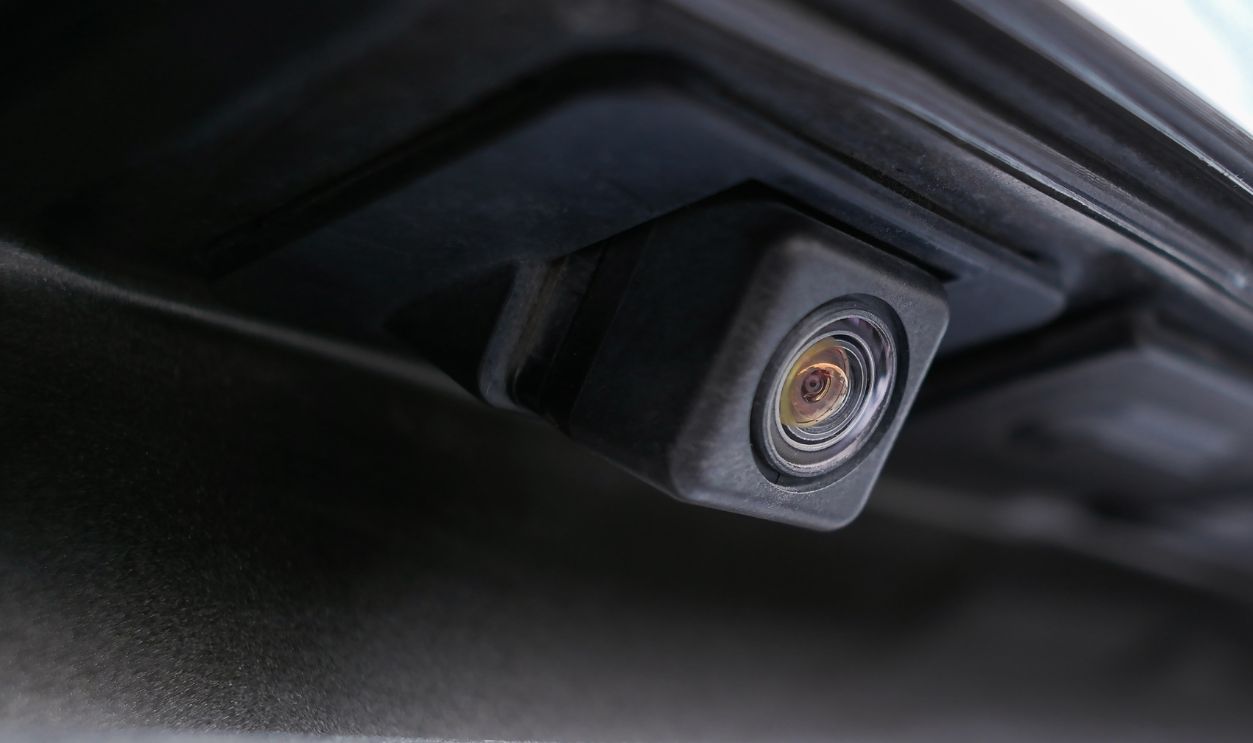
The team has proposed drilling narrow holes from above and using miniature camera-equipped vehicles to investigate any accessible spaces. The plan requires authorization from Egypt’s Supreme Council of Antiquities. If approved, it could finally provide an actual view of features researchers have so far interpreted through indirect measurements.
Why The Stakes Are So High
Eldamaty told Nature that confirmation could “rank among the most transformative archaeological discoveries of the modern era”. That’s the possibility driving the search. A concealed complex beside Tut’s tomb would be remarkable; identifying Nefertiti’s burial would make it an even bigger story.
Did Carter Find The Whole Tomb?
Carter’s discovery was extraordinary enough without another room. But imagine if the familiar painted walls have been hiding a second royal burial all this time. The next camera sent into the rock could reveal ordinary limestone—or give the world another reason to remember this tomb.
 Chicago Daily News, Inc., photographer, Wikimedia Commons
You Might Also Like: