A Roman Time Capsule Beneath The Beach
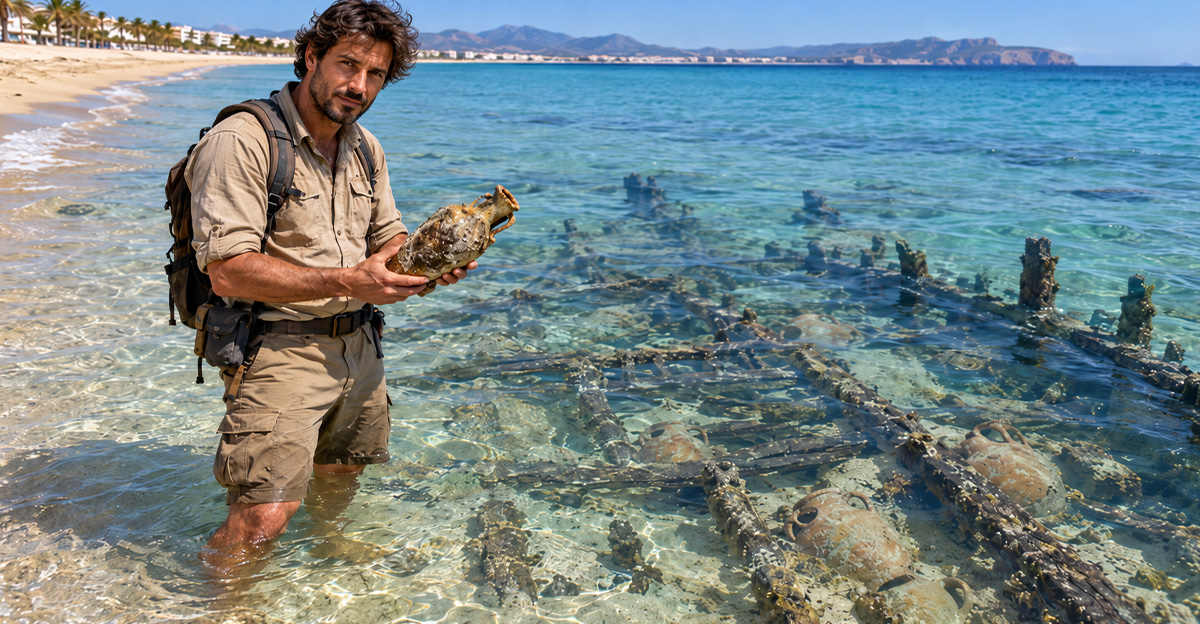
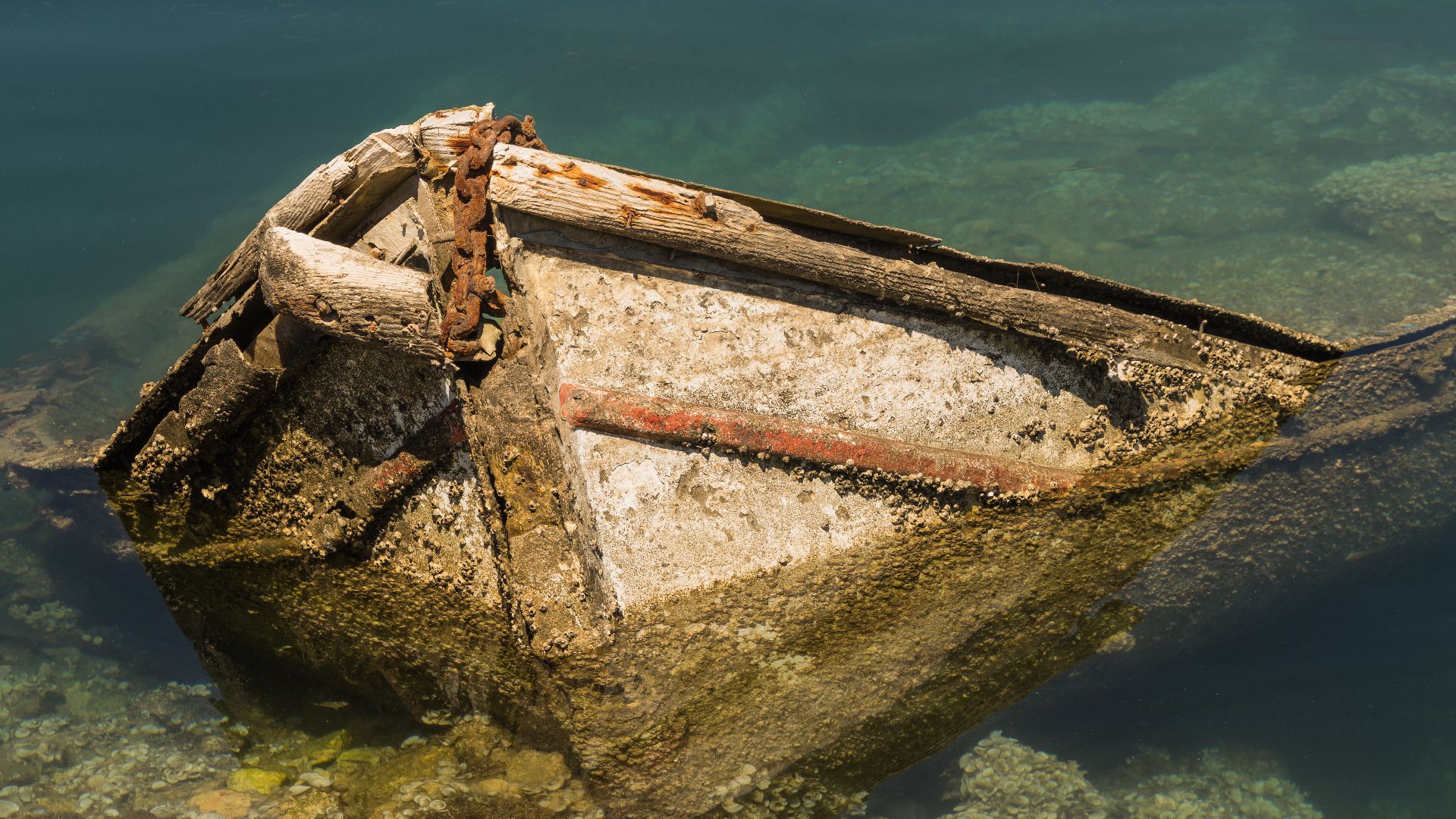
For roughly 1,700 years, the remains of a Roman merchant vessel rested beneath the shallow waters off Mallorca’s Playa de Palma. Known as the Ses Fontanelles wreck, the vessel survived with its wooden hull, cargo, and everyday objects remarkably intact, offering archaeologists an extraordinary glimpse of Mediterranean commerce.
It Was Found By Accident
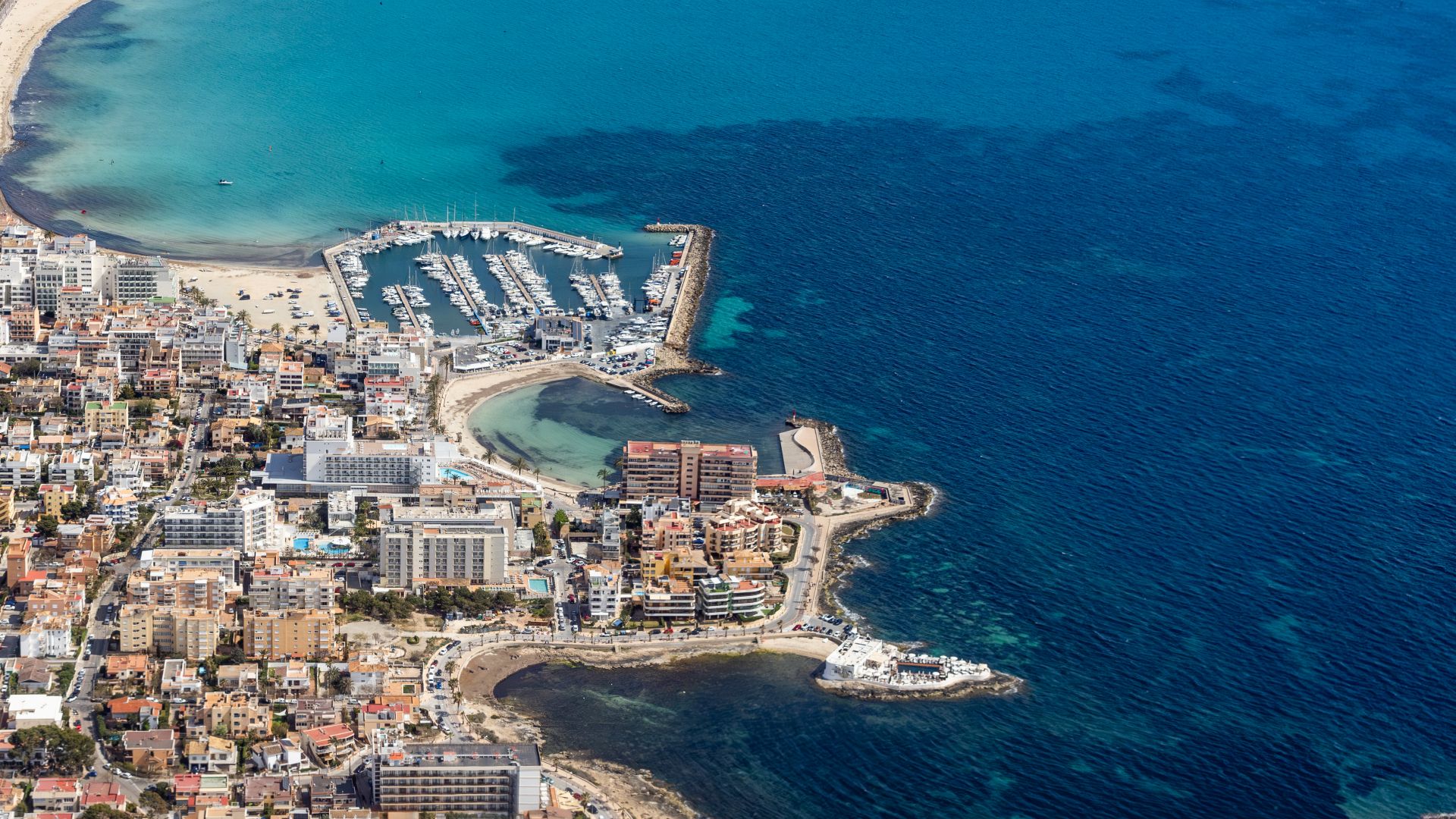
Nobody went swimming off Mallorca in 2019 expecting to stumble across Roman history. The wreck was discovered accidentally near Can Pastilla in July of that year, after conditions exposed archaeological material beneath the seabed. Researchers quickly realized this was no ordinary scattering of ancient pottery.
 Arne Museler, Wikimedia Commons
Just Metres Below The Surface
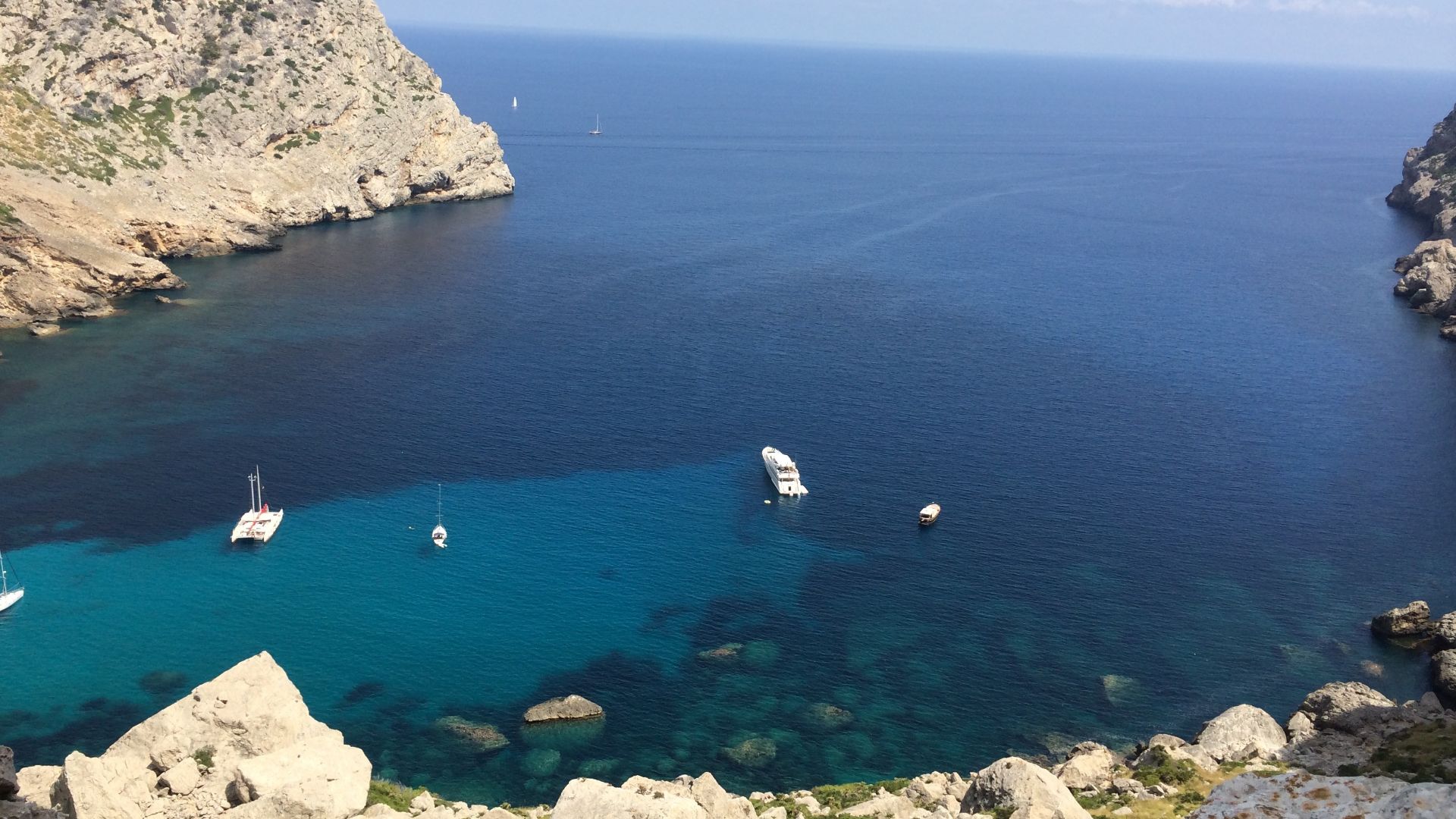
Perhaps the strangest part was its location. The shipwreck sat beneath approximately two metres of water beside one of Mallorca’s busiest tourist beaches. For centuries, swimmers, fishing boats, and eventually holidaymakers had unknowingly passed above an exceptionally well-preserved Roman trading vessel.
 National Marine Sanctuaries, Wikimedia Commons
The Sand Became Its Protector
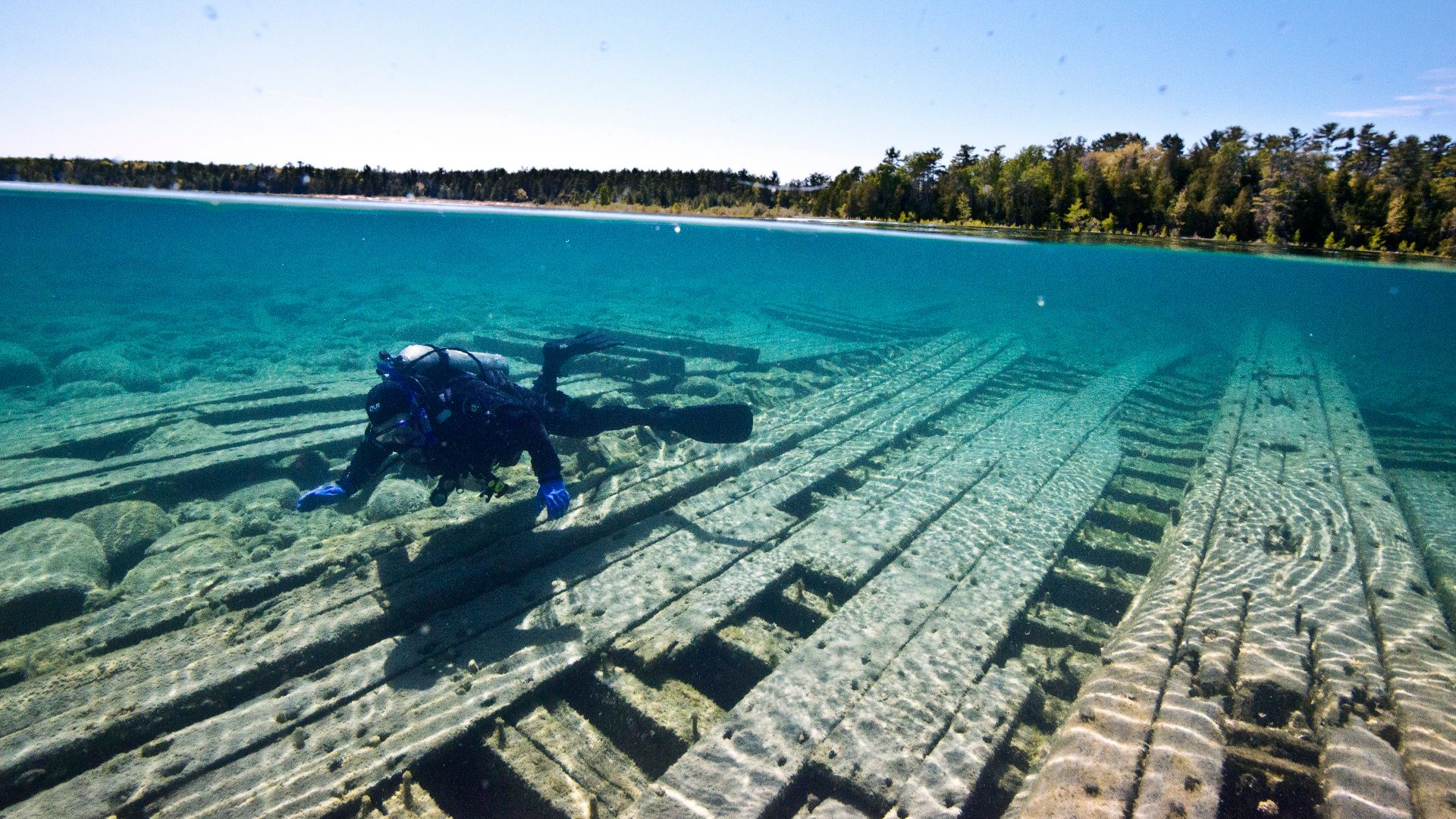
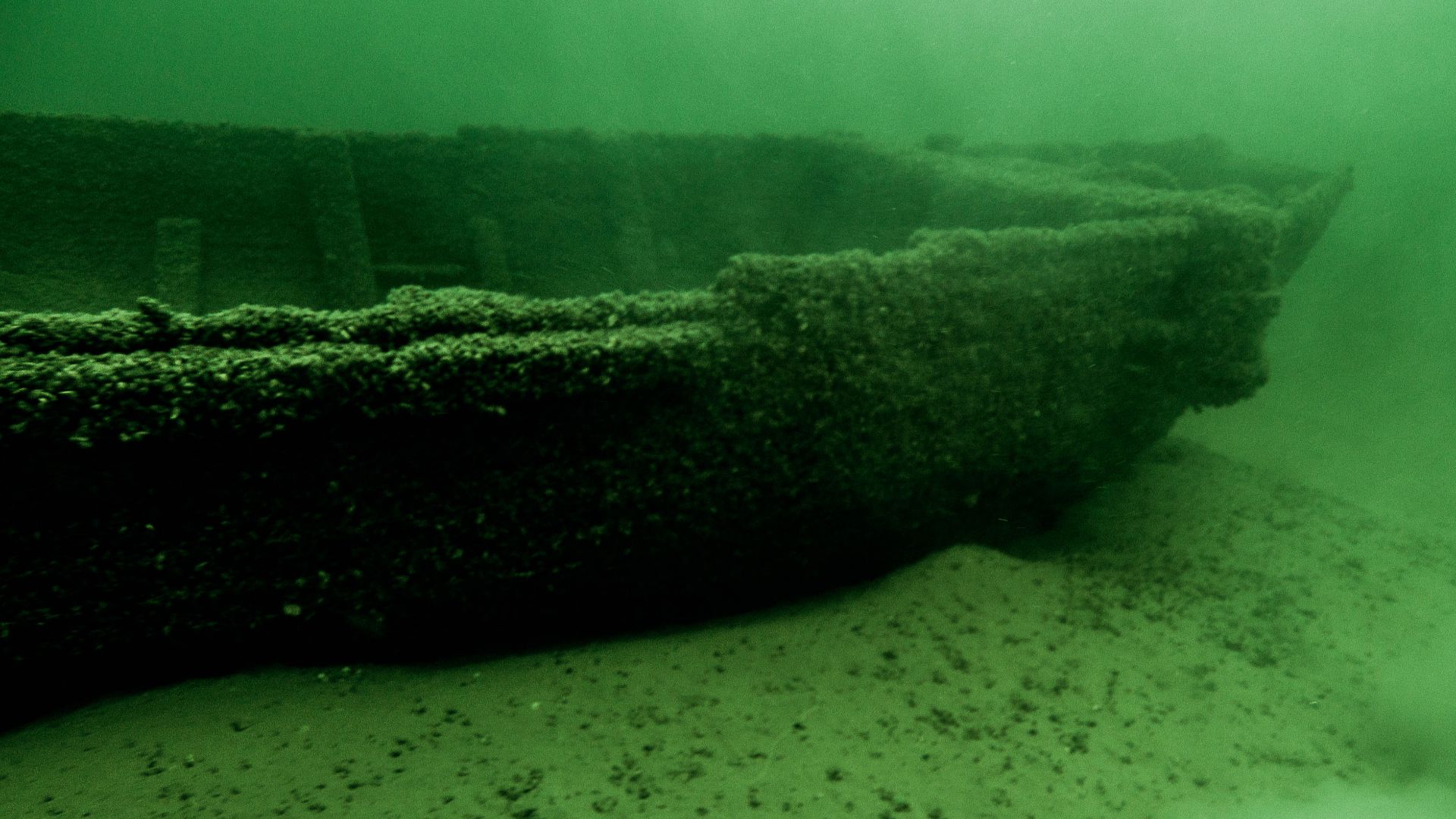
Normally, a wooden ship does not fare particularly well after spending more than a millennium underwater. Ses Fontanelles was different. Sand rapidly covered much of the wreck, creating conditions that helped protect its timbers and cargo from waves, organisms, and human interference.
 Julian Fahrbach, Wikimedia Commons
A Surprisingly Complete Vessel
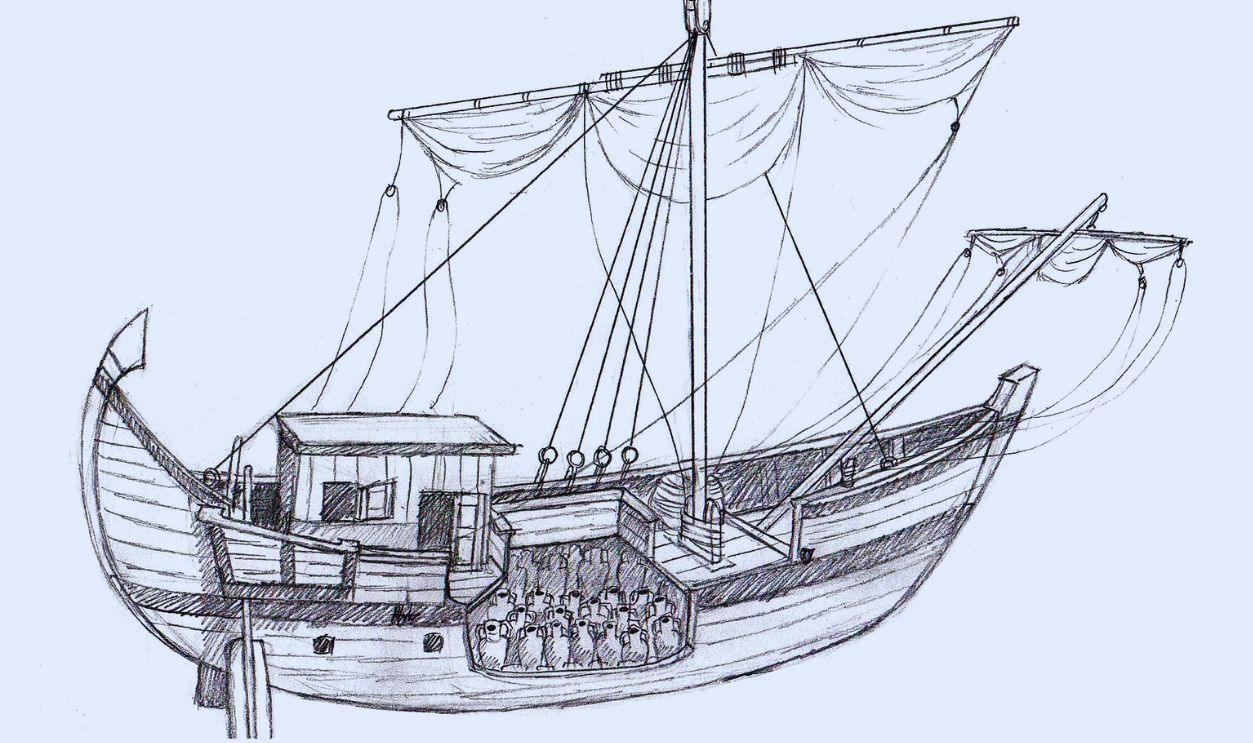
Archaeologists documented a merchant ship roughly 12 metres long and five metres across. Significant sections survived from bow to stern, in places reaching about 1.5 metres in height. That degree of preservation gives researchers an unusually detailed opportunity to examine Late Roman shipbuilding techniques.
 Matthew Jose Fisher, Wikimedia Commons, Modified
The Cargo Hold Was Still Packed
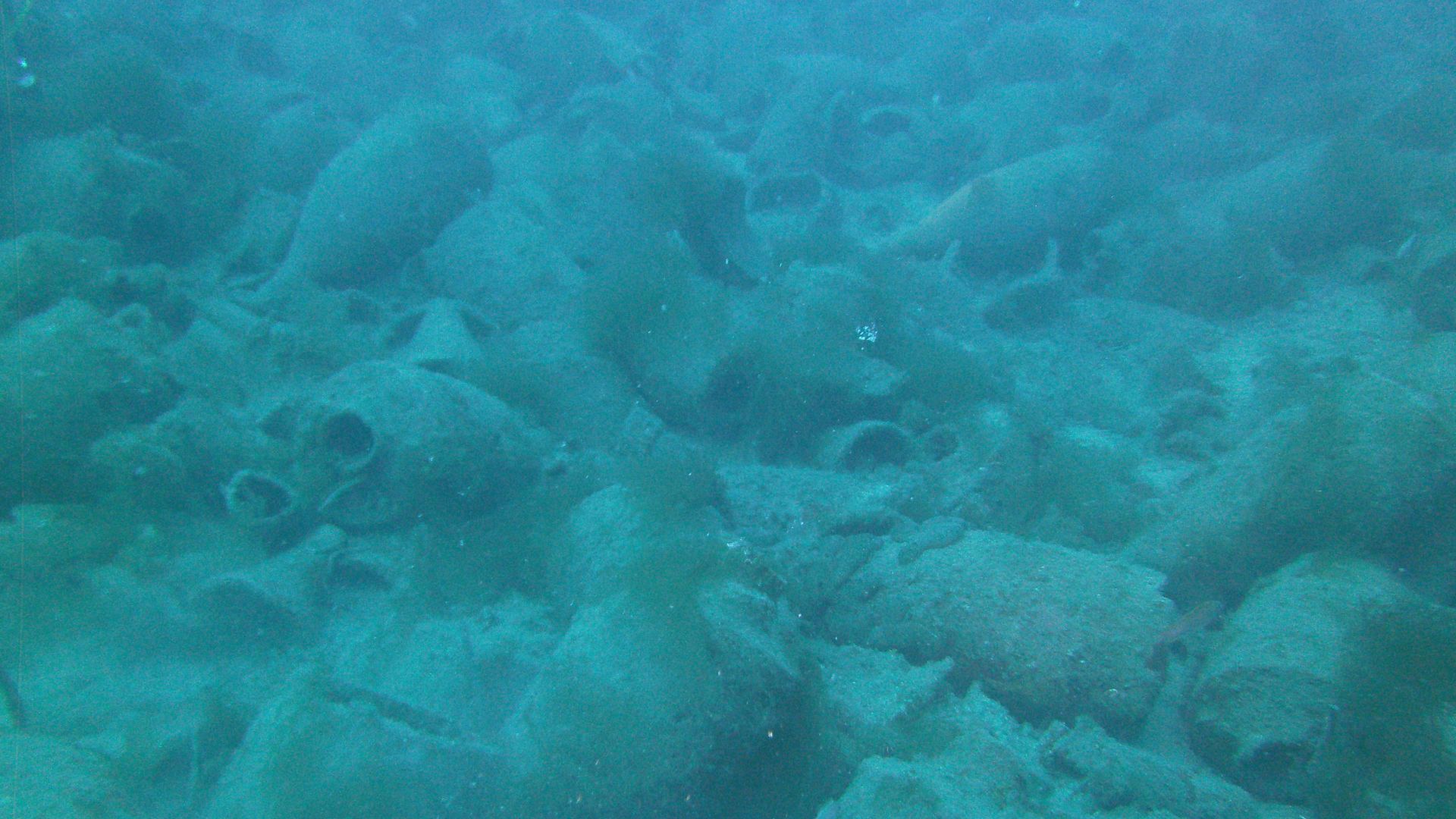
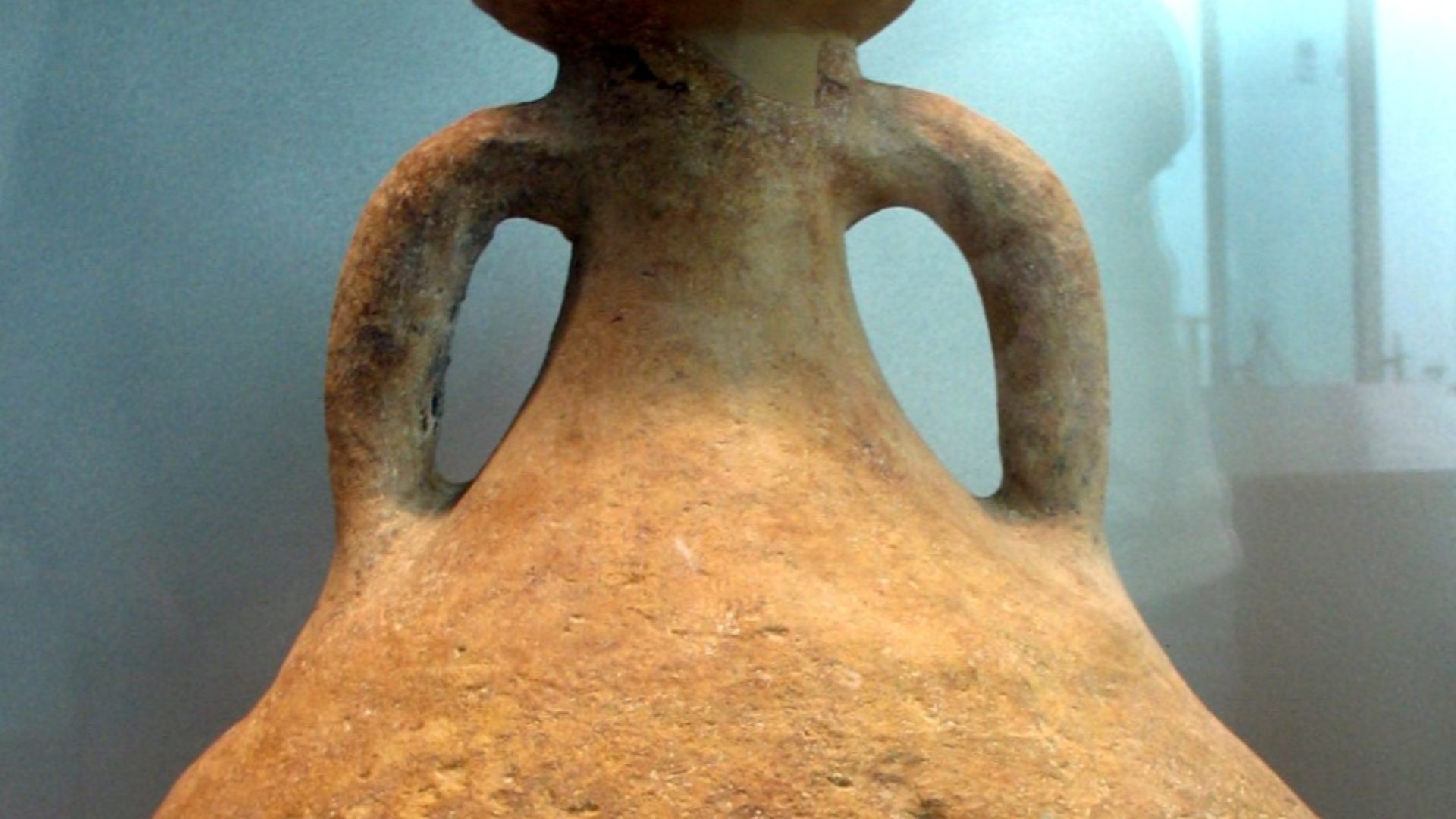
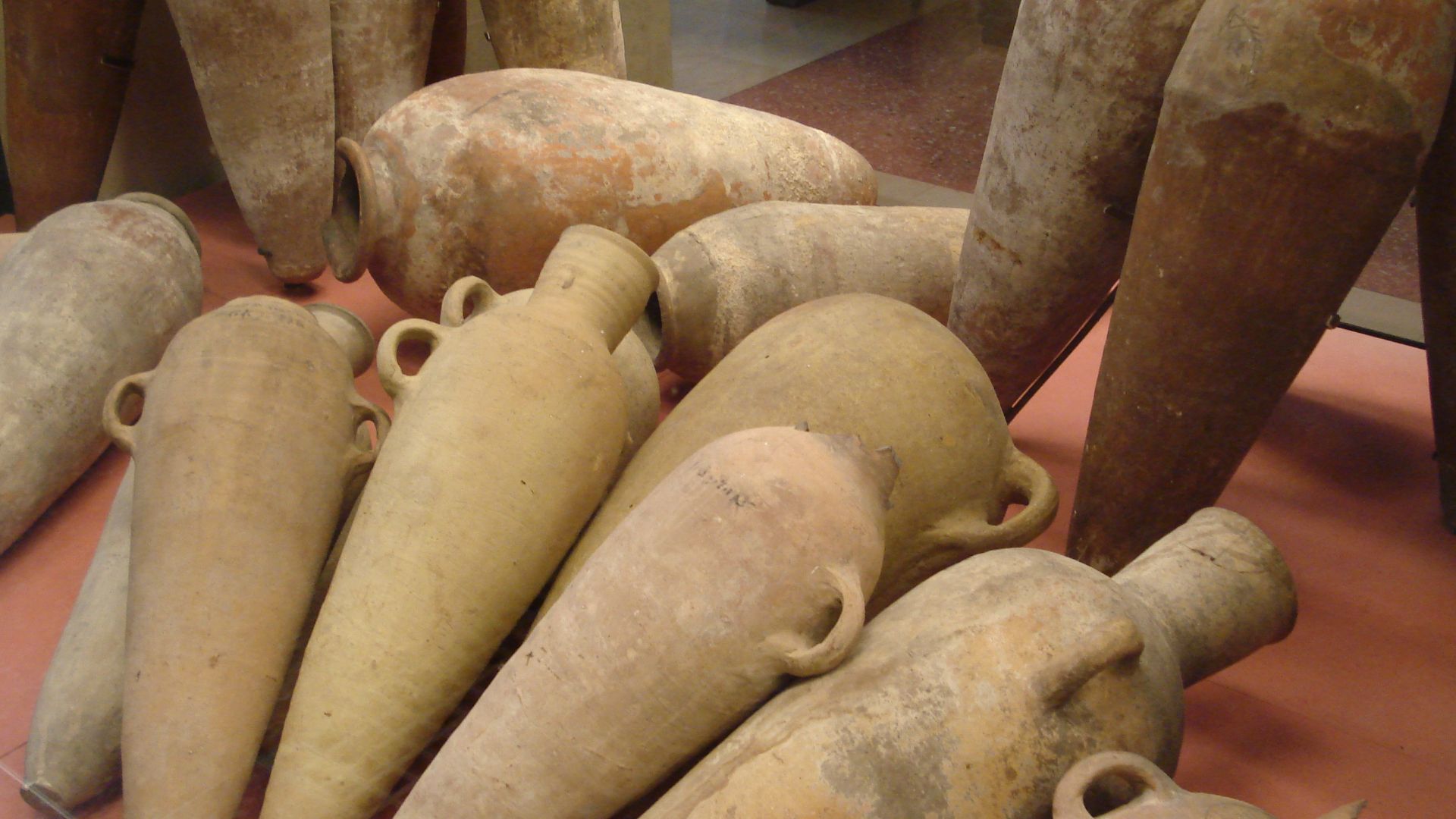
Inside were layers of amphorae, the sturdy ceramic containers that served as the shipping crates of the Roman Mediterranean. Researchers documented two tiers packed inside the vessel. Hundreds of vessels had remained together exactly where sailors had stowed them shortly before disaster struck.
Nearly 300 Amphorae Emerged
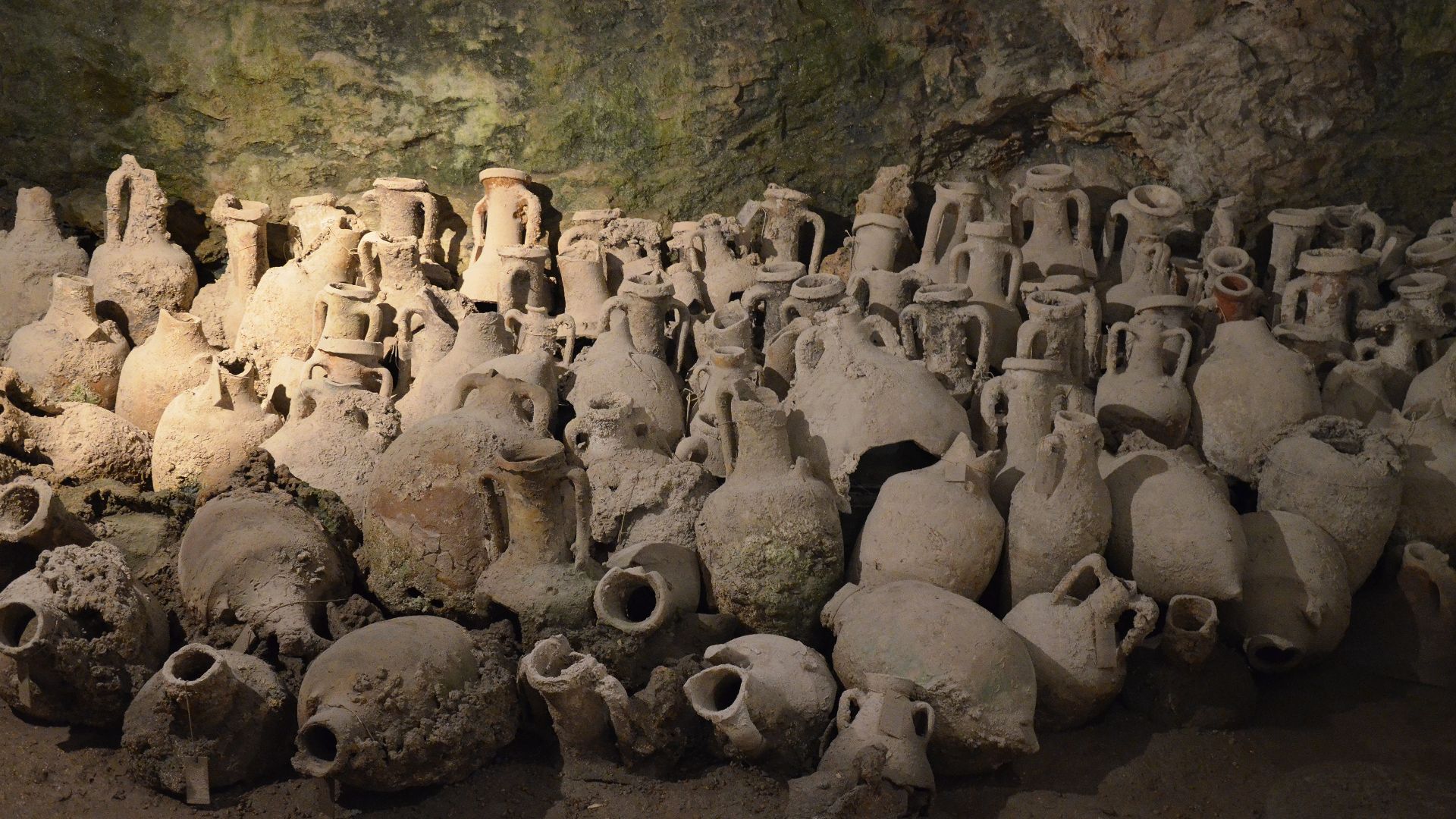
Early recovery work brought up roughly 300 amphorae and other artifacts. Many were astonishingly complete, and some remained sealed. Rather than finding empty jars whose contents had to be guessed from shape alone, archaeologists had a genuine Roman cargo shipment waiting to be scientifically examined.
 Carole Raddato from FRANKFURT, Germany, Wikimedia Commons
Roman Labels Survived Too
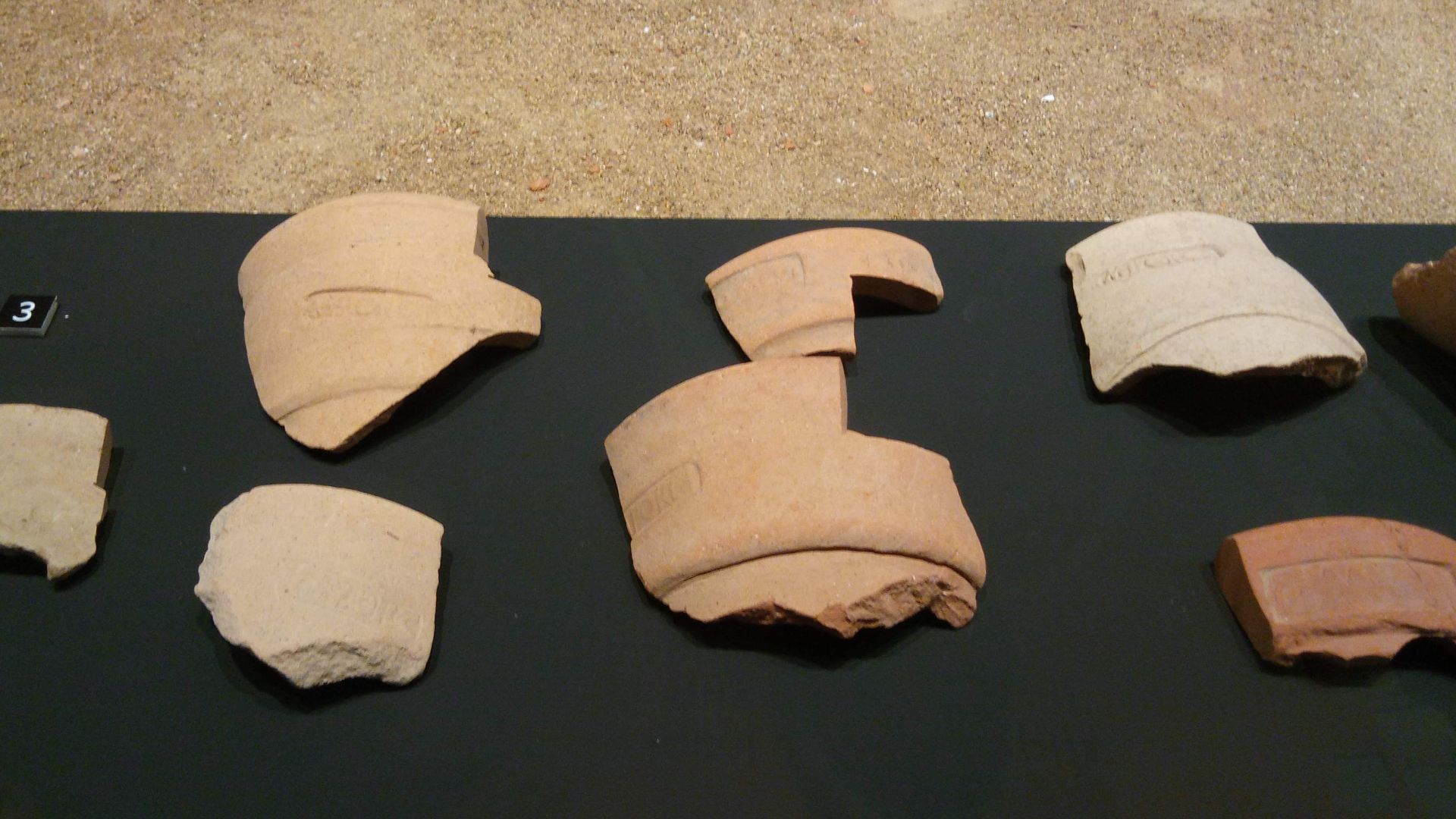
Several amphorae retained painted inscriptions known as tituli picti. These markings could record information about contents, merchants, quantities, or other commercial details. For archaeologists trying to understand the nuts and bolts of Roman trade, they are the ancient equivalent of shipping labels surviving with the package.
Fish Sauce Was On The Menu
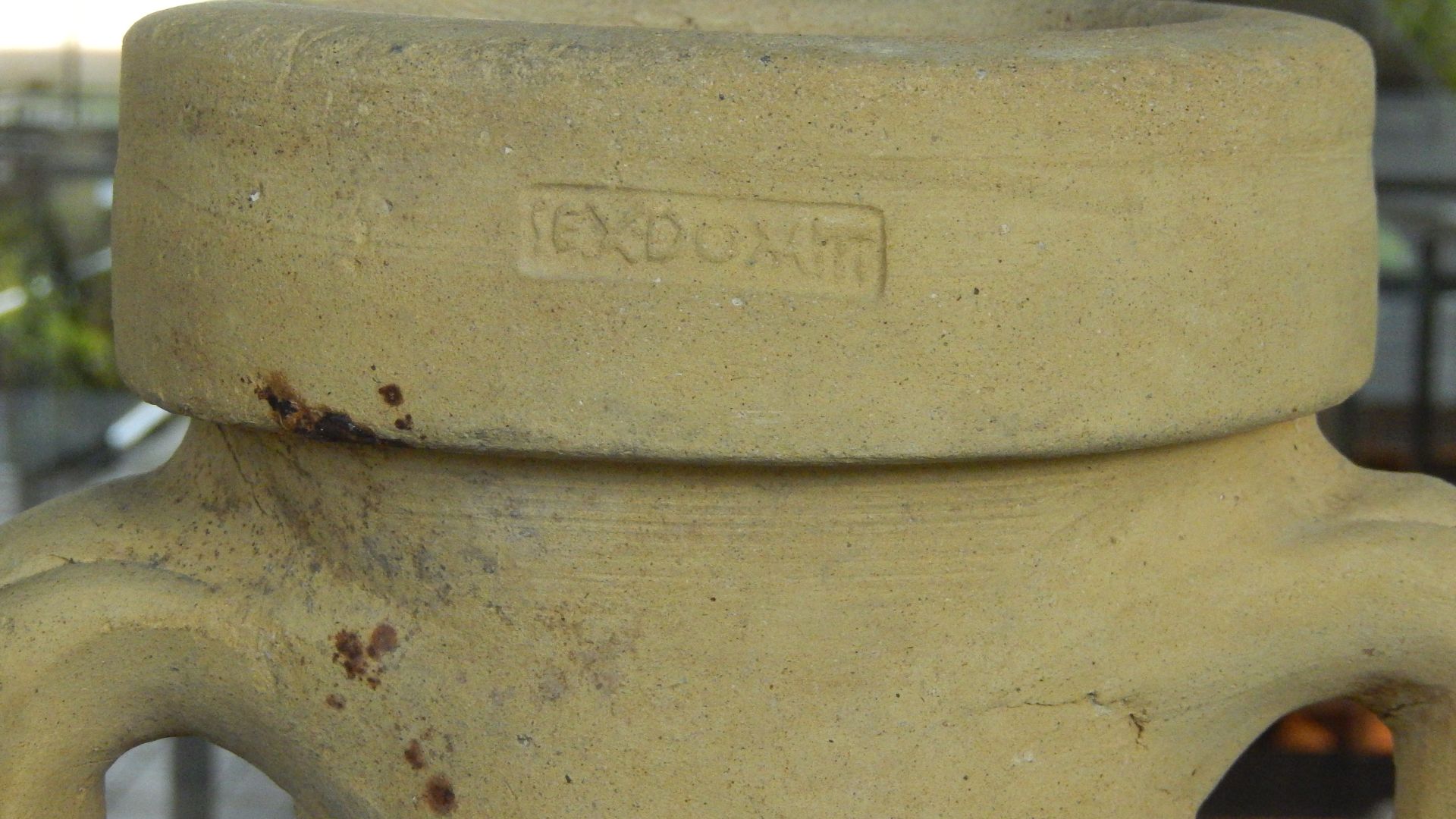
Among the cargo was fish sauce, including a product identified through inscriptions as liquamen. Romans were famously fond of fermented fish sauces, which travelled widely through imperial trade networks. Ses Fontanelles provides physical evidence that those flavors were being shipped around the western Mediterranean during Late Antiquity.
 Ian Alexander, Wikimedia Commons
Olive Oil Travelled With It
Oil was another important part of the cargo. Later research identified amphorae connected with oleum dulce and oleum viride. Chemical and archaeological analysis has strengthened the picture of Ses Fontanelles as a working commercial ship carrying several everyday Mediterranean products rather than one spectacular luxury cargo.
There Was Wine As Well
Researchers have also detected evidence for wine and possibly olives preserved using grape products. Taken together, the cargo sounds remarkably like a Roman pantry afloat: fish sauce, olive oil, wine, olives, and perhaps additional perishable goods that disappeared long before archaeologists arrived.
 Vania Teofilo, Wikimedia Commons
Someone Packed It Carefully
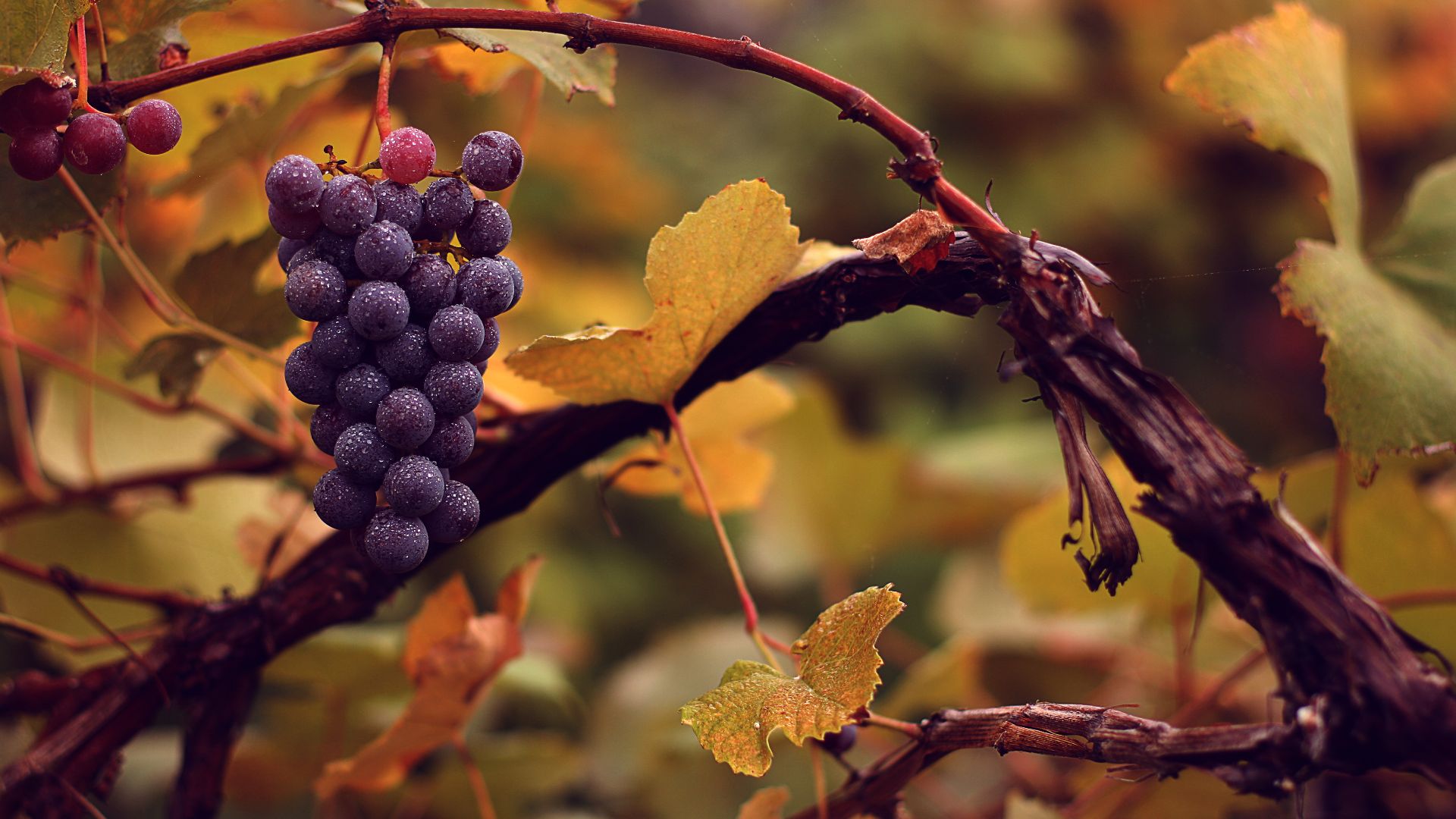
The sailors did not simply drop hundreds of pottery jars into the hold and hope for calm seas. Archaeologists found vine shoots and other plants packed between amphorae as cushioning. This ancient dunnage helped prevent the ceramic containers from smashing into one another during the voyage.
 Graftedvines, Wikimedia Commons
The Vines Left A Signature
Scientific analysis identified much of that packing material as branches of Vitis vinifera, the grapevine. Researchers also found reeds and other vegetation. It is a wonderfully practical detail: Roman sailors were solving the same problem faced by modern shippers, keeping fragile cargo from moving around in transit.
 eflon (Alex from Ithaca, NY), Wikimedia Commons
The Ship Probably Came From Cartagena
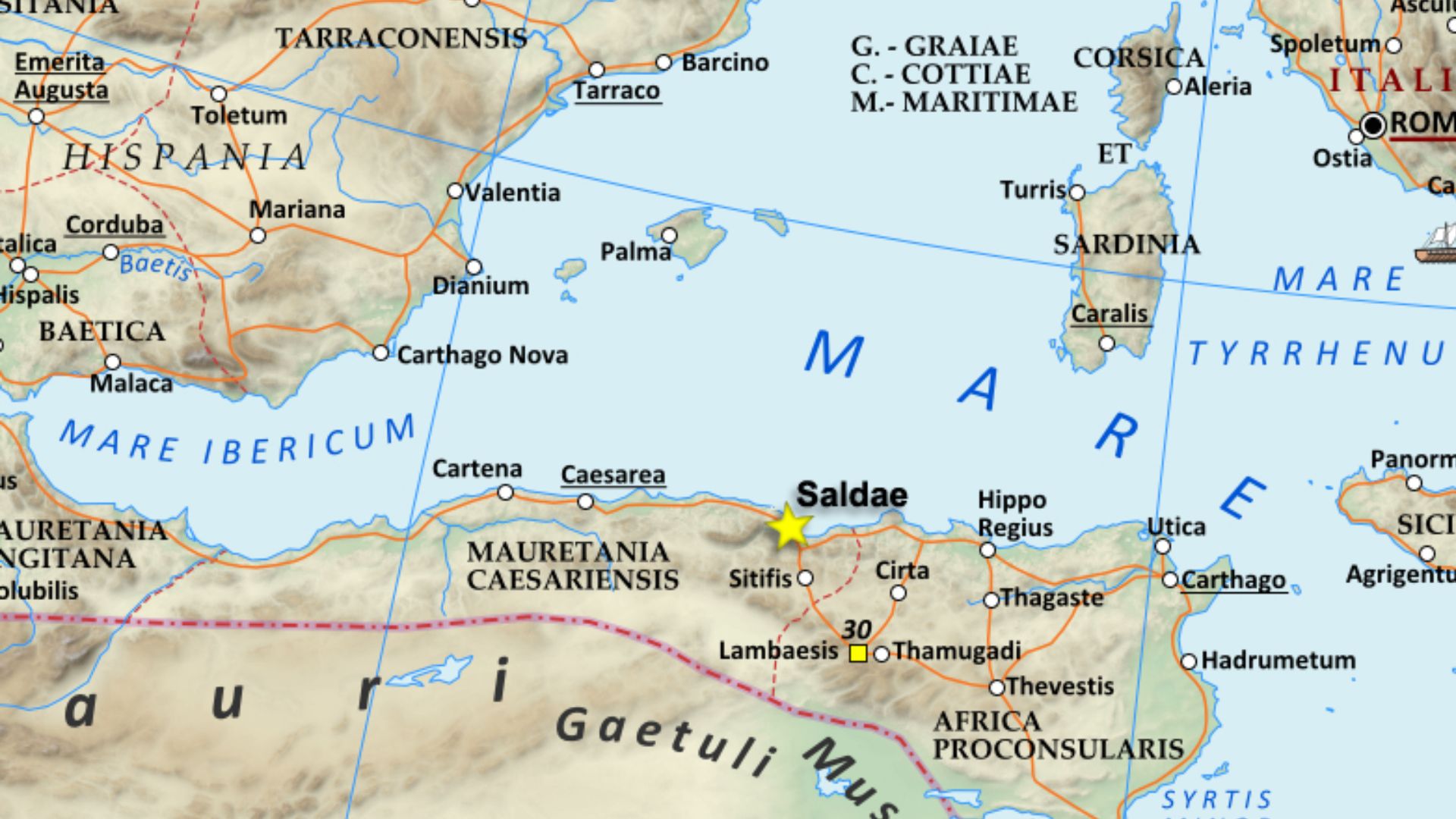
Early reports considered broader possibilities for the vessel’s route, but later petrographic and residue studies produced stronger evidence that the ship had likely sailed from the region around Cartagena in southeastern Iberia. Its precise intended destination, however, remains uncertain.
Mallorca Was A Maritime Crossroads
The ship’s presence near Palma reminds us that the Balearic Islands sat amid busy Mediterranean sea lanes. Mallorca could offer sailors shelter, provisions, and access to regional markets. Researchers suggest Ses Fontanelles may have been stopping near Palma when its final voyage abruptly ended.
Nobody Knows Exactly Why It Sank
There is no surviving captain’s log explaining the accident. Scholars have suggested that the vessel may have grounded on a sandbank, whether accidentally or while seeking shelter. Whatever happened, the crew could not save their ship, leaving its valuable cargo to disappear beneath the sand.
The Crew Left Personal Things Behind
The wreck was not merely a floating warehouse. Archaeologists also recovered objects connected with daily life aboard ship, including footwear, cooking equipment, and an oil lamp. These humble items transform anonymous commerce into something more human: real sailors lived, ate, worked, and slept aboard this vessel.
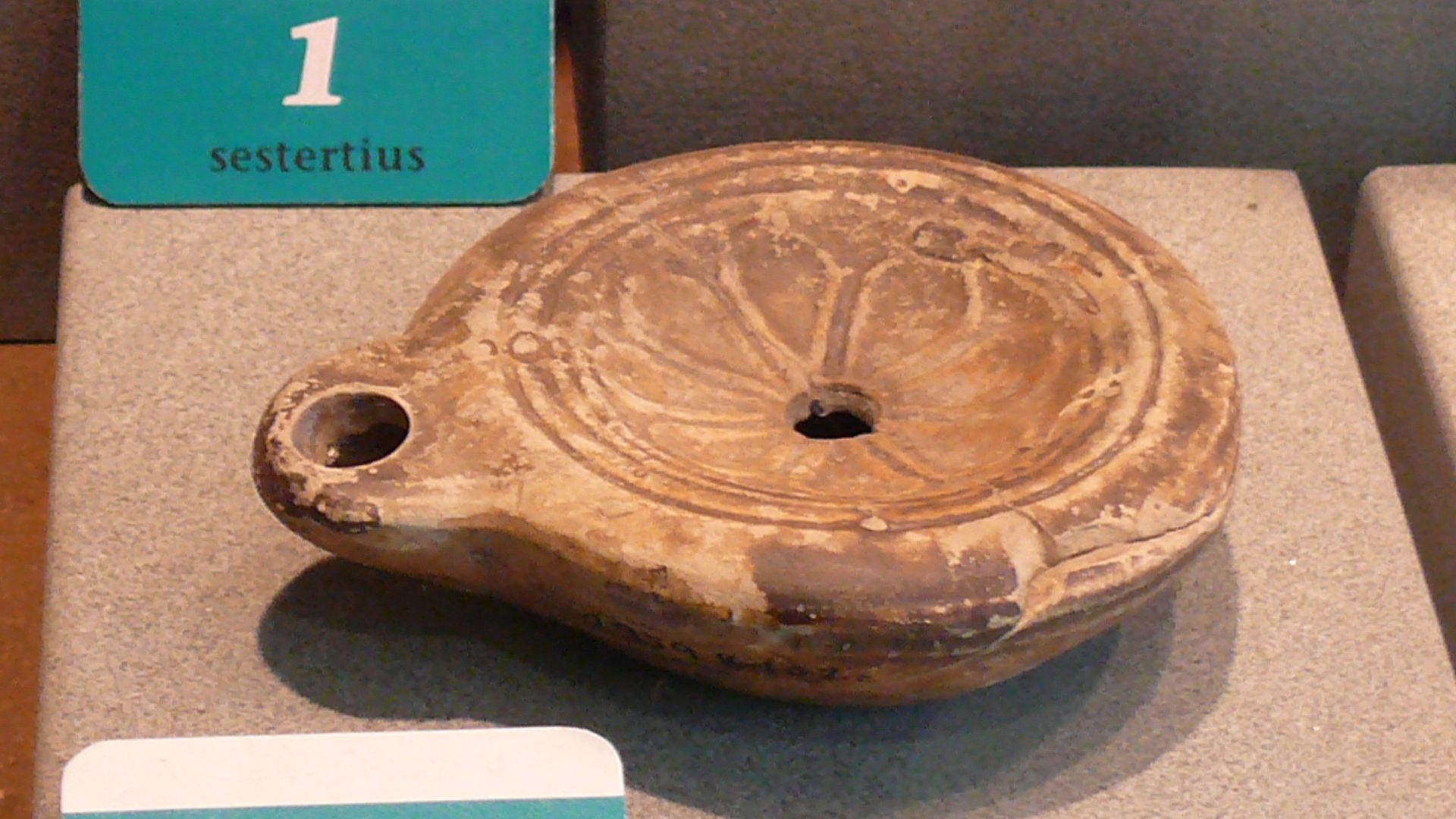
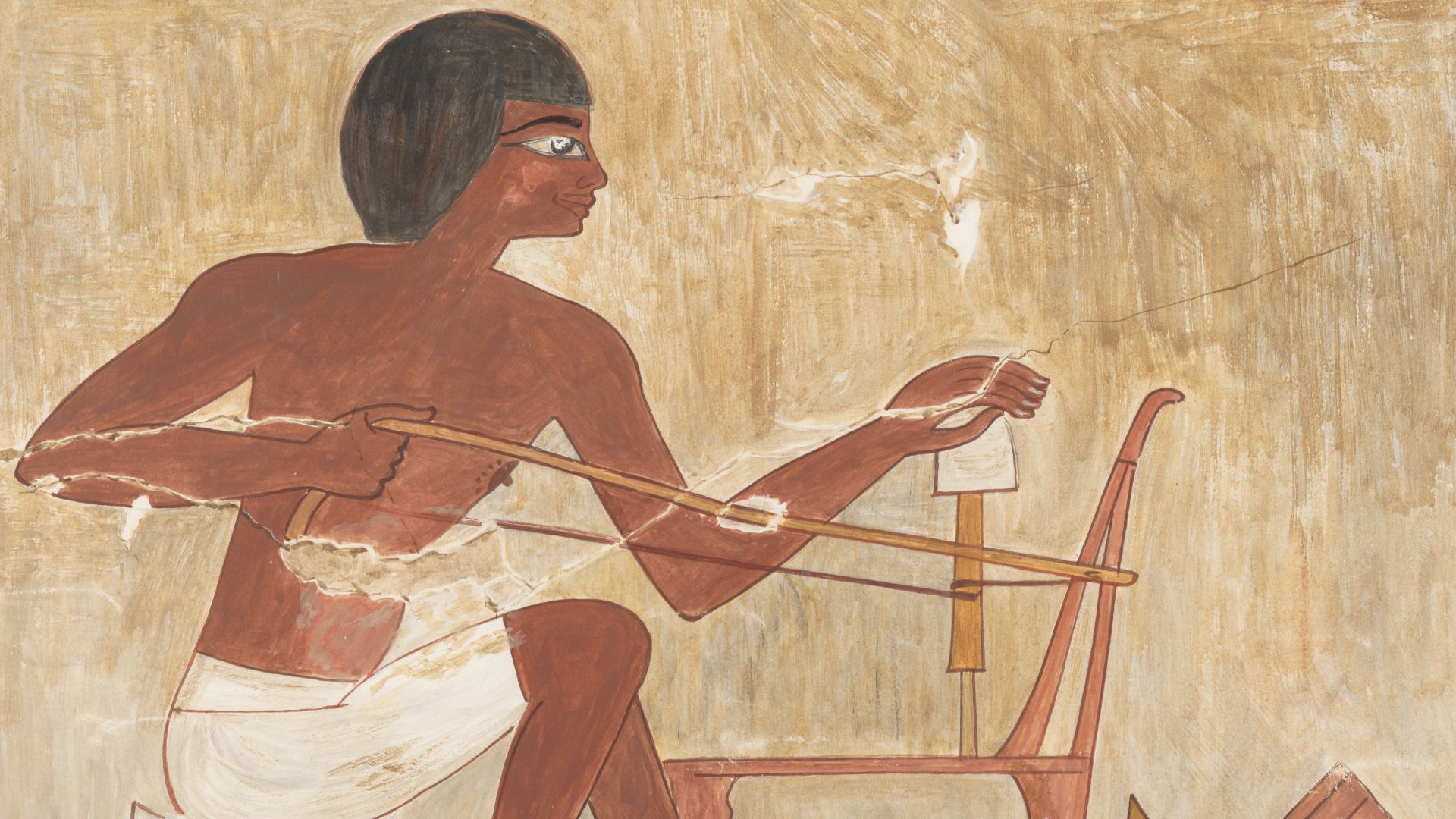
There Was Even A Carpenter’s Drill
One particularly unusual discovery was a Roman carpenter’s drill. When the Guardian reported on the excavation in 2022, it was described as only the fourth such Roman tool recovered in the region. Tools like this hint at the constant maintenance required to keep a wooden merchant vessel seaworthy.
 Nina M. Davies, Wikimedia Commons
The Timber Tells Its Own Story
Laboratory study found that Roman shipbuilders deliberately chose different woods for different jobs. Pine served important longitudinal elements, while harder woods such as olive, laurel, and members of the cypress family were selected for smaller components exposed to considerable mechanical stress.

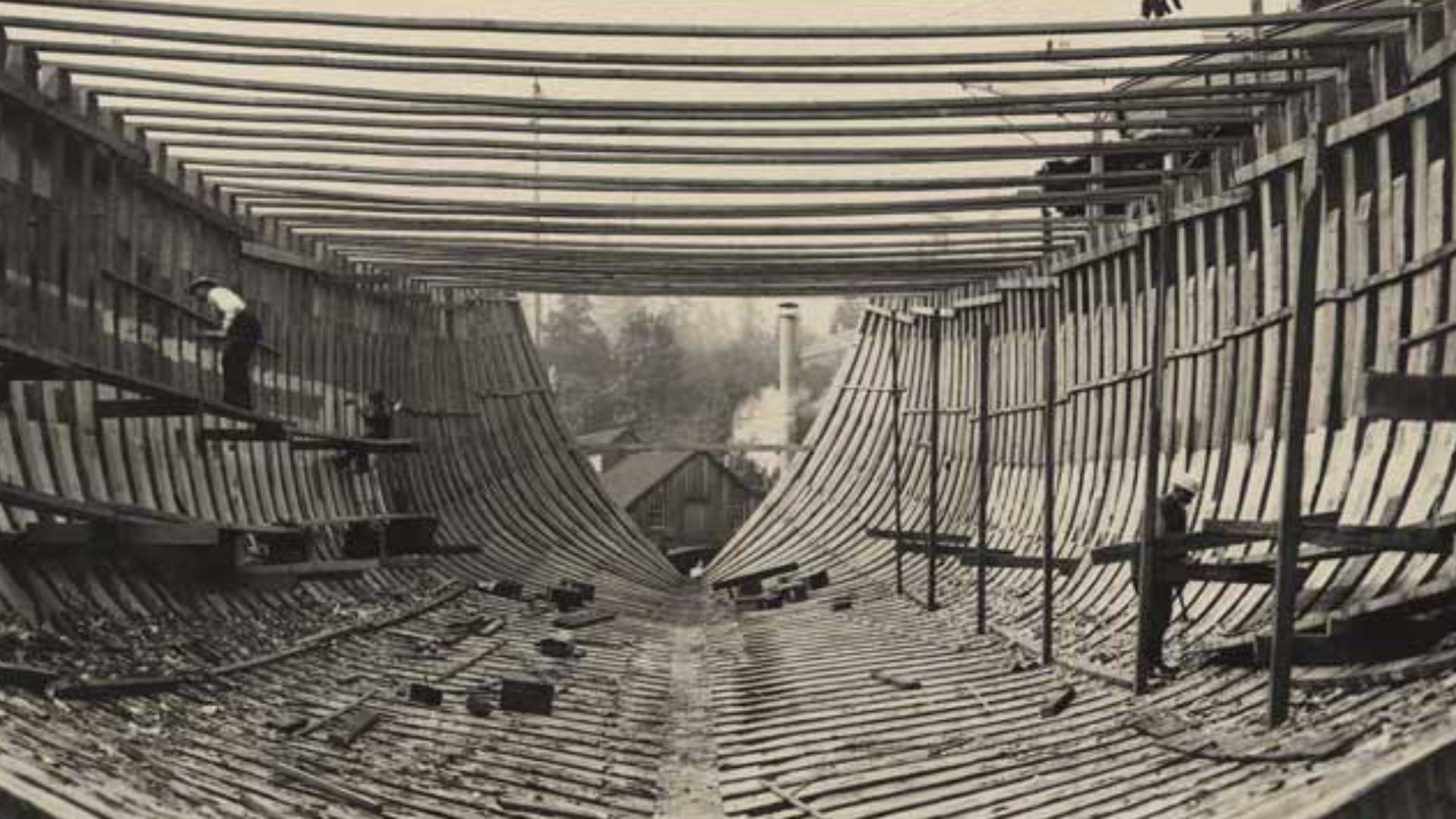
Its Construction Is Exceptionally Valuable
The hull preserves details of Late Roman naval architecture that archaeologists rarely encounter in such good condition. Researchers have even documented carpentry associated with the ship’s mainmast and structural features that can help specialists reconstruct how Roman merchant vessels were designed and operated.
 Curtis & Romans (Asahel Curtis & William P. Romans)., Wikimedia Commons
The Cargo Had Commercial Paperwork In Paint
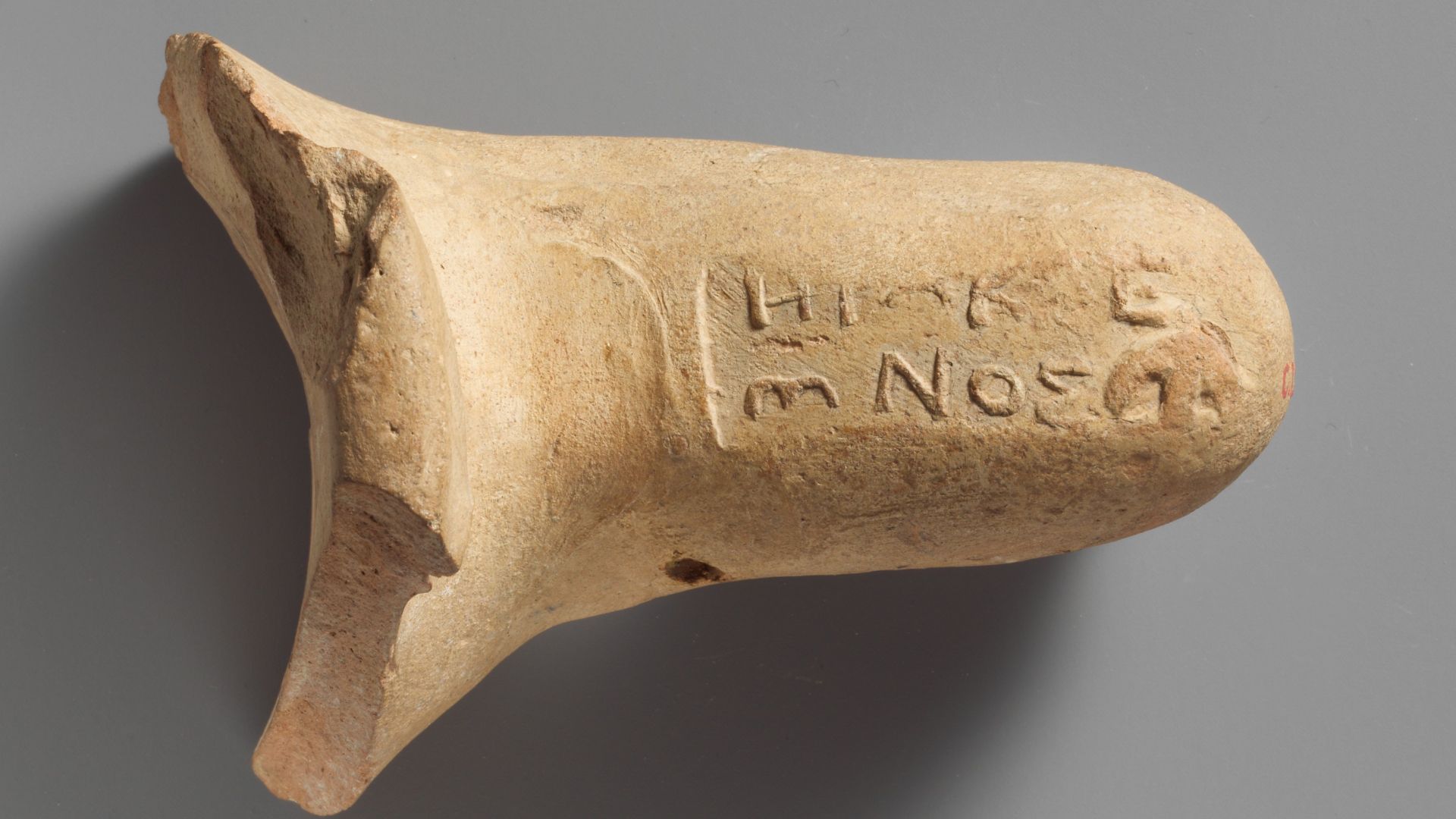
The amphora inscriptions have become one of the wreck’s most valuable features. Researchers have identified merchant names and markings connected with weights and contents. Such evidence helps reveal the bureaucracy behind Roman commerce, showing that moving oil or wine involved considerably more organization than simply loading jars aboard.
Christianity May Appear In The Cargo
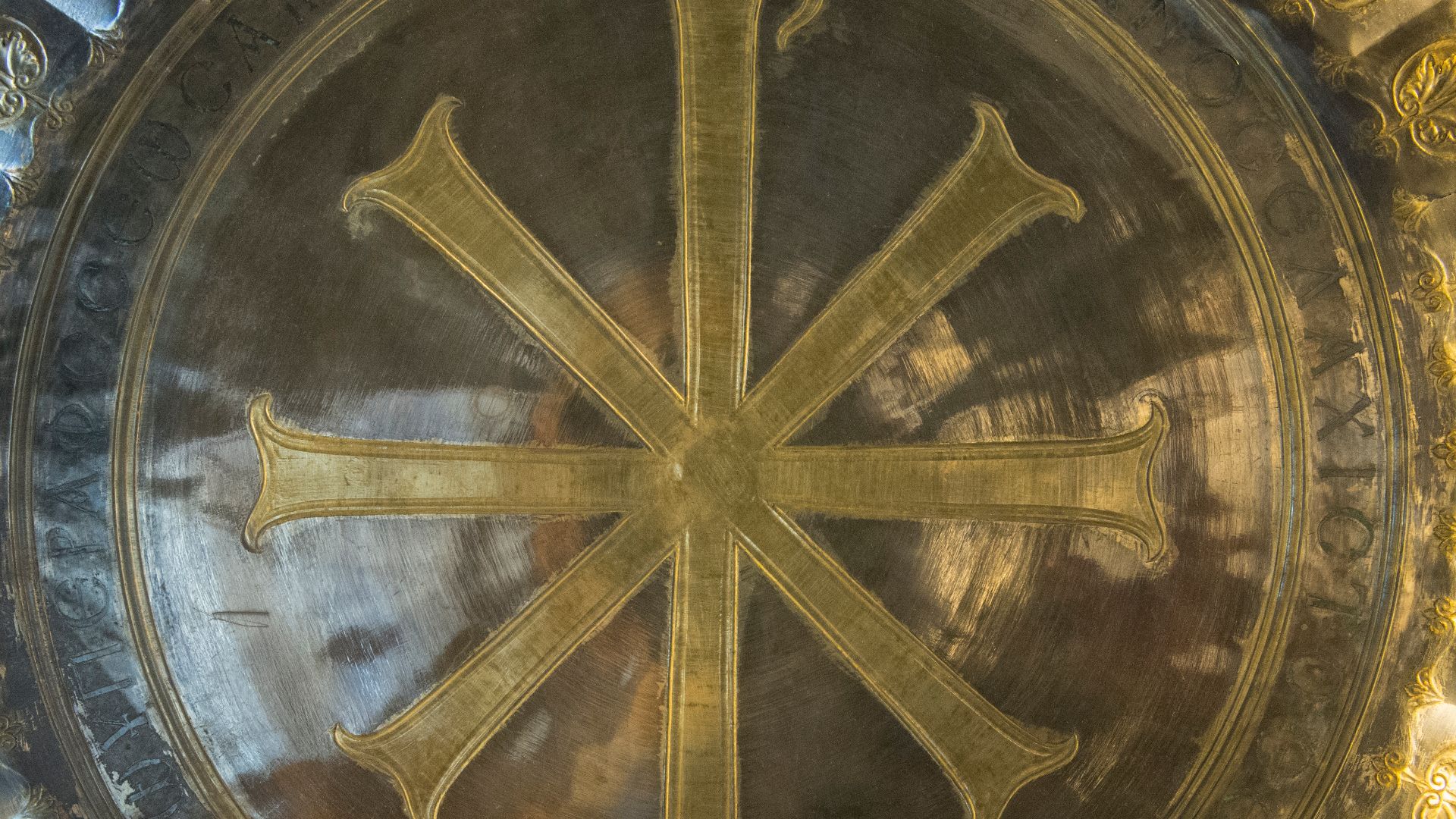
Some oil amphorae carried seals featuring a Christogram, or Chi-Rho symbol, alongside names associated with the gens Flavia. Researchers have explored whether part of the cargo could have connections with early Christian organizations or ecclesiastical networks, although the precise commercial relationships remain a subject of interpretation.
The Date Has Become Clearer
The wreck was initially discussed broadly as belonging to the third or fourth centuries AD. Further study of its cargo and inscriptions has helped researchers narrow the chronology, with recent scholarship placing the sinking in the fourth century and some epigraphic work around the century’s middle.
 National Marine Sanctuaries, Wikimedia Commons
It Reveals An Empire Still Trading
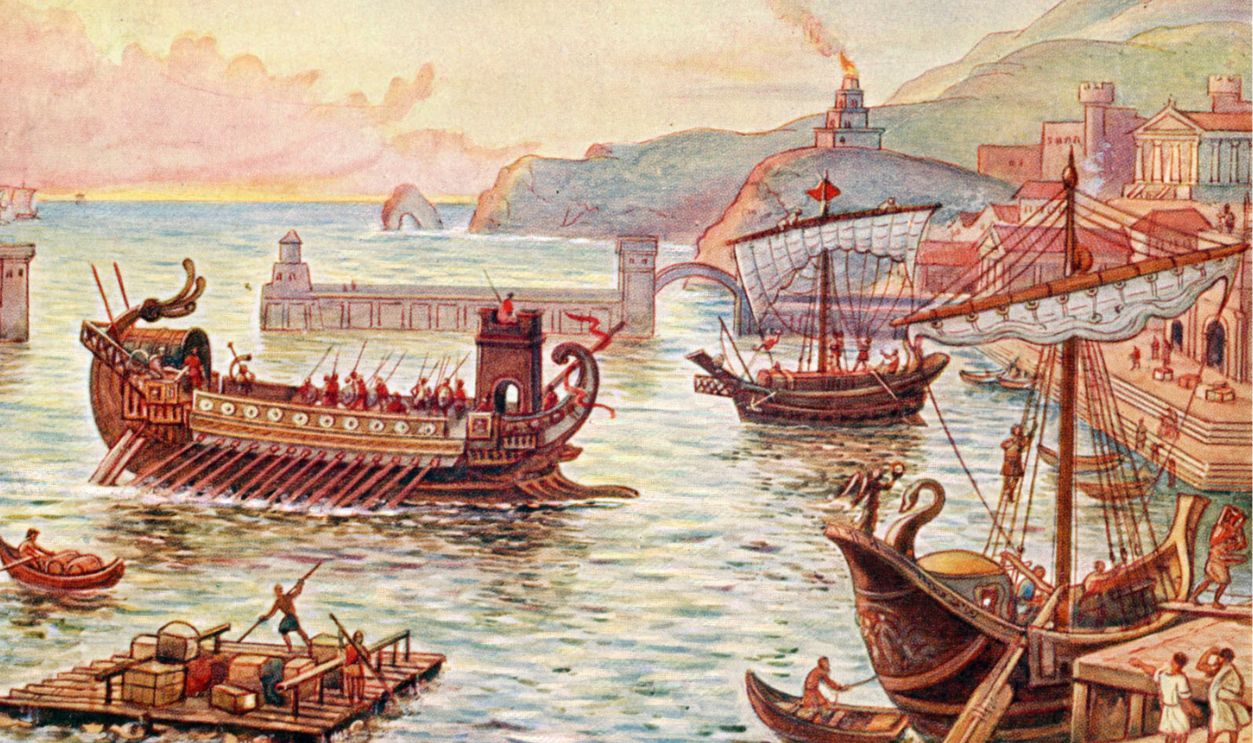
By this period, the Roman world was changing dramatically, but Ses Fontanelles shows that Mediterranean commerce remained active and sophisticated. Producers, merchants, shipowners, sailors, and customers were still linked by maritime routes capable of moving ordinary foods across considerable distances.
Archaeology Kept Moving Forward
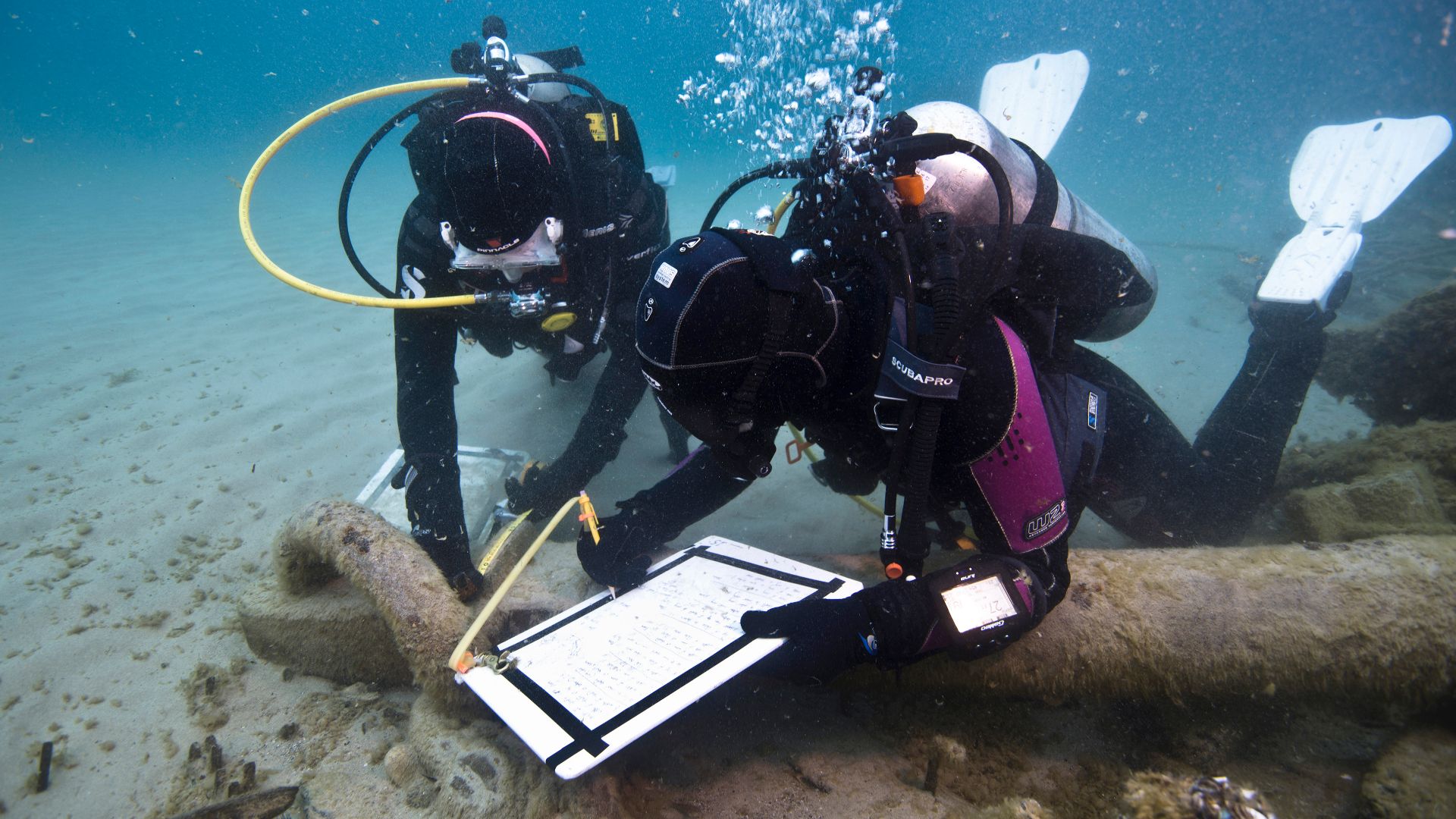
The story did not end with the first amphorae. Researchers from the Consell de Mallorca and universities including Barcelona, Cádiz, and the Balearic Islands continued studying the wreck through underwater archaeology, residue analysis, petrography, archaeozoology, botanical remains, and detailed examination of its timbers.
 Dwi sumaiyyah makmur, Wikimedia Commons
The Ship Is No Longer Beneath The Beach
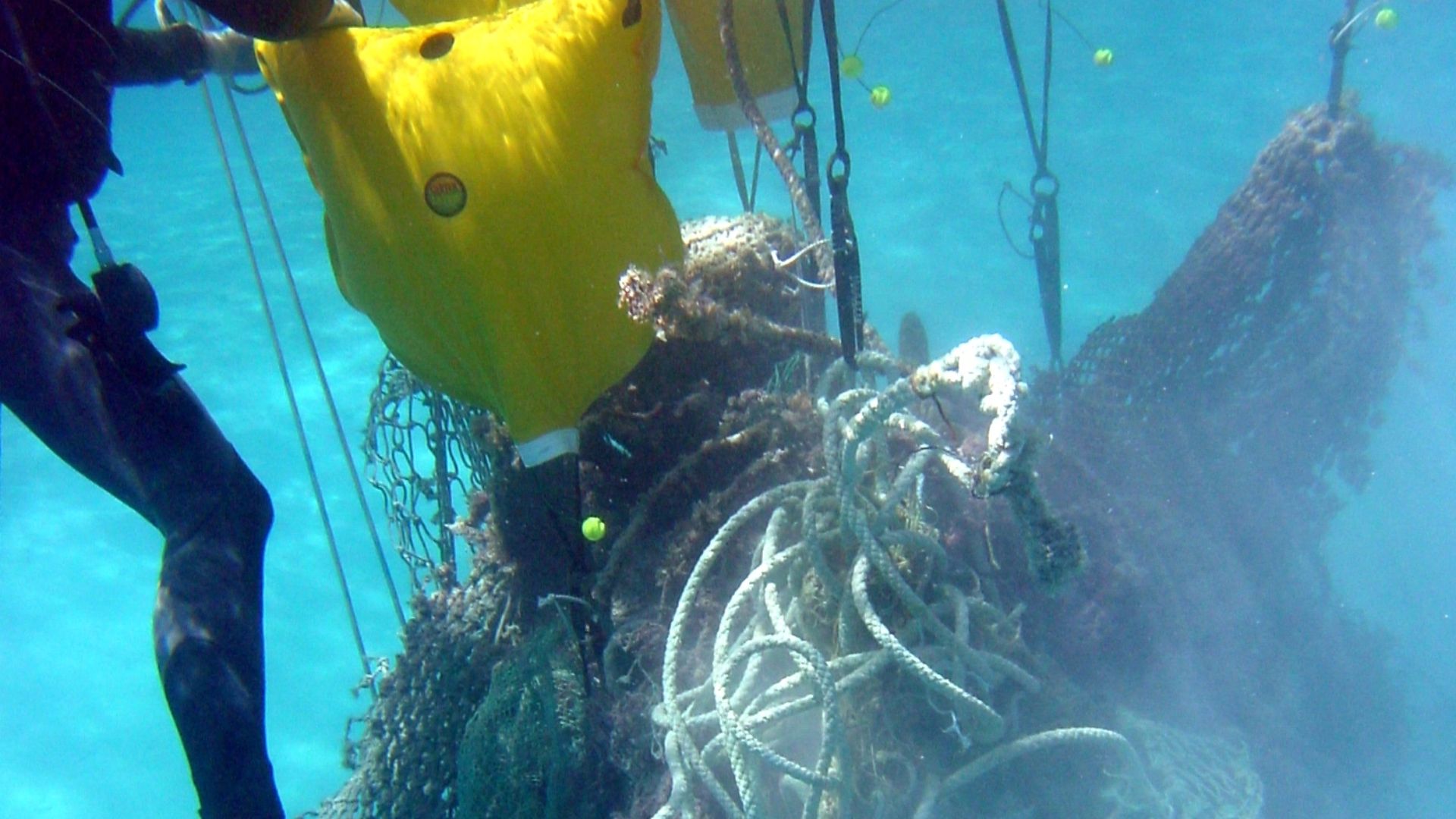
In March 2026, Mallorca began a major operation to remove the surviving ship structure from the seabed for preservation. By June, the Consell de Mallorca announced that the final section had been recovered after four months of work.
 Dr. Dwayne Meadows, NOAA/NMFS/OPR., Wikimedia Commons
A Roman Merchant Ship With Plenty Left To Say
Ses Fontanelles survived because of an extraordinary combination of disaster, sand, shallow water, and luck. Its amphorae, inscriptions, food residues, timbers, and sailors’ possessions have turned one unfortunate Roman voyage into a remarkable archive of Mediterranean life, giving archaeologists an unusually intimate look at commerce 1,700 years ago.
 W.Strickling, Wikimedia Commons
You May Also Like:
The Creepiest Unsolved Mysteries From America’s National Parks
Four Giant Footprints Were Found In North Dakota—And Scientists Think An Adult T. Rex Made Them