America’s Most Beautiful Places Have Dark Secrets
America’s national parks are built for road trips, bucket-list hikes, and views that make you pull over just to stare. But some of these destinations also hide genuinely baffling mysteries, from cases that have lingered for generations to questions researchers are still trying to answer today. Some have plausible theories but no proof, while others remain wide open. The deeper you dig into park history, the stranger it gets.
There Is More Here Than Missing Hikers
Not every national park mystery begins with someone vanishing into the wilderness. Archaeologists are still puzzling over ancient sites, scientists continue investigating unusual landscapes, and divers have found wrecks whose identities remain unknown. There are also unsolved deaths, submerged ruins, strange artifacts, and historical questions that refuse to disappear. Together, they make America’s parks feel a little more mysterious than the travel brochures suggest.
 Jason Textfiles Scott, CC BY 2.0, Wikimedia Commons
Dennis Martin Vanished During A Family Game
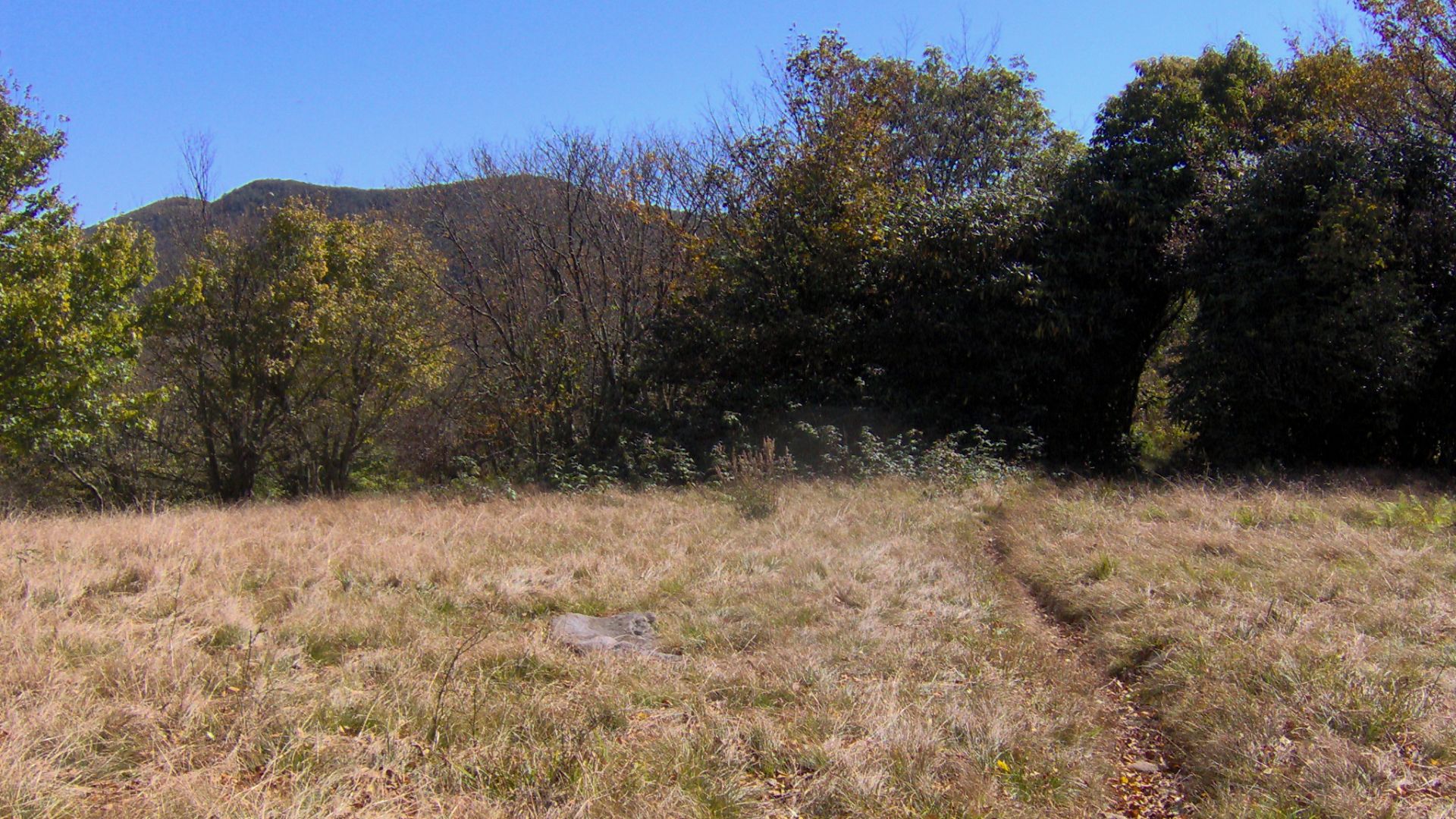
Seven-year-old Dennis Martin disappeared in Great Smoky Mountains National Park on June 14, 1969, while his family was gathered near Spence Field. The children had been playing when Dennis became separated from the group, triggering one of the largest searches the park had seen. No physical evidence ever conclusively revealed what happened to him.
 Brian Stansberry, Wikimedia Commons
Sun Temple’s Exact Purpose Is Still Debated
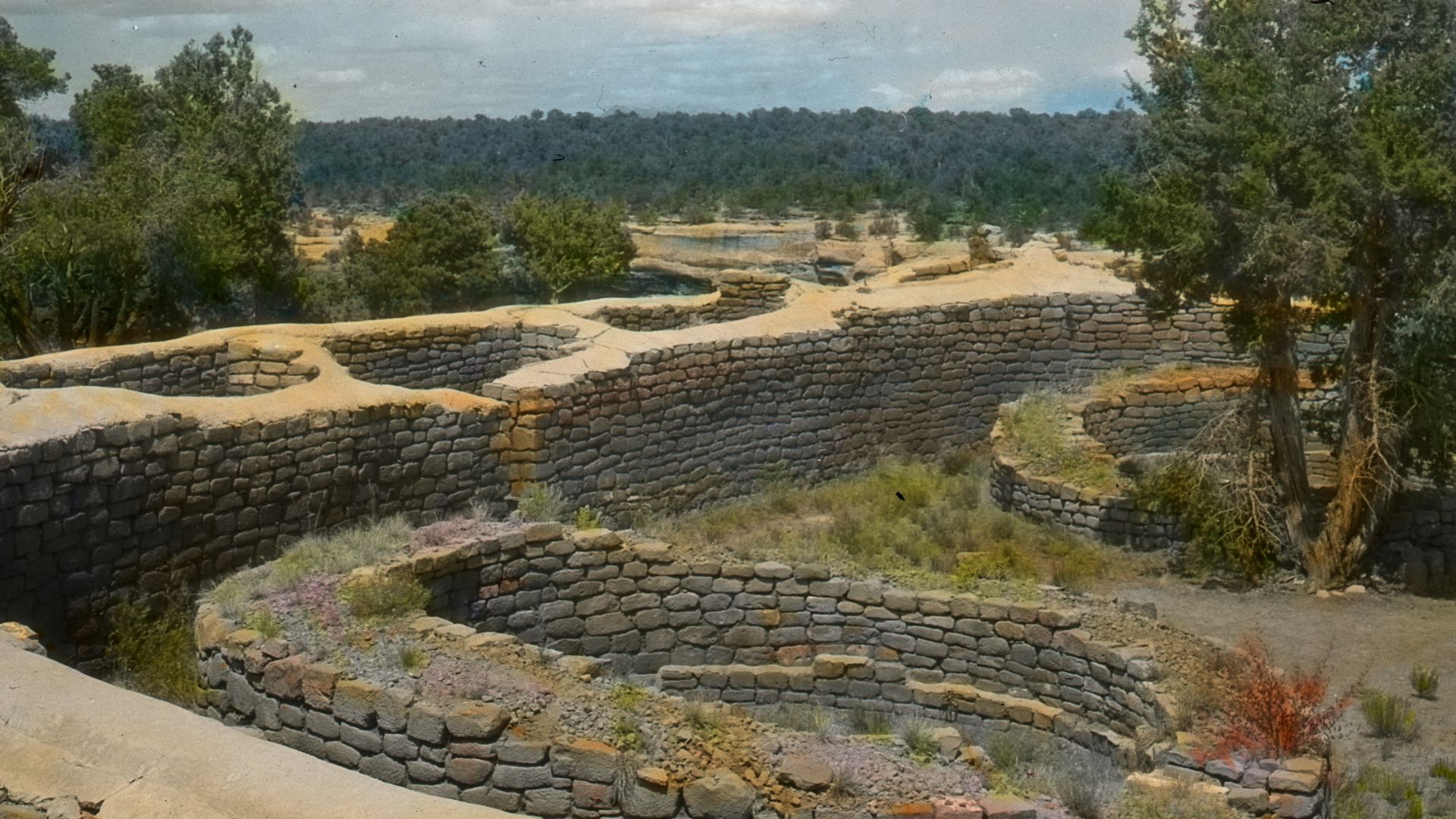
Across the canyon from Cliff Palace at Mesa Verde stands an unusual D-shaped complex known as Sun Temple. Archaeologists found neither household goods nor roof beams inside, and Pueblo perspectives identify the site as ceremonial. Researchers have also studied possible astronomical alignments and whether construction was ever completed, leaving visitors with plenty of unanswered questions.
 Department of the Interior. National Park Service. (3/2/1934), Wikimedia Commons
A Biscayne Shipwreck Still Has No Name
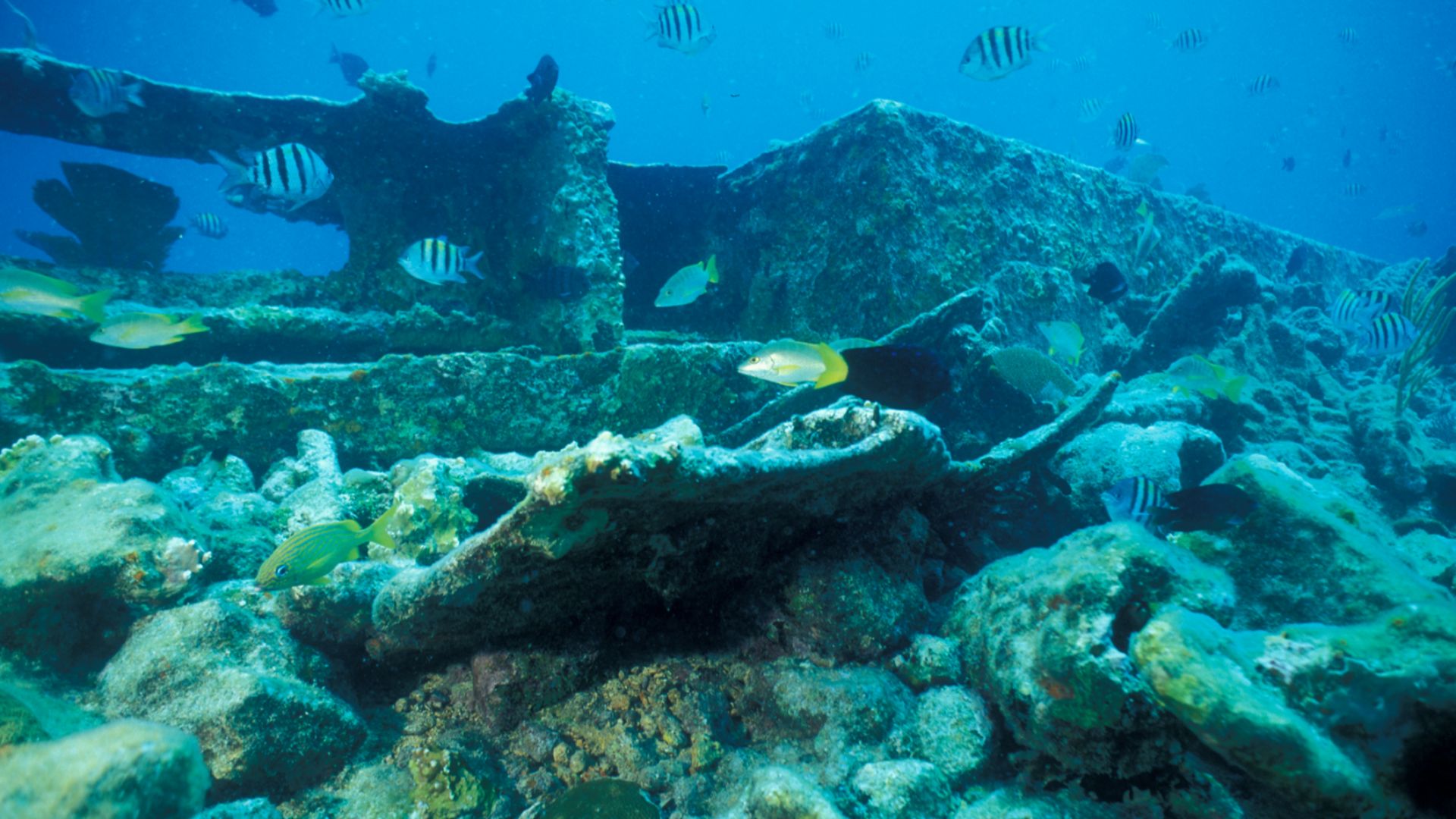
Beneath the waters of Biscayne National Park lies a wreck known simply as the English China Wreck. Archaeologists know it carried large quantities of British ceramics, and evidence suggests fire played a role in its sinking. Researchers have narrowed its history considerably, but the actual vessel has never been conclusively identified.
 National Park Service Digital Image Archives, Wikimedia Commons
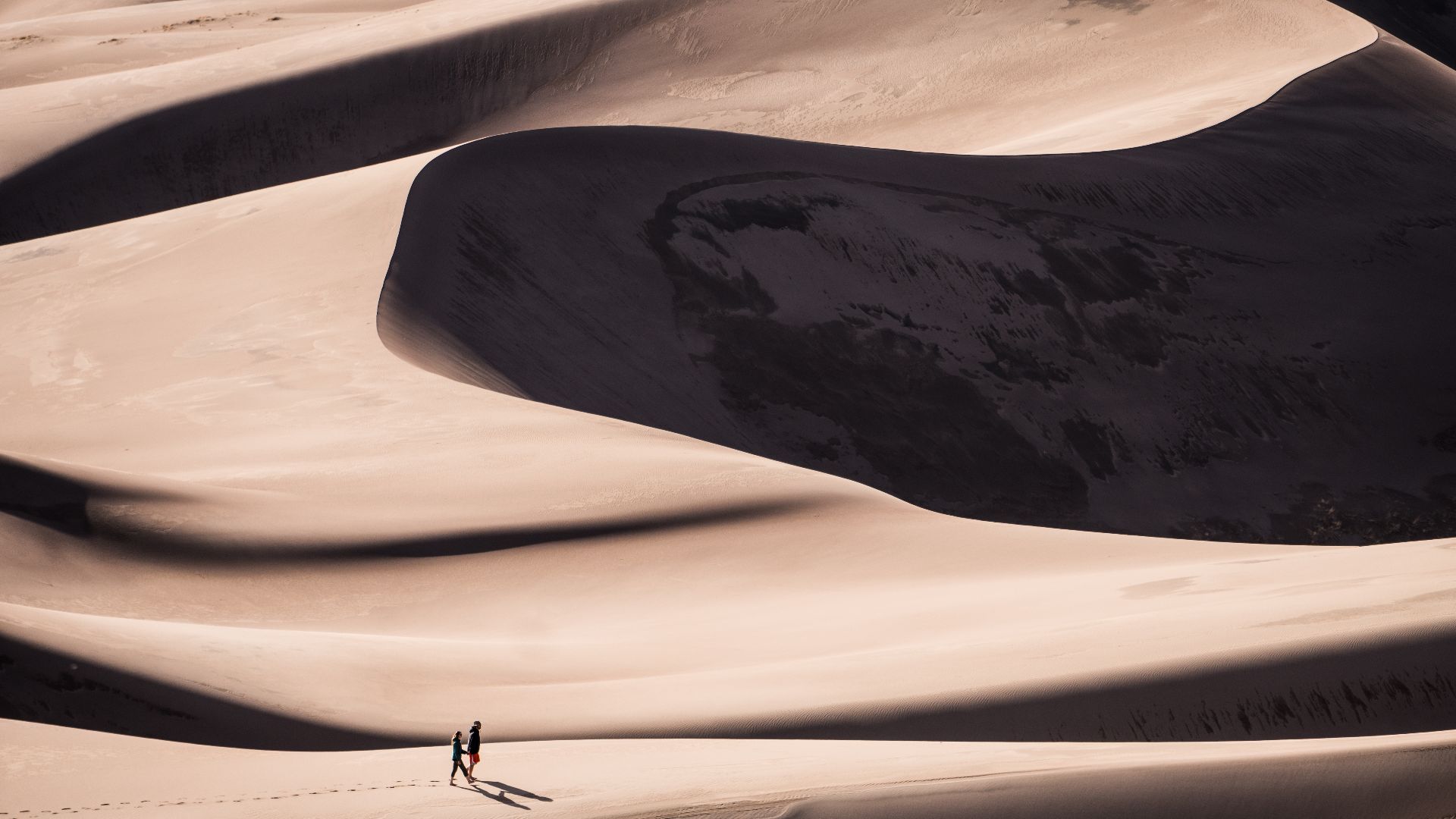
Nobody Knows Exactly How Old The Great Sand Dunes Are
Colorado’s Great Sand Dunes National Park has one of the most striking landscapes in the country, but its exact age remains surprisingly difficult to establish. Dating work has produced inconclusive results, while deeper sand deposits suggest dunes existed in the area far earlier than researchers once thought. The destination visitors see today is still shifting and changing with wind and water.
 Lionello DelPiccolo liodp, Wikimedia Commons
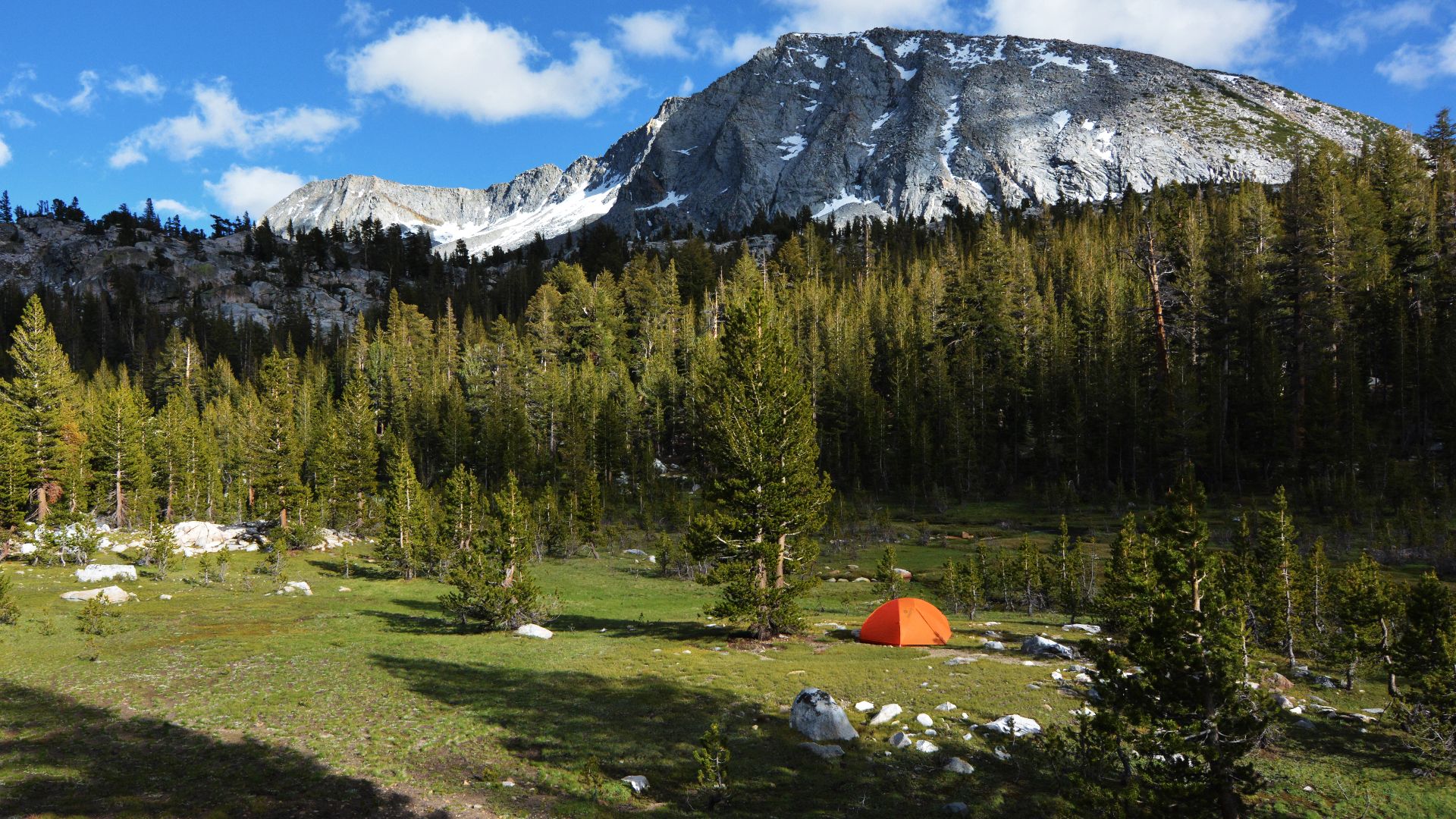
Stacey Arras Walked Away From Camp
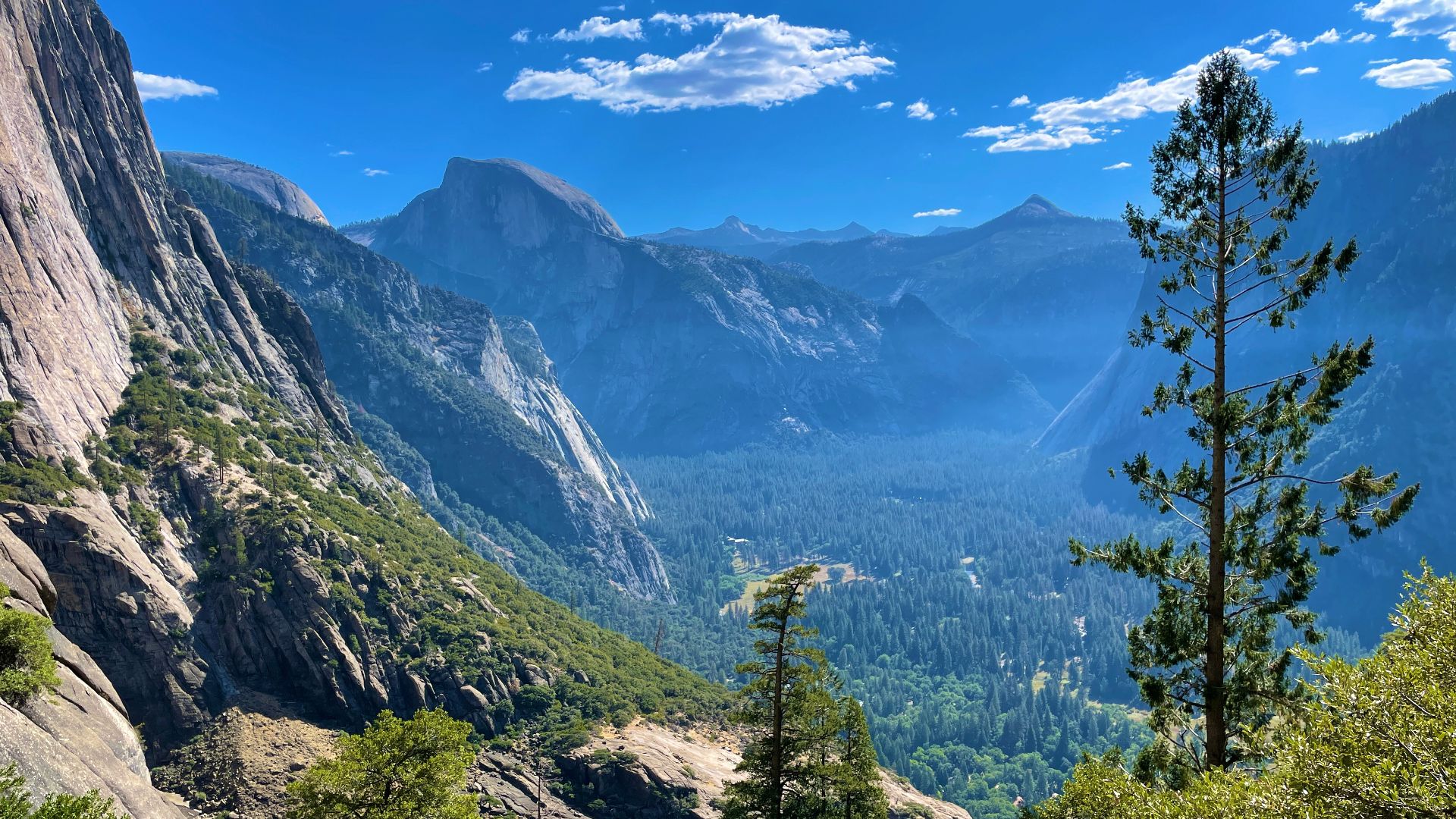
Fourteen-year-old Stacey Arras disappeared from Yosemite’s Sunrise High Sierra Camp in July 1981. She left for a short walk toward Sunrise Lakes, initially accompanied by an older member of her group who soon stopped to rest. Arras continued alone and was never seen again, leaving one of Yosemite’s longest-running missing-person mysteries.
 Paxson Woelber, Wikimedia Commons
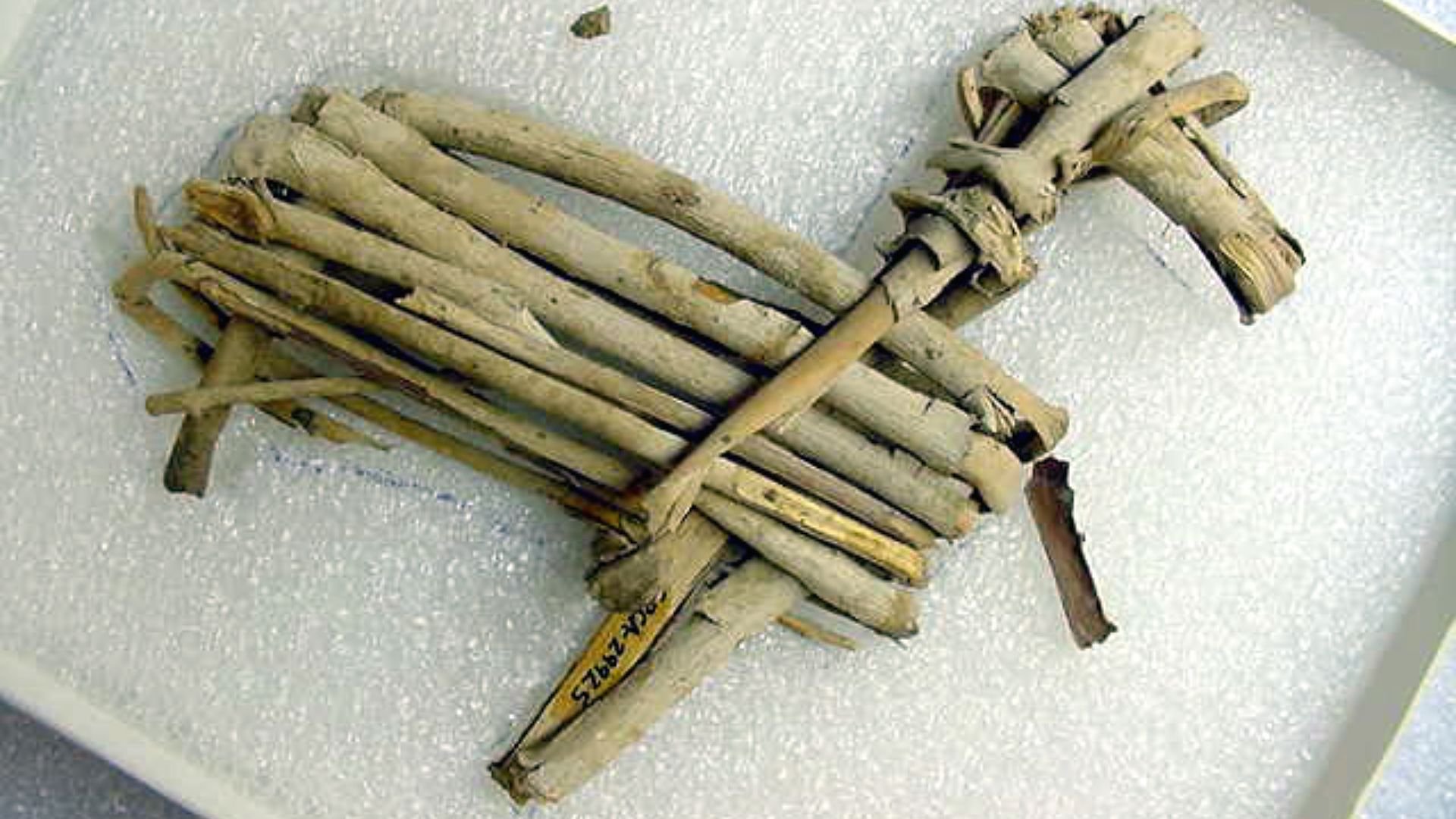
Tiny Animals Were Hidden Inside Grand Canyon Caves
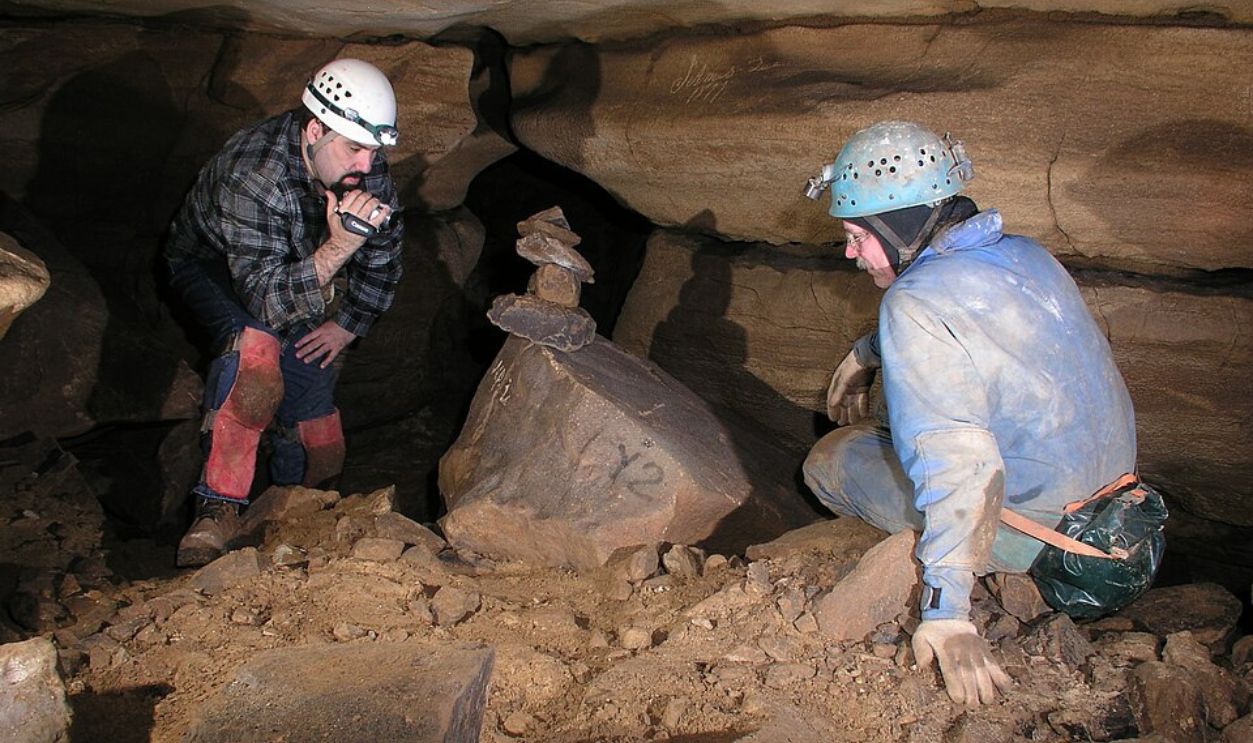
Thousands of years ago, people folded split willow twigs into miniature deer, bighorn sheep, and other animal forms. Many have been discovered in remote Grand Canyon caves, sometimes placed beneath rock cairns and occasionally pierced with sticks resembling spears. Researchers connect them with ancient hunting traditions, but their precise ritual or symbolic purpose remains uncertain.
 Grand Canyon National Park, Wikimedia Commons
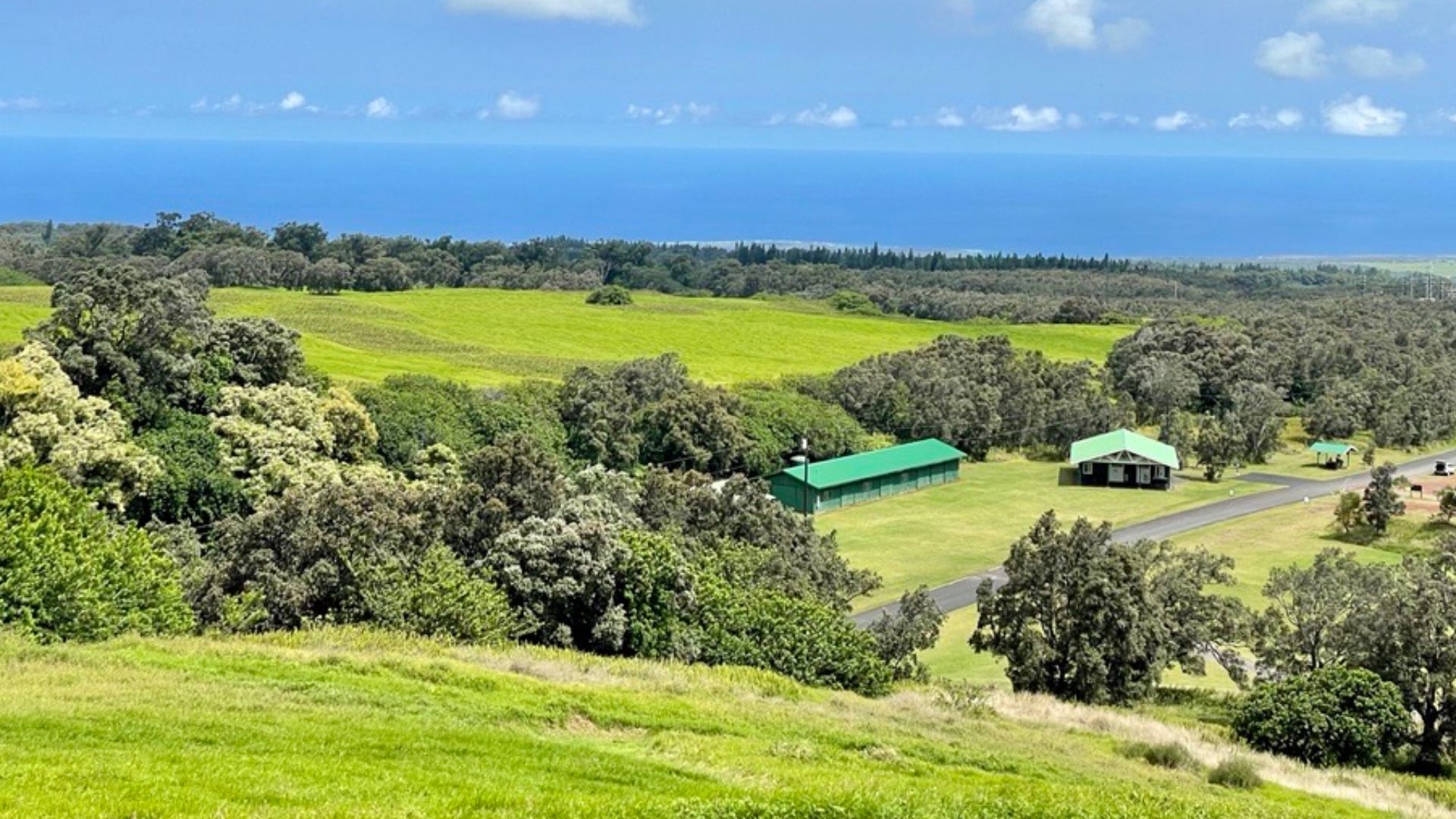
Who Killed Arman Johnson?
A visitor discovered 44-year-old Arman Johnson near Kahuku Ranch, close to the southern boundary of Hawaiʻi Volcanoes National Park, in April 2005. Investigators determined that Johnson had suffered a gunshot wound and believe he was killed where his body was found. The National Park Service still lists both his killer and the motive as unknown.
 B. Hayes, United States National Park Service, Wikimedia Commons
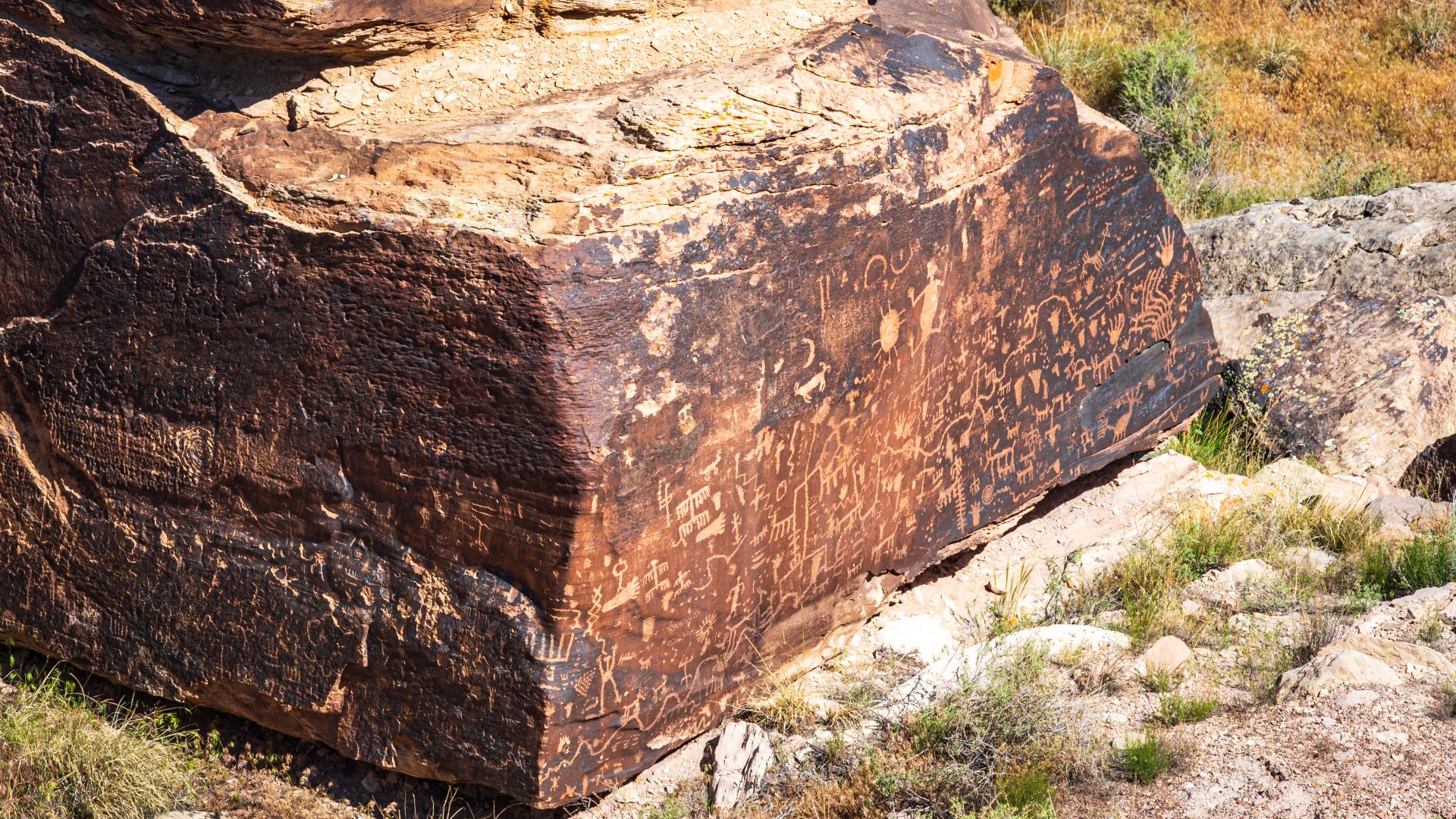
Petrified Forest’s Rock Messages Cannot Be Fully Read
Petrified Forest National Park contains thousands of petroglyphs created by people who lived in the region long before European settlement. Newspaper Rock alone contains more than 650 markings produced across many generations. Researchers can study possible connections with clans, ceremonies, migration, hunting, and astronomy, but individual symbols cannot simply be translated like written sentences.
 dconvertini, Wikimedia Commons
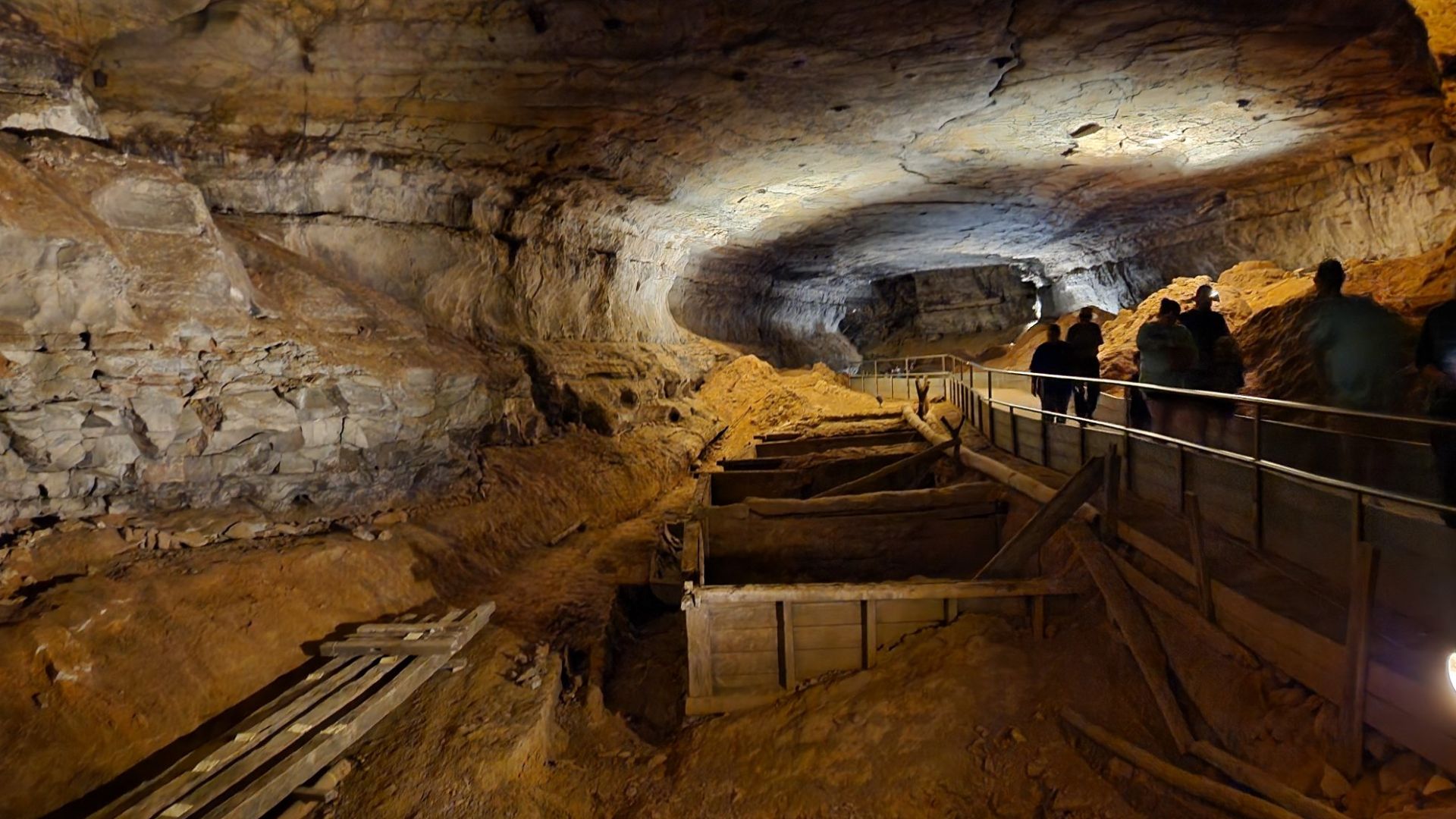
Nobody Knows How Long Mammoth Cave Really Is
Mammoth Cave is the world’s longest known cave system, but that title comes with an intriguing catch. Explorers continue mapping new passages, meaning its total length has never actually been established. Even after generations of exploration, one of America’s most famous underground destinations still has no known endpoint.
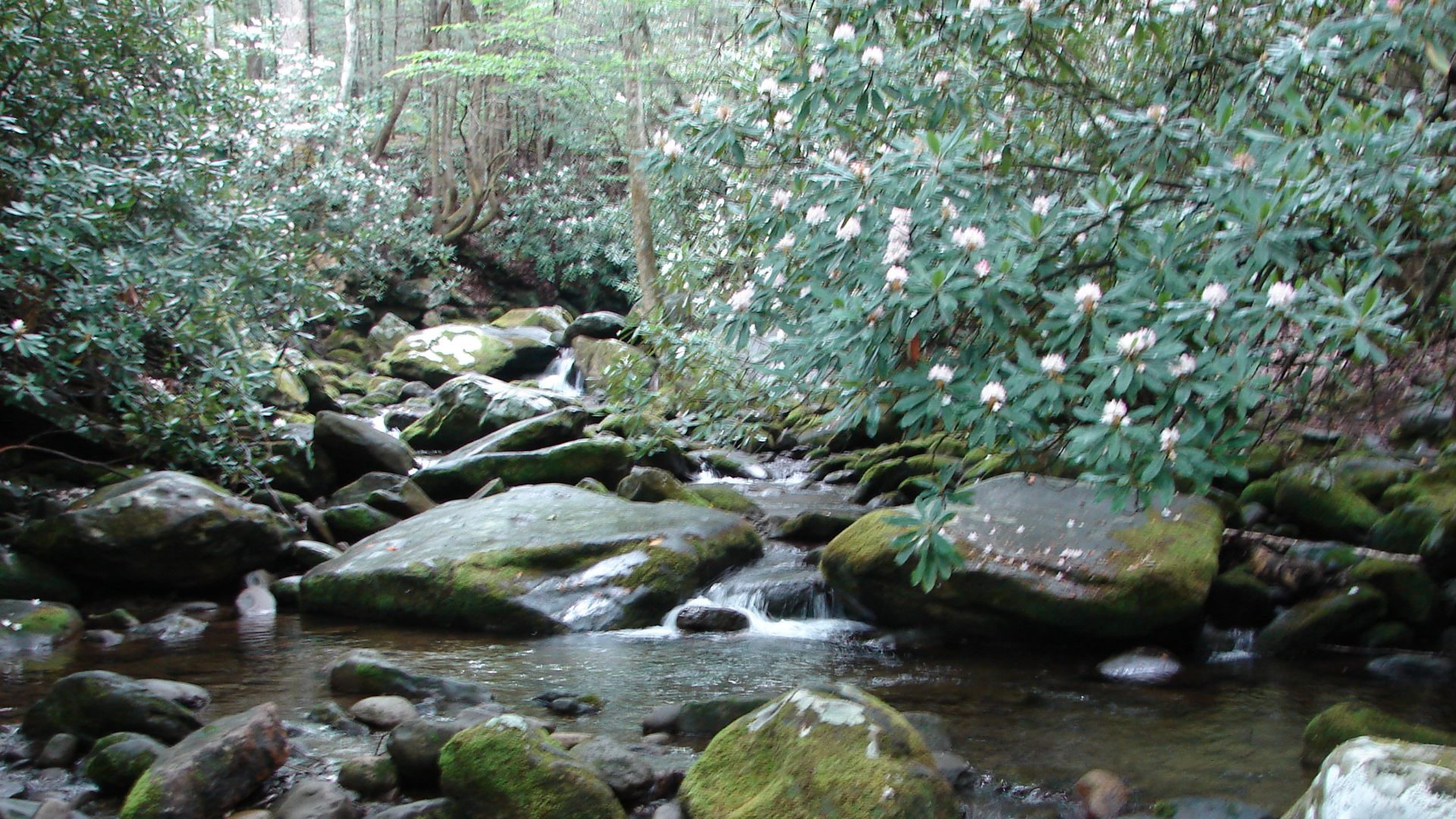
Polly Melton Simply Walked Ahead
Thelma Pauline “Polly” Melton was hiking the Deep Creek Trail in Great Smoky Mountains National Park with two companions in September 1981. The 58-year-old suddenly began walking faster and moved ahead until her friends lost sight of her. Despite searches and decades of investigation, Melton has never been found.
 Mark Ordonez from Schaumburg, IL, USA, Wikimedia Commons
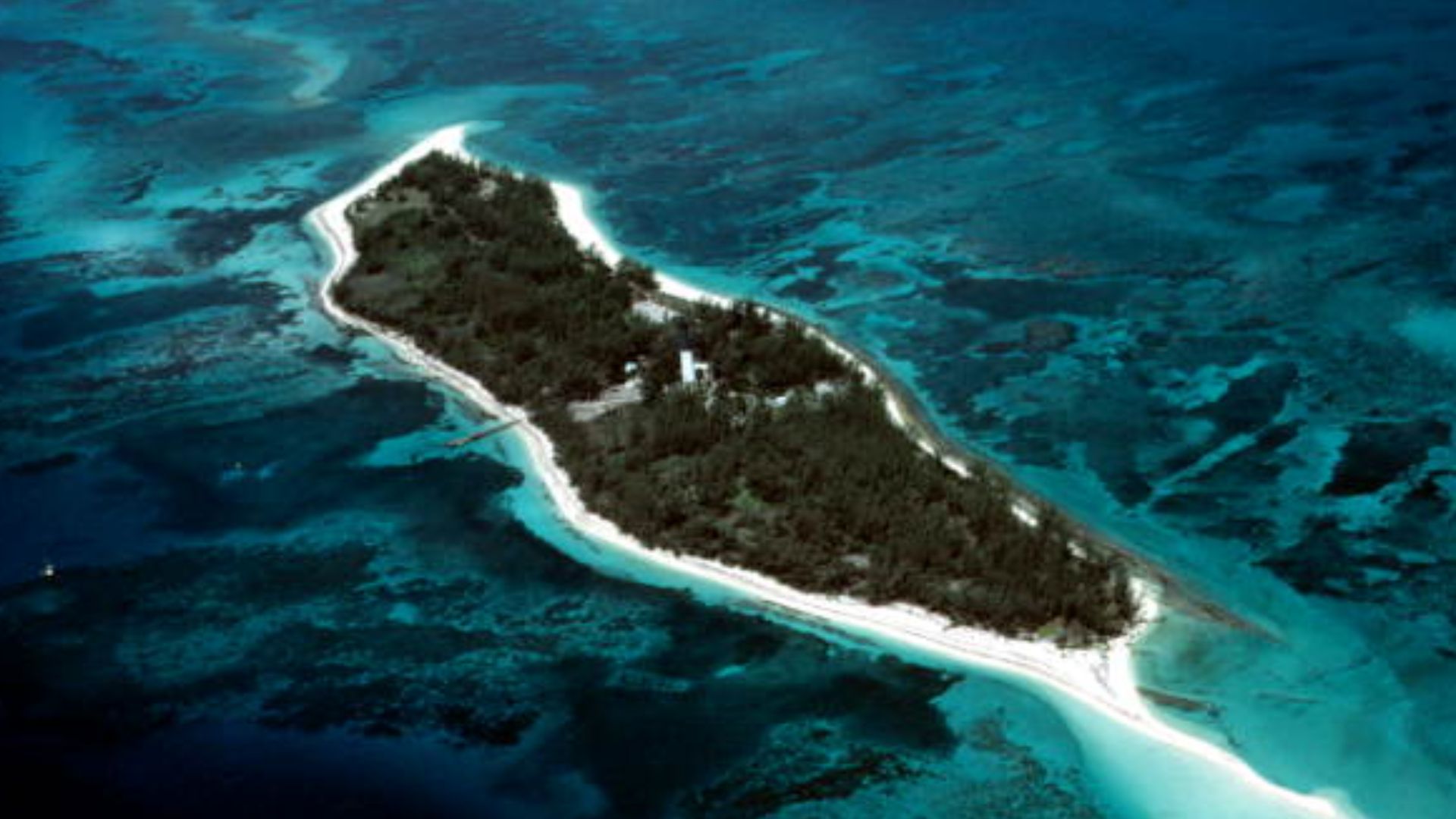
The Windjammer Went Down For An Unknown Reason
The wreck off Loggerhead Key in Dry Tortugas National Park was eventually identified as the Norwegian sailing ship Avanti, which sank in January 1907 while carrying lumber. Identifying the ship did not explain how it ended up beneath the water. No historical record reveals exactly what caused the sinking, although researchers have suggested a storm as one possibility.
 Florida Memory, Wikimedia Commons
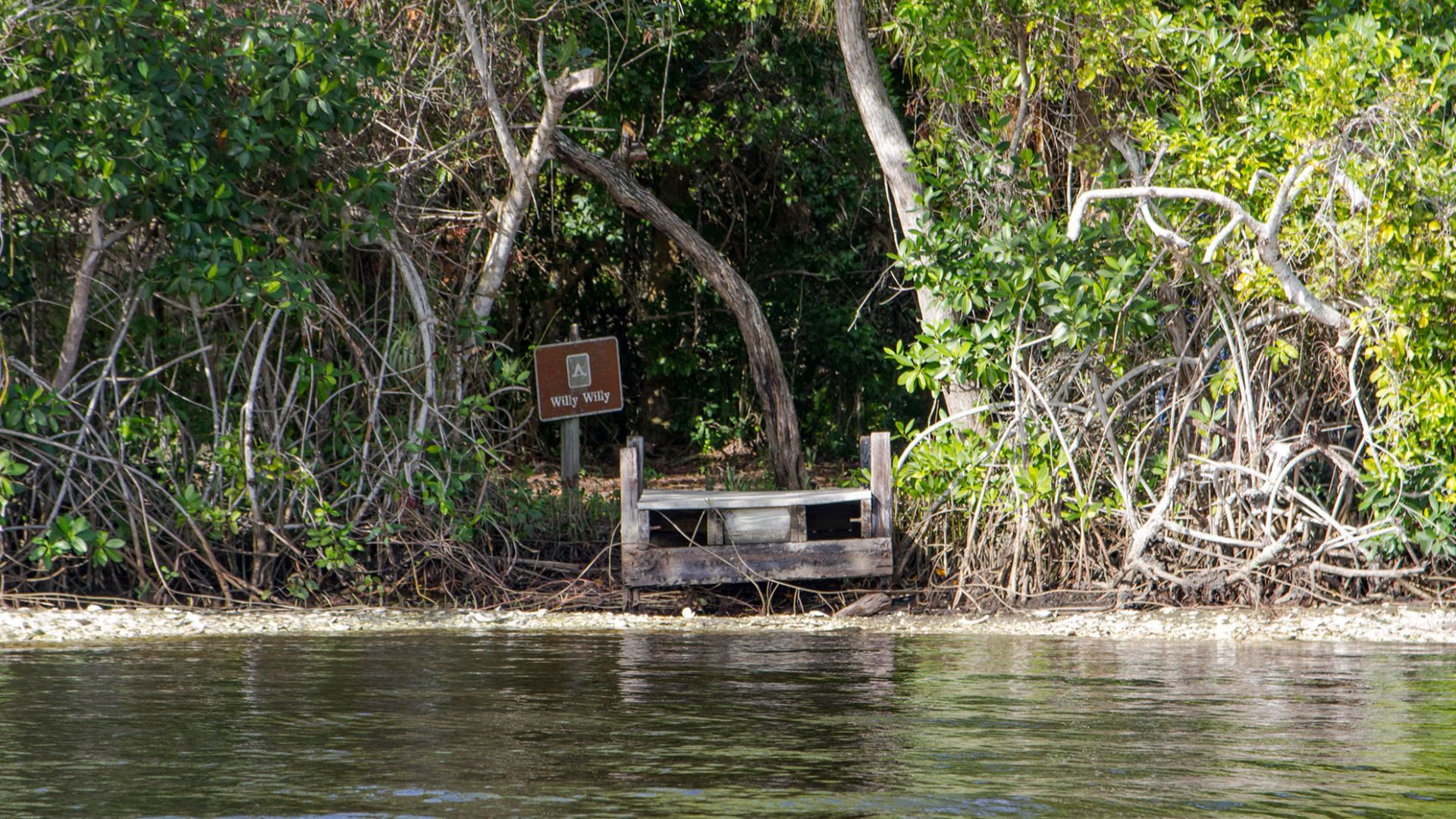
The Everglades Hide Mysterious Shell Cities
Long before modern travelers explored southern Florida, Indigenous communities constructed elaborate formations using enormous quantities of shells. These shell works included ridges, platforms, canals, courtyards, and mounds that reshaped parts of the Everglades landscape. Archaeologists have proposed domestic, public, and ceremonial uses, but their primary purpose is still not fully understood.
 Viktorwills, Wikimedia Commons
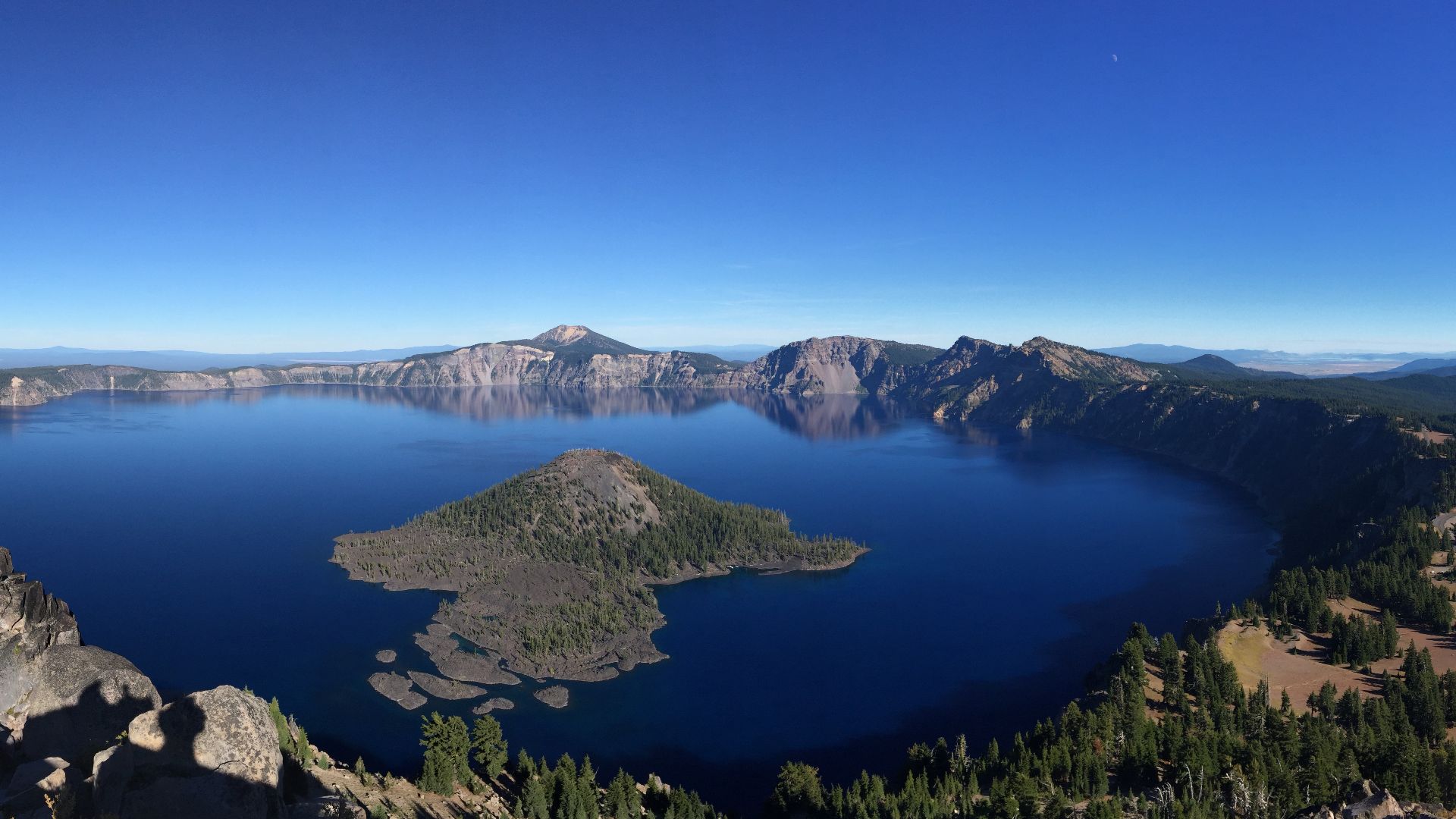
Samuel Boehlke Disappeared At Crater Lake
Eight-year-old Samuel Boehlke disappeared during a family visit to Crater Lake National Park on October 14, 2006. A major search followed through the steep, heavily wooded terrain surrounding the lake. Samuel was never located, and the National Park Service continues to list him among its unresolved cases.
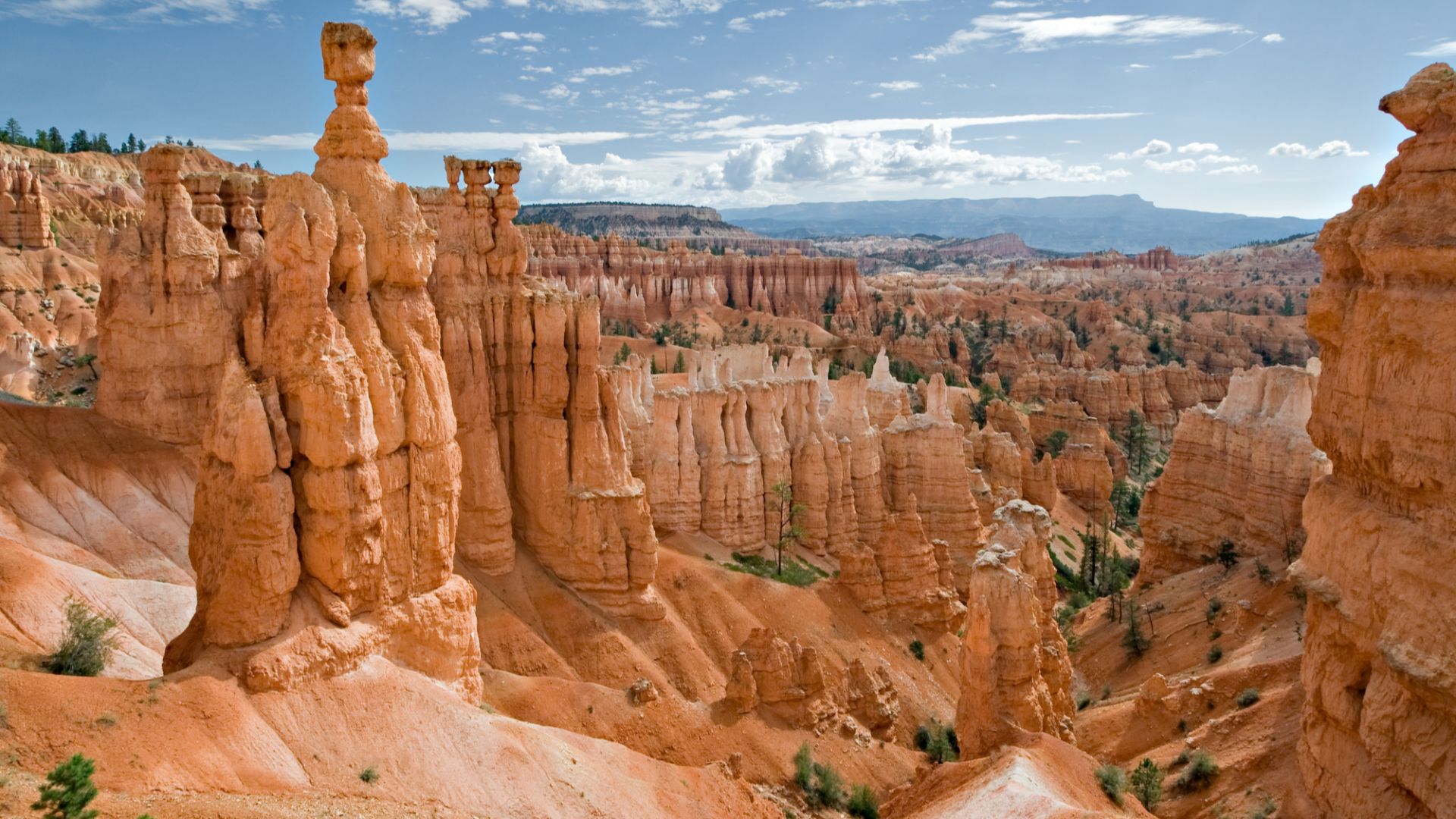
Scientists Are Still Studying How Bryce’s Hoodoos Form
Bryce Canyon’s towering hoodoos are among the Southwest’s most recognizable sights, but researchers are still refining exactly how they develop. Freeze-and-thaw weathering has long been considered a major force, although the National Park Service notes that surprisingly little scientific research has tested some of those assumptions. Scientists are also studying how a warming climate could change the formations visitors see today.
 Luca Galuzzi (Lucag), Wikimedia Commons
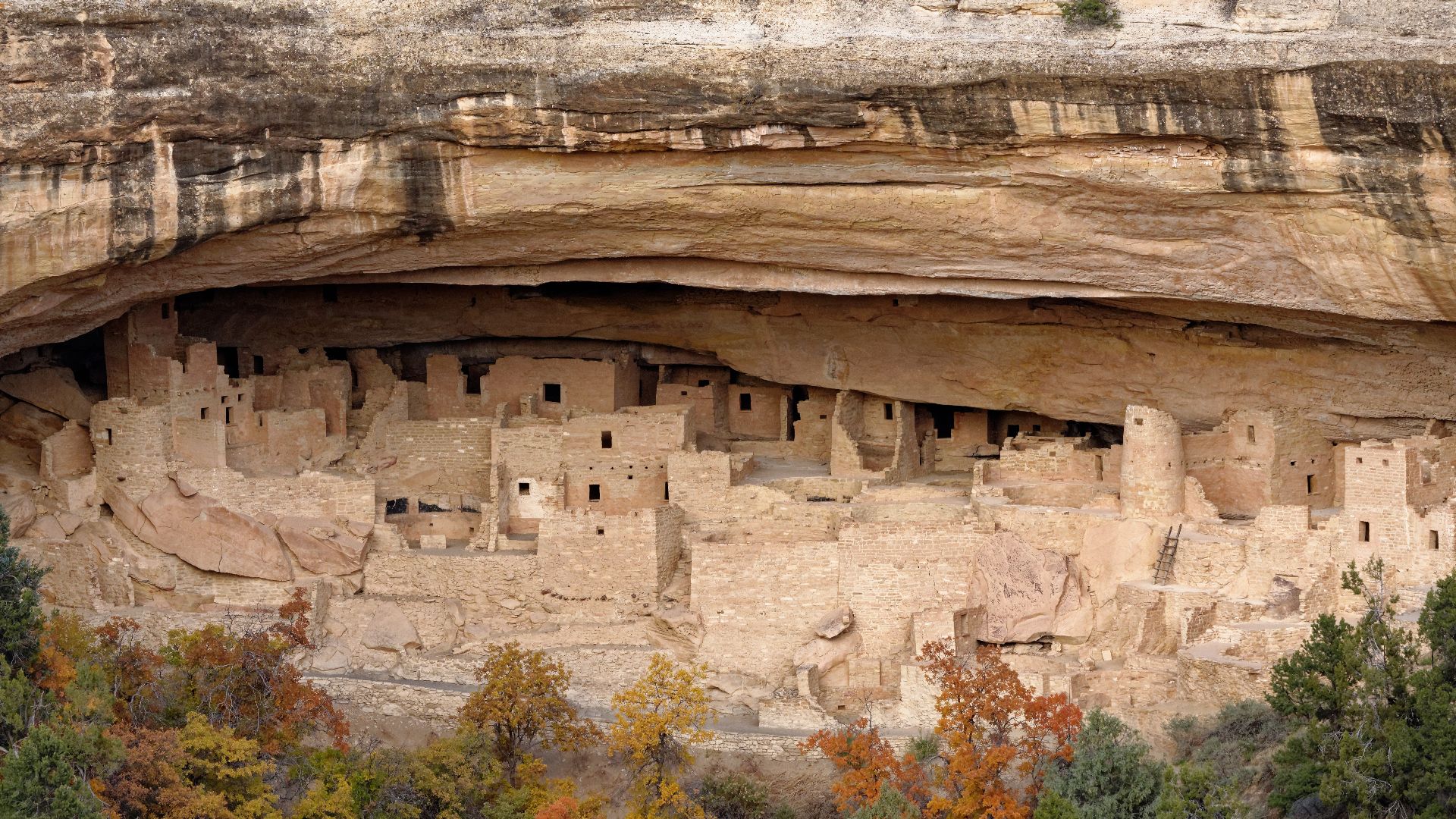
Why Did Everyone Leave Mesa Verde?
By around 1300, the Ancestral Pueblo people who had lived in the Mesa Verde region for centuries had migrated elsewhere. Researchers have examined drought, environmental pressure, changing social conditions, and other factors, while Pueblo communities preserve their own histories of migration. There is no single explanation that neatly accounts for why every community left this remarkable region.
James Pruitt Disappeared Into A Snowstorm
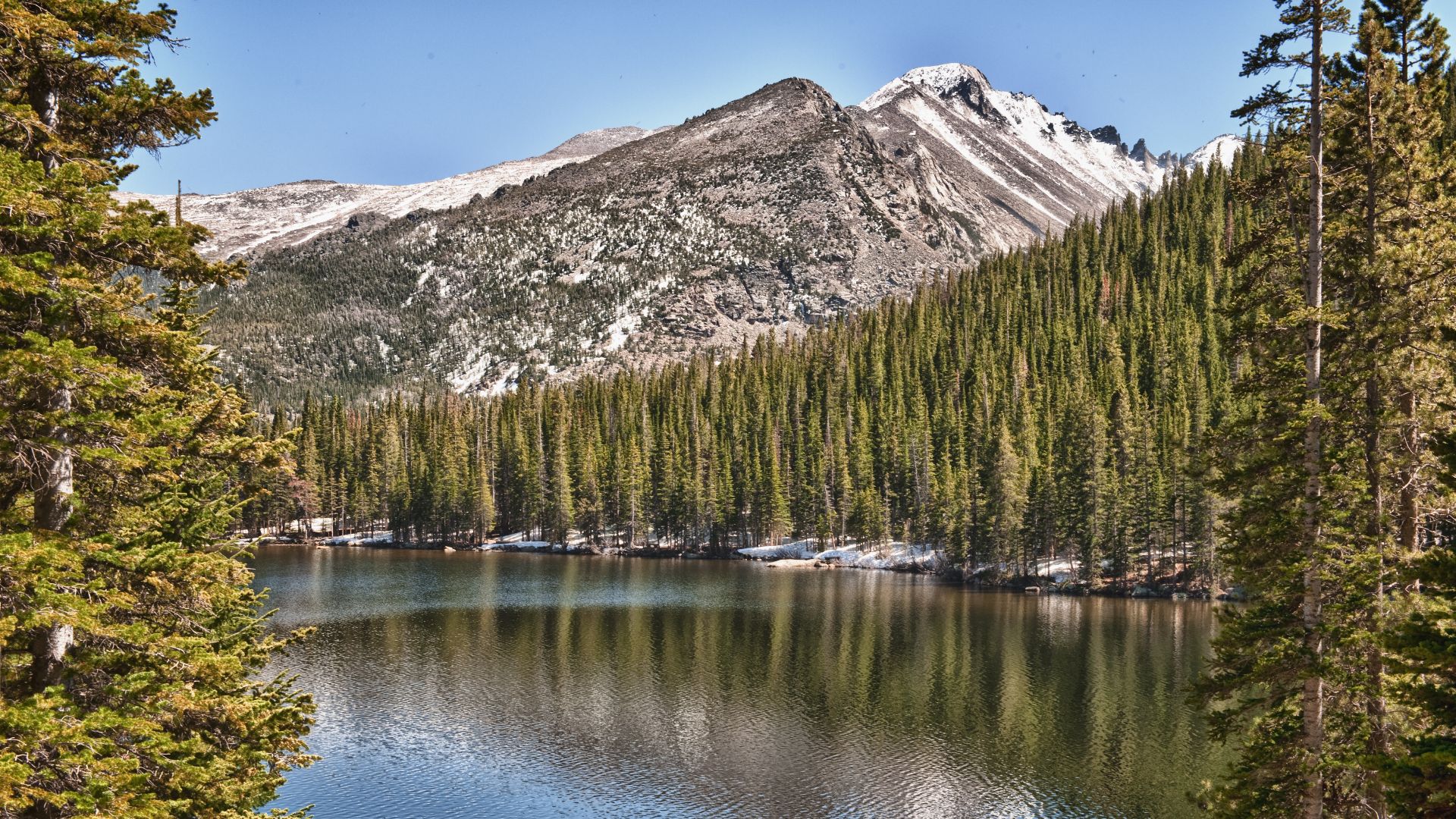
Seventy-year-old James Pruitt disappeared in Rocky Mountain National Park in February 2019 after traveling to the Glacier Gorge area. His vehicle was found at the trailhead, while searchers faced deep snow that had accumulated after his last known contact. Despite extensive efforts in a part of the park popular with hikers, Pruitt remains missing.
 Ayrat Khayrullin, Wikimedia Commons
Even One Of Denali’s Rocks Has Scientists Guessing
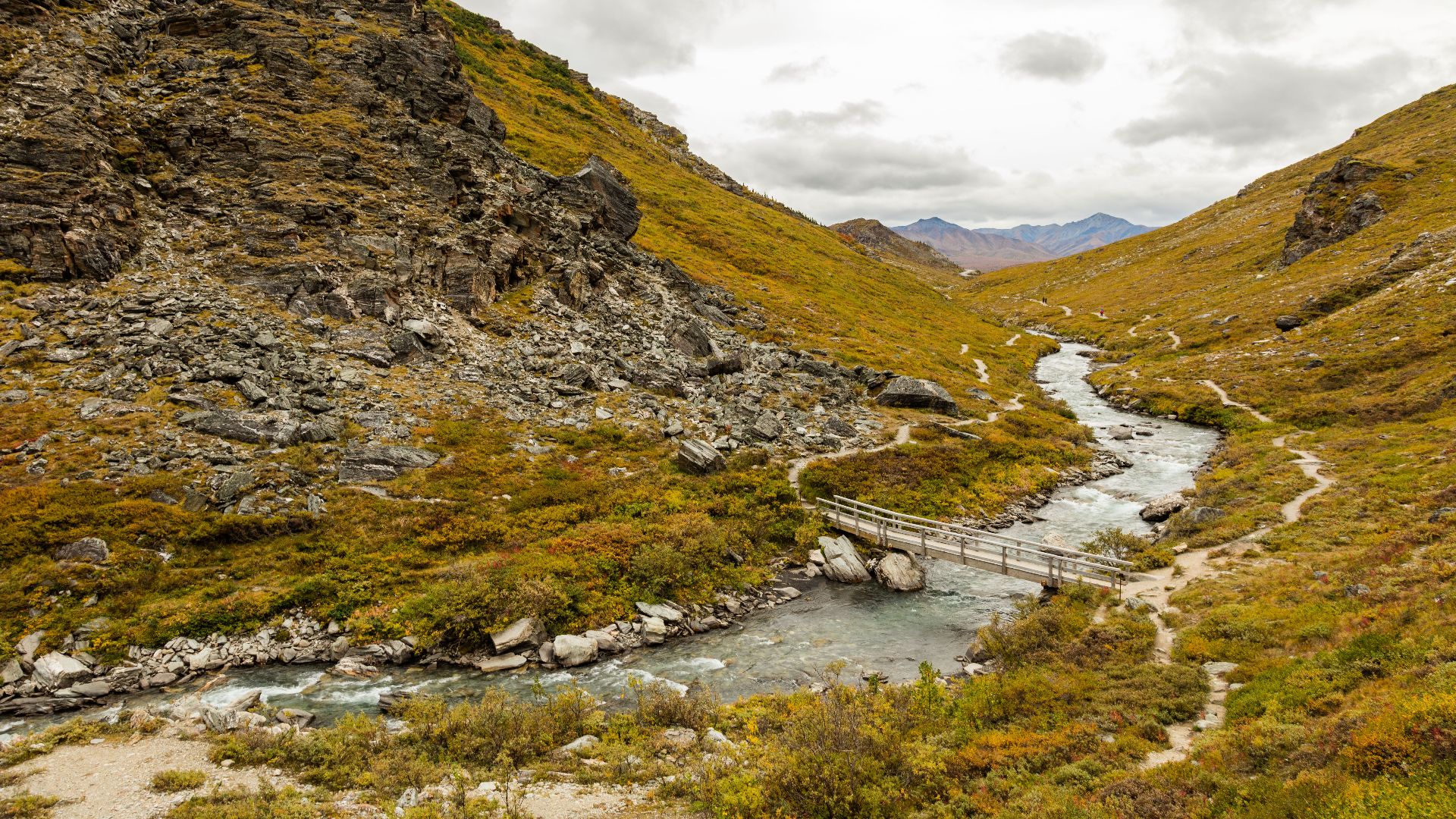
Savage Rock rises prominently near the Savage River in Denali National Park even though similar rock exists throughout the surrounding landscape. The National Park Service describes its striking survival as a geological puzzle. Fault movement, an ancient landslide, or unusually erosion-resistant rock could explain it, but researchers do not yet have a definitive answer.
 Diego Delso, Wikimedia Commons
Peter Jackson’s Backpack Appeared Years Later
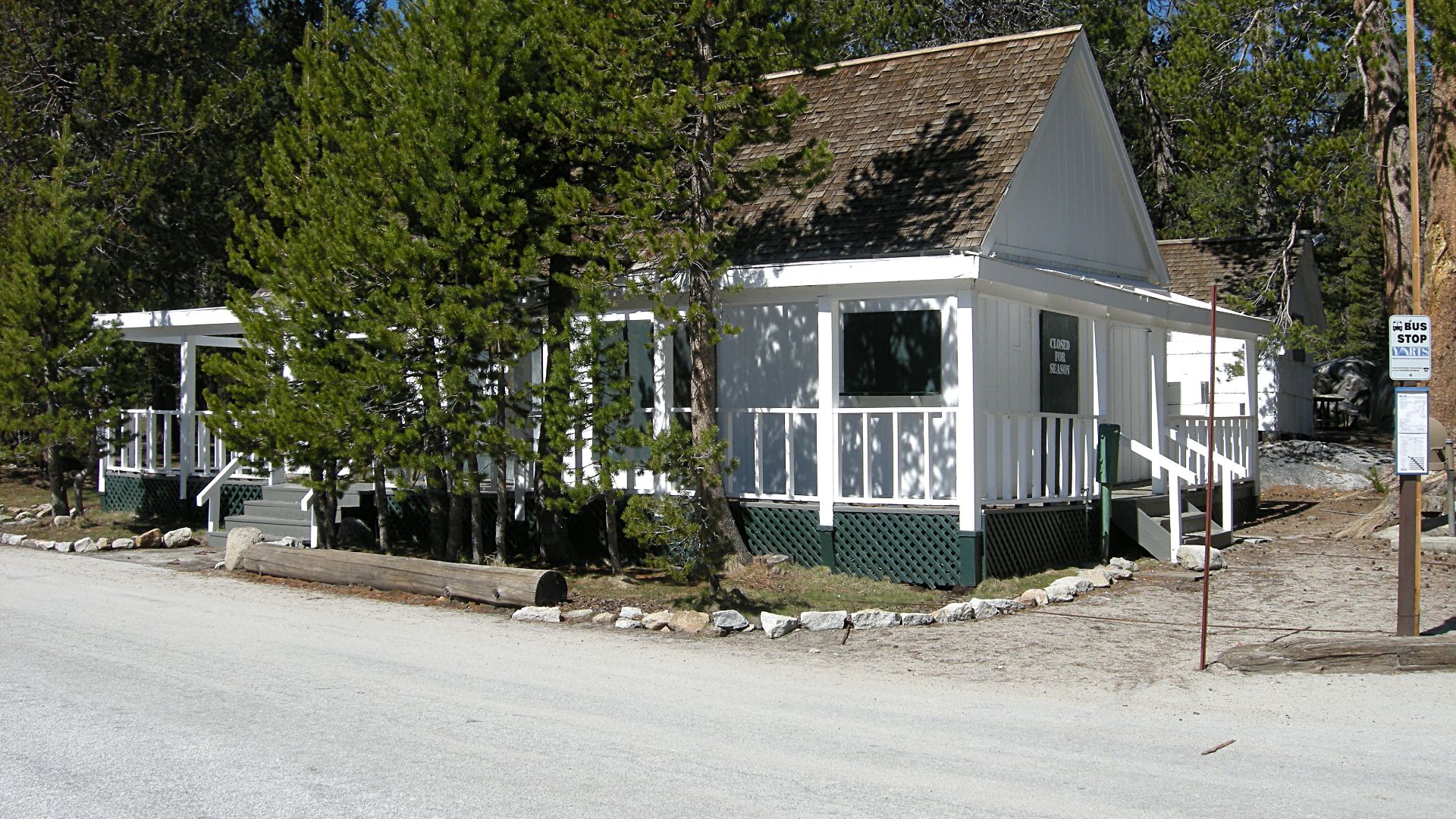
Seventy-four-year-old Peter Jackson apparently left Yosemite’s White Wolf Campground for a day hike in September 2016 and never returned. His vehicle remained at the campground as searches failed to locate him. Nearly three years later, his backpack was discovered elsewhere in the park, but Jackson himself was still nowhere to be found.
An Entire Cemetery Slipped Beneath The Sea
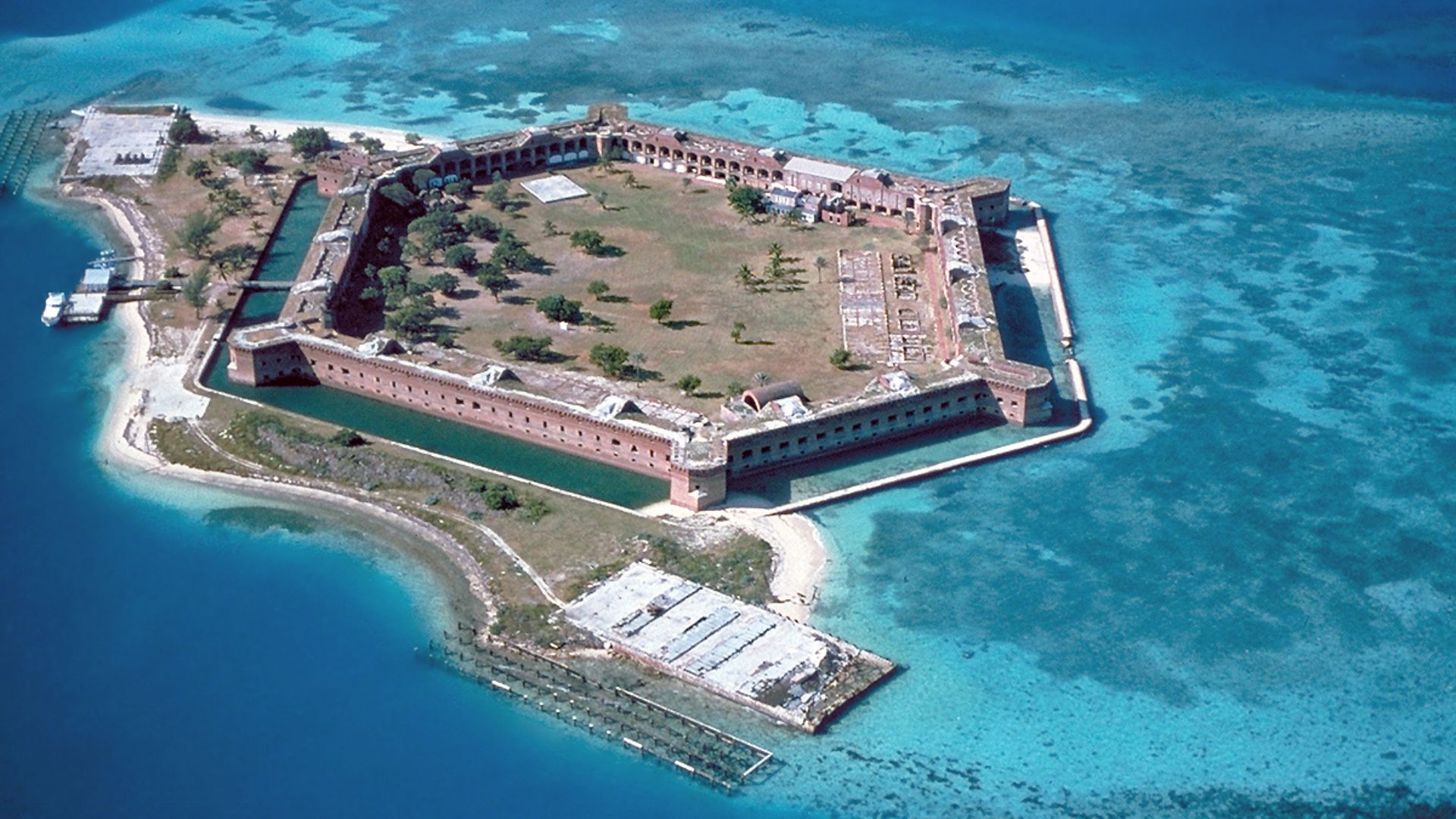
Archaeologists at Dry Tortugas National Park discovered the remains of a 19th-century quarantine hospital and cemetery on land that has since disappeared beneath the water. Historical records indicate that dozens of people may have been buried there, yet only one grave was initially identified. Storms, shifting islands, and rising seas transformed what had once been dry land into a submerged archaeological site.
 U.S. National Park Service, Wikimedia Commons
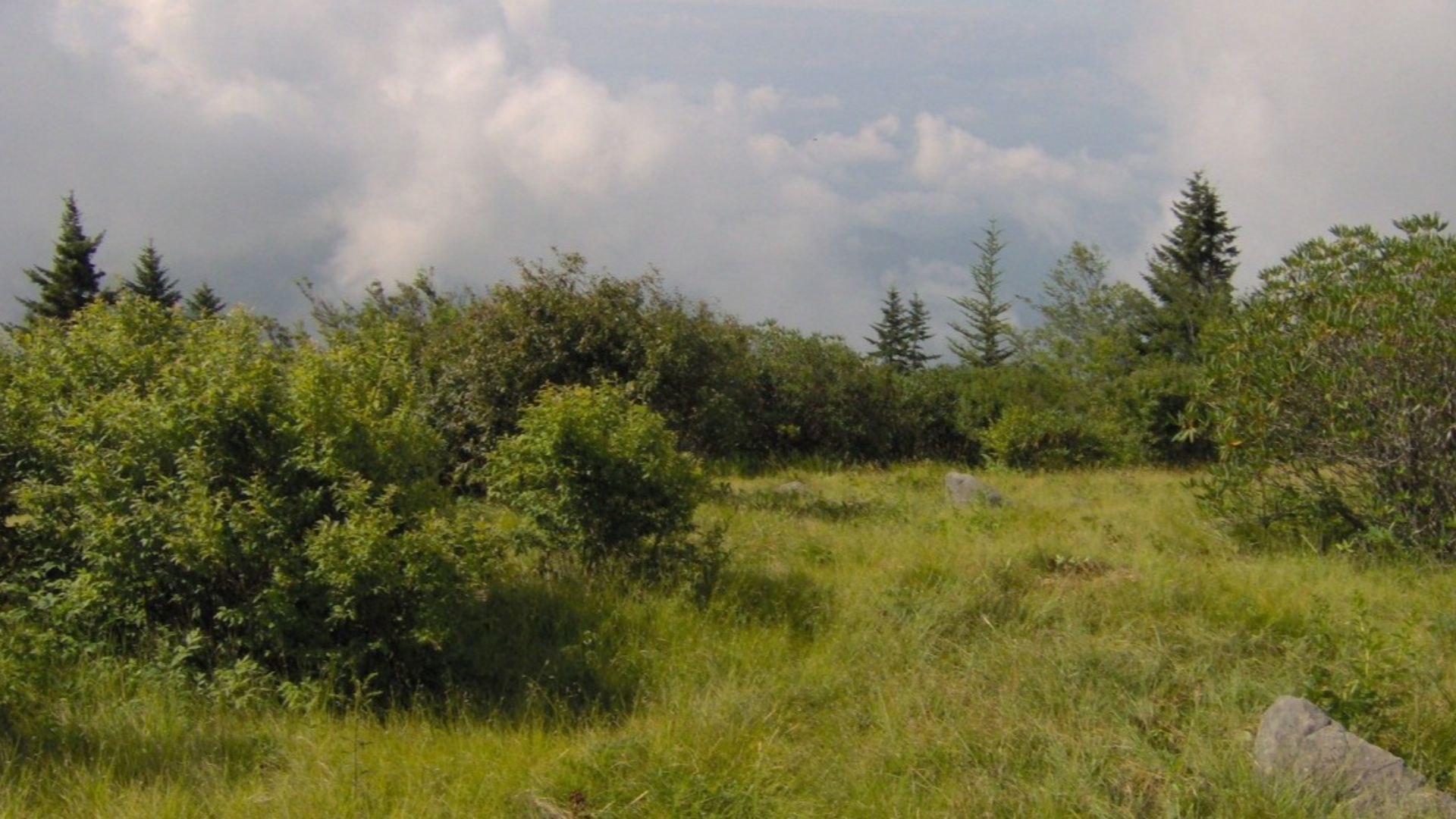
Trenny Gibson Vanished During A School Trip
Sixteen-year-old Teresa “Trenny” Gibson visited Great Smoky Mountains National Park with classmates in October 1976. She was last seen while the group was returning from the Andrews Bald area toward the Clingmans Dome parking lot. Somewhere during that ordinary park outing, Gibson disappeared and was never found.
 Brian Stansberry, Wikimedia Commons
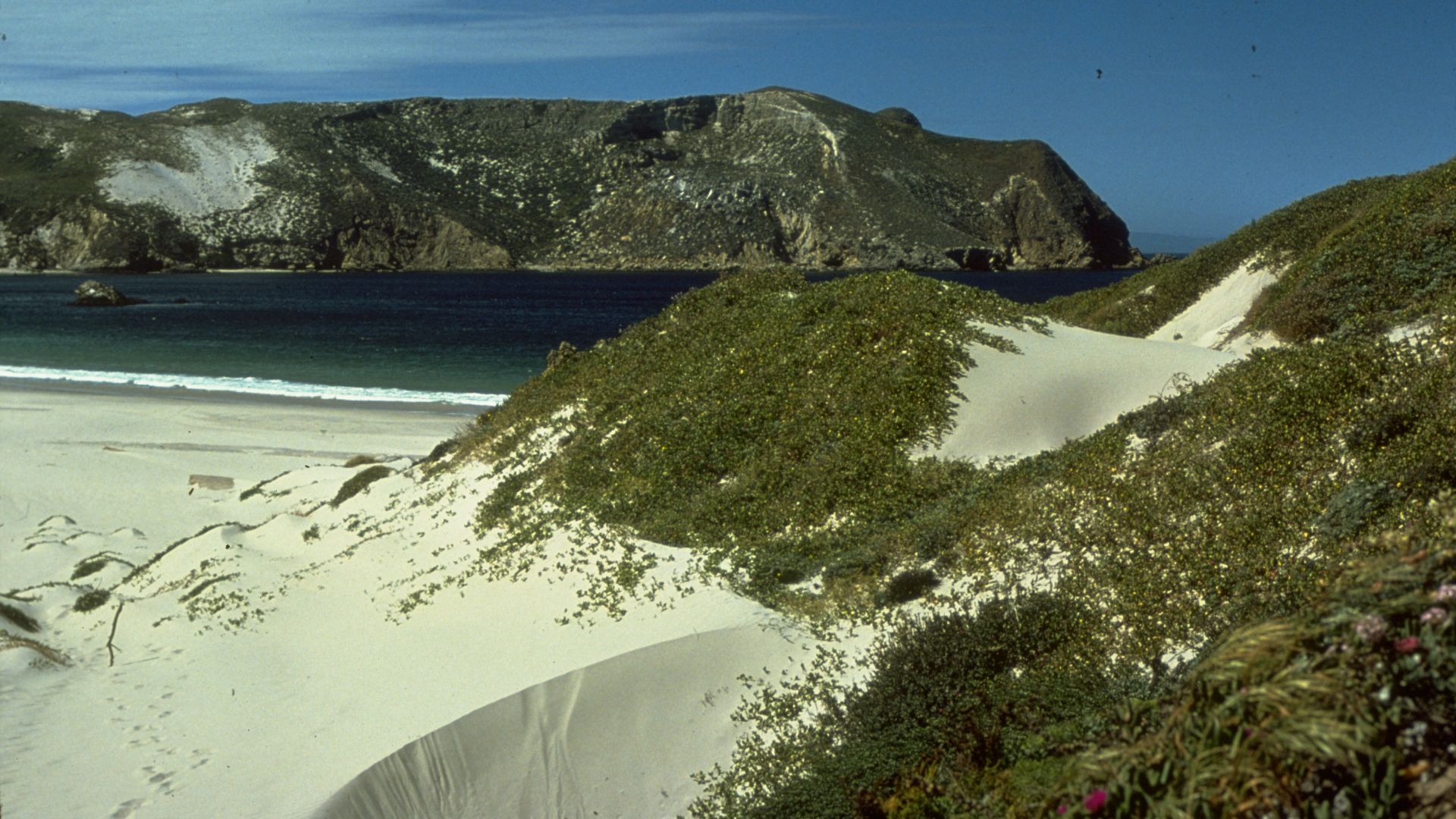
Did People Encounter The Last Pygmy Mammoths?
Channel Islands National Park was once home to pygmy mammoths descended from much larger mainland animals. The islands also produced human remains dating to roughly 13,000 years ago, while the youngest known pygmy mammoth fossils come from around the same broad period. That overlap raises the intriguing possibility that the first people to reach these islands briefly encountered their last mammoths.
 National Park Service Digital Image Archives, Wikimedia Commons
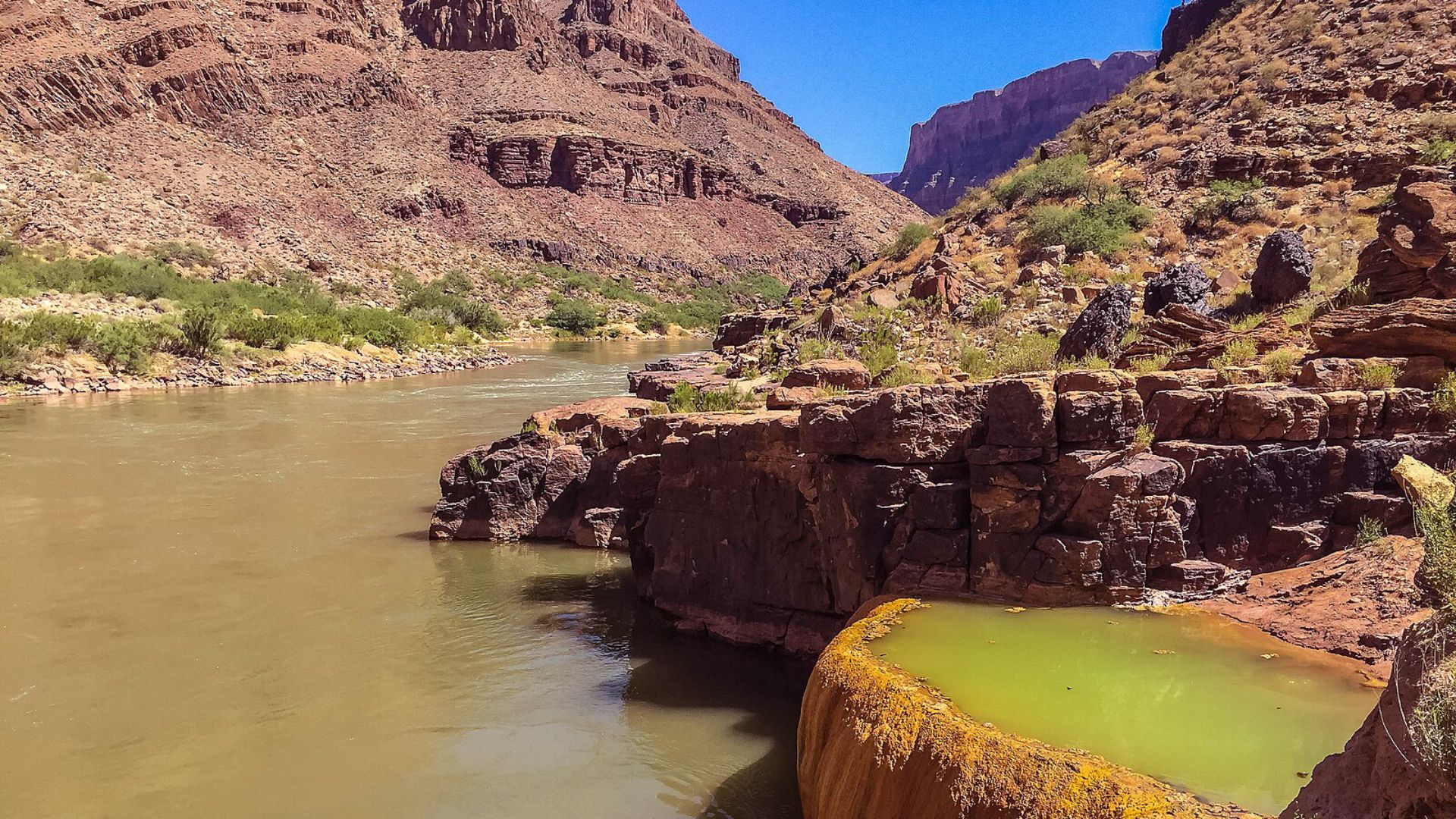
Morgan Heimer Vanished Beside The Colorado River
Twenty-two-year-old Morgan Heimer disappeared during a Colorado River trip through Grand Canyon National Park in June 2015. He was last seen near Pumpkin Springs around river mile 213. Searches did not establish where he went, and the National Park Service continues to list his disappearance among its cold cases.
 Nate Loper from Flagstaff, AZ, USA, Wikimedia Commons
A Little Preparation Goes A Long Way
These mysteries are fascinating, but the parks themselves are not inherently sinister. Wilderness travel can become dangerous quickly through bad weather, difficult terrain, injury, disorientation, or simple bad luck. Before heading into a remote destination, travelers should leave an itinerary, check current conditions, carry navigation and emergency supplies, and avoid depending entirely on a phone.
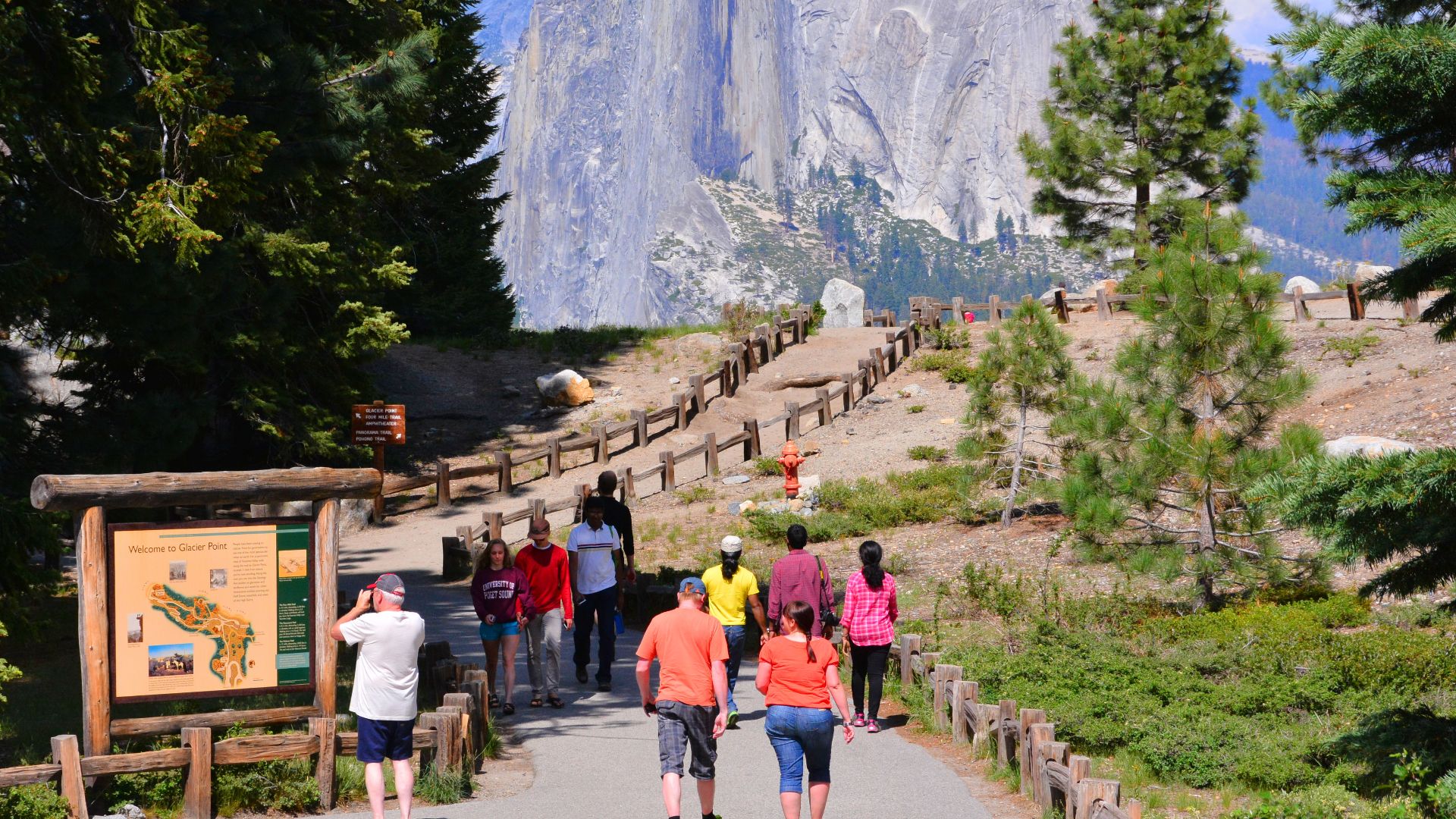
Some Park Secrets May Stay That Way
What makes these mysteries so compelling is how different they are from one another. A backpack can surface years after its owner vanishes, an ancient building can survive while its purpose disappears from memory, and an entire ship can rest underwater without revealing its name. America’s national parks preserve extraordinary destinations, but sometimes they preserve unanswered questions too.
 Vulturesong, Wikimedia Commons
You May Also Like:
25 Most Underrated National Parks In America—Ranked By Travelers
The Most Mysterious Place In Every Canadian Province
Scientists Found Two Mysterious “Ghost Ancestors” Hiding In Human DNA—And No One Knows Who They Were