Two Long-Lost Relatives Are Still With Us
Scientists just uncovered something strange hiding in human DNA: traces of two long-lost relatives no one can identify. Neither population has been identified from a sequenced genome, yet fragments of their DNA still survive in people today. Somehow, these mysterious ancestors are still part of us.

The Evidence Was Hiding In Modern DNA
Neanderthals and Denisovans are already known to have interbred with ancestors of modern humans. Those discoveries relied heavily on ancient DNA recovered from fossils. The new research shows that extinct populations can sometimes be detected even without their own preserved genomes.
 Max Planck Institute for Evolutionary Anthropology, Wikimedia Commons
Meet TRACE
UC Berkeley researchers developed TRACE, short for TRacking Archaic Contributions via ARG Estimation. The method searches modern genomes for unusually ancient genetic branches. That allows scientists to detect populations whose DNA survives even when their remains do not.
 Unknown photographer, Wikimedia Commons
DNA Can Preserve An Ancient Family Tree
TRACE uses ancestral recombination graphs, or ARGs, to reconstruct relationships between sections of DNA. Some stretches trace much farther back than expected. Those unusually deep branches can signal ancestry from a long-separated population.
 Karolina Fok, Wikimedia Commons
The Researchers Tested Their Method First
The team first checked whether TRACE could identify ancestry scientists already knew about. It successfully detected established Neanderthal and Denisovan signals. Simulations also showed the method could identify archaic ancestry with high precision.
 Linda Bartlett (Photographer), Wikimedia Commons
Hundreds Of Modern Genomes Provided The Map
Researchers applied TRACE to genomes from the 1000 Genomes Project. The data covered populations with ancestry from Africa, Europe, Asia, and elsewhere. Oceanian genomes later helped reveal an even older genetic signal.
 West Midlands Police from West Midlands, United Kingdom, Wikimedia Commons
The First Ghost Appeared Across Humanity
One unidentified archaic lineage left DNA in both African and non-African populations. That suggests the interbreeding happened before the major expansion of modern humans out of Africa. Its ancestry therefore became part of populations spread across much of the world.
This Was Different From Earlier Ghost Signals
Previous studies had already suggested unknown archaic ancestry in parts of Africa. Some focused particularly on populations in West Africa. The Berkeley study found evidence for a lineage that appears to have contributed ancestry before the ancestors of modern non-African populations dispersed.

This Lineage Split From Us Long Ago
The ghost lineage separated from the ancestors of modern humans hundreds of thousands of years ago. Researchers place the split at roughly 800,000 years ago. The two populations then evolved separately before eventually mixing again.
 Oak Ridge National Laboratory, Wikimedia Commons
The Reunion Happened In Africa
The researchers concluded that this ghost population contributed DNA to modern human ancestors in Africa. The event occurred before roughly 50,000 years ago. That places it before the major expansion of Homo sapiens into Eurasia.
Some Of Its DNA Is Still With Us
The ghost contribution was small but measurable. Researchers estimate that modern individuals carry about 0.5% to 1% of their genomes from this lineage. Similar amounts appeared across the populations examined.

Nobody Knows What To Call Them
Scientists cannot yet match this ghost lineage to a known hominin species. Fossils from the relevant period exist, but the genetic evidence does not clearly identify the population. For now, its name and appearance remain unknown.
Ancient DNA Has A Preservation Problem
Ancient DNA survives poorly in hot and humid environments, especially over very long periods. That makes ancient genomes from Africa particularly difficult to recover. TRACE offers another route by working backward from DNA in living people.

Scientists Had Seen Ghostly Hints Before
The idea of unidentified archaic ancestry is not new. Earlier studies found genetic patterns consistent with ancient contributions from unknown populations. Researchers have continued debating exactly which demographic scenarios best explain those signals.

Then The Team Found A Second Mystery
TRACE also uncovered evidence of another unknown lineage. This one did not appear to contribute directly to all modern humans. Instead, its DNA seems to have reached us through another extinct human population.
This Ancestor Was Far Older
Researchers describe the second population as "super-archaic." Its lineage separated extremely deep in human evolutionary history. Some of the relevant genetic branches appear to trace back roughly 1.8 million years.
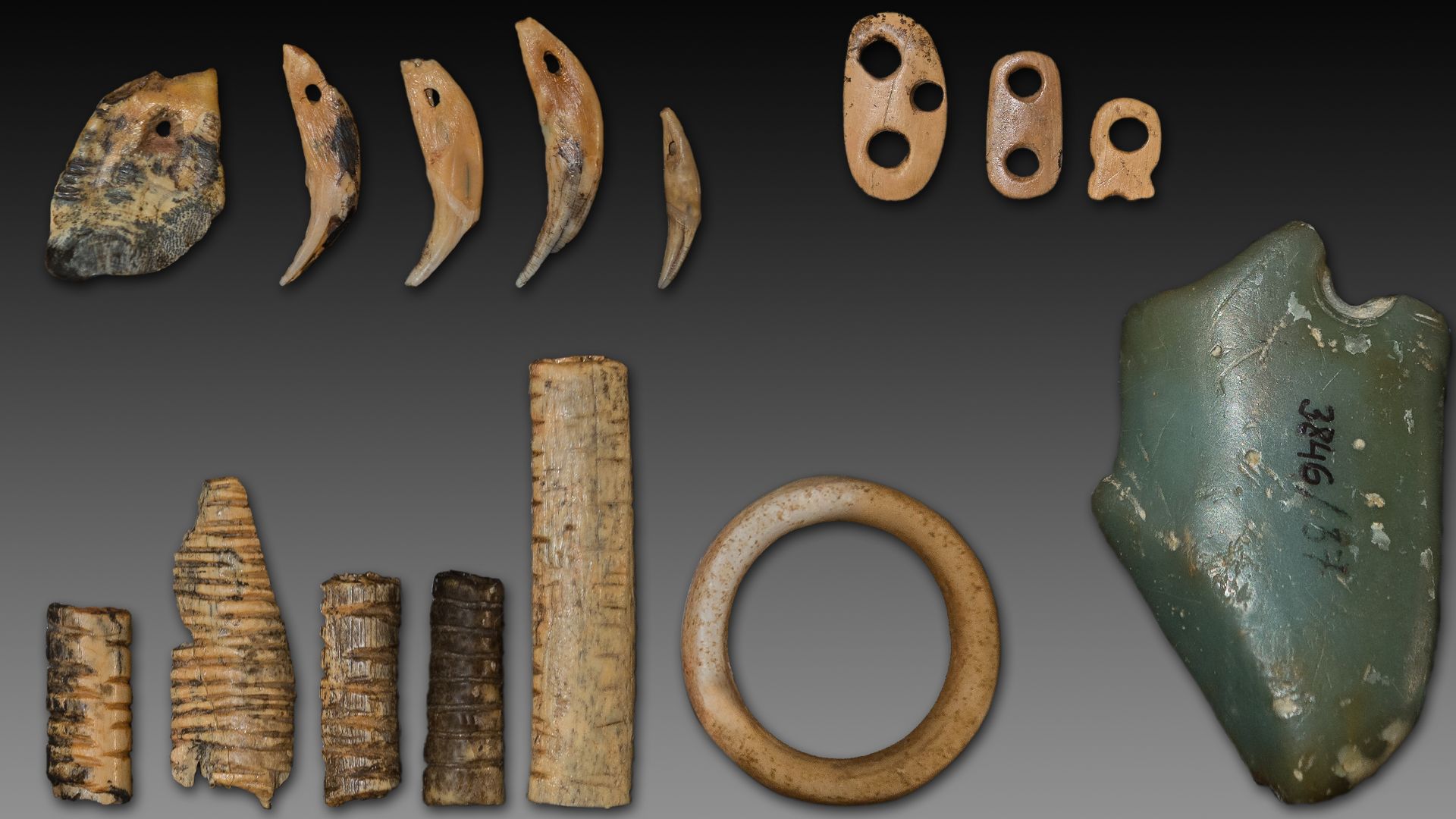
Denisovans Became The Middlemen
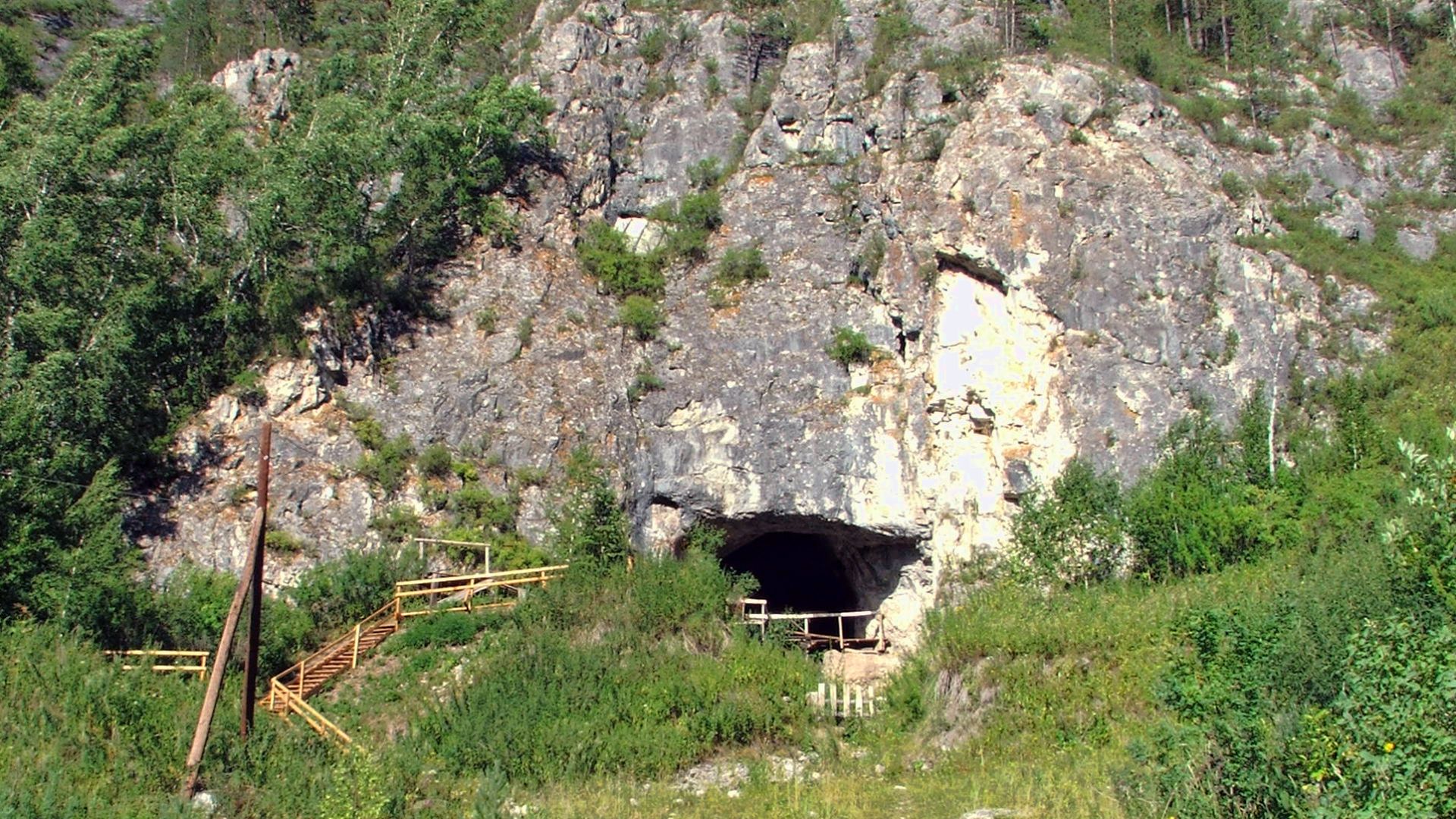
The super-archaic population appears to have interbred with Denisovans in Eurasia. Denisovans later interbred with Homo sapiens. That allowed some of the older population's DNA to enter modern human genomes indirectly.
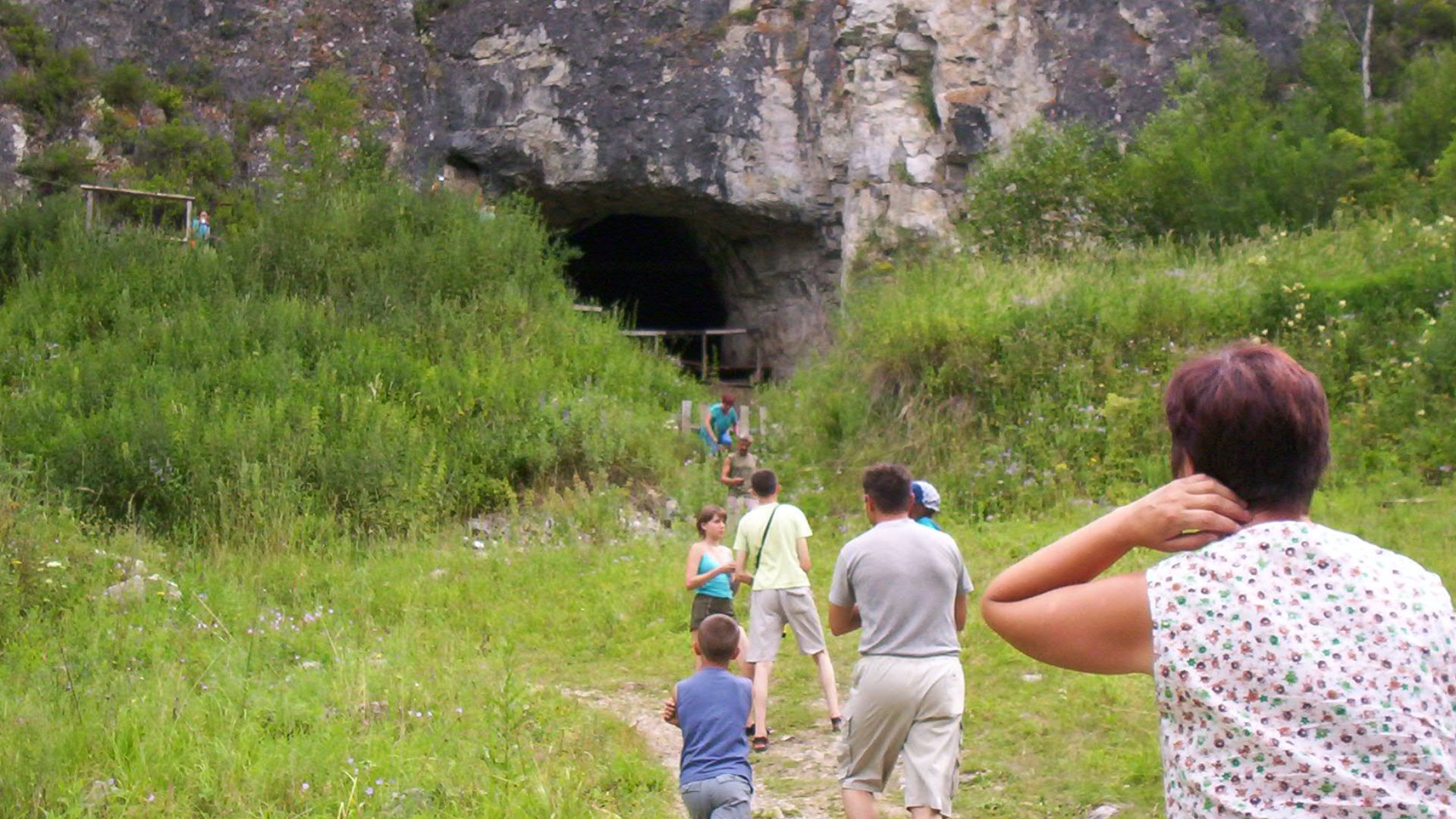 ЧуваевНиколай at ru.wikipedia, Wikimedia Commons
Oceania Helped Reveal The Trail
Researchers examined Oceanian genomes because some populations there carry relatively high levels of Denisovan ancestry. They then looked inside those Denisovan-derived regions for even deeper branches. That is where the super-archaic signal became visible.
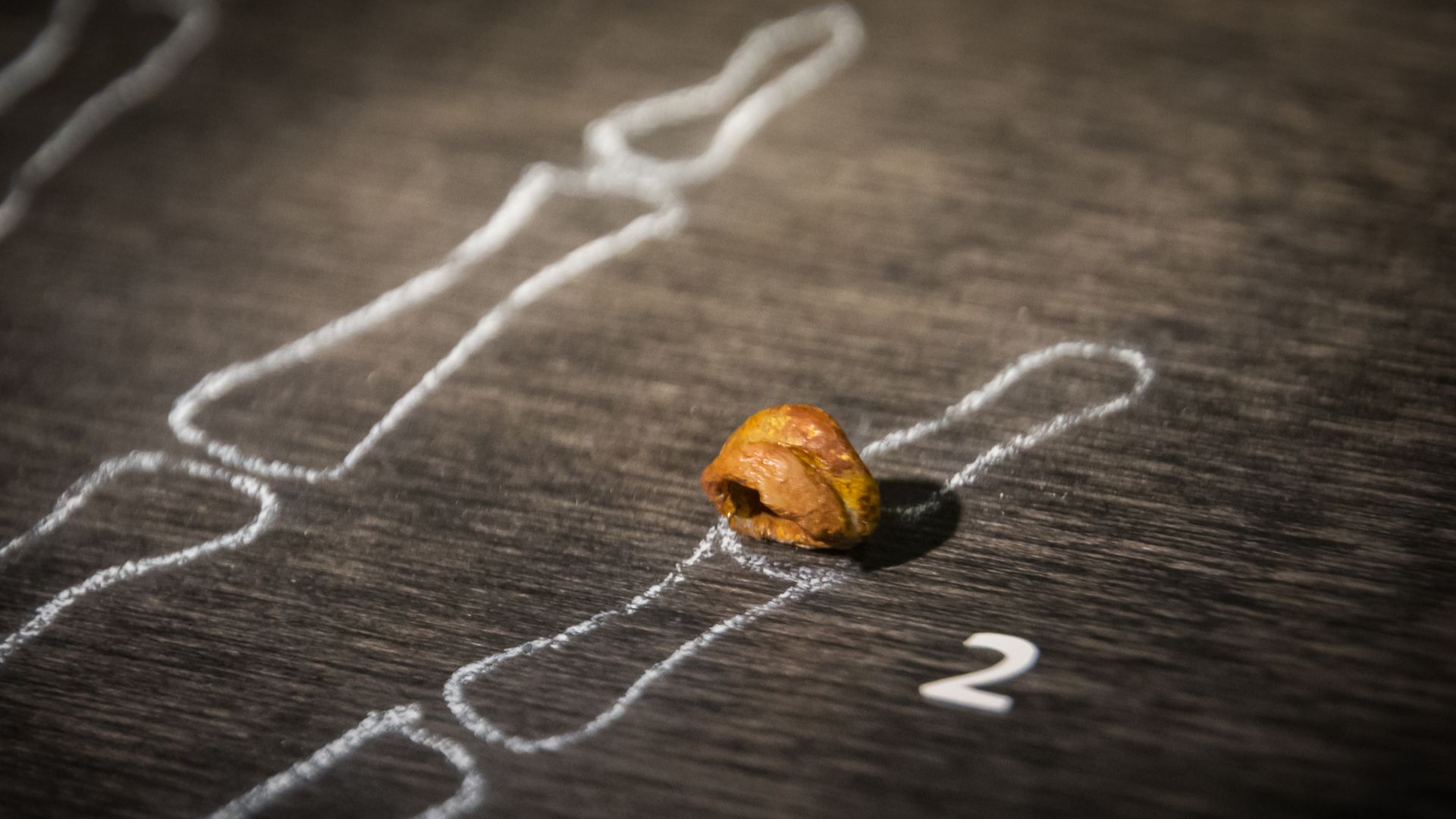
The Surviving Signal Is Tiny
Only a small fraction of the original super-archaic contribution appears to survive today. The detected segments represented about 0.3% of the Denisovan ancestry examined in Oceanian genomes. Researchers say that figure is probably a conservative estimate.
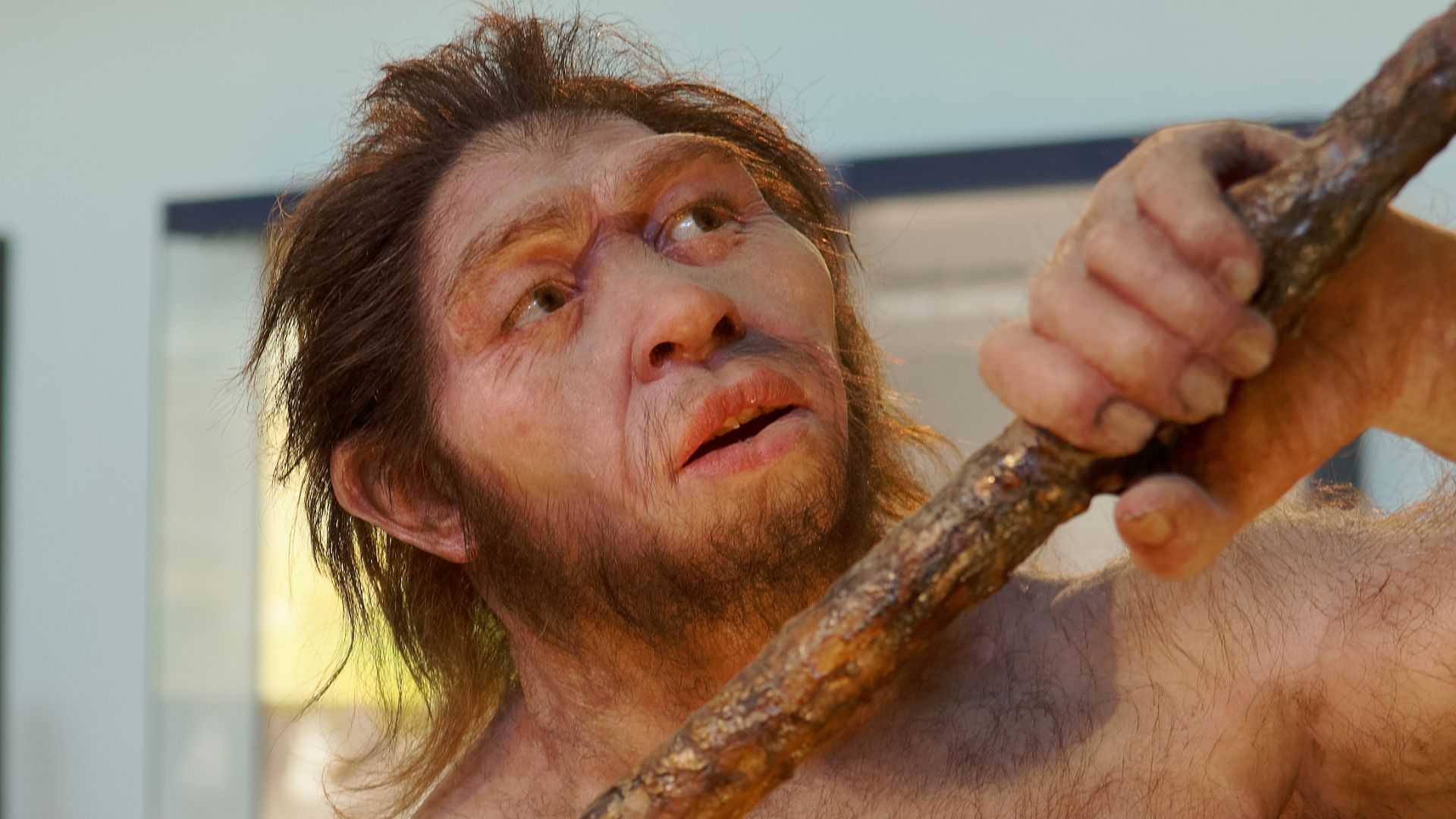
Homo Erectus Is An Intriguing Candidate
Homo erectus is one possible candidate for the super-archaic population. The species had spread beyond Africa by around 1.8 million years ago and survived across parts of Eurasia. The timing fits, but it does not prove the identity.
 Jakub Hałun, Wikimedia Commons
Another 2026 Study Added A Clue
Separate 2026 research examined ancient proteins from Homo erectus fossils in China. That study suggested some deeply divergent Denisovan ancestry could have come from Homo erectus. It strengthens the possibility without settling the question.

The Mystery Is Still Open
The Berkeley team says the identity and range of the super-archaic population remain unresolved. Scientists also do not know whether its DNA reached Homo sapiens only through Denisovans. Future genomes could reveal a more complicated story.
 Демин Алексей Барнаул, Wikimedia Commons
Some Genetic Deserts Were Not Empty
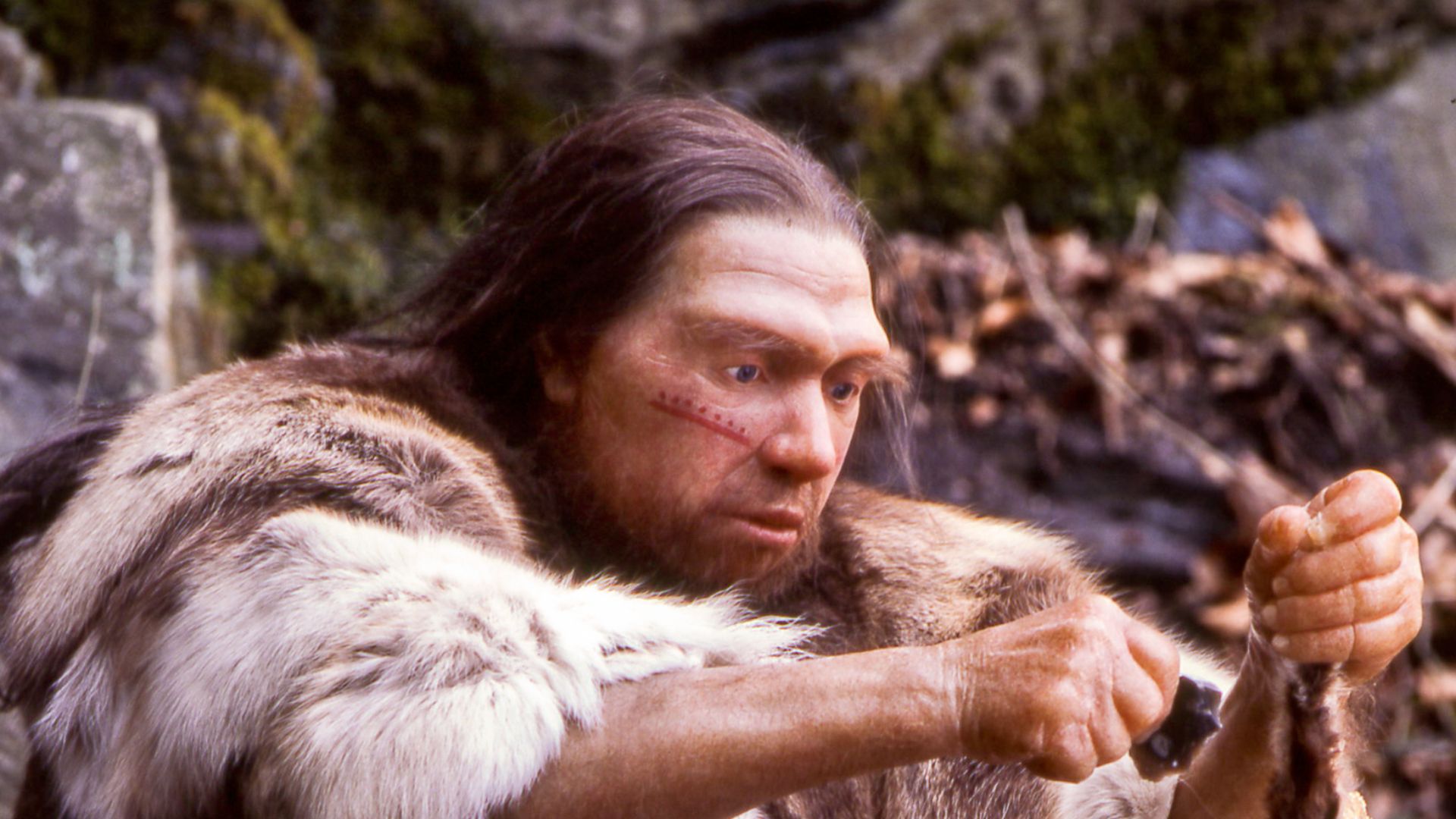
Scientists have identified regions of the human genome with very little Neanderthal or Denisovan ancestry. These areas are sometimes called archaic ancestry deserts. TRACE found ghost ancestry inside several of them.
 Neanderthal-Museum, Mettmann, Wikimedia Commons
One Famous Region Had Ghost Ancestry
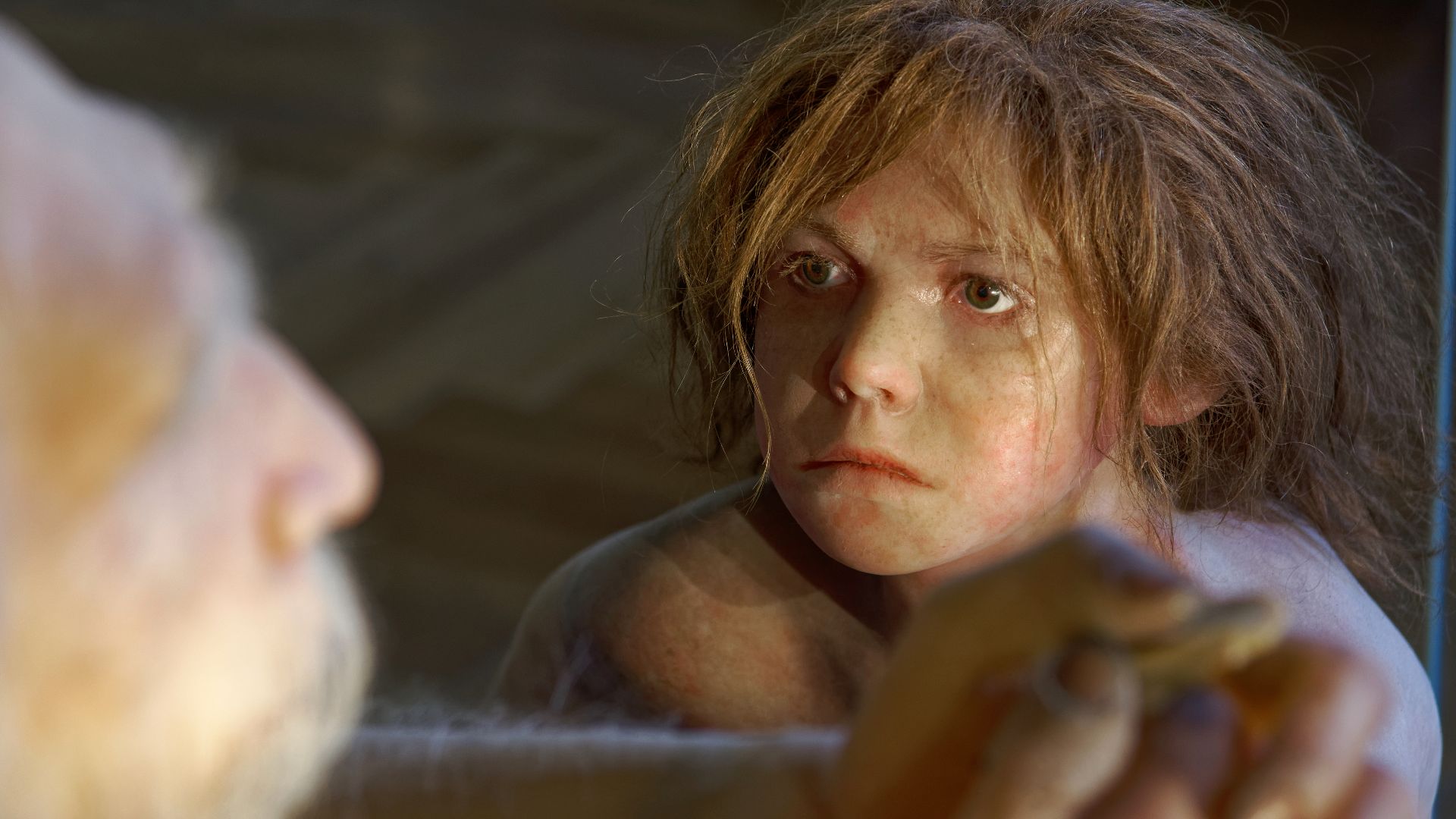
One such region on chromosome 7 contains the FOXP2 gene. Neanderthal and Denisovan ancestry is scarce there, yet researchers detected a peak of ghost ancestry. That complicates the idea that these regions are entirely free of archaic contributions.
 Jakub Hałun, Wikimedia Commons
Immune-Related Regions Also Stood Out
Some detected super-archaic segments occurred in the major histocompatibility complex, or MHC. This region contains genes involved in immune function. Researchers found notable enrichment there but have not proven what effects the inherited variants had.

Vitamin D Metabolism Appeared Too
Another super-archaic signal overlapped CYP24A1, a gene involved in vitamin D metabolism. Archaic variants can sometimes become important when populations enter new environments. The effect of this particular contribution remains uncertain.
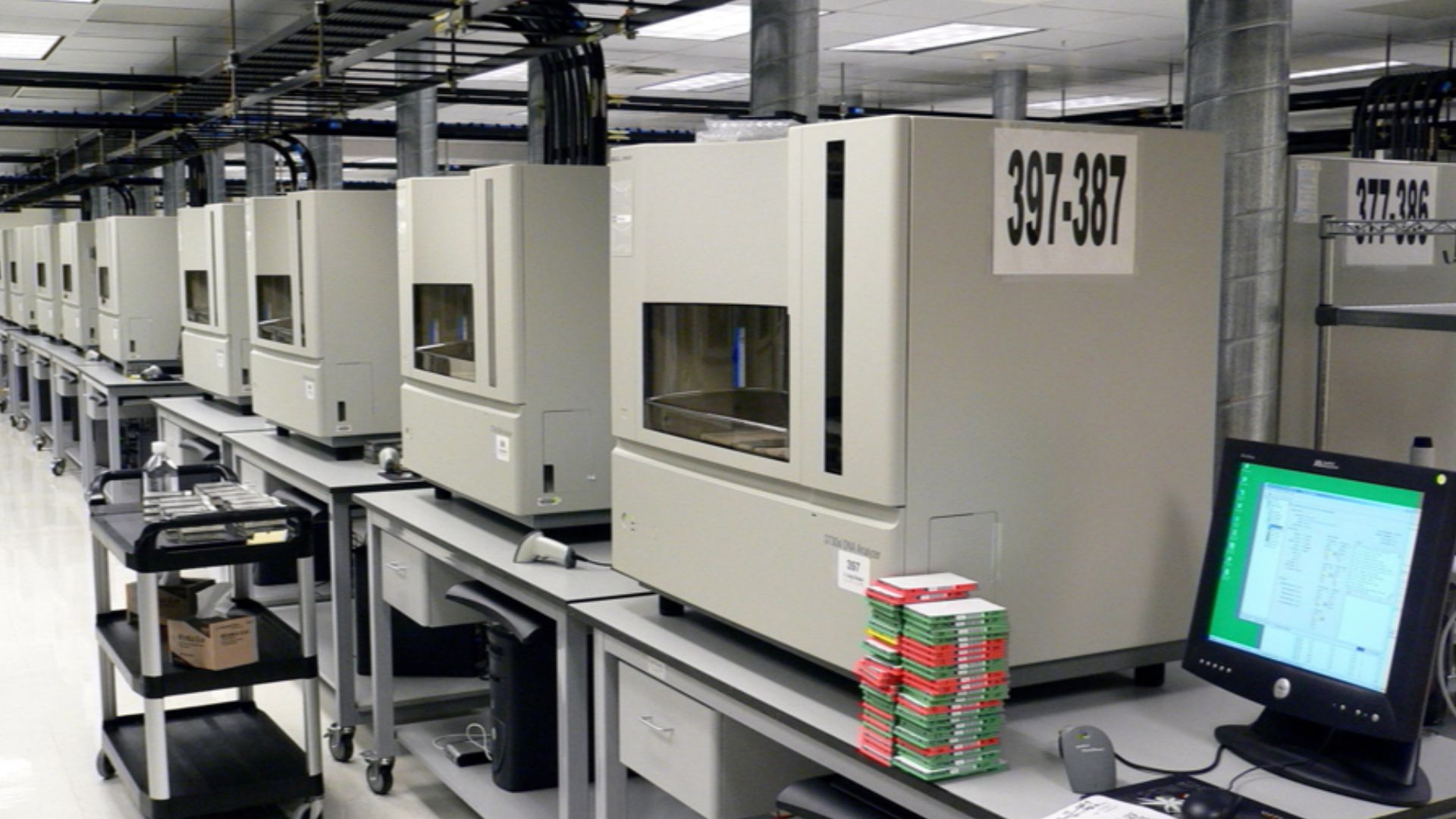 Flickr user jurvetson, Wikimedia Commons
Surviving DNA Was Not Necessarily Helpful
It is tempting to assume ancient DNA survived because it was beneficial. That is not always the case. Some variants may have been useful, while others could have persisted with little effect.

Human Evolution Looks Less Like A Tree
Genetics increasingly shows that human evolution was not a neat series of clean splits. Populations separated, migrated, reunited, and interbred repeatedly. Neanderthals, Denisovans, modern humans, and unidentified groups were all part of that tangled history.

Our Genomes May Be Hiding More Ghosts
TRACE could help researchers detect extinct populations even when their own DNA is never recovered. More diverse modern genomes and additional ancient evidence may reveal other hidden lineages. These two ghost ancestors may not be the last ones scientists find.
You May Also Like:
Scientists Discovered The World’s Deepest Whale Graveyard At The Bottom Of The Indian Ocean