

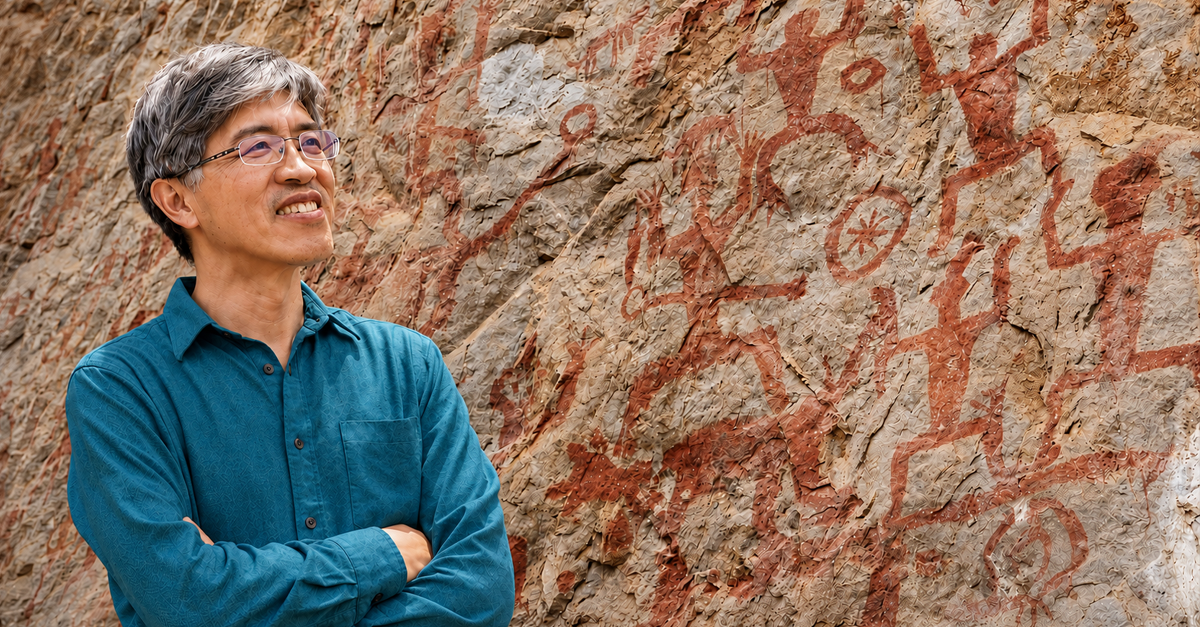
The Paint Should Have Disappeared Centuries Ago
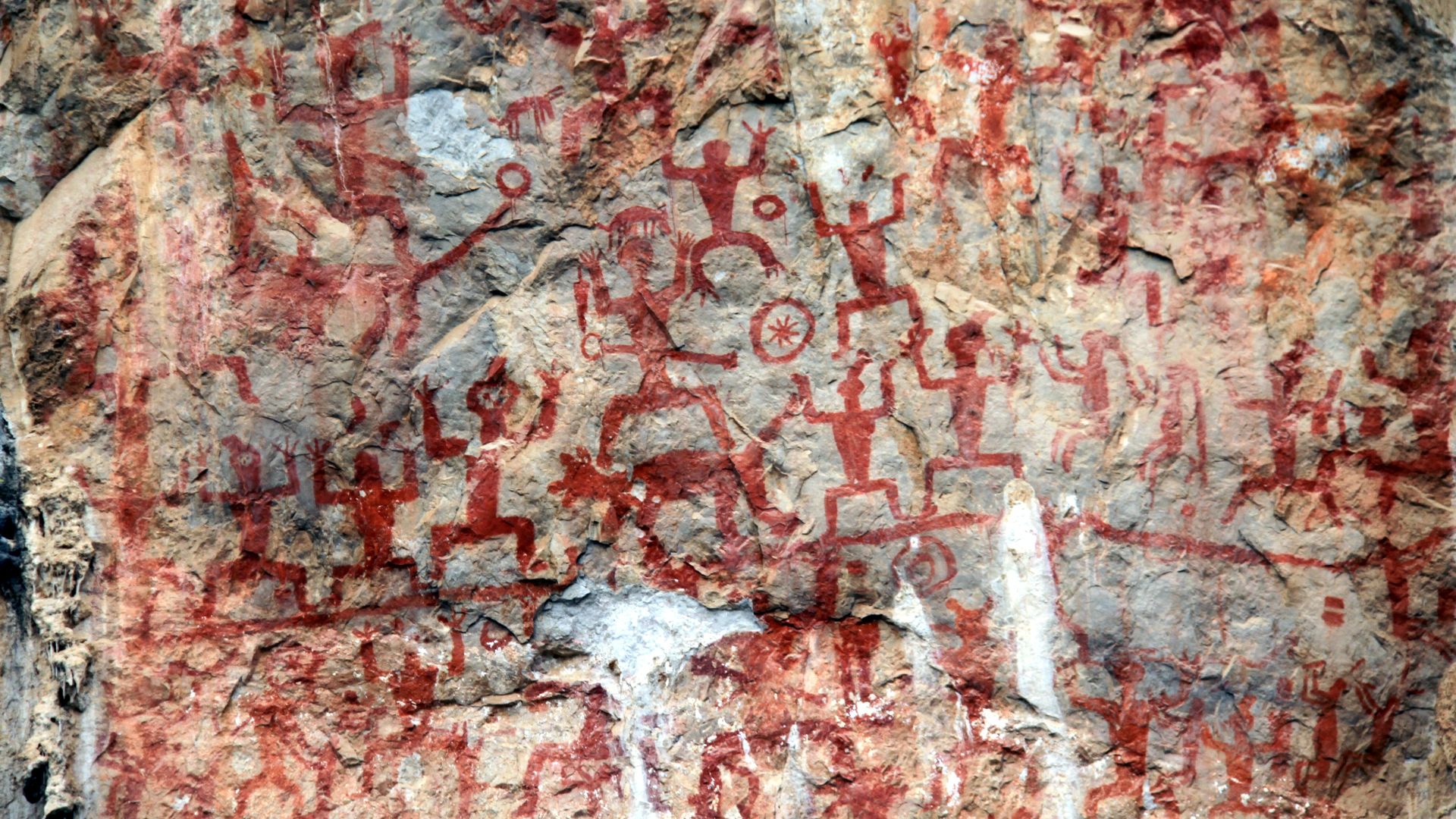
Bright red figures still cover limestone cliffs in southern China after roughly 2,000 years of exposure. They have endured intense heat, monsoon rains, and frequent storms. Scientists now believe an unexpected ingredient helped the paint remain attached: blood.
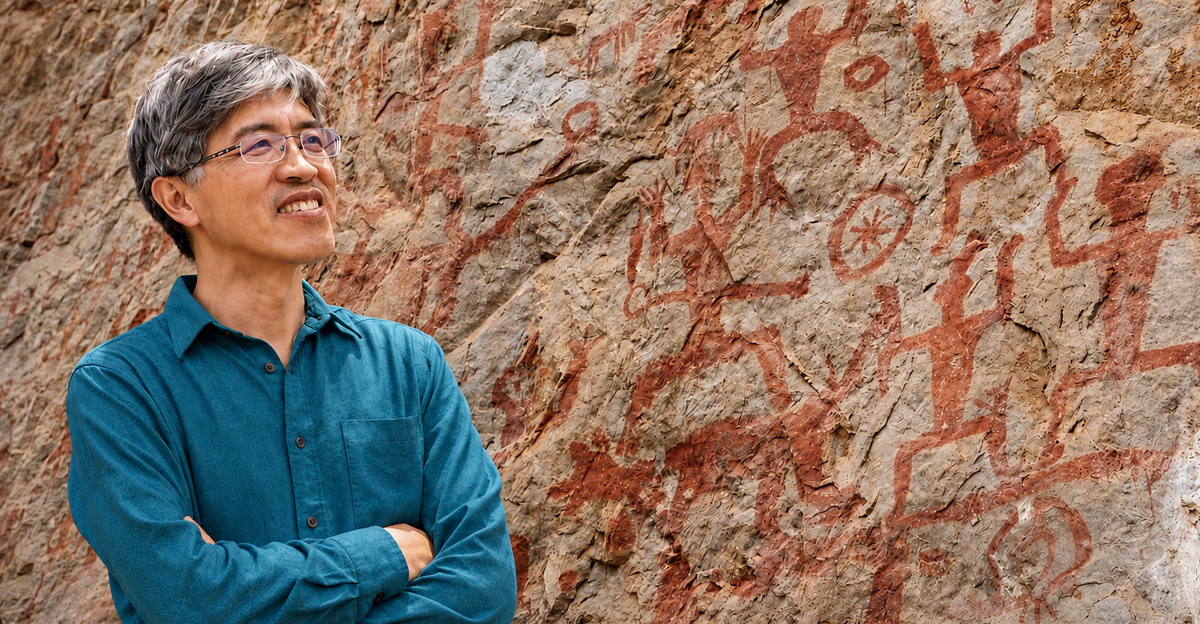 Xinhua News Agency, Getty Images
A Remarkable Sight Above The River
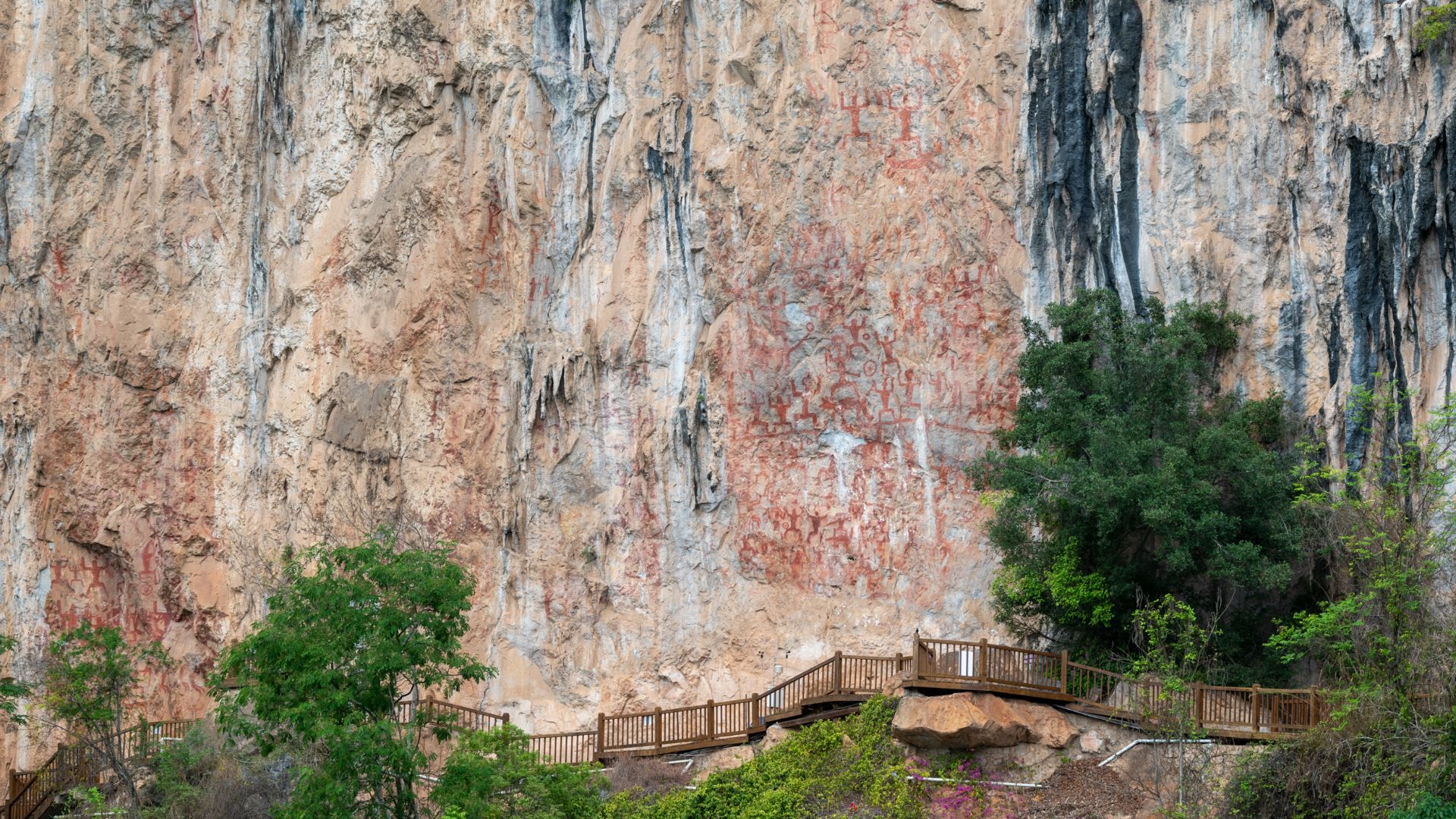
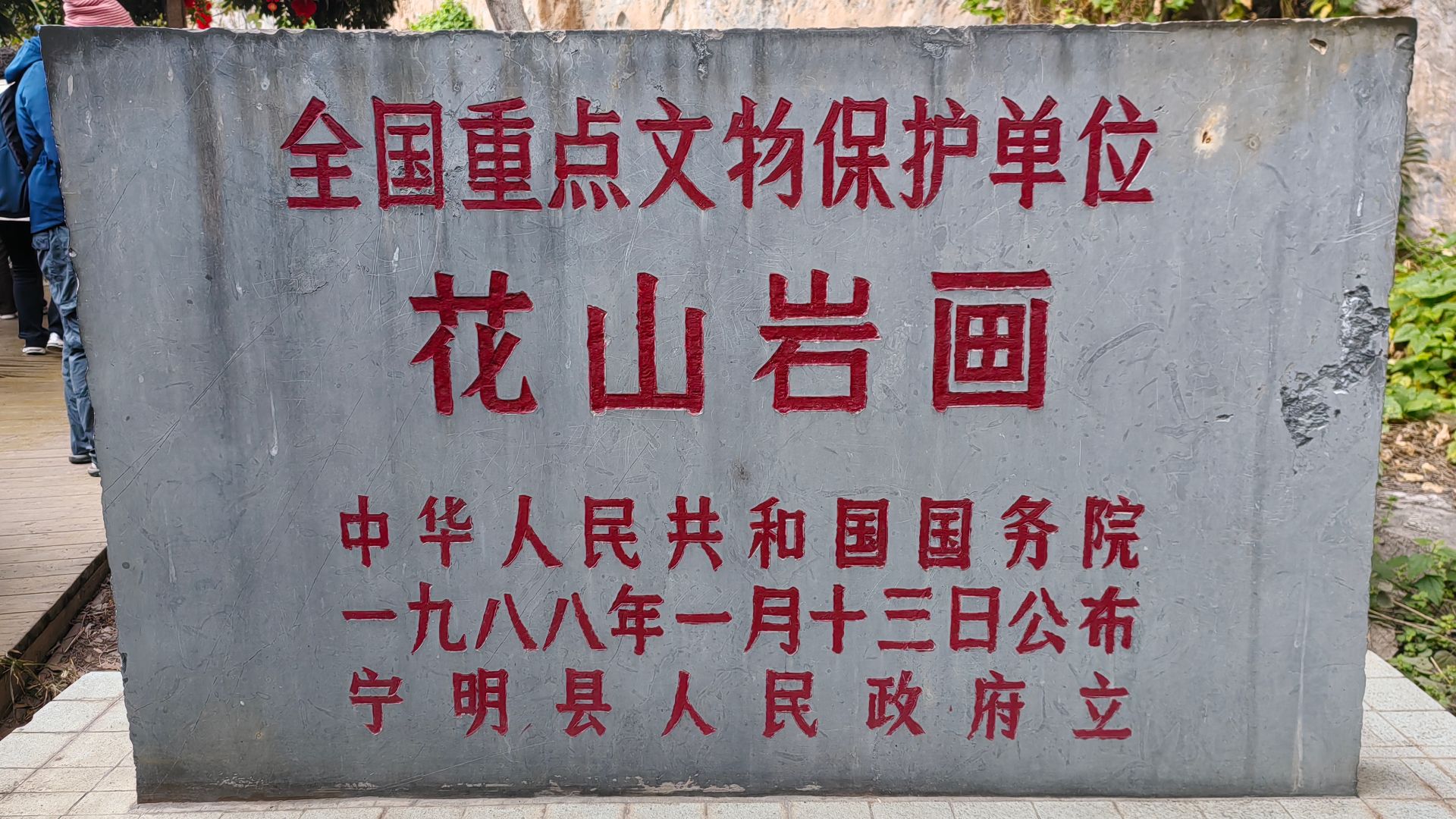
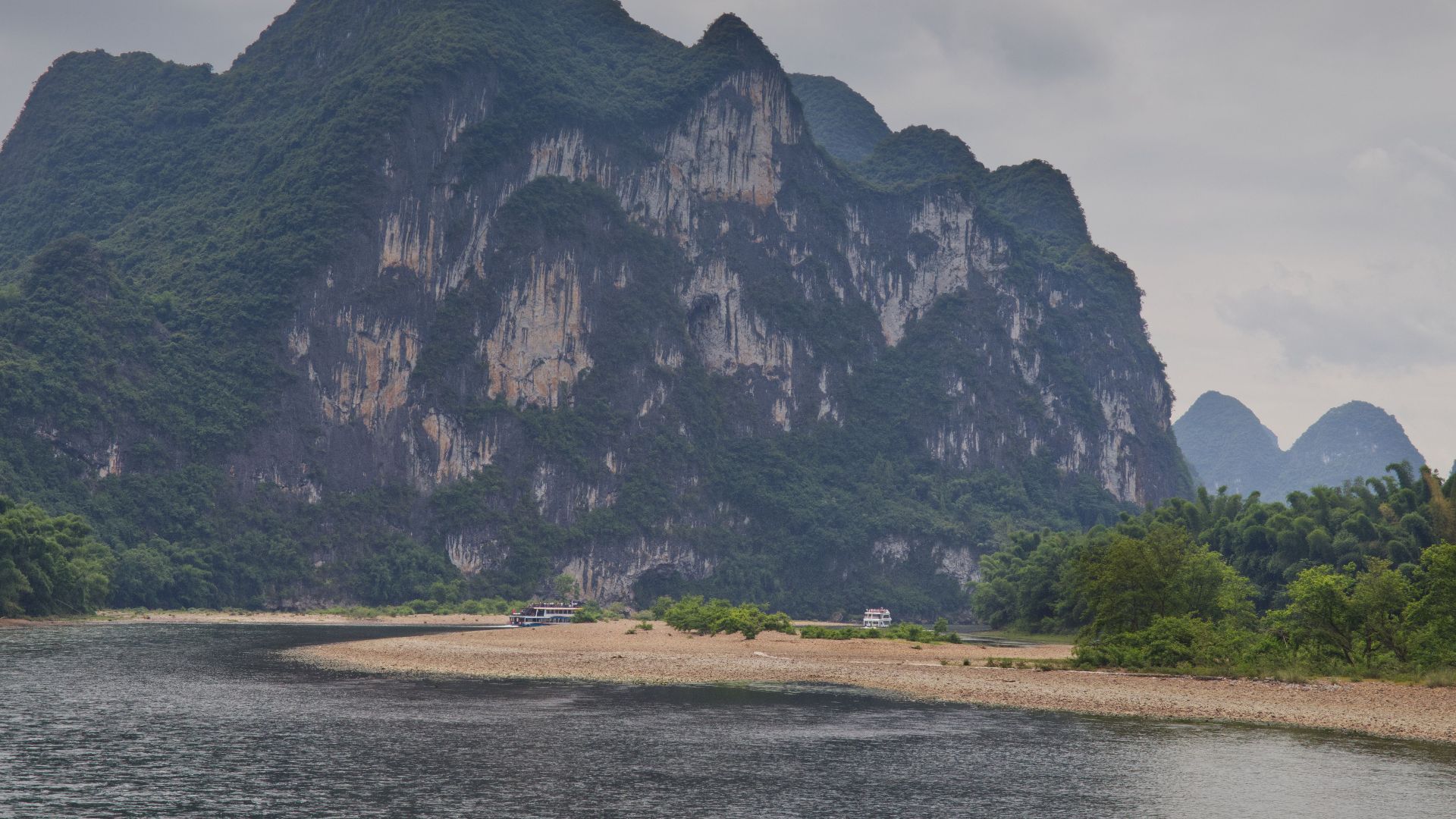
The paintings belong to the Zuojiang Huashan Rock Art Cultural Landscape in Guangxi, near China’s border with Vietnam. They appear on steep cliffs overlooking the Zuojiang River and its tributary, the Mingjiang River. The surrounding karst peaks and waterways are inseparable from the ancient artwork.
 xiquinhosilva, Wikimedia Commons
It Is More Than One Painted Cliff
UNESCO’s protected landscape encompasses 38 separate rock art sites. Researchers have identified more than 80 painted locations across the wider Zuojiang region. Together, they form one of the largest concentrations of ancient rock art in southern China and Southeast Asia.
 xiquinhosilva, Wikimedia Commons
The Luoyue Created The Paintings
The artwork is attributed to the Luoyue people, who lived along the Zuojiang River. UNESCO dates the paintings from approximately the fifth century BCE through the second century CE. This places their creation across several centuries rather than during one brief artistic campaign.
 Gary Todd from Xinzheng, China, Wikimedia Commons
The Cliffs Preserve A Lost Culture
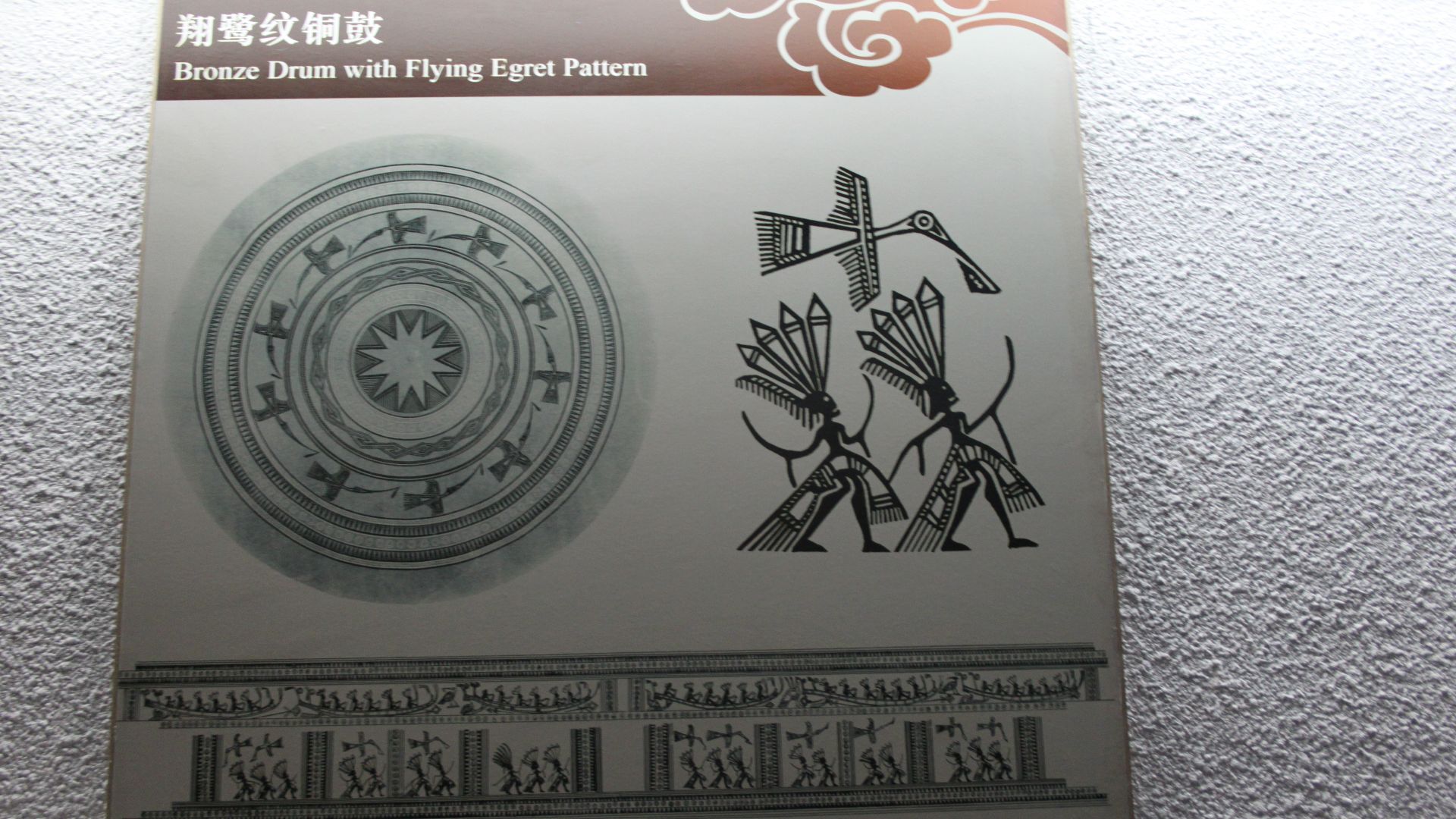
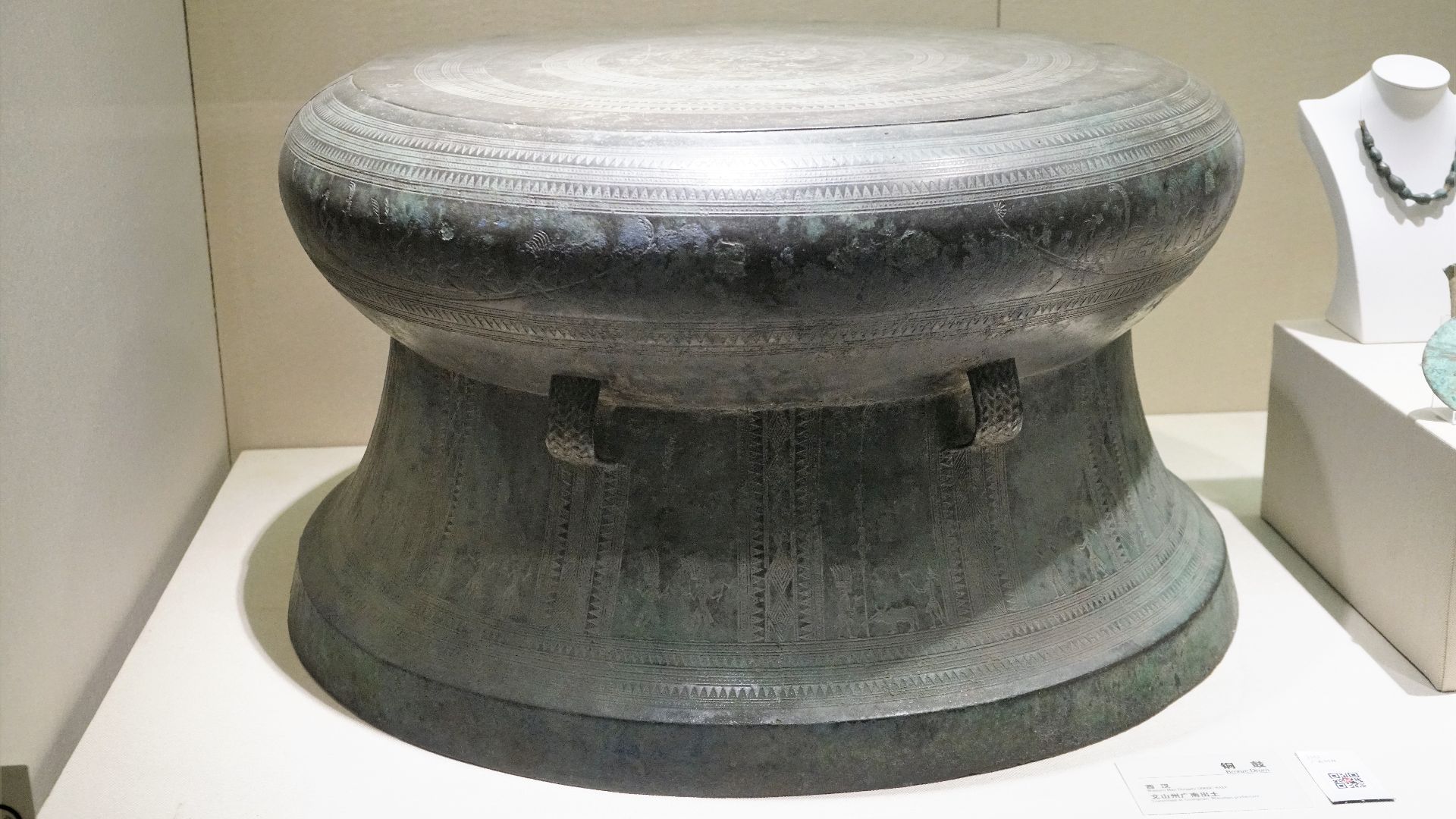
The Luoyue left relatively few written records explaining their society. These images therefore provide unusually valuable evidence about their ceremonies, possessions, and shared beliefs. UNESCO considers the landscape the only surviving witness to the bronze drum culture once widespread across southern China.
 Gary Todd from Xinzheng, China, Wikimedia Commons
Thousands Of Figures Fill The Landscape
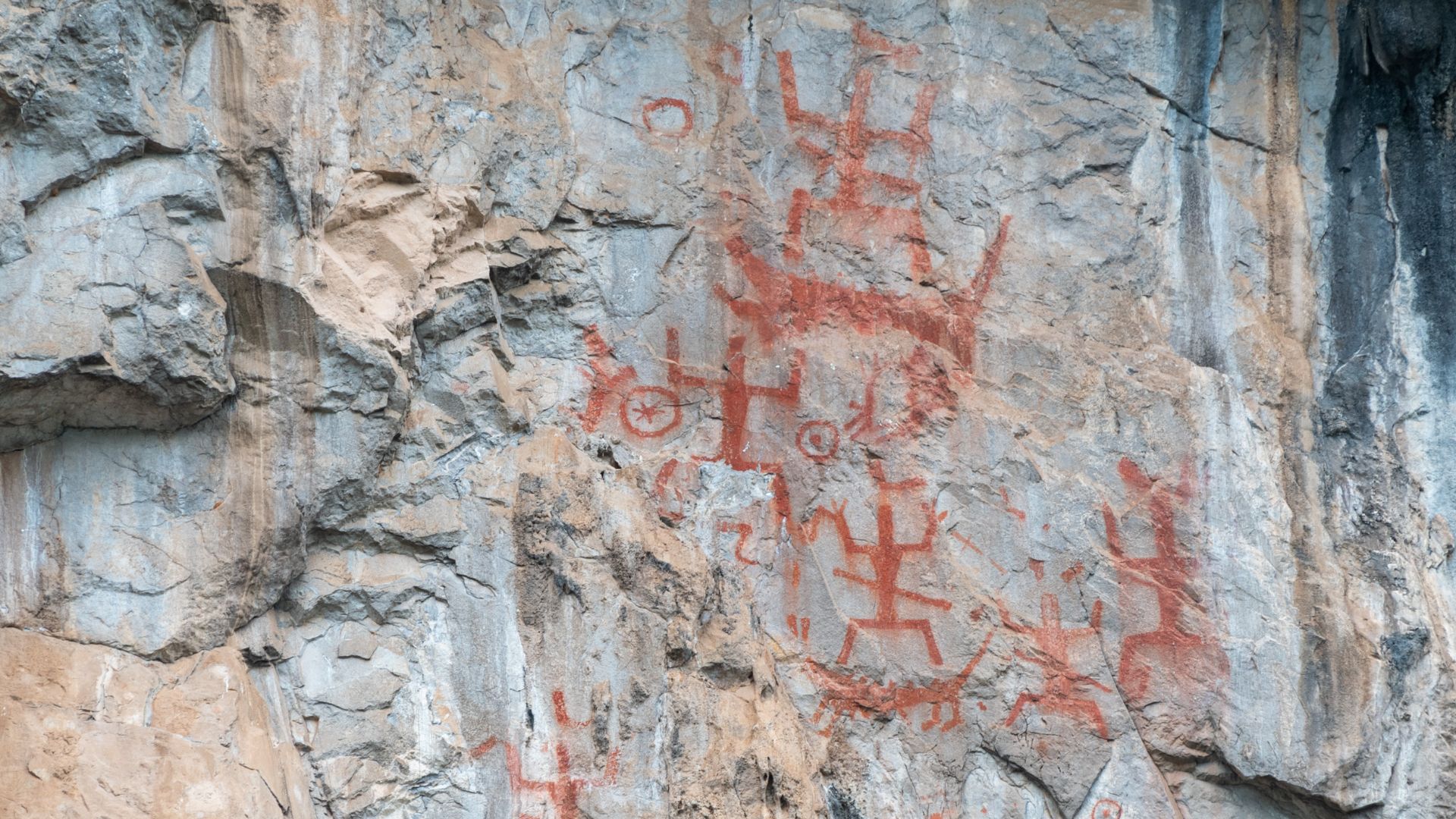
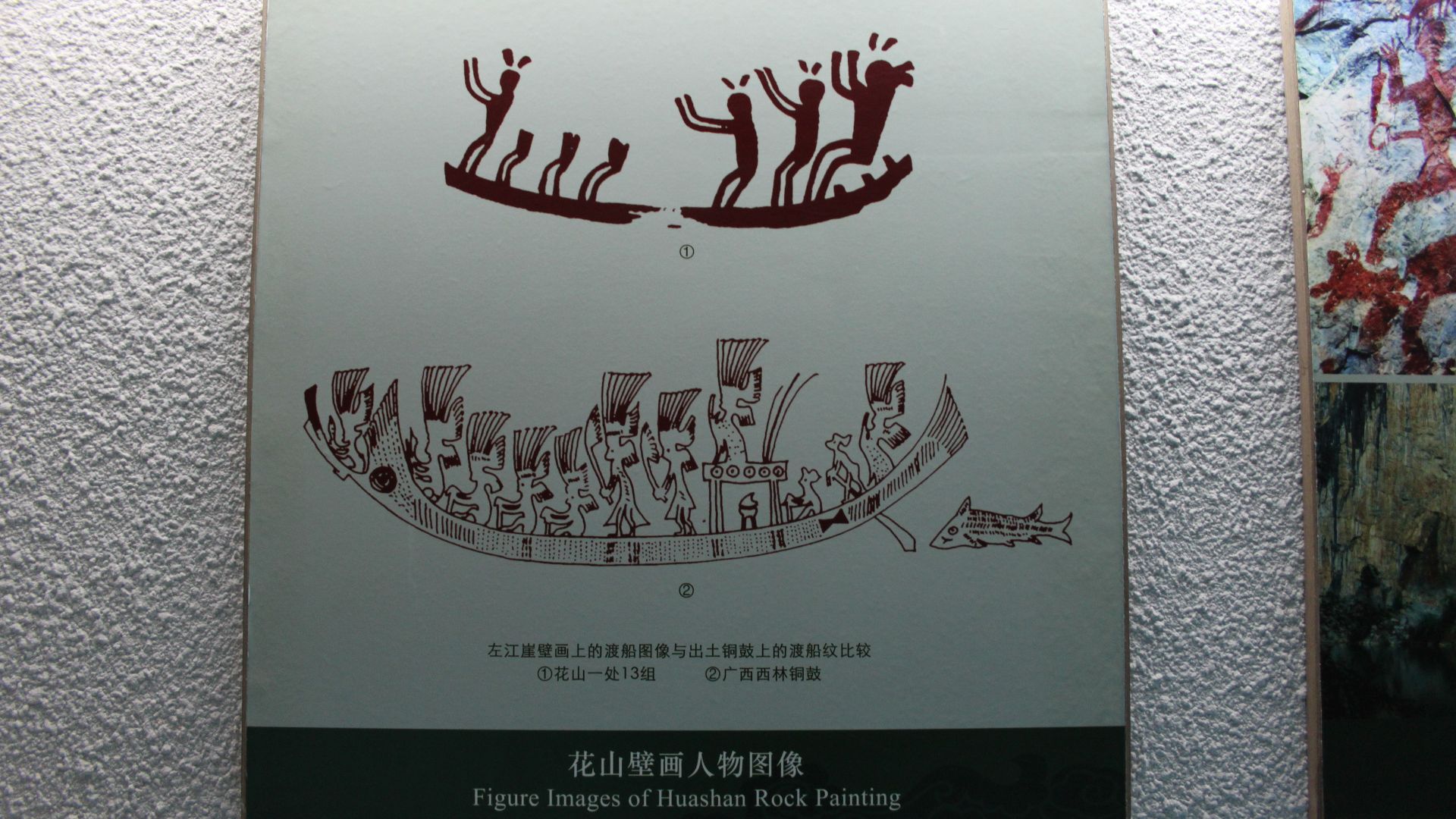
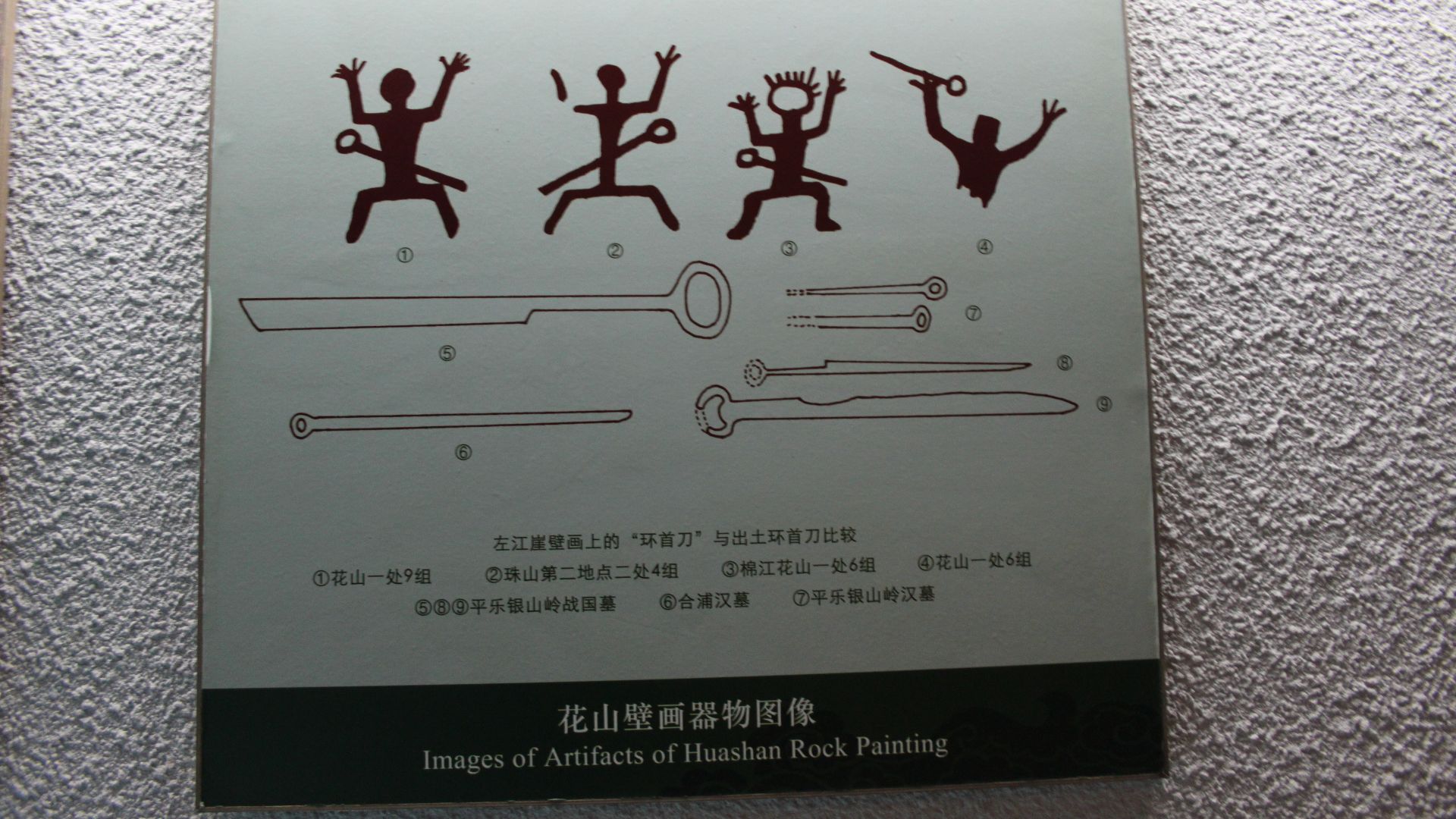
More than 5,000 recognizable images have been documented throughout the broader rock art region. Human figures dominate, often shown squatting with raised arms and bent elbows. Animals, boats, weapons, bells, swords, and musical instruments also appear among them.
 xiquinhosilva, Wikimedia Commons
The Scenes Look Ceremonial
Many compositions place human figures around large circular objects interpreted as bronze drums. Researchers generally believe the paintings show rituals rather than ordinary snapshots of daily life. Even so, the precise meaning of individual gatherings remains unresolved.
The Location Makes Their Survival Baffling
The paintings are not protected inside a stable, dry cave. They sit on exposed cliffs in a humid subtropical monsoon zone. Rain, heat, typhoons, biological growth, and the natural deterioration of limestone have threatened them for centuries.
 Rolfmueller, Wikimedia Commons
Scientists Searched For A Hidden Advantage
A research team led by Shandong University chemist Meng Wu investigated why the red images remained so durable. Their study appeared in the Journal of Archaeological Science in 2026. The researchers focused on both the pigment and the material holding it against the cliff.

They Did Not Cut Into The Murals
Removing samples directly from protected rock art would cause permanent damage. Instead, the researchers collected painted fragments that had already fallen from cliffs at three locations. This approach allowed laboratory analysis without intentionally disturbing surviving images.
 Gary Todd from Xinzheng, China, Wikimedia Commons
Three Sites Offered A Small Window
Samples from three locations cannot represent every recipe used across more than 80 known sites. Different groups may also have prepared paint differently over the centuries. Nevertheless, the fragments revealed a remarkably consistent and sophisticated structure.
The Paint Contained Three Main Layers
Microscopic examination showed that the art was more complicated than pigment brushed directly onto stone. The samples contained the original limestone, an artificial mortar layer, and an outer pigmented layer. Those components functioned together as a bonded system.
 ZhanserikKT, Wikimedia Commons
Different Technologies Examined Each Layer
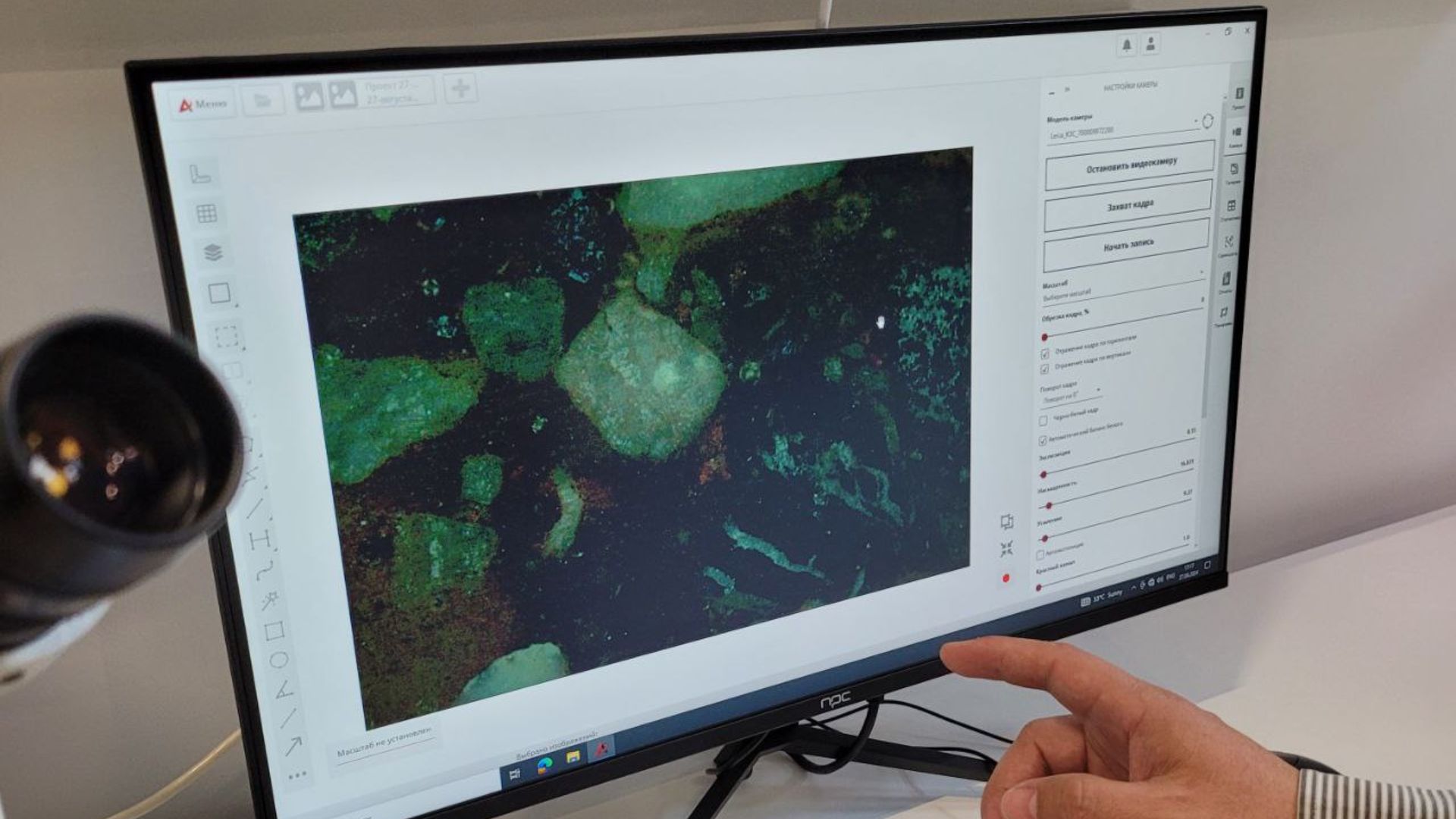
Scanning electron microscopy helped researchers study the paint’s extremely small structures. Infrared and X-ray techniques supplied information about its mineral and chemical composition. Using several methods reduced the risk of relying on one ambiguous test.

Ancient Proteins Provided The Biggest Surprise
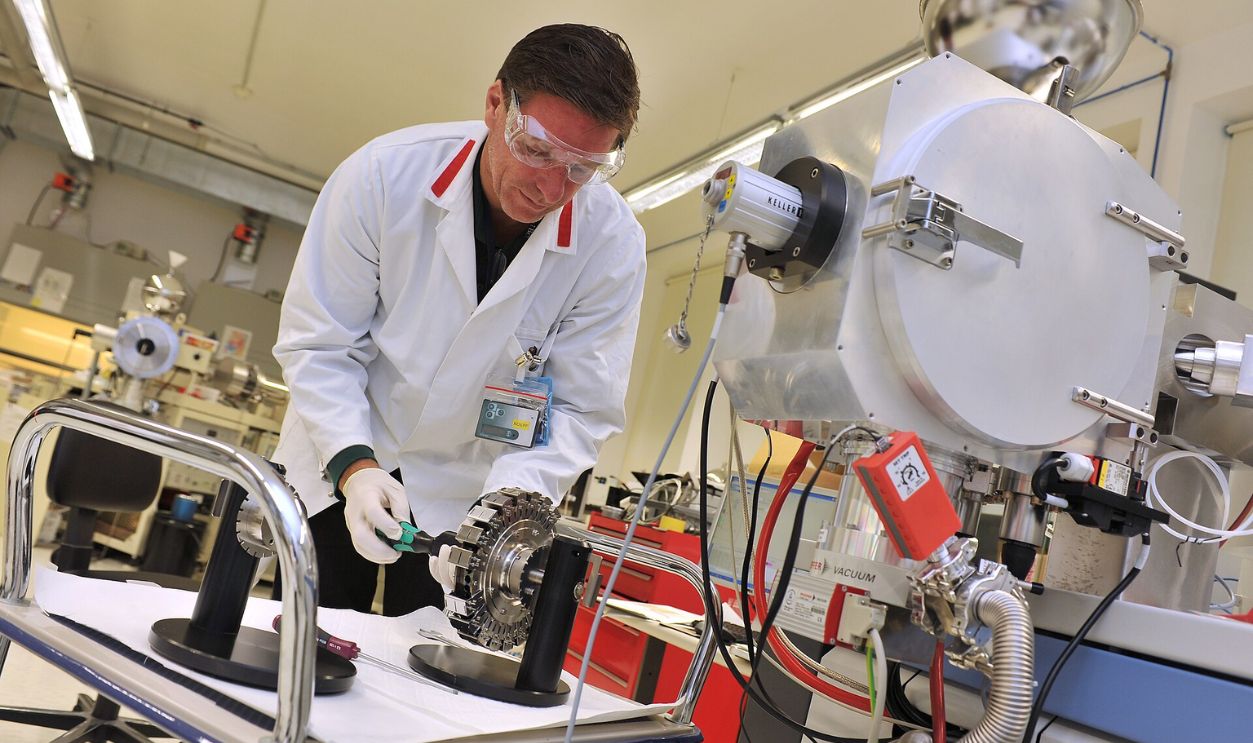
The team also used proteomics, which identifies proteins from the fragments they leave behind. That analysis revealed biological material within the mortar. The detected proteins indicated that blood had been deliberately combined with mineral ingredients.
 IAEA Imagebank, Wikimedia Commons
Red Clay Supplied The Color
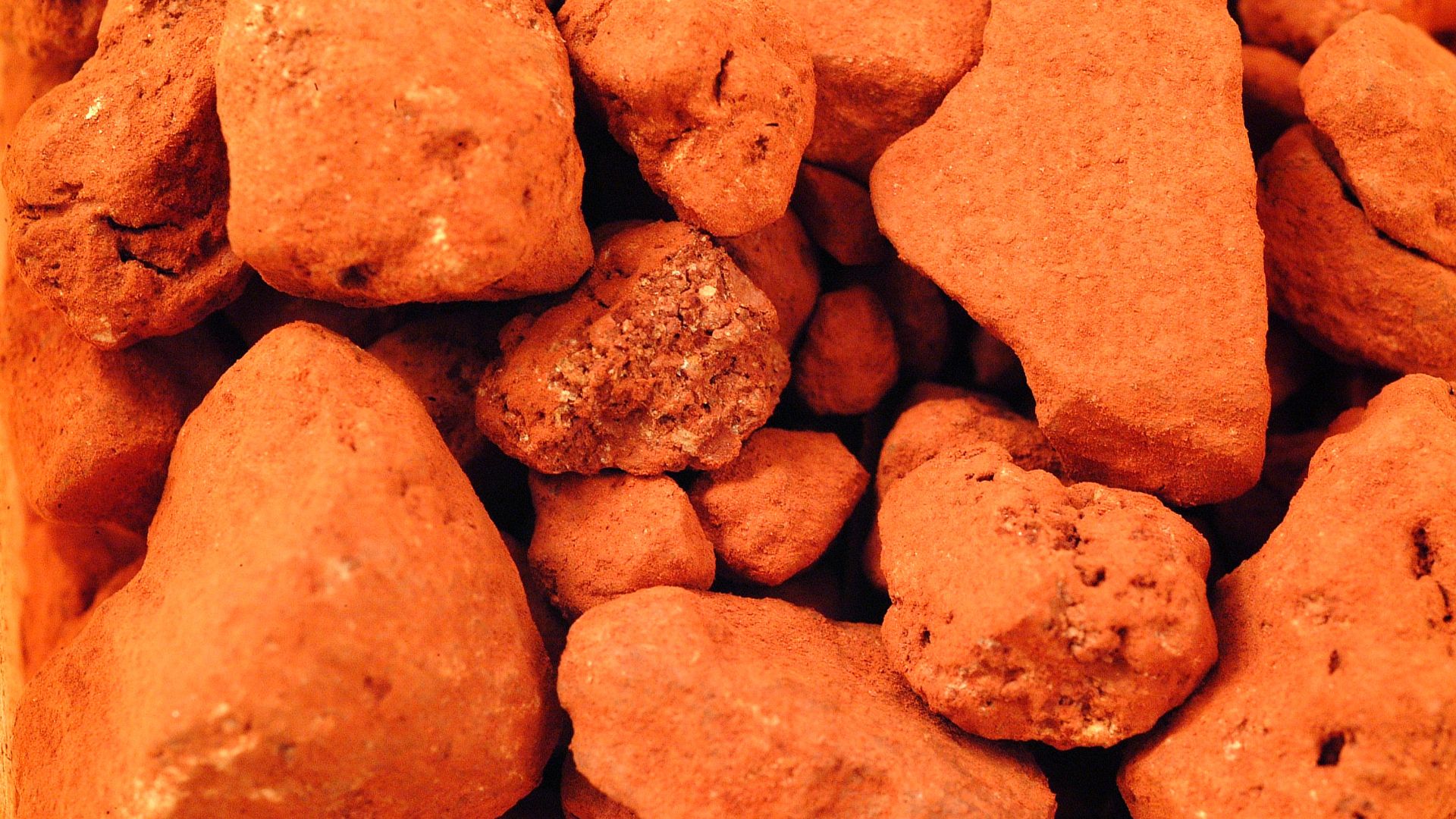
The vivid pigment came from red clay containing tiny particles of hematite. Hematite is an iron oxide responsible for the familiar reddish color of many ancient pigments. In the Huashan samples, some particles were small enough to be described as nano-hematite.
 Darla Sondrol, Wikimedia Commons
The Binder Was More Unusual
Behind the red pigment was a mortar made with lime and blood. This mixture acted as a binder between the hematite-rich clay and the limestone cliff. The discovery replaced simpler theories involving only animal glue, plant gum, or another conventional organic adhesive.
Human Blood Was Part Of The Recipe
Human serum proteins were detected in the samples, pointing to human blood rather than an exclusively animal ingredient. Evidence of animal blood was also reported. The results suggest the artists used a blended organic and mineral formula rather than a single substance.

Surprisingly Little Blood Was Needed
The discovery does not imply that enormous quantities of human blood were required to paint the cliffs. Researchers reported that a relatively small amount could affect a much larger batch of mortar. Blood was therefore an additive with powerful chemical effects, not the main ingredient.
Lime Started A Lasting Reaction
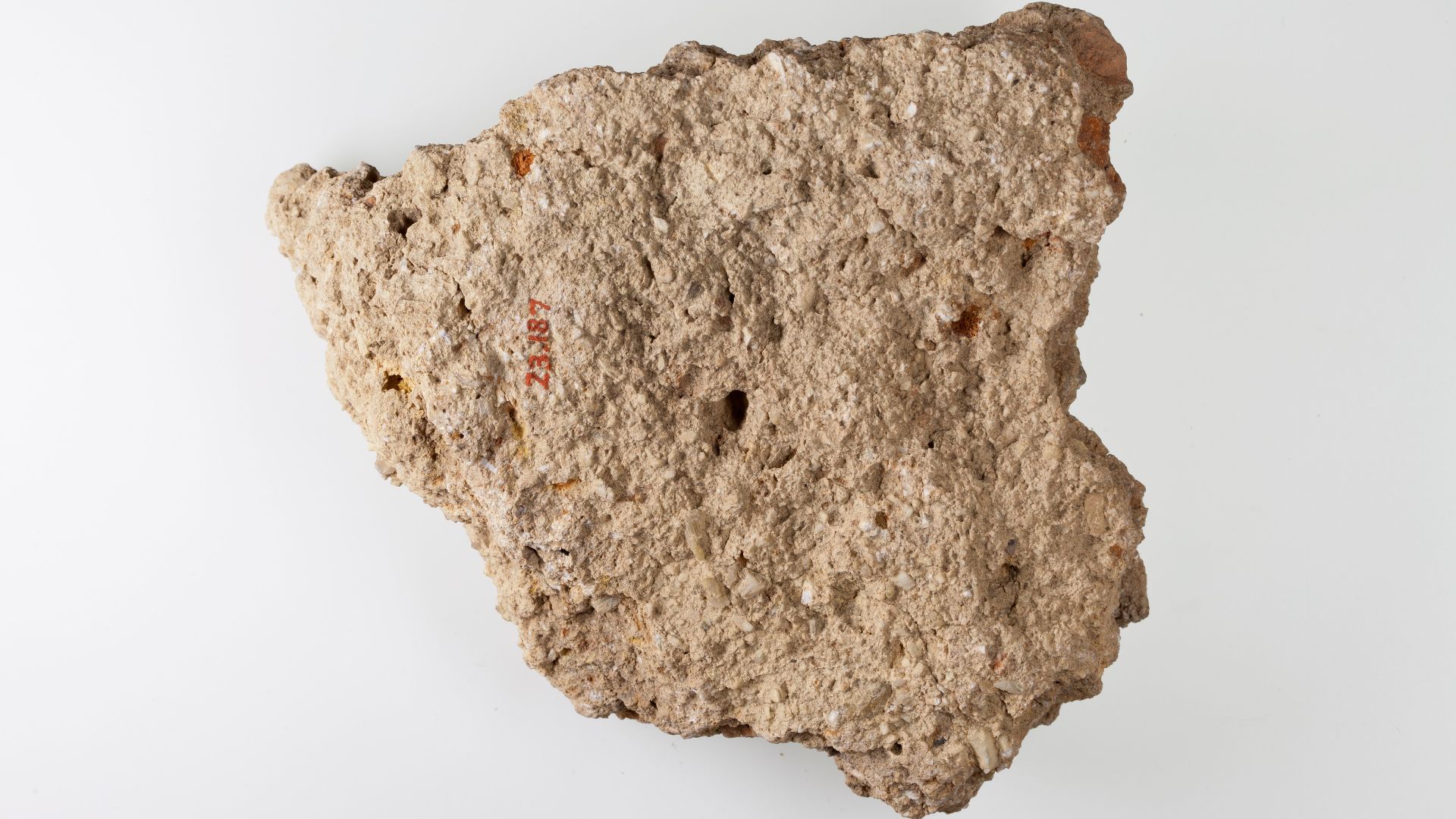
The artists appear to have used slaked lime, which is produced by mixing processed lime with water. Once applied, the lime absorbed carbon dioxide from the surrounding air. This gradually converted it into calcium carbonate, the primary mineral found in limestone.
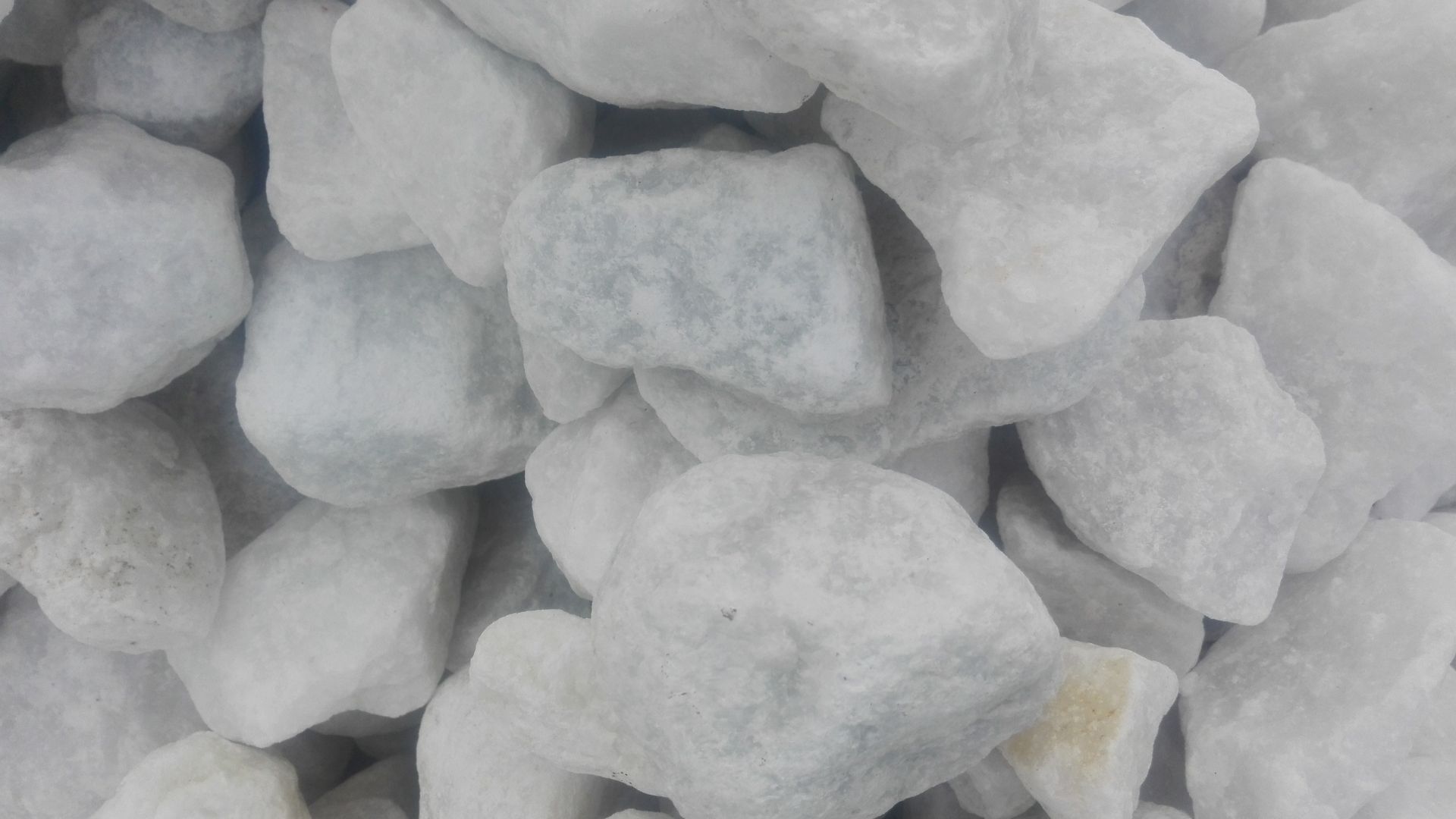
Blood Changed How The Crystals Formed
Proteins in the blood influenced the formation of calcium carbonate crystals. The researchers described this process as blood-induced biomineralization. It created a dense mineral structure around the extremely small hematite particles.
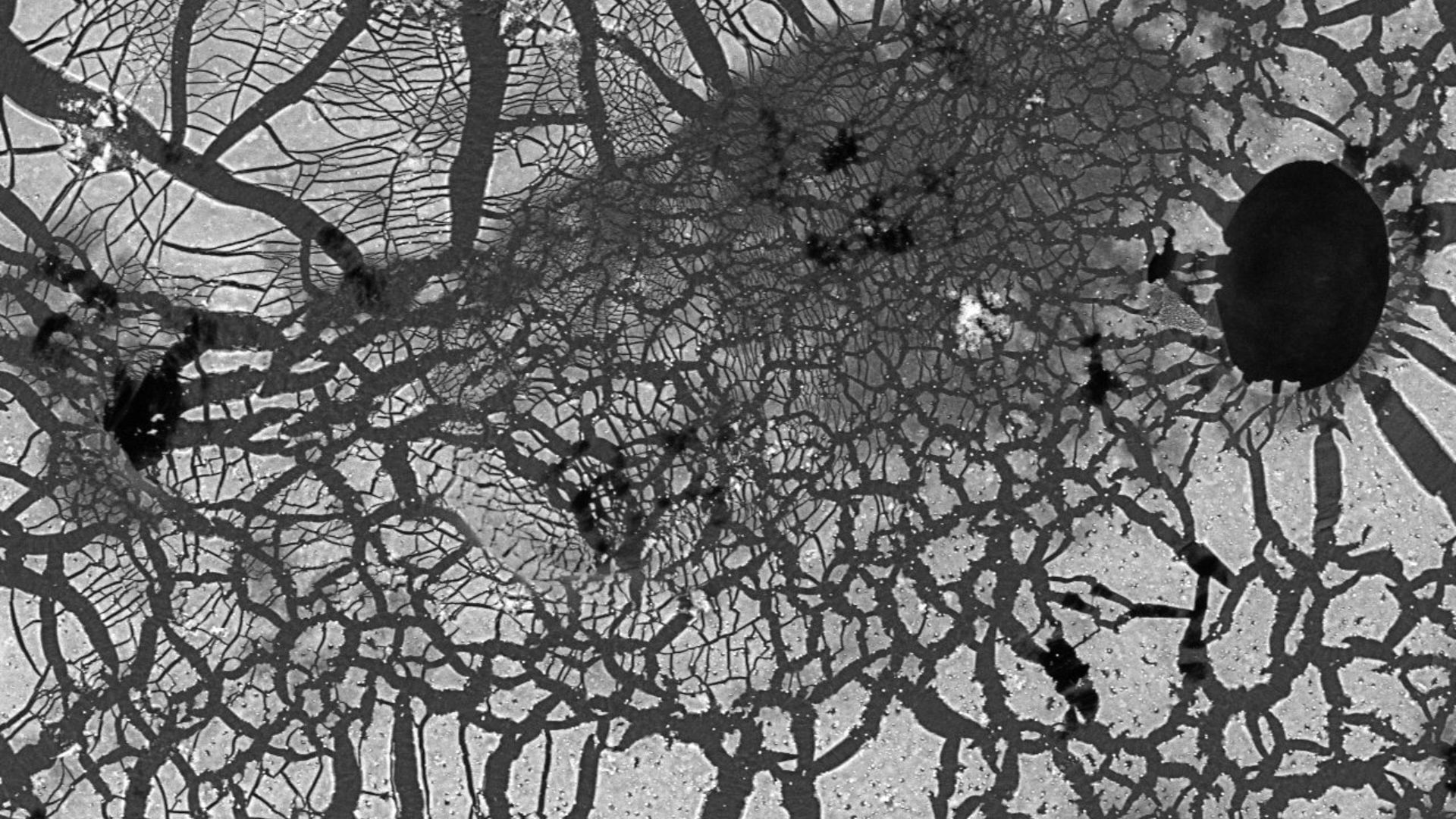
The Pigment Became Locked In Place
The newly formed calcium carbonate encapsulated the red pigment and bonded it firmly to the limestone. This stable structure helped prevent the painted layer from peeling away independently. In effect, the binder became chemically integrated with the cliff beneath it.
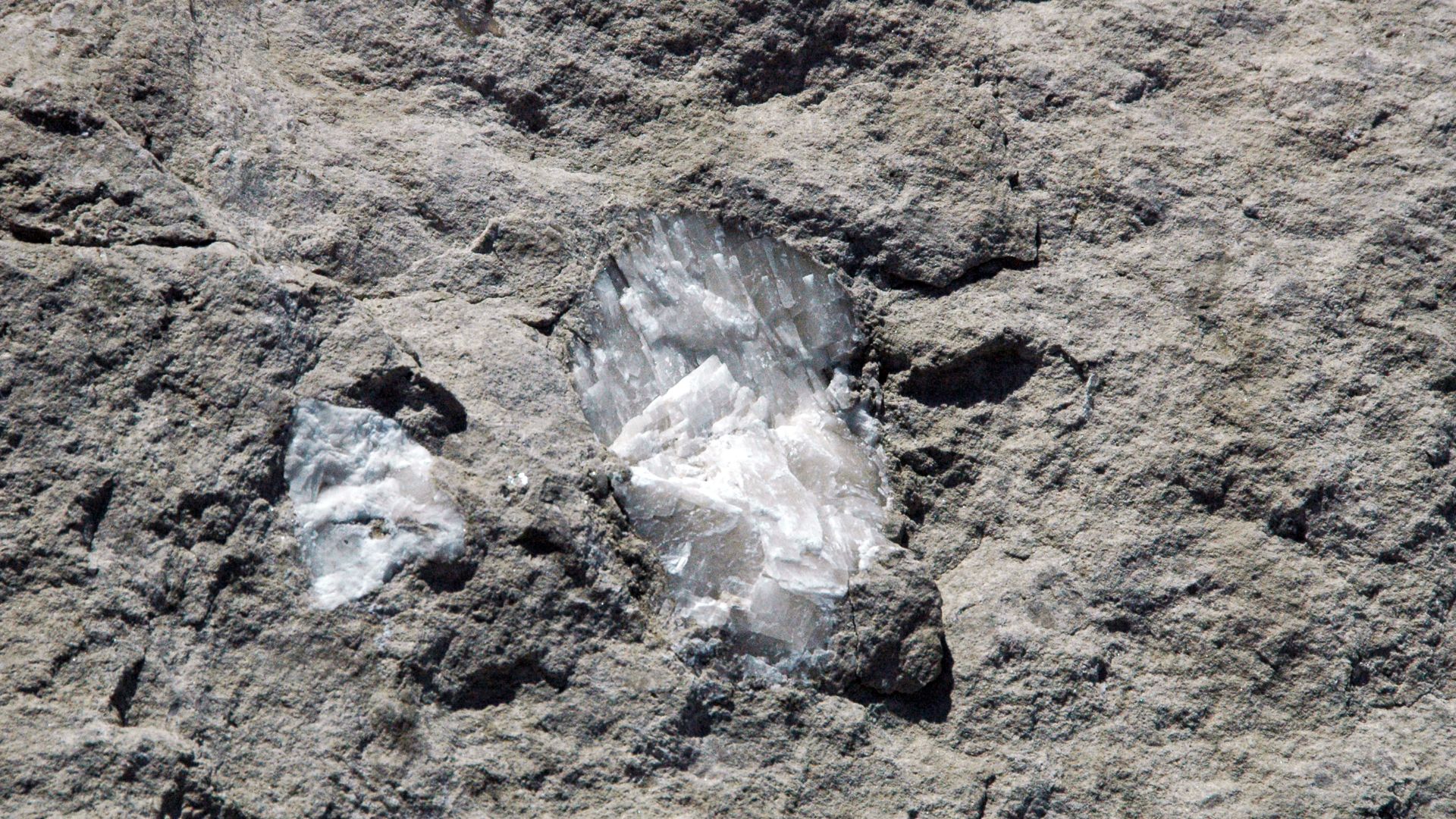 James St. John, Wikimedia Commons
Every Layer Supported The Others
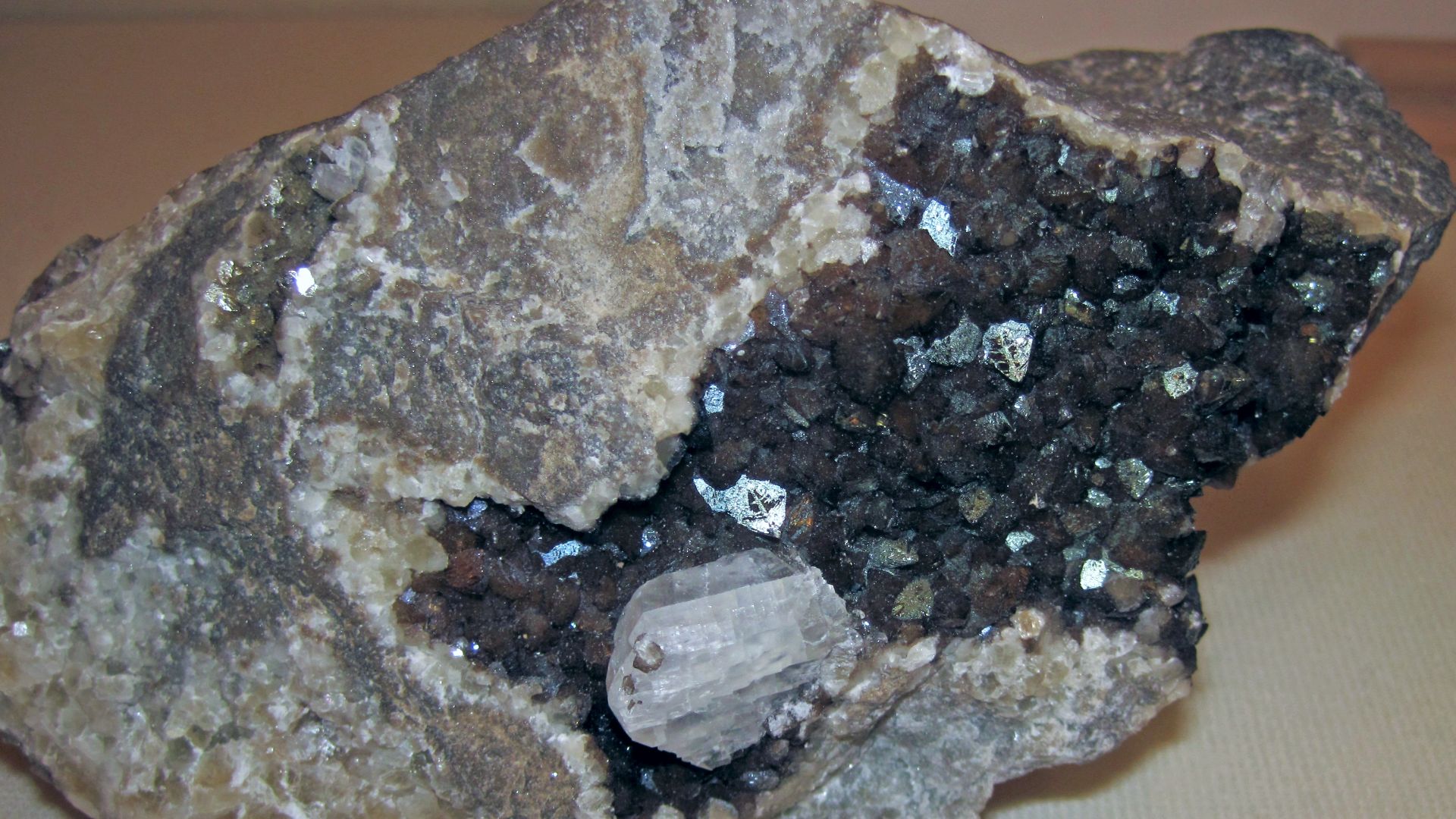
The limestone provided a compatible mineral surface for the lime-based mortar. Blood proteins guided the mortar’s crystallization, while the resulting calcium carbonate surrounded the hematite. The paintings survived because the complete system worked together.
 James St. John, Wikimedia Commons
Ancient Artists Understood Their Materials
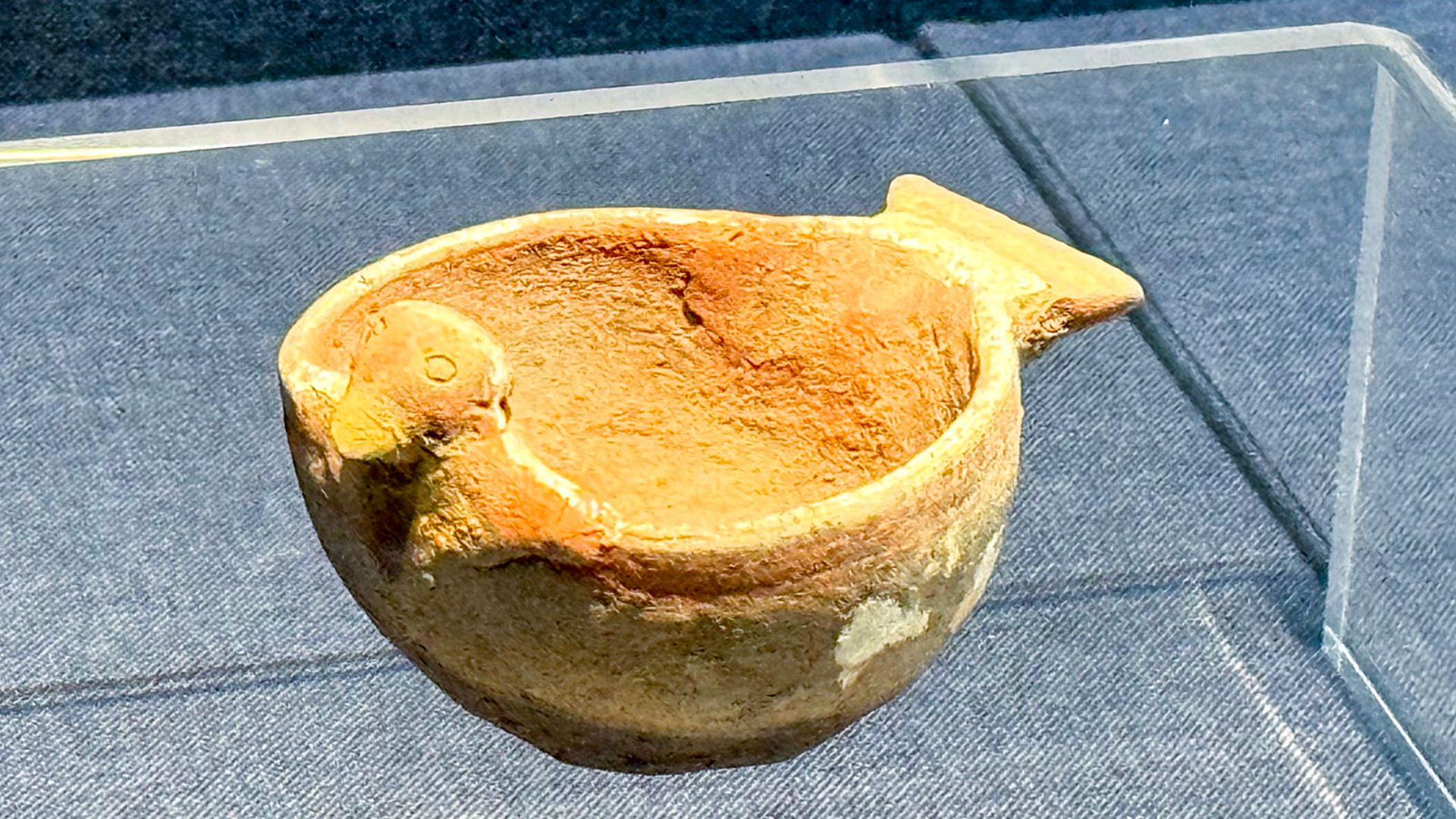
There is no evidence that the Luoyue understood the reaction in modern chemical terms. However, creating an effective recipe still required observation, experimentation, and careful preparation. The study’s authors argue that the paintings should be viewed as technically intensive achievements.
 Windmemories, Wikimedia Commons
One Detail Raised A Deeper Mystery
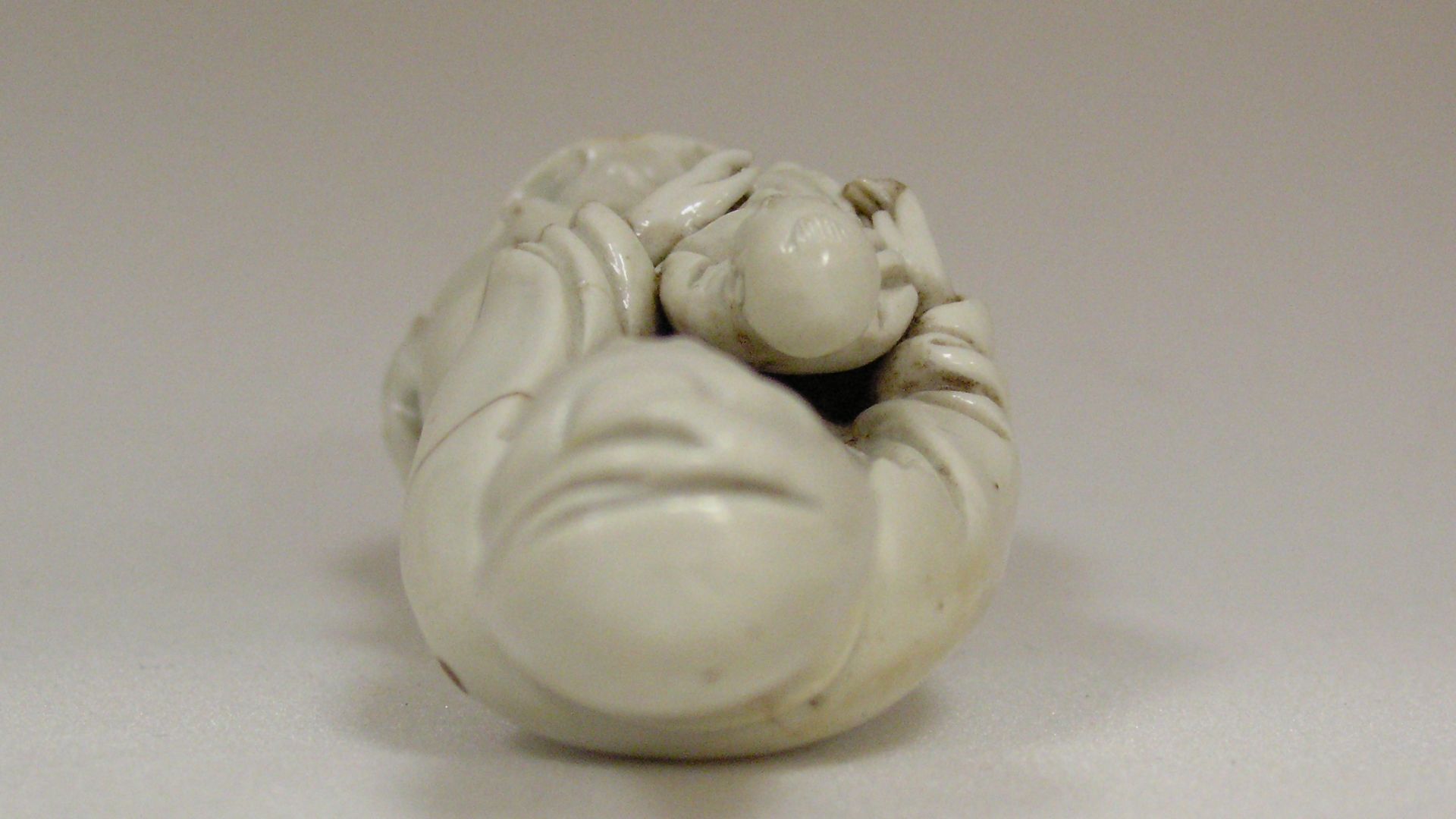
Researchers detected proteins associated with pregnancy and lactation in some material. That led them to propose that human blood might have been collected during childbirth or the postpartum period. The possibility quickly attracted attention because of the artwork’s reproductive imagery.
 Unknown authorUnknown author, Wikimedia Commons
Some Figures Appear Connected To Fertility
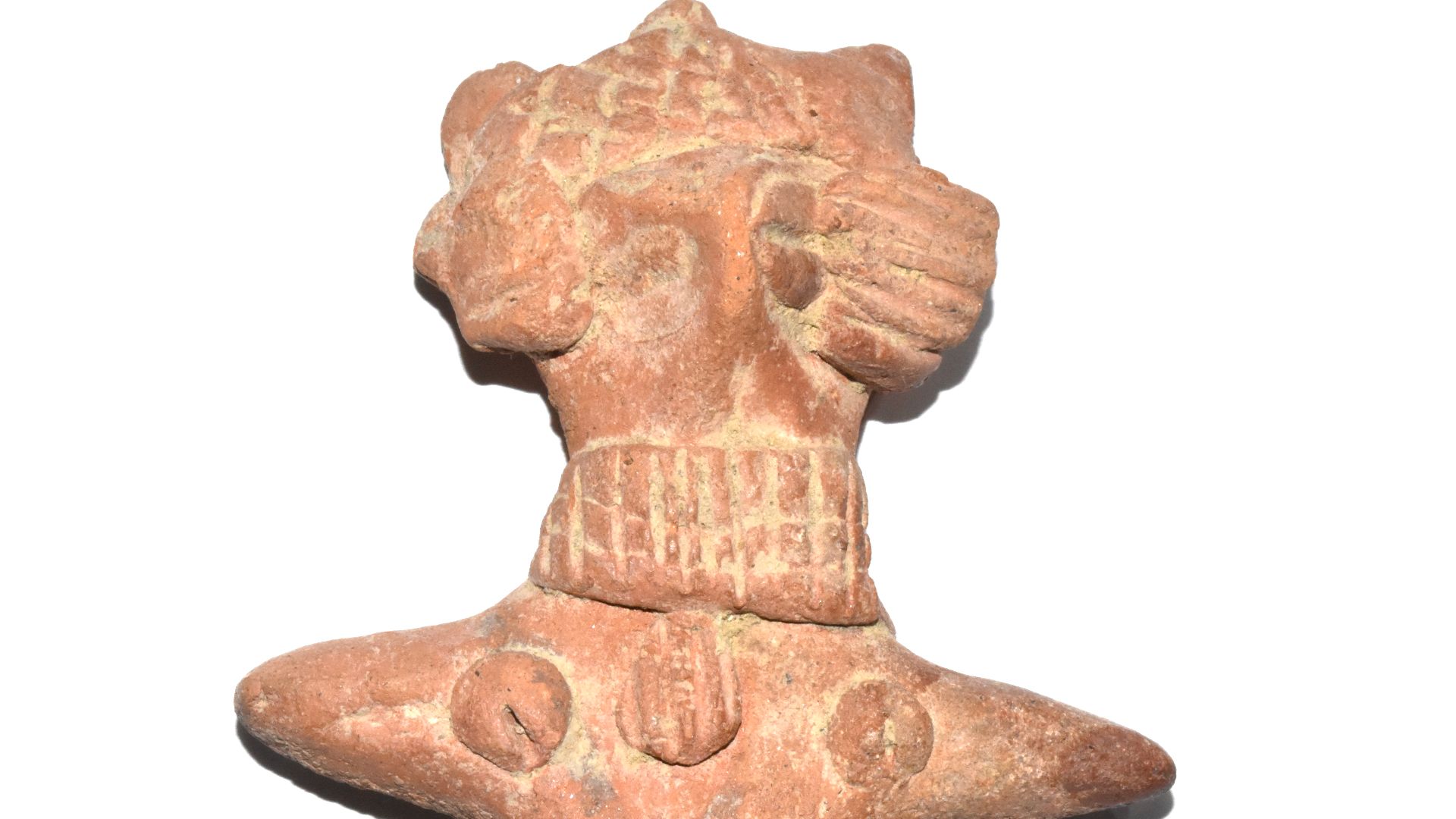
The murals include images interpreted as pregnant women, sexual activity, and prominently displayed male anatomy. Researchers have therefore considered whether some scenes relate to fertility, birth, or renewal. Blood associated with childbirth could have held symbolic meaning within those ceremonies.
 Fred Cherrygarden, Wikimedia Commons
That Theory Is Not Proven
The pregnancy-related proteins are not exclusive to childbirth, and researchers recovered no ancient human DNA. An independent rock art expert called the childbirth interpretation the study’s weakest but potentially most interesting proposal. For now, the chemistry supports human blood, while its precise source remains uncertain.
 https://kaboompics.com/, Pexels
Important Questions Still Remain
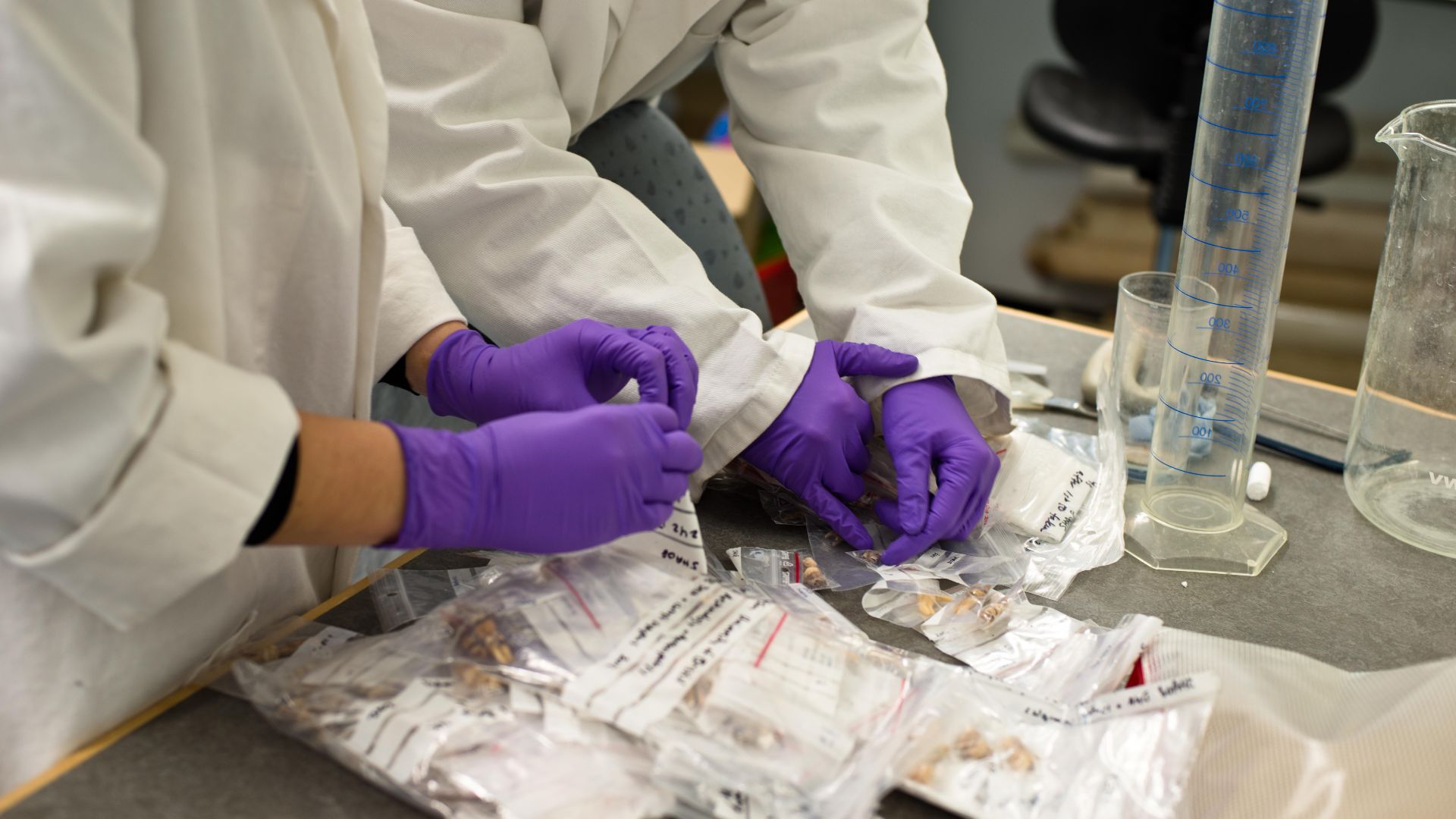
Researchers need samples from more locations to determine whether the same recipe was used throughout the entire landscape. They could also test whether different mixtures correspond with particular figures or ceremonial scenes. Such patterns might connect the paint’s chemistry more securely with its cultural meaning.
 Colleenmorgan, Wikimedia Commons
The Cliffs Are Still Closely Watched
Modern conservation teams monitor the artwork, surrounding rock, waterways, and environment. Equipment at Ningming includes high-resolution cameras, thermal infrared imaging, and temperature sensors that can warn officials about changing conditions. Ancient material knowledge and modern monitoring now work together to protect the same extraordinary landscape.
The Blood Solves Only Part Of The Mystery
The study offers a persuasive explanation for why red pigment remained bonded to exposed limestone for so long. It does not reveal exactly why the Luoyue painted these ceremonies or how workers reached such dangerous heights. The enduring images still hold secrets, but their remarkable paint recipe has finally begun to speak.
You May Also Like:
Scientists uncover a toxic legacy of Ancient Rome that may have lowered intelligence across Europe




_(5113272619).jpg)