A Legendary Mystery Resurfaces
Archaeologists investigating a skeleton found beneath a church in Maastricht, the Netherlands believe it could belong to the real-life d’Artagnan, the 17th-century French musketeer who inspired Alexandre Dumas’s hero in The Three Musketeers. Researchers are now investigating whether the remains are truly his.
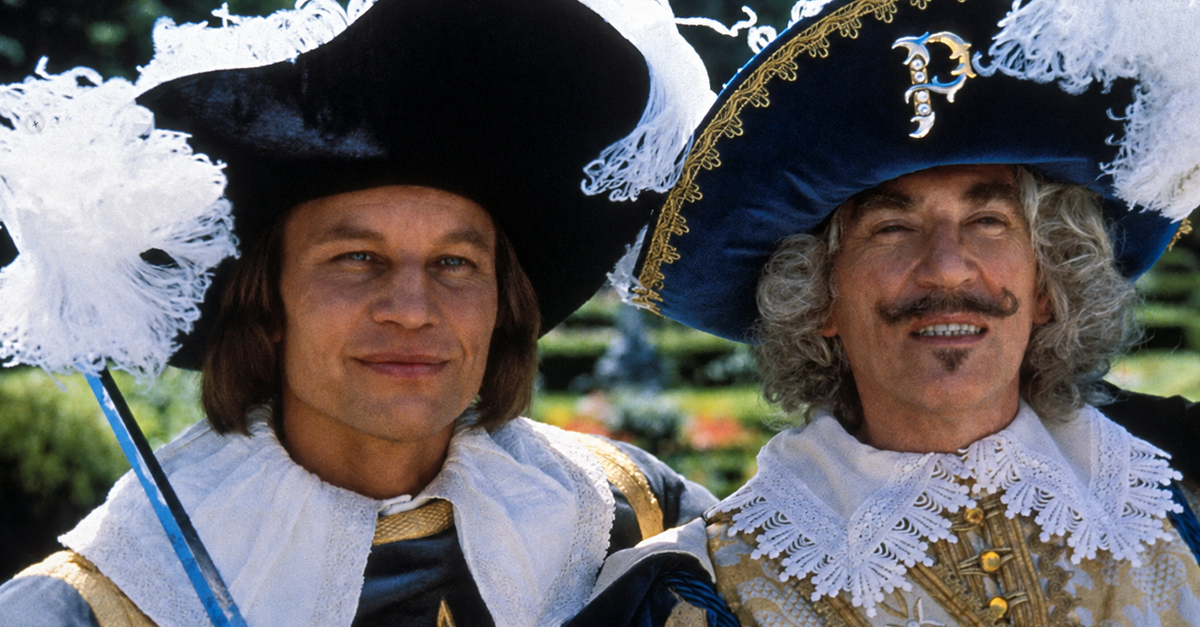
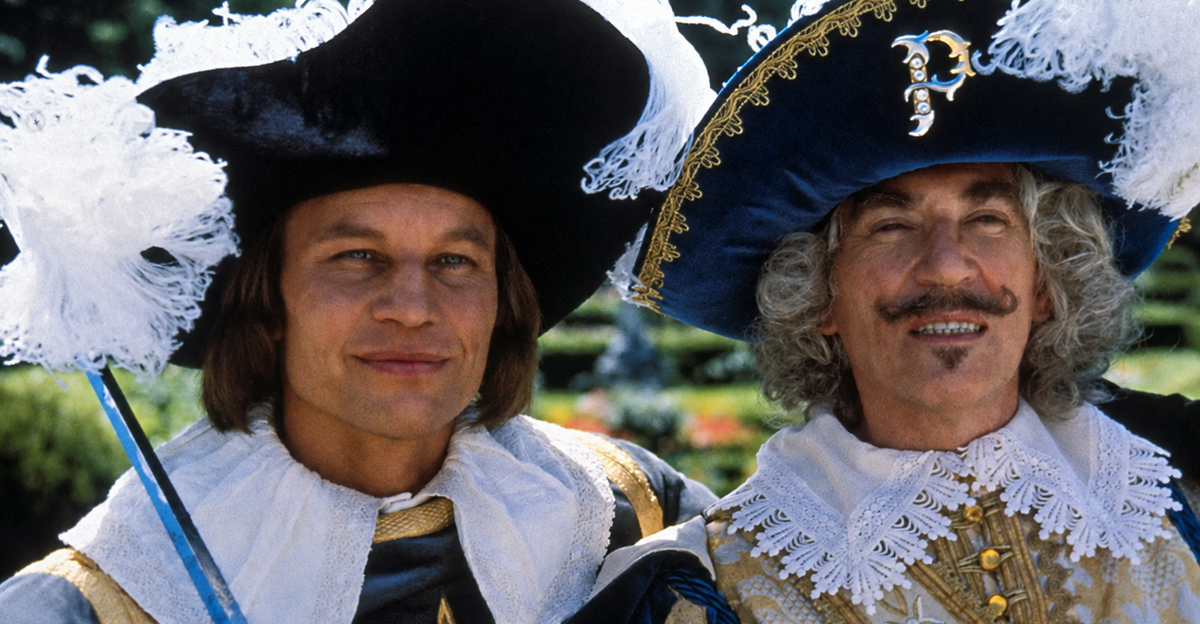 Screenshot from The Return of the Musketeers, Universal Pictures (1989)
A Church Floor Gives Way
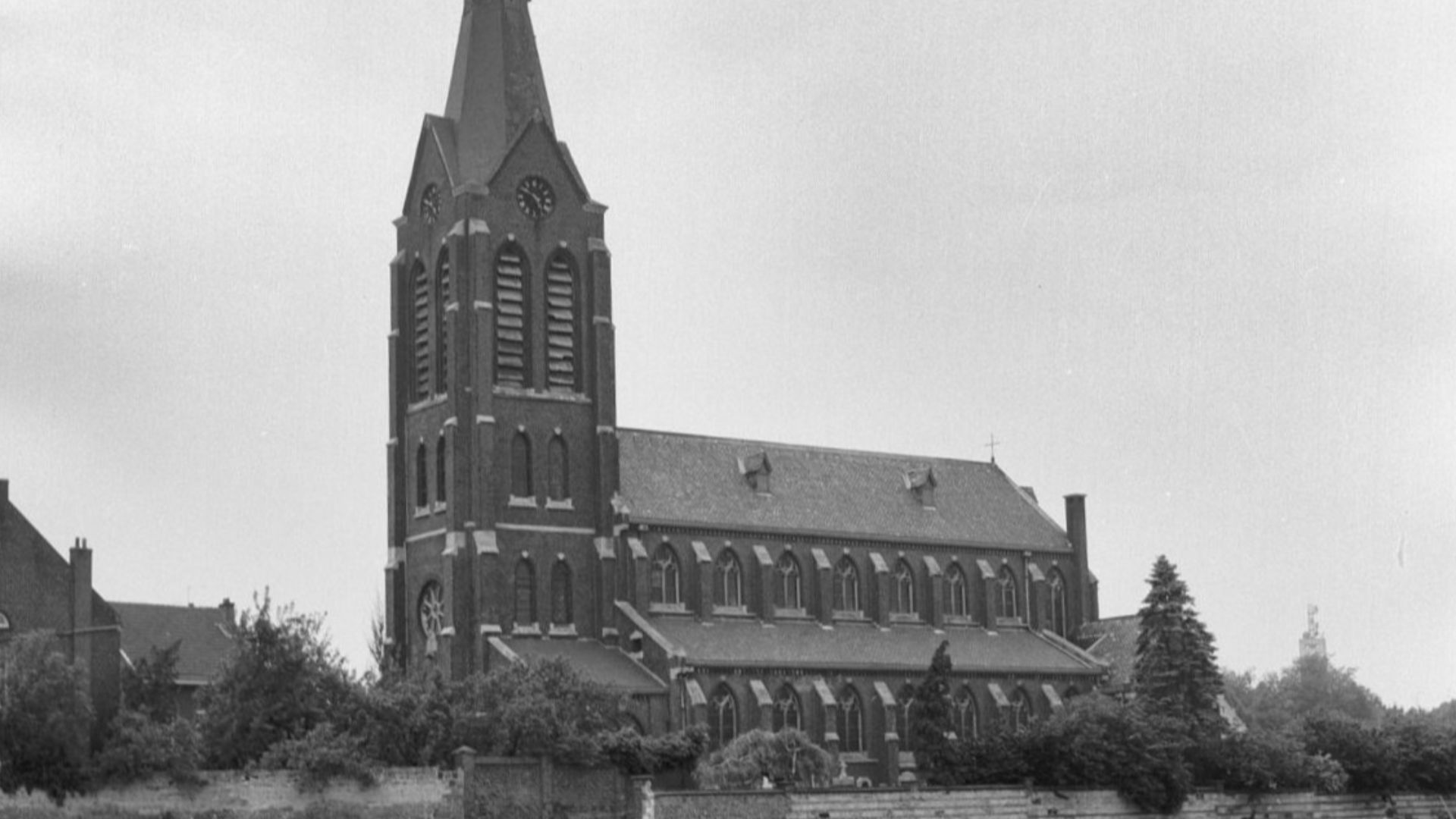
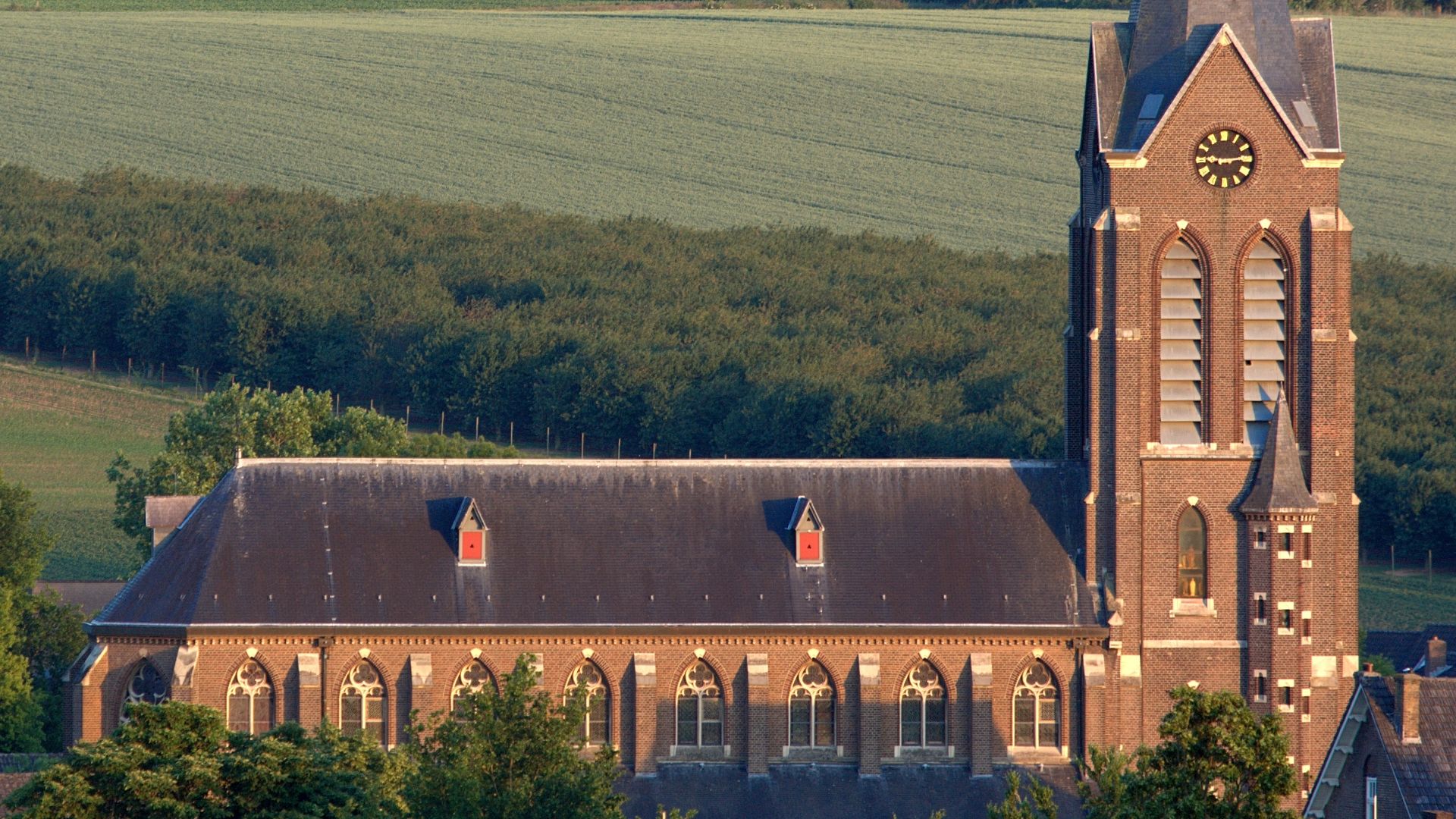
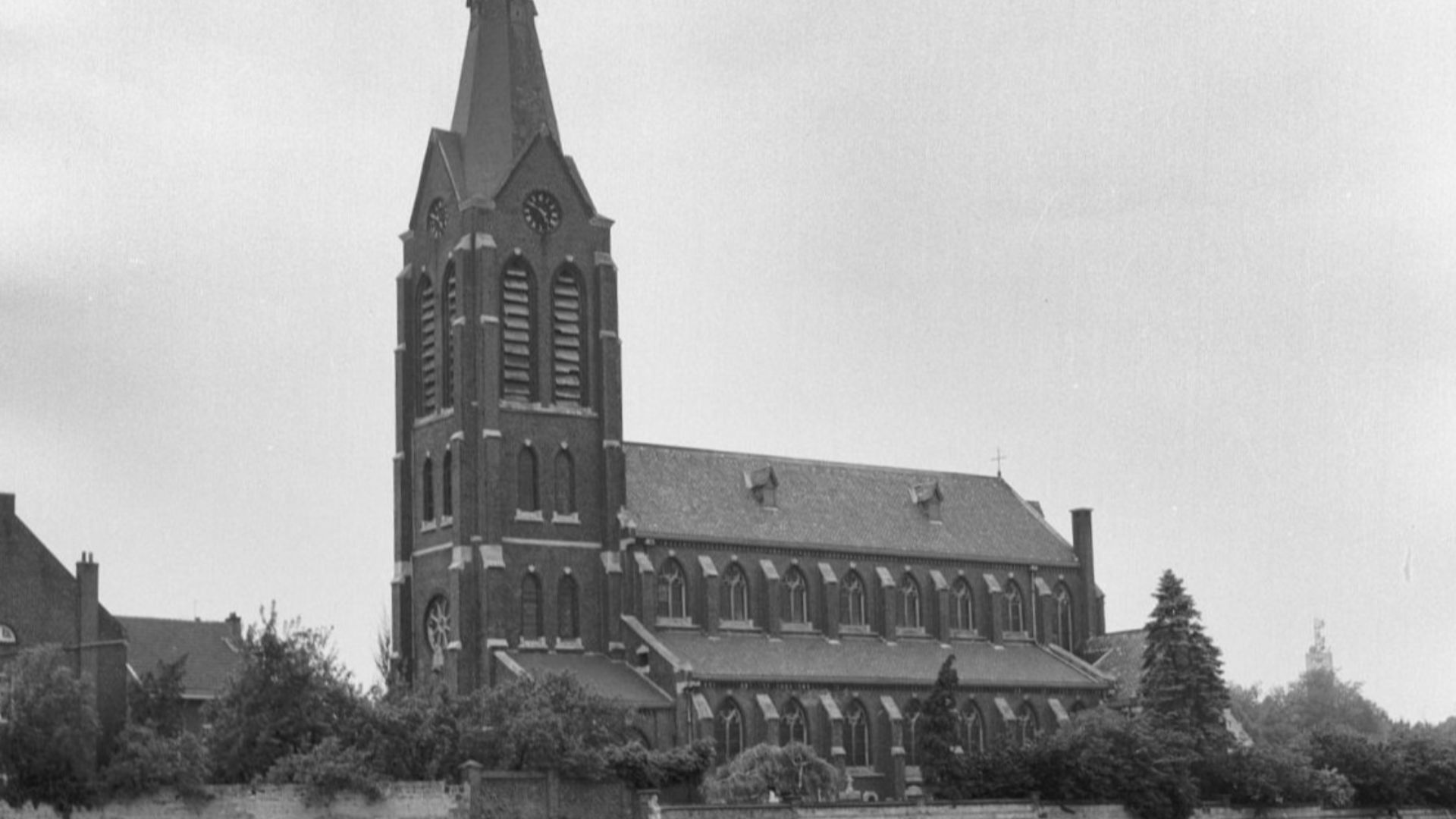
The discovery began after part of the floor inside the Church of St Peter and St. Paul sank in February 2026. The church stands in Wolder, a district on the southwestern edge of Maastricht. Workers uncovered the grave while repairing the damage.
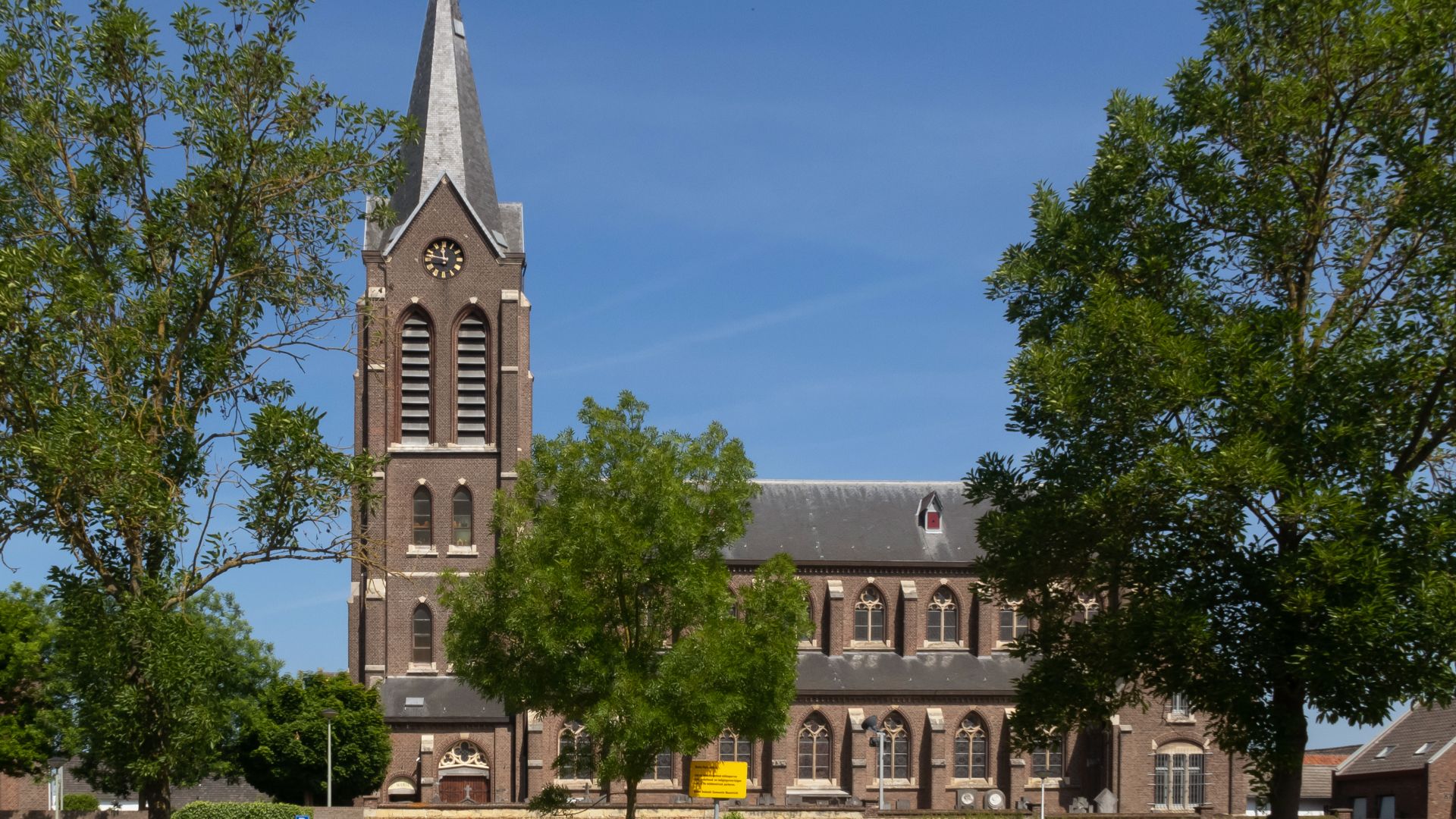 Michielverbeek, Wikimedia Commons
Hidden Beneath The Former Altar
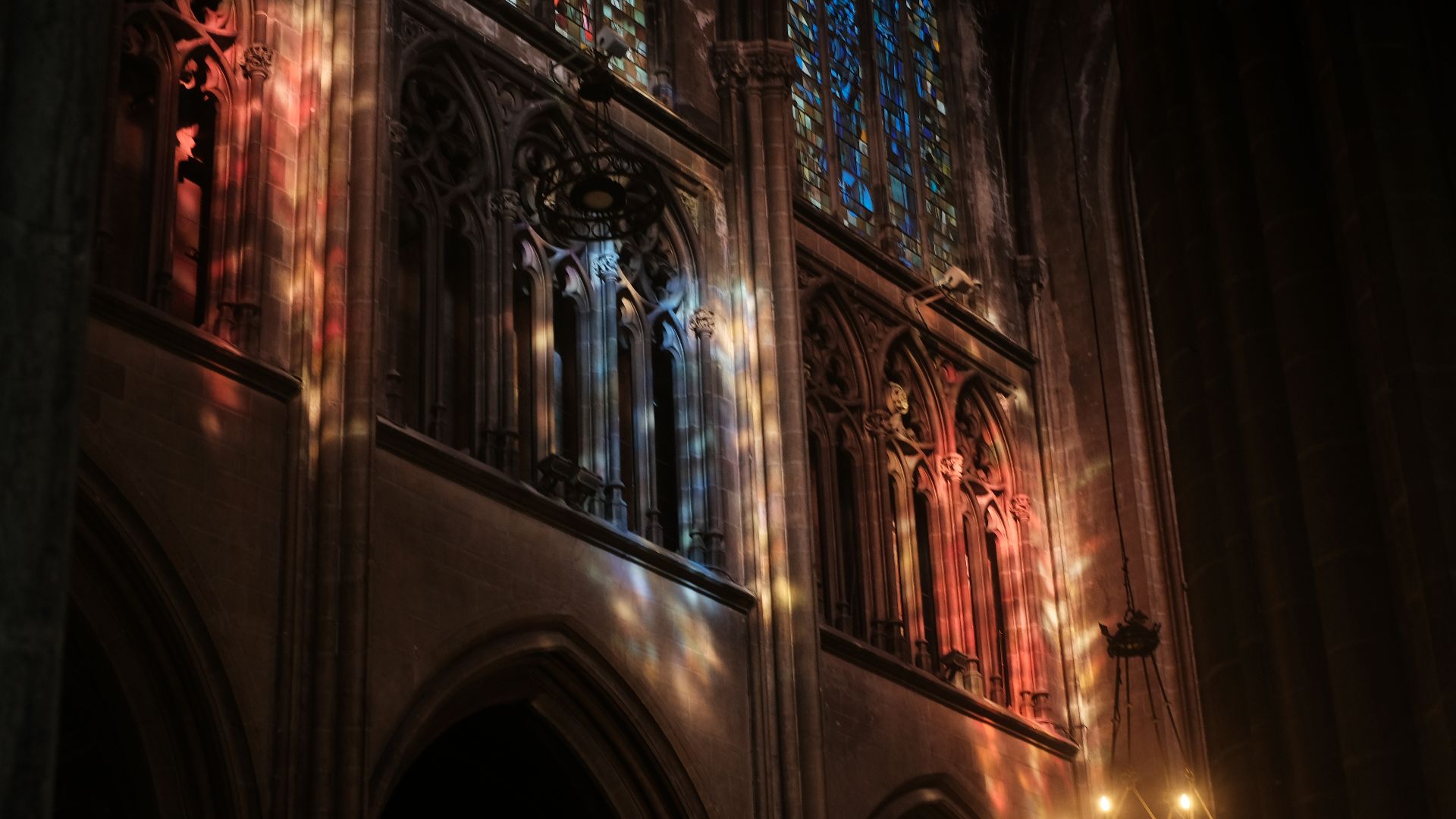
The skeleton was found near the place where the church’s altar once stood. Burial in such a prominent position could indicate that the deceased held elevated social or military status. That detail immediately made the grave more interesting than an ordinary church burial.
The Man Behind The Name
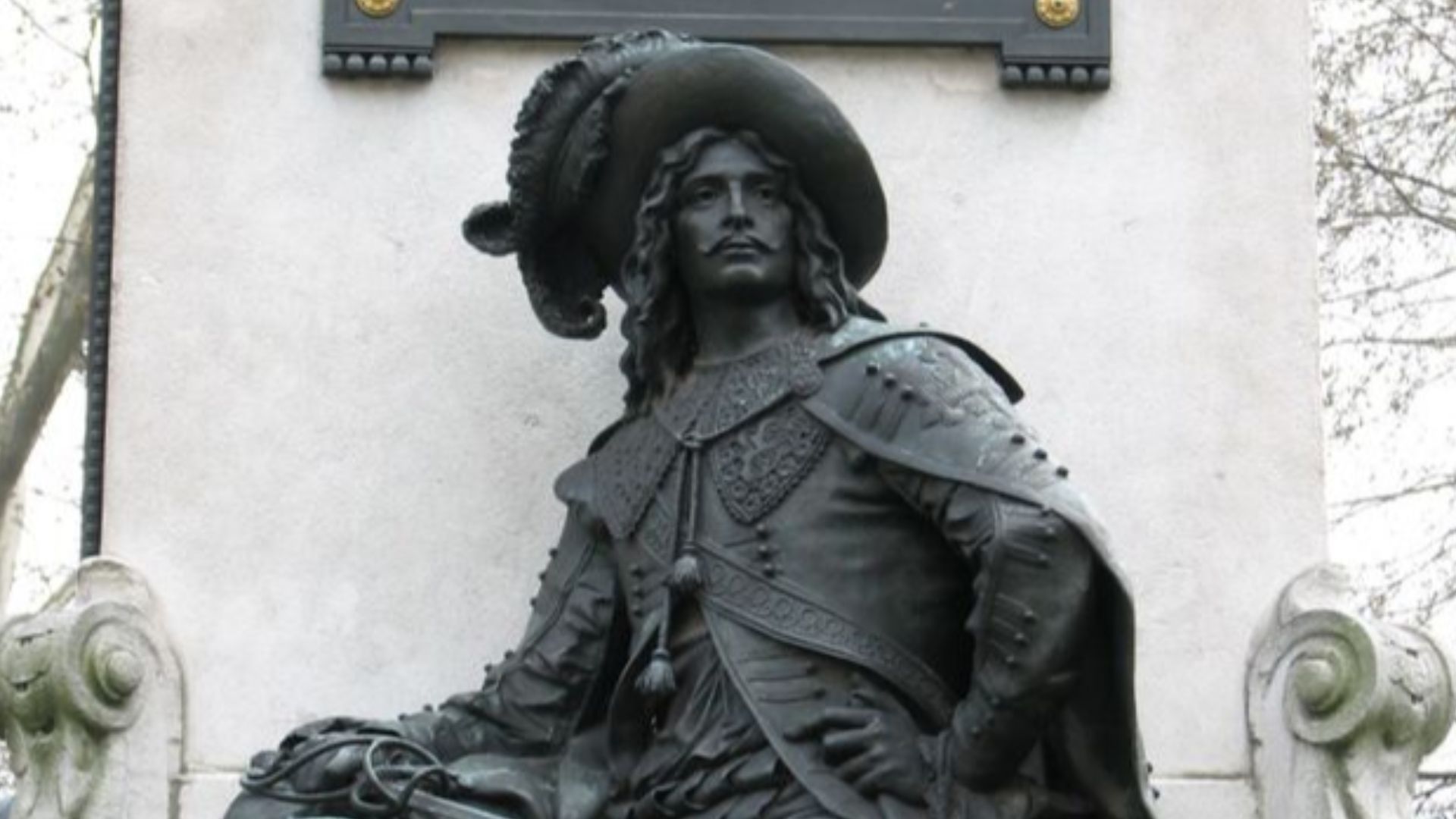
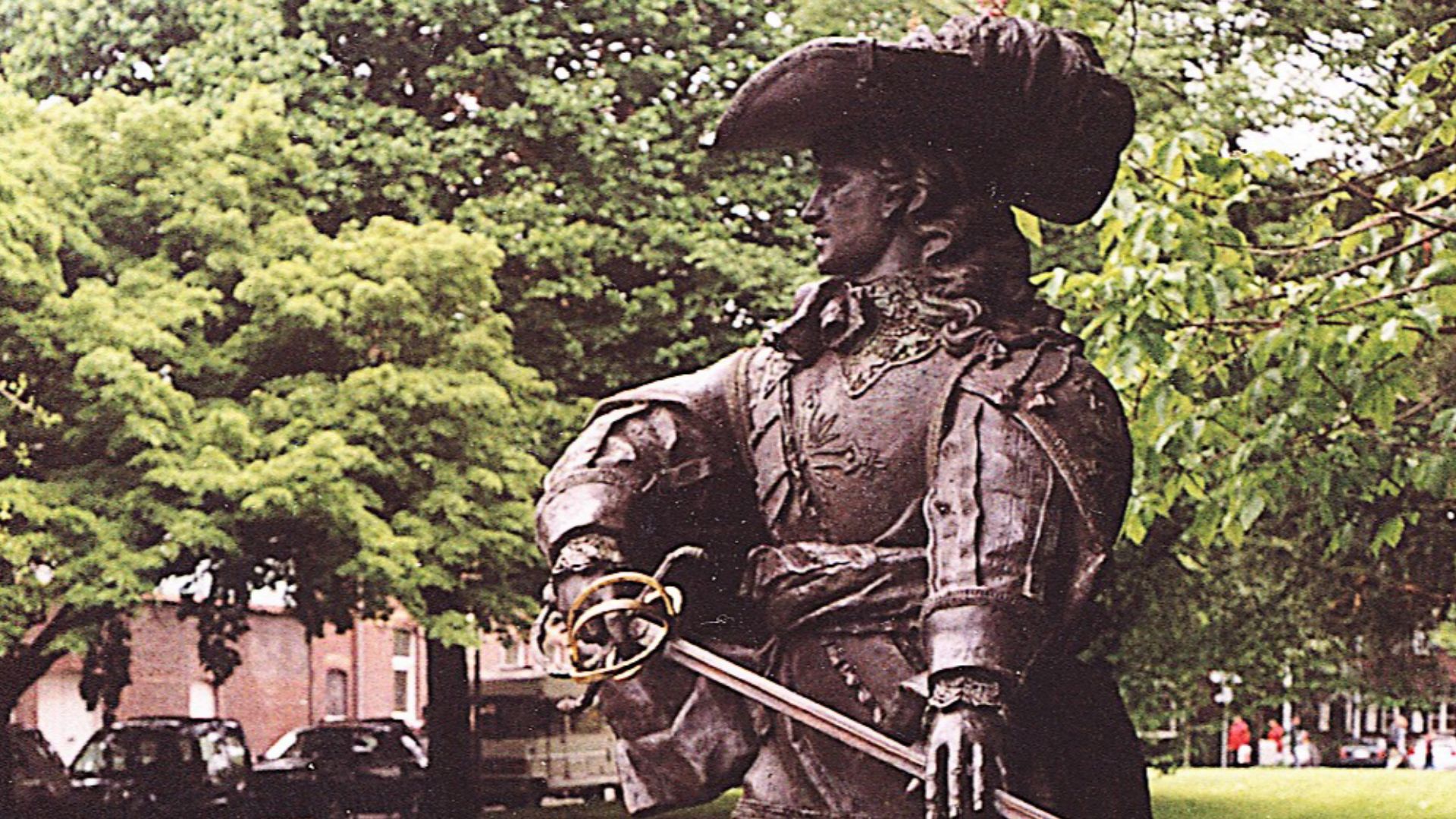
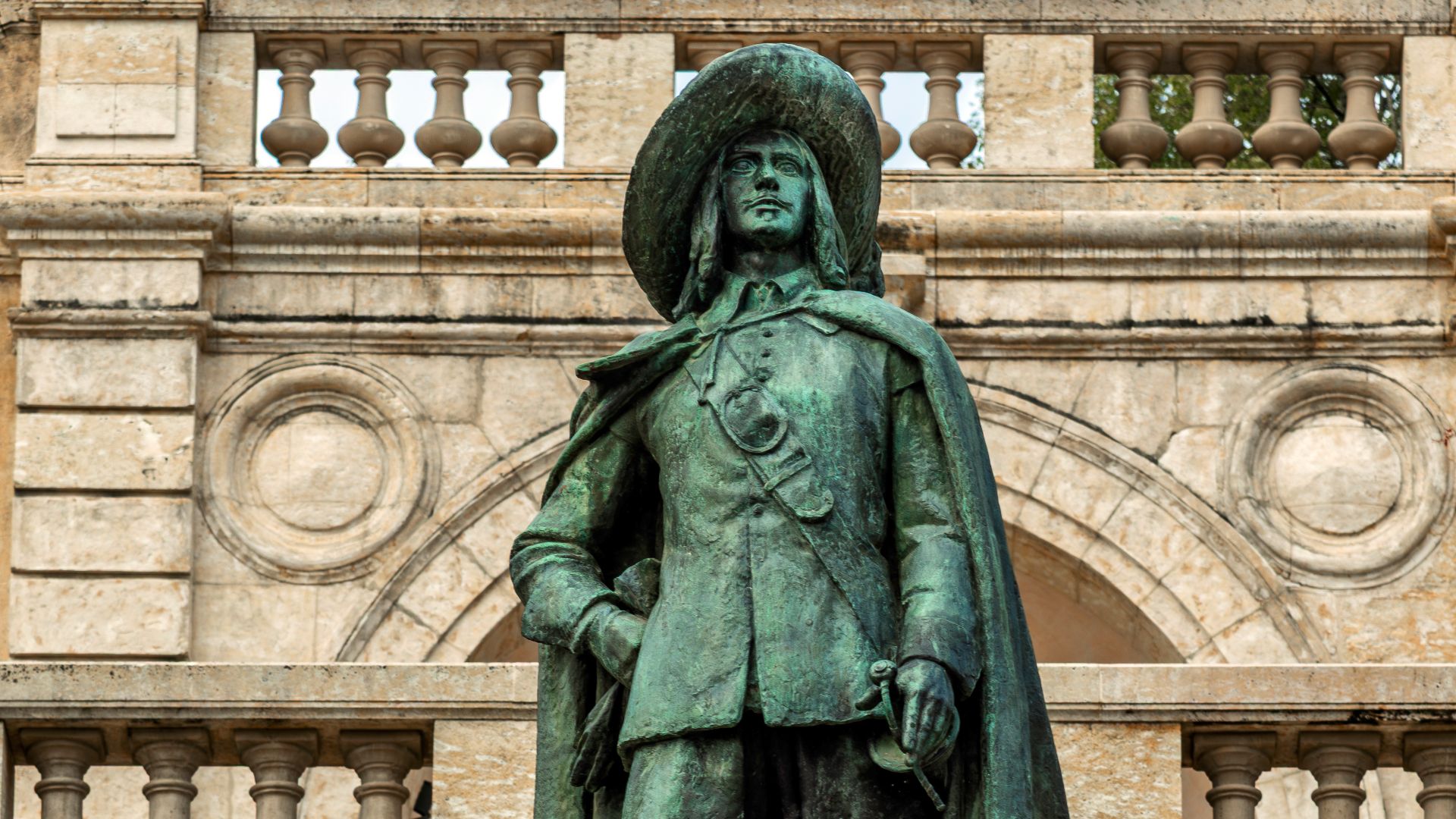
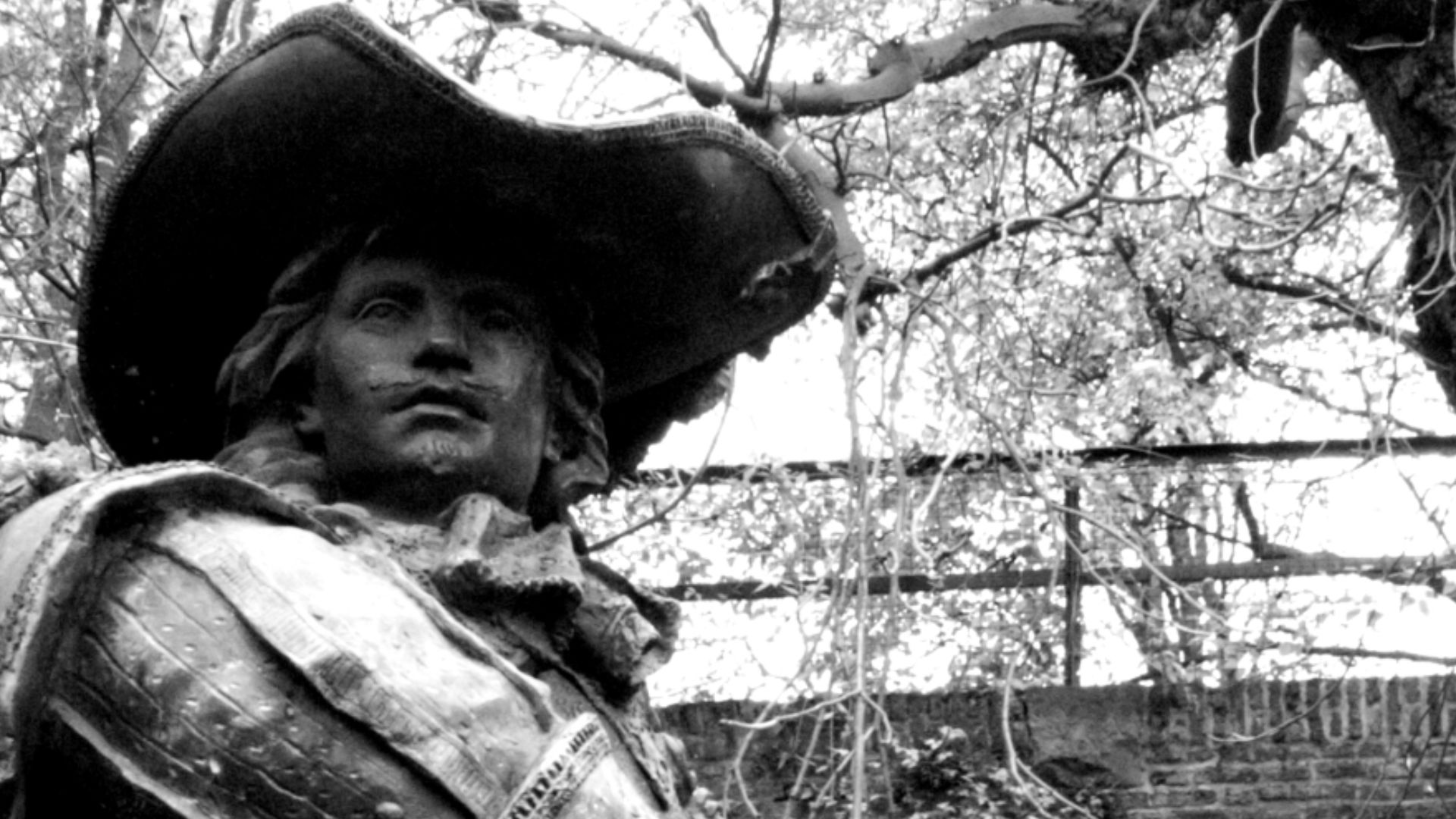
The historical d’Artagnan was Charles de Batz de Castelmore, a Gascon nobleman born in southern France. He used the name d’Artagnan, which came from his mother’s family. Although parts of his early life remain uncertain, his later military career is much better documented.
A Musketeer In Royal Service
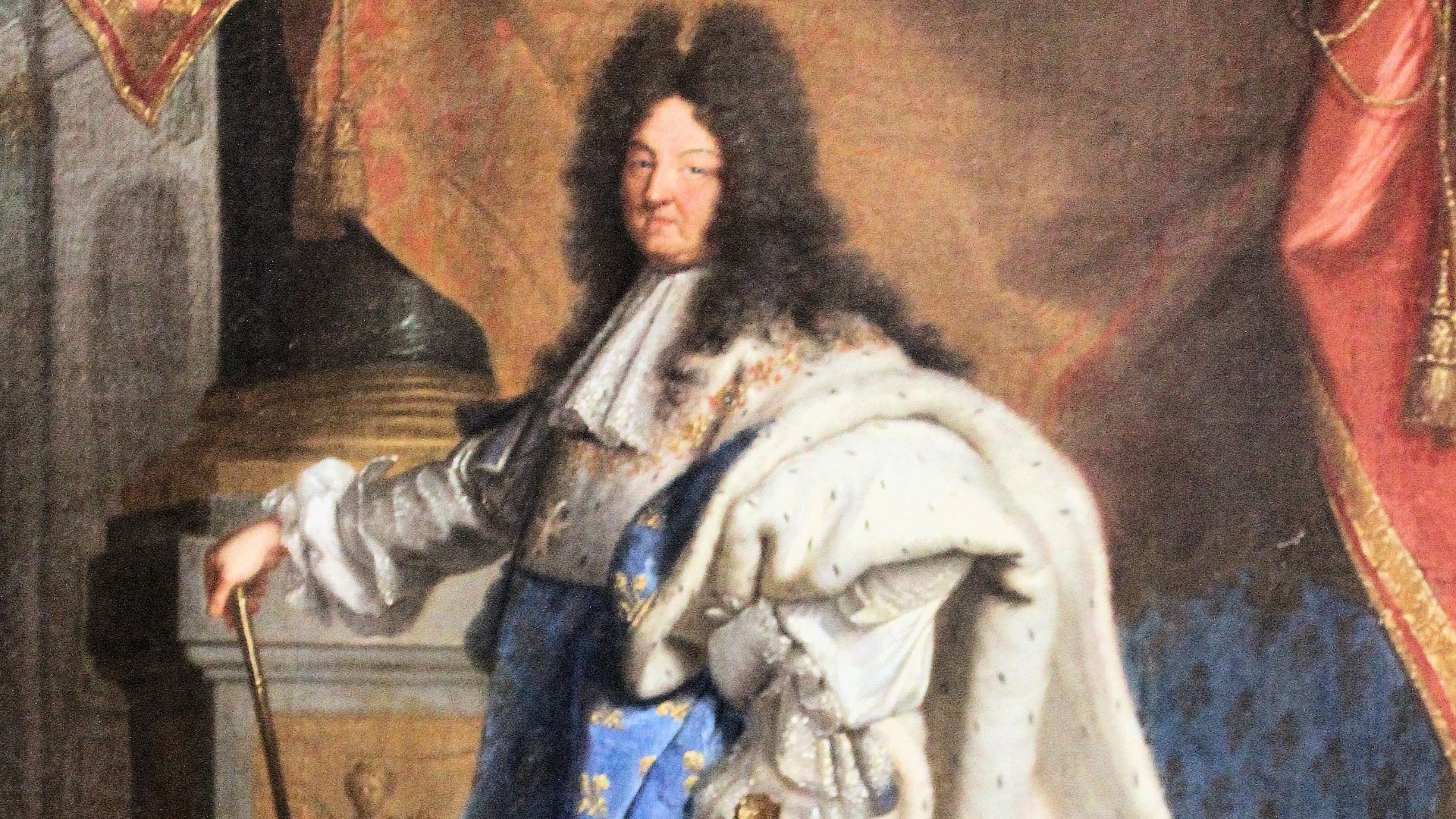
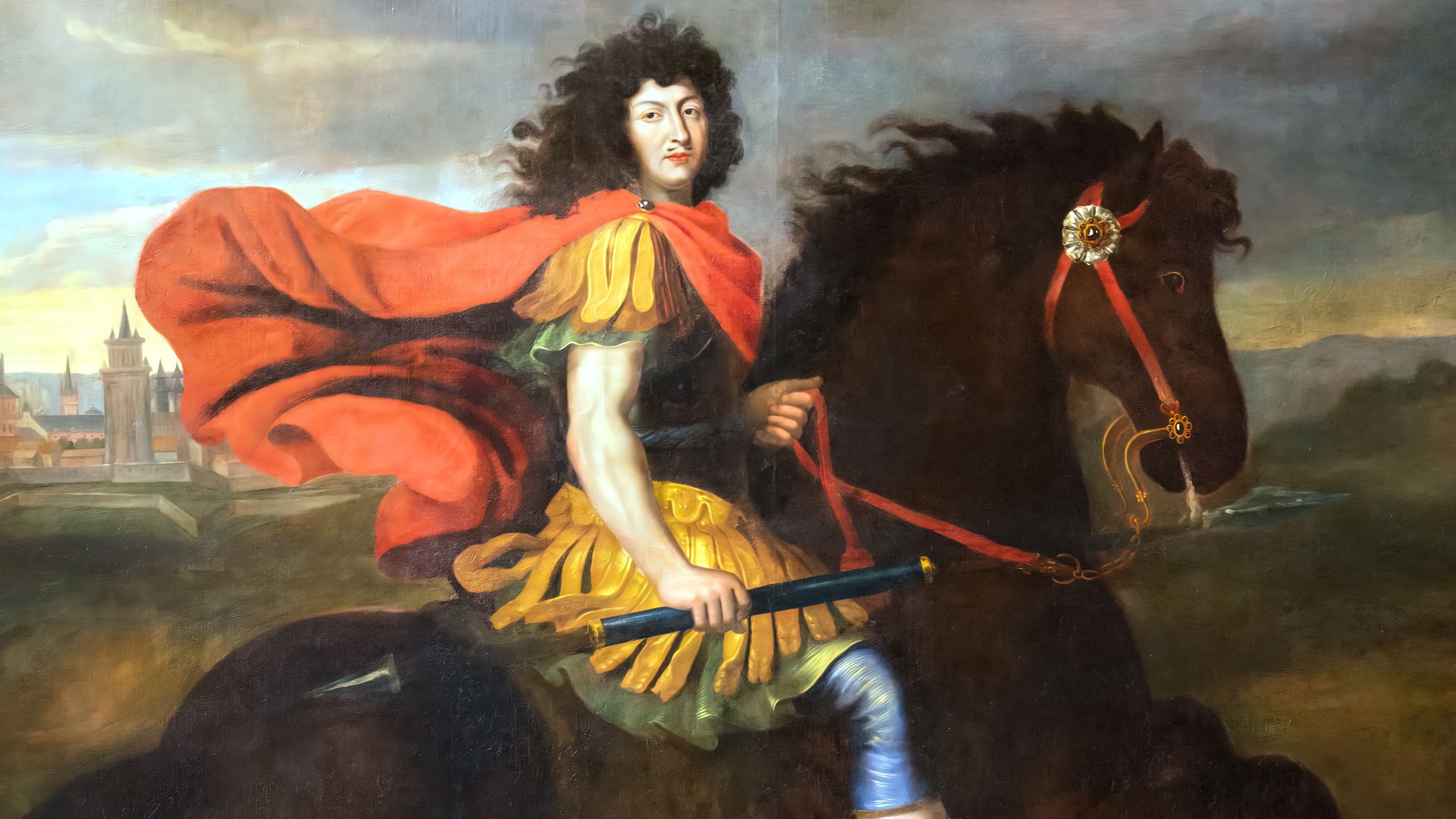
Charles joined the Musketeers of the Guard, an elite military company that served the French monarchy. He eventually became captain-lieutenant of the musketeers under Louis XIV. The position placed him near the center of royal power.
The King’s Trusted Officer
D’Artagnan was more than a ceremonial guardsman with an impressive uniform. Louis XIV entrusted him with sensitive assignments, including the arrest and imprisonment of finance minister Nicolas Fouquet. The king’s confidence made d’Artagnan one of the crown’s most dependable officers.
 Didier Descouens, Wikimedia Commons
History Became An Adventure Story
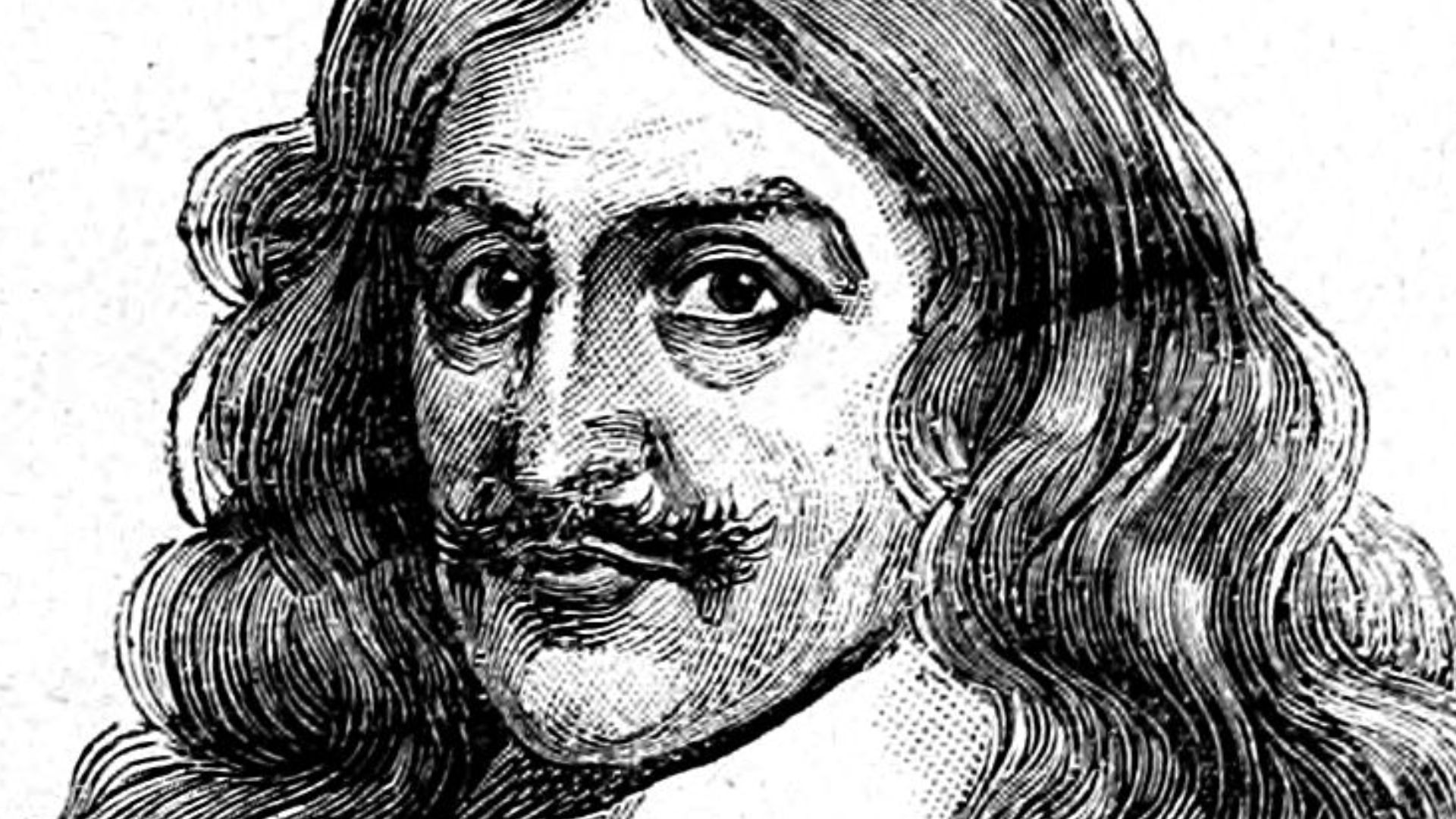
The soldier’s life inspired a partly fictionalized memoir published by Gatien de Courtilz de Sandras in 1700. Alexandre Dumas later drew from that work when writing The Three Musketeers, published in 1844. Dumas transformed the historical officer into the energetic young hero recognized around the world.
 Eugène Damblans, Wikimedia Commons
The Other Musketeers Had Real Models
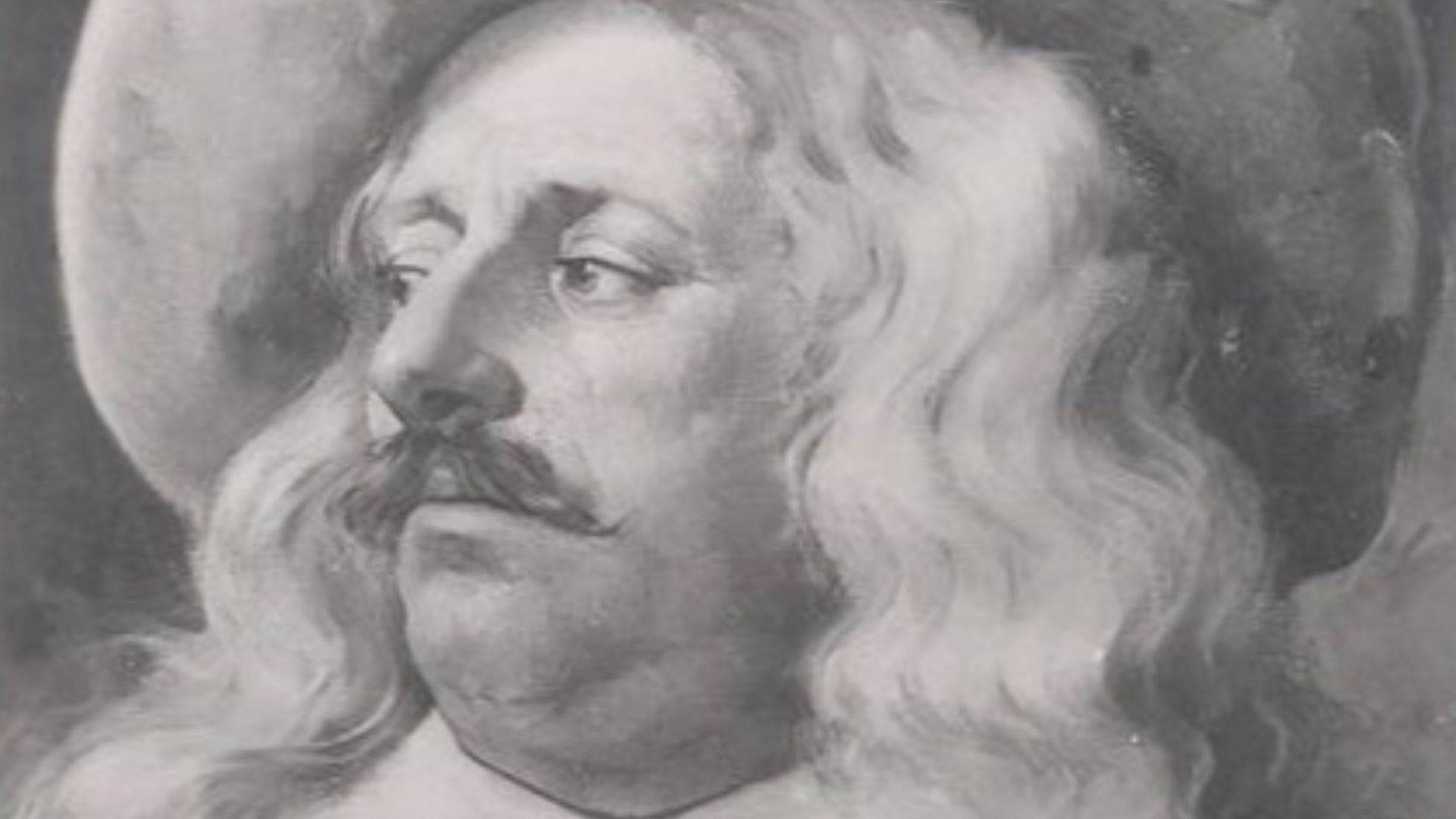
Athos, Porthos, and Aramis were not created entirely from Dumas’s imagination either. They were loosely based on musketeers whose names appeared in historical records. The novels greatly altered their personalities, relationships, and adventures for dramatic effect.
 Paul de Plument de Bailhac, Wikimedia Commons
War Brought Him To Maastricht
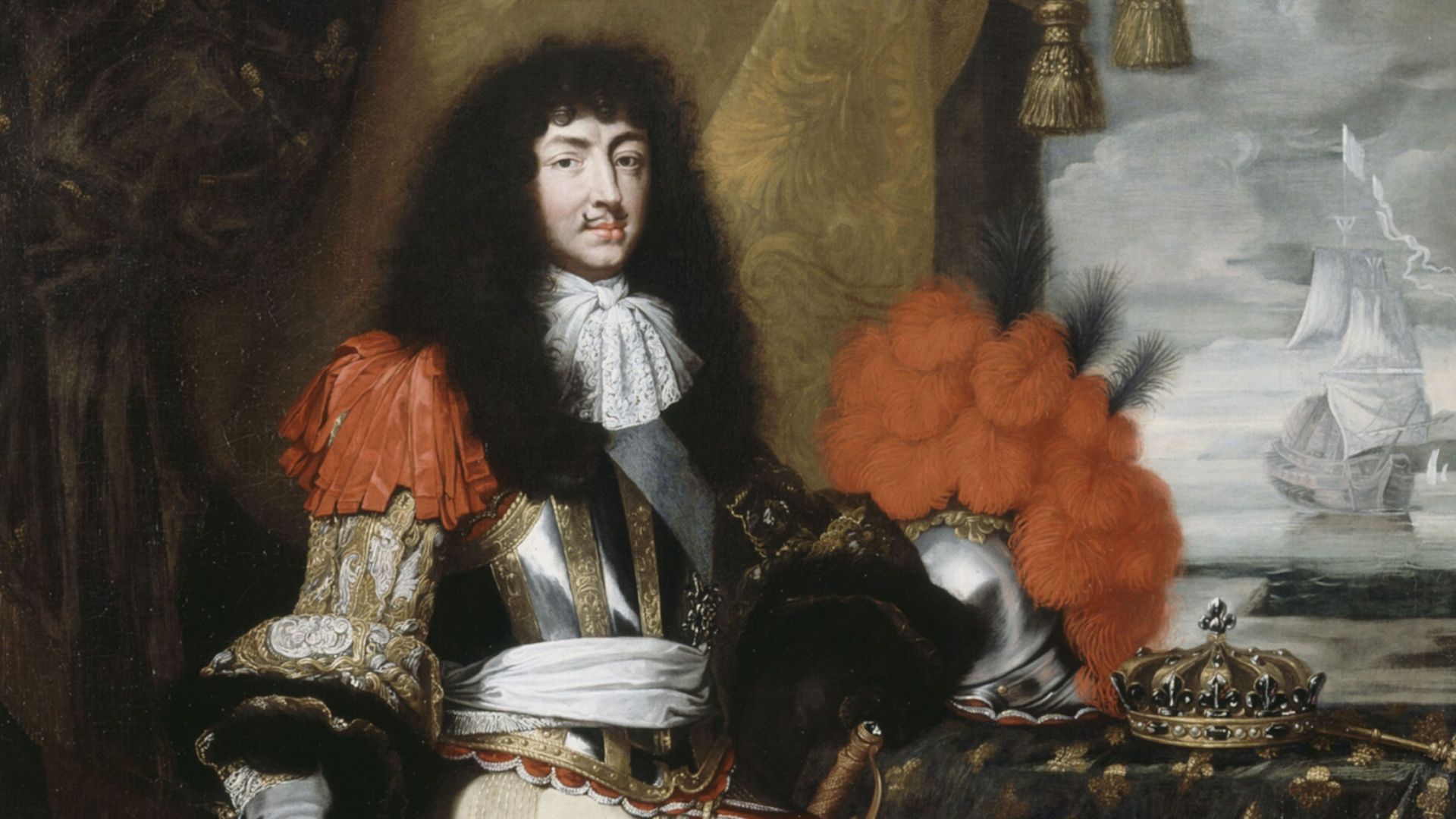
In 1672, Louis XIV invaded the Dutch Republic at the beginning of the Franco-Dutch War. The French army laid siege to the fortified city of Maastricht the following year. D’Artagnan accompanied the king’s forces and helped lead troops during the fighting.
A Fatal Attack In 1673
D’Artagnan was killed on June 25, 1673, during an assault at the Siege of Maastricht. Accounts generally attribute his death to a musket shot, although descriptions differ over whether he was struck in the throat or chest. Louis XIV reportedly mourned an officer in whom he had placed exceptional trust.
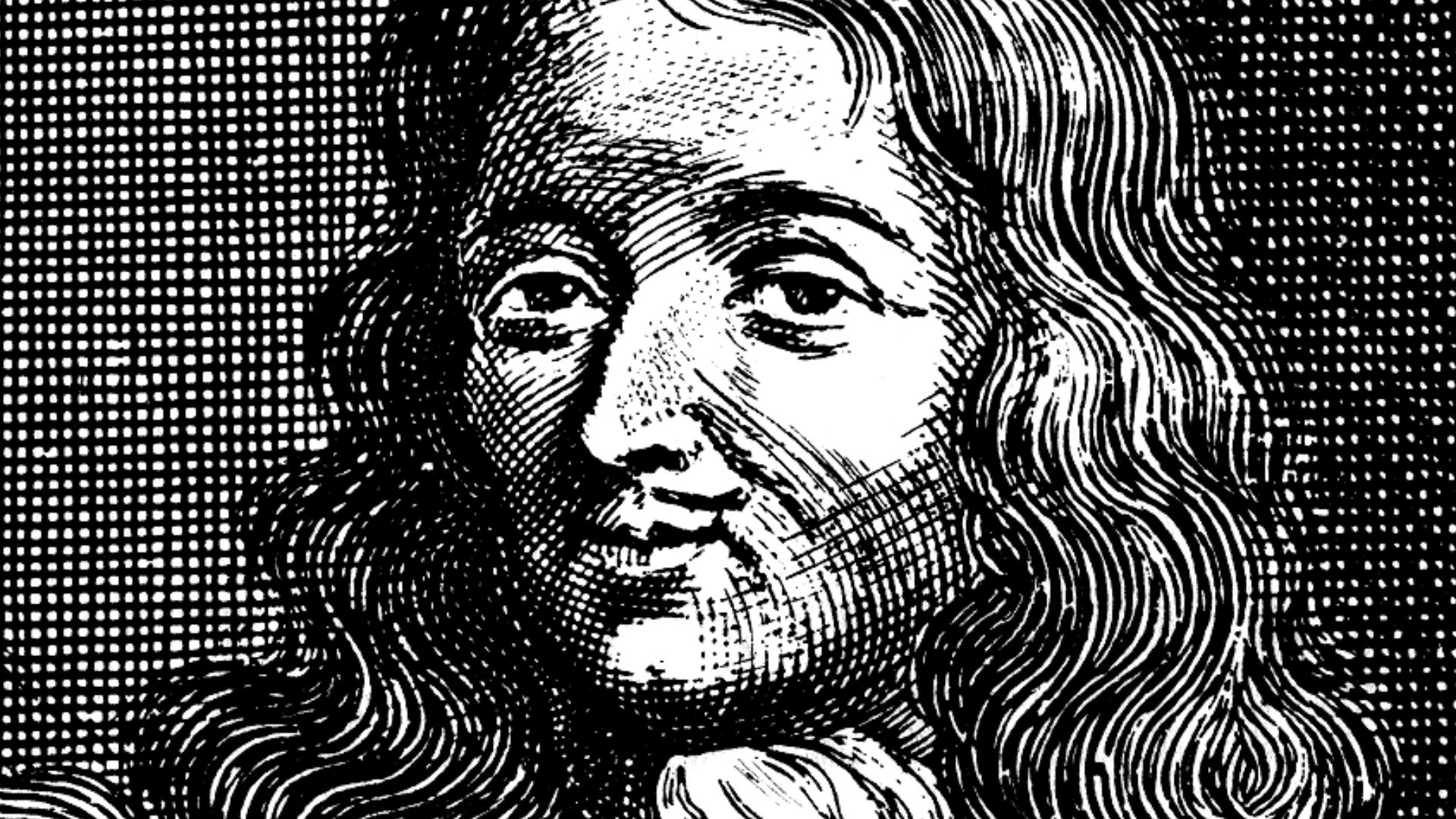 Chez Pierre Marteau, Cologne, 1701-1702, Wikimedia Commons
His Body Then Disappeared
The French ultimately captured Maastricht, but no definitive record identifies what happened to d’Artagnan’s remains. His body was apparently never returned to his family’s home region in France. That missing burial record created a mystery that lasted for centuries.
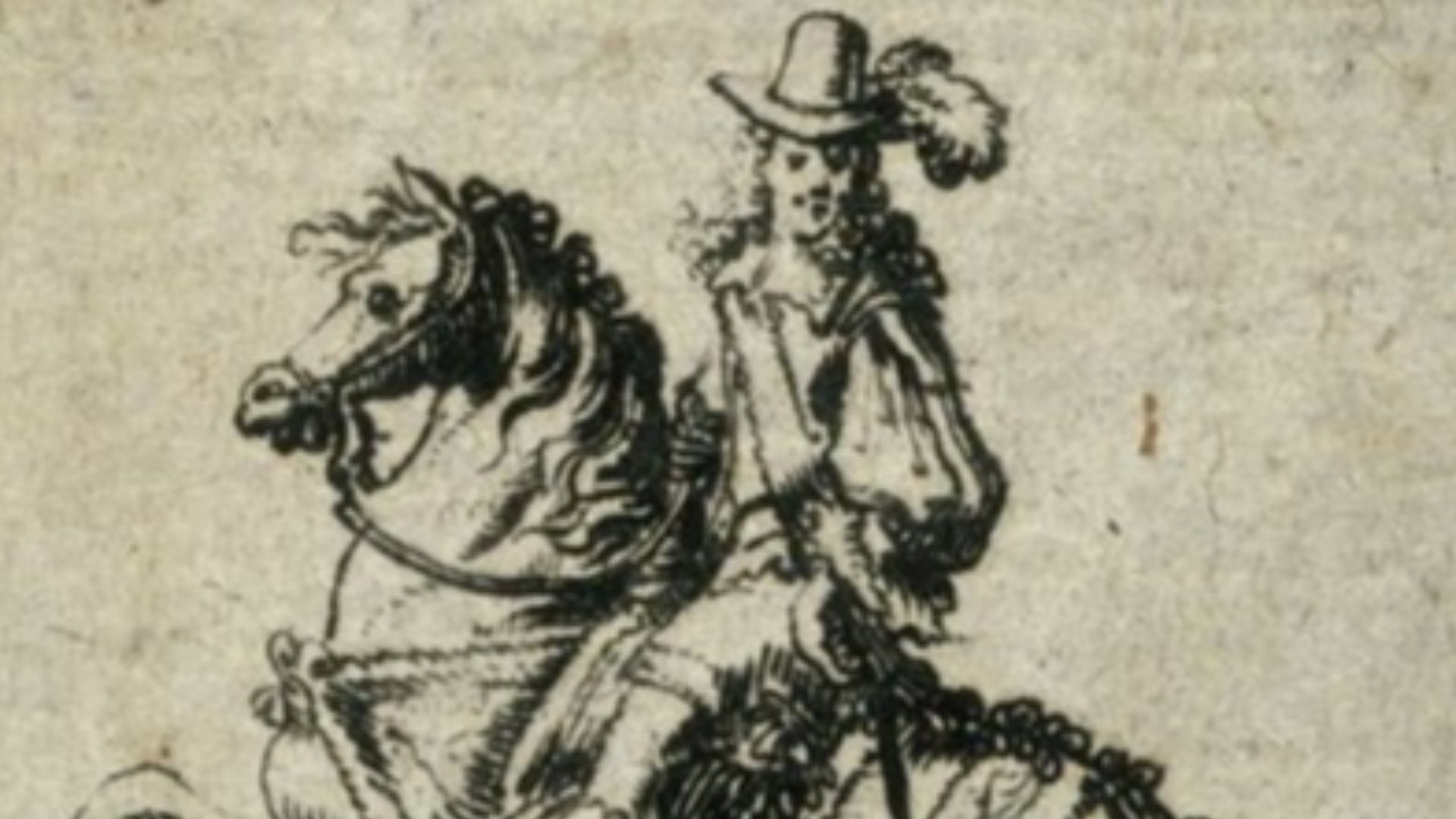 Nicolas Cochin (1610-1686), Wikimedia Commons
Wolder Became A Leading Theory
The village of Wolder stood close to the French encampment used during the siege. Louis XIV’s headquarters were also in the area, making the local church a plausible burial place for an important officer. However, plausibility alone could never establish that d’Artagnan was buried there.
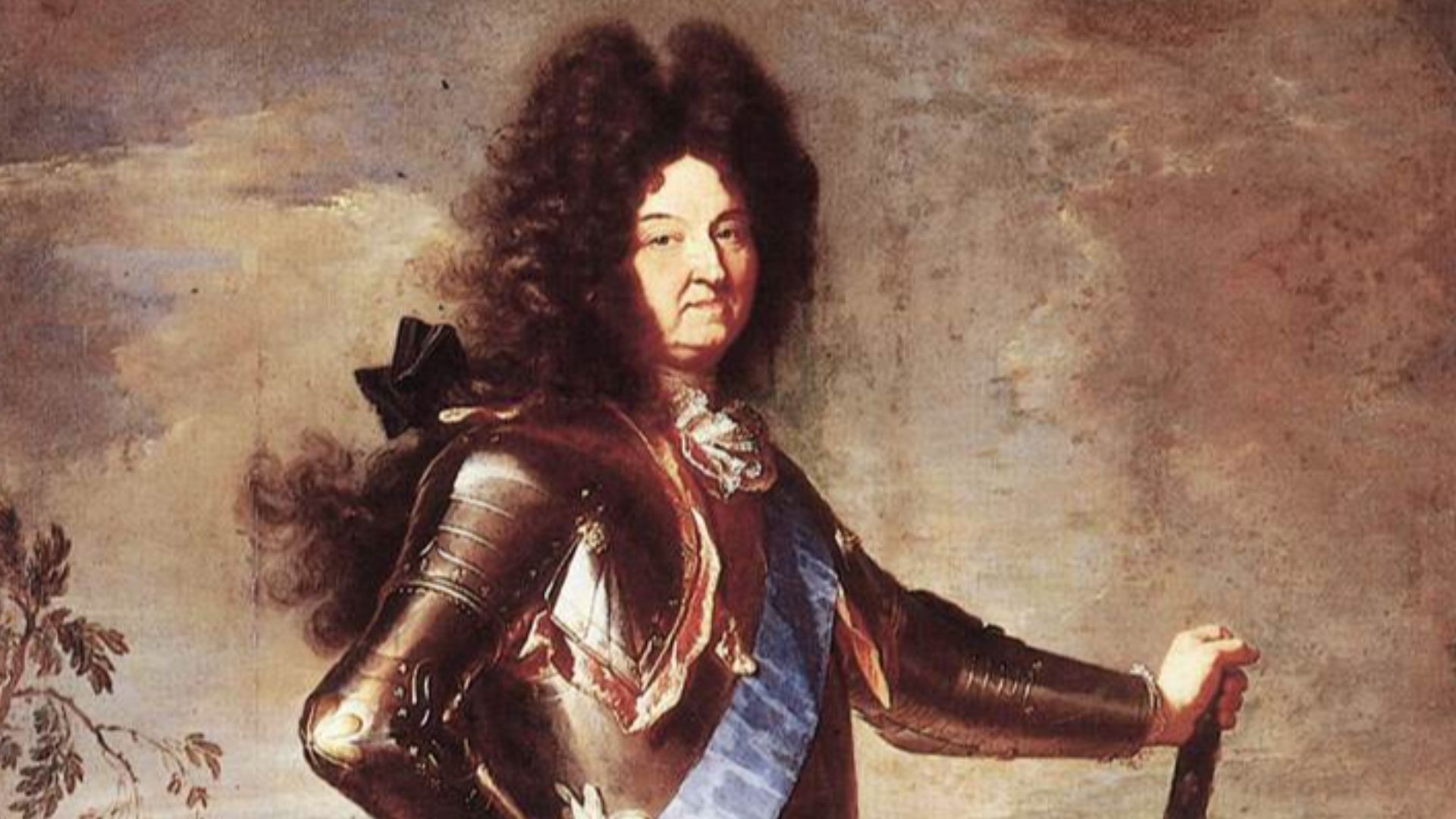 Hyacinthe Rigaud, Wikimedia Commons
A Historian Followed The Clues
French historian Odile Bordaz publicly argued that the Wolder church was a logical candidate for d’Artagnan’s resting place. An officer close to the king could have received a rapid burial in consecrated ground during the continuing campaign. Bordaz nevertheless described the idea as a hypothesis rather than a proven fact.
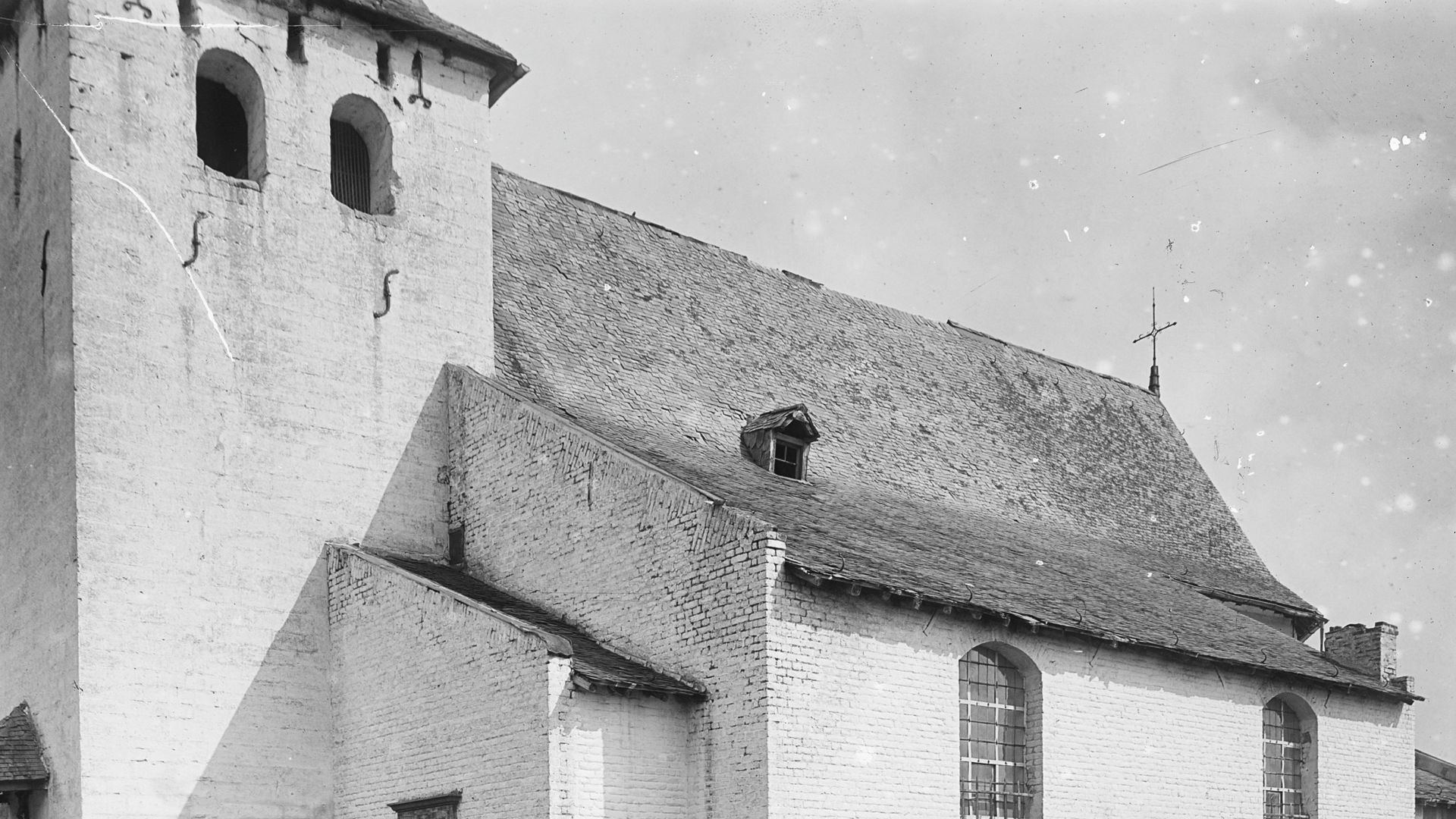 Unknown authorUnknown author, Wikimedia Commons
One Archaeologist Searched For Decades
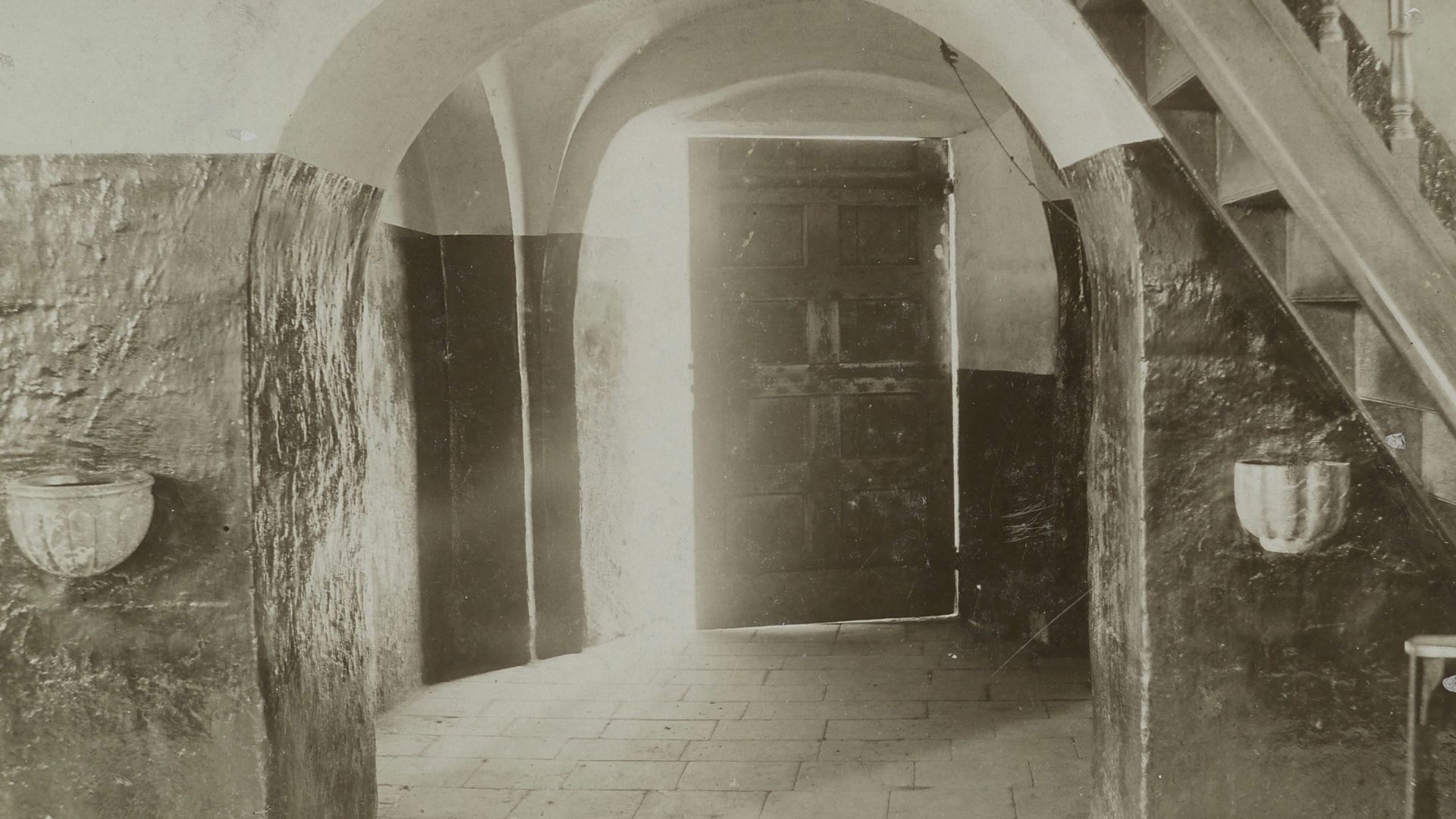
Retired Maastricht archaeologist Wim Dijkman pursued the d’Artagnan burial question for more than two decades. Church deacon Jos Valke contacted him when the grave appeared during the floor repairs. The discovery seemed to place a long-running historical theory within reach of scientific testing.
 Unknown authorUnknown author, Wikimedia Commons
A Skeleton That Fits Part Of The Profile
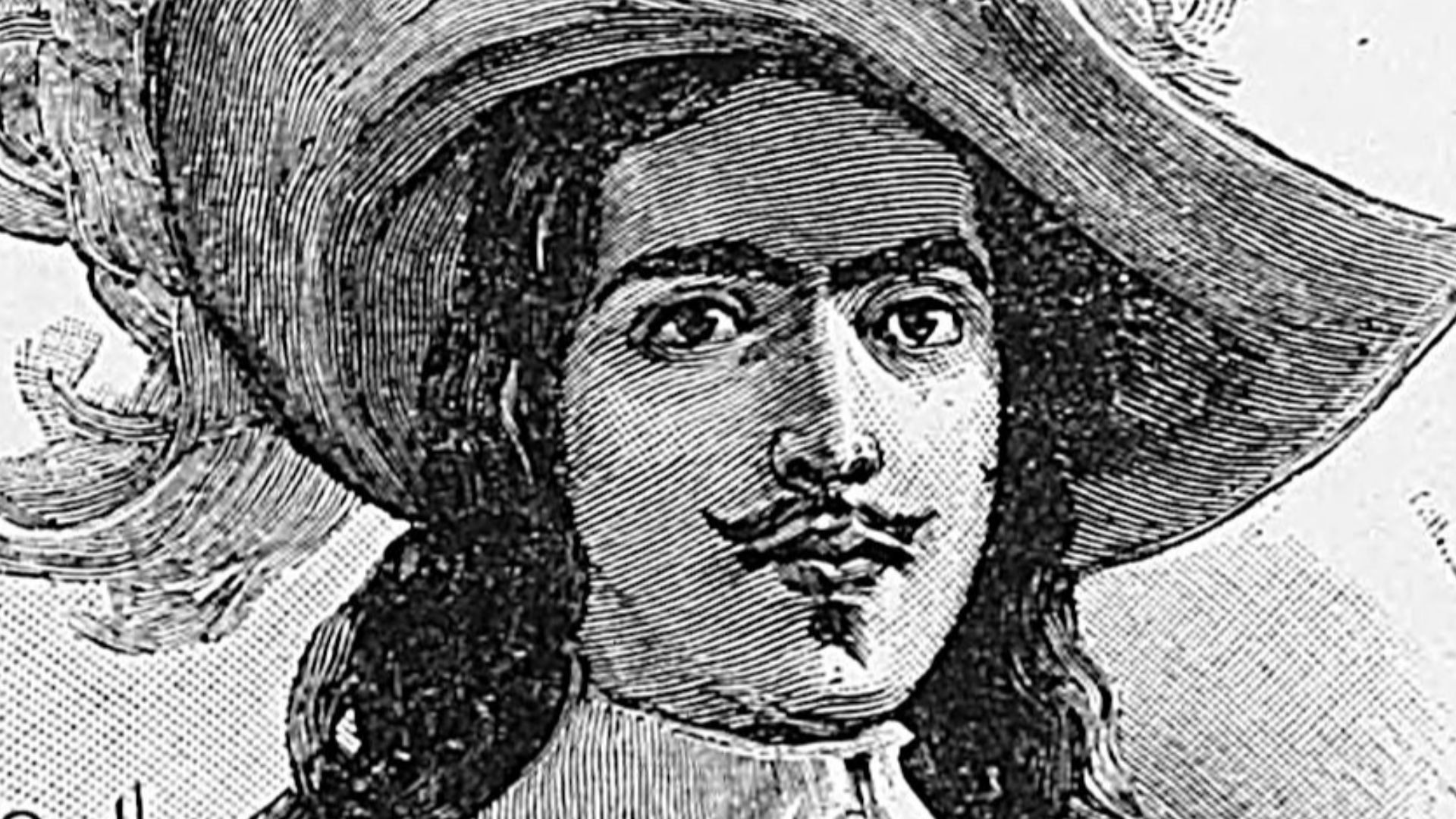
Initial research determined that the principal skeleton belonged to a man estimated to have died between the ages of 44 and 66. D’Artagnan is generally believed to have been about 62 when he was killed. The age range is compatible with him, but it could also describe many other seventeenth-century men.
 Eugène Damblans, Wikimedia Commons
The Musket Ball Raises Eyebrows
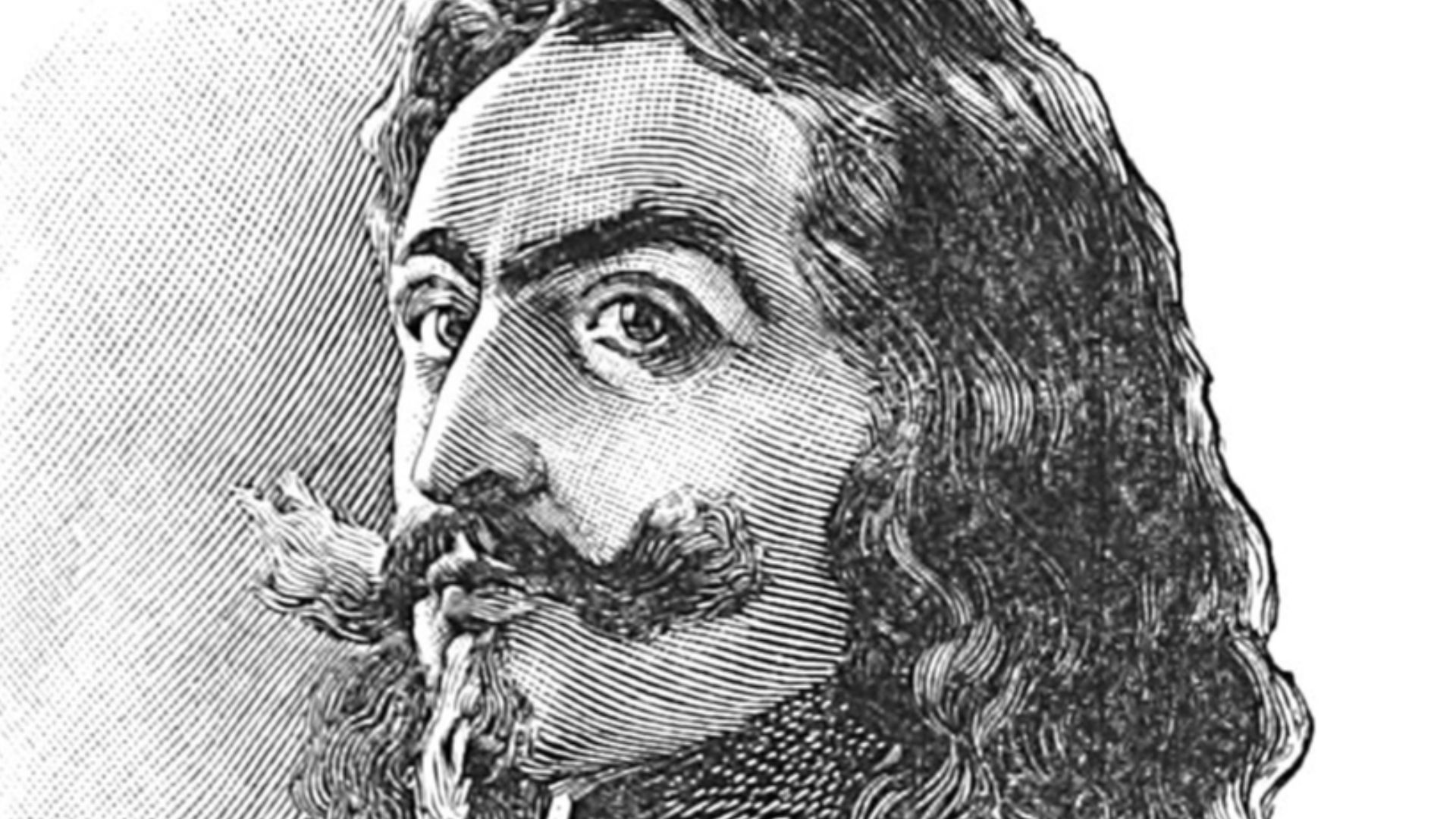
Fragments described as the remains of a musket projectile were reported near the skeleton’s chest area. That placement attracted attention because d’Artagnan died after being shot during battle. Still, an object found near a body does not automatically prove that it caused the person’s death or belonged to the original burial.
 Eugène Damblans, Wikimedia Commons
Why The Projectile Matters
A securely documented projectile could potentially reveal its composition, position, and relationship to the bones. Investigators would need to determine whether it came from the grave and whether any skeletal injury corresponds with it. Until that work is complete, the musket-ball connection remains a clue rather than proof.
 G.Th. Delemarre, Wikimedia Commons
A French Coin Adds Another Clue
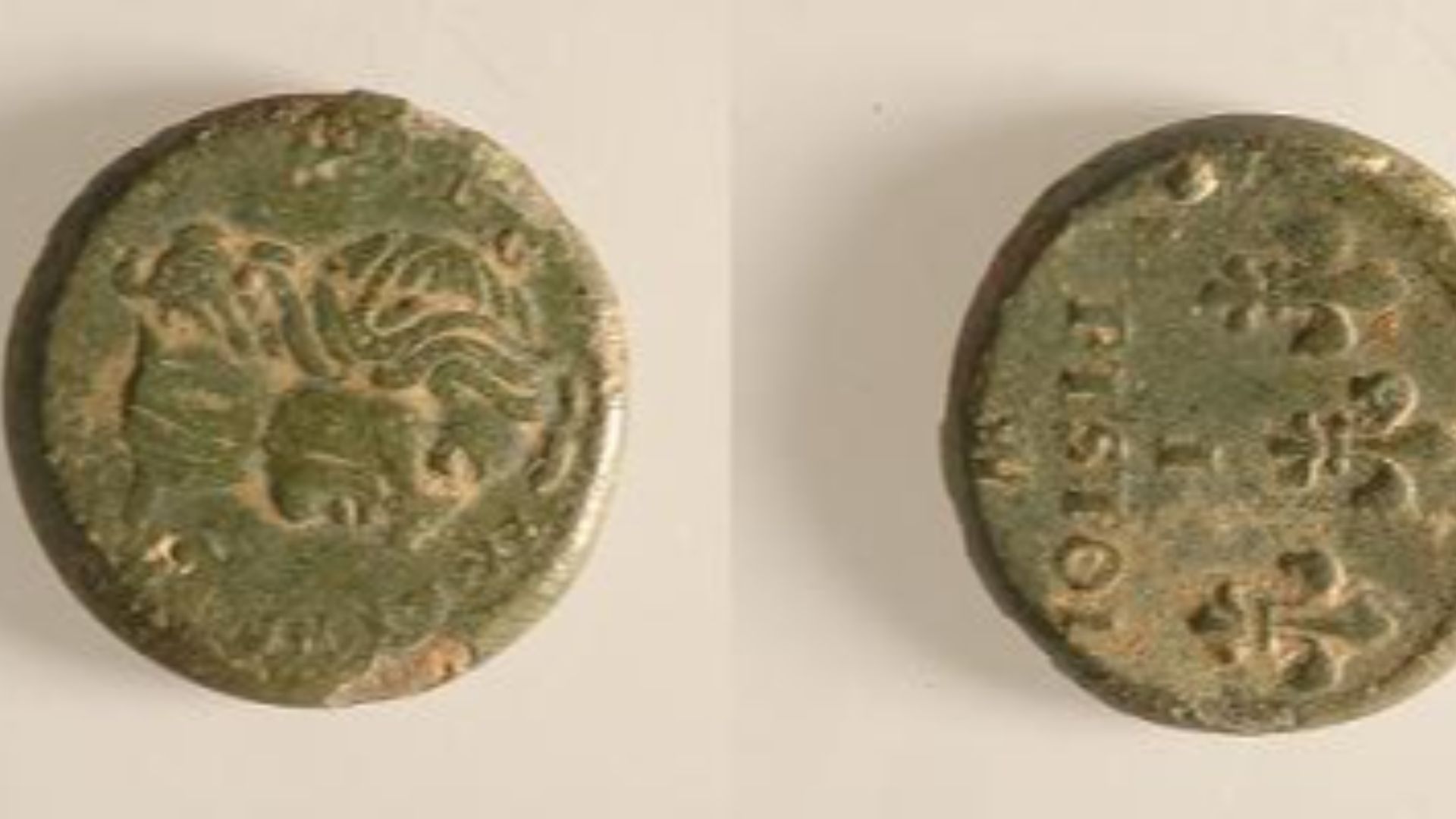
A seventeenth-century French coin was also reported in association with the grave. Its presence appears consistent with the period when French forces occupied the surrounding area. Like the projectile, however, the coin cannot identify the skeleton by itself.
 None, Sian Williams, 2008-01-10 08:18:55, Wikimedia Commons
Carbon Dating Leaves A Wide Window
Radiocarbon testing was unable to pinpoint the burial to 1673. Natural fluctuations in atmospheric carbon during this period produced a broad possible date range. The results neither confirm d’Artagnan’s identity nor exclude him.
 Walkerfrits, Wikimedia Commons
Teeth Preserve A Personal History
Researchers also examined chemical isotopes preserved in the man’s teeth. Such analysis can provide information about childhood diet and possible geographic origin. The first results produced interesting indications, but Maastricht officials said they were insufficient to establish or reject an identification.
DNA Appeared To Offer An Answer
A sample collected from the remains was sent to the Institute of Forensic Medicine in Munich. Investigators hoped to compare genetic material from the skeleton with samples associated with possible relatives of d’Artagnan. In theory, a well-supported genetic match could strengthen the case considerably.
 Vitold Muratov, Wikimedia Commons
The First DNA Attempt Hit Problems
The official research team did not supervise or verify the collection and documentation of the initial DNA material. The municipality of Maastricht therefore concluded that those samples could not provide a reliable basis for answering the central question. The Munich results had also not been received when the municipality published its July update.
 National Cancer Institute, Unsplash
The Excavation Became Controversial
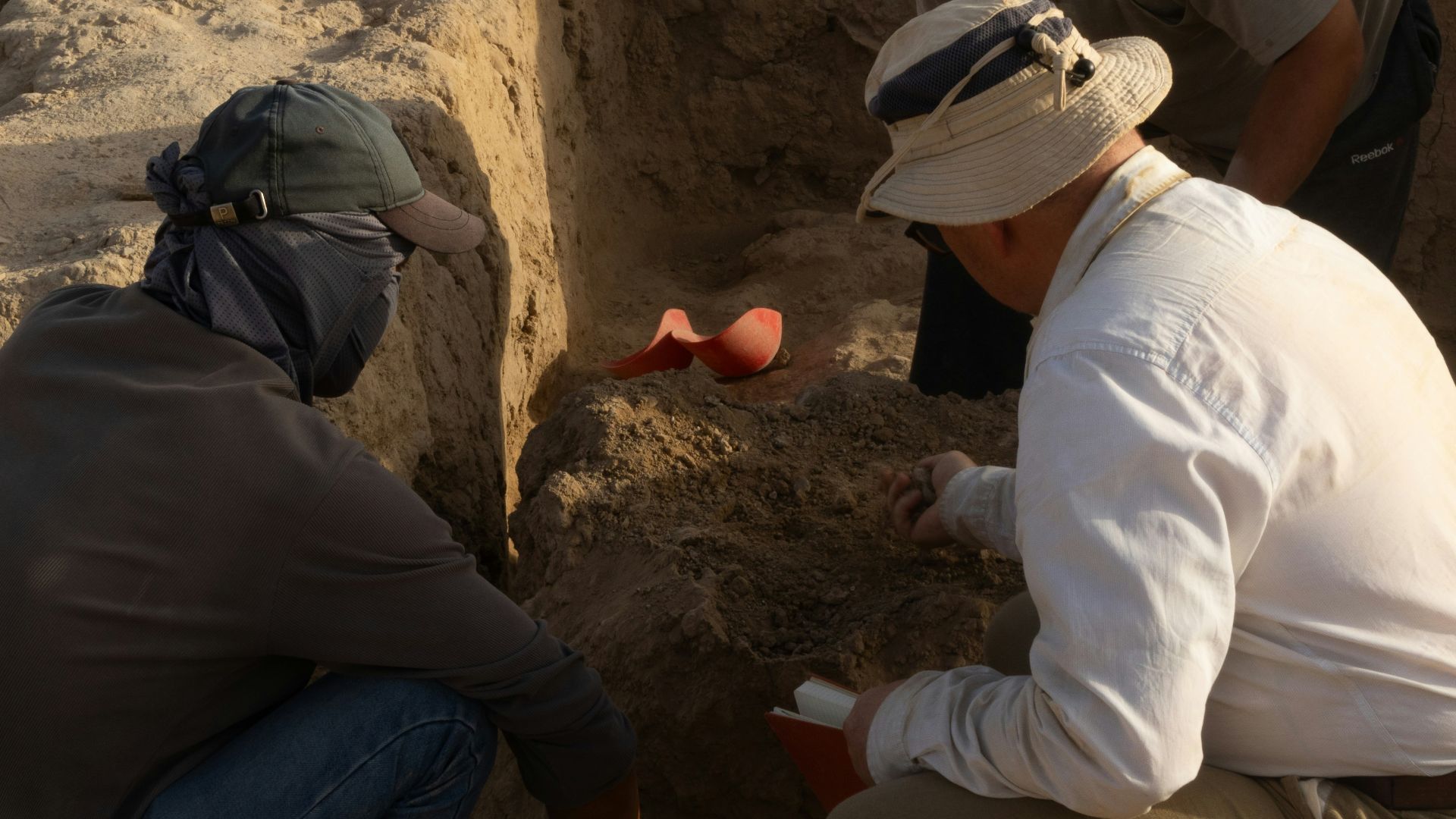
Authorities learned that the grave had already been partly exposed before they took control of the site. Work carried out before the emergency excavation was not documented according to normal professional archaeological standards. That failure cost researchers some of the grave’s original context.
 G.Th. Delemarre, Wikimedia Commons
Not All The Evidence Was Lost
Despite early reports suggesting extensive destruction, Maastricht said a significant portion of the principal skeleton remained in the grave. Researchers assessed previously collected bones and used only material they could attribute to the same individual with sufficient confidence. The surviving evidence still permits scientifically sound follow-up work.
 Aleksander Stypczynski, Unsplash
The Identification Remains Open
On July 2, 2026, Maastricht announced that the remains could not be conclusively identified as d’Artagnan. Officials also stressed that the available findings had not ruled him out. The skeleton’s age, burial place, and associated clues justify more research, but none is unique to the musketeer.
 Didier Descouens, Wikimedia Commons
Science Gets Another Chance
Proposed next steps include completing the archaeological investigation, conducting additional isotope testing, and commissioning ancient DNA analysis under controlled conditions. Researchers also want to examine historical sources more deeply. Even a successful DNA study may not guarantee a definitive identification if the comparison genealogy is uncertain.

One For All, But Proof Above All
The Wolder skeleton occupies a plausible location and fits several broad details from d’Artagnan’s life and death. The musket-ball fragments make the story compelling, but they cannot carry the case without secure archaeological and scientific support. For now, the church may hold the real musketeer, or another seventeenth-century man whose story has yet to be recovered.
 Sander Spek, Wikimedia Commons
You May Also Like:
Archaeologists Discovered A 1,600-Year-Old Roman Guardian Spirit Buried Beneath Hadrian's Wall
Archaeologists Discovered Shipwrecks In The Bahamas Linked To The Real Pirates Of The Caribbean