The Real Pirates Are Finally Emerging
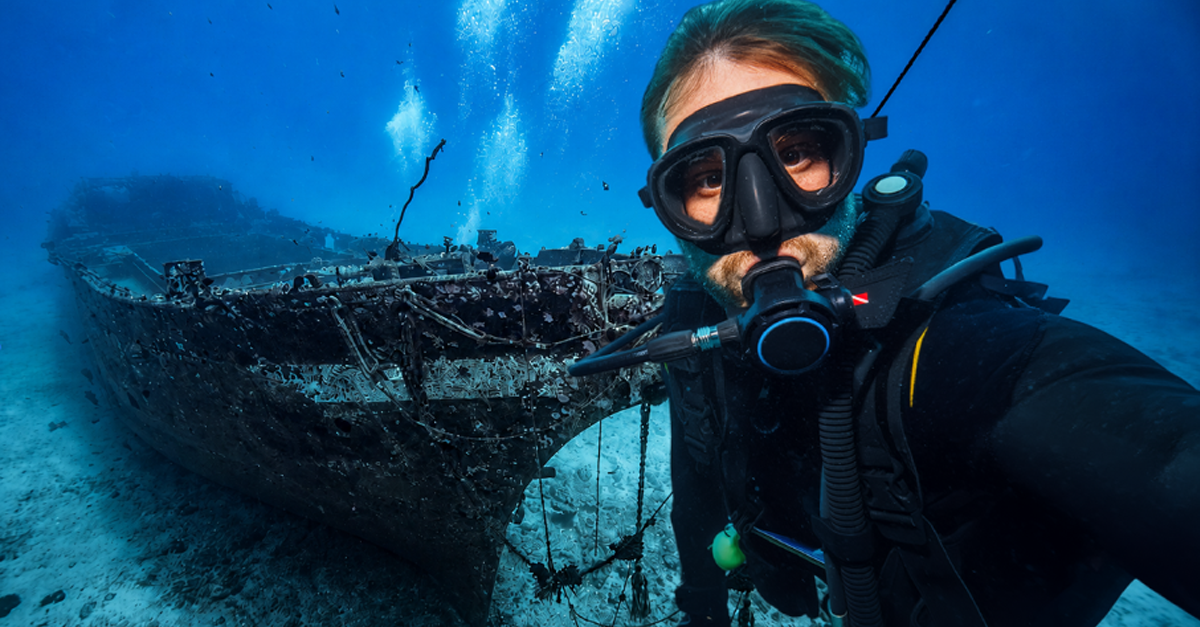
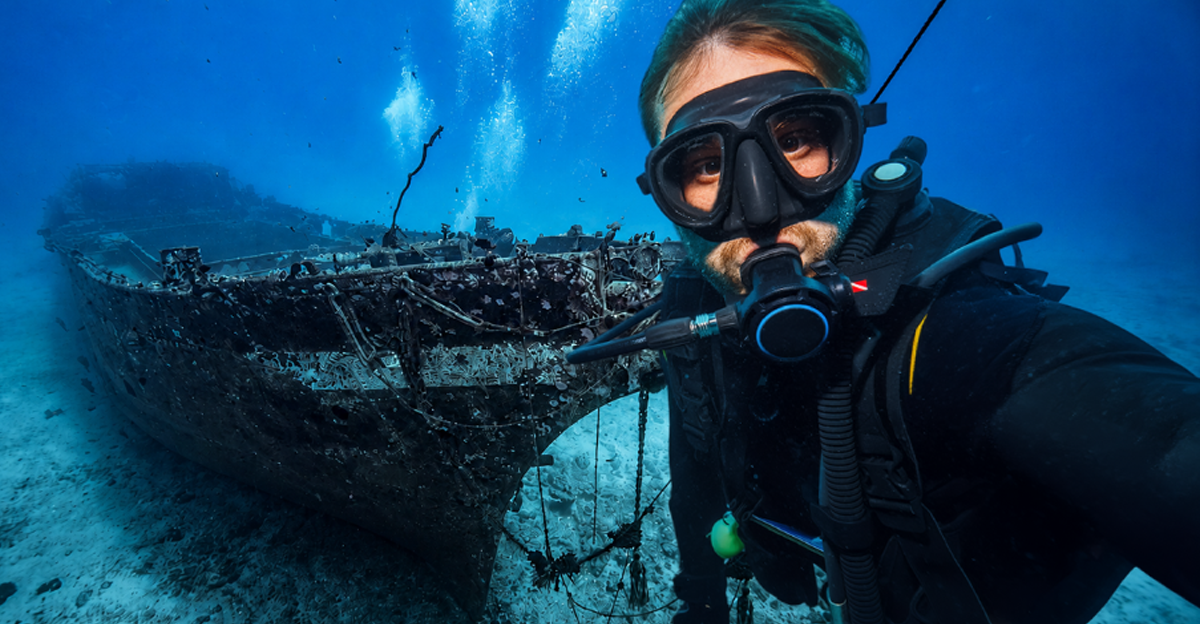
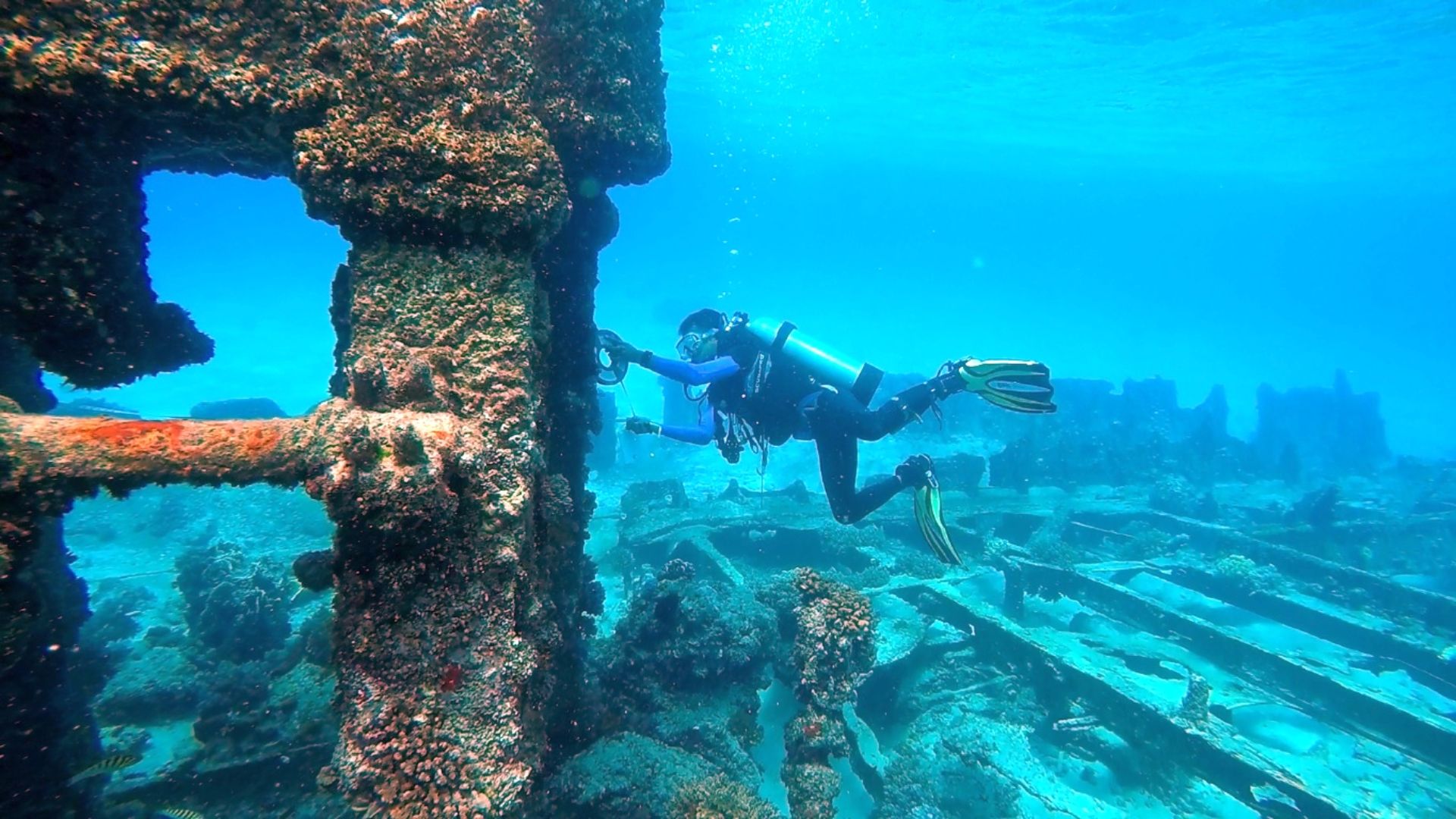
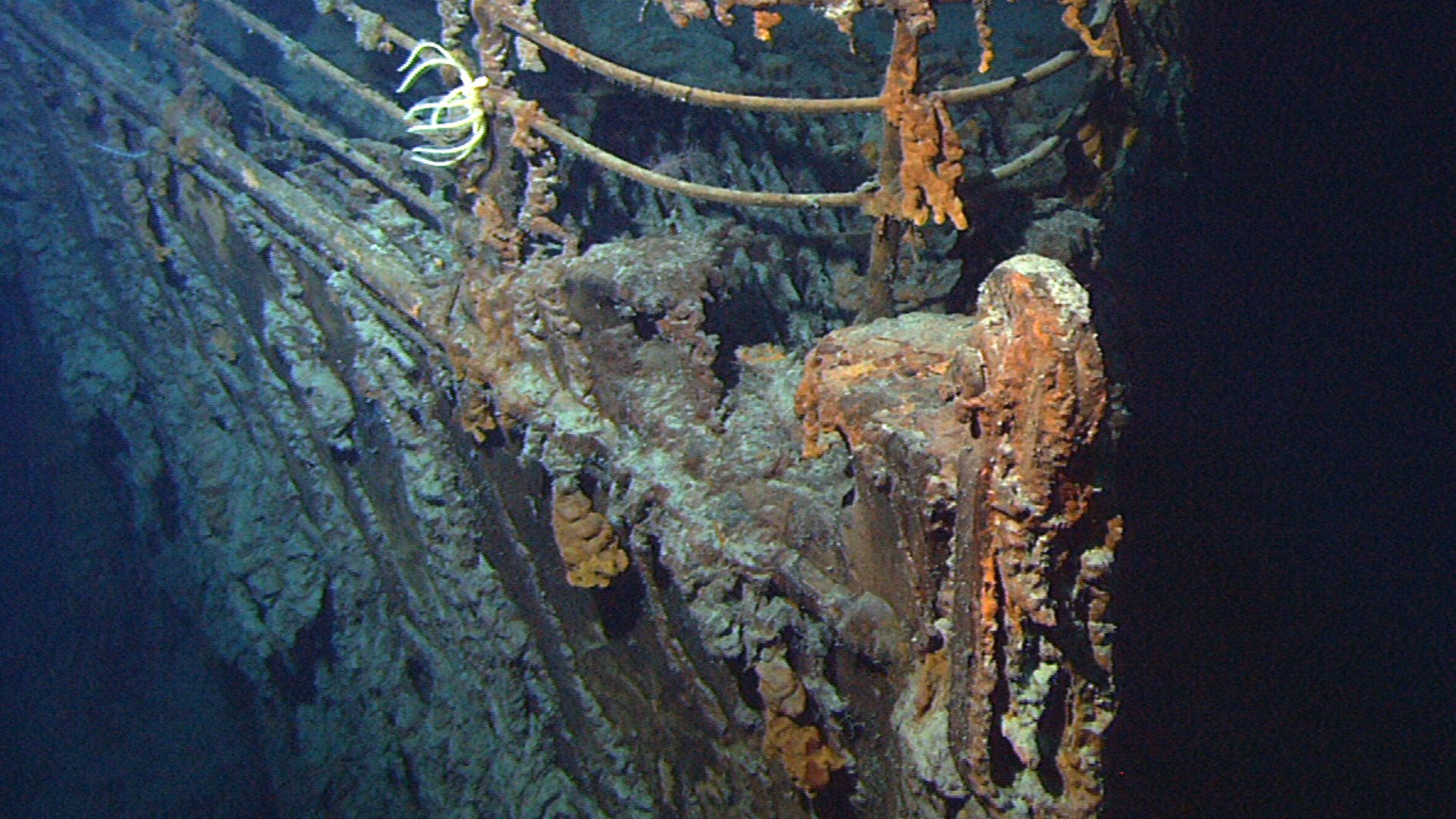
Beneath the busy waters surrounding Nassau, archaeologists have documented six shipwrecks that are helping reveal the Bahamas’ pirating past. Three of the wrecks have been linked to the period commonly known as the Golden Age of Piracy. The discoveries offer physical evidence from a world usually reconstructed through court records, legends, and stories written by pirates’ enemies.
 phmarcosborsatto, Shutterstock
A Discovery Centuries In The Making
The New Providence Pirates Expedition conducted its underwater investigation during September and October 2025. Researchers and filmmakers searched Nassau Harbour and nearby waters with support from local divers. Their findings were publicly announced in June 2026, more than three centuries after Nassau’s pirates disappeared.
 Dwi sumaiyyah makmur, Wikimedia Commons
Nassau Was The Pirate Capital
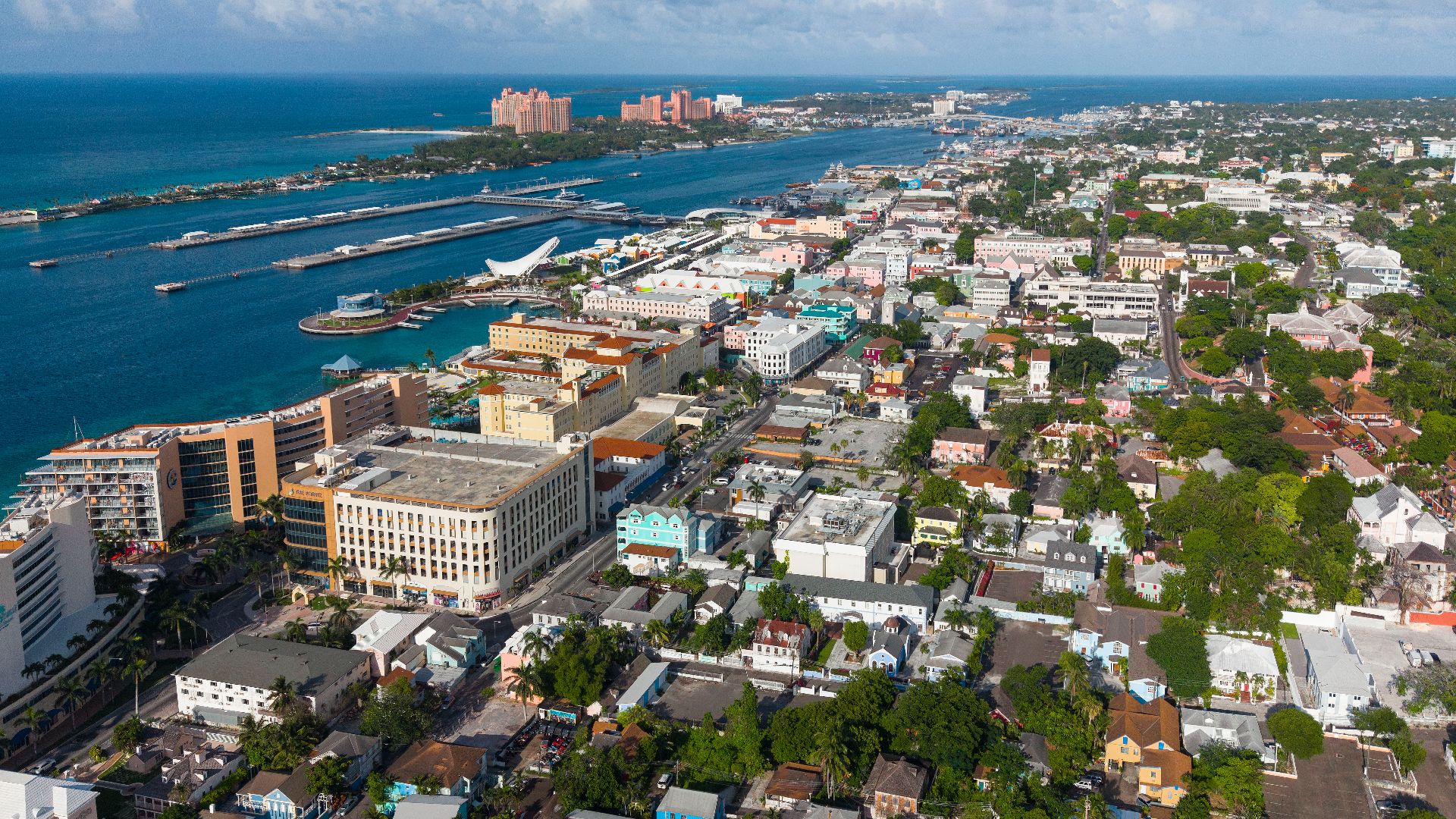
During the early 18th century, Nassau became one of the most important pirate strongholds in the Atlantic. Its sheltered harbor, strategic location, and limited government control made it an attractive base for crews attacking merchant vessels. At its peak, the settlement may have been home to more than 1,000 pirates.
 Quintin Soloviev, Wikimedia Commons
The Flying Gang Ruled The Harbor
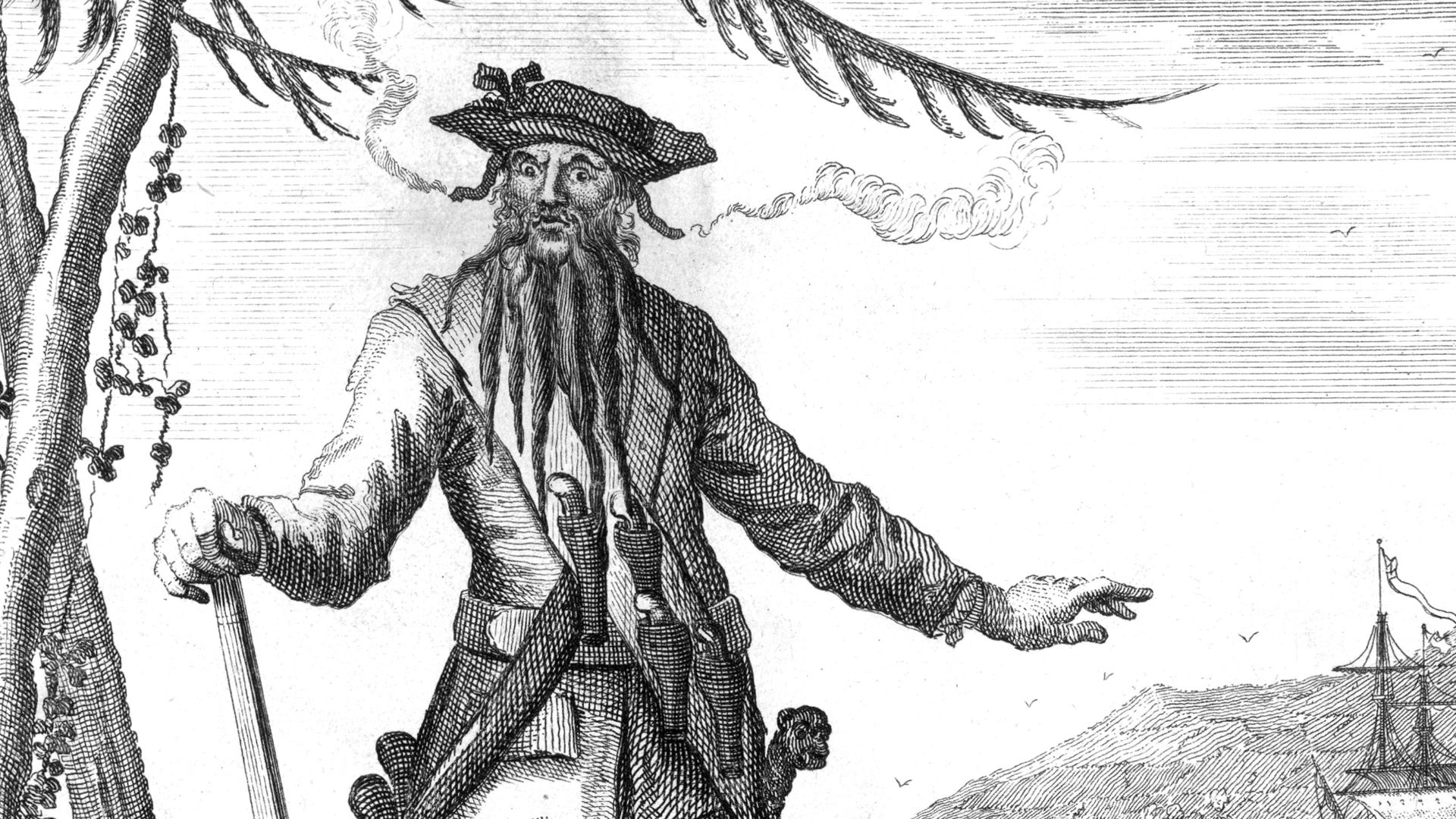
Nassau’s pirate community included a loose alliance of captains sometimes called the Flying Gang. Blackbeard, Benjamin Hornigold, Calico Jack Rackham, Anne Bonny, and Black Sam Bellamy were among the figures associated with the island. Their ships moved between the Caribbean, North America, and major Atlantic trade routes.
 Joseph Nicholls, Wikimedia Commons
An Unexplored Zone Opened Up
Modern Nassau Harbour is an active port filled with commercial vessels and cruise traffic. Diving is restricted in parts of the harbor because of strong currents, limited visibility, and the dangers created by moving ships. The expedition received the first official permit to investigate whether pirate-era remains survived inside this closed area.
 Leachers1987 at en.wikipedia, Wikimedia Commons
The Search Was Far From Easy
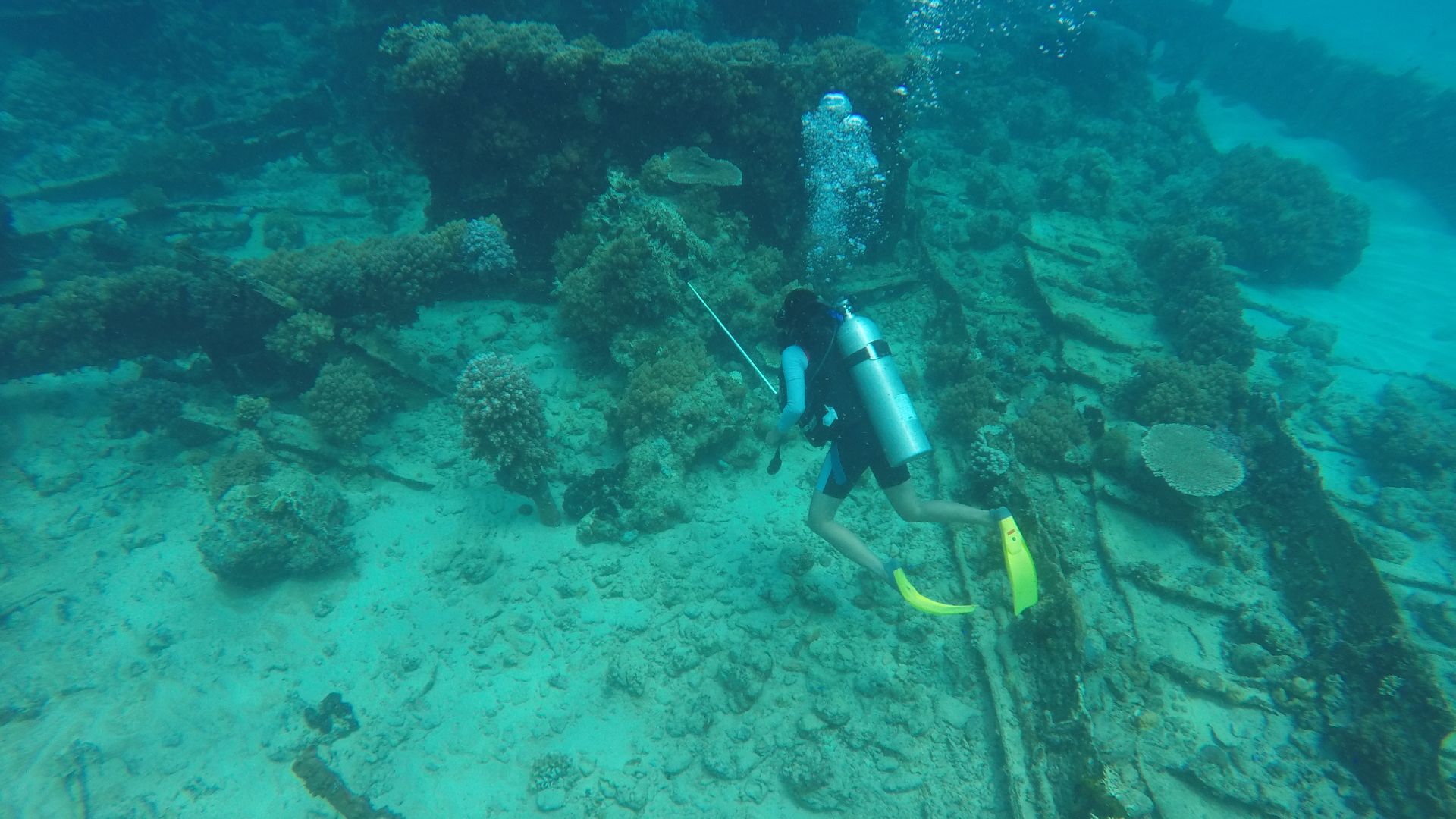
Researchers faced powerful tides that sweep through the harbor twice each day. Sharks, heavy maritime traffic, and centuries of disturbance added to the difficulty. Despite the risks, information provided by local divers helped the team identify six wreck sites.
 Dwi sumaiyyah makmur, Wikimedia Commons
One Wreck Had Been Deliberately Burned
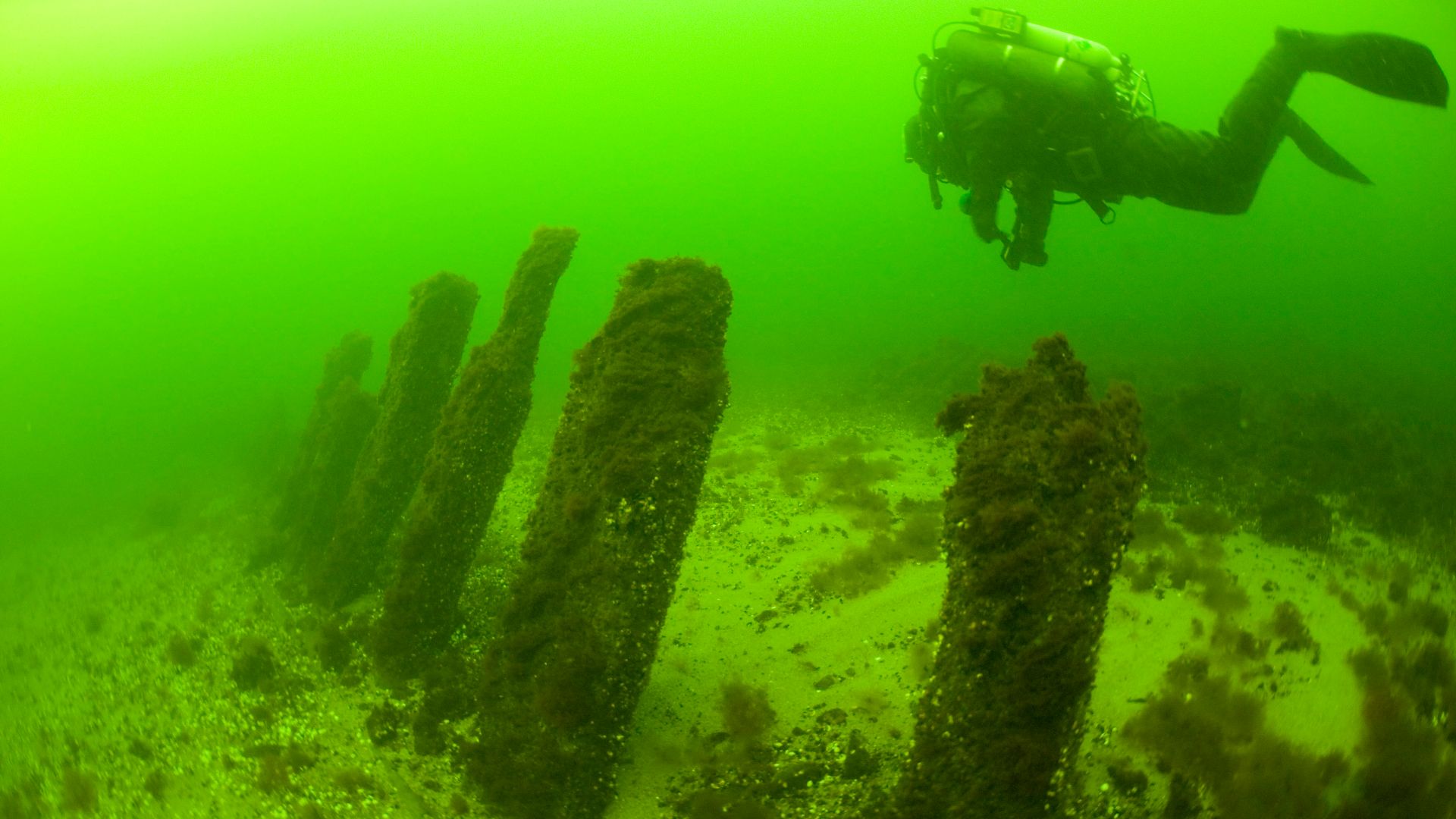
One of the most intriguing discoveries consisted of ballast stones resting over a charred wooden hull. Archaeologists documented surviving planks, frames, and wooden fasteners known as treenails. The evidence indicates that the vessel was burned to the waterline before it sank.
 Tuukritööde OÜ, Wikimedia Commons
Pirates Often Destroyed Their Prizes
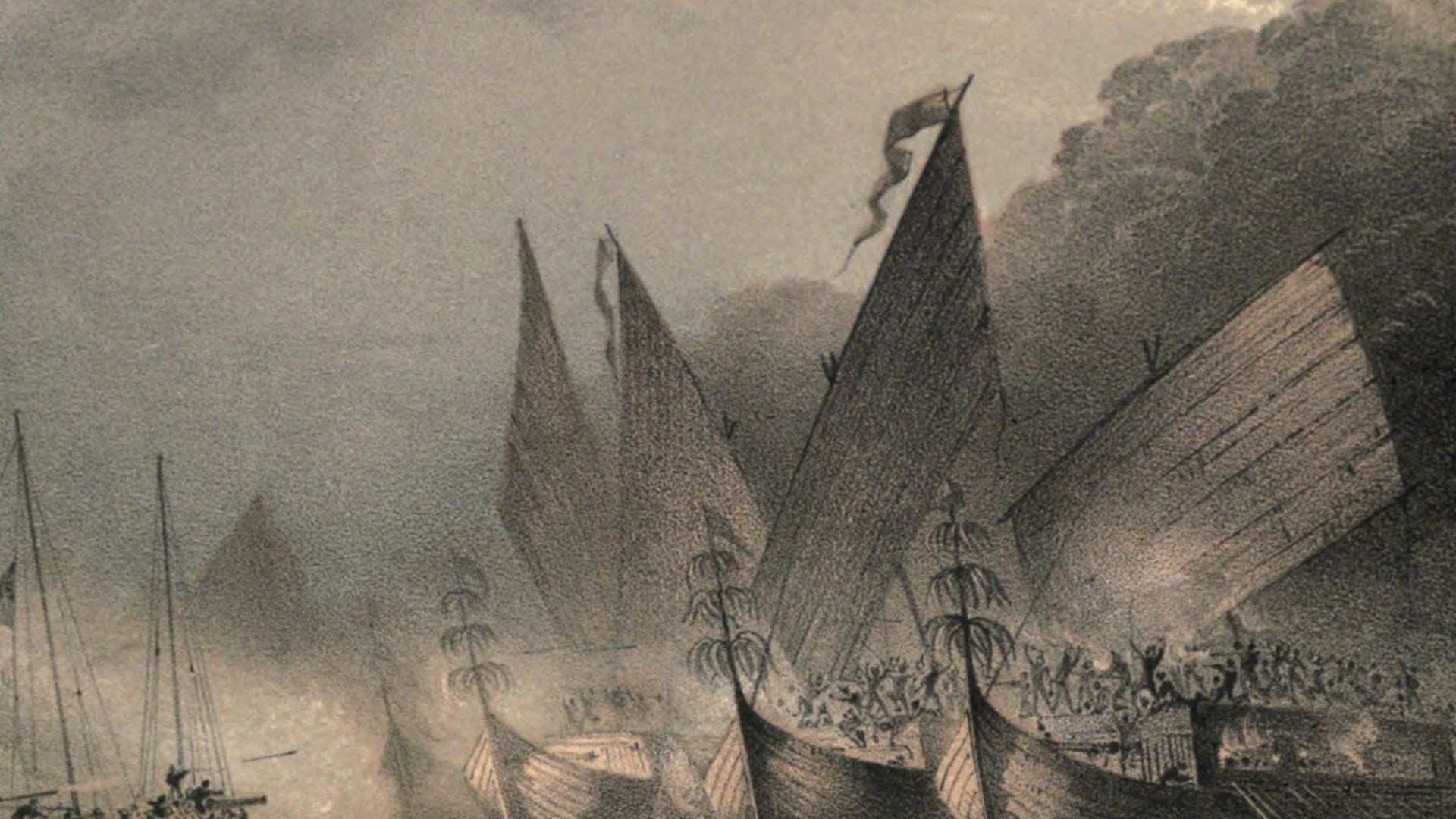
After capturing a merchant vessel, pirates could remove its cargo, weapons, sails, and valuable fittings. They sometimes burned or sank the stripped ship to eliminate evidence of the attack. The scorched Nassau wreck appears consistent with that destructive practice.
 Sir Edward Belcher, Arthur Adams (book author), Wikimedia Commons
Wooden Fasteners Helped Date The Ship
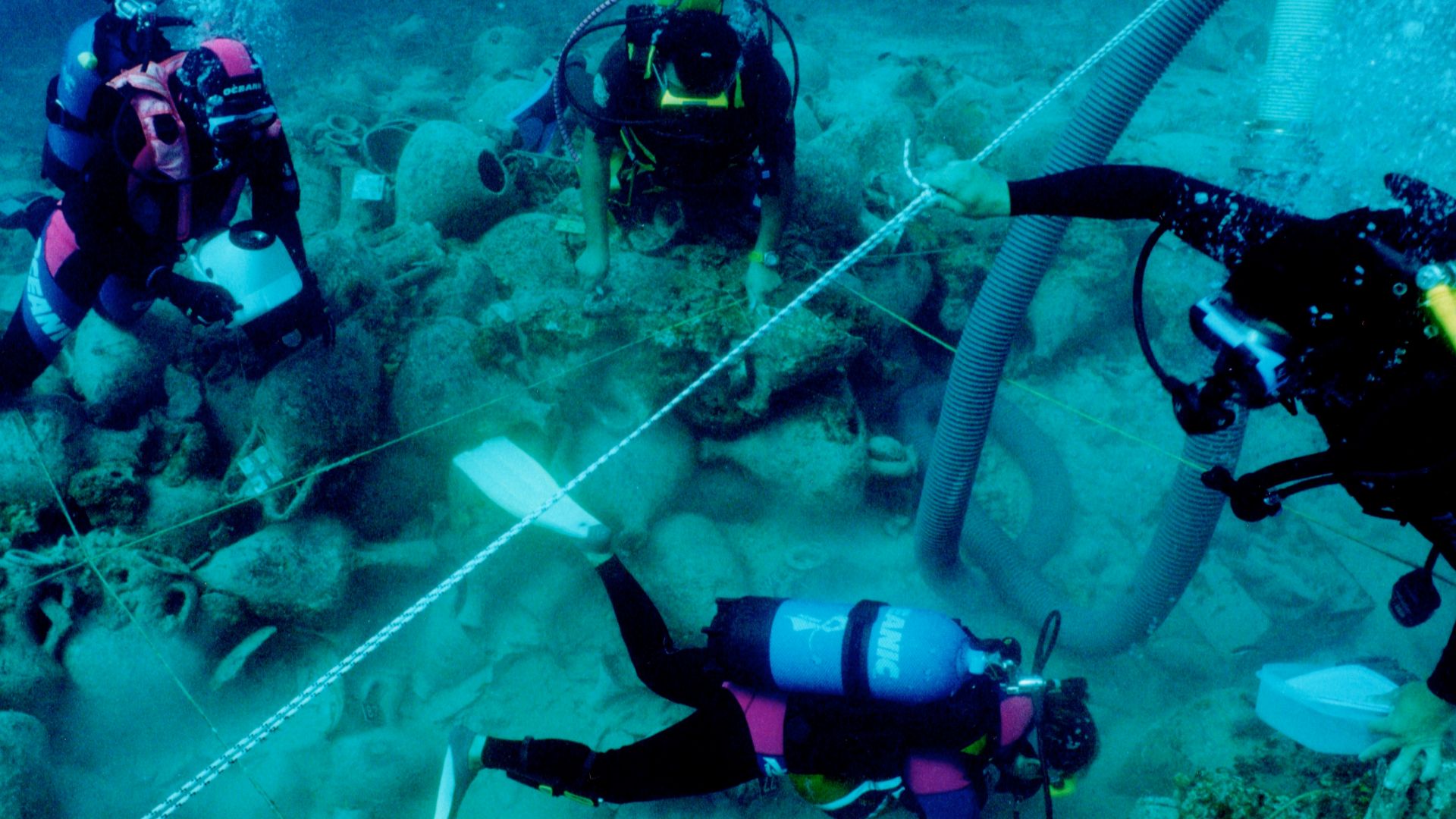
The wreck’s timbers were joined with treenails, which functioned as large wooden nails. Researchers believe its construction methods fit vessels built during the early 1700s. That dating places it within the period when Nassau’s pirate community was at its strongest.
 Elpida Hadjidaki, Wikimedia Commons
Could This Be The Famous Fancy?
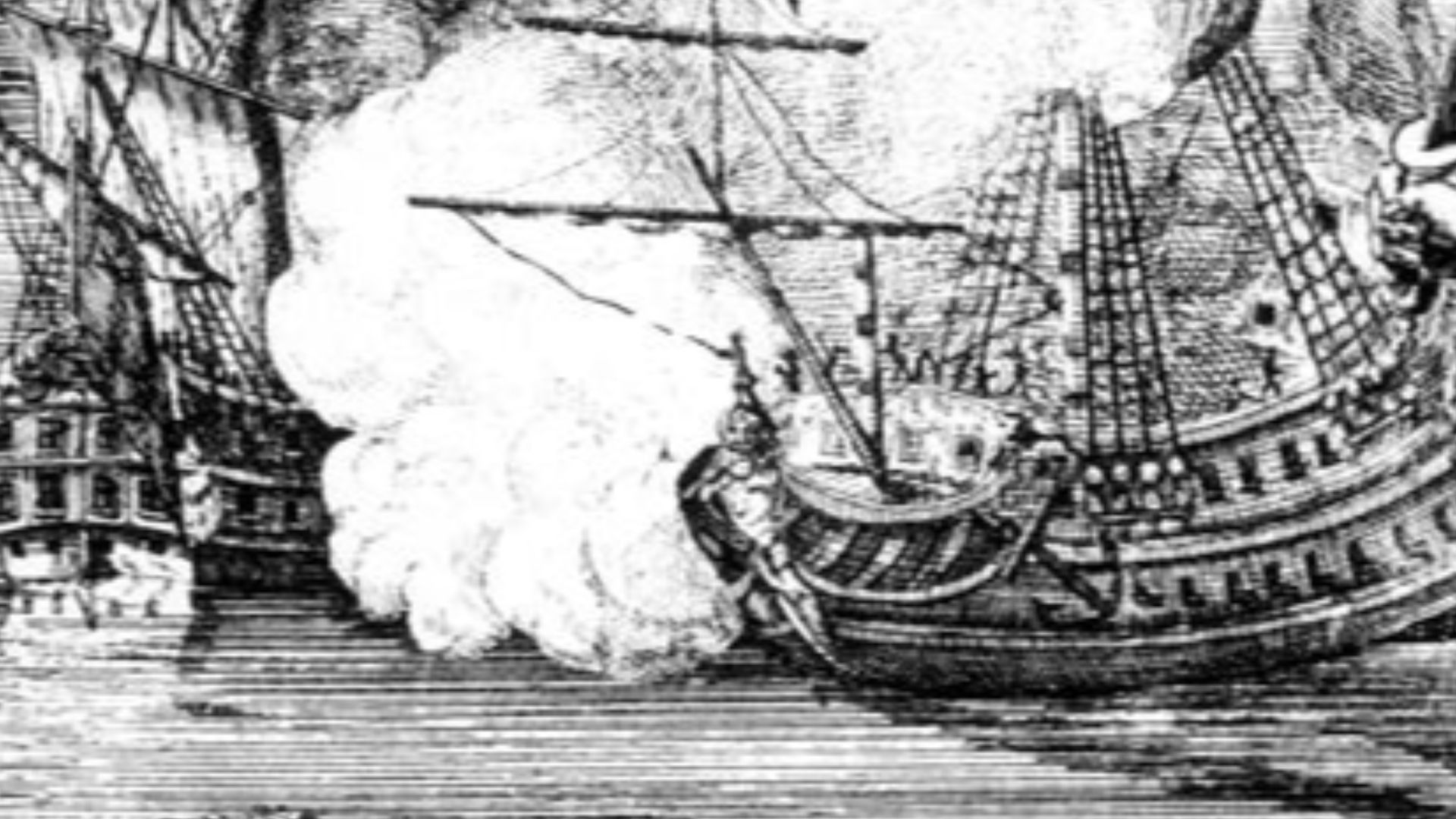
Researchers are investigating whether the burned wreck could be the remains of the Fancy, the ship commanded by pirate Henry Avery. The surviving structure appears to match the vessel’s approximate age and size. However, the team has not confirmed the wreck’s identity, and hundreds of ships have been lost around Nassau.
 Unknown authorUnknown author, Wikimedia Commons
Henry Avery Pulled Off A Legendary Raid
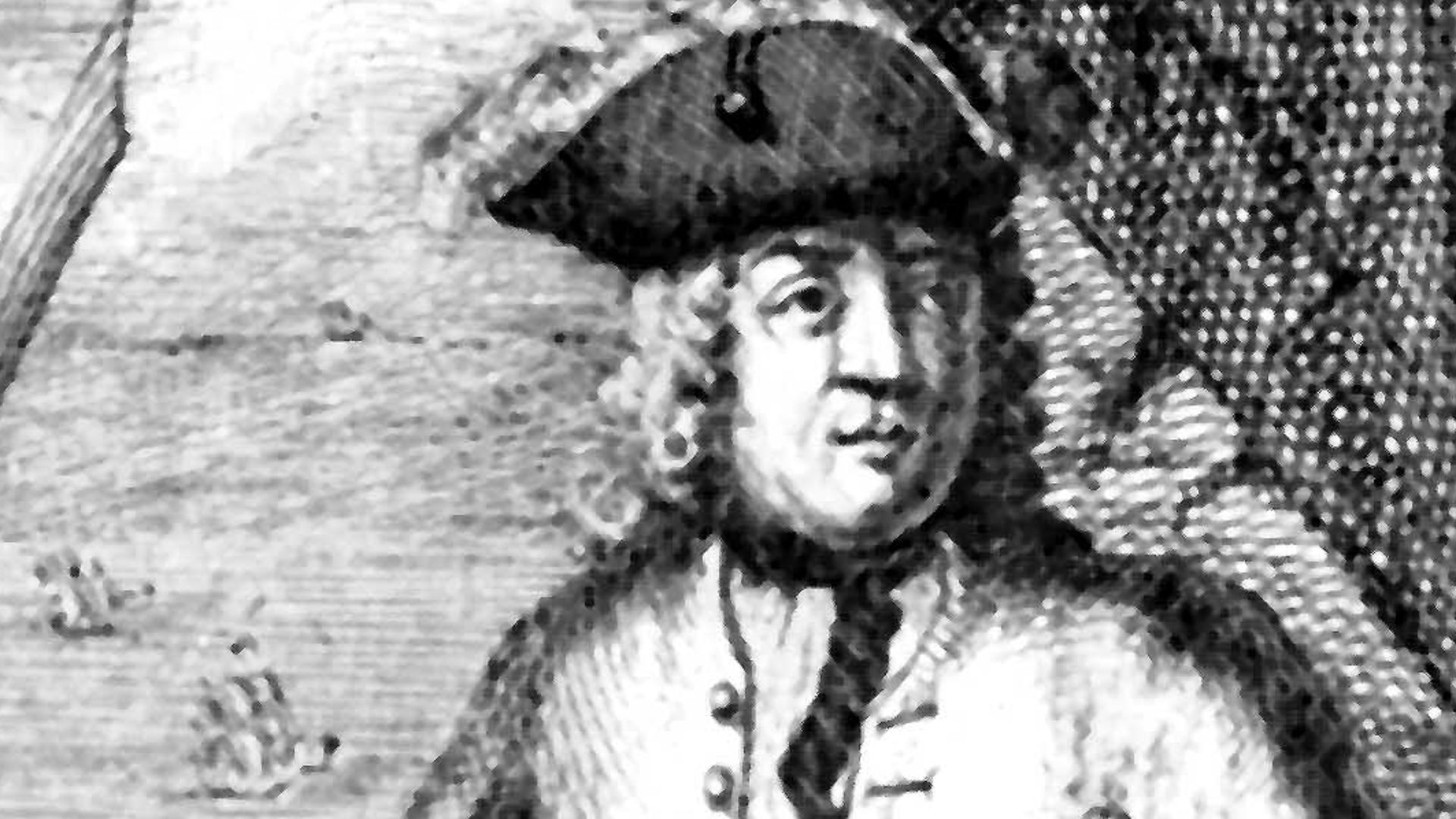
In 1695, Avery and his crew attacked ships belonging to the Mughal Empire near the entrance to the Red Sea. They captured an extraordinary fortune and triggered an international manhunt. Avery then sailed toward the Bahamas, where corrupt colonial officials offered opportunities to disappear.
 Unknown authorUnknown author, Wikimedia Commons
The Fancy Reached The Bahamas
Historical records indicate that Avery brought the Fancy to the Bahamas in 1696. His crew paid off Governor Nicholas Trott, unloaded their captured wealth, and abandoned the vessel. If the newly examined wreck is eventually identified as the Fancy, it would become one of the most significant pirate archaeological discoveries ever made.
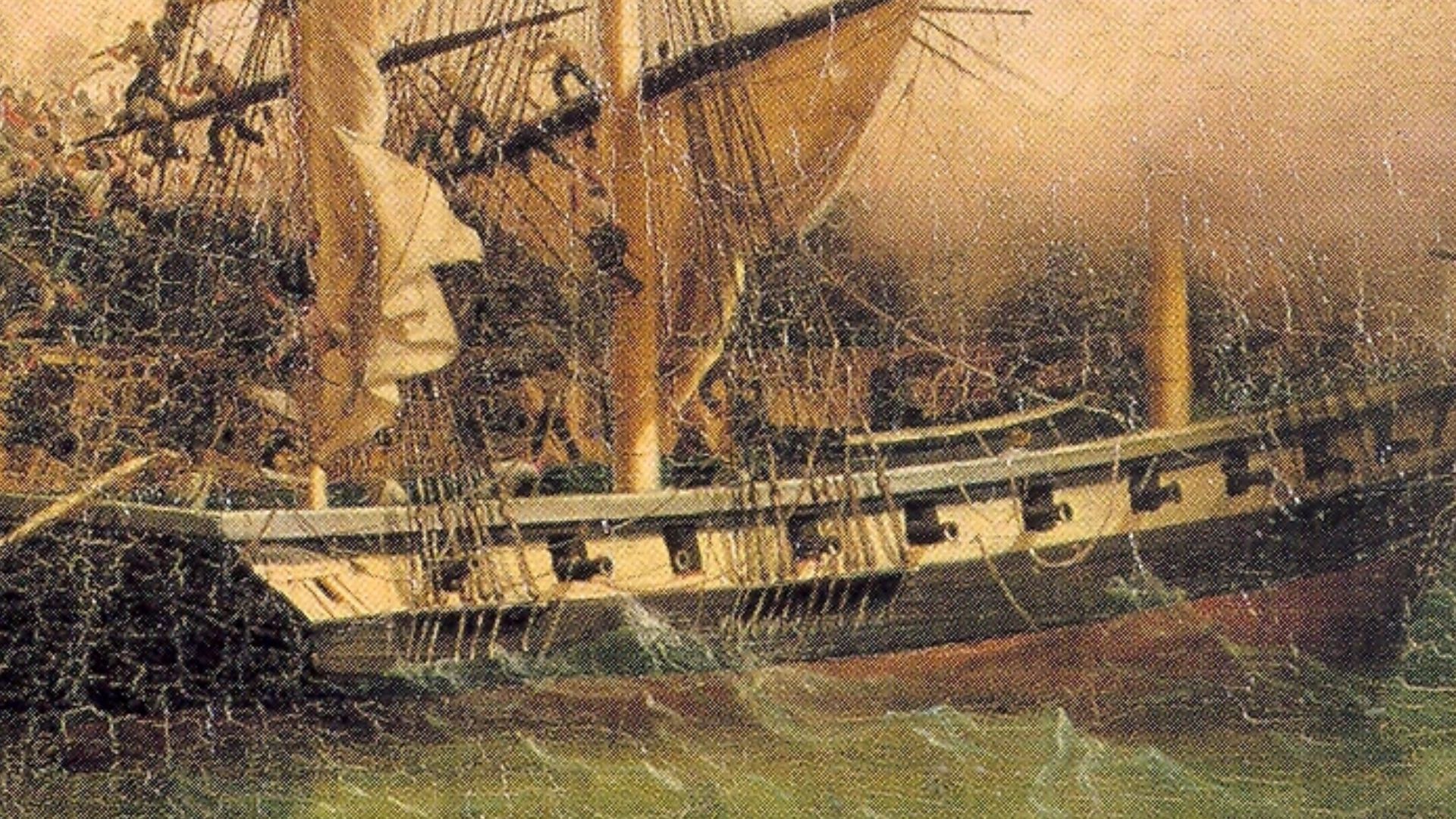 After Ambroise Louis Garneray, Wikimedia Commons
The Missing Cargo Is An Important Clue
The burned wreck did not contain the cannons, cargo, or fittings normally expected on an intact vessel. That absence suggests the ship may have been thoroughly stripped before it sank. The condition resembles historical accounts describing what happened to the Fancy, although it does not prove the connection.
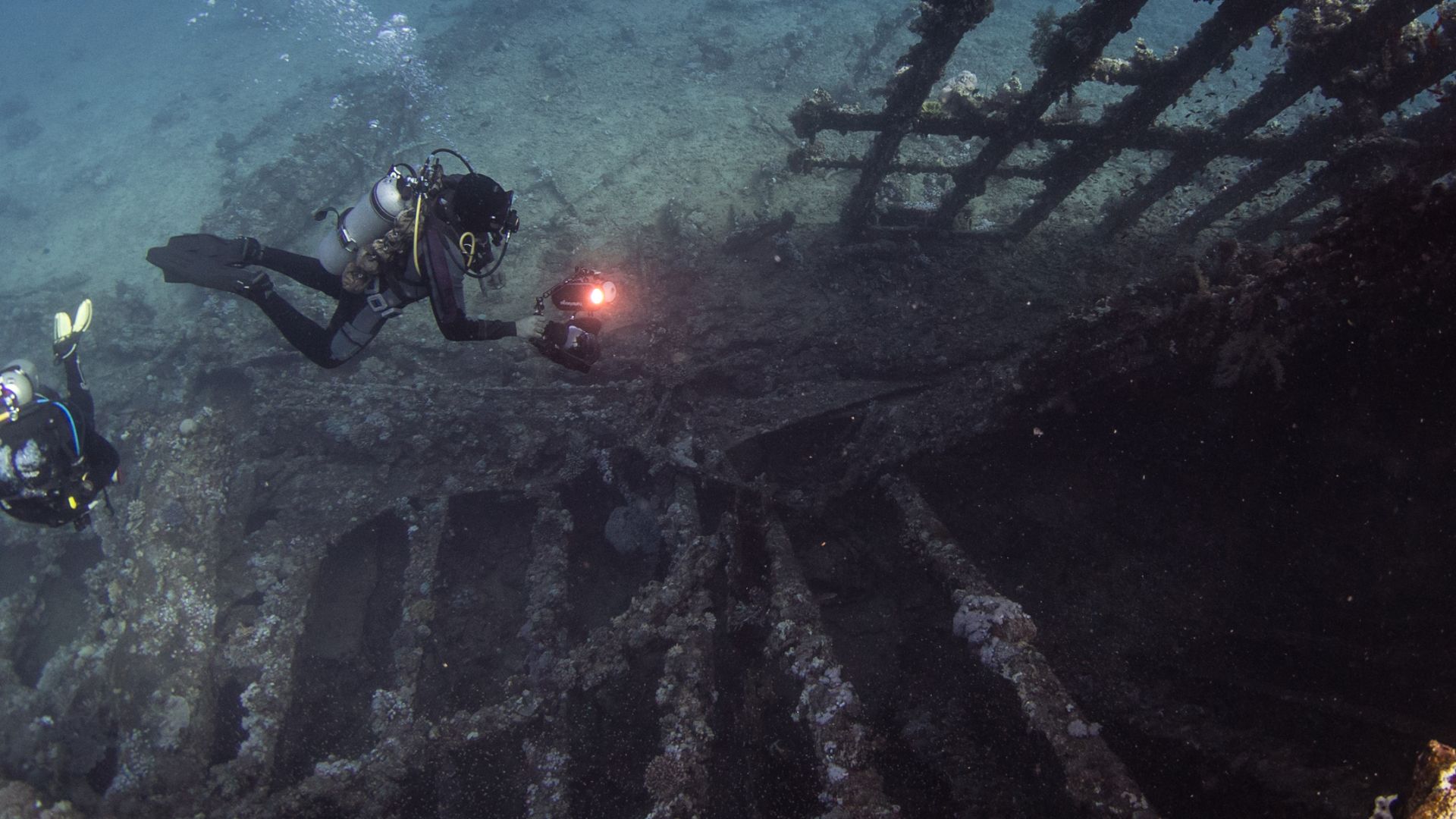 W.Strickling, Wikimedia Commons
Another Wreck Was Heavily Armed
Roughly 22 miles east of Nassau, researchers examined what may have been an early 18th-century sloop. The site included a large iron cannon, a smaller swivel gun, and a pile of ballast stones. Such fast, single-masted vessels were commonly used in Caribbean waters during the pirate era.
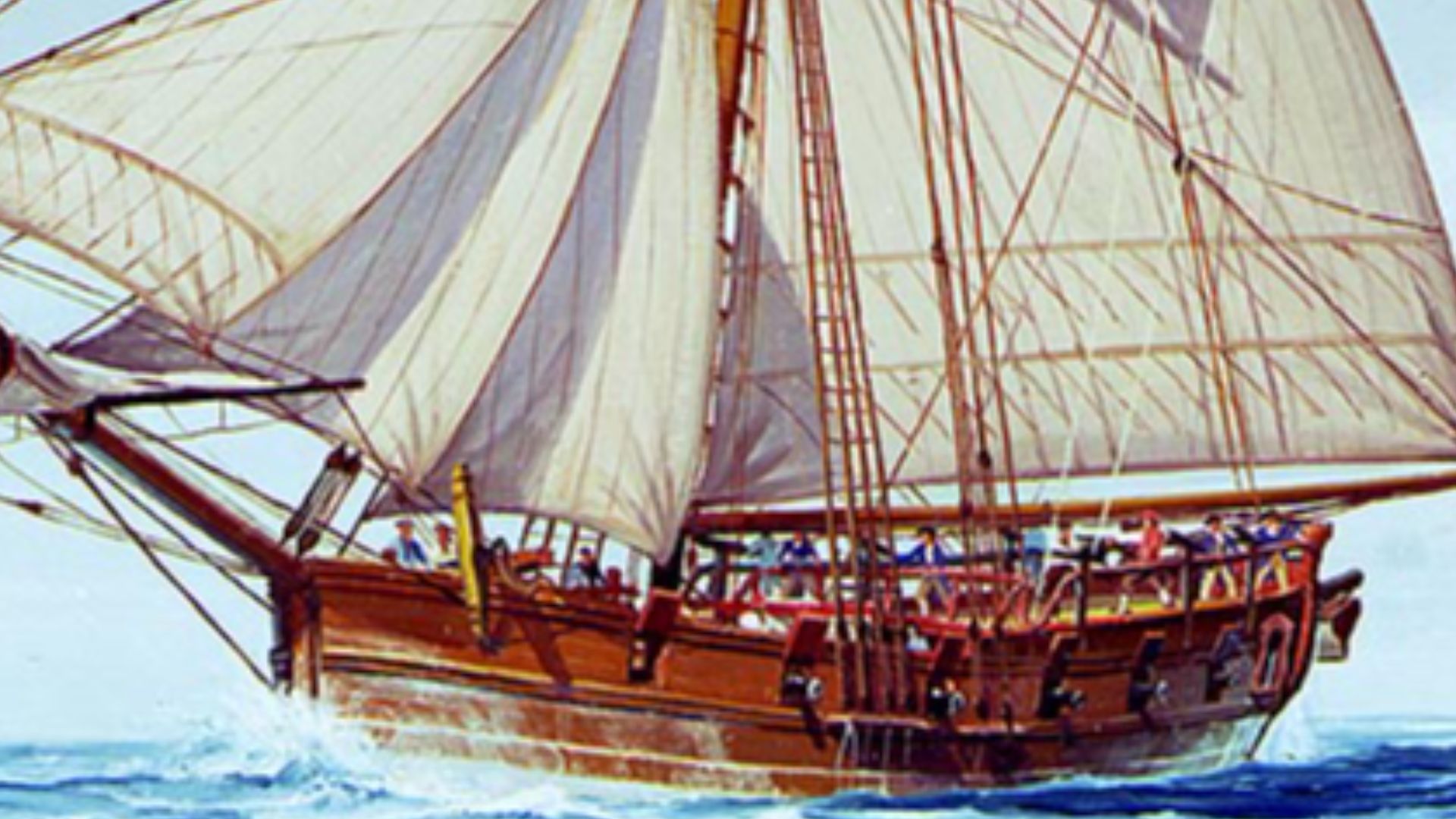
Weapons Covered The Seafloor
The expedition also found lead musket balls, three cannonballs, and a grinding stone used for sharpening blades. Together, the objects suggest that the vessel was prepared for violent encounters. It may have belonged to pirates, privateers, naval forces, or merchants defending themselves against attack.
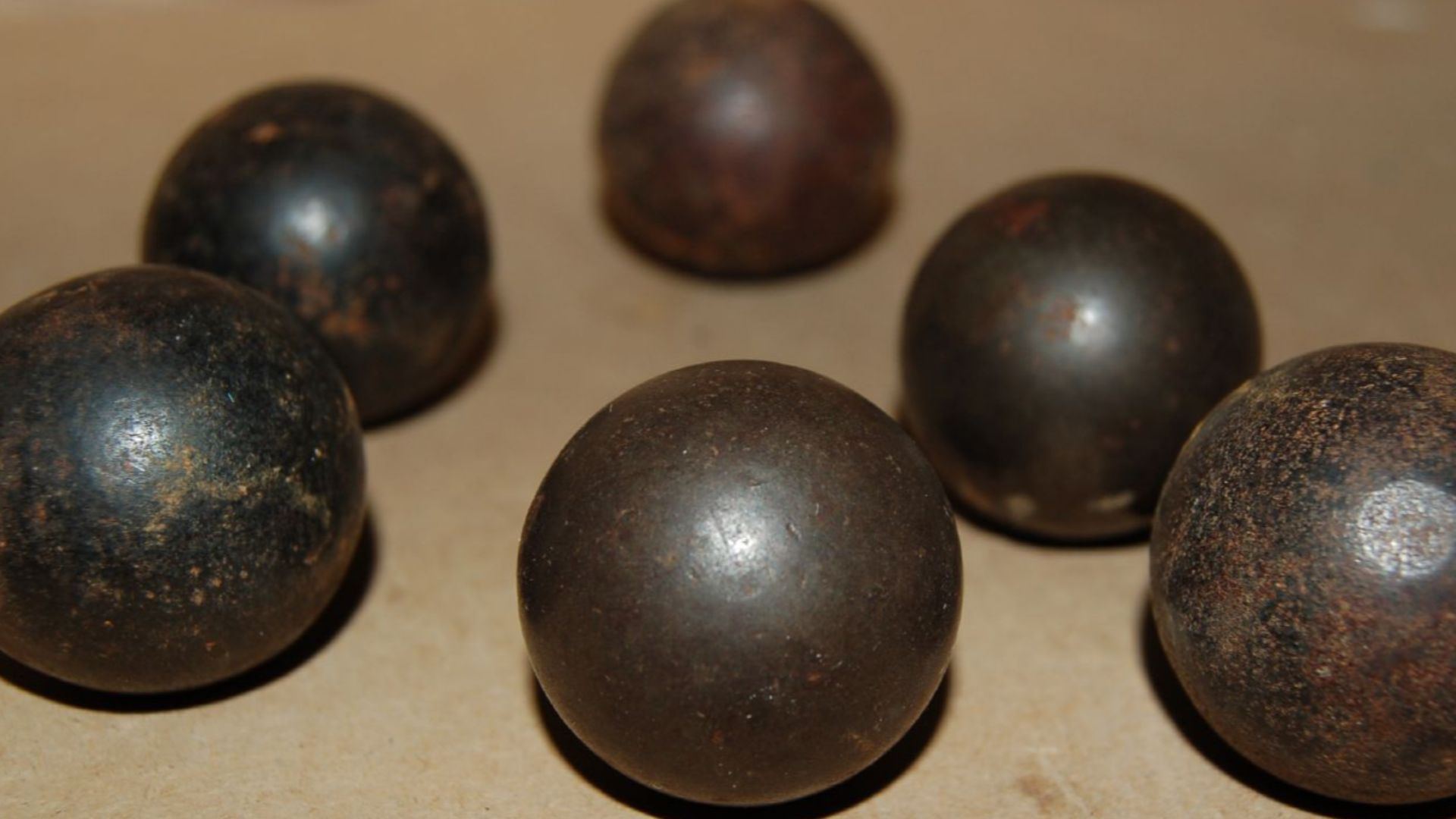 Lee Hutchinson from Englaland, Wikimedia Commons
A Swivel Gun Offered Flexibility
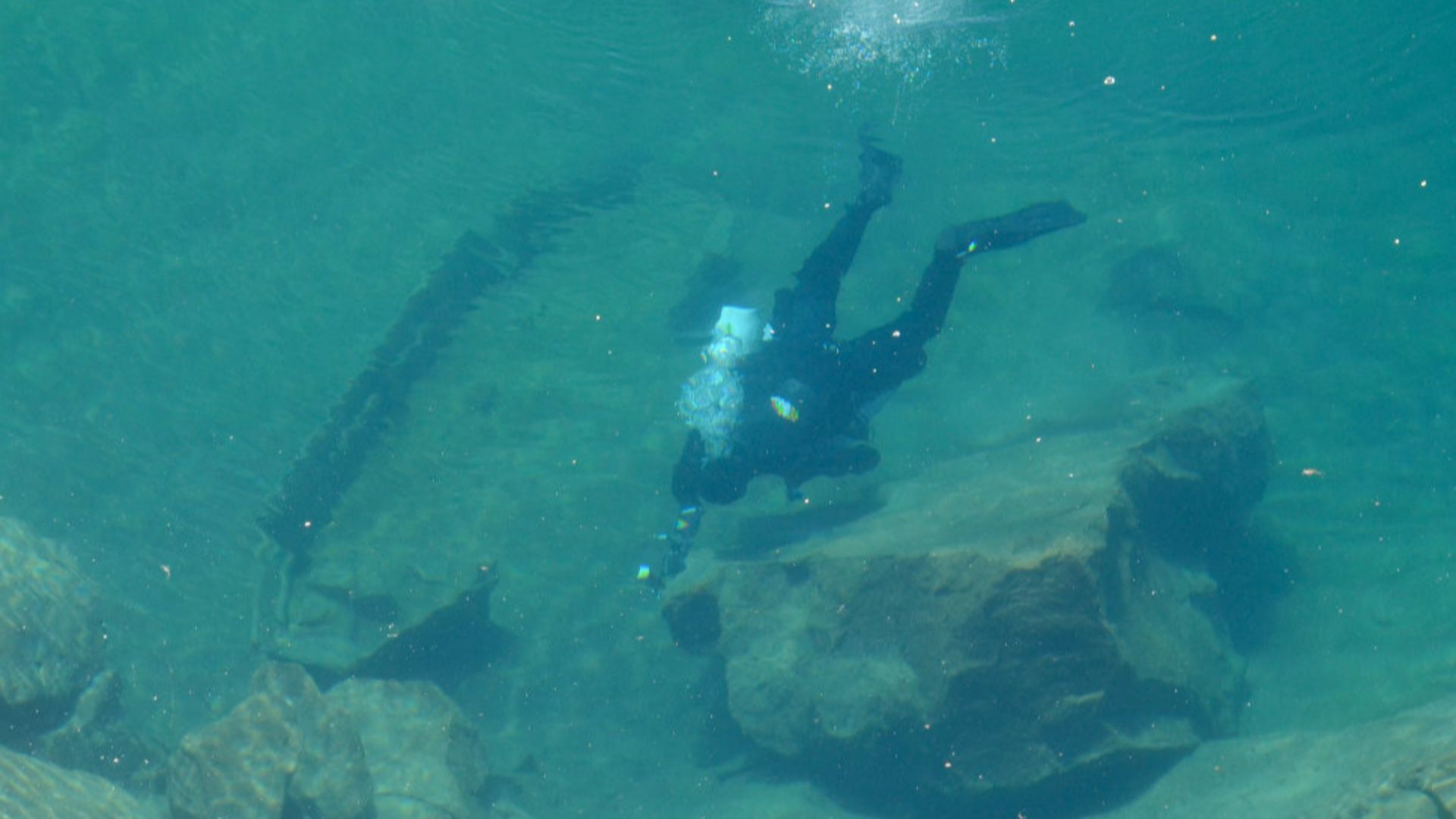
Swivel guns were smaller weapons mounted on rotating supports along a ship’s rail. Sailors could quickly aim them at nearby boats or attackers attempting to board. The weapon found near Nassau strengthens the wreck’s connection to the dangerous maritime world of the early 18th century.
 Rupert Gietl (Arc-Team), Wikimedia Commons
The Evidence Still Requires Caution
Weapons alone cannot prove that a vessel belonged to pirates. Merchant ships and government vessels also carried cannons and firearms for protection. Researchers must combine construction details, artifacts, location, and historical records before assigning any wreck a more specific identity.
Two More Hulls Lay Beneath A Bridge
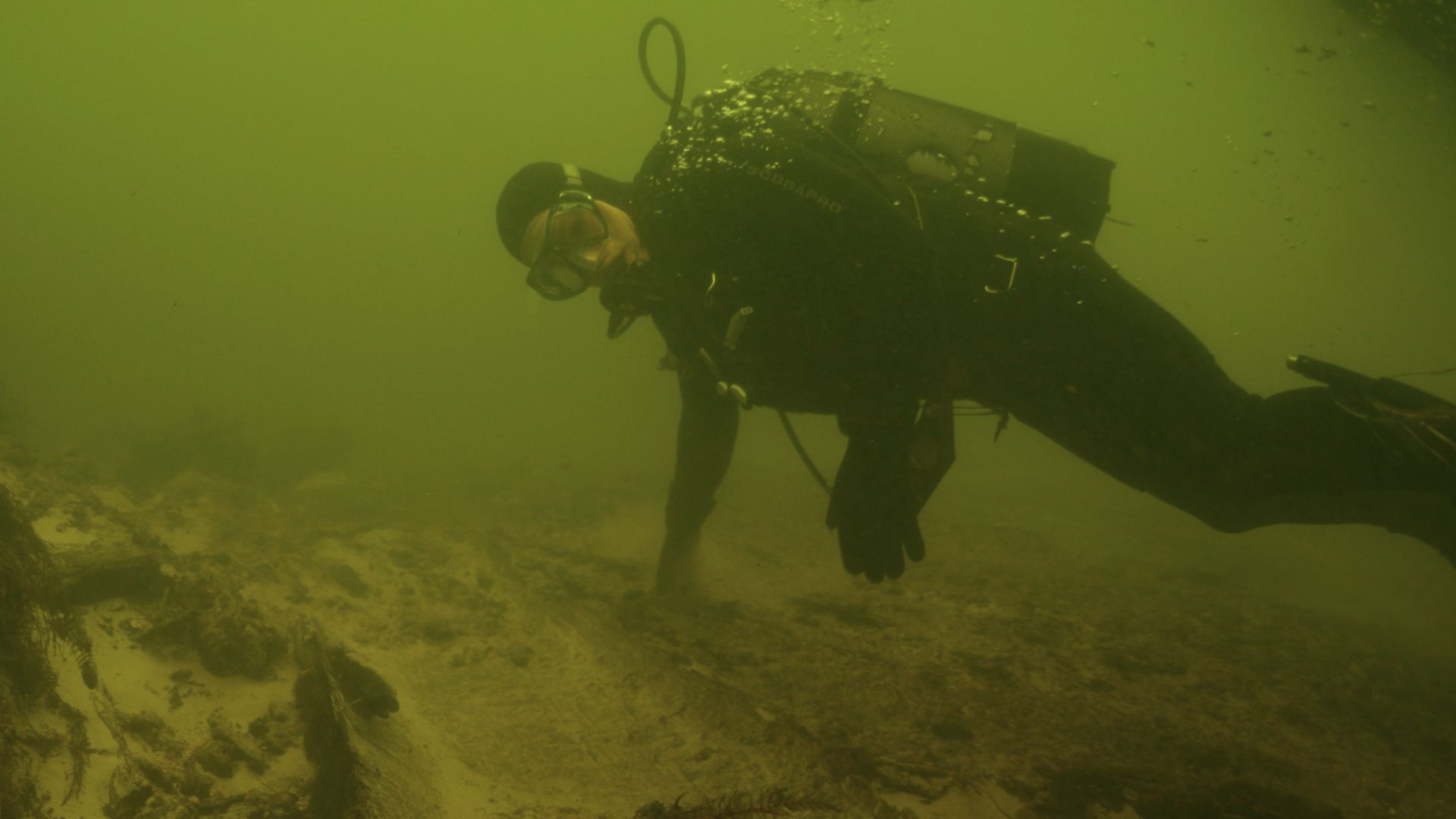
Another site was located beneath Nassau’s old bridge after researchers received a local tip. Divers found two poorly preserved hulls surrounded by planks, rigging, bottles, and bricks from a ship’s cooking area. One of the wrecks had been pierced by a modern pipeline, showing how vulnerable underwater history can be.
A Storm May Have Claimed Them
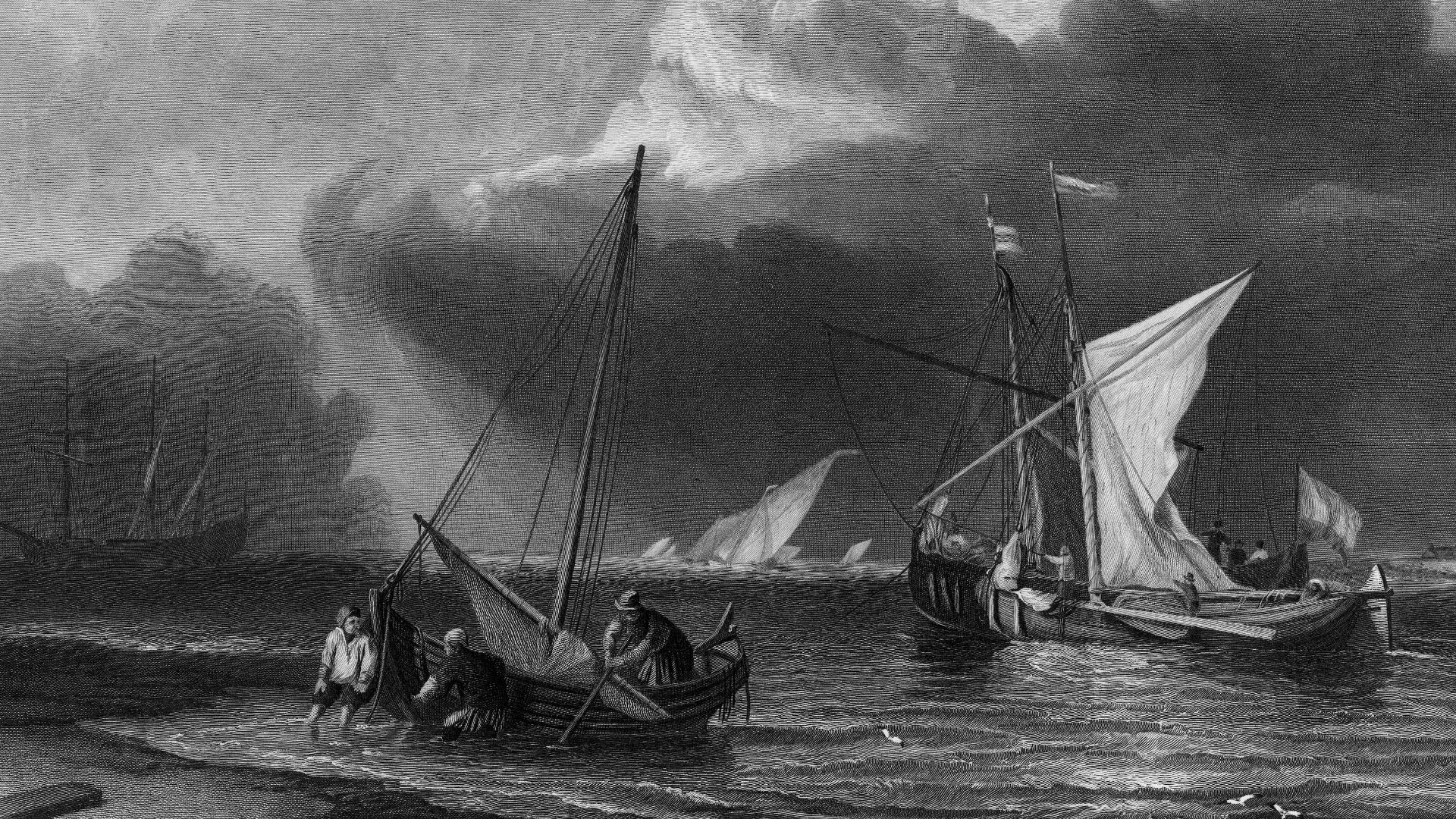
Researchers believe at least one of the vessels near the bridge may have struck an underwater sandbank during a storm. Nassau’s shallow waters, reefs, and shifting seabed have endangered ships for centuries. Not every wreck connected to the pirate era was necessarily attacked or deliberately destroyed.
 William Miller, Wikimedia Commons
More Than 100 Pipes Appeared
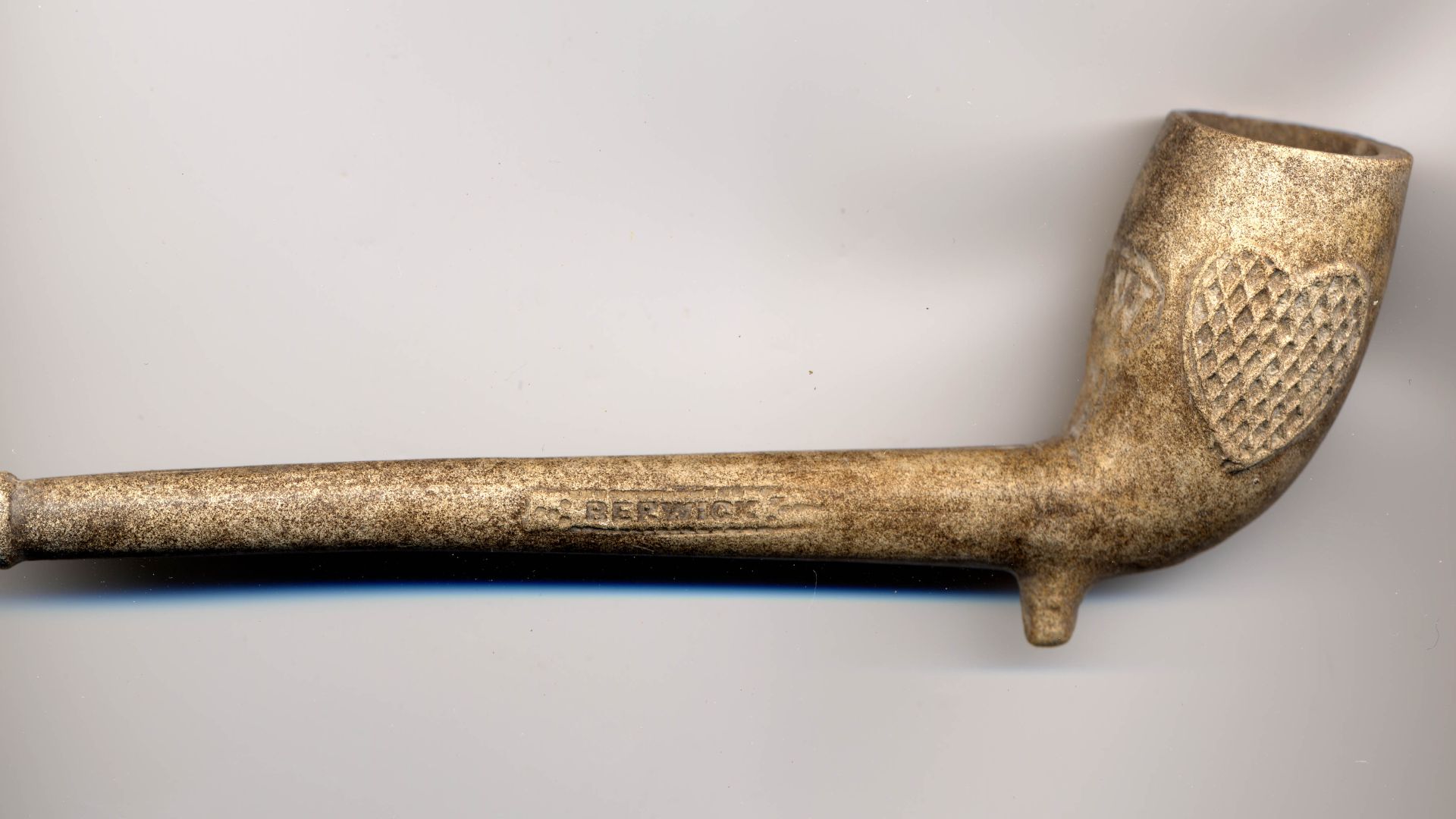
In a heavily disturbed part of the harbor, the team found 143 clay tobacco pipes. Many were decorated with crowns, horses, unicorns, and the royal coat of arms of England. Their designs indicate that they were probably manufactured in London during the 1740s or 1750s.
 The Portable Antiquities Scheme, Philippa Walton, 2004-07-14 13:31:18, Wikimedia Commons
The Pipes Came After Piracy’s Peak
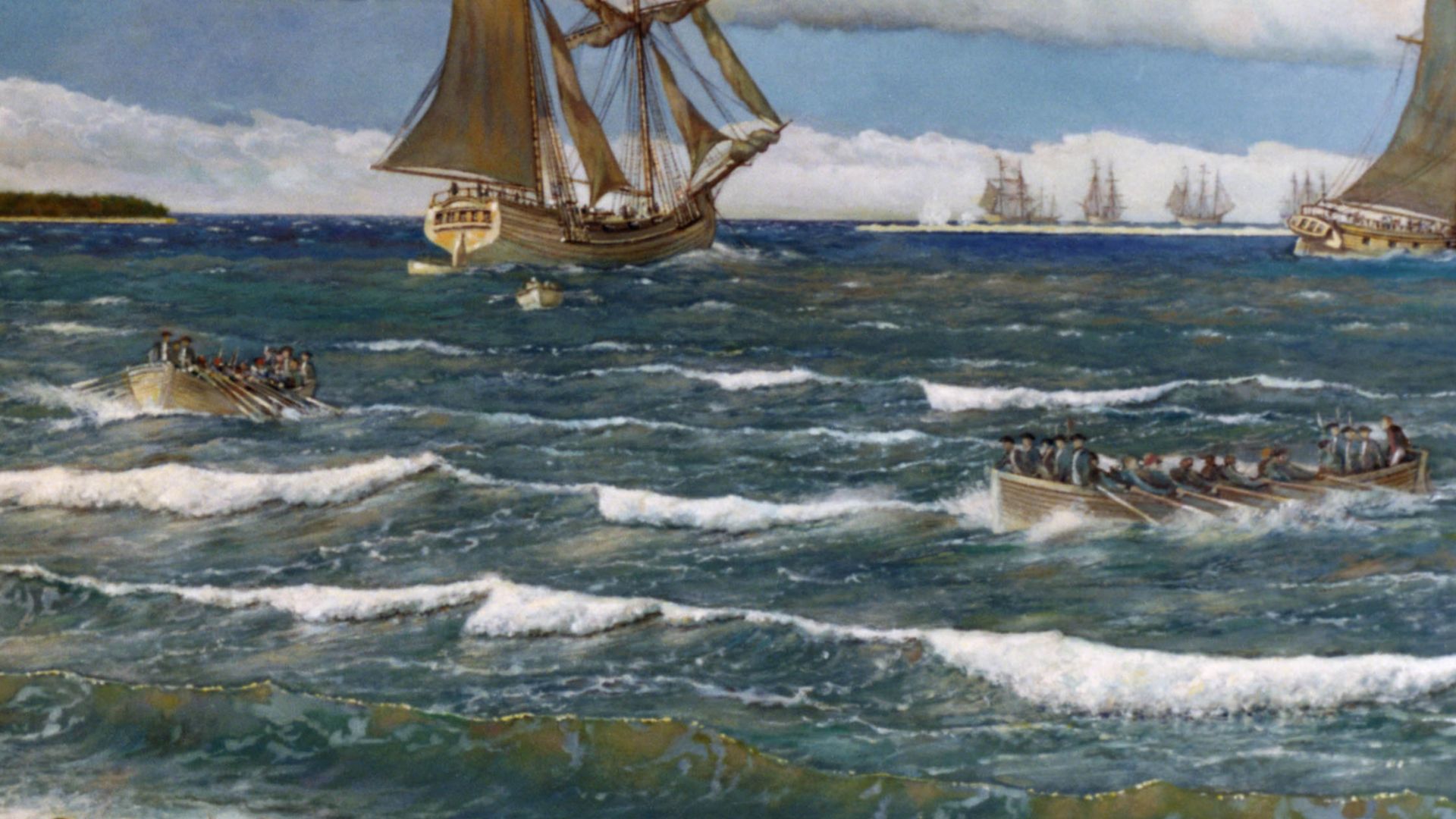
The pipe-carrying ship appears to have arrived after Nassau’s pirate republic had been brought under colonial control. It may have sailed from London while the Bahamas was transitioning into a more regulated British colony. The wreck helps archaeologists examine how Nassau changed once open piracy was suppressed.
 V. Zveg for the Navy Art Collection, Wikimedia Commons
Ordinary Objects Tell Better Stories
Treasure coins may grab attention, but tobacco pipes, cooking bricks, bottles, and hull timbers reveal how people actually lived. These items can show where ships were built, what crews consumed, and which ports they visited. For archaeologists, everyday belongings may be more informative than a chest of silver.
 Henri Sbonski de Passebon, Wikimedia Commons
Nassau Was Not A Movie Set
The real pirate settlement bore little resemblance to the polished world of adventure films. Researchers describe it as a rough frontier community filled with temporary camps, taverns, sailors, merchants, and people looking for opportunity. Life there could offer unusual freedom, but it also involved violence, disease, uncertainty, and exploitation.
 Der-wuppertaler, Wikimedia Commons
Pirate Crews Rejected Naval Discipline
Many sailors turned to piracy after experiencing low wages, dangerous work, and harsh discipline aboard merchant or naval vessels. Pirate crews could elect captains, divide captured goods, and negotiate rules among themselves. Those freedoms helped make piracy appealing, even though the risks included battle, imprisonment, and execution.
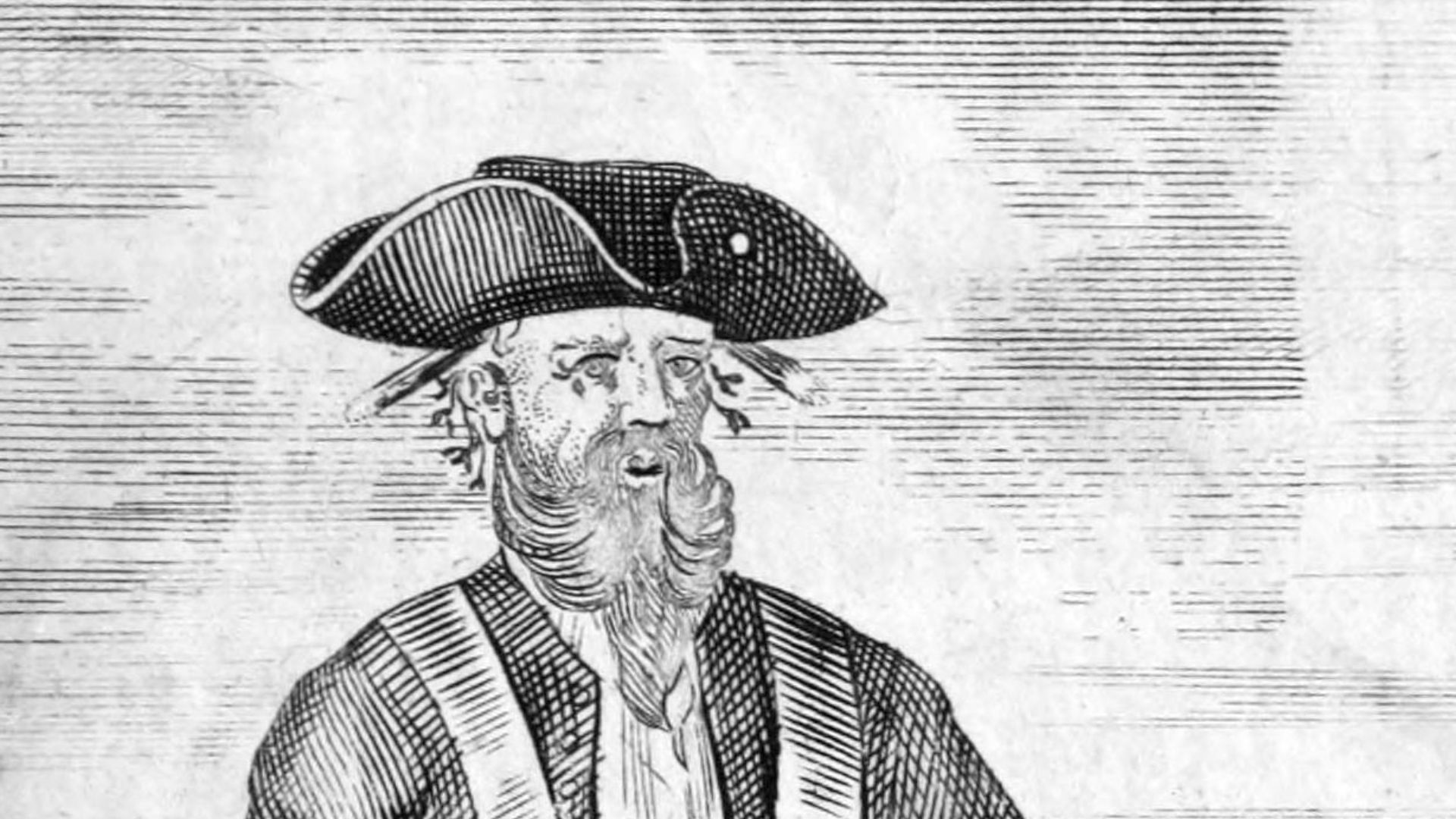 Engraved by Benjamin Cole[1] (1695–1766), Wikimedia Commons
British Rule Returned In 1718
The pirate stronghold began collapsing when Woodes Rogers arrived as governor of the Bahamas in 1718. He carried a royal pardon for pirates willing to surrender and threatened force against those who refused. Rogers reported seeing dozens of captured vessels that had been burned or sunk along Nassau’s shore.
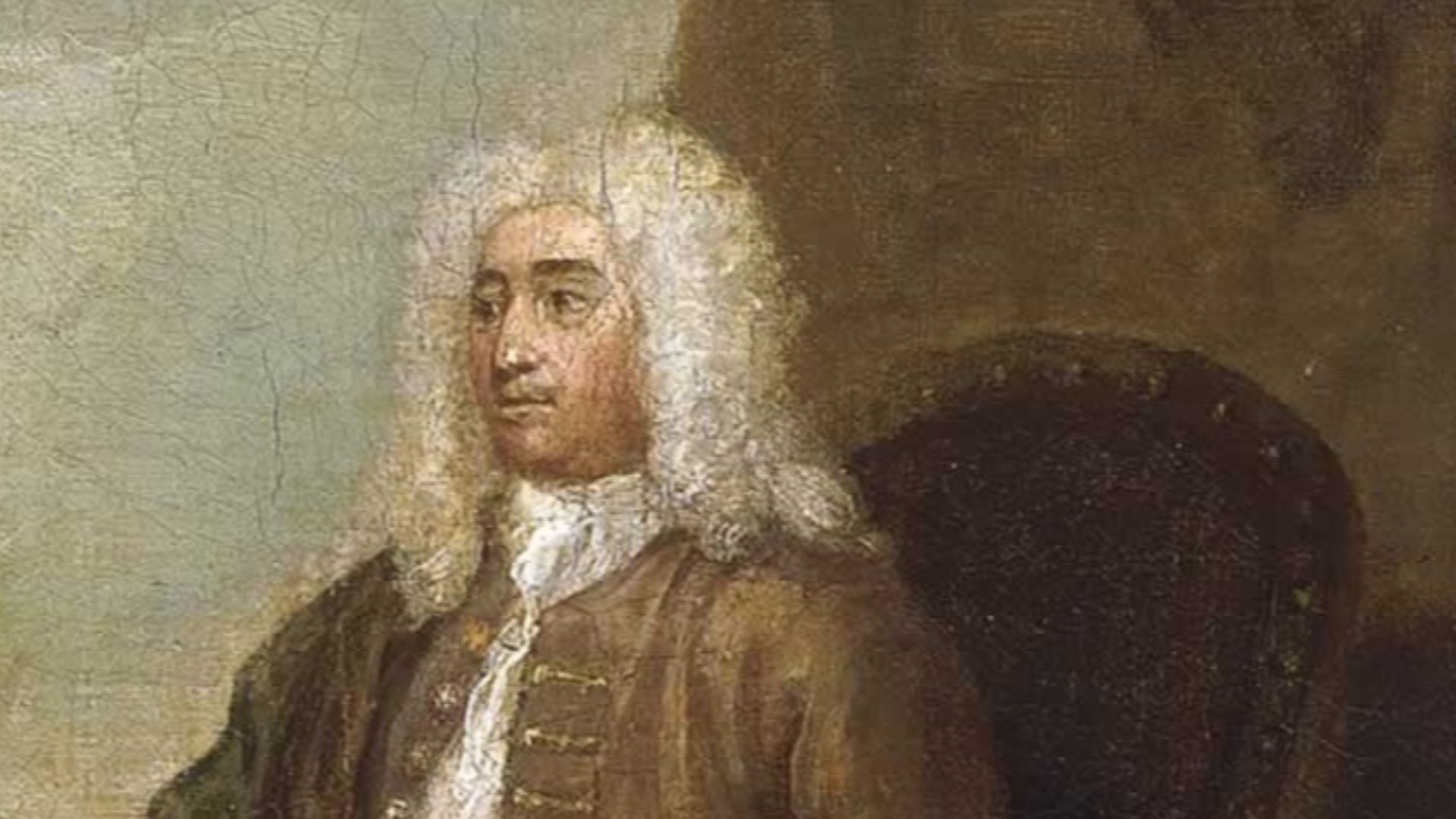 William Hogarth, Wikimedia Commons
The Seabed Matches The Records
Historical accounts described roughly 40 ships lying burned or sunk near Nassau when Rogers arrived. Until the recent expedition, none had been archaeologically investigated in the harbor’s restricted zone. The newly documented remains may therefore represent the first physical evidence connected to those written observations.
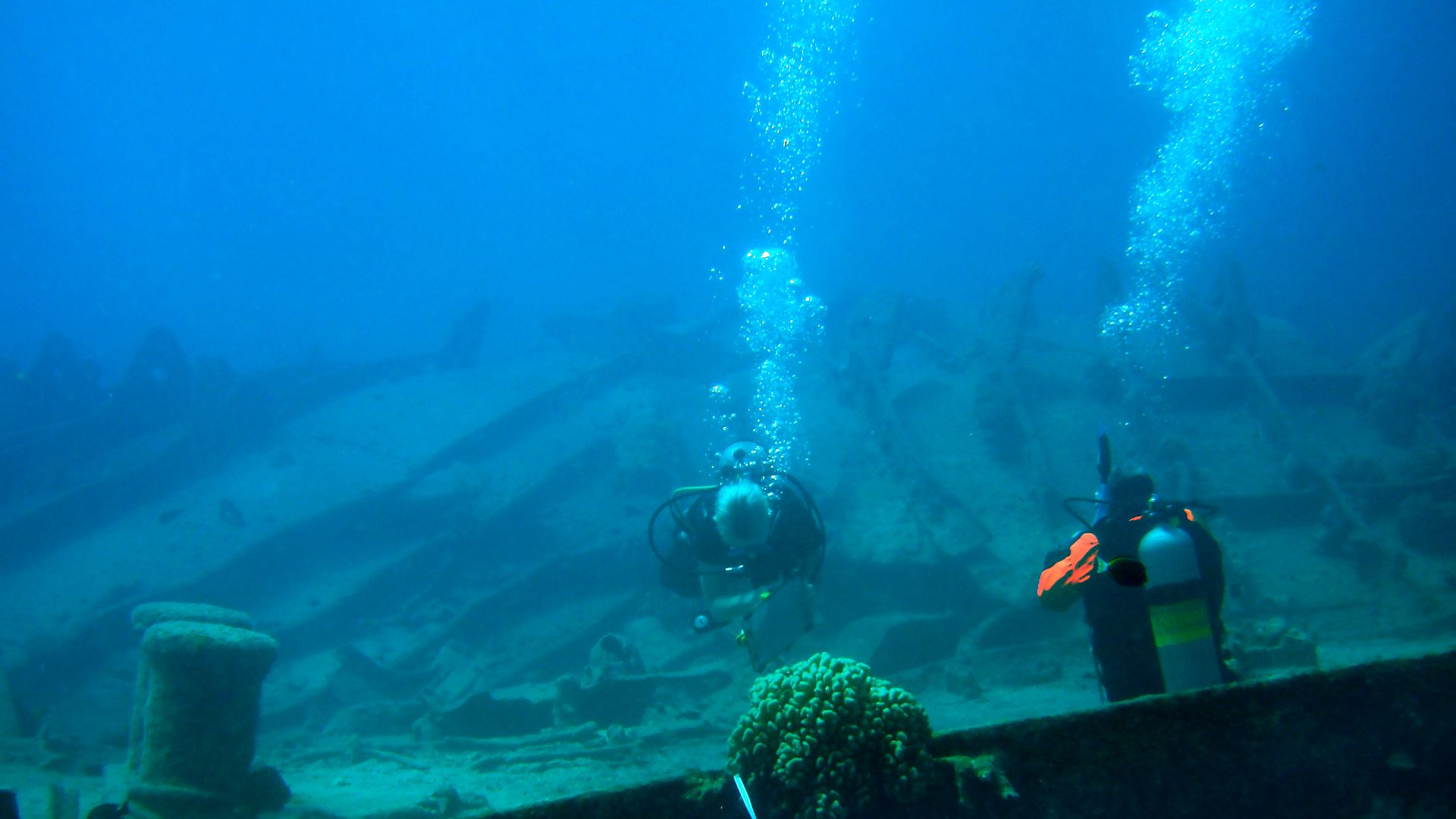
Modern Development Has Taken A Toll
Nassau Harbour has been dredged repeatedly to accommodate larger ships and expanding cruise traffic. Those projects have destroyed or displaced portions of the submerged archaeological landscape. The surviving wrecks may represent only a fraction of what once rested beneath the harbor.
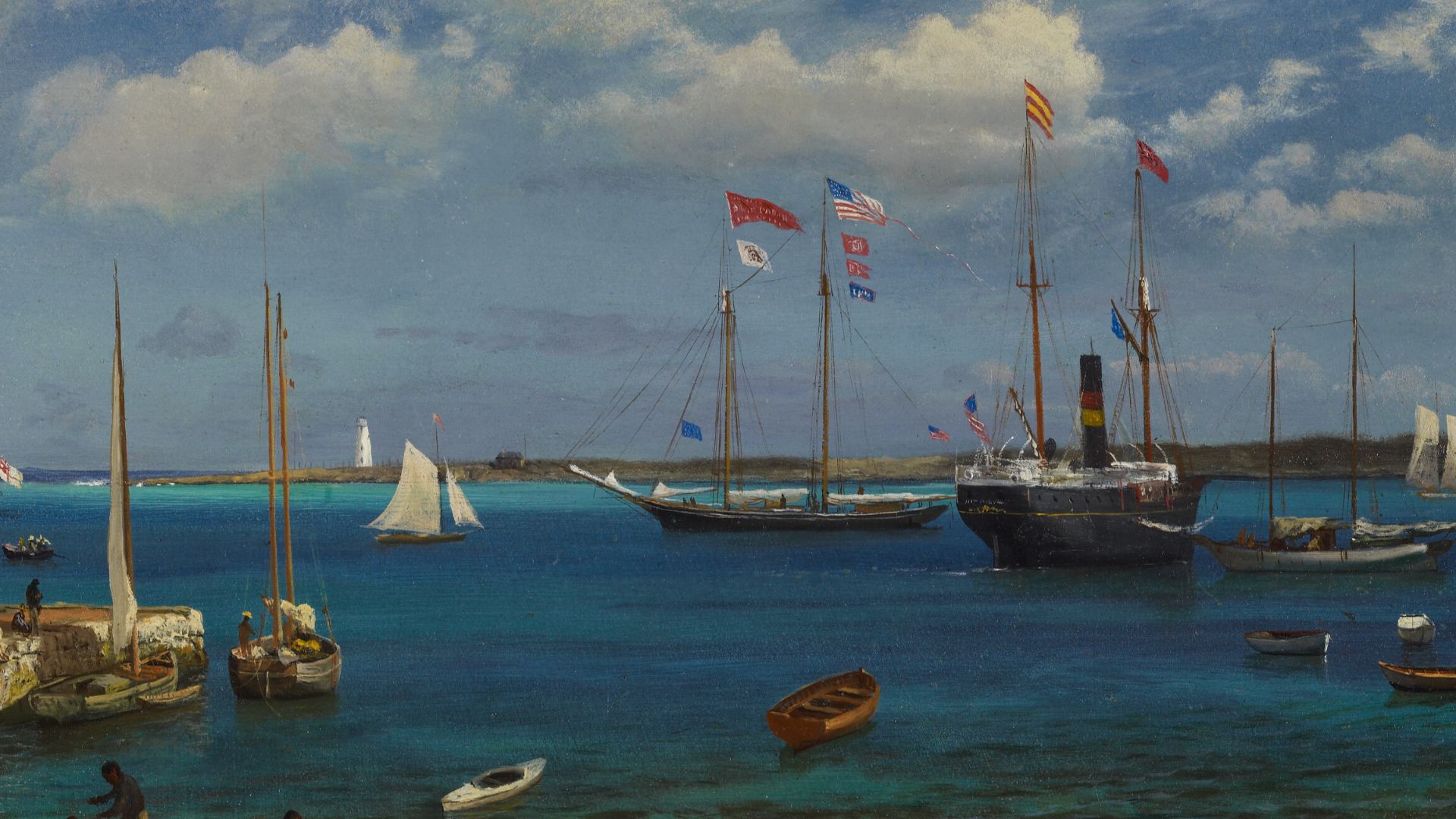 Albert Bierstadt, Wikimedia Commons
The Artifacts Belong To The Bahamas
The expedition concentrated on recording and studying the wreck sites rather than recovering valuables. Selected pipes, bricks, timbers, and other materials were raised for conservation and analysis. The objects remain the property of the Bahamas and may eventually support museum displays, education, and responsible cultural tourism.
 Oleksandr (Alex) Zakletsky, Wikimedia Commons
The Search Is Only Beginning
The six wrecks have opened a new chapter in the archaeology of the Golden Age of Piracy. Continued study may clarify which vessels were pirate ships, prizes, merchant craft, or colonial patrol vessels. Somewhere beneath Nassau’s waters, even the lost Fancy may still be waiting to reveal its identity.
 Maria Plotnikova, Wikimedia Commons
You May Also Like:
Archaeologists Discover 140,000-Year-Old Underwater Ecosystem Linked To The Lost World Of Sundaland
Archaeologists Discovered The “Holy Grail Of Shipwrecks”—And They’re Still Uncovering Its Secrets