

A Treasure That Echoes Through The Centuries
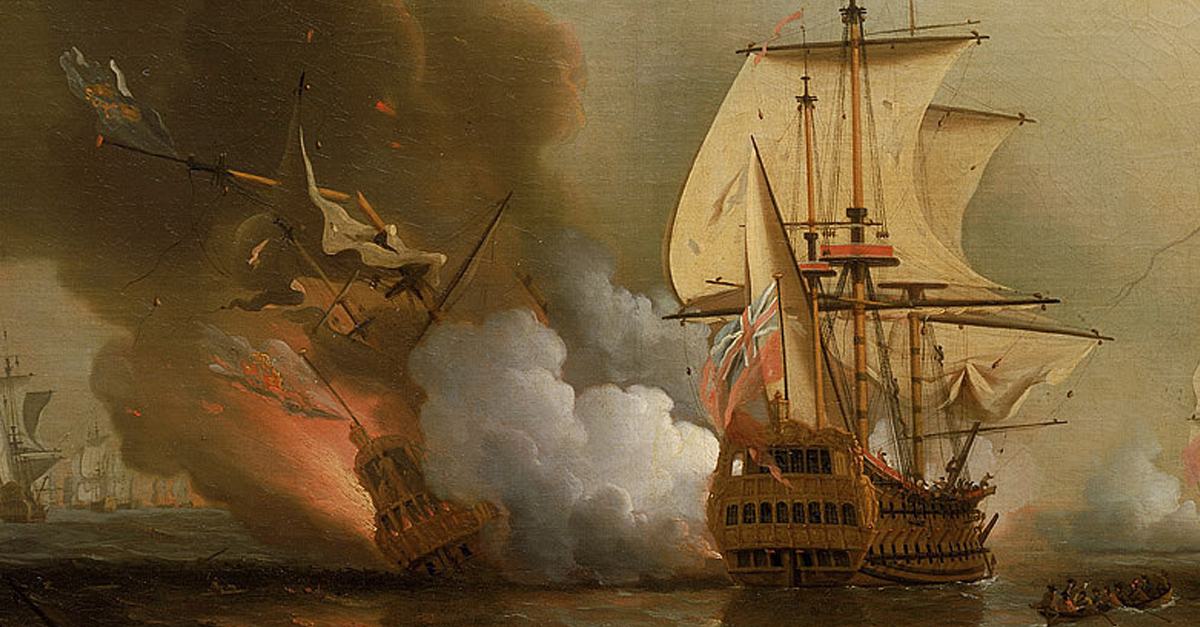
For more than 300 years, the Spanish galleon San José sat at the bottom of the Caribbean, surrounded by legend and rumors of unimaginable treasure. Often called the “Holy Grail of shipwrecks,” it is believed to hold gold, silver, emeralds, and artifacts worth billions. But archaeologists say its real value may be the story it can tell.
 Samuel Scott, Wikimedia Commons
The San José Was Not Just Another Treasure Ship
The San José was a Spanish galleon sailing during the War of the Spanish Succession, when European powers fought over empire, trade, and dynastic control. It was part of Spain’s treasure fleet system, carrying enormous wealth from the Americas toward Europe. That cargo made it valuable in its own time and irresistible to treasure hunters centuries later.
 Unknown author, Wikimedia Commons
It Sank In A Battle Near Cartagena
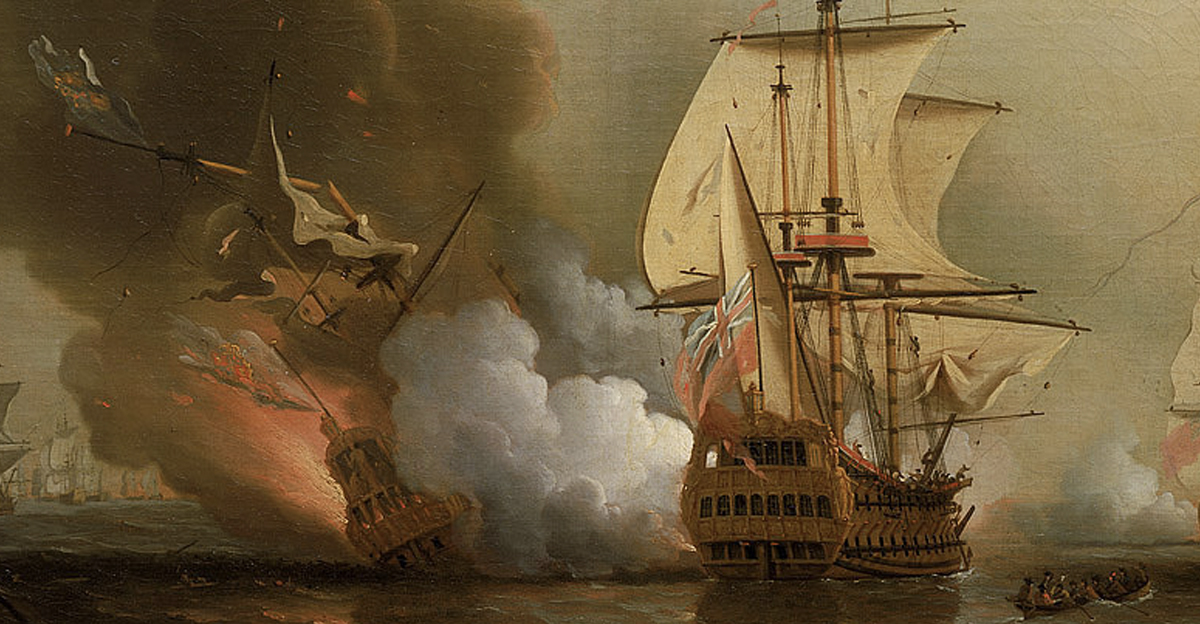
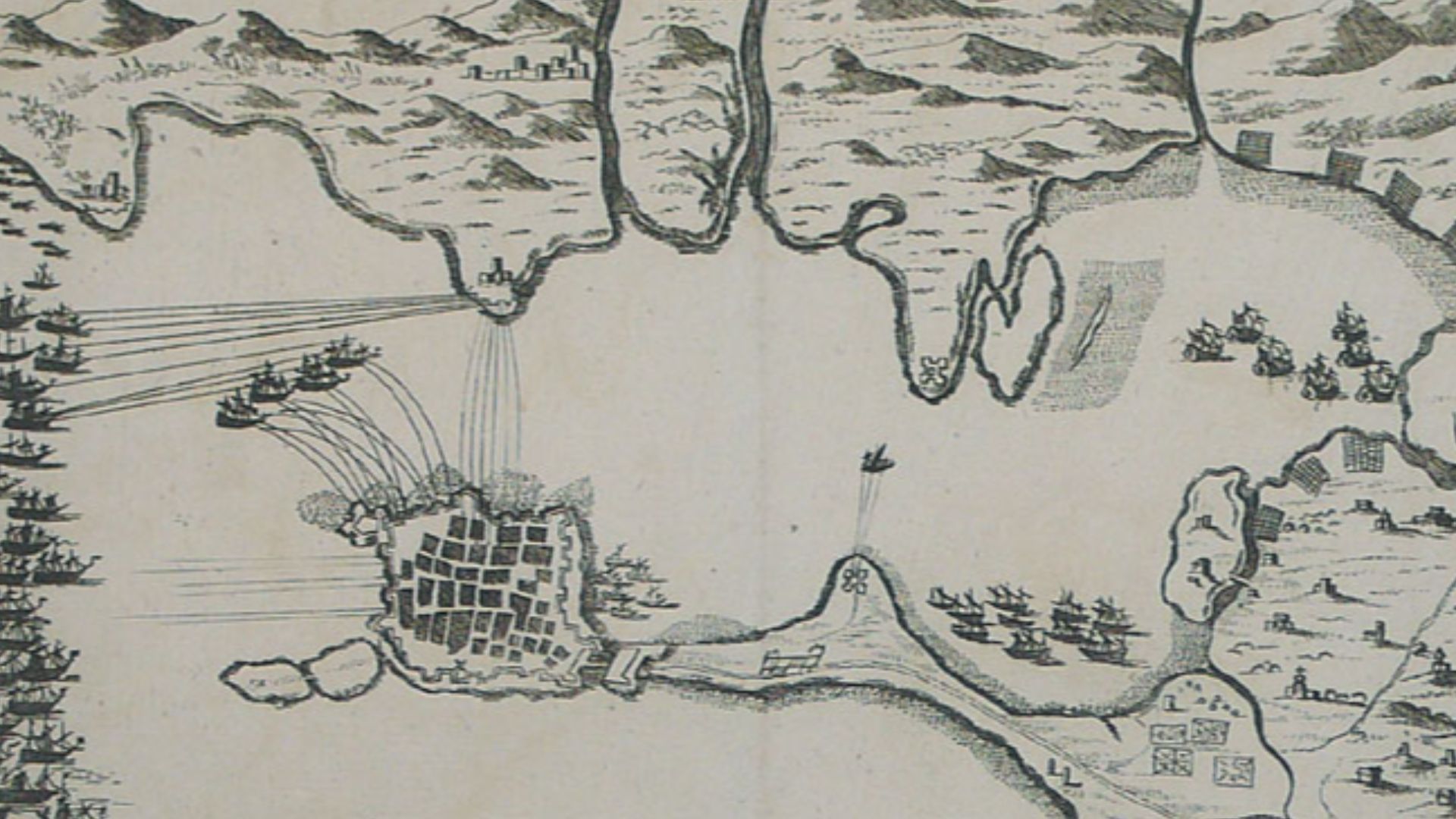
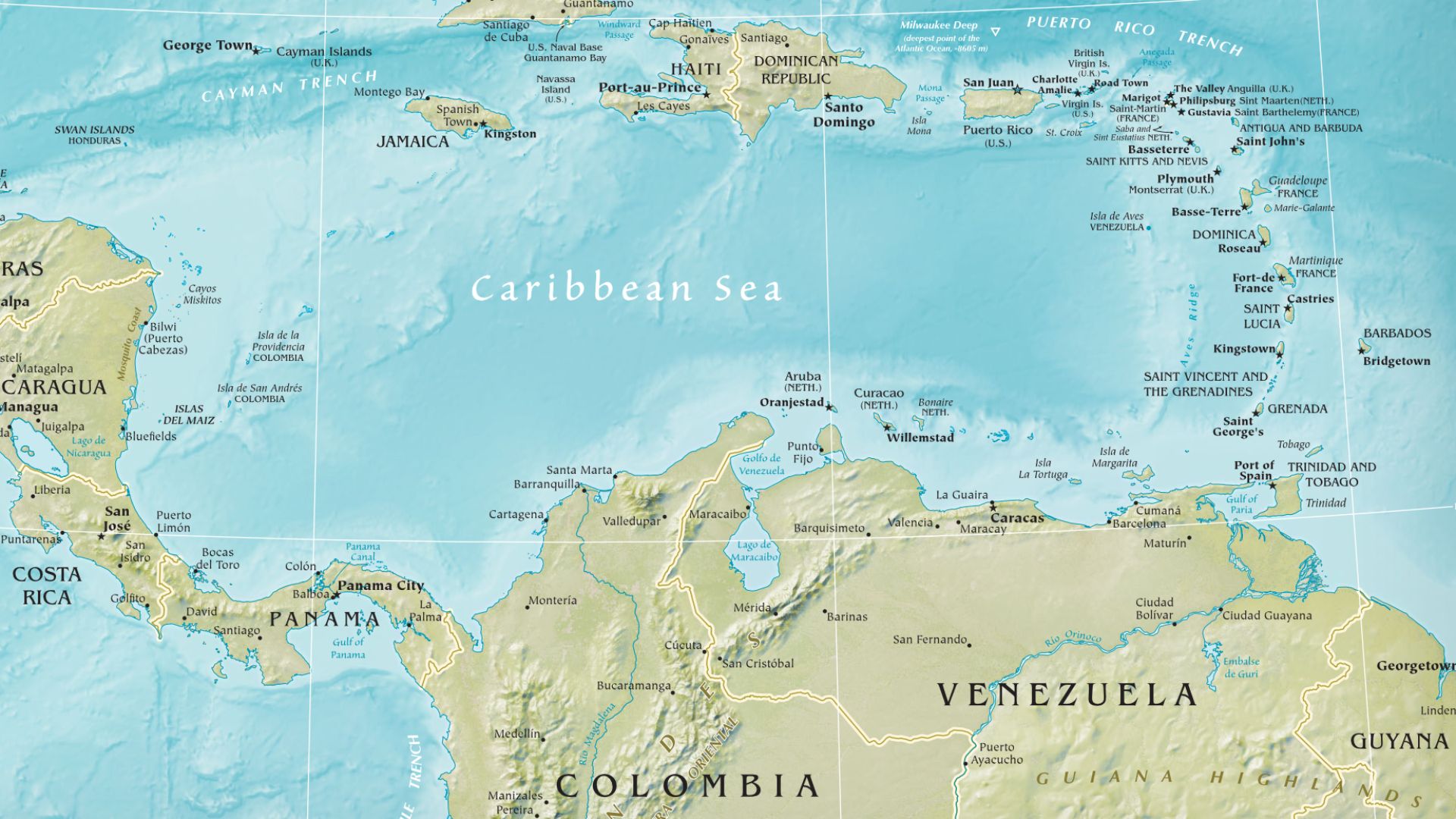
In 1708, the San José encountered British warships near Cartagena, off the coast of present-day Colombia. The battle ended catastrophically when the galleon sank, reportedly after an explosion during the fighting. Hundreds of people went down with the ship, turning what is often framed as a treasure story into a human tragedy first.
The Cargo Was Almost Too Valuable To Believe
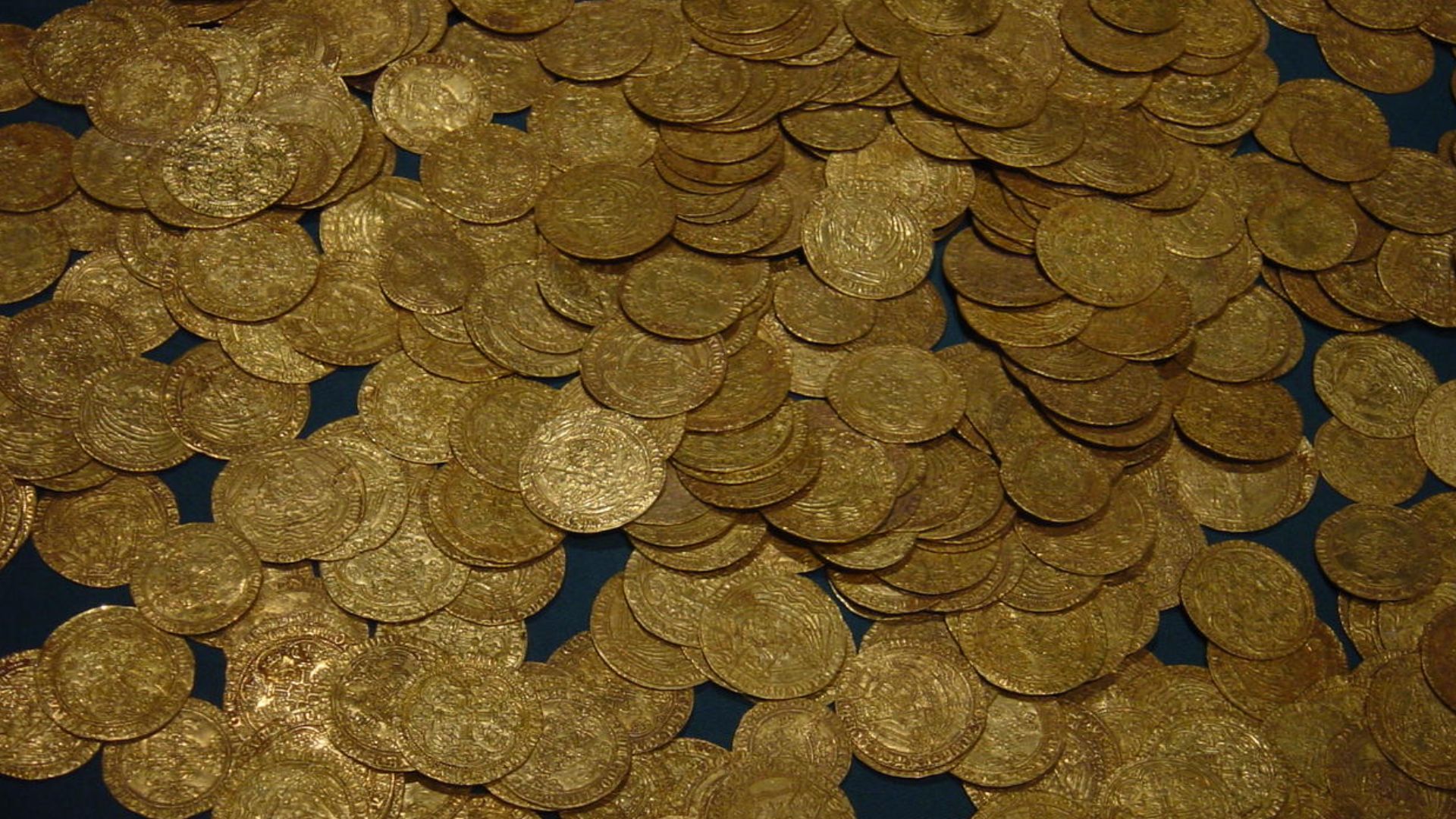
The ship is widely believed to have carried gold, silver, emeralds, and other valuables gathered through Spain’s colonial empire. Modern estimates often place the cargo’s value around $17 billion. That staggering number is one reason the San José earned its dramatic nickname: the "Holy Grail of Shipwrecks".
 Saperaud~commonswiki, Wikimedia Commons
The Wreck Vanished For Centuries
After the San José sank, its exact resting place became an enticing mystery. Stories of the lost galleon circulated for generations, but the Caribbean did not easily give up its secrets. The ship lay hundreds of meters underwater, far beyond the reach of ordinary salvage efforts and hidden beneath the weight of history, politics, and deep-sea conditions.
 Central Intelligence Agency (CIA), Wikimedia Commons
Colombia Announced The Discovery In 2015
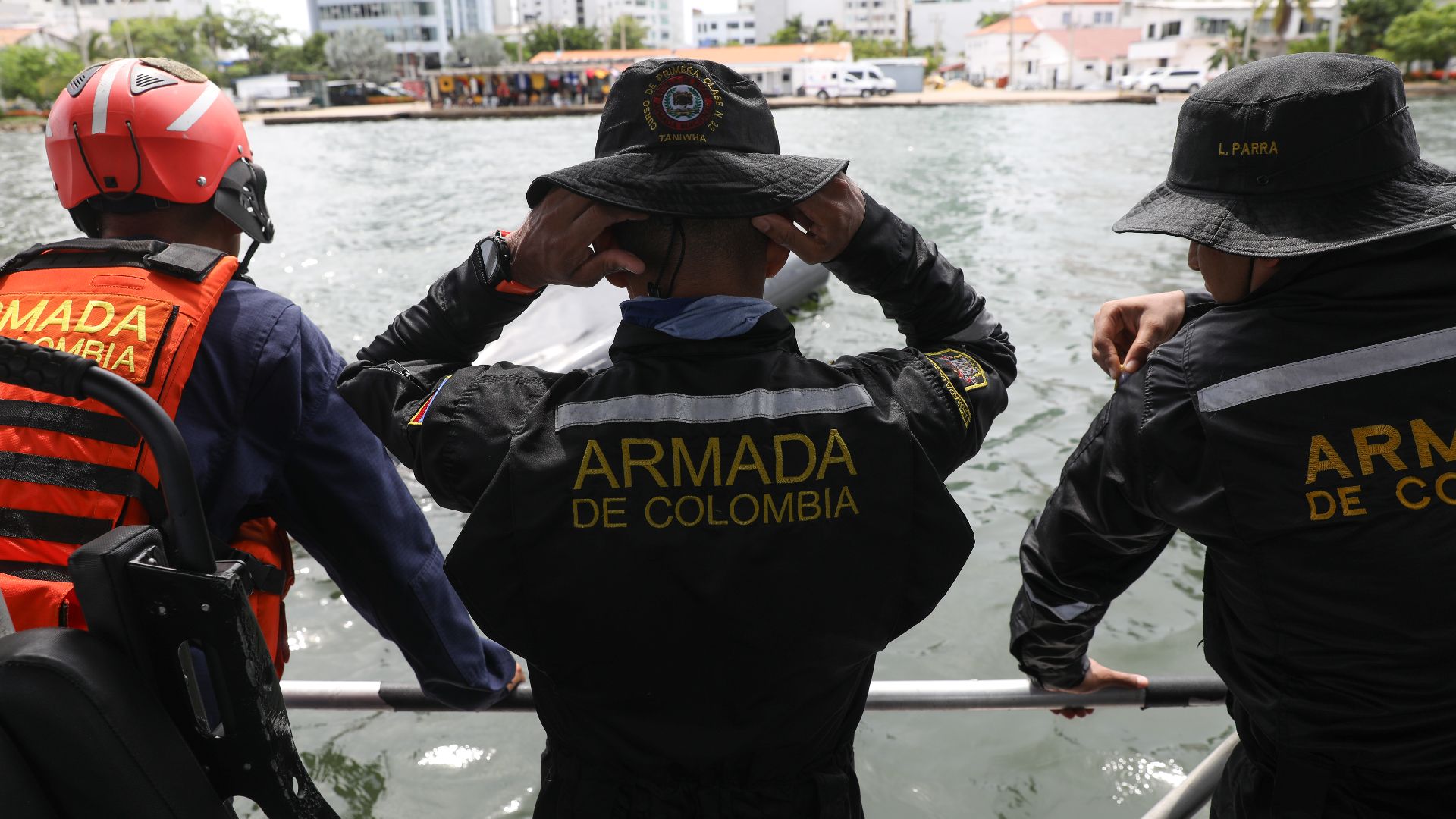
Colombia announced in 2015 that it had found the San José after a search involving advanced underwater technology. The wreck lies roughly 600 meters, or nearly 2,000 feet, below the surface. Its location has been kept secret, partly to protect the site from looters and unauthorized treasure hunters.
 U.S. Navy photo by Petty Officer 2nd Class Adriones Johnson, Wikimedia Commons
Underwater Robots Helped Identify The Ship
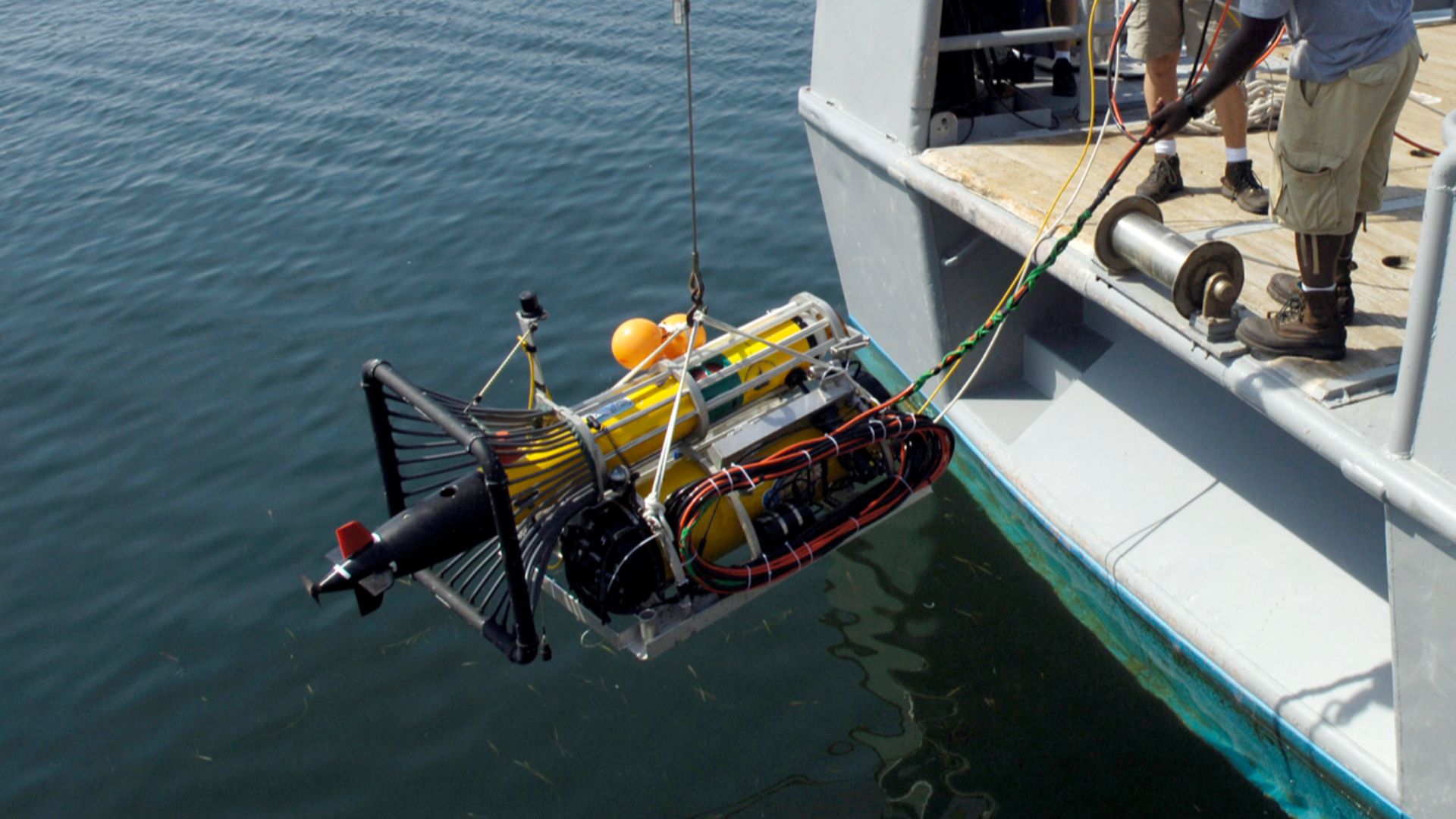
Researchers used remotely operated and autonomous underwater vehicles to examine the wreck. Images of cannons, ceramics, coins, and other material helped specialists connect the site to the San José. The depth makes human diving unrealistic, so robots have become essential tools for documenting the wreck without disturbing it too quickly.
 John Williams, Wikimedia Commons
The Cannons Offered A Crucial Clue
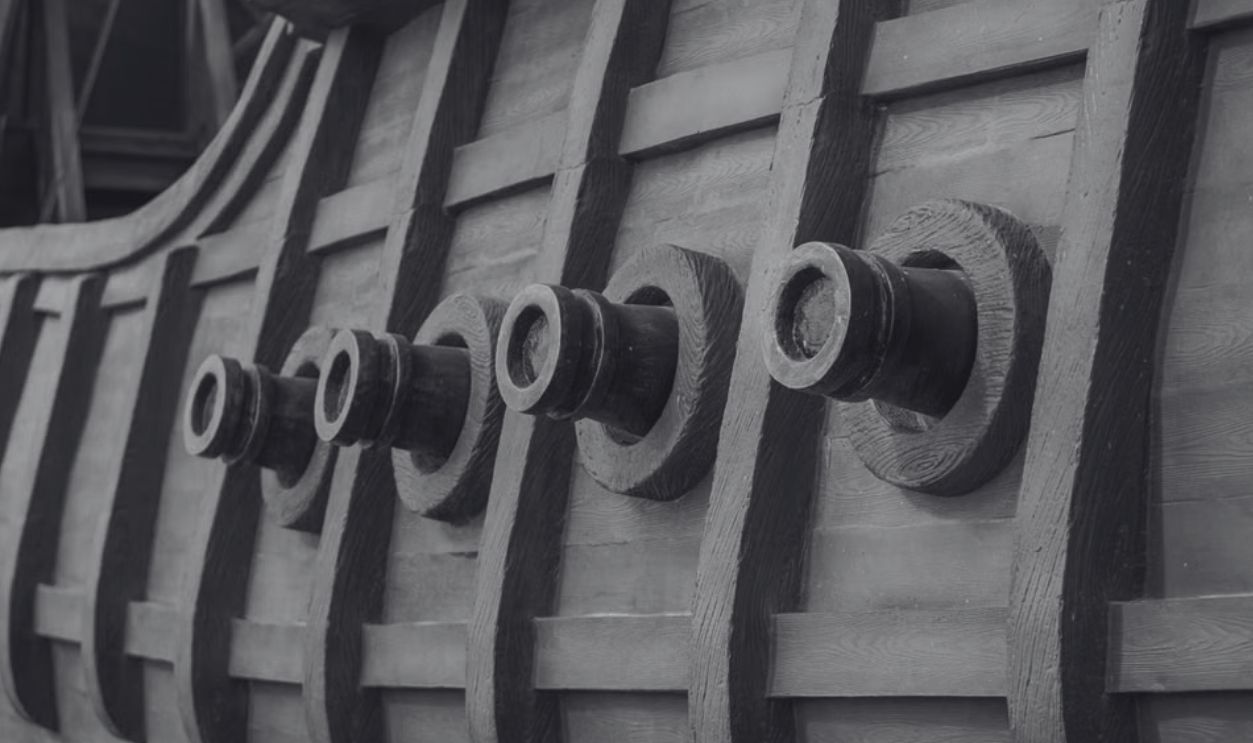
Among the most important identifying details were the ship’s cannons. Reports have noted that images of bronze guns helped researchers link the wreck to the San José. In underwater archaeology, one distinctive object can become a key piece of evidence, especially when a wreck is too deep and fragile for traditional excavation.
The Coins Added More Evidence
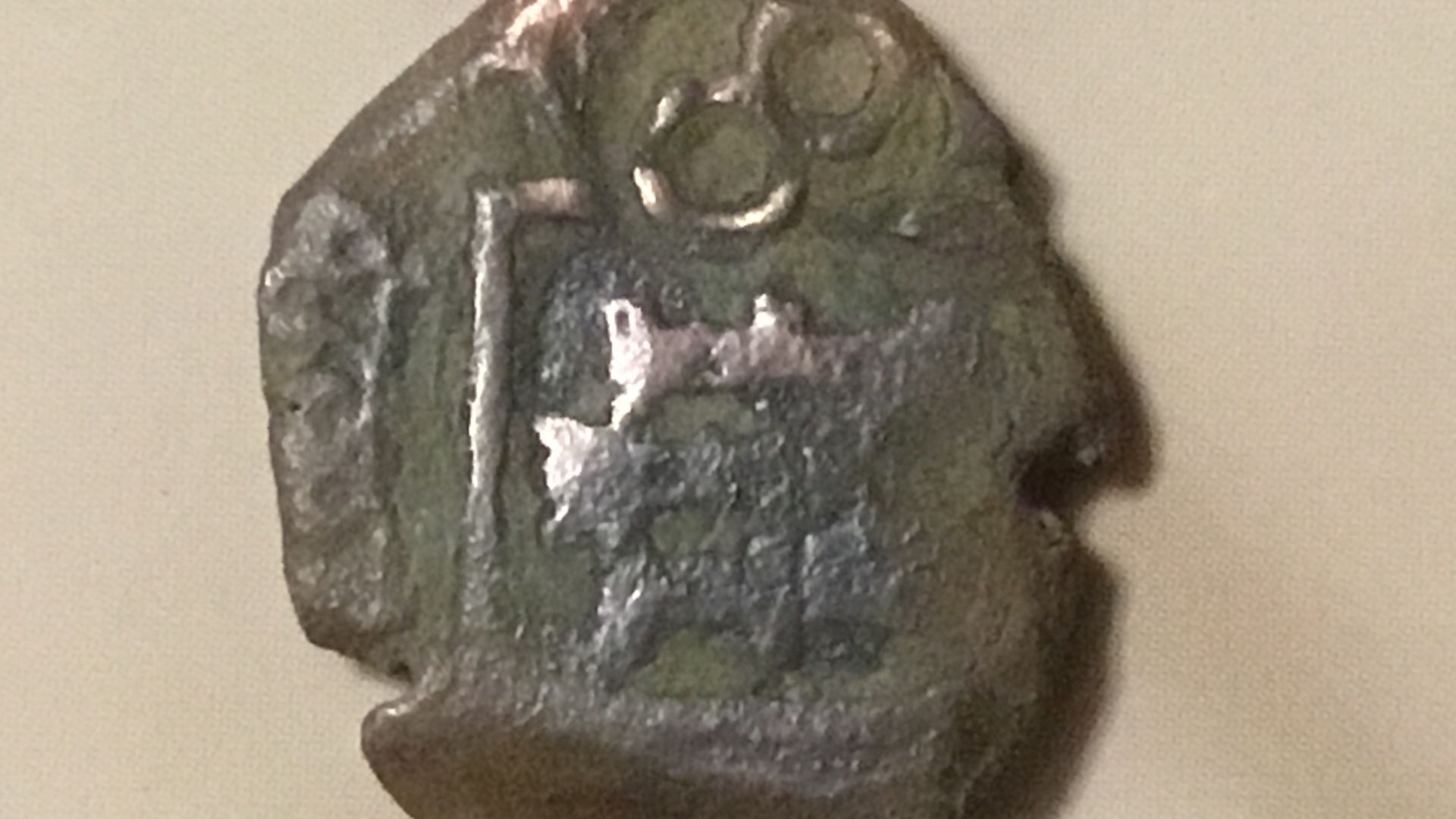
In 2025, researchers highlighted the importance of coin evidence from the wreck site. Images and analysis of irregular Spanish colonial “cob” coins helped support the identification because the markings and minting details matched the ship’s historical timeline. Coins may be small, but in this case, they helped anchor a huge mystery.
The Treasure Is Not The Only Secret
It is easy to focus on the gold, but archaeologists are just as interested in everyday objects. Porcelain, weapons, tools, cargo fragments, and ship structure can reveal how people lived, traded, fought, and traveled in the early 1700s. The wreck is not merely a vault. It is a preserved moment from a brutal imperial world.
Colombia Wants To Treat It As Heritage
Colombian officials have repeatedly framed the San José as cultural heritage rather than just a treasure chest. In 2024, Colombia designated the wreck area as a protected archaeological zone, giving the site special status for research and preservation. The government clearly wanted scientific control over the story.
The First Recovery Phase Was Cautious
Rather than immediately raising large parts of the wreck, Colombian researchers began with careful documentation. The initial work focused on mapping, photographing, and understanding the site. That caution matters because objects that survive underwater for centuries can deteriorate quickly once exposed to oxygen, light, and handling.
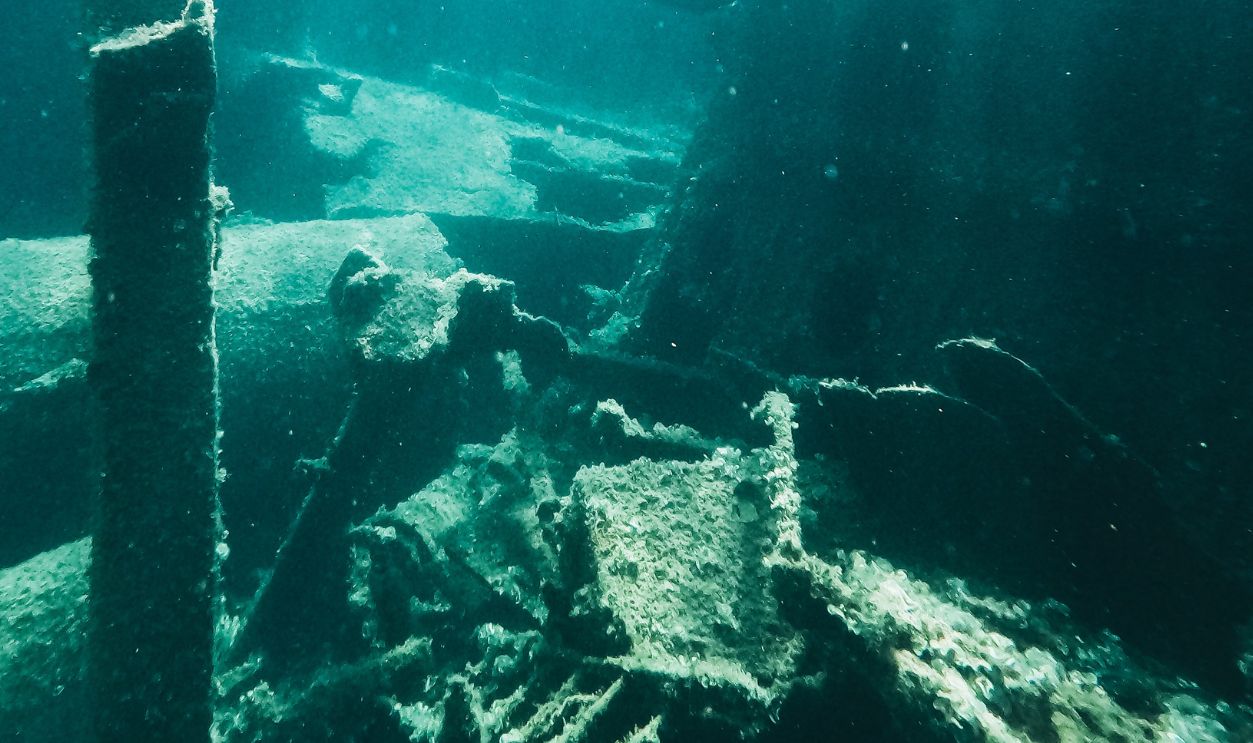
Scientists Later Recovered The First Artifacts
Colombian scientists eventually recovered the first physical artifacts from the wreck, including a cannon, coins, and a porcelain cup. The objects were brought up for archaeological analysis and conservation, not simply for display or sale. Each item offers clues about the ship’s infamous story.
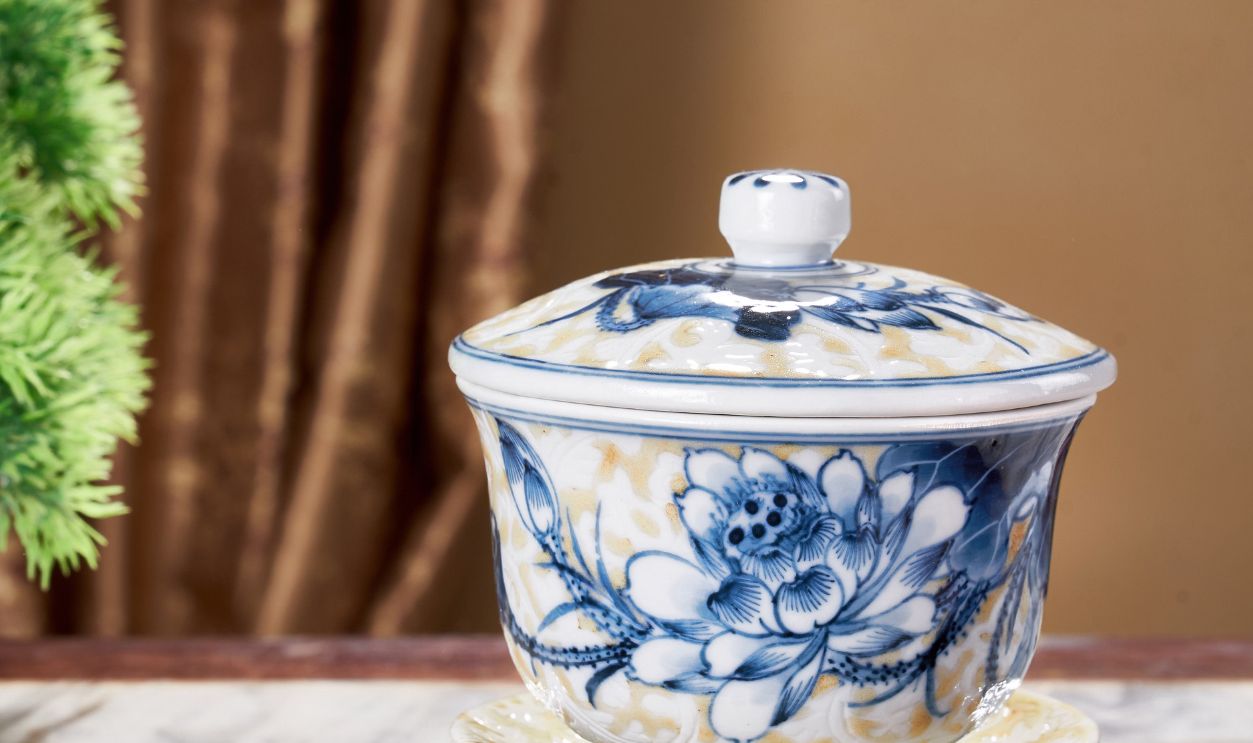
Preservation Is A Race Against Time
Recovering objects from a deep-sea wreck is only the beginning. Once artifacts leave the stable underwater environment, they must be treated carefully to prevent damage. Metal, ceramics, wood, and sediment all require different conservation methods, and a single mistake can destroy evidence that survived for more than three centuries.
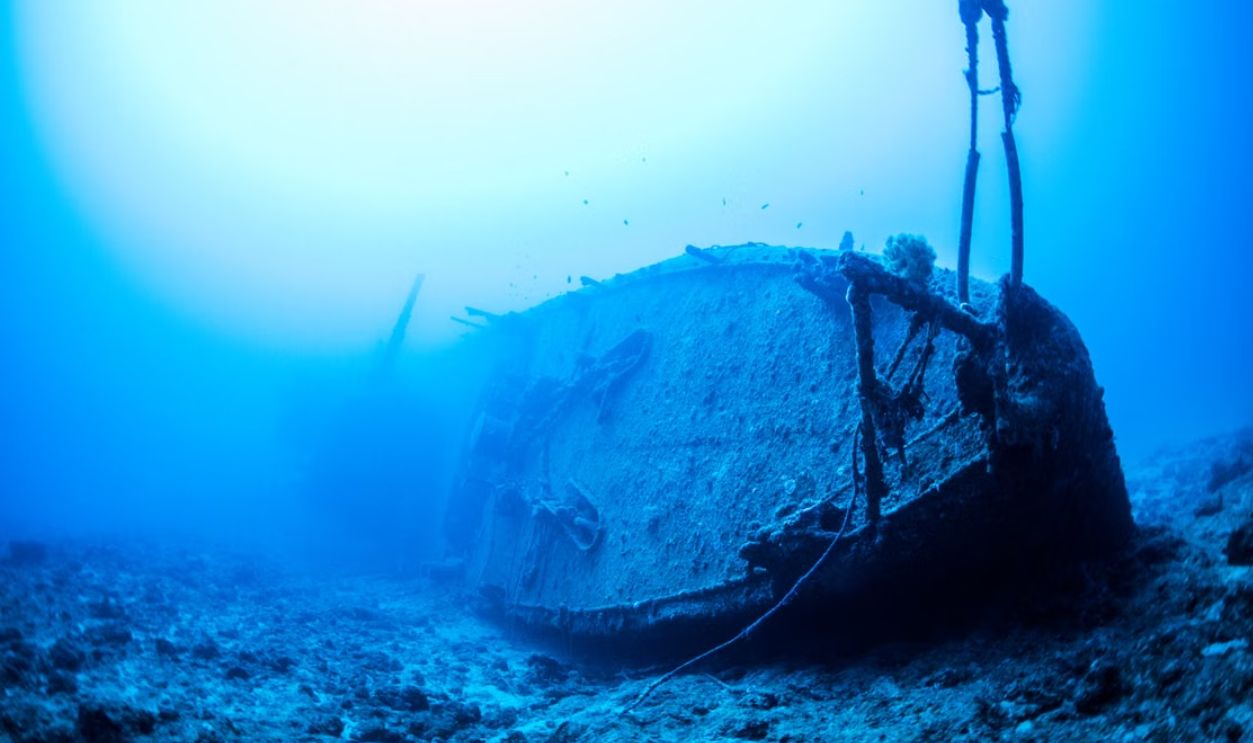 Okinawa Diving School World Diving, Pexels
The Shipwreck Has Sparked Legal Battles
The San José has become the center of complex ownership disputes. Colombia claims the wreck as part of its underwater cultural heritage. Spain has argued that the vessel was a Spanish state ship, while a US-based salvage company has pursued claims connected to earlier search efforts. Indigenous groups have also raised moral claims tied to the colonial origins of the treasure.
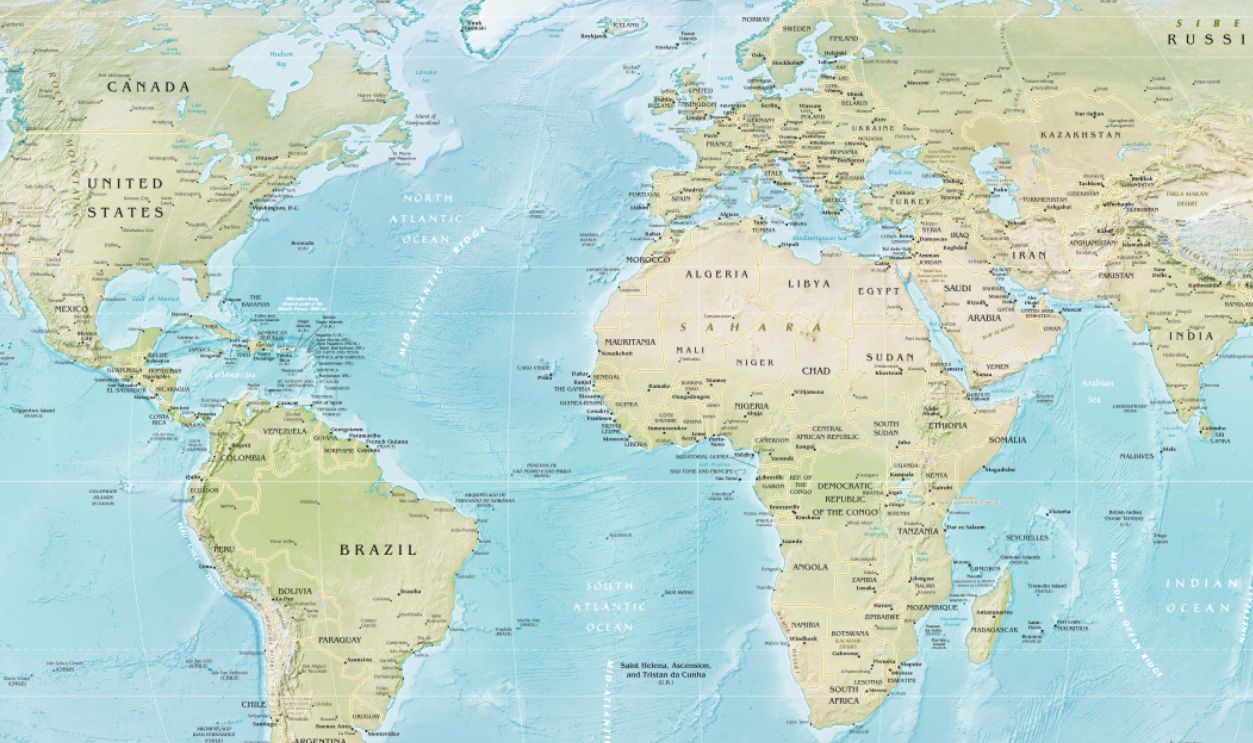 US Government (Central Intelligence Agency), Wikimedia Commons
Sea Search Armada Claims It Found The Wreck First
One of the longest-running disputes involves Sea Search Armada, connected to earlier claims that the wreck was located in the 1980s. Colombia has rejected that position and argues that the 2015 discovery occurred at a different site.
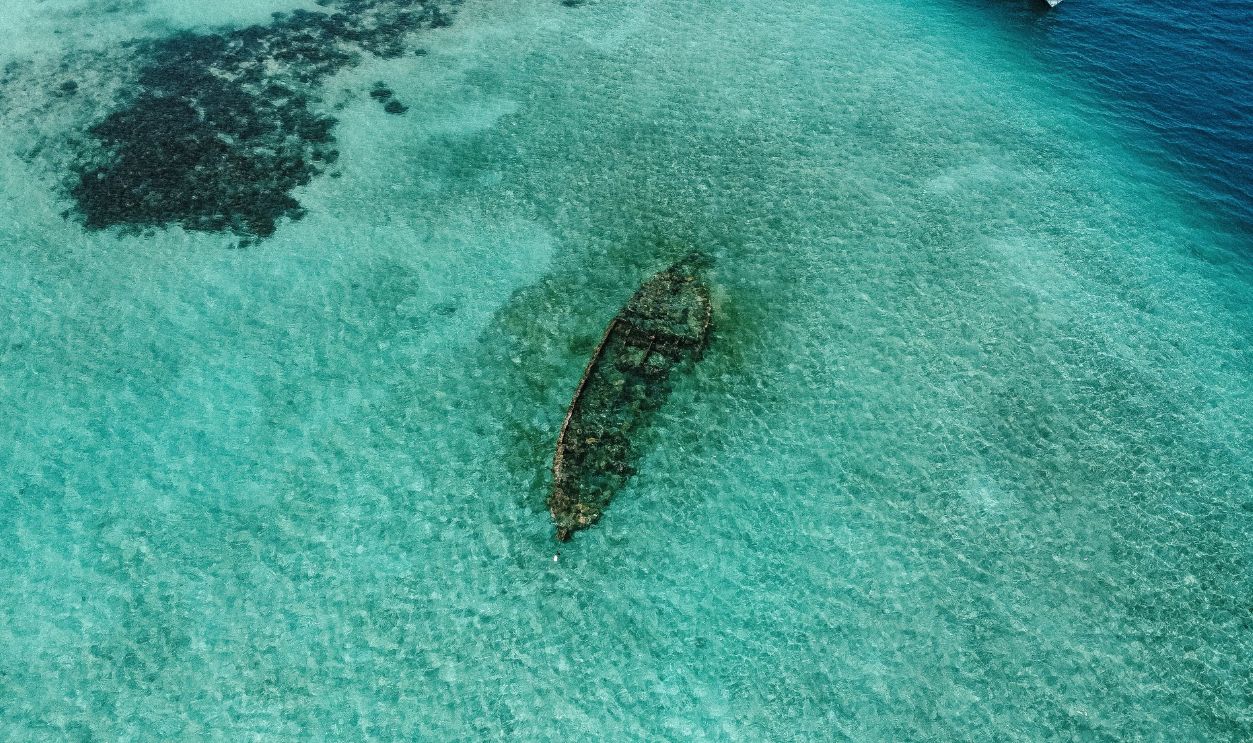
Where ships used to battle on the open water, the wrecks themselves have now become modern legal battlegrounds.
Spain Sees The Galleon As More Than Cargo
Spain’s interest is not only about gold. State vessels can carry special legal and historical status, especially when they sank during military service. For Spain, the San José is tied to naval history and the sailors who perished aboard it. That makes the wreck part of a broader debate about sovereignty, memory, and maritime law.
Indigenous Claims Complicate The Story
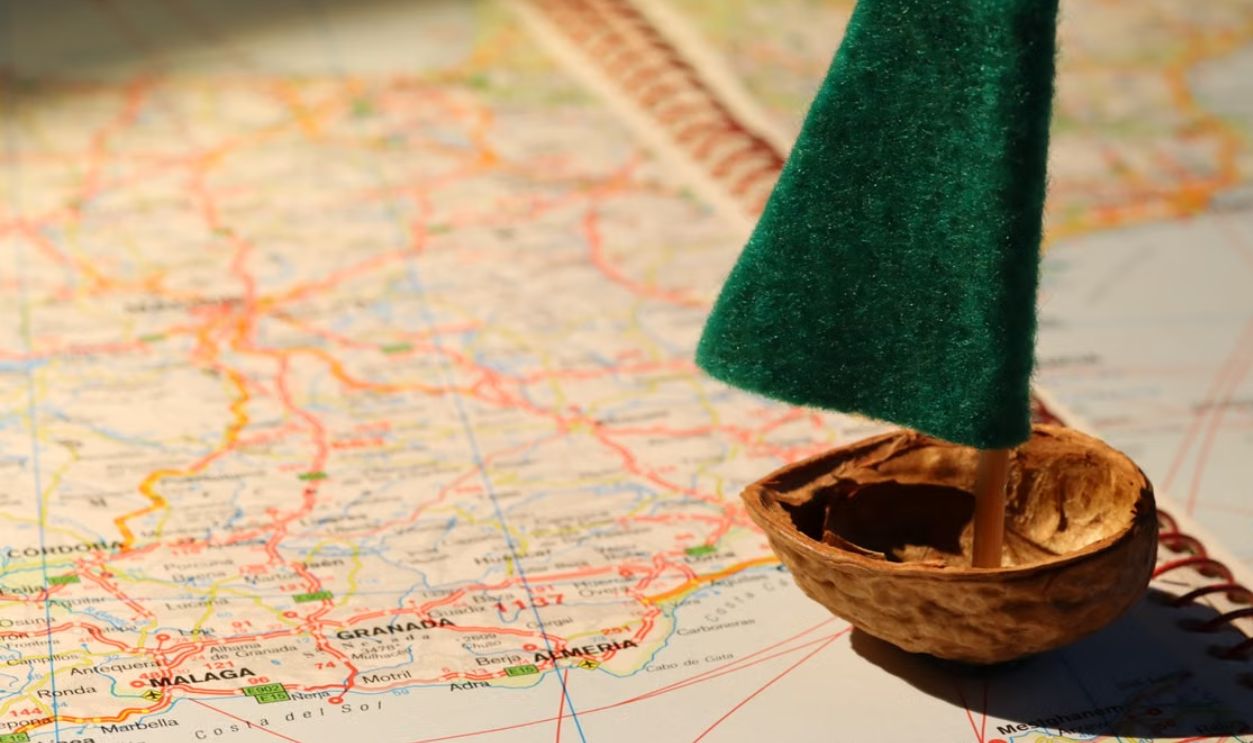
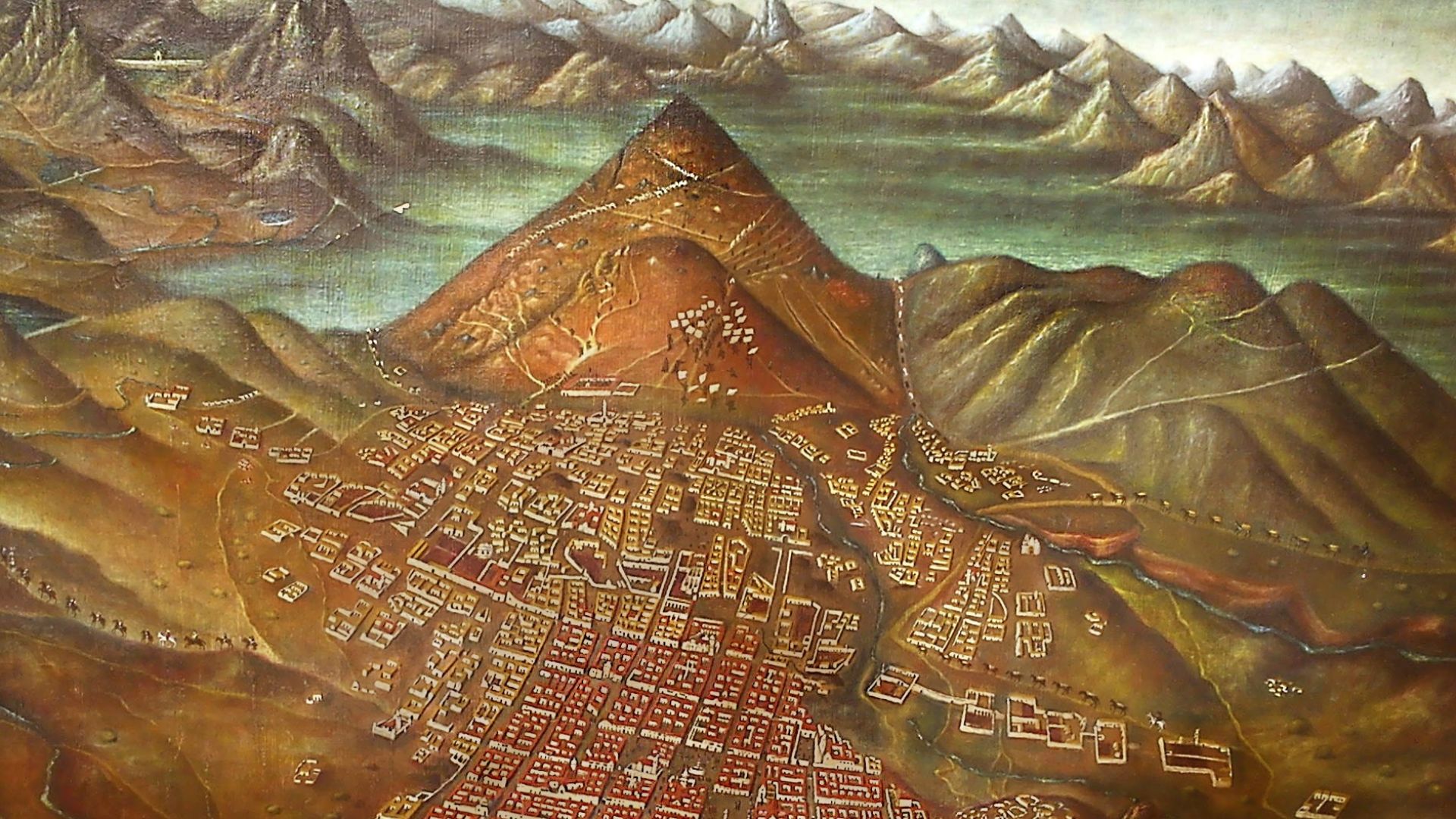
Some Indigenous groups have argued that the treasure’s origins matter because silver and gold came from colonial extraction in the Americas. The treasure did not simply appear on a Spanish ship. It was connected to forced labor, empire, and the violent economics of colonial mining.
The Wreck Could Rewrite Trade History
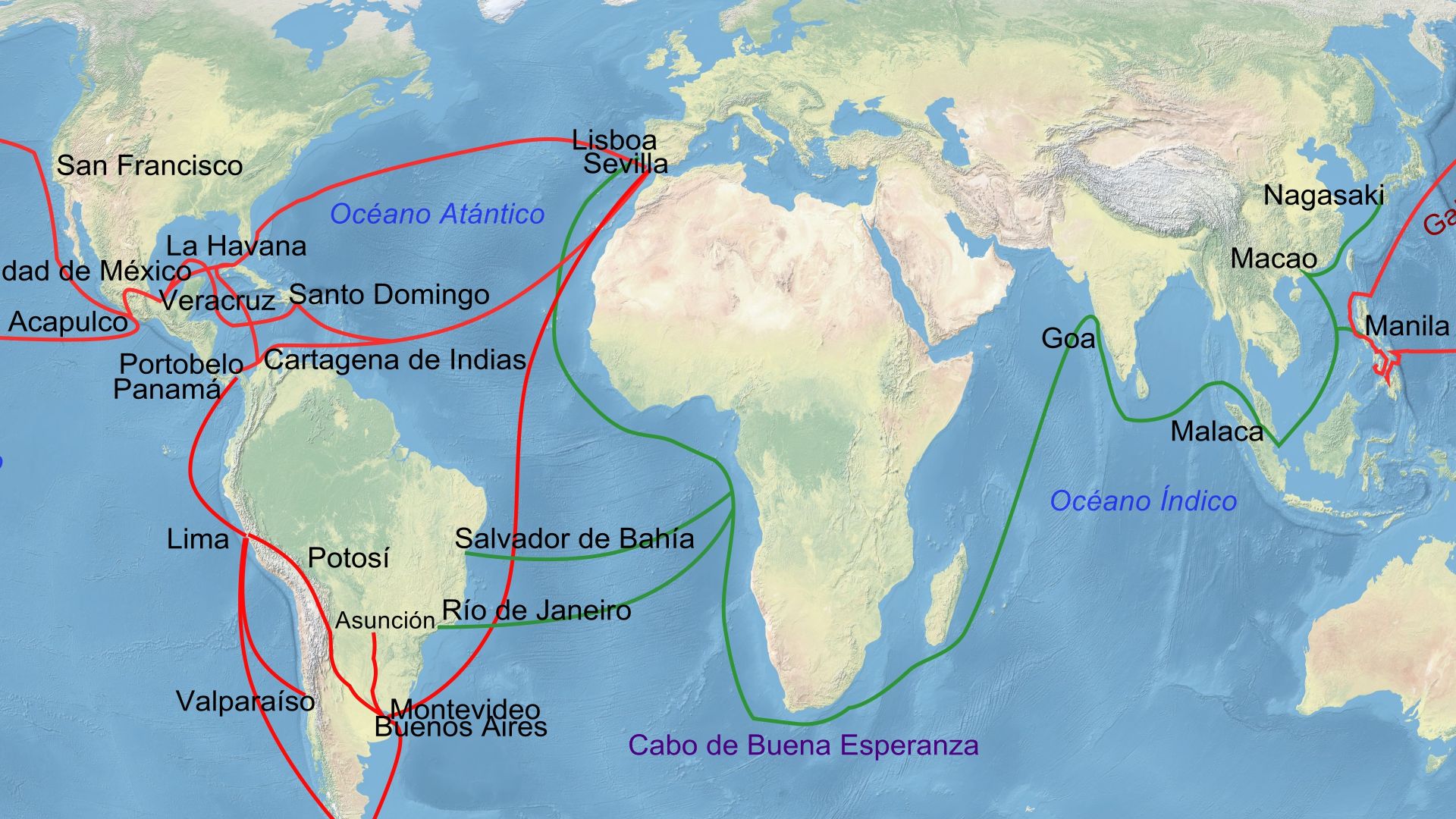
The San José can help researchers understand how goods moved across the Spanish empire. Coins, ceramics, weapons, and cargo containers can reveal trade routes, manufacturing networks, and consumer habits. A shipwreck is a time capsule because it preserves objects together exactly as they were when disaster struck.
 CarlosVdeHabsburgo, Wikimedia Commons
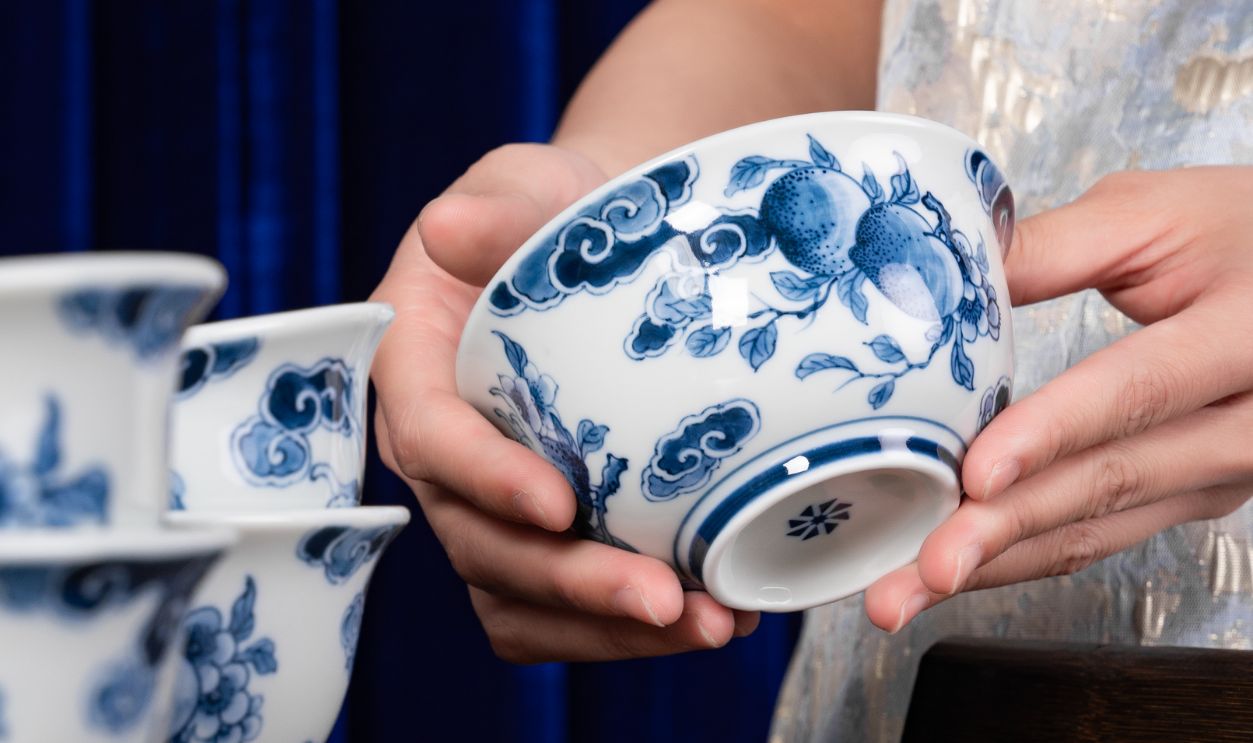
The Porcelain Cup Matters More Than It Sounds
A porcelain cup may not sound as exciting as gold coins, but it can tell archaeologists a great deal. Porcelain can reveal trade connections, elite consumption, and global exchange. Objects like cups, plates, and jars show that the San José was part of a world where Asia, Europe, Africa, and the Americas were economically connected.
The Human Story Is Often Forgotten
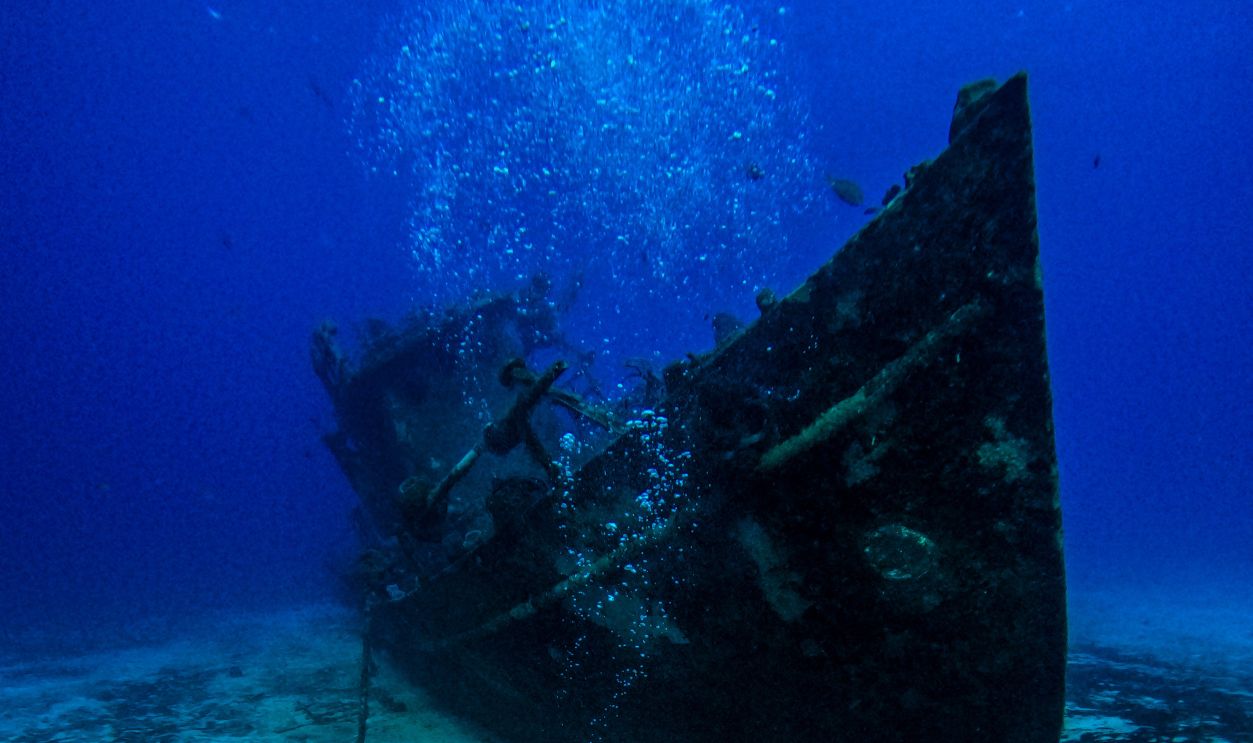
The treasure estimates can overshadow the people who tragically lost their lives when the San José sank. Hundreds of sailors, soldiers, passengers, and workers were reportedly aboard. For archaeologists, the wreck is not just an economic prize. It is also a grave site and a reminder that imperial wealth often moved through dangerous seas at terrible human cost.
Technology Is Changing Underwater Archaeology
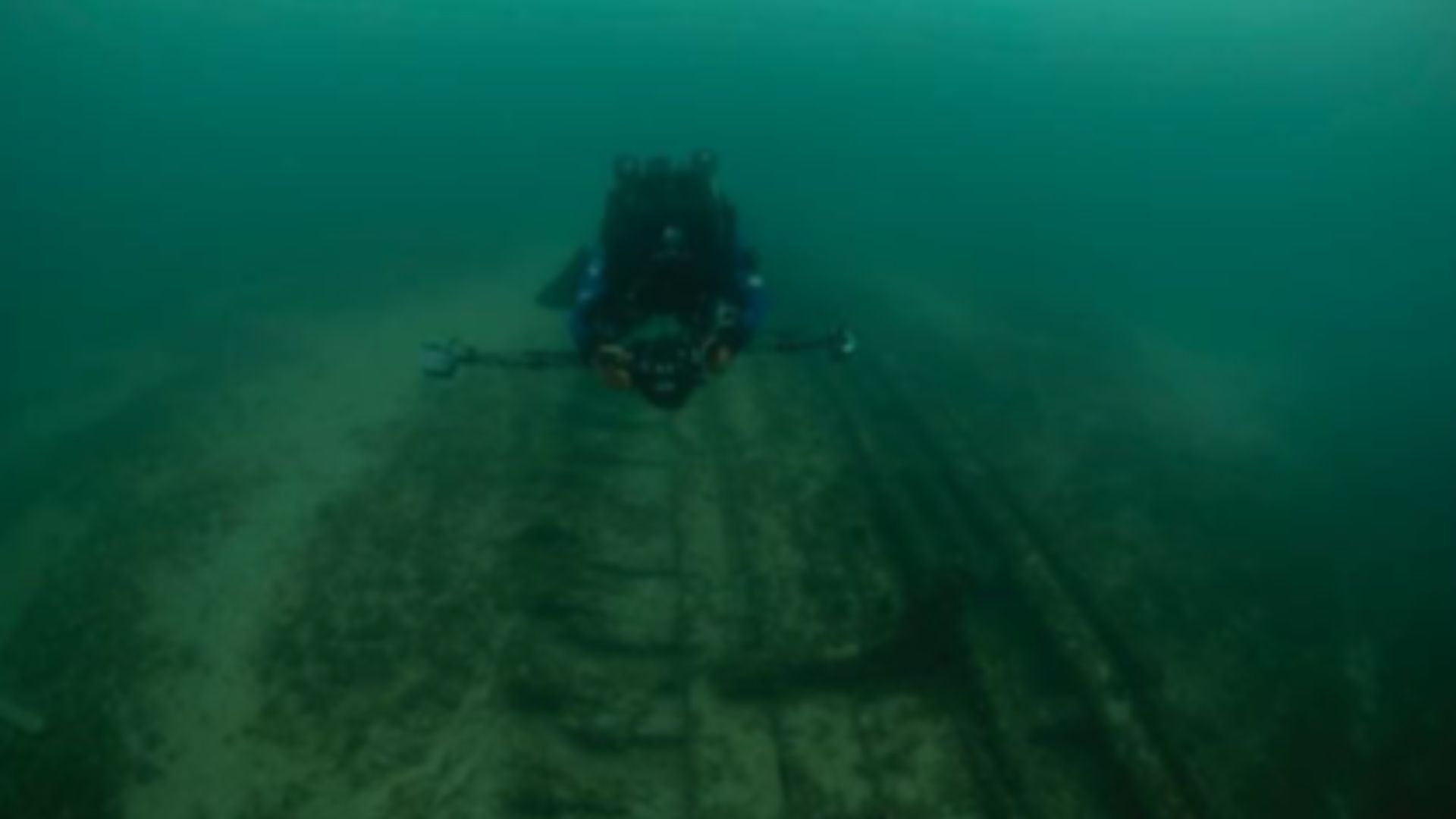
The San José investigation is just one example of how underwater archaeology has changed. Robots, high-resolution imaging, photogrammetry, and careful mapping allow researchers to study deep sites without immediately tearing them apart. That matters because the deeper and richer a wreck is, the more tempting it can be to rush recovery.
 National Oceanic and Atmospheric Administration photo, Wikimedia Commons
Treasure Hunters And Archaeologists See Different Things
To treasure hunters, the San José may look like a fortune waiting to be uncovered. To archaeologists, it is a fragile historical record. Once artifacts are removed without context, much of their meaning can be lost. The debate over the wreck is really a debate over whether the past should be mined or studied.

Colombia Plans A Museum And Conservation Future
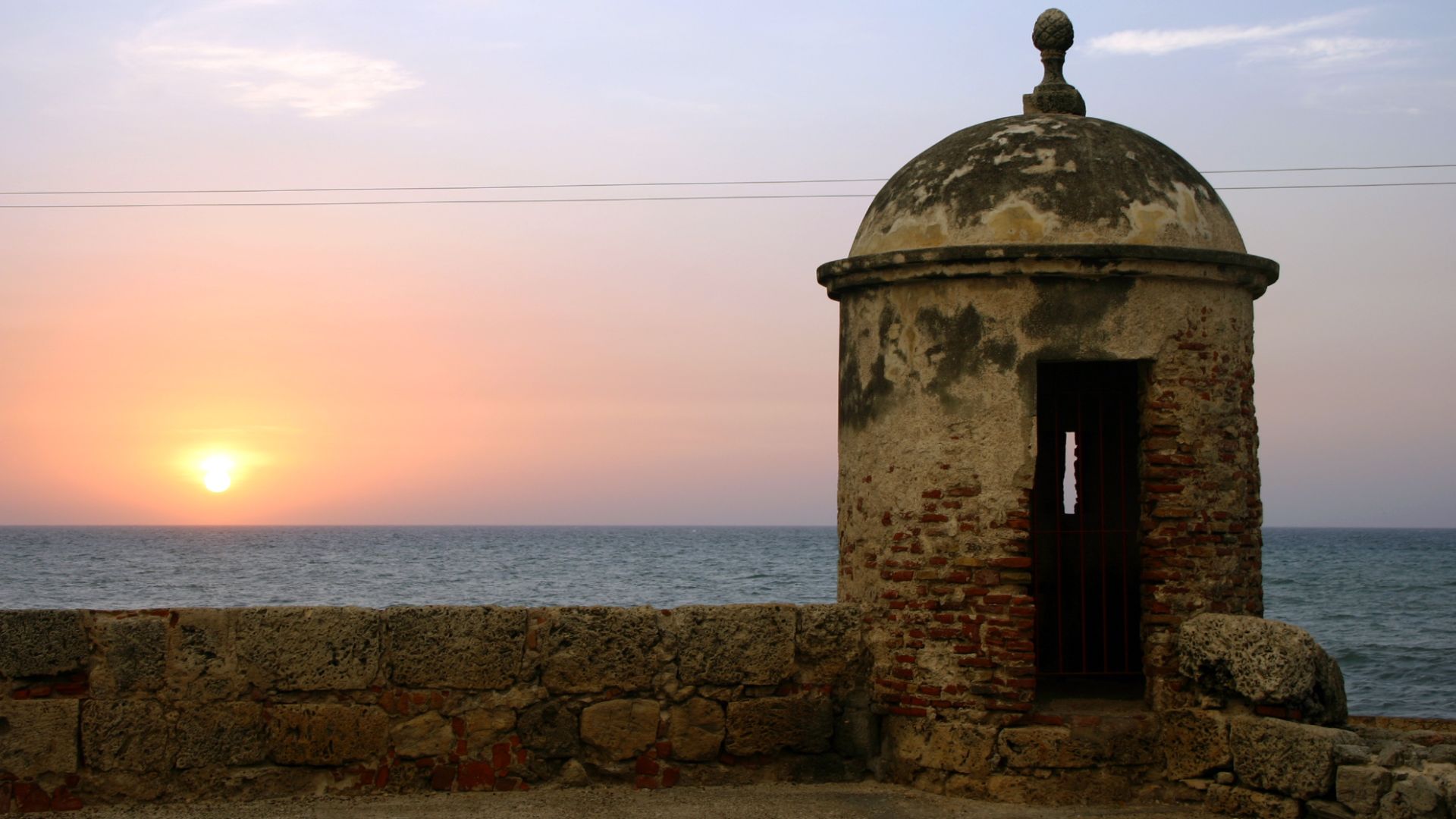
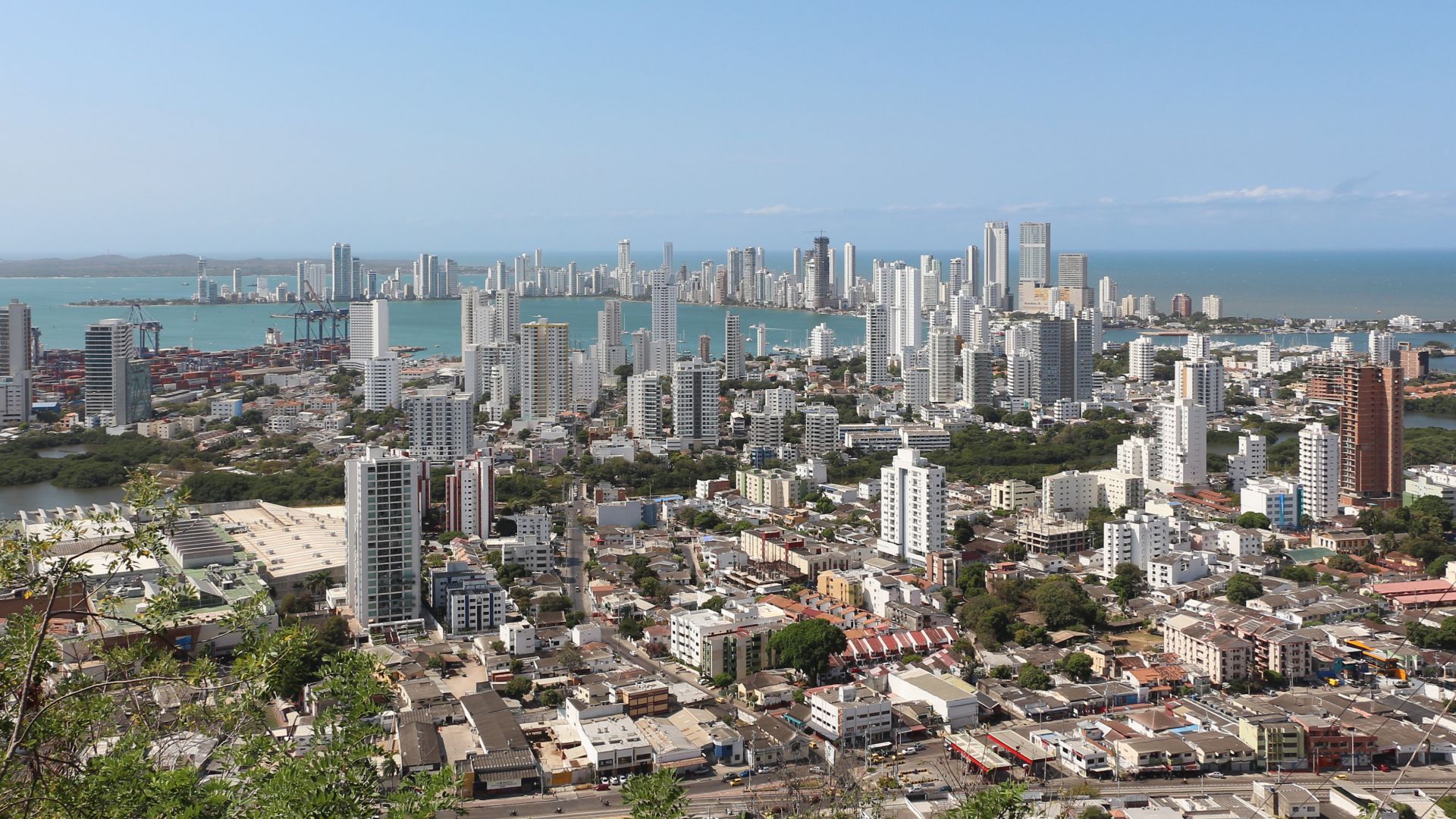
Colombia has discussed preserving and displaying material connected to the San José, with Cartagena often mentioned as a natural home for future exhibitions. A museum would allow the public to see the recovered artifacts while keeping the project grounded in conservation and research rather than private sale.
 Bernard Gagnon, Wikimedia Commons
The Ship Is Still Revealing Its Secrets
Even after the first recovered artifacts, the San José remains mostly underwater. Researchers still have to study the wreck’s layout, cargo distribution, structural remains, and surrounding debris field. Every new image or object could change what scholars believe about the ship’s final voyage and sad end.
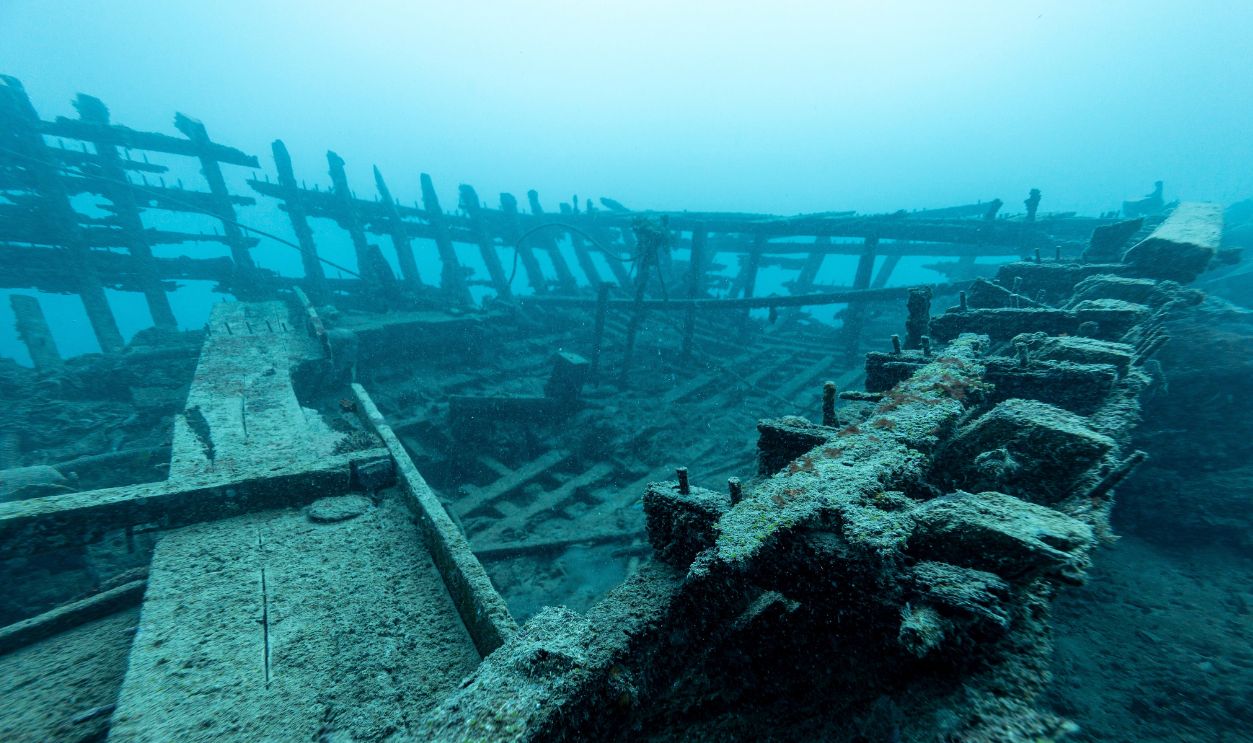
The “Holy Grail” Nickname Is Both Helpful And Misleading
Calling the San José the “Holy Grail of shipwrecks” captures public attention, but it also narrows the story to treasure. The real importance of the wreck is so much broader. The gold made it famous, but the history makes it priceless.
The San José Is Still A Story In Progress
More than three centuries after it sank, the San José is still harnessing public attention. Scientists are recovering artifacts, lawyers are arguing ownership, governments are asserting heritage claims, and historians are waiting for answers. The shipwreck may be famous for its treasure, but its deepest secrets are only beginning to surface.
You May Also Like:
Chilling Facts About The World's Most Mysterious Ancient Cities
Charles Nungesser And The First Ever Transatlantic Flight
The Valley of the Kings: The Mystery And Splendor Of Ancient Egypt


.svg)